Local pest control help is one call away.

Connecticut Pest Control, Local Providers, Proven Results

Lyme disease is named after Old Lyme, Connecticut, and the deer tick that carries it is still hitting hard from Litchfield County backyards to Fairfield County trails. Carpenter ants tunnel through damp sill plates in Hartford and New Haven colonials older than the country itself. German cockroaches spread through Bridgeport and Stamford apartments year-round. Your local provider already knows which problems matter most where you live.

Frank I. from Lyme, CT
Flora V. from Lyme, CT
Amrit W. from Stamford, CT
Tariq Q. from Hartford, CT

Trusted by homeowners across Connecticut

  • Matched with a provider who covers your county and pest issue
  • Upfront pricing, no hidden costs or surprise add-ons
  • Round-the-clock availability for emergencies
  • No commitments, get informed, then decide
Frank I. from Lyme, CT
Flora V. from Lyme, CT
Amrit W. from Stamford, CT
Tariq Q. from Hartford, CT

Trusted by homeowners across Connecticut

Tell us the pest, we'll find your provider. (888) 495-1510
8 Counties Covered
24/7 Availability
10K+ Homes Serviced

Pest Challenges Common in Connecticut Homes

Map of Connecticut showing pest control service areas

Connecticut packs serious pest pressure into a small state. Humid summers feed tick populations in the woods and stink bug clouds in the suburbs. Cold winters push mice and rats into basements through foundation cracks widened by freeze-thaw cycles. The state's huge stock of pre-1850 colonial housing gives carpenter ants plenty of damp wood to work with. Lone star ticks, once a southern species, are now expanding across southern Connecticut counties.

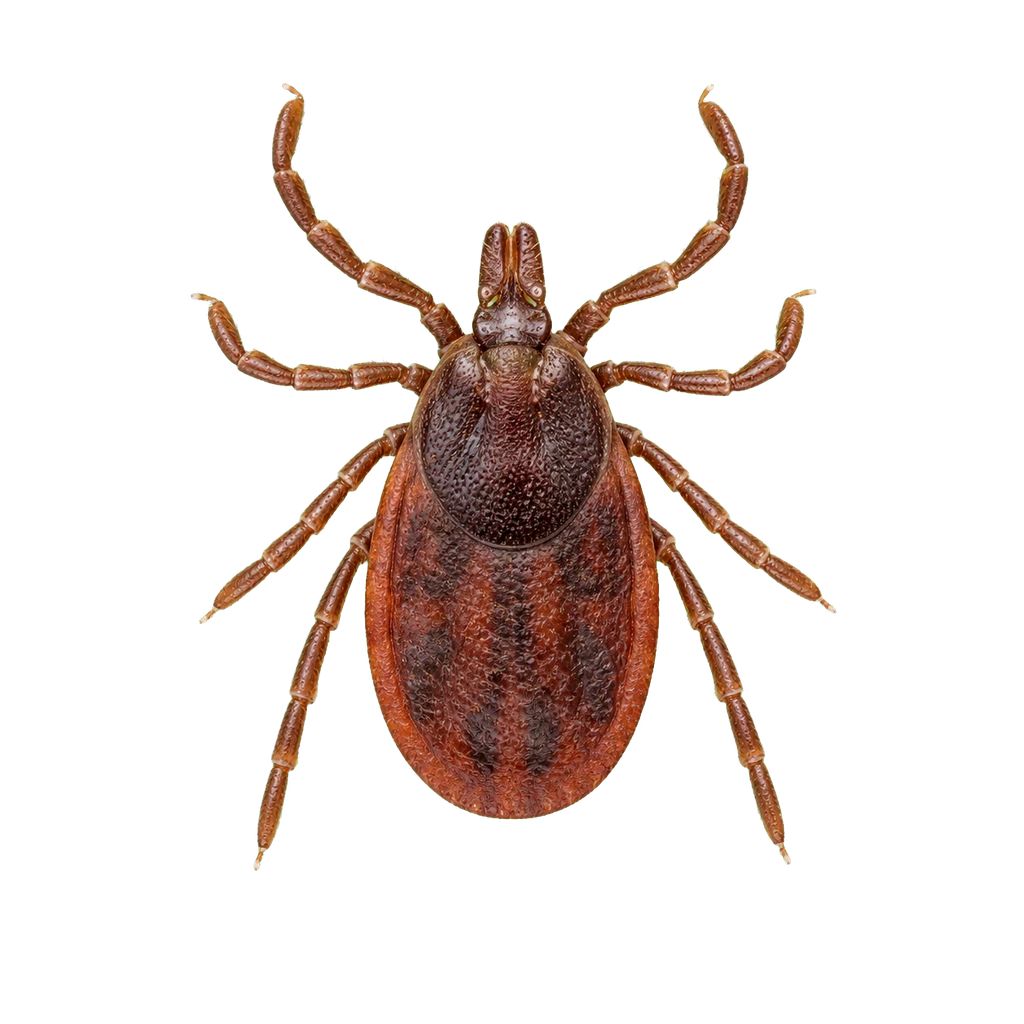
  • Deer ticks were first identified in Old Lyme, Connecticut, and they still drive some of the highest Lyme disease rates in the country across Litchfield, Windham, and New London counties.
  • Carpenter ants tunnel through damp sill plates and porch beams in Connecticut's many pre-1850 colonial homes, often surfacing in kitchens and bathrooms first.
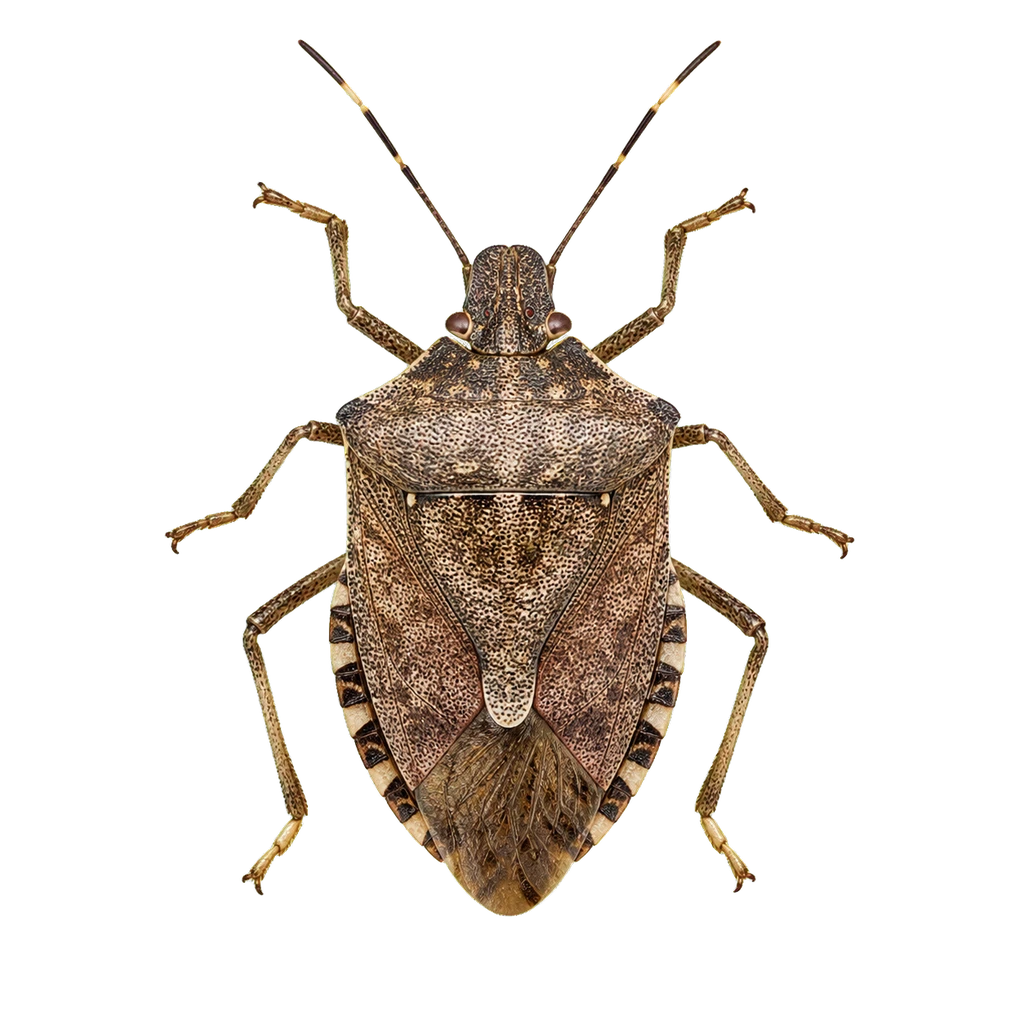
  • Brown marmorated stink bugs pile up on Connecticut siding every fall before squeezing inside through attic vents and window frames to overwinter.
  • German cockroaches spread fast in Hartford, Bridgeport, and New Haven apartments, and most populations are now resistant to over-the-counter sprays.
  • House mice push into basements and garages through foundation cracks widened by New England freeze-thaw cycles, and a single fall can mean dozens of mice in the walls.

Connecticut pest pressure shifts by season but never really stops. A provider who works your town already knows which species are active this month, and what's coming next.

Map of Connecticut showing pest control service areas

Common pests in Connecticut

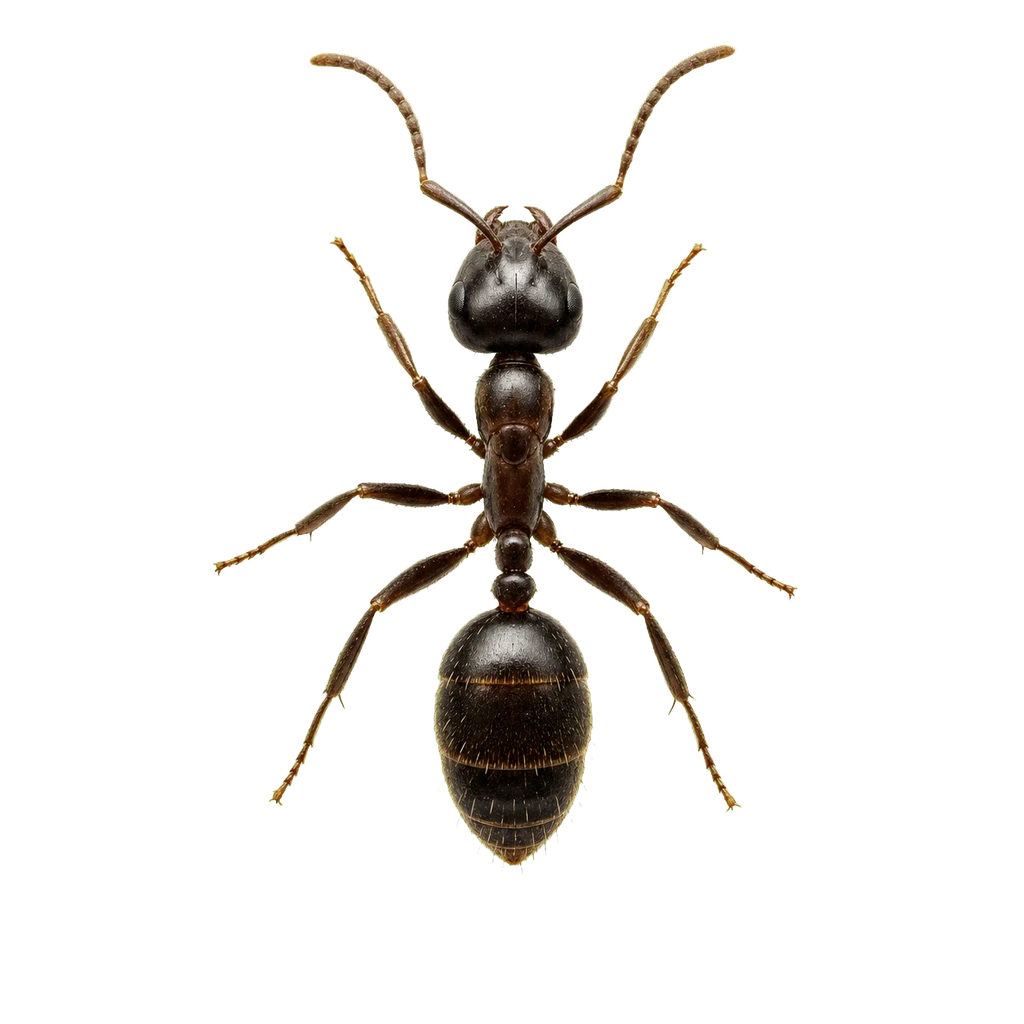
AntsAnts
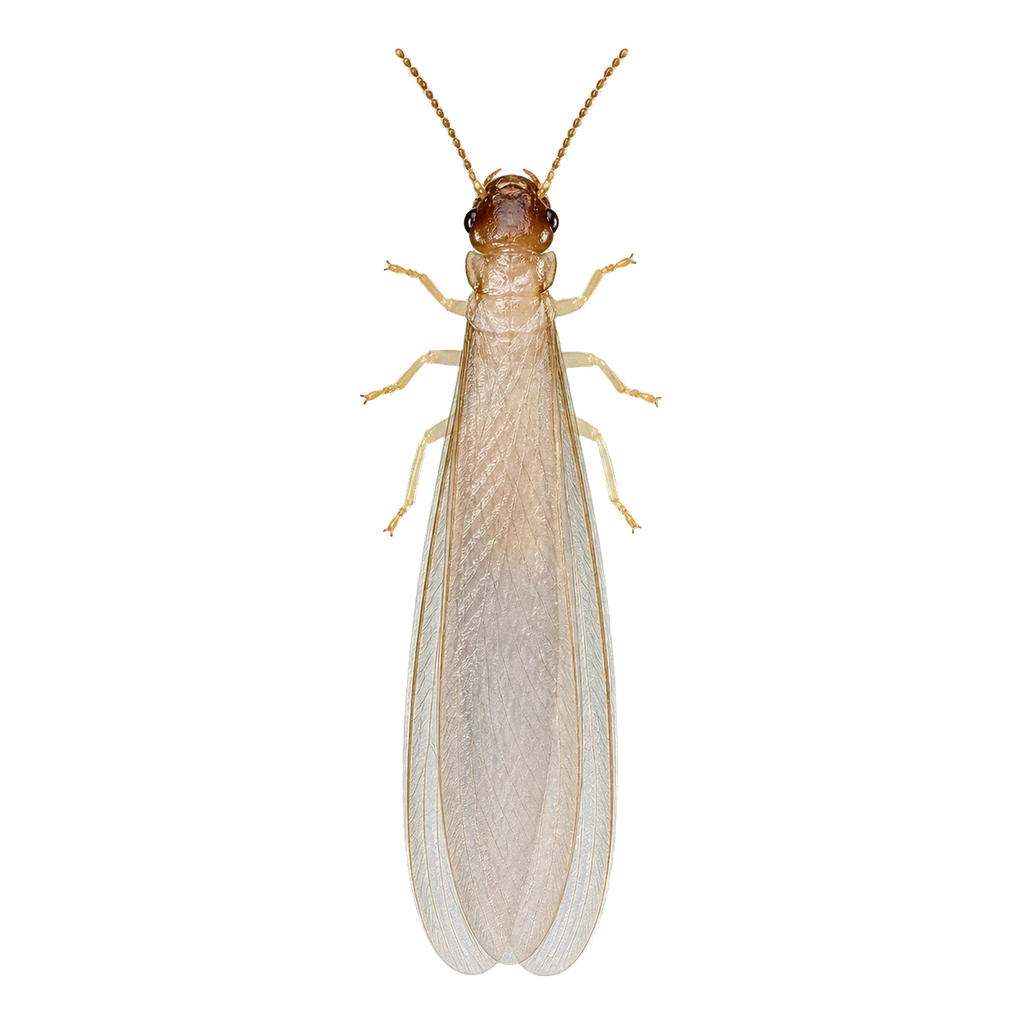
TermitesTermites
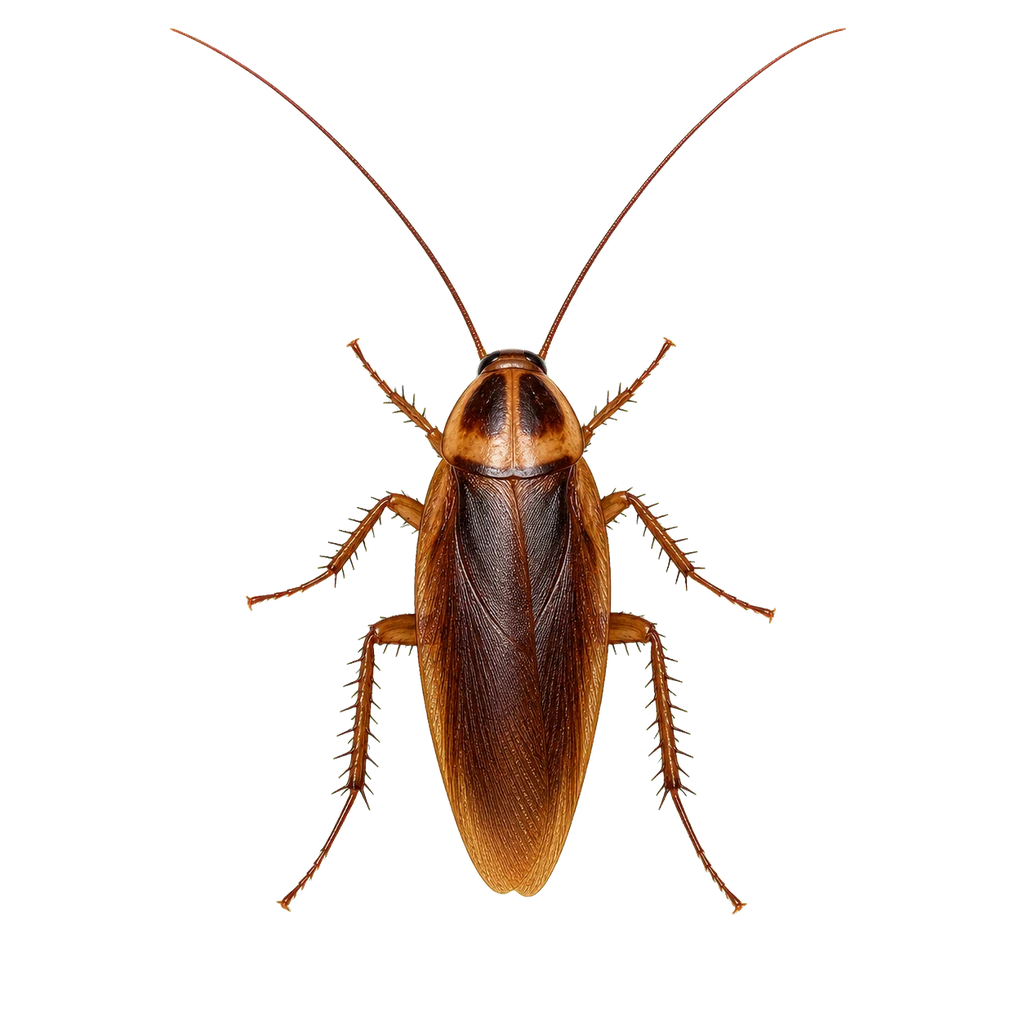
CockroachesCockroaches
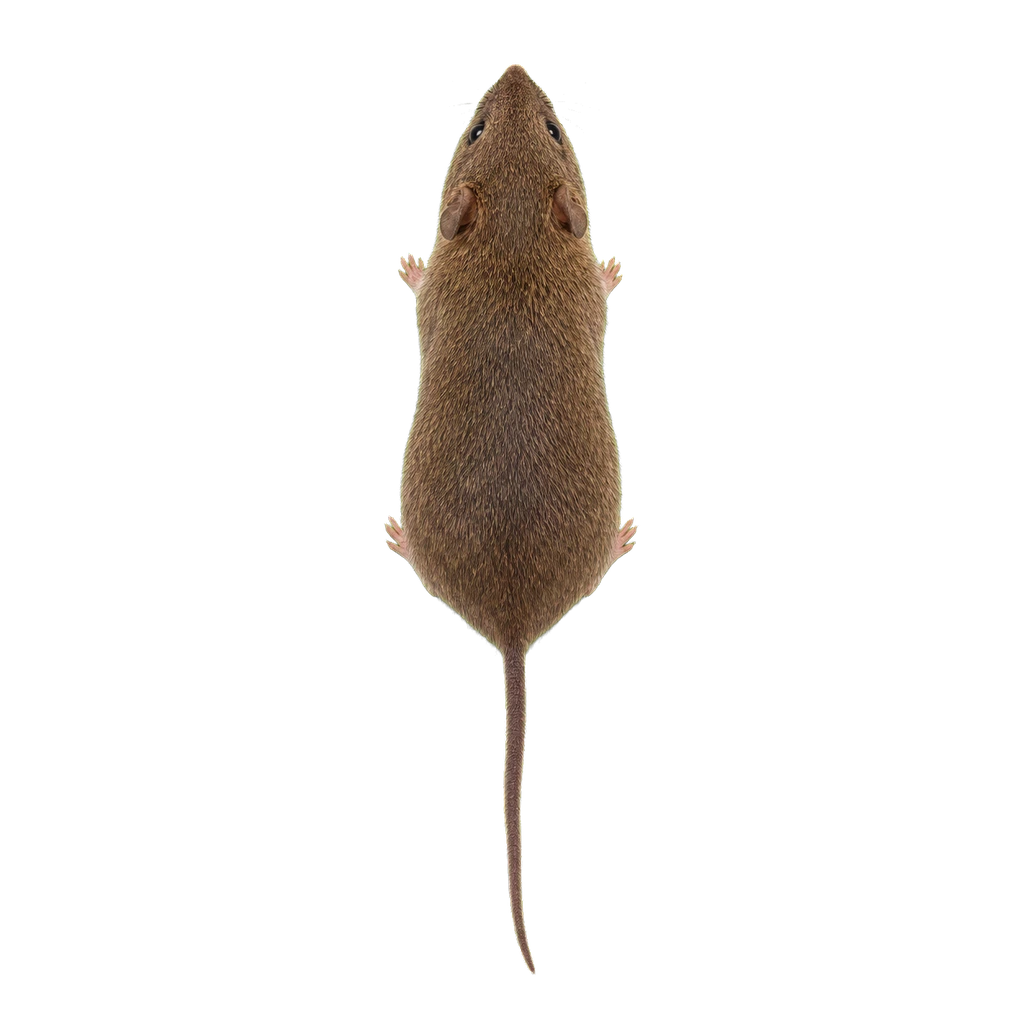
MiceMice
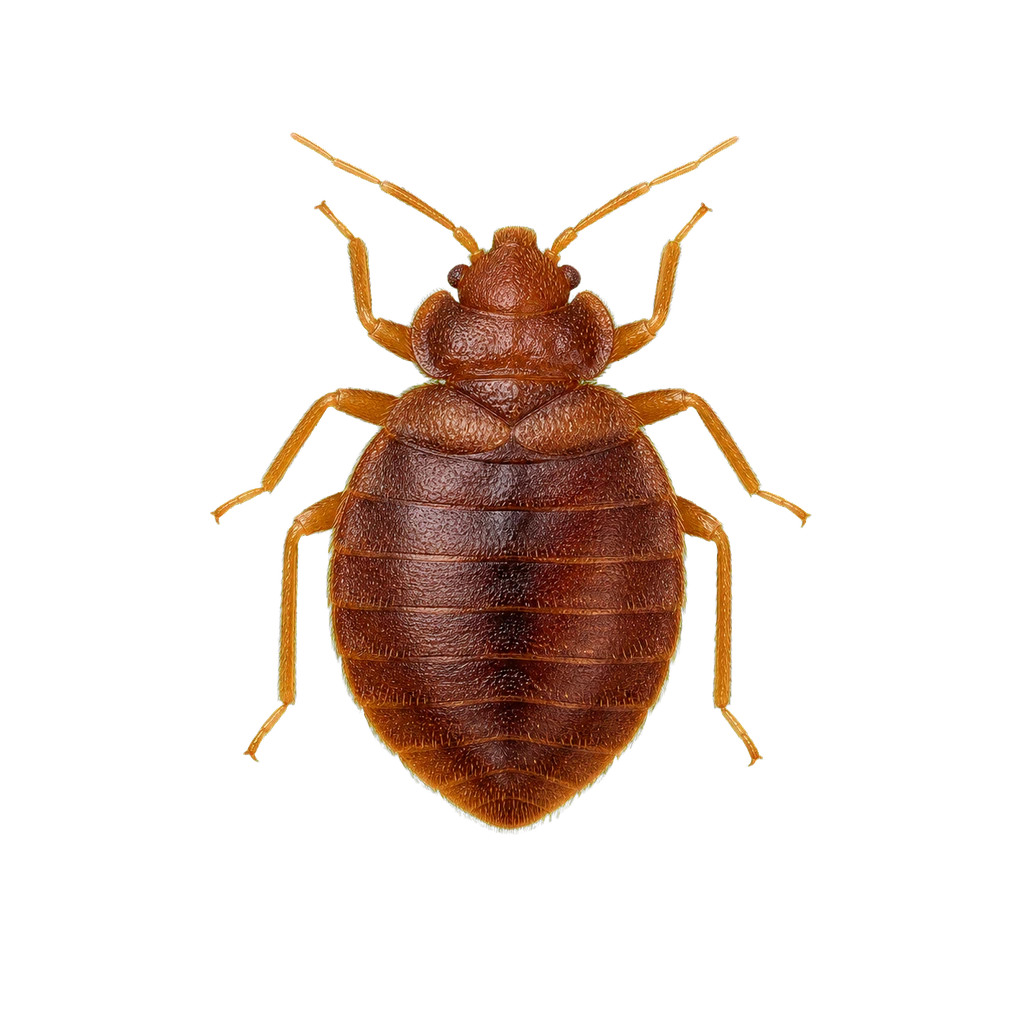
Bed BugsBed Bugs
RatsRats
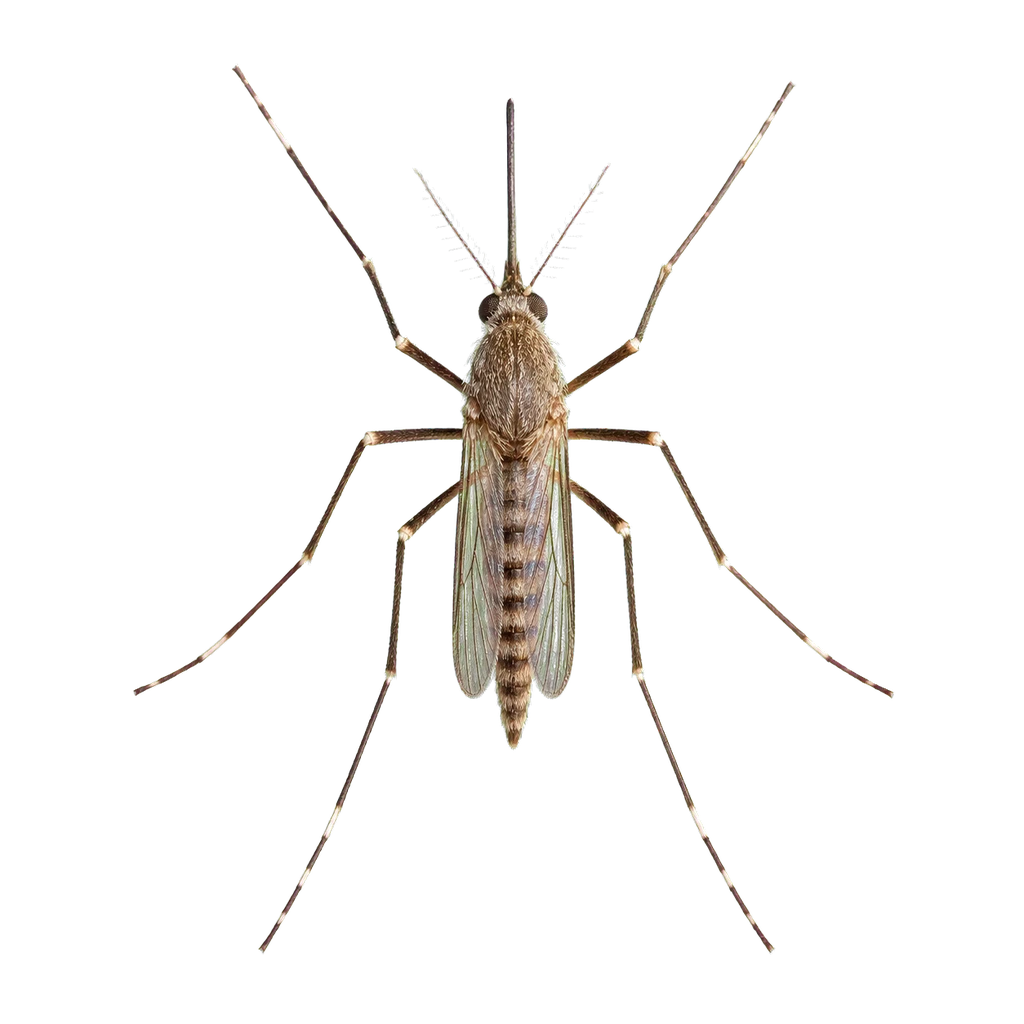
MosquitoesMosquitoes
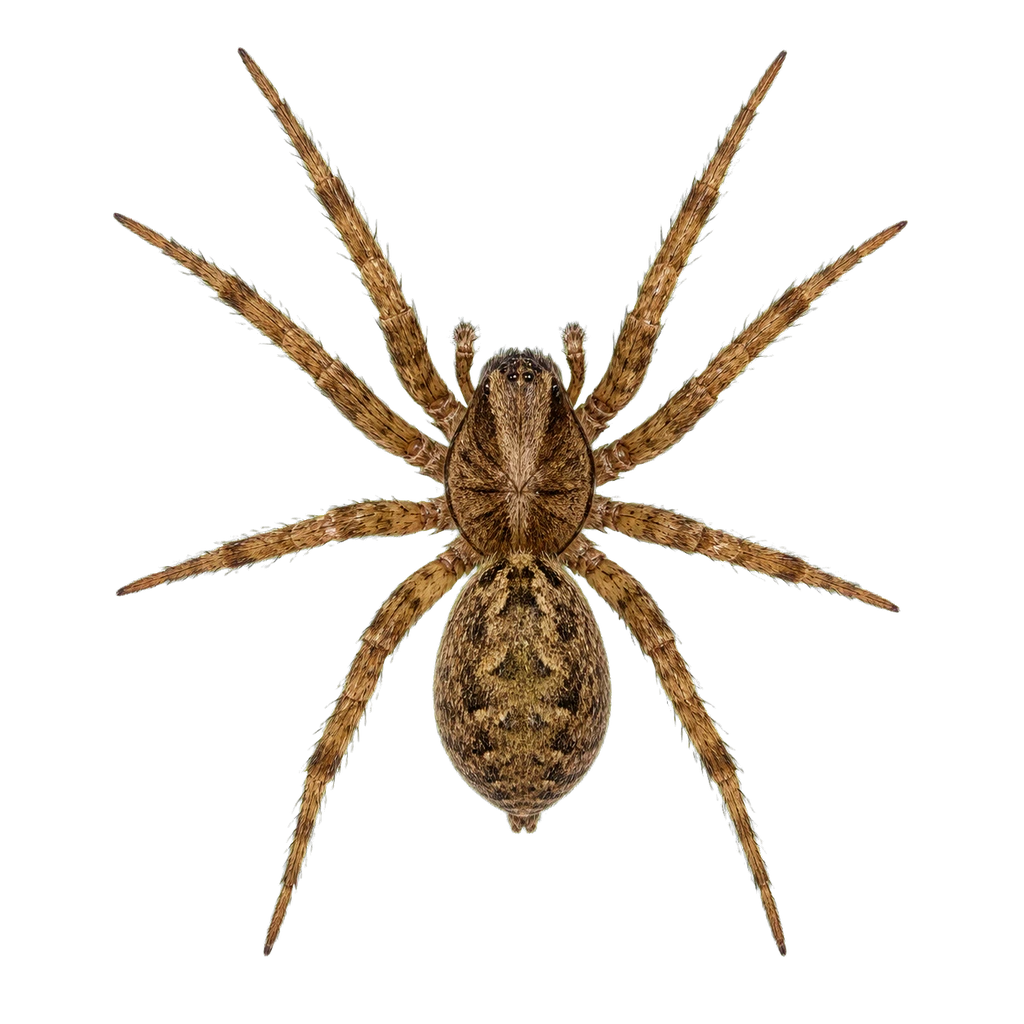
SpidersSpiders
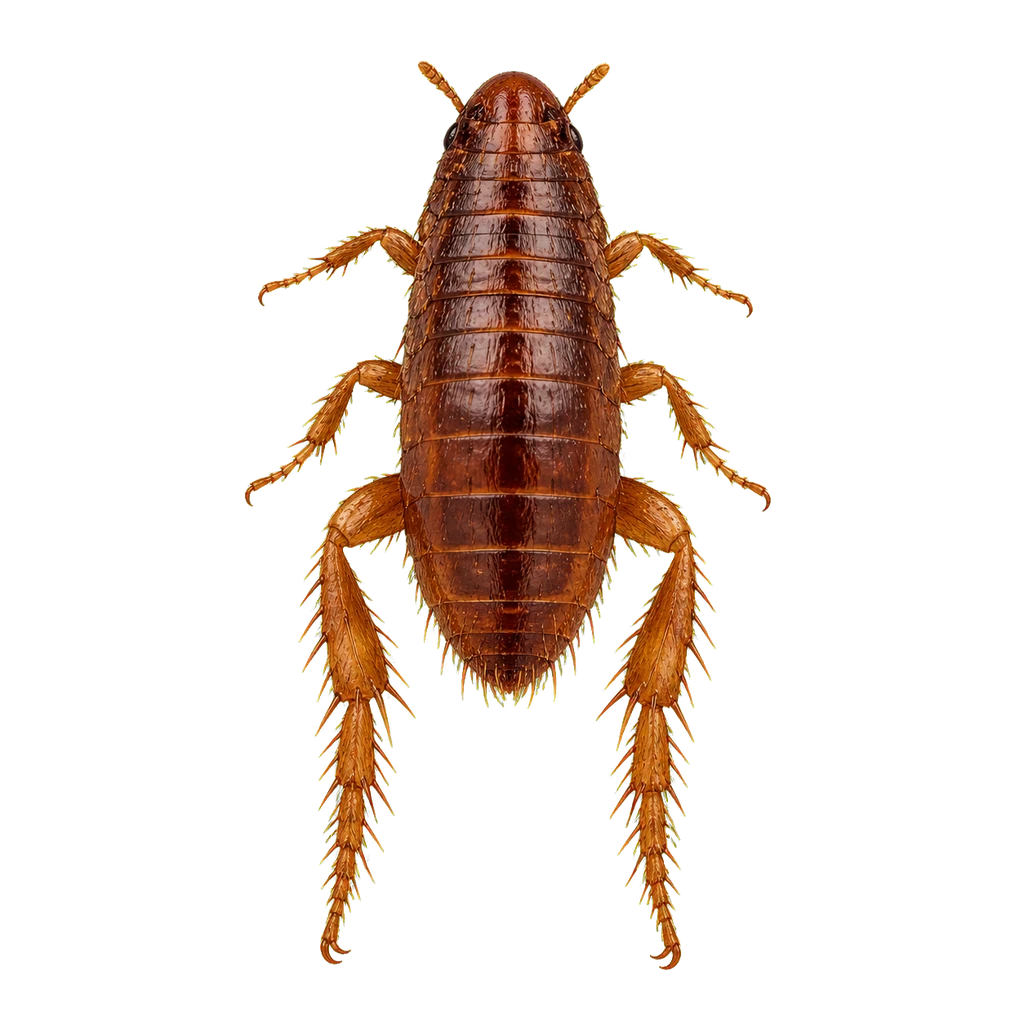
FleasFleas
RodentsRodents
TicksTicks
WaspsWasps
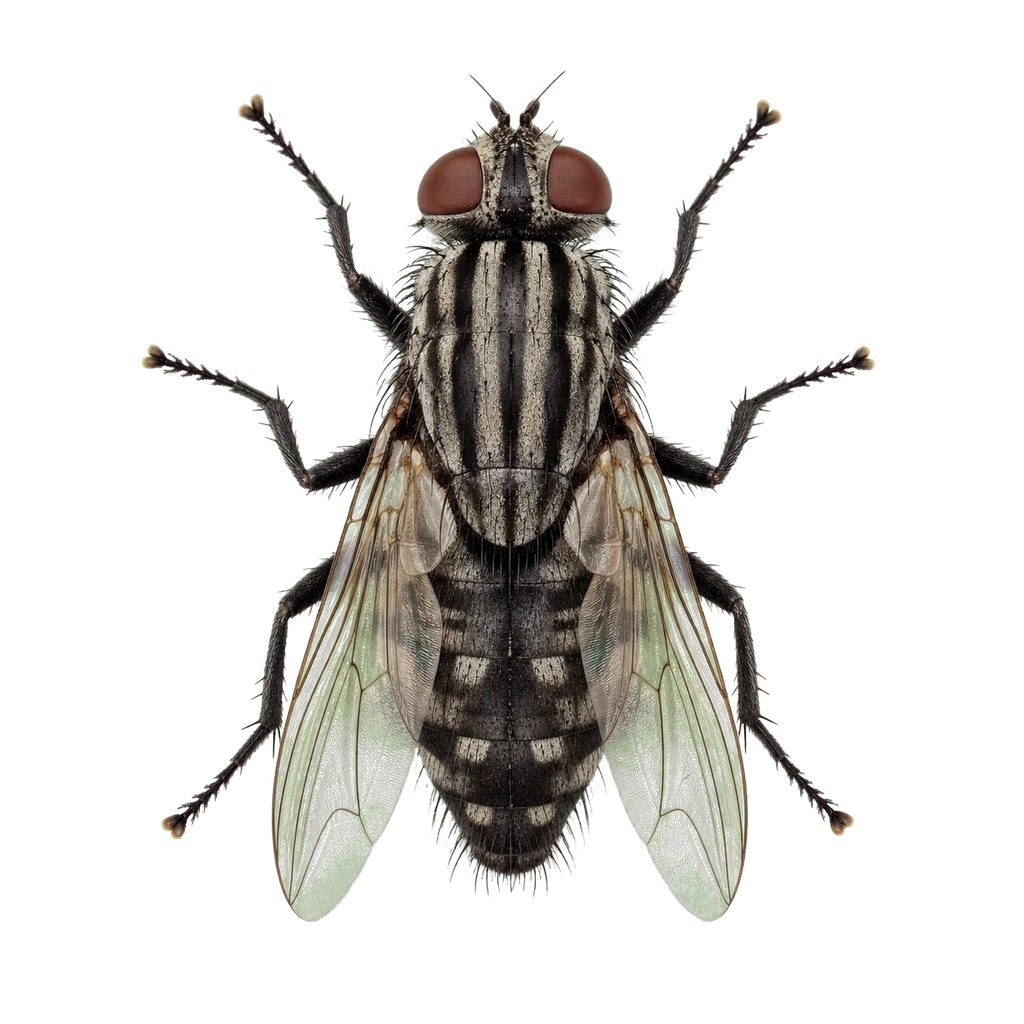
FliesFlies
Stink BugsStink Bugs
Spotted LanternfliesSpotted Lanternflies
Old House BorersOld House Borers
Flying SquirrelsFlying Squirrels
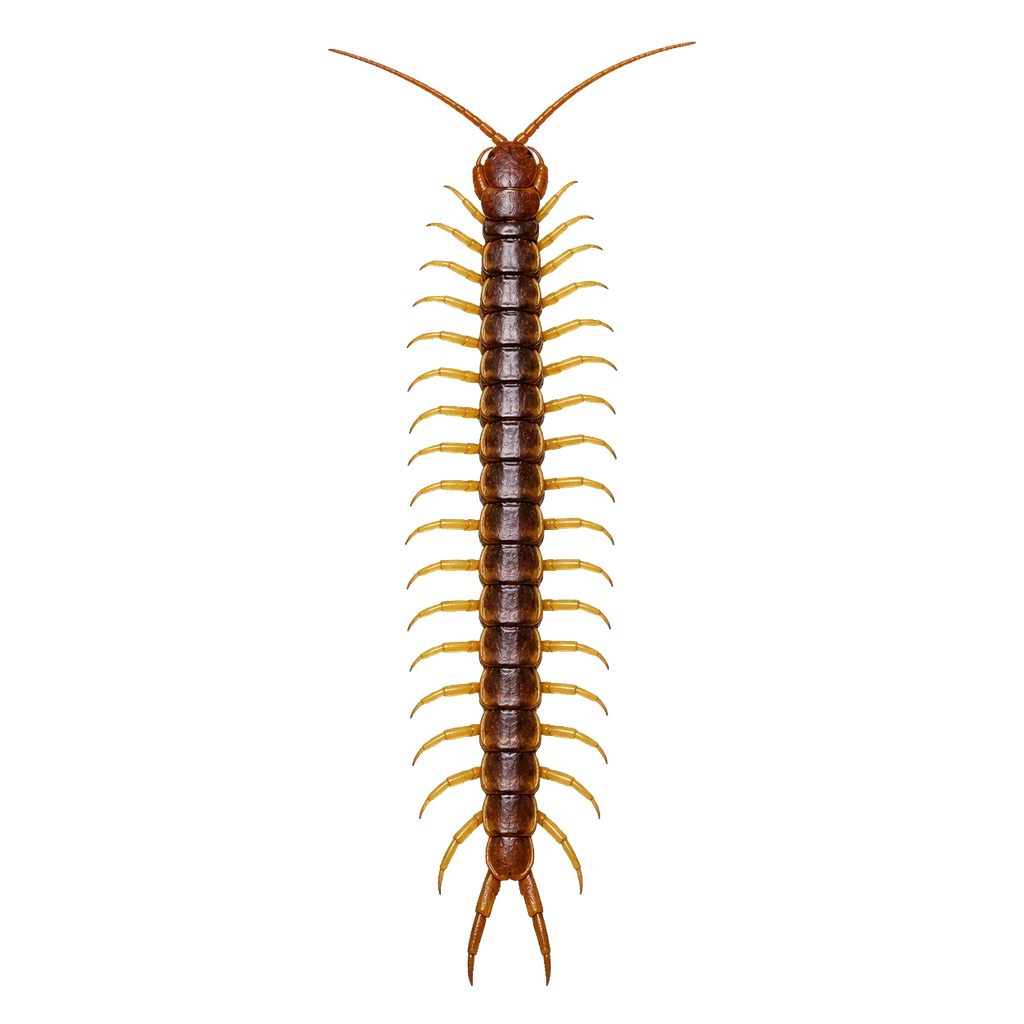
CentipedesCentipedes
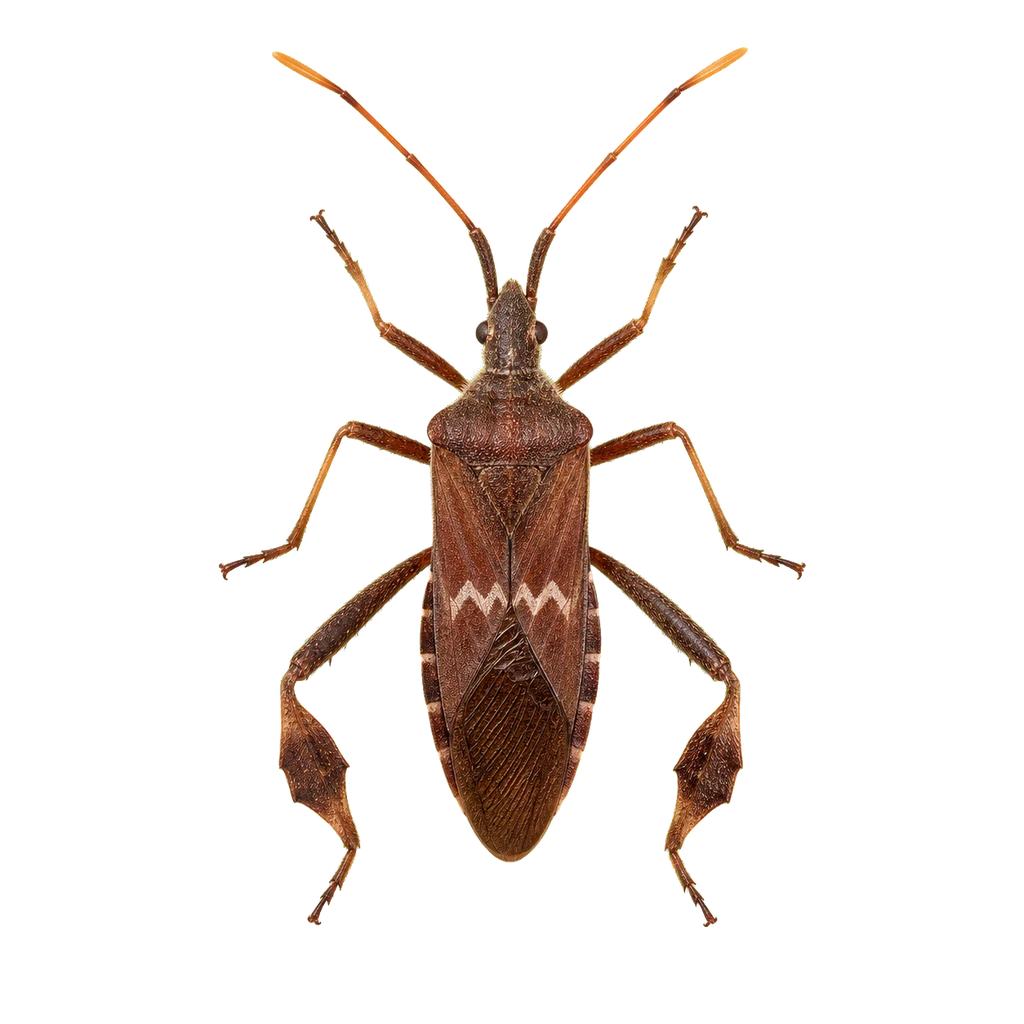
Western Conifer Seed BugsWestern Conifer Seed Bugs
PorcupinesPorcupines
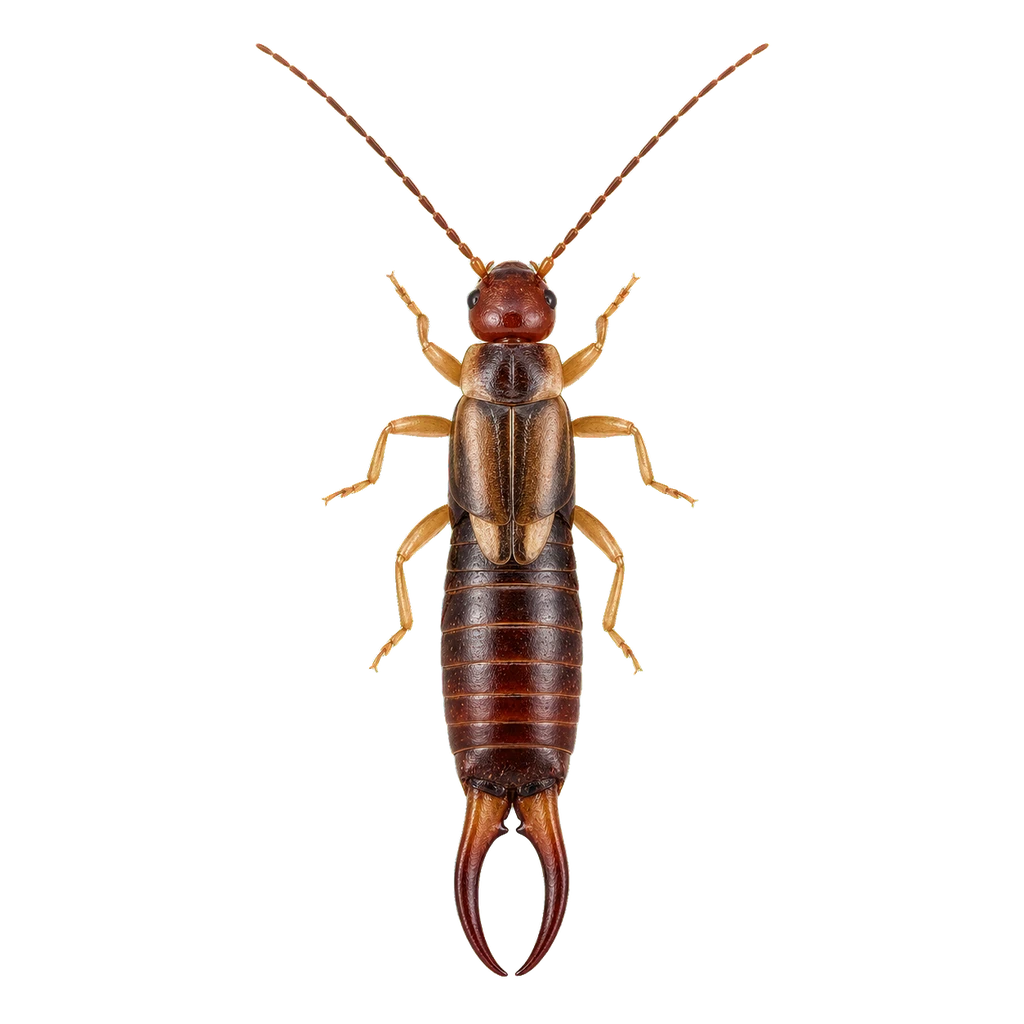
EarwigsEarwigs
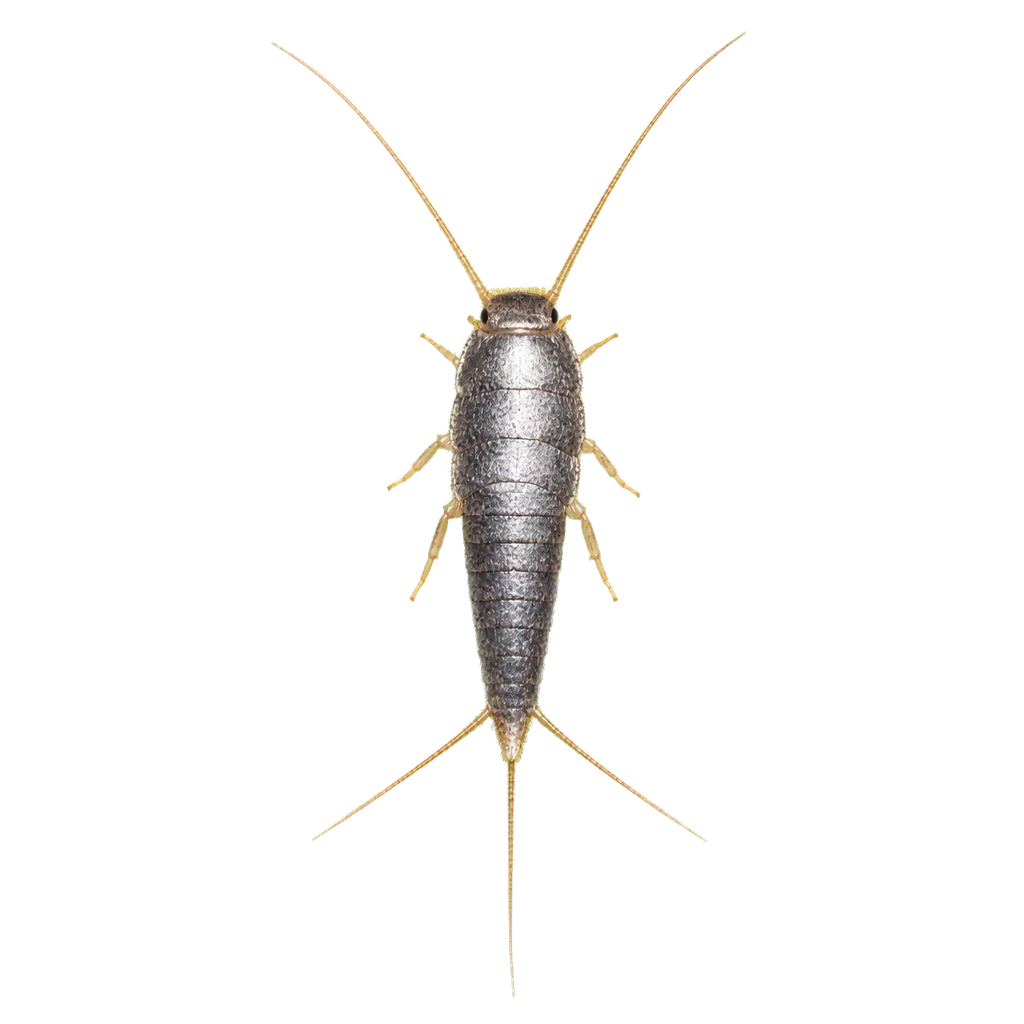
SilverfishSilverfish
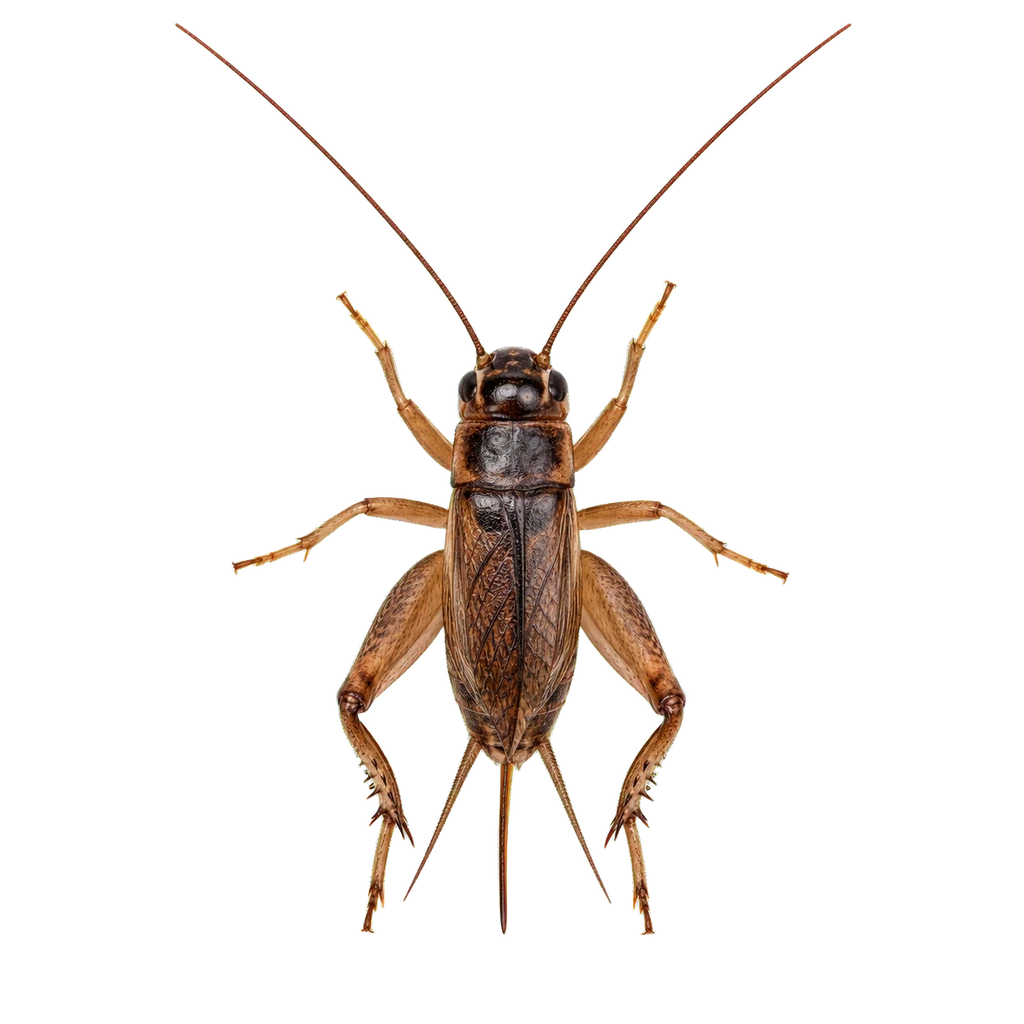
CricketsCrickets
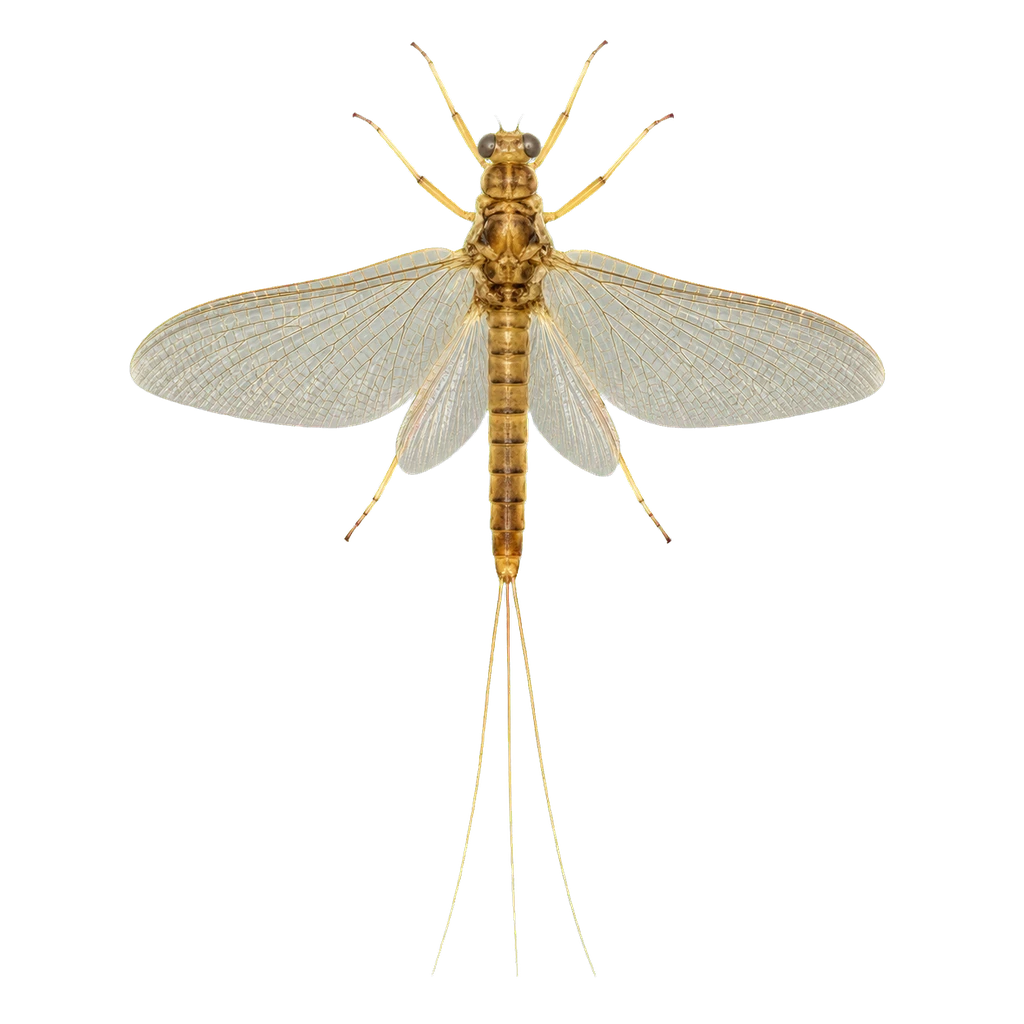
MayfliesMayflies
RaccoonsRaccoons
DeerDeer
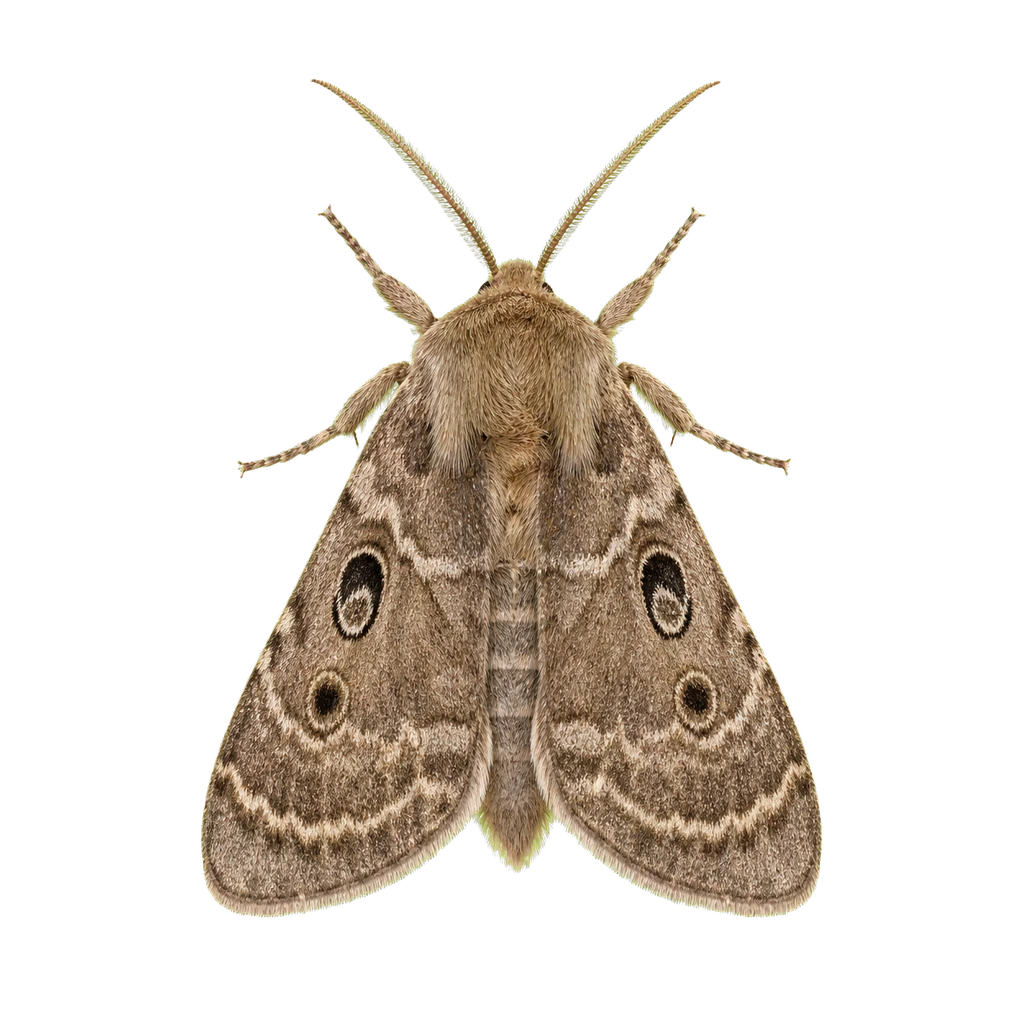
MothsMoths
CoyotesCoyotes
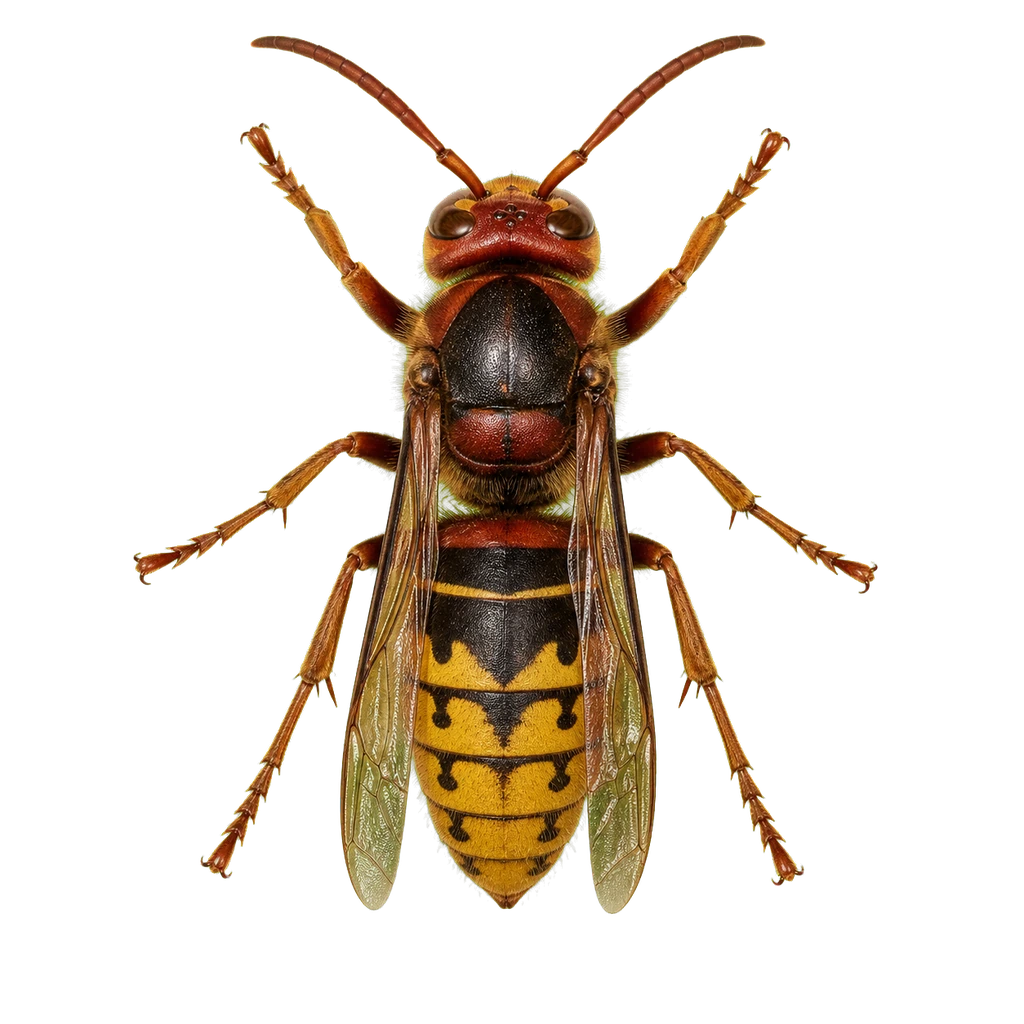
HornetsHornets
FoxesFoxes
1 / 1
NoToPests home

Trusted by Connecticut homeowners to find the right provider.

Pest Control Services Available in Connecticut

See what pest control services Connecticut providers offer, including tick prevention, termite treatment, rodent exclusion, and seasonal maintenance plans.

Connecticut homes deal with ants and spiders spring through fall, stink bugs in October, and mice in winter, so most households need a quarterly plan rather than a one-time visit.

What to expect: a walkthrough of your home inside and out, species-specific treatment, and a return visit window if anything bounces back.

Learn More

Bed bugs cycle through Hartford, New Haven, and Bridgeport apartment buildings and hotels, and heat treatment kills every life stage in one pass, including eggs that sprays often miss.

What to expect: prep instructions a few days ahead, controlled heat above 120 degrees for several hours, and monitoring traps to confirm it worked.

Learn More

Established termite or beetle infestations in Connecticut's pre-1850 colonials with stone foundations or balloon framing sometimes call for whole-structure fumigation when spot treatments can't reach the colony.

What to expect: a prep checklist, a tarp tent over the structure, two to three nights elsewhere, and an all-clear inspection on return.

Learn More

Mice and stink bugs get into Connecticut homes through gaps you can't see (older sill plates, dryer vents, foundation cracks from freeze-thaw), and exclusion work is what actually stops the cycle.

What to expect: a foundation-to-roofline inspection, sealing of identified entry points, and a written summary of what was found and fixed.

Learn More

Many Connecticut homeowners want lower-impact options around kids, pets, and shoreline gardens, and providers can lead with EPA-registered botanicals, traps, and exclusion before reaching for stronger products.

What to expect: inspection, low-impact product selection where possible, and a prevention plan so you don't end up needing repeats.

Learn More

Connecticut insect activity runs May through October, so a single exterior treatment loses ground fast and a quarterly barrier holds the line on ants, spiders, and crawling pests.

What to expect: exterior application around foundation and eaves, removal of accessible nests, and a quarterly or seasonal schedule depending on pressure.

Learn More
  • Local Pest Control
  • 24/7 Availability
  • Quality Workmanship
  • Eco-Friendly Options
  • Trusted by Homeowners

How It Works

Call. Get matched. Decide.

Step 1

Give Us a Call

Tell us what you're seeing, ants, noises, damage, whatever it is. No diagnosis needed.

Step 2

Get Matched with a Connecticut Provider

We connect you with a vetted local provider who handles your type of pest issue in your area.

Step 3

Review Your Options

Your provider explains what's involved, what it costs, and what to expect. No surprises.

Step 4

Get It Handled

Treatment, follow-up, and a prevention plan, handled from start to finish.

Speak With a Connecticut Pest Control Professional

Talk to a Connecticut provider who's already treating homes in your zip code. They'll know the right next step before you finish describing the problem.

Get A Quote 24/7
(888) 495-1510

What Connecticut Homeowners Are Saying

Real outcomes for Connecticut homeowners we connected with a local pest pro.

Frank I.
Frank I.
Lyme, CT

"The explanation helped me relax."

I was stressed about the situation, but the tech explained what was happening and why it was manageable. The treatment worked as described and the ants stopped appearing.

Frank I.
Frank I.
Lyme, CT

"The explanation helped me relax."

I was stressed about the situation, but the tech explained what was happening and why it was manageable. The treatment worked as described and the ants stopped appearing.

Flora V.
Flora V.
Lyme, CT

"They focused on long-term prevention."

I liked that the pro emphasized prevention after treatment. They explained what to watch for and how to reduce future risk. The ants haven't returned since.

Amrit W.
Amrit W.
Stamford, CT

"Attic finally sealed against mice."

Every winter we heard scratching in the attic. The tech found multiple entry points along the roofline and sealed them after treating the area. This is the first winter we haven't had the problem.

Tariq Q.
Tariq Q.
Hartford, CT

"Carpenter ants stopped before deck damage."

We noticed sawdust-like material near our deck posts. The inspector identified carpenter ants and explained how moisture from the ground was contributing. They treated the area and recommended drainage improvements.

Tyler L.
Tyler L.
New Haven, CT

"Stone foundation sealed against mice."

Our older home had countless small gaps in the stone foundation. The pro sealed the worst ones and set traps where entry was most likely. They explained that New England's older construction makes exclusion work especially important.

Jamel K.
Jamel K.
Bridgeport, CT

"Apartment kept clear with sealed plumbing."

In a multi-unit building, roaches can migrate between units through plumbing chases. The tech treated our unit and sealed pipe penetrations. They recommended coordinating with the landlord for building-wide treatment to prevent re-entry.

Erin R.
Erin R.
Danbury, CT

"Pre-sale termites cleared in time for closing."

A pre-sale home inspection revealed termite activity near the foundation. The crew treated the affected area and cleared us for closing. They set up monitoring stations so the new owners would have ongoing protection.

Phyllis P.
Phyllis P.
New London, CT

"Bathroom wall ant colony traced and treated."

We heard faint rustling in the bathroom wall and found carpenter ant frass on the floor. The tech traced the colony to moisture damage around the tub surround. Fixing the moisture issue and treating the nest resolved it completely.

Kevin T.
Kevin T.
Waterbury, CT

"Dorm bed bugs cleared in one visit."

Our son brought bed bugs home from his dorm room. The crew treated his bedroom and inspected adjacent rooms. Heat treatment resolved the issue in one visit and they gave tips for preventing re-introduction.

Juana L.
Juana L.
Norwalk, CT

"Pool-deck wasps removed and area treated."

Yellow jackets built a ground nest near our pool and were stinging guests. The pro located and removed the nest and treated the surrounding area. They explained how sweet drinks and food attract yellow jackets to outdoor entertaining areas.

Rosalba R.
Rosalba R.
Middletown, CT

"Basement storage reclaimed from spiders."

The unfinished basement was full of spider webs and egg sacs. The tech treated the entire basement, removed webs, and explained that reducing moisture and clutter makes the space less attractive to spiders and their prey.

Lamar T.
Lamar T.
Meriden, CT

"Indoor stink bug numbers fell to nearly none."

Dozens of stink bugs would gather on the windows every fall and find their way inside. The inspector sealed gaps around window frames and treated the exterior. The following fall, the number getting inside was negligible.

Takashi V.
Takashi V.
Torrington, CT

"Kitchen window ant trail finally broken."

A steady line of ants came through a gap in the kitchen window frame every morning. The tech sealed the gap and treated the exterior trail. They explained how trailing pheromones need to be disrupted to prevent the same path from being used again.

Andres W.
Andres W.
Milford, CT

"Attic squirrels evicted and entry repaired."

Squirrels gnawed through a rotted fascia board and nested in the attic. The wildlife specialist removed the animals, repaired the entry point, and installed a one-way exclusion device. The attic has stayed squirrel-free since.

Niran W.
Niran W.
Westport, CT

"Yard tick activity reduced all summer."

With Lyme disease common in Connecticut, we wanted our yard treated for ticks. The crew applied perimeter treatments and recommended reducing leaf litter where ticks thrive. The reduction in tick activity was noticeable all summer.

Questions About Pest Control in Connecticut

What Connecticut homeowners ask most often about hiring a local provider.

  • How do I find pest control near me? Toggle answer for: How do I find pest control near me?

    When you call or browse by city, we match you with pest control providers who serve your specific area. Matching is based on your location, the type of pest issue, and provider availability, so you're connected with someone who handles your situation regularly.

  • How quickly can I get connected with a provider? Toggle answer for: How quickly can I get connected with a provider?

    In most cases, providers can reach out within a few hours of your call, and they typically schedule an inspection or service within 24 to 48 hours depending on availability and how urgent your situation is.

  • What areas do you cover in Connecticut? Toggle answer for: What areas do you cover in Connecticut?

    We connect homeowners with pest control providers across Connecticut, including Bridgeport, New Haven, Hartford, Stamford, Waterbury, and Norwalk. Whether you're in a metro area or a smaller community, we'll match you with a provider who serves your location.

  • What types of pests are most common in Connecticut? Toggle answer for: What types of pests are most common in Connecticut?

    Connecticut homeowners commonly deal with ticks, carpenter ants, mice, termites, and stink bugs. Lyme disease-carrying deer ticks are a significant concern statewide, and older homes are particularly vulnerable to carpenter ant damage and rodent entry. Your matched provider will identify the specific pest and recommend the right approach.

  • How serious is tick-borne illness risk in Connecticut? Toggle answer for: How serious is tick-borne illness risk in Connecticut?

    Connecticut is one of the highest-risk states in the country for Lyme disease and other tick-borne illnesses. Deer ticks are established in nearly every county, and wooded suburban yards in Litchfield, Windham, and New London counties see particularly heavy pressure.

    Yard treatments, along with keeping grass short and maintaining a buffer between lawn and wooded areas, can meaningfully reduce tick encounters. Many families schedule treatments in both spring and early fall to match the peak activity windows.

  • Why do older colonial homes face more pest challenges? Toggle answer for: Why do older colonial homes face more pest challenges?

    Colonial, Cape-style, and farmhouse construction common across Connecticut often has fieldstone foundations, hand-hewn sill plates, and decades of settling that leave small gaps and moisture pockets. These create entry points for carpenter ants, termites, and mice.

    Annual inspections of crawl spaces, basements, and exterior framing catch issues like soft sill plates or rodent runways before they turn into larger repairs. Providers who specialize in historic homes often have experience matching treatments to older building materials.

  • Why do stink bugs show up inside homes every fall? Toggle answer for: Why do stink bugs show up inside homes every fall?

    Brown marmorated stink bugs are seeking overwintering sites as temperatures cool, and they cluster on warm, south-facing walls before slipping through gaps around windows, attic vents, and siding. Once inside, they hide in wall voids and emerge on warm winter days.

    Sealing exterior gaps in late August and early September is the most effective prevention. Spraying after they've entered wall voids rarely helps and can create secondary odor and cleanup problems.

Why Homeowners Across Connecticut Choose Us

Pest control team celebrating a successful service in Connecticut
  • We Know Connecticut Pests

    Deer ticks in Litchfield and Windham woodlands, carpenter ants in pre-1850 colonials, mice pushing through foundation cracks every winter. Our providers are matched to the actual pest pressures in your part of the state.

  • Move at Your Own Pace

    Pest control in Connecticut can be a long-term relationship, and the right one starts with no contracts and no commitments. Review your quote and decide on your timeline, not the provider's.

  • One Call Gets It Started

    Tell us your zip code and what you're seeing. We'll match you with a Connecticut provider who actually works your area, not a national call center routing you to whoever's available.