
Talk to a local pest control pro today.
General Pest Control Services Near You
Serving your city, and surrounding areas.
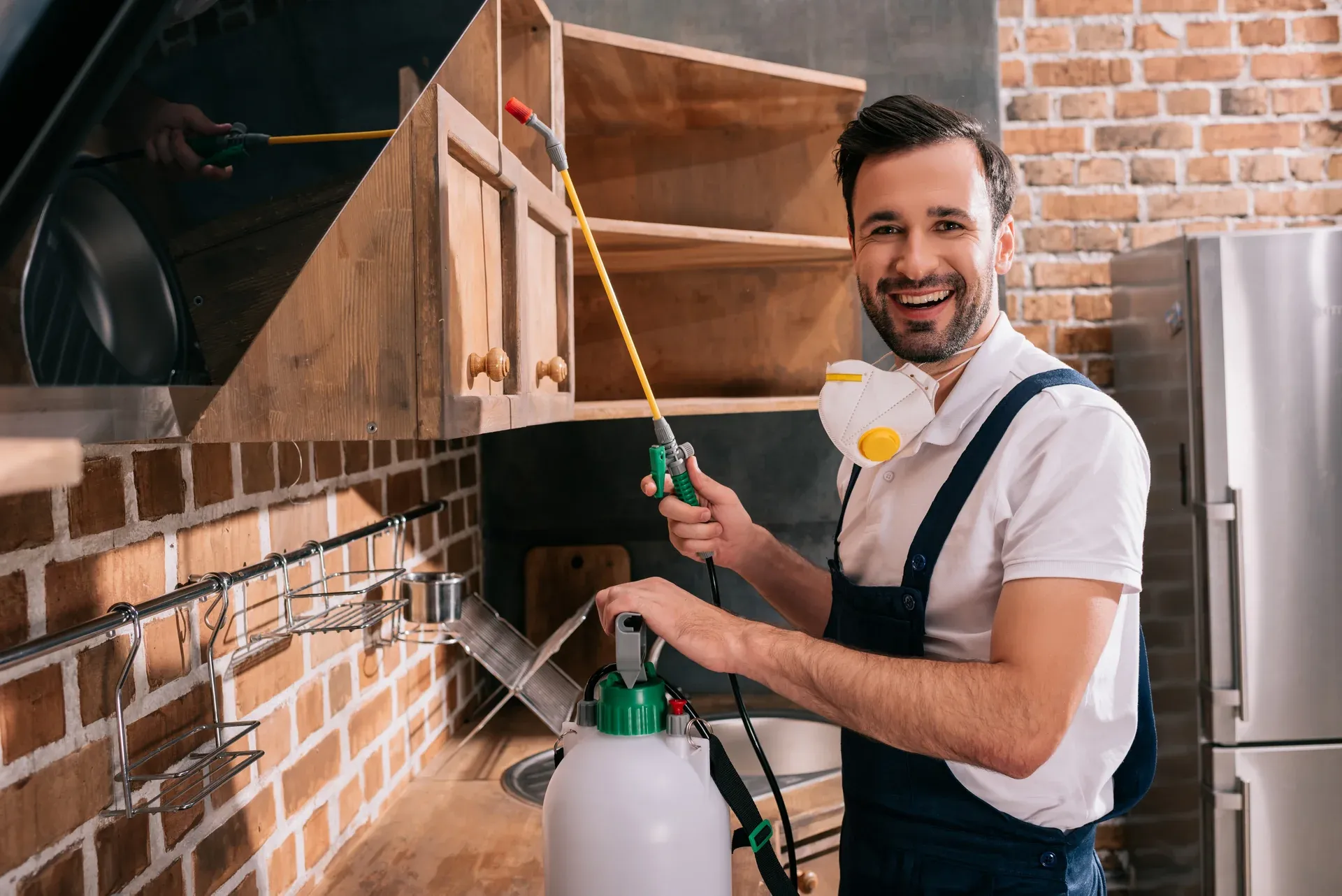
General pest control targets common household pests, ants, roaches, spiders, rodents, and seasonal invaders. Unlike one-time sprays or DIY products, it focuses on finding how pests get in, treating the problem, and keeping them out.
What to expect:
- Full home inspection for activity and entry points
- Targeted interior and exterior treatment
- Covers ants, roaches, spiders, rodents, and more
- Prevention plan tailored to your home
- Follow-up support and monitoring
- No obligations or long-term commitments
Common pests this service covers
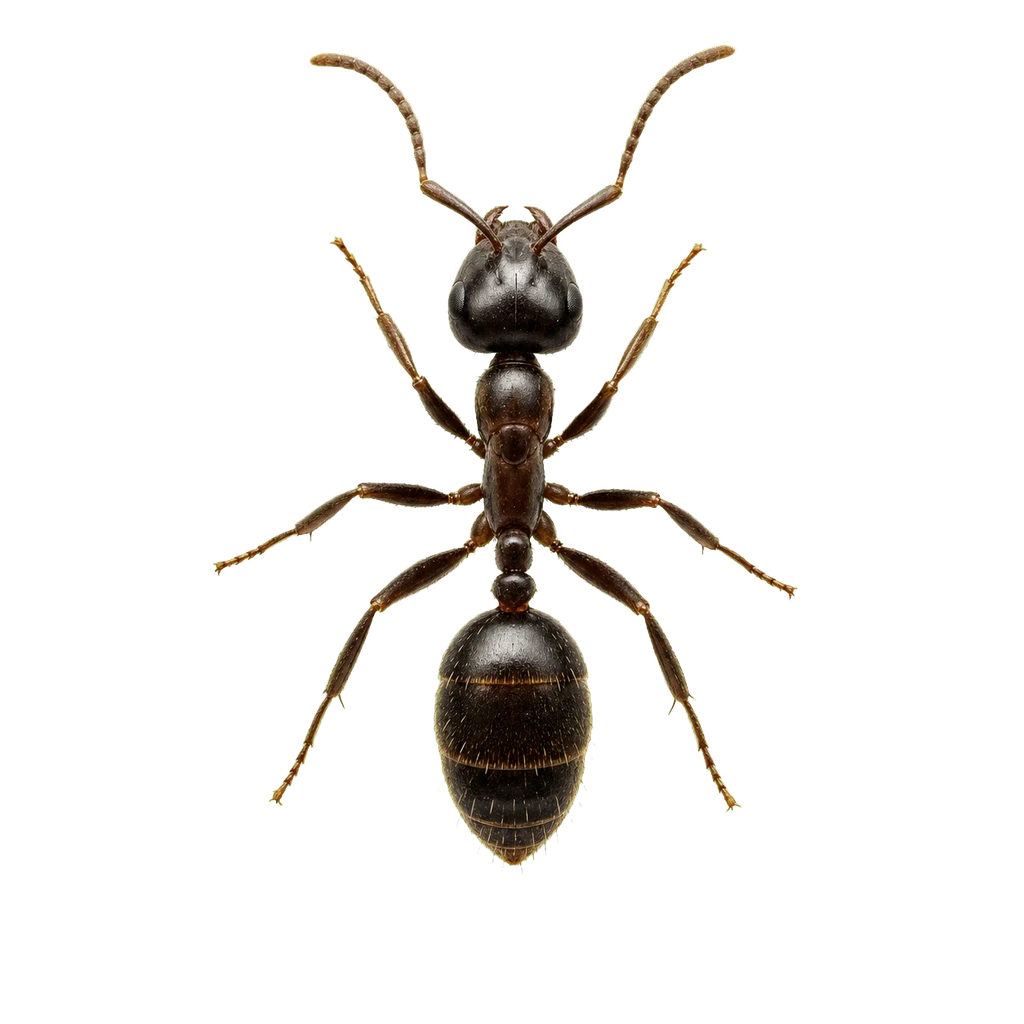 Ants
Ants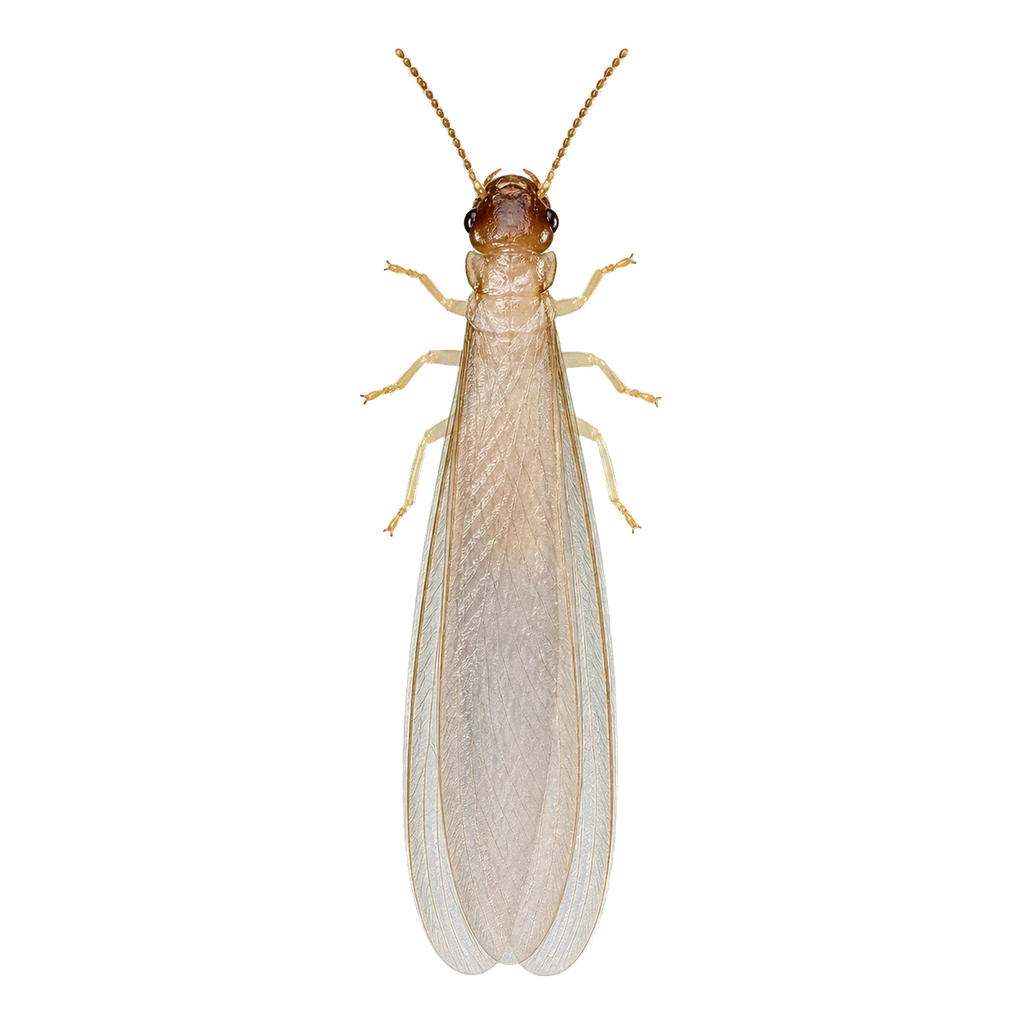 Termites
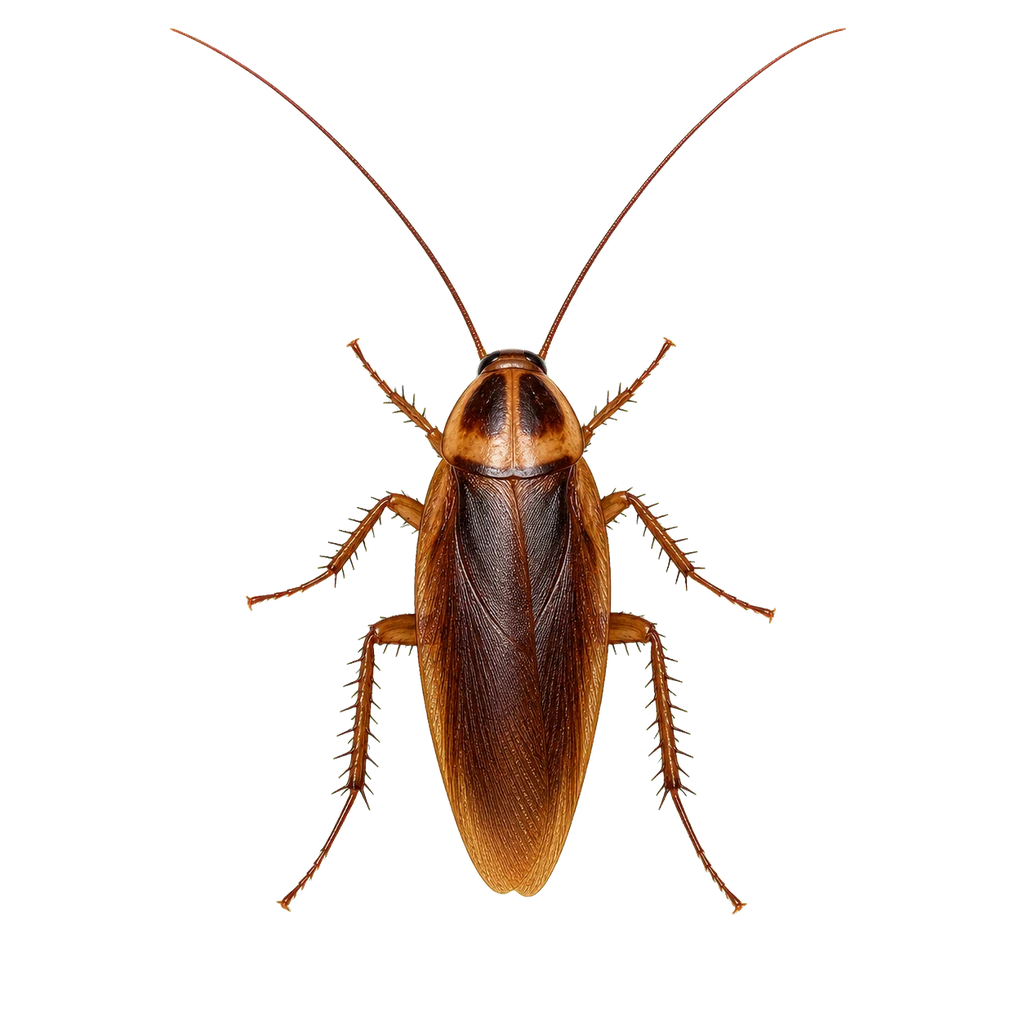 Cockroaches
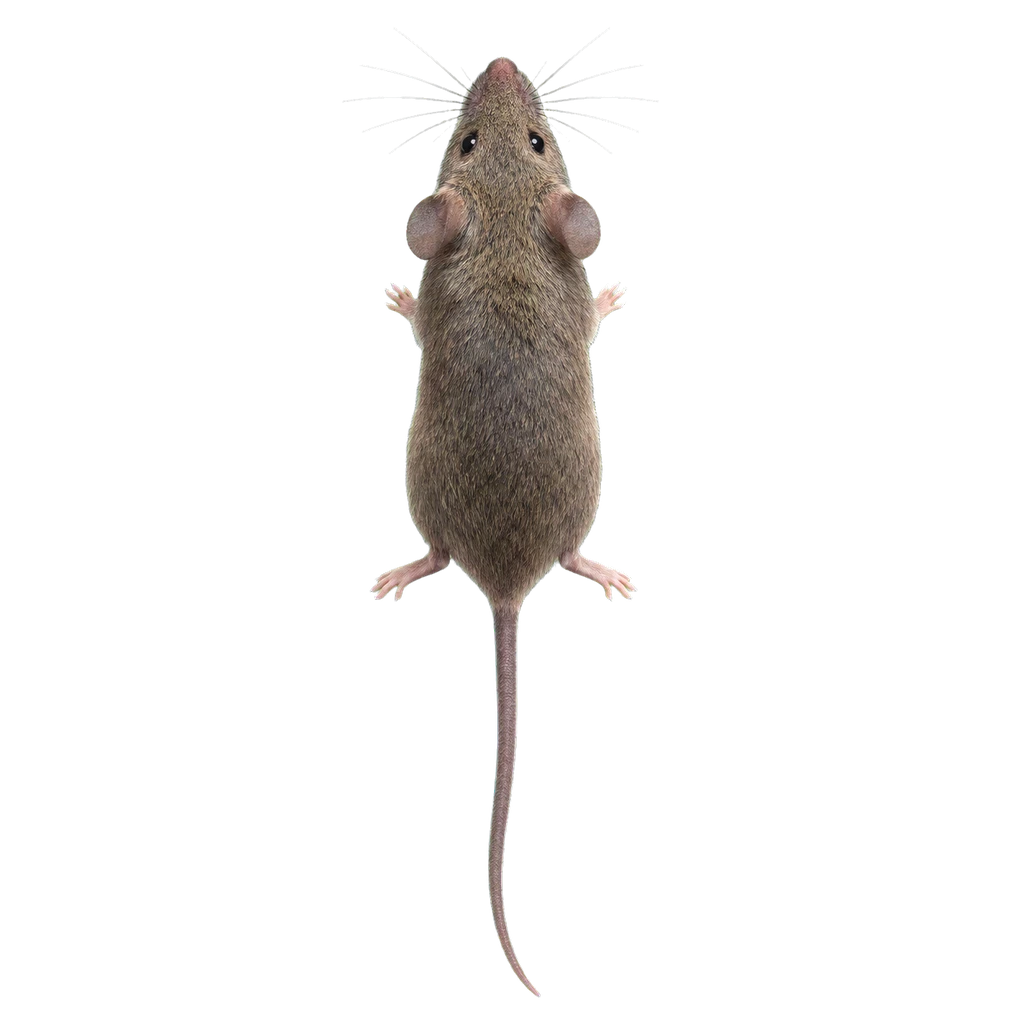 Mice
Mice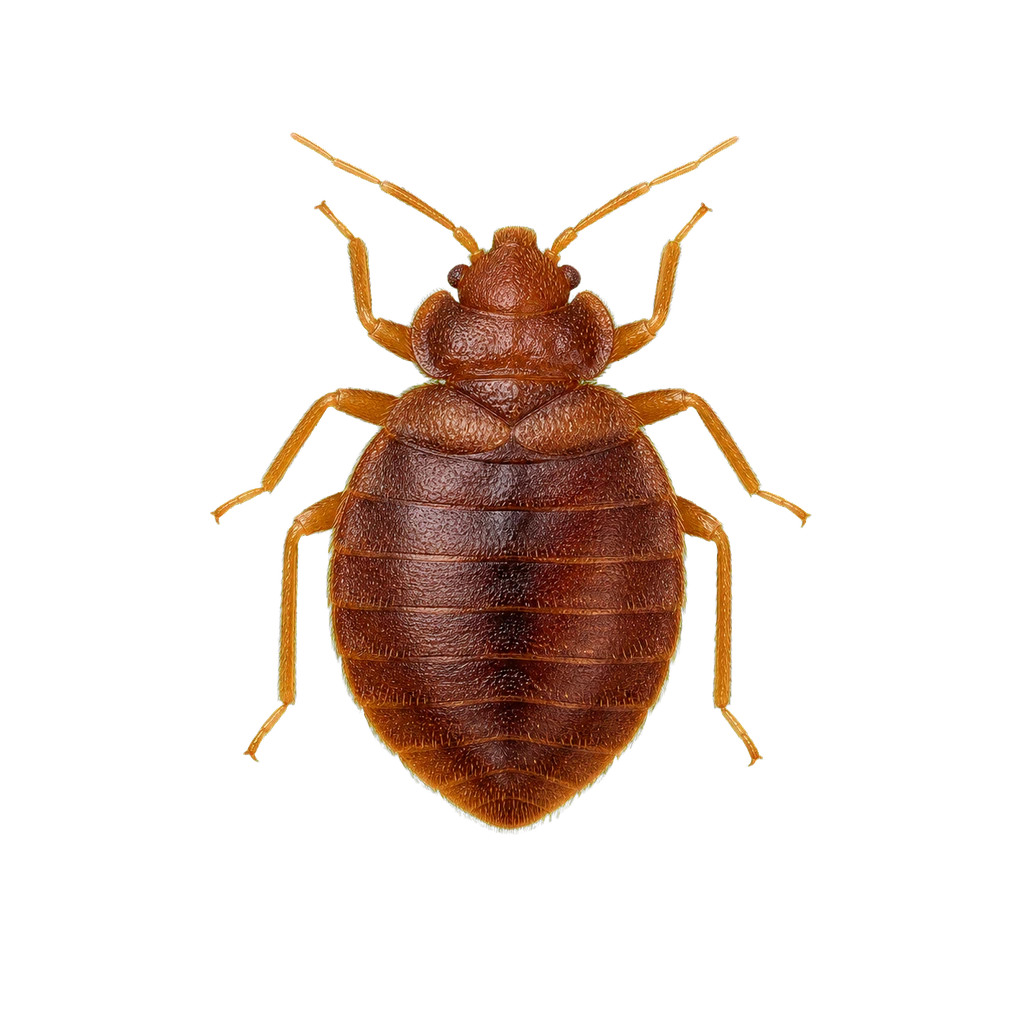 Bed Bugs
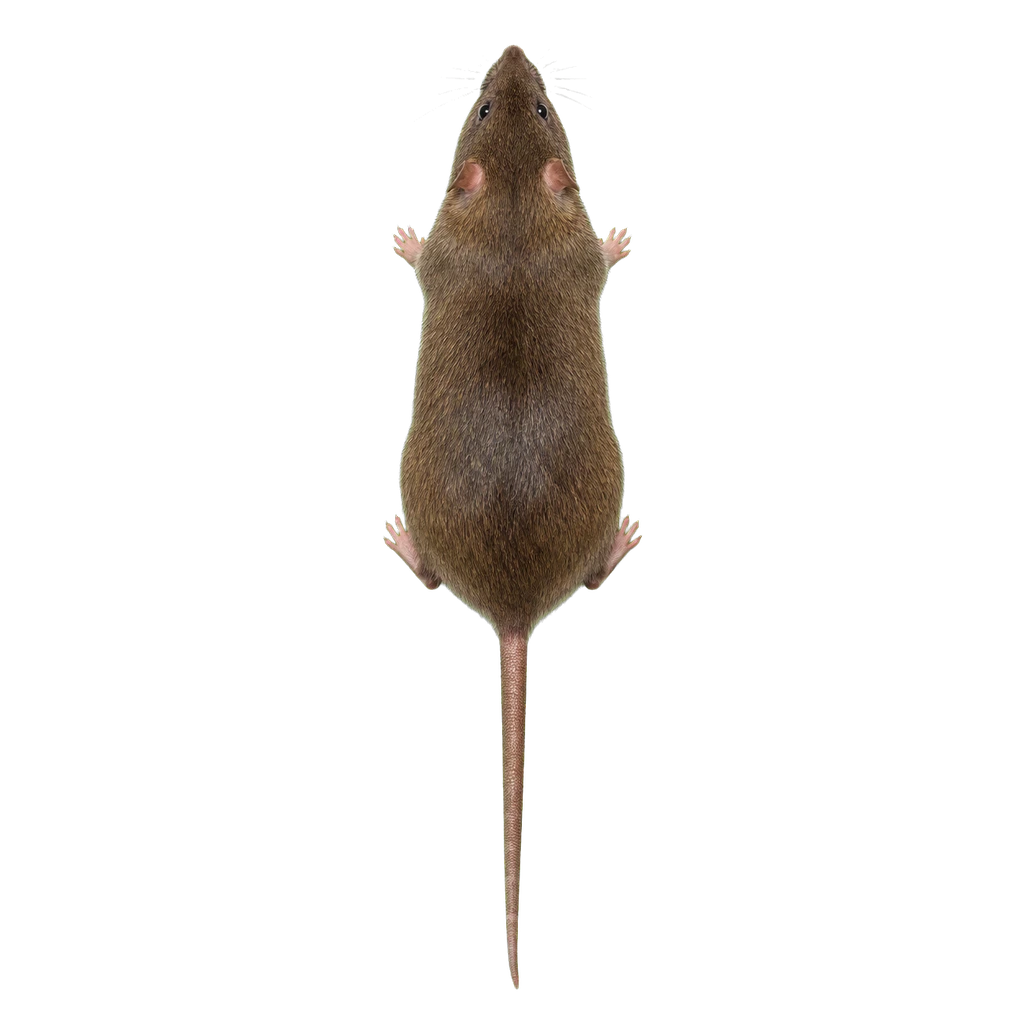 Rats
Rats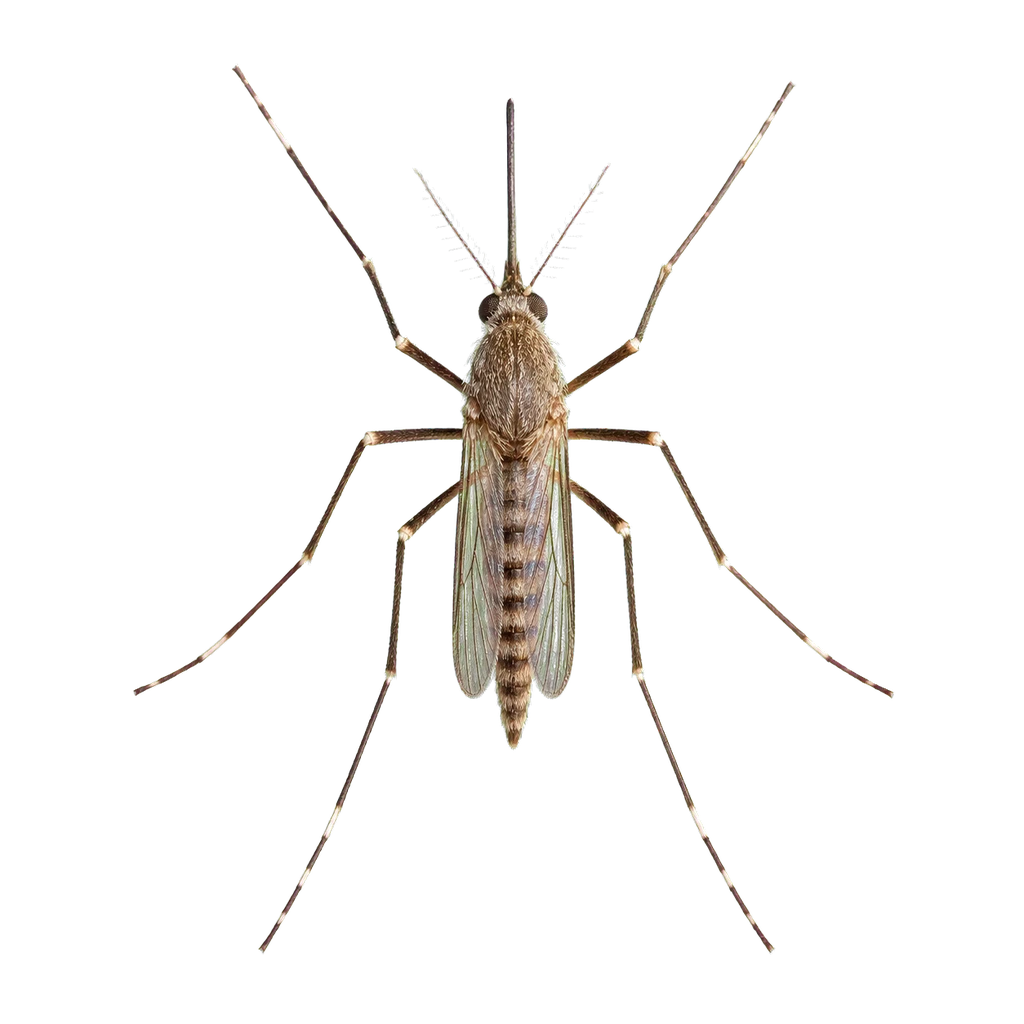 Mosquitoes
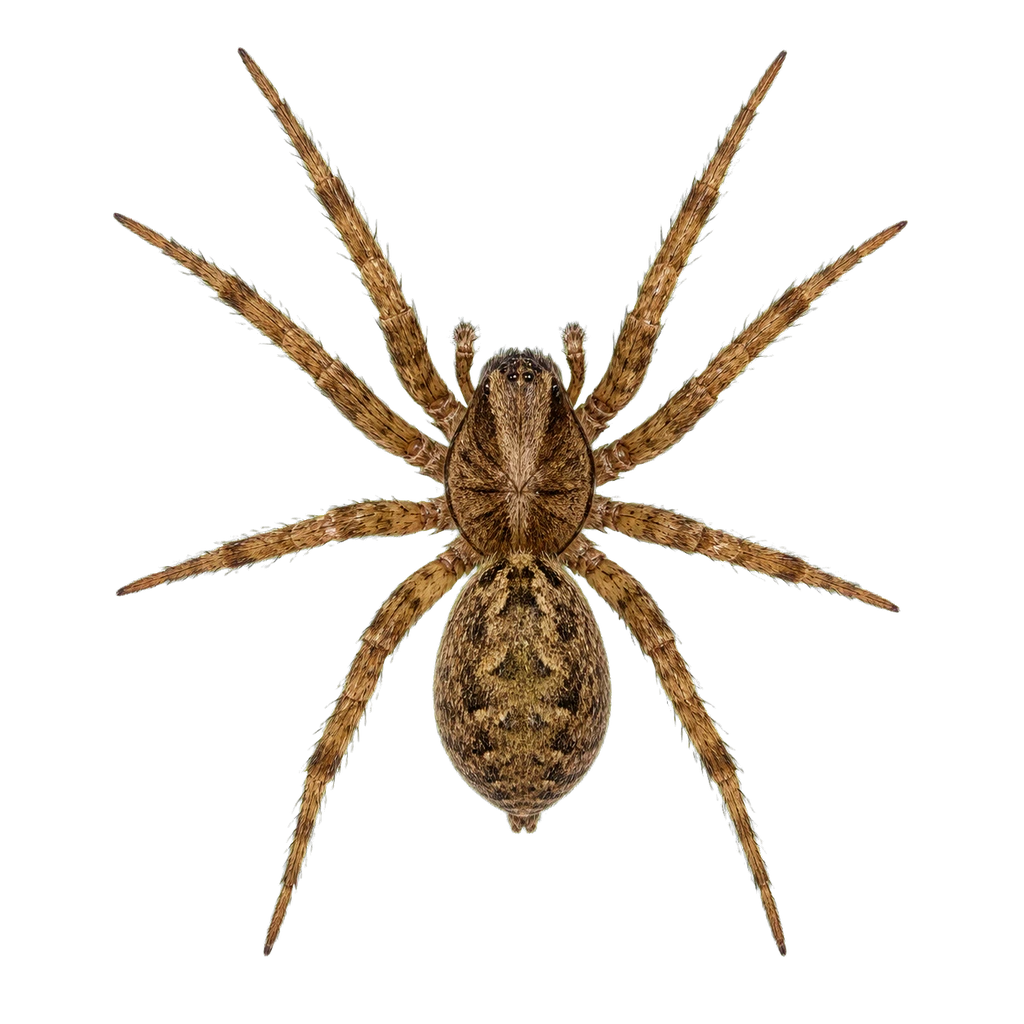 Spiders
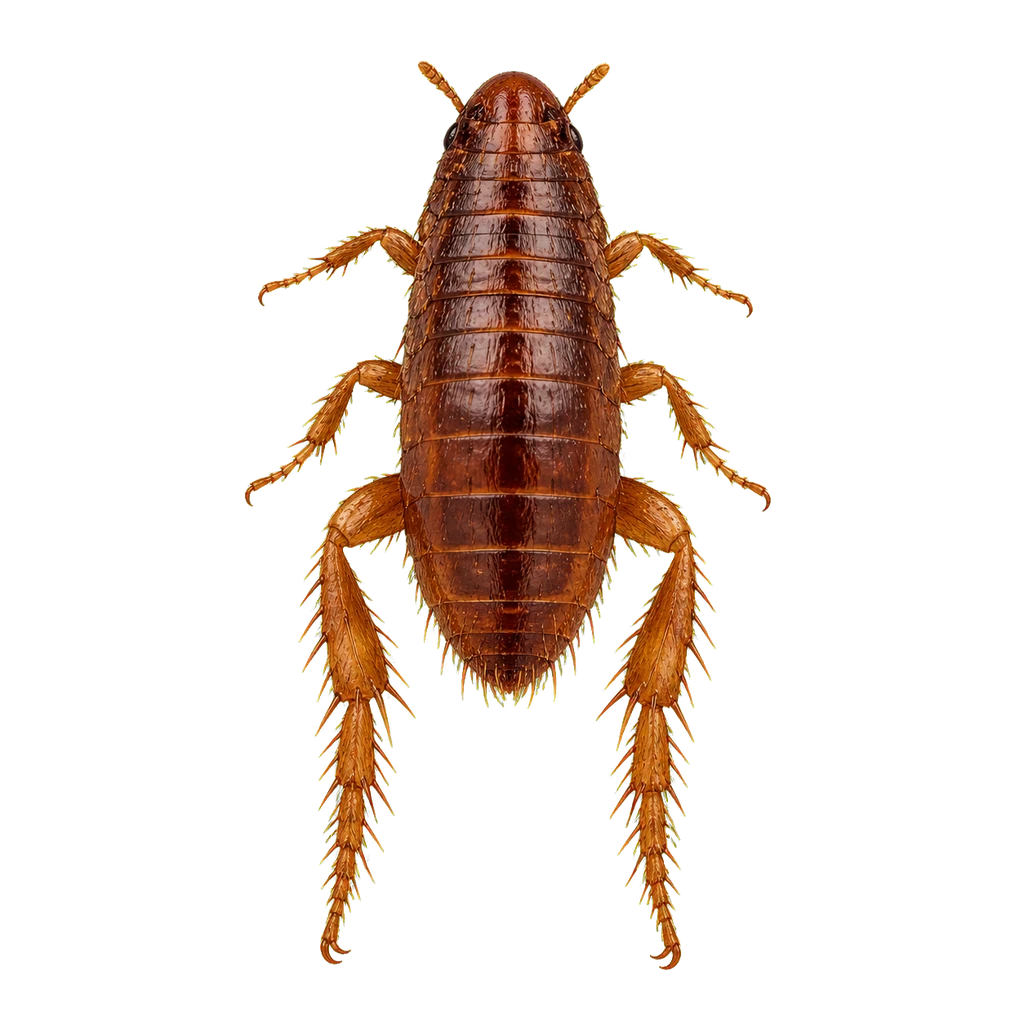 Fleas
Fleas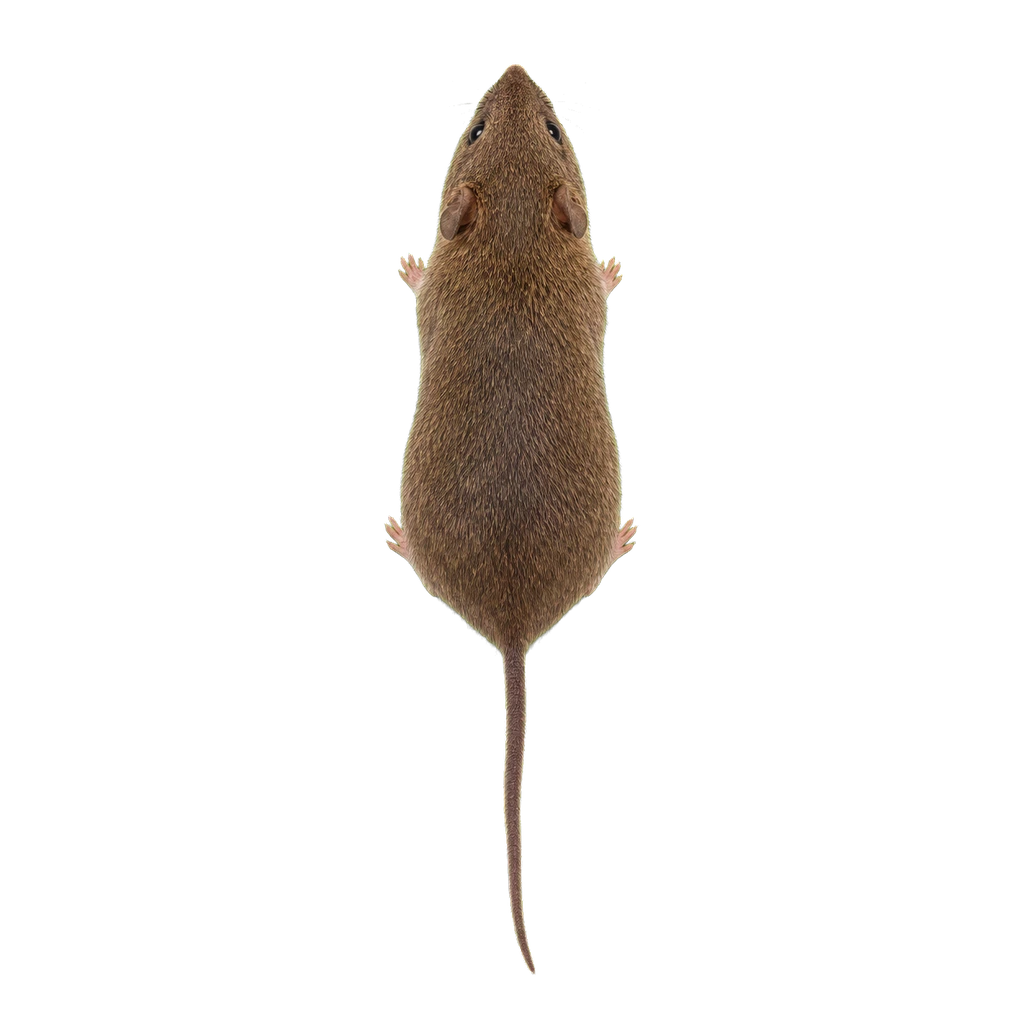 Rodents
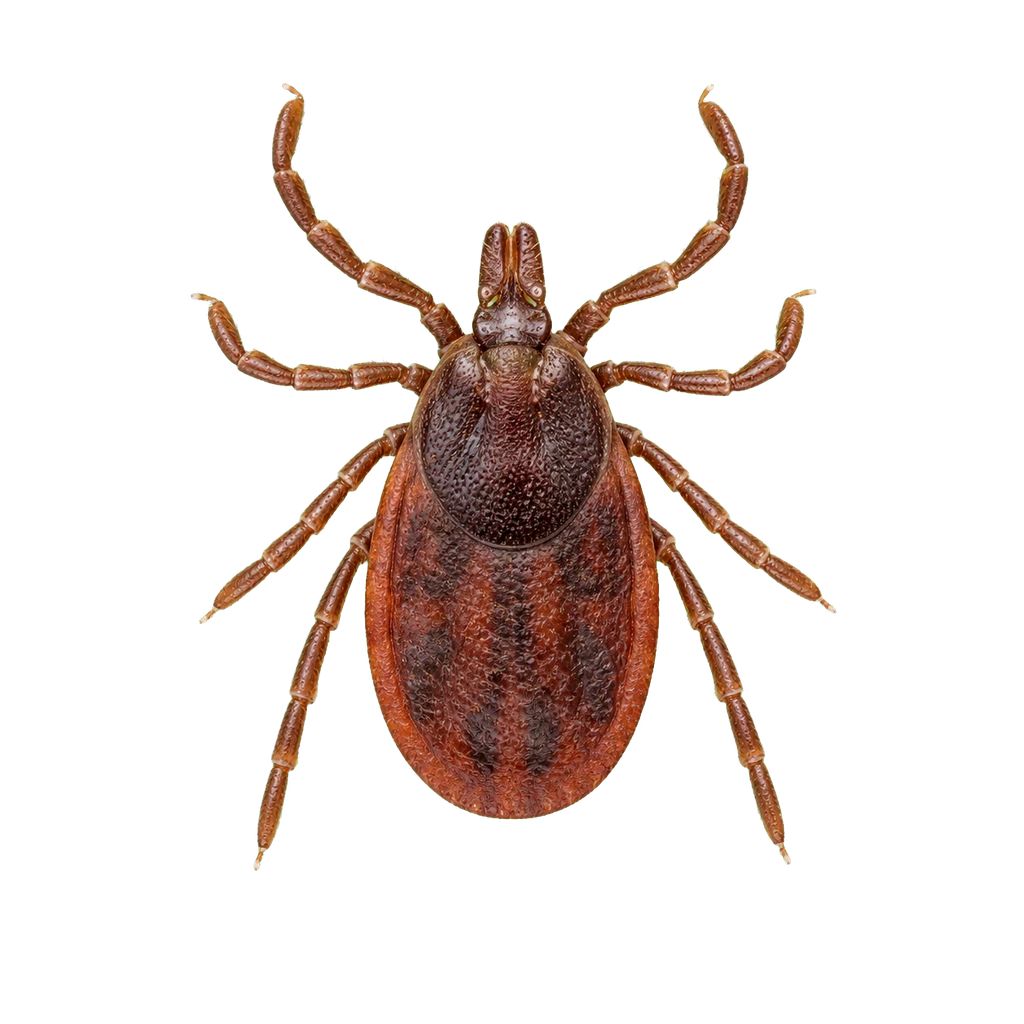 Ticks
Ticks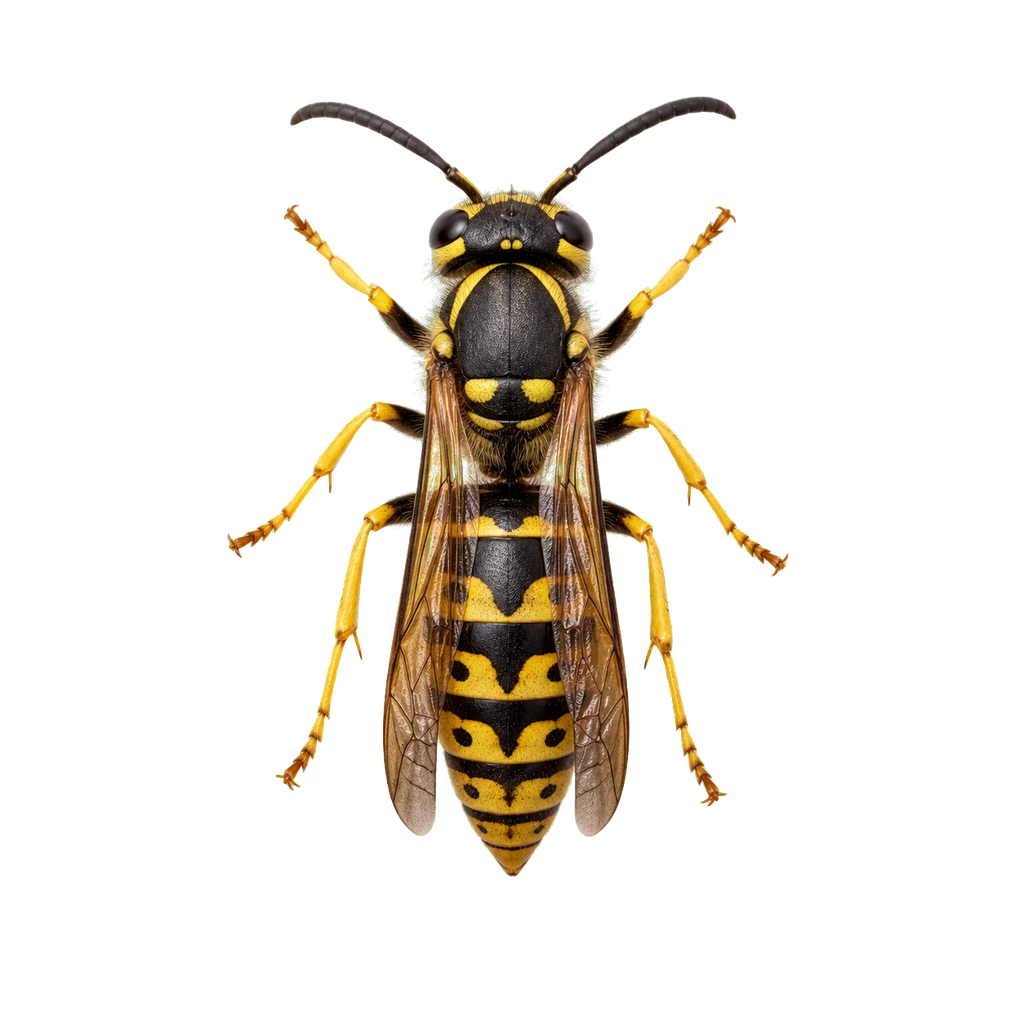 Wasps
Wasps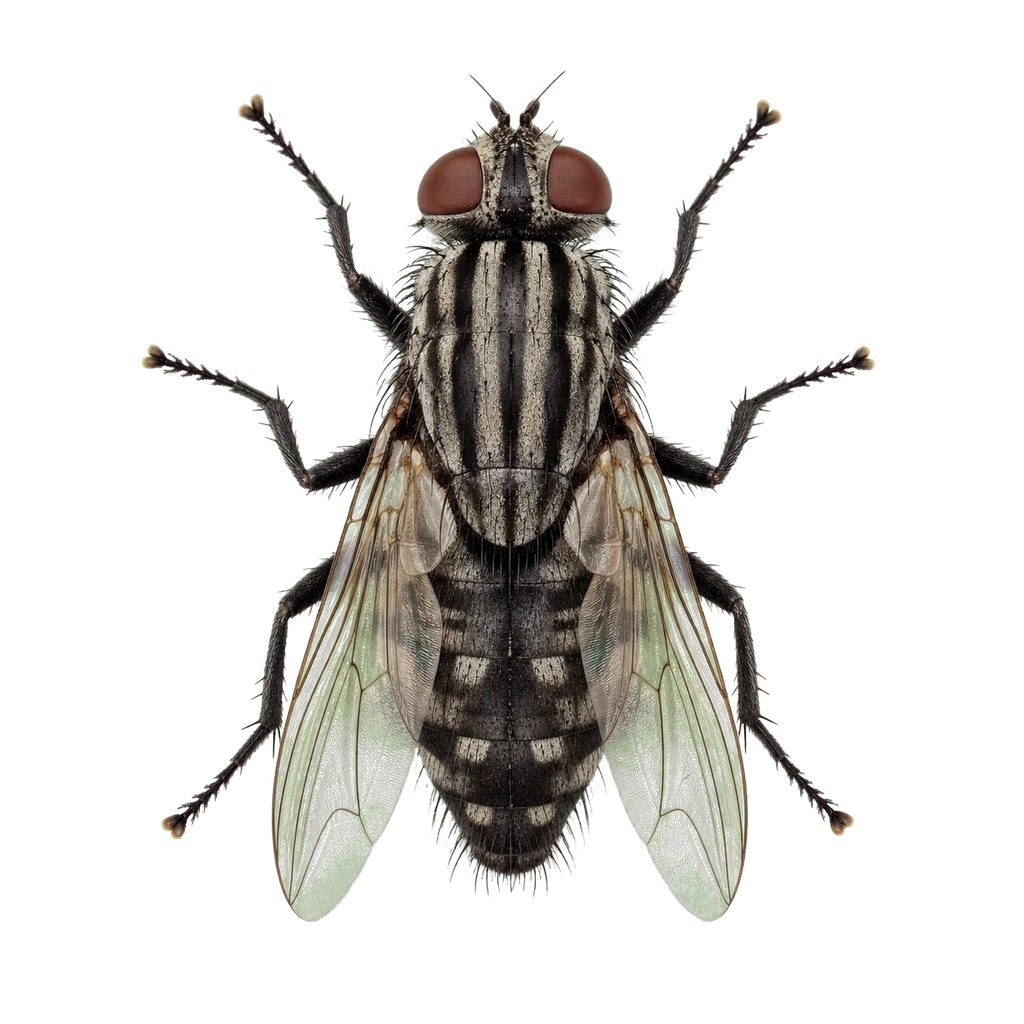 Flies
Flies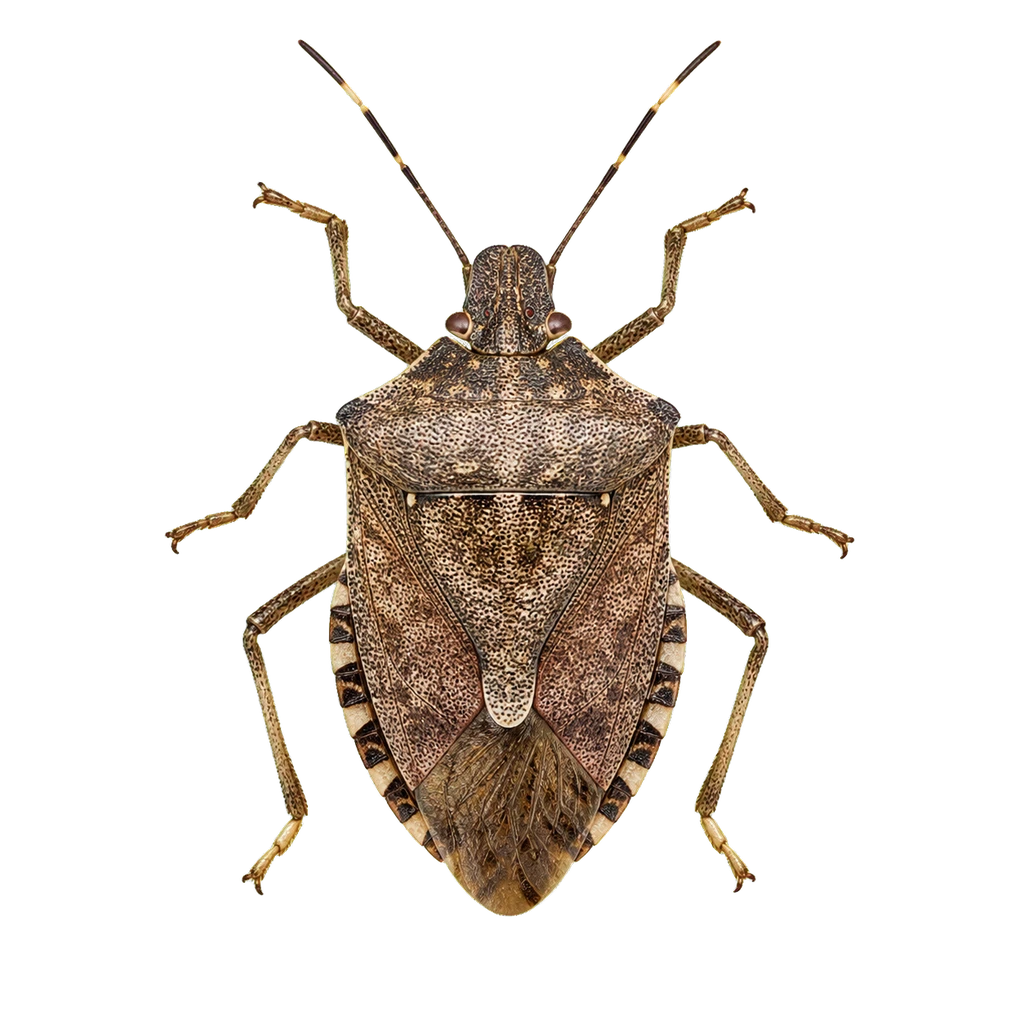 Stink Bugs
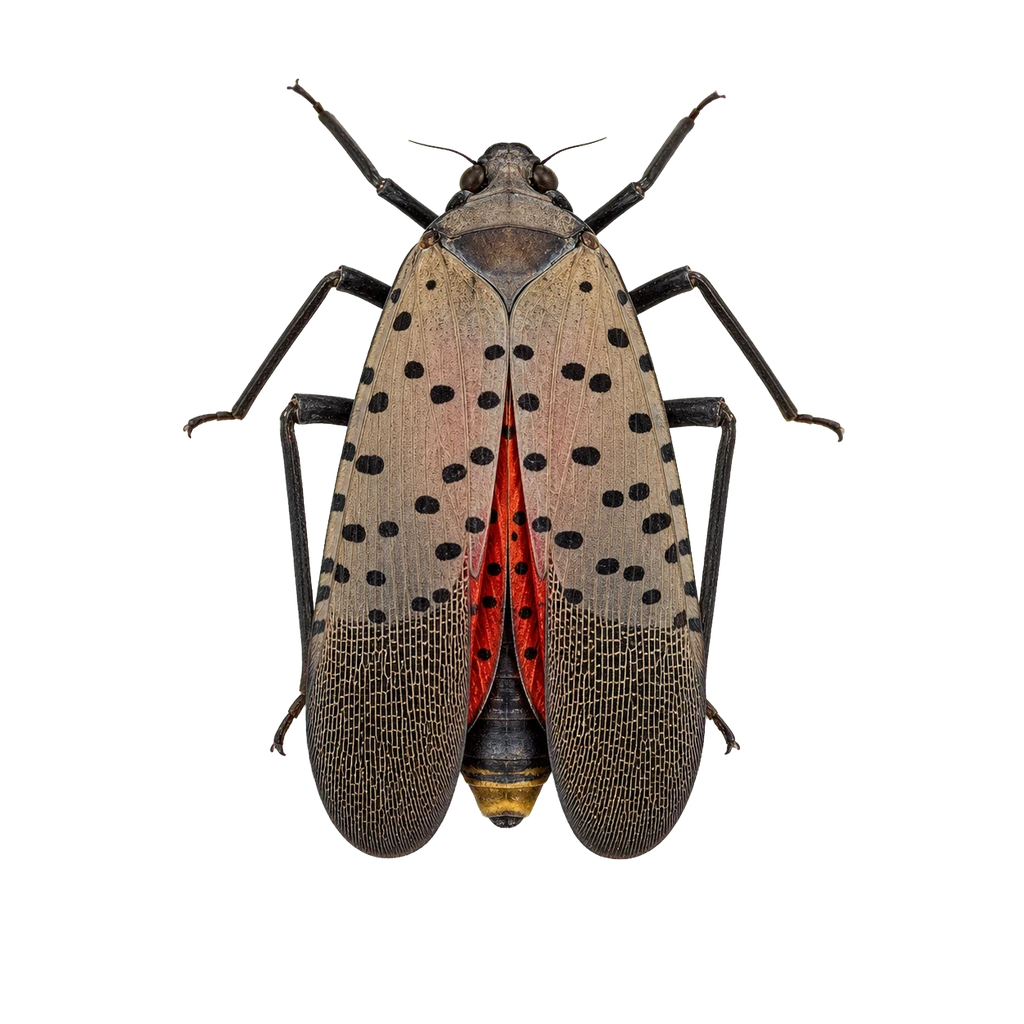 Spotted Lanternflies
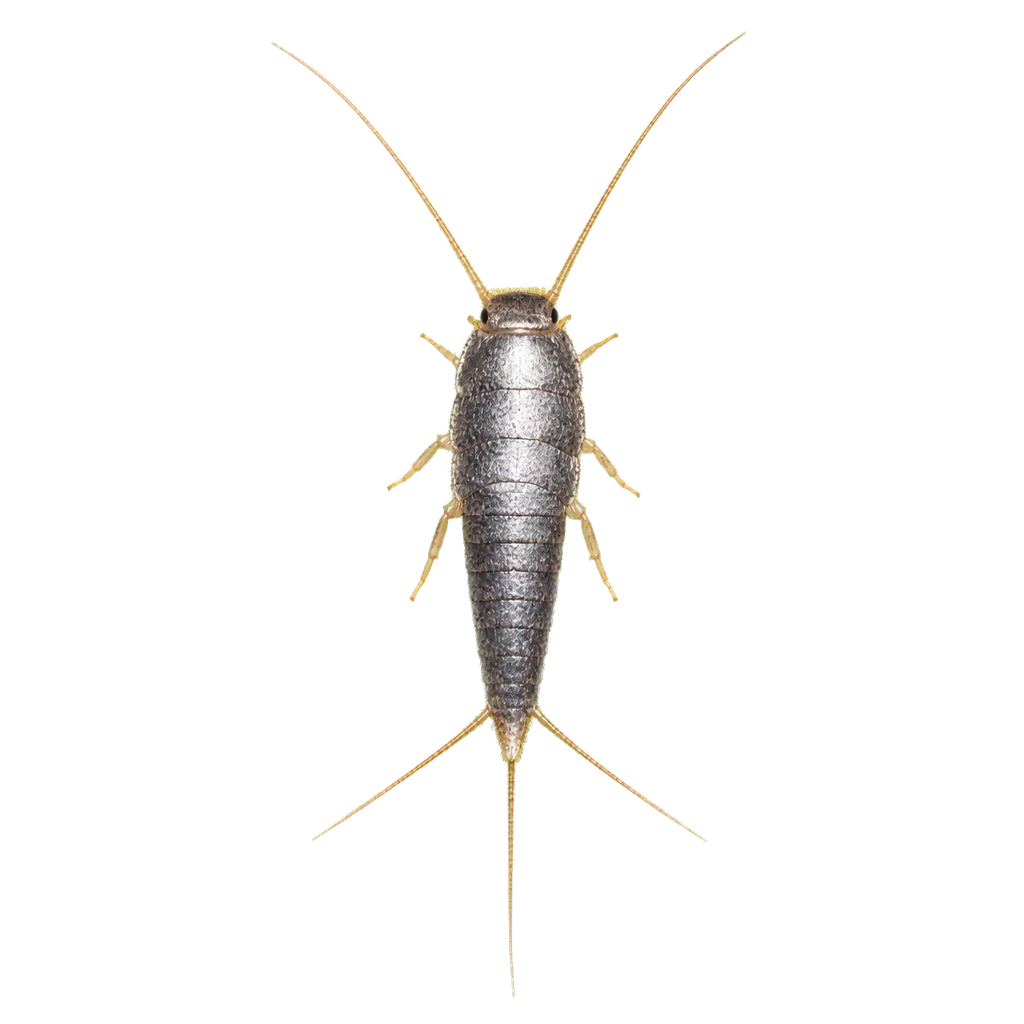 Silverfish
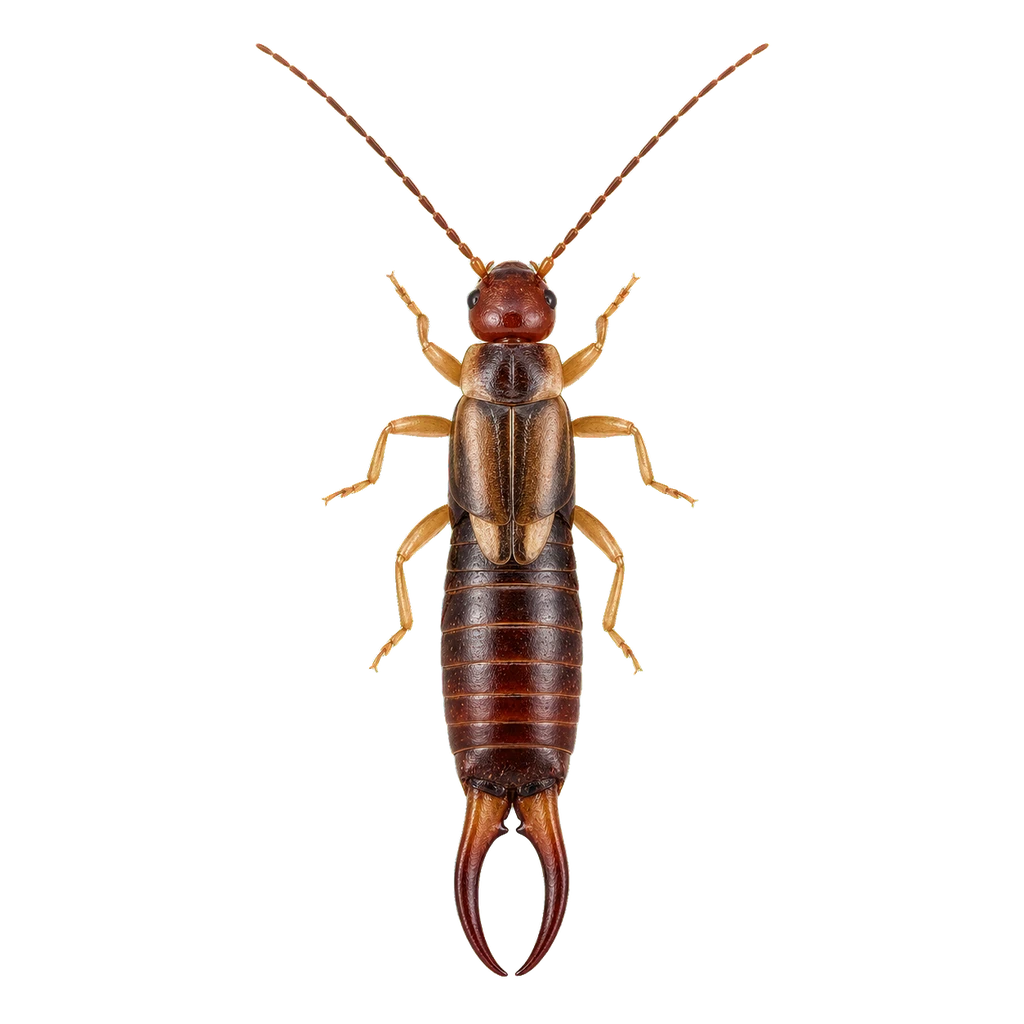 Earwigs
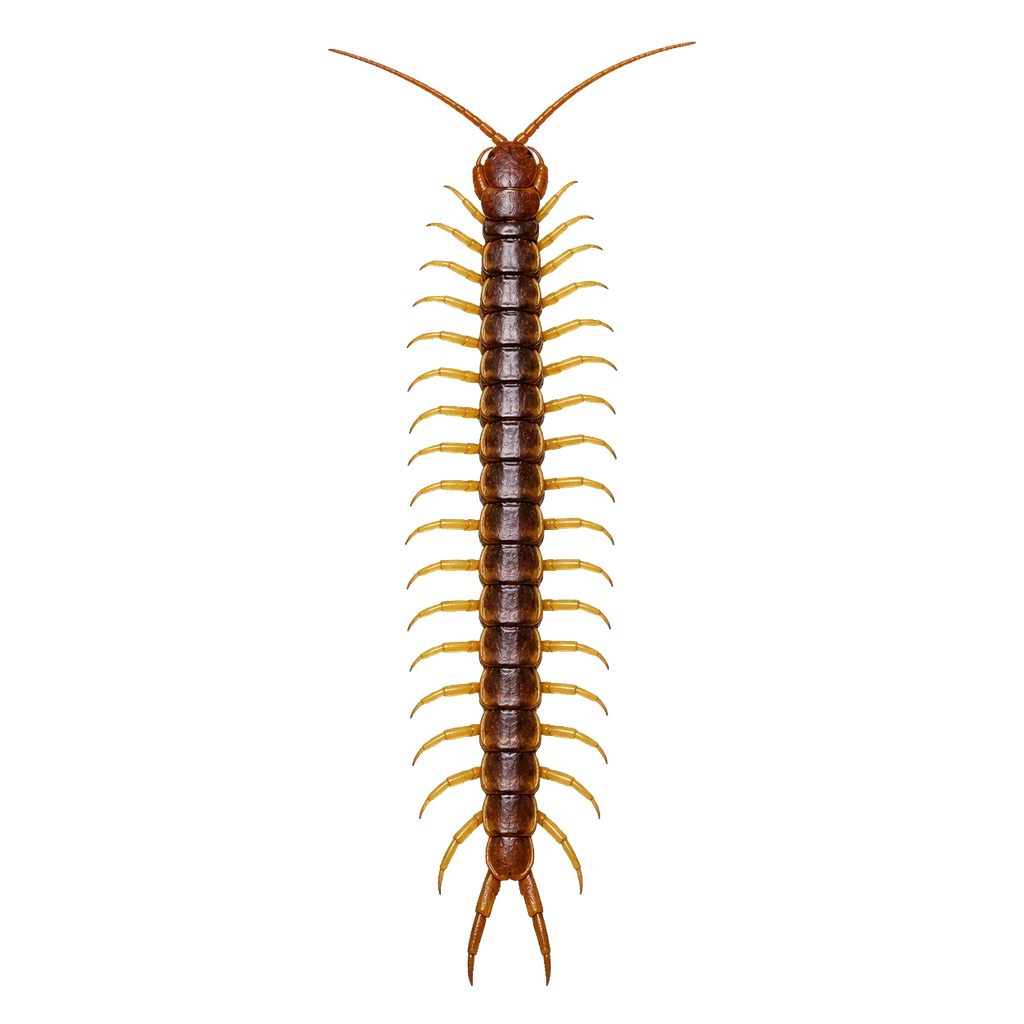 Centipedes
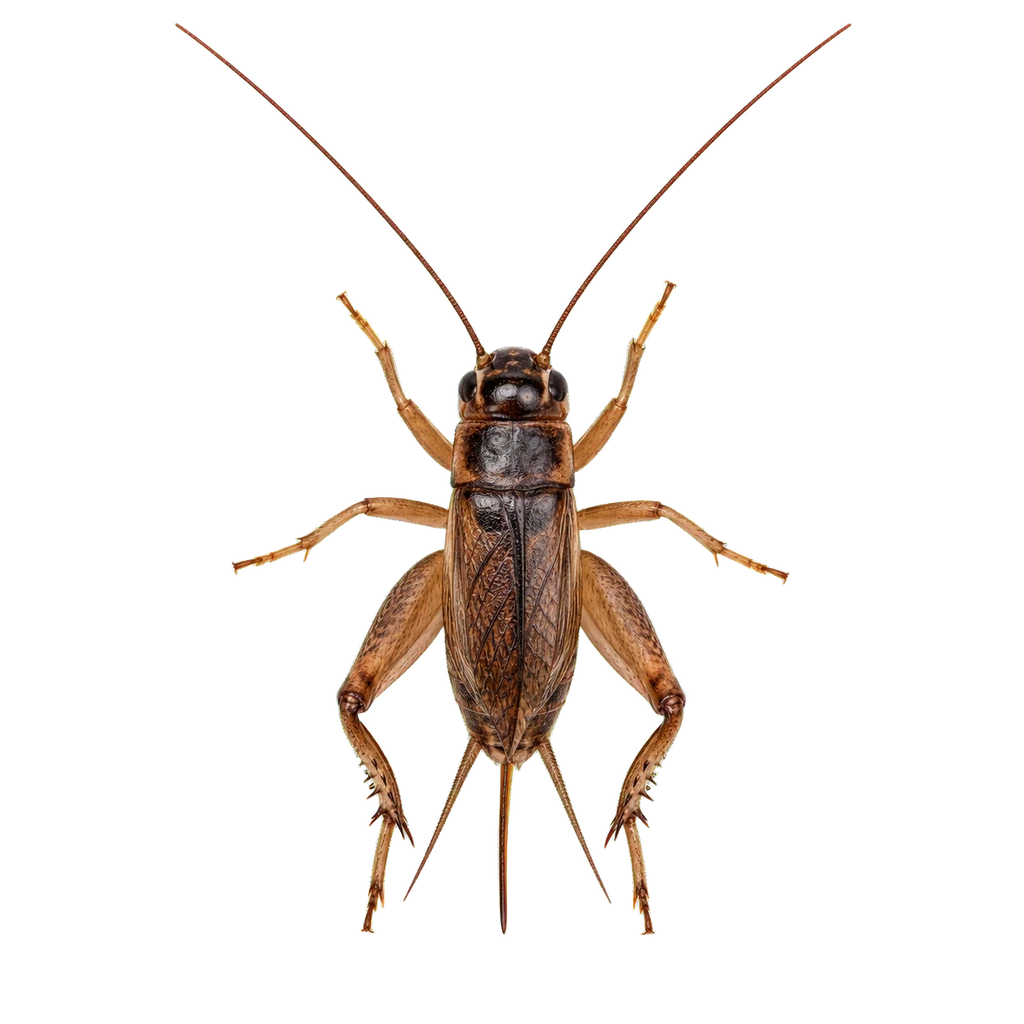 Crickets
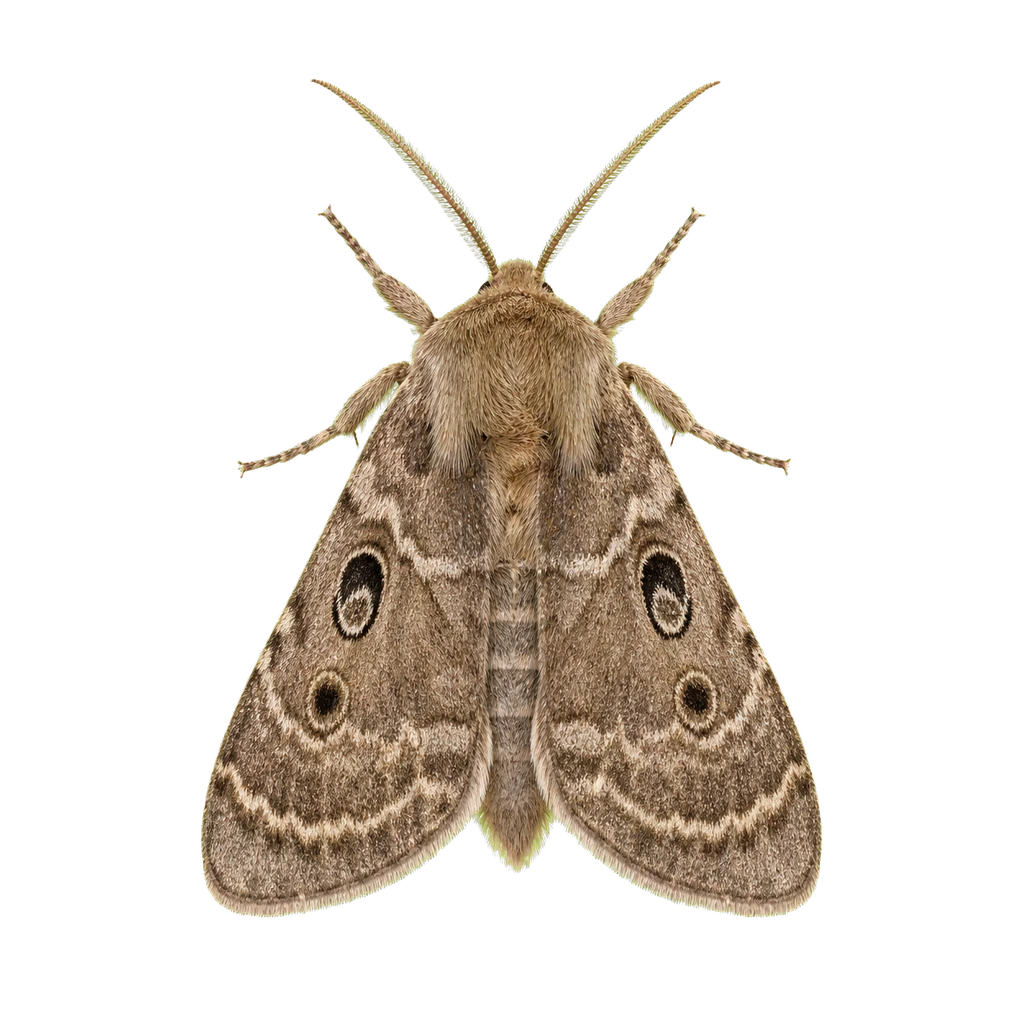 Moths
Moths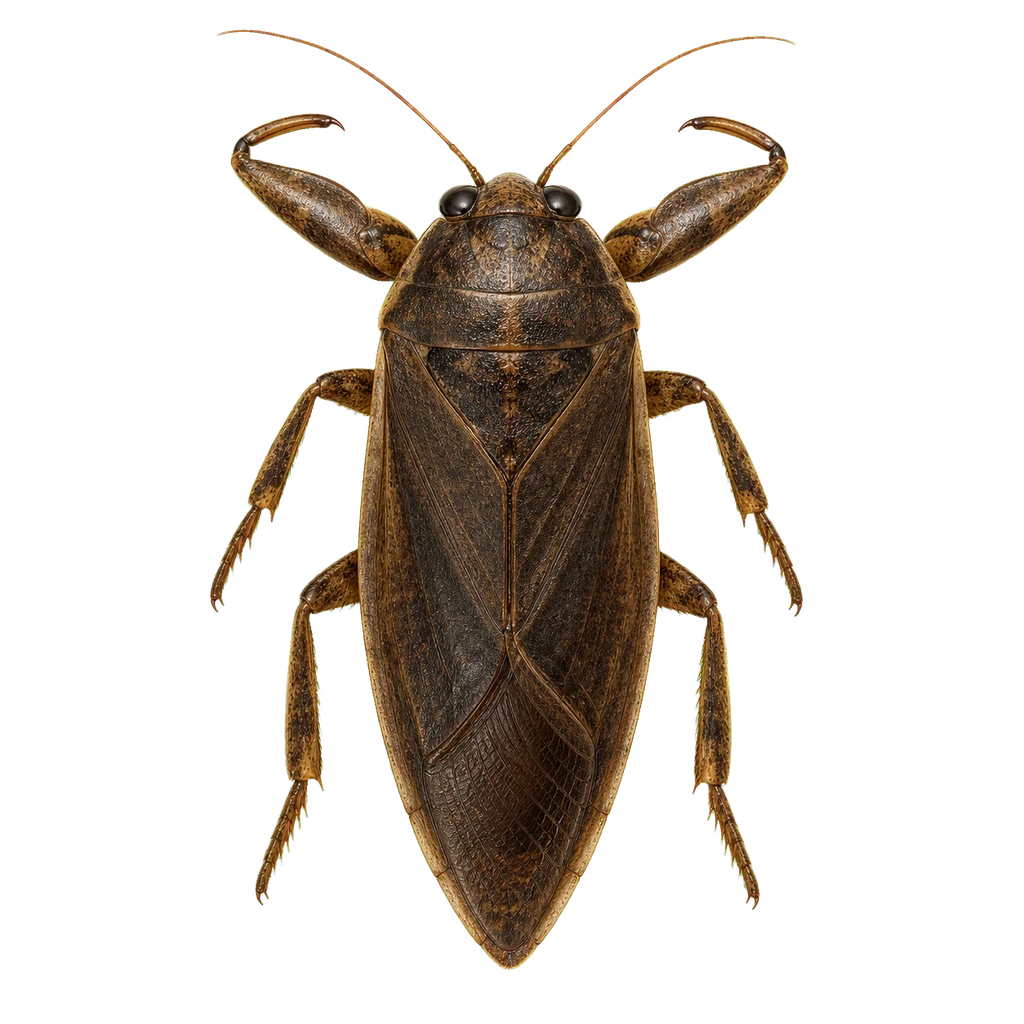 Waterbugs
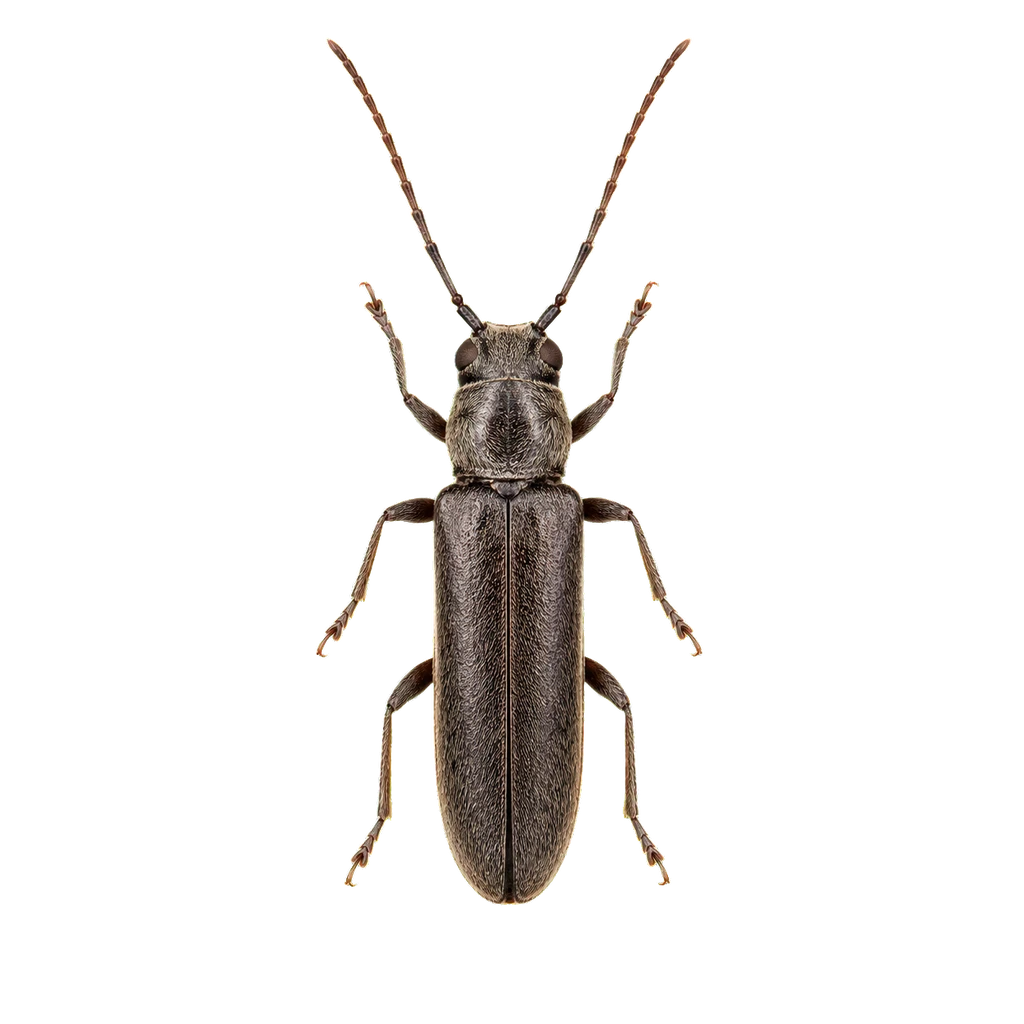 Old House Borers
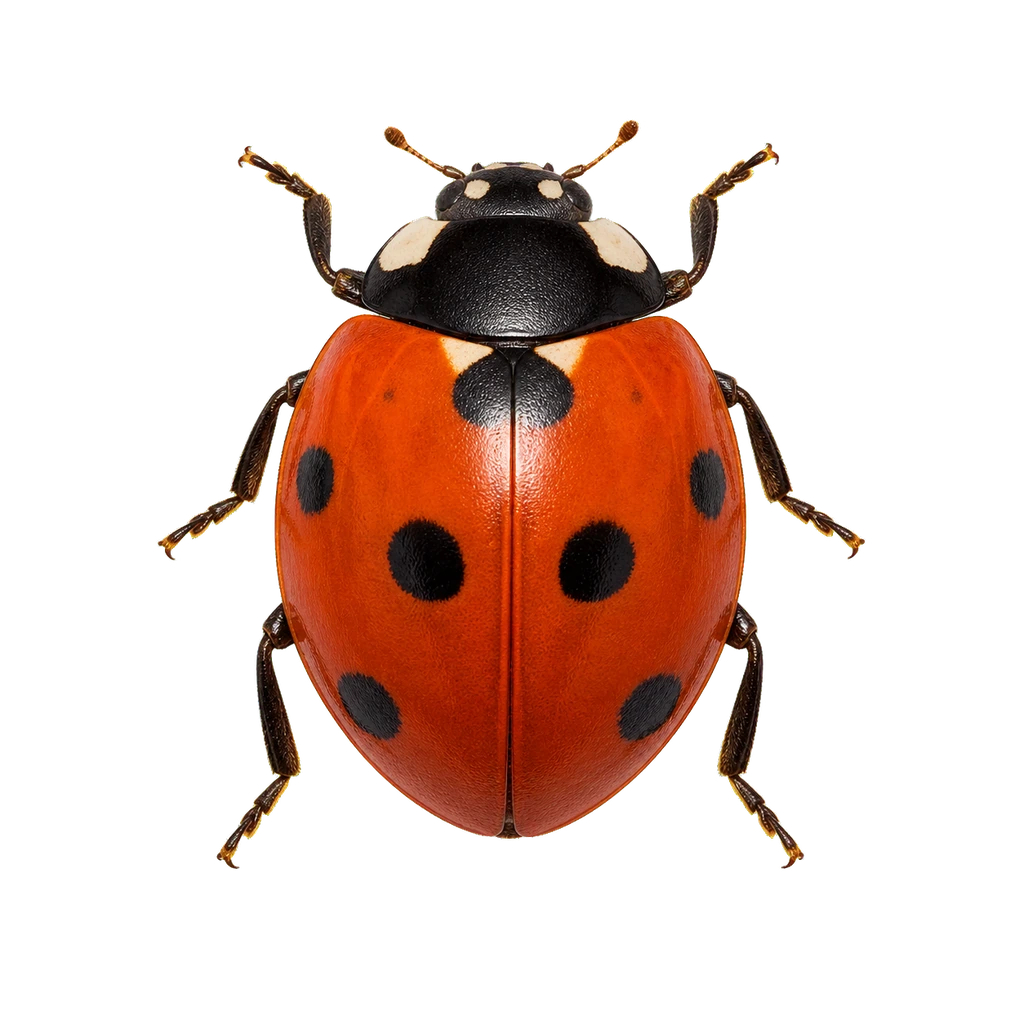 Ladybugs
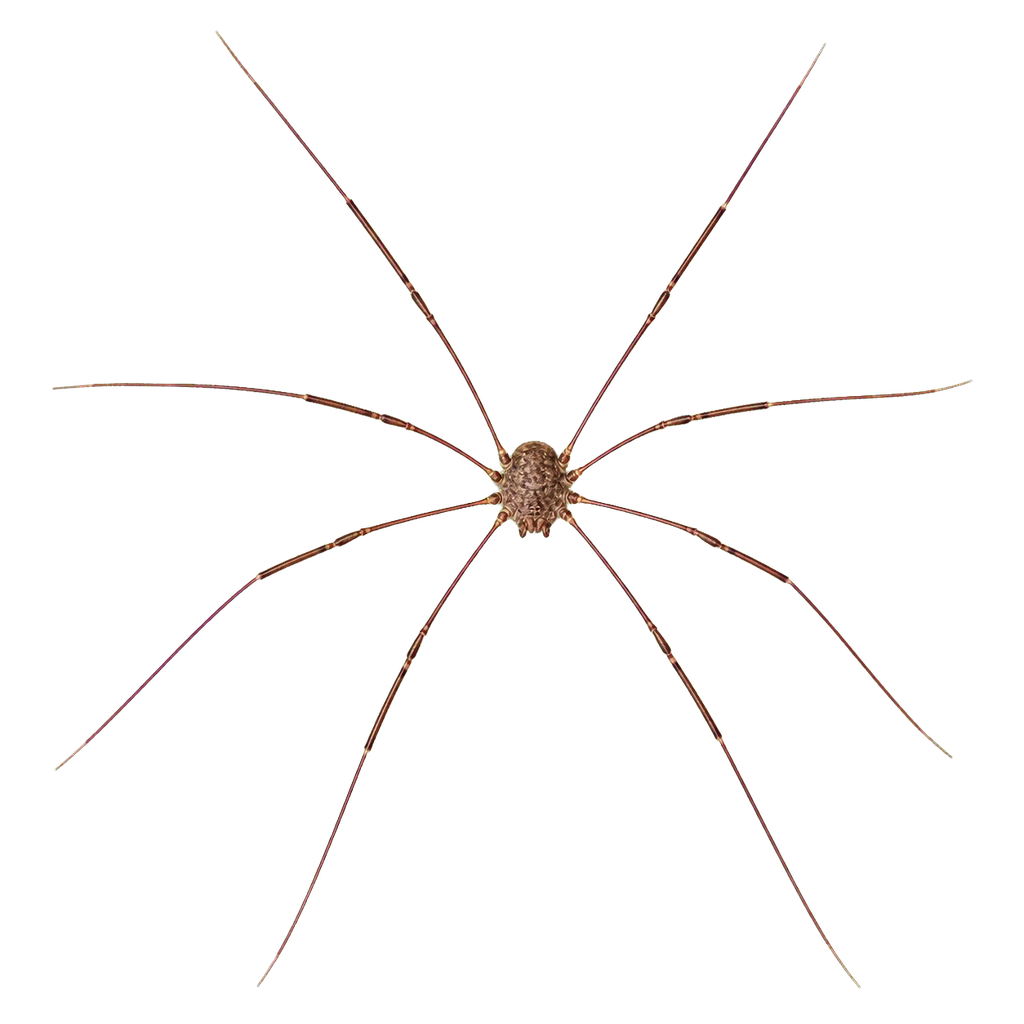 Daddy Long Legs
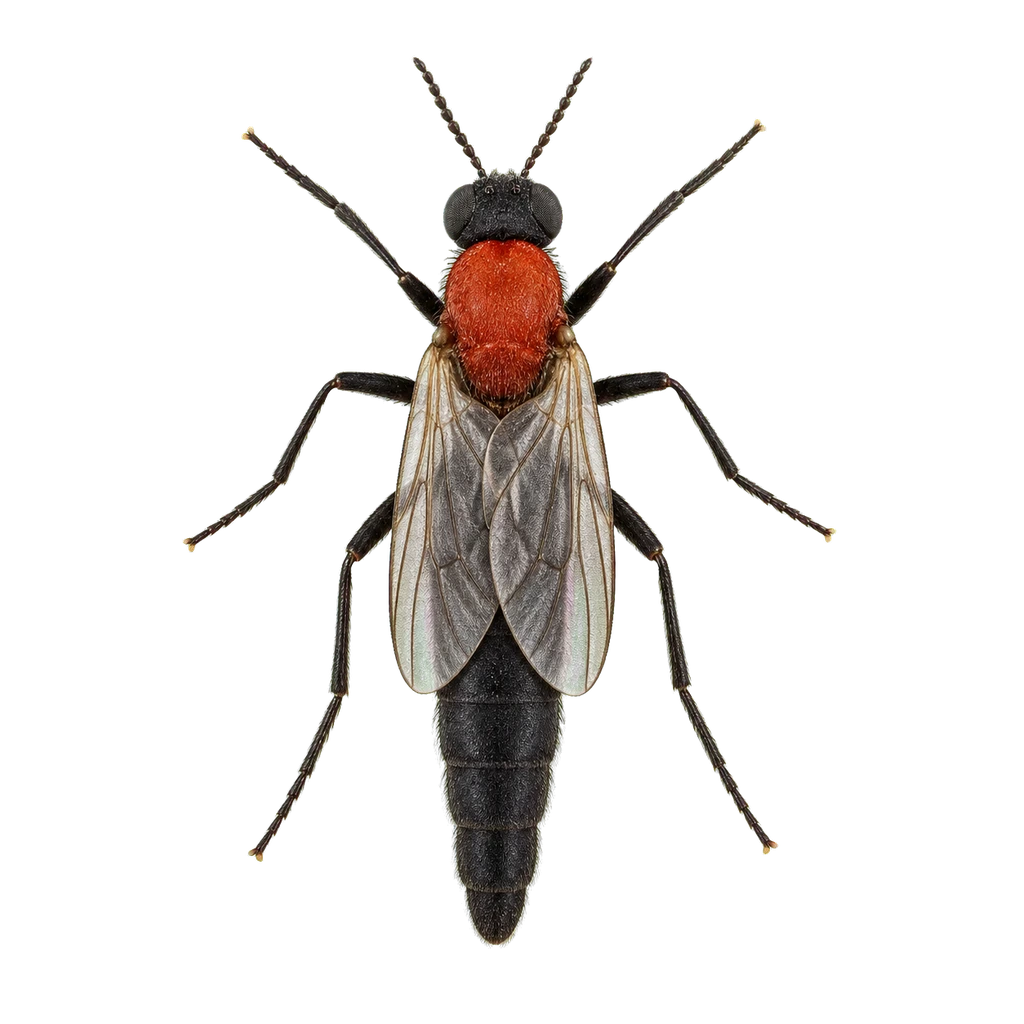 Lovebugs
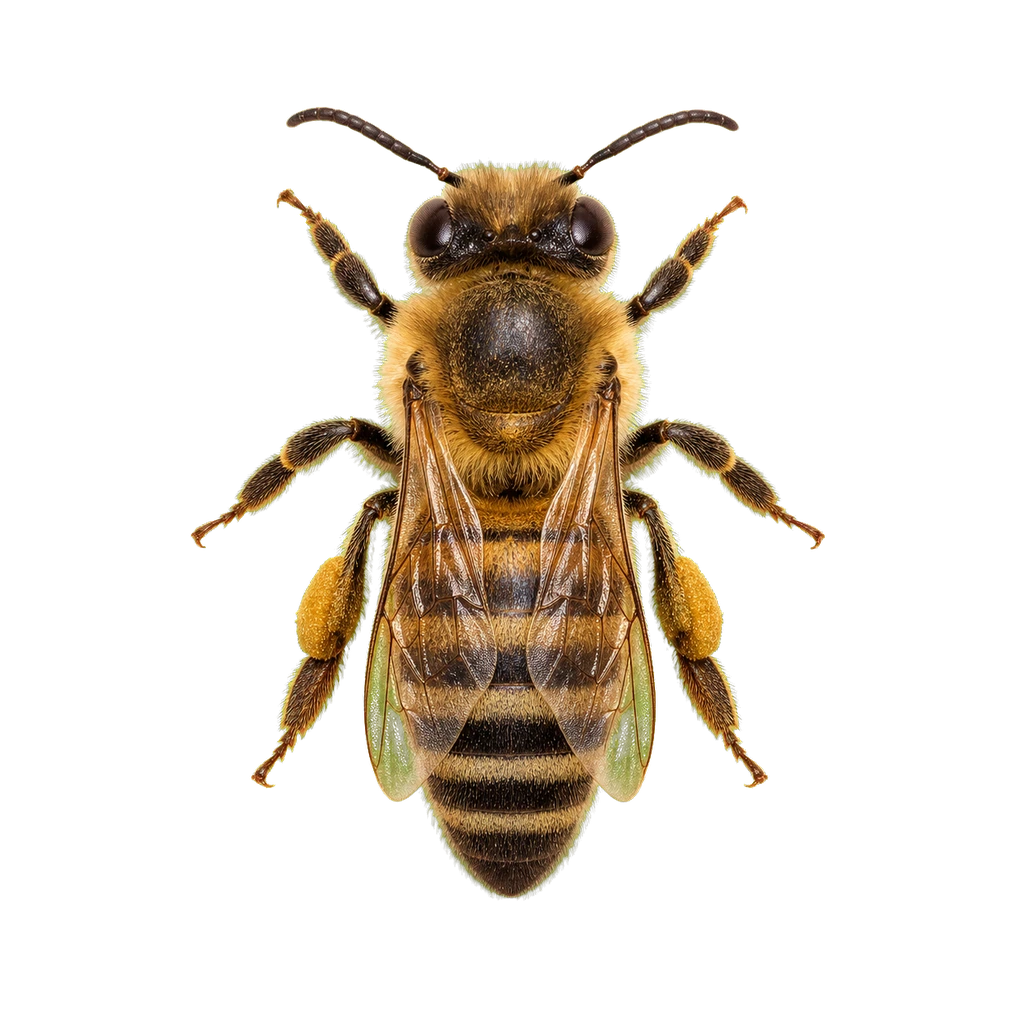 Bees
Bees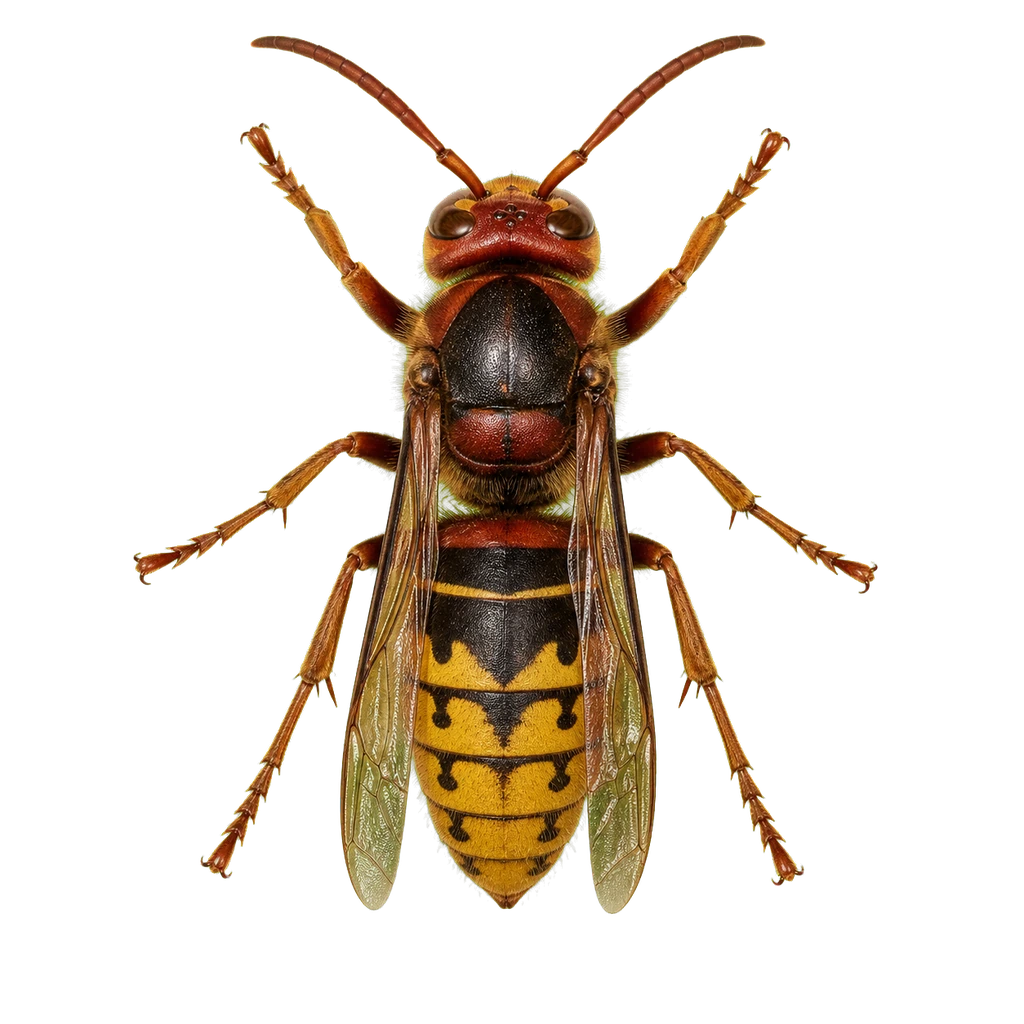 Hornets
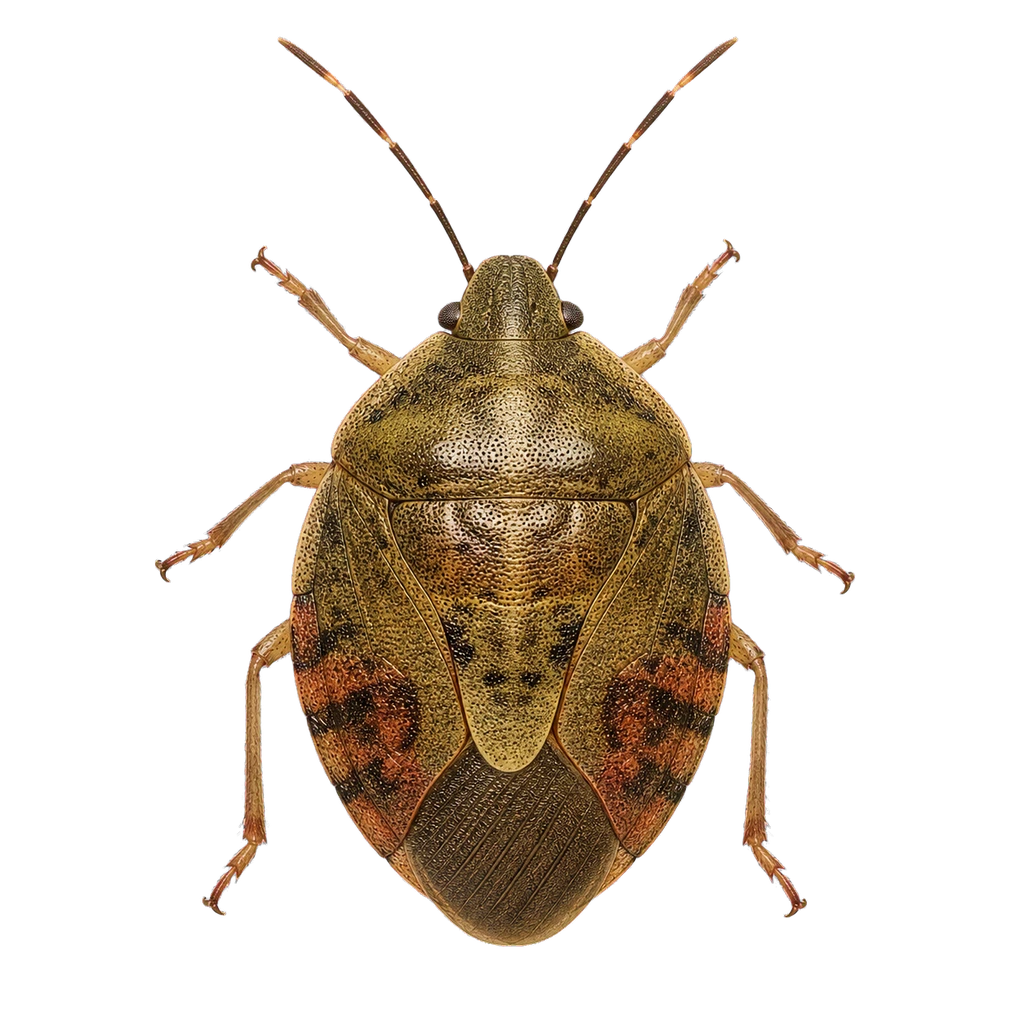 Kudzu Bugs
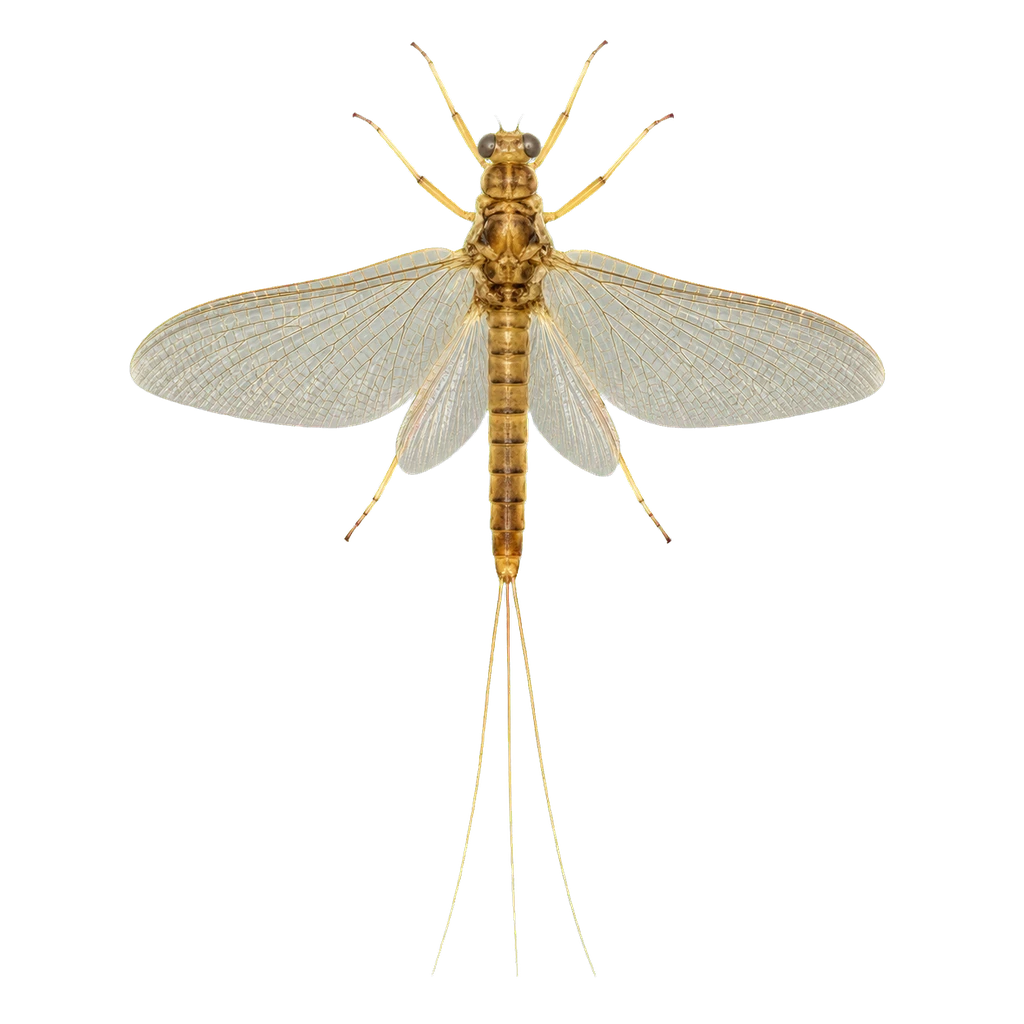 Mayflies
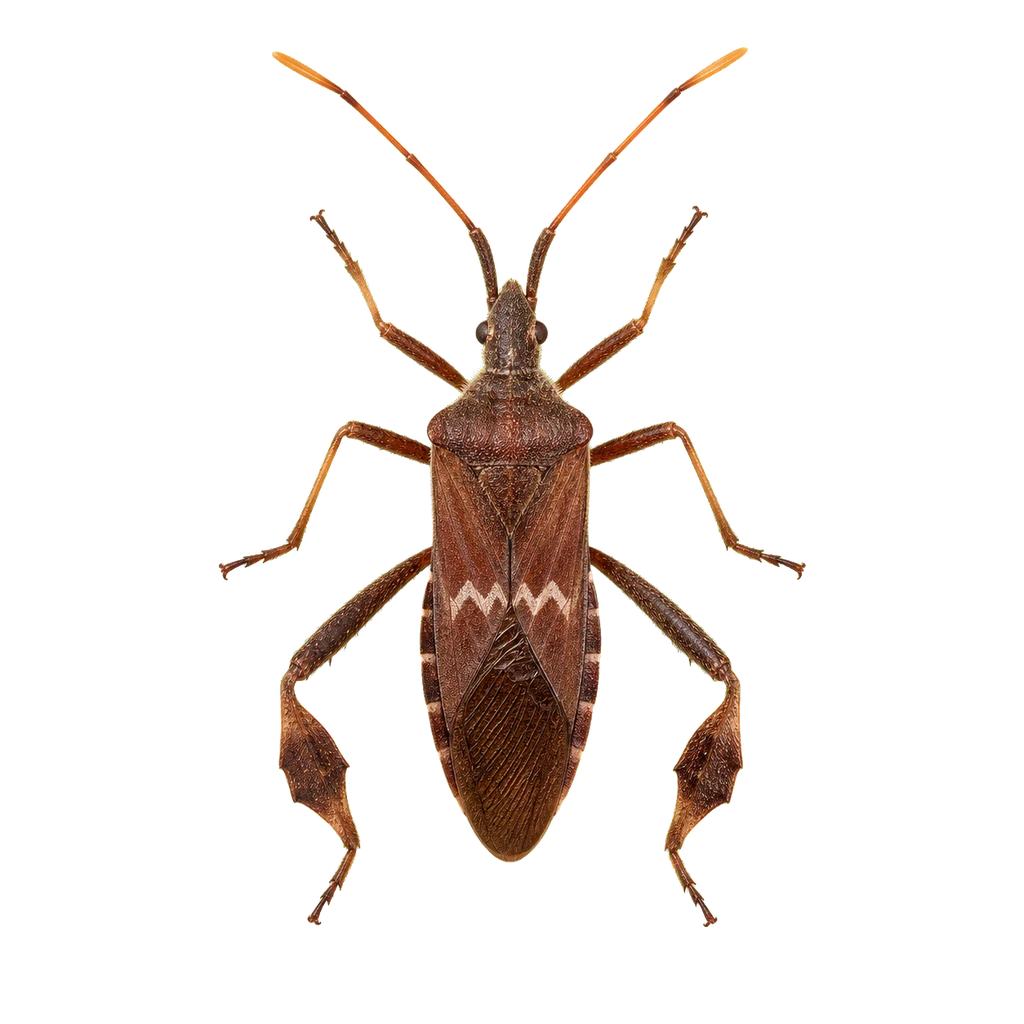 Western Conifer Seed Bugs
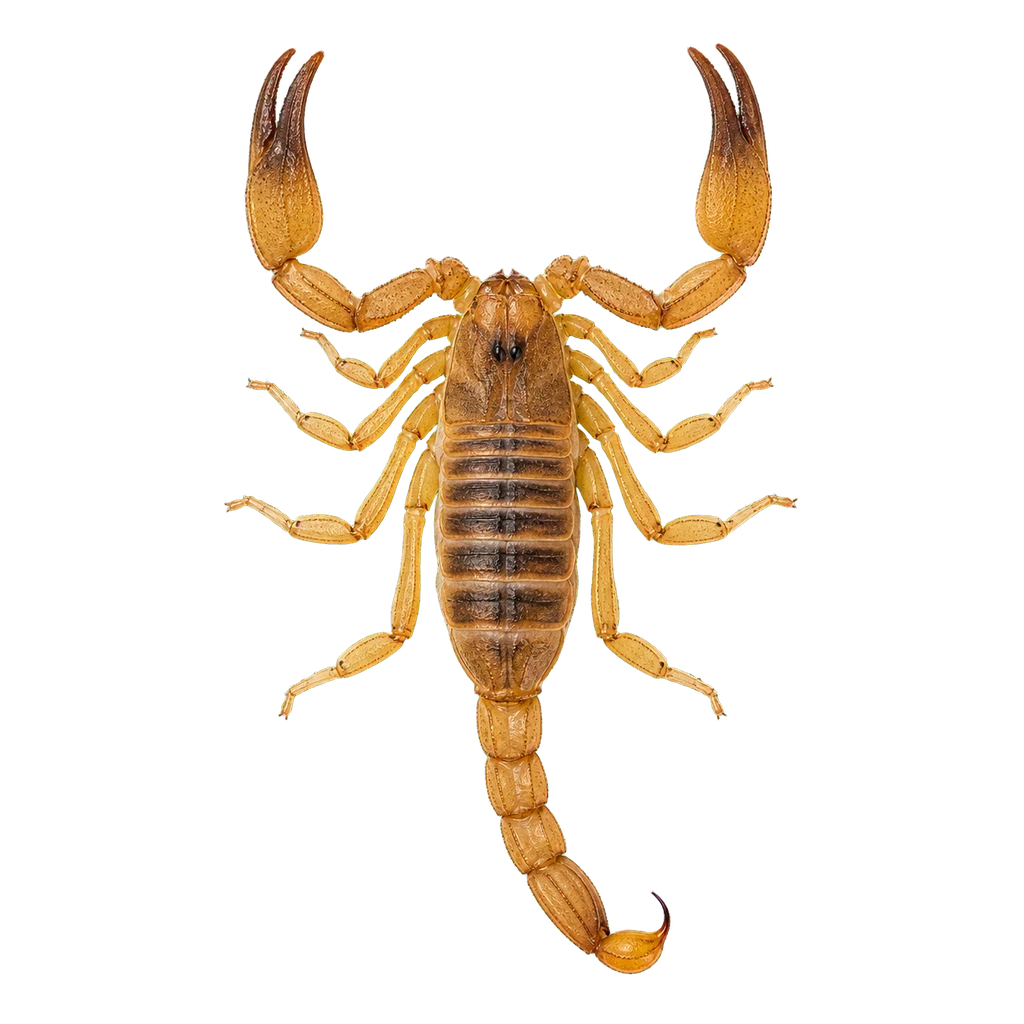 Scorpions
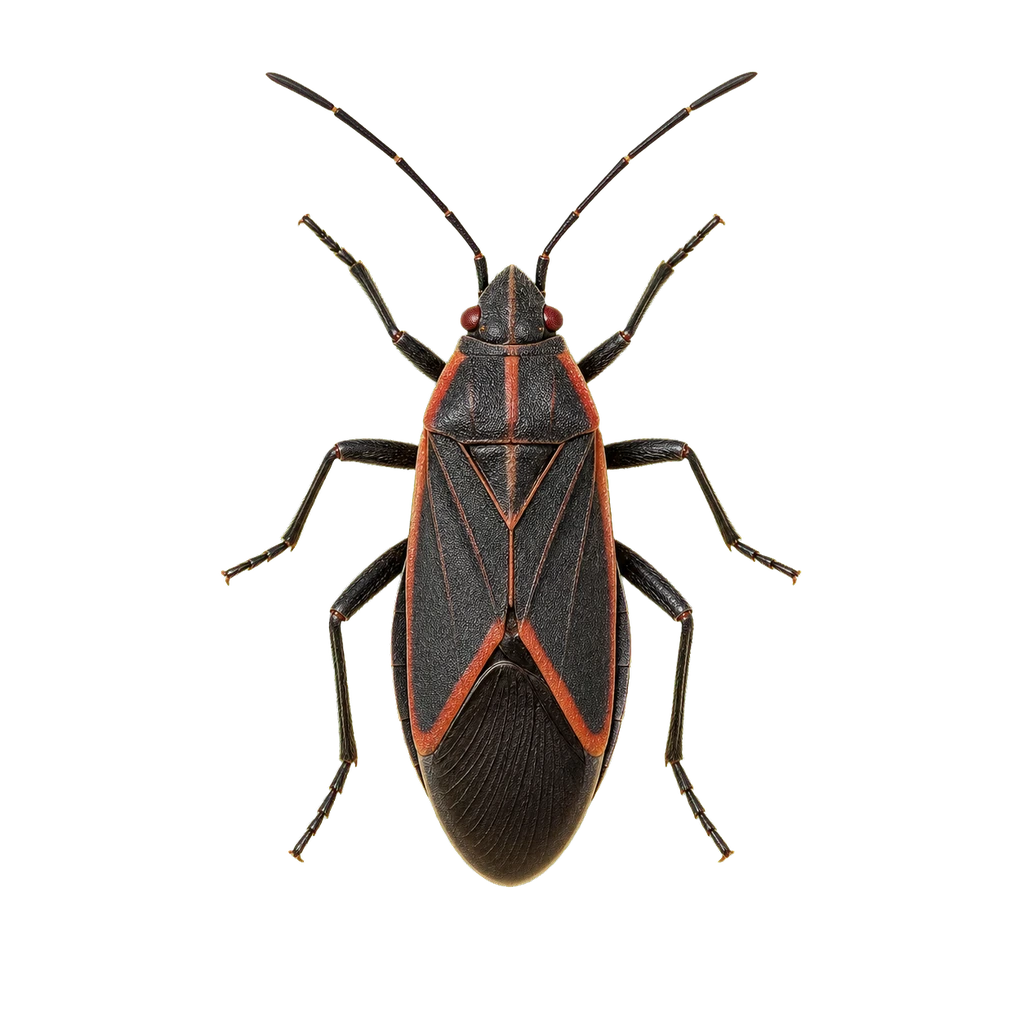 Boxelder Bugs
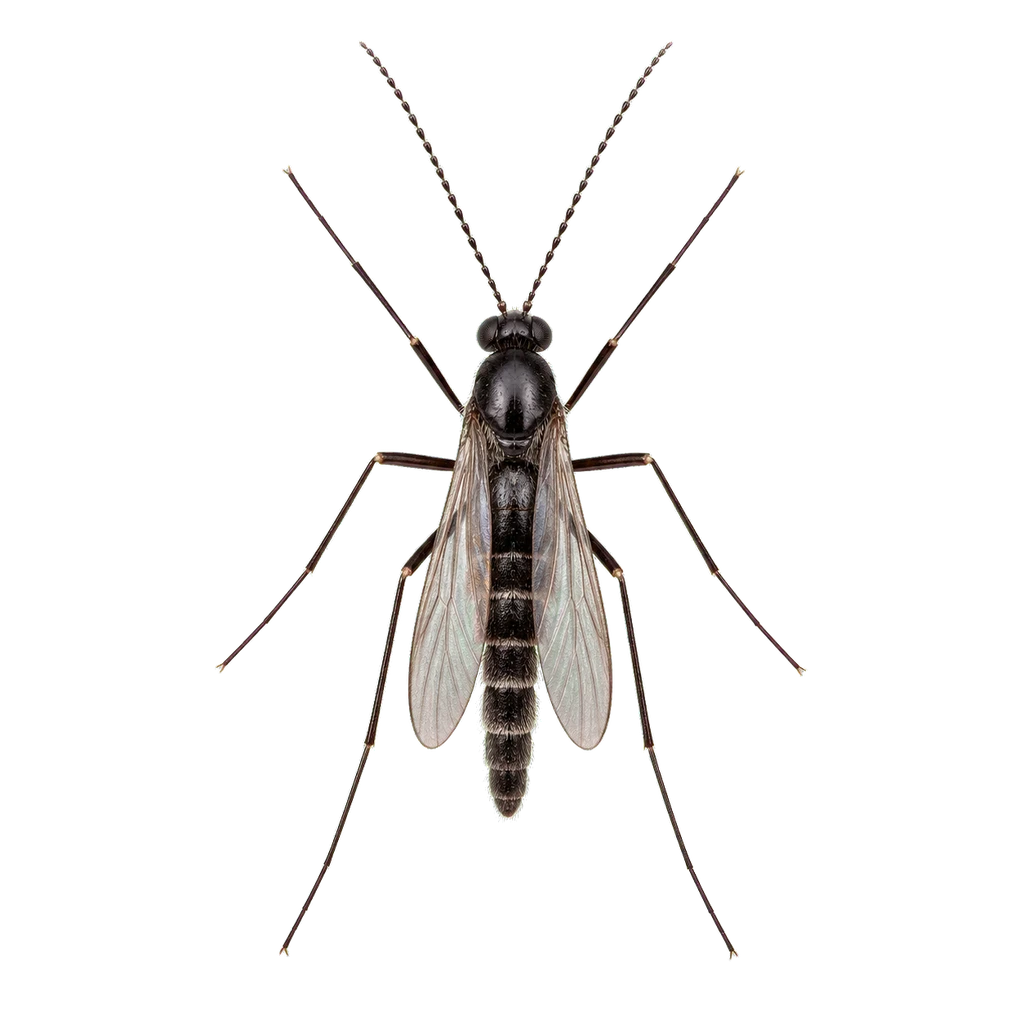 Gnats
Gnats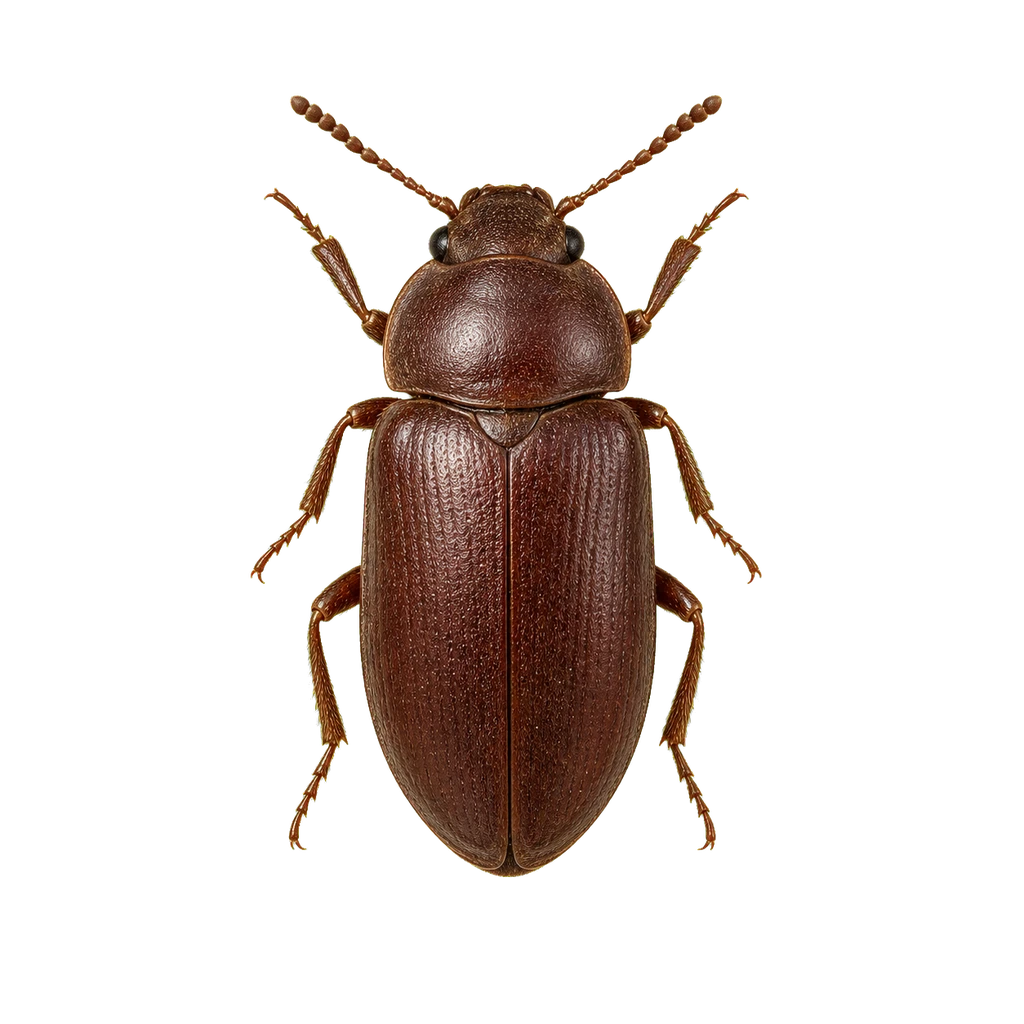 Beetles
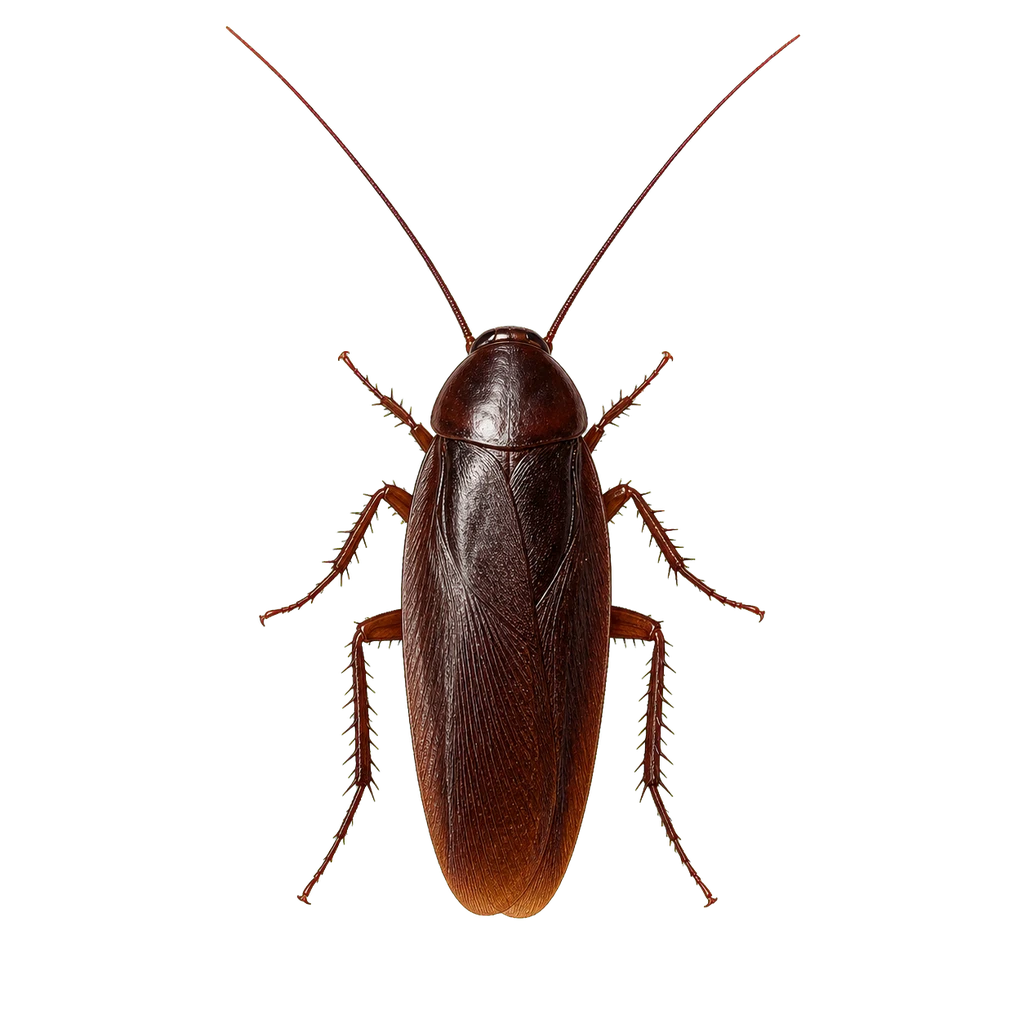 Palmetto Bugs
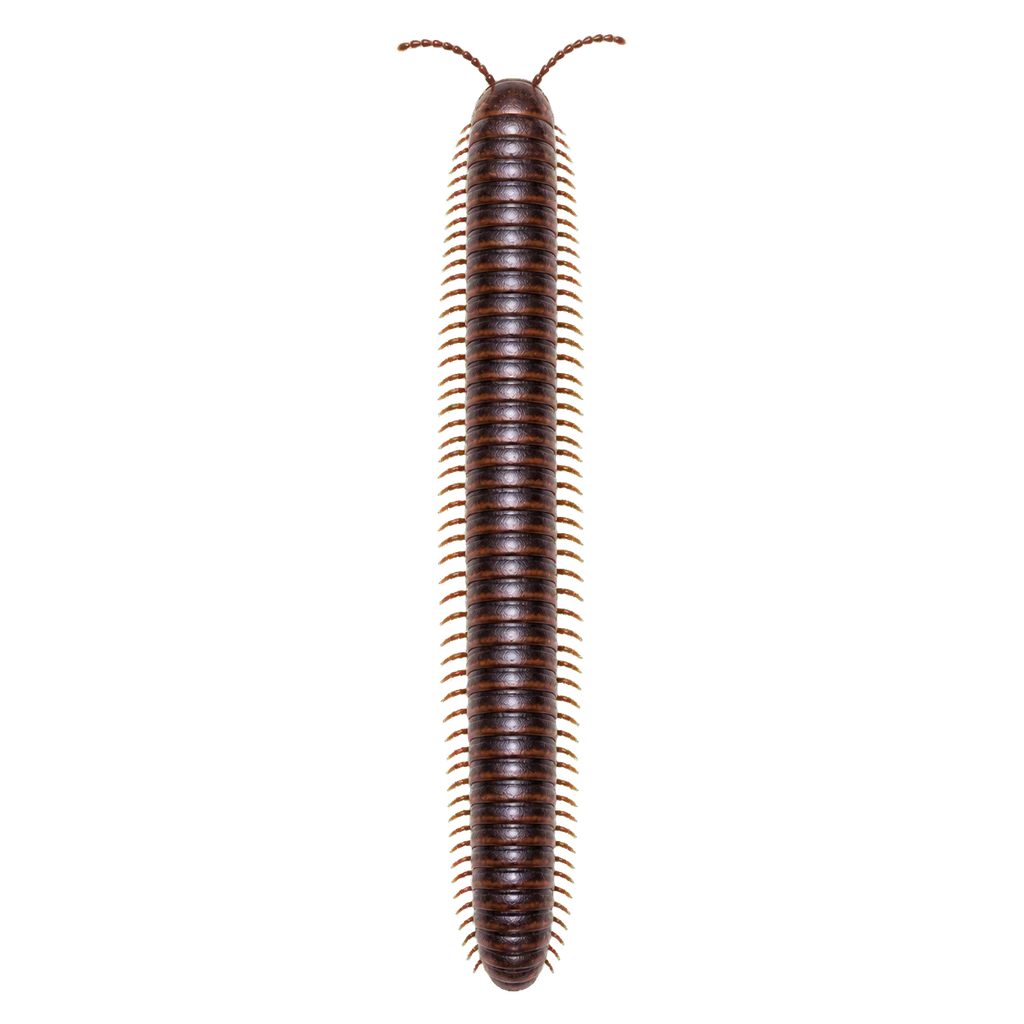 Millipedes
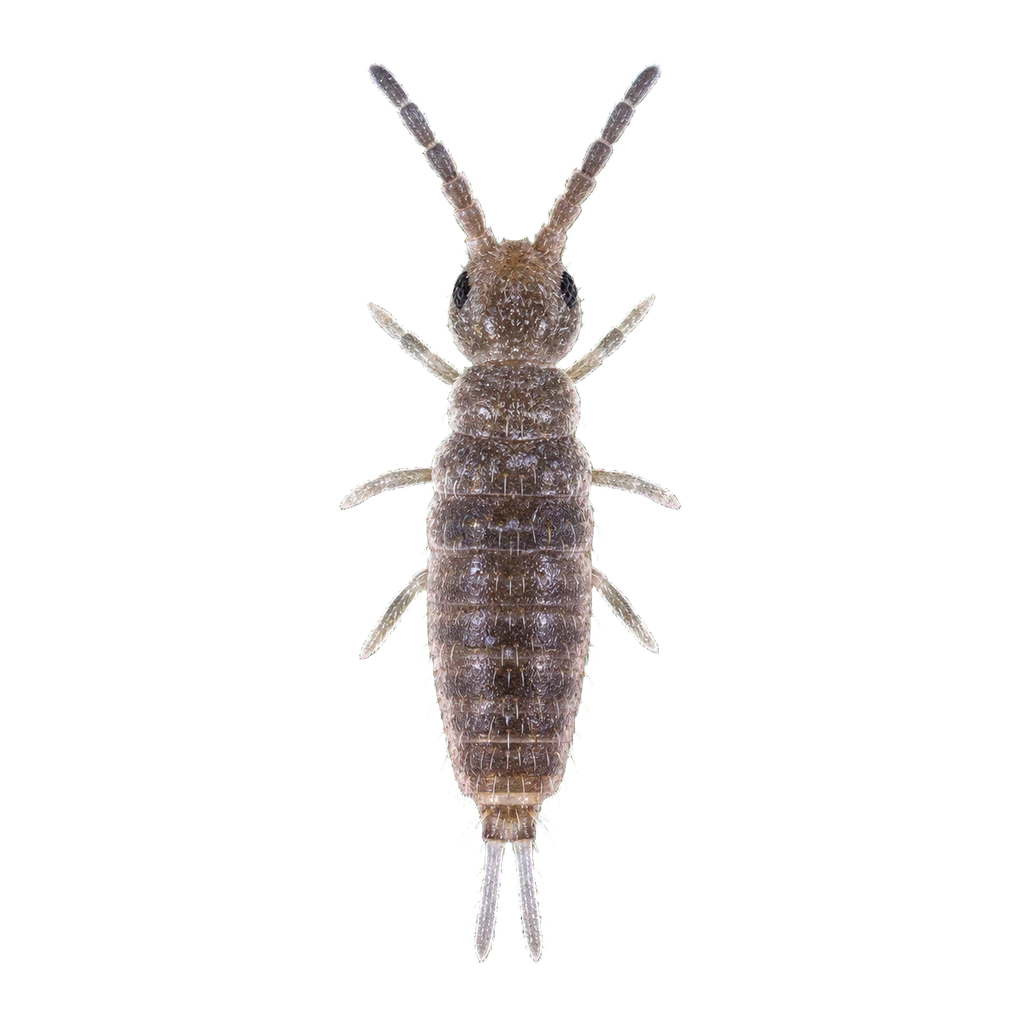 Springtails
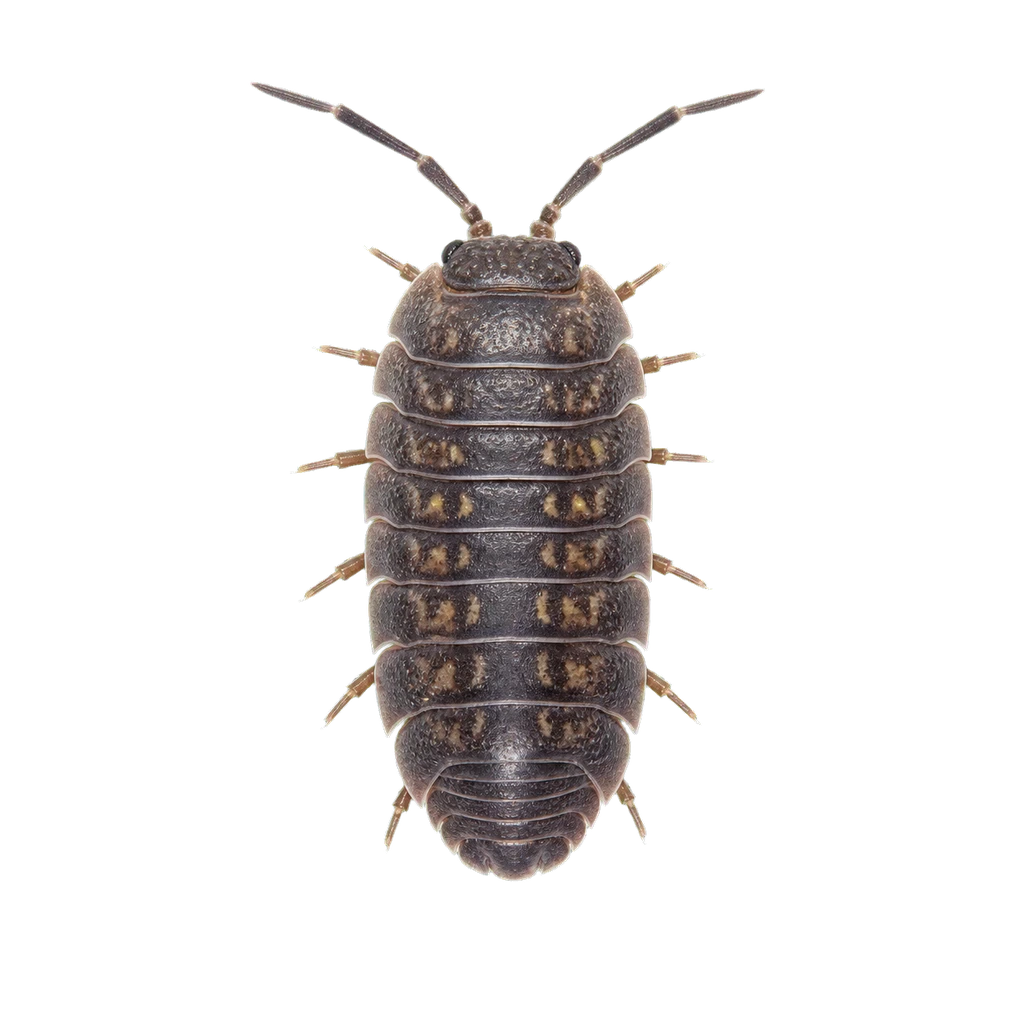 Pillbugs
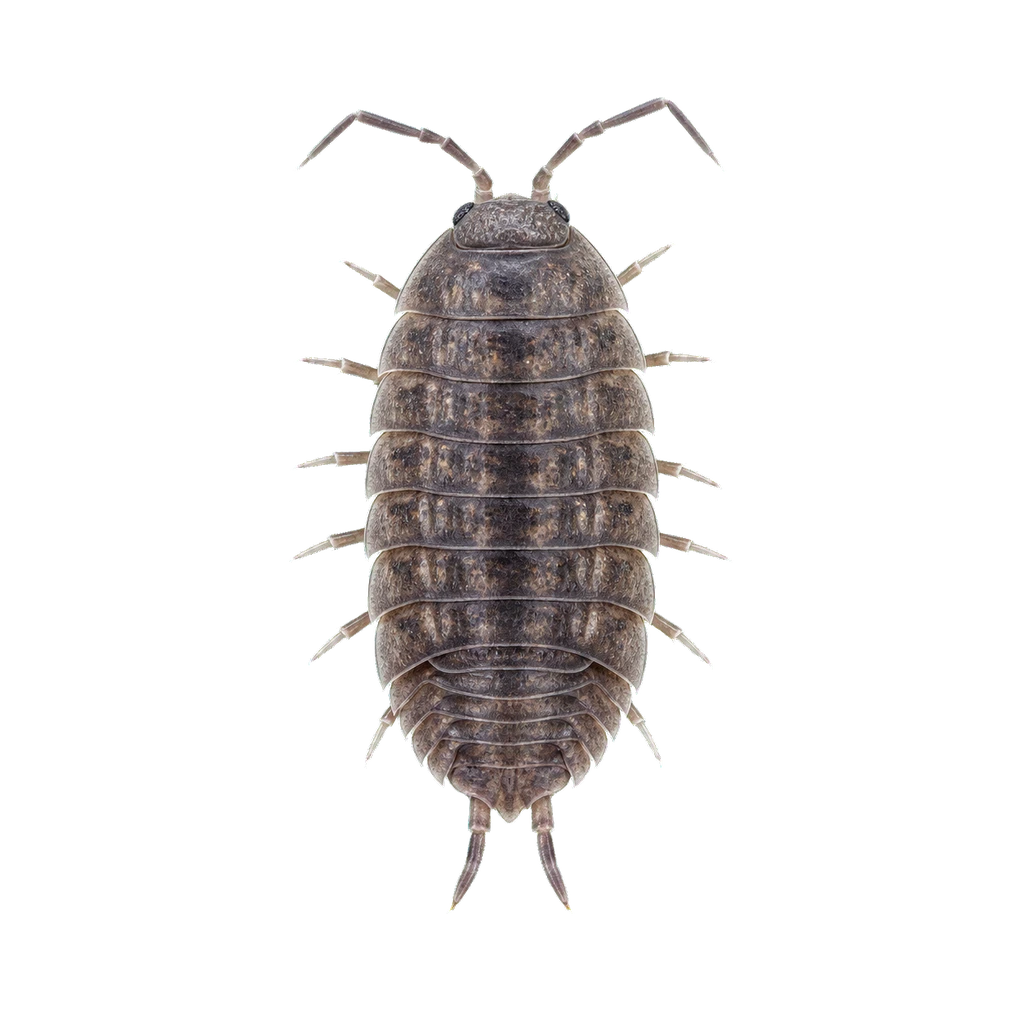 Sowbugs
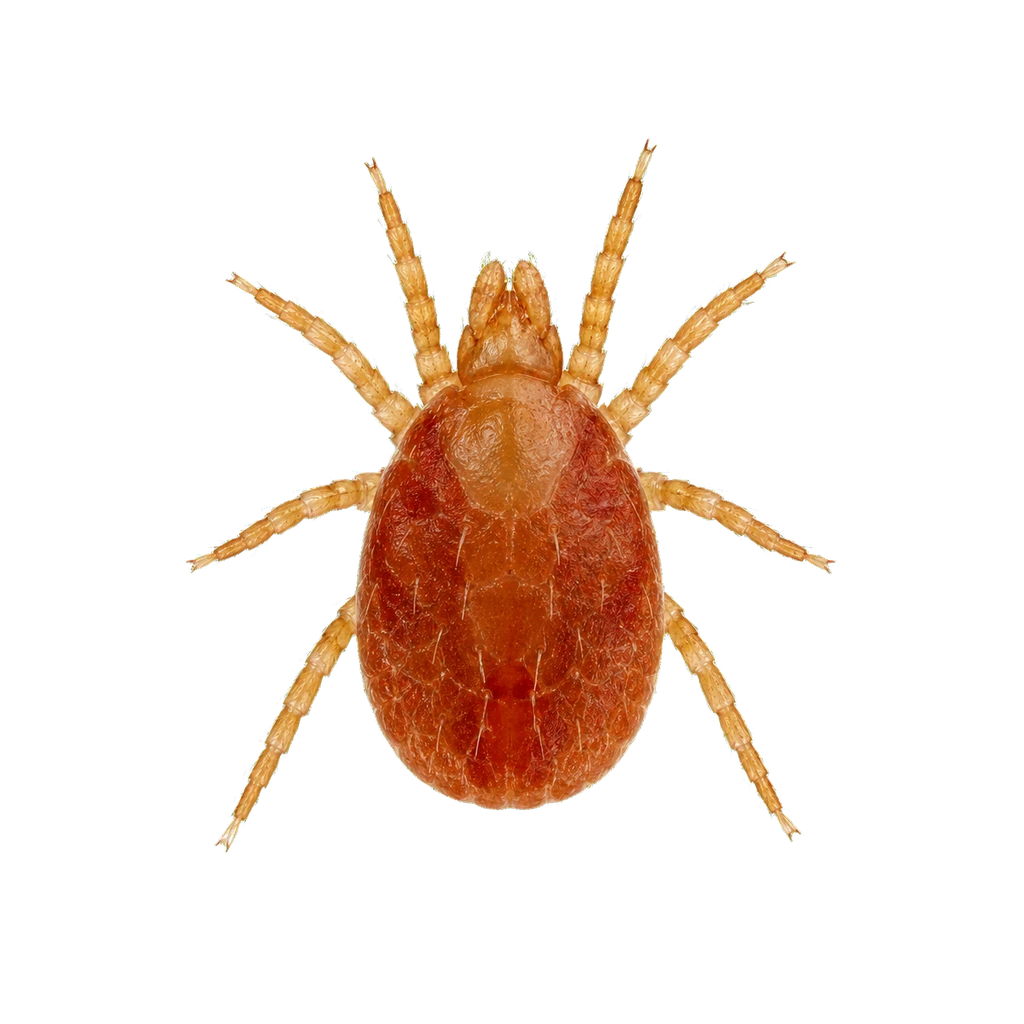 Mites
Mites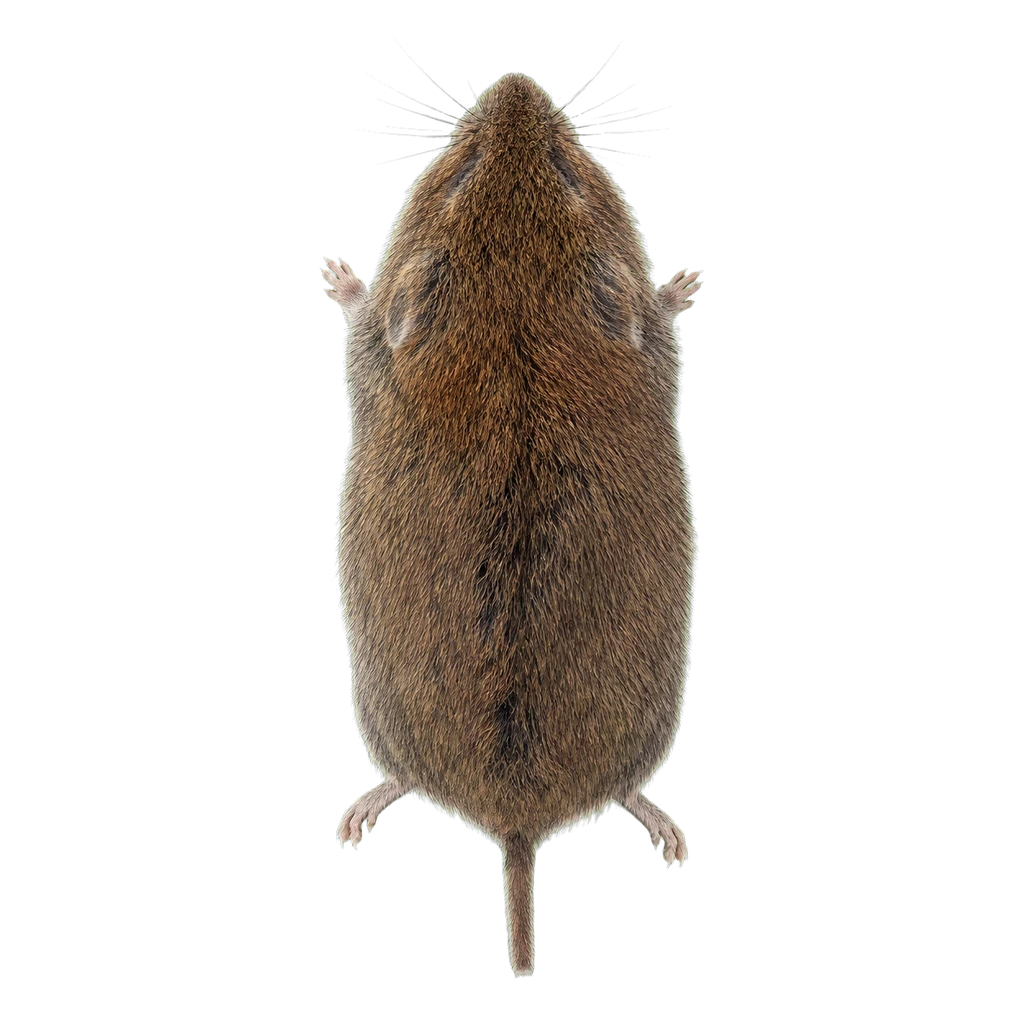 Voles
Voles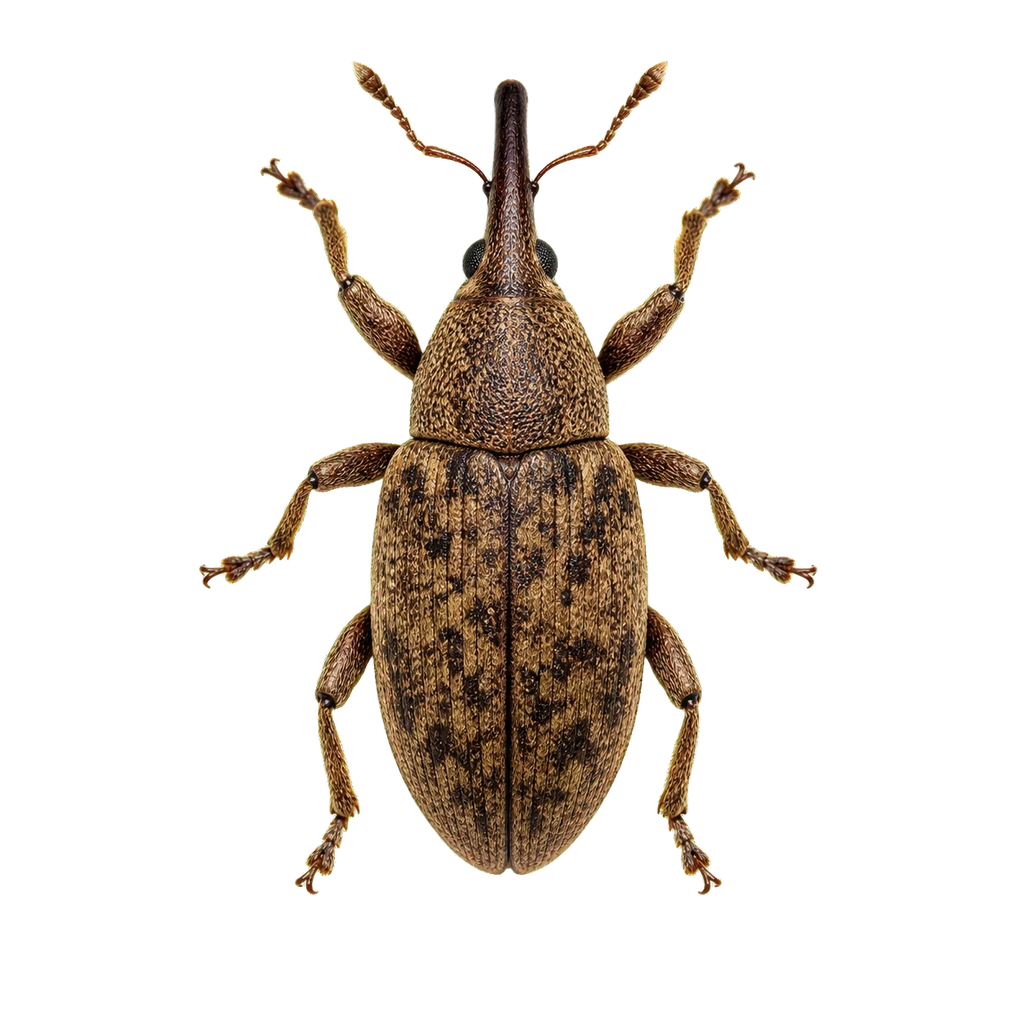 Weevils
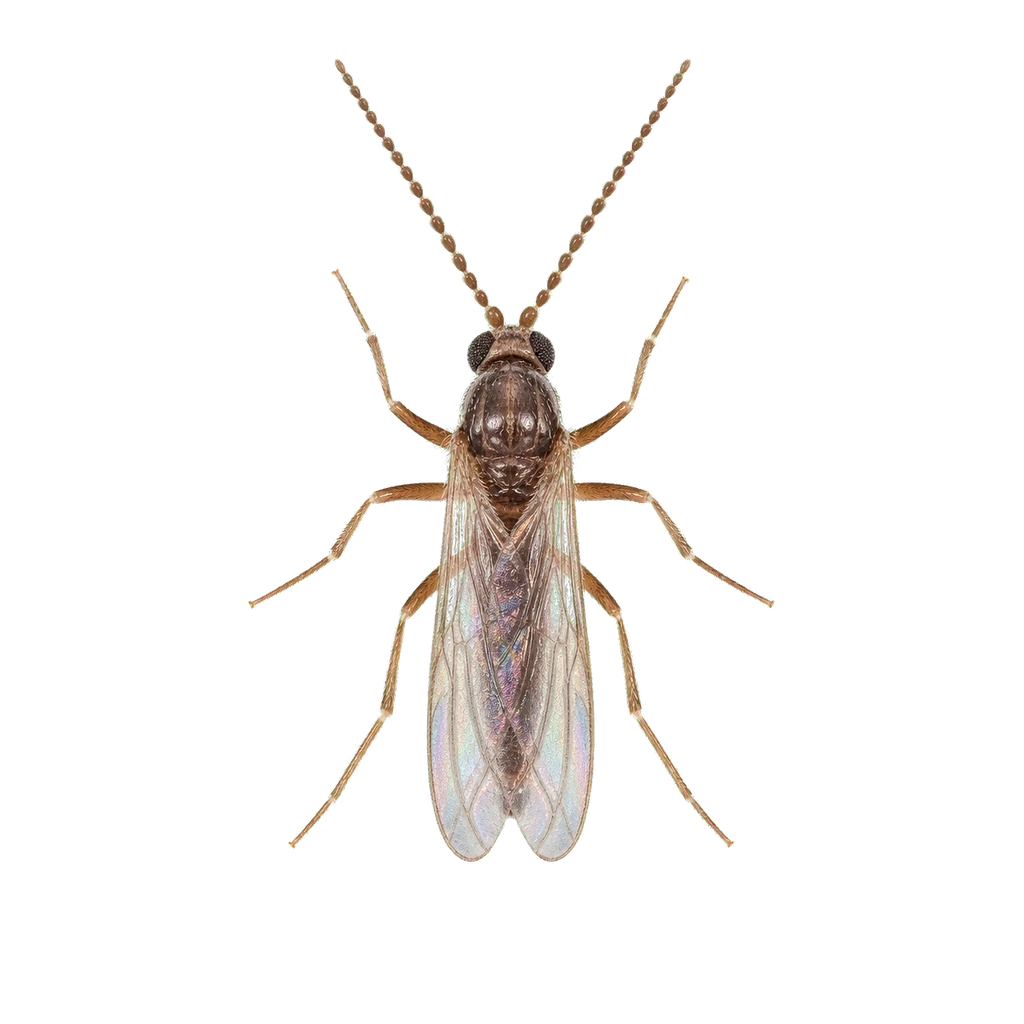 No-See-Ums
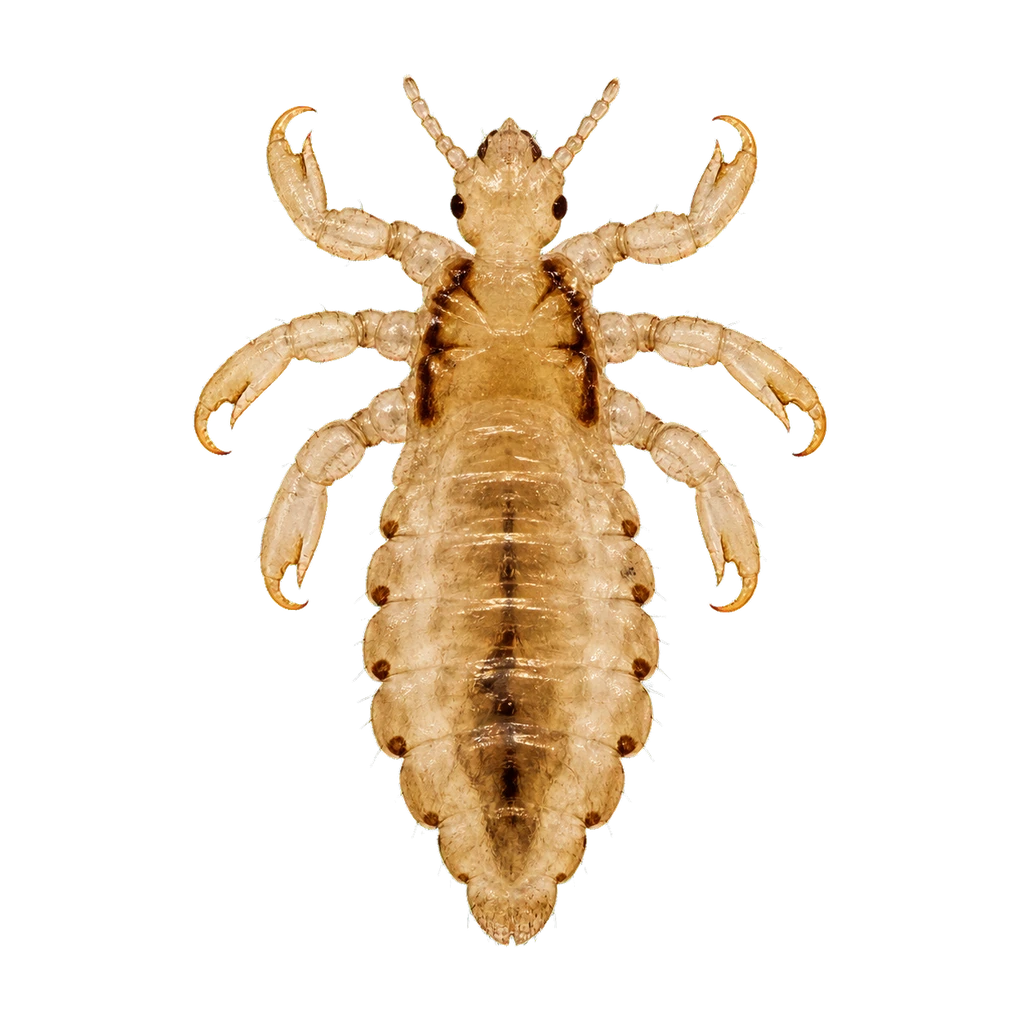 Lice
Lice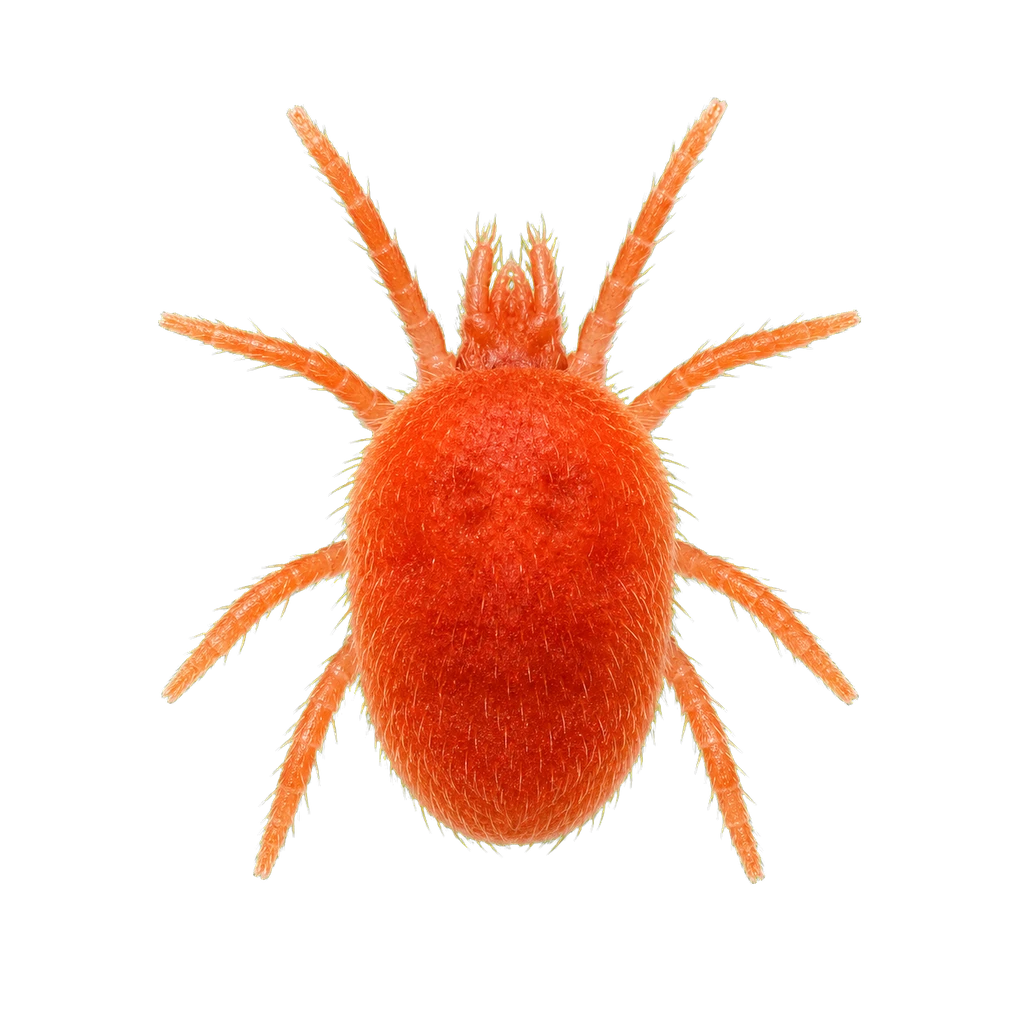 Chiggers
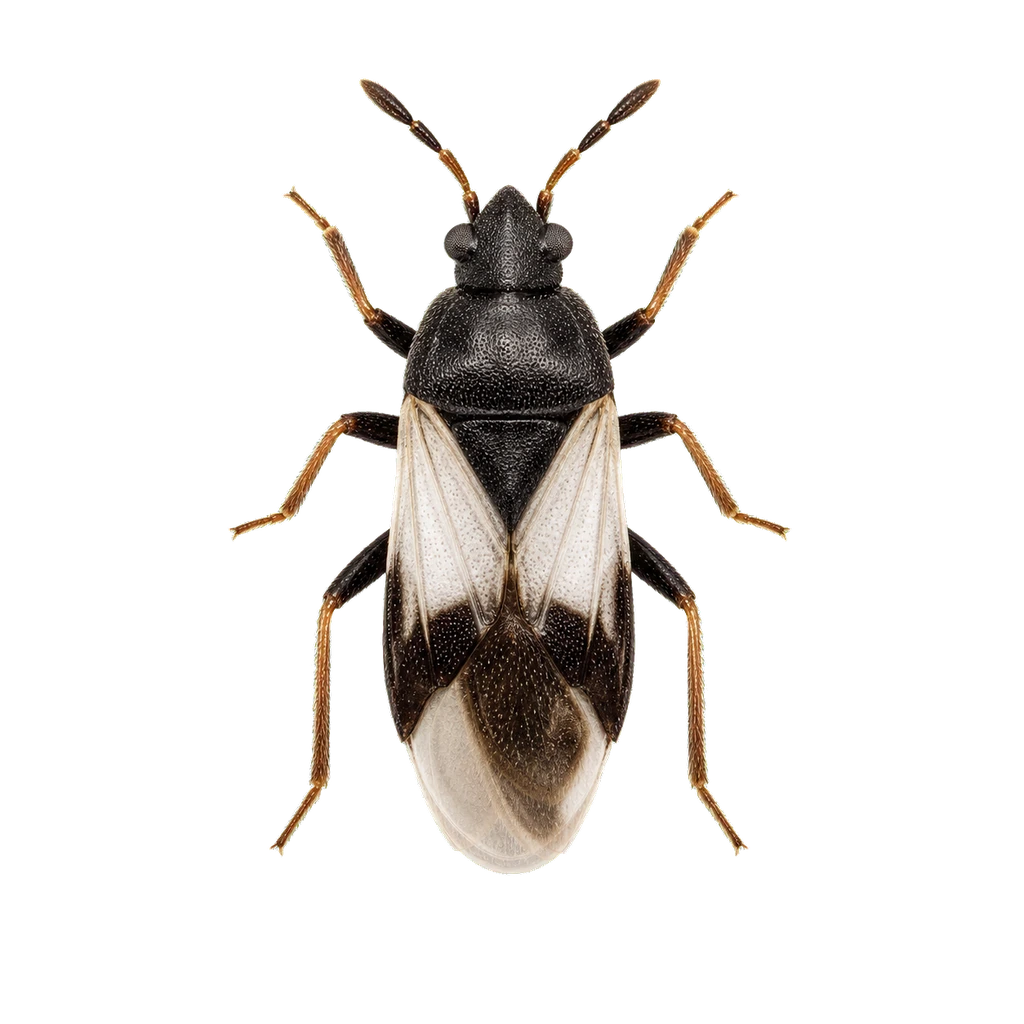 Chinch Bugs
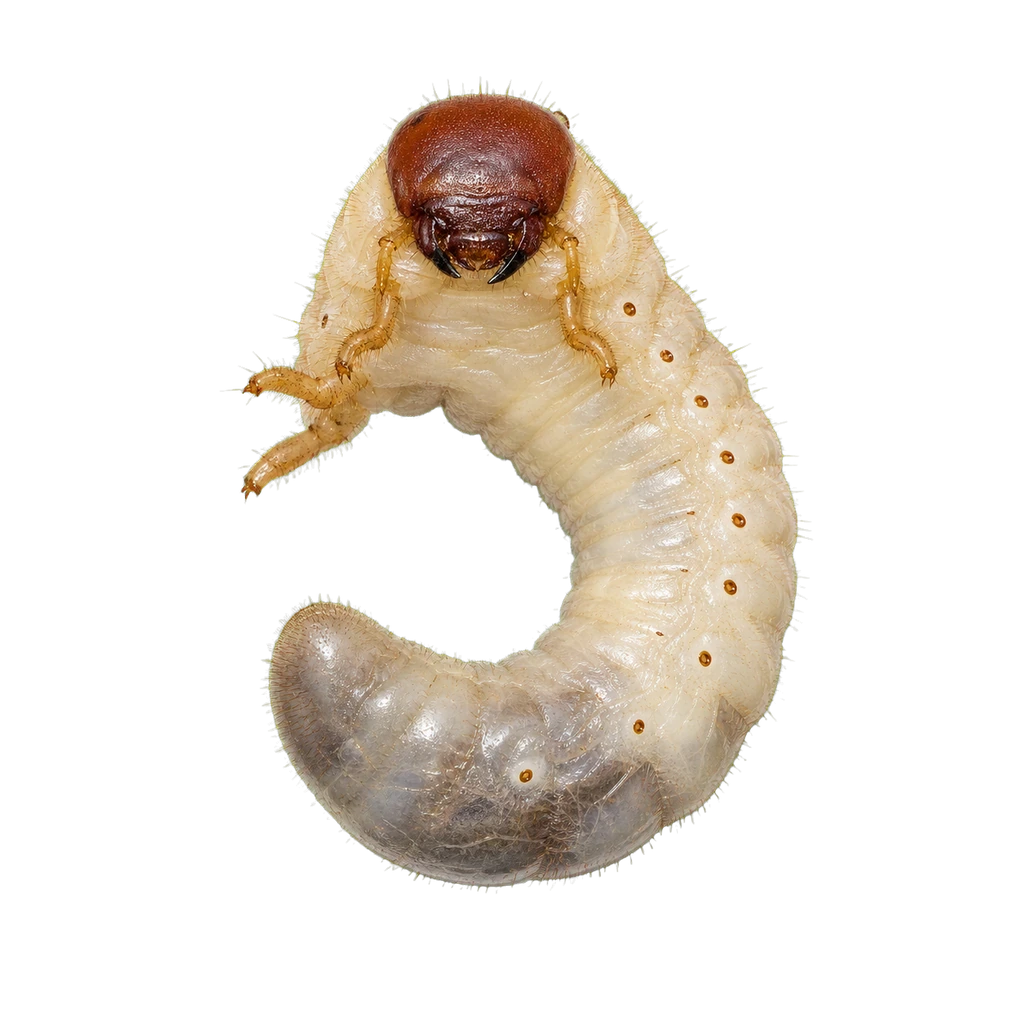 Grubs
Grubs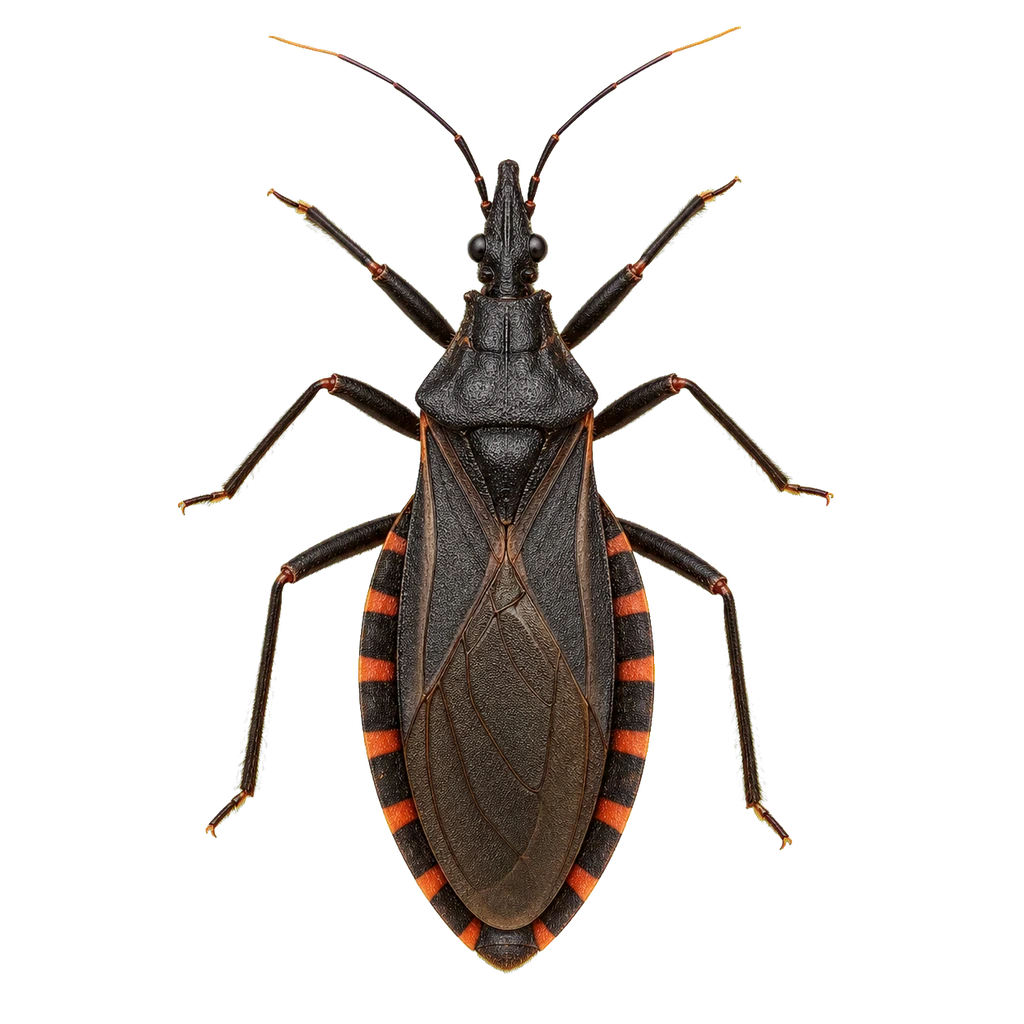 Kissing Bugs
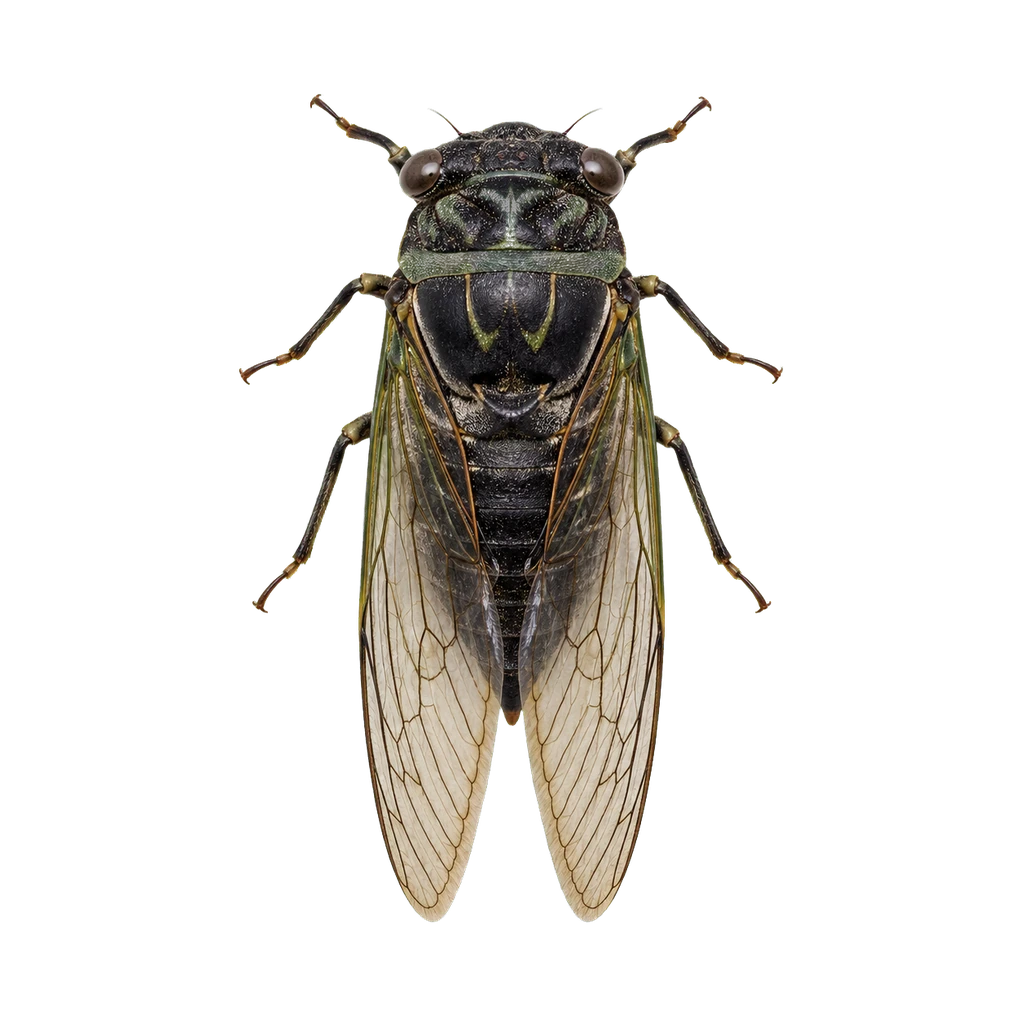 Cicadas
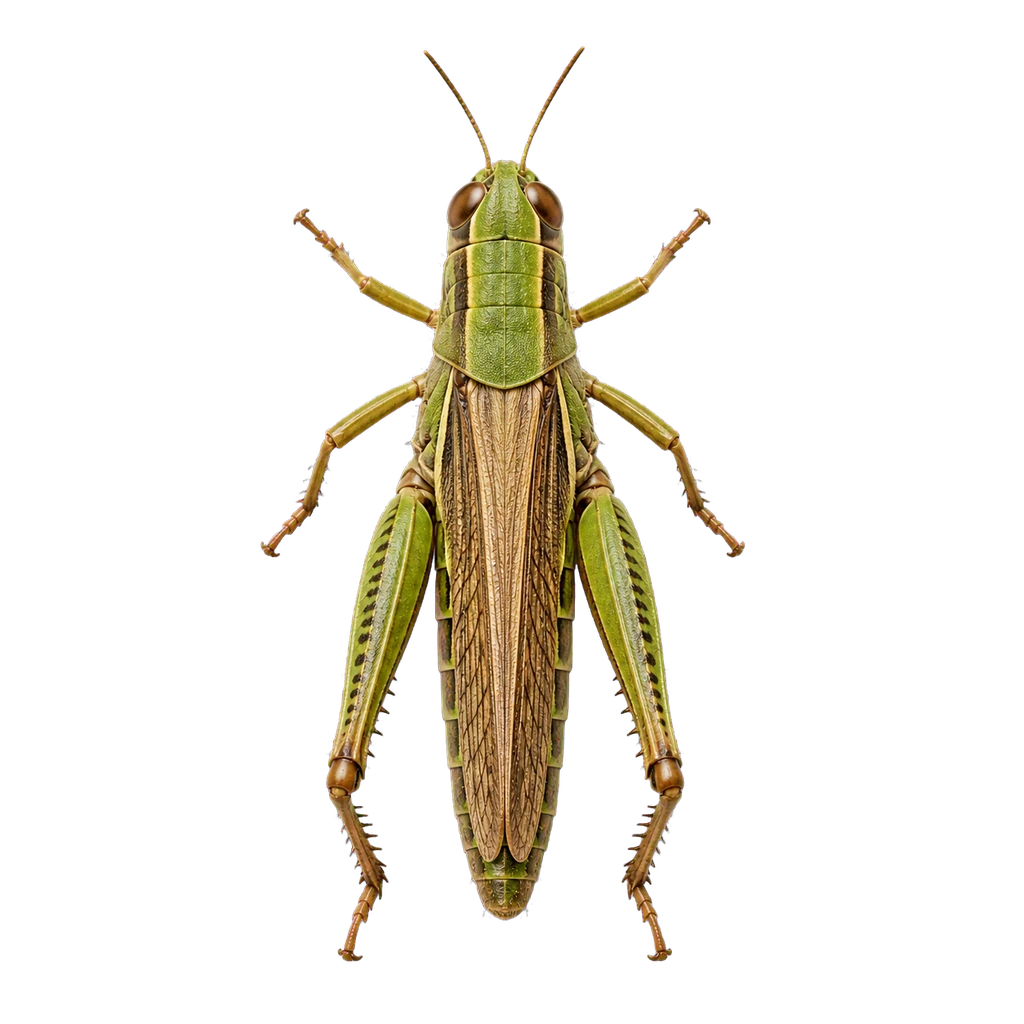 Grasshoppers
Talk to a local pest control pro today.
Spotting Common Household Pest Activity
Select what you're experiencing, we'll show you what's likely going on and what general pest control does about it.
- Local Pest Control
- 24/7 Availability
- Quality Workmanship
- Eco-Friendly Options
- Trusted by Homeowners


How General Pest Control Works
A straightforward process to identify the issue, knock down active pests, and keep them from coming back.
- Step 1
Inspection
A technician walks the property to pinpoint pest activity, nesting areas, and entry points along the foundation, eaves, and utility penetrations.
Findings determine whether general pest control is the right fit, or if a more specialized service should be added.
- Step 2
Treatment Plan
We build a plan around the specific pests on your property (ants, roaches, spiders, rodents, or seasonal invaders) and the structure they're exploiting.
The plan blends perimeter knockdown, targeted interior work, and baiting where it makes sense, sized to the severity of activity.
- Step 3
Application
Perimeter sprays around the foundation, targeted interior touch-ups, crack-and-crevice work, and discreet bait stations form the core of a general pest treatment.
Applications focus on the pathways pests actually use, not blanket spraying, so you get results without unnecessary product in your home.
- Step 4
Follow-Up & Support
Recurring service keeps the perimeter active between visits and gives us a chance to catch new pressure early, before it turns into an infestation.
Your technician walks you through expectations and what to watch for between appointments.
What General Pest Control Solves
General pest control simplifies how homeowners address ongoing pest issues, without guesswork, trial-and-error, or unnecessary treatments.
| What changes | DIY | With a Pro |
|---|---|---|
| Pest ID | Guess + Google | Trained inspection |
| Treatment | One-size spray | Targeted plan |
| Recurrence | Pests come back | Source addressed |
| Coverage | Visible spots only | Perimeter, interior, voids |
-
Identifies the Right Pest First
Instead of trying to identify pests and treatments on your own, a professional inspection helps determine what's actually causing the issue.
-
Stops the Repeat-Treatment Cycle
General pest control helps prevent the cycle of temporary fixes, repeat treatments, and pests returning weeks later.
-
Treatment Matched to the Species
Not all pest issues require the same solution. This service helps ensure the approach matches the pest type, severity, and conditions.
-
Catches Issues Before They Spread
By addressing sources and entry points early, homeowners avoid prolonged infestations and ongoing disruption.
-
Clear Plan, No Surprise Add-Ons
You'll know what's recommended, why it's needed, and what to expect next, without pressure or unnecessary add-ons.
Why Store-Bought Sprays Don't Last
Most store-bought sprays and traps only address what you can see. They knock down visible pests but leave nests, entry points, and breeding areas untouched. Within days or weeks, the problem returns, often worse than before.
Professional general pest control works differently. Instead of surface-level treatment, a technician identifies the root cause, where pests are entering, what's attracting them, and how to prevent re-entry. The result is a targeted plan that addresses the full scope of the problem.
That's why more homeowners are turning to professional pest control, not as a last resort, but as a smarter first step. One inspection often uncovers issues that months of DIY effort never touched.
Pests This Service Covers
This service handles the pests homeowners encounter most, from ants and roaches to rodents and seasonal invaders. If your pest isn't listed here, call us and we'll point you to the right solution.
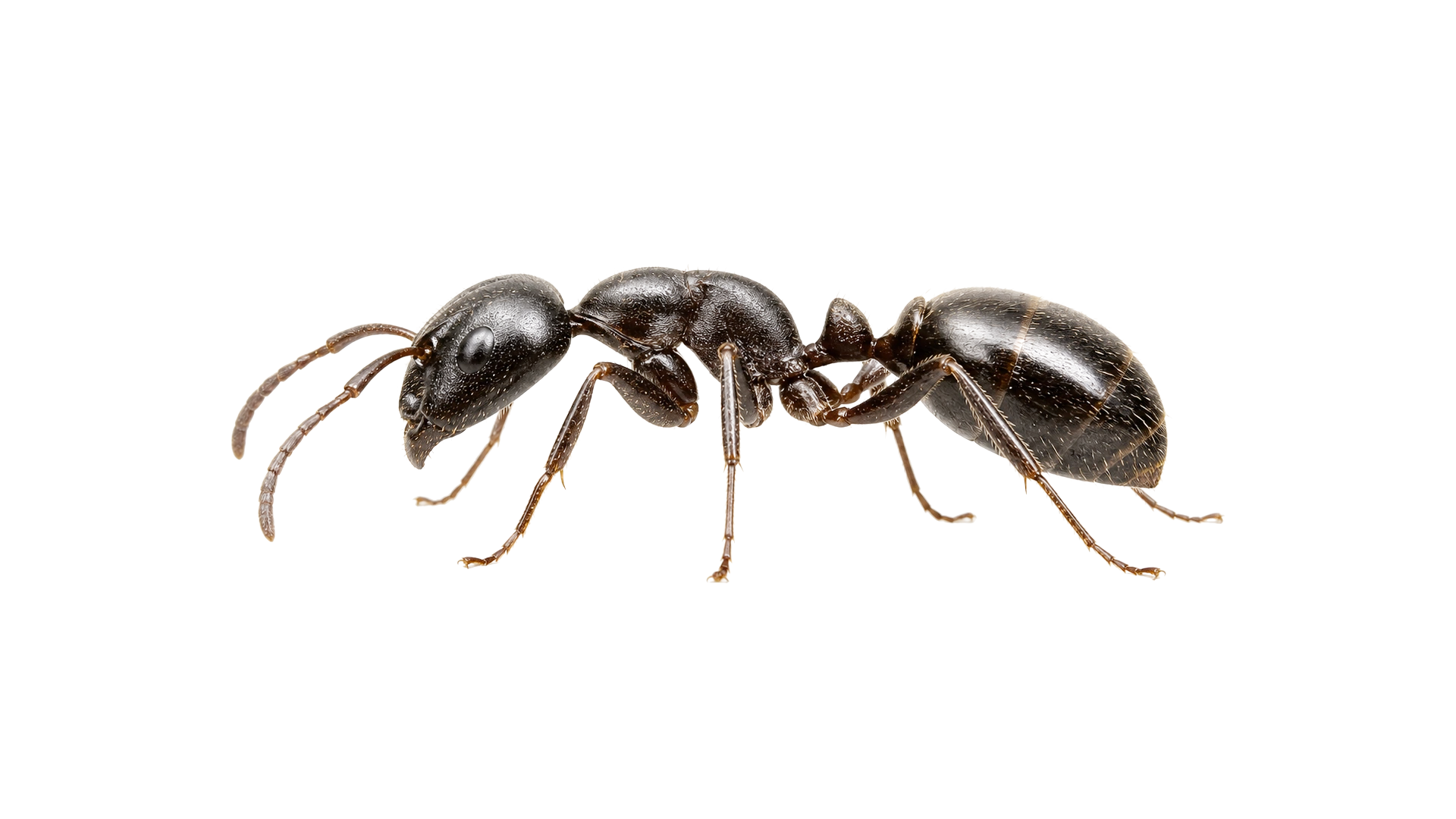
Ants
Ant trails along countertops, baseboards, and windowsills usually mean a colony has found a reliable food or water source inside your home. Professional general pest control locates the nest and entry points that sprays alone won't reach, breaking the cycle before the colony expands.
Questions About General Pest Control
Answers to help you decide if this service is right for your home.
-
What does general pest control cover? Toggle answer for: What does general pest control cover?
General pest control typically covers common household pests: ants, cockroaches, spiders, silverfish, earwigs, crickets, and similar insects. It usually doesn't include specialized treatments for termites, bed bugs, wildlife, or ongoing mosquito control. These require separate services.
-
How often should I schedule general pest control? Toggle answer for: How often should I schedule general pest control?
Quarterly service is standard for ongoing protection, treating the exterior perimeter and key interior areas. High-pressure situations may need monthly service. Your technician will recommend a schedule based on pest activity, your location, and property conditions.
-
What happens during a general pest control visit? Toggle answer for: What happens during a general pest control visit?
Technicians inspect for pest activity and entry points, treat the exterior foundation perimeter, address interior problem areas, apply preventive treatments, remove accessible spider webs, and provide recommendations for reducing pest-attracting conditions around your home.
-
Is general pest control safe for children and pets? Toggle answer for: Is general pest control safe for children and pets?
Yes, when applied by trained professionals following product label directions. Modern treatments use targeted applications in specific areas and amounts. Technicians provide re-entry instructions, typically 30 minutes to 2 hours depending on products used and areas treated.
-
Will I still see pests after treatment? Toggle answer for: Will I still see pests after treatment?
You may see some pest activity for a few days after treatment as insects contact treated surfaces. This should decrease significantly within 1-2 weeks. If activity persists beyond that, most providers offer follow-up visits to address remaining issues.
-
What if the pest I'm dealing with isn't on the list? Toggle answer for: What if the pest I'm dealing with isn't on the list?
Call us anyway. We'll help you identify the issue and connect you with the right provider, whether that's general pest control or a more specialized service.
-
How do perimeter treatments keep pests out? Toggle answer for: How do perimeter treatments keep pests out?
Technicians apply residual insecticide along the foundation, around entry points, and on exterior surfaces. This creates a protective barrier that kills crawling insects before they enter. Most applications last 60-90 days under normal weather conditions.
Local Coverage in Your State
General pest control providers are available across all 50 states. Select yours to get started.
- Alabama Tap to view →
- Alaska Tap to view →
- Arizona Tap to view →
- Arkansas Tap to view →
- California Tap to view →
- Colorado Tap to view →
- Connecticut Tap to view →
- Delaware Tap to view →
- Florida Tap to view →
- Georgia Tap to view →
- Hawaii Tap to view →
- Idaho Tap to view →
- Illinois Tap to view →
- Indiana Tap to view →
- Iowa Tap to view →
- Kansas Tap to view →
- Kentucky Tap to view →
- Louisiana Tap to view →
- Maine Tap to view →
- Maryland Tap to view →
- Massachusetts Tap to view →
- Michigan Tap to view →
- Minnesota Tap to view →
- Mississippi Tap to view →
- Missouri Tap to view →
- Montana Tap to view →
- Nebraska Tap to view →
- Nevada Tap to view →
- New Hampshire Tap to view →
- New Jersey Tap to view →
- New Mexico Tap to view →
- New York Tap to view →
- North Carolina Tap to view →
- North Dakota Tap to view →
- Ohio Tap to view →
- Oklahoma Tap to view →
- Oregon Tap to view →
- Pennsylvania Tap to view →
- Rhode Island Tap to view →
- South Carolina Tap to view →
- South Dakota Tap to view →
- Tennessee Tap to view →
- Texas Tap to view →
- Utah Tap to view →
- Vermont Tap to view →
- Virginia Tap to view →
- Washington Tap to view →
- West Virginia Tap to view →
- Wisconsin Tap to view →
- Wyoming Tap to view →
Pest Control Pros serving your city, and nearby areas
Local providers ready to handle ants, roaches, spiders, rodents, and the seasonal invaders showing up at your door. Get matched in one call.