
Talk to a local pest control pro today.
Heat Treatment Services Near You
Serving your city, and surrounding areas.
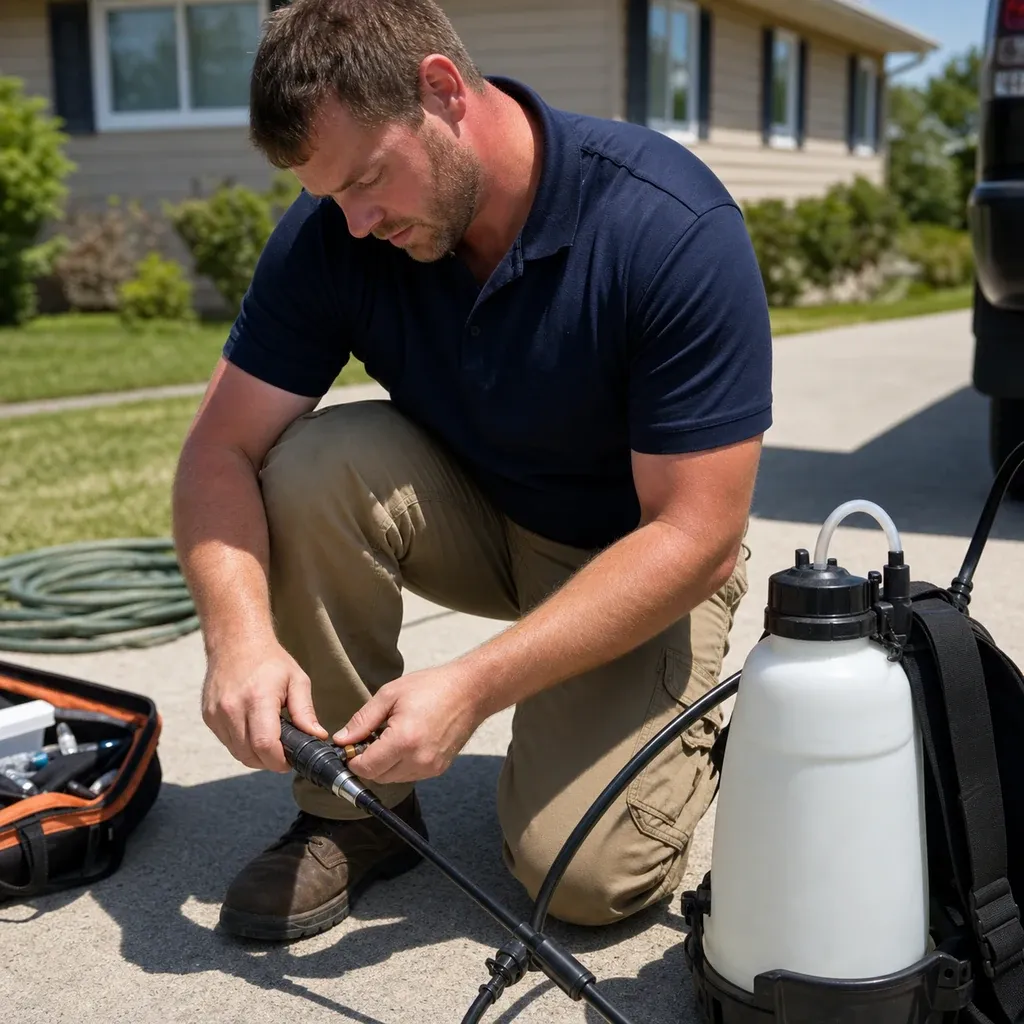
Heat treatment uses controlled temperatures, typically between 120 and 140 degrees Fahrenheit, to eliminate pests at every life stage. It reaches inside walls, furniture, and tight spaces where sprays can't penetrate, making it one of the most thorough approaches for bed bugs, fleas, and other heat-sensitive pests.
What to expect:
- Thorough inspection to confirm pest type and affected zones
- Controlled heat applied throughout the treatment area
- Targets all life stages, eggs, nymphs, and adults
- No chemical residues left behind after treatment
- Single-session resolution for most infestations
- Post-treatment monitoring to confirm elimination
Common pests this service covers
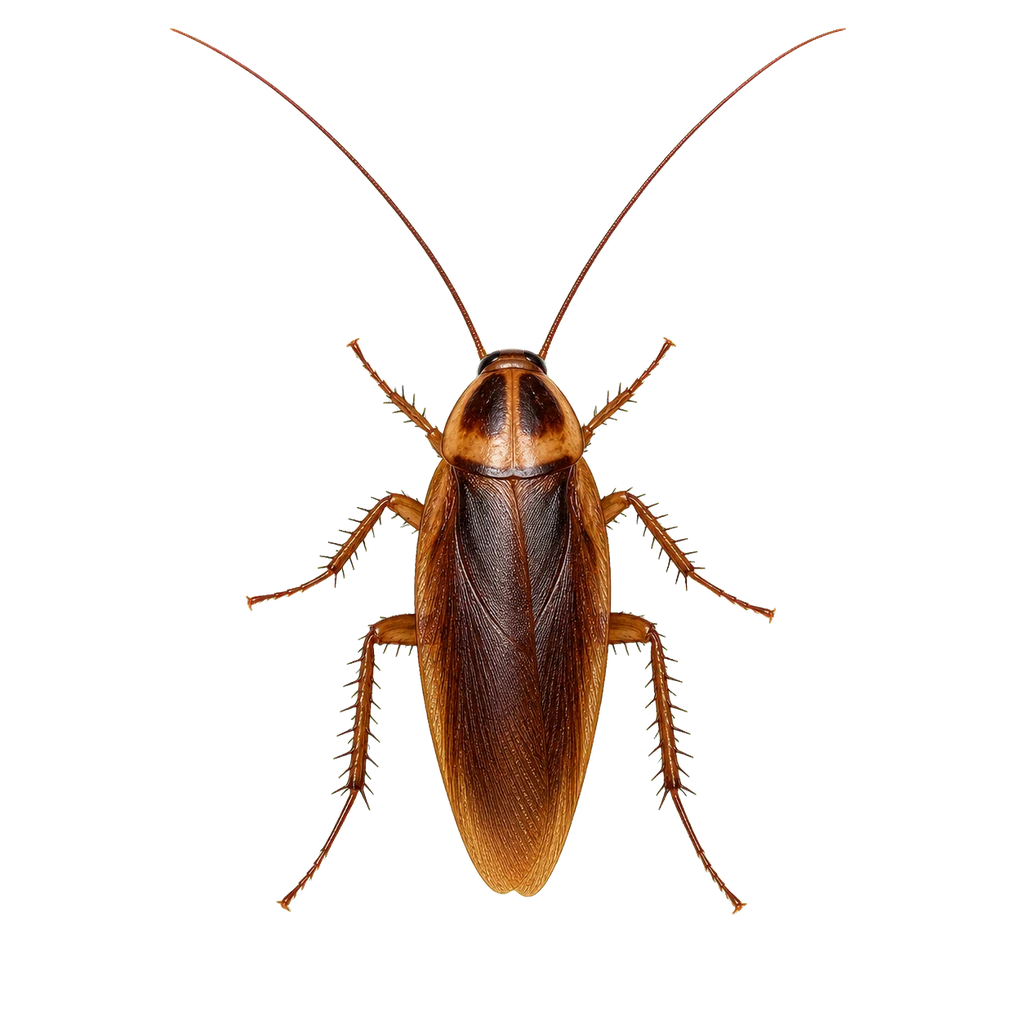 Cockroaches
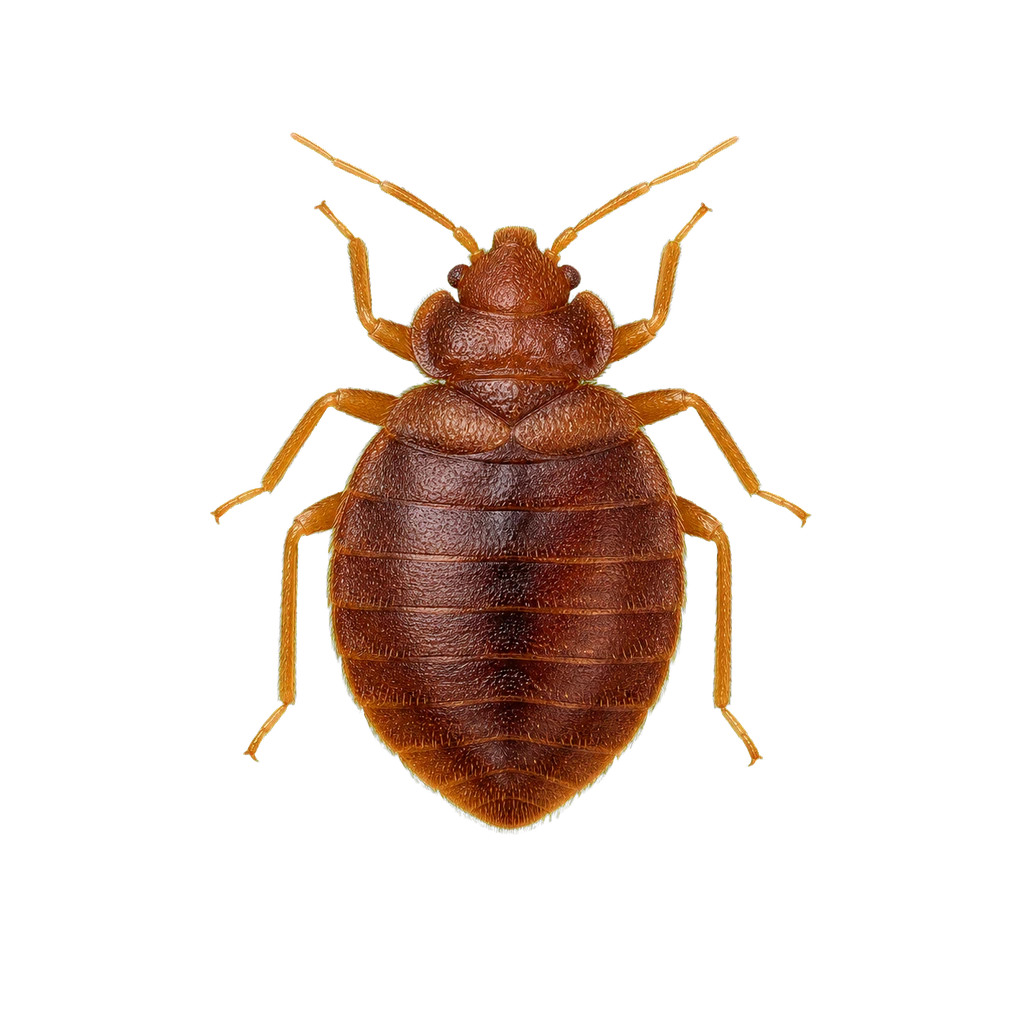 Bed Bugs
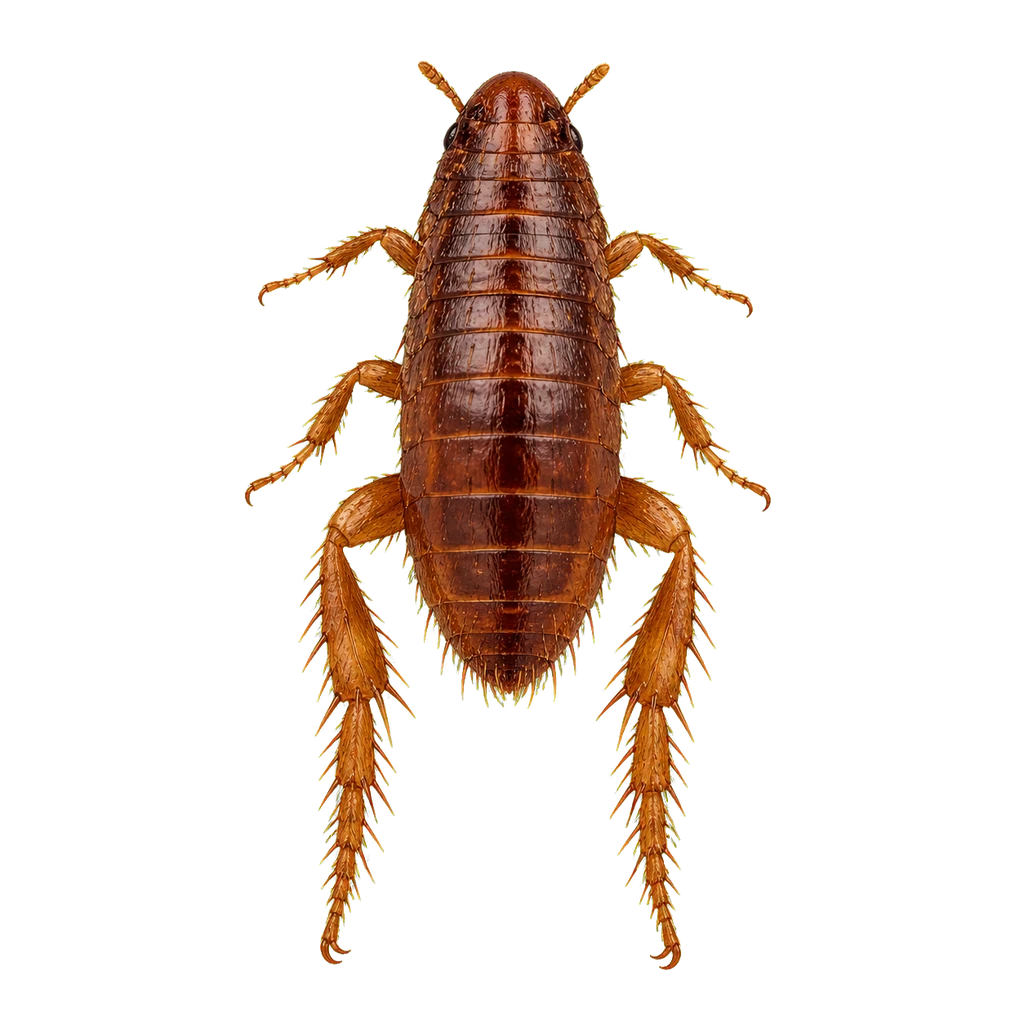 Fleas
Fleas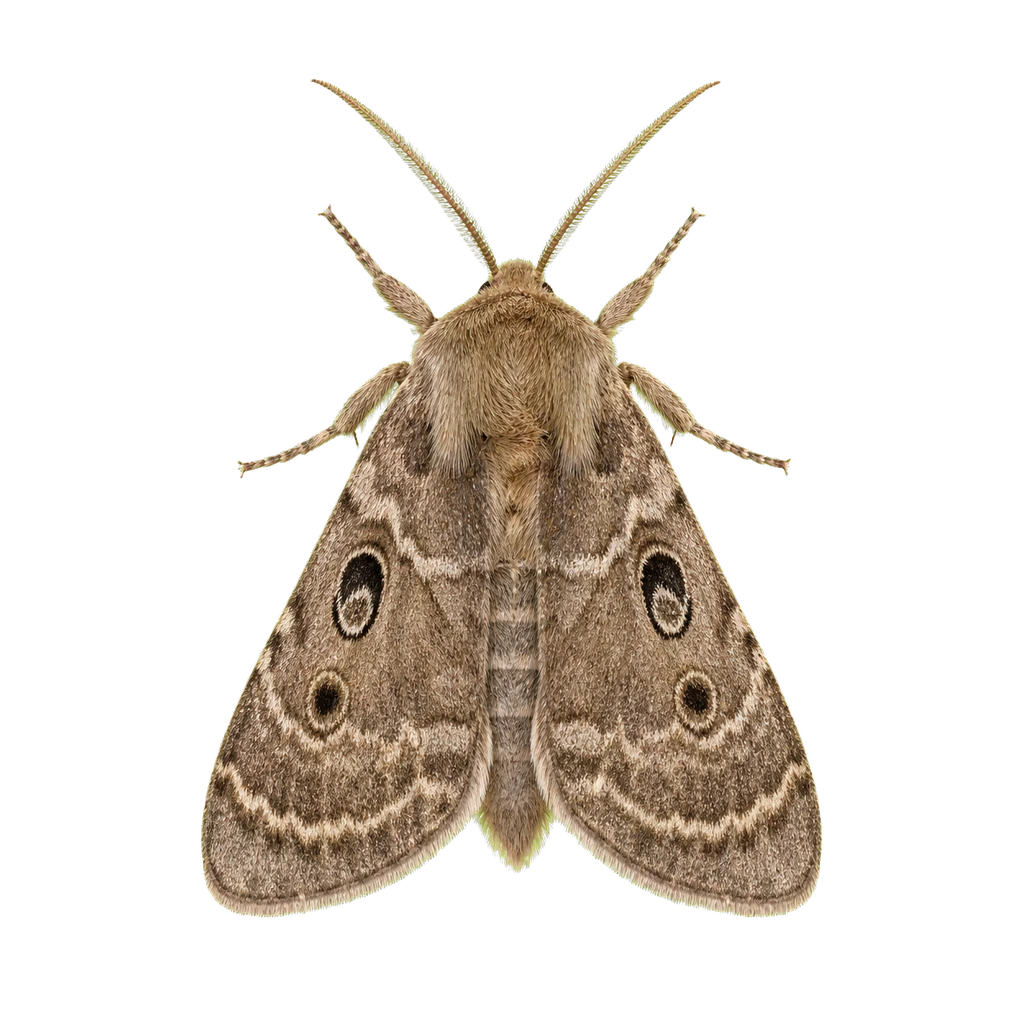 Moths
Moths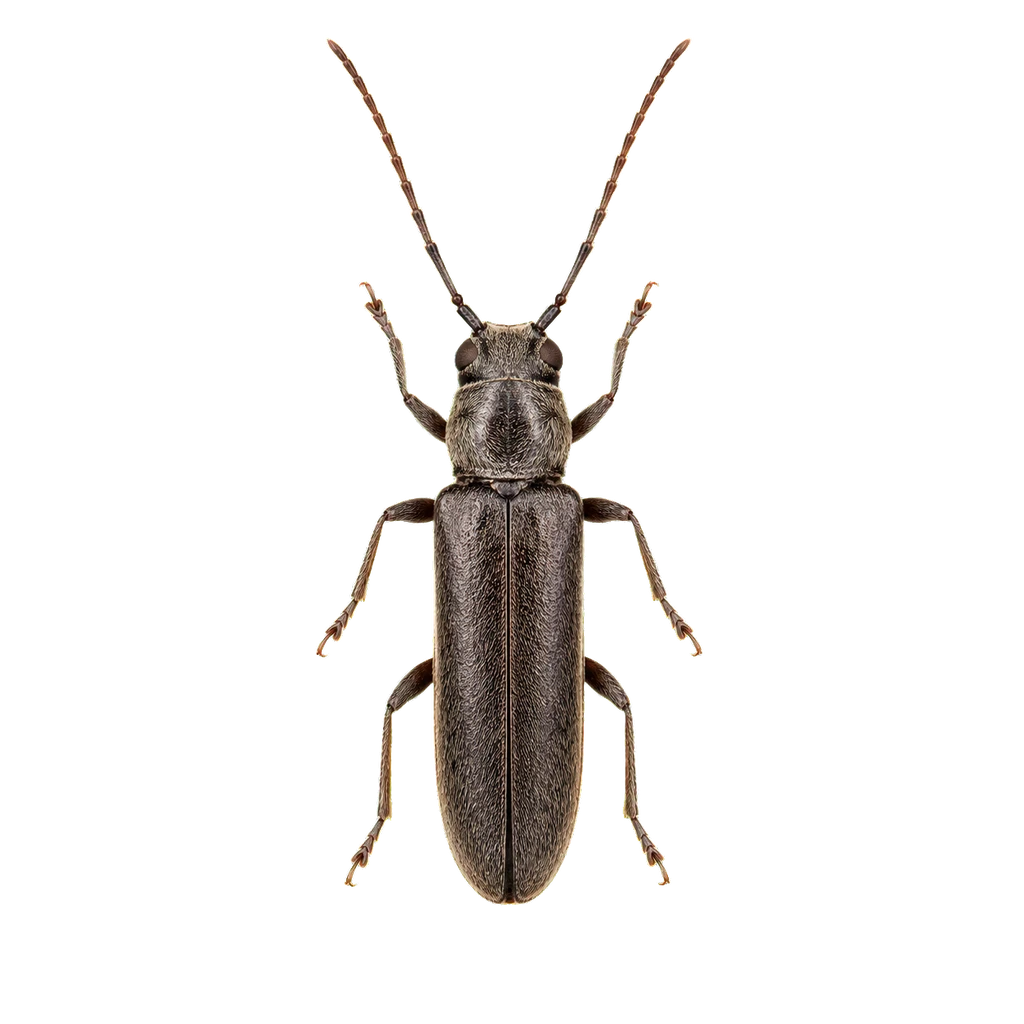 Old House Borers
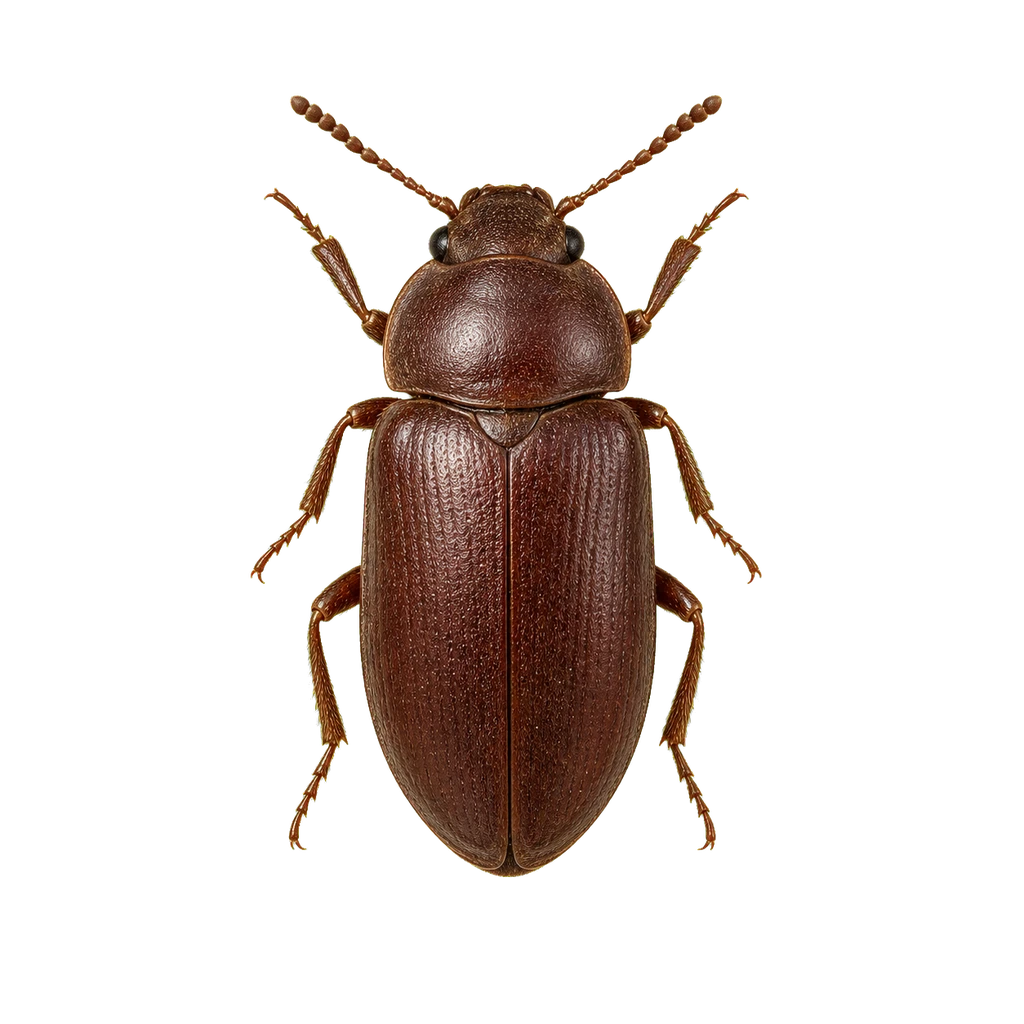 Beetles
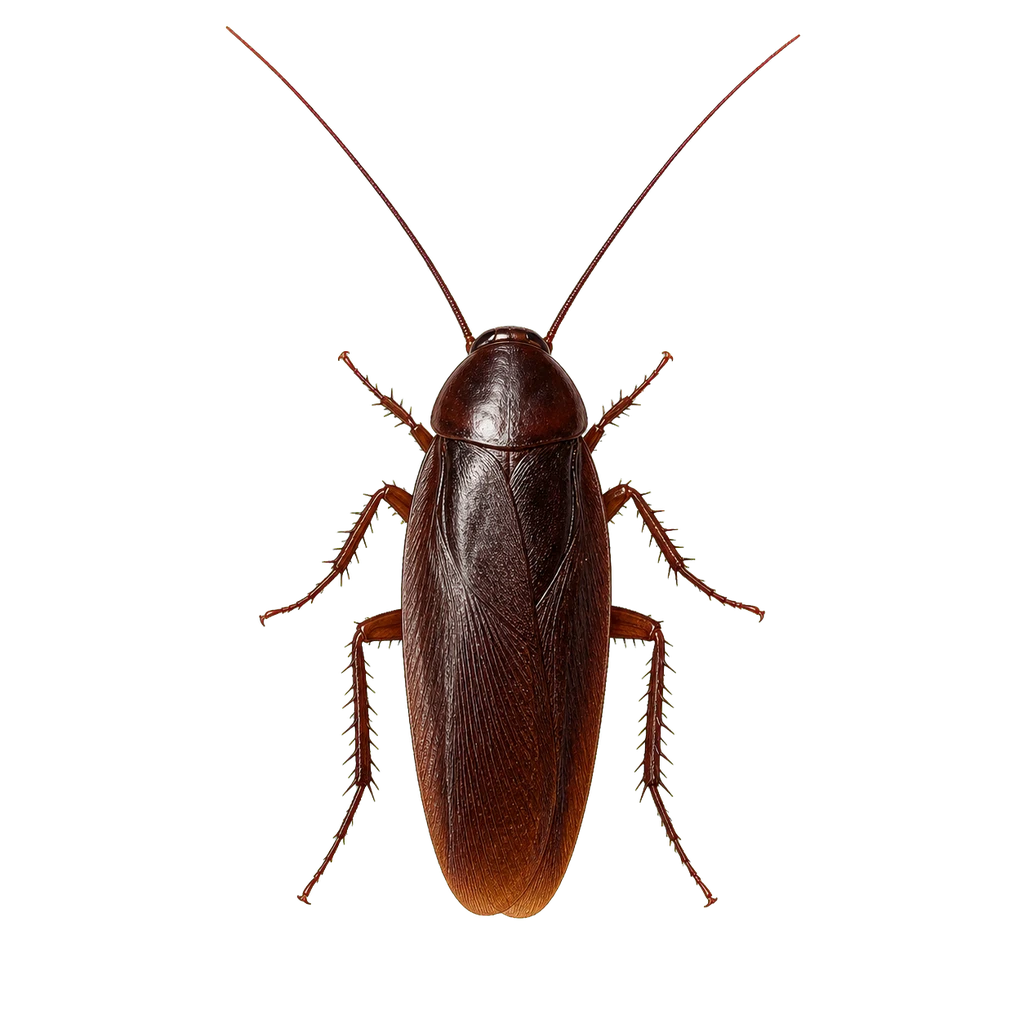 Palmetto Bugs
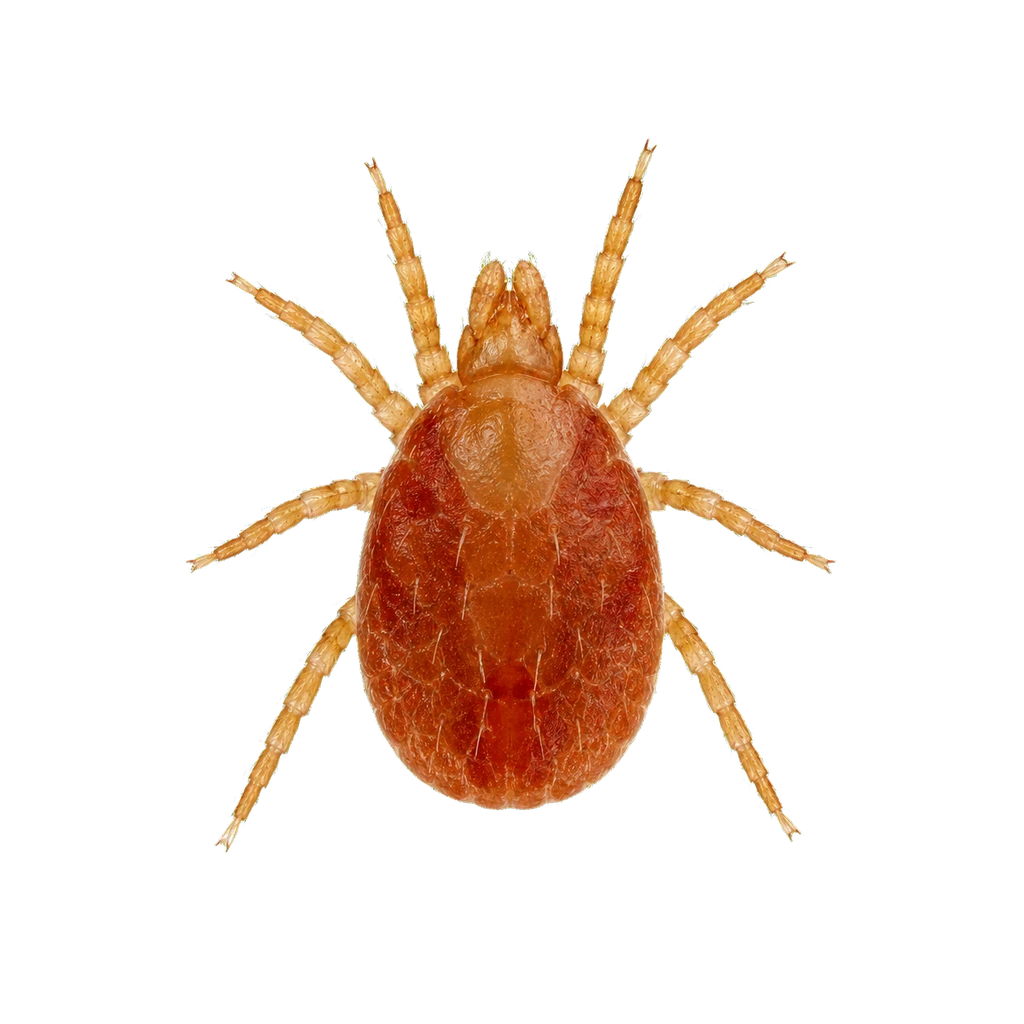 Mites
Mites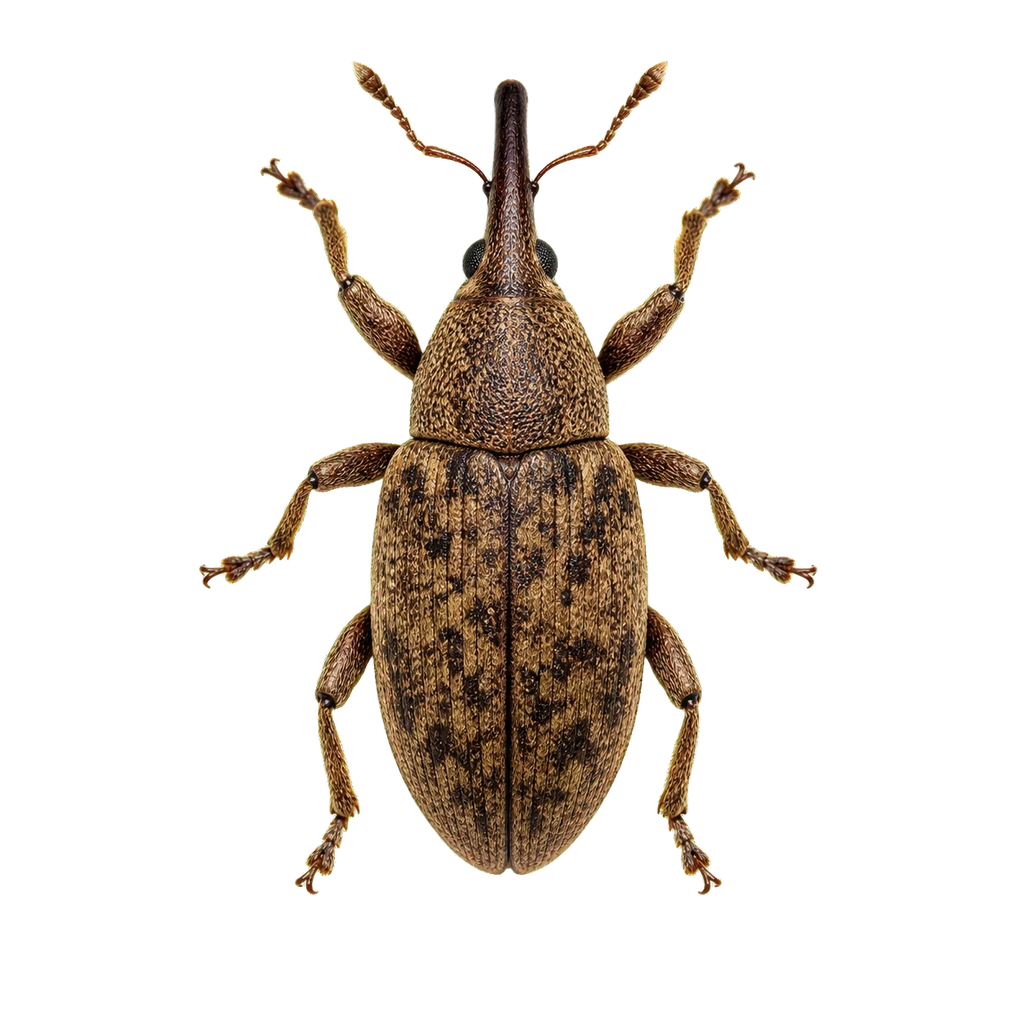 Weevils
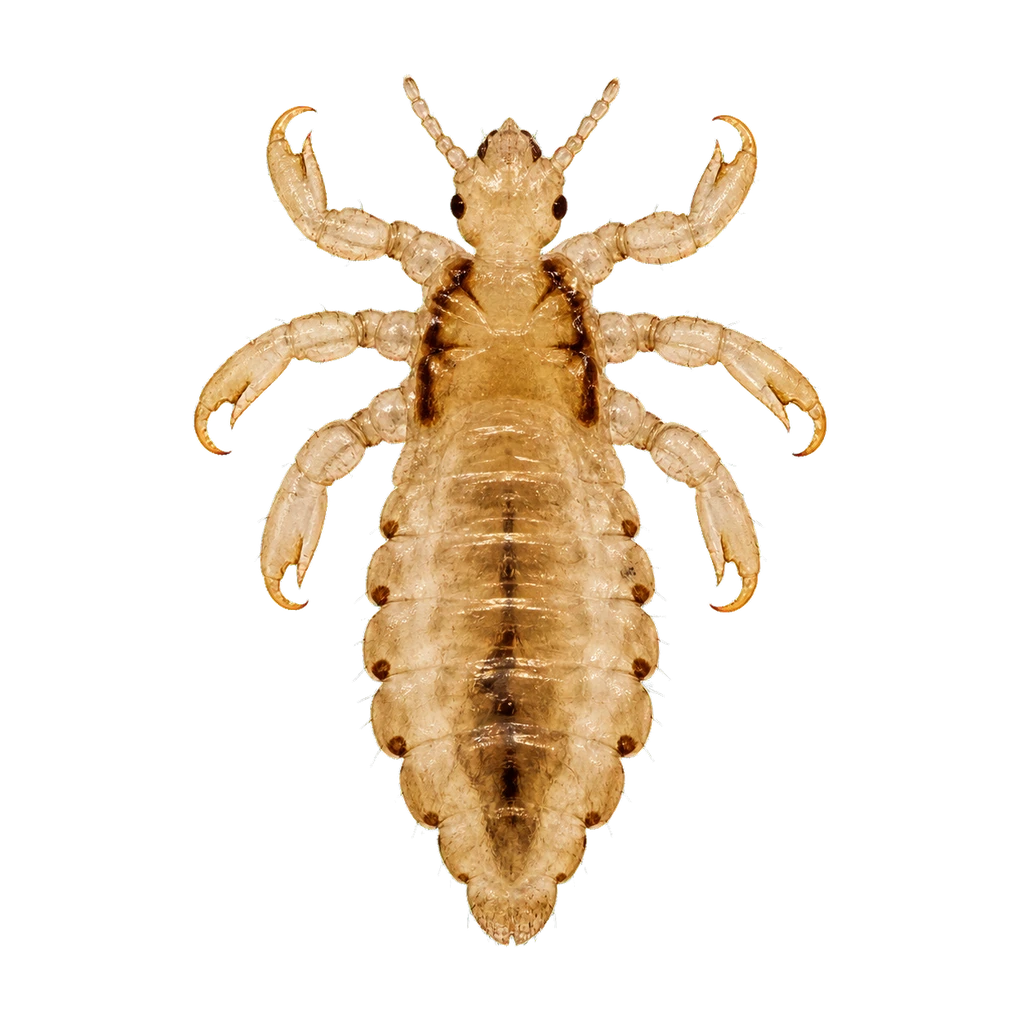 Lice
LiceTalk to a local pest control pro today.
Reading the Signs of a Heat-Treatable Infestation
Select what you're experiencing, we'll explain what's likely going on and how heat treatment addresses it.
- Local Pest Control
- 24/7 Availability
- Quality Workmanship
- Eco-Friendly Options
- Trusted by Homeowners


How Heat Treatment Works
A chemical-free process that uses sustained, lethal temperatures to wipe out every life stage in a single visit.
- Step 1
Inspection & Assessment
A technician confirms the pest, maps every infested area, and gauges the scope so we know exactly which zones need to reach lethal temperatures.
We also flag heat-sensitive items that need to be removed or protected before equipment goes in.
- Step 2
Treatment Plan
We design the heat layout around your home, placing electric or propane heaters and air movers to push hot air into wall voids, furniture, and floor cavities where pests hide.
Wireless temperature sensors are positioned in the coldest spots so we can prove every harborage area hit the kill threshold.
- Step 3
Heat Application
The space is gradually raised to 120 to 140°F and held there for several hours, with sensors confirming uniform coverage in every monitored zone.
Sustained lethal heat reaches eggs, nymphs, and adults in the same cycle, with no chemical residue left behind.
- Step 4
Verification & Follow-Up
We pull the temperature logs from every sensor to verify full coverage and walk the previously active areas before signing off.
Optional follow-up monitoring confirms no surviving activity, and your technician explains exactly what to watch for over the next few weeks.
What Heat Treatment Solves That Sprays Don't
Heat treatment gives homeowners a chemical-free option for persistent infestations, often resolving the problem in fewer visits than spray-based plans.
| What changes | DIY | With a Pro |
|---|---|---|
| Approach | Foggers + sprays | Sustained 120 to 140°F |
| Life stages | Adults only | Eggs to adults at once |
| Resistance | Pests adapt | Heat bypasses resistance |
| Hidden spots | Surface only | Wall voids + furniture |
-
Reaches Every Life Stage at Once
Sustained lethal temperatures hit eggs, nymphs, and adults in the same treatment cycle, which is hard to do with chemical sprays alone.
-
Chemical-Free Approach
Heat treatment relies on temperature instead of pesticides, so there's no chemical residue left on mattresses, furniture, or personal belongings.
-
Bypasses Pesticide Resistance
Pests that have built up resistance to common sprays cannot adapt to heat the same way, which is useful when previous chemical treatments have stalled.
-
Reaches Hard-to-Treat Hiding Spots
Heat penetrates wall voids, furniture interiors, electrical outlets, and carpet fibers, places sprays and foggers struggle to reach.
-
Clear Timeline and Expectations
You'll know when the treatment starts, how long it takes, and what to expect afterward, with no open-ended treatment plans.
Why Sprays and Foggers Miss the Mark
Most over-the-counter sprays and foggers target adult pests on exposed surfaces. They leave eggs untouched inside mattress seams, behind baseboards, and inside wall cavities. Within weeks, a new generation emerges and the cycle starts over.
Professional heat treatment takes a fundamentally different approach. Instead of relying on chemical contact, it raises the temperature throughout the treatment zone to levels lethal to every life stage in the same cycle, with monitored sensors confirming coverage.
For infestations that have resisted repeated chemical treatments, heat is often the turning point. One properly executed session can accomplish what months of spraying could not, with no chemical residue left behind.
Pests Heat Treatment Targets
Heat treatment is most effective against pests that harbor in living spaces, fabrics, and structural voids. If your pest isn't listed here, call us and we'll recommend the right approach.
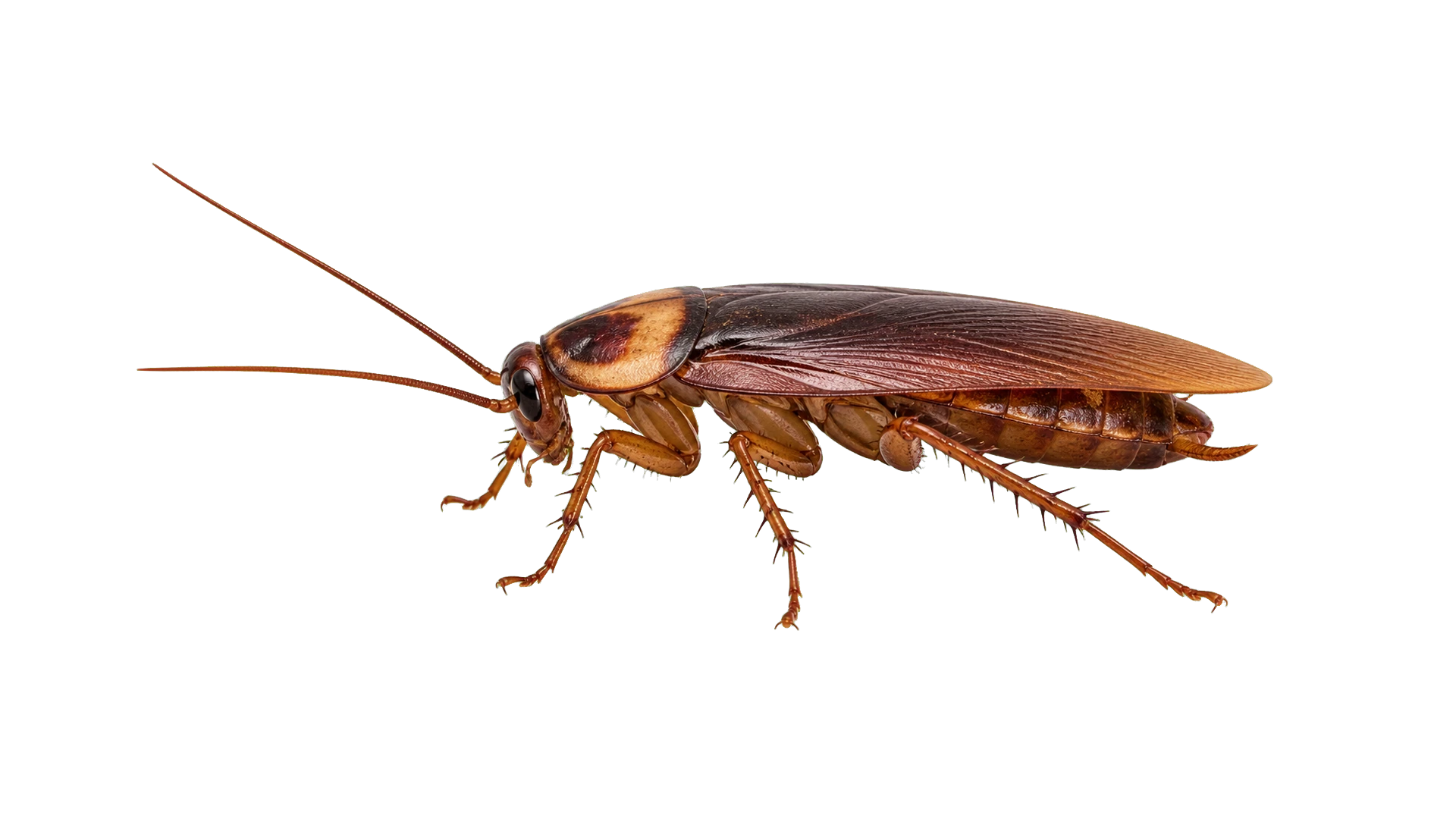
Cockroaches
German cockroach populations deep inside appliance motors, cabinet voids, and wall gaps often survive chemical rotations that knock down visible adults. Heat treatment reaches these voids directly, providing a chemical-free option for recurring infestations in kitchens and sensitive spaces.
Questions About Heat Treatment
Answers to help you decide if heat treatment is right for your situation.
-
What is heat treatment and how does it work? Toggle answer for: What is heat treatment and how does it work?
Heat treatment is a non-chemical method that raises the temperature of a room or entire structure to levels lethal to pests, typically between 120°F and 140°F. The heat penetrates walls, furniture, mattresses, and other hiding spots, eliminating pests at every life stage including eggs, larvae, and adults in a single session.
-
How long does a heat treatment session take? Toggle answer for: How long does a heat treatment session take?
Most heat treatments take between 6 and 8 hours depending on the size of the space and the severity of the infestation. The technician will set up specialized heaters and fans, gradually raise the temperature, and hold it at the target level long enough to ensure thorough elimination. You can typically return home the same evening.
-
Is heat treatment safe for my family and pets? Toggle answer for: Is heat treatment safe for my family and pets?
Heat treatment uses no chemicals, so there is no residue left behind and nothing to inhale once the process is complete. Everyone, including pets, will need to leave the home during treatment. Once temperatures return to normal, you can re-enter without any waiting period or ventilation concerns.
-
What should I expect during a heat treatment visit? Toggle answer for: What should I expect during a heat treatment visit?
A heat treatment typically takes six to eight hours. The provider sets up industrial heaters to raise room temperatures to levels that kill bed bugs and their eggs (usually 118 to 135°F) and monitors each zone to ensure the heat reaches the target temperature for long enough to eliminate the pest.
You'll be out of the home during treatment and can return once temperatures have cooled. Most providers resolve the infestation in a single visit, though your provider may recommend a follow-up inspection depending on severity.
-
How do I know if heat treatment is the right option for my situation? Toggle answer for: How do I know if heat treatment is the right option for my situation?
Heat treatment is most commonly recommended for bed bug infestations because it reaches pests hidden deep inside mattresses, furniture, and wall voids where chemical treatments may not penetrate. If you're dealing with a confirmed bed bug problem, or a pest that has proven resistant to conventional treatments, heat treatment is worth discussing with your provider.
-
What if the pest I'm dealing with isn't typically treated with heat? Toggle answer for: What if the pest I'm dealing with isn't typically treated with heat?
Heat treatment is highly effective for bed bugs but may not be the most effective fit for every pest. If your issue involves a different species, let us know and we'll connect you with a provider who offers the most appropriate treatment method for your situation.
-
Do I need to remove belongings from my home before heat treatment? Toggle answer for: Do I need to remove belongings from my home before heat treatment?
Your technician will provide a preparation checklist before the appointment. In general, you'll need to remove heat-sensitive items like candles, aerosol cans, medications, and certain electronics. Most furniture, clothing, and bedding can stay in place. In fact, leaving soft items in the treatment area helps ensure pests hiding inside them are eliminated.
Local Coverage in Your State
Heat treatment providers are available across all 50 states. Select yours to get started.
- Alabama Tap to view →
- Alaska Tap to view →
- Arizona Tap to view →
- Arkansas Tap to view →
- California Tap to view →
- Colorado Tap to view →
- Connecticut Tap to view →
- Delaware Tap to view →
- Florida Tap to view →
- Georgia Tap to view →
- Hawaii Tap to view →
- Idaho Tap to view →
- Illinois Tap to view →
- Indiana Tap to view →
- Iowa Tap to view →
- Kansas Tap to view →
- Kentucky Tap to view →
- Louisiana Tap to view →
- Maine Tap to view →
- Maryland Tap to view →
- Massachusetts Tap to view →
- Michigan Tap to view →
- Minnesota Tap to view →
- Mississippi Tap to view →
- Missouri Tap to view →
- Montana Tap to view →
- Nebraska Tap to view →
- Nevada Tap to view →
- New Hampshire Tap to view →
- New Jersey Tap to view →
- New Mexico Tap to view →
- New York Tap to view →
- North Carolina Tap to view →
- North Dakota Tap to view →
- Ohio Tap to view →
- Oklahoma Tap to view →
- Oregon Tap to view →
- Pennsylvania Tap to view →
- Rhode Island Tap to view →
- South Carolina Tap to view →
- South Dakota Tap to view →
- Tennessee Tap to view →
- Texas Tap to view →
- Utah Tap to view →
- Vermont Tap to view →
- Virginia Tap to view →
- Washington Tap to view →
- West Virginia Tap to view →
- Wisconsin Tap to view →
- Wyoming Tap to view →
Heat Treatment Pros serving your city, and nearby areas
Local providers equipped to bring lethal chamber temperatures to bed bugs, beetles, and other pests in a single visit. Get matched in one call.