Local pest control help is one call away.

Wildlife illustration

Wildlife

Heavy footsteps on the attic floor at dusk. A raccoon staring at you from the trash bin. A bat circling the living room before you can open a door. Wildlife encounters aren't like dealing with bugs or even rodents. The animals are larger, can bite or transmit rabies, are often protected by federal or state law, and pregnant females can be in the structure. The wrong move turns a problem into a lawsuit, an injury, or a torn-out attic.

Identification matters more here than anywhere else on this site. Whether you have a raccoon, an opossum, a squirrel, or a bat changes the legal options, the season for removal, and who's even allowed to handle it. Almost every situation in this category needs a qualified wildlife professional, not a homeowner with a trap.

Wildlife in this category:

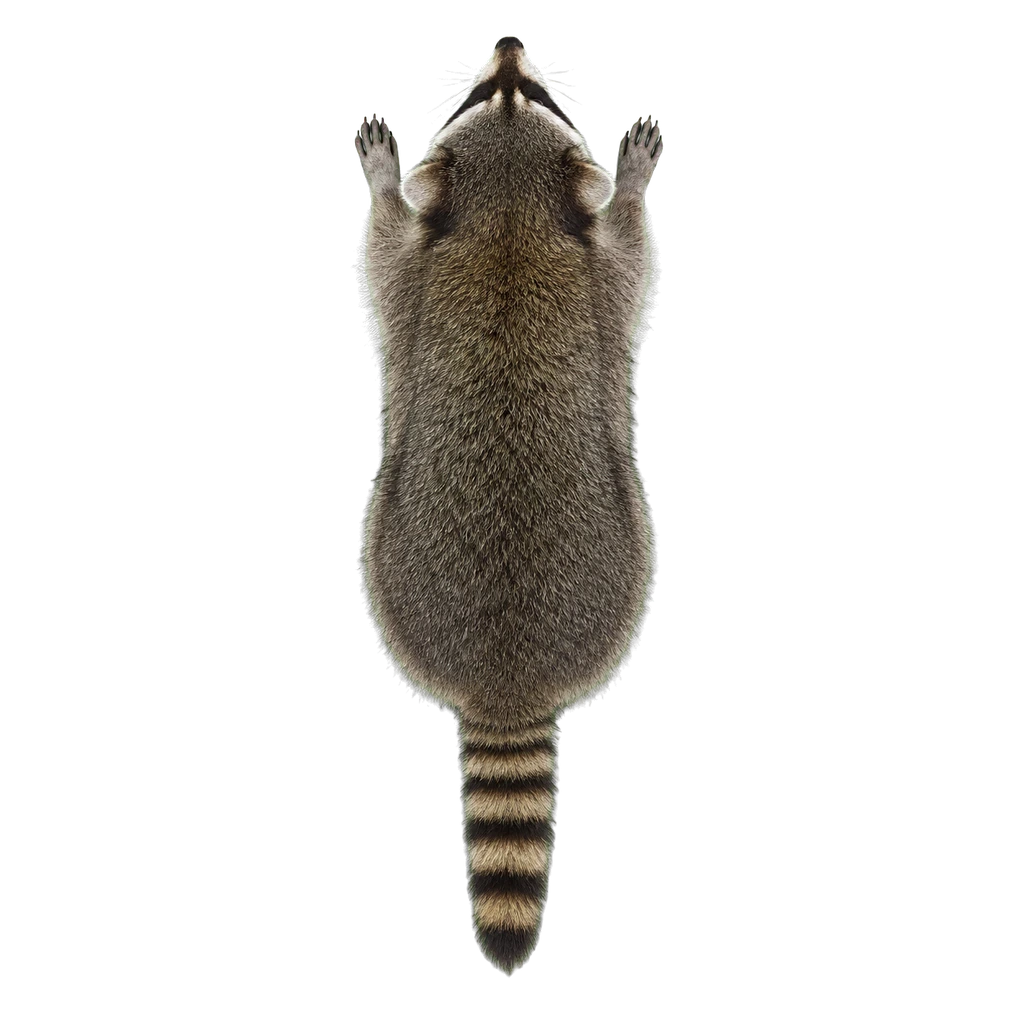
  • Raccoons and opossums
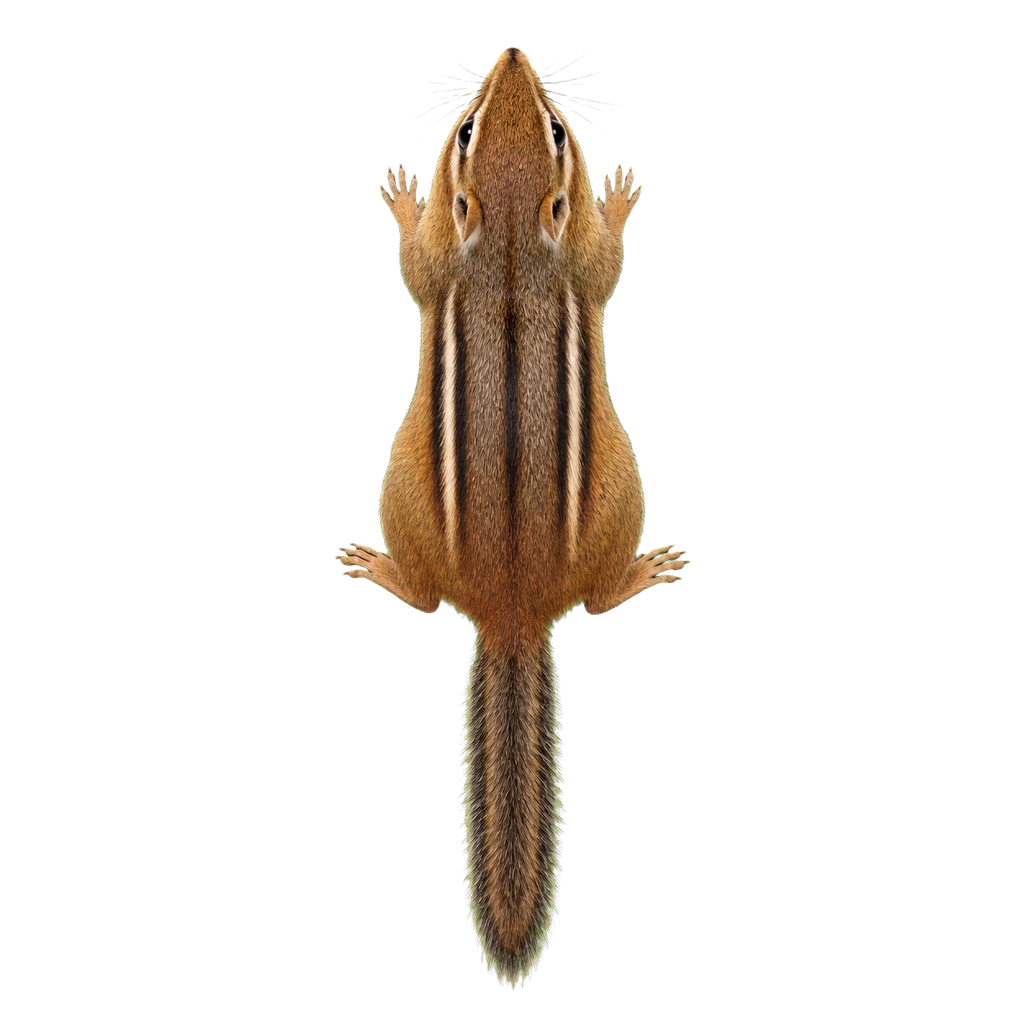
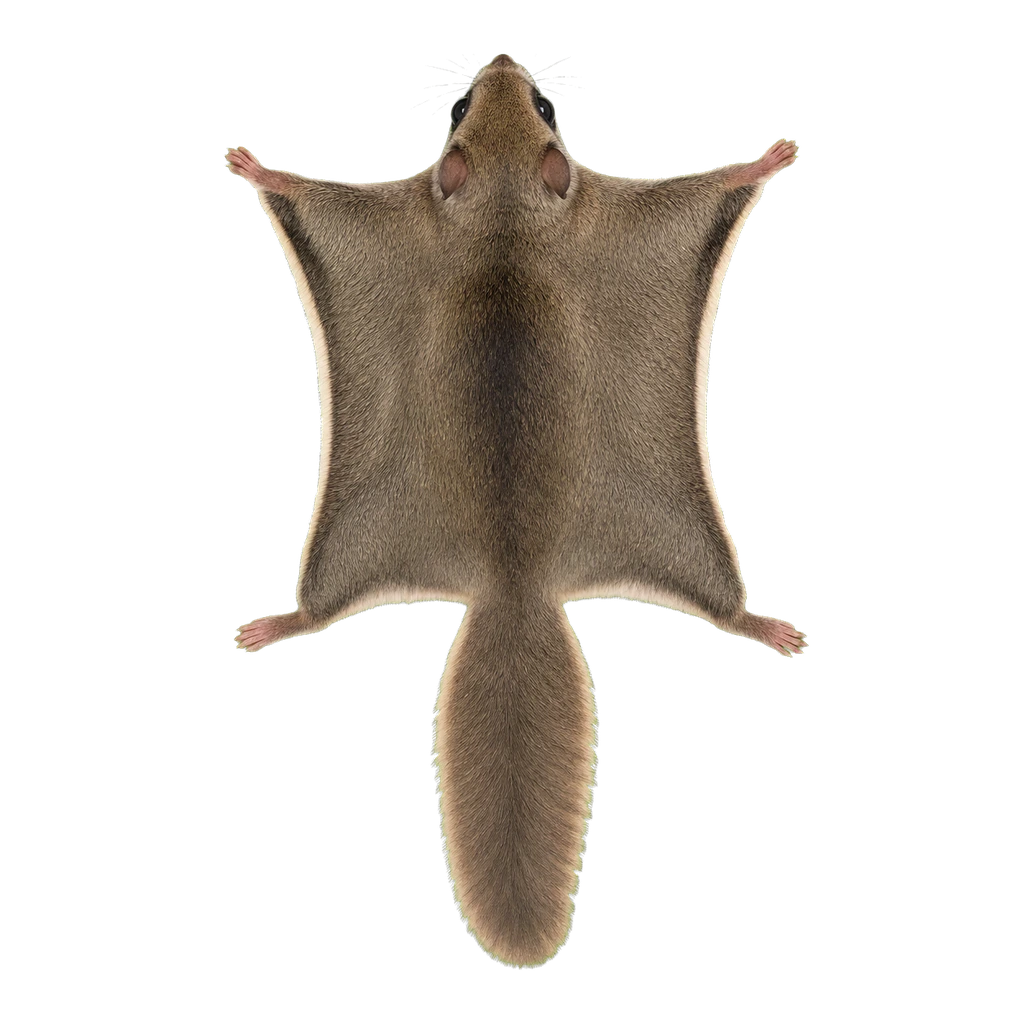
  • Squirrels and chipmunks
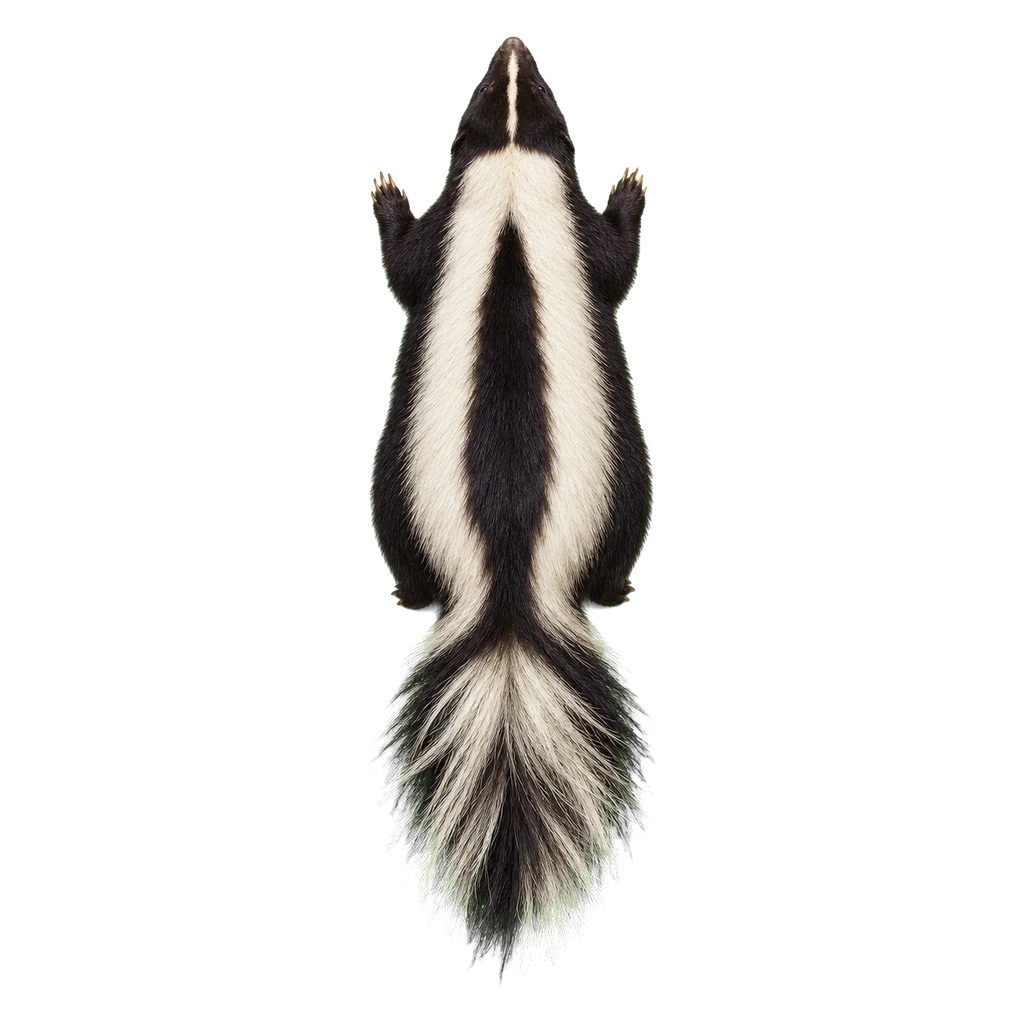
  • Skunks
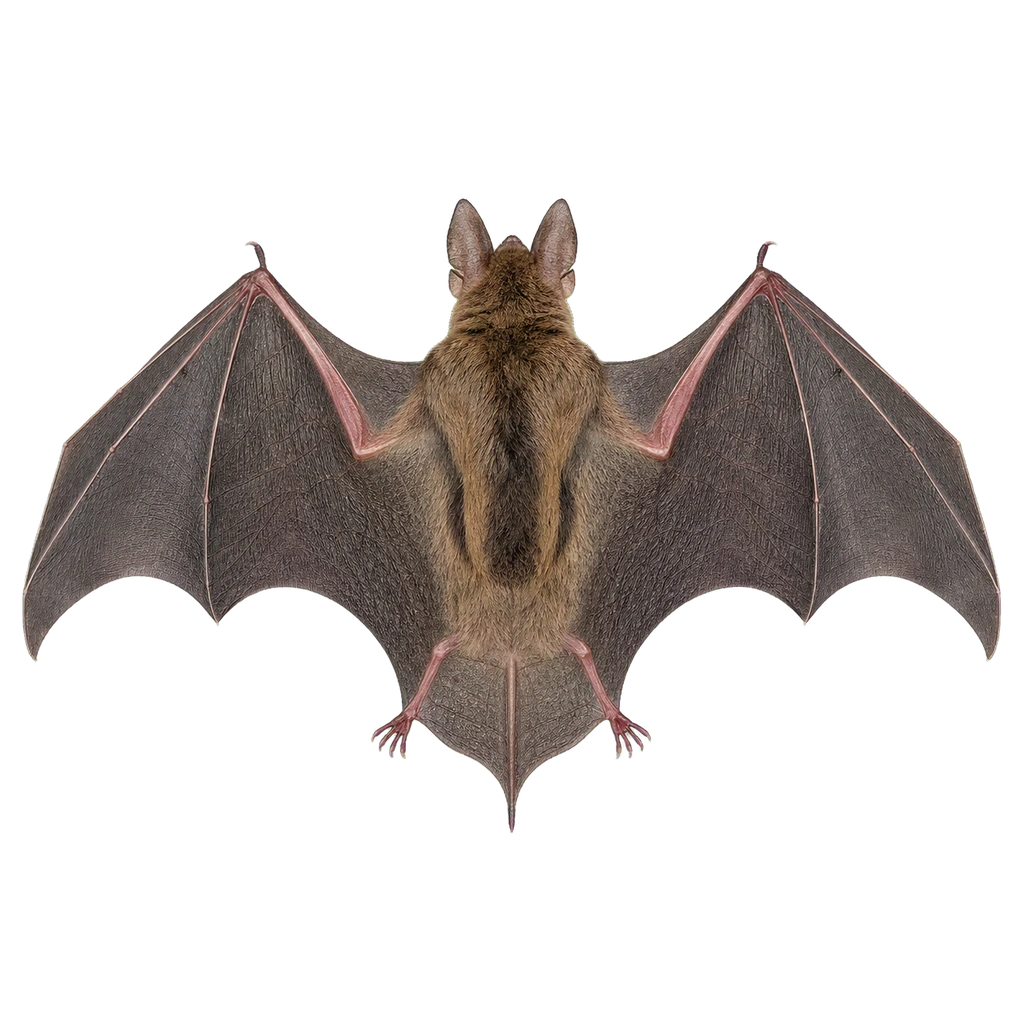
  • Bats
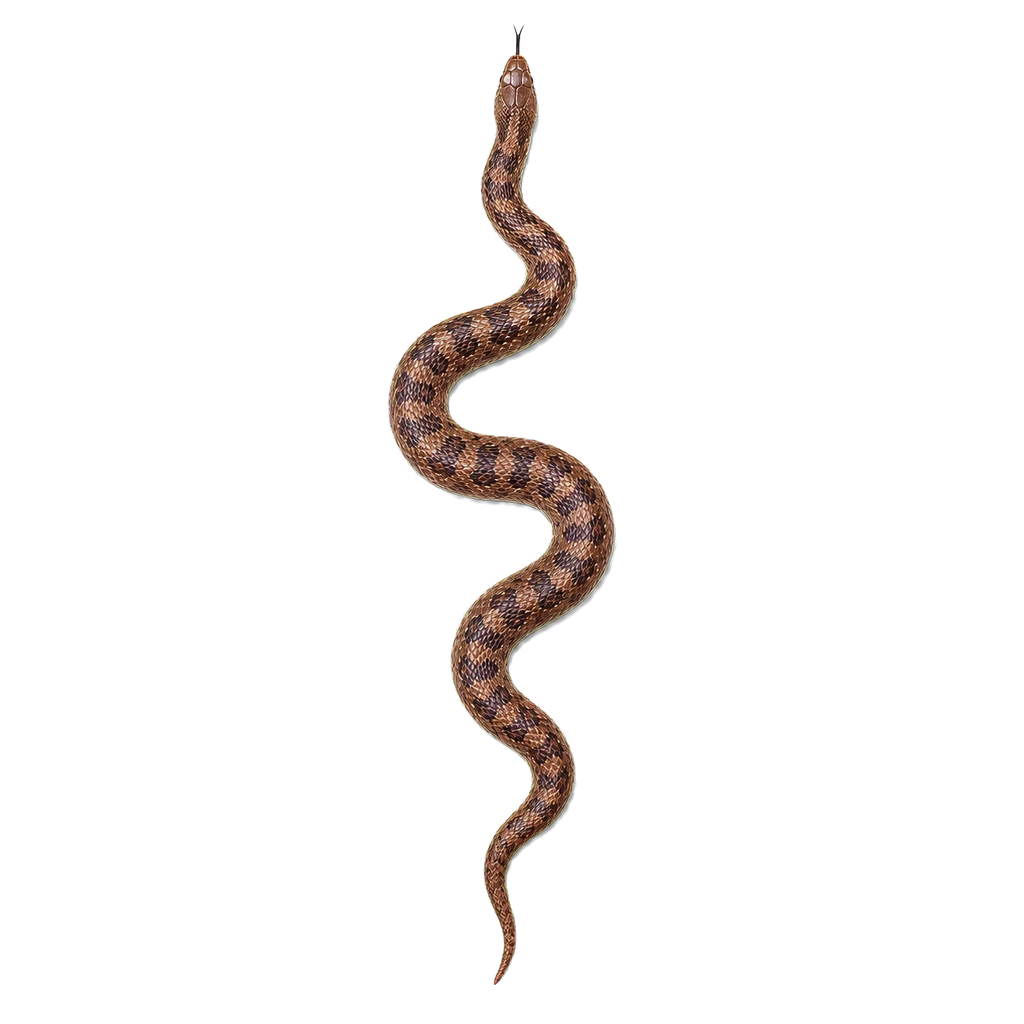
  • Snakes and birds in eaves

What These Wildlife Animals Have in Common

Every animal in this category creates the same three challenges: physical risk to anyone who tries to corner it, disease exposure, and legal restrictions that vary by state and species. The disease list isn't theoretical (rabies from bites, histoplasmosis from inhaling bat guano dust, and roundworm exposure from raccoon latrines), but the legal piece is what most homeowners don't expect. Raccoons, opossums, skunks, and squirrels enter attics and crawlspaces in late winter through spring to find nesting sites. Bats roost in attics, soffits, and wall voids and are protected almost everywhere, with several species under federal protection. Snakes and birds are often short-term visitors, but birds in chimneys may be protected migratory species you legally can't disturb during nesting season.

What unites this category is that the standard pest-control playbook doesn't apply. You can't just trap and dispose. Many species require live capture and relocation under license. Bat exclusion is illegal during pup-rearing season (typically May to August). Even species that aren't protected (like Norway rats or non-native squirrels) require humane handling under most state laws. Mistakes carry real consequences: fines, animals trapped inside walls dying and decomposing, or a sick raccoon biting someone in your garage.

The point of identifying the species isn't to decide whether to handle it yourself. It's to know what to tell the pro when you call. A raccoon in March is almost certainly a mother with kits, which changes the entire removal approach. Bats need exclusion, not extermination. Squirrels are easier than they look. Skunks need a specialist. The next sections help you figure out exactly what you have so the right call gets made.

What Are You Seeing in or Near Your Home?

Pick the sign that matches what you're noticing. Each one points to a different pest with a different evidence pattern.

What Are You Seeing in or Near Your Home?

What You're Seeing

  • Heavy thumping or rolling sounds at dawn and dusk (raccoons)
  • Daytime scratching and running on the roof or in the attic (squirrels, chipmunks)
  • High-pitched chirps or scratching after dark (bats)

What's Likely Happening

Sound timing identifies the species. Raccoons are nocturnal, with heavy nighttime activity. Squirrels are diurnal, busy from dawn through afternoon. Bats are nocturnal but make distinctive small sounds and are silent during the day. Identification matters because removal approach and legal restrictions differ for each.

What You're Seeing

  • Torn-open gable vents, soffit vents, or roof flashing
  • Damaged shingles or chewed fascia boards near the roofline
  • New holes in the eaves or under the roof edge

What's Likely Happening

Wildlife creates entry points where none existed. Raccoons can rip through soffit panels and bend metal vent covers. Squirrels chew through fascia. Bats only need a gap the size of a dime. Damage is often visible from the ground if you walk the perimeter. Once entry exists, the animal returns; it's now a known den site.

What You're Seeing

  • Trash bins tipped over and contents spread around the yard
  • Dug-up lawn patches (skunks searching for grubs)
  • Burrows under decks, sheds, or porches

What's Likely Happening

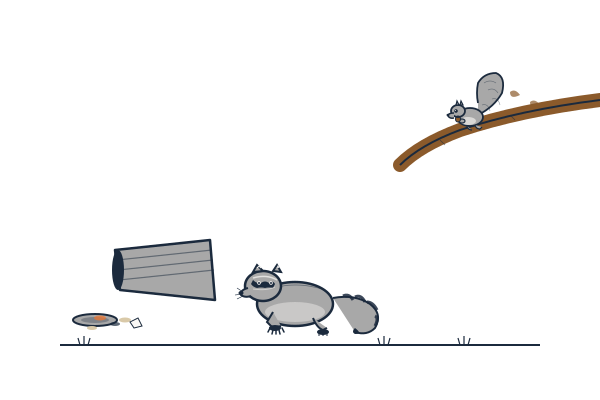
Raccoons and opossums work trash bins overnight. Skunks dig small cone-shaped holes searching for insects. Burrows under structures usually mean an animal is denning there, common with raccoons (during birthing season), opossums, and groundhogs. Yard activity often precedes structural damage as the animal looks for shelter near the food source.

What You're Seeing

  • Large droppings in attics, on roofs, or near nesting sites
  • Strong ammonia smell from accumulated bat guano
  • Skunk spray odor near or inside the home

What's Likely Happening

Wildlife droppings are larger than rodent droppings and often clearly visible. Bat guano accumulates in concentrated piles below roost sites and is a respiratory hazard (histoplasmosis). Skunk odor inside the home means an animal is denning under the structure. All wildlife droppings should be handled with PPE due to disease risk. This is not a DIY cleanup.

Quick-Compare Wildlife

Five common pests in this category, side by side. Pick yours by what you're seeing, how fast it spreads, and the kind of risk it carries.

Pest Top Sign Reproduction Risk Level Why They Come
Raccoons Tipped trash, attic damage, heavy nighttime sounds Slow (1 litter per year, 3-5 kits) High (rabies vector, attic contamination, structural damage) Food access, attic shelter, nesting sites for spring litters
Squirrels Daytime attic noise, chewed soffits, gnaw damage on fascia Medium (1-2 litters per year) Medium (chew damage, electrical fire risk, attic contamination) Mature trees near roof, accessible attic vents, food sources
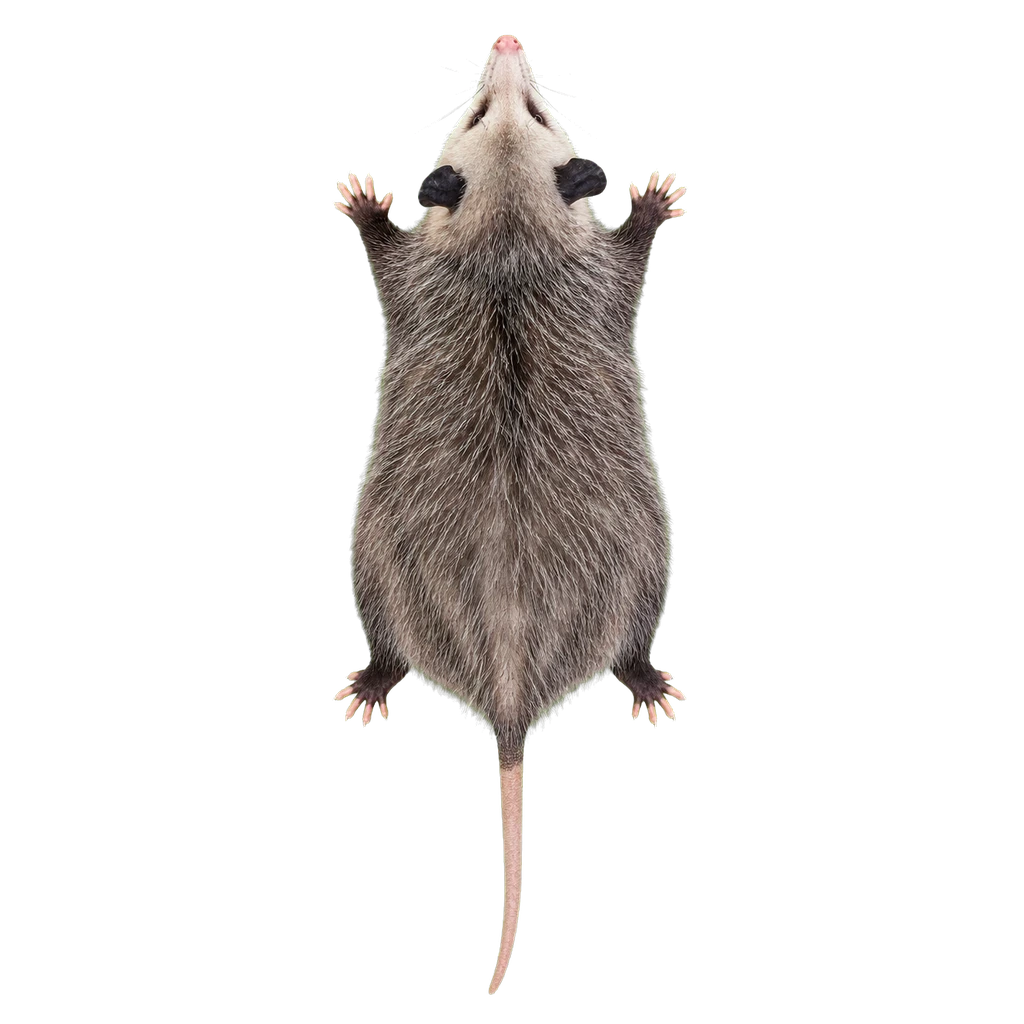
Opossums Nighttime trash activity, occasional shed/deck den Slow (1 litter per year, ~7 young) Low to Medium (occasional disease vector; usually move on) Trash, pet food, sheltered den sites under structures
Skunks Dug yard holes, strong odor, den under deck or porch Slow (1 litter per year) Medium (rabies vector, persistent odor, lawn damage) Grub-rich lawns, sheltered den sites under structures
Bats Squeaks at dusk, guano below entry points, dim attic stains Slow (1 pup per year per female) High health risk (rabies vector, histoplasmosis from guano) Tiny entry gaps, attic roost sites, mosquito-rich environment
Raccoons
Top Sign Tipped trash, attic damage, heavy nighttime sounds
Reproduction Slow (1 litter per year, 3-5 kits)
Risk Level High (rabies vector, attic contamination, structural damage)
Why They Come Food access, attic shelter, nesting sites for spring litters
Squirrels
Top Sign Daytime attic noise, chewed soffits, gnaw damage on fascia
Reproduction Medium (1-2 litters per year)
Risk Level Medium (chew damage, electrical fire risk, attic contamination)
Why They Come Mature trees near roof, accessible attic vents, food sources
Opossums
Top Sign Nighttime trash activity, occasional shed/deck den
Reproduction Slow (1 litter per year, ~7 young)
Risk Level Low to Medium (occasional disease vector; usually move on)
Why They Come Trash, pet food, sheltered den sites under structures
Skunks
Top Sign Dug yard holes, strong odor, den under deck or porch
Reproduction Slow (1 litter per year)
Risk Level Medium (rabies vector, persistent odor, lawn damage)
Why They Come Grub-rich lawns, sheltered den sites under structures
Bats
Top Sign Squeaks at dusk, guano below entry points, dim attic stains
Reproduction Slow (1 pup per year per female)
Risk Level High health risk (rabies vector, histoplasmosis from guano)
Why They Come Tiny entry gaps, attic roost sites, mosquito-rich environment

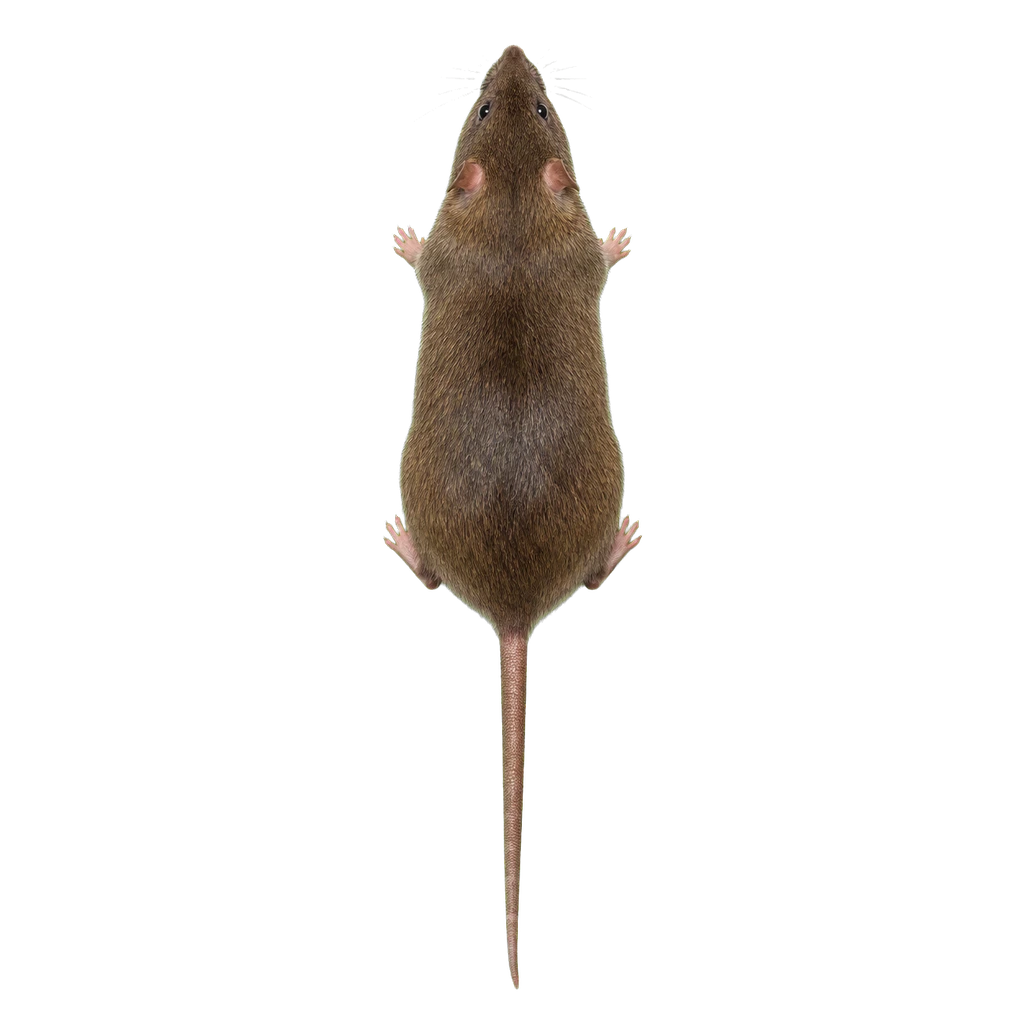
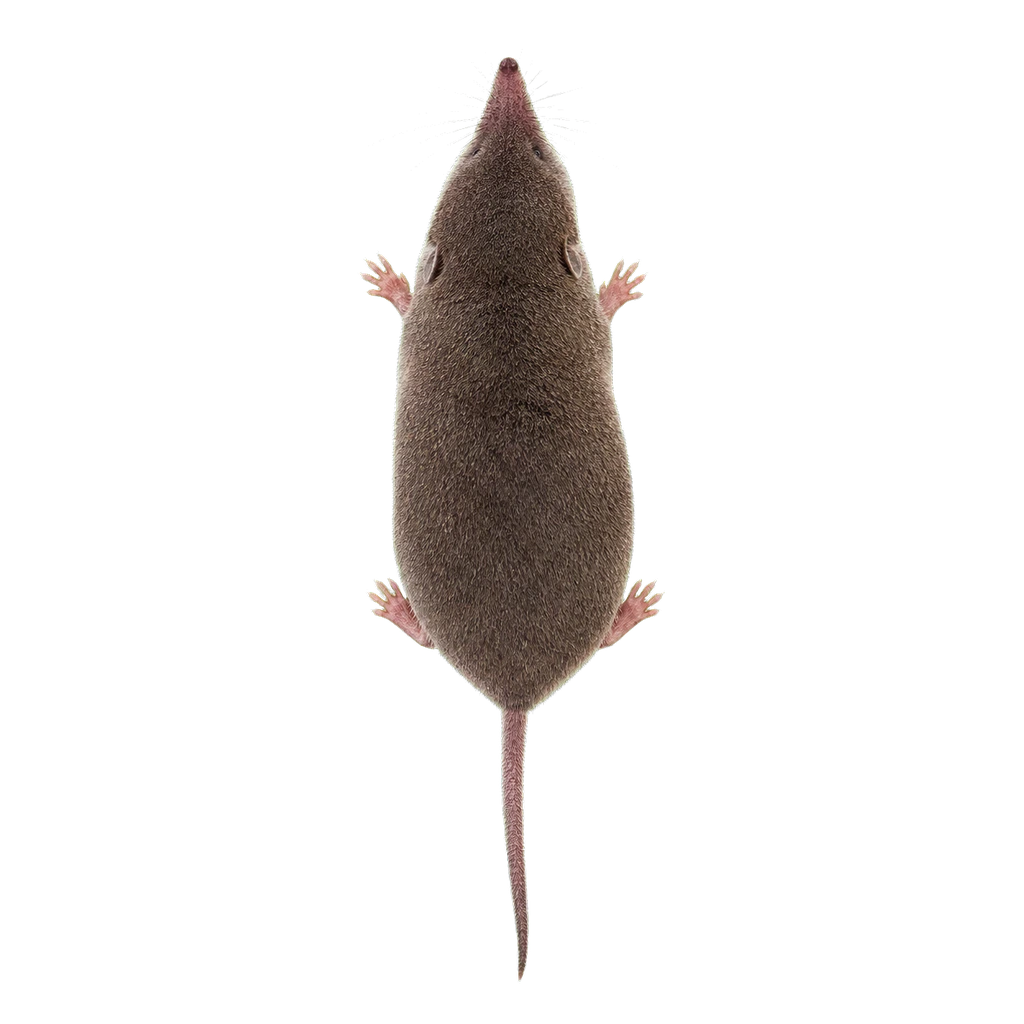
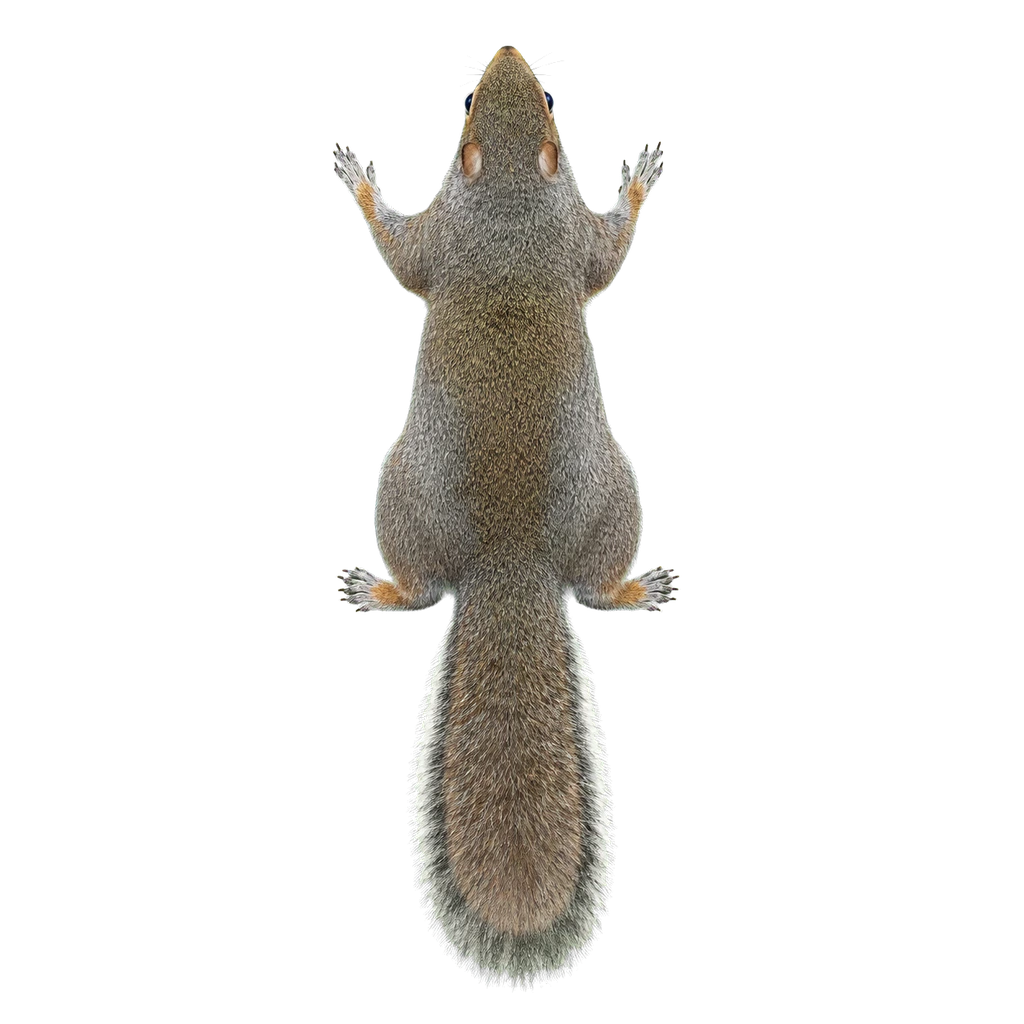
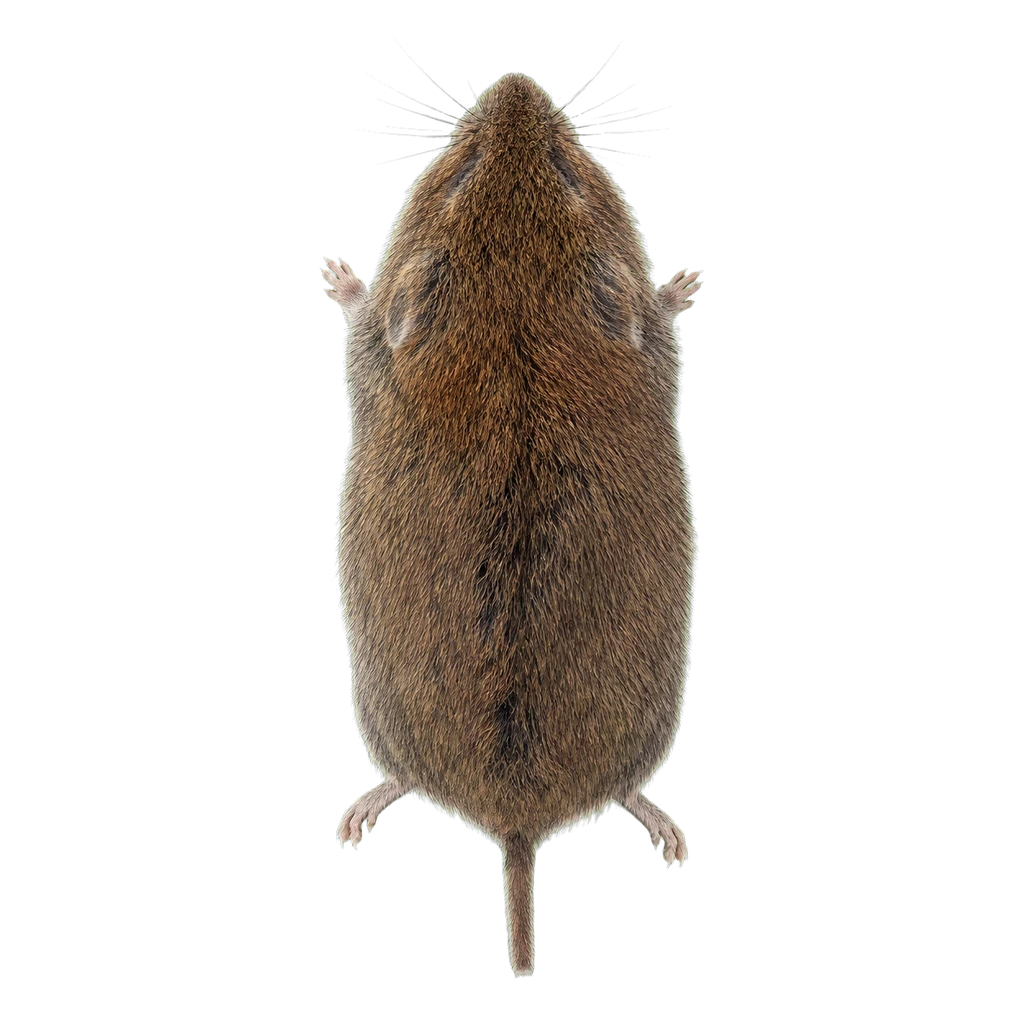
Which Animal Is It?

1 / 17
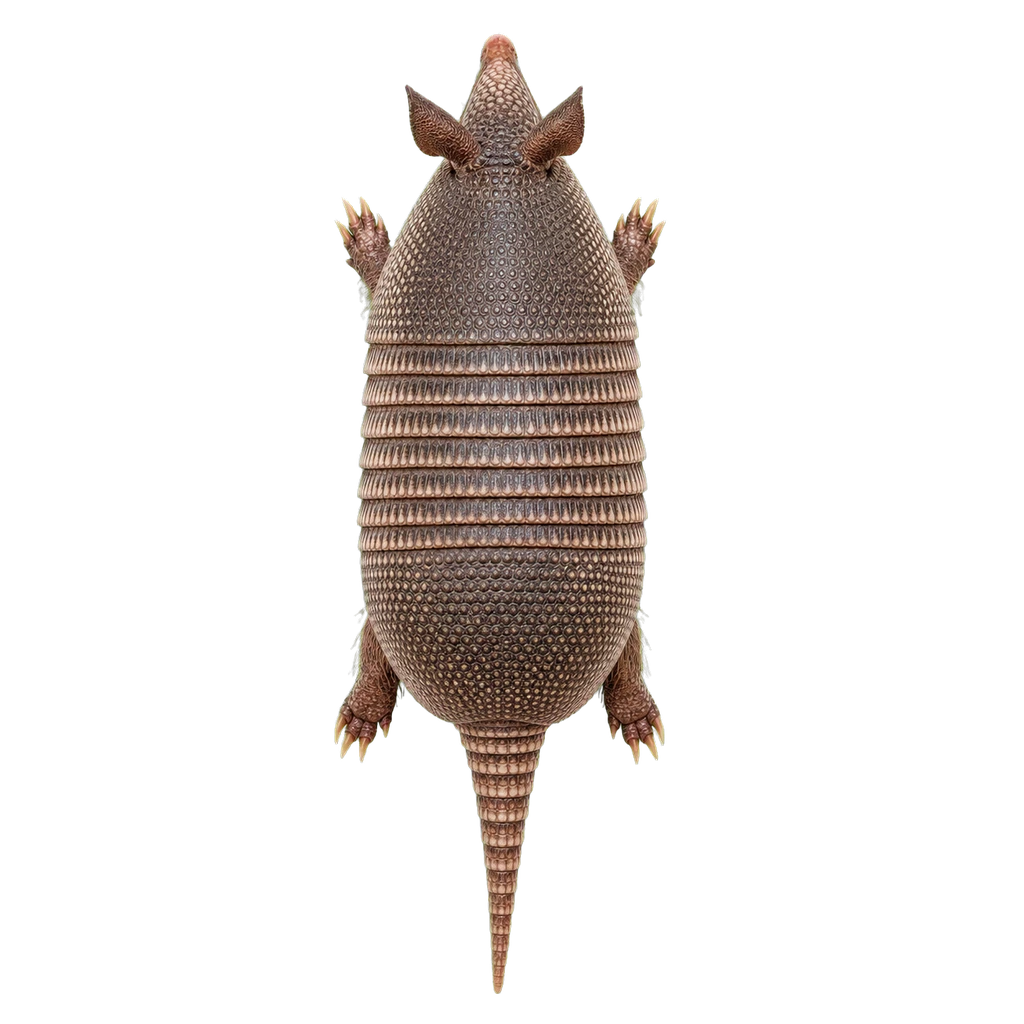
Armadillos close-up image

Armadillos

Armadillos dig cone-shaped holes across lawns and gardens while foraging for grubs and insects. Their burrowing can undermine foundations, damage landscaping, and create tripping hazards throughout the yard.

Learn more about Armadillos
Looking for help with Armadillos?
Connect with a local specialist.
(888) 495-1510
Looking for help with Armadillos?
Connect with a local specialist.
(888) 495-1510
NoToPests

Spotted wildlife? Connect with a local pro who handles humane removal.

How Risky Is Wildlife in Your Home?

Wildlife situations have legal, health, and structural stakes that don't apply to insects or rodents. These four questions help you figure out whether DIY is even an option and how urgent the response should be.

DIY Removal vs Calling a Wildlife Pro

DIY

DIY in the wildlife category is almost entirely about prevention: making your property less attractive and the structure harder to enter. Once an animal is inside, this is no longer DIY territory. But everything below is well within homeowner range and meaningfully reduces the chance of a future encounter.

  • Lock trash bin lids (raccoons can open most standard latches) or store bins inside a garage until pickup day
  • Trim every tree branch that touches the roof or comes within 5 feet of it. These are the highways squirrels and raccoons use to reach attic vents
  • Install a chimney cap and check attic gable vents, soffit screens, and dryer vent flaps annually, but only seal vents when you're certain nothing is currently inside
  • Remove outdoor food sources: secured pet food, fallen fruit under trees, accessible bird feeders, uncovered compost bins. These are what bring wildlife to your property in the first place
  • Walk the perimeter of the house every season looking for fresh damage at roof edges, soffits, and foundation vents. Early discovery is everything in this category

Professional

If an animal is already inside, this is a qualified wildlife professional's job, not a pest control technician's, not a homeowner's. The difference matters: wildlife pros carry state registration, know the legal protections and seasonal restrictions, and have the equipment to remove animals humanely without trapping young inside the wall.

  • Knows the federal and state laws for each species: what's legal, what requires a permit, and what's flatly prohibited during nesting season
  • Live-traps and relocates per state regulations (most states require relocation within a specific distance, with specific gear, and with specific timing)
  • Uses one-way exclusion devices for bats, which let them leave but not return (legal only outside maternity season), which is why timing the call matters
  • Decontaminates affected areas (raccoon latrines, bat guano, urine-soaked insulation) using respirators, PPE, and proper biohazard disposal (homeowners shouldn't attempt this)
  • Performs permanent exclusion repairs after removal: heavy-gauge hardware cloth on vents, replaced soffits, sealed roof junctions. Without this step, the next animal moves into the same opening within a year

Connect With a Local Wildlife Pro Today

Pest control technician with sprayer beside a service van
Junho L.
Daisuke P.
Kirk Q.
Marion K.

Trusted by homeowners nationwide

Prefer to Talk? (888) 495-1510

What Homeowners Say After Wildlife Removal

Real stories from households who connected with pest control pros.

Yu E.
Yu E.
Durham, NC

"The inspection caught what we missed."

I didn't realize how much damage raccoons can cause once they get inside. The wildlife specialist explained what areas they inspect first and why raccoon issues are handled more carefully than regular pests. They showed me the damage and explained removal and exclusion strategies. Understanding the potential for damage made me glad I called professionals.

Yu E.
Yu E.
Durham, NC

"The inspection caught what we missed."

I didn't realize how much damage raccoons can cause once they get inside. The wildlife specialist explained what areas they inspect first and why raccoon issues are handled more carefully than regular pests. They showed me the damage and explained removal and exclusion strategies. Understanding the potential for damage made me glad I called professionals.

LaShawn N.
LaShawn N.
Castle Rock, CO

"Nightly raccoon raids stopped for good."

Raccoons were tipping over our bins and scattering trash across the driveway. The wildlife specialist identified den sites nearby and recommended wildlife-proof containers. They also sealed access to the crawl space where raccoons had been resting during the day.

Ken H.
Ken H.
Decatur, IL

"Nightly raccoon trash raids ended."

Raccoons were raiding our bins nightly and leaving trash all over the driveway. The provider identified access points to the crawl space and sealed them. They recommended wildlife-proof containers which ended the nightly raids.

Lynn Z.
Lynn Z.
Nicholasville, KY

"Attic raccoons removed and area sanitized."

We heard heavy footsteps in the attic and found raccoon droppings. The provider installed a one-way exclusion device and sealed the entry point after the animal left. Professional cleanup and sanitization followed.

Eugene H.
Eugene H.
Cumberland, MD

"Soffit repaired and raccoons evicted."

Raccoons ripped open a section of soffit and moved into the attic. The provider installed a one-way door and sealed the opening after the animal left. Metal flashing over the repair prevented future break-ins.

Rayshawn Q.
Rayshawn Q.
Jackson, MI

"Compost bin secured against raccoon raids."

Raccoons tore open the compost bin nightly and scattered waste across the yard. The provider identified den sites near the property and recommended wildlife-proof composting. Securing the bin and removing attractants solved the problem.

Stacey O.
Stacey O.
Wentzville, MO

"Soffit gap repaired and raccoons evicted."

Raccoons found a gap in the soffit and moved into the attic. The provider installed a one-way exclusion device and sealed the entry after the animals left. Metal flashing over the repair has held up well.

Arjun X.
Arjun X.
Ralston, NE

"Crawl space vents sealed and raccoons gone."

Raccoons nested in the crawl space and we could hear them at night. The provider installed a one-way door and sealed the vent openings. The animals left and the sealed vents kept them out.

Angelica T.
Angelica T.
Bayonne, NJ

"Trash raids and crawl space access stopped."

Raccoons tipped our bins nightly and scattered garbage across the alley. The provider recommended wildlife-proof containers and sealed access to the crawl space. Both changes ended the nightly raids.

Benito I.
Benito I.
Lakewood, OH

"Nightly trash raids stopped for good."

Every morning we would walk out to coffee grounds and chicken bones strewn across the driveway. Twice a week, like clockwork. The wildlife specialist recommended wildlife-proof bins with metal latches and sealed the crawl space vent that they had been using for shelter. Both changes together did the trick. Garbage day has been boring ever since.

Jonelle D.
Jonelle D.
The Dalles, OR

"Crawl space vent sealed and raccoons gone."

Raccoons found a gap in the crawl space vent and moved in. The provider installed a one-way door and sealed the vent after the animal left. The repaired vent has held.

Craig K.
Craig K.
Pottstown, PA

"Soffit repaired and attic raccoon-free."

Lying in bed at midnight we heard heavy footsteps overhead, then a thud. Not subtle. A flashlight on the front of the house showed a torn-open soffit corner. The wildlife specialist installed a one-way door, gave the mother and kits a few nights to leave, then closed it up with metal flashing screwed tight. The attic has been quiet for over a year.

Lucia C.
Lucia C.
Spring Hill, TN

"Soffit gap sealed and attic raccoon-free."

Heard the heavy footsteps overhead at five in the morning, then a soft thumping that turned out to be kits. The wildlife specialist confirmed mom and at least two babies had moved in through a soffit gap. He installed a one-way door, gave them time to leave, then closed it up with metal flashing screwed to solid framing. Repair has held.

Maximiliano N.
Maximiliano N.
Frisco, TX

"Nightly trash raids stopped and crawl space sealed."

Raccoons tipped the bins and scattered trash every night. The provider recommended wildlife-proof containers and sealed the crawl space access. Both changes resolved the problem.

Mariana K.
Mariana K.
Staunton, VA

"Soffit sealed and attic raccoon-free."

Heard the thump first, then the squabbling, then the slow drag of something heavy across the attic ceiling. Mom raccoon and three kits, the wildlife specialist confirmed. He installed a one-way door, let them out over a few nights, then sealed the soffit corner with metal flashing screwed to the framing. The repair held through last winter and the attic has stayed quiet.

Lin B.
Lin B.
Sammamish, WA

"Compost bin secured and crawl space sealed."

Every morning the compost bin was flipped on its side, lid yanked off, and the contents strewn across the patio. I could hear them most nights too. The wildlife specialist recommended a metal-latched compost bin and showed me a crawl space vent they had been using for shelter. We upgraded the bin, sealed the vent. Both changes together ended the nightly raids.

Rosemary I.
Rosemary I.
Bridgeport, WV

"Soffit sealed and attic raccoon-free."

Heard the heavy footsteps above the bedroom ceiling at four in the morning and I knew it was not a squirrel. The wildlife specialist found a soffit corner that had been pulled open and installed a one-way door. Once they were out, he closed it with metal flashing screwed to solid framing. The attic has been quiet for almost a year now. Sleeping well finally.

Victor O.
Victor O.
Fond du Lac, WI

"Trash raids stopped and crawl space sealed."

Every morning the trash bins were tipped, lids tossed across the driveway, and the contents strewn out. I could hear them at night too. The wildlife specialist suggested metal-latched wildlife-proof bins and sealed a vent corner where they had been sheltering. Both changes together did it. Garbage day is no longer a chore I dread.

Juanita Q.
Juanita Q.
Douglas, WY

"Crawl space vent sealed and raccoons gone."

Heard a hissing noise from under the house and then the kids found a tiny paw print in the mud near the crawl space vent. The wildlife specialist confirmed mom and at least two kits had moved in. He installed a one-way door, gave them a few nights, then closed it up with hardware cloth screwed to the foundation. The repair has held through a year of weather and the crawl space has been quiet.

Common Questions About Wildlife

Answers to the questions homeowners ask most about raccoons, squirrels, bats, and other wildlife.

  • How do I know if something is living in my attic or crawlspace? Toggle answer for: How do I know if something is living in my attic or crawlspace?

    Listen first. Heavy footsteps, scratching, or scampering at dawn or dusk usually means raccoons or squirrels. Lighter, faster scurrying suggests rodents (smaller mammals). High-pitched chittering or squeaking, especially at sunset, indicates bats. Smell next: a strong musky odor points to raccoons, while a sharp ammonia smell suggests an established colony with urine accumulation. Visual signs: large droppings (much bigger than mouse pellets), torn or matted insulation, gnawed wood at access points, fur or grease marks around small openings, and chewed wires. If you suspect bats, you may also see staining around exit points where they emerge at dusk.
  • Can I legally remove wildlife myself? Toggle answer for: Can I legally remove wildlife myself?

    In most states, no. Wildlife removal is regulated at the state level by fish and game or wildlife agencies. Most states require a licensed Wildlife Control Operator to trap, relocate, or exclude vertebrate wildlife. Bats are federally protected during maternity season (typically May through August), making exclusion during that window illegal almost everywhere. Some bird species are protected under the Migratory Bird Treaty Act and can't be disturbed during nesting. Even species you can technically handle as a homeowner (Norway rats, non-native squirrels) usually require humane methods under state law. Penalties for illegal handling can run into the thousands.

  • Can wildlife in my home make my family sick? Toggle answer for: Can wildlife in my home make my family sick?

    Yes. Raccoons carry Baylisascaris (raccoon roundworm), which causes severe neurological damage in humans, and their feces release infectious eggs that can persist in attics for years. Rabies is present in raccoons, skunks, foxes, and bats, and a single bite from an infected animal is 100% fatal without immediate post-exposure treatment. Bat guano releases Histoplasma capsulatum spores that cause histoplasmosis when inhaled, with permanent lung damage in severe cases. Bird nests harbor mites and lice that can transfer to humans. Any wildlife in the living envelope is a real health risk that scales with how long they've been there.
  • How long does professional wildlife removal take? Toggle answer for: How long does professional wildlife removal take?

    It depends on the species and the time of year. A single raccoon or squirrel can usually be trapped and excluded in 3 to 7 days. A bat colony exclusion takes 1 to 2 weeks because one-way exclusion devices need time for every bat to leave (and they can only be installed legally outside maternity season). Spring jobs involving a mother with young always take longer, usually 2 to 4 weeks, because the babies need to be removed by hand or allowed to mature enough to leave with the mother. After removal, exclusion repairs (sealing every entry point with heavy-gauge hardware cloth) typically add 1 to 3 days. The full timeline from first call to permanent fix is usually 2 to 6 weeks depending on complexity.

  • How are they getting into my house? Toggle answer for: How are they getting into my house?

    Above ground level, in places homeowners rarely inspect. Raccoons pry open soffits, lift loose roof shingles, and force their way through damaged gable vents (they can apply 100+ pounds of force with their front paws). Squirrels chew through wooden roof edges, fascia boards, and unscreened attic vents. Bats squeeze through gaps as small as 3/8 inch (the width of a pencil), often around chimneys, ridge vents, and where the roofline meets the wall. Birds nest in dryer vents, attic fans, and uncapped chimneys. Most wildlife entry happens at roof level or above, which is why annual roof and soffit inspections are the single most useful prevention step.

  • What kind of damage can wildlife cause? Toggle answer for: What kind of damage can wildlife cause?

    More than people expect. Raccoons tear through roofing materials and shred insulation for nesting, with full attic remediation often costing $3,000 to $10,000 after a single nesting season. Squirrels chew electrical wiring (a documented fire hazard) and gnaw wooden beams. Bats stain ceilings with urine that bleeds through drywall, and accumulated guano corrodes building materials and supports mold growth. Birds clog dryer vents and attic fans with nesting material, which is both a fire risk and an HVAC problem. Across the category, wildlife damage typically costs thousands to remediate and can compromise structural elements if left long enough.

  • How do I keep wildlife from coming back? Toggle answer for: How do I keep wildlife from coming back?

    Permanent exclusion is the only durable answer, and it has to be done with materials wildlife can't defeat: heavy-gauge galvanized hardware cloth (1/4 inch or smaller for bats, 1/2 inch for squirrels and rats), metal flashing for roof junctions, and chimney caps rated for wildlife. Trim tree branches at least 6 feet from the roofline. Secure trash bins with locking lids or store inside a garage. Remove outdoor food sources (uncovered pet food, fallen fruit, accessible bird feeders, open compost). Walk the perimeter every season to spot fresh damage at roof edges, soffits, and foundation vents before animals establish a den. The biggest mistake is sealing entry points before confirming all animals have left, which traps offspring inside.

Explore All Pest Categories

Different pest? Different category? Browse every parent pest the network treats. Each one has its own behavior, signs, and treatment approach.

Wood-Destroying & Structural Pests

Pest Control Pros serving the city of the state of your city and nearby areas

Local pros handle every animal in this category. Get matched in one call, no pressure and no commitments.

Available 24/7
(888) 495-1510