Local pest control help is one call away.

Rodents and small mammals illustration

Rodents & Small Mammals

Scratching above the bedroom ceiling at 2am. A handful of dark pellets behind the toaster. A chewed corner on a cereal box you bought last week. Rodents hide for weeks before you notice them, but by the time you do, the population is already established in your walls. A single mouse you see usually means six to twelve more nearby.

Mice, rats, voles, and gophers each behave differently and respond to different control strategies. The first job is figuring out which one you have, because the wrong trap in the wrong place catches nothing. The second is sealing the gaps that let the next wave in, because killing the current population without exclusion just resets the problem.

Pests in this category:

  • House mice and deer mice
  • Norway rats and roof rats
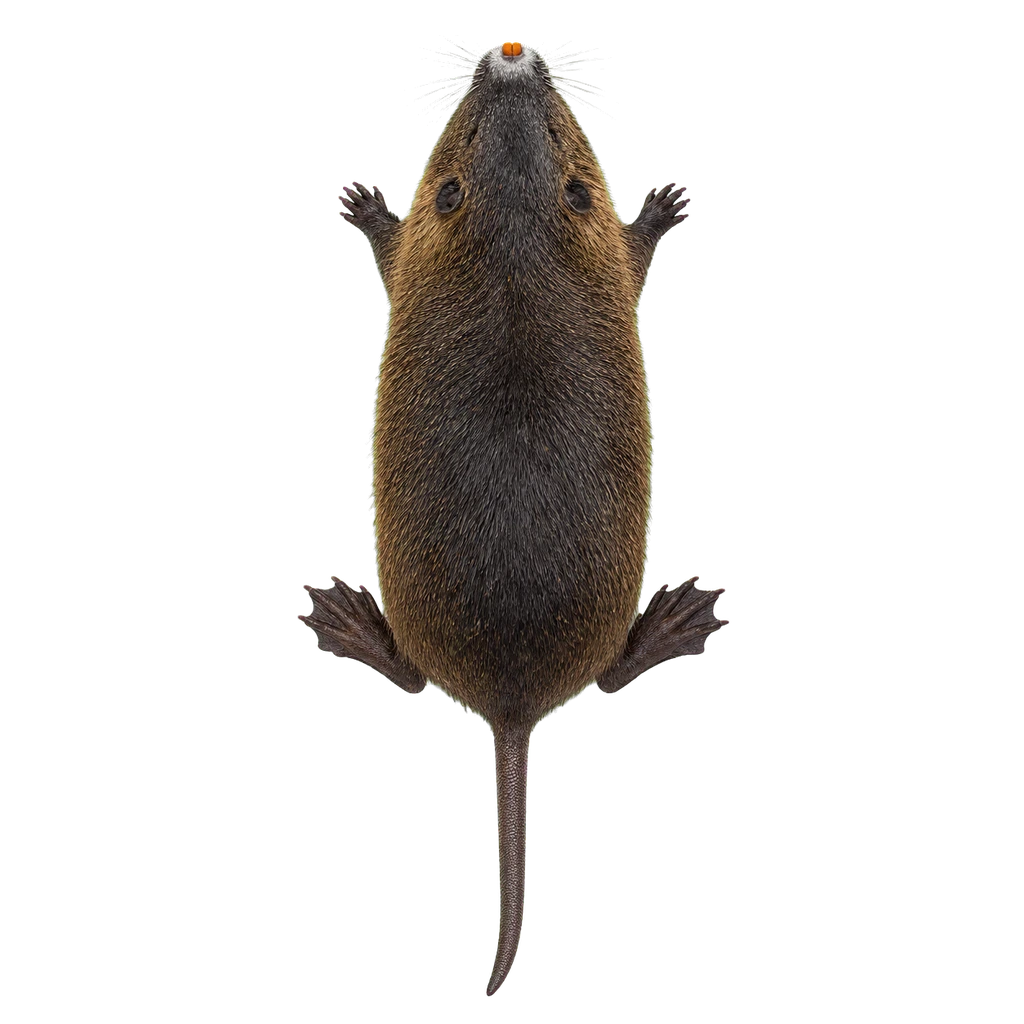
  • Voles and gophers
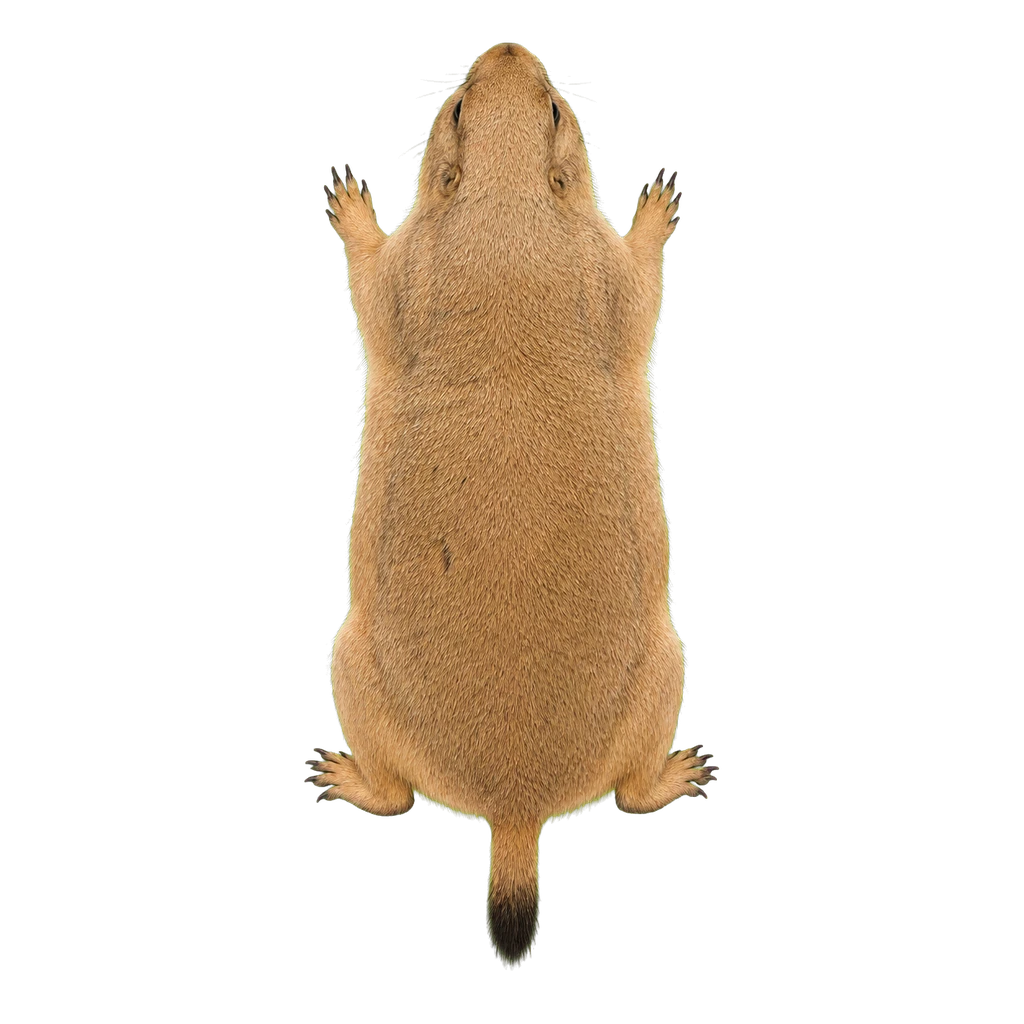
  • Chipmunks and groundhogs

What These Rodents Have in Common

Every rodent in this category exploits the same three things: a gap to get in, food to stay for, and a quiet cavity to nest in. Mice can squeeze through a quarter-inch gap (the diameter of a pencil). Rats need a half-inch (a dime). A single female house mouse produces 5 to 10 litters of 5 to 6 pups a year. Her pups reach breeding age at six weeks old, which is why a problem you ignored in October is dramatically worse by January. Rodents also gnaw constantly to wear down their incisors, and that gnawing happens on whatever they encounter: electrical wiring, attic insulation, food packaging, and structural framing.

Where they live changes the whole control approach. Mice and rats nest in walls, attics, and crawlspaces and need indoor work. Voles and pocket gophers operate entirely outdoors and damage lawns or gardens. Squirrels and chipmunks are larger but use the same entry-point logic as mice; they just need bigger holes. Identifying which one you have is what determines the trap, the bait, the placement, and the timeline.

Most homeowners reach for snap traps first, and snap traps work, for the individuals dumb enough to walk into them. The bigger problem is the breeding population in the walls you can't access, and the entry points that keep funneling new individuals in. Lasting rodent control means doing three things at once: identifying the species, eliminating the existing population, and sealing the building envelope so the next mouse can't get back in. Skip any one of the three and you're back here next year.

What Are You Seeing or Hearing?

Pick the sign that matches what you're noticing. Each one points to a different pest with a different evidence pattern.

What Are You Seeing or Hearing?

What You're Seeing

  • Small dark pellets along baseboards, under sinks, or behind appliances
  • Larger droppings (capsule-shaped, up to 3/4 inch) in attics or basements
  • Droppings concentrated in specific corners or along travel routes

What's Likely Happening

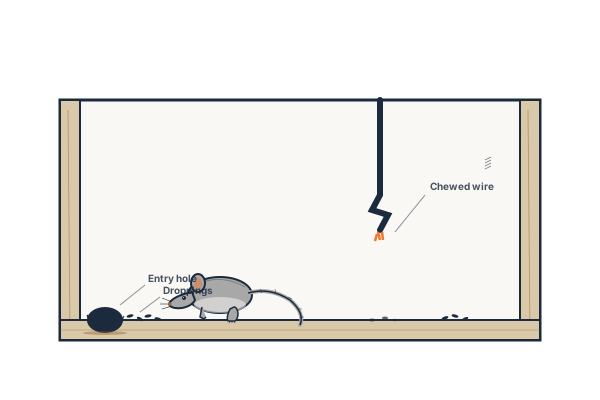
Dropping shape and size identify the species. Mouse droppings are 1/8 to 1/4 inch with pointed ends. Norway rat droppings are blunt-ended capsules up to 3/4 inch. Roof rat droppings are slimmer and pointed. Concentration tells you where they're traveling, usually along walls and behind cover.

What You're Seeing

  • Scratching or scurrying sounds in walls or above the ceiling, mostly at night
  • Faster movement in attics and crawl spaces (squirrels and roof rats)
  • Slower, heavier sounds in basements or wall voids (Norway rats)

What's Likely Happening

Sounds tell you where they're nesting. Mice and roof rats stay close to the perimeter and run along electrical wires and rafters. Norway rats prefer ground level and basements. Daytime sounds usually mean squirrels or chipmunks. Nighttime activity is typical of mice and rats. Persistent noise in one area means an established nest, not just a passing visitor.

What You're Seeing

  • Chewed corners on cardboard boxes, food packaging, or stored fabric
  • Stripped electrical wire insulation in attics or appliances
  • Round 1- to 2-inch holes through drywall or wood paneling

What's Likely Happening

Gnaw marks are how rodents manage their continuously growing teeth. Mice make 1/4-inch holes; rats make 1- to 2-inch holes. Stripped wire is the worst-case scenario: rodent damage to electrical systems is a documented cause of house fires. Damage indicates an established population, not a new arrival.

What You're Seeing

  • Surface tunnels through grass that lift the lawn (voles)
  • Mounded soil with central holes (gophers, ground squirrels)
  • Burrow entries near woodpiles, foundations, or compost

What's Likely Happening

Voles eat grass roots and create surface runways. Gophers create soil mounds with main entrance holes. Both can damage extensive lawn areas in a single season. They rarely enter the home but signal a rodent-friendly environment near the foundation, which often correlates with mouse and rat activity at the perimeter.

Quick-Compare Rodents & Small Mammals

Five common pests in this category, side by side. Pick yours by what you're seeing, how fast it spreads, and the kind of risk it carries.

Pest Top Sign Speed of Spread Risk Level Why They Come
House Mice Small dark droppings, gnaw marks, scurrying in walls at night Fast (5-10 litters per year, 5-6 pups each) Medium (contamination, allergens, occasional disease vectors) Food access, small gaps (1/4 inch), undisturbed nesting
Norway Rats Capsule-shaped droppings; burrows in soil; gnaw damage at low levels Medium (3-6 litters per year, 8-12 pups) High (significant disease vectors; heavy gnaw damage) Food, water, basement and ground-level entry
Roof Rats Pointed droppings high in attics; runways along rafters; sounds above ceiling Medium (3-5 litters per year) High (electrical damage, attic contamination, diseases) Trees touching the home, vent gaps, attic access
Voles Surface runways through grass; gnawed bark at the base of shrubs Fast (3-6 litters per year outdoors) Low for the home; Medium for landscape damage Heavy mulch, dense ground cover, undisturbed lawn
Squirrels & Chipmunks Daytime attic noise; chew marks on fascia or vents Slow (1-2 litters per year) Medium (chew damage, attic contamination, electrical damage) Mature trees touching roof, accessible attic vents
House Mice
Top Sign Small dark droppings, gnaw marks, scurrying in walls at night
Speed of Spread Fast (5-10 litters per year, 5-6 pups each)
Risk Level Medium (contamination, allergens, occasional disease vectors)
Why They Come Food access, small gaps (1/4 inch), undisturbed nesting
Norway Rats
Top Sign Capsule-shaped droppings; burrows in soil; gnaw damage at low levels
Speed of Spread Medium (3-6 litters per year, 8-12 pups)
Risk Level High (significant disease vectors; heavy gnaw damage)
Why They Come Food, water, basement and ground-level entry
Roof Rats
Top Sign Pointed droppings high in attics; runways along rafters; sounds above ceiling
Speed of Spread Medium (3-5 litters per year)
Risk Level High (electrical damage, attic contamination, diseases)
Why They Come Trees touching the home, vent gaps, attic access
Voles
Top Sign Surface runways through grass; gnawed bark at the base of shrubs
Speed of Spread Fast (3-6 litters per year outdoors)
Risk Level Low for the home; Medium for landscape damage
Why They Come Heavy mulch, dense ground cover, undisturbed lawn
Squirrels & Chipmunks
Top Sign Daytime attic noise; chew marks on fascia or vents
Speed of Spread Slow (1-2 litters per year)
Risk Level Medium (chew damage, attic contamination, electrical damage)
Why They Come Mature trees touching roof, accessible attic vents

Which Rodent Is It?

1 / 11
Chipmunks close-up image

Chipmunks

Chipmunks dig extensive burrow systems under foundations, walkways, and retaining walls, weakening the structures above. They also raid gardens and flower beds, uprooting bulbs and eating seeds from plantings.

Learn more about Chipmunks
Looking for help with Chipmunks?
Connect with a local specialist.
(888) 495-1510
Looking for help with Chipmunks?
Connect with a local specialist.
(888) 495-1510
NoToPests

Spotted a rodent? Connect with a local pro who handles infestations daily.

How Serious Is Rodent Activity?

What you can see is rarely the whole picture with rodents. These four questions help you figure out how big the actual problem is and what level of response it needs.

DIY Trapping vs Calling a Rodent Pro

DIY

DIY rodent control works for early, contained situations: one or two mice with an obvious entry point. The key is doing all of it together: trapping, sealing, and removing food sources. Skip any one and the problem comes back.

  • Walk the exterior and seal every gap larger than 1/4 inch for mice or 1/2 inch for rats: utility penetrations, dryer vents, foundation cracks, garage door gaps. Use steel wool plus caulk, not foam alone (mice chew through foam)
  • Move all food (including pet food, birdseed, and dog treats) into airtight containers off the floor. The single biggest reason a mouse problem persists is unrestricted food access
  • Set snap traps perpendicular to walls in spots where you've seen droppings. Rodents travel along edges, not through open rooms; center-of-floor traps catch nothing
  • Clear brush, woodpiles, and debris within 3 feet of the foundation. These are staging zones where rodents wait before entering
  • Trim any tree branches that touch the roof or come within 5 feet of it. Roof rats and squirrels use them as bridges to attic vents

Professional

If you're hearing activity in the walls, finding droppings in multiple rooms, or it's been more than a few weeks without progress, this is a pro job. The cost of professional rodent control is almost always less than the cost of a chewed-wire fire, contaminated insulation replacement, or a year of recurring infestations.

  • Performs a full exterior exclusion inspection that finds gaps homeowners miss (gable vents with damaged screens, soffit returns, AC line penetrations, foundation expansion joints)
  • Deploys tamper-resistant bait stations with rodenticides that can't be sold to homeowners, placed where children and pets can't access them
  • Sets up monitoring traps that reveal the size of the population and where they're nesting, so treatment scales to the actual problem
  • Cleans contaminated attics and crawlspaces with proper PPE and HEPA equipment after removal (droppings cleanup is a biohazard most homeowners shouldn't attempt)
  • Returns at 2-week intervals until zero activity is confirmed, then handles long-term exclusion repairs (sealing, hardware-cloth screening, foam replacement)

Connect With a Local Rodent Pro Today

Pest control technician with sprayer beside a service van
Junho L.
Daisuke P.
Kirk Q.
Marion K.

Trusted by homeowners nationwide

Prefer to Talk? (888) 495-1510

What Homeowners Say After Handling Rodents

Real stories from households who connected with pest control pros.

Sen N.
Sen N.
Ogden, UT

"They sealed every entry point we missed."

Mice kept getting into the kitchen through gaps we didn't even know existed. The tech did a full inspection, sealed everything, and set traps for the ones already inside. Problem solved within a week.

Sen N.
Sen N.
Ogden, UT

"They sealed every entry point we missed."

Mice kept getting into the kitchen through gaps we didn't even know existed. The tech did a full inspection, sealed everything, and set traps for the ones already inside. Problem solved within a week.

Sanjay J.
Sanjay J.
Anchorage, AK

"Garage sealed against winter rodents."

During winter, mice kept finding their way into our garage and eventually the kitchen. The inspector identified the entry points along the foundation and sealed them. We went the rest of the season without seeing a single mouse.

Lorena O.
Lorena O.
Wasilla, AK

"Garden beds saved from vole damage."

Voles had tunneled through our yard and garden. The inspector explained how to address the tunneling and treated the perimeter. The damage stopped and we were able to replant without losing everything again.

Amrit W.
Amrit W.
Stamford, CT

"Attic finally sealed against mice."

Every winter we heard scratching in the attic. The tech found multiple entry points along the roofline and sealed them after treating the area. This is the first winter we haven't had the problem.

Philip M.
Philip M.
Newark, DE

"Pantry entry points sealed against mice."

We kept finding droppings in the pantry and couldn't figure out the entry point. The tech traced the path from outside and sealed several small gaps we had missed. The mice stopped getting in immediately.

Lei H.
Lei H.
Meridian, ID

"Winter mouse cycle finally broken."

We sealed what we could ourselves, but mice still got in every cold season. The inspector found gaps we missed around pipes and vents and sealed them properly. This winter has been completely quiet.

Harriet O.
Harriet O.
Chicago, IL

"Wall mice gone, quiet nights again."

We heard scratching at night and found droppings in the pantry. The tech located the entry points near the foundation and sealed them. The trapping and treatment plan worked quickly and the noise stopped completely.

Deshawn N.
Deshawn N.
Fort Wayne, IN

"Old house sealed against persistent mice."

Our older home had more entry points than we realized. The pro did a full inspection and sealed the gaps while setting traps in the active areas. The mice stopped getting in and we felt much better about the situation.

Ling W.
Ling W.
Cedar Rapids, IA

"Attic insulation cleared of mice."

We found mouse droppings in the attic and nesting material in the insulation. The inspector sealed the roof-level entry points and treated the area. They explained how Iowa winters push rodents indoors aggressively.

Andrew Y.
Andrew Y.
Topeka, KS

"Garage gaps sealed against mice."

The gap under our garage door was just enough for mice to squeeze through. The inspector identified this and other small gaps around the foundation. After sealing and treating, the mice stopped showing up inside.

Carrie Y.
Carrie Y.
Covington, KY

"Basement foundation sealed against mice."

The old foundation had cracks that mice were using to get inside. The provider sealed the gaps and treated the interior. They were thorough about finding every potential entry point, which made the fix last.

Nisha L.
Nisha L.
Portland, ME

"First winter without mice in the walls."

Maine winters drove mice into our walls like clockwork. The provider found entry points along the sill plate and around utility lines. After sealing and treating, we made it through the entire winter without hearing them.

Felipa Q.
Felipa Q.
Rockville, MD

"Siding gaps sealed against mice."

We found droppings in the kitchen and the provider traced the entry to a gap behind the siding near ground level. Sealing that area and a few others stopped the mice from entering. The approach was systematic.

Isaiah F.
Isaiah F.
Detroit, MI

"Walls and attic cleared of mice."

The scratching sounds at night had us worried. The provider found entry points along the roofline and foundation and sealed them all. They explained how Michigan winters force rodents to find warm shelter fast.

Jean C.
Jean C.
Minneapolis, MN

"Old house sealed before winter rodent season."

Our older home had gaps around pipes and vents that mice were exploiting. The provider did a thorough inspection and sealed everything. They explained that in Minnesota, rodent-proofing before winter is essential.

Donald L.
Donald L.
Springfield, MO

"Mice cleared from under the deck."

We noticed mouse activity under the deck and eventually inside the house. The provider sealed the entry points from the deck area and treated the perimeter. The activity stopped within days.

Clayton Q.
Clayton Q.
Billings, MT

"First mouse-free winter beside the fields."

Living near open fields means constant mouse pressure in the fall. The provider sealed every gap along the foundation and set up a perimeter treatment. We went the whole winter without mice inside for the first time.

Soledad D.
Soledad D.
Lincoln, NE

"Utility line gaps sealed against mice."

The provider found that mice were entering where utility lines passed through the exterior wall. They sealed those penetrations and treated the interior. It was a simple fix that made a huge difference.

Jenna Q.
Jenna Q.
Reno, NV

"Cold-weather mouse entries sealed off."

Reno winters get cold enough to push mice indoors. The provider identified gaps around the garage door and dryer vent and sealed them. The trapping program they set up handled the remaining mice quickly.

Cynthia Y.
Cynthia Y.
Nashua, NH

"Annual attic mouse cycle broken."

Every fall, mice would settle into our attic. The provider sealed the roofline gaps and treated the space. They explained that proactive sealing before autumn is the key to breaking the yearly cycle.

Kameron V.
Kameron V.
Santa Fe, NM

"Adobe walls sealed against mice."

Our adobe home had small cracks that mice were using as entry points. The provider sealed the gaps with appropriate materials and treated the interior. They understood the unique challenges of adobe construction.

Chantal W.
Chantal W.
Buffalo, NY

"First winter without a single mouse."

Buffalo winters are harsh and mice would always find a way in. The provider sealed the entire foundation perimeter and around every utility penetration. For the first time, we had a winter without mice.

Yolanda G.
Yolanda G.
Fargo, ND

"Sealed up before the mice could move in."

Every September, mice would start appearing inside. The provider sealed the foundation and roofline gaps before fall and set up monitoring. For the first time, we made it through winter without a single mouse inside.

Jaquan X.
Jaquan X.
Cleveland, OH

"Garage walls cleared and sealed off."

We found nesting material behind the garage drywall. The provider removed the nests, sealed the entry points, and treated the area. They explained how attached garages are a common entry route for rodents in Ohio winters.

Joshua K.
Joshua K.
Bend, OR

"Cabin sealed against forest mice."

Our home near the forest had multiple entry points for mice. The provider systematically sealed the foundation, roofline, and utility penetrations. They explained that rural properties in Oregon need extra attention to exclusion.

William F.
William F.
Scranton, PA

"Century-old home finally mouse-free."

Our century-old home had gaps everywhere that mice exploited. The crew did a complete exclusion job, sealing around the foundation, windows, and utility lines. The scratching sounds stopped and we've been mouse-free since.

Jorge L.
Jorge L.
Warwick, RI

"Porch crawl access sealed against mice."

We found nesting material and droppings under our enclosed porch. The pro sealed the access points and treated the area. They explained how enclosed but unheated spaces become rodent havens in winter.

Shreya G.
Shreya G.
Sioux Falls, SD

"First mouse-free winter in years."

South Dakota winters mean mice look for any warm shelter. The inspector sealed our foundation gaps and utility penetrations before fall. Combined with perimeter treatment, we had our first mouse-free winter in years.

Daniel A.
Daniel A.
Montpelier, VT

"Attic sealed and cleared of nesting mice."

Vermont winters are brutal and mice were making our attic their home. The crew sealed every roofline gap and treated the space. They explained that insulation provides perfect nesting material for rodents.

Aaliyah S.
Aaliyah S.
Tacoma, WA

"Crawl space vents sealed against rats."

Rats had found an opening in our crawl space vent and were getting into the walls. The pro secured the vents, sealed the gaps, and set up a removal plan. The problem was resolved within a couple of weeks.

Mekhi P.
Mekhi P.
Morgantown, WV

"Mountain cabin sealed against fall mice."

Our mountain cabin would fill with mice every autumn. The crew sealed the foundation and treated the perimeter. They explained that mountain properties near wooded areas need proactive sealing before the cold sets in.

Aliyah G.
Aliyah G.
Milwaukee, WI

"Basement storage cleared and sealed."

We found mouse droppings and nesting material among our basement storage boxes. The tech sealed the foundation gaps and treated the area. They explained how keeping storage off the floor makes monitoring easier.

Claudia V.
Claudia V.
Cheyenne, WY

"Prairie-edge home sealed against field mice."

Living near open prairie means field mice constantly try to get inside when temperatures drop. The inspector sealed our foundation and around all utility penetrations. The exclusion work has held up through two winters now.

Damon Q.
Damon Q.
Decatur, AL

"Garage rodents cleared before more wire damage."

We heard scratching in the walls and found rodent droppings near the electrical panel. The tech sealed entry points along the foundation and set up targeted removal. They warned us about the fire hazard from chewed wires, which we got repaired immediately.

Kierra F.
Kierra F.
Palmer, AK

"Pantry pipe gaps sealed against mice."

Every fall, mice found their way into our pantry through gaps near the plumbing. The tech sealed the openings and set up traps in key areas. They explained how Alaska's cold drives rodents indoors earlier than most people expect.

Aaron X.
Aaron X.
Sitka, AK

"Crawl space vents sealed against rats."

Rats were nesting in the crawl space and we could hear them at night. The crew installed vent covers and sealed around pipe penetrations. The activity stopped within days of closing off the access points.

Jay R.
Jay R.
Nome, AK

"Attic insulation restored after mice cleared."

We noticed our heating bill spiked and found mouse damage throughout the attic insulation. The tech removed the nesting material, sealed entry points, and set up monitoring. The energy savings from fixing the insulation alone made it worthwhile.

Owen F.
Owen F.
Homer, AK

"Lawn recovered after voles cleared out."

Our lawn was riddled with vole tunnels and they were damaging garden roots. The tech set up a targeted removal plan and explained how to make the yard less hospitable. The lawn recovered within a few weeks once the voles were gone.

Norma E.
Norma E.
Gilbert, AZ

"Engine bay pack rat nest removed."

A pack rat built a nest in my truck engine and chewed through wiring. The wildlife specialist removed the nest and treated the parking area with deterrents. They recommended checking under the hood regularly, which has kept the rats from returning.

Dion X.
Dion X.
Flagstaff, AZ

"Cold-weather mouse entries sealed off."

At Flagstaff's elevation, cold weather brings mice inside fast. The inspector found gaps around the dryer vent and water lines and sealed everything. They set up monitoring stations to catch any new entry attempts before they become a problem.

Common Questions About Rodents

Answers to the questions homeowners ask most about mice, rats, voles, and other small mammals.

  • Mice or rats: how do I tell which one I have? Toggle answer for: Mice or rats: how do I tell which one I have?

    Droppings are the easiest tell. Mouse droppings are about 1/4 inch long, rice-shaped with pointed ends, scattered along baseboards and behind appliances. Rat droppings are 1/2 to 3/4 inch long, capsule-shaped with blunt ends, and usually concentrated in fewer locations. Sounds: mice make light scratching and skittering, rats make heavier thumping and louder gnawing. Greasy rub marks along walls or pipes (from oils on their fur) are more pronounced with rats because of their size. Mice can squeeze through gaps the diameter of a pencil (1/4 inch). Rats need about a half-inch (a dime). Knowing which species changes the trap, the bait, and the placement strategy.

  • Can rodents make my family sick? Toggle answer for: Can rodents make my family sick?

    Yes, and the risks are serious. Hantavirus (carried in deer mouse droppings) has a 38% fatality rate when contracted, usually through inhaling dried droppings disturbed during cleaning. Salmonella and Leptospirosis spread through droppings, urine, and contaminated surfaces. LCMV affects pregnant women and immunocompromised people. Rodent allergens trigger asthma at rates similar to cockroach allergens. Anyone cleaning rodent-contaminated areas, especially attics, basements, and crawlspaces, should wear an N95 respirator, gloves, and avoid sweeping or vacuuming dry droppings (use a wet method to suppress airborne particles).

  • When is it time to call a professional? Toggle answer for: When is it time to call a professional?

    Call when you hear sounds in walls or ceilings, find droppings in more than one room, notice gnaw damage on wires or food packaging, smell a persistent musky odor, or see the same activity continuing for more than 2 weeks despite traps. The first mouse you see usually means 6 to 12 more in the walls you don't see. Mice reproduce so fast (a single female produces 5 to 10 litters of 5 to 6 pups per year, and pups breed at 6 weeks) that delays make the problem dramatically harder to resolve. The cost of professional control is almost always less than the cost of chewed-wire fire damage, contaminated insulation replacement, or a year of recurring infestations.

  • How are they getting in? Toggle answer for: How are they getting in?

    Through gaps you'd never think to check. Mice fit through 1/4 inch openings (the diameter of a pencil), rats need about 1/2 inch (a dime). Common entry points: gaps around plumbing and HVAC line penetrations, dryer vent flaps that don't close fully, garage door bottom seals, foundation cracks, gaps under siding, and gable or attic vents with damaged screens. Roof rats and squirrels use tree branches that touch or come within 5 feet of the roofline as bridges to attic entry points. A pro typically finds 6 to 15 entry points on an average home that the homeowner didn't know about.

  • Do store-bought traps and bait actually work? Toggle answer for: Do store-bought traps and bait actually work?

    For one or two mice in a kitchen with an obvious entry point, yes. For an established population, rats, or any infestation in walls, attics, or crawlspaces, no. Snap traps catch the visible individuals but rats in particular learn to avoid them within a few days (called trap-shyness). Rodenticide bait used incorrectly poisons pets and wildlife, and homeowner-grade bait blocks aren't strong enough to handle large populations. The actual fix is a combination: identify the species, eliminate the existing population with the right traps and bait stations, and seal every quarter-inch gap on the building envelope. Skip any one of the three and you're back here next year.

  • Can rodents really damage my home? Toggle answer for: Can rodents really damage my home?

    Yes, in three ways. Fire: rodents gnaw electrical wiring constantly to manage their growing incisors, and chewed wires are blamed for an estimated 20 to 25% of structural fires of unknown origin in the US. Insulation: rats and squirrels in attics tear through insulation for nesting, soak it with urine, and contaminate it with droppings, which usually requires full removal and replacement. Structural: rodents chew PVC water lines, drywall, and wood framing. Squirrels in attics can cause $5,000 or more in damage in a single nesting season. The damage almost always exceeds the cost of professional removal.

  • How do I keep them from coming back? Toggle answer for: How do I keep them from coming back?

    Permanent exclusion is the only real answer. Seal every gap larger than 1/4 inch on the exterior using steel wool packed into the gap and then caulked over (mice chew through foam alone). Replace damaged dryer vent flaps and add 1/4 inch hardware cloth screens to gable, soffit, and attic vents. Trim any tree branches that come within 5 feet of the roof. Store all food (including pet food, birdseed, and dog treats) in airtight containers. Remove brush, woodpiles, and clutter within 3 feet of the foundation. A professional exclusion service walks the entire envelope and finds the gaps you can't see, which is usually the difference between a one-time fix and a recurring problem.

Explore All Pest Categories

Different pest? Different category? Browse every parent pest the network treats. Each one has its own behavior, signs, and treatment approach.

Wood-Destroying & Structural Pests

Pest Control Pros serving the city of the state of your city and nearby areas

Local pros treat every pest in this category. Get matched in one call, no pressure and no commitments.

Available 24/7
(888) 495-1510