Local pest control help is one call away.

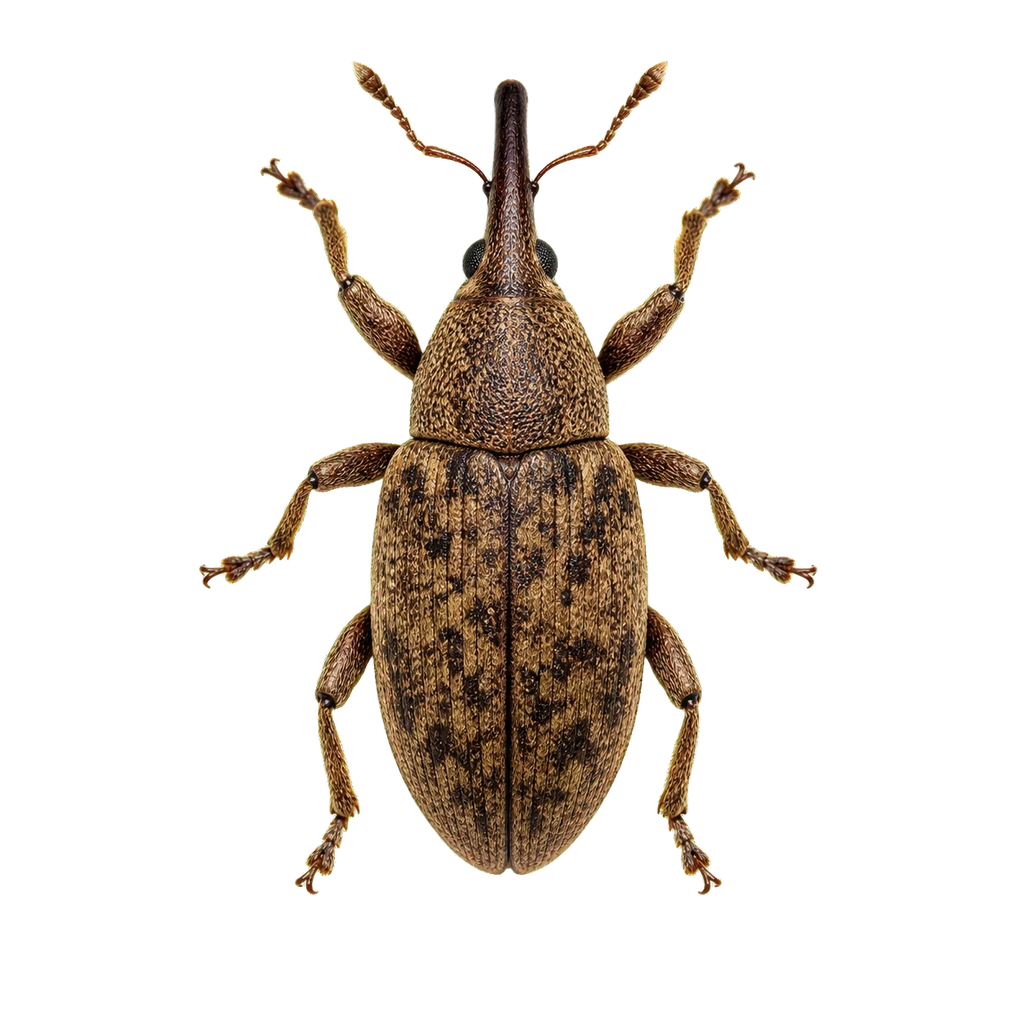
Wood destroying pests illustration

Wood Destroying Pests

A pencil-thin mud tube on the foundation. A pile of what looks like fine sawdust at the base of a beam. A floor that gives slightly when you step on it. Wood-destroying pests don't make themselves visible. They work behind drywall, under siding, and inside structural members for months or years before you notice. By the time damage shows from the outside, the repair bill is usually four to five figures.

Termites, carpenter ants, and powderpost beetles each damage wood differently and need completely different treatments. Misidentifying which one you have is the most expensive mistake homeowners make in this category. Find your evidence below and get the right answer before more wood disappears.

Pests in this category:

  • Termites: subterranean, drywood, dampwood
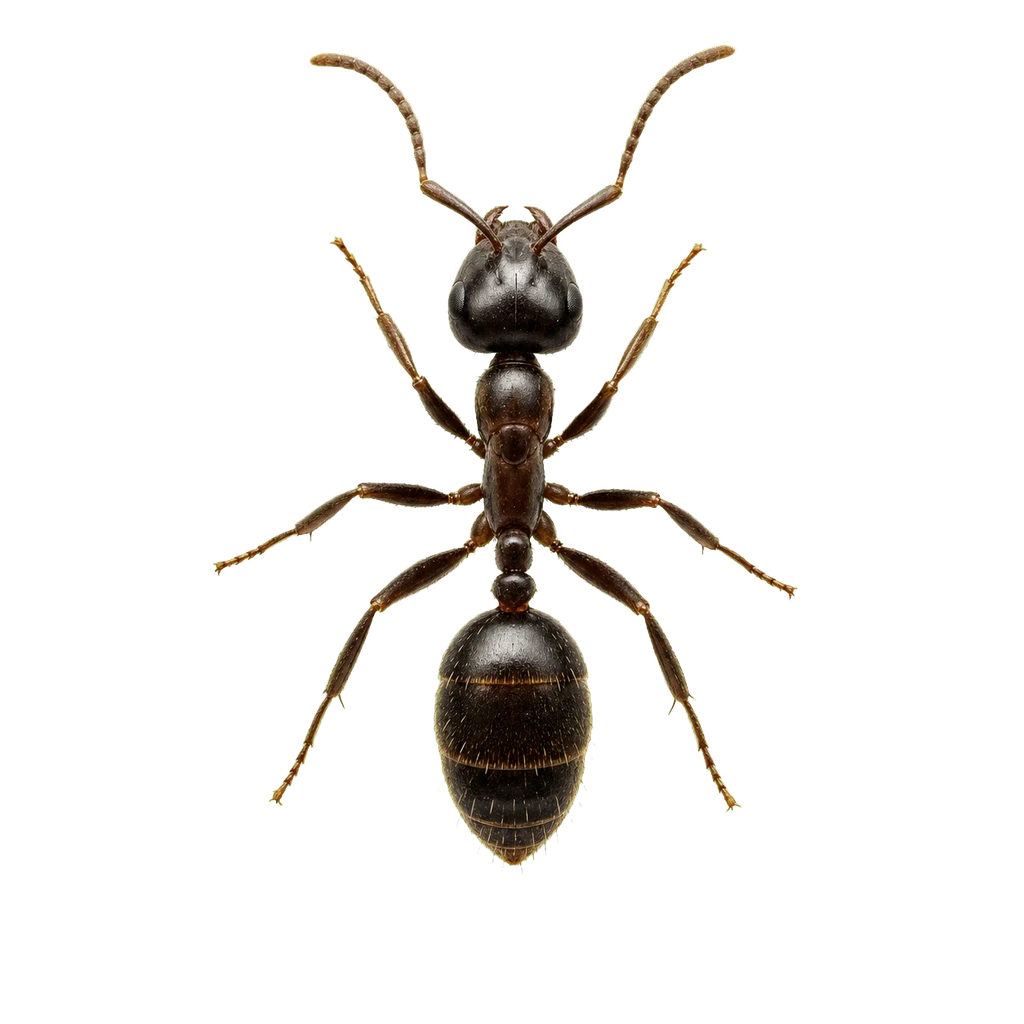
  • Carpenter ants
  • Powderpost beetles
  • Carpenter bees

What These Wood-Destroying Pests Have in Common

Every pest in this category does the same thing: eats or excavates the wood that holds your house up. What changes is how fast they work and where they go for it. Subterranean termites enter through soil contact and consume framing from the inside, leaving paper-thin walls of paint or veneer behind. Carpenter ants don't eat the wood, they hollow it out for nesting and dump the chewed material as frass. Powderpost beetles attack hardwood floors and trim. Each one leaves a different signature.

What they all need is moisture. Almost every wood-destroying infestation traces back to a leak, poor drainage, or wood-to-soil contact you didn't know about. They also share an invisibility advantage: damage happens behind drywall, inside crawlspaces, and under flooring where you can't see it. Most homeowners insurance excludes wood-destroying pest damage entirely, which is why catching it early matters more than for almost any other pest.

If you're seeing mud tubes, frass piles, swarmer wings on a windowsill, or wood that sounds hollow when tapped, the colony has been there long enough to leave evidence. That doesn't mean the damage is catastrophic yet, but it does mean the clock is running. The next sections help you identify exactly which species you have and how urgent the response needs to be.

What Damage Are You Seeing?

Pick the sign that matches what you're noticing. Each one points to a different pest with a different evidence pattern.

What Damage Are You Seeing?

What You're Seeing

  • Pencil-thin earth tubes running up the foundation or pier blocks
  • Tubes leading from the soil into a basement sill plate or floor joist
  • Broken tubes that termites have rebuilt within a few days

What's Likely Happening

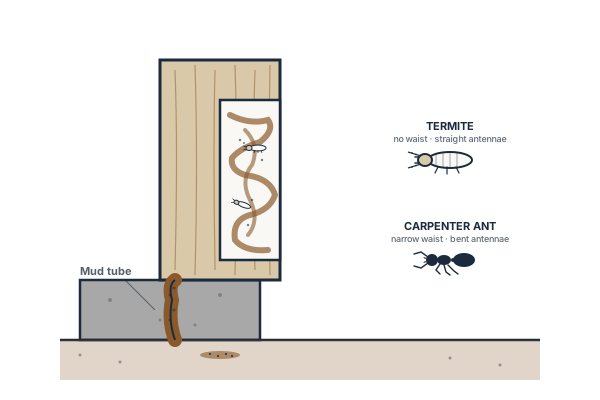
Subterranean termites build mud tubes to travel from soil to wood while staying protected from air. Active tubes mean an active colony underneath the home. Break a tube and check it the next day. If it's repaired, the colony is feeding. This is the most reliable sign of subterranean termite activity.

What You're Seeing

  • Fine sawdust-like material (frass) piling below wood trim or beams
  • Hexagonal or pellet-shaped frass kicked out of small holes (drywood termites)
  • Coarse shavings near foundation framing or window sills (carpenter ants)

What's Likely Happening

Frass texture identifies the pest. Drywood termite frass is uniform and pellet-like. Carpenter ant frass is coarse, mixed with insect parts, and often contains wood shavings. Powderpost beetle frass is talcum-fine. Each species needs a different treatment, which is why proper identification matters here.

What You're Seeing

  • Translucent insect wings collecting on windowsills in spring
  • Live ant-like insects with two pairs of equal-length wings (termite swarmers)
  • Wings near light fixtures or HVAC vents inside the home

What's Likely Happening

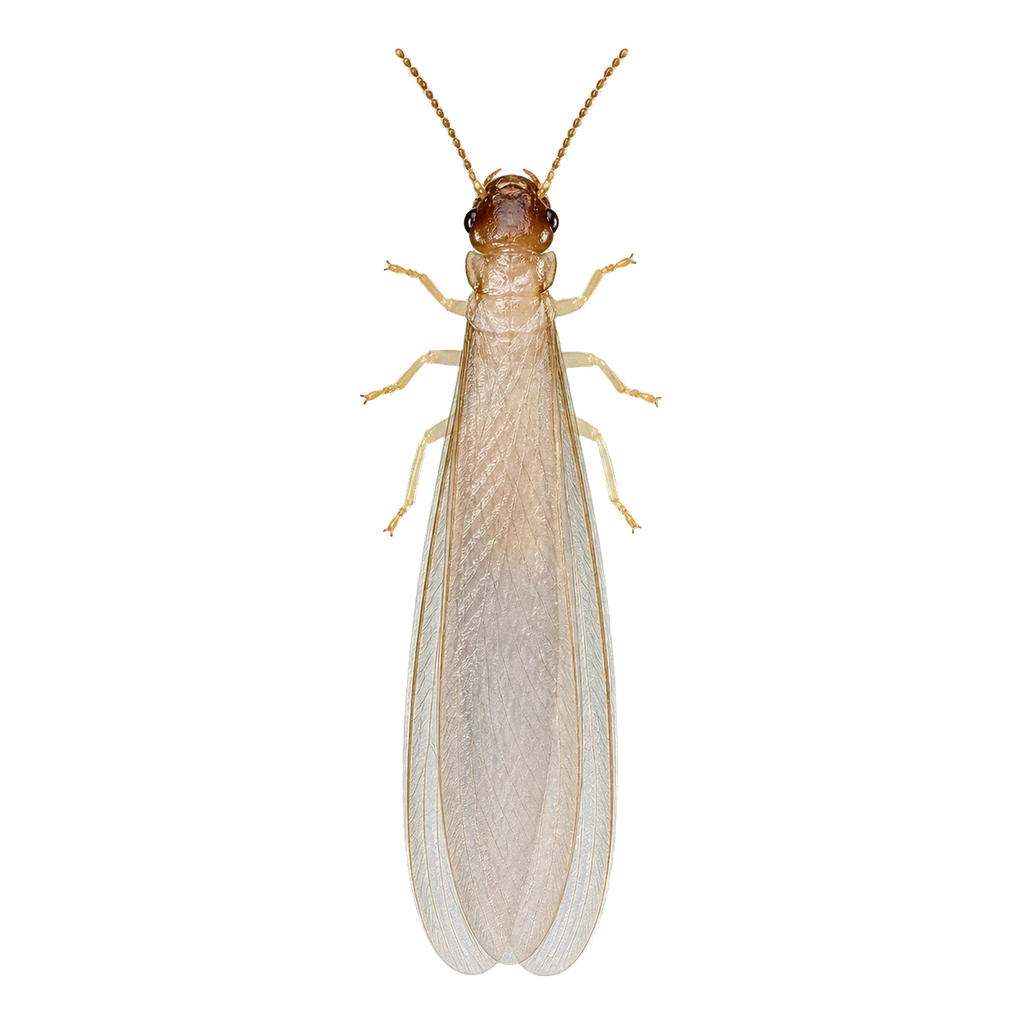
Termite and carpenter ant swarmers leave the parent colony to start new ones. Finding swarmers inside the home, or piles of their discarded wings, means a mature colony is already active. Termites have straight bodies and equal wings; carpenter ants have pinched waists and uneven wings. Both indicate an established structural issue.

What You're Seeing

  • Wood that sounds hollow when tapped with a screwdriver
  • Soft, blistered, or sagging wood in window frames, sills, or trim
  • Round 1/2-inch holes in untreated wood (carpenter bees) or pinpoint holes (powderpost beetles)

What's Likely Happening

Hollow wood means the species has tunneled out the interior. By the time wood sounds hollow, the colony has usually been there for months or years. Soft, blistered wood often signals moisture damage that termites or carpenter ants have exploited. Once damage is visible, treatment plus structural repair is usually needed.

Quick-Compare Wood Destroying Pests

Five common pests in this category, side by side. Pick yours by what you're seeing, how fast it spreads, and the kind of risk it carries.

Pest Top Sign Speed of Spread Risk Level Why They Come
Subterranean Termites Mud tubes on foundation; soft wood with mud-packed galleries Slow but constant: colonies feed year-round in warm climates High (most expensive structural pest in the US) Soil contact with wood, moisture leaks, slab cracks
Drywood Termites Pellet-shaped frass piles below small holes; discarded wings Slower than subterraneans; multiple small colonies High (entire home tenting often required) Drywood, attic and wall framing, infested furniture
Carpenter Ants Coarse frass with insect parts; smooth galleries inside wood Medium (mature colonies branch into satellite colonies) Medium to High (structural over time, slower than termites) Moisture-damaged wood, leaks, decks, window frames
Powderpost Beetles Pinhole exits with talcum-fine powder; weakened hardwood Slow (multi-year cycles) Medium (focused on hardwood floors, antique furniture, framing) Untreated hardwood, antique furniture, oak framing
Carpenter Bees Round 1/2-inch holes drilled in untreated wood eaves Slow (solitary tunnels, but they reuse same wood yearly) Low to Medium (cosmetic damage; structural over decades) Untreated softwood: fascia, decks, trim, eaves
Subterranean Termites
Top Sign Mud tubes on foundation; soft wood with mud-packed galleries
Speed of Spread Slow but constant: colonies feed year-round in warm climates
Risk Level High (most expensive structural pest in the US)
Why They Come Soil contact with wood, moisture leaks, slab cracks
Drywood Termites
Top Sign Pellet-shaped frass piles below small holes; discarded wings
Speed of Spread Slower than subterraneans; multiple small colonies
Risk Level High (entire home tenting often required)
Why They Come Drywood, attic and wall framing, infested furniture
Carpenter Ants
Top Sign Coarse frass with insect parts; smooth galleries inside wood
Speed of Spread Medium (mature colonies branch into satellite colonies)
Risk Level Medium to High (structural over time, slower than termites)
Why They Come Moisture-damaged wood, leaks, decks, window frames
Powderpost Beetles
Top Sign Pinhole exits with talcum-fine powder; weakened hardwood
Speed of Spread Slow (multi-year cycles)
Risk Level Medium (focused on hardwood floors, antique furniture, framing)
Why They Come Untreated hardwood, antique furniture, oak framing
Carpenter Bees
Top Sign Round 1/2-inch holes drilled in untreated wood eaves
Speed of Spread Slow (solitary tunnels, but they reuse same wood yearly)
Risk Level Low to Medium (cosmetic damage; structural over decades)
Why They Come Untreated softwood: fascia, decks, trim, eaves

Which Wood-Destroying Pest Is It?

1 / 2
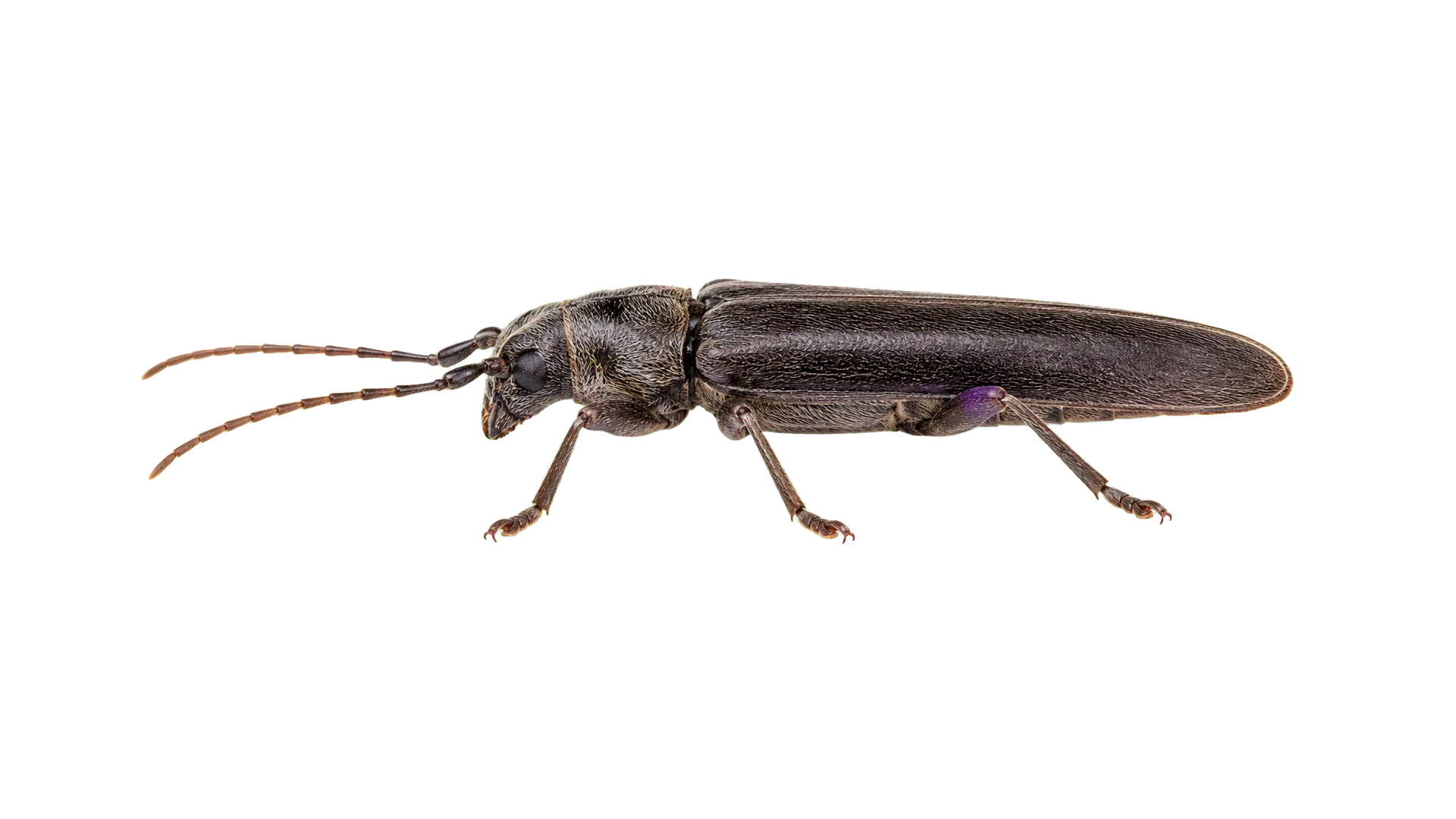
Old House Borers close-up image

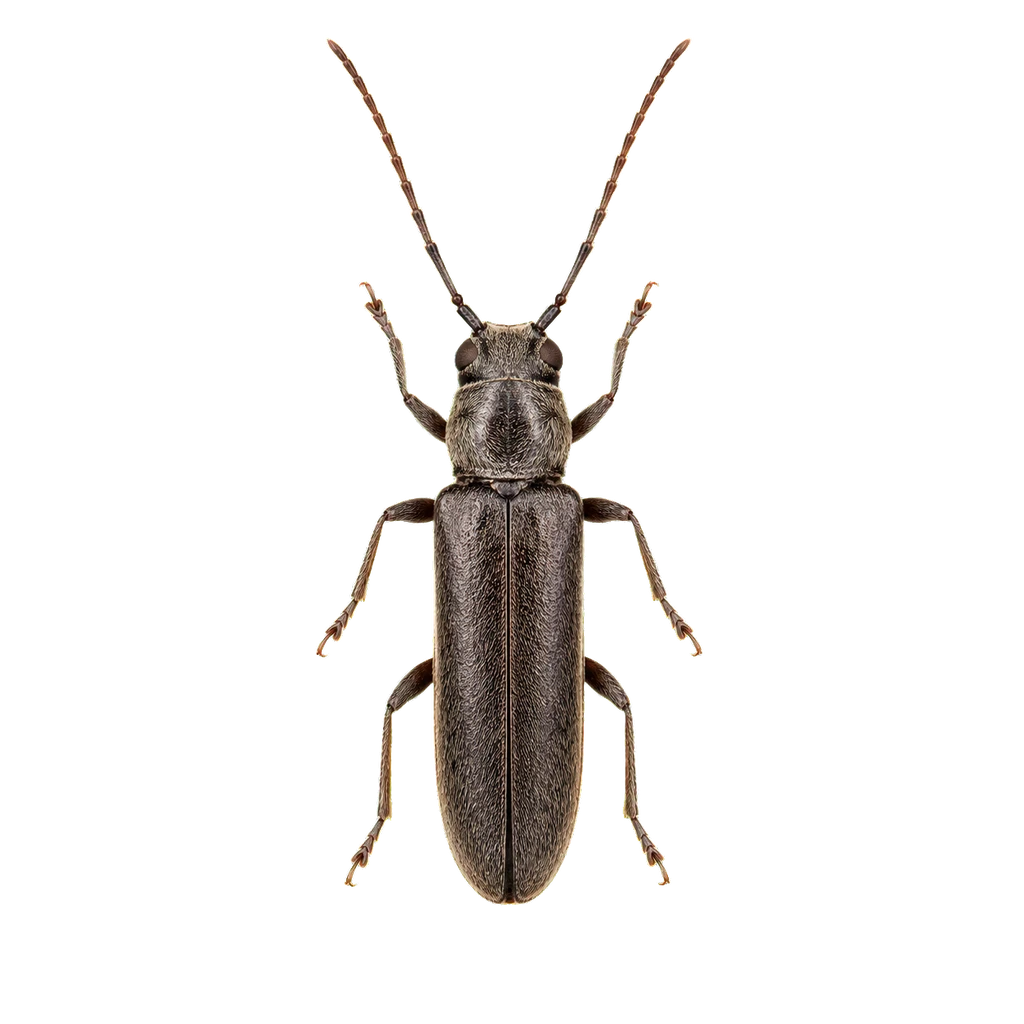
Old House Borers

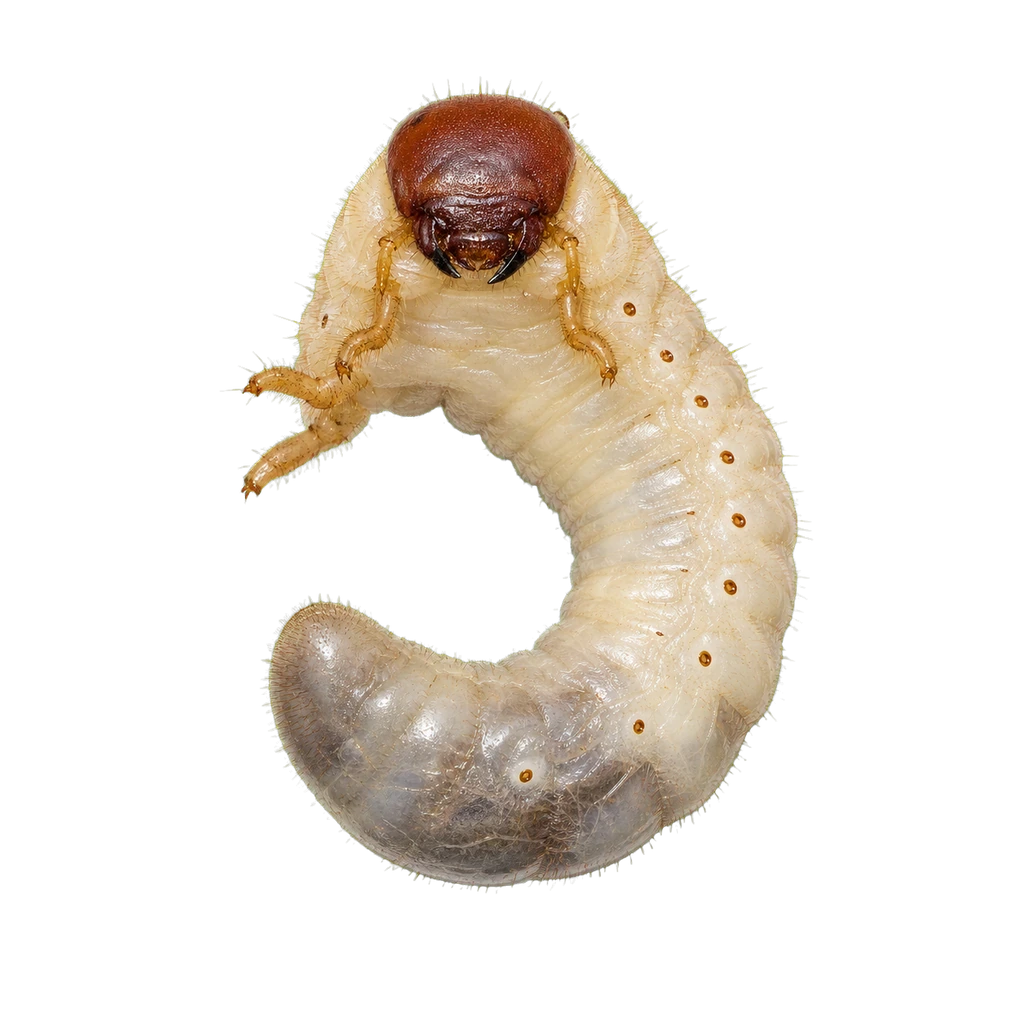
Old house borers are wood-boring beetles whose larvae spend years tunneling through softwood framing, causing serious structural damage before homeowners notice. Despite their name, they often infest newer homes built with pine lumber.

Learn more about Old House Borers
Looking for help with Old House Borers?
Connect with a local specialist.
(888) 495-1510
Looking for help with Old House Borers?
Connect with a local specialist.
(888) 495-1510
NoToPests

Found wood damage? Connect with a local pro who treats structural pests.

How Bad Is the Damage Already?

The cost of waiting in this category compounds every month. These four questions help you decide whether the activity you're seeing warrants action this week or next year.

Spot Treatment vs Calling a Structural Pro

DIY

DIY in this category is mostly prevention, not treatment. The everyday maintenance below is what keeps wood-destroying pests from ever establishing in the first place, and it's where almost every successful infestation starts when someone neglects it.

  • Fix every moisture source immediately: roof leaks, plumbing leaks, clogged gutters, and grading that slopes toward the foundation
  • Keep 6 inches of clear separation between any wood (siding, trim, deck posts) and the soil. This single rule blocks most subterranean termite entry
  • Store firewood at least 20 feet from the house and elevated off the ground, never stacked against an exterior wall
  • Treat and plug carpenter bee holes in fall with an appropriate product, then paint or stain the wood (carpenter bees avoid finished wood)
  • Watch for spring swarmers (winged termites or ants) and piles of discarded wings on windowsills, which is the earliest warning sign of a mature colony nearby

Professional

If you have evidence of active infestation (mud tubes, frass, hollow wood, or swarmers), DIY isn't an option. The treatments that actually kill the colony aren't sold to homeowners, and the inspection skills to find every entry point and damage location take years to develop.

  • Identifies the species accurately. Drywood termites, subterranean termites, and carpenter ants need completely different treatments and treating the wrong one wastes money
  • Applies professional-grade soil termiticide or installs in-ground bait stations around the perimeter; these reach the colony, hardware-store products don't
  • Provides a Wood-Destroying Insect Report (WDIR), which most lenders require before closing on a home sale
  • Inspects the full structure (crawlspace, attic, sill plates) to map the extent of damage and coordinate repair priorities
  • Sets up annual or semi-annual monitoring so the next colony gets caught at week one instead of year three

Connect With a Local Structural Pest Pro Today

Pest control technician with sprayer beside a service van
Junho L.
Daisuke P.
Kirk Q.
Marion K.

Trusted by homeowners nationwide

Prefer to Talk? (888) 495-1510

What Homeowners Say After Structural Pest Treatment

Real stories from households who connected with pest control pros.

Lindsey H.
Lindsey H.
Birmingham, AL

"Thorough inspection uncovered what we couldn't see."

We called about ants but the inspector discovered termite activity in our crawl space. They explained the difference and outlined a treatment plan that addressed both issues. Catching it early saved us from serious structural problems.

Lindsey H.
Lindsey H.
Birmingham, AL

"Thorough inspection uncovered what we couldn't see."

We called about ants but the inspector discovered termite activity in our crawl space. They explained the difference and outlined a treatment plan that addressed both issues. Catching it early saved us from serious structural problems.

Denise H.
Denise H.
Little Rock, AR

"Hidden termite activity caught and treated."

We had no idea termites were active until we noticed soft spots near a window frame. The pro inspected the whole house and found multiple areas of activity. The treatment was thorough and they explained how to monitor going forward.

Seth N.
Seth N.
Wilmington, DE

"Long-running termite colony shut down."

We discovered termite damage during a renovation. The pro explained how long the colony had likely been active and treated the entire perimeter. The inspection was thorough and the treatment gave us confidence to move forward with the project.

Steve J.
Steve J.
Jacksonville, FL

"Caught silent termite damage early."

We had no visible signs until a door frame felt soft. The inspector discovered termite activity behind the walls and treated the entire structure. They explained how Florida's humidity accelerates termite damage and what to monitor.

Greg G.
Greg G.
Atlanta, GA

"Front porch termites treated thoroughly."

We noticed mud tubes on the porch foundation during spring cleaning. The pro confirmed termite activity and treated the perimeter. They explained how Georgia's warm, humid climate makes regular monitoring important.

Terry A.
Terry A.
Honolulu, HI

"Termites under control in tropical climate."

In Hawaii, termites are everywhere. The inspector explained the difference between drywood and subterranean termites and treated our home for both. The inspection was detailed and the treatment plan made sense for our climate.

Janice W.
Janice W.
Springfield, IL

"Found hidden termite damage before it spread."

We discovered soft spots in the wall during a remodel. The inspector confirmed termite activity and treated the affected areas. They explained how Midwest humidity contributes to termite problems even in cooler states.

Enrique K.
Enrique K.
Overland Park, KS

"Basement beam termites caught early."

During a routine check, the provider found termite activity in our basement support beams. They treated the area and explained the monitoring schedule. Catching it early meant the structural damage was minimal.

Kyung U.
Kyung U.
Louisville, KY

"Foundation termites stopped at the perimeter."

We noticed mud tubes along the basement wall. The provider confirmed subterranean termites and treated the full perimeter. They explained how Kentucky's clay soil and moisture create ideal conditions for colonies.

Gerald E.
Gerald E.
Shreveport, LA

"Hidden siding termites treated and monitored."

We didn't know termites were active until paint started bubbling on an exterior wall. The provider removed some siding and found extensive activity. The treatment was comprehensive and they set up monitoring stations around the house.

Erica Q.
Erica Q.
Annapolis, MD

"Deck-area termite colony shut down."

The wood-to-ground contact around our deck had attracted termites. The provider treated the colony and explained how to prevent recurrence by adjusting the deck supports. The inspection was thorough and informative.

Clara M.
Clara M.
Jackson, MS

"They caught termite damage early enough to fix."

What looked like minor wood damage turned out to be an active termite colony. The provider treated the entire foundation and explained how Mississippi's warm climate keeps termites active year-round. We're glad we called when we did.

James T.
James T.
St. Louis, MO

"Garage framing termites treated effectively."

We found soft wood in the garage wall and the provider confirmed termite activity. They treated the structure and explained how the high humidity in St. Louis makes termite monitoring essential. The treatment was effective.

Shen Z.
Shen Z.
Trenton, NJ

"Crawl space termites stopped at the foundation."

Our crawl space inspection revealed termite tubes along the foundation walls. The provider treated the entire perimeter and installed monitoring stations. They explained the signs to watch for between visits.

Ayaan H.
Ayaan H.
Cincinnati, OH

"Renovation-found termites treated on the spot."

We opened up a wall during a kitchen remodel and found termite damage. The provider inspected the rest of the house and treated the affected areas. Catching it during the renovation actually saved us money on repairs.

Bradley M.
Bradley M.
Oklahoma City, OK

"Garage slab termites stopped at the soil."

Termites had come up through a crack in the garage slab. The provider treated the soil around and under the slab and explained how Oklahoma's clay soil holds moisture that termites need. The treatment was effective.

Ivette A.
Ivette A.
Cranston, RI

"Basement support beams treated for termites."

We discovered termite damage in the basement support beams during a moisture inspection. The inspector treated the colony and surrounding soil. They explained how Rhode Island's coastal humidity creates conditions termites thrive in.

Tamika Z.
Tamika Z.
Charleston, SC

"Termites monitored and controlled in the Lowcountry."

In Charleston, termites come with the territory. The crew set up monitoring stations and treated the active areas around our foundation. They explained why annual inspections are critical in the Lowcountry climate.

Nina V.
Nina V.
Nashville, TN

"Bathroom wall termites caught and treated."

A soft spot near the tub turned out to be termite damage. The inspector checked the rest of the house and treated the affected areas. They explained how Tennessee's humidity makes regular termite monitoring important.

Eleanor C.
Eleanor C.
Richmond, VA

"Termites stopped beneath the front steps."

Mud tubes along the foundation under our front steps revealed termite activity. The inspector treated the perimeter and explained how wood-to-soil contact around steps and porches creates an invitation for termites.

Marisela U.
Marisela U.
Charleston, WV

"Basement joist termites treated thoroughly."

We noticed soft spots in the basement ceiling joists. The inspector confirmed termite activity and treated the entire foundation area. They explained how the river valley humidity in Charleston contributes to termite pressure.

Carla E.
Carla E.
Enterprise, AL

"Termite swarm traced to its source and treated."

After a big rainstorm, we found winged termites near the windowsills. The inspector checked the entire foundation and discovered an active colony near the garage. They treated the perimeter and installed monitoring stations to catch future activity early.

Kathy F.
Kathy F.
Tucson, AZ

"They saved our porch from further termite damage."

We noticed the porch railing felt loose and discovered termite galleries inside the wood. The inspector treated the entire perimeter and replaced the worst sections. They explained how subterranean termites are especially active in southern Arizona.

Katie D.
Katie D.
Pine Bluff, AR

"Thorough inspection revealed hidden termite activity."

There were no visible signs until paint started bubbling on the wall. The inspector opened a small section and found extensive termite tunnels. They treated the entire structure and set up monitoring to catch activity before it causes visible damage again.

Becky V.
Becky V.
Broomfield, CO

"Basement termite colony caught and treated."

We found discarded wings near the basement window and the provider confirmed termite swarmers. They inspected the foundation and discovered an active colony. Treatment was quick and they set up monitoring stations around the perimeter.

Erin R.
Erin R.
Danbury, CT

"Pre-sale termites cleared in time for closing."

A pre-sale home inspection revealed termite activity near the foundation. The crew treated the affected area and cleared us for closing. They set up monitoring stations so the new owners would have ongoing protection.

Lydia F.
Lydia F.
Pensacola, FL

"Subterranean termite colony stopped beneath the house."

Mud tubes on the foundation walls revealed an active termite colony. The provider treated the entire perimeter and crawl space. They explained how Florida's sandy soil and moisture create ideal termite conditions and set up annual monitoring.

Clark E.
Clark E.
Palm Bay, FL

"Caught drywood termites before structural loss."

During a routine check we found frass piles below the attic trusses. The provider identified drywood termites and recommended fumigation for the attic space. They explained the difference between drywood and subterranean termites and why each requires a different approach.

Devi P.
Devi P.
Dalton, GA

"Garage wall termites stopped at the foundation."

We noticed mud tubes climbing the interior garage wall and called immediately. The provider confirmed an active colony and treated the entire foundation. They installed monitoring stations and explained the annual inspection schedule.

Amber L.
Amber L.
Pearl City, HI

"Wall cavity termite colony located and treated."

Hundreds of winged termites emerged from the bathroom vent fan one evening. The provider identified a colony in the wall cavity and treated the entire perimeter. They explained how Hawaii's tropical climate keeps termite pressure constant year-round.

Jamal M.
Jamal M.
Lahaina, HI

"Drywood termites caught at the window frames."

We noticed small pellets falling from the window frame and the provider identified drywood termite frass. They treated the affected frames and inspected the rest of the house. Early detection saved us from more extensive damage.

Jason U.
Jason U.
Lewiston, ID

"Remodel-found termites treated mid-project."

The drywall guy yelled for me to come look. Galleries running through two studs behind where the bathroom vanity used to sit. Honestly I almost panicked. The inspector got there same afternoon, treated the wood and the slab edge, and walked the rest of the house to be sure nothing else was active. Glad it surfaced while everything was open.

Keith V.
Keith V.
Waukegan, IL

"Fence line treated and house protected from termites."

The wooden fence posts were crumbling from termite damage. The provider treated the soil along the entire fence line and recommended replacing damaged posts with termite-resistant material. The treatment prevented spread to the house.

Gavin S.
Gavin S.
Evansville, IN

"Sale-inspection termites cleared before closing."

The buyer's inspection found termite activity near the garage. The provider treated the perimeter and cleared the issue before closing. They set up monitoring stations that transferred to the new owners.

Patrick G.
Patrick G.
Ames, IA

"Water heater leak and termites both addressed."

A leak near the water heater created the moisture termites love. The provider treated the area and recommended fixing the leak immediately. Once the moisture was gone and the treatment was in place, the termites didn't return.

Armando M.
Armando M.
Leavenworth, KS

"Porch termite colony caught and treated early."

We found piles of discarded wings on the front porch and the provider confirmed termite activity. They treated the foundation and set up monitoring stations. Early treatment prevented any visible structural damage.

Sydney R.
Sydney R.
Lafayette, LA

"Formosan termites stopped before more damage."

We discovered Formosan termite damage in the attic framing. The provider explained how aggressive this species is in Louisiana and treated the entire structure. Monitoring stations around the perimeter catch any new activity early.

Pablo G.
Pablo G.
Bath, ME

"Sill plate termites treated mid-renovation."

During a renovation, the contractor found termite damage in the sill plate. The provider treated the foundation perimeter and the damaged wood was replaced. Catching it during construction allowed thorough treatment before the walls were closed up.

Hiroshi W.
Hiroshi W.
Towson, MD

"Window trim termites stopped at the source."

The window trim on the ground floor was bubbling and we found termite galleries inside. The provider treated the foundation and replaced the damaged trim. Monitoring stations now give early warning of any new activity.

Latasha O.
Latasha O.
Brockton, MA

"Renovation-stage termites caught and treated."

Opening up the kitchen wall revealed termite damage in the studs. The provider treated the exposed framing and the perimeter before the contractor closed it back up. Early treatment during renovation prevented further spread.

Common Questions About Wood Destroying Pests

Answers to the questions homeowners ask most about termites, carpenter ants, and other wood damagers.

  • How do I know if I have termites? Toggle answer for: How do I know if I have termites?

    The four classic signs: mud tubes (pencil-thin earthen tunnels) running up the foundation or basement walls, wood that sounds hollow when tapped with a screwdriver handle, small piles of translucent wings on windowsills (left after spring swarms), and frass that looks like fine sawdust or dark pellets near baseboards or trim. The hard part is most termite damage happens behind drywall, inside crawlspaces, and under flooring where you can't see it. By the time visible signs appear, the colony has typically been active for 3 to 8 years. An annual professional inspection is the only reliable way to catch infestations before they cause major structural damage.

  • Termites vs. carpenter ants: how do I tell which one I have? Toggle answer for: Termites vs. carpenter ants: how do I tell which one I have?

    Termites eat wood, carpenter ants don't. Termite galleries are messy with mud and dirt mixed in, and frass looks like fine sawdust mixed with dark specks. Carpenter ant galleries are clean and smooth (they hollow the wood for nesting), and frass looks like coarse sawdust mixed with insect parts and is usually piled below a small kickout hole. Live insects also tell you: termites are cream-colored, soft-bodied, with no waist and straight beaded antennae. Carpenter ants are black, hard-bodied, with a narrow waist and bent (elbowed) antennae. The treatment is completely different for each, which is why correct identification matters.

  • How much damage can these pests actually cause? Toggle answer for: How much damage can these pests actually cause?

    A mature subterranean termite colony eats roughly 5 grams of wood per day, or about 7 pounds per year, usually working invisibly inside framing for years before signs appear. Average termite repair runs $3,000 per home, but severe cases involving sill plates, floor joists, or load-bearing studs can exceed $30,000. Carpenter ant repairs typically run $1,000 to $3,000. Powderpost beetles cause more limited damage but ruin hardwood floors and decorative trim. The damage compounds: a colony caught at year 1 is a fraction of the cost of one caught at year 5.

  • Does homeowners insurance cover termite damage? Toggle answer for: Does homeowners insurance cover termite damage?

    Almost never. Standard homeowners policies classify wood-destroying pest damage as a maintenance issue and exclude it explicitly. The only exceptions are if the damage caused a sudden secondary loss (like a floor collapse) and even those claims are routinely denied. This is why annual WDO (Wood-Destroying Organism) inspections matter more than for almost any other pest: catching it early is the difference between a $500 treatment and a $20,000 self-funded structural repair.


  • When should I call a pro? Toggle answer for: When should I call a pro?

    The moment you spot any of the four classic signs: mud tubes on the foundation, hollow-sounding wood, swarmer wings on a windowsill, or frass piles. Don't wait to see if it gets worse. Wood-destroying pest damage compounds daily and treatment cost goes up as the colony grows. Also call before listing a home for sale. Most lenders require a Wood-Destroying Insect Report (WDIR), and active or recent activity will either kill the deal or force you to fund treatment plus repairs from your sale proceeds.
  • Can I treat termites myself? Toggle answer for: Can I treat termites myself?

    No. The products that actually kill termite colonies, soil-injected liquid termiticide and in-ground bait stations, aren't sold to homeowners and require licensed application. The over-the-counter products labeled for termites only treat visible surface activity, not the colony, which means the problem comes back within months. Carpenter ants are similar: spraying the trail does nothing if you don't trace and treat the parent nest, which is often outside the structure entirely. The only DIY treatment that works in this category is plugging carpenter bee holes in deck rails and trim.

  • How often should I have a termite inspection? Toggle answer for: How often should I have a termite inspection?

    Annually at minimum. More often (every 6 months) if your home is in the southern or southeastern US where termite pressure is highest, has a history of previous termite activity, has wood-to-soil contact at the foundation, or has chronic moisture issues. Many pest control providers offer annual termite inspection plans that include re-treatment guarantees, which usually pays for itself if you live in a moderate-to-high-risk area. If you're buying a home, get a WDIR inspection before closing. It's cheap insurance against a six-figure problem you didn't see during the walkthrough.

Explore All Pest Categories

Different pest? Different category? Browse every parent pest the network treats. Each one has its own behavior, signs, and treatment approach.

Wood-Destroying & Structural Pests

Pest Control Pros serving the city of the state of your city and nearby areas

Local pros treat every pest in this category. Get matched in one call, no pressure and no commitments.

Available 24/7
(888) 495-1510