Local pest control help is one call away.

Stinging insects illustration

Stinging Insects

A nest under the eaves. Wasps coming and going from a wall vent. A sting while you were just walking past. Stinging insects don't give warnings, they don't move away, and the wrong species can put someone in the ER. The question isn't whether to deal with it. It's what you're actually dealing with.

Paper wasps, hornets, yellow jackets, and bees each nest somewhere different, react differently when disturbed, and need a different removal approach. Misjudging the species or the nest location is the most common reason DIY removal goes wrong. Find yours below.

Pests in this category:

  • Wasps: paper wasps, mud daubers
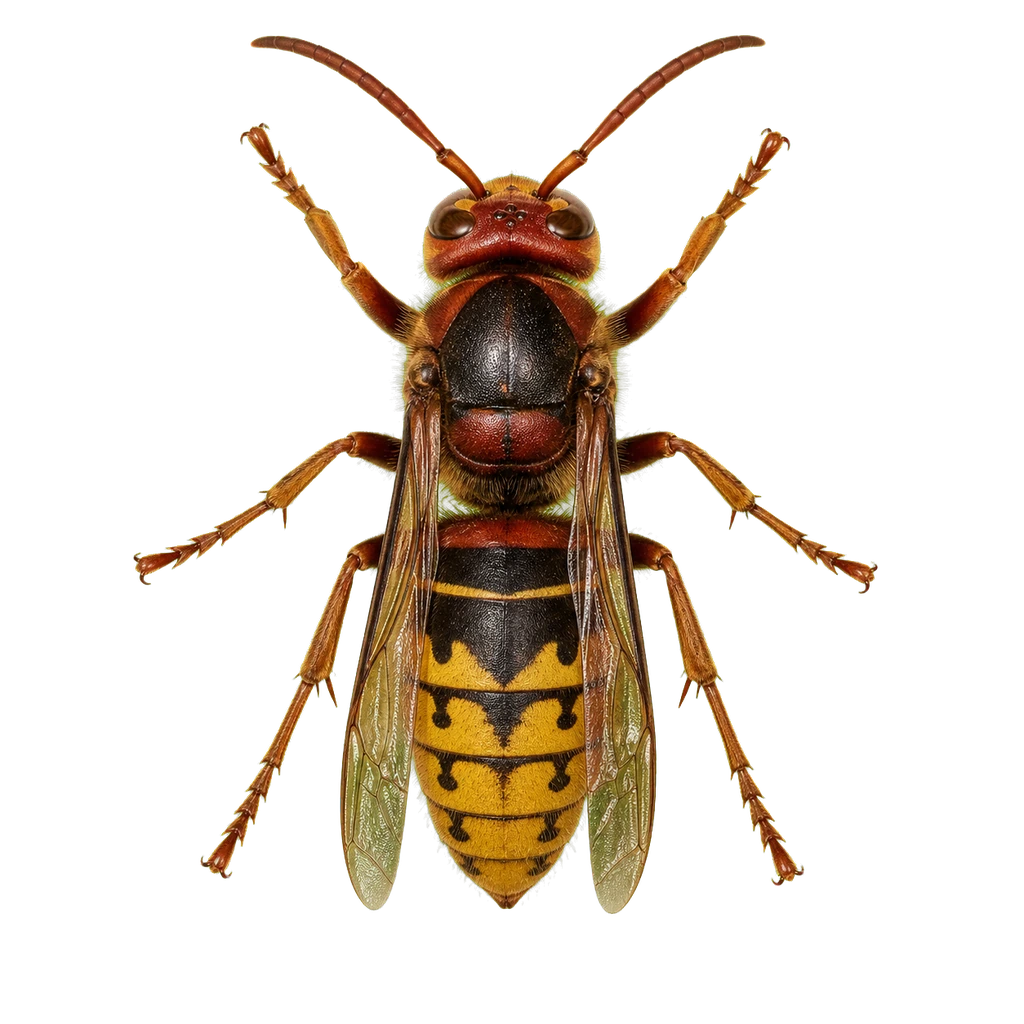
  • Hornets: bald-faced, European
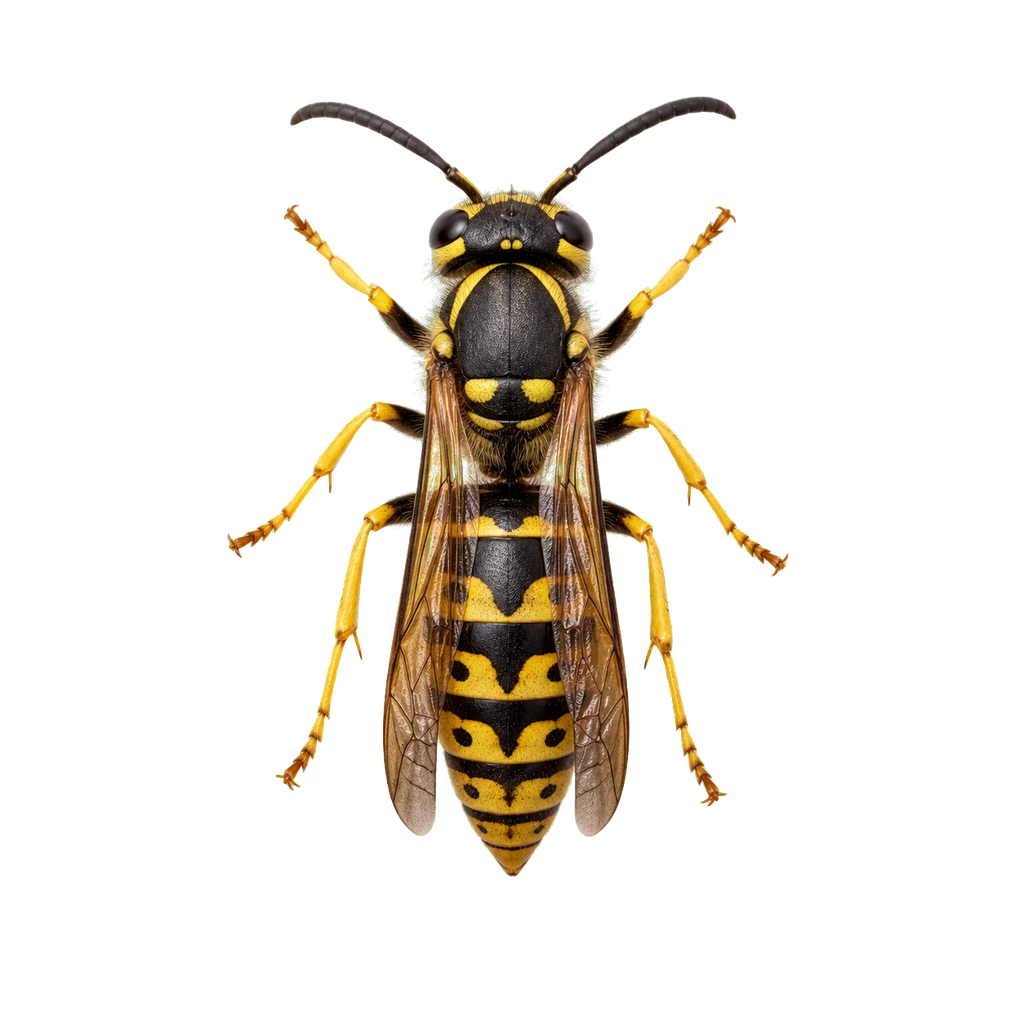
  • Yellow jackets
  • Bees: honey bees, bumble bees, carpenter bees

What These Stinging Insects Have in Common

Every pest in this category has the same defense: a venomous sting they will use to protect the nest. What changes between species is how far they'll defend it, how many of them respond, and how dangerous a single encounter can be. A paper wasp might sting once if you brush its nest. A yellow jacket colony can dispatch dozens of workers in seconds.

They all build somewhere protected: under eaves, inside wall voids, in attic corners, in old rodent burrows underground. The perimeter they defend can extend three to ten feet beyond the nest itself, which is why people often get stung without realizing they were close. Late summer through fall is peak season, when colonies are largest and most defensive.

Identification is the whole game here. Honey bees are protected in many states and need live relocation, not extermination. Yellow jackets in a wall void can't be reached with anything you can buy at a hardware store. Carpenter bees look threatening but the males can't sting at all. The right next step depends entirely on what you have and where the nest is.

What Are You Seeing Around Your Home?

Pick the sign that matches what you're noticing. Each one points to a different pest with a different evidence pattern.

What Are You Seeing Around Your Home?

What You're Seeing

  • Paper or mud structure under eaves, in soffits, or hanging from branches
  • Football-shaped gray paper nest high in a tree or attic
  • Hole in the ground with steady wasp traffic at dusk and dawn

What's Likely Happening

A visible nest means an established colony. Paper wasps build small open-comb umbrellas under eaves. Hornets build large enclosed paper footballs. Yellow jackets often nest underground in abandoned rodent holes. Identifying the nest type tells you the species and the right removal approach.

What You're Seeing

  • Many insects flying in and out of one specific spot
  • A cluster on a tree branch or wall (likely a honey bee swarm)
  • Insects entering a wall void, attic vent, or roof gap

What's Likely Happening

Concentrated traffic almost always points to a hidden nest at that location. Honey bee swarms cluster temporarily while scouts look for a permanent home. Wasps and hornets going in and out of a wall or vent mean the colony is inside the structure, which makes DIY removal risky.

What You're Seeing

  • A sting while doing yard work or near a specific area of the home
  • Multiple stings from one encounter (yellow jackets often sting in groups)
  • Allergic reaction symptoms (swelling beyond the sting site, hives, breathing issues)

What's Likely Happening

Stings without an obvious nest in sight usually mean an underground or hidden colony has been disturbed. Allergic reactions are the most urgent risk factor in this category. Anyone with a known allergy should call a pro rather than approach the area.

What You're Seeing

  • Round, perfectly drilled holes in wooden eaves or siding (carpenter bees)
  • Yellow staining or paper material seeping through drywall
  • Sawdust-like material below clean round holes in fascia or trim

What's Likely Happening

Carpenter bees drill nesting tunnels in untreated wood and return to the same site year after year. Wasp and hornet colonies inside walls can leave staining as nest material breaks down. Damage is usually a sign the activity has been happening longer than you realized.

Quick-Compare Stinging Insects

Five common pests in this category, side by side. Pick yours by what you're seeing, how fast it spreads, and the kind of risk it carries.

Pest Top Sign Speed of Spread Risk Level Why They Come
Paper Wasps Open umbrella-shaped nests under eaves Slow (small colonies, dozens of individuals) Medium (defensive but less aggressive than yellow jackets) Sheltered eaves and soffits, easy nesting access
Yellow Jackets Heavy ground or void traffic, fast aggressive flight Fast (large colonies, thousands by late summer) High (sting in groups, scavenge food and drinks) Old rodent burrows, wall voids, attic spaces
Hornets Large football-shaped paper nest in trees or attics Medium (mid-size colonies, hundreds) High (very defensive of the nest perimeter) High branches, attics, sheltered structural cavities
Honey Bees Cluster swarms on branches; persistent traffic to a wall Slow (established colonies stay for years) Low (defensive but not aggressive away from nest) Wall voids, hollow trees, established cavity nests
Carpenter Bees Round 1/2-inch holes drilled in untreated wood Slow (solitary, individual tunnels) Low (males don't sting, females rarely do) Untreated softwood: fascia, deck rails, trim
Paper Wasps
Top Sign Open umbrella-shaped nests under eaves
Speed of Spread Slow (small colonies, dozens of individuals)
Risk Level Medium (defensive but less aggressive than yellow jackets)
Why They Come Sheltered eaves and soffits, easy nesting access
Yellow Jackets
Top Sign Heavy ground or void traffic, fast aggressive flight
Speed of Spread Fast (large colonies, thousands by late summer)
Risk Level High (sting in groups, scavenge food and drinks)
Why They Come Old rodent burrows, wall voids, attic spaces
Hornets
Top Sign Large football-shaped paper nest in trees or attics
Speed of Spread Medium (mid-size colonies, hundreds)
Risk Level High (very defensive of the nest perimeter)
Why They Come High branches, attics, sheltered structural cavities
Honey Bees
Top Sign Cluster swarms on branches; persistent traffic to a wall
Speed of Spread Slow (established colonies stay for years)
Risk Level Low (defensive but not aggressive away from nest)
Why They Come Wall voids, hollow trees, established cavity nests
Carpenter Bees
Top Sign Round 1/2-inch holes drilled in untreated wood
Speed of Spread Slow (solitary, individual tunnels)
Risk Level Low (males don't sting, females rarely do)
Why They Come Untreated softwood: fascia, deck rails, trim

Which Stinging Insect Is It?

1 / 3
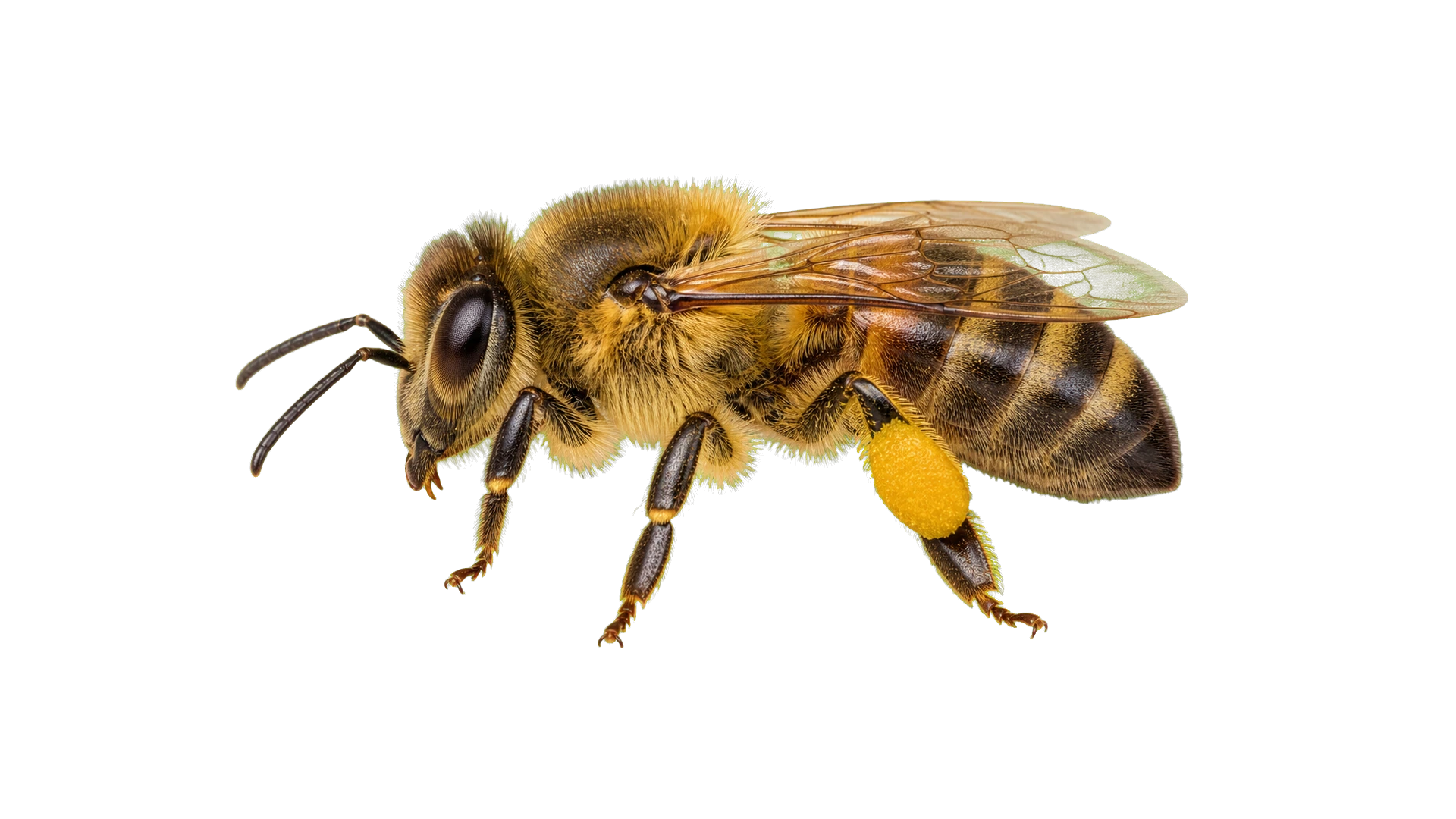
Bees close-up image

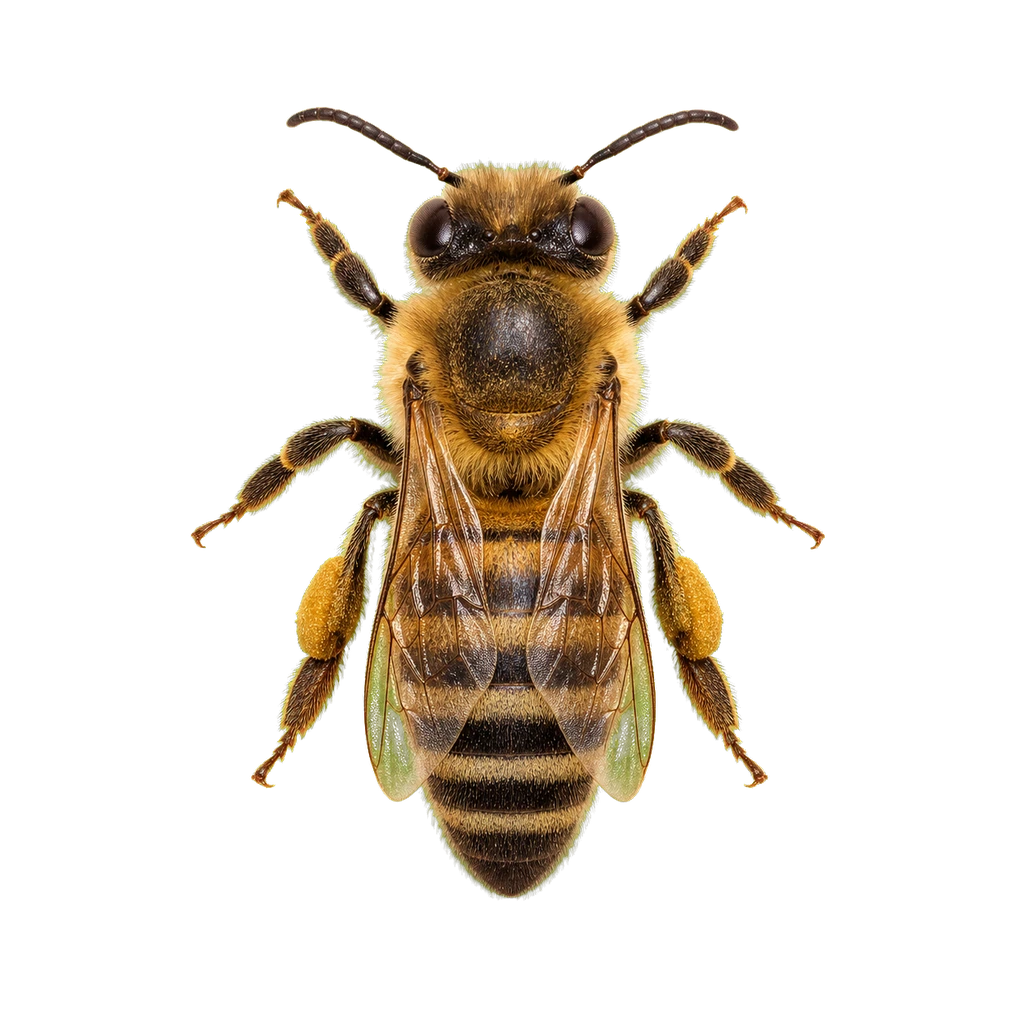
Bees

Bees can build hives inside wall voids, chimneys, and attics, creating stinging hazards near entryways and outdoor living areas. While beneficial as pollinators, nests near the home pose allergy risks and can cause structural damage from honey buildup.

Learn more about Bees
Looking for help with Bees?
Connect with a local specialist.
(888) 495-1510
Looking for help with Bees?
Connect with a local specialist.
(888) 495-1510
NoToPests

Found a nest? Connect with a local pro who removes them safely.

How Dangerous Is This Sting Risk?

Stinging insects vary wildly in risk: some are tolerable, some are medical emergencies. These four questions help you separate the two before anyone gets stung.

DIY Removal Risk vs Calling a Pro

DIY

Some stinging-insect situations are safe to handle yourself if you catch them early and the species cooperates. The rule of thumb: if you can see the entire nest, reach it from the ground, and identify the species, DIY can work.

  • Spray small visible paper wasp nests at dusk (wasps are sluggish and most workers are inside) with a long-range aerosol from at least 15 feet away
  • Seal cracks, soffit gaps, and wall vents in early spring before queens are looking for nesting sites
  • Keep outdoor trash sealed and rinse recyclables. Yellow jackets are aggressively drawn to sweet residue in late summer
  • Remove fallen fruit, open drinks, and uncovered pet food from the yard during August and September
  • Identify the species before doing anything else. Nest shape and location tell you whether it's a DIY job or a call

Professional

Some situations aren't worth the risk. A single mistake with a yellow jacket ground nest sends people to the ER. A pro brings the right gear, the right product for the species, and the experience to remove a nest without anyone getting stung.

  • Identifies the species correctly. Honey bees may need relocation by a beekeeper, not extermination, and may be protected by state law
  • Reaches nests you can't safely get to: second-story eaves, attic interiors, wall voids, ground burrows
  • Treats yellow jacket ground colonies with insecticidal dust or void injection, which actually kills the queen and the brood (DIY sprays don't reach either)
  • Wears full protective gear and works at the right time of day to avoid triggering a defensive swarm
  • Returns to confirm the colony is dead and seals the entry point so a new colony doesn't move into the same cavity next year

Connect With a Local Sting-Removal Pro Today

Pest control technician with sprayer beside a service van
Junho L.
Daisuke P.
Kirk Q.
Marion K.

Trusted by homeowners nationwide

Prefer to Talk? (888) 495-1510

What Homeowners Say About Sting Removal

Real stories from households who connected with pest control pros.

Donna X.
Donna X.
Idaho Falls, ID

"Wasp nests removed from every eave."

Every summer, wasps would build nests around our roof and porch. The tech removed the nests safely and treated the areas to discourage rebuilding. They explained the seasonal pattern so we know when to watch for activity.

Donna X.
Donna X.
Idaho Falls, ID

"Wasp nests removed from every eave."

Every summer, wasps would build nests around our roof and porch. The tech removed the nests safely and treated the areas to discourage rebuilding. They explained the seasonal pattern so we know when to watch for activity.

Helen D.
Helen D.
Rochester, MN

"Wasps removed from the wall cavity."

We noticed wasps entering a gap near the soffit. The provider carefully removed the nest from inside the wall cavity and sealed the opening. They were calm and methodical throughout the whole process.

Moses T.
Moses T.
Great Falls, MT

"Large wasp nest safely removed."

We didn't notice the wasp nest until it was large enough to be dangerous. The provider removed it safely and treated the area to prevent rebuilding. They explained that catching nests early makes removal much easier.

Quincy F.
Quincy F.
Minot, ND

"Porch wasps moved on for good."

Every summer, wasps would rebuild nests under our porch roof. The provider removed the nest, treated the area, and explained what conditions attract them. Adjusting the area made them choose elsewhere.

Orlando Z.
Orlando Z.
Brookings, SD

"Eave wasp nests cleared and deterred."

Every summer, wasps built nests under our roof eaves. The tech removed the nests and treated the area with a deterrent. They explained the nesting cycle so we could catch new activity earlier.

Shinji A.
Shinji A.
Jackson, WY

"Cabin eave wasp nests cleared and deterred."

Every summer, wasps would build large nests under our cabin eaves. The crew removed them and treated the area to deter rebuilding. They explained the nesting cycle so we could catch new activity earlier in the season.

Deon J.
Deon J.
Gadsden, AL

"Spring wasp nests removed before they spread."

Every spring, paper wasps would appear under the eaves and near the porch lights. The pro removed the nests and treated the areas to discourage rebuilding. They explained the nesting patterns so we know when to watch for early activity.

Davon A.
Davon A.
Kenai, AK

"Shed wall wasps removed and sealed out."

We discovered a wasp nest inside the wall of our storage shed. The pro removed the colony and sealed the gap they used for access. They recommended checking outbuildings each spring before nests get established.

Rashawn U.
Rashawn U.
Prescott, AZ

"Pergola treated and saved from carpenter bees."

Our wooden pergola had perfectly round holes from carpenter bees. The pro treated each bore hole and applied a preventive coating to the wood. They explained that untreated softwood in Arizona is a magnet for these bees.

Arthur B.
Arthur B.
Russellville, AR

"Patio wasp nests cleared and prevented."

Every summer, wasps nested under the patio cover and made outdoor dining impossible. The crew removed the nests and treated the wood with a deterrent. They explained the timing for early-season prevention before colonies establish.

Harry S.
Harry S.
Pueblo, CO

"Soffit wasp colony removed and sealed."

A wasp colony established itself inside the soffit above our front door. The crew removed the nest and sealed the opening. They explained that Colorado's warm days and cool nights make soffits attractive nesting spots for wasps.

Juana L.
Juana L.
Norwalk, CT

"Pool-deck wasps removed and area treated."

Yellow jackets built a ground nest near our pool and were stinging guests. The pro located and removed the nest and treated the surrounding area. They explained how sweet drinks and food attract yellow jackets to outdoor entertaining areas.

Huan R.
Huan R.
Milford, DE

"Mailbox post cleared of wasps."

Paper wasps built a nest inside the hollow mailbox post and stung the mail carrier. The pro removed the nest and treated the post. They recommended checking hollow posts and fixtures each spring before colonies establish.

Malcolm J.
Malcolm J.
Lakeland, FL

"Light fixtures cleared of wasp nests."

Every spring, wasps would nest inside the porch light covers. The provider removed the nests and treated the fixtures with a deterrent. Switching to yellow-tinted bulbs also reduced the insect activity that attracts wasps.

Chen Q.
Chen Q.
Alpharetta, GA

"Deck made safe again, wasps cleared."

Wasps built nests between the deck boards and joists, making it dangerous to walk barefoot. The provider removed the nests and treated the undersides of the boards. Annual spring treatments have kept the deck wasp-free since.

Esmeralda S.
Esmeralda S.
Mililani, HI

"Storage closet cleared of wasp colony."

A paper wasp colony had established inside our lanai storage closet. The provider removed the nest and treated the area. They recommended checking enclosed outdoor spaces monthly since Hawaii's warm climate allows year-round nesting.

Christopher X.
Christopher X.
Caldwell, ID

"Patio furniture wasps cleared safely."

Paper wasps nested under our outdoor dining set and we didn't notice until someone was stung. The provider removed the nests and treated the patio area. They recommended checking under furniture and planters in spring.

Anabel V.
Anabel V.
Joliet, IL

"Swing set wasps removed and sealed out."

A wasp colony built inside the hollow posts of our kids' swing set. The provider removed the nest and sealed the open tube ends. They recommended inspecting play equipment each spring before kids start using it.

Renisha S.
Renisha S.
Anderson, IN

"Front walkway wasp ground nest removed."

Yellow jackets built a nest in the ground near our front walkway and were stinging visitors. The provider located the nest entrance and removed the colony. They treated the area to deter rebuilding.

Yadira K.
Yadira K.
Dubuque, IA

"Shed yellow jacket colony safely removed."

A yellow jacket colony grew under the garden shed and we couldn't mow near it. The provider removed the nest and treated the ground. They recommended checking under sheds and decks in early spring to catch colonies before they grow.

Encarnacion R.
Encarnacion R.
Garden City, KS

"Trash area cleared of swarming wasps."

Wasps were constantly around the trash cans making it dangerous to take out the garbage. The provider removed nearby nests and treated the area. They recommended tightly sealed lids and rinsing cans regularly.

Francis Q.
Francis Q.
Hopkinsville, KY

"Grill cover nest removed and area treated."

We lifted the grill cover and found a wasp nest inside. The provider removed it and treated the patio area. They suggested storing the grill cover inside or checking before each use during warm months.

Kate S.
Kate S.
Ruston, LA

"Attic vents screened and wasps cleared."

Wasps built nests inside the attic gable vents. The provider removed the colonies and installed mesh screens over the vents. They recommended checking vents each spring to prevent new colonies from establishing.

Jayson P.
Jayson P.
Saco, ME

"Garage ceiling wasp nest cleared safely."

A large paper wasp nest formed on the garage ceiling near the opener. The provider removed it and treated the area. They recommended checking the garage each spring before nests get large enough to be dangerous.

Lillian W.
Lillian W.
Bowie, MD

"Swing set cleared and sealed safely."

A wasp colony built inside the hollow beam of the swing set. The provider removed the nest and sealed the openings. They suggested checking play equipment each spring before the kids start using it.

Silvia P.
Silvia P.
Quincy, MA

"Patio ground nest located and removed."

Yellow jackets built a ground nest under the patio pavers. The provider located and removed the nest. They treated the surrounding area and explained why ground nests are harder to spot than aerial ones.

Reed G.
Reed G.
Traverse City, MI

"Boat dock wasps cleared each summer."

Paper wasps built nests under the dock every summer. The provider removed the nests and treated the structure. They recommended spring inspections before the dock gets heavy use.

Tuan U.
Tuan U.
Owatonna, MN

"Garage door tracks cleared of wasp nests."

Paper wasps built nests in the garage door track channels. The provider removed the nests and treated the track areas. They recommended checking the tracks each spring before the first use of the season.

Randy B.
Randy B.
Starkville, MS

"Carport kept wasp-free with annual treatment."

Multiple wasp nests appeared in the carport ceiling every summer. The provider removed them and treated the ceiling. Annual spring treatment before nesting season begins has kept the carport wasp-free.

Jaime O.
Jaime O.
Cape Girardeau, MO

"Mailbox nest cleared and area treated."

A small wasp colony built inside our mailbox and the mail carrier was stung. The provider removed the nest and treated the area. Checking the mailbox in spring before nesting season prevents a repeat.

Nayeli R.
Nayeli R.
Kalispell, MT

"Cabin eaves cleared of wasp nests."

Paper wasps built nests under every eave of our cabin. The provider removed the nests and treated the wood. Spring inspections before cabin season prevent surprises.

Haru S.
Haru S.
Hastings, NE

"Shed walls cleared and sealed against wasps."

Opened the shed door to grab the weed whacker and a steady stream of paper wasps came pouring out of a knothole. I shut that door fast. The tech treated the wall cavity, removed the nest, and caulked every gap he could find. Annual spring checks are now on my calendar so I do not get surprised again.

Tina O.
Tina O.
Fallon, NV

"Irrigation valve box cleared of wasps."

Yellow jackets built a nest inside the irrigation valve box and were stinging when we adjusted sprinklers. The provider removed the colony and treated the box. Checking valve boxes before irrigation season prevents surprises.

Ravi Q.
Ravi Q.
Dover, NH

"Attic vent cleared and screened against wasps."

Wasps streaming in and out of the gable vent all afternoon, you could see them from the driveway. The tech suited up, removed a softball-sized nest from inside the attic, and installed fine mesh screening across both gable vents. He suggested I check them every spring before things warm up. Two seasons later, no wasps.

Raven C.
Raven C.
Paterson, NJ

"Front step ground nest located and removed."

Yellow jackets built a ground nest near the front steps and were stinging visitors. The provider located the nest entrance and eliminated the colony. They treated the surrounding area to deter rebuilding.

Taylor U.
Taylor U.
Los Lunas, NM

"Stucco weep holes screened against wasps."

Wasps entered through stucco weep screeds and built nests inside the wall cavity. The provider treated the cavity and installed mesh screens over the weep openings. Annual checks prevent recurrence.

Anya M.
Anya M.
New Rochelle, NY

"Deck stair ground nest located and removed."

Yellow jackets built a ground nest near the deck stairs. The provider removed the colony and treated the surrounding area. They explained ground-nest behavior and how to spot early signs.

Mike S.
Mike S.
High Point, NC

"Shutter wasp nests cleared and treated."

Paper wasps built nests behind the decorative shutters on the front of the house. The provider removed the nests and treated the shutter mounting areas. Checking behind shutters each spring prevents new colonies.

Bianca V.
Bianca V.
Wahpeton, ND

"Garage ceiling wasp nest removed safely."

Pulled the garage door opener cord one Saturday and heard the buzz before I saw the football-sized nest in the corner of the ceiling. I quietly backed out. The tech suited up, removed the whole thing, and treated the framing. He told me to do a spring walkthrough every year before the garage gets regular use. Adding it to my March checklist.

Eva M.
Eva M.
Youngstown, OH

"Soffit cleared and opening sealed."

Standing at the front door dropping off Halloween candy with the kids, a wasp landed on my hand. Then another. Looked up and saw a steady stream going in and out of a gap in the soffit. The tech came the next morning, suited up, removed the nest from inside, and caulked the gap. Two seasons in and the soffit is still tight.

Common Questions About Stinging Insects

Answers to the questions homeowners ask most about wasps, hornets, yellow jackets, and bees.

  • How do I tell a wasp nest from a bee nest? Toggle answer for: How do I tell a wasp nest from a bee nest?

    The nest shape is the giveaway. Paper wasps build small open umbrellas of gray paper, usually under eaves with the comb visible from below. Hornets build large football-shaped enclosed paper nests, often high in trees or attic corners. Yellow jackets nest underground in old rodent burrows or inside wall voids, with steady traffic at one small hole. Honey bees build waxy honeycomb inside cavities (wall voids, hollow trees) and you'll often see a temporary swarm cluster on a branch when a colony is moving. The species and the nest location together determine whether removal is DIY-safe, requires extermination, or needs live relocation.

  • How dangerous is a sting, really? Toggle answer for: How dangerous is a sting, really?

    For most people, a single sting is painful for a few hours and then fades. The real risk is two situations: multiple stings and allergic reaction. Yellow jackets and hornets can sting repeatedly because their stingers don't detach, so a disturbed nest can deliver dozens of stings in seconds. About 3% of adults have a venom allergy and don't know it until their first reaction, which can range from hives to anaphylaxis. If anyone in your home has a known sting allergy, asthma, or has never been stung, treat any nest near the house as a pro-only situation.

  • Can I remove a wasp or bee nest myself? Toggle answer for: Can I remove a wasp or bee nest myself?

    Sometimes. A small visible paper wasp nest under an accessible eave can be sprayed at dusk (when wasps are sluggish and most workers are inside) using a long-range aerosol from at least 15 feet away. That's the only DIY scenario that's reliably safe. Yellow jacket ground nests, hornet nests above the first floor, any nest inside a wall void or attic, and any honey bee colony all need a professional. Honey bees in particular may be protected by state law and require live relocation by a beekeeper rather than extermination.

  • What's drawing them to my property? Toggle answer for: What's drawing them to my property?

    Different species, different attractants. Paper wasps and hornets look for protected nesting sites: eaves, soffits, sheds, playground equipment, and shrubs near the house. Yellow jackets are drawn to protein in spring and sweet food in late summer, which is why they show up at outdoor meals and trash bins around August and September. Carpenter bees go for untreated softwood like deck rails, fascia boards, and unfinished trim. Honey bees scout cavities for new colony sites, especially in spring. Reducing food sources, sealing structural gaps in early spring before queens nest, and painting or staining exposed wood handles most of the prevention work.

  • When is sting season? Toggle answer for: When is sting season?

    Activity ramps up in late spring as queens emerge and start colonies, peaks in late summer when populations are largest, and ends with the first hard frost. The dangerous window is mid-July through early October. That's when colonies are biggest, food sources outdoors are tightening, and yellow jackets in particular get aggressive about protecting territory. Most colonies die at first frost (only the new queens overwinter), but honey bee colonies persist year-round, and indoor colonies in heated wall voids can stay active through winter.


  • Will the nest come back next year? Toggle answer for: Will the nest come back next year?

    Not the same nest, but often the same spot. Wasps and hornets don't reuse old nests, but if the location was sheltered enough to attract last year's queen, it'll attract next year's too. Sealing the entry point or removing the structural feature (like a soffit gap) is what actually prevents return. Honey bees are the exception: they will reoccupy a wall void if honeycomb is left behind, because the wax and stored honey draw new colonies. A proper professional removal includes cleaning out residual comb to prevent that.
  • What do I do if someone gets stung? Toggle answer for: What do I do if someone gets stung?

    Scrape the stinger out sideways with a credit card or fingernail (don't pinch it, that pumps more venom in). Wash the area with soap and water, then apply ice for 20 minutes to reduce swelling. Take an oral antihistamine (Benadryl or similar) if you have it. Watch closely for 30 minutes for any of these signs: difficulty breathing, swelling in the face or throat, dizziness, rapid pulse, or hives spreading beyond the sting site. Any of those means anaphylaxis, call 911 immediately. If the person has a known allergy, use the EpiPen first and then call 911.

Explore All Pest Categories

Different pest? Different category? Browse every parent pest the network treats. Each one has its own behavior, signs, and treatment approach.

Wood-Destroying & Structural Pests

Pest Control Pros serving the city of the state of your city and nearby areas

Local pros treat every pest in this category. Get matched in one call, no pressure and no commitments.

Available 24/7
(888) 495-1510