
Talk to a local pest control pro today.
Eco-Friendly Pest Treatment Services Near You
Serving your city, and surrounding areas.
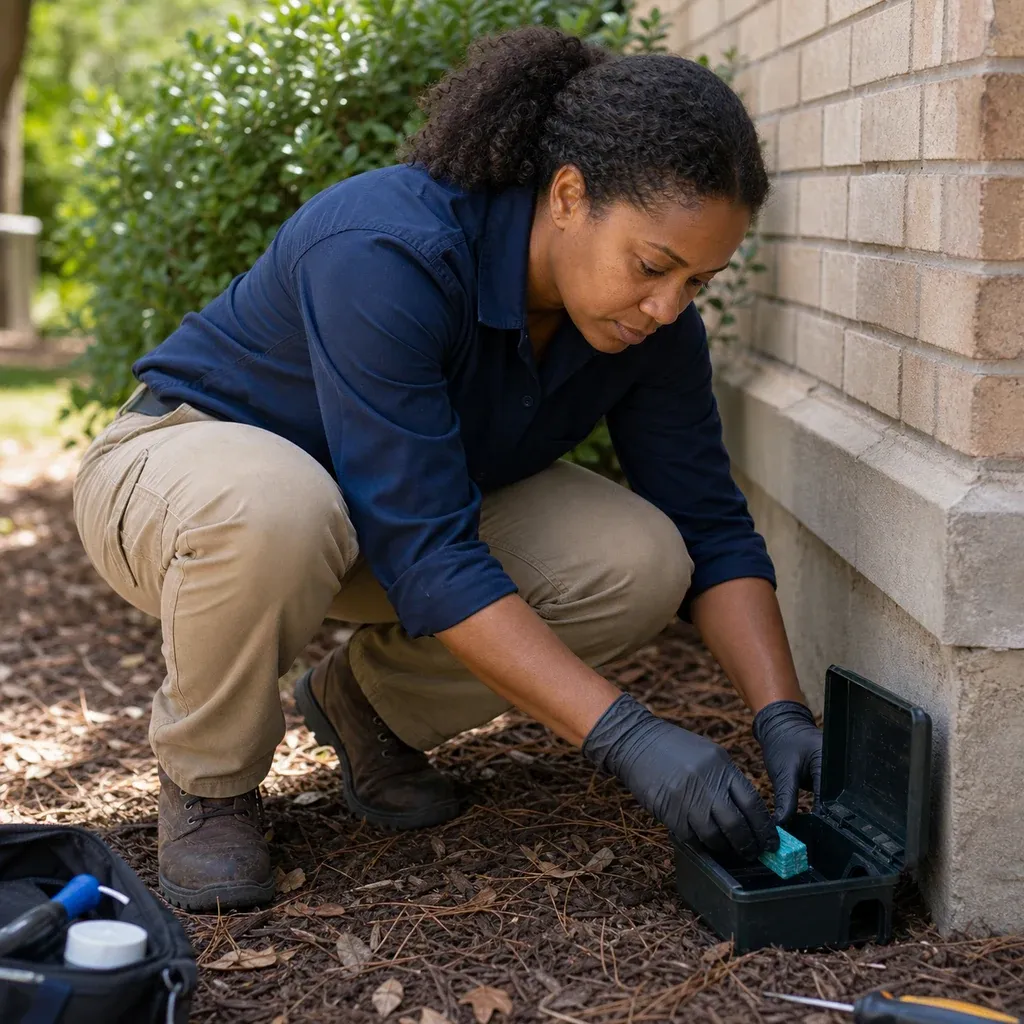
Eco-friendly pest treatment uses an Integrated Pest Management (IPM) approach that prioritizes low-impact methods, targeted application, botanical and mineral-based products, and habitat modification. It's designed for households with children, pets, or chemical sensitivities where conventional treatments aren't the right fit.
What to expect:
- Inspection to identify pest type, activity, and contributing conditions
- IPM-based treatment plan using low-impact products and methods
- Botanical, mineral-based, and biological control options
- Targeted application to minimize environmental exposure
- Designed for households with children, pets, or chemical sensitivities
- Ongoing monitoring and prevention guidance
Common pests this service covers
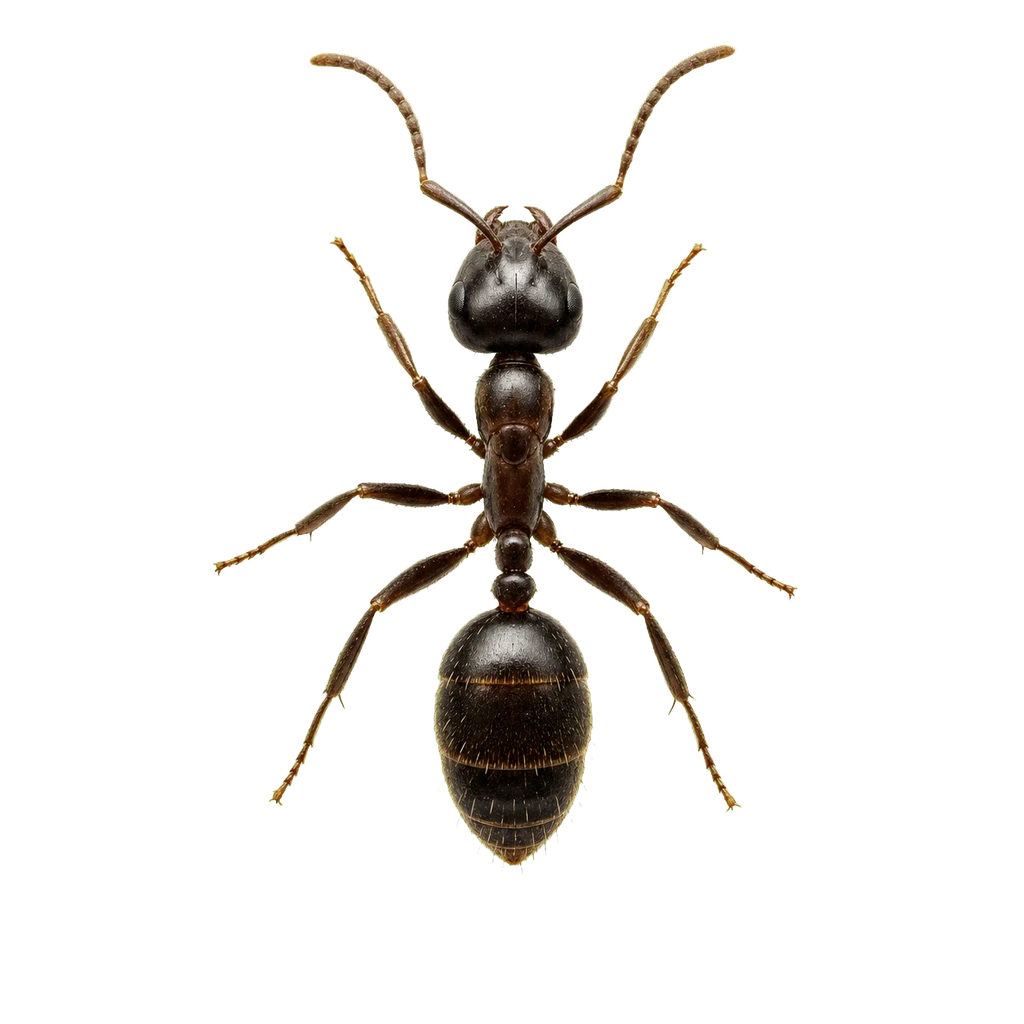 Ants
Ants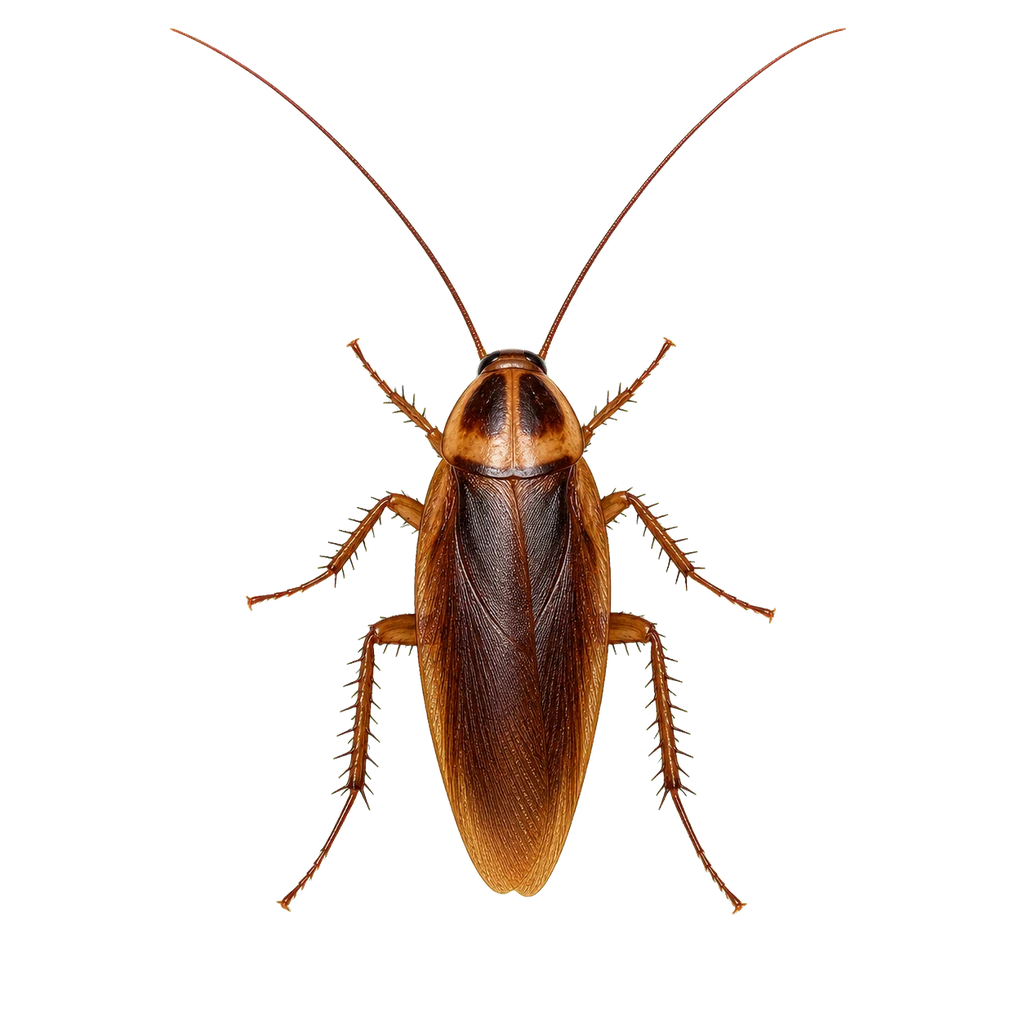 Cockroaches
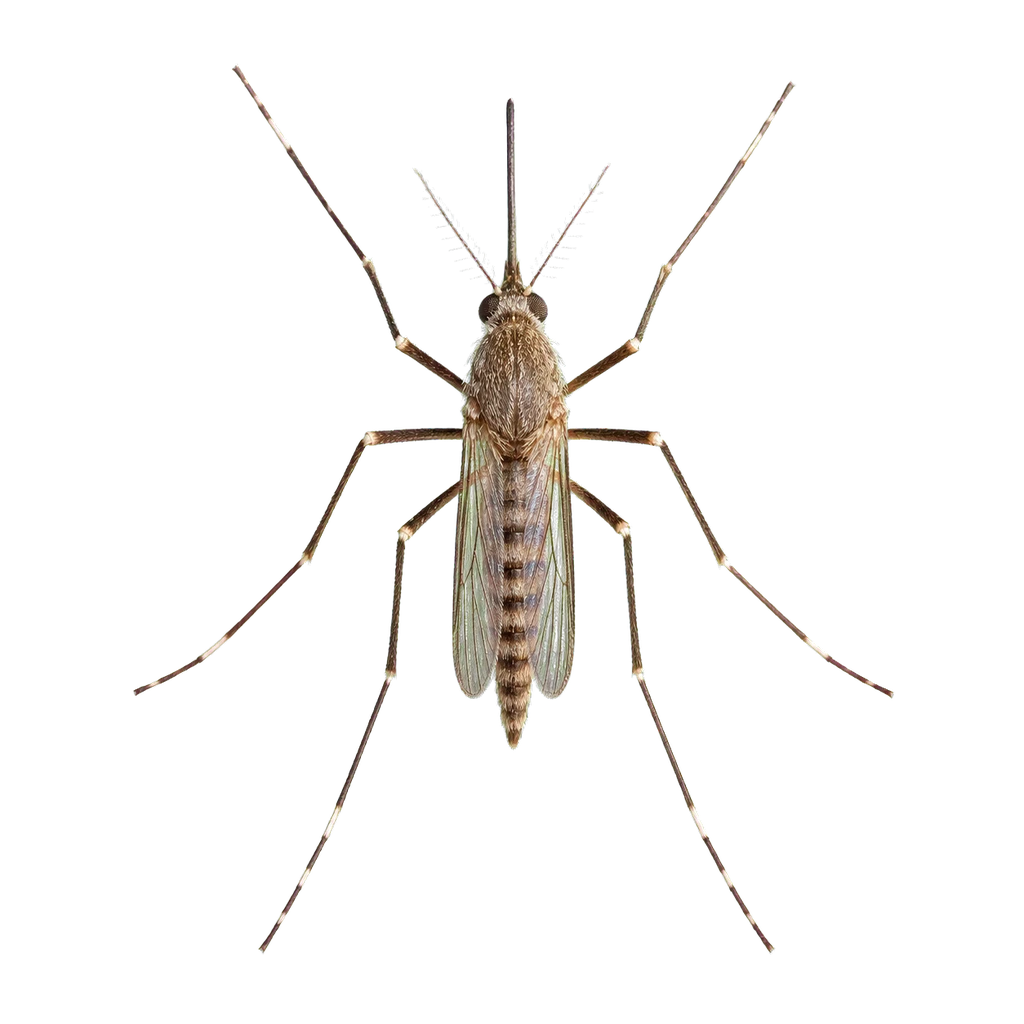 Mosquitoes
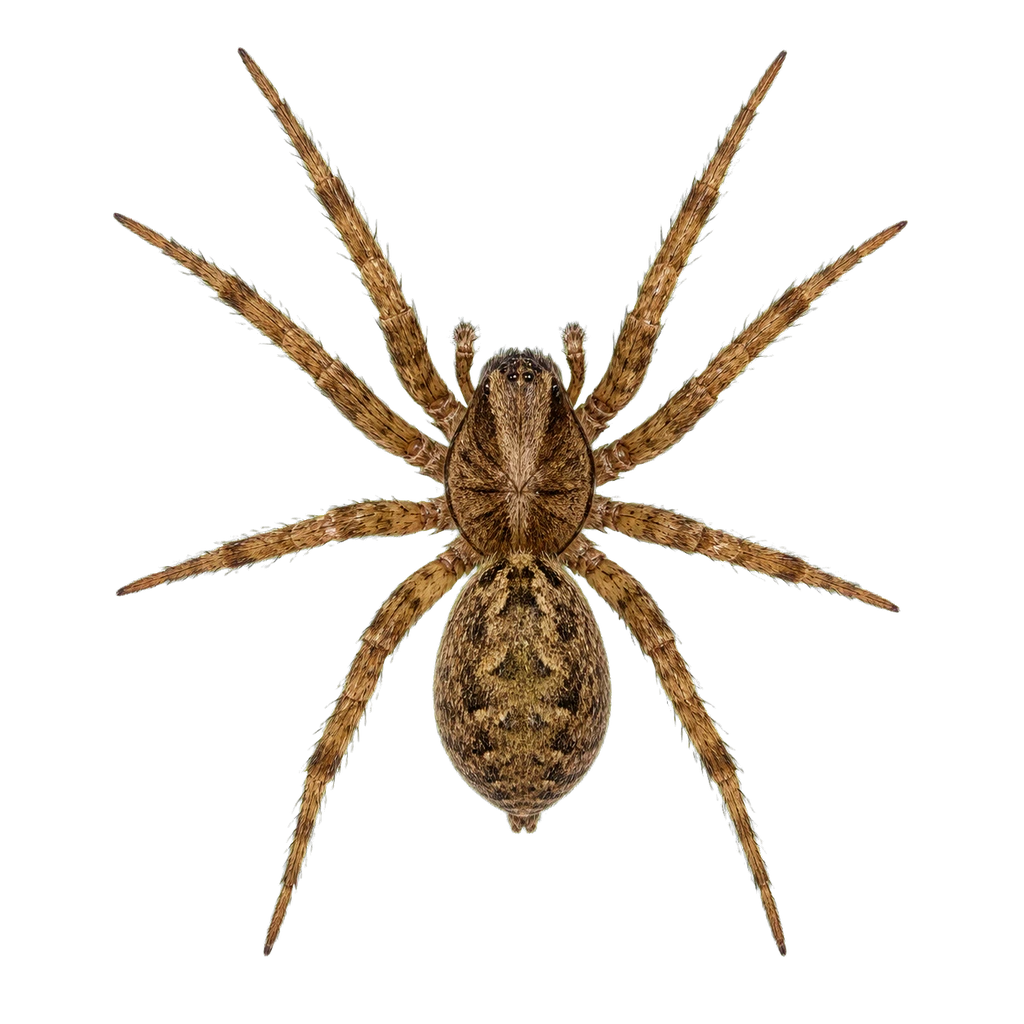 Spiders
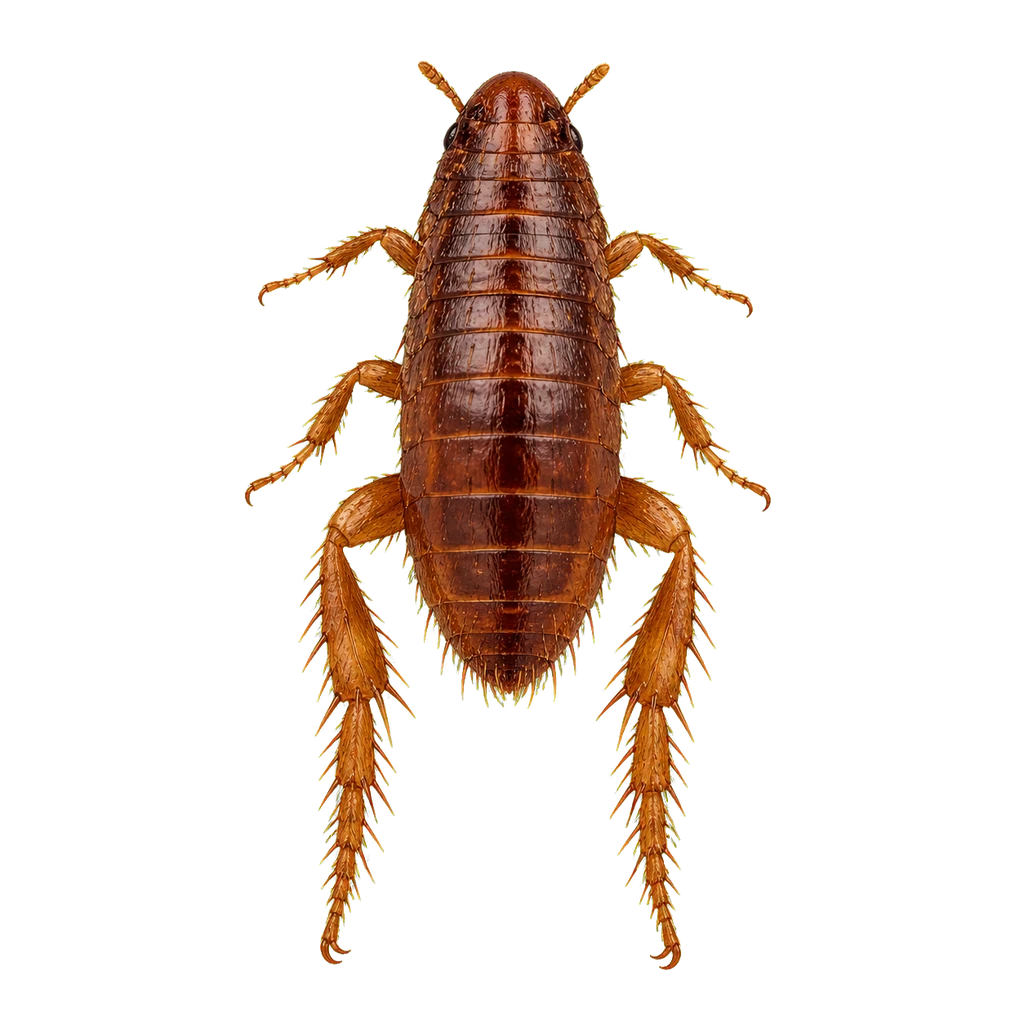 Fleas
Fleas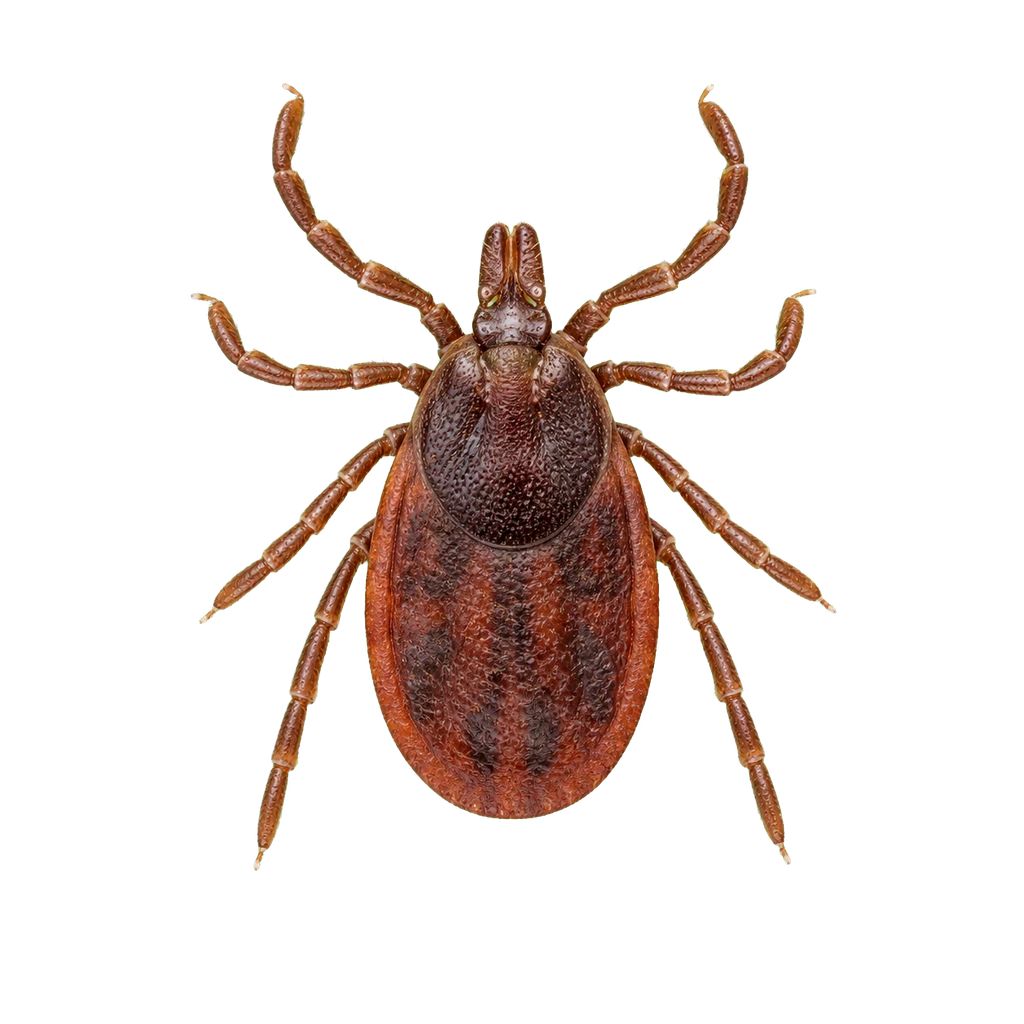 Ticks
Ticks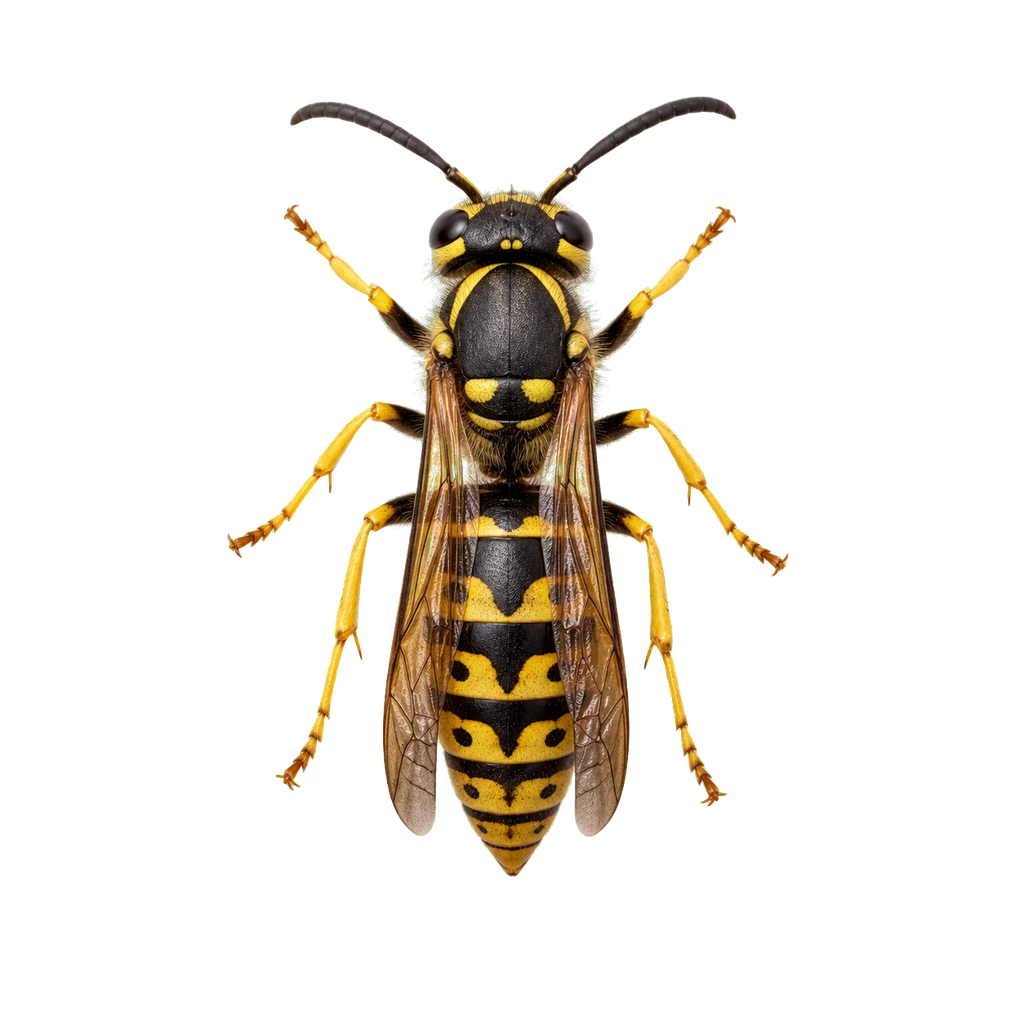 Wasps
Wasps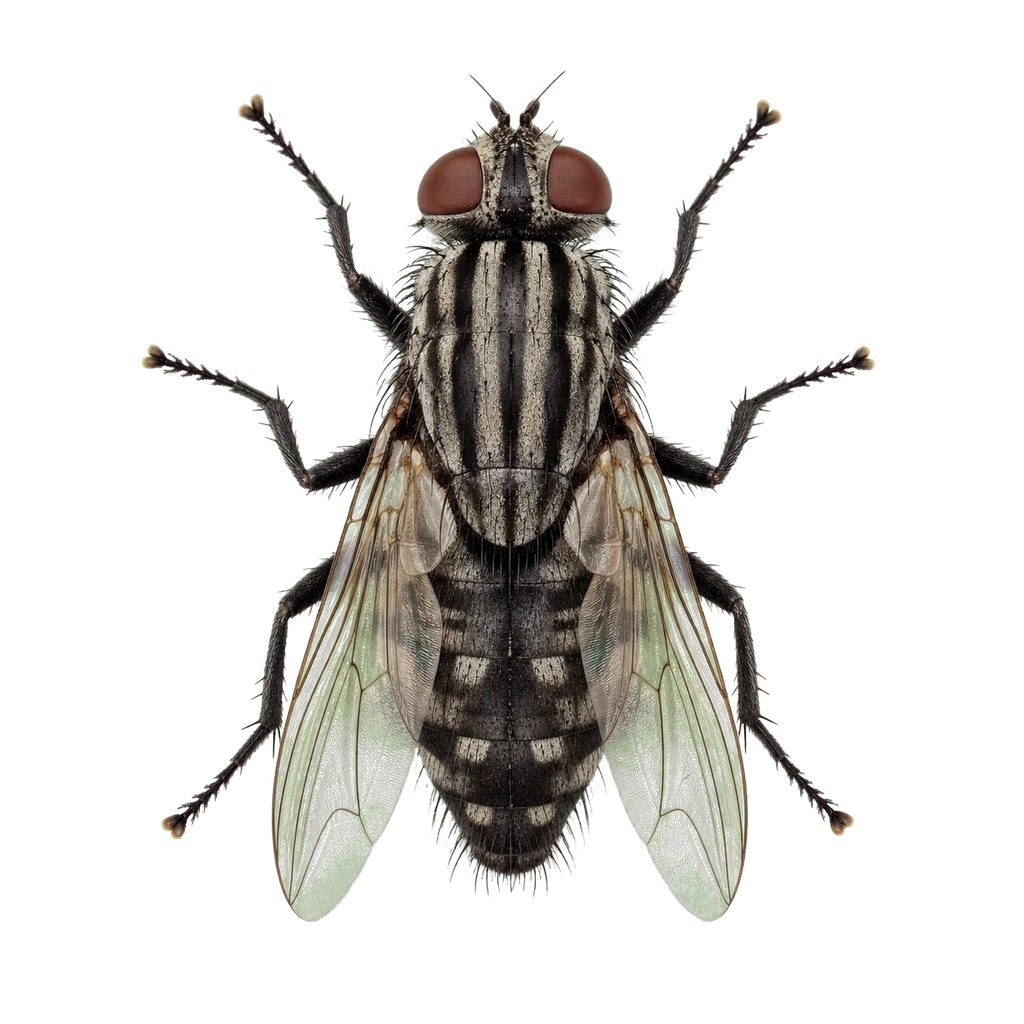 Flies
Flies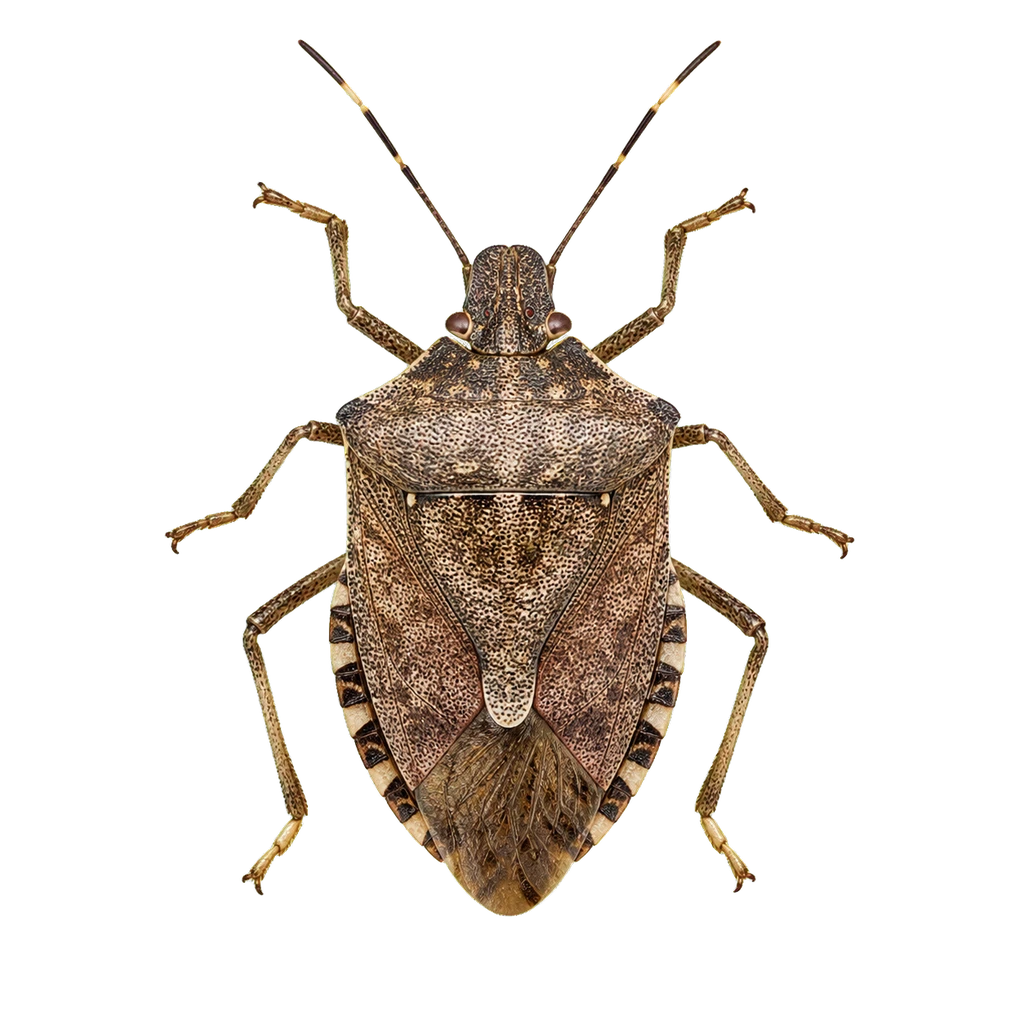 Stink Bugs
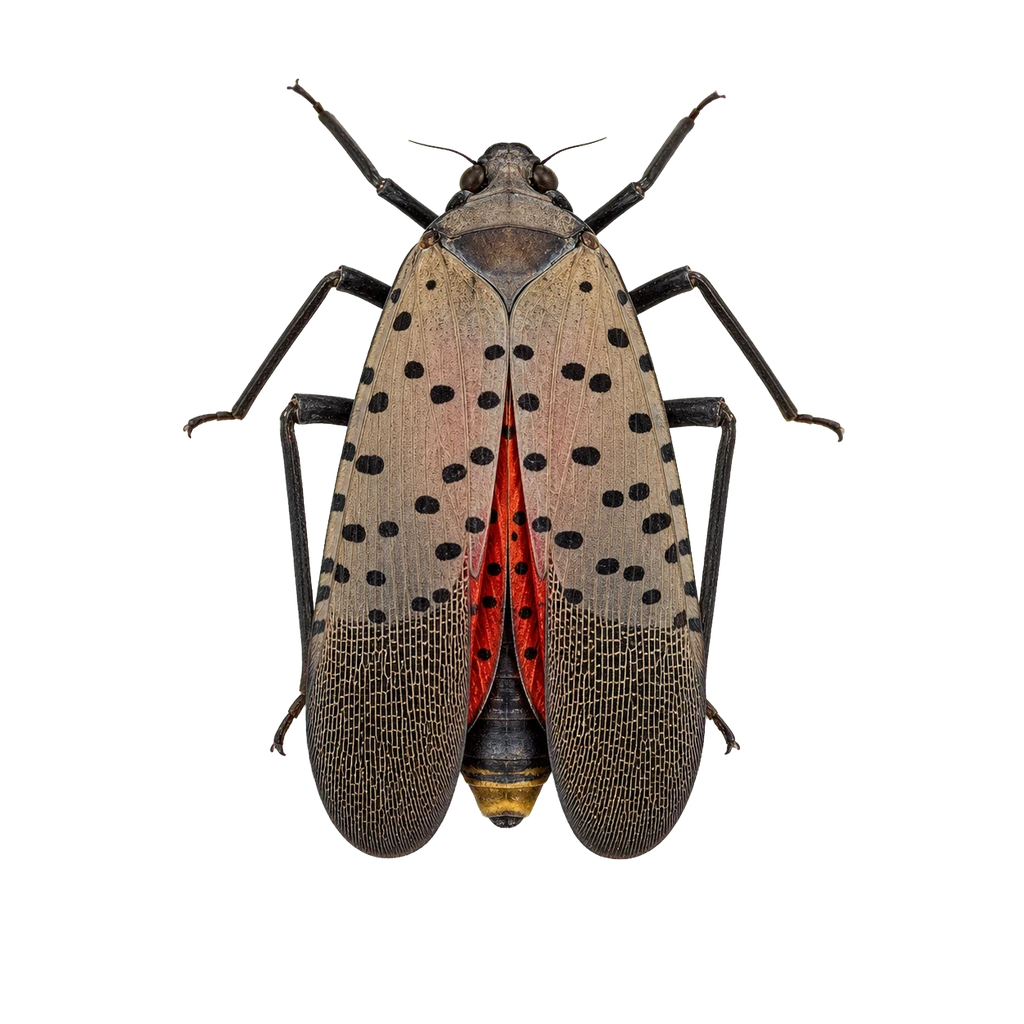 Spotted Lanternflies
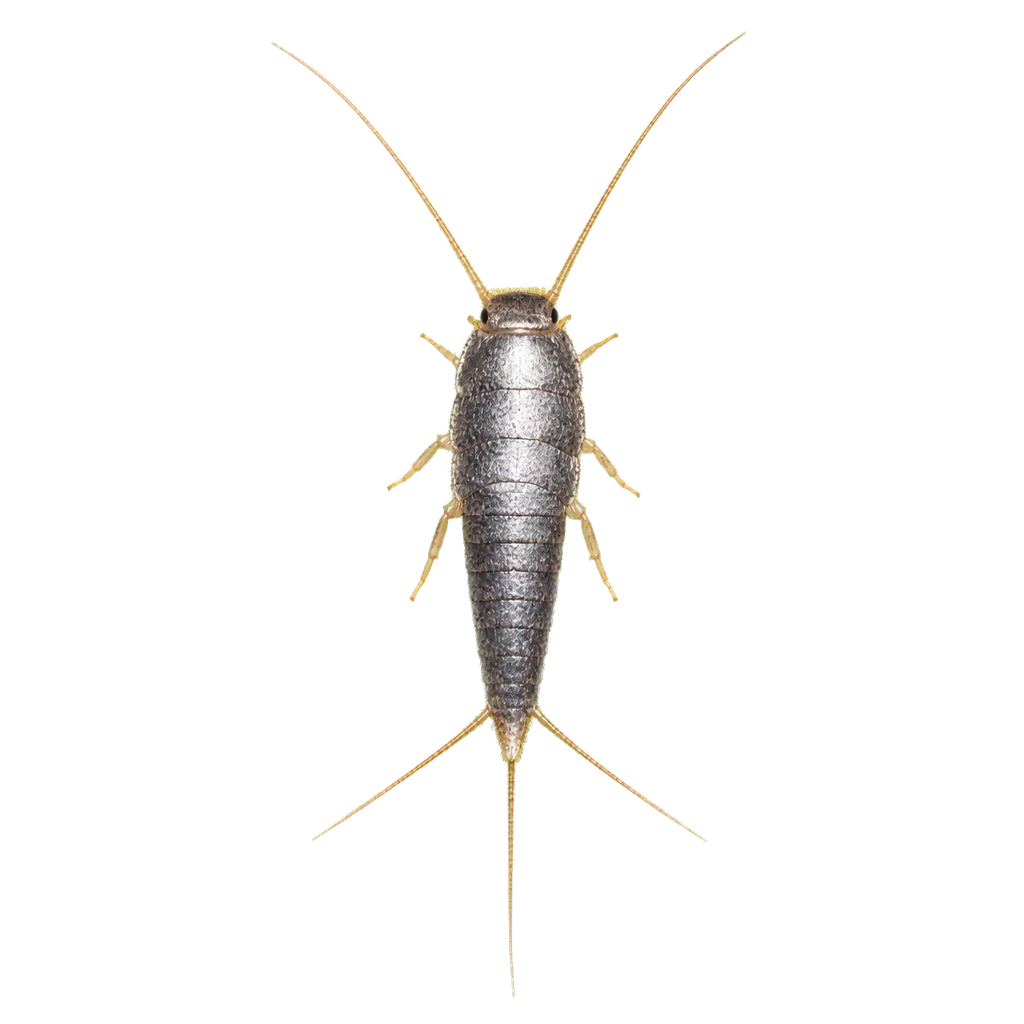 Silverfish
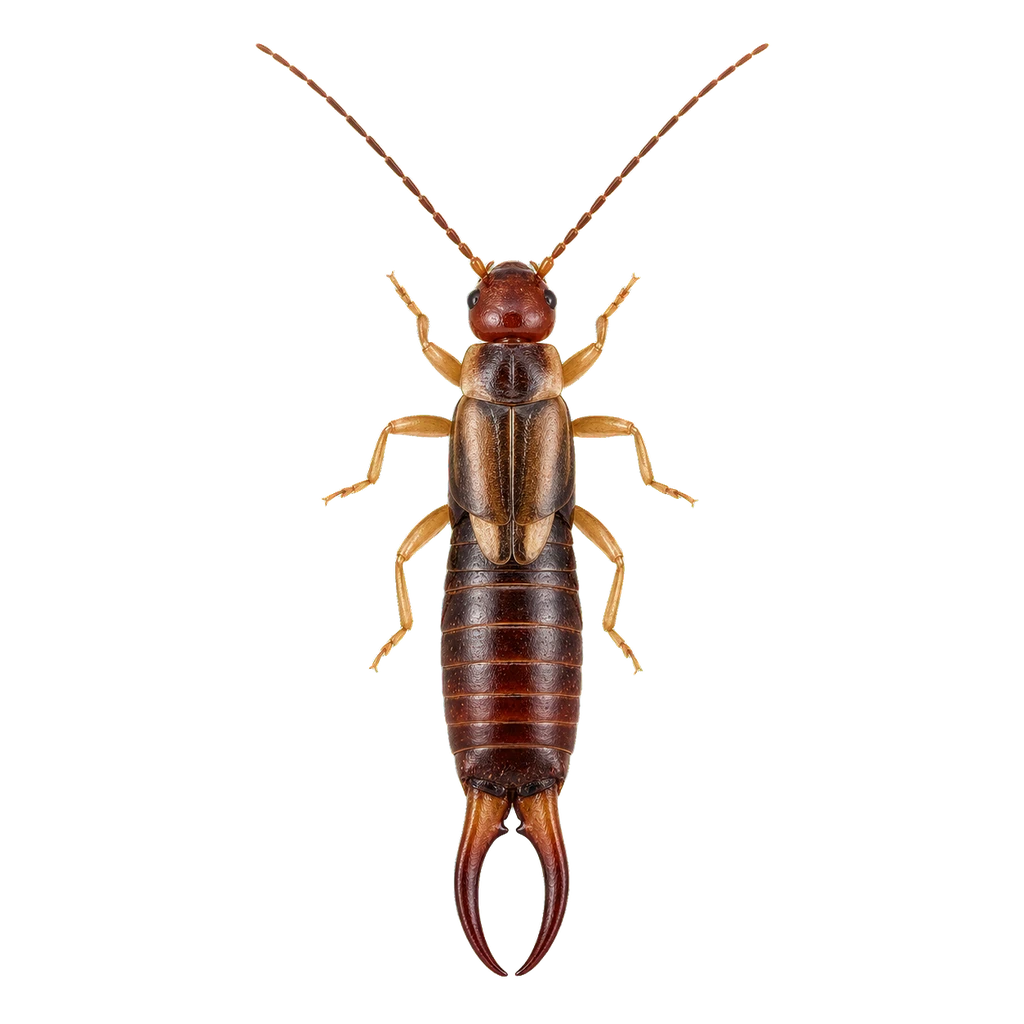 Earwigs
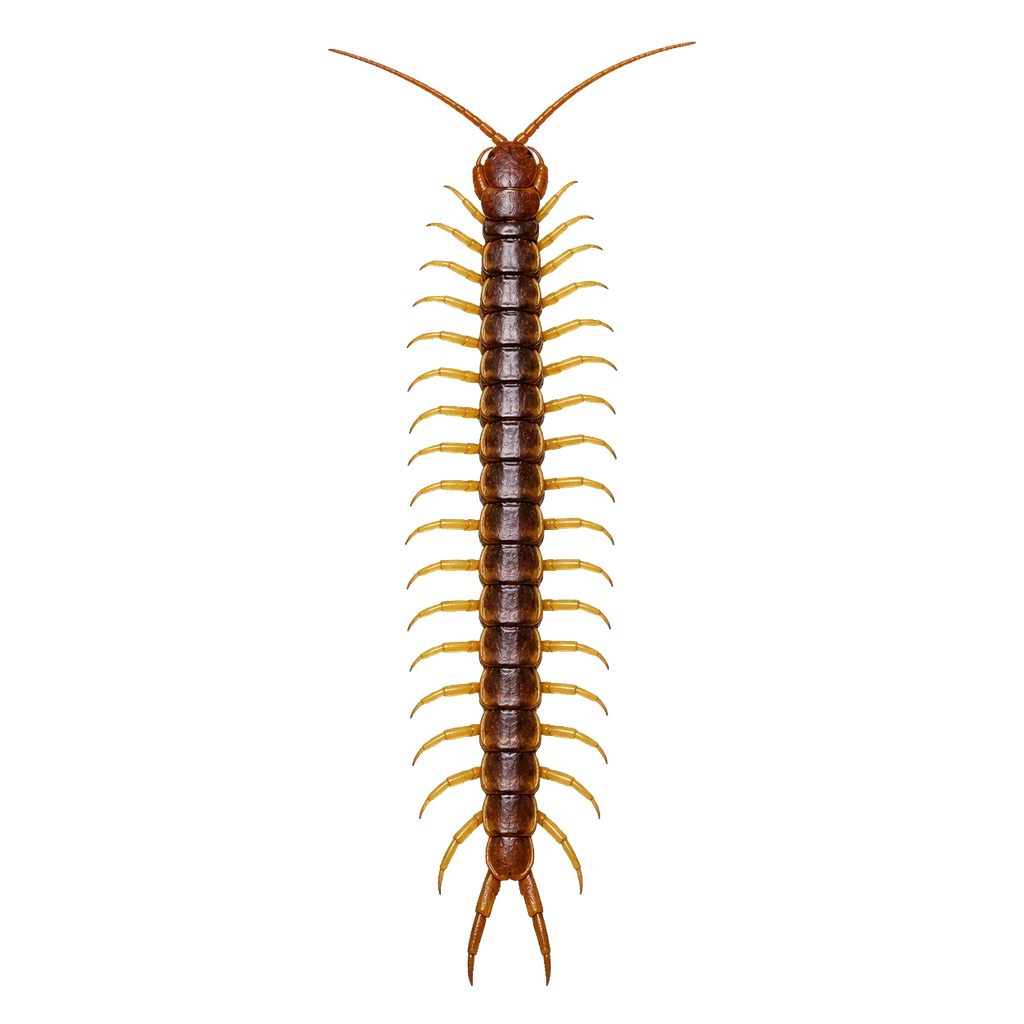 Centipedes
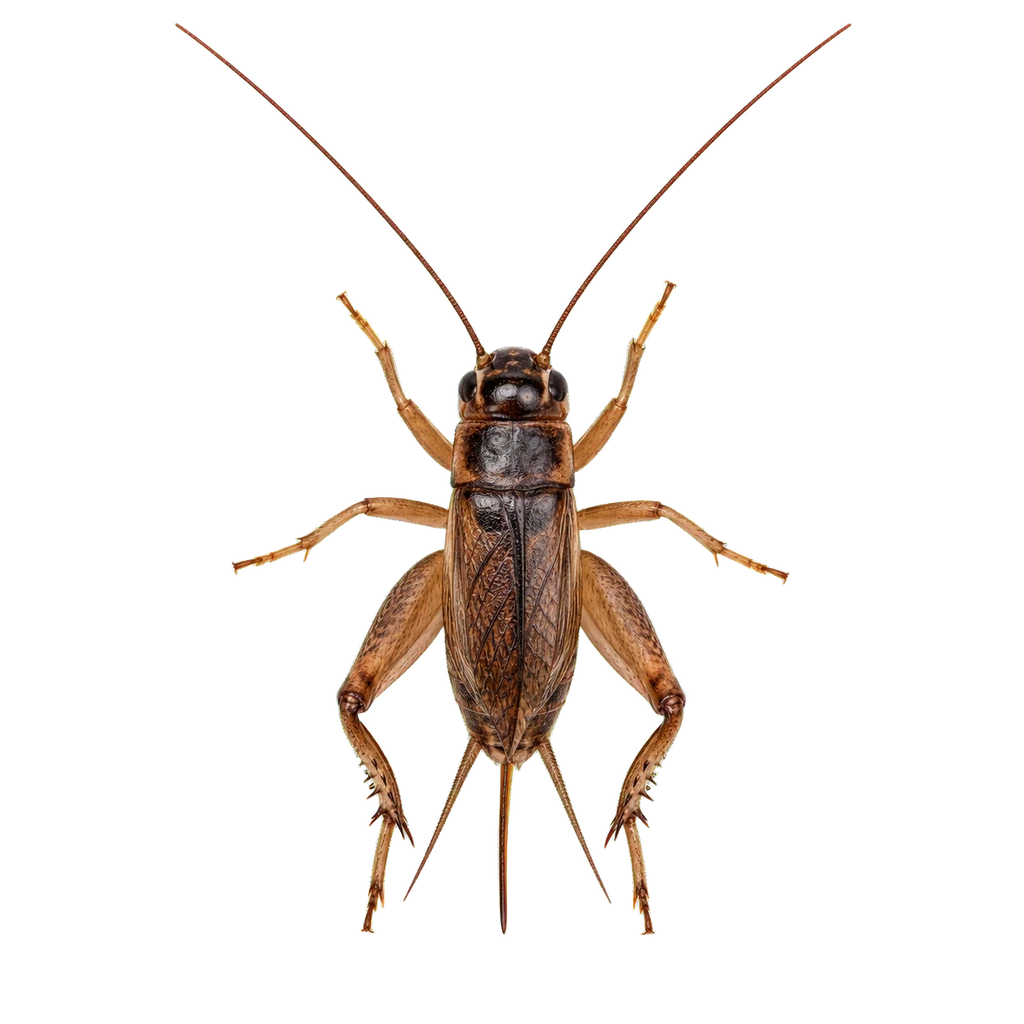 Crickets
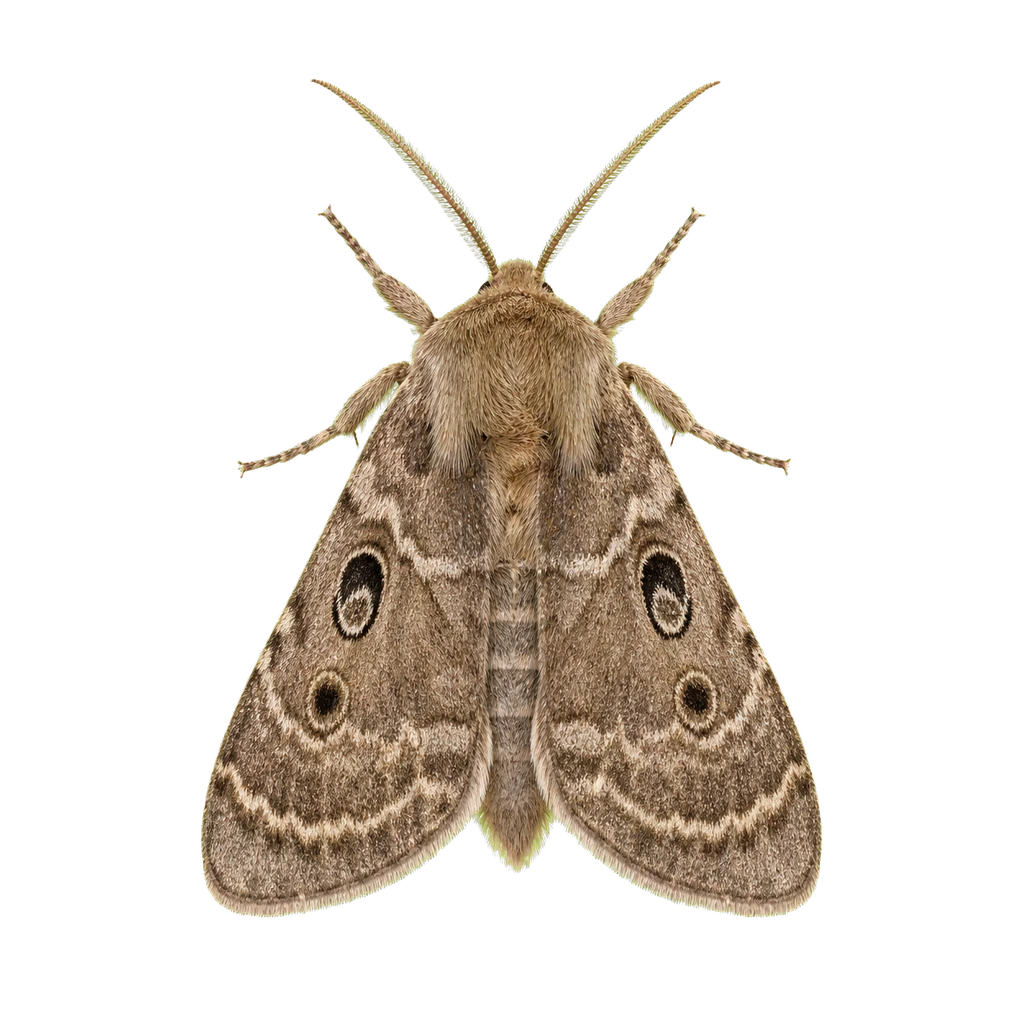 Moths
Moths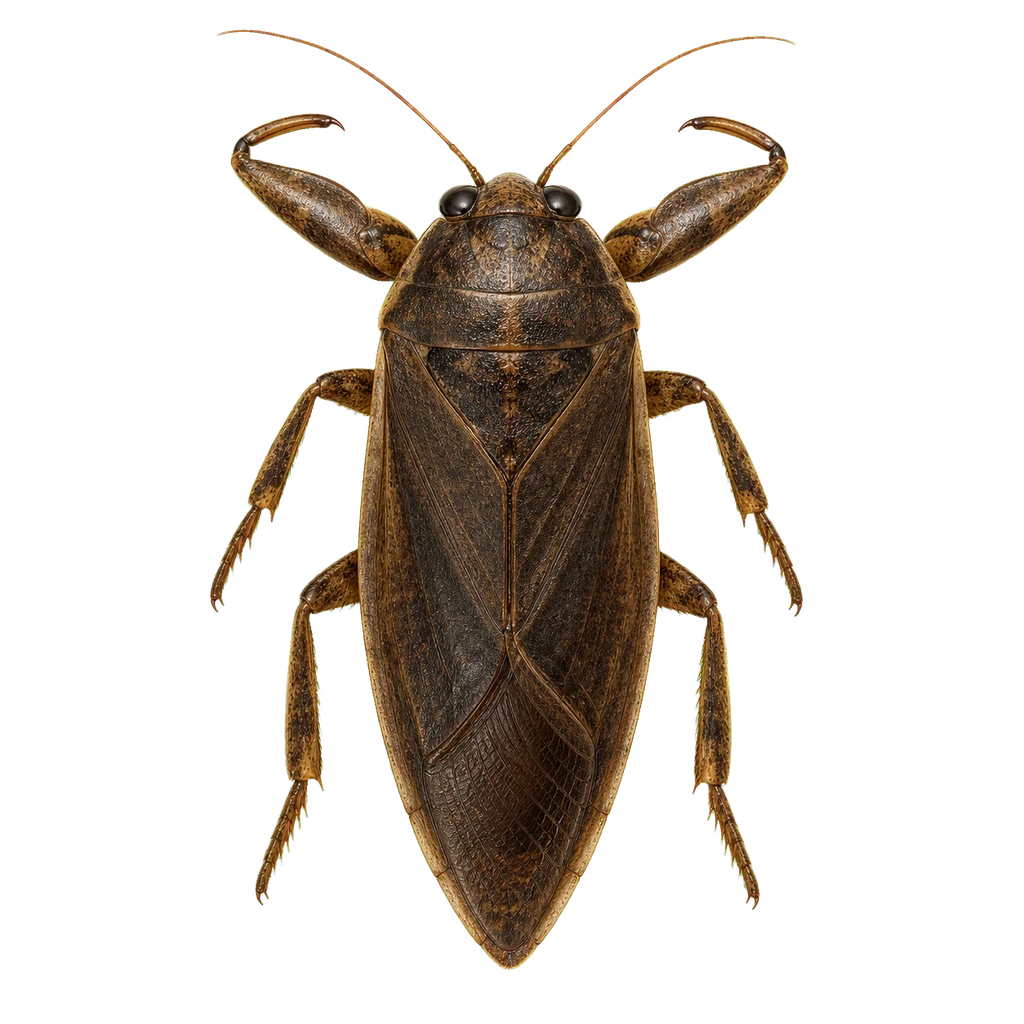 Waterbugs
 Ladybugs
 Daddy Long Legs
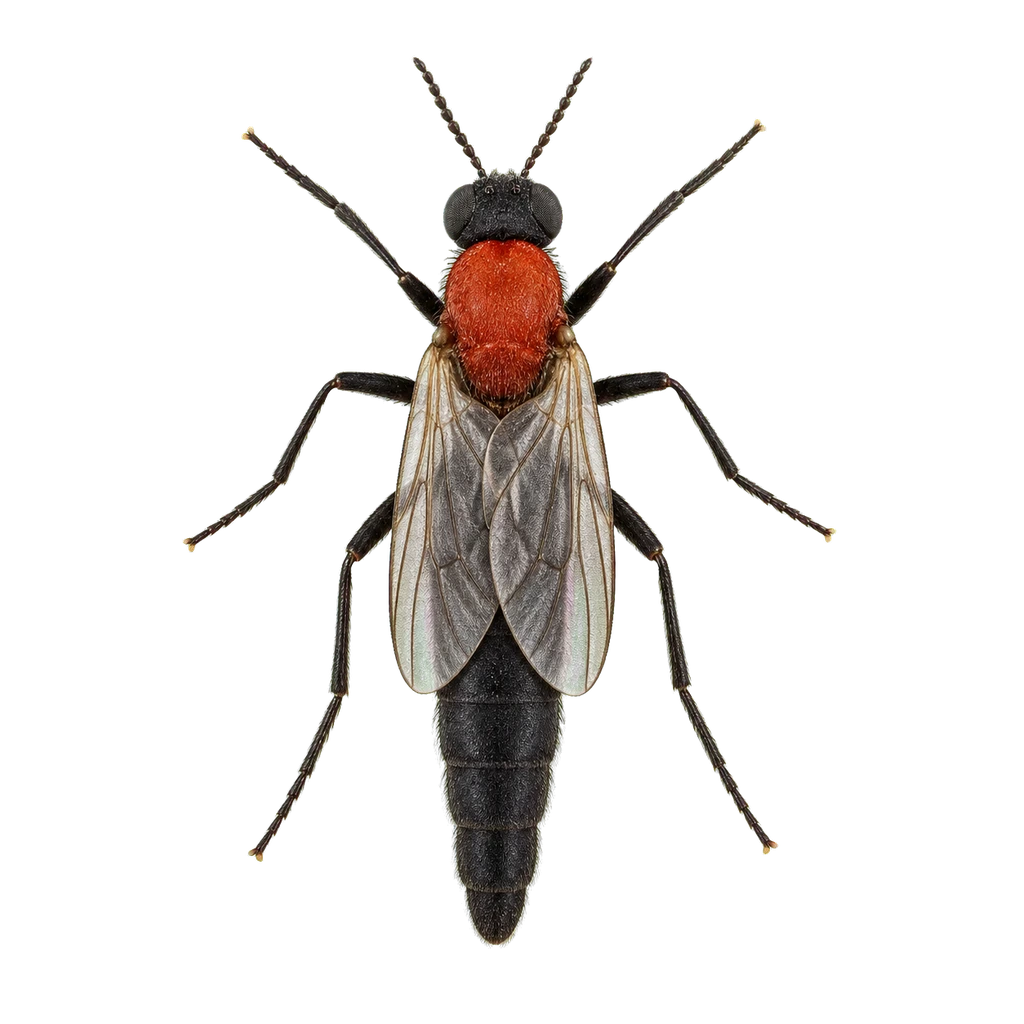 Lovebugs
 Bees
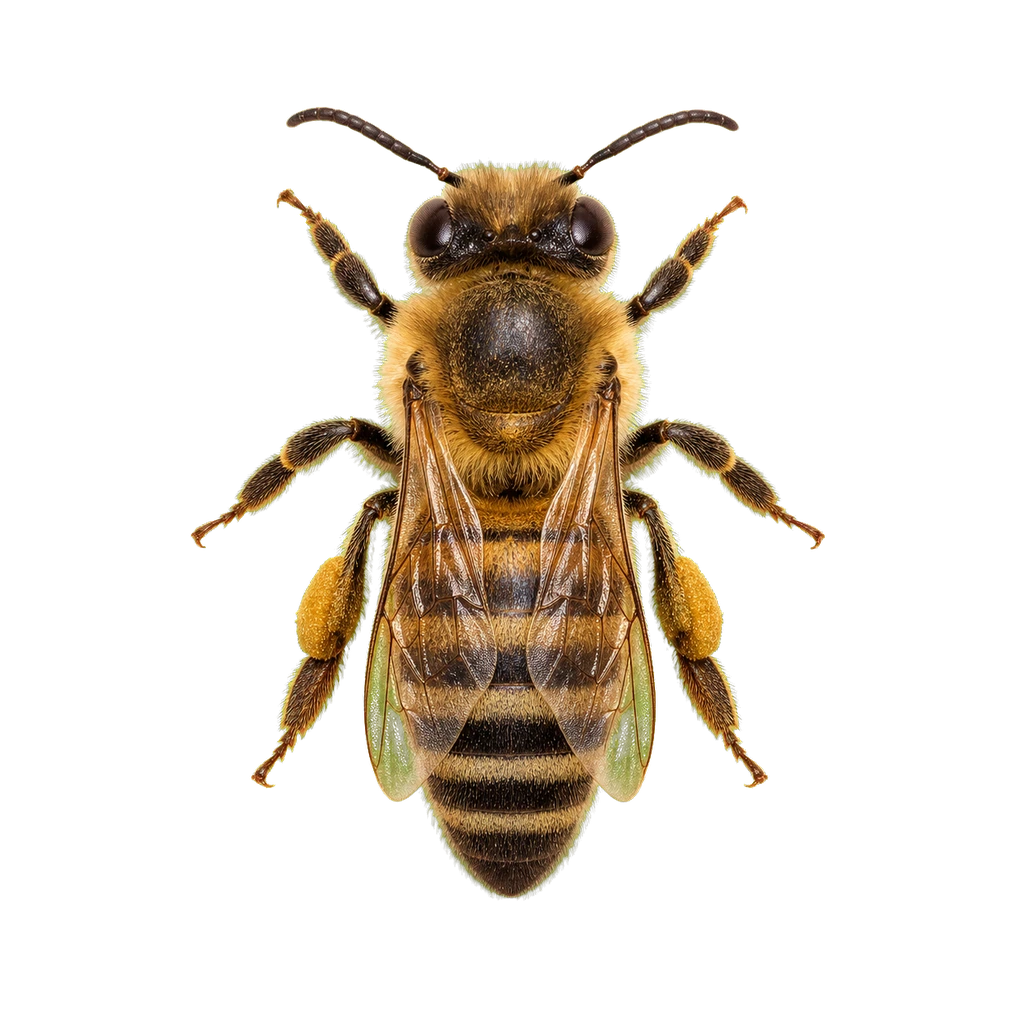
Bees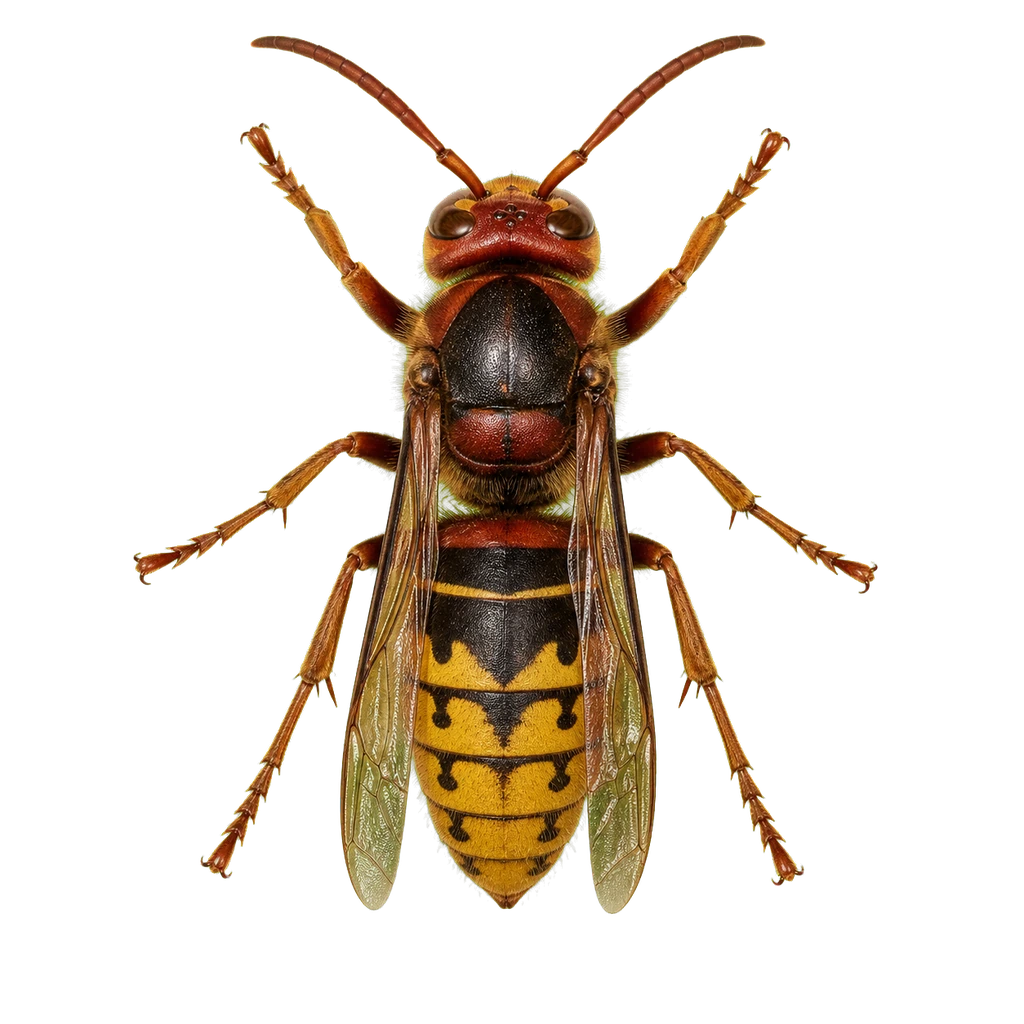 Hornets
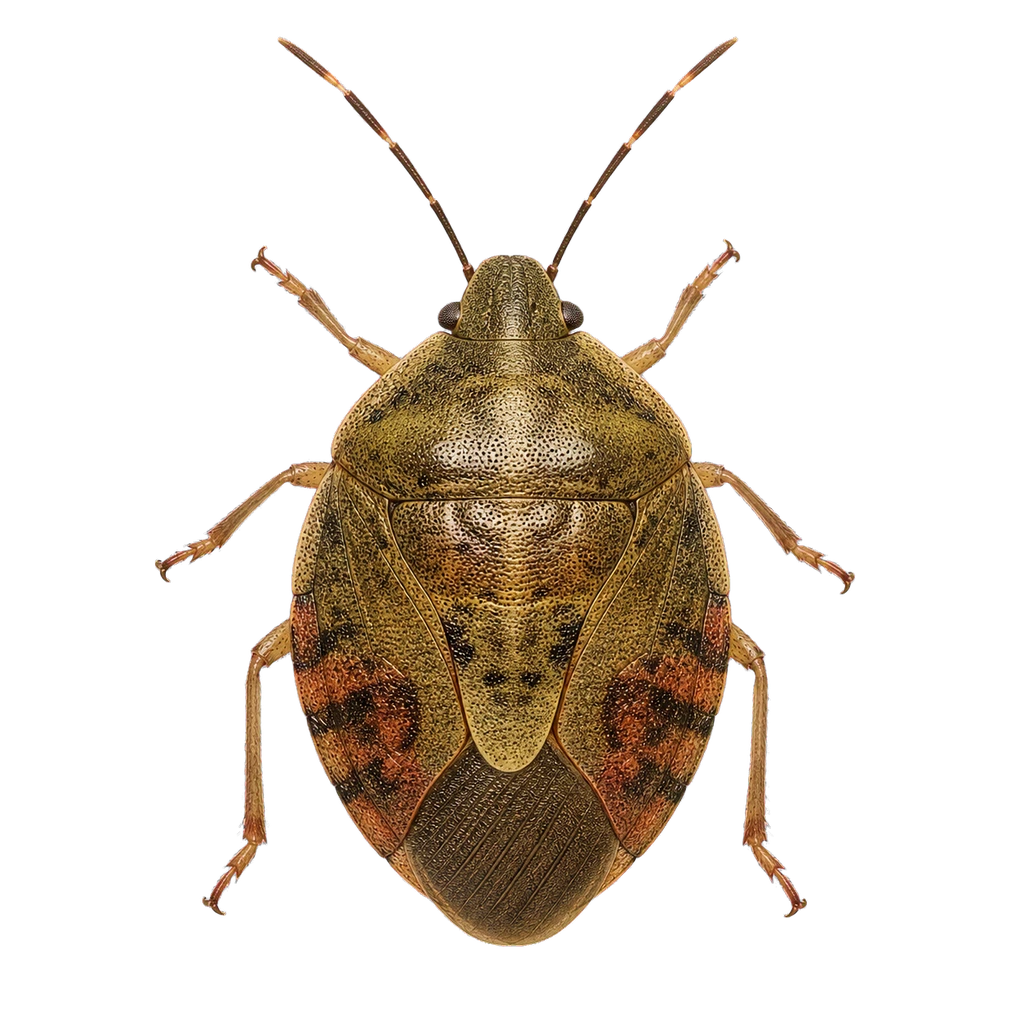 Kudzu Bugs
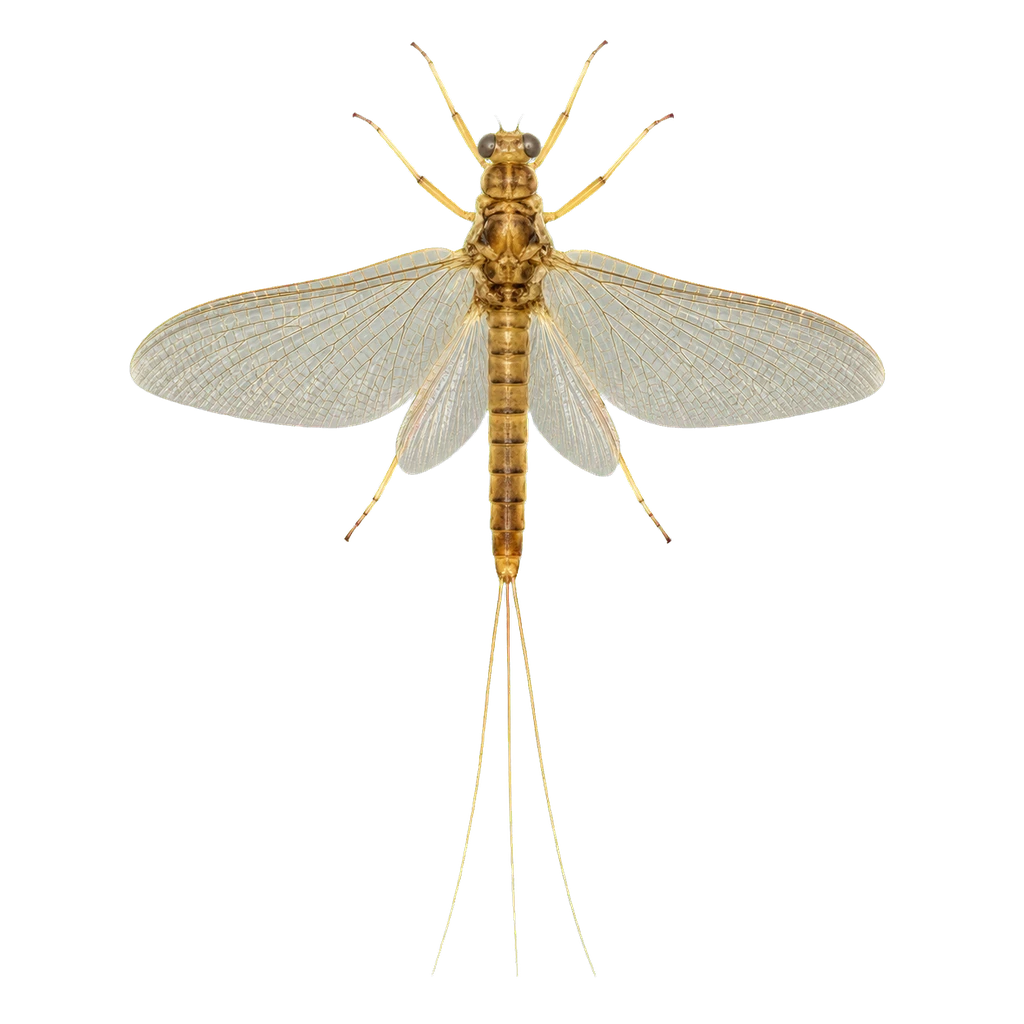 Mayflies
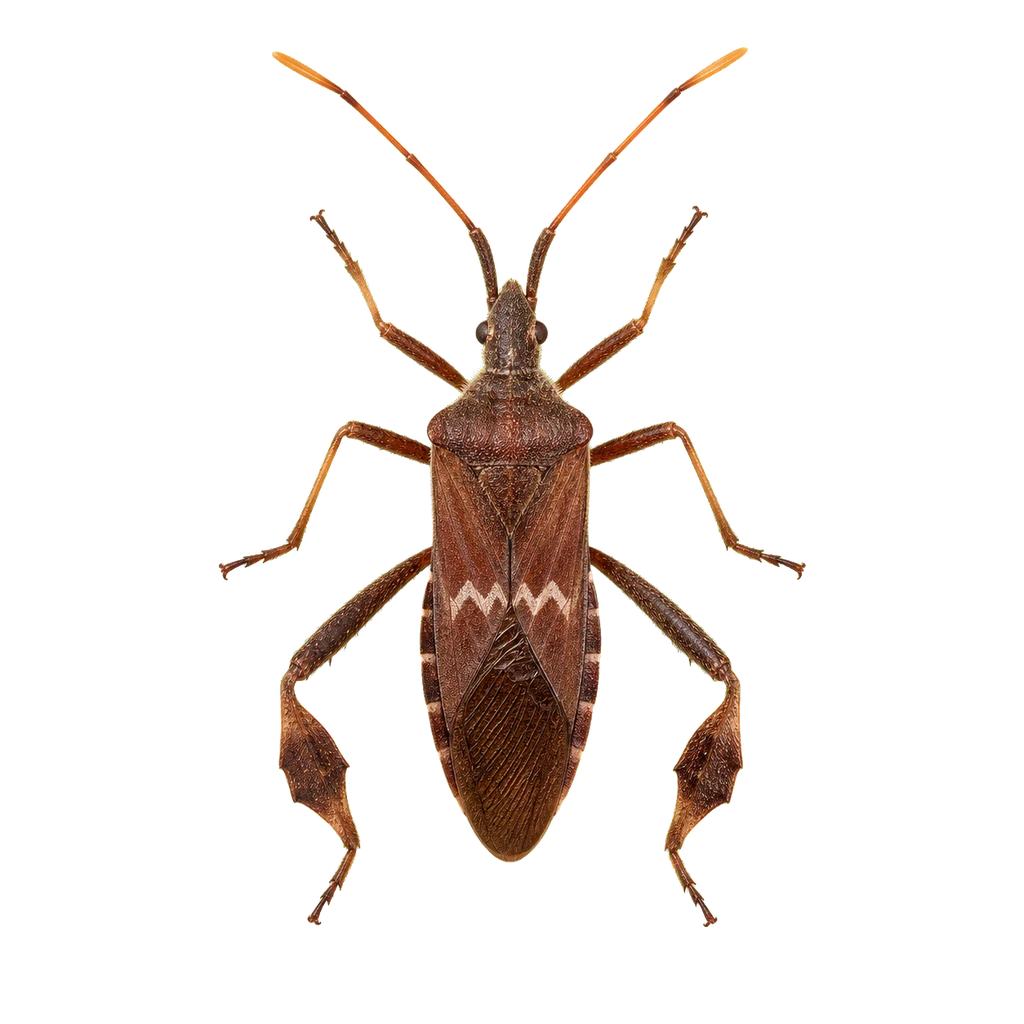 Western Conifer Seed Bugs
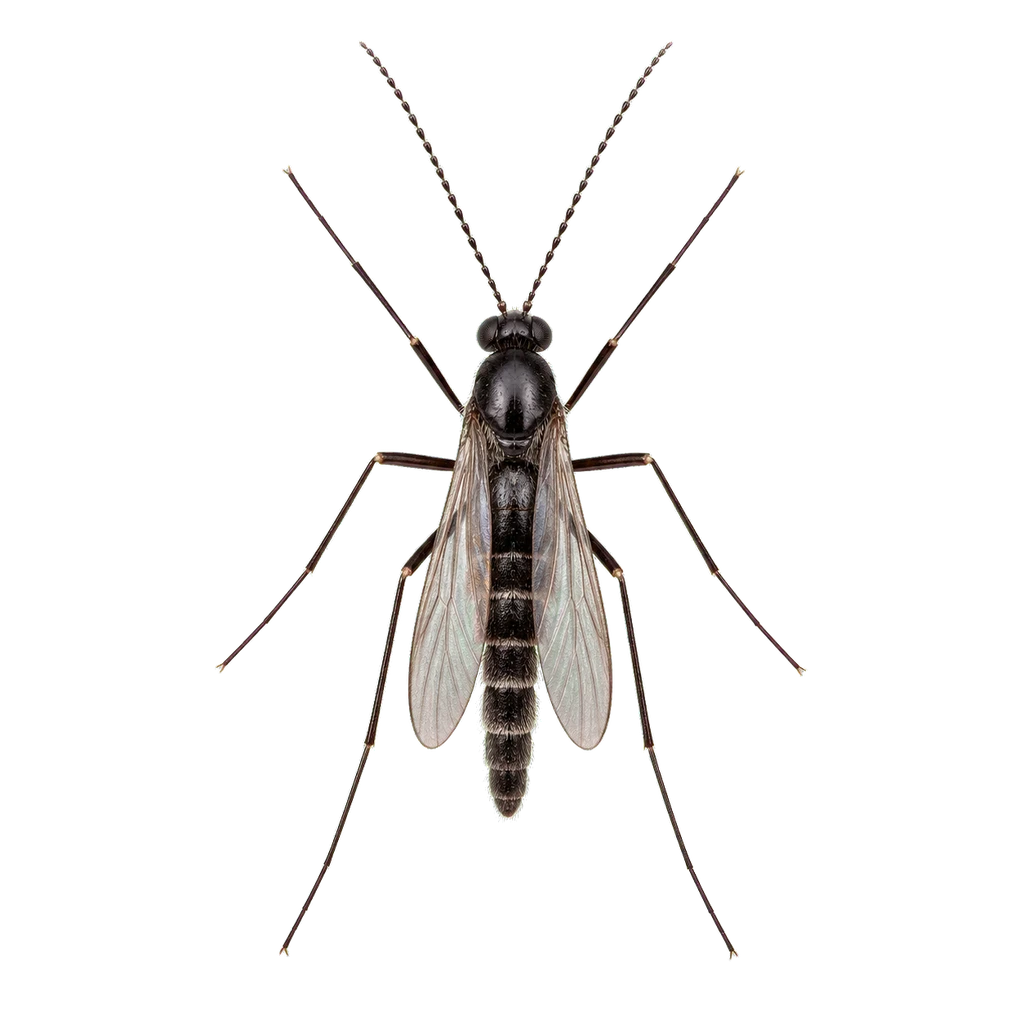 Gnats
Gnats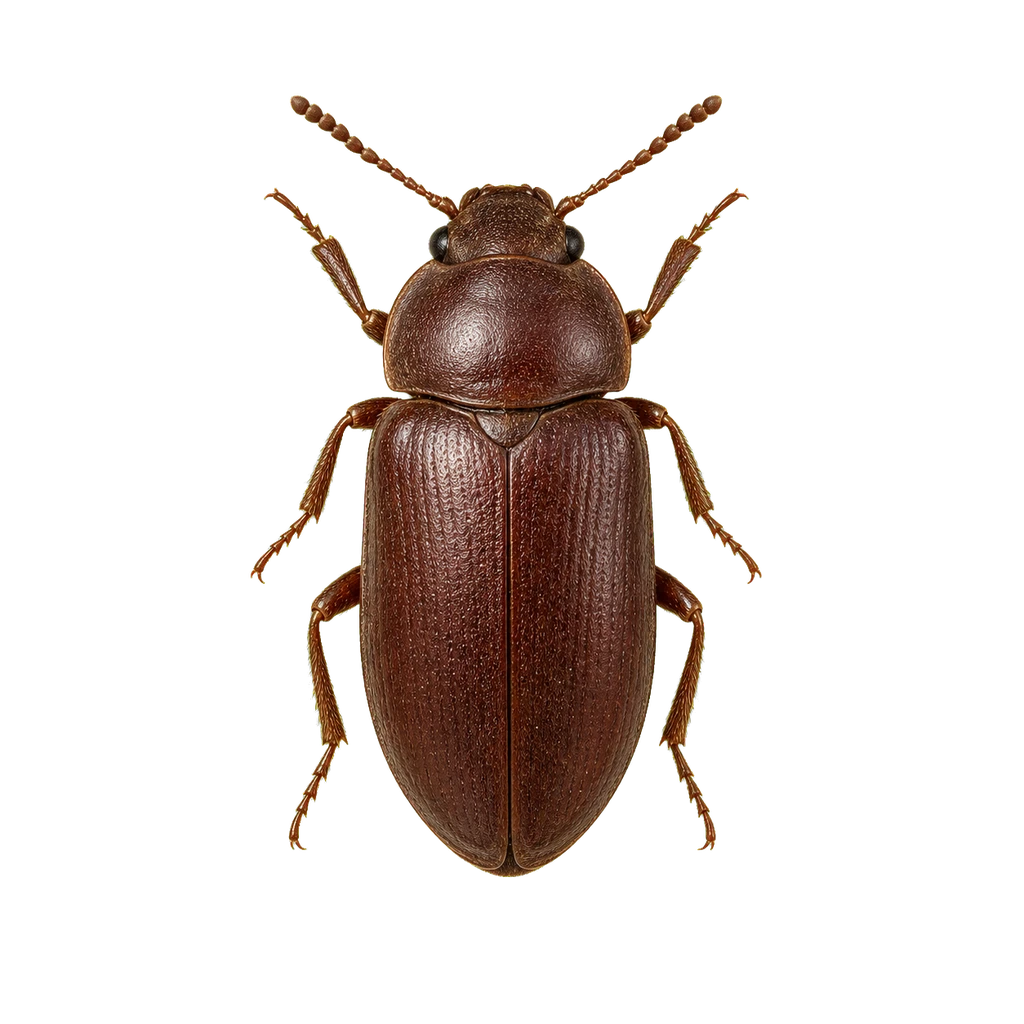 Beetles
 Snakes
 Moles
Moles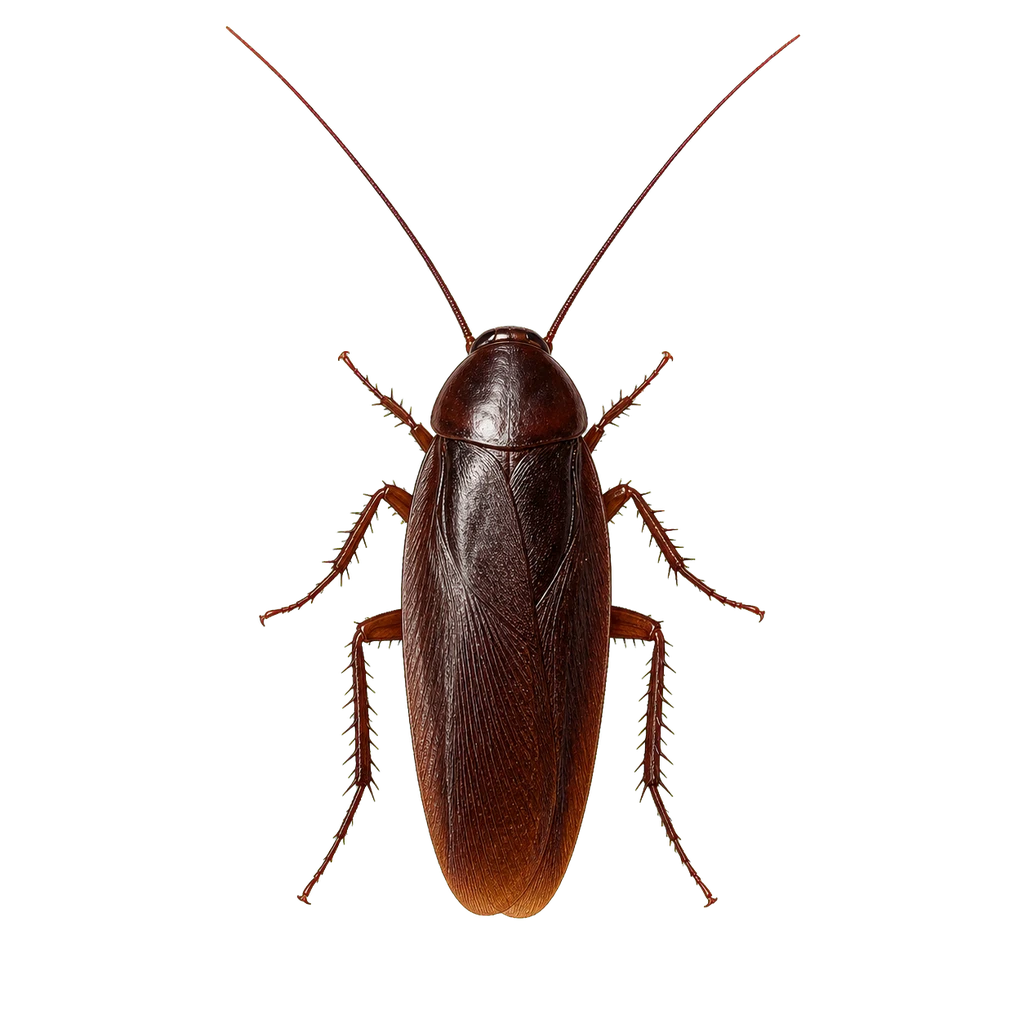 Palmetto Bugs
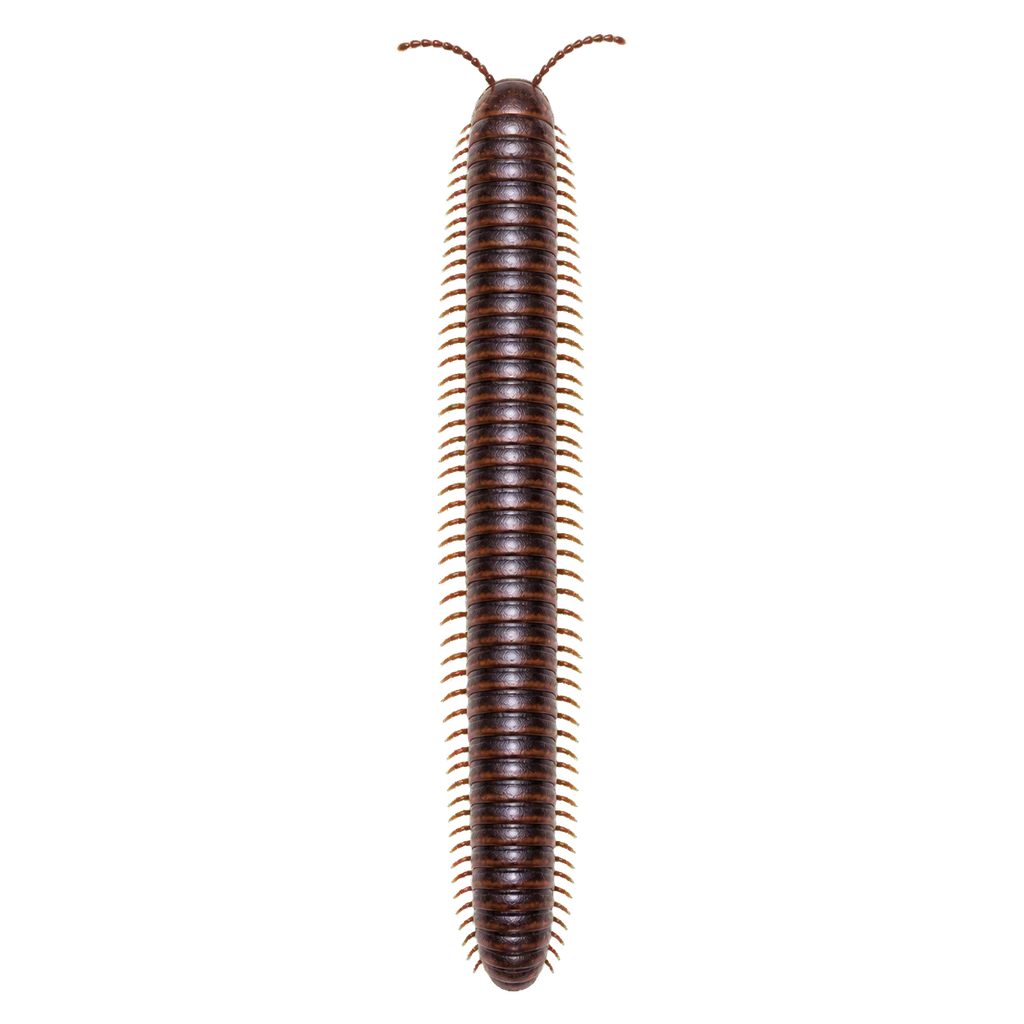 Millipedes
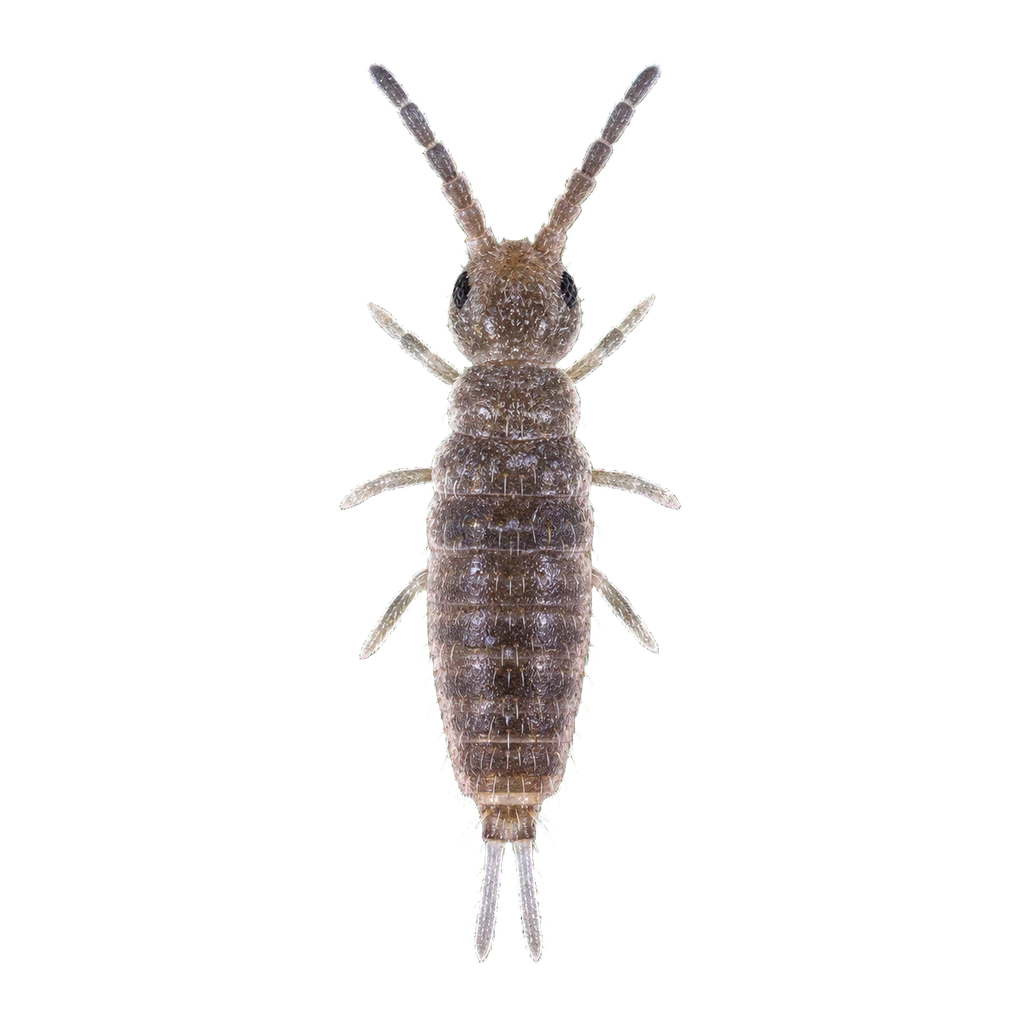 Springtails
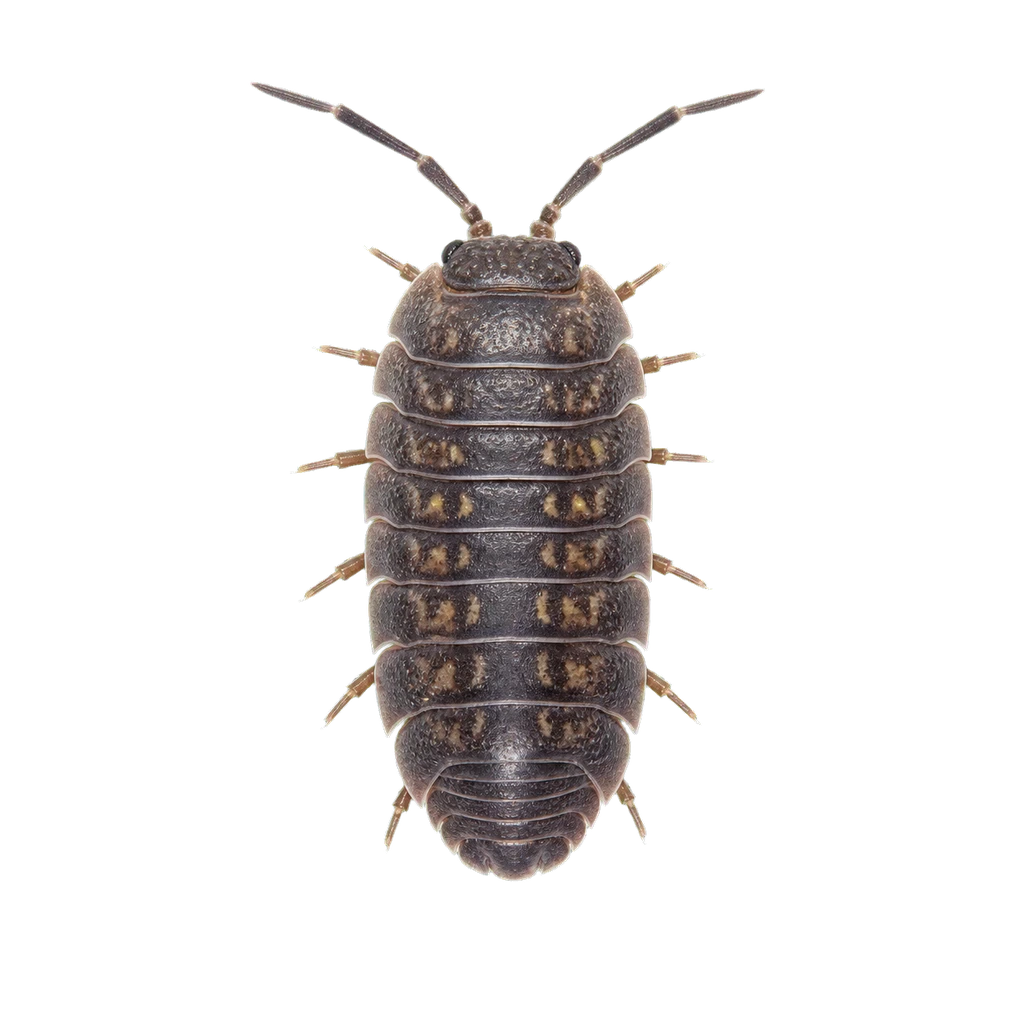 Pillbugs
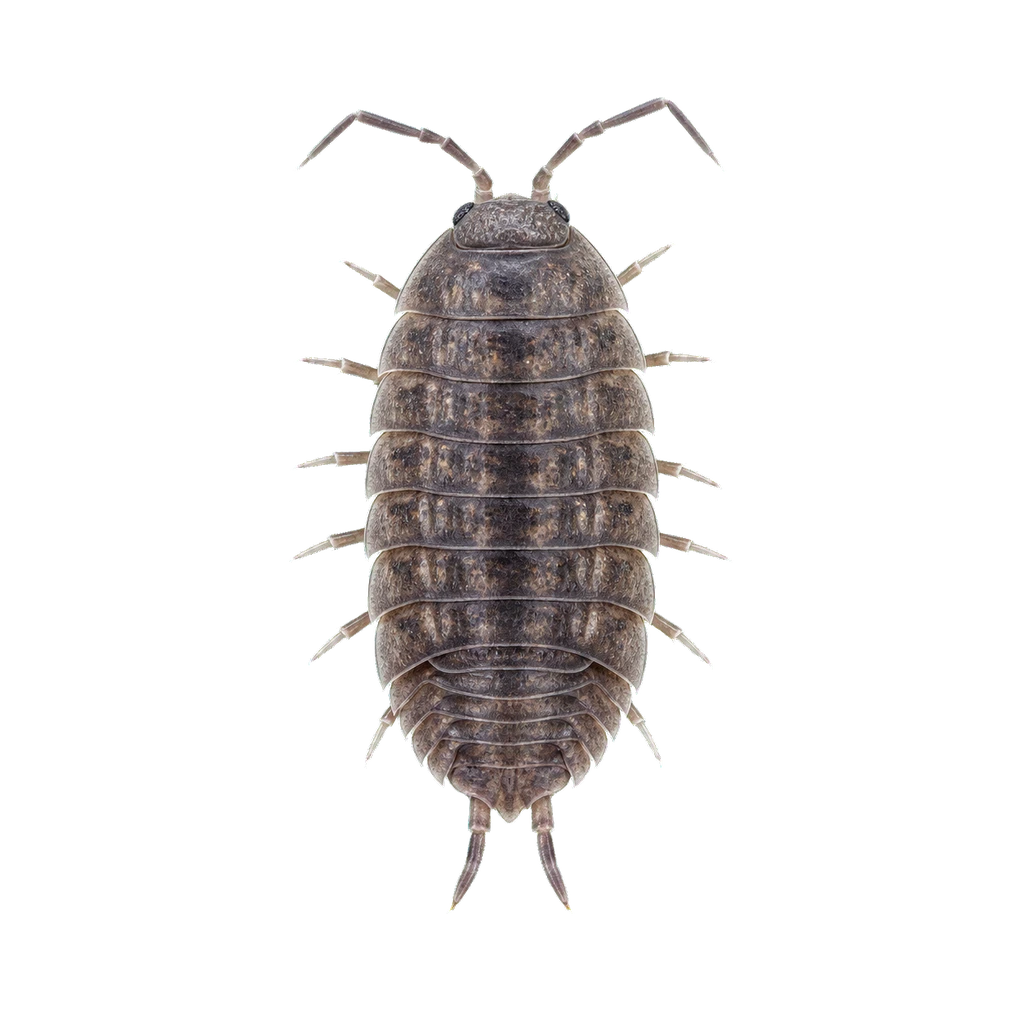 Sowbugs
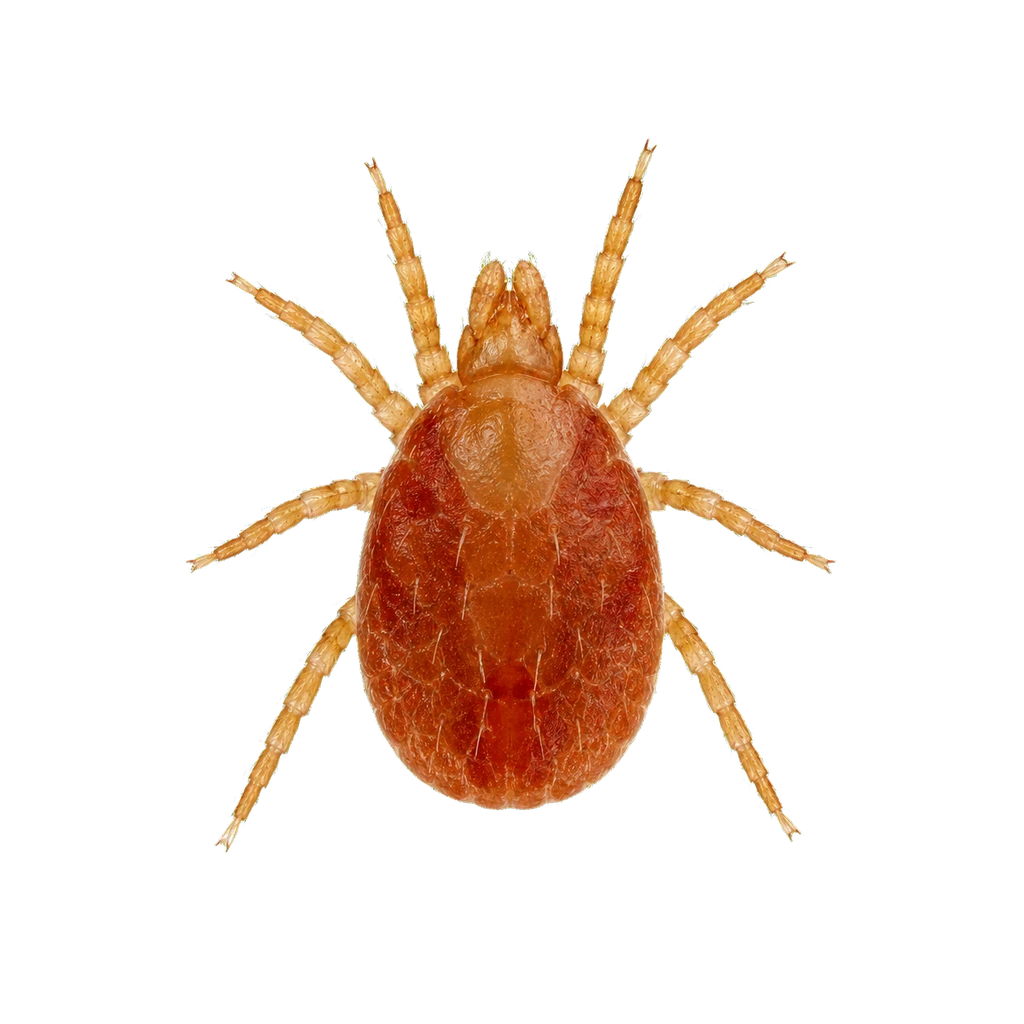 Mites
Mites Gophers
 Voles
Voles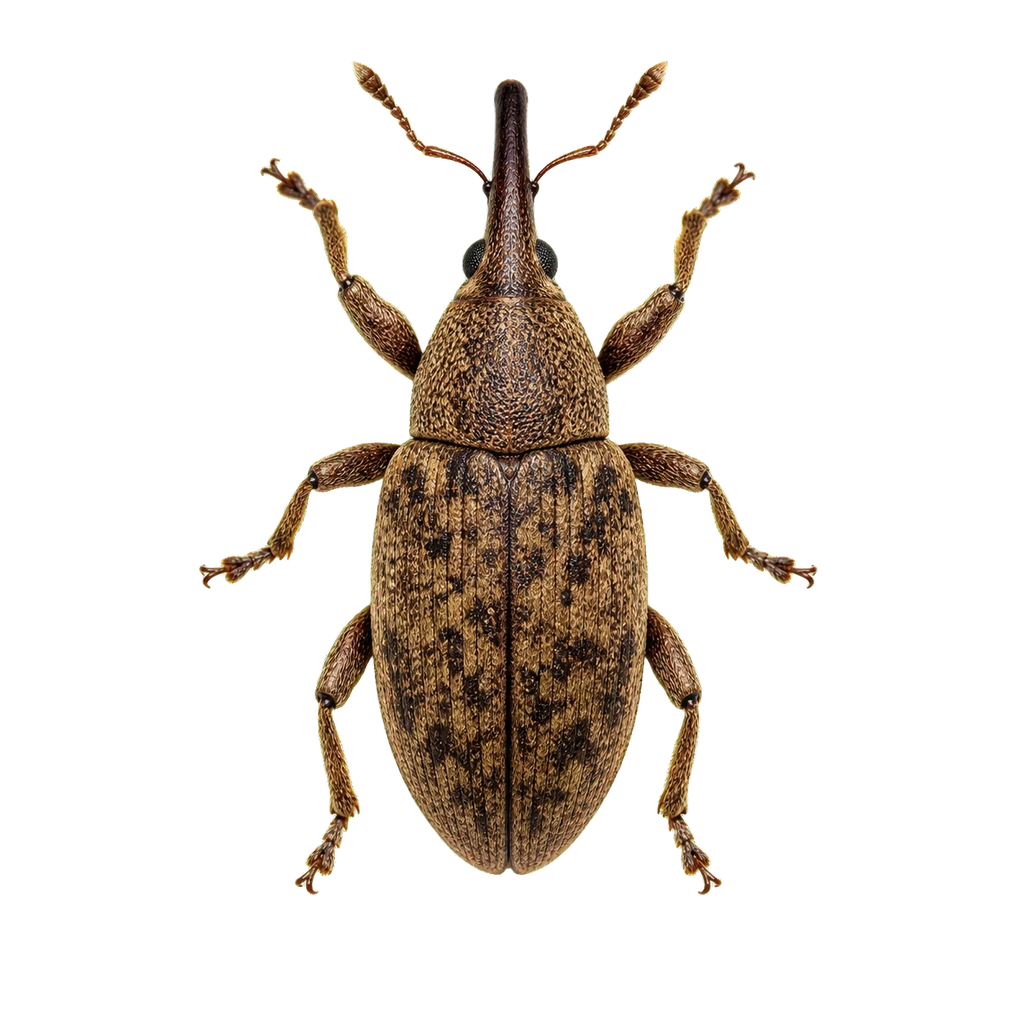 Weevils
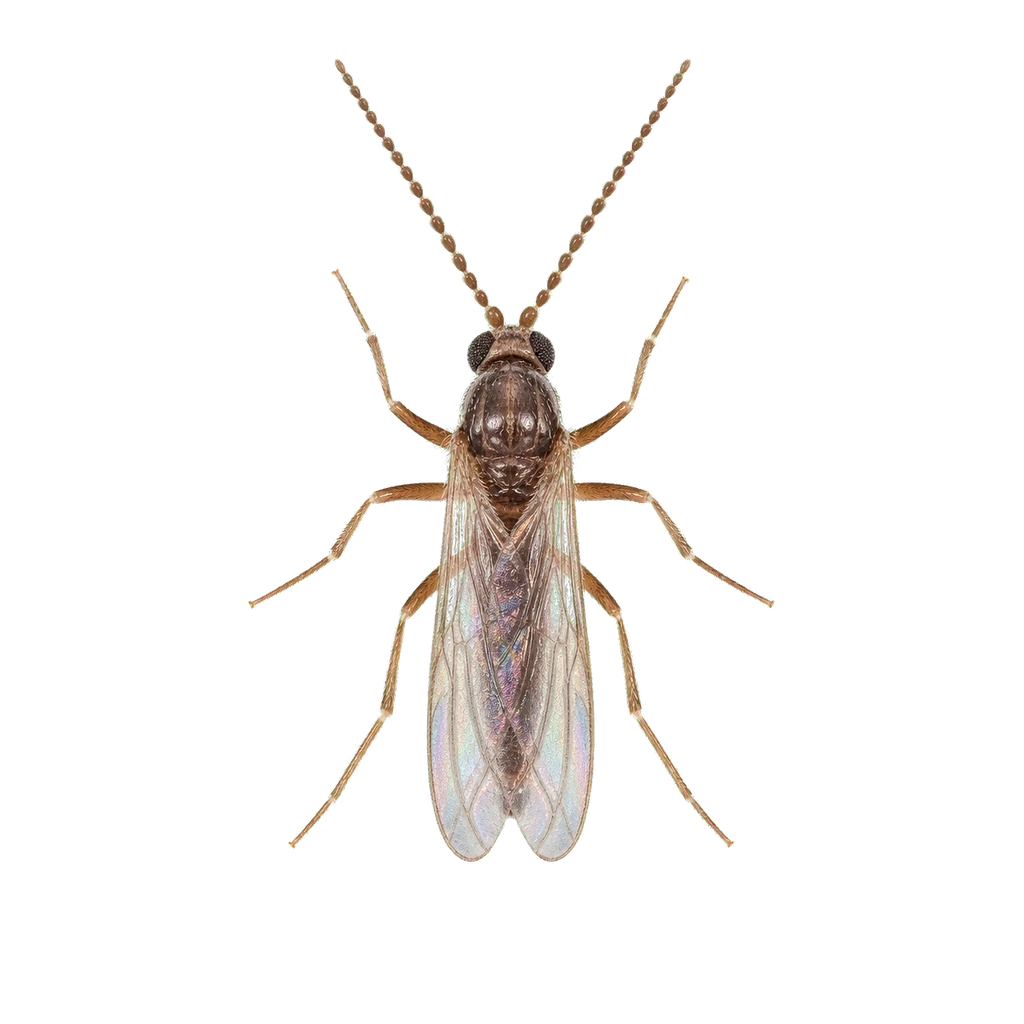 No-See-Ums
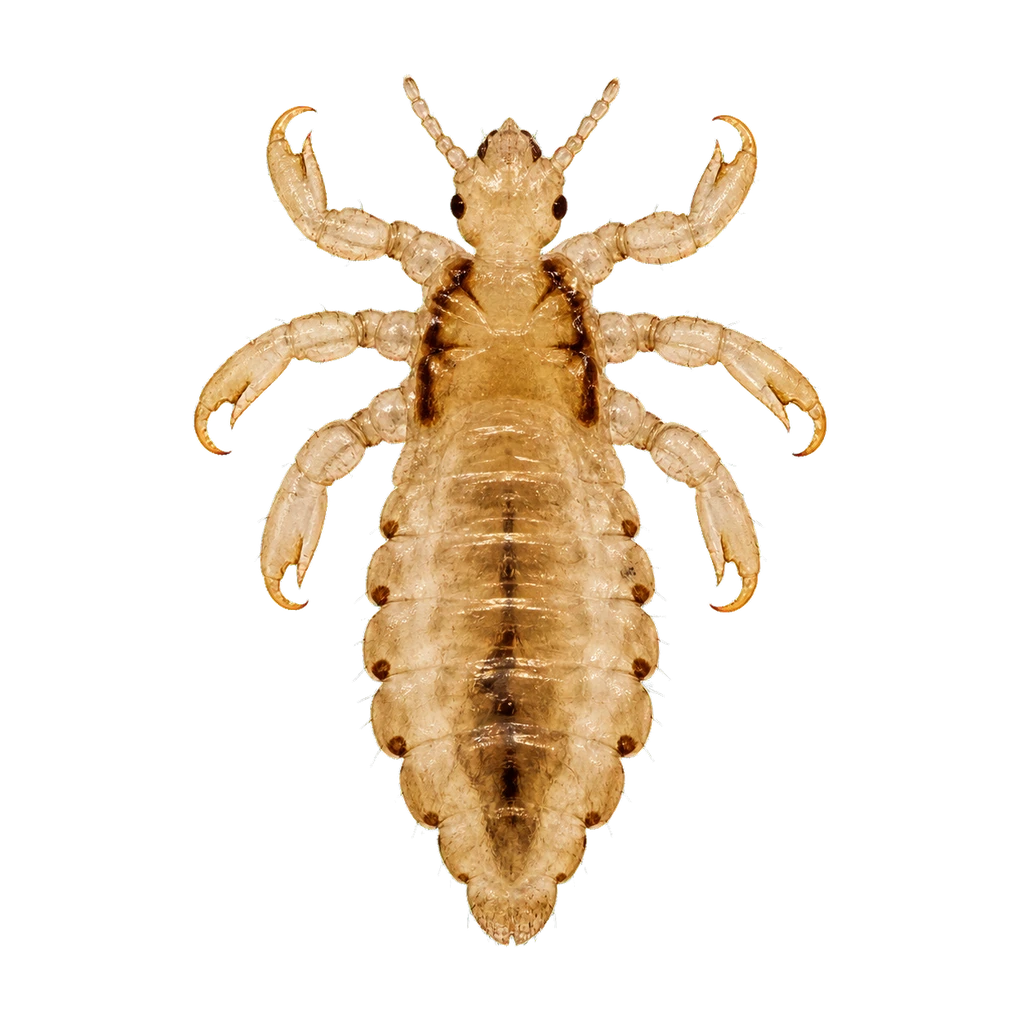 Lice
Lice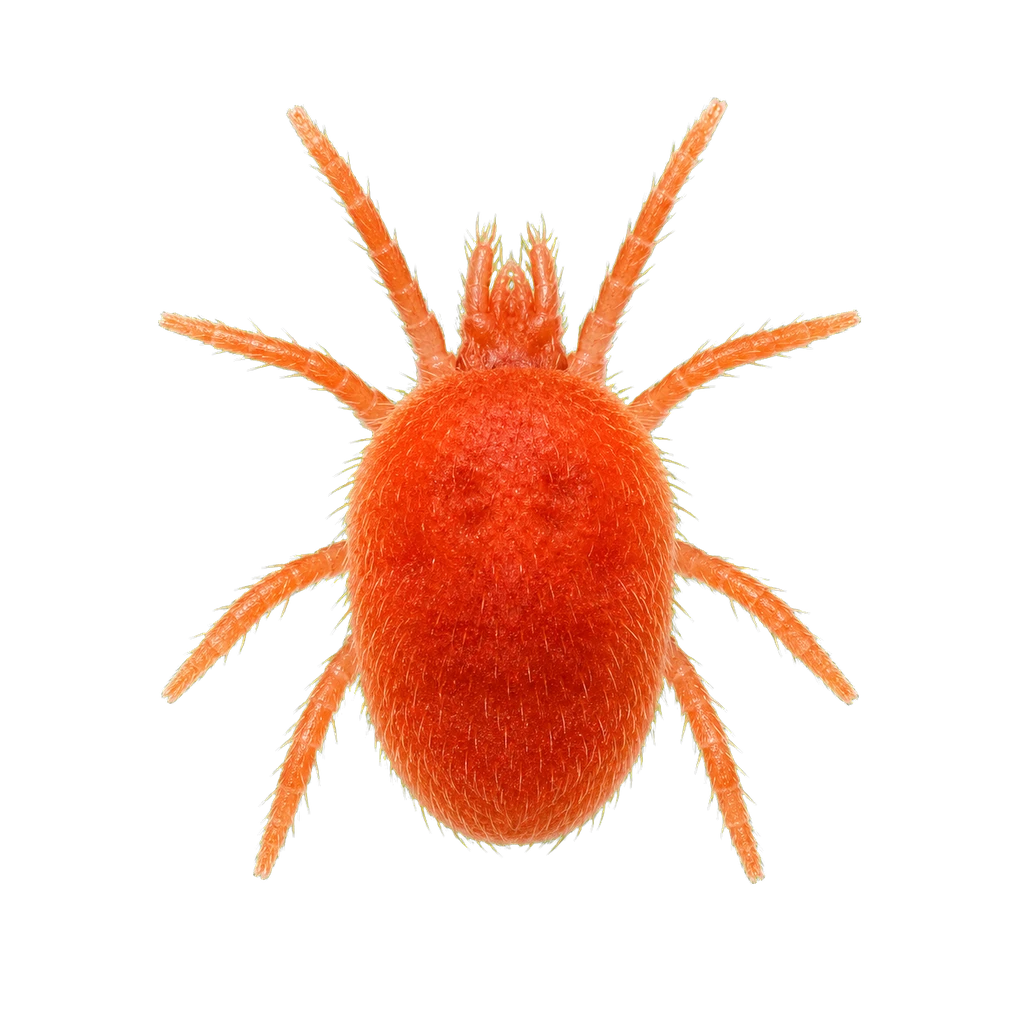 Chiggers
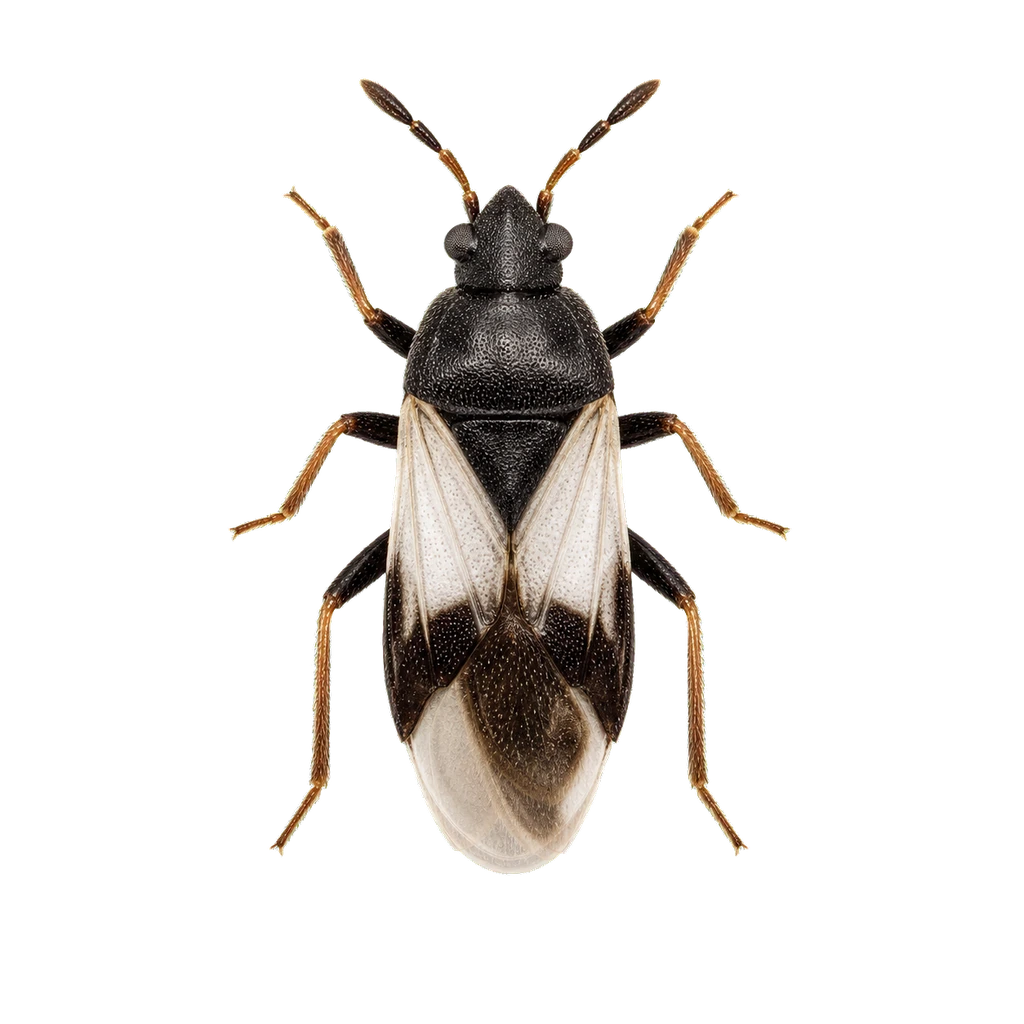 Chinch Bugs
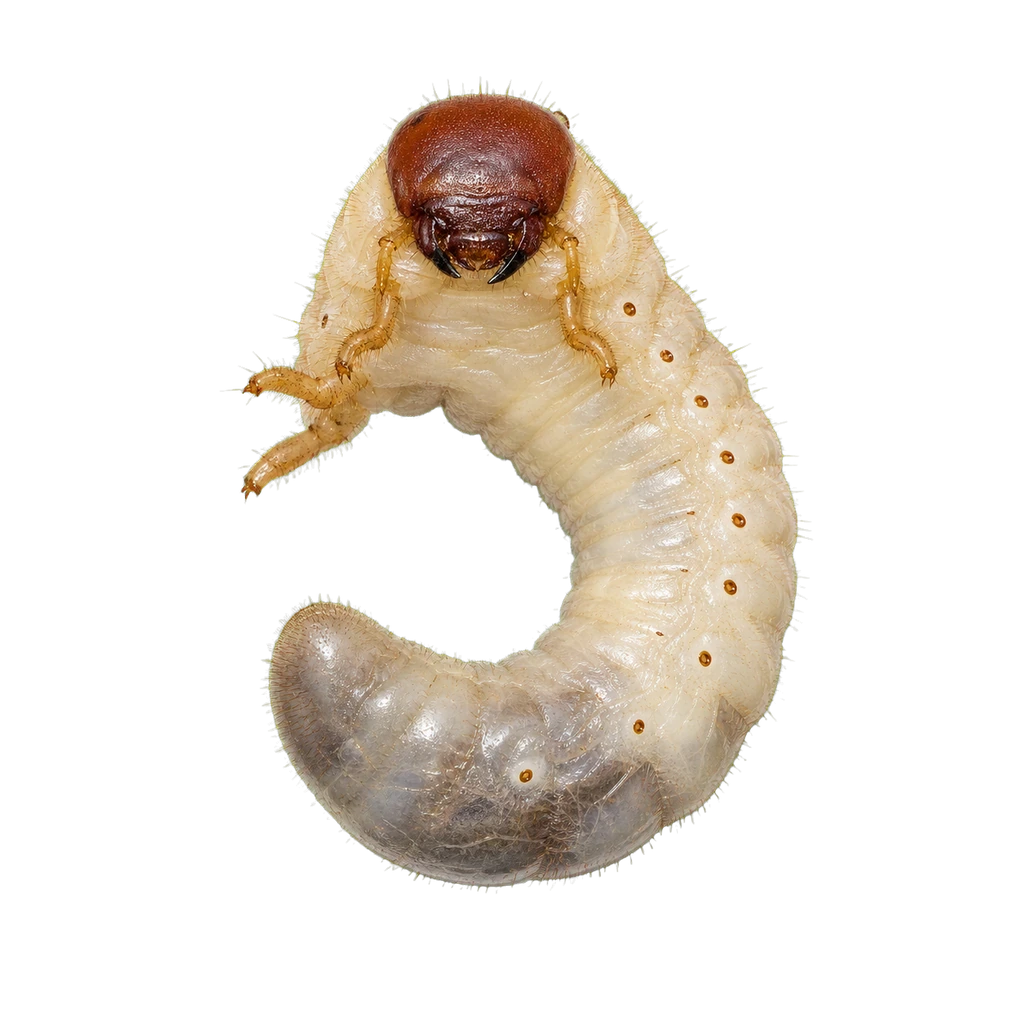 Grubs
Grubs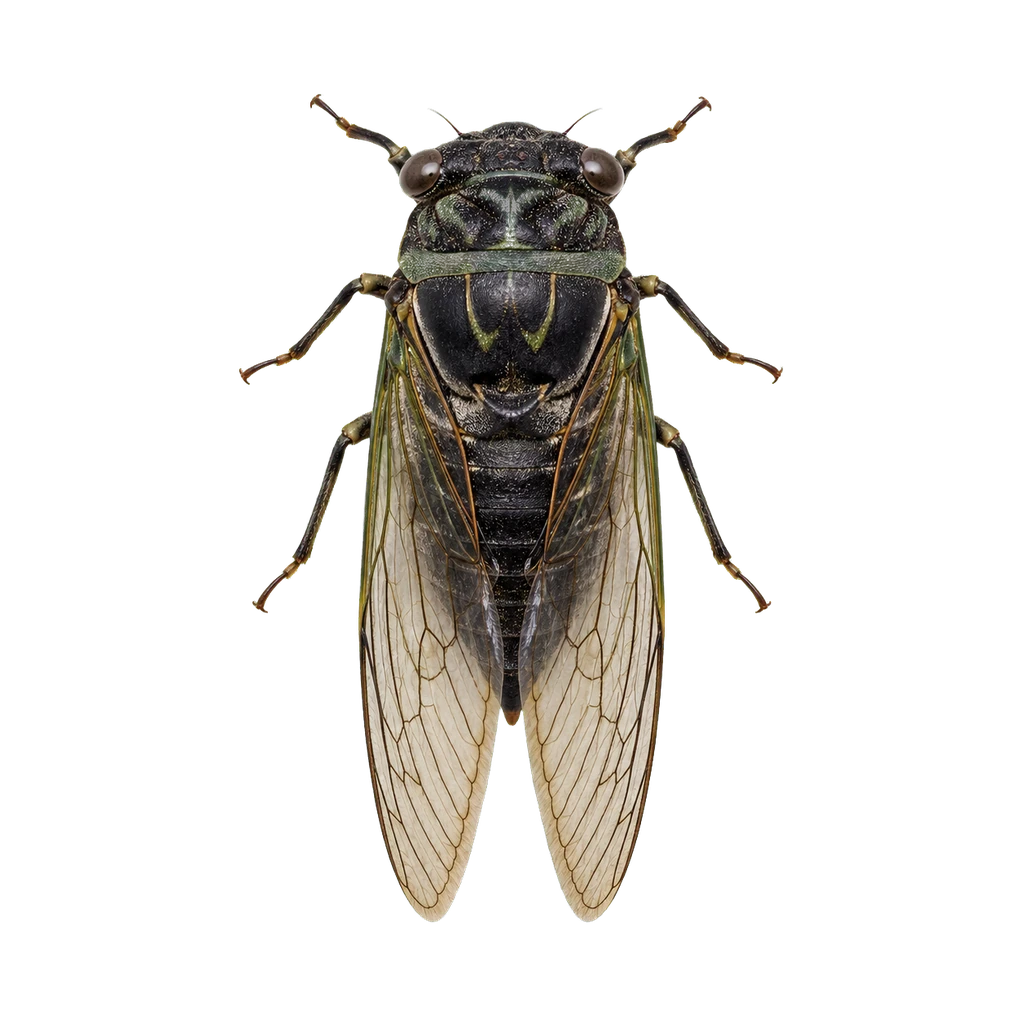 Cicadas
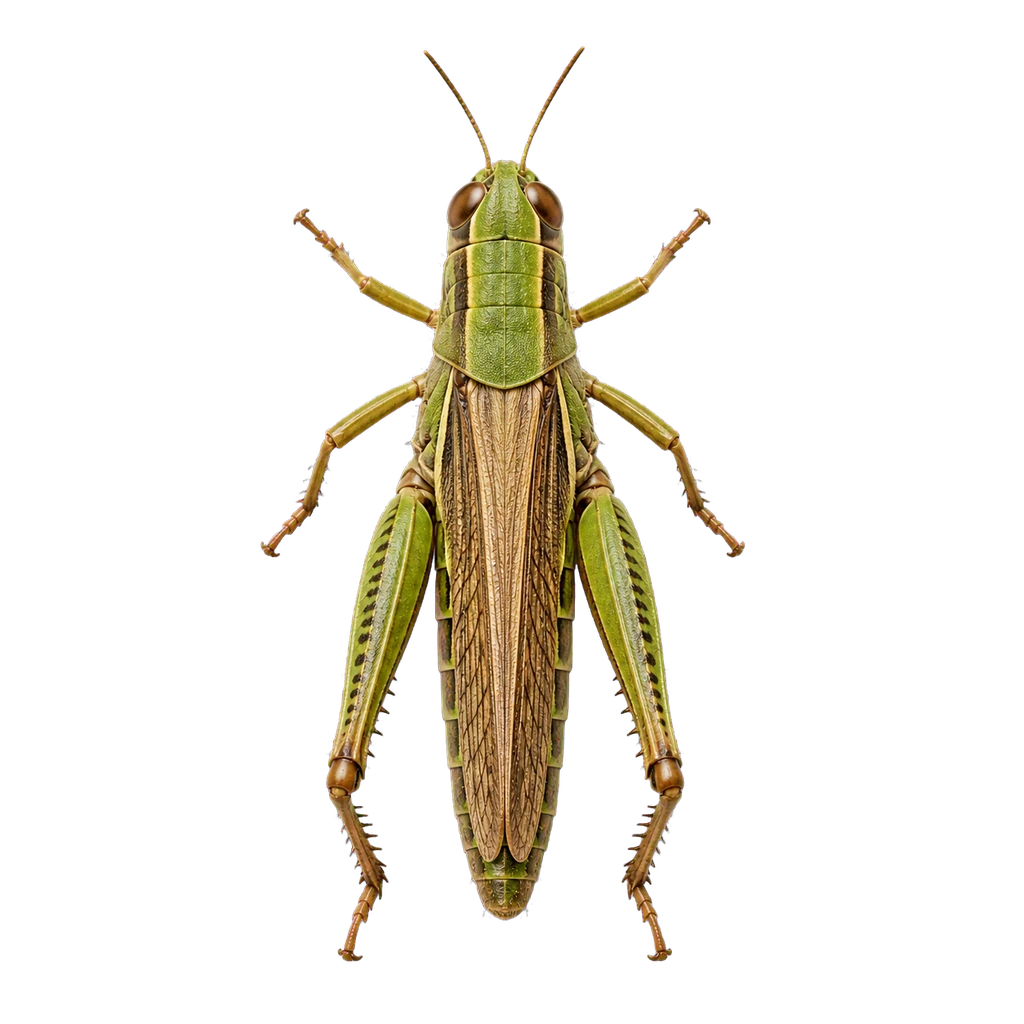 Grasshoppers
Talk to a local pest control pro today.
What's Happening Around Sensitive Households
Select what you're experiencing, we'll explain what's likely going on and how eco-friendly treatment addresses it.
- Local Pest Control
- 24/7 Availability
- Quality Workmanship
- Eco-Friendly Options
- Trusted by Homeowners


How Eco-Friendly Treatment Works
An IPM-based process that identifies the problem, treats it with low-impact methods, and removes the conditions that let pests come back.
- Step 1
Inspection & Identification
A technician identifies the pest species, gauges activity levels, and pinpoints the environmental conditions feeding the problem (moisture sources, food access, and harborage areas).
Correct identification is non-negotiable for eco-friendly work. Different pests respond to different low-impact products, so a wrong call wastes time and lets activity continue.
- Step 2
IPM Treatment Plan
Your technician builds an Integrated Pest Management plan that pairs targeted treatment with habitat modification: botanical, mineral, and biological products are chosen first, with stronger options held in reserve only if escalation is needed.
You see exactly what products are going down, why they were selected, and how they fit with kids, pets, or sensitivities in the home before any application starts.
- Step 3
Targeted Application
Product is placed precisely where pests are active (cracks, voids, harborage, and runways) instead of being broadcast across living spaces. Less product, lower household exposure, more impact where it counts.
Habitat fixes are part of the visit too: moisture reduction, food-source removal, and small exclusion repairs that take the conditions sustaining the population off the table.
- Step 4
Monitoring & Prevention
Eco-friendly work pays off when it's ongoing, not a one-shot. We set up simple monitors so you can track results and we provide a short list of habits that keep pressure low between visits.
Follow-up visits adjust the plan as seasons change so the strategy stays matched to the pests actually showing up.
What Low-Impact Treatment Changes
Eco-friendly treatments offer homeowners effective pest control without the concerns that come with conventional chemical applications.
| What changes | DIY | With a Pro |
|---|---|---|
| Products | Whatever's at the store | Botanical + mineral first |
| Targeting | Broadcast spray | Crack + crevice |
| Exposure | Heavy household exposure | Minimal residue |
| Plan | One-shot | IPM with habitat fixes |
-
Safer for Your Whole Household
Low-impact products and targeted application methods reduce exposure for children, pets, and household members with sensitivities.
-
Effective Without Harsh Chemicals
Professional-grade botanical and mineral-based products deliver real results against common pests, without the residues conventional treatments leave behind.
-
Addresses Root Causes
IPM doesn't just treat symptoms. It identifies the conditions sustaining pest activity and modifies them, reducing the need for repeated treatments over time.
-
Protects Your Outdoor Environment
Targeted application and product selection protect pollinators, beneficial insects, and soil health on your property.
-
Transparent Product Information
You'll know what products are being used, their active ingredients, and their safety profiles, so you can make informed decisions about your home.
Why Retail Natural Products Often Disappoint
Retail "natural" pest products range from essential oil sprays to diatomaceous earth to ultrasonic plug-ins. Most are either too diluted to control an active infestation or applied incorrectly, providing the illusion of treatment while the pest population grows unchecked.
Professional eco-friendly treatment uses commercial-grade botanical and mineral-based products at effective concentrations, applied by trained technicians who know where pests harbor, breed, and enter. The difference between retail and professional isn't just potency, it's precision.
More importantly, professional eco-friendly service includes the IPM framework that retail products lack, identifying root causes, modifying habitats, and monitoring results. That integrated approach is what turns a single treatment into ongoing pest management.
Pests Eco-Friendly Treatment Targets
Eco-friendly treatment is effective against a wide range of common household and outdoor pests. If your pest isn't listed here, call us and we'll recommend the right low-impact approach.
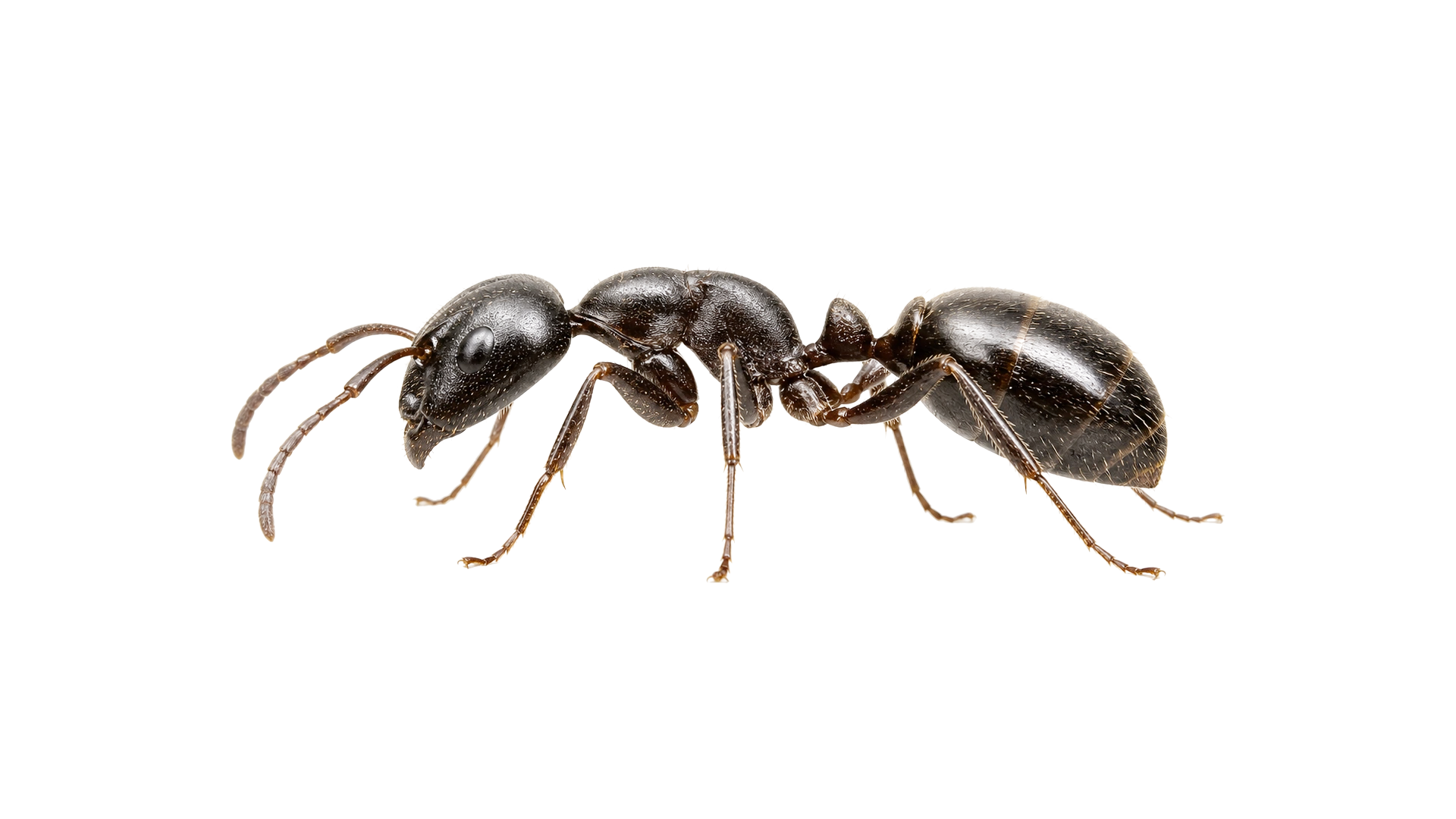
Ants
Ant colonies respond well to targeted baiting and botanical barrier treatments that disrupt foraging trails without broad chemical application. Eco-friendly ant management combines precise product placement with moisture and food-source reduction to break the cycle naturally.
Questions About Eco-Friendly Treatments
Answers to help you decide if eco-friendly treatment is right for your household.
-
What are eco-friendly pest control treatments? Toggle answer for: What are eco-friendly pest control treatments?
Eco-friendly pest control uses low-impact methods to manage pests while minimizing effects on people, pets, and the environment. This includes Integrated Pest Management (IPM) strategies, botanical-based products, targeted applications, and habitat modification. The goal is effective control with the smallest footprint possible.
-
How does eco-friendly treatment work and how long does it take? Toggle answer for: How does eco-friendly treatment work and how long does it take?
The process starts with a thorough inspection to identify the pest, locate activity areas, and understand what's driving the problem. Treatments are targeted rather than broad, applied only where needed using products selected for low environmental impact. Visit length is similar to conventional service, but the approach emphasizes precision and follow-up monitoring over blanket application.
-
Are eco-friendly treatments safe for children, pets, and sensitive individuals? Toggle answer for: Are eco-friendly treatments safe for children, pets, and sensitive individuals?
This is one of the primary advantages. Eco-friendly methods are specifically chosen for households with children, pets, or family members with chemical sensitivities or allergies. Products are selected for low toxicity, and application methods are designed to minimize exposure. Your technician will still provide any relevant safety guidelines for your specific treatment.
-
How effective is eco-friendly pest control compared to conventional treatment? Toggle answer for: How effective is eco-friendly pest control compared to conventional treatment?
Eco-friendly treatments using integrated pest management (IPM) are as effective as conventional methods for most residential pests, especially when paired with exclusion and source reduction. The main tradeoff is that eco-friendly programs emphasize long-term prevention over quick knockdown.
For homes with pets, kids, or chemical sensitivities, the slower-but-steady approach is usually worth it. Your provider will tell you honestly if an eco-friendly program fits your specific pest situation.
-
How do I know if eco-friendly treatment will work for my pest problem? Toggle answer for: How do I know if eco-friendly treatment will work for my pest problem?
Eco-friendly methods are effective for most common household pests including ants, cockroaches, spiders, and occasional invaders. For severe infestations or certain pests like termites, your provider may recommend combining eco-friendly approaches with more targeted solutions. An inspection will determine the most effective plan for your situation.
-
What if eco-friendly treatments aren't enough for my situation? Toggle answer for: What if eco-friendly treatments aren't enough for my situation?
If a low-impact approach isn't fully resolving the problem, your provider will discuss alternative options with you. In some cases, a combination of eco-friendly and conventional methods delivers the strongest results. The goal is always effective control, and your provider will be transparent about what's working and what might need adjustment.
-
What is Integrated Pest Management (IPM) and how is it different? Toggle answer for: What is Integrated Pest Management (IPM) and how is it different?
IPM is a science-based approach that combines prevention, monitoring, and targeted treatment to manage pests with minimal chemical use. Instead of routine spraying, IPM identifies why pests are present (food sources, moisture, entry points) and addresses those root causes first. Chemical treatments are used only when necessary and selected for the lowest effective impact.
Local Coverage in Your State
Eco-friendly treatment providers are available across all 50 states. Select yours to get started.
- Alabama Tap to view →
- Alaska Tap to view →
- Arizona Tap to view →
- Arkansas Tap to view →
- California Tap to view →
- Colorado Tap to view →
- Connecticut Tap to view →
- Delaware Tap to view →
- Florida Tap to view →
- Georgia Tap to view →
- Hawaii Tap to view →
- Idaho Tap to view →
- Illinois Tap to view →
- Indiana Tap to view →
- Iowa Tap to view →
- Kansas Tap to view →
- Kentucky Tap to view →
- Louisiana Tap to view →
- Maine Tap to view →
- Maryland Tap to view →
- Massachusetts Tap to view →
- Michigan Tap to view →
- Minnesota Tap to view →
- Mississippi Tap to view →
- Missouri Tap to view →
- Montana Tap to view →
- Nebraska Tap to view →
- Nevada Tap to view →
- New Hampshire Tap to view →
- New Jersey Tap to view →
- New Mexico Tap to view →
- New York Tap to view →
- North Carolina Tap to view →
- North Dakota Tap to view →
- Ohio Tap to view →
- Oklahoma Tap to view →
- Oregon Tap to view →
- Pennsylvania Tap to view →
- Rhode Island Tap to view →
- South Carolina Tap to view →
- South Dakota Tap to view →
- Tennessee Tap to view →
- Texas Tap to view →
- Utah Tap to view →
- Vermont Tap to view →
- Virginia Tap to view →
- Washington Tap to view →
- West Virginia Tap to view →
- Wisconsin Tap to view →
- Wyoming Tap to view →
Eco-Friendly Treatment Pros serving your city, and nearby areas
Local providers using IPM and low-impact products that work around kids, pets, and the food in your kitchen. Get matched in one call.