
Talk to a local pest control pro today.
Exclusion & Sealing Services Near You
Serving your city, and surrounding areas.
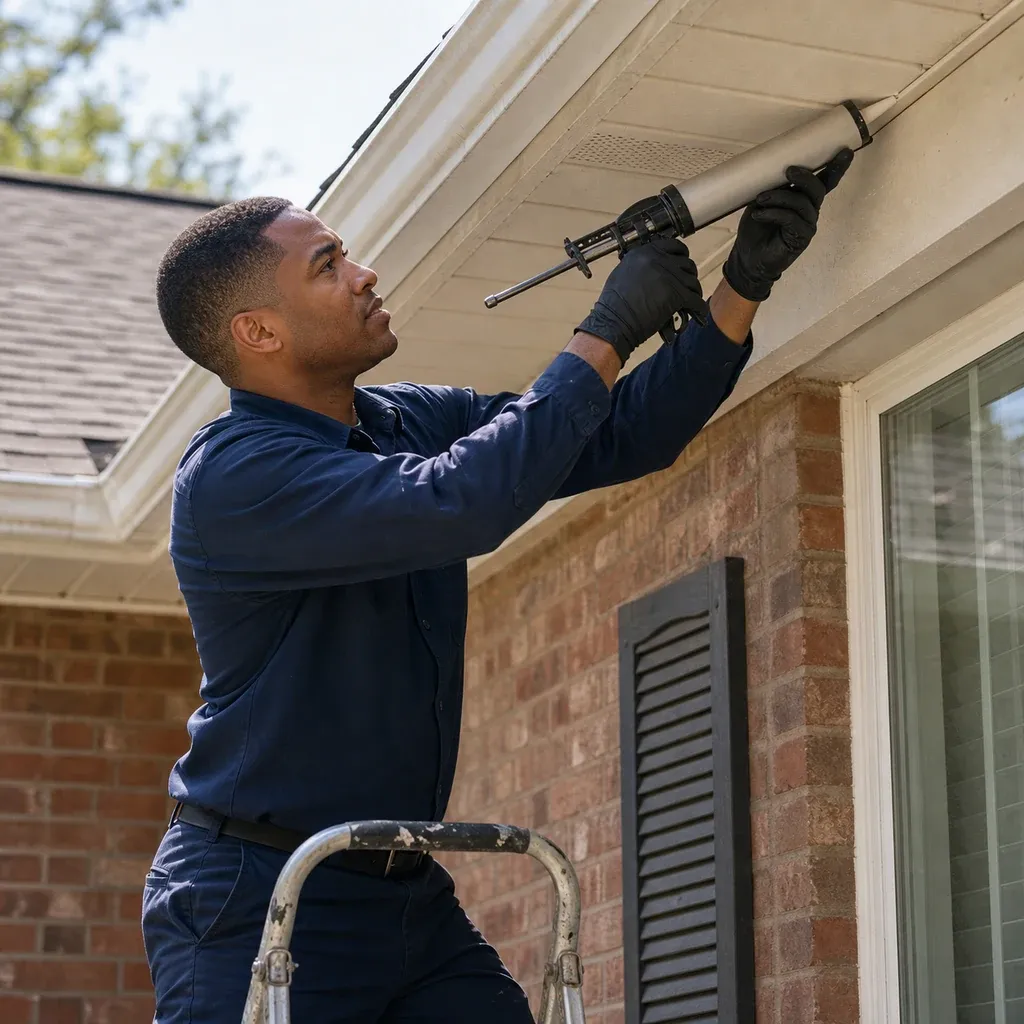
Exclusion and sealing addresses the root cause of pest problems, how they get in. Instead of treating pests after they've entered, this service focuses on identifying and closing the gaps, cracks, vents, and utility penetrations that give wildlife and insects access to your living spaces.
What to expect:
- Detailed inspection of your home's exterior and interior entry points
- Sealing of gaps around foundations, rooflines, and utility penetrations
- Exclusion materials installed at vents, soffits, and chimney caps
- Addresses wildlife, rodents, insects, and seasonal invaders
- Prevention-focused approach that reduces future pest activity
- Guidance on maintenance to keep exclusion work effective
Common pests this service covers
 Ants
Ants Cockroaches
 Mice
Mice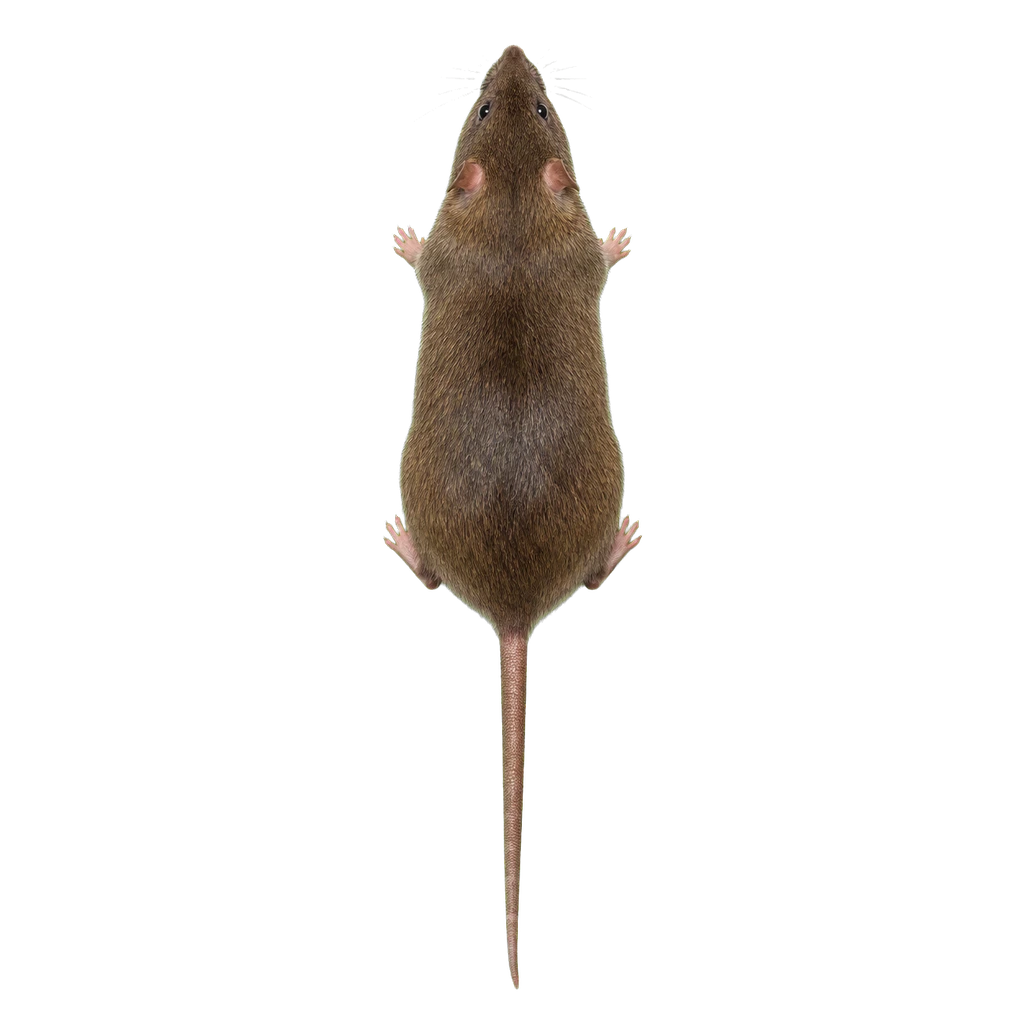 Rats
Rats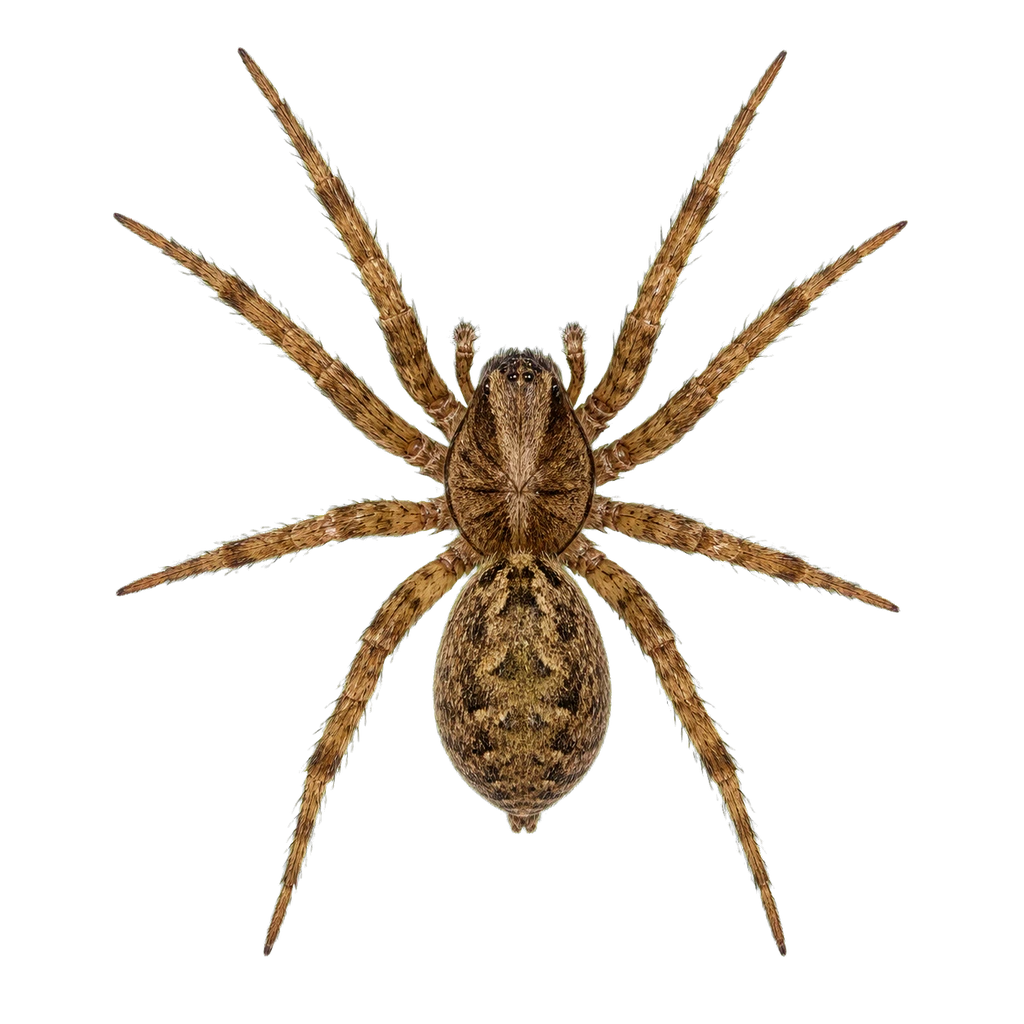 Spiders
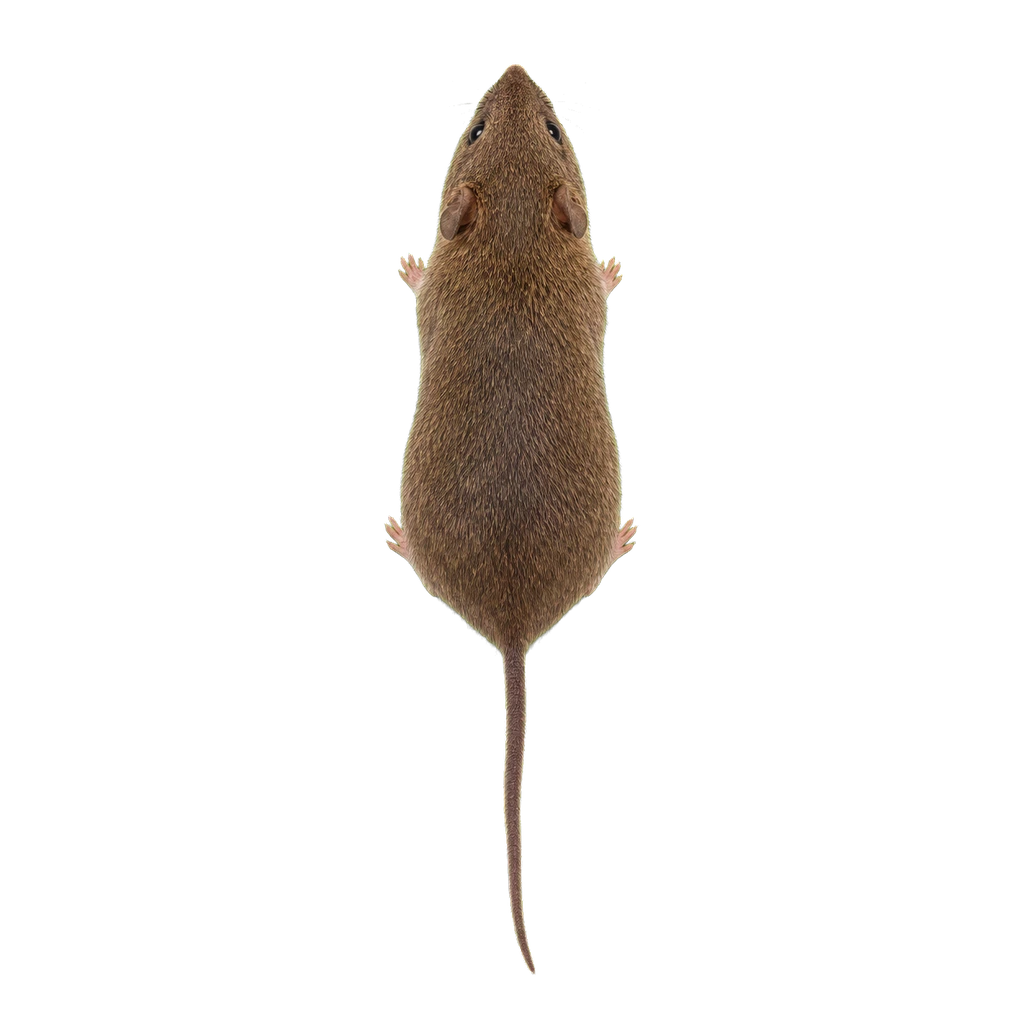 Rodents
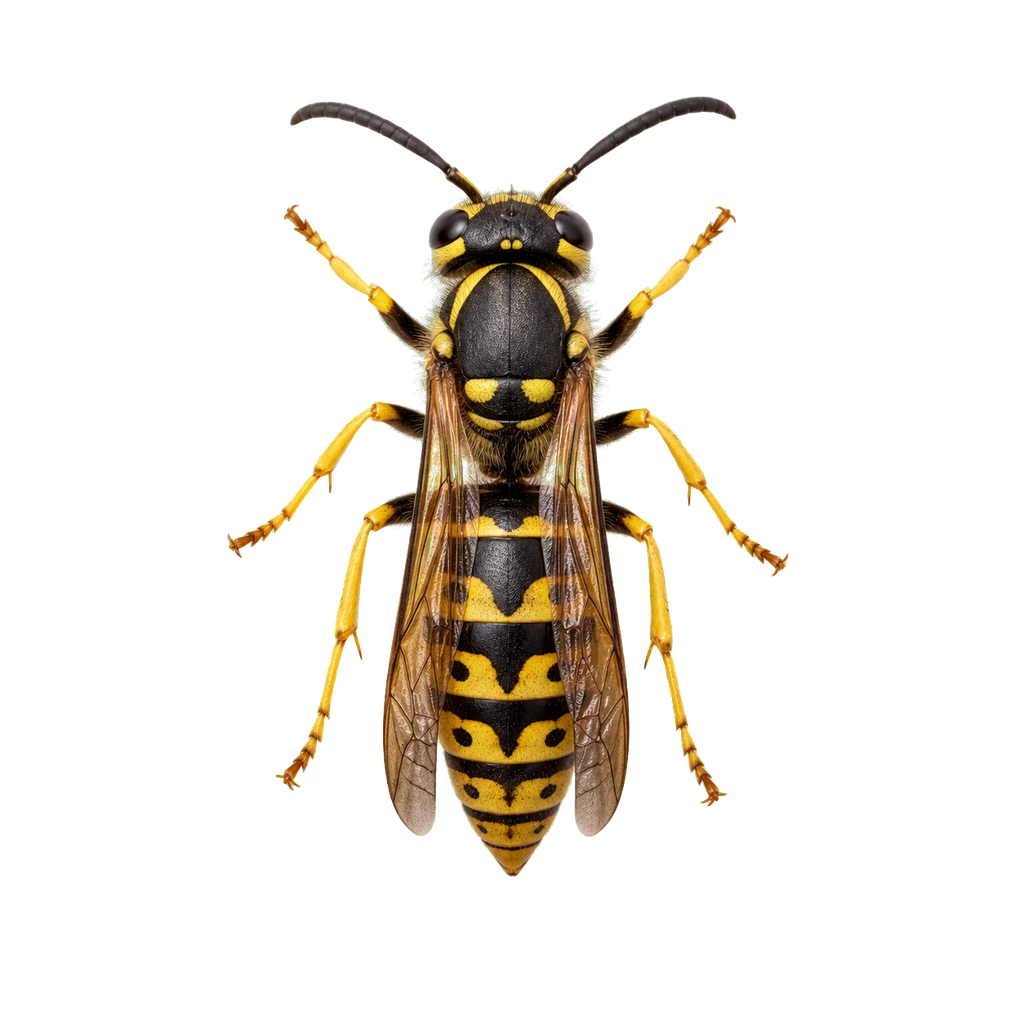 Wasps
Wasps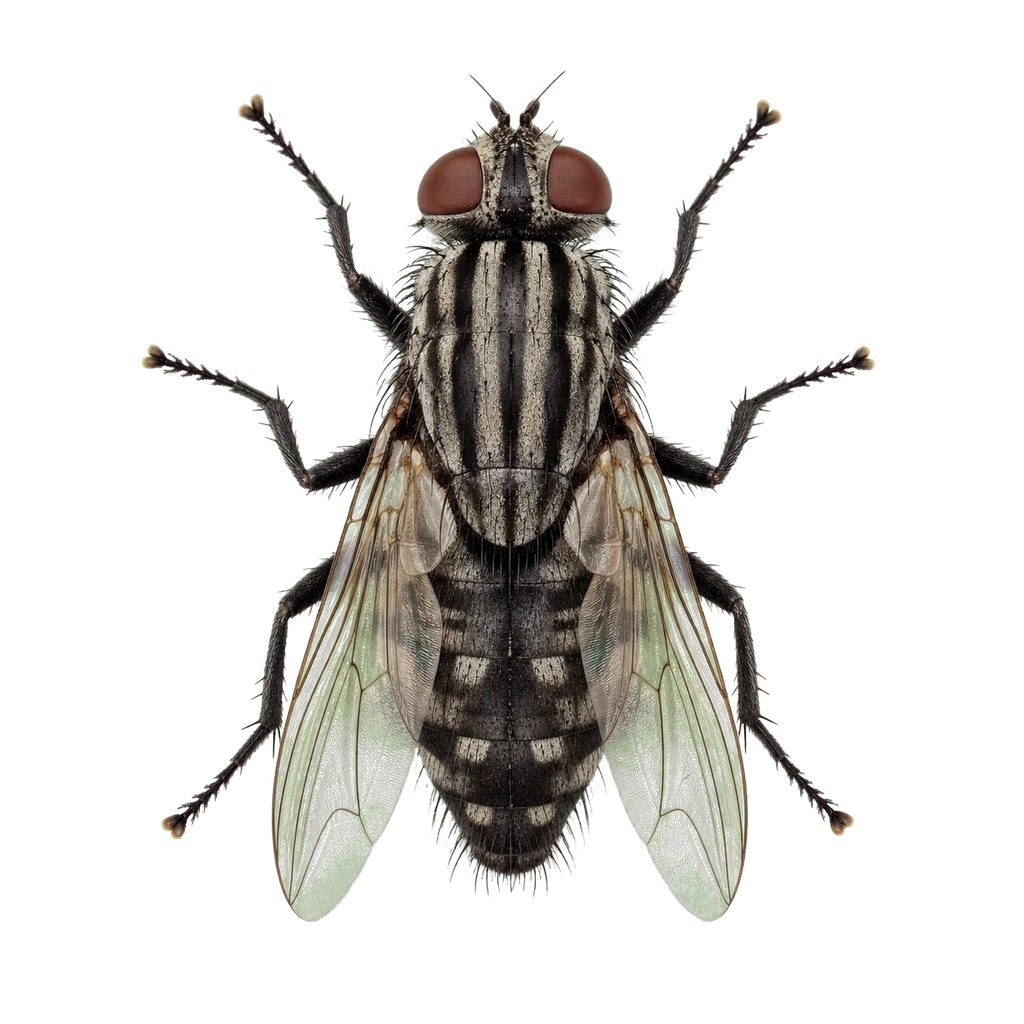 Flies
Flies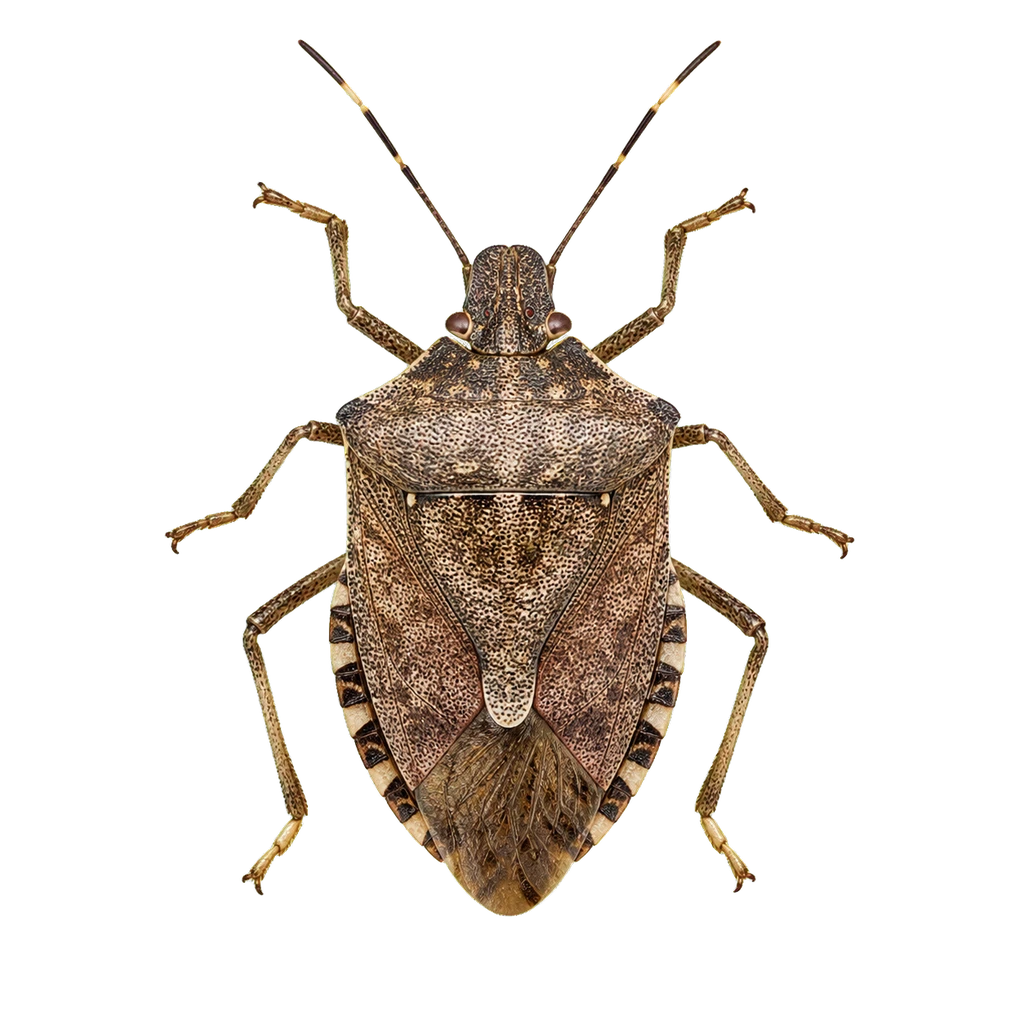 Stink Bugs
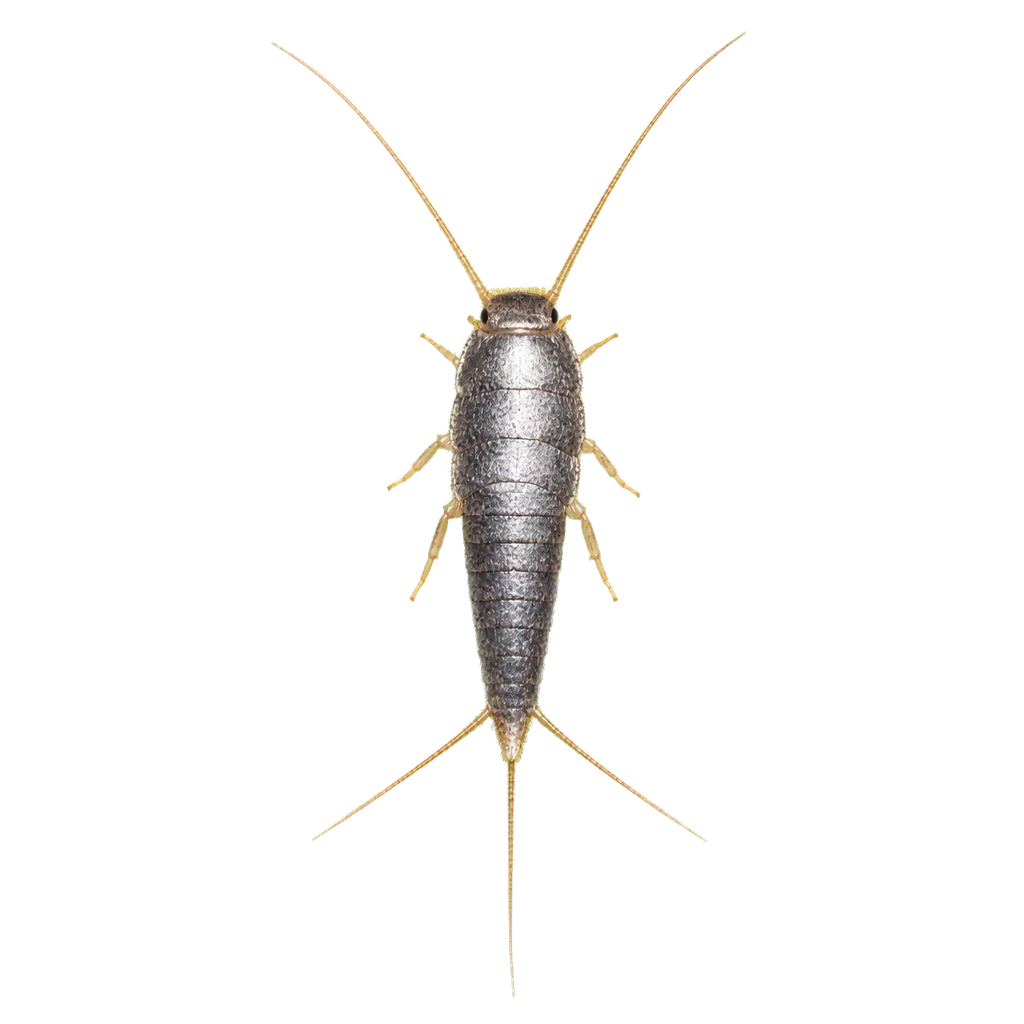 Silverfish
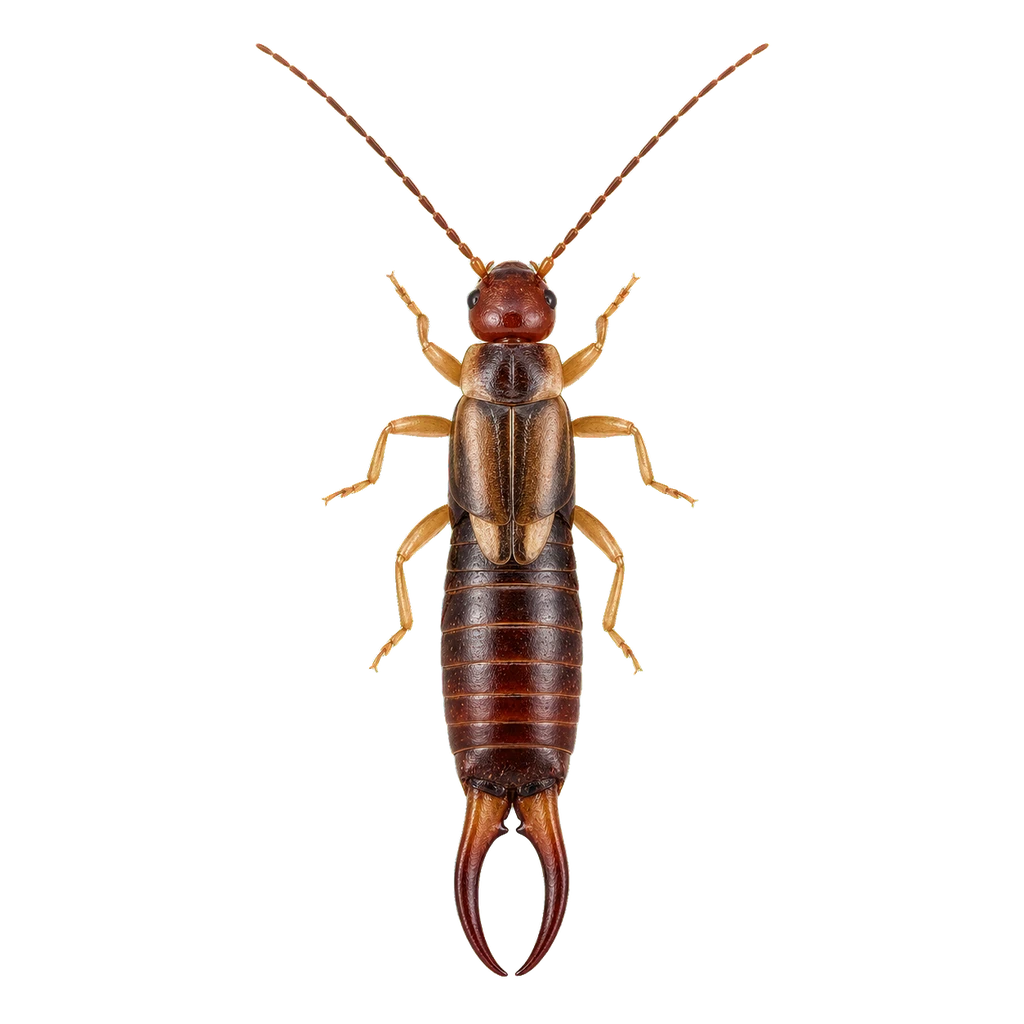 Earwigs
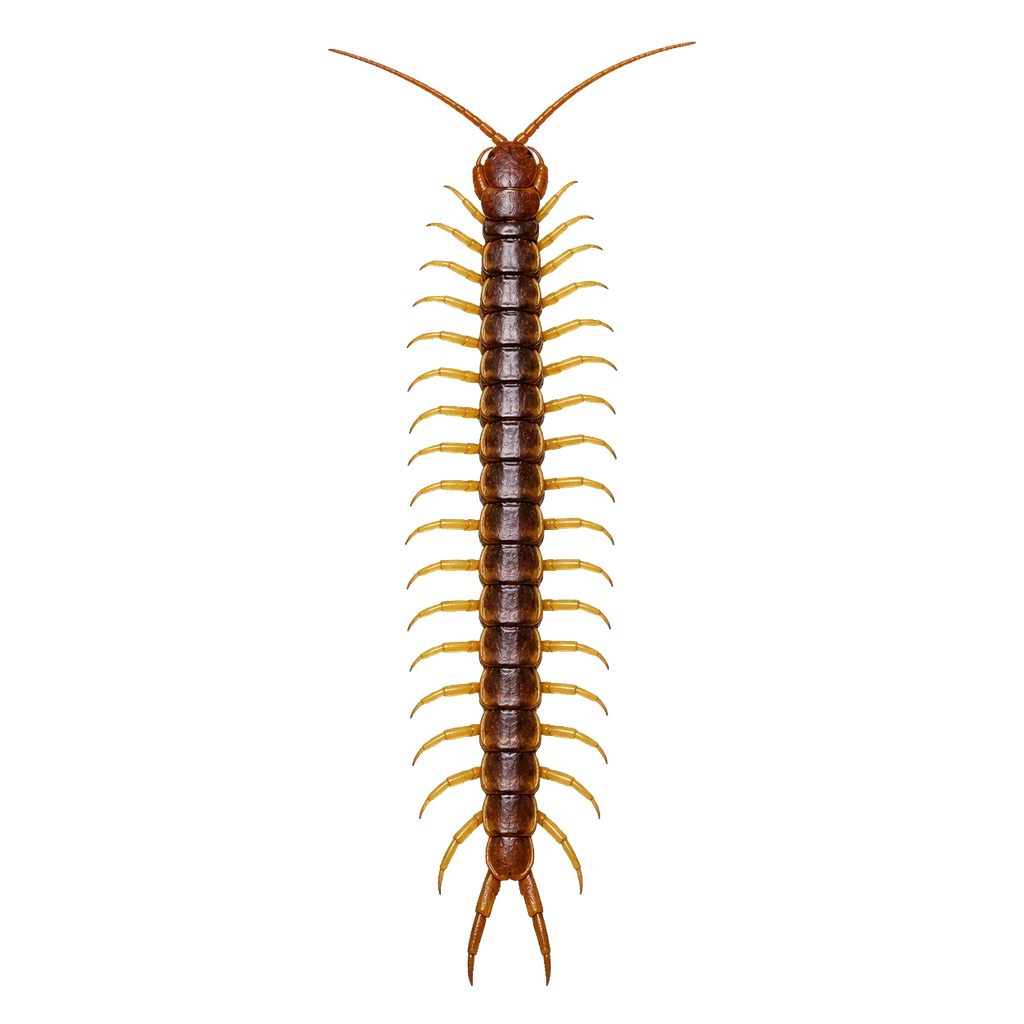 Centipedes
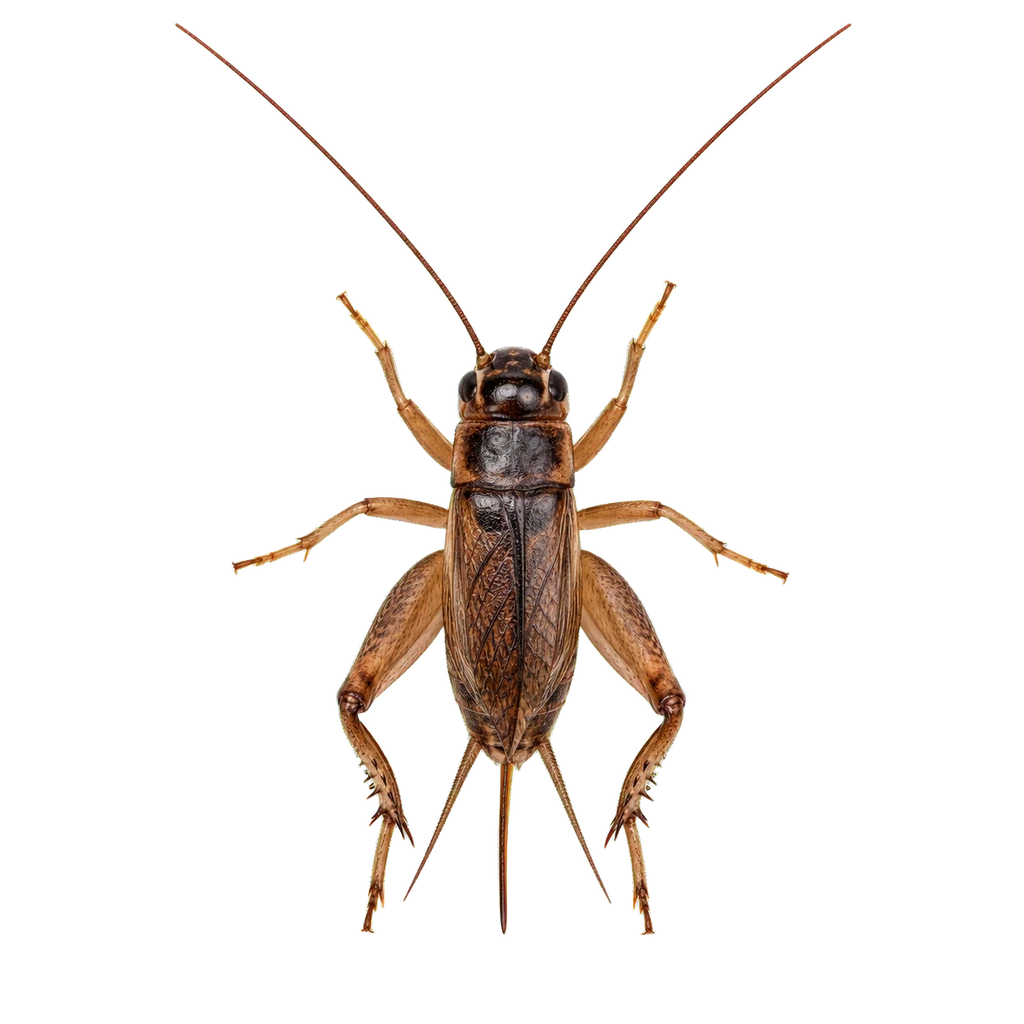 Crickets
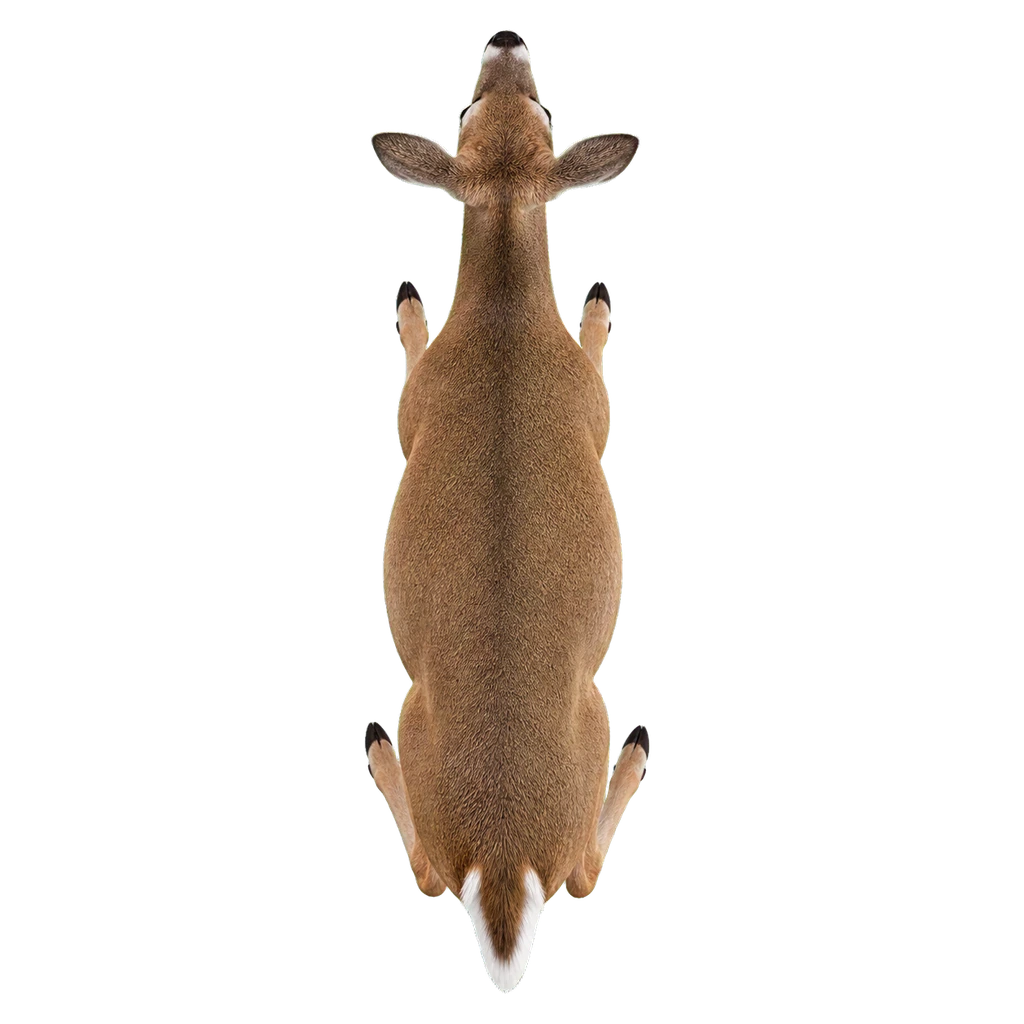 Deer
Deer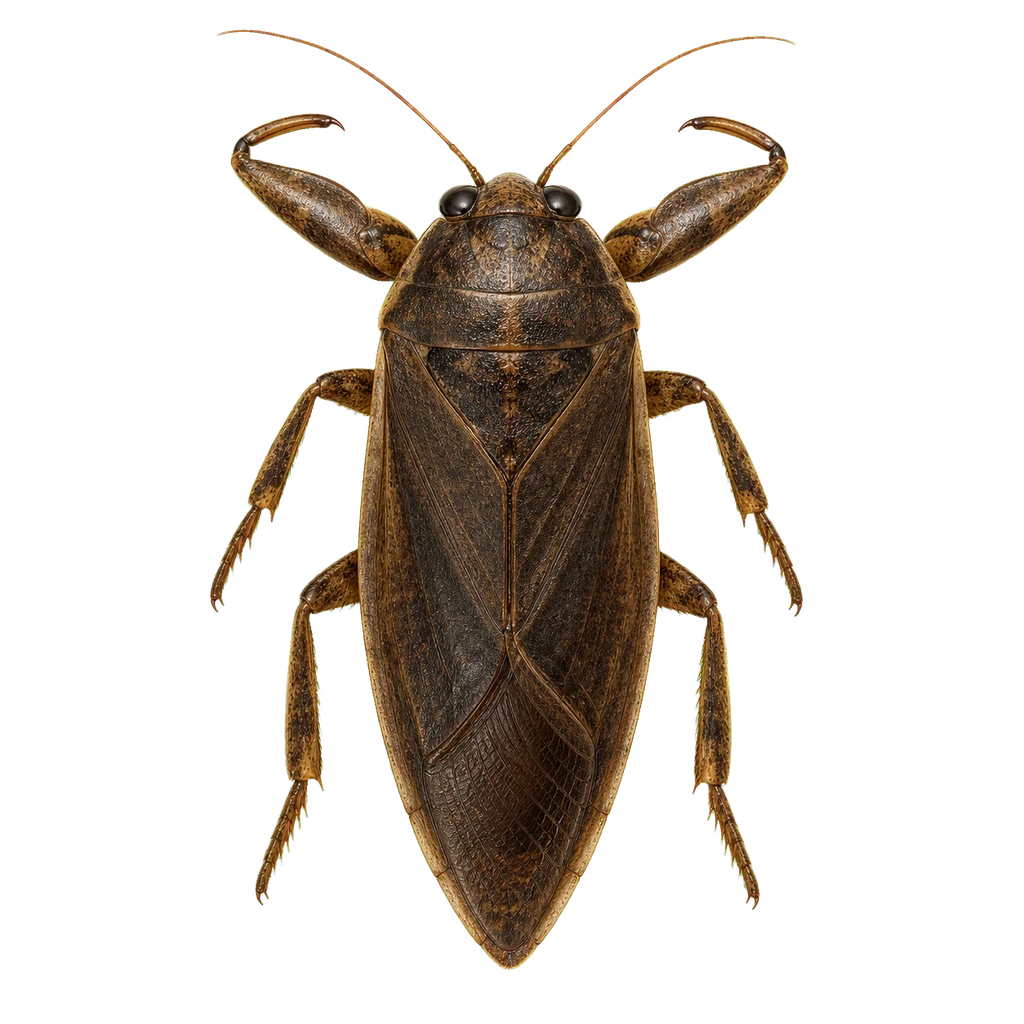 Waterbugs
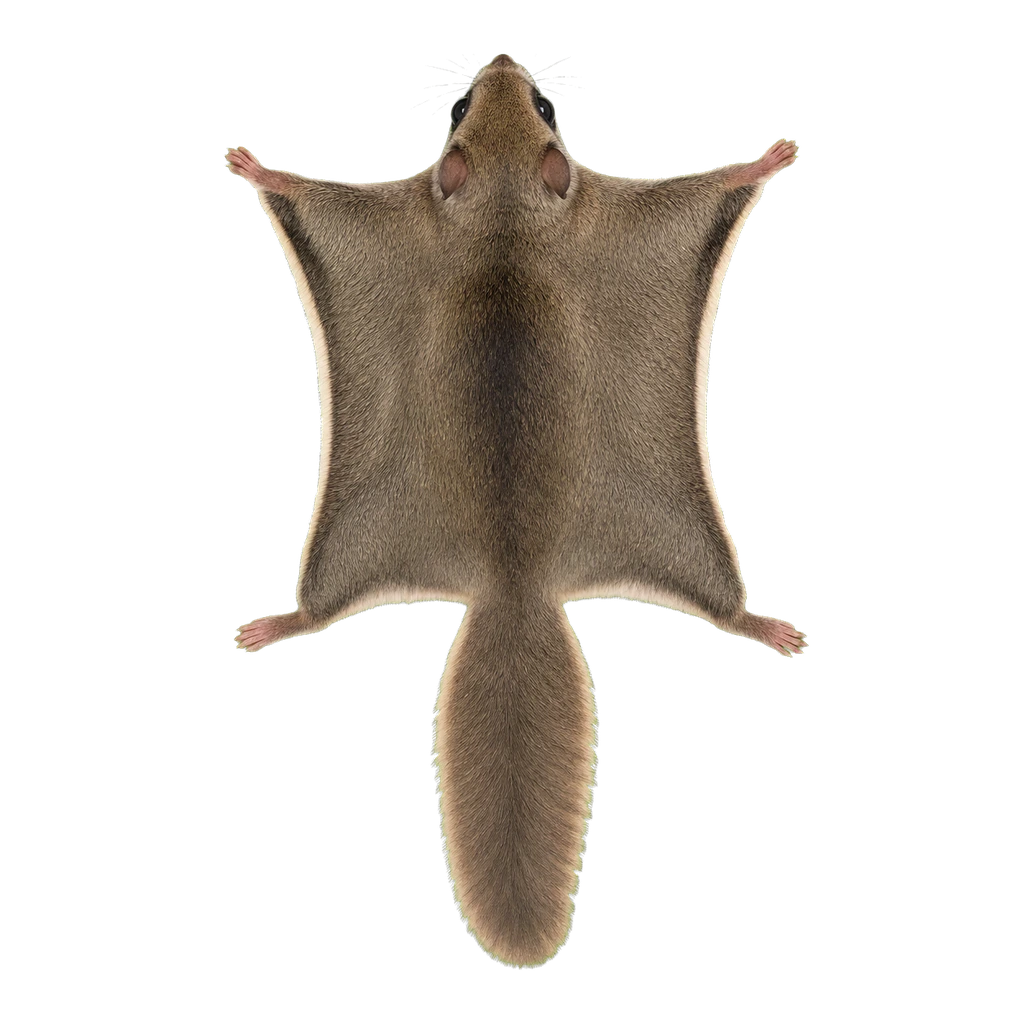 Flying Squirrels
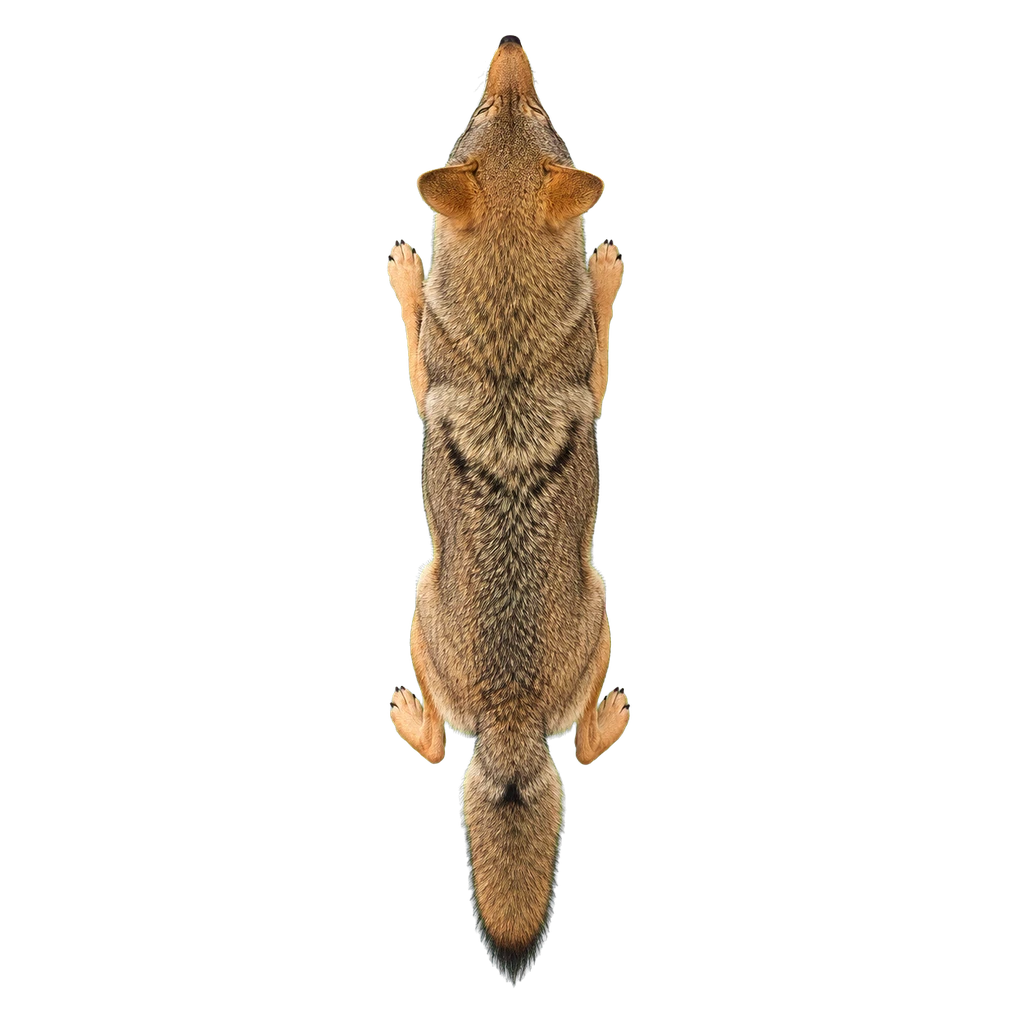 Coyotes
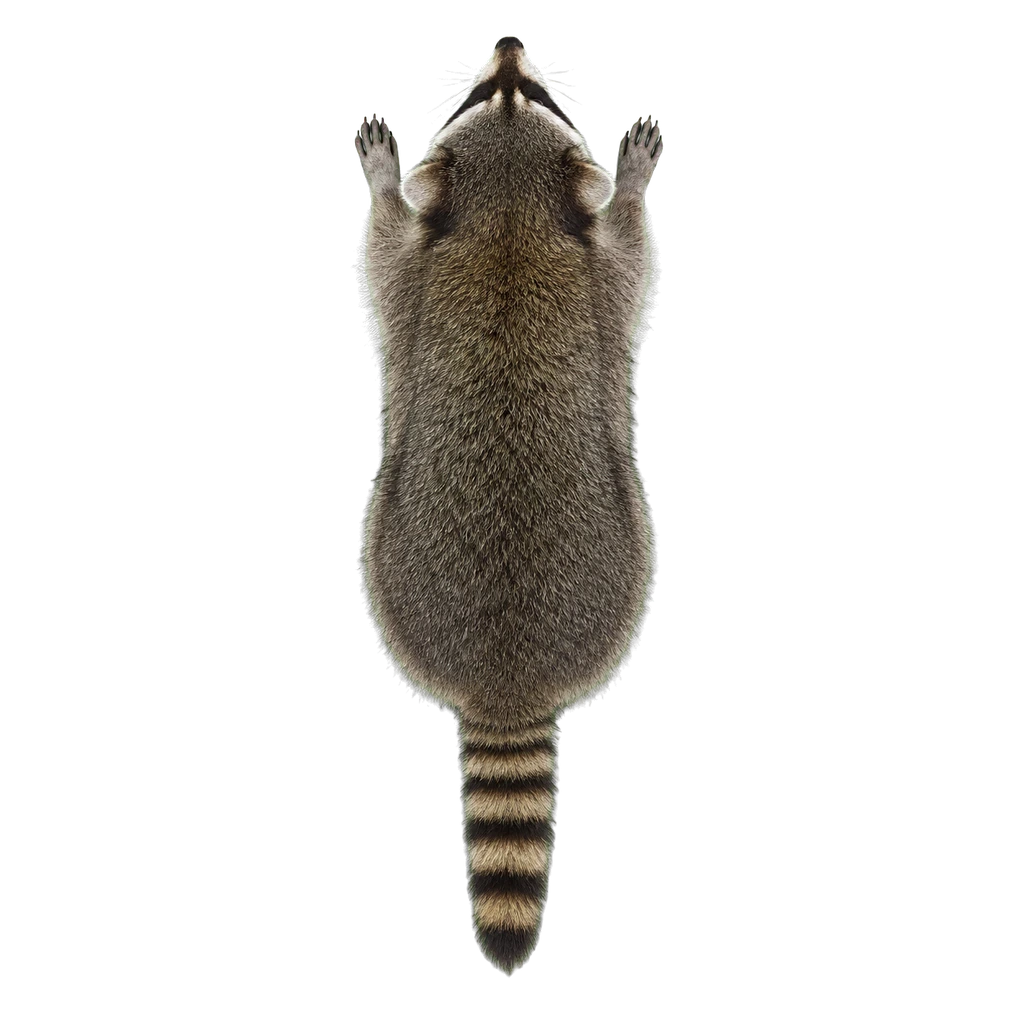 Raccoons
 Foxes
Foxes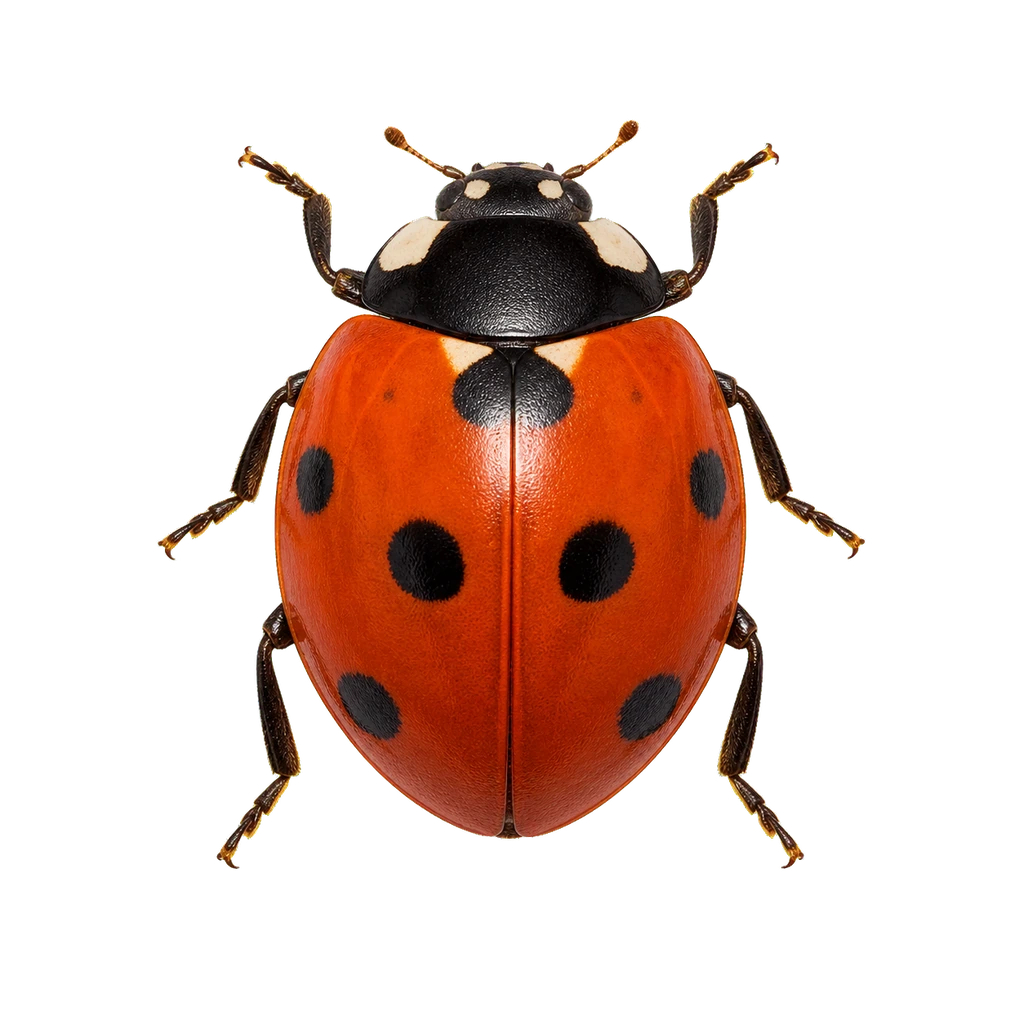 Ladybugs
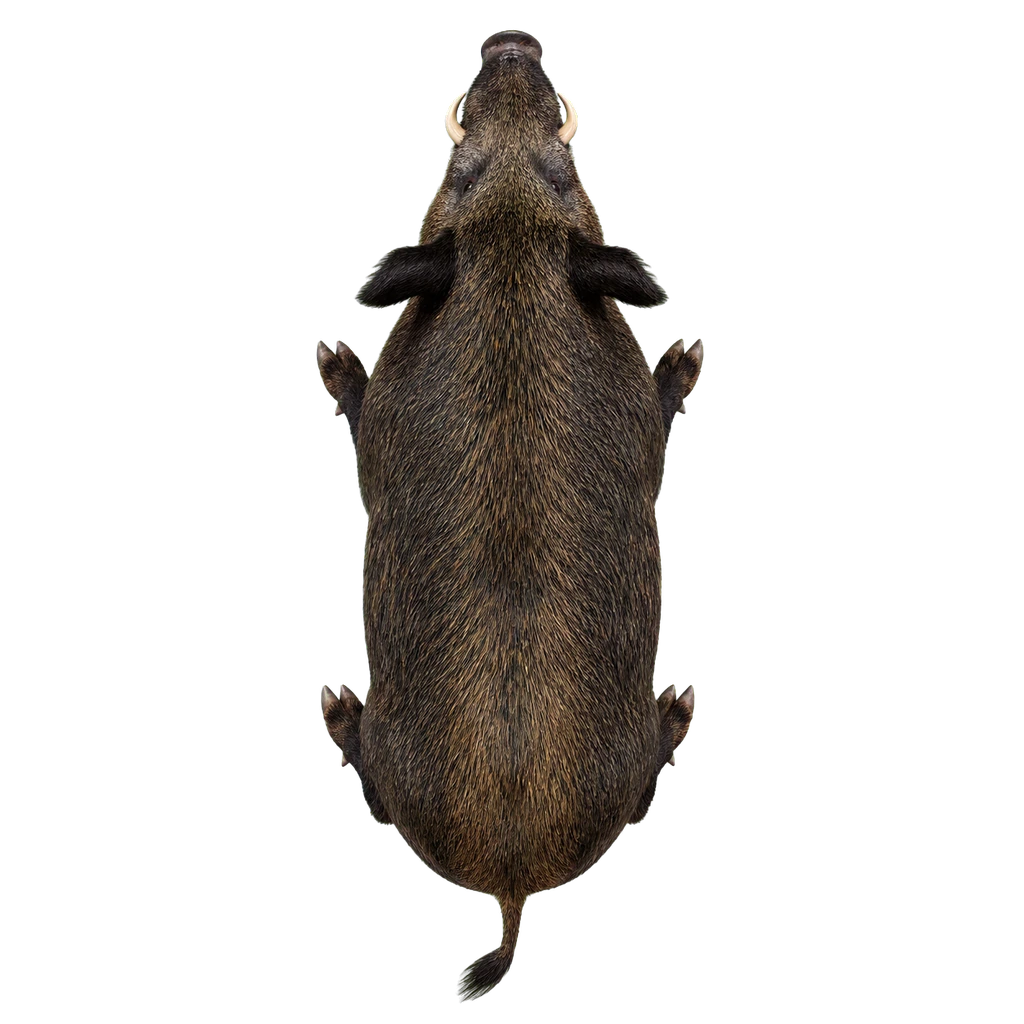 Feral Hogs
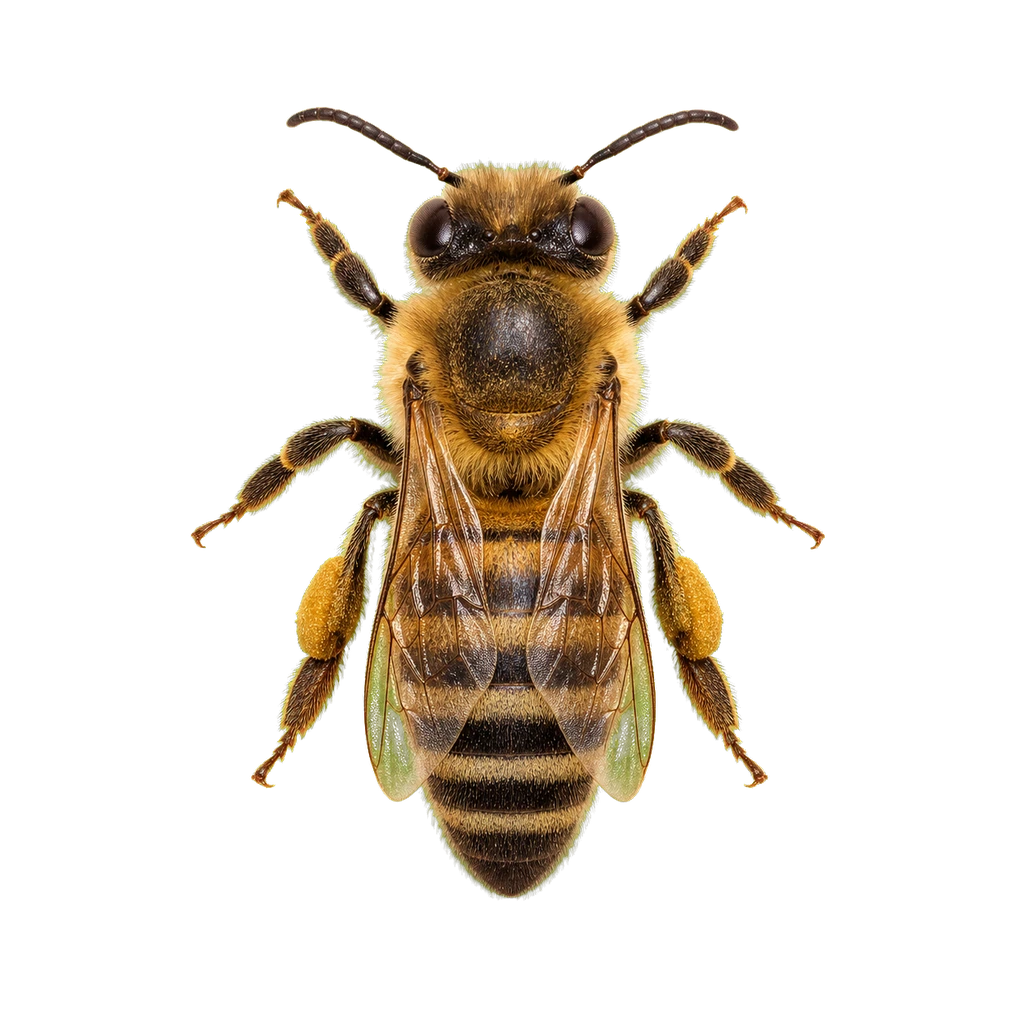 Bees
Bees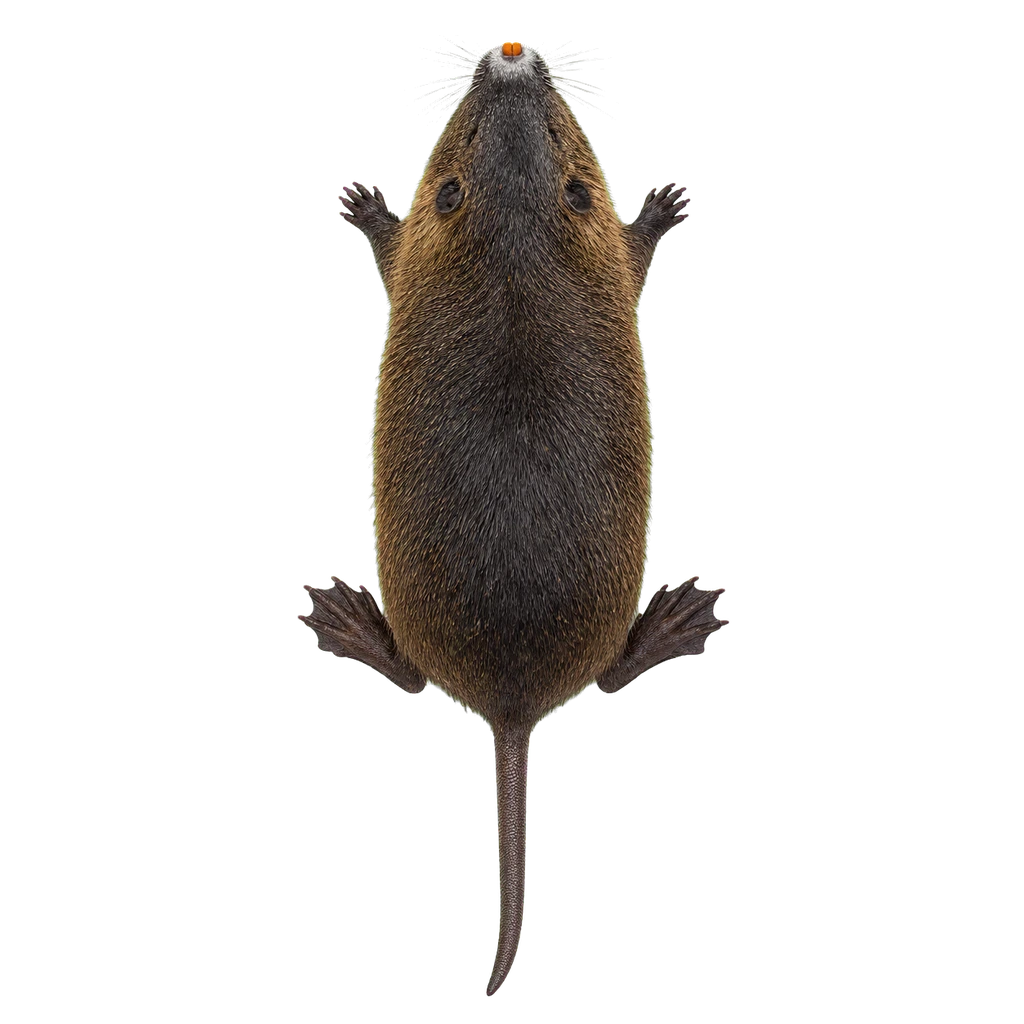 Nutria
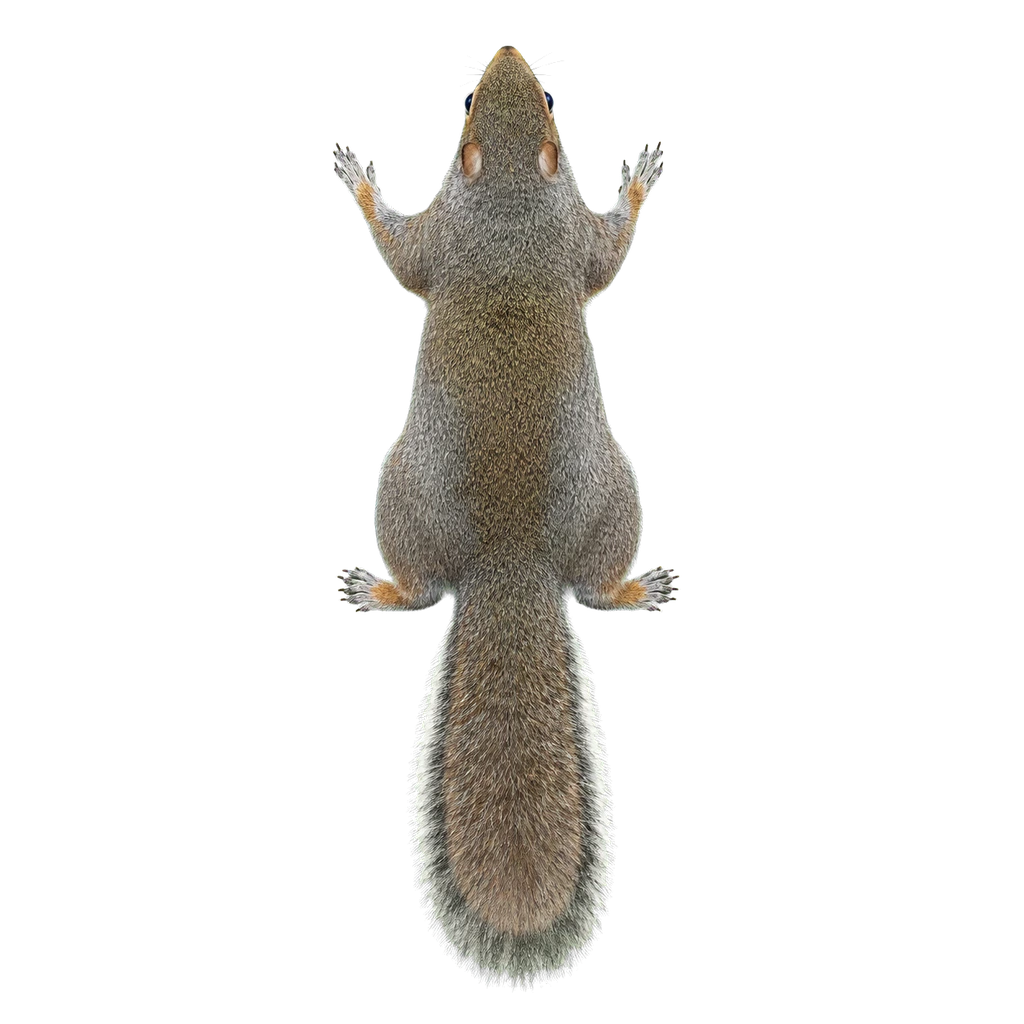 Squirrels
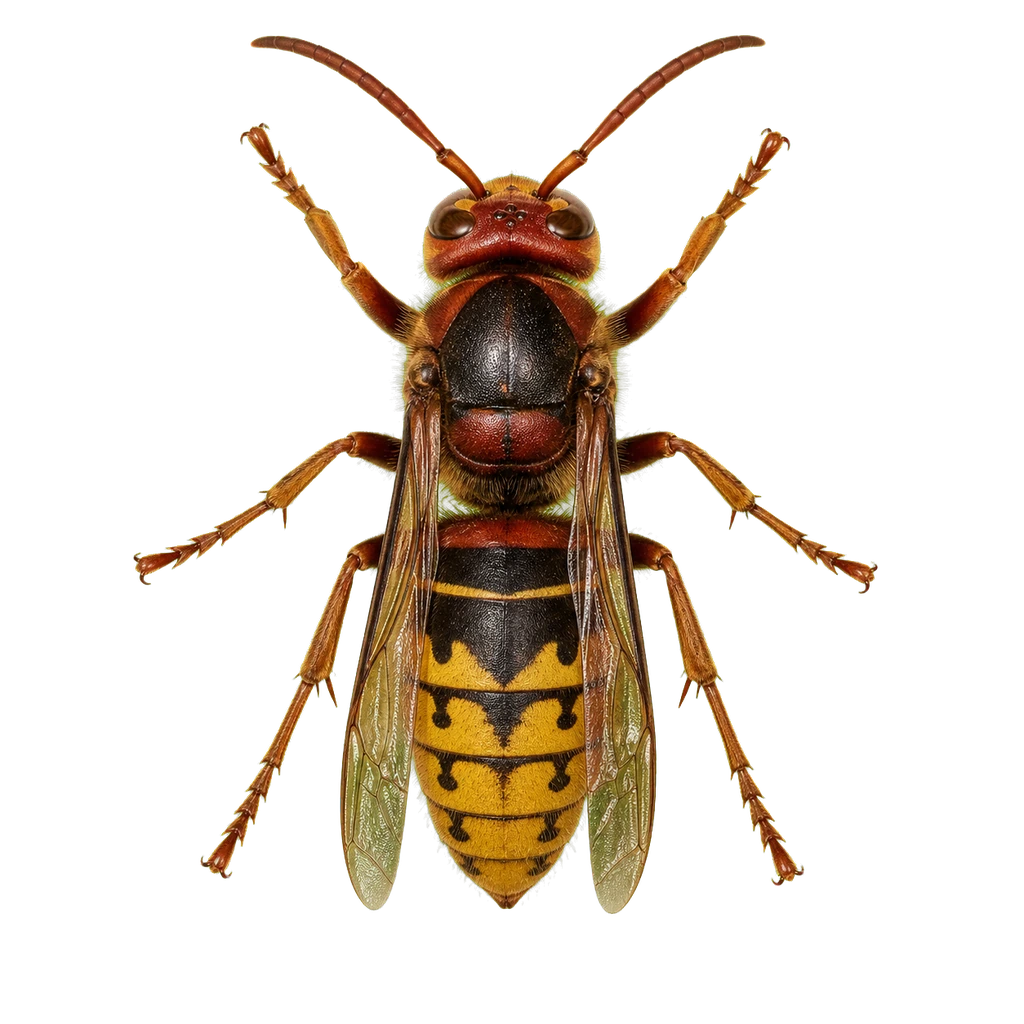 Hornets
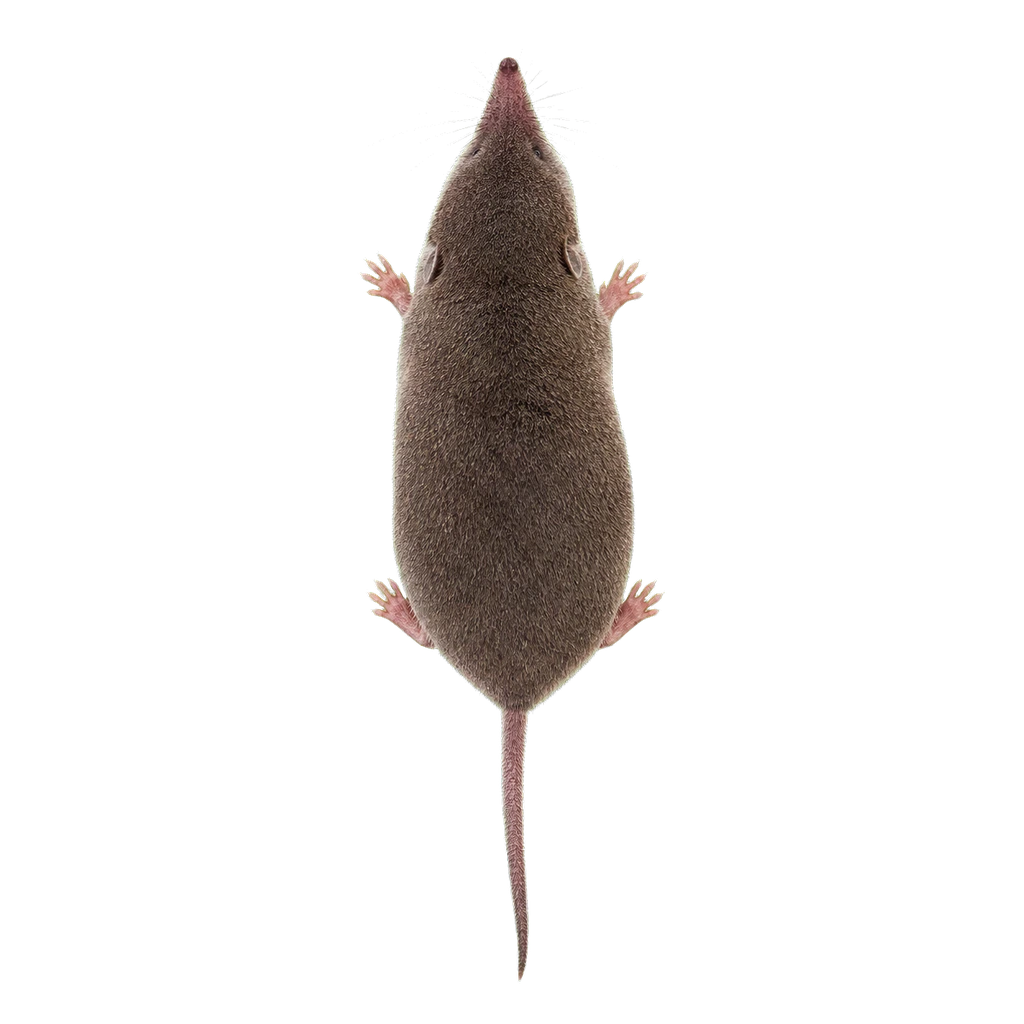 Shrews
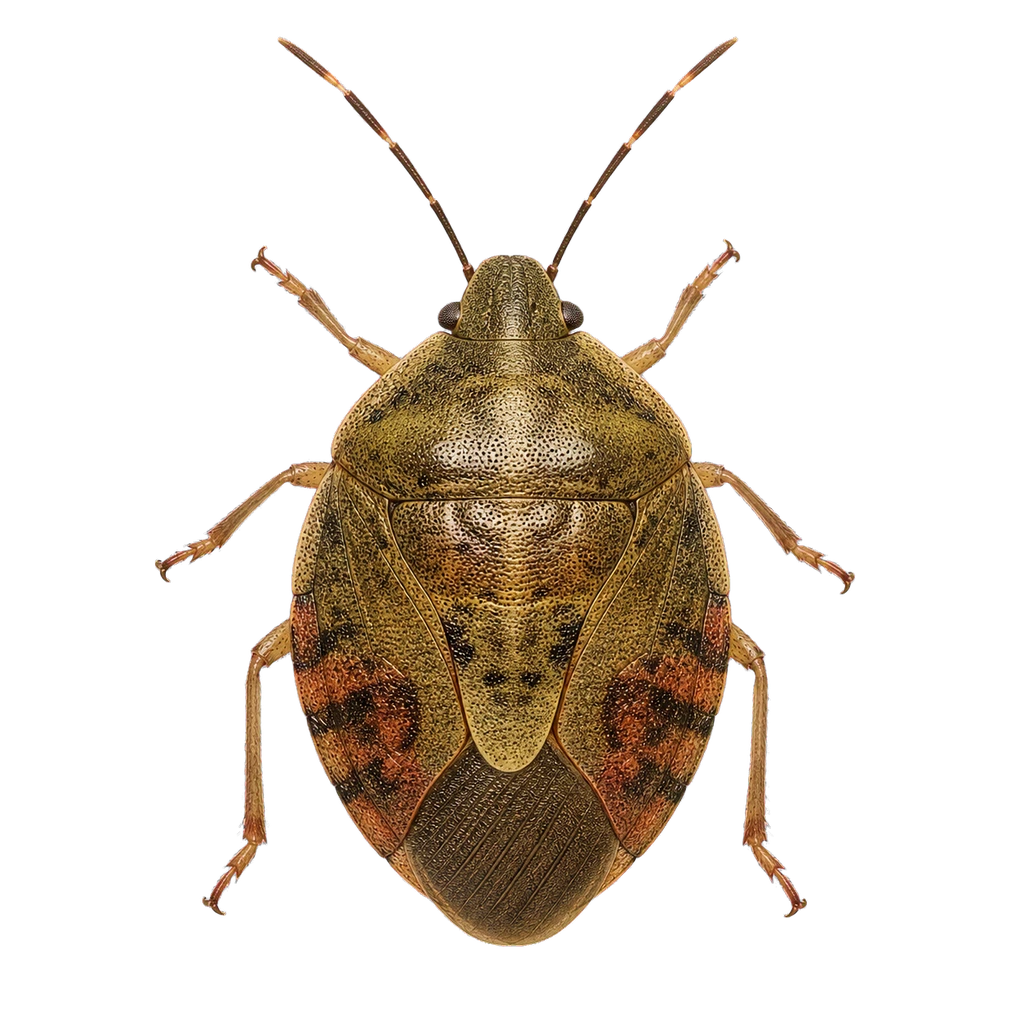 Kudzu Bugs
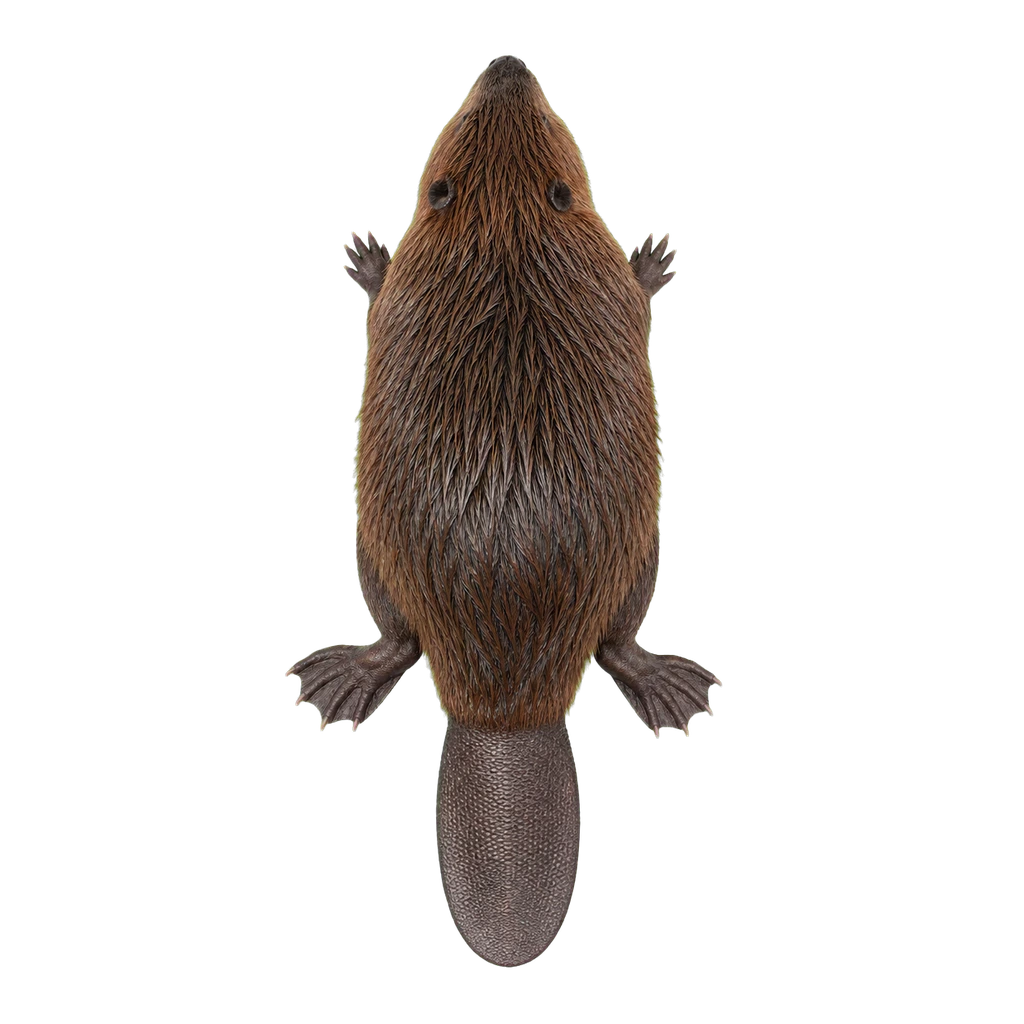 Beavers
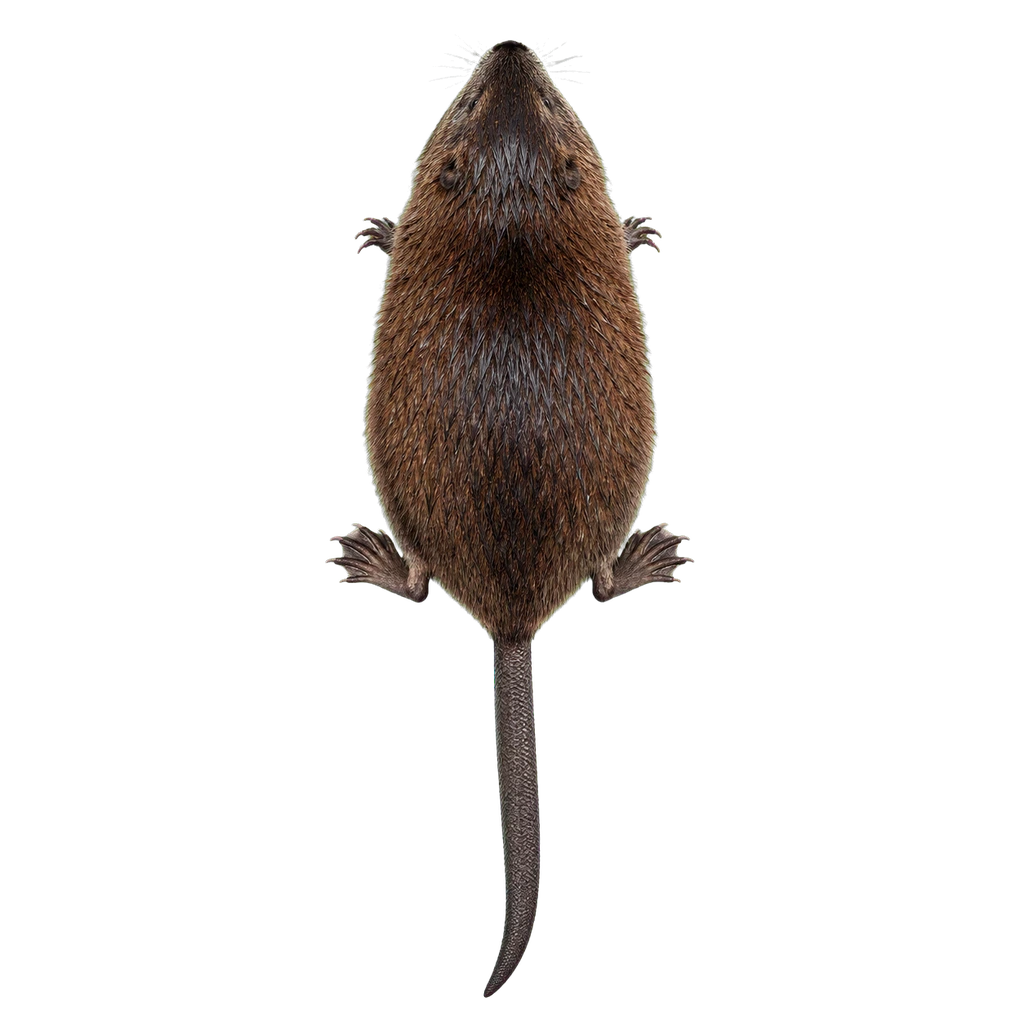 Muskrats
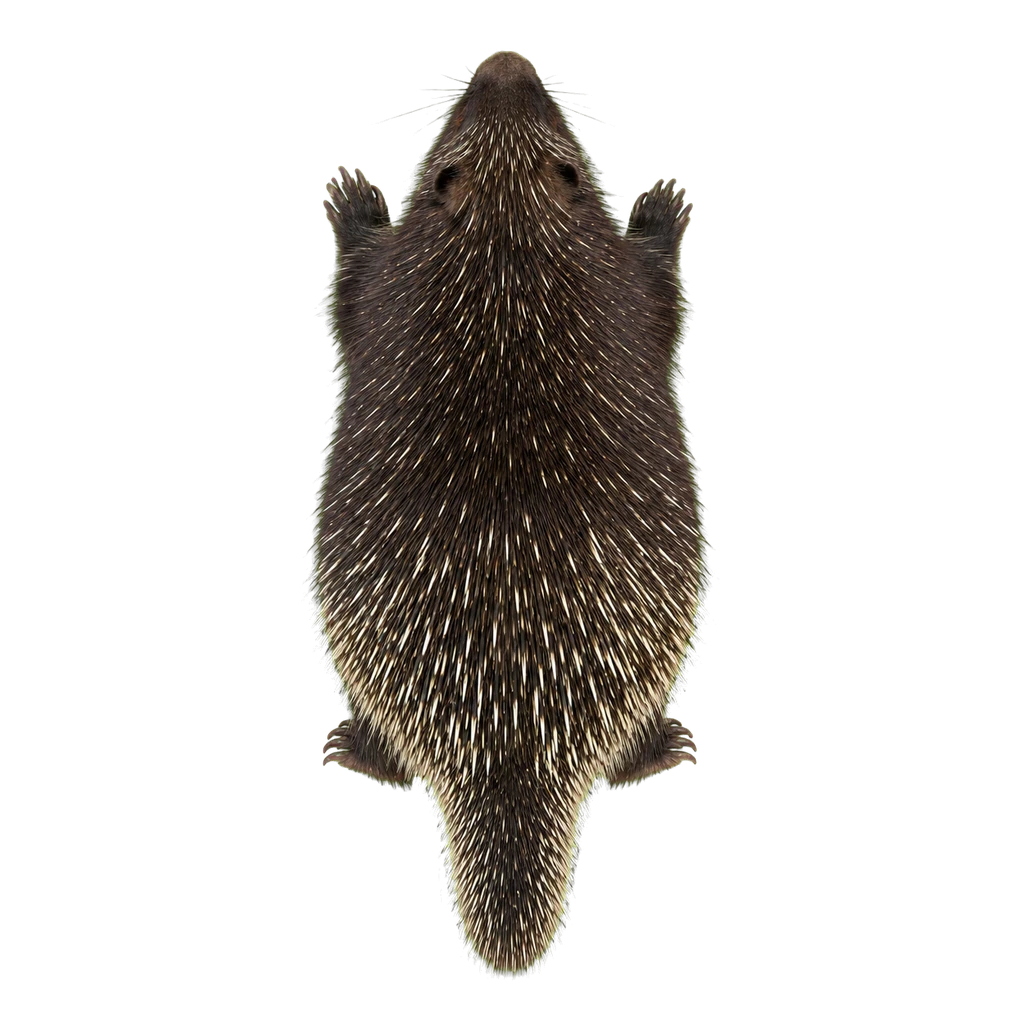 Porcupines
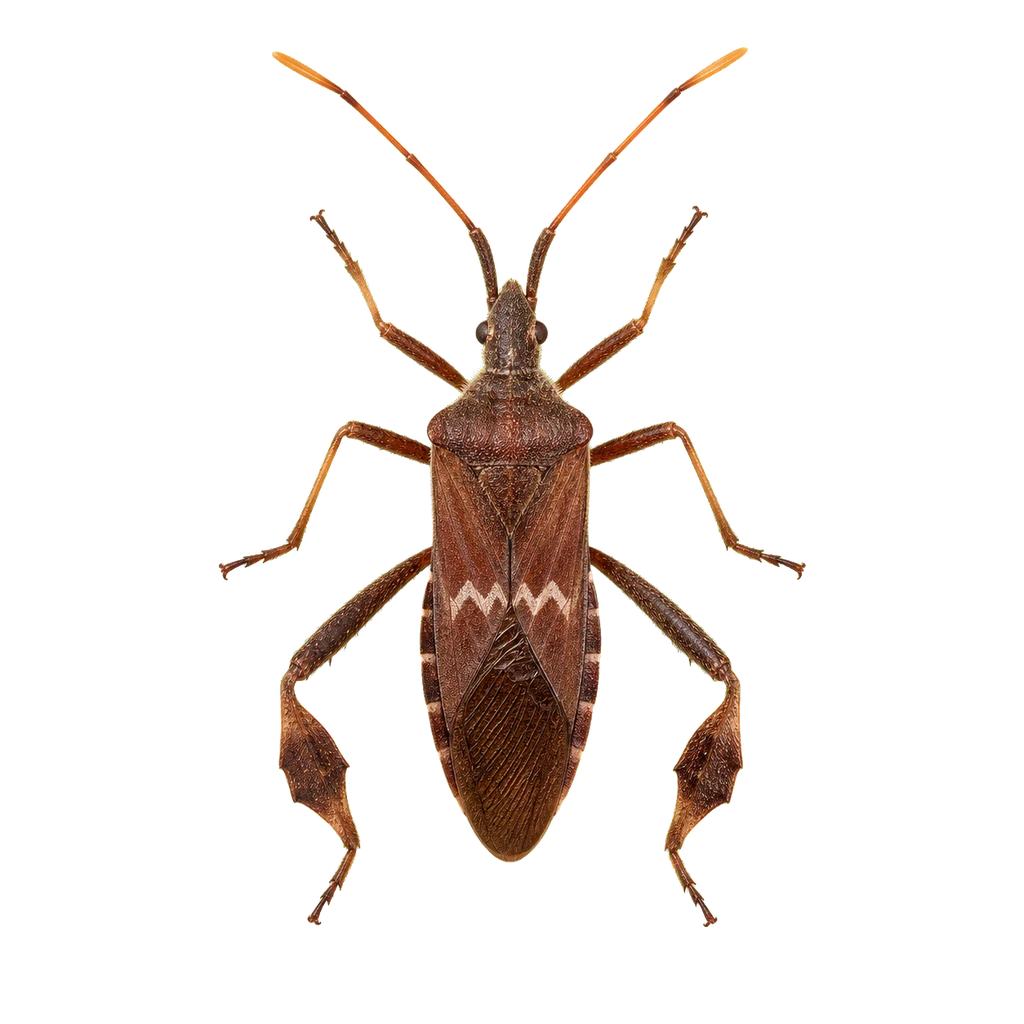 Western Conifer Seed Bugs
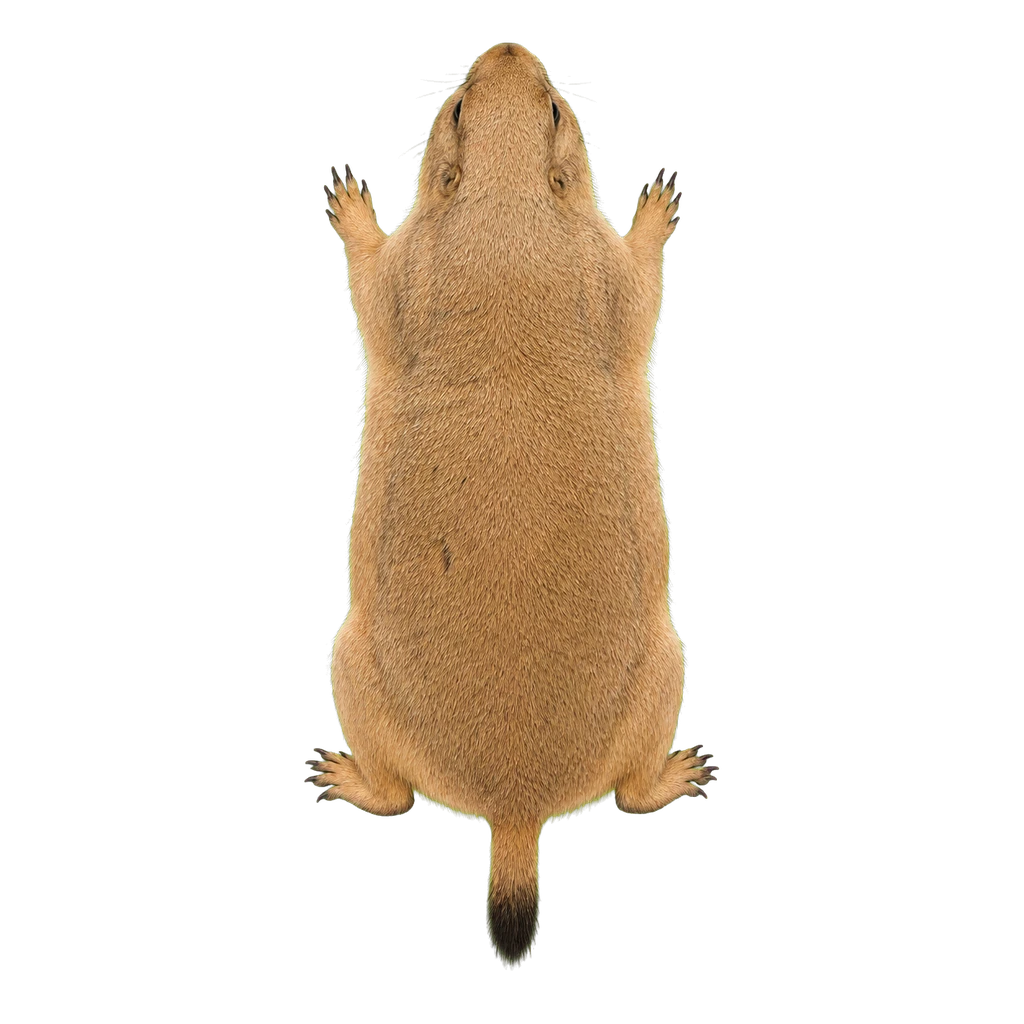 Prairie Dogs
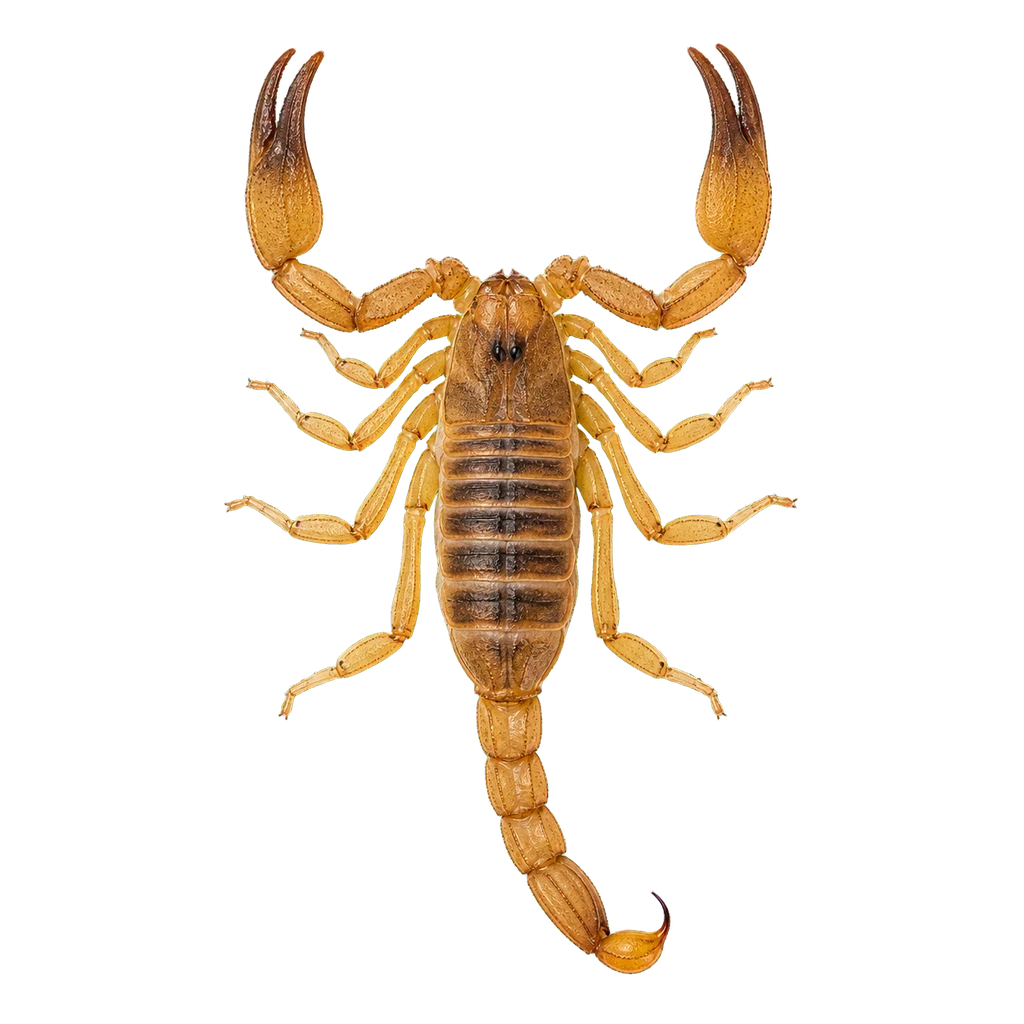 Scorpions
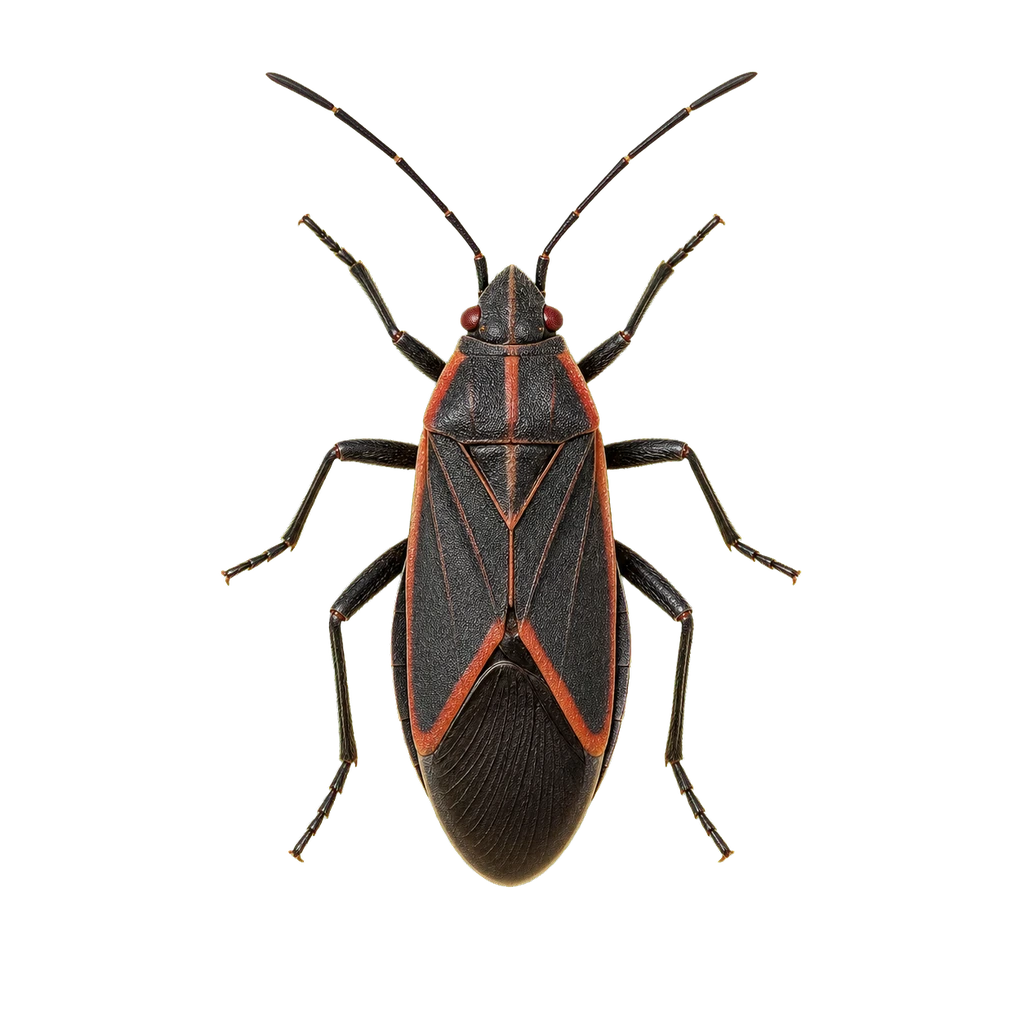 Boxelder Bugs
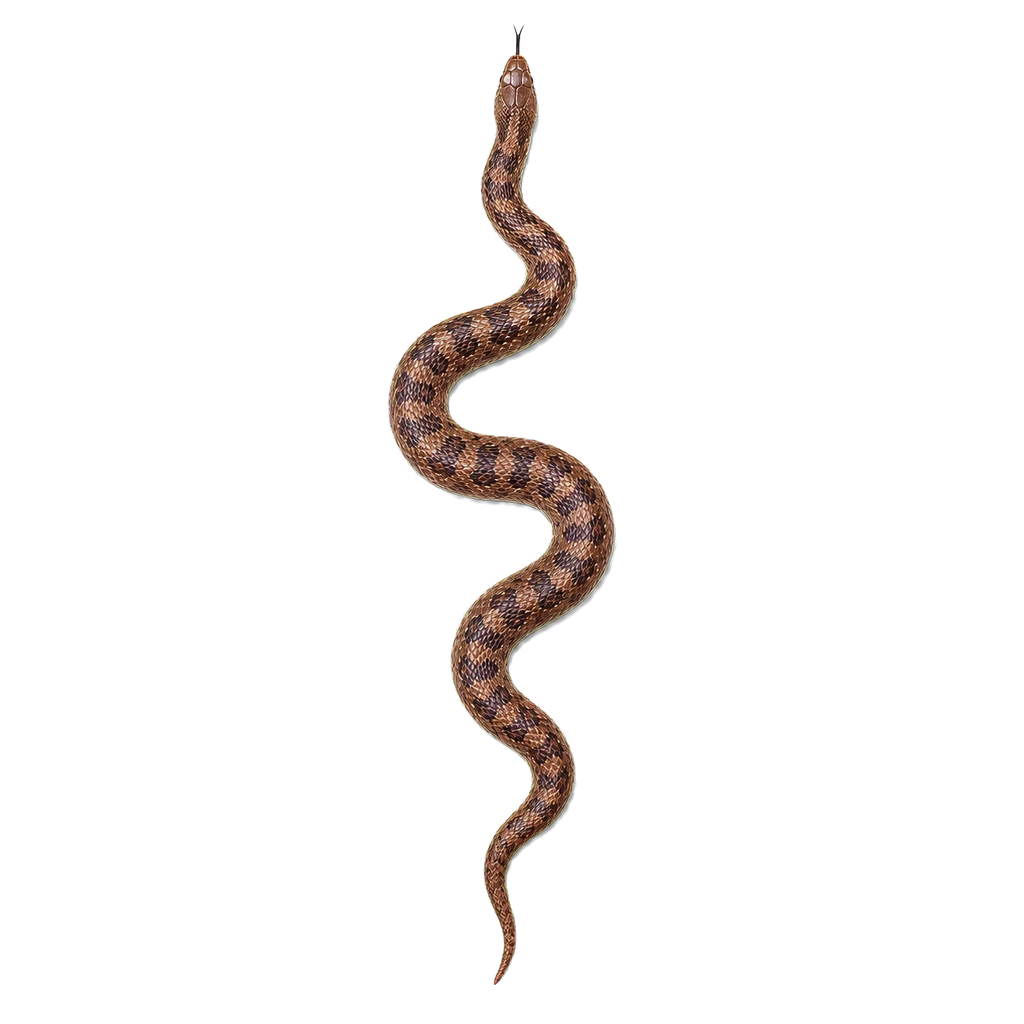 Snakes
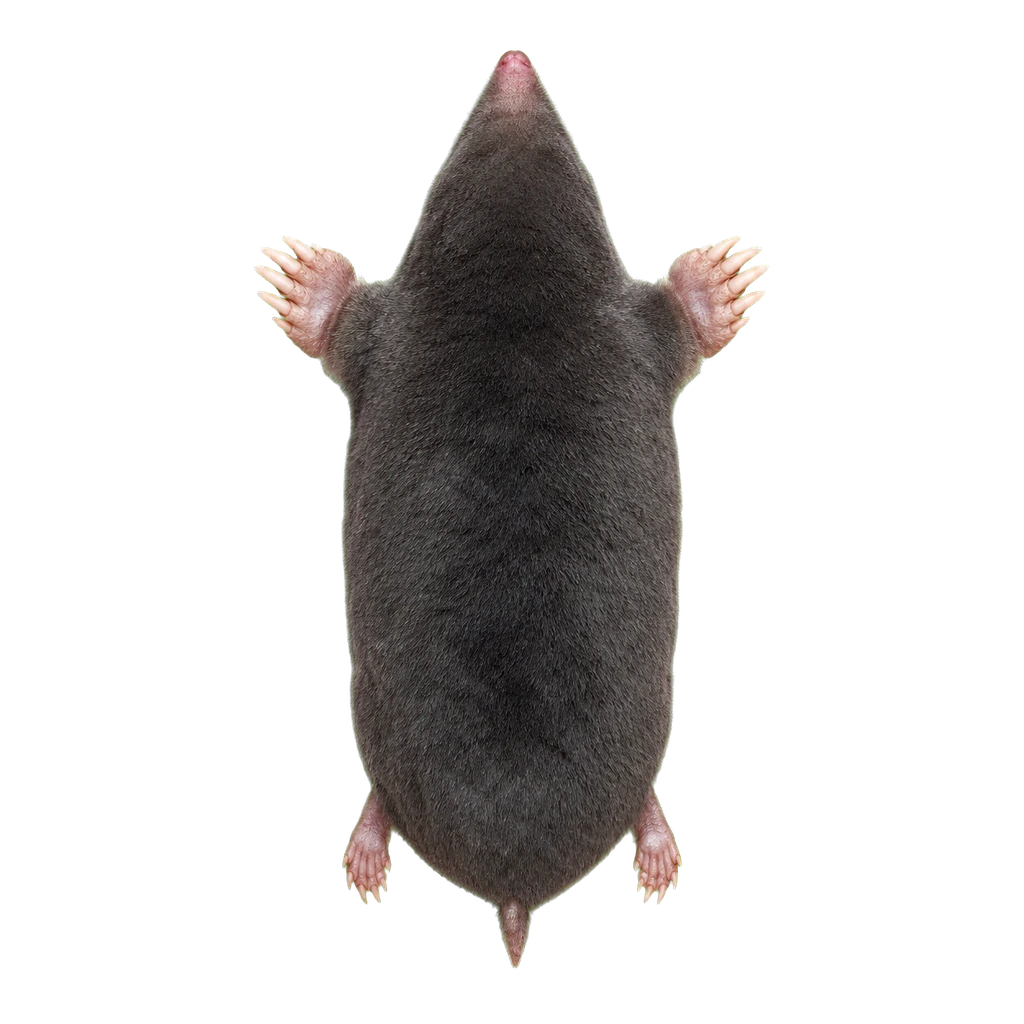 Moles
Moles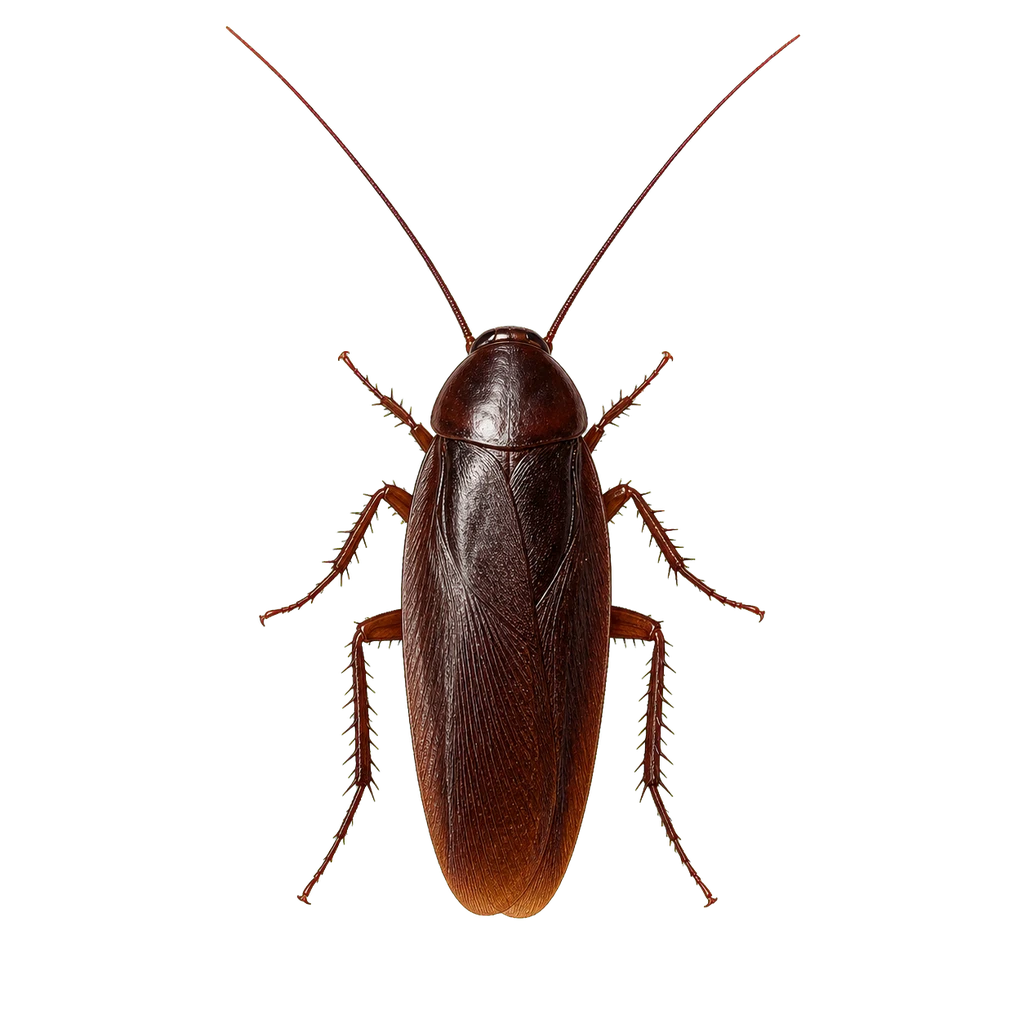 Palmetto Bugs
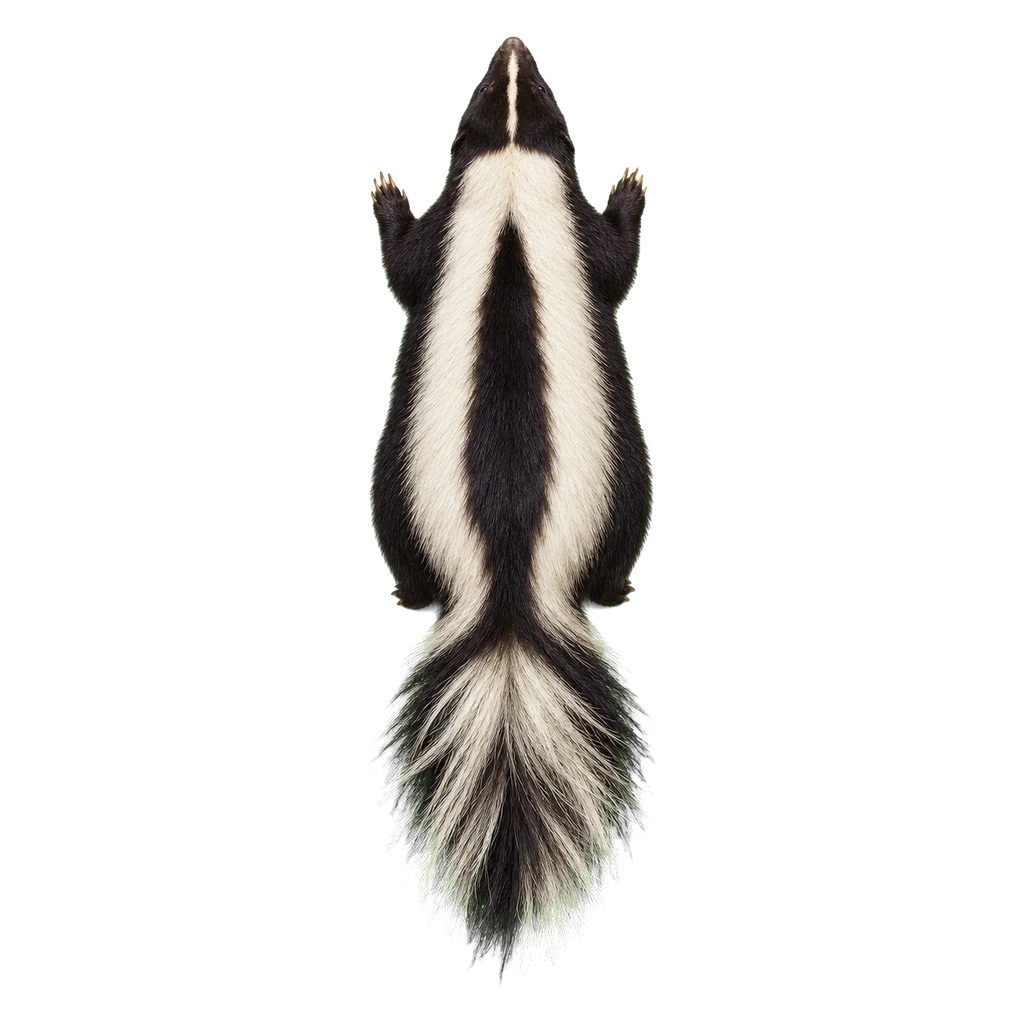 Skunks
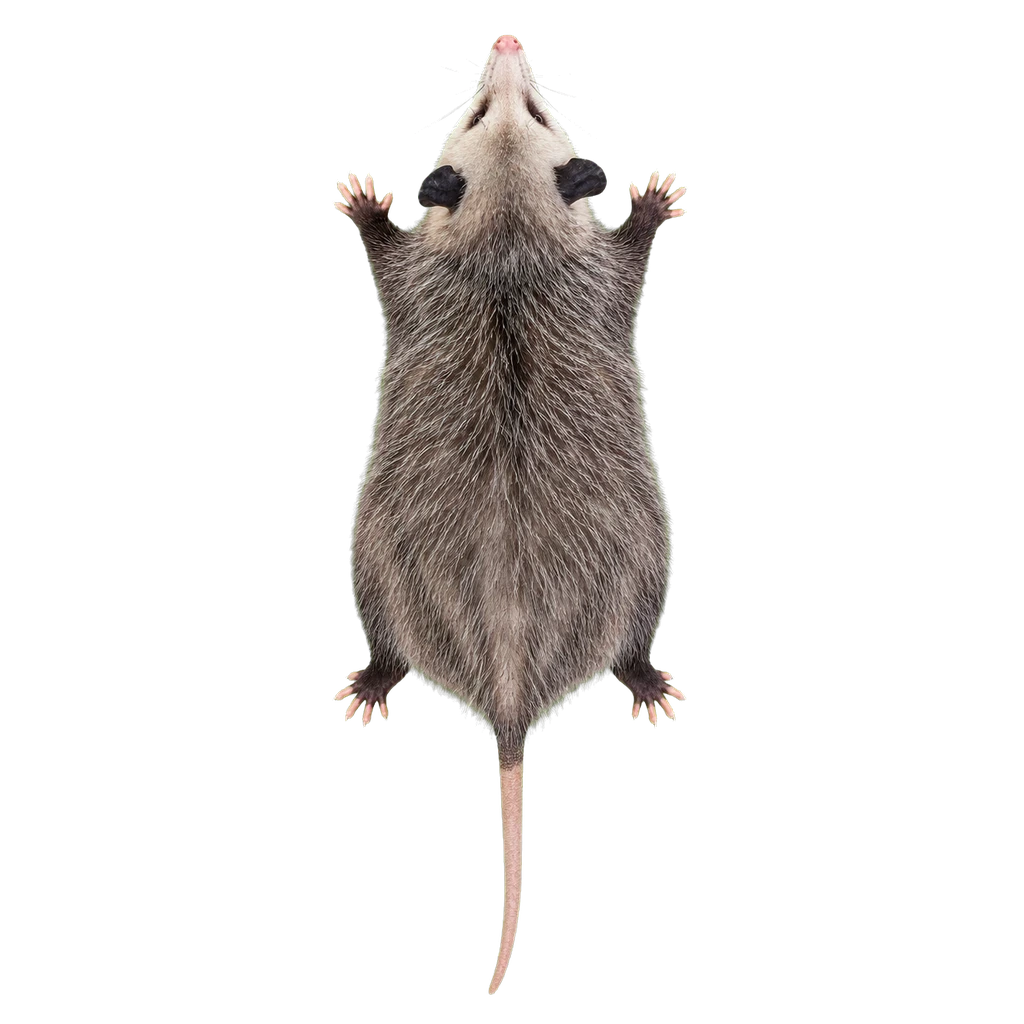 Opossums
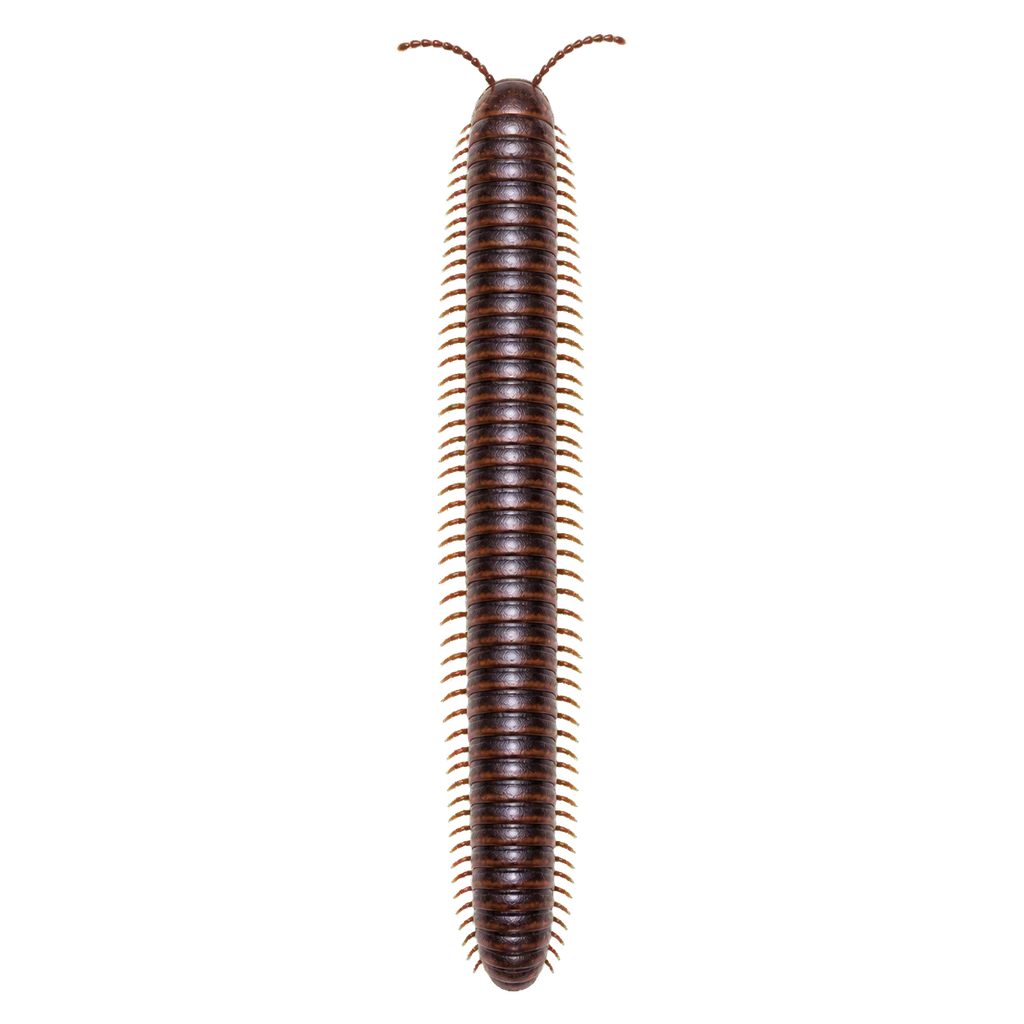 Millipedes
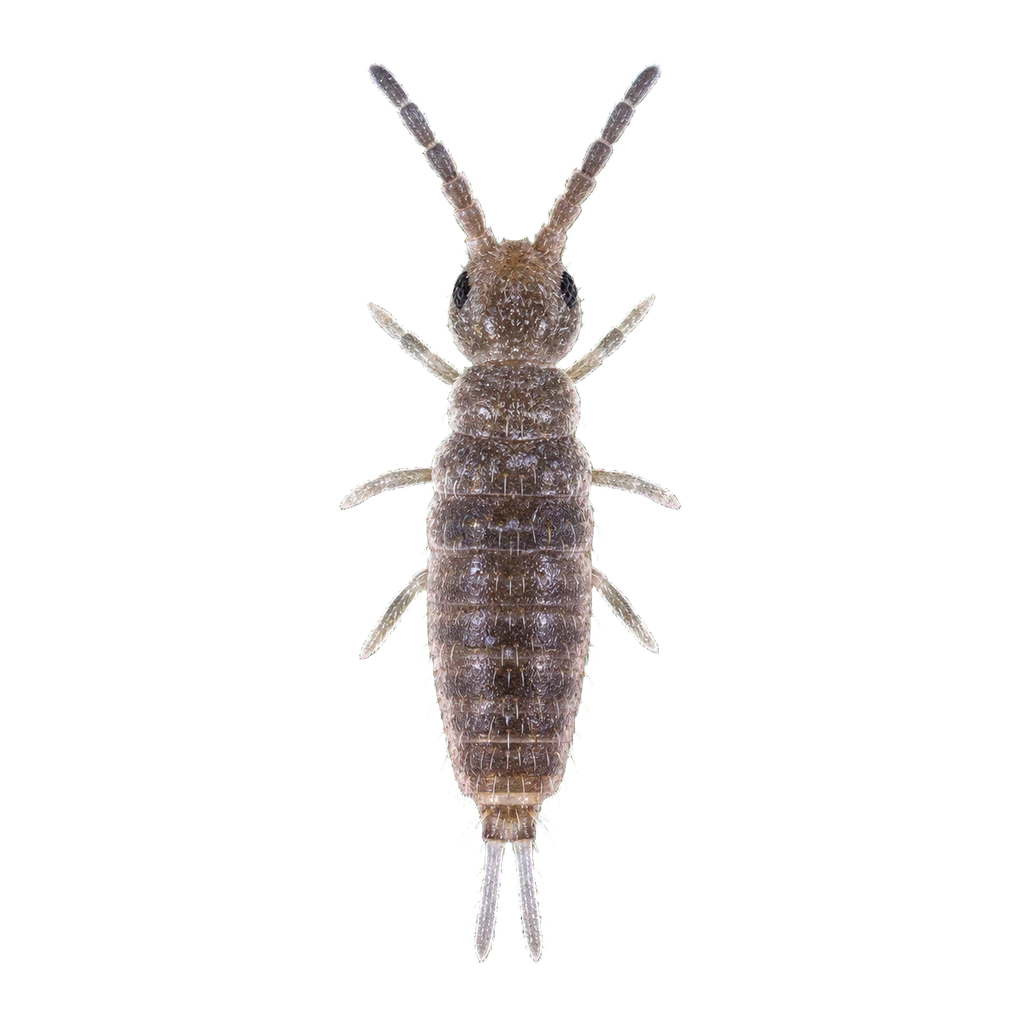 Springtails
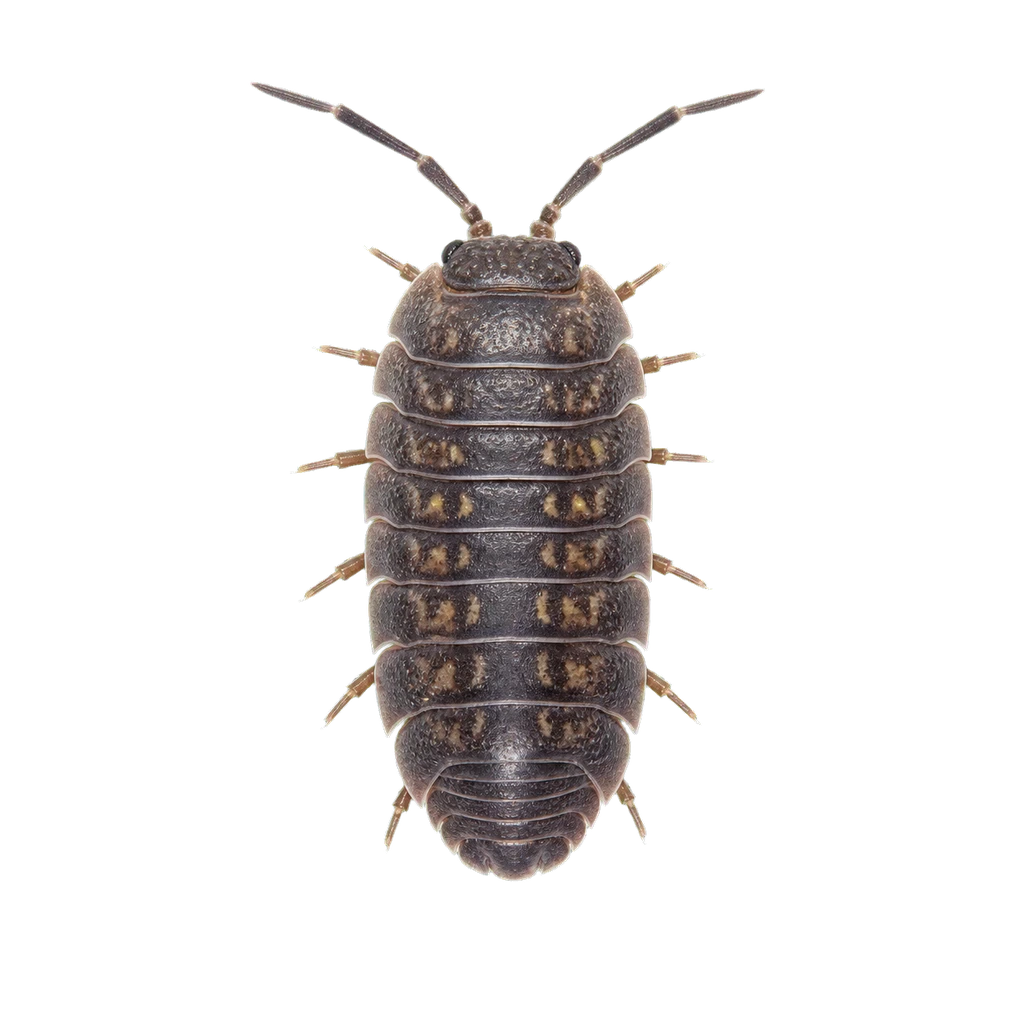 Pillbugs
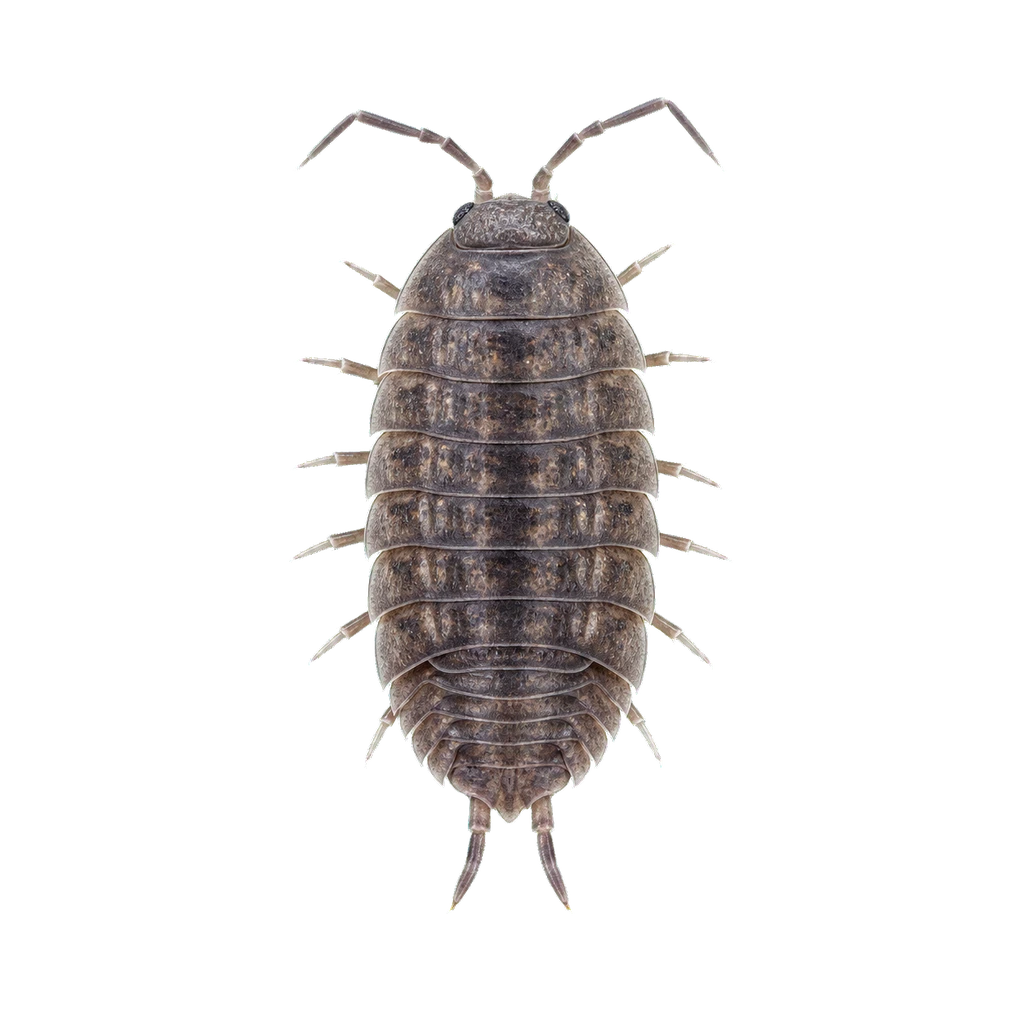 Sowbugs
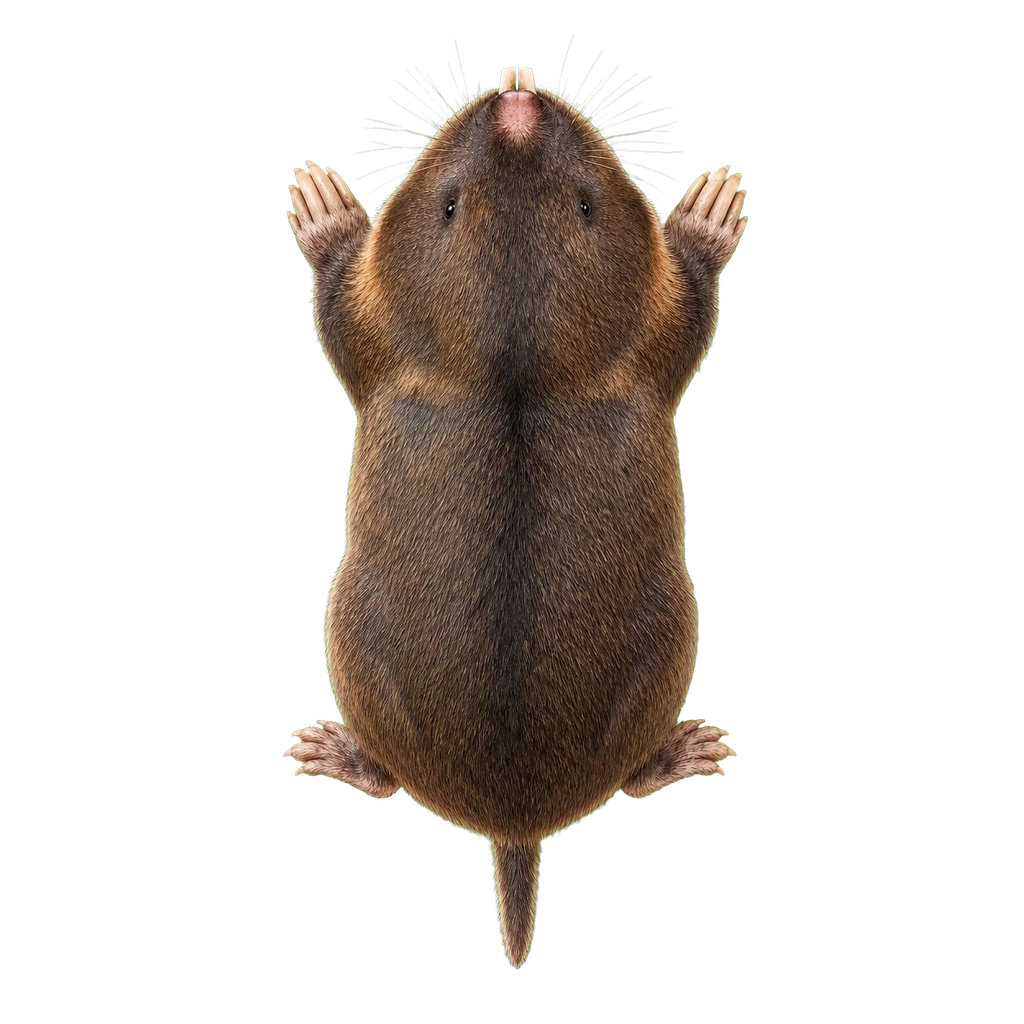 Gophers
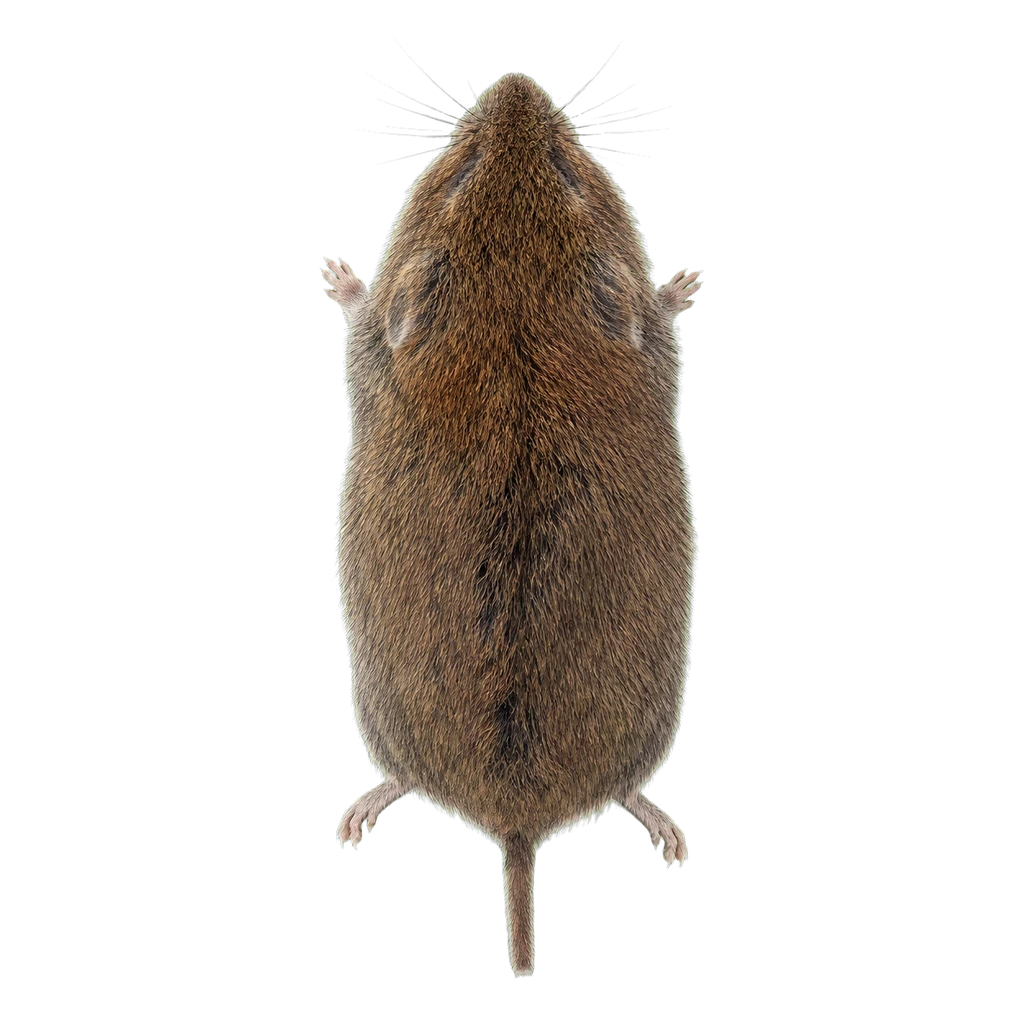 Voles
Voles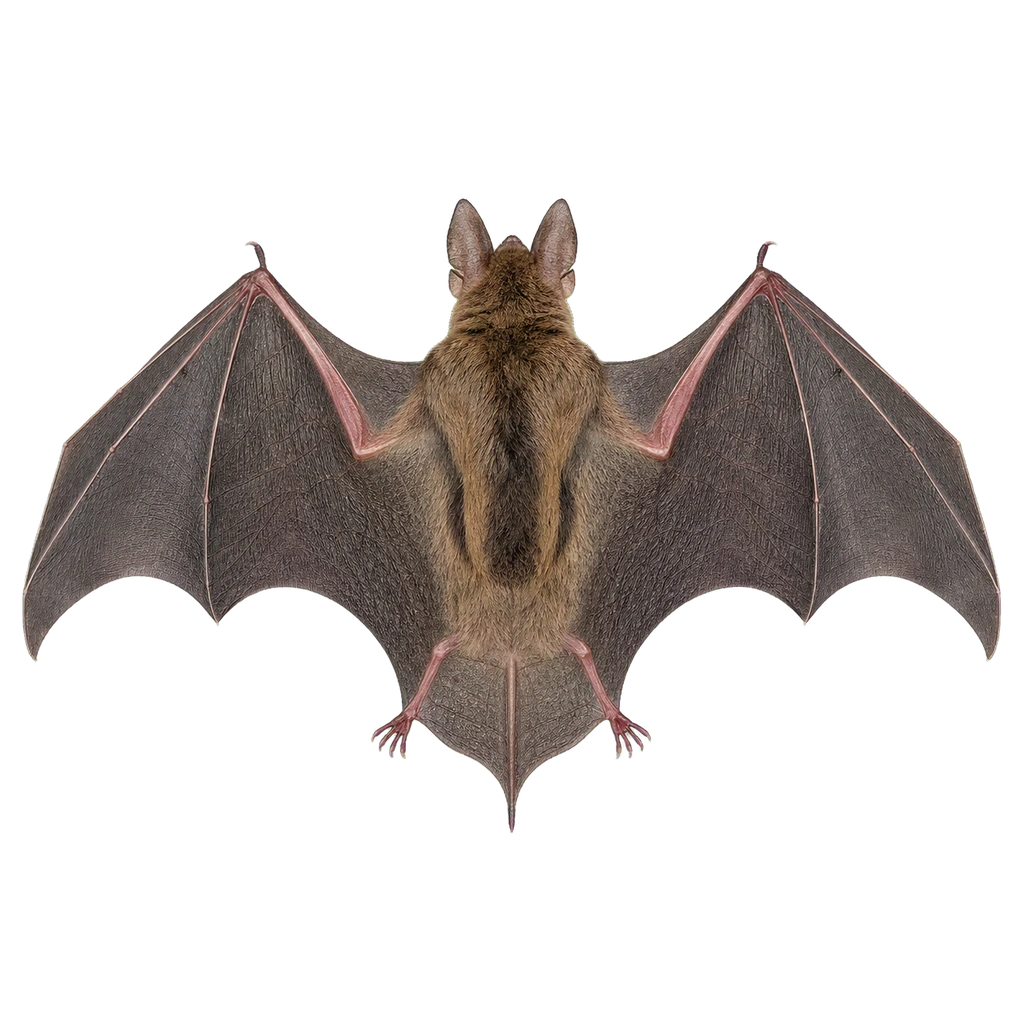 Bats
Bats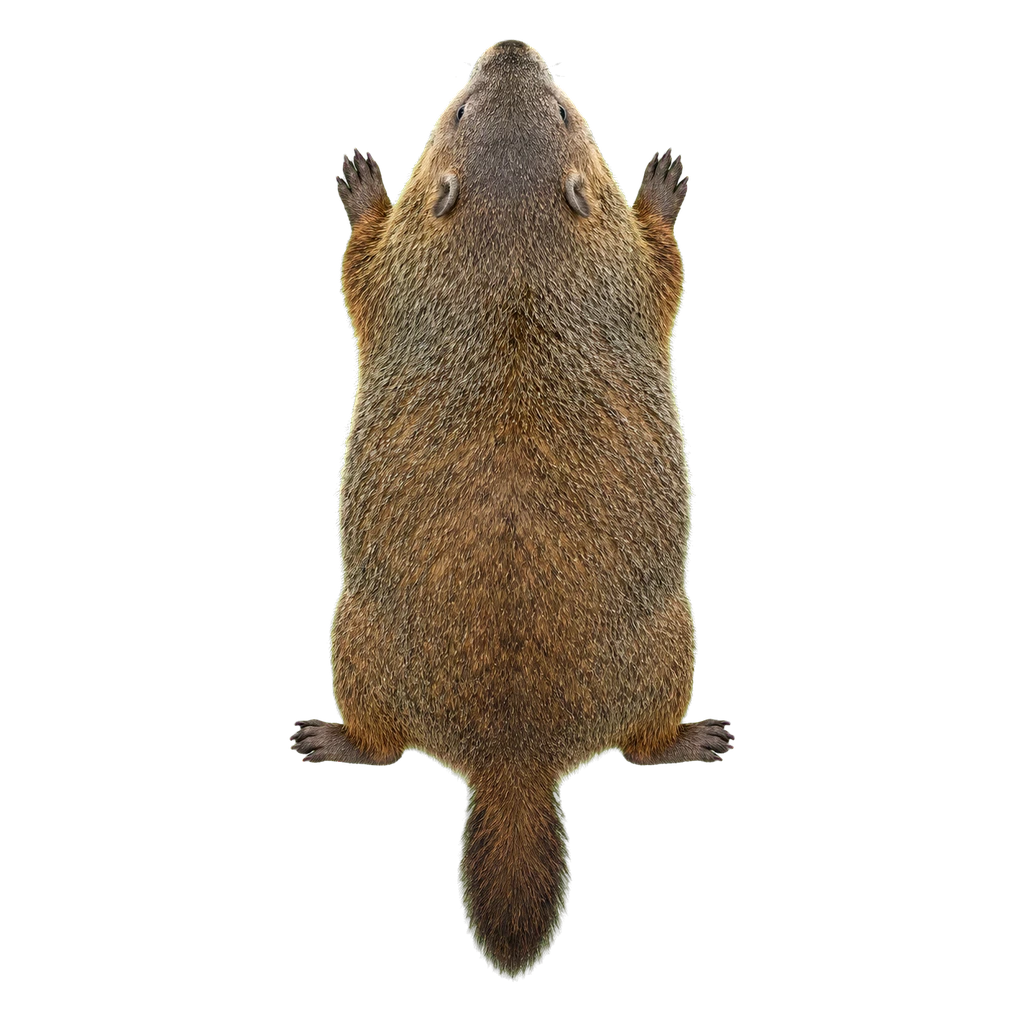 Groundhogs
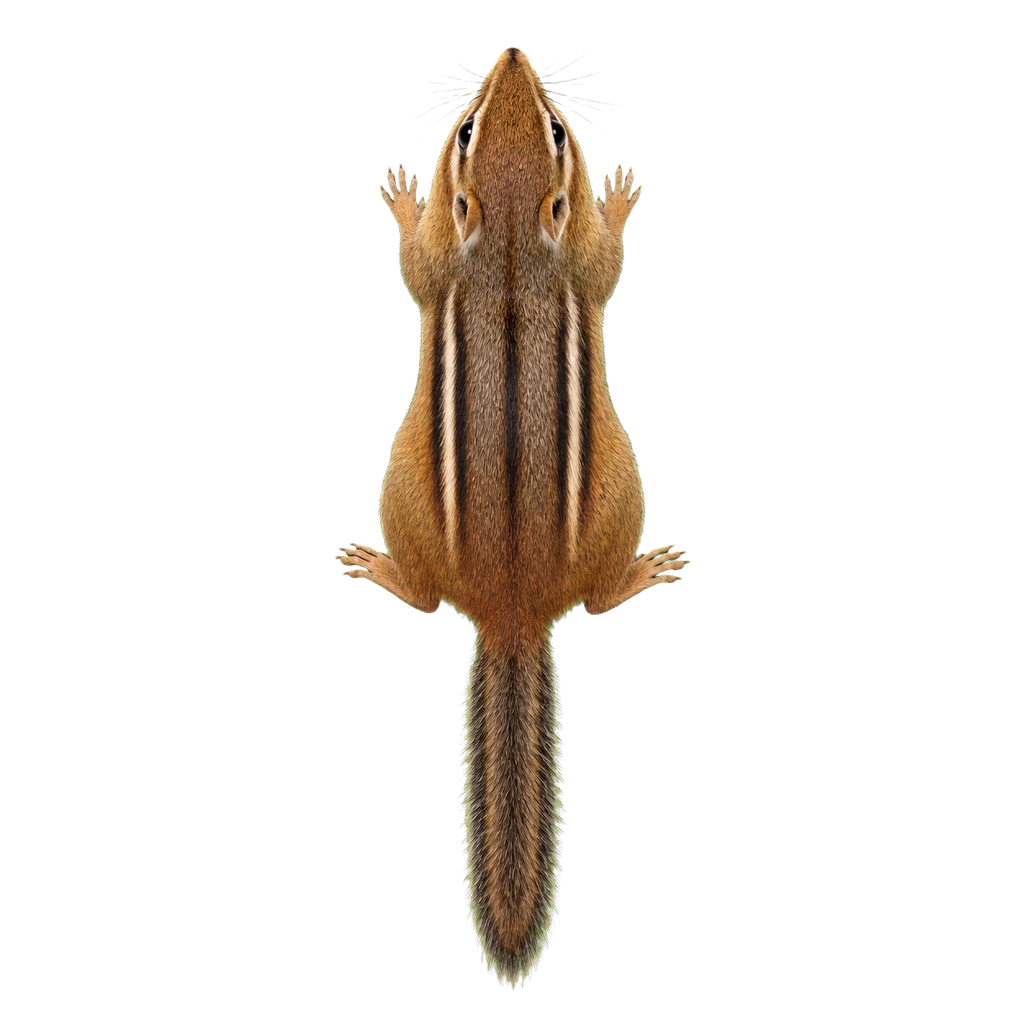 Chipmunks
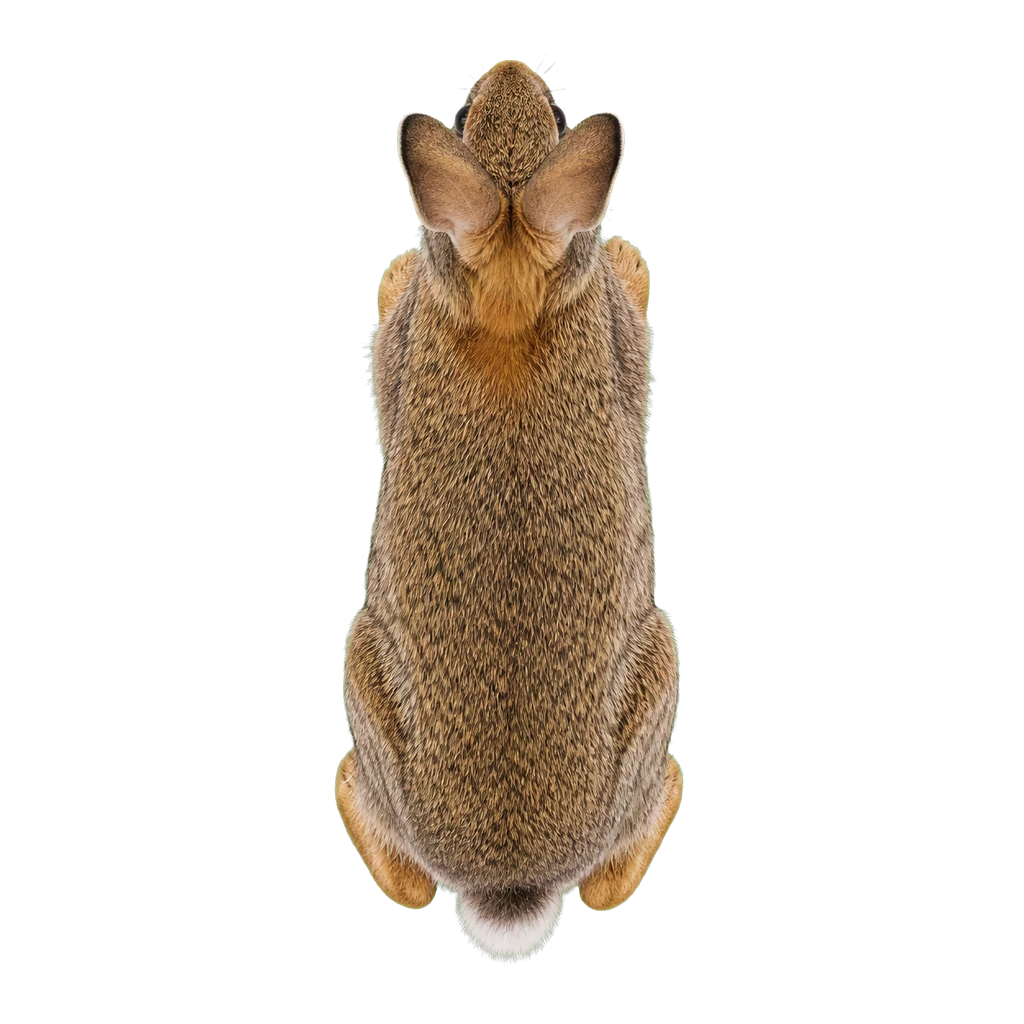 Rabbits
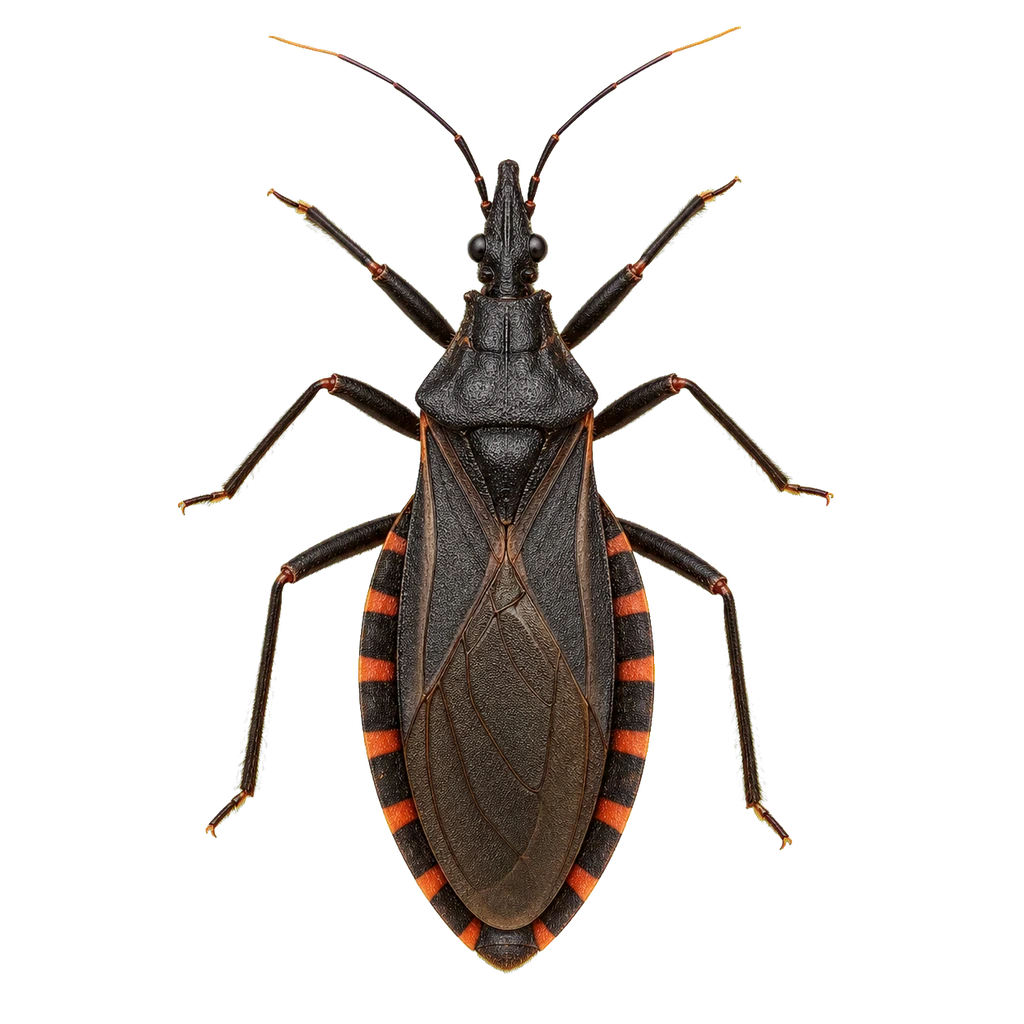 Kissing Bugs
Talk to a local pest control pro today.
Signs Pests Are Finding a Way In
Select what you're experiencing, we'll explain what's likely going on and how exclusion and sealing addresses it.
- Local Pest Control
- 24/7 Availability
- Quality Workmanship
- Eco-Friendly Options
- Trusted by Homeowners


How Exclusion & Sealing Works
A prevention-first approach that identifies how pests get in and closes those pathways for good.
- Step 1
Entry Point Inspection
A technician walks the exterior and interior looking for gaps, cracks, damaged vents, gnawed weatherstripping, and the structural openings pests actually use to get in.
We check the usual offenders (foundation, roofline, soffits, utility penetrations, garage seals, crawl space access) and identify which entry points show signs of active traffic.
- Step 2
Exclusion Plan
We map every opening that needs to close, spec the right material for each location, and call out where one-way exclusion devices are needed for active wildlife.
You see the plan before any installation starts: which openings, which materials, and what the finished result will look like on your home.
- Step 3
Sealing & Installation
Professional-grade materials go in at every identified entry point: galvanized steel and copper mesh, metal flashing, vent covers, chimney caps, door sweeps, and sealants rated to resist gnawing and weather.
Material choice is matched to the pest. A rodent-proof seal calls for chew-resistant metal mesh, a bat exclusion needs a one-way device, and insect work uses fine screen and sealant.
- Step 4
Verification & Guidance
Every closure is verified before sign-off, and we walk the work with you so you know exactly what was sealed and why.
You'll get guidance on what to monitor going forward, plus an option for periodic re-inspection so a new gap doesn't go unnoticed.
What Sealing Entry Points Changes
Exclusion and sealing shifts the focus from treating pests to preventing them, closing the entry points that keep the cycle going.
| What changes | DIY | With a Pro |
|---|---|---|
| Approach | Spray after entry | Close entry points |
| Materials | Caulk + foam | Steel mesh + flashing |
| Wildlife | Setback traps | One-way exclusion devices |
| Durability | Months | Years |
-
Address the Root Cause
Instead of repeatedly treating pests after they've entered, exclusion closes the pathways they use, solving the underlying problem that treatments alone can't fix.
-
Reduce Recurring Treatments
Sealed entry points mean fewer pests getting in, which reduces the frequency and cost of ongoing chemical treatments over time.
-
Protect Against Wildlife
Raccoons, squirrels, bats, and rodents cause significant damage when they nest inside homes. Exclusion keeps them out before damage starts.
-
Stop Seasonal Invasions
Fall invaders like stink bugs, lady beetles, and boxelder bugs use the same gaps every year. Sealing those entry points breaks the annual cycle.
-
Long-Lasting Results
Professional exclusion materials are designed to withstand weather, gnawing, and aging, providing durable protection that DIY patches can't match.
Why DIY Patches and Foam Don't Hold
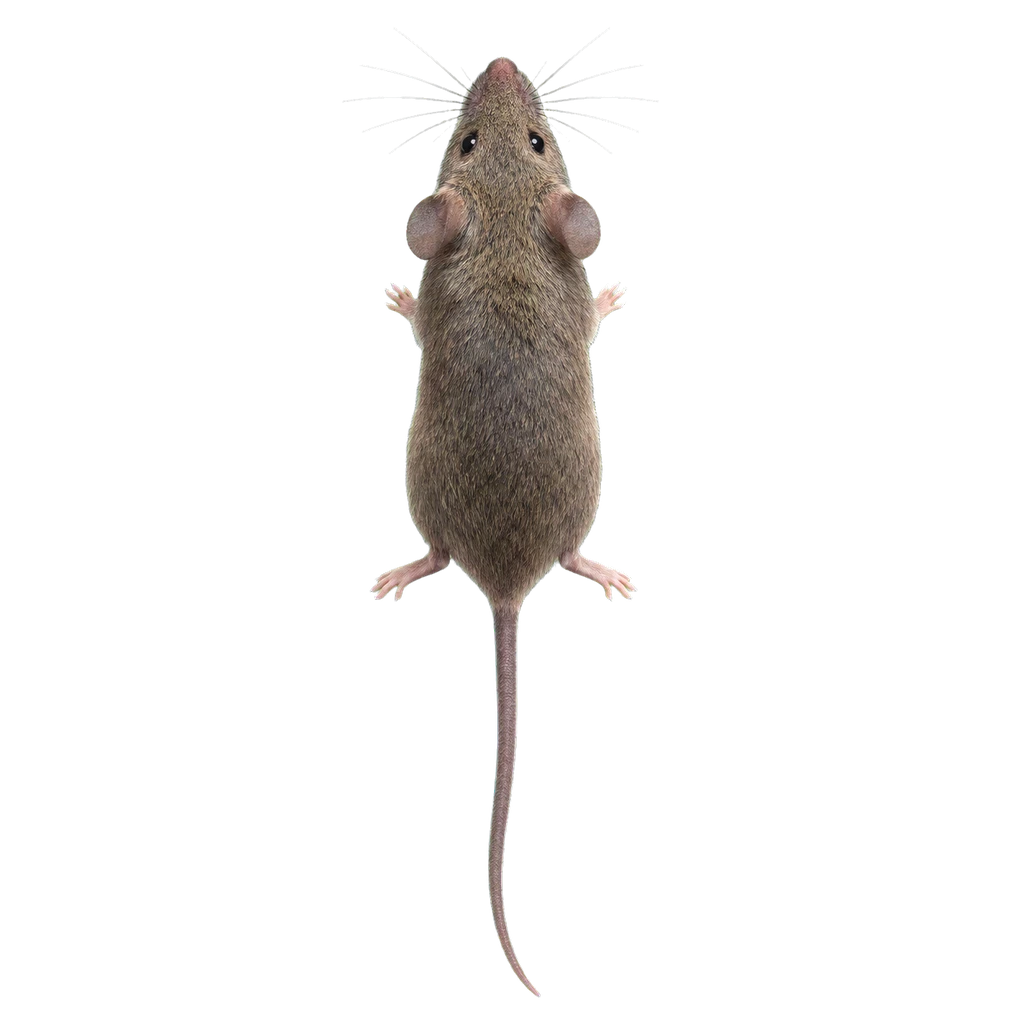
Expanding foam, caulk tubes, and hardware-store mesh are the go-to materials for homeowners trying to seal out pests. But rodents chew through foam in hours, caulk cracks and separates with temperature changes, and lightweight mesh is easily torn by raccoons and squirrels.
Professional exclusion uses materials specifically rated for pest resistance, galvanized steel mesh, copper closures, metal flashing, and commercial-grade sealants. These go in at the locations that matter most, including roofline junctions, soffit gaps, and other spots homeowners typically can't access.
The difference between DIY patching and professional exclusion is the difference between a quick fix and durable work. One trip to the hardware store won't map every entry point on your home, but a trained technician will.
Pests Exclusion & Sealing Stops
Exclusion and sealing is effective against pests that enter through structural gaps and openings, from rodents and wildlife to seasonal insect invaders. If your pest isn't listed here, call us and we'll point you to the right solution.
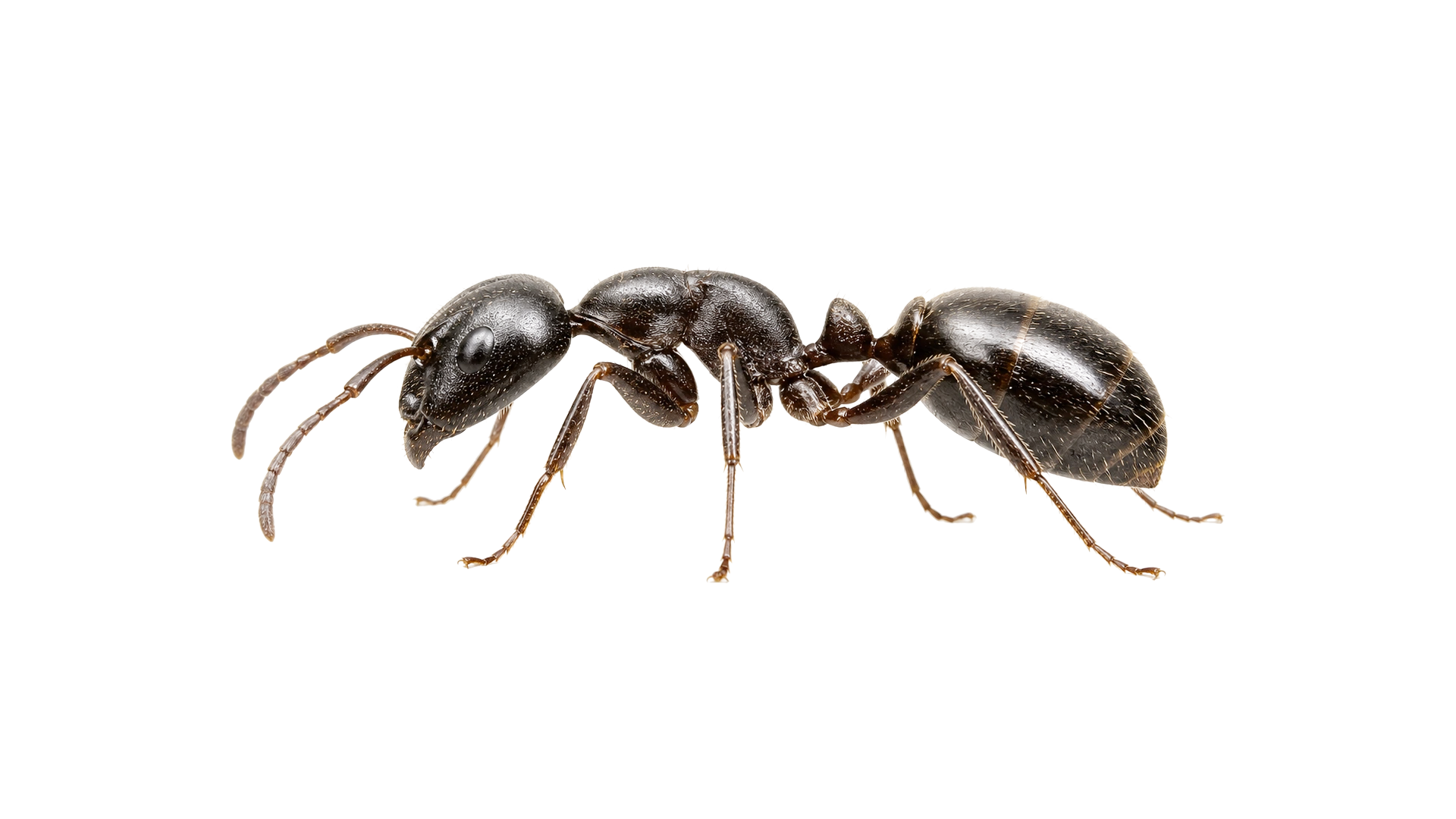
Ants
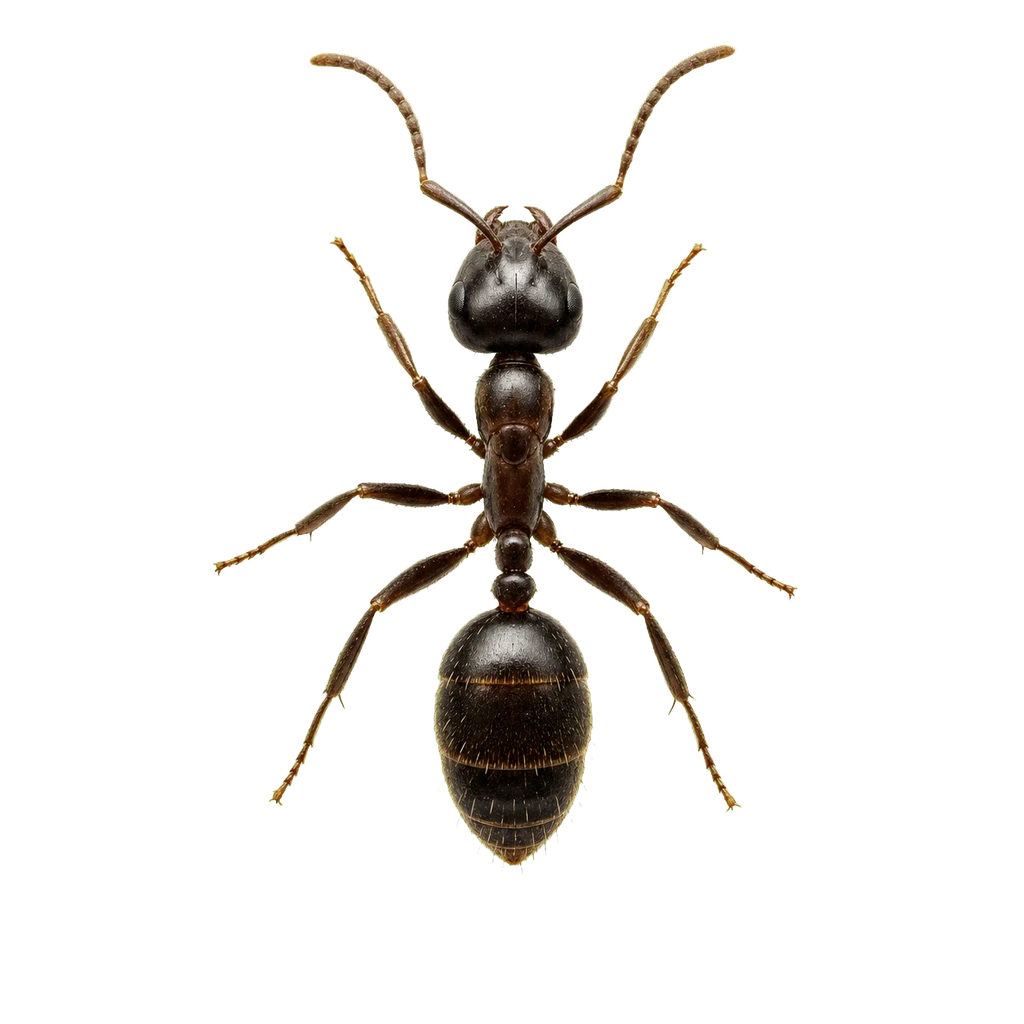
Ants enter homes through weep holes, door sweeps, utility penetrations, and hairline foundation cracks pheromone-marked by scouts. Sealing those specific entry points with appropriate materials closes the doors the colony is already using, reducing the indoor traffic active treatments have to push back against.
Questions About Exclusion & Sealing
Answers to help you decide if exclusion and sealing is right for your home.
-
What is exclusion and sealing in pest control? Toggle answer for: What is exclusion and sealing in pest control?
Exclusion and sealing is a prevention-focused approach that closes off the physical entry points pests use to get inside your home. Technicians identify and seal gaps, cracks, holes, and openings around your foundation, roofline, vents, pipes, and utility lines. Rather than treating pests after they arrive, it stops them from entering in the first place.
-
How long does exclusion work take and what's the process? Toggle answer for: How long does exclusion work take and what's the process?
The process begins with a thorough inspection to locate all potential entry points, some of which may not be obvious. Sealing work itself can take anywhere from a few hours to a full day depending on the number and size of openings. Materials used include caulk, steel mesh, weatherstripping, expanding foam, and hardware cloth, chosen based on the location and type of gap.
-
Is exclusion work safe for my family and pets? Toggle answer for: Is exclusion work safe for my family and pets?
Exclusion and sealing involves no chemicals or pesticides. It's a physical, structural solution, essentially home repair focused on pest prevention. There's no need to vacate your home, no re-entry waiting period, and no residue. It's one of the safest approaches available.
-
How long does exclusion and sealing take? Toggle answer for: How long does exclusion and sealing take?
A basic sealing visit (covering a single entry area like a garage door seal or foundation gap) usually wraps up in two to three hours. Whole-home exclusion, including attic vents, roofline gaps, and foundation perimeter, often takes a full day or two depending on complexity.
Your provider walks through the home first to identify every entry point before starting work, so you get a clear picture of the scope up front.
-
How do I know if I need exclusion work? Toggle answer for: How do I know if I need exclusion work?
If pests keep returning despite treatment, there's likely an entry point that hasn't been addressed. Signs include visible gaps around doors or windows, daylight showing through cracks in your foundation, rodent droppings near walls, or recurring pest activity in specific areas. Exclusion solves the root cause rather than just treating the symptoms.
-
What if I already have an active infestation? Can exclusion still help? Toggle answer for: What if I already have an active infestation? Can exclusion still help?
Exclusion is most effective as a complement to active treatment, not a replacement for it. If you have pests inside your home, your provider will typically recommend treating the existing problem first, then sealing entry points to prevent re-infestation. This combination addresses both the immediate issue and the long-term vulnerability.
-
How long do exclusion repairs last? Toggle answer for: How long do exclusion repairs last?
When done with quality materials and proper technique, most exclusion work lasts for years. Steel mesh and metal flashing hold up especially well. Caulk and foam may need periodic touch-ups depending on weather exposure and settling. A provider can recommend a maintenance schedule to keep everything sealed over time.
Local Coverage in Your State
Exclusion and sealing providers are available across all 50 states. Select yours to get started.
- Alabama Tap to view →
- Alaska Tap to view →
- Arizona Tap to view →
- Arkansas Tap to view →
- California Tap to view →
- Colorado Tap to view →
- Connecticut Tap to view →
- Delaware Tap to view →
- Florida Tap to view →
- Georgia Tap to view →
- Hawaii Tap to view →
- Idaho Tap to view →
- Illinois Tap to view →
- Indiana Tap to view →
- Iowa Tap to view →
- Kansas Tap to view →
- Kentucky Tap to view →
- Louisiana Tap to view →
- Maine Tap to view →
- Maryland Tap to view →
- Massachusetts Tap to view →
- Michigan Tap to view →
- Minnesota Tap to view →
- Mississippi Tap to view →
- Missouri Tap to view →
- Montana Tap to view →
- Nebraska Tap to view →
- Nevada Tap to view →
- New Hampshire Tap to view →
- New Jersey Tap to view →
- New Mexico Tap to view →
- New York Tap to view →
- North Carolina Tap to view →
- North Dakota Tap to view →
- Ohio Tap to view →
- Oklahoma Tap to view →
- Oregon Tap to view →
- Pennsylvania Tap to view →
- Rhode Island Tap to view →
- South Carolina Tap to view →
- South Dakota Tap to view →
- Tennessee Tap to view →
- Texas Tap to view →
- Utah Tap to view →
- Vermont Tap to view →
- Virginia Tap to view →
- Washington Tap to view →
- West Virginia Tap to view →
- Wisconsin Tap to view →
- Wyoming Tap to view →
Exclusion & Sealing Pros serving your city, and nearby areas
Local providers who close the entry points pests use, with chew-resistant materials matched to rodents, bats, or insects. Get matched in one call.