
Common Household Pests
Ants in the kitchen, roaches under the sink, bed bugs in the mattress, identify what's in your home and what to do about it.
Explore CategoryLocal pest control help is one call away.
 Pest Control Services Nationwide Pest Control Services Nationwide
 The Learning Library answers the questions homeowners actually ask about pests, from identifying what you're seeing to preventing future problems, choosing the right treatment, and knowing when to call for help. Pick the category that matches your situation below.
Every article in the Learning Library, grouped by topic. Tap a category name to see the full list, or scroll each row to browse.
The early warning signs that point to an active infestation before you ever see a live pest.
What to do in the first 24 hours after spotting a single pest, before the trail goes cold and the population grows.
Seven outdoor visual signs that tell you pests have moved in: mounded soil, undermined slabs, runways, gnawed vegetation, dead-grass paths, burrow entries, and scat trails.
Nine signs a pest has been in your walls for months, the species likely behind each, and the point a pro inspection becomes overdue.
How to tell if termite damage is from a live colony or an old one, plus a 7-day monitoring pass before you treat.
A region-aware annual routine that catches termite activity early and keeps your WDI report ready when you need it.
Three look-alike wall and baseboard signs compared: ant trails, termite mud tubes, and carpenter ant sawdust. Learn how to tell them apart and what each one means.
A 20-minute lit, masked, and knee-padded inspection of the 2 hidden zones where rodents, bats, termites, and overwintering pests establish first.
A recognition guide for the three skin reactions most often confused: patterns that point to bugs, an allergy, or a doctor visit.
A 9-zone bedroom inspection and evidence checklist that confirms bed bugs before you spend a dollar on treatment.
Tell the difference between dusty abandoned cobwebs and active spider webs that signal a population in your home.
Tell cockroach egg cases, spider egg sacs, and praying mantis egg cases apart by shape, texture, location, and hatch timing.
Mouse, rat, roach, bat, squirrel, termite frass. Size, shape, color, and location patterns that name the species before you see the pest.
A pillar guide to diagnosing pests by smell: musty, ammonia, sweet, almond, oily, decomposition. What each odor says about species, location, and severity.
How to recognize pest evidence room by room: top pests, signature signs, and the first DIY response for every space.
A pillar guide to diagnosing pests by sound: scratching, gnawing, scurrying, buzzing, tapping. What each sound says about species, location, and how soon to act.
Gnaw marks, exit holes, frass piles, smudge trails, tunneling. The pillar guide to reading pest damage patterns by species and stage.
The full reference for spotting pest activity early: visual, audible, olfactory, damage, track, and behavior signs across every common household pest.
10 checkpoints across garage, shed, basement boxes, and attic storage. It's where pest activity hides in plain sight.
Train your senses to catch pest problems early: what to see, hear, smell, and feel, plus a framework for when to act.
How to ID the wood-destroying species behind a pile of frass by color, texture, and grain. 4 species, 4 frass profiles, 4 different responses.
How ant trail pheromones work, how to spot a live trail, and how to walk it backward to the entry point.
How to read rodent rub marks to map travel routes, gauge traffic, and tell mouse marks from rat marks and insect smudges.
Confirm cockroach activity from oothecae, smear marks, musty odor, and a 7-day sticky monitor count, weeks before you ever see one.
A 30-minute room-by-room inspection that finds droppings, rub marks, gnaw damage, and nesting sites before the problem grows.
Sketch your home, walk the perimeter clockwise, and rank every gap by activity signs before you spend a dollar on caulk.
Identify 4 termite mud tube types by shape and location, then run the break-and-recheck test to confirm whether the colony's still active.
Log 5 nights of sounds, set sticky traps, dust with baby powder, and run a phone recorder to identify what moves through your walls after dark.
A 4-cue check, pattern, location, swell time, itch duration, that separates bed bug bites from fleas and mosquitoes without a doctor visit.
A 5-minute check that catches almost every problem room before you unpack a single shirt.
An 8-checkpoint sweep with a flashlight and a screwdriver, 20 minutes that catches early termite activity before it reaches the sill plate.
A 7-step attic inspection for confirming squirrel activity: daytime scratching, acorn caches, chewed wire jackets, and entry-hole signatures.
A 7-step diagnostic for separating carpenter ants from termites using frass, gallery finish, swarmer timing, and moisture.
A 30-minute monthly walk through 6 rooms and 3 sign categories that catches pest problems 3 weeks earlier than waiting.
Identify mouse droppings, rat droppings, and bat guano by size, shape, color, location, and the safe cleanup approach for each.
A diagnostic guide for overlap pest signs: one finding triggering 3+ species investigations across moisture, food-driven, and harborage-driven categories.
A neutral side-by-side of pantry moth webbing, spider webbing, and dust in cabinets: texture, anchoring, spread pattern, and what to do next.
Tell rodent, squirrel, and insect wood damage apart by tooth-mark width, depth, and pattern. Side-by-side ID guide for damage on your home.
A month-by-month playbook for reading the pest signs your home leaves you: indicator species by season, what each sign means, and the inspection cadence.
A 5-minute quarterly pass that uses your ear and nose to catch winter scratches, spring ant scent, summer roach musk, and fall rodent ammonia weeks before sightings.
The 8 everyday cues (smell, sound, stains, pet behavior) that point to bats roosting in an attic rather than birds, squirrels, or rodents.
Seven household odors that each point to a specific pest infestation, where the smell concentrates, and what to do about it.
Nine wall and ceiling sounds homeowners hear, the pest each one points to, and the time of day they tend to surface.
A 5-minute weekly scan through 4 spring windows, so you catch a single-queen starter nest in April instead of a defended colony in August.
The 11 quiet warning signs of bed bugs that show up weeks before you ever see a live one.
How to tell termite damage, water damage, and dry rot apart by surface look, internal pattern, moisture, smell, and tunnel direction.
Eight subtle visual clues that point to an early termite colony, what each one looks like up close, and the best next step.
The six clearest signs of a roof rat infestation, how they differ from Norway rats, and what to do for each warning sign.
A monthly room-by-room walk-through that takes 30 minutes and catches pest activity before it turns into an infestation.
Dust isn't a mess, it's a recording surface. 7 techniques inspectors use to read negative trails, footprints, and tail drags before you see a pest.
The biology behind why most household pests come out after dark, and why daytime inspections miss the bulk of what's happening in your home.
Termites eat from the inside out and hide behind drywall, so damage builds for 3 to 8 years before any homeowner notices.
Why scratching at dusk (not midnight, not predawn) points to specific species, and how to narrow it by sound character and wall location.
Pest odors reach your nose weeks before you spot the pest. Here's how to read 7 common smells and the 3 pathways that carry them in.
The early warning signs that point to an active infestation before you ever see a live pest.
Seven termite types you'll encounter in U.S. homes, with the wing-length, vein pattern, and swarm season that identifies each one.
An identification reference for the 8 most common stored-food beetles, with host foods, size, color cues, and life-cycle indicators that separate one species from another.
The seven ants most likely to show up inside U.S. homes, how to ID each one, and why bait choice depends on the species.
Three look-alike wall and baseboard signs compared: ant trails, termite mud tubes, and carpenter ant sawdust. Learn how to tell them apart and what each one means.
A 9-zone bedroom inspection and evidence checklist that confirms bed bugs before you spend a dollar on treatment.
How to tell bed bug, flea, and mite bites apart by pattern, location, timing, and confirmation signs.
A clear, low-anxiety guide to spotting bed bugs early, preventing pickup on travel and used furniture, and choosing the right treatment when you find them.
10 side-by-side confirmation pairs that solve the most common pest ID mix-ups before you commit to a treatment.
Tell carpenter bees, bumblebees, and honeybees apart with a side-by-side ID guide and learn which one actually warrants treatment.
Tell the difference between dusty abandoned cobwebs and active spider webs that signal a population in your home.
Tell cockroach egg cases, spider egg sacs, and praying mantis egg cases apart by shape, texture, location, and hatch timing.
The 6 cockroach species you'll find in U.S. homes, how to tell them apart by size, color, and habitat, and what each species tells you about the infestation.
The twelve backyard pests homeowners are most likely to encounter, broken down by region, season, and the visual cues that confirm an ID.
The 9 spiders you actually see indoors, how to tell them apart, and which 2 warrant medical caution.
How to identify the 6 ant species that infest U.S. homes (odorous house, pavement, carpenter, Argentine, pharaoh, fire), where each one nests, and the control approach that fits each species.
Tell house mice from deer mice and Norway rats from roof rats. Read droppings, rub marks, tracks, sounds, and behavior to pick the right treatment.
How to tell the 3 U.S. termite species apart, read the signs they leave, and know when a sighting means active infestation.
German, American, Oriental, brown-banded, and smokybrown. Size, color, body shape, behavior, and the indicator habitat that names the species before you see the wings.
Eye patterns, body shapes, web styles, and the handful of medically significant species worth telling apart from the harmless 99%.
Mouse, rat, roach, bat, squirrel, termite frass. Size, shape, color, and location patterns that name the species before you see the pest.
How to recognize pest evidence room by room: top pests, signature signs, and the first DIY response for every space.
A 12-pest comparison for identifying droppings and frass by size, shape, color, and texture so you can confirm the species before treatment.
Side-by-side ID guide for the three most common cockroach species in US homes, with the size, color, and harborage clues that decide the treatment plan.
Tell hornets, paper wasps, and yellowjackets apart by body shape, color, nest type, and behavior with this side-by-side identification guide.
How to read rodent rub marks to map travel routes, gauge traffic, and tell mouse marks from rat marks and insect smudges.
Why a juvenile rat looks like a mouse to most people, and the single tail-to-body measurement that tells you which species you're actually dealing with.
A 7-step ID method that pairs size, body shape, and host food to separate the 4 pantry beetles most likely to show up in your kitchen.
A 7-step ID method that pairs resting posture, bite-time window, and breeding-water type to separate the 3 mosquito genera you'll actually see.
Use web shape, location, and structure to name the spider in your space, then confirm with body markings.
Pin down paper wasps, yellowjackets, hornets, mud daubers, and cicada killers from 20 feet away, using nest shape, body length, and color, not guesswork.
Five visible features, size, color, node count, antennae bend, and gaster shape, that pin down common house ants from one worker in under a minute.
Four common kitchen species, German, American, Oriental, brown-banded, pinned down by size, pronotum stripes, wing length, and where they hide.
A 7-day timestamp method that matches the noises, sightings, and droppings in your home to the species responsible.
Ten types of pest droppings and waste evidence, what each one looks like, and which species it points to.
Tell the three most-confused stingers apart from 15 feet using flight pattern, body color, and nest shape, plus when to call instead of approach.
Tell mice and rats apart in five minutes using size, droppings, rub marks, entry holes, sounds, and behavior. The right ID drives the right trap.
How to tell a termite swarmer from a flying ant in 30 seconds: equal wings, straight antennae, and a uniform waist vs the opposite of all three.
Side-by-side ID guide for the three most common kitchen pests, with the clues that separate them and the right first move.
How to tell mice from rats, read the signs, seal entry points, and run a clean trap-line so problems stay small.
A 10-minute monthly routine to sort, count, and ID sticky-trap catches so you spot species shifts before they become infestations.
Side-by-side ID guide for mice and rats, with the body, droppings, and behavior cues that decide which trap, bait, and exclusion plan you need.
Field markers (material, shape, location, sound, traffic) that name the species behind a nest or burrow without getting close.
ID the pest behind wall noises using 3 signals: sound character, time of day, and where in the structure it's loudest.
A field checklist for narrowing down pest ID from physical clues, photograph everything and confirm with a cooperative extension service.
A room-by-room listening pass that identifies what's behind your wall by the noise it makes and the time of day it makes it.
A 4-step quarterly routine for capturing, preserving, and shipping pest samples to your state extension service for free expert ID.
A practical guide to identifying the 4 common cockroach species, reading the signs they leave behind, and matching prevention and treatment to the right pest.
Tell rodent, squirrel, and insect wood damage apart by tooth-mark width, depth, and pattern. Side-by-side ID guide for damage on your home.
Know which pests appear in each season and how to ID them on sight, before a sighting becomes an infestation.
The eight places stinging insects most often nest on residential property, with visual ID cues and the hazards each location creates.
How to tell subterranean, drywood, and dampwood termites apart by habitat, mud tubes, frass, damage pattern, and treatment.
How to shoot, scale, and submit pest photos so an extension service or pro can ID the bug on the first look.
How to tell subterranean, drywood, and dampwood termites apart, cut off moisture, and choose between soil treatment, bait, or fumigation.
Three wood-damaging pests, three distinct evidence patterns. Match what you see to the right species, the right treatment, and the right cost range.
Five clear ways to distinguish house mice, Norway rats, and roof rats, with the inspection cues and treatment implications for each species.
Brown recluse spiders live in 16 native states, not 50. Sightings outside that range almost always turn out to be common look-alikes that are harmless and beneficial.
Why German, American, and Oriental roaches behave so differently, and how those 3 behavior profiles drive habitat, climbing, breeding, flight, and treatment decisions.
Photo ML systematically mis-classifies the common house ants. Here's what the apps miss and the 4 anatomical features a hand lens reveals.
Most household spider sightings get misidentified. What actually distinguishes the common species, and why photos beat memory every time.
Why most spiders should be left alone, which 2 genera demand careful action, and how hunting vs web-building behavior changes the entire treatment plan.
BMSB vs native green stink bug vs leaf-footed bug. The 4 visual cues that separate them and why species ID matters for fall foundation work.
How to tell wolf spiders, brown recluses, and hobo spiders apart by markings, eyes, webs, range, and bite risk.
Eight common landscaping habits that quietly invite pests onto your property and up to your foundation, with the easier alternative for each one.
The specific items, habits, and conditions in your kitchen that pull pests indoors, with a 10-minute fix for each one.
Nine exterior gaps pests routinely use to enter homes, the species that exploit each one, and the sealing material and method that closes them.
Ten everyday bathroom habits that quietly attract silverfish, drain flies, roaches, and ants, with a simple fix for each.
A clear, low-anxiety guide to spotting bed bugs early, preventing pickup on travel and used furniture, and choosing the right treatment when you find them.
Compare bird netting, spikes, and ledge modifiers for pigeon prevention by install cost, visibility, and 5-year durability.
A neutral side-by-side of cedar mulch, rubber mulch, and pea gravel along the foundation across pest harborage, moisture, and how long each option holds the line.
Why ant sprays make trails worse, how to match bait to species, and the integrated routine that clears a colony for good.
A pillar guide to keeping bed bugs out: travel routines, secondhand-furniture protocols, encasements and monitoring, and the special dynamics of multi-unit buildings.
A pillar guide to bed bug treatment: confirm the infestation, choose heat or chemical, integrate both when needed, and prevent reintroduction.
Sanitation, harborage elimination, moisture control, and exclusion. Plus the multifamily building dynamics that decide whether prevention sticks.
A pillar mosquito control guide for homeowners: break the lifecycle, eliminate breeding sites, treat larvae and adults, and pick the repellent that holds up all evening.
The lifecycle, source reduction routine, and layered repellent strategy that keep mosquito pressure off your yard and your skin.
The 4 pest inspection types, what to expect on inspection day, how to read the report, and when to call a pro.
Species ID, entry-point sealing, sanitation, and monitoring routines that keep mice and rats from ever moving in.
The vigilance routine, foundation hotspots, and inspection cadence that keep a $5B problem off your home.
A season-by-season prevention pillar: termite swarms and ant queens in spring, mosquitoes and wasps in summer, rodent seal-up in fall, monitoring in winter.
Compare copper mesh, steel wool, and foam sealant for rodent exclusion. See which material wins on chew resistance, longevity, and install difficulty per gap size.
A neutral side-by-side of three door-bottom upgrades for pest exclusion across cost, install difficulty, gap closure, and lifespan.
Compare exclusion sealing, perimeter spray, and layering both to see which prevention strategy fits your home and budget.
Ten fall pest prevention tasks done before the first hard freeze, with what each one stops and the time and cost per task.
Three drainage fixes for the moisture pockets that attract pests. Compare French drains, grading, and downspout extensions by scope, cost, and what each one actually solves.
Seven storage habits that turn a garage or shed into pest harborage, the species each invites, and the easy fix for each.
A physical-exclusion playbook from foundation to roof: the materials, methods, and audit that lock pests out without leaning on chemistry.
Soffit-to-ridge airflow keeps attic humidity under 60 percent, which dries out the conditions every common attic pest depends on. The physics of exclusion explained.
How yard choices like shrubs, mulch, vines, and drainage create or kill the conditions that drive pest pressure at the foundation.
Break ant trails, eliminate attractants, and use bait stations correctly to end kitchen ant problems for good.
How to keep pigeons, starlings, and sparrows off your roof and out of your eaves with 1/4-inch hardware cloth, stainless spikes, and chimney caps.
An 8-step plan to inventory every pesticide, move it 48 inches off the floor in its original container, lock it, and post Poison Control on the cabinet door.
Seal shared-wall gaps, dry moisture, place gel bait in cracks, and push your landlord toward whole-building treatment in writing.
A complete cockroach guide for homeowners: identify the species, inspect the right hiding spots, and pick the treatment that actually works.
A 7-step exclusion guide for sealing every gap, vent, and pipe penetration mice use to enter your home.
Seal the sill plate, cover the sump pit, set the dehumidifier, and do every exclusion step before drywall goes up.
Set up a baby-safe nursery with physical exclusion, mechanical monitors, and a chemical-free routine. No sprays, no foggers.
An eight-step roof-and-attic checklist that closes the gaps squirrels, raccoons, bats, roof rats, and mice actually use.
A homeowner's checklist for sealing the garage against ants, mice, raccoons, and wasps, starting with the bottom door seal.
Eight outdoor and crawl space steps that cut the harborage, food, and access points Norway and roof rats rely on.
Temperature, rainfall, and humidity drive pest behavior season by season. Here's how to time prevention before each shift.
Compare indoor sanitation against outdoor harborage removal for roach prevention. See which one to lead with and how to layer both for the strongest defense.
The seven Integrated Pest Management steps in order, and why the sequence produces lasting results with the least chemical exposure.
25 zone-by-zone checks for new homeowners, catch problems before you unpack the first box.
Year 1 pest-proofing for a new build, from the pre-move termite pre-treat to the habits that hold the no-pest-history window for a decade.
A first-year prevention playbook for new homeowners: move-in inspection, post-construction quirks, renovation gaps, and the seasonal routine.
Twelve common yard and exterior habits that pull pests toward your home, what each one attracts, and the simple outdoor fix for every one.
An 8-step April to May setup checklist to cut mosquito and fly pressure before peak season hits.
A 30-minute departure routine that pest-proofs your home for absences from 1 week to 3 months.
An 8-step September and October walk-through to seal rodents and occasional invaders out before the cold drives them in.
A 30-minute seasonal walk-through tied to each quarter's dominant pest pressure, with a simple log so the work compounds year over year.
A practical guide to identifying the 4 common cockroach species, reading the signs they leave behind, and matching prevention and treatment to the right pest.
A 30 to 60 minute walkthrough each quarter, timed 2 to 3 weeks ahead of every seasonal pressure shift.
Seven March-to-May prevention tasks that disrupt pest nesting cycles before populations explode, with timing and tools for each.
Drain standing water, seal pencil-tip gaps, and catch the wasp, ant, and mosquito triggers before they peak.
How to tell subterranean, drywood, and dampwood termites apart, cut off moisture, and choose between soil treatment, bait, or fumigation.
Plug-in ultrasonic devices test poorly in university studies and have drawn FTC enforcement since 2001. Exclusion and sanitation remain the proven baseline. Here's the side-by-side.
Zone-by-zone lockup routine for seasonal homeowners. Keep pests out while you're away.
A 1/4 inch garage door threshold gap is more than enough for an adult mouse. Here's why the gap is usually bigger than people think and what closes it.
Why homes built before 1980 face 2 to 3x more pest pressure, and the targeted fixes that close the gaps.
The 7 reasons pest problems return after treatment, and how the IPM triad breaks the cycle for good.
7 reasons routine prevention beats reactive treatment, with a cost breakdown showing why $1 in prevention saves roughly $10 in damage.
7 sealing mistakes that drain exclusion budgets: sealed weep holes, foam-only rodent seals, and missed entry points at the roofline.
Why pest pressure spikes in spring across nearly every species, and why early-season treatment delivers the best ROI of the year.
Termites eat from the inside out and hide behind drywall, so damage builds for 3 to 8 years before any homeowner notices.
Ten common yard features that pull rats and mice toward your home, and the simple fix for each one.
A year-round playbook for keeping pests out: foundation exclusion, sanitation, monthly monitoring, a season-by-season task list, and when to call a pro.
A 4-season rodent prevention calendar built around the fall sealing window, the 2 to 3 week stretch that decides your whole winter.
Compare yellow bug lights, motion-activated fixtures, and timer-controlled lighting for cutting outdoor insect pressure around the home.
Six clear escalation thresholds where DIY pest treatment stops working and bringing in a pro becomes the faster, cheaper, and safer choice.
Seven mosquito treatment approaches matched to property size from a quarter-acre to 5+ acres, with realistic effectiveness, cost, and labor expectations for each.
Realistic 2025 cost ranges for treating 7 of the most common residential pests at light, moderate, and severe levels, plus what changes the price most.
A neutral side-by-side of three cockroach treatment formats: aerosol, gel bait, and dust, across kill speed, harborage reach, and resistance pressure.
A 4-week bait, monitor, and verify routine that eliminates an ant colony at the queen instead of the trail.
Seven at-home wasp nest removal methods compared, with the conditions where each one is appropriate and where it isn't.
Heat-tolerance sorting, electronics removal, and load-out walk-through for the morning of a whole-home bed bug heat treatment.
Hour-by-hour prep, day-of, and post-treatment routine that decides whether your bed bug service holds.
A clear, low-anxiety guide to spotting bed bugs early, preventing pickup on travel and used furniture, and choosing the right treatment when you find them.
When to use chemical treatments, when non-chemical methods win, and how to combine them effectively.
What to do after a cockroach treatment so it actually works: a week-by-week plan for monitoring, baiting, and confirming the colony is gone.
The ten mistakes that turn a small ant problem into a recurring one, why each happens, and exactly what to do instead.
Why ant sprays make trails worse, how to match bait to species, and the integrated routine that clears a colony for good.
A pillar guide to bed bug treatment: confirm the infestation, choose heat or chemical, integrate both when needed, and prevent reintroduction.
Lifecycle-targeted pet, indoor, and yard treatment with IGR pairing and a 90-day timeline that holds. The pillar guide to flea treatment.
A pillar mosquito control guide for homeowners: break the lifecycle, eliminate breeding sites, treat larvae and adults, and pick the repellent that holds up all evening.
A pillar guide to spider treatment and control: web removal, harborage reduction, perimeter chemistry, and the medical-priority protocols for brown recluse and widow species.
Identify the species, time the treatment, and decide DIY vs pro. The complete reference for wasp, hornet, and yellowjacket control.
An 8-week DIY plan for German cockroaches. Inspection, sanitation, gel bait, IGR, and weekly sticky-monitor counts you can run yourself.
Eight common DIY pest treatments that backfire, what each one does wrong, and the pro approach that actually solves the problem.
How heat treatment and chemical treatment compare for bed bugs by effectiveness, cost, safety, re-entry, severity, and resistance.
Why bait stations beat sprays for colony pests, how trophallaxis spreads the dose to the queen, and why slow-acting actives like fipronil and indoxacarb matter.
How borate treatments bind to cellulose, kill termites and decay fungi at the gut microbe level, and protect framing for decades. Pre-construction vs retrofit explained.
Place pea-sized gel bait dots in cracks at the right count per room, then recheck and refresh on a 30-day cycle to end German cockroach populations.
Drill, dust, wait six weeks. The 8-step process for killing a carpenter ant gallery inside the wall, plus the moisture fix that keeps it gone.
A complete cockroach guide for homeowners: identify the species, inspect the right hiding spots, and pick the treatment that actually works.
Tape-test the source, scrub the biofilm, run a 7-night enzyme cycle. The fix that outlasts the 7-20 day life cycle bleach alone misses.
Nine steps that find the source bag, kill every life stage, and confirm the result with a 60-day trap check.
Prep your home the right way so the technician reaches every harborage zone and the residual product actually does its job.
Scout runways, place 6 to 12 snap traps perpendicular to walls, bait with a pea-sized dab of peanut butter, and run the line until two weeks of zero catches.
Treat a small paper wasp nest under 8 feet safely with dusk timing, 15-foot distance, and a 24-hour wait, plus hard stops when DIY ends and a pro starts.
A 7-step pet-safe flea treatment plan covering all 3 stages (pet, indoor, yard), IGR pairing, and the lifecycle timing that decides whether the population breaks.
Use sticky boards safely as a monitoring tool. Placement rules that protect pets and kids, plus a release method when something non-target lands.
Compare in-wall foam injection, drill-and-treat soil barriers, and bait station systems for termite treatment by coverage, warranty fit, and home disruption.
When indoor treatment, outdoor perimeter treatment, or a combined approach is the right pest control strategy for your home.
The seven Integrated Pest Management steps in order, and why the sequence produces lasting results with the least chemical exposure.
A neutral side-by-side of the three ant treatment formats: liquid perimeter, granular yard broadcast, and bait gel or station. Match the format to the problem.
Six bed bug treatment strategies that hold up over months, the time, cost, and effort each demands, and when each is right.
What to do (and avoid) in the 30 days after pest treatment so the service actually holds.
A 4-step quarterly routine for refreshing baits, swapping monitors, and rotating active ingredients to prevent resistance.
A practical guide to identifying the 4 common cockroach species, reading the signs they leave behind, and matching prevention and treatment to the right pest.
Sealing prevents pests, trapping and baiting react to them. Here is how to layer all three for the strongest home defense.
A treatment calendar that pairs each season with the right active ingredient and the moment a pro adds more value than another DIY round.
Head-to-head comparison of the three main rodent control approaches, including when exclusion wins.
Compare spot treatment and whole-home pest treatment to decide which approach fits the size and spread of your infestation.
A species-specific stinging insect removal playbook: honey bee preservation, bumblebee relocation, and the right wasp and hornet treatment protocol.
How to confirm a termite treatment actually worked, from the post-job certificate through year-5 warranty renewals.
The exact 9-step sequence pros run on a severe roach job, in the order it actually has to happen.
A treatment-first guide for wasps and hornets: which species you can tackle, which need a pro, and what to do if stung.
Why repellent sprays push certain ant species to bud into multiple satellite colonies, and the slow-bait strategy that actually works.
Why German, American, and Oriental roaches behave so differently, and how those 3 behavior profiles drive habitat, climbing, breeding, flight, and treatment decisions.
Why store-bought bed bug sprays almost always fail, and what a pro treatment does differently to actually end the infestation.
Bed bugs hide where sprays can't reach. Heat above 118 degrees F penetrates everywhere air flows. Here's the physics behind the difference.
Mosquito misting droplets are buoyant. Warm rising air carries them above the 3 to 6 foot bite zone on hot evenings, so coverage drops just when mosquito pressure peaks.
How bed bugs, German roaches, mosquitoes, and some rodents are outpacing shelf-grade pesticides, and what actually works when products stop working.
The 7 reasons pest problems return after treatment, and how the IPM triad breaks the cycle for good.
Why aerosol sprays usually fail on German roaches, and why gel baits plus IGRs is the approach that actually clears the population.
Why one treatment knocks down in 24 hours and another runs 6 weeks. Mode of action, formulation, and lifecycle set the clock, not effort.
Why most spiders should be left alone, which 2 genera demand careful action, and how hunting vs web-building behavior changes the entire treatment plan.
The 6 pest exposures most linked to indoor allergies and asthma, the cascade each one triggers, and the remediation that actually reduces symptoms.
Nine pesticide exposure symptoms ranked by what they mean and what to do next, from mild skin contact and headache to neurological signs that need an immediate ER visit.
A pest control playbook for asthma and allergy households: cockroach allergens, mouse protein triggers, dust mite reduction, and an allergen-first approach.
Seven at-home wasp nest removal methods compared, with the conditions where each one is appropriate and where it isn't.
Compare bait stations, snap traps, glue traps, and live traps to find the safest option for homes with children or pets.
Compare the indoor safety profiles of boric acid, gel bait syringes, and aerosol sprays for cockroach and ant control.
25 pre, during, and post-application steps that keep kids and pets safe when you treat indoor and outdoor pest problems at home.
Seven practical child safety practices for families during and after professional pest treatment, with timing, products, and prep steps.
The eight most dangerous DIY pest control mistakes, what can go wrong with each, and the safer way to handle them.
A planning guide for households with asthma, eczema, or chemical sensitivities: low-VOC products, exclusion-first treatment, HEPA cleanup, and HVAC filtration.
A pillar guide to the diseases household pests transmit and the routines that reduce exposure: ticks and Lyme, mosquitoes and West Nile, rodents and hantavirus, and more.
Trimester-specific exposure risks, safer active ingredients, treatment timing, and nursery room protocols. The pillar guide for expectant households.
Decode the EPA label, understand active ingredients, store and dispose of products correctly, and know when a safer alternative or a pro makes more sense.
Active ingredients safer for dogs, cats, birds, rabbits, and fish, what to avoid, and how to handle fleas, ticks, and yard treatment.
A side-by-side family safety comparison of DEET, picaridin, permethrin-treated clothing, and professional yard barrier treatments.
A neutral side-by-side of three common DIY pest dusts across inhalation risk, pet and child safety, and indoor application zones.
Glove material, respirator rating, mixing setup, and exit plan for any DIY pesticide application that touches a concentrate.
A risk-based comparison of DIY vs professional wasp nest removal, with the four red-line conditions that move the job out of the homeowner column.
Eight essential oils marketed for pest control that carry real risks for cats, small dogs, and birds, with safer-use guidance.
Compare glue boards, snap traps, and electronic traps for safety risk and humane handling in homes with kids or pets.
A homeowner's guide to reading EPA pesticide labels: 6 standard blocks, 3 signal words, REI windows, and how to look up the EPA Reg. No. in 2 minutes.
Total-release foggers aerosolize pesticide that drifts through HVAC, vents, and gaps. 4 or more rooms typically end up contaminated.
The dust-to-hand-to-mouth pathway explained: how floor residue ends up in a crawling child's hand and how pre-treatment toy storage cuts exposure.
Read the EPA label, pick the lowest-exposure formulation, and run the 7-step sequence that keeps dogs and cats out of the residue.
An 8-step plan to inventory every pesticide, move it 48 inches off the floor in its original container, lock it, and post Poison Control on the cabinet door.
Follow the CDC's wet-cleanup protocol to remove rodent droppings without aerosolizing hantavirus, leptospirosis, or salmonella.
Tell the three most-confused stingers apart from 15 feet using flight pattern, body color, and nest shape, plus when to call instead of approach.
Map pet zones, layer prevention and monitoring, then escalate treatment from gentlest to strongest so pets never cross a treated surface.
Set up a baby-safe nursery with physical exclusion, mechanical monitors, and a chemical-free routine. No sprays, no foggers.
Pull straight up with fine-tip tweezers, save the tick for testing, watch for symptoms for 72 hours, and know when to call a doctor or vet.
Treat a small paper wasp nest under 8 feet safely with dusk timing, 15-foot distance, and a 24-hour wait, plus hard stops when DIY ends and a pro starts.
Step-by-step first aid for wasp and bee stings, plus the warning signs that mean call 911.
Food-grade only, N95 on, thin dust in cracks, how to deploy DE indoors without turning your house into a respirable-silica problem.
Open the right windows in the right pattern, set HVAC to airflow without recirculation, and keep kids and pets out 4 hours longer than the label says.
A 10-step room prep for indoor pesticide application: food, dishes, toys, fish tanks, HVAC, and re-entry timing.
Compare backyard foggers, automated misting systems, and Bti larvicide on safety. See drift, pollinator risk, and kid and pet exposure for each.
Eight common pest bites and stings ranked from low to high severity, with reaction patterns, expected timelines, and clear medical-care thresholds.
Seven pest bites that can turn serious fast, what each one looks like, and when to head to the ER versus call your doctor.
Pyrethroids, neonicotinoids, IGRs, borates, and botanicals. The pillar guide to what each active ingredient does and how to decode a pesticide label.
How to dispose of leftover pesticides and clean up spills the right way, without putting your family or local water supply at risk.
Eight pesticide active ingredients that pose serious risk to dogs and cats, with exposure routes, poisoning signs, and safer alternatives.
A 12-point label review you finish in under 10 minutes before opening the bottle. Active ingredients, signal words, REI, PPE, and disposal.
How long to stay out, how to ventilate, and what to wipe down after any pesticide application, DIY or professional.
A plain-English breakdown of common pesticide classes: what each does, who must avoid it, and how to pick the lowest-risk option for your household.
Species-by-species isolation and re-entry timing for any indoor pest treatment when fish, birds, reptiles, cats, or dogs are in the house.
Compare pyrethrins and pyrethroids by source, persistence, mammal toxicity, cat-specific risk, aquatic impact, and label use cases.
A 20-minute quarterly inventory sweep for expired, banned, or unlabeled pesticides hiding in the garage and utility room.
9 lower-toxicity pest control options that work in real homes, the trade-offs of each, and when calling a pro is safer.
A family-aware playbook for solving pest problems with low exposure: pre-pest baseline, IPM ladder, safer DIY tools, and an annual home audit.
4 short audits per year keep stored pesticides safe, effective, and out of reach, before heat, cold, or kids find them first.
A neutral side-by-side of topical spot-ons and oral chewables: residue, cat compatibility, onset, dosing, and side effects so you can pick what fits your home.
Why kids and pets absorb more pesticide per pound, breathe closer to where it settles, and metabolize toxins slower than adults.
Why DIY foggers and aerosols push indoor air 2 to 5x higher than outdoor air, and 7 actions to recover faster.
Outdoor granular baits dissolve into soil and migrate up through plant tissue into bloom. Neonicotinoid residues persist roughly 6 weeks, with pollinator exposure tracking those residues.
Outdoor sprays don't stop at the property line: how droplets and vapor reach hives, ponds, and pets, and the 7 practices that keep them on-target.
Concrete is porous. Spilled pesticide solvents absorb into the slab and off-gas VOCs for 30+ days. Garage mixing creates exposure long after the visible spill is cleaned up.
Re-entry intervals run 0 to 48 hours across residential pesticides. Here's what 'low-tox' actually means and how to read the label.
Which pests cause the most structural damage, what their warning signs look like, and how to act fast.
The 7-step sequence for documenting pest damage so an insurance claim has the photos, paperwork, and estimates an adjuster will actually accept.
Eight common pest damage signals (stains, sagging, odors, moisture, hollow trim) that homeowners routinely write off as age, wear, or unrelated home issues until the damage is significant.
A 1-hour annual ladder walk of soffits, fascia, flashing, and gutters: the pest entry points homeowners almost never look at.
The nine building materials pests destroy most often, what each kind of damage looks like, and where the repair shifts from DIY to professional.
Compare the repair scope, demo footprint, and per-linear-foot cost of carpenter ant damage against termite damage so you can budget the fix correctly.
Gallery mapping, lumber assessment, residual colony treatment, sister joist repair, and the documentation packet that supports an insurance claim.
Homeowners insurance and pest damage rarely mix. The exclusions, the narrow exceptions, and the documentation that decides every claim, explained.
Assessment, wood and drywall fixes, electrical and HVAC steps, PPE, and the documentation that protects warranty, insurance, and resale.
A pillar guide to rodent damage restoration: wire chew assessment, insulation replacement, biohazard cleanup protocols, and full decontamination across attic, wall, and crawl space.
A step-by-step homeowner's guide to repairing termite damage: confirm eradication, separate cosmetic from structural, repair correctly, and document for insurance.
How to tell cosmetic pest damage from structural damage and decide whether to DIY the fix or bring in a contractor.
A neutral side-by-side of DIY versus professional termite damage repair, with the line between cosmetic fixes and structural work that needs a contractor.
When a 4-inch drywall patch is enough and when rodent damage requires a full wall cavity rebuild. Three honest tests before you cut.
Decide between a board-level fascia or soffit swap and a full roof edge rebuild after squirrels chew their way in. Three tests at the eave.
Six hidden costs that compound after pest damage: energy bills, resale value, insurance premiums, mold, wiring, and HVAC contamination.
Triage-to-repair for wood-destroying pests: identify the species, scope the damage, choose the right repair, and lock in prevention.
Why Camponotus species tunnel damp wood, how to read the gallery patterns and frass, and what real repair takes start to finish.
Why freeze-thaw, humidity, rain, wind, drought, and longer warm seasons amplify every pest problem, and why repairs fail in 1 to 2 seasons when climate gets ignored.
Why wood above 18% moisture is a magnet for termites and carpenter ants, and the dry-out sequence that has to happen before any repair work begins.
Why rodents chew wiring, how it creates fire risk, the 4 warning signs that show up first, and what to do the minute you spot a chewed wire.
Rodent urine doesn't sit on the surface. Ammonia chemistry, capillary wicking, and R-value loss mean the visible stain understates the cleanup zone by 3 to 5 inches in every direction.
Photograph before you patch, get a signed inspection report, and file inside your carrier's 30-day notification window.
A 7-step repair sequence for sealing foundation gaps with backer rod, mortar, or hydraulic cement, matched to the exact width of each opening.
A 7-step repair sequence covering PPE, sanitation, backer board, three-coat finish, and odor-blocking primer, done in the right order.
A 6-step sequence to demo, reframe, sheath, and paint a torn-up soffit, with the 16-gauge hardware-cloth reinforcement that keeps wildlife from chewing back through.
Treat first, repair second, cosmetic epoxy fills, sister-board structural repairs, and the paper trail your warranty needs.
A 7-step repair sequence for decks chewed by carpenter bees and carpenter ants, plus the line where a pro takes over.
A 7-step replacement sequence for fascia damaged by carpenter bees, including sister boards, borate dip, and primer that resists re-nesting.
Assess the damage, gear up in full PPE, extract and sanitize, and reinstall insulation only after every entry point is sealed.
Empty the pantry, freeze salvageable goods 96 hours, run a two-pass clean with shelf-liner swap, and re-stock in sealed containers only.
A calm playbook for homeowners insurance and pest damage: read your policy, document the loss, file the claim, and handle denials.
The exact paper trail, photo set, and reports your adjuster will ask for when filing a pest-damage claim.
How homeowners insurance treats pest damage: what counts as sudden and accidental, what is excluded as gradual, and how to read it.
A 12-month re-inspection cadence for previously damaged areas, grouped by quarter so you catch return activity early.
Insurance claims, prior-owner disclosure recovery, and small claims options for homeowners facing unexpected pest damage costs.
A calm, end-to-end recovery roadmap for homeowners with pest damage. Diagnose, eradicate, stabilize, repair, restore, document, and prevent, in the order that works.
Six pest damage cost ranges by severity, with what drives the price and where DIY ends.
Seven pest-damage repairs you can do over a weekend: the tools, the time each takes, and when a pro should take over.
Six hidden zones where pest damage builds up unnoticed and the once-a-year inspection routine that catches problems early.
After your pest pro finishes treatment, work this room-by-room cleanup checklist to remove waste, sanitize surfaces, and decide what to repair or replace.
Zone-by-zone restoration scope covering wiring, insulation, ductwork, framing, and finish work after a rodent infestation is cleared.
A neutral side-by-side of three rodent contamination scopes: spot cleanup, partial insulation replacement, and full attic restoration with R-value recovery.
4 short seasonal walks of the failure points pests exploit (sill plates, attic insulation, gnawed wires, foundation cracks) before they turn into repairs.
5 visible and invisible signs rodents have ruined your attic insulation, and what each one means for R-value loss and remediation cost.
Compare soft wood damage and true structural damage so you know which repairs are DIY and which need a general contractor or engineer.
A 48-hour post-storm walk-through for structural gaps, soaked materials, and debris that turn into pest pressure within a week.
A neutral side-by-side of subfloor replacement and sister-joist repair after termite damage, with the line where each scope is structurally honest.
Visual, probe, and moisture triage that separates cosmetic patch work from structural rebuild before you call a contractor.
A leak-by-leak inspection that ties every moisture source in the home to the pests it attracts and how to break the cycle.
Carpenter bees re-use and extend the same tunnels each spring. A 1/2 inch entry hole hides 10+ feet of internal galleries after a few seasons.
Drywood termites colonize inside structural members. By the time damage is visible, repair frequently means full-member replacement, not a sister-strap. The cost math follows from biology.
A small pest issue caught early is cheap. Hidden for 5 years, the same issue compounds into structural repairs, insurance friction, and seller disclosure problems.
How termite, rodent, and WDO damage show up on inspection reports and pull 2 to 15% off your sale price.
Per-visit, quarterly, contract, performance-based. Six common pest control pricing models with the break-even math on each.
Eight observable signals during the first visit that tell you whether the pest pro is doing real diagnostic work or running a sales call dressed up as an inspection.
Nine patterns in online reviews that predict a bad pest control experience, from cluster timing to generic verbiage to angry-response tone.
Compare annual pest control contracts and pay-as-you-go service to see which payment model actually saves you more.
A 30-minute annual review of energy, performance, records, and contract trend before you sign next year's renewal.
A homeowner's framework for comparing pest control quotes apples-to-apples: scope, warranties, cancellation, pricing, and a decision matrix that ties it all together.
Provider types, credentials, service tiers, quote anatomy, red flags, and what good ongoing service looks like across a full year.
Warranties, callbacks, scope of work, cancellation, auto-renewal clauses, and dispute resolution. The pillar guide to every line in your pest control contract.
What pest control providers sell at each tier, what is bundled vs add-on, and how to pick the plan for your needs.
The 4 pest inspection types, what to expect on inspection day, how to read the report, and when to call a pro.
Seven contract clauses that decide whether a pest control agreement protects you or traps you, with what a fair version of each looks like.
Compare eco-friendly and conventional pest control plans on ingredients, effectiveness, cost, and household safety to choose the right approach.
Vetting fast in 4 hours without skipping the must-haves. The pillar playbook for swarms, cold-snap rodents, and night-of bed bug discoveries.
10 phone-call questions that separate the legitimate operators from the rest before you schedule a single inspection.
How to weigh national franchise pest control against fully independent local companies, with the trade-offs that matter most.
25 pre-hire checks that confirm a pest control company is qualified, transparent, and worth signing with.
The pillar guide for choosing pest control: when to start, DIY vs pro, reading quotes, service tiers, and the annual review.
What a thorough pest inspection looks like start to finish, and how to spot the difference between a real assessment and a sales visit dressed up as one.
How a qualified tech sequences treatment when multiple pests are active at once: which species first, why, and how product chemistry forces the order.
A 7-step framework for reading past 5-star noise: BBB filings, Yelp filtered tab, 3 review red flags, and the questions reviews can't answer.
An 8-step framework for comparing three pest control quotes on scope, frequency, warranty, and credentials, before you sign anything.
8 interview questions that separate a real termite crew from a sales-floor closer, before you sign a bond you'll renew for years.
Where to push, where to leave alone, and how to trim 10-20% off a recurring quote without losing the parts that make the warranty enforceable.
Decode pest control quotes line by line, compare apples-to-apples and catch the gaps before you sign.
Set up rental pest control the right way: lease language, tenant notice timing, who pays, schedule frequency, and what to do between tenants.
An 8-step guide to leaving an underperforming pest control company without service gaps, surprise fees, or lost warranties.
A 15-minute verification that confirms the state record is active, the insurance is real, and the policy actually covers what could go wrong in your home.
An 8-step screen that filters pest control companies in 30 minutes, with the red flags that should end the call.
A portfolio-level playbook for landlords: master agreements, tenant cost allocation, vacancy gaps, and the contract structure that scales from 1 rental to 10+.
How large pest control chains and small boutique operators differ on speed, consistency, customization, pricing flexibility, and after-hours response.
A neutral side-by-side of local independents vs national chains: pricing, technician turnover, warranty, methods, and customer service, so you can pick.
Compare monthly, quarterly, and annual pest control plans to find the right service frequency for your home.
The first 72 hours after closing: walkthrough red flags, inspection scheduling, and hiring a pest pro before you unpack the first box.
A worksheet that normalizes 3 pest control quotes by scope, frequency, warranty, and total annual cost so you can compare apples to apples.
A neutral side-by-side of one-time treatments and recurring service plans: frequency, warranty windows, coverage, and a framework for matching the plan to the pest pressure.
A clause-by-clause review pass for pest control agreements: scope, warranty, pricing, term, cancellation, and exclusions.
Termite warranties, mosquito sprays, attic checks. Which pest control add-ons earn their keep, and which are pure markup.
Exactly what to clear, cover, and confirm in the 24 hours before a pest control technician arrives so the treatment works.
A 20-minute mid-contract scorecard you run 4 times a year so renewal is a decision, not a reflex.
How to match quarterly, bi-monthly, and monthly pest control plans to your home's pest pressure, climate, and construction.
Ten vetting questions to ask any pest control company before signing, with what a strong answer sounds like and the red flags to watch for.
Eight warning signs in a pest control quote, why each one matters, and what a legitimate provider would offer instead.
8 things to do while the pest tech is on site, so the visit ends with a clear plan instead of a guessing game.
Seven concrete signs a pest control provider is underperforming, with confirmation steps and when to walk away versus give one more chance.
Compare a phone-flat quote against an inspection-first bid. See what each scope catches, what each scope misses, and which path fits the job you actually have.
The six elements that separate a thorough pest inspection from a five-minute walk-around, with what each step should produce as a deliverable for the homeowner.
A pillar guide for short-term rental owners: between-guest treatment cadence, scent-free actives, review-protective protocols, and off-season deep work that keeps the property bookable year-round.
The 7 signals that separate quality pest control from mediocre, and how to spot them before you sign.
Bundled pest-and-termite contracts look like a discount up front. By year 3, coverage gaps and renewal hikes usually flip the math, and unbundling is harder than you'd expect.
Flat-fee quotes hide what's being applied, where, and at what dose. Here's the line-item disclosure a written quote should include.
What a same-day phone quote can't see vs what a walk-through bid catches, and why the cheaper number often gets more expensive within 2 visits.
Two quotes for the same pest job can swing 30 to 60 percent. Here's what actually drives the gap, and which markups are worth paying for.
A pro treatment isn't fire-and-forget: how to monitor your home 90 days after service, what to log, and when to escalate.
Why a written plan isn't optional, the 7 things that belong on the page, and the red flags when a company won't put it in writing.
The early warning signs that point to an active infestation before you ever see a live pest.
What to do in the first 24 hours after spotting a single pest, before the trail goes cold and the population grows.
Seven outdoor visual signs that tell you pests have moved in: mounded soil, undermined slabs, runways, gnawed vegetation, dead-grass paths, burrow entries, and scat trails.
Nine signs a pest has been in your walls for months, the species likely behind each, and the point a pro inspection becomes overdue.
How to tell if termite damage is from a live colony or an old one, plus a 7-day monitoring pass before you treat.
A region-aware annual routine that catches termite activity early and keeps your WDI report ready when you need it.
Three look-alike wall and baseboard signs compared: ant trails, termite mud tubes, and carpenter ant sawdust. Learn how to tell them apart and what each one means.
A 20-minute lit, masked, and knee-padded inspection of the 2 hidden zones where rodents, bats, termites, and overwintering pests establish first.
A recognition guide for the three skin reactions most often confused: patterns that point to bugs, an allergy, or a doctor visit.
A 9-zone bedroom inspection and evidence checklist that confirms bed bugs before you spend a dollar on treatment.
Tell the difference between dusty abandoned cobwebs and active spider webs that signal a population in your home.
Tell cockroach egg cases, spider egg sacs, and praying mantis egg cases apart by shape, texture, location, and hatch timing.
Mouse, rat, roach, bat, squirrel, termite frass. Size, shape, color, and location patterns that name the species before you see the pest.
A pillar guide to diagnosing pests by smell: musty, ammonia, sweet, almond, oily, decomposition. What each odor says about species, location, and severity.
How to recognize pest evidence room by room: top pests, signature signs, and the first DIY response for every space.
A pillar guide to diagnosing pests by sound: scratching, gnawing, scurrying, buzzing, tapping. What each sound says about species, location, and how soon to act.
Gnaw marks, exit holes, frass piles, smudge trails, tunneling. The pillar guide to reading pest damage patterns by species and stage.
The full reference for spotting pest activity early: visual, audible, olfactory, damage, track, and behavior signs across every common household pest.
10 checkpoints across garage, shed, basement boxes, and attic storage. It's where pest activity hides in plain sight.
Train your senses to catch pest problems early: what to see, hear, smell, and feel, plus a framework for when to act.
How to ID the wood-destroying species behind a pile of frass by color, texture, and grain. 4 species, 4 frass profiles, 4 different responses.
How ant trail pheromones work, how to spot a live trail, and how to walk it backward to the entry point.
How to read rodent rub marks to map travel routes, gauge traffic, and tell mouse marks from rat marks and insect smudges.
Confirm cockroach activity from oothecae, smear marks, musty odor, and a 7-day sticky monitor count, weeks before you ever see one.
A 30-minute room-by-room inspection that finds droppings, rub marks, gnaw damage, and nesting sites before the problem grows.
Sketch your home, walk the perimeter clockwise, and rank every gap by activity signs before you spend a dollar on caulk.
Identify 4 termite mud tube types by shape and location, then run the break-and-recheck test to confirm whether the colony's still active.
Log 5 nights of sounds, set sticky traps, dust with baby powder, and run a phone recorder to identify what moves through your walls after dark.
A 4-cue check, pattern, location, swell time, itch duration, that separates bed bug bites from fleas and mosquitoes without a doctor visit.
A 5-minute check that catches almost every problem room before you unpack a single shirt.
An 8-checkpoint sweep with a flashlight and a screwdriver, 20 minutes that catches early termite activity before it reaches the sill plate.
A 7-step attic inspection for confirming squirrel activity: daytime scratching, acorn caches, chewed wire jackets, and entry-hole signatures.
A 7-step diagnostic for separating carpenter ants from termites using frass, gallery finish, swarmer timing, and moisture.
A 30-minute monthly walk through 6 rooms and 3 sign categories that catches pest problems 3 weeks earlier than waiting.
Identify mouse droppings, rat droppings, and bat guano by size, shape, color, location, and the safe cleanup approach for each.
A diagnostic guide for overlap pest signs: one finding triggering 3+ species investigations across moisture, food-driven, and harborage-driven categories.
A neutral side-by-side of pantry moth webbing, spider webbing, and dust in cabinets: texture, anchoring, spread pattern, and what to do next.
Tell rodent, squirrel, and insect wood damage apart by tooth-mark width, depth, and pattern. Side-by-side ID guide for damage on your home.
A month-by-month playbook for reading the pest signs your home leaves you: indicator species by season, what each sign means, and the inspection cadence.
A 5-minute quarterly pass that uses your ear and nose to catch winter scratches, spring ant scent, summer roach musk, and fall rodent ammonia weeks before sightings.
The 8 everyday cues (smell, sound, stains, pet behavior) that point to bats roosting in an attic rather than birds, squirrels, or rodents.
Seven household odors that each point to a specific pest infestation, where the smell concentrates, and what to do about it.
Nine wall and ceiling sounds homeowners hear, the pest each one points to, and the time of day they tend to surface.
A 5-minute weekly scan through 4 spring windows, so you catch a single-queen starter nest in April instead of a defended colony in August.
The 11 quiet warning signs of bed bugs that show up weeks before you ever see a live one.
How to tell termite damage, water damage, and dry rot apart by surface look, internal pattern, moisture, smell, and tunnel direction.
Eight subtle visual clues that point to an early termite colony, what each one looks like up close, and the best next step.
The six clearest signs of a roof rat infestation, how they differ from Norway rats, and what to do for each warning sign.
A monthly room-by-room walk-through that takes 30 minutes and catches pest activity before it turns into an infestation.
Dust isn't a mess, it's a recording surface. 7 techniques inspectors use to read negative trails, footprints, and tail drags before you see a pest.
The biology behind why most household pests come out after dark, and why daytime inspections miss the bulk of what's happening in your home.
Termites eat from the inside out and hide behind drywall, so damage builds for 3 to 8 years before any homeowner notices.
Why scratching at dusk (not midnight, not predawn) points to specific species, and how to narrow it by sound character and wall location.
Pest odors reach your nose weeks before you spot the pest. Here's how to read 7 common smells and the 3 pathways that carry them in.
The early warning signs that point to an active infestation before you ever see a live pest.
Seven termite types you'll encounter in U.S. homes, with the wing-length, vein pattern, and swarm season that identifies each one.
An identification reference for the 8 most common stored-food beetles, with host foods, size, color cues, and life-cycle indicators that separate one species from another.
The seven ants most likely to show up inside U.S. homes, how to ID each one, and why bait choice depends on the species.
Three look-alike wall and baseboard signs compared: ant trails, termite mud tubes, and carpenter ant sawdust. Learn how to tell them apart and what each one means.
A 9-zone bedroom inspection and evidence checklist that confirms bed bugs before you spend a dollar on treatment.
How to tell bed bug, flea, and mite bites apart by pattern, location, timing, and confirmation signs.
A clear, low-anxiety guide to spotting bed bugs early, preventing pickup on travel and used furniture, and choosing the right treatment when you find them.
10 side-by-side confirmation pairs that solve the most common pest ID mix-ups before you commit to a treatment.
Tell carpenter bees, bumblebees, and honeybees apart with a side-by-side ID guide and learn which one actually warrants treatment.
Tell the difference between dusty abandoned cobwebs and active spider webs that signal a population in your home.
Tell cockroach egg cases, spider egg sacs, and praying mantis egg cases apart by shape, texture, location, and hatch timing.
The 6 cockroach species you'll find in U.S. homes, how to tell them apart by size, color, and habitat, and what each species tells you about the infestation.
The twelve backyard pests homeowners are most likely to encounter, broken down by region, season, and the visual cues that confirm an ID.
The 9 spiders you actually see indoors, how to tell them apart, and which 2 warrant medical caution.
How to identify the 6 ant species that infest U.S. homes (odorous house, pavement, carpenter, Argentine, pharaoh, fire), where each one nests, and the control approach that fits each species.
Tell house mice from deer mice and Norway rats from roof rats. Read droppings, rub marks, tracks, sounds, and behavior to pick the right treatment.
How to tell the 3 U.S. termite species apart, read the signs they leave, and know when a sighting means active infestation.
German, American, Oriental, brown-banded, and smokybrown. Size, color, body shape, behavior, and the indicator habitat that names the species before you see the wings.
Eye patterns, body shapes, web styles, and the handful of medically significant species worth telling apart from the harmless 99%.
Mouse, rat, roach, bat, squirrel, termite frass. Size, shape, color, and location patterns that name the species before you see the pest.
How to recognize pest evidence room by room: top pests, signature signs, and the first DIY response for every space.
A 12-pest comparison for identifying droppings and frass by size, shape, color, and texture so you can confirm the species before treatment.
Side-by-side ID guide for the three most common cockroach species in US homes, with the size, color, and harborage clues that decide the treatment plan.
Tell hornets, paper wasps, and yellowjackets apart by body shape, color, nest type, and behavior with this side-by-side identification guide.
How to read rodent rub marks to map travel routes, gauge traffic, and tell mouse marks from rat marks and insect smudges.
Why a juvenile rat looks like a mouse to most people, and the single tail-to-body measurement that tells you which species you're actually dealing with.
A 7-step ID method that pairs size, body shape, and host food to separate the 4 pantry beetles most likely to show up in your kitchen.
A 7-step ID method that pairs resting posture, bite-time window, and breeding-water type to separate the 3 mosquito genera you'll actually see.
Use web shape, location, and structure to name the spider in your space, then confirm with body markings.
Pin down paper wasps, yellowjackets, hornets, mud daubers, and cicada killers from 20 feet away, using nest shape, body length, and color, not guesswork.
Five visible features, size, color, node count, antennae bend, and gaster shape, that pin down common house ants from one worker in under a minute.
Four common kitchen species, German, American, Oriental, brown-banded, pinned down by size, pronotum stripes, wing length, and where they hide.
A 7-day timestamp method that matches the noises, sightings, and droppings in your home to the species responsible.
Ten types of pest droppings and waste evidence, what each one looks like, and which species it points to.
Tell the three most-confused stingers apart from 15 feet using flight pattern, body color, and nest shape, plus when to call instead of approach.
Tell mice and rats apart in five minutes using size, droppings, rub marks, entry holes, sounds, and behavior. The right ID drives the right trap.
How to tell a termite swarmer from a flying ant in 30 seconds: equal wings, straight antennae, and a uniform waist vs the opposite of all three.
Side-by-side ID guide for the three most common kitchen pests, with the clues that separate them and the right first move.
How to tell mice from rats, read the signs, seal entry points, and run a clean trap-line so problems stay small.
A 10-minute monthly routine to sort, count, and ID sticky-trap catches so you spot species shifts before they become infestations.
Side-by-side ID guide for mice and rats, with the body, droppings, and behavior cues that decide which trap, bait, and exclusion plan you need.
Field markers (material, shape, location, sound, traffic) that name the species behind a nest or burrow without getting close.
ID the pest behind wall noises using 3 signals: sound character, time of day, and where in the structure it's loudest.
A field checklist for narrowing down pest ID from physical clues, photograph everything and confirm with a cooperative extension service.
A room-by-room listening pass that identifies what's behind your wall by the noise it makes and the time of day it makes it.
A 4-step quarterly routine for capturing, preserving, and shipping pest samples to your state extension service for free expert ID.
A practical guide to identifying the 4 common cockroach species, reading the signs they leave behind, and matching prevention and treatment to the right pest.
Tell rodent, squirrel, and insect wood damage apart by tooth-mark width, depth, and pattern. Side-by-side ID guide for damage on your home.
Know which pests appear in each season and how to ID them on sight, before a sighting becomes an infestation.
The eight places stinging insects most often nest on residential property, with visual ID cues and the hazards each location creates.
How to tell subterranean, drywood, and dampwood termites apart by habitat, mud tubes, frass, damage pattern, and treatment.
How to shoot, scale, and submit pest photos so an extension service or pro can ID the bug on the first look.
How to tell subterranean, drywood, and dampwood termites apart, cut off moisture, and choose between soil treatment, bait, or fumigation.
Three wood-damaging pests, three distinct evidence patterns. Match what you see to the right species, the right treatment, and the right cost range.
Five clear ways to distinguish house mice, Norway rats, and roof rats, with the inspection cues and treatment implications for each species.
Brown recluse spiders live in 16 native states, not 50. Sightings outside that range almost always turn out to be common look-alikes that are harmless and beneficial.
Why German, American, and Oriental roaches behave so differently, and how those 3 behavior profiles drive habitat, climbing, breeding, flight, and treatment decisions.
Photo ML systematically mis-classifies the common house ants. Here's what the apps miss and the 4 anatomical features a hand lens reveals.
Most household spider sightings get misidentified. What actually distinguishes the common species, and why photos beat memory every time.
Why most spiders should be left alone, which 2 genera demand careful action, and how hunting vs web-building behavior changes the entire treatment plan.
BMSB vs native green stink bug vs leaf-footed bug. The 4 visual cues that separate them and why species ID matters for fall foundation work.
How to tell wolf spiders, brown recluses, and hobo spiders apart by markings, eyes, webs, range, and bite risk.
Eight common landscaping habits that quietly invite pests onto your property and up to your foundation, with the easier alternative for each one.
The specific items, habits, and conditions in your kitchen that pull pests indoors, with a 10-minute fix for each one.
Nine exterior gaps pests routinely use to enter homes, the species that exploit each one, and the sealing material and method that closes them.
Ten everyday bathroom habits that quietly attract silverfish, drain flies, roaches, and ants, with a simple fix for each.
A clear, low-anxiety guide to spotting bed bugs early, preventing pickup on travel and used furniture, and choosing the right treatment when you find them.
Compare bird netting, spikes, and ledge modifiers for pigeon prevention by install cost, visibility, and 5-year durability.
A neutral side-by-side of cedar mulch, rubber mulch, and pea gravel along the foundation across pest harborage, moisture, and how long each option holds the line.
Why ant sprays make trails worse, how to match bait to species, and the integrated routine that clears a colony for good.
A pillar guide to keeping bed bugs out: travel routines, secondhand-furniture protocols, encasements and monitoring, and the special dynamics of multi-unit buildings.
A pillar guide to bed bug treatment: confirm the infestation, choose heat or chemical, integrate both when needed, and prevent reintroduction.
Sanitation, harborage elimination, moisture control, and exclusion. Plus the multifamily building dynamics that decide whether prevention sticks.
A pillar mosquito control guide for homeowners: break the lifecycle, eliminate breeding sites, treat larvae and adults, and pick the repellent that holds up all evening.
The lifecycle, source reduction routine, and layered repellent strategy that keep mosquito pressure off your yard and your skin.
The 4 pest inspection types, what to expect on inspection day, how to read the report, and when to call a pro.
Species ID, entry-point sealing, sanitation, and monitoring routines that keep mice and rats from ever moving in.
The vigilance routine, foundation hotspots, and inspection cadence that keep a $5B problem off your home.
A season-by-season prevention pillar: termite swarms and ant queens in spring, mosquitoes and wasps in summer, rodent seal-up in fall, monitoring in winter.
Compare copper mesh, steel wool, and foam sealant for rodent exclusion. See which material wins on chew resistance, longevity, and install difficulty per gap size.
A neutral side-by-side of three door-bottom upgrades for pest exclusion across cost, install difficulty, gap closure, and lifespan.
Compare exclusion sealing, perimeter spray, and layering both to see which prevention strategy fits your home and budget.
Ten fall pest prevention tasks done before the first hard freeze, with what each one stops and the time and cost per task.
Three drainage fixes for the moisture pockets that attract pests. Compare French drains, grading, and downspout extensions by scope, cost, and what each one actually solves.
Seven storage habits that turn a garage or shed into pest harborage, the species each invites, and the easy fix for each.
A physical-exclusion playbook from foundation to roof: the materials, methods, and audit that lock pests out without leaning on chemistry.
Soffit-to-ridge airflow keeps attic humidity under 60 percent, which dries out the conditions every common attic pest depends on. The physics of exclusion explained.
How yard choices like shrubs, mulch, vines, and drainage create or kill the conditions that drive pest pressure at the foundation.
Break ant trails, eliminate attractants, and use bait stations correctly to end kitchen ant problems for good.
How to keep pigeons, starlings, and sparrows off your roof and out of your eaves with 1/4-inch hardware cloth, stainless spikes, and chimney caps.
An 8-step plan to inventory every pesticide, move it 48 inches off the floor in its original container, lock it, and post Poison Control on the cabinet door.
Seal shared-wall gaps, dry moisture, place gel bait in cracks, and push your landlord toward whole-building treatment in writing.
A complete cockroach guide for homeowners: identify the species, inspect the right hiding spots, and pick the treatment that actually works.
A 7-step exclusion guide for sealing every gap, vent, and pipe penetration mice use to enter your home.
Seal the sill plate, cover the sump pit, set the dehumidifier, and do every exclusion step before drywall goes up.
Set up a baby-safe nursery with physical exclusion, mechanical monitors, and a chemical-free routine. No sprays, no foggers.
An eight-step roof-and-attic checklist that closes the gaps squirrels, raccoons, bats, roof rats, and mice actually use.
A homeowner's checklist for sealing the garage against ants, mice, raccoons, and wasps, starting with the bottom door seal.
Eight outdoor and crawl space steps that cut the harborage, food, and access points Norway and roof rats rely on.
Temperature, rainfall, and humidity drive pest behavior season by season. Here's how to time prevention before each shift.
Compare indoor sanitation against outdoor harborage removal for roach prevention. See which one to lead with and how to layer both for the strongest defense.
The seven Integrated Pest Management steps in order, and why the sequence produces lasting results with the least chemical exposure.
25 zone-by-zone checks for new homeowners, catch problems before you unpack the first box.
Year 1 pest-proofing for a new build, from the pre-move termite pre-treat to the habits that hold the no-pest-history window for a decade.
A first-year prevention playbook for new homeowners: move-in inspection, post-construction quirks, renovation gaps, and the seasonal routine.
Twelve common yard and exterior habits that pull pests toward your home, what each one attracts, and the simple outdoor fix for every one.
An 8-step April to May setup checklist to cut mosquito and fly pressure before peak season hits.
A 30-minute departure routine that pest-proofs your home for absences from 1 week to 3 months.
An 8-step September and October walk-through to seal rodents and occasional invaders out before the cold drives them in.
A 30-minute seasonal walk-through tied to each quarter's dominant pest pressure, with a simple log so the work compounds year over year.
A practical guide to identifying the 4 common cockroach species, reading the signs they leave behind, and matching prevention and treatment to the right pest.
A 30 to 60 minute walkthrough each quarter, timed 2 to 3 weeks ahead of every seasonal pressure shift.
Seven March-to-May prevention tasks that disrupt pest nesting cycles before populations explode, with timing and tools for each.
Drain standing water, seal pencil-tip gaps, and catch the wasp, ant, and mosquito triggers before they peak.
How to tell subterranean, drywood, and dampwood termites apart, cut off moisture, and choose between soil treatment, bait, or fumigation.
Plug-in ultrasonic devices test poorly in university studies and have drawn FTC enforcement since 2001. Exclusion and sanitation remain the proven baseline. Here's the side-by-side.
Zone-by-zone lockup routine for seasonal homeowners. Keep pests out while you're away.
A 1/4 inch garage door threshold gap is more than enough for an adult mouse. Here's why the gap is usually bigger than people think and what closes it.
Why homes built before 1980 face 2 to 3x more pest pressure, and the targeted fixes that close the gaps.
The 7 reasons pest problems return after treatment, and how the IPM triad breaks the cycle for good.
7 reasons routine prevention beats reactive treatment, with a cost breakdown showing why $1 in prevention saves roughly $10 in damage.
7 sealing mistakes that drain exclusion budgets: sealed weep holes, foam-only rodent seals, and missed entry points at the roofline.
Why pest pressure spikes in spring across nearly every species, and why early-season treatment delivers the best ROI of the year.
Termites eat from the inside out and hide behind drywall, so damage builds for 3 to 8 years before any homeowner notices.
Ten common yard features that pull rats and mice toward your home, and the simple fix for each one.
A year-round playbook for keeping pests out: foundation exclusion, sanitation, monthly monitoring, a season-by-season task list, and when to call a pro.
A 4-season rodent prevention calendar built around the fall sealing window, the 2 to 3 week stretch that decides your whole winter.
Compare yellow bug lights, motion-activated fixtures, and timer-controlled lighting for cutting outdoor insect pressure around the home.
Six clear escalation thresholds where DIY pest treatment stops working and bringing in a pro becomes the faster, cheaper, and safer choice.
Seven mosquito treatment approaches matched to property size from a quarter-acre to 5+ acres, with realistic effectiveness, cost, and labor expectations for each.
Realistic 2025 cost ranges for treating 7 of the most common residential pests at light, moderate, and severe levels, plus what changes the price most.
A neutral side-by-side of three cockroach treatment formats: aerosol, gel bait, and dust, across kill speed, harborage reach, and resistance pressure.
A 4-week bait, monitor, and verify routine that eliminates an ant colony at the queen instead of the trail.
Seven at-home wasp nest removal methods compared, with the conditions where each one is appropriate and where it isn't.
Heat-tolerance sorting, electronics removal, and load-out walk-through for the morning of a whole-home bed bug heat treatment.
Hour-by-hour prep, day-of, and post-treatment routine that decides whether your bed bug service holds.
A clear, low-anxiety guide to spotting bed bugs early, preventing pickup on travel and used furniture, and choosing the right treatment when you find them.
When to use chemical treatments, when non-chemical methods win, and how to combine them effectively.
What to do after a cockroach treatment so it actually works: a week-by-week plan for monitoring, baiting, and confirming the colony is gone.
The ten mistakes that turn a small ant problem into a recurring one, why each happens, and exactly what to do instead.
Why ant sprays make trails worse, how to match bait to species, and the integrated routine that clears a colony for good.
A pillar guide to bed bug treatment: confirm the infestation, choose heat or chemical, integrate both when needed, and prevent reintroduction.
Lifecycle-targeted pet, indoor, and yard treatment with IGR pairing and a 90-day timeline that holds. The pillar guide to flea treatment.
A pillar mosquito control guide for homeowners: break the lifecycle, eliminate breeding sites, treat larvae and adults, and pick the repellent that holds up all evening.
A pillar guide to spider treatment and control: web removal, harborage reduction, perimeter chemistry, and the medical-priority protocols for brown recluse and widow species.
Identify the species, time the treatment, and decide DIY vs pro. The complete reference for wasp, hornet, and yellowjacket control.
An 8-week DIY plan for German cockroaches. Inspection, sanitation, gel bait, IGR, and weekly sticky-monitor counts you can run yourself.
Eight common DIY pest treatments that backfire, what each one does wrong, and the pro approach that actually solves the problem.
How heat treatment and chemical treatment compare for bed bugs by effectiveness, cost, safety, re-entry, severity, and resistance.
Why bait stations beat sprays for colony pests, how trophallaxis spreads the dose to the queen, and why slow-acting actives like fipronil and indoxacarb matter.
How borate treatments bind to cellulose, kill termites and decay fungi at the gut microbe level, and protect framing for decades. Pre-construction vs retrofit explained.
Place pea-sized gel bait dots in cracks at the right count per room, then recheck and refresh on a 30-day cycle to end German cockroach populations.
Drill, dust, wait six weeks. The 8-step process for killing a carpenter ant gallery inside the wall, plus the moisture fix that keeps it gone.
A complete cockroach guide for homeowners: identify the species, inspect the right hiding spots, and pick the treatment that actually works.
Tape-test the source, scrub the biofilm, run a 7-night enzyme cycle. The fix that outlasts the 7-20 day life cycle bleach alone misses.
Nine steps that find the source bag, kill every life stage, and confirm the result with a 60-day trap check.
Prep your home the right way so the technician reaches every harborage zone and the residual product actually does its job.
Scout runways, place 6 to 12 snap traps perpendicular to walls, bait with a pea-sized dab of peanut butter, and run the line until two weeks of zero catches.
Treat a small paper wasp nest under 8 feet safely with dusk timing, 15-foot distance, and a 24-hour wait, plus hard stops when DIY ends and a pro starts.
A 7-step pet-safe flea treatment plan covering all 3 stages (pet, indoor, yard), IGR pairing, and the lifecycle timing that decides whether the population breaks.
Use sticky boards safely as a monitoring tool. Placement rules that protect pets and kids, plus a release method when something non-target lands.
Compare in-wall foam injection, drill-and-treat soil barriers, and bait station systems for termite treatment by coverage, warranty fit, and home disruption.
When indoor treatment, outdoor perimeter treatment, or a combined approach is the right pest control strategy for your home.
The seven Integrated Pest Management steps in order, and why the sequence produces lasting results with the least chemical exposure.
A neutral side-by-side of the three ant treatment formats: liquid perimeter, granular yard broadcast, and bait gel or station. Match the format to the problem.
Six bed bug treatment strategies that hold up over months, the time, cost, and effort each demands, and when each is right.
What to do (and avoid) in the 30 days after pest treatment so the service actually holds.
A 4-step quarterly routine for refreshing baits, swapping monitors, and rotating active ingredients to prevent resistance.
A practical guide to identifying the 4 common cockroach species, reading the signs they leave behind, and matching prevention and treatment to the right pest.
Sealing prevents pests, trapping and baiting react to them. Here is how to layer all three for the strongest home defense.
A treatment calendar that pairs each season with the right active ingredient and the moment a pro adds more value than another DIY round.
Head-to-head comparison of the three main rodent control approaches, including when exclusion wins.
Compare spot treatment and whole-home pest treatment to decide which approach fits the size and spread of your infestation.
A species-specific stinging insect removal playbook: honey bee preservation, bumblebee relocation, and the right wasp and hornet treatment protocol.
How to confirm a termite treatment actually worked, from the post-job certificate through year-5 warranty renewals.
The exact 9-step sequence pros run on a severe roach job, in the order it actually has to happen.
A treatment-first guide for wasps and hornets: which species you can tackle, which need a pro, and what to do if stung.
Why repellent sprays push certain ant species to bud into multiple satellite colonies, and the slow-bait strategy that actually works.
Why German, American, and Oriental roaches behave so differently, and how those 3 behavior profiles drive habitat, climbing, breeding, flight, and treatment decisions.
Why store-bought bed bug sprays almost always fail, and what a pro treatment does differently to actually end the infestation.
Bed bugs hide where sprays can't reach. Heat above 118 degrees F penetrates everywhere air flows. Here's the physics behind the difference.
Mosquito misting droplets are buoyant. Warm rising air carries them above the 3 to 6 foot bite zone on hot evenings, so coverage drops just when mosquito pressure peaks.
How bed bugs, German roaches, mosquitoes, and some rodents are outpacing shelf-grade pesticides, and what actually works when products stop working.
The 7 reasons pest problems return after treatment, and how the IPM triad breaks the cycle for good.
Why aerosol sprays usually fail on German roaches, and why gel baits plus IGRs is the approach that actually clears the population.
Why one treatment knocks down in 24 hours and another runs 6 weeks. Mode of action, formulation, and lifecycle set the clock, not effort.
Why most spiders should be left alone, which 2 genera demand careful action, and how hunting vs web-building behavior changes the entire treatment plan.
The 6 pest exposures most linked to indoor allergies and asthma, the cascade each one triggers, and the remediation that actually reduces symptoms.
Nine pesticide exposure symptoms ranked by what they mean and what to do next, from mild skin contact and headache to neurological signs that need an immediate ER visit.
A pest control playbook for asthma and allergy households: cockroach allergens, mouse protein triggers, dust mite reduction, and an allergen-first approach.
Seven at-home wasp nest removal methods compared, with the conditions where each one is appropriate and where it isn't.
Compare bait stations, snap traps, glue traps, and live traps to find the safest option for homes with children or pets.
Compare the indoor safety profiles of boric acid, gel bait syringes, and aerosol sprays for cockroach and ant control.
25 pre, during, and post-application steps that keep kids and pets safe when you treat indoor and outdoor pest problems at home.
Seven practical child safety practices for families during and after professional pest treatment, with timing, products, and prep steps.
The eight most dangerous DIY pest control mistakes, what can go wrong with each, and the safer way to handle them.
A planning guide for households with asthma, eczema, or chemical sensitivities: low-VOC products, exclusion-first treatment, HEPA cleanup, and HVAC filtration.
A pillar guide to the diseases household pests transmit and the routines that reduce exposure: ticks and Lyme, mosquitoes and West Nile, rodents and hantavirus, and more.
Trimester-specific exposure risks, safer active ingredients, treatment timing, and nursery room protocols. The pillar guide for expectant households.
Decode the EPA label, understand active ingredients, store and dispose of products correctly, and know when a safer alternative or a pro makes more sense.
Active ingredients safer for dogs, cats, birds, rabbits, and fish, what to avoid, and how to handle fleas, ticks, and yard treatment.
A side-by-side family safety comparison of DEET, picaridin, permethrin-treated clothing, and professional yard barrier treatments.
A neutral side-by-side of three common DIY pest dusts across inhalation risk, pet and child safety, and indoor application zones.
Glove material, respirator rating, mixing setup, and exit plan for any DIY pesticide application that touches a concentrate.
A risk-based comparison of DIY vs professional wasp nest removal, with the four red-line conditions that move the job out of the homeowner column.
Eight essential oils marketed for pest control that carry real risks for cats, small dogs, and birds, with safer-use guidance.
Compare glue boards, snap traps, and electronic traps for safety risk and humane handling in homes with kids or pets.
A homeowner's guide to reading EPA pesticide labels: 6 standard blocks, 3 signal words, REI windows, and how to look up the EPA Reg. No. in 2 minutes.
Total-release foggers aerosolize pesticide that drifts through HVAC, vents, and gaps. 4 or more rooms typically end up contaminated.
The dust-to-hand-to-mouth pathway explained: how floor residue ends up in a crawling child's hand and how pre-treatment toy storage cuts exposure.
Read the EPA label, pick the lowest-exposure formulation, and run the 7-step sequence that keeps dogs and cats out of the residue.
An 8-step plan to inventory every pesticide, move it 48 inches off the floor in its original container, lock it, and post Poison Control on the cabinet door.
Follow the CDC's wet-cleanup protocol to remove rodent droppings without aerosolizing hantavirus, leptospirosis, or salmonella.
Tell the three most-confused stingers apart from 15 feet using flight pattern, body color, and nest shape, plus when to call instead of approach.
Map pet zones, layer prevention and monitoring, then escalate treatment from gentlest to strongest so pets never cross a treated surface.
Set up a baby-safe nursery with physical exclusion, mechanical monitors, and a chemical-free routine. No sprays, no foggers.
Pull straight up with fine-tip tweezers, save the tick for testing, watch for symptoms for 72 hours, and know when to call a doctor or vet.
Treat a small paper wasp nest under 8 feet safely with dusk timing, 15-foot distance, and a 24-hour wait, plus hard stops when DIY ends and a pro starts.
Step-by-step first aid for wasp and bee stings, plus the warning signs that mean call 911.
Food-grade only, N95 on, thin dust in cracks, how to deploy DE indoors without turning your house into a respirable-silica problem.
Open the right windows in the right pattern, set HVAC to airflow without recirculation, and keep kids and pets out 4 hours longer than the label says.
A 10-step room prep for indoor pesticide application: food, dishes, toys, fish tanks, HVAC, and re-entry timing.
Compare backyard foggers, automated misting systems, and Bti larvicide on safety. See drift, pollinator risk, and kid and pet exposure for each.
Eight common pest bites and stings ranked from low to high severity, with reaction patterns, expected timelines, and clear medical-care thresholds.
Seven pest bites that can turn serious fast, what each one looks like, and when to head to the ER versus call your doctor.
Pyrethroids, neonicotinoids, IGRs, borates, and botanicals. The pillar guide to what each active ingredient does and how to decode a pesticide label.
How to dispose of leftover pesticides and clean up spills the right way, without putting your family or local water supply at risk.
Eight pesticide active ingredients that pose serious risk to dogs and cats, with exposure routes, poisoning signs, and safer alternatives.
A 12-point label review you finish in under 10 minutes before opening the bottle. Active ingredients, signal words, REI, PPE, and disposal.
How long to stay out, how to ventilate, and what to wipe down after any pesticide application, DIY or professional.
A plain-English breakdown of common pesticide classes: what each does, who must avoid it, and how to pick the lowest-risk option for your household.
Species-by-species isolation and re-entry timing for any indoor pest treatment when fish, birds, reptiles, cats, or dogs are in the house.
Compare pyrethrins and pyrethroids by source, persistence, mammal toxicity, cat-specific risk, aquatic impact, and label use cases.
A 20-minute quarterly inventory sweep for expired, banned, or unlabeled pesticides hiding in the garage and utility room.
9 lower-toxicity pest control options that work in real homes, the trade-offs of each, and when calling a pro is safer.
A family-aware playbook for solving pest problems with low exposure: pre-pest baseline, IPM ladder, safer DIY tools, and an annual home audit.
4 short audits per year keep stored pesticides safe, effective, and out of reach, before heat, cold, or kids find them first.
A neutral side-by-side of topical spot-ons and oral chewables: residue, cat compatibility, onset, dosing, and side effects so you can pick what fits your home.
Why kids and pets absorb more pesticide per pound, breathe closer to where it settles, and metabolize toxins slower than adults.
Why DIY foggers and aerosols push indoor air 2 to 5x higher than outdoor air, and 7 actions to recover faster.
Outdoor granular baits dissolve into soil and migrate up through plant tissue into bloom. Neonicotinoid residues persist roughly 6 weeks, with pollinator exposure tracking those residues.
Outdoor sprays don't stop at the property line: how droplets and vapor reach hives, ponds, and pets, and the 7 practices that keep them on-target.
Concrete is porous. Spilled pesticide solvents absorb into the slab and off-gas VOCs for 30+ days. Garage mixing creates exposure long after the visible spill is cleaned up.
Re-entry intervals run 0 to 48 hours across residential pesticides. Here's what 'low-tox' actually means and how to read the label.
Which pests cause the most structural damage, what their warning signs look like, and how to act fast.
The 7-step sequence for documenting pest damage so an insurance claim has the photos, paperwork, and estimates an adjuster will actually accept.
Eight common pest damage signals (stains, sagging, odors, moisture, hollow trim) that homeowners routinely write off as age, wear, or unrelated home issues until the damage is significant.
A 1-hour annual ladder walk of soffits, fascia, flashing, and gutters: the pest entry points homeowners almost never look at.
The nine building materials pests destroy most often, what each kind of damage looks like, and where the repair shifts from DIY to professional.
Compare the repair scope, demo footprint, and per-linear-foot cost of carpenter ant damage against termite damage so you can budget the fix correctly.
Gallery mapping, lumber assessment, residual colony treatment, sister joist repair, and the documentation packet that supports an insurance claim.
Homeowners insurance and pest damage rarely mix. The exclusions, the narrow exceptions, and the documentation that decides every claim, explained.
Assessment, wood and drywall fixes, electrical and HVAC steps, PPE, and the documentation that protects warranty, insurance, and resale.
A pillar guide to rodent damage restoration: wire chew assessment, insulation replacement, biohazard cleanup protocols, and full decontamination across attic, wall, and crawl space.
A step-by-step homeowner's guide to repairing termite damage: confirm eradication, separate cosmetic from structural, repair correctly, and document for insurance.
How to tell cosmetic pest damage from structural damage and decide whether to DIY the fix or bring in a contractor.
A neutral side-by-side of DIY versus professional termite damage repair, with the line between cosmetic fixes and structural work that needs a contractor.
When a 4-inch drywall patch is enough and when rodent damage requires a full wall cavity rebuild. Three honest tests before you cut.
Decide between a board-level fascia or soffit swap and a full roof edge rebuild after squirrels chew their way in. Three tests at the eave.
Six hidden costs that compound after pest damage: energy bills, resale value, insurance premiums, mold, wiring, and HVAC contamination.
Triage-to-repair for wood-destroying pests: identify the species, scope the damage, choose the right repair, and lock in prevention.
Why Camponotus species tunnel damp wood, how to read the gallery patterns and frass, and what real repair takes start to finish.
Why freeze-thaw, humidity, rain, wind, drought, and longer warm seasons amplify every pest problem, and why repairs fail in 1 to 2 seasons when climate gets ignored.
Why wood above 18% moisture is a magnet for termites and carpenter ants, and the dry-out sequence that has to happen before any repair work begins.
Why rodents chew wiring, how it creates fire risk, the 4 warning signs that show up first, and what to do the minute you spot a chewed wire.
Rodent urine doesn't sit on the surface. Ammonia chemistry, capillary wicking, and R-value loss mean the visible stain understates the cleanup zone by 3 to 5 inches in every direction.
Photograph before you patch, get a signed inspection report, and file inside your carrier's 30-day notification window.
A 7-step repair sequence for sealing foundation gaps with backer rod, mortar, or hydraulic cement, matched to the exact width of each opening.
A 7-step repair sequence covering PPE, sanitation, backer board, three-coat finish, and odor-blocking primer, done in the right order.
A 6-step sequence to demo, reframe, sheath, and paint a torn-up soffit, with the 16-gauge hardware-cloth reinforcement that keeps wildlife from chewing back through.
Treat first, repair second, cosmetic epoxy fills, sister-board structural repairs, and the paper trail your warranty needs.
A 7-step repair sequence for decks chewed by carpenter bees and carpenter ants, plus the line where a pro takes over.
A 7-step replacement sequence for fascia damaged by carpenter bees, including sister boards, borate dip, and primer that resists re-nesting.
Assess the damage, gear up in full PPE, extract and sanitize, and reinstall insulation only after every entry point is sealed.
Empty the pantry, freeze salvageable goods 96 hours, run a two-pass clean with shelf-liner swap, and re-stock in sealed containers only.
A calm playbook for homeowners insurance and pest damage: read your policy, document the loss, file the claim, and handle denials.
The exact paper trail, photo set, and reports your adjuster will ask for when filing a pest-damage claim.
How homeowners insurance treats pest damage: what counts as sudden and accidental, what is excluded as gradual, and how to read it.
A 12-month re-inspection cadence for previously damaged areas, grouped by quarter so you catch return activity early.
Insurance claims, prior-owner disclosure recovery, and small claims options for homeowners facing unexpected pest damage costs.
A calm, end-to-end recovery roadmap for homeowners with pest damage. Diagnose, eradicate, stabilize, repair, restore, document, and prevent, in the order that works.
Six pest damage cost ranges by severity, with what drives the price and where DIY ends.
Seven pest-damage repairs you can do over a weekend: the tools, the time each takes, and when a pro should take over.
Six hidden zones where pest damage builds up unnoticed and the once-a-year inspection routine that catches problems early.
After your pest pro finishes treatment, work this room-by-room cleanup checklist to remove waste, sanitize surfaces, and decide what to repair or replace.
Zone-by-zone restoration scope covering wiring, insulation, ductwork, framing, and finish work after a rodent infestation is cleared.
A neutral side-by-side of three rodent contamination scopes: spot cleanup, partial insulation replacement, and full attic restoration with R-value recovery.
4 short seasonal walks of the failure points pests exploit (sill plates, attic insulation, gnawed wires, foundation cracks) before they turn into repairs.
5 visible and invisible signs rodents have ruined your attic insulation, and what each one means for R-value loss and remediation cost.
Compare soft wood damage and true structural damage so you know which repairs are DIY and which need a general contractor or engineer.
A 48-hour post-storm walk-through for structural gaps, soaked materials, and debris that turn into pest pressure within a week.
A neutral side-by-side of subfloor replacement and sister-joist repair after termite damage, with the line where each scope is structurally honest.
Visual, probe, and moisture triage that separates cosmetic patch work from structural rebuild before you call a contractor.
A leak-by-leak inspection that ties every moisture source in the home to the pests it attracts and how to break the cycle.
Carpenter bees re-use and extend the same tunnels each spring. A 1/2 inch entry hole hides 10+ feet of internal galleries after a few seasons.
Drywood termites colonize inside structural members. By the time damage is visible, repair frequently means full-member replacement, not a sister-strap. The cost math follows from biology.
A small pest issue caught early is cheap. Hidden for 5 years, the same issue compounds into structural repairs, insurance friction, and seller disclosure problems.
How termite, rodent, and WDO damage show up on inspection reports and pull 2 to 15% off your sale price.
Per-visit, quarterly, contract, performance-based. Six common pest control pricing models with the break-even math on each.
Eight observable signals during the first visit that tell you whether the pest pro is doing real diagnostic work or running a sales call dressed up as an inspection.
Nine patterns in online reviews that predict a bad pest control experience, from cluster timing to generic verbiage to angry-response tone.
Compare annual pest control contracts and pay-as-you-go service to see which payment model actually saves you more.
A 30-minute annual review of energy, performance, records, and contract trend before you sign next year's renewal.
A homeowner's framework for comparing pest control quotes apples-to-apples: scope, warranties, cancellation, pricing, and a decision matrix that ties it all together.
Provider types, credentials, service tiers, quote anatomy, red flags, and what good ongoing service looks like across a full year.
Warranties, callbacks, scope of work, cancellation, auto-renewal clauses, and dispute resolution. The pillar guide to every line in your pest control contract.
What pest control providers sell at each tier, what is bundled vs add-on, and how to pick the plan for your needs.
The 4 pest inspection types, what to expect on inspection day, how to read the report, and when to call a pro.
Seven contract clauses that decide whether a pest control agreement protects you or traps you, with what a fair version of each looks like.
Compare eco-friendly and conventional pest control plans on ingredients, effectiveness, cost, and household safety to choose the right approach.
Vetting fast in 4 hours without skipping the must-haves. The pillar playbook for swarms, cold-snap rodents, and night-of bed bug discoveries.
10 phone-call questions that separate the legitimate operators from the rest before you schedule a single inspection.
How to weigh national franchise pest control against fully independent local companies, with the trade-offs that matter most.
25 pre-hire checks that confirm a pest control company is qualified, transparent, and worth signing with.
The pillar guide for choosing pest control: when to start, DIY vs pro, reading quotes, service tiers, and the annual review.
What a thorough pest inspection looks like start to finish, and how to spot the difference between a real assessment and a sales visit dressed up as one.
How a qualified tech sequences treatment when multiple pests are active at once: which species first, why, and how product chemistry forces the order.
A 7-step framework for reading past 5-star noise: BBB filings, Yelp filtered tab, 3 review red flags, and the questions reviews can't answer.
An 8-step framework for comparing three pest control quotes on scope, frequency, warranty, and credentials, before you sign anything.
8 interview questions that separate a real termite crew from a sales-floor closer, before you sign a bond you'll renew for years.
Where to push, where to leave alone, and how to trim 10-20% off a recurring quote without losing the parts that make the warranty enforceable.
Decode pest control quotes line by line, compare apples-to-apples and catch the gaps before you sign.
Set up rental pest control the right way: lease language, tenant notice timing, who pays, schedule frequency, and what to do between tenants.
An 8-step guide to leaving an underperforming pest control company without service gaps, surprise fees, or lost warranties.
A 15-minute verification that confirms the state record is active, the insurance is real, and the policy actually covers what could go wrong in your home.
An 8-step screen that filters pest control companies in 30 minutes, with the red flags that should end the call.
A portfolio-level playbook for landlords: master agreements, tenant cost allocation, vacancy gaps, and the contract structure that scales from 1 rental to 10+.
How large pest control chains and small boutique operators differ on speed, consistency, customization, pricing flexibility, and after-hours response.
A neutral side-by-side of local independents vs national chains: pricing, technician turnover, warranty, methods, and customer service, so you can pick.
Compare monthly, quarterly, and annual pest control plans to find the right service frequency for your home.
The first 72 hours after closing: walkthrough red flags, inspection scheduling, and hiring a pest pro before you unpack the first box.
A worksheet that normalizes 3 pest control quotes by scope, frequency, warranty, and total annual cost so you can compare apples to apples.
A neutral side-by-side of one-time treatments and recurring service plans: frequency, warranty windows, coverage, and a framework for matching the plan to the pest pressure.
A clause-by-clause review pass for pest control agreements: scope, warranty, pricing, term, cancellation, and exclusions.
Termite warranties, mosquito sprays, attic checks. Which pest control add-ons earn their keep, and which are pure markup.
Exactly what to clear, cover, and confirm in the 24 hours before a pest control technician arrives so the treatment works.
A 20-minute mid-contract scorecard you run 4 times a year so renewal is a decision, not a reflex.
How to match quarterly, bi-monthly, and monthly pest control plans to your home's pest pressure, climate, and construction.
Ten vetting questions to ask any pest control company before signing, with what a strong answer sounds like and the red flags to watch for.
Eight warning signs in a pest control quote, why each one matters, and what a legitimate provider would offer instead.
8 things to do while the pest tech is on site, so the visit ends with a clear plan instead of a guessing game.
Seven concrete signs a pest control provider is underperforming, with confirmation steps and when to walk away versus give one more chance.
Compare a phone-flat quote against an inspection-first bid. See what each scope catches, what each scope misses, and which path fits the job you actually have.
The six elements that separate a thorough pest inspection from a five-minute walk-around, with what each step should produce as a deliverable for the homeowner.
A pillar guide for short-term rental owners: between-guest treatment cadence, scent-free actives, review-protective protocols, and off-season deep work that keeps the property bookable year-round.
The 7 signals that separate quality pest control from mediocre, and how to spot them before you sign.
Bundled pest-and-termite contracts look like a discount up front. By year 3, coverage gaps and renewal hikes usually flip the math, and unbundling is harder than you'd expect.
Flat-fee quotes hide what's being applied, where, and at what dose. Here's the line-item disclosure a written quote should include.
What a same-day phone quote can't see vs what a walk-through bid catches, and why the cheaper number often gets more expensive within 2 visits.
Two quotes for the same pest job can swing 30 to 60 percent. Here's what actually drives the gap, and which markups are worth paying for.
A pro treatment isn't fire-and-forget: how to monitor your home 90 days after service, what to log, and when to escalate.
Why a written plan isn't optional, the 7 things that belong on the page, and the red flags when a company won't put it in writing.
The Learning Library covers the full pest journey: identification, prevention, treatment, hiring help, safety, and recovery. Every guide is written for the homeowner actually staring down the problem at home, not the pest control textbook.
Articles are researched against current pest behavior, regional pressure, and treatment practices used by professionals in the field. We update content as methods evolve, so what you read here reflects what works today, not what worked a decade ago.
Whether you're identifying a bug at midnight or comparing treatment options before calling a pro, the guide that answers your question is here, organized by topic so you can find it fast.
Ants in the kitchen, roaches under the sink, bed bugs in the mattress, identify what's in your home and what to do about it.
Explore Category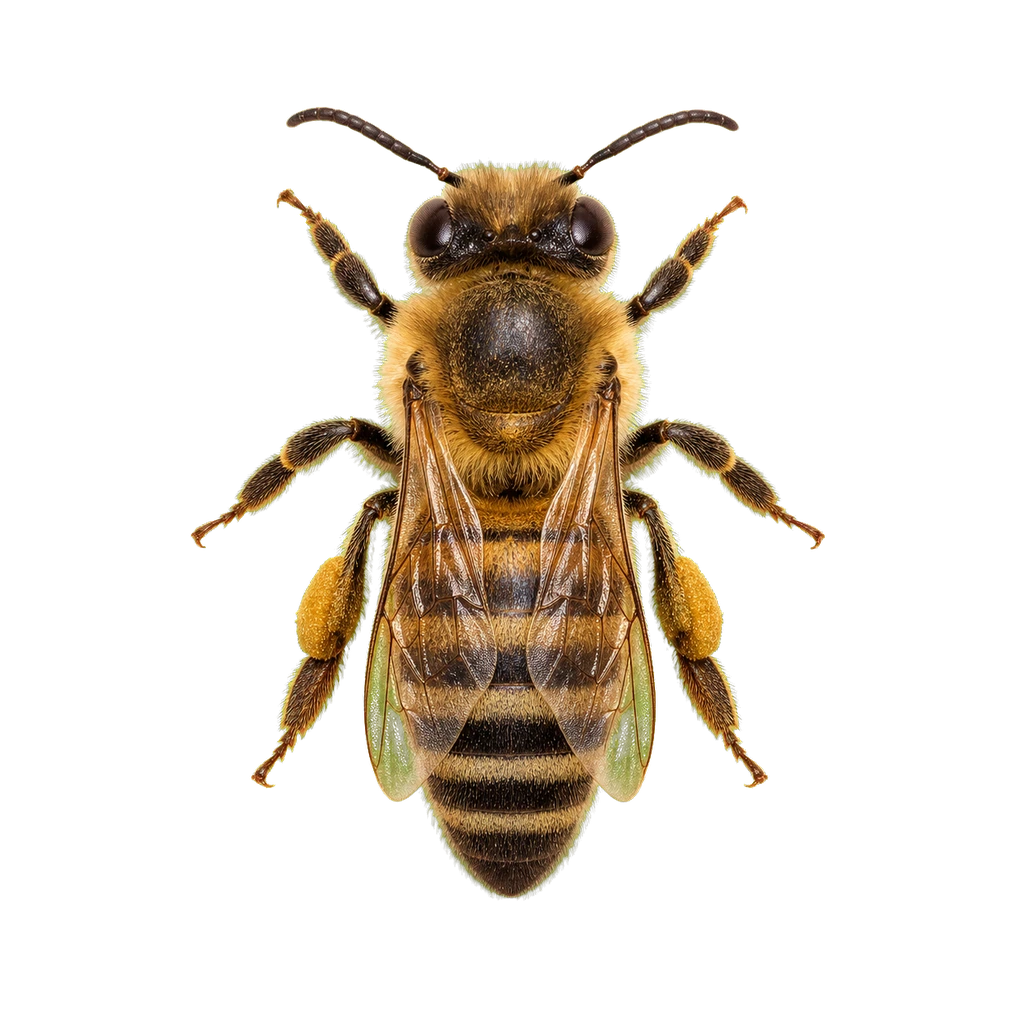
Bees, wasps, and hornets nesting near your home. Know which ones are dangerous and when to call for removal.
Explore Category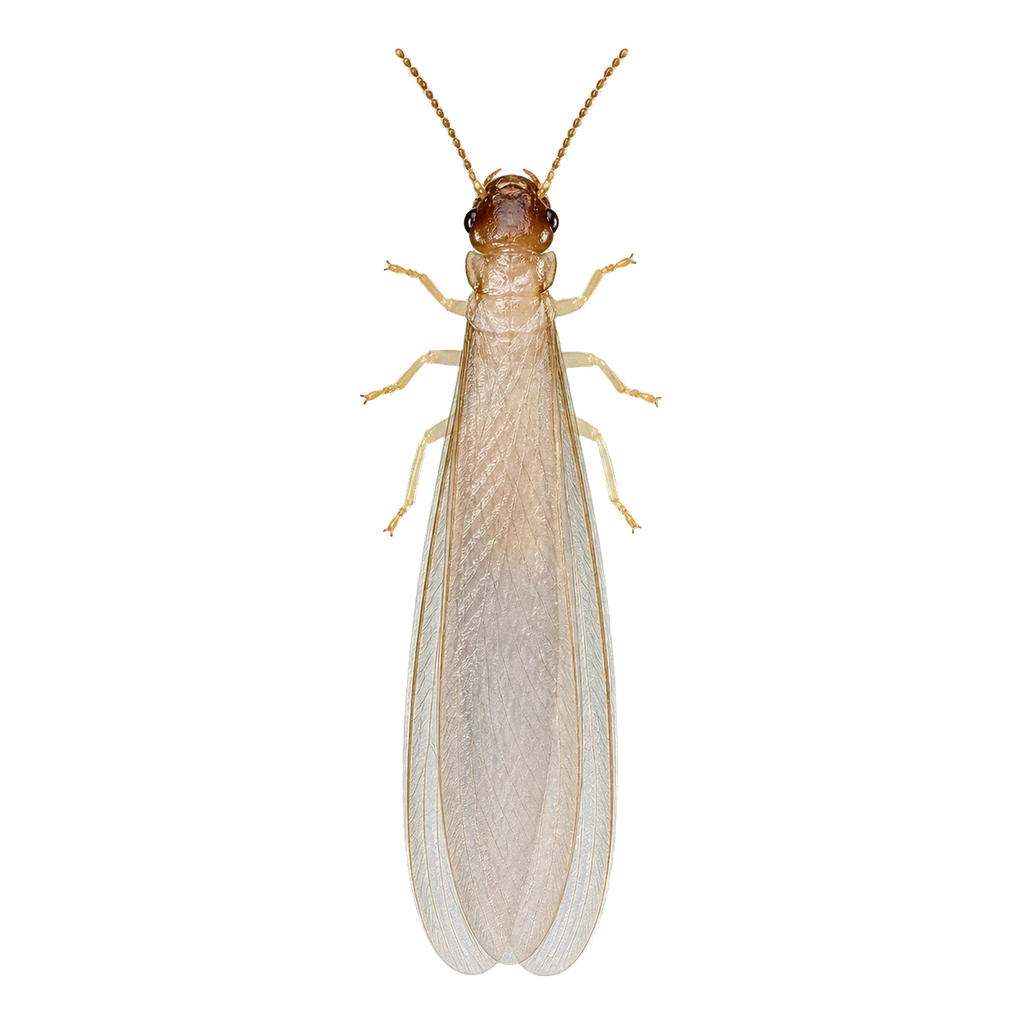
Termites and carpenter ants that damage your home from the inside out. Catch them before repair costs escalate.
Explore Category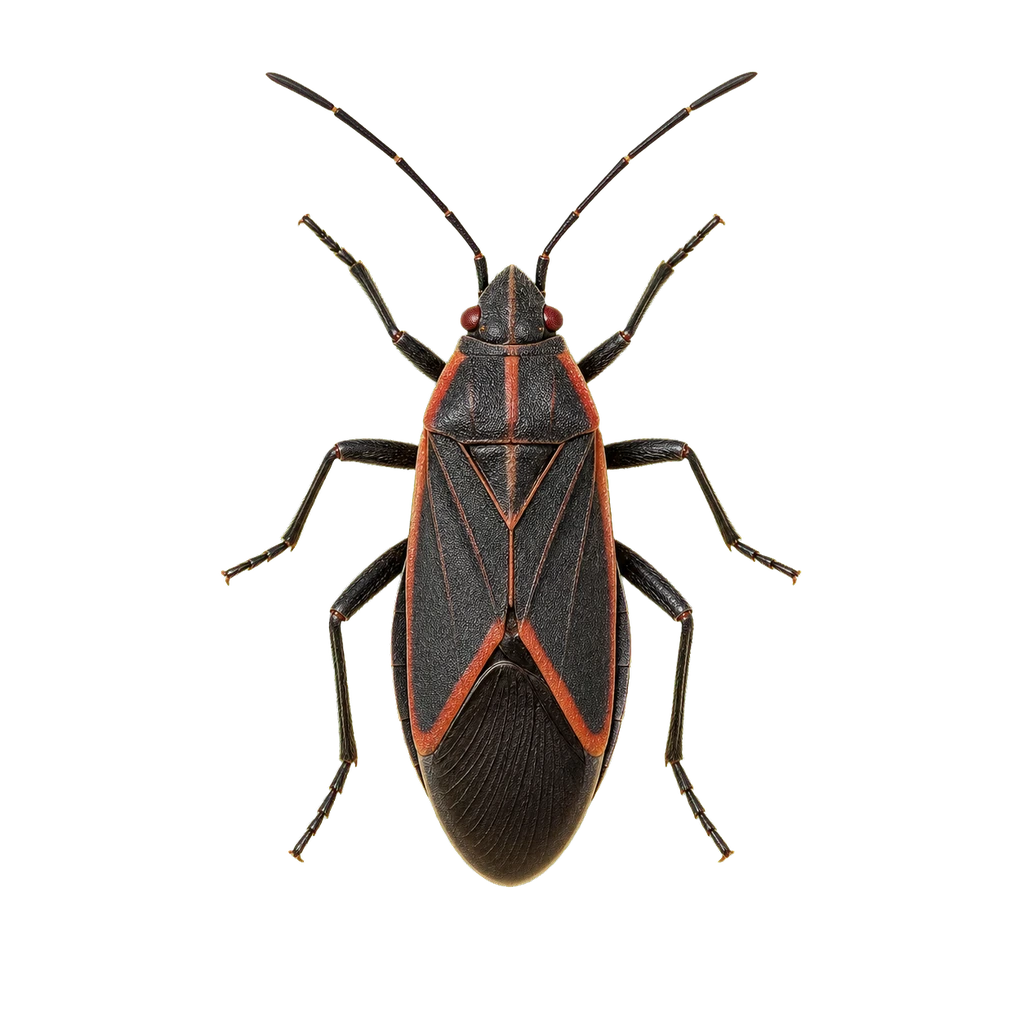
Stink bugs, centipedes, spiders, and other pests that show up seasonally. Learn why they're inside and how to keep them out.
Explore Category
Scratching in walls, droppings in cabinets, gnaw marks on wires, find out what's living in your home and how to stop it.
Explore Category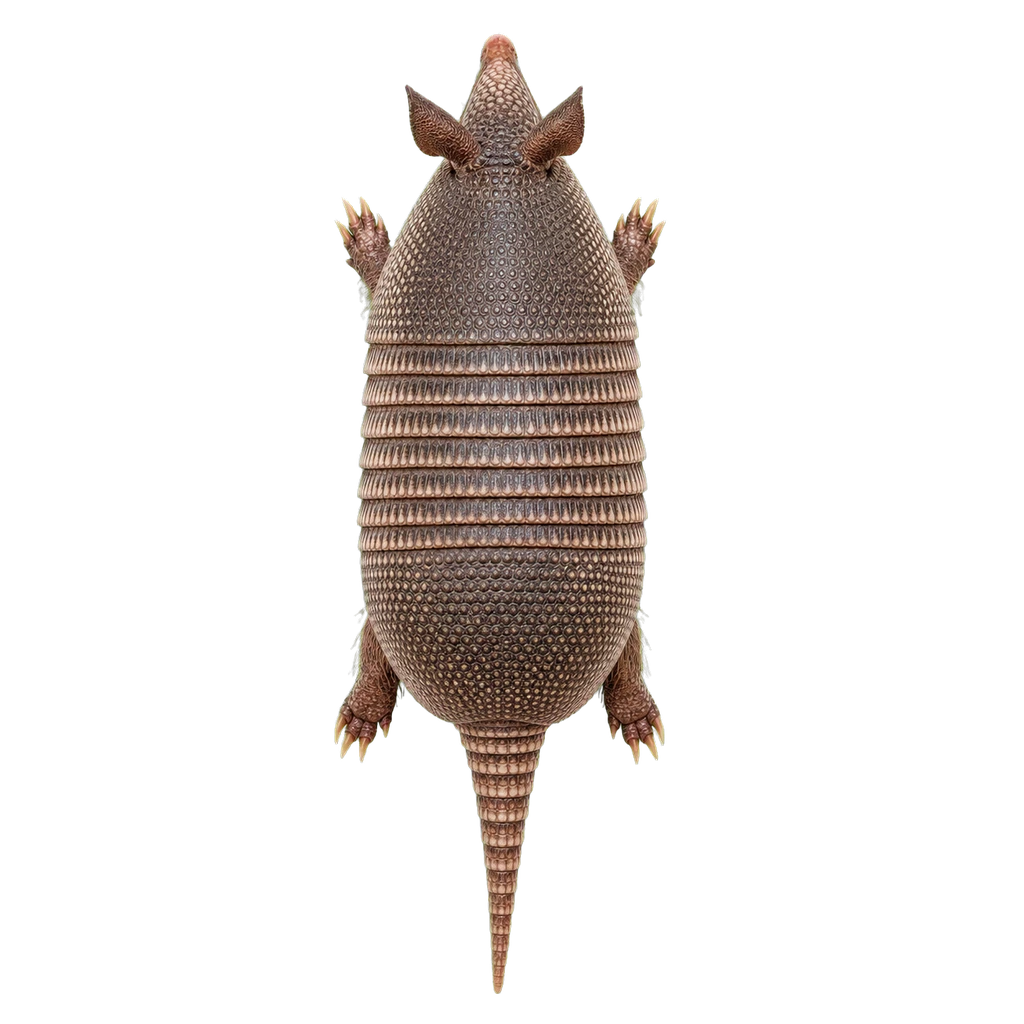
Raccoons, bats, squirrels, and snakes in attics, crawl spaces, and yards. Know the risks and how to remove them safely.
Explore CategoryLooking for something other than a guide? Start here.
Service Catalog
Ready to compare what professional services actually do.
ReferencePest Library
Know your pest and want the deep details on lifecycle and behavior.
CompanyHow Our Network Works
Curious how NoToPests connects homeowners with local pest control providers.
LocationsService Areas
Looking for a pest control provider serving your specific area.
Common questions about using the Learning Library.
The Learning Library is our collection of homeowner-focused pest guides. Every guide is built around a real decision homeowners face, written in plain language, grounded in how pests actually behave, and without sales pitches. It's the place to start when you have a question and want a straight answer.
They answer different questions. The Learning Library is for homeowners trying to figure out what to DO about pests: prevention, identification, treatment, hiring a pro, safety, and damage repair. The Pest Library is a species reference with detailed profiles, photos, behavior, and treatment options for individual pests.
Use the Learning Library when you have a question about a situation. Use the Pest Library when you already know which pest you're dealing with and want the details.
Each guide lives under a category that matches a stage of dealing with pests. Signs & Symptoms helps you spot the first indicators. Identification helps you pin down what you're dealing with. Prevention covers proactive home protection. Treatment covers active intervention once pests are inside. Safety & Health covers pesticide safety, bites, and protecting kids and pets. Damage & Repair covers structural damage and recovery after an infestation. Choosing a Pro covers vetting providers and hiring professionals.
Our guides are developed with input from pest control professionals and reflect real-world pest behavior, regional patterns, and current treatment practices across the United States. We focus on practical, decision-ready information rather than promotional content.
These guides are a starting point, not a replacement for professional service. DIY prevention and minor treatment work well for early-stage or single-pest issues. Recurring problems, structural pests (termites, carpenter ants), wildlife intrusions, and health-risk situations should always involve a qualified professional.
The guides describe pest behavior, prevention timing, and treatment approaches that apply broadly across the United States. Where regional variation matters significantly, such as termite pressure in the Southeast or rodent migration in cold-winter climates, individual guides call out the difference. For local specifics, talk to a provider in your area.
Start with the Identification category if you've seen something but don't know what it is. Start with Prevention if you haven't seen activity but want to protect your home. Start with Treatment if you know what you're dealing with and need to act. Or call a local professional for a quick assessment if you'd rather have someone tell you in two minutes.
Local providers handle every pest category in this library. Get matched in one call, no pressure and no commitments.