Common Household Pests
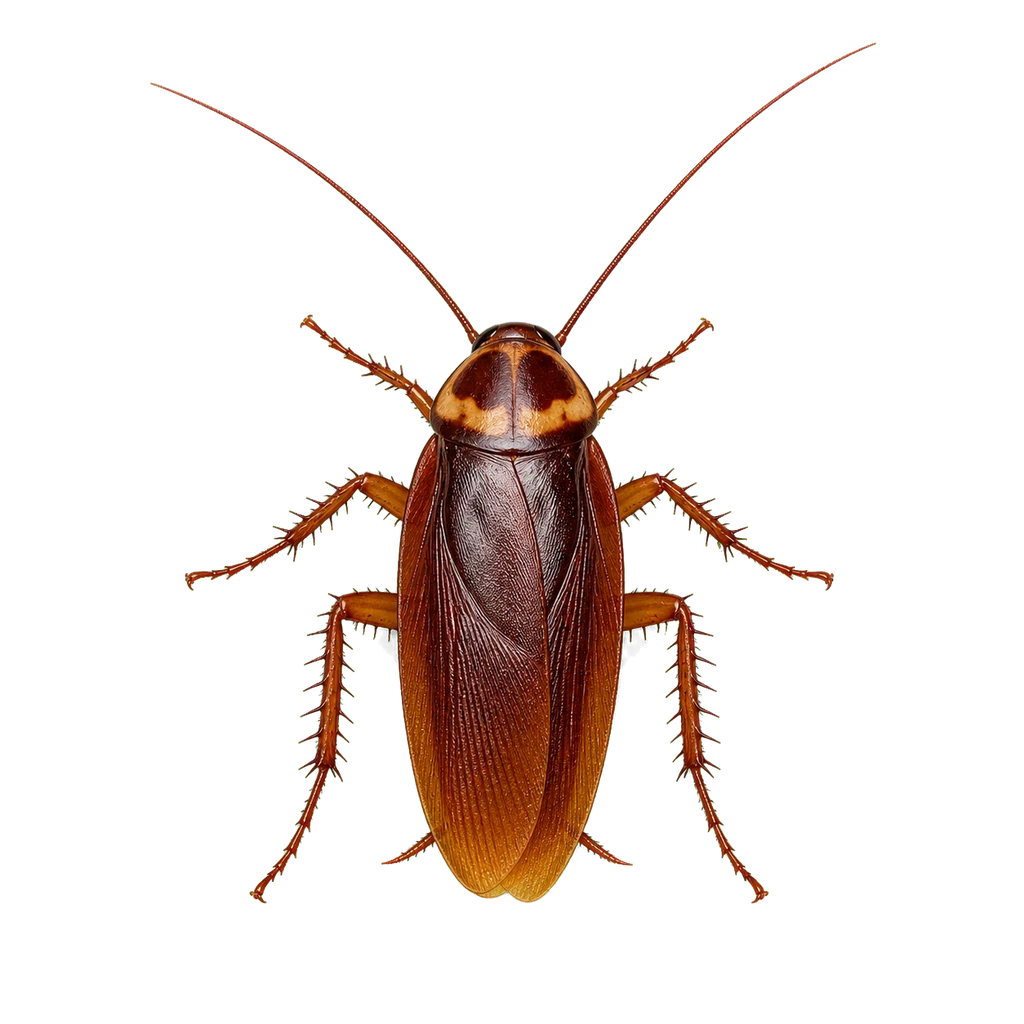
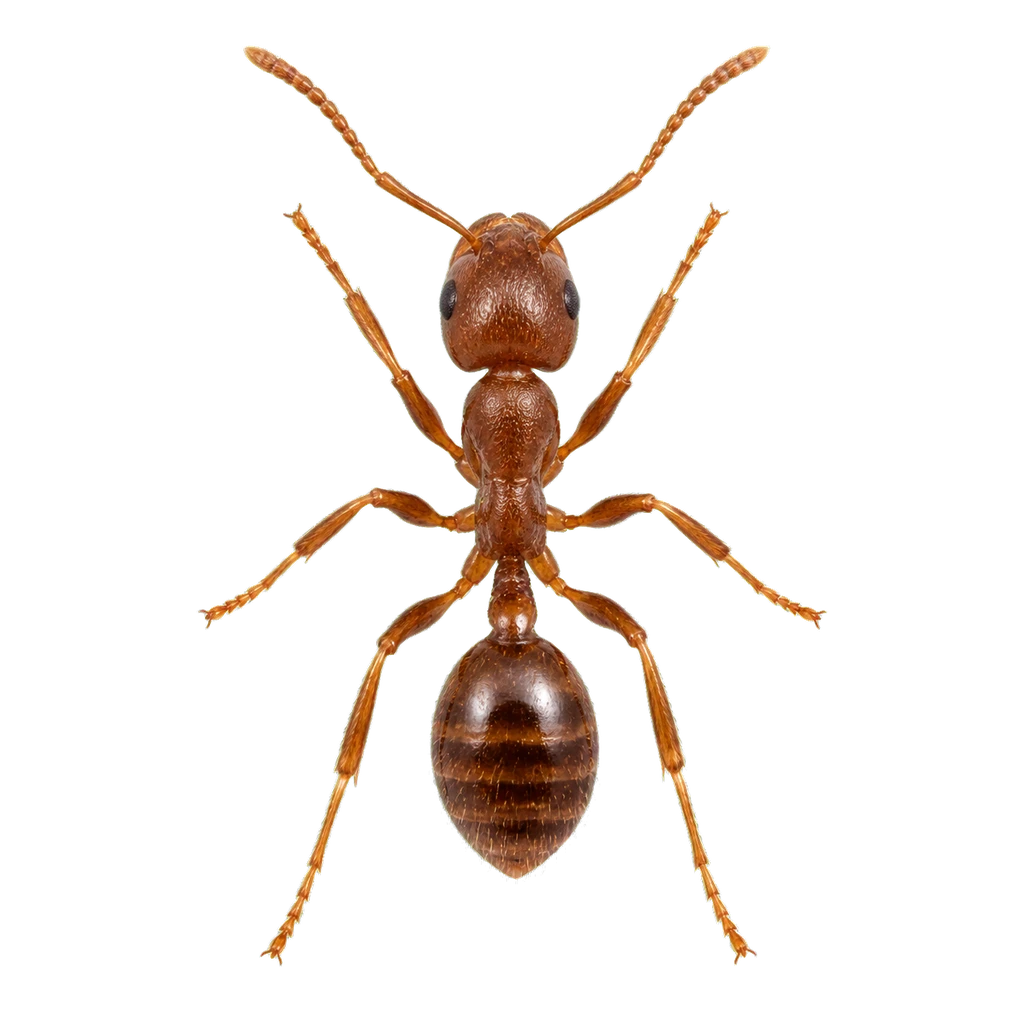
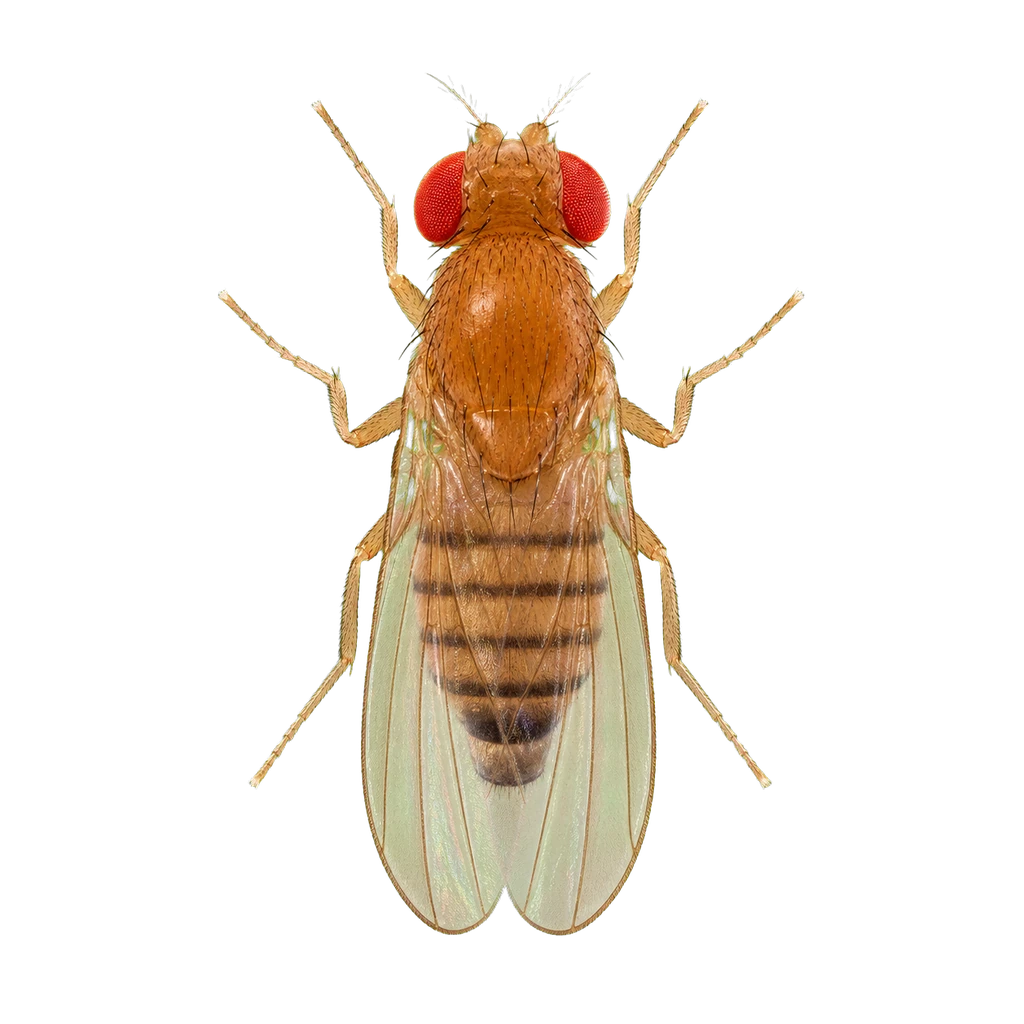
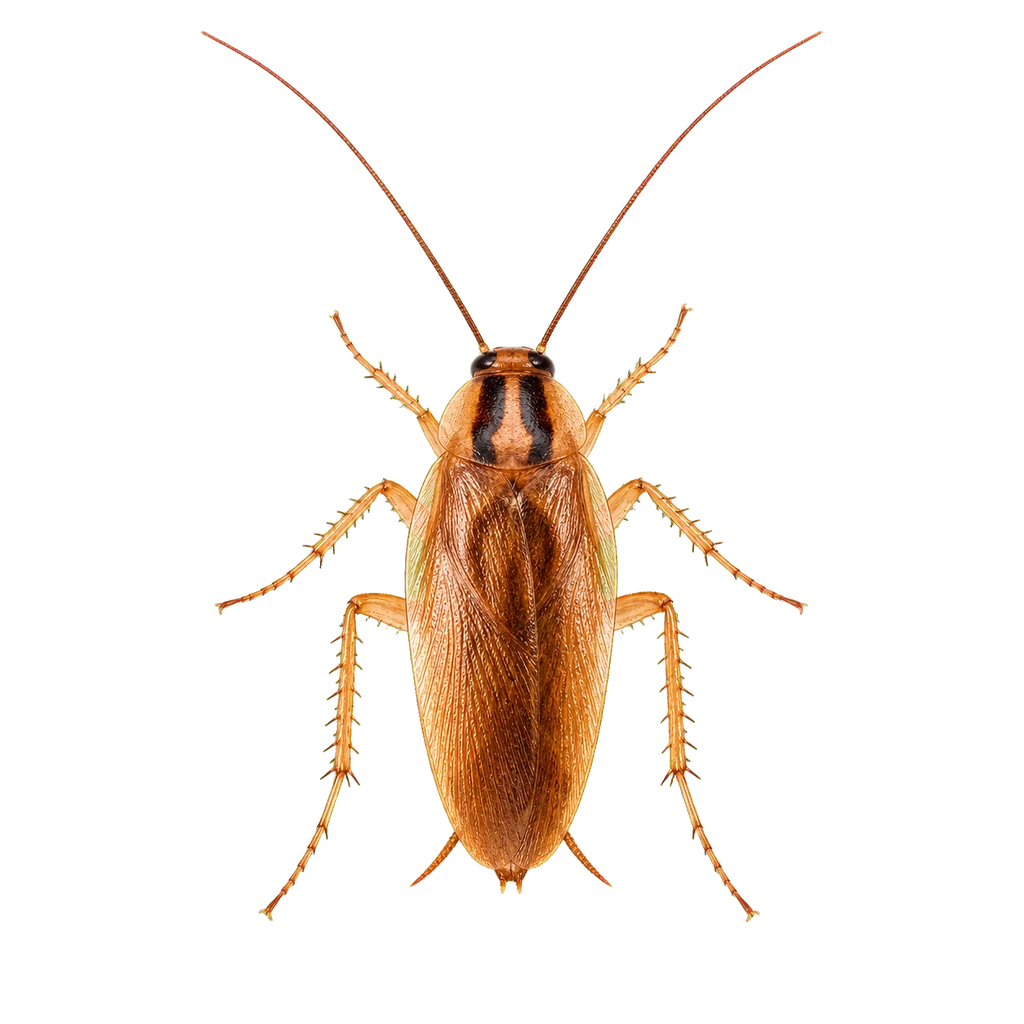
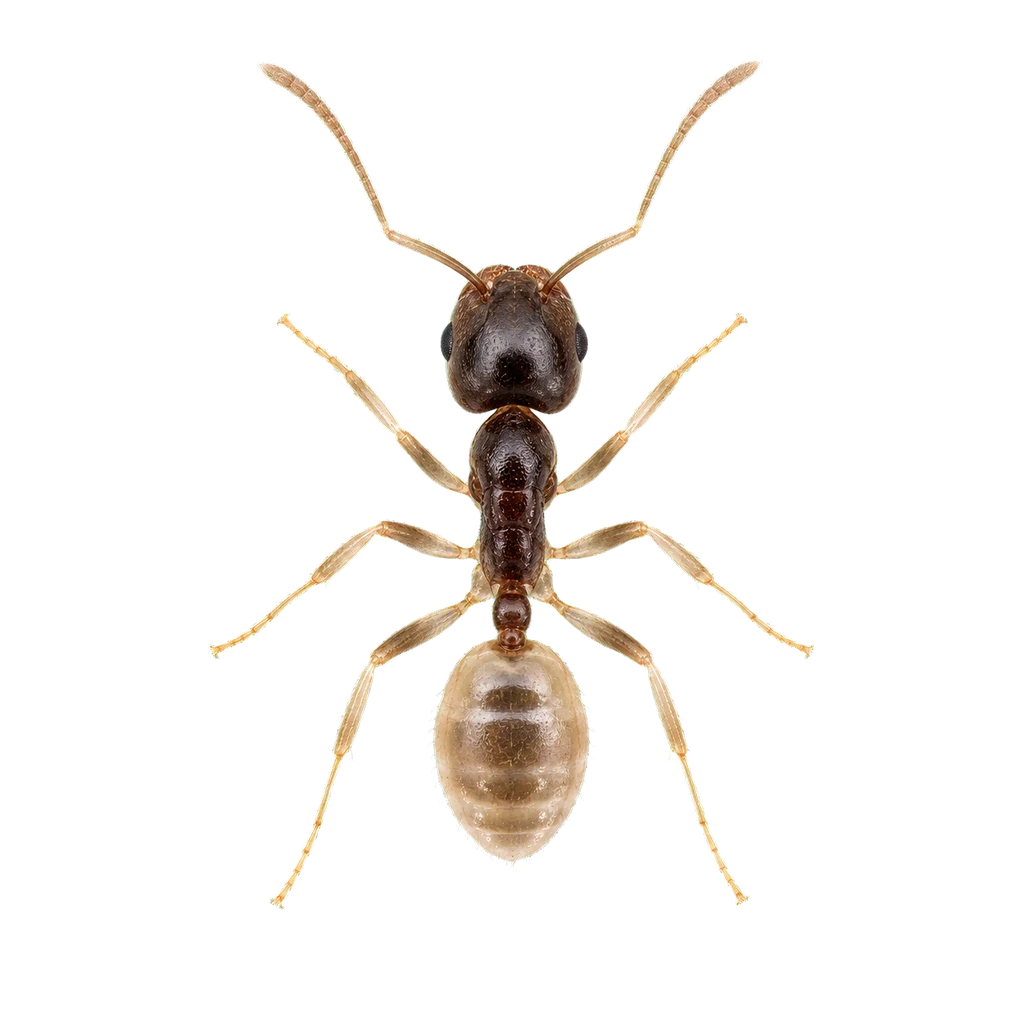
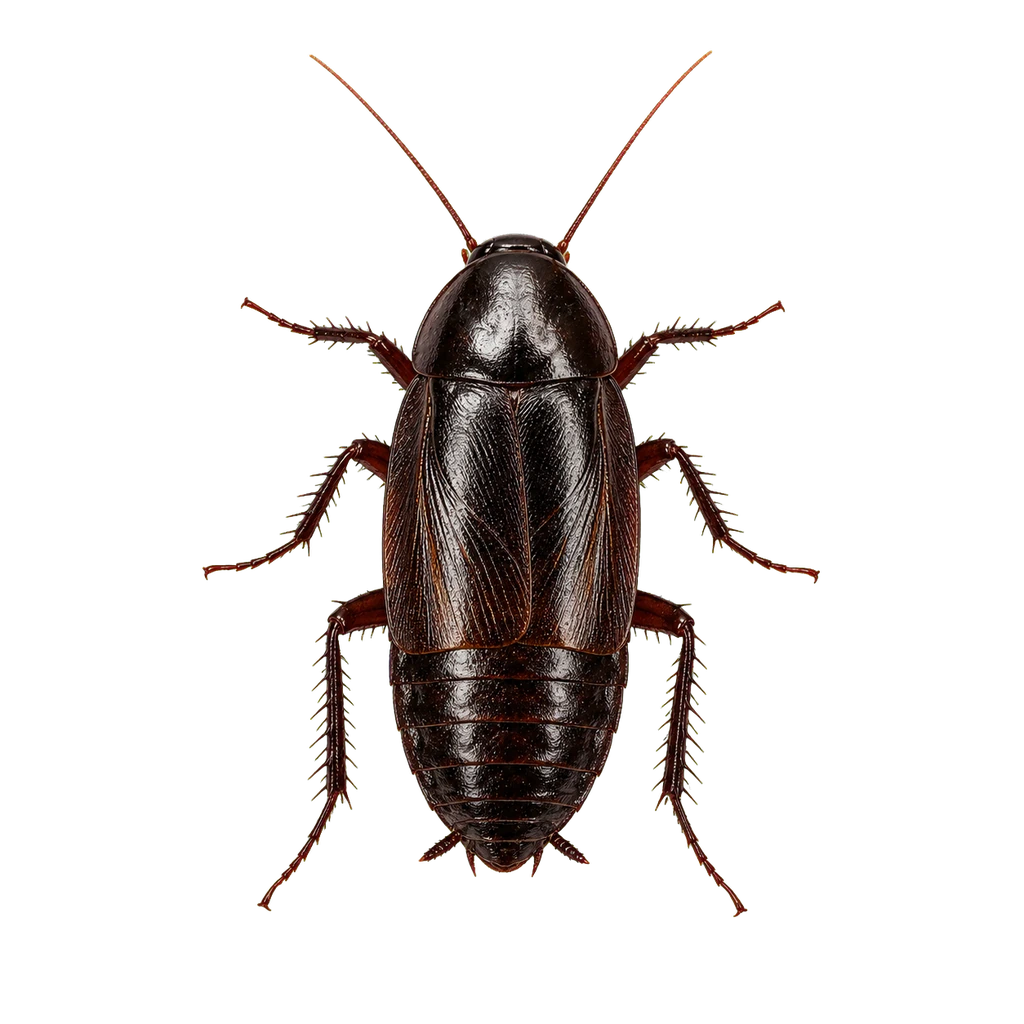
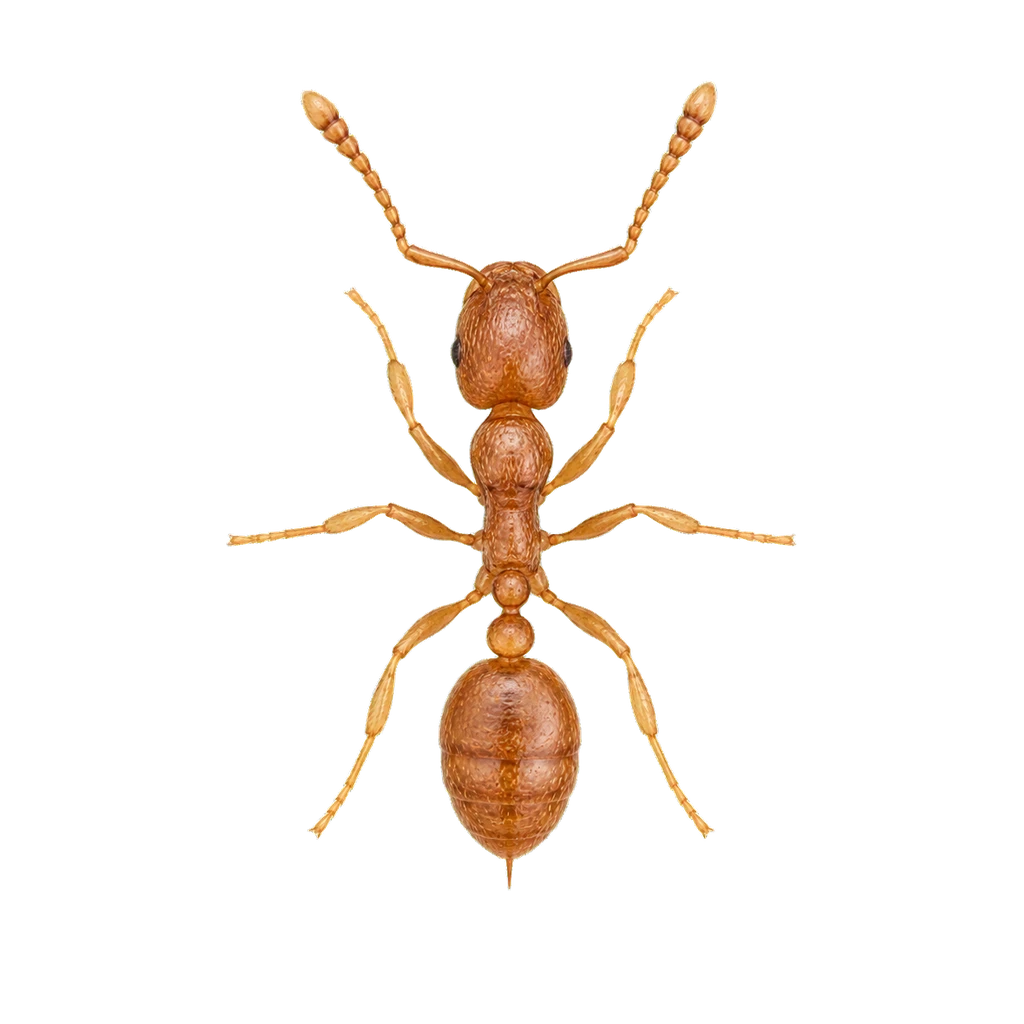
Ants in the kitchen, roaches under the sink, bed bugs in the mattress, identify what's in your home and what to do about it.
Explore CategoryLocal pest control help is one call away.
 Pest Control Services Nationwide Pest Control Services Nationwide
 Most pest problems start with a single sign, something small enough to dismiss but persistent enough to notice. A trail of ants along the baseboards, scratching behind a wall at night, or bite marks that weren't there yesterday.
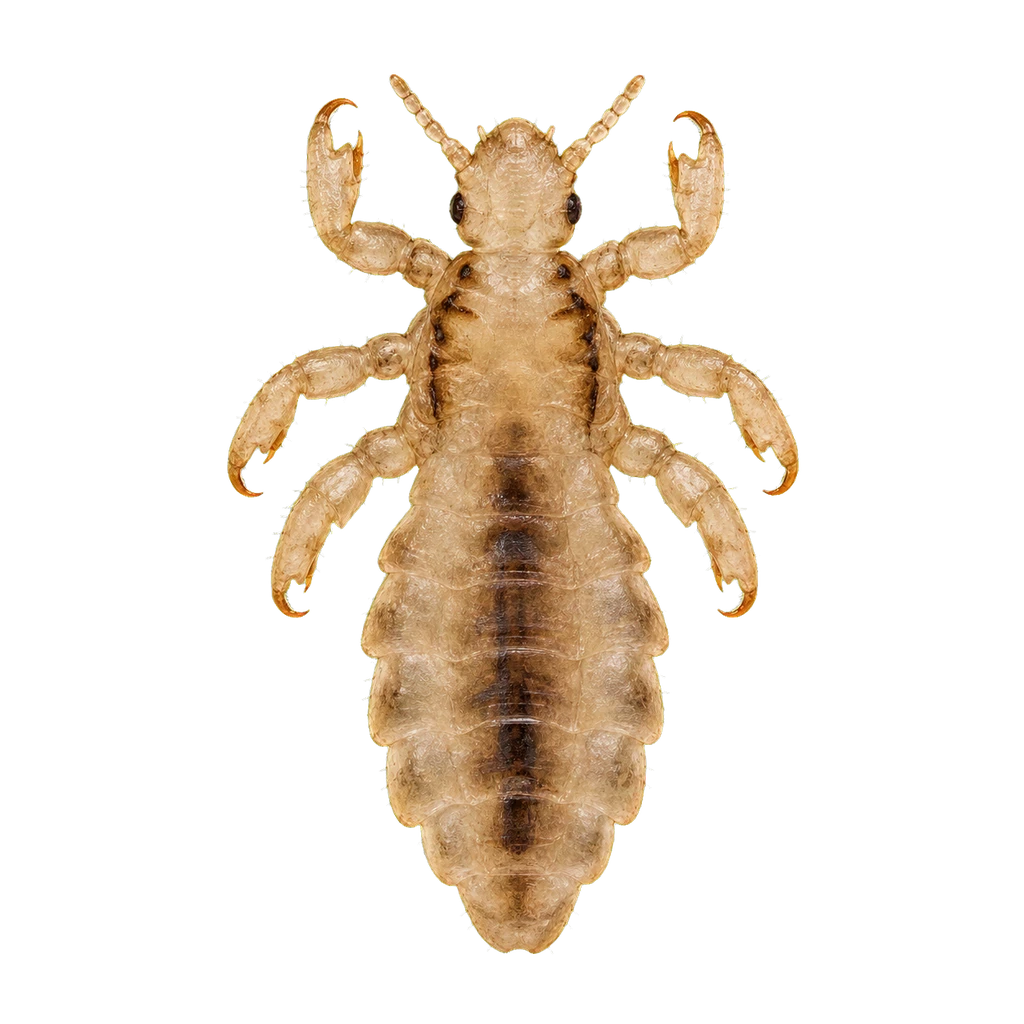
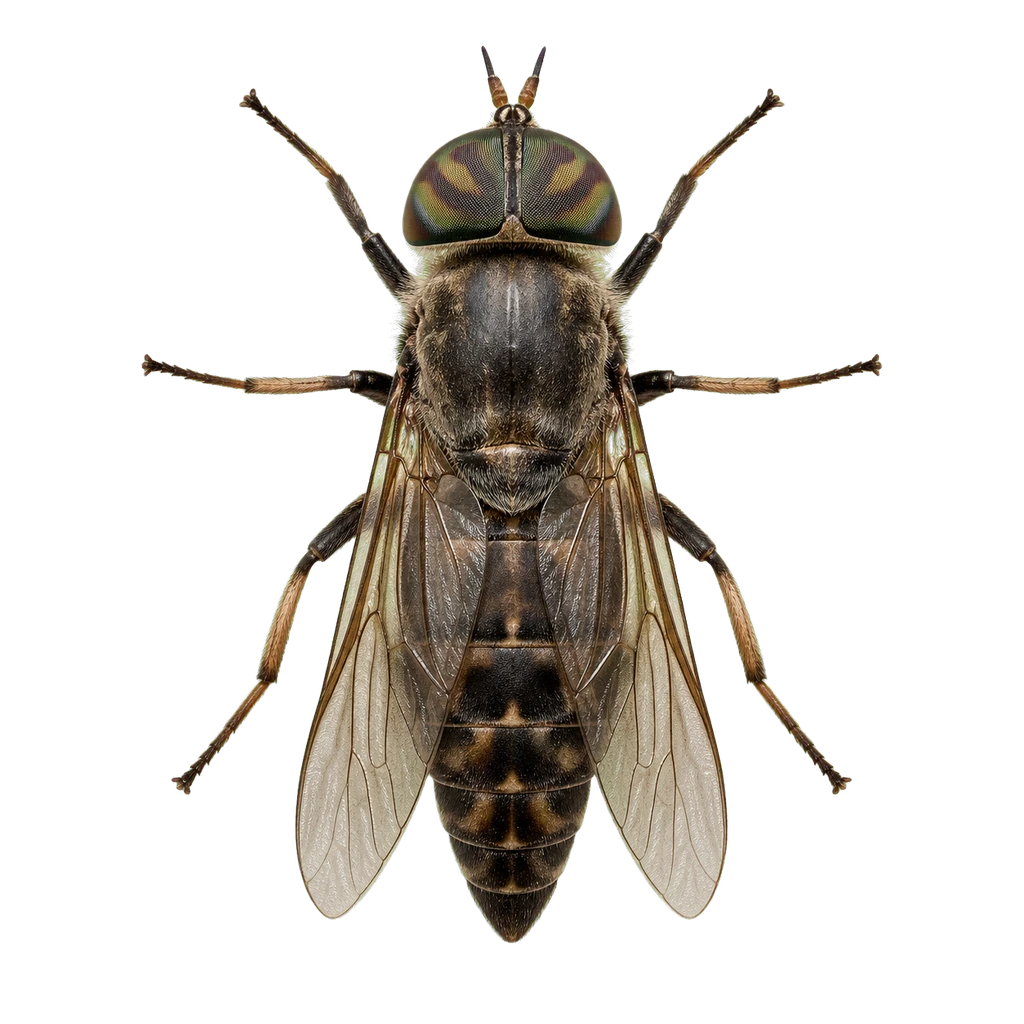
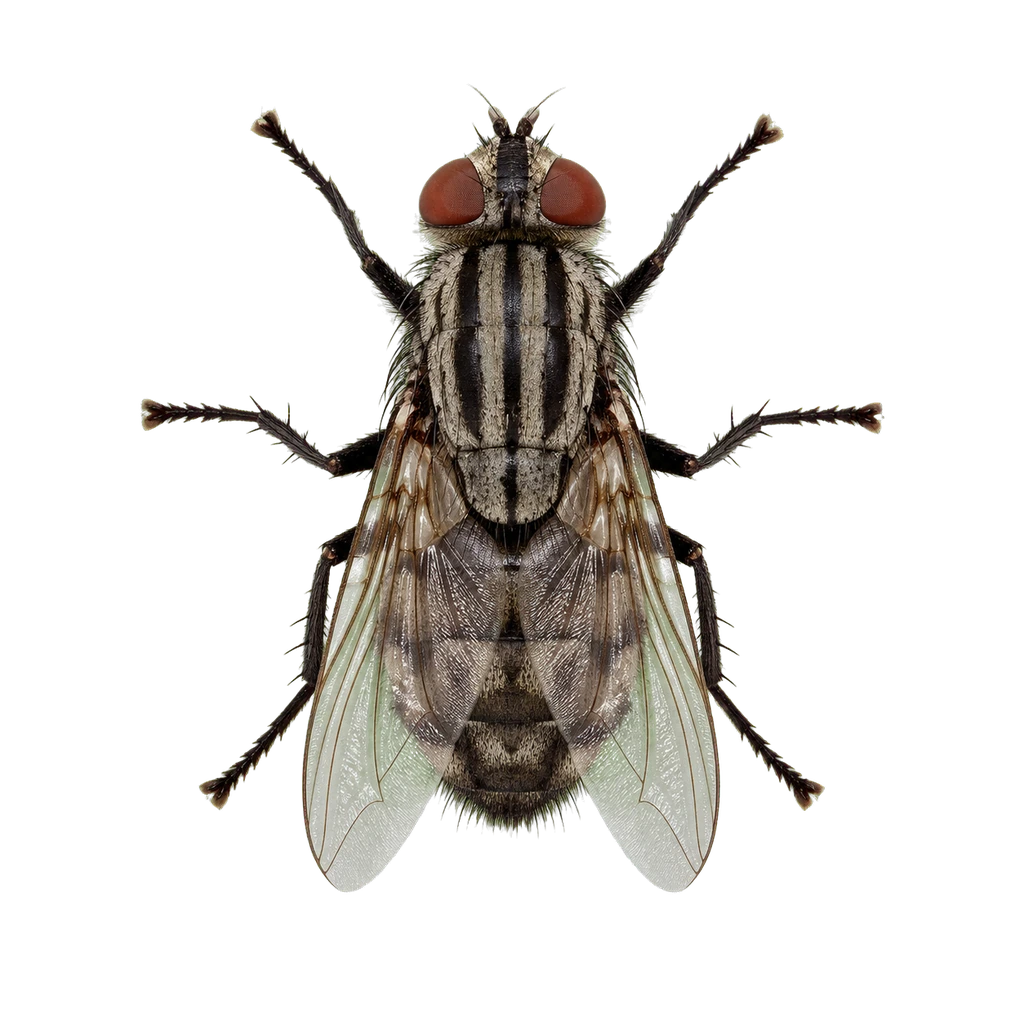
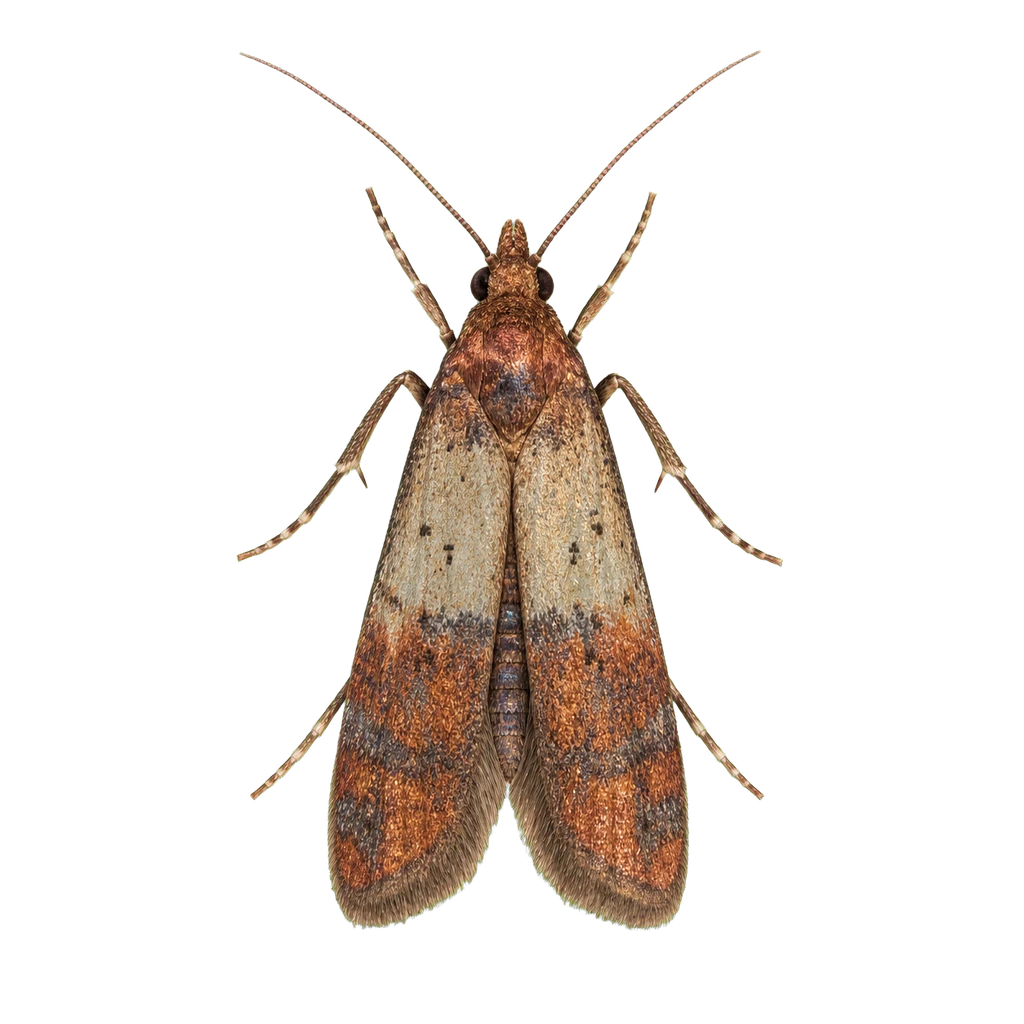
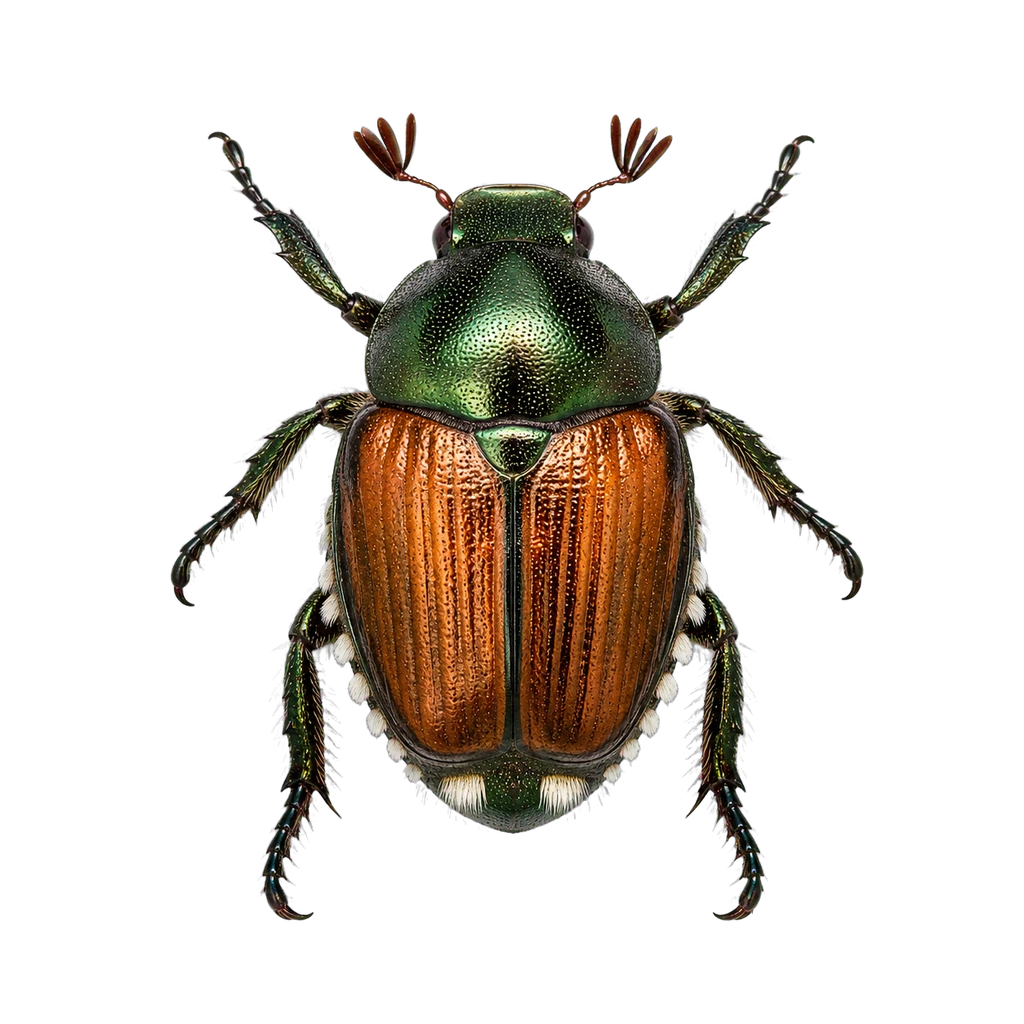
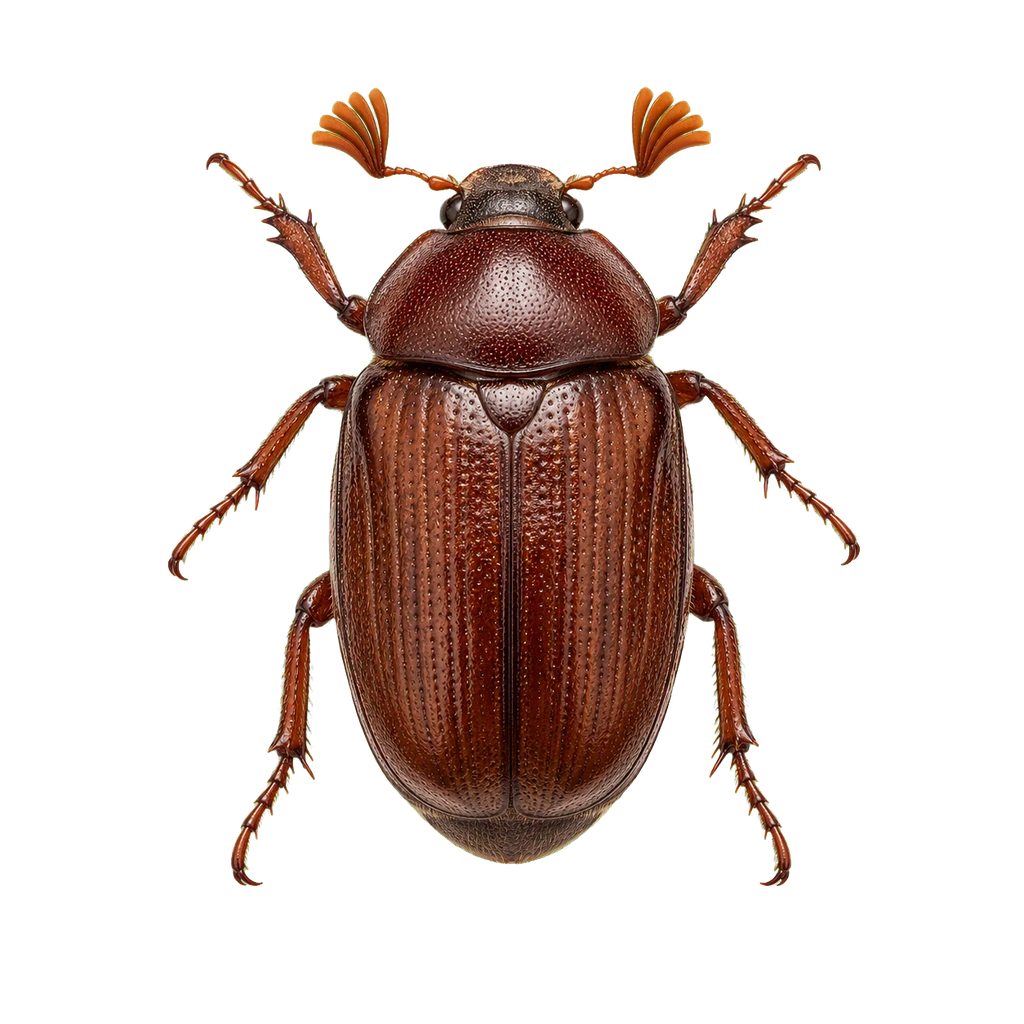
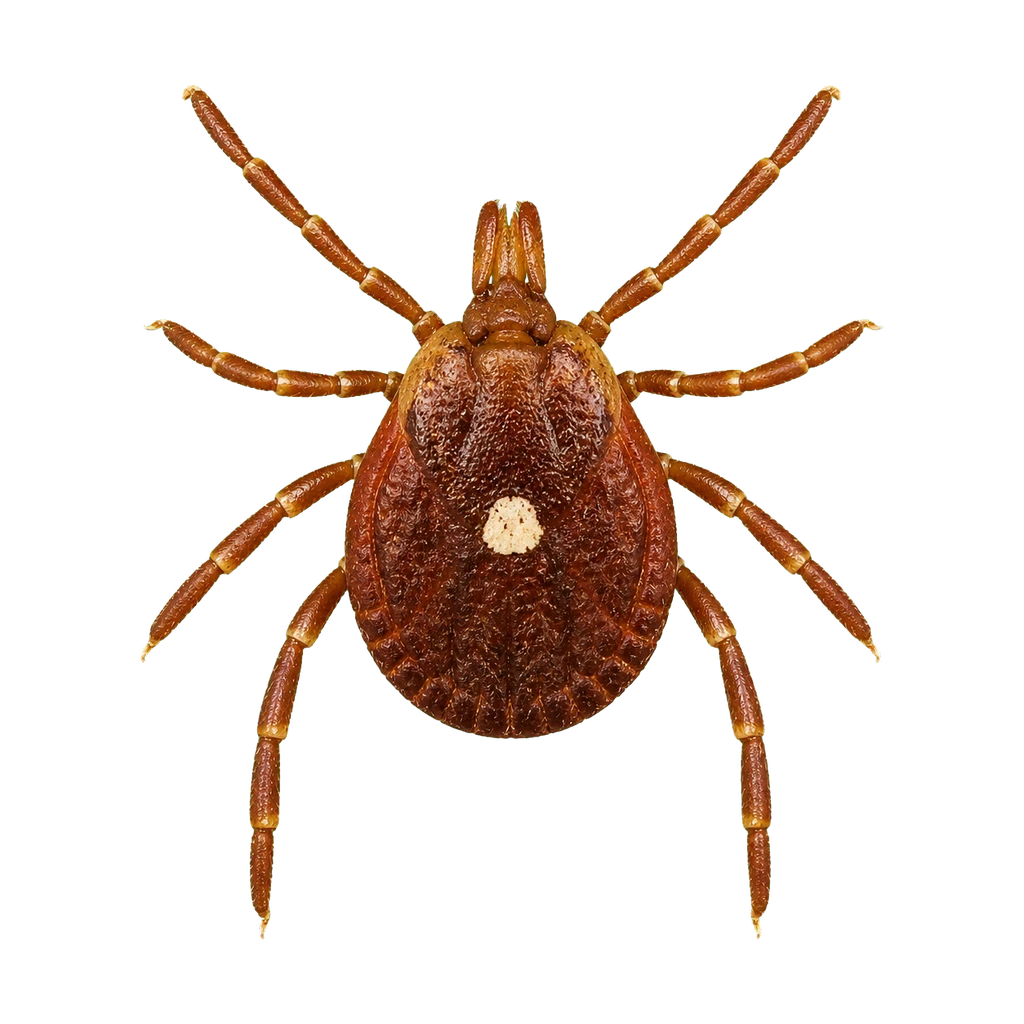
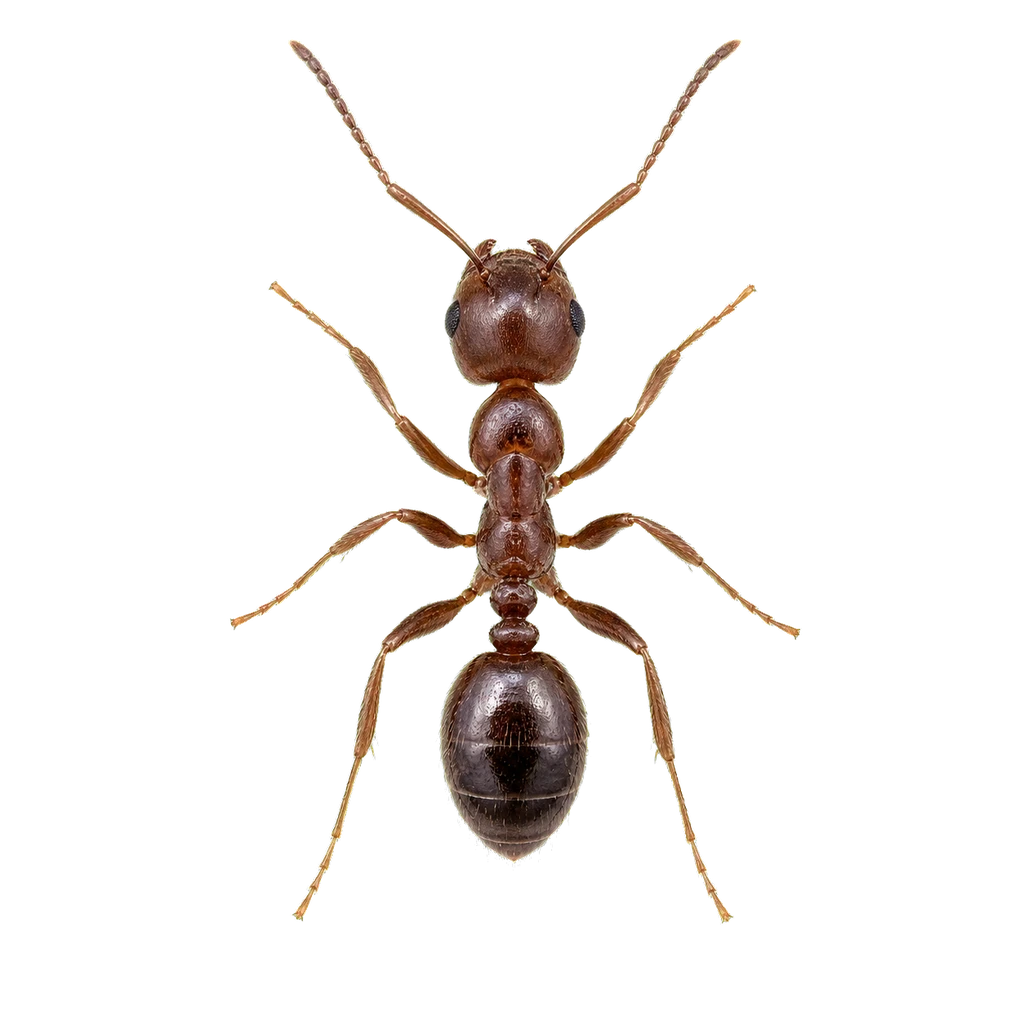
This library covers over 150 common household pests, what they look like, why they show up, how to tell them apart, and what homeowners typically do about them. Browse by category, match by symptom, or go straight to a specific pest.
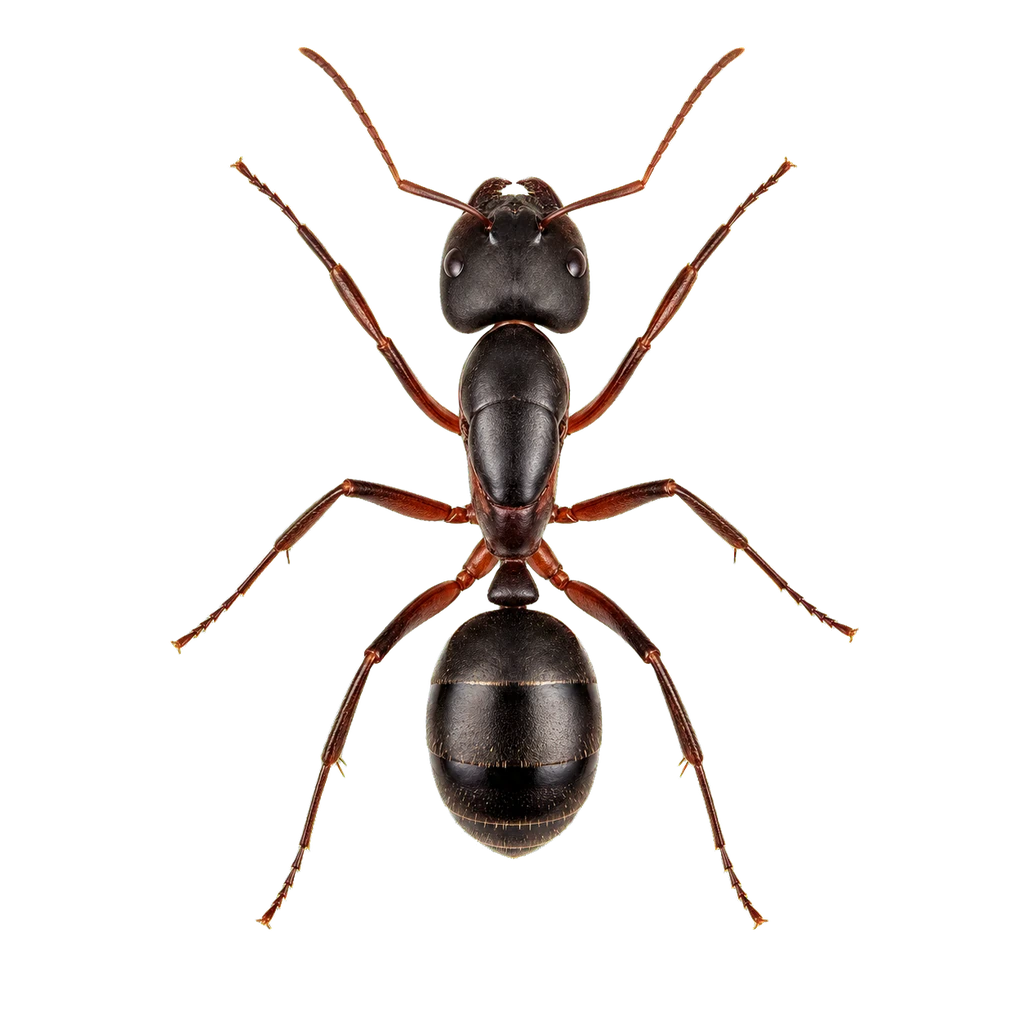
Ants in the kitchen, roaches under the sink, bed bugs in the mattress, identify what's in your home and what to do about it.
Explore Category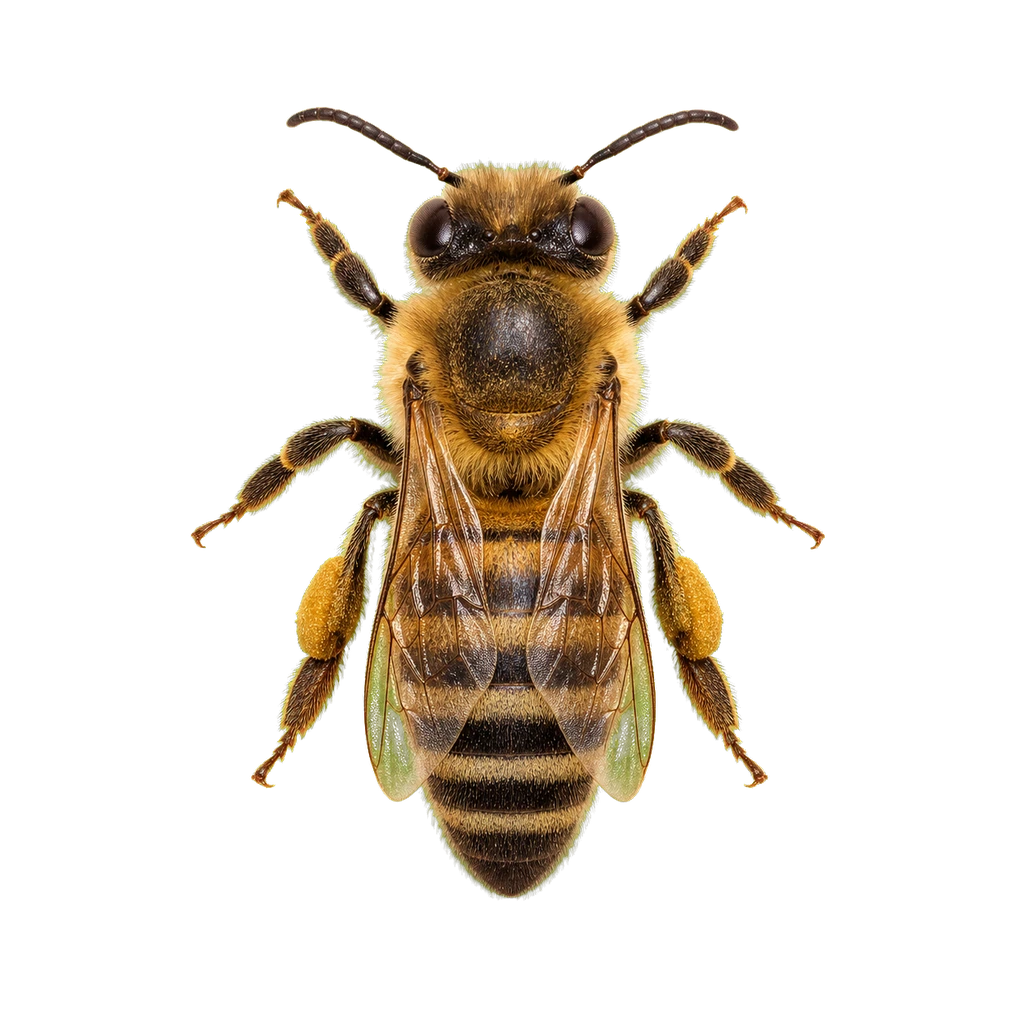
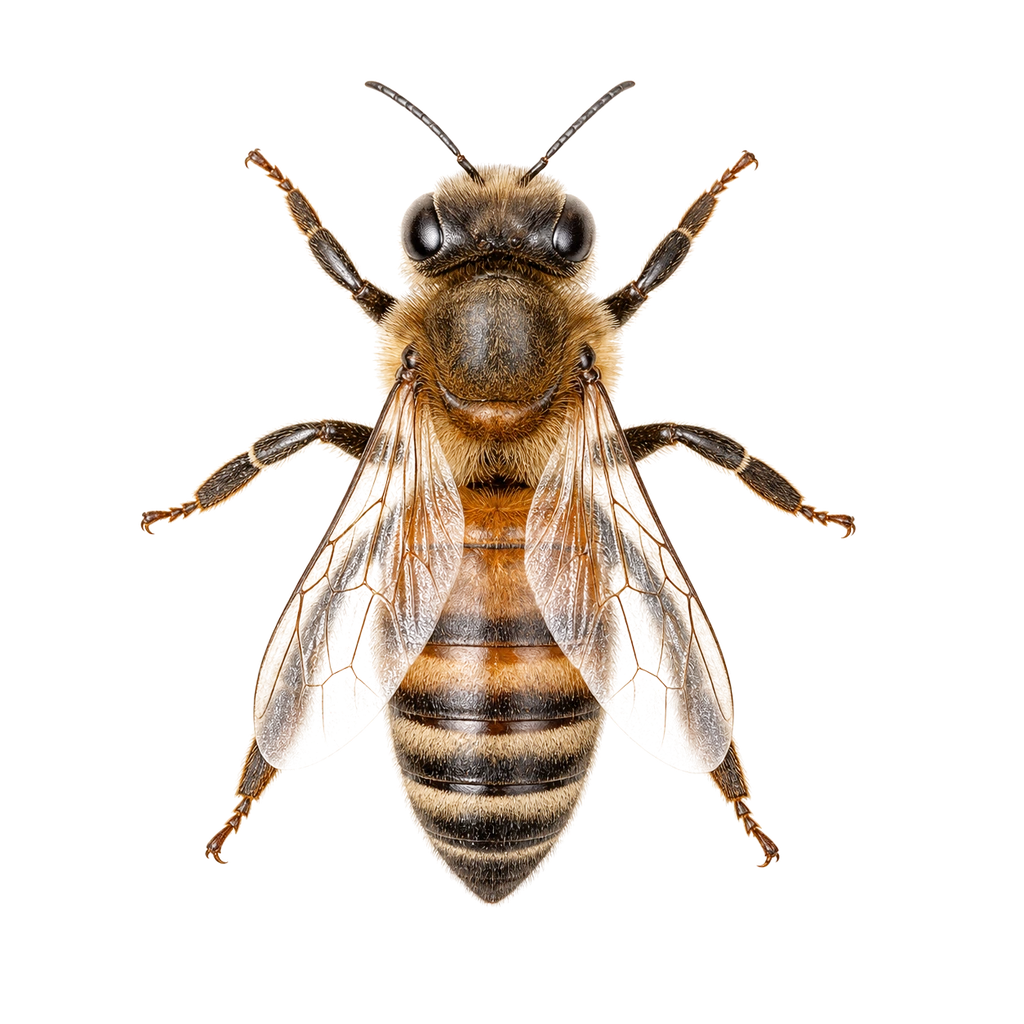
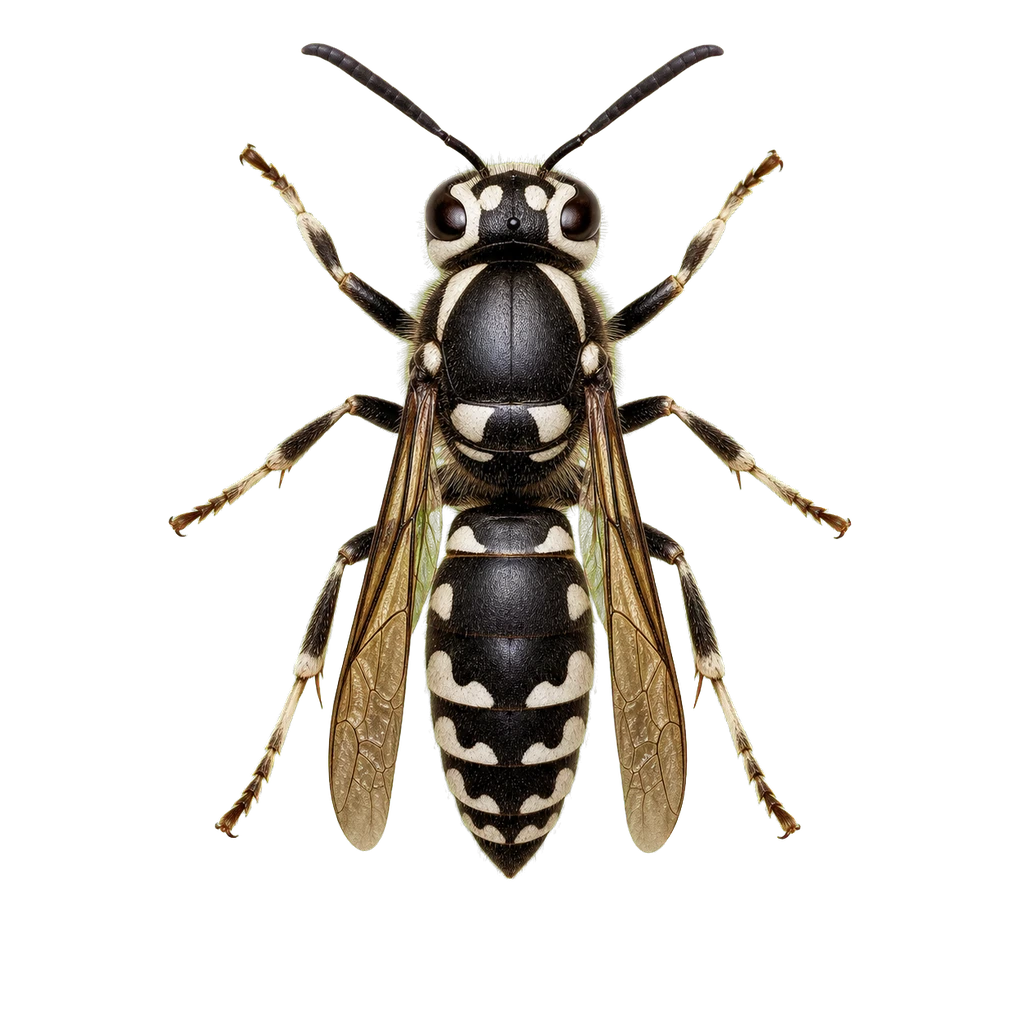
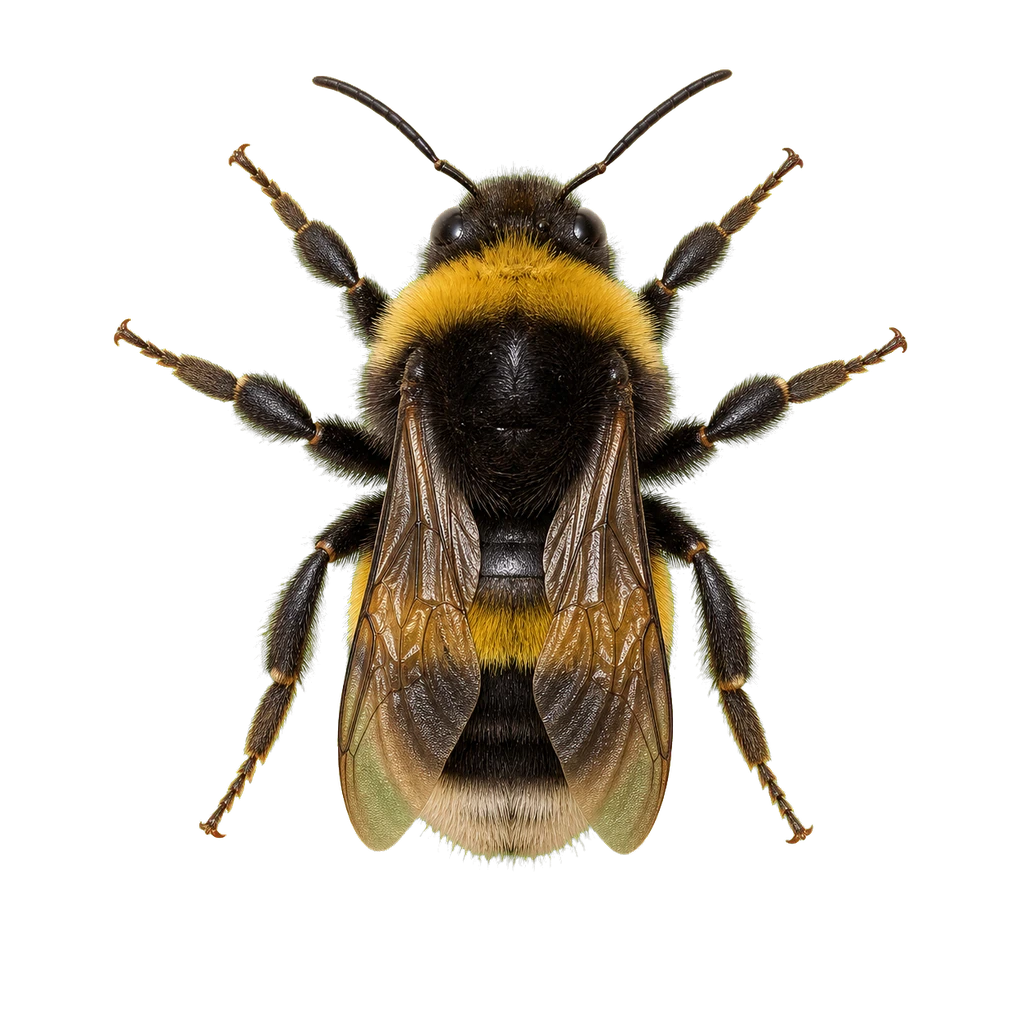
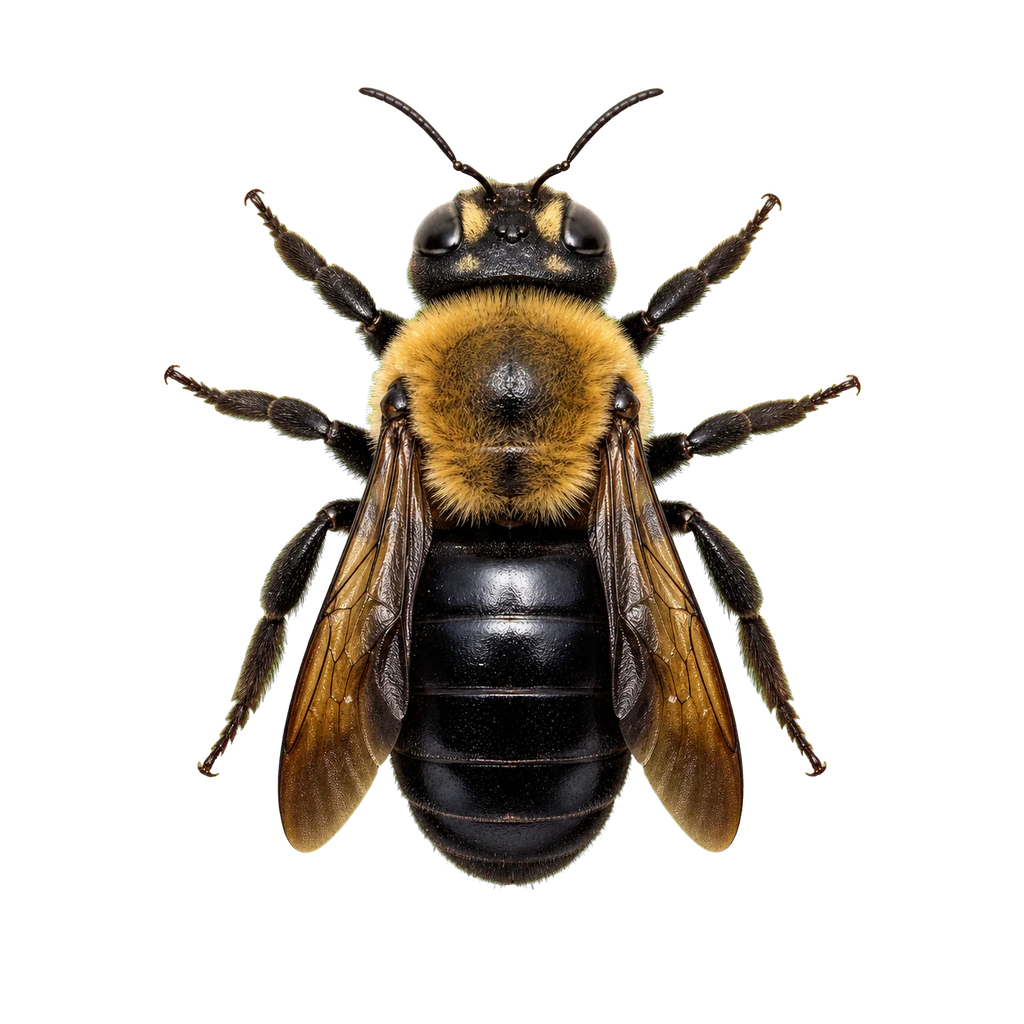
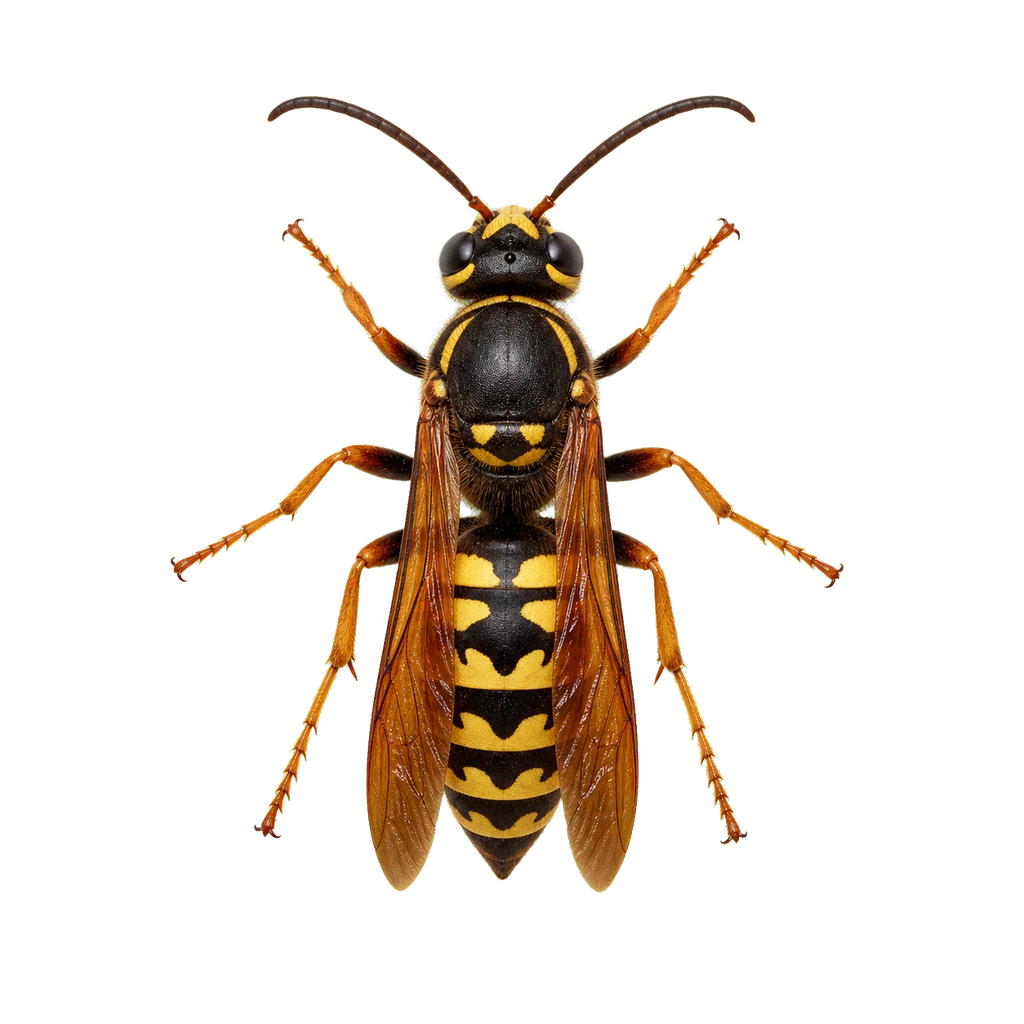
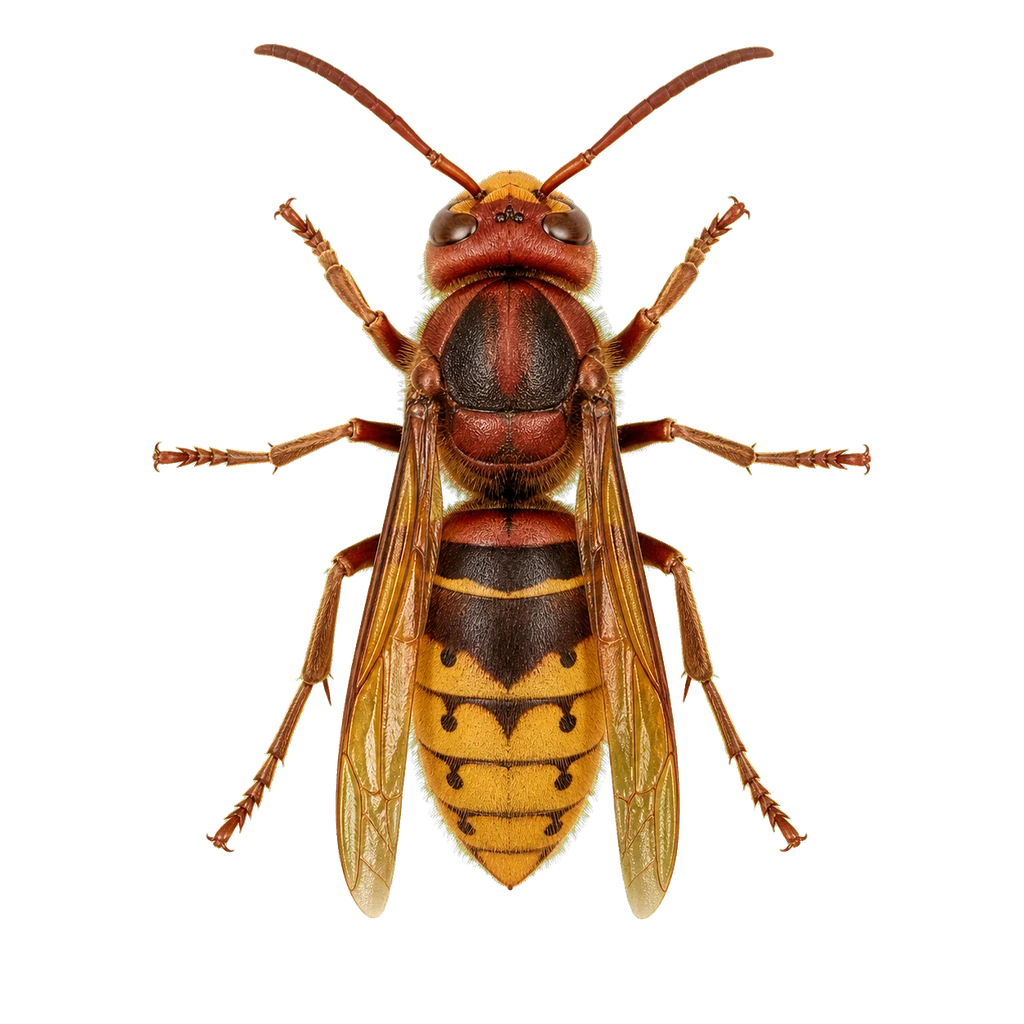
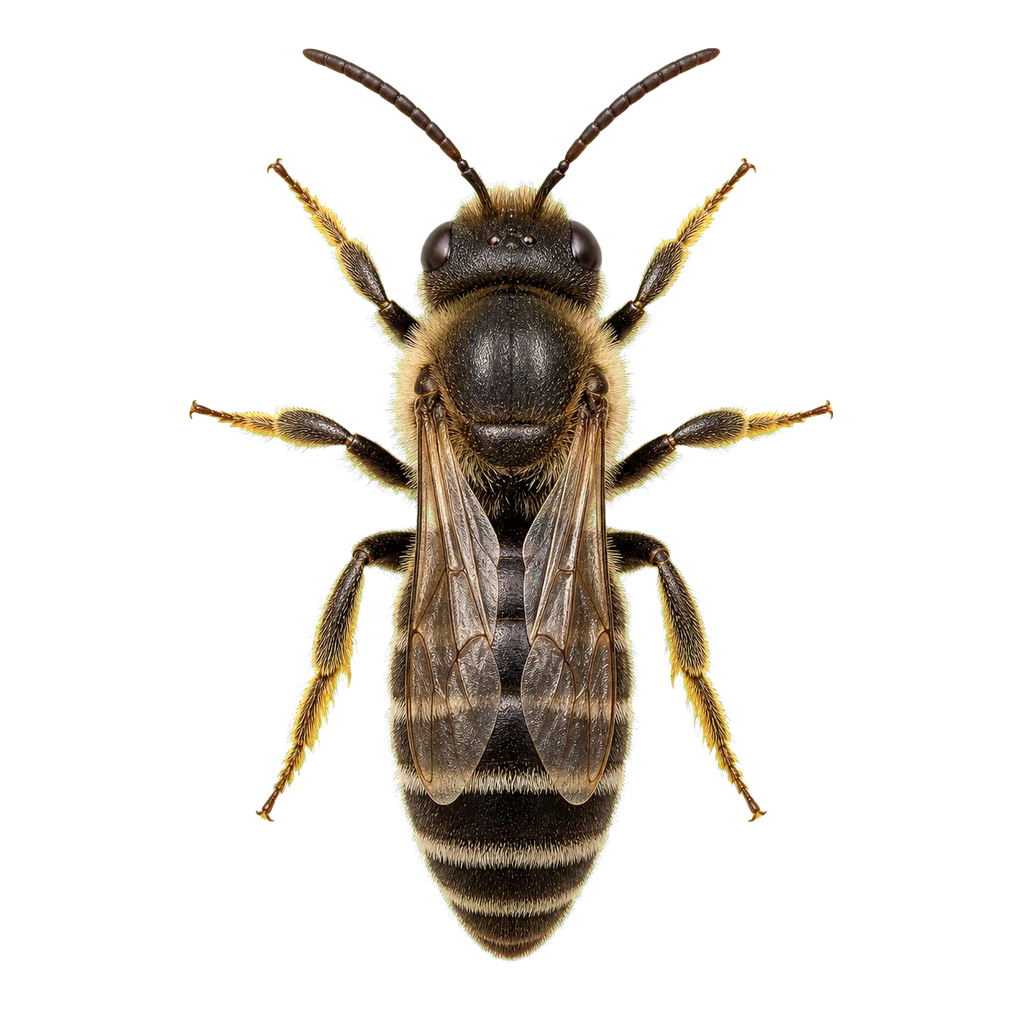
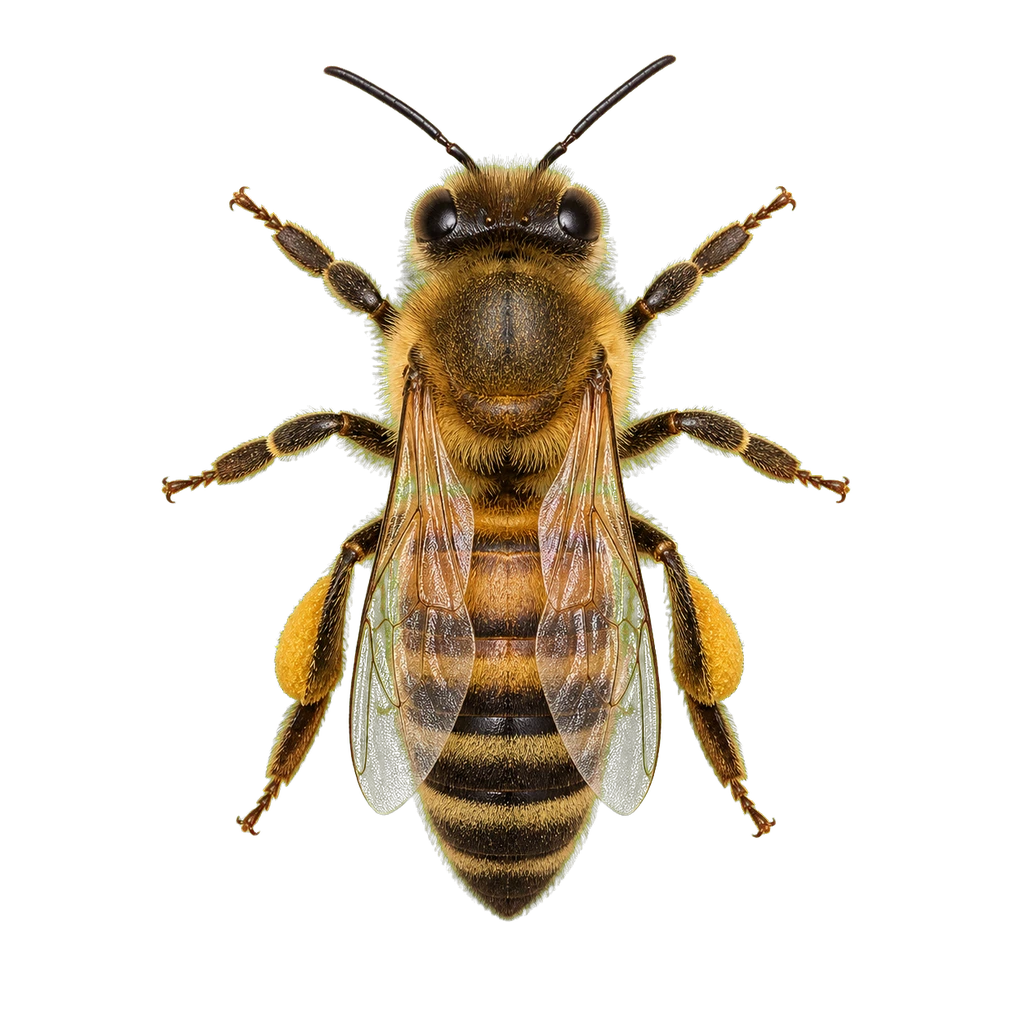
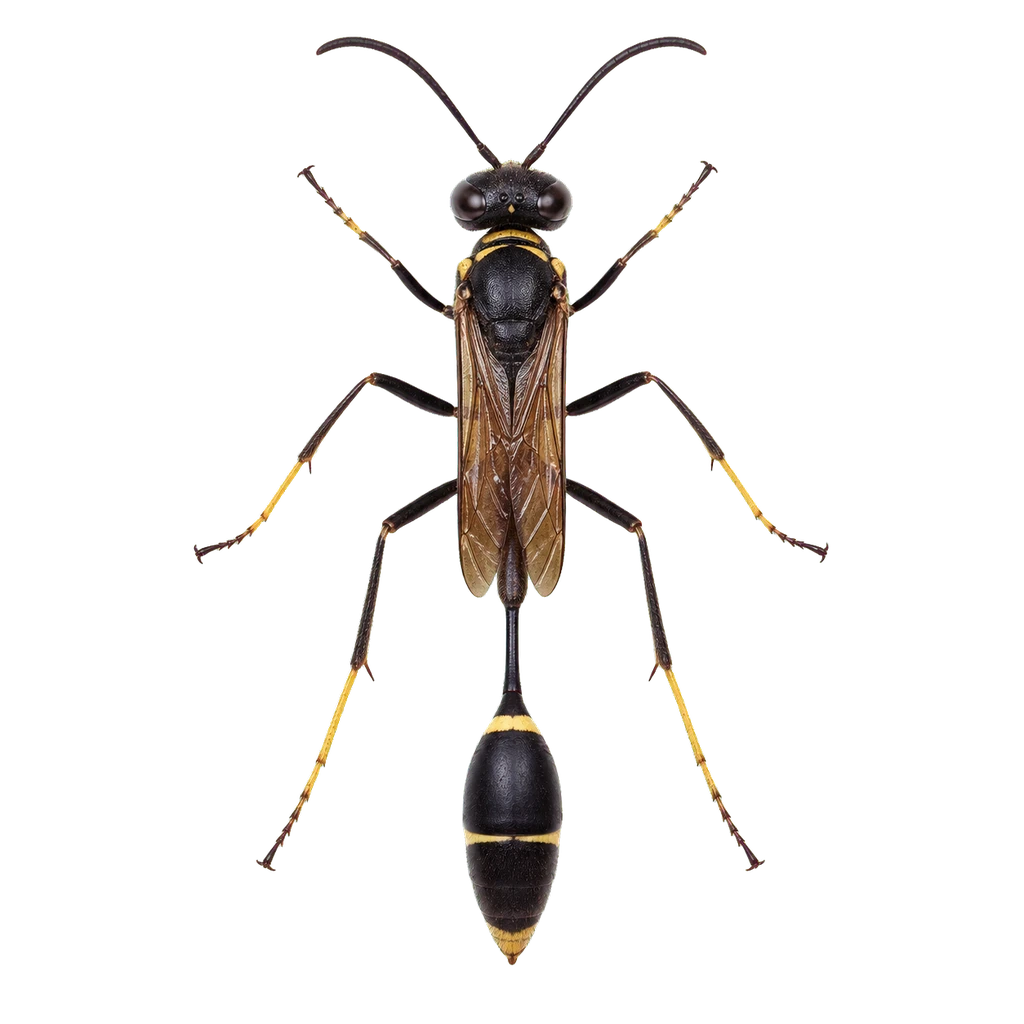
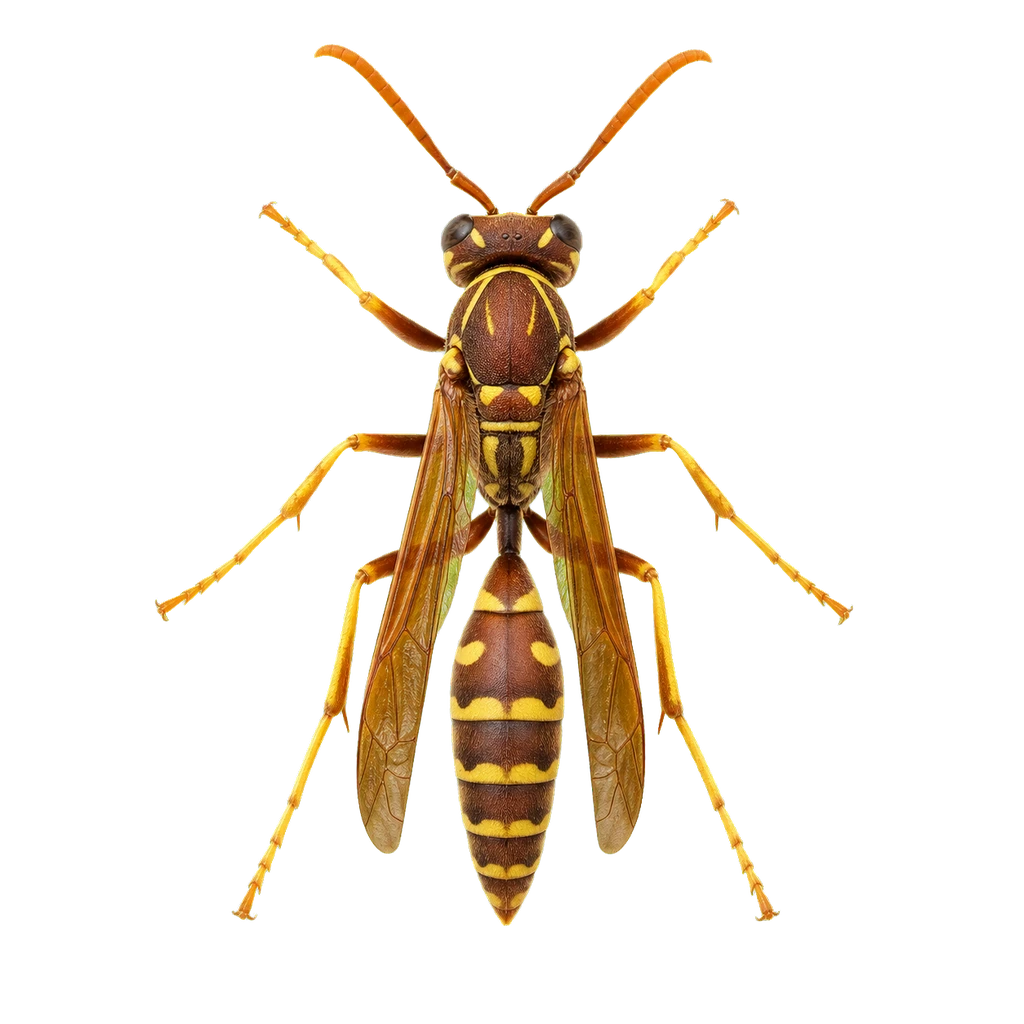
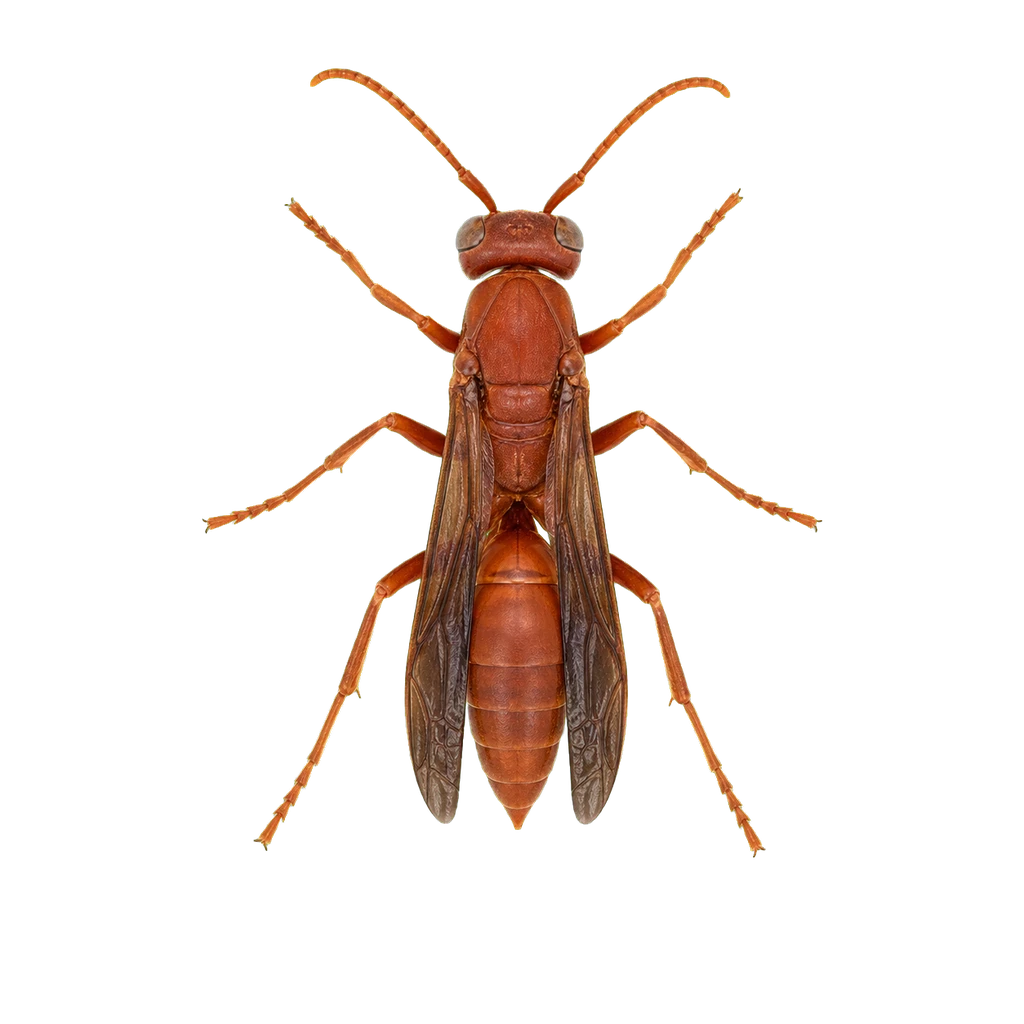
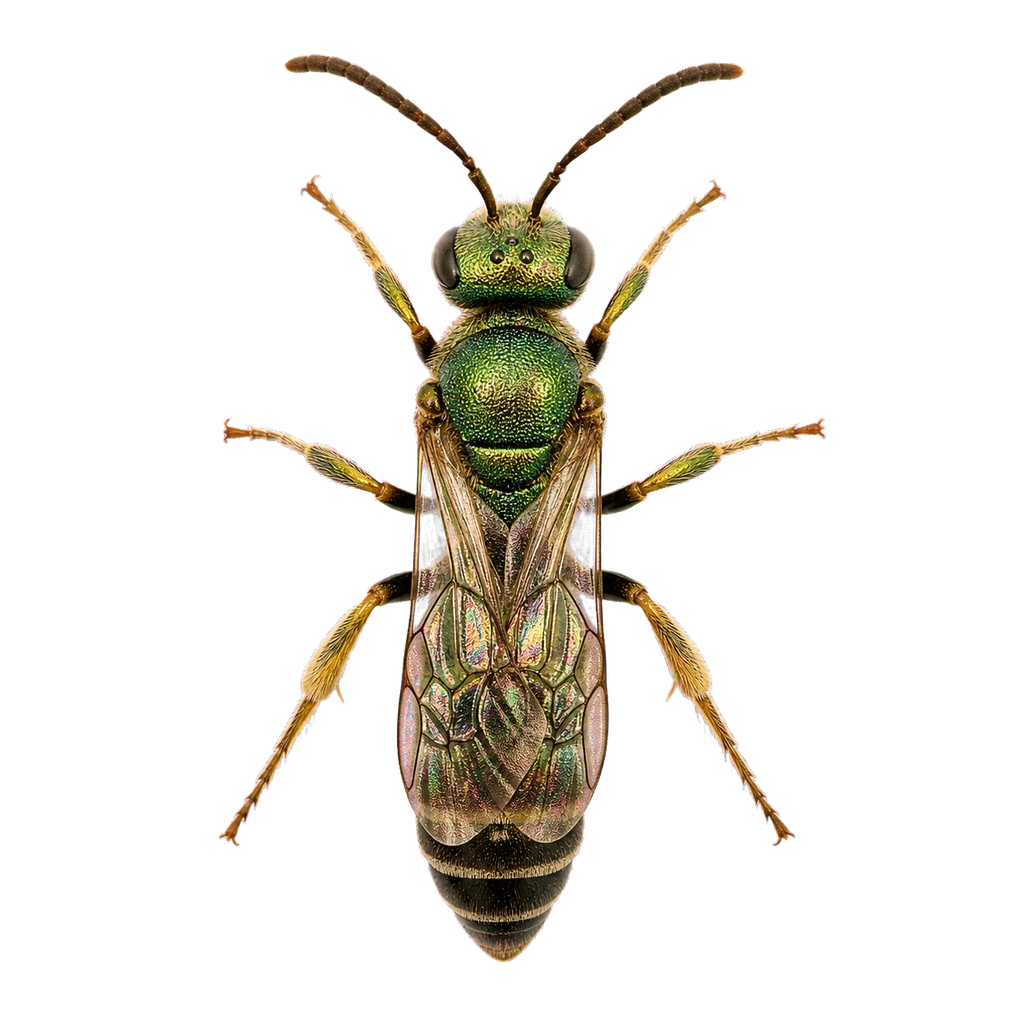
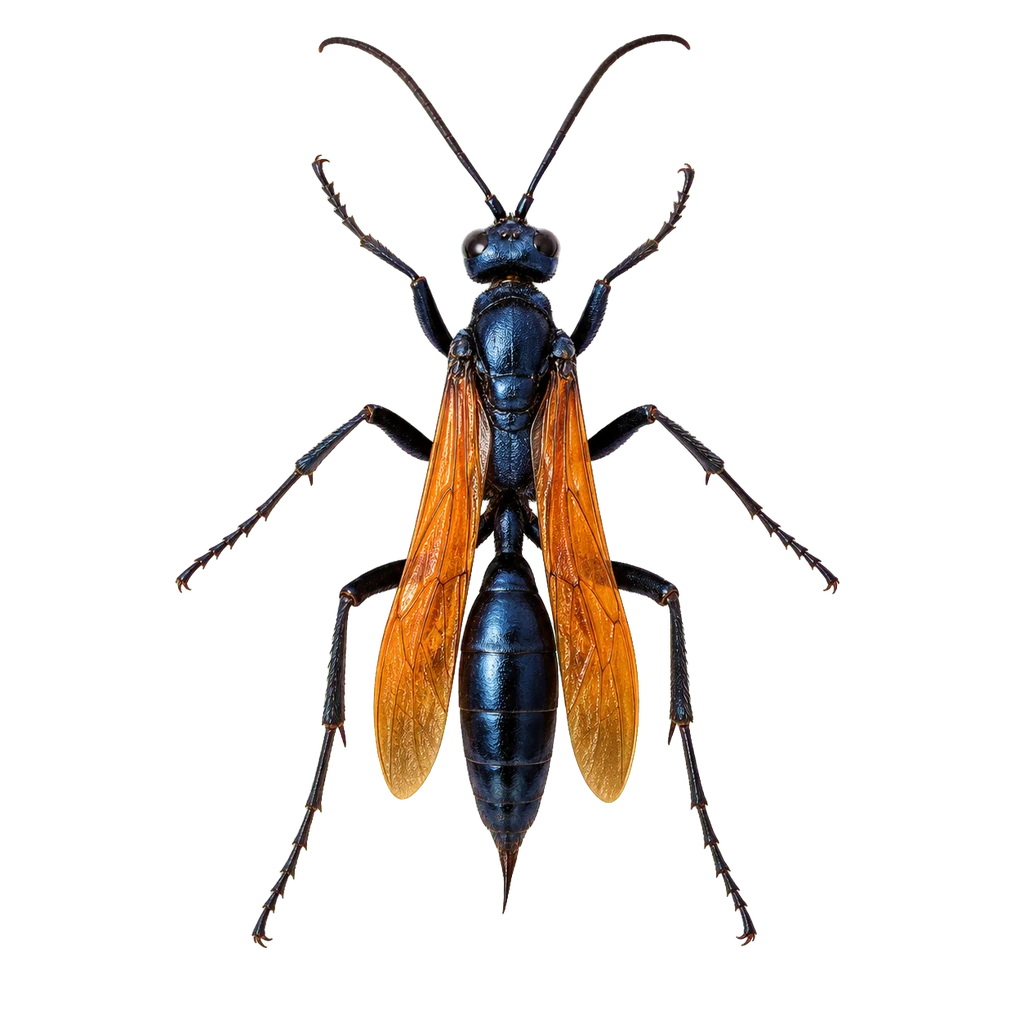
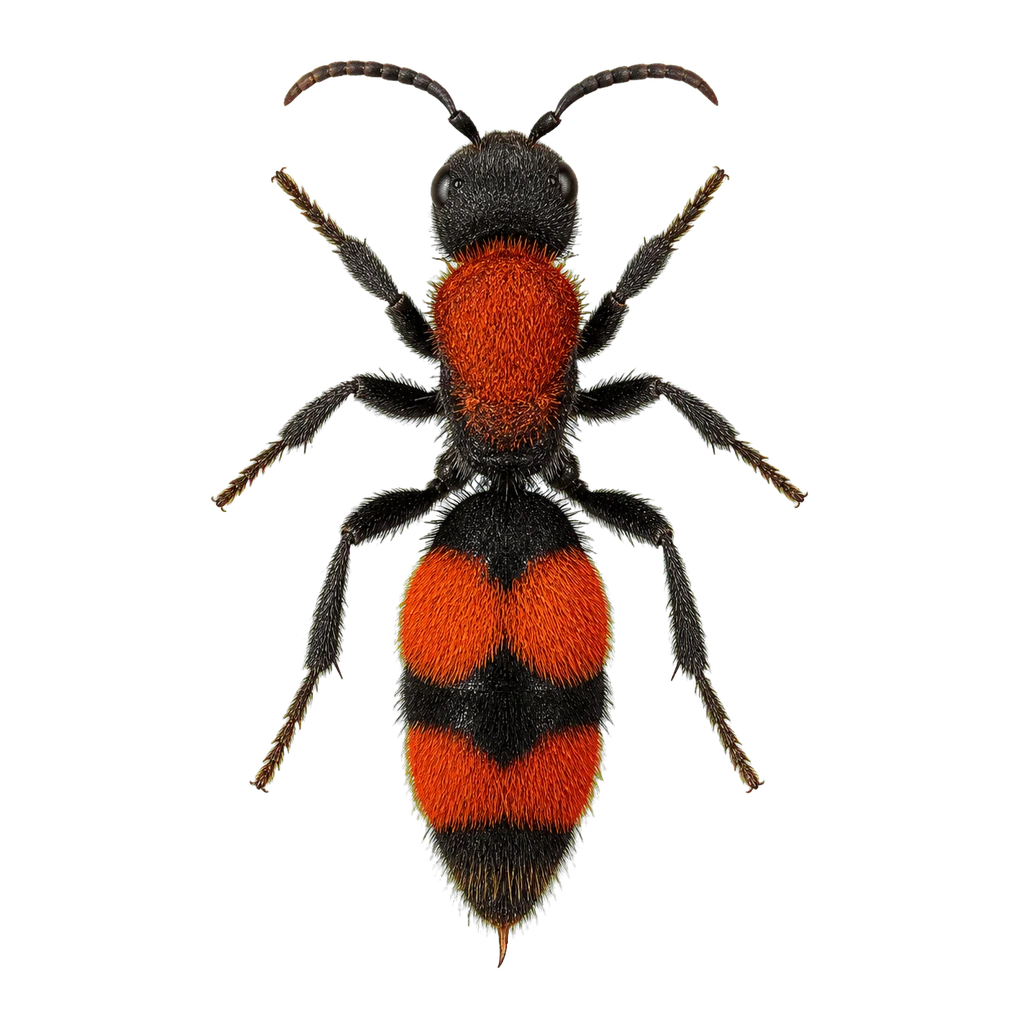
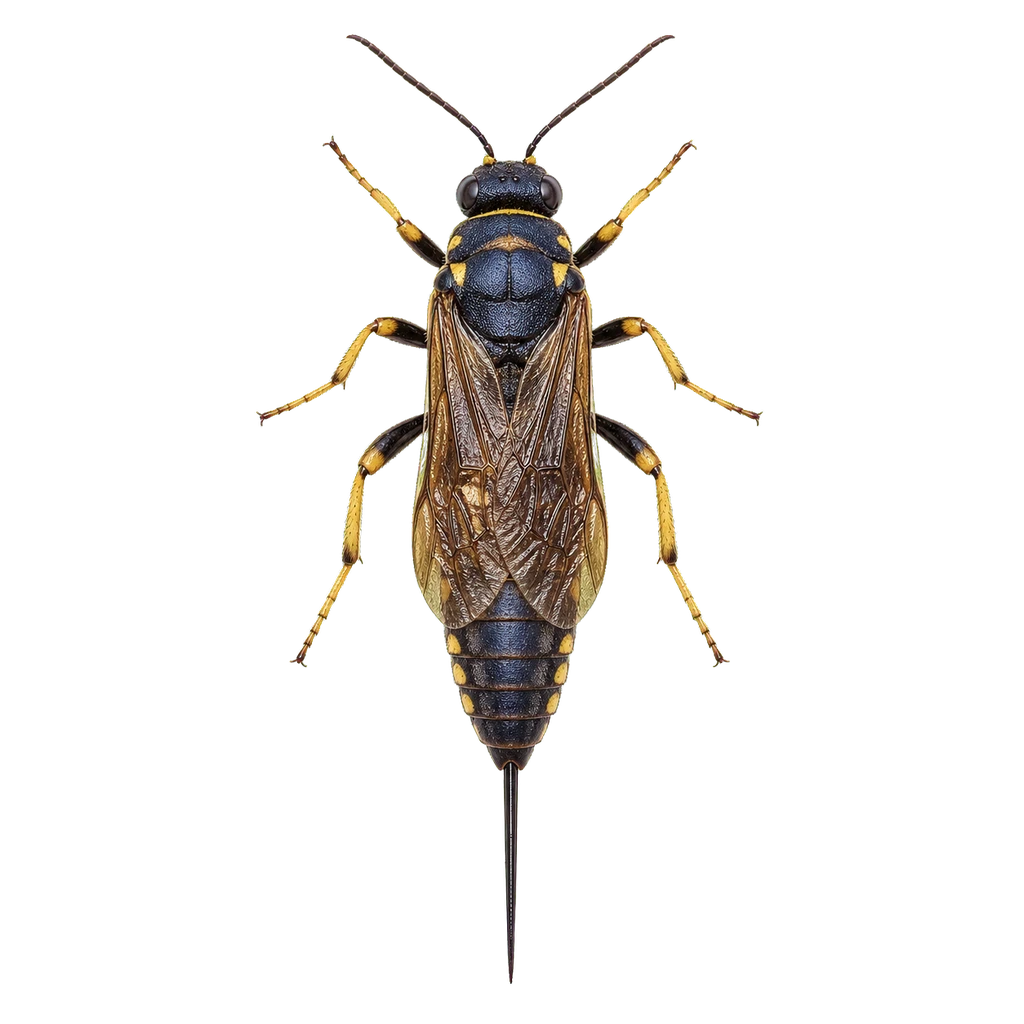
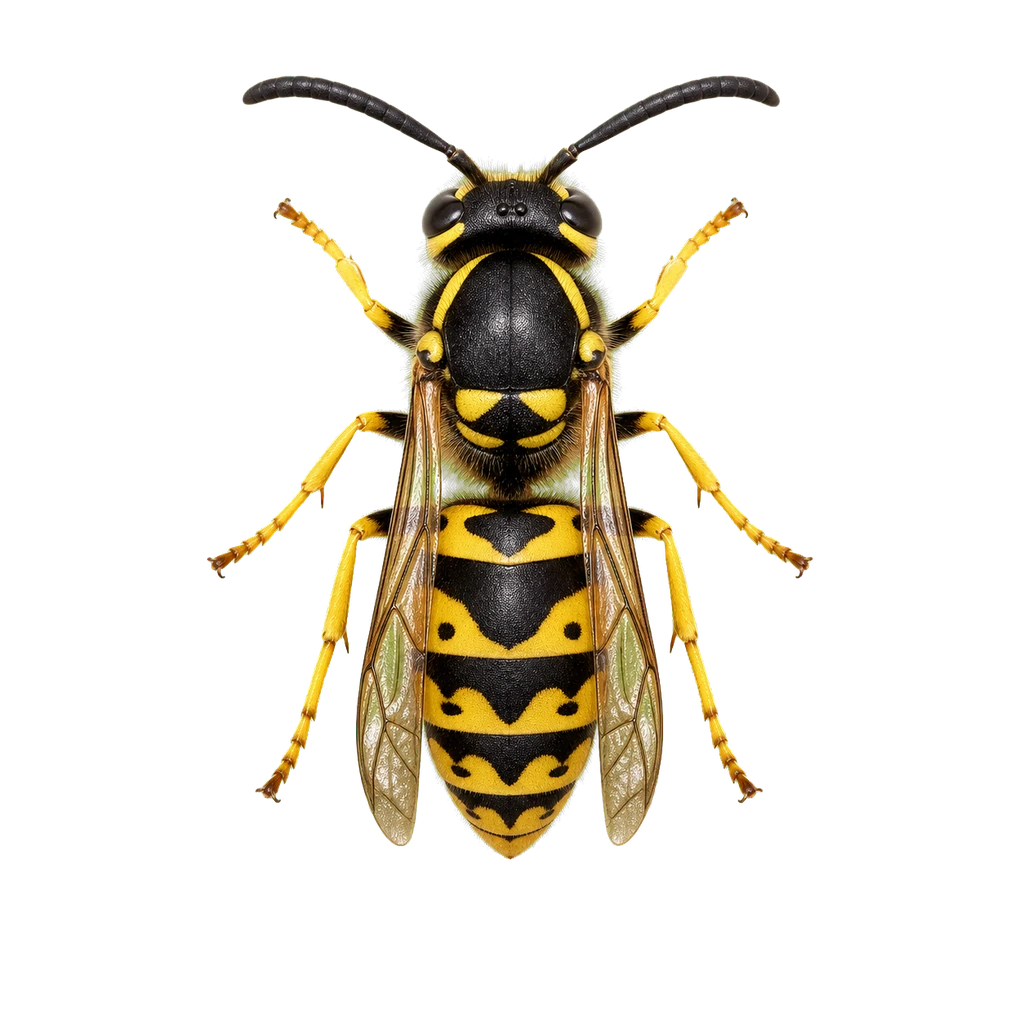
Bees, wasps, and hornets nesting near your home. Know which ones are dangerous and when to call for removal.
Explore Category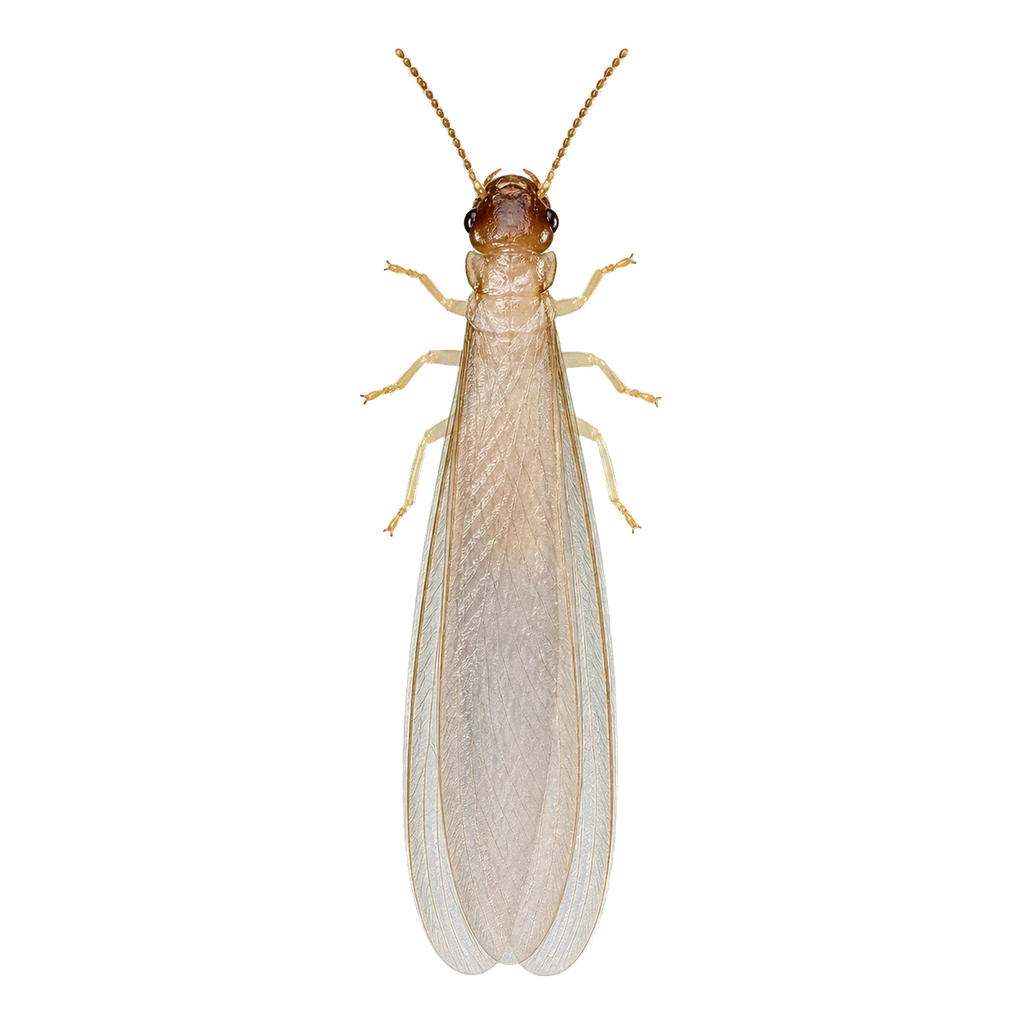
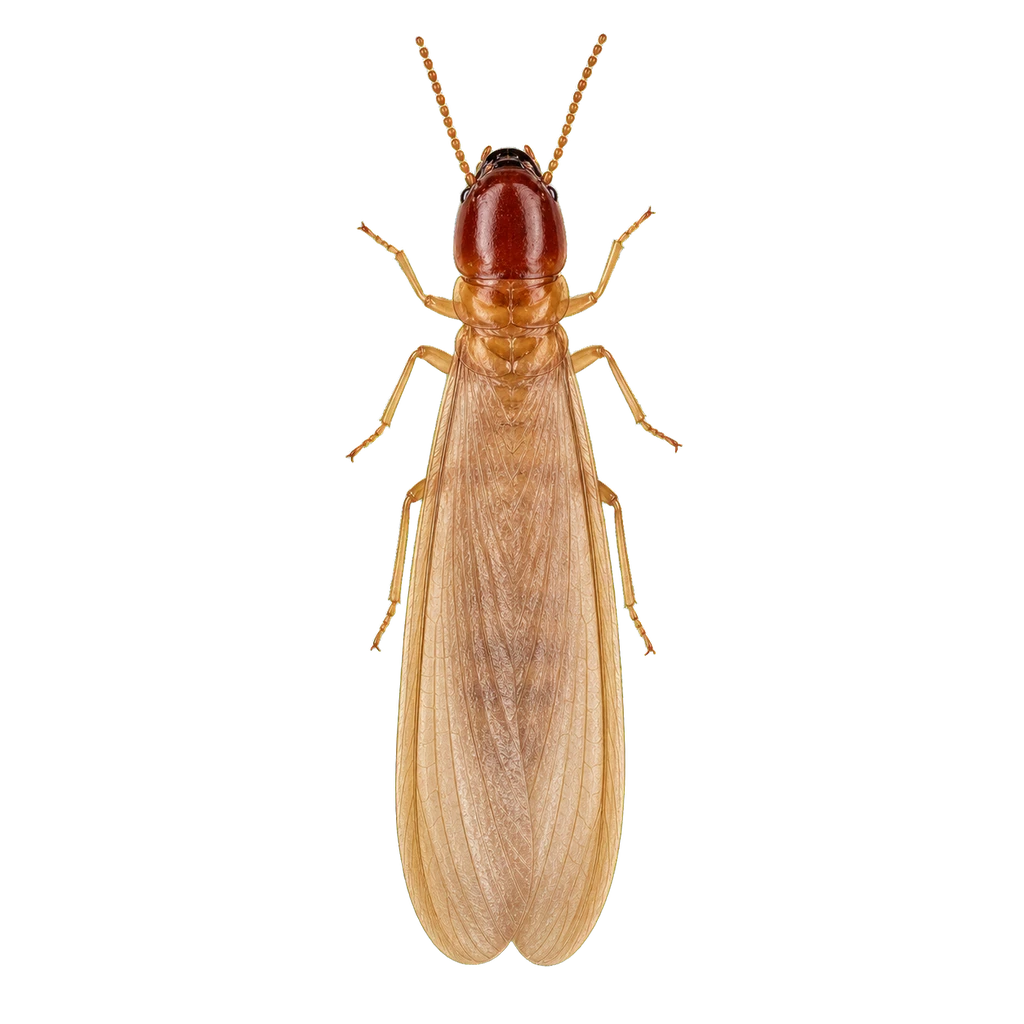
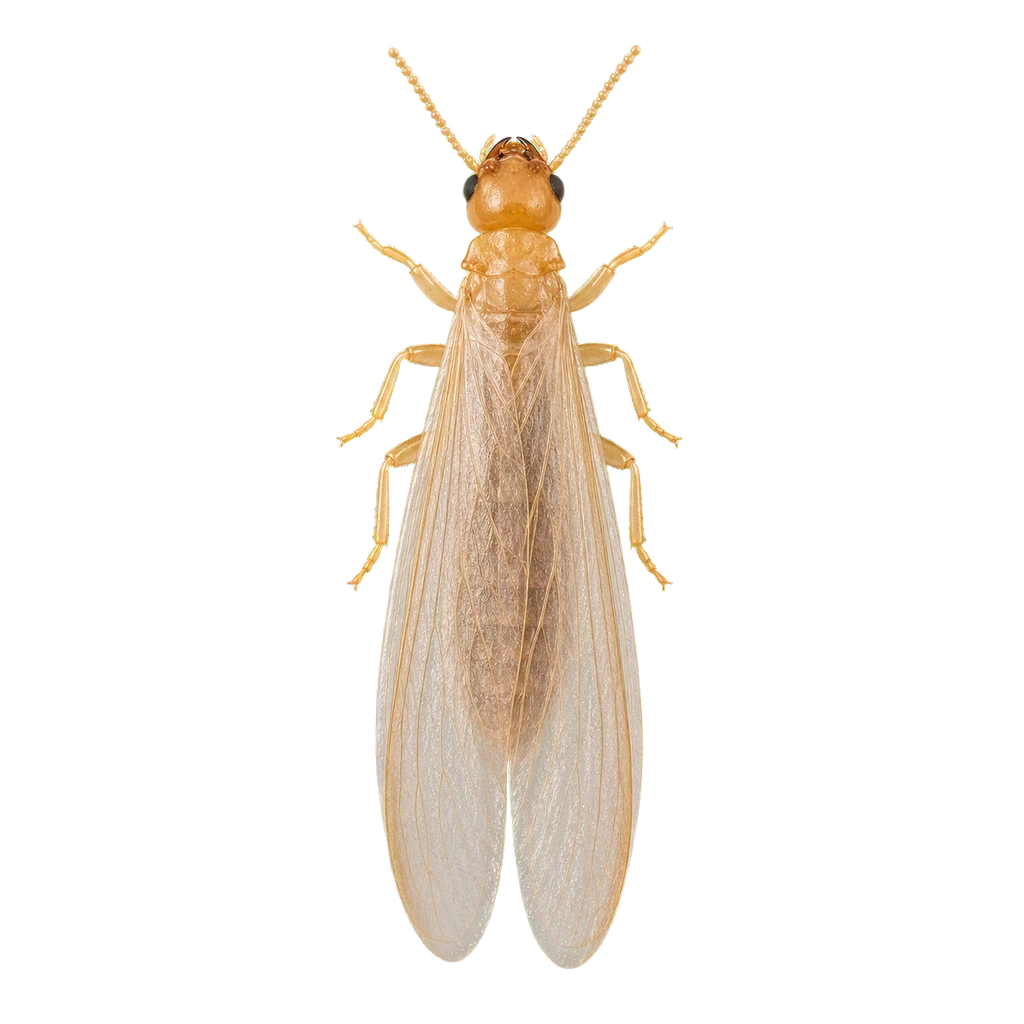
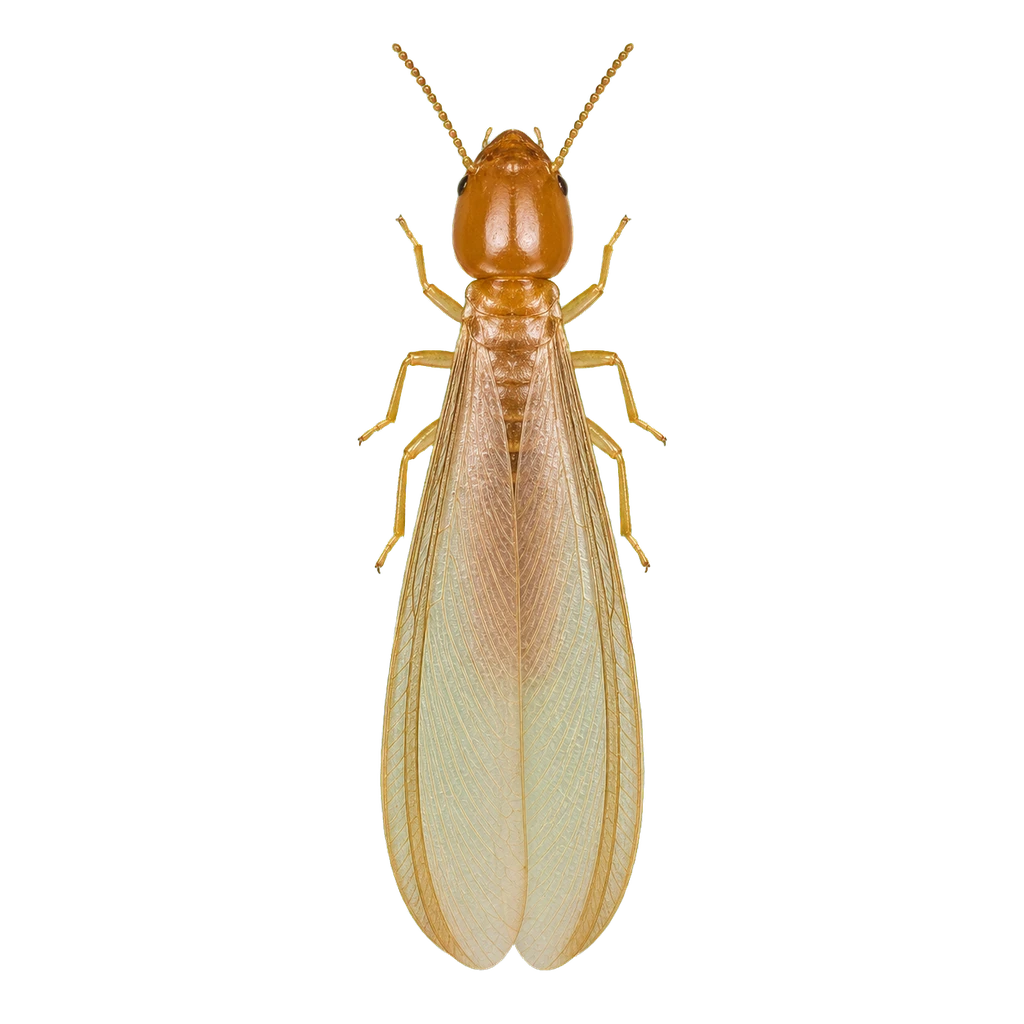
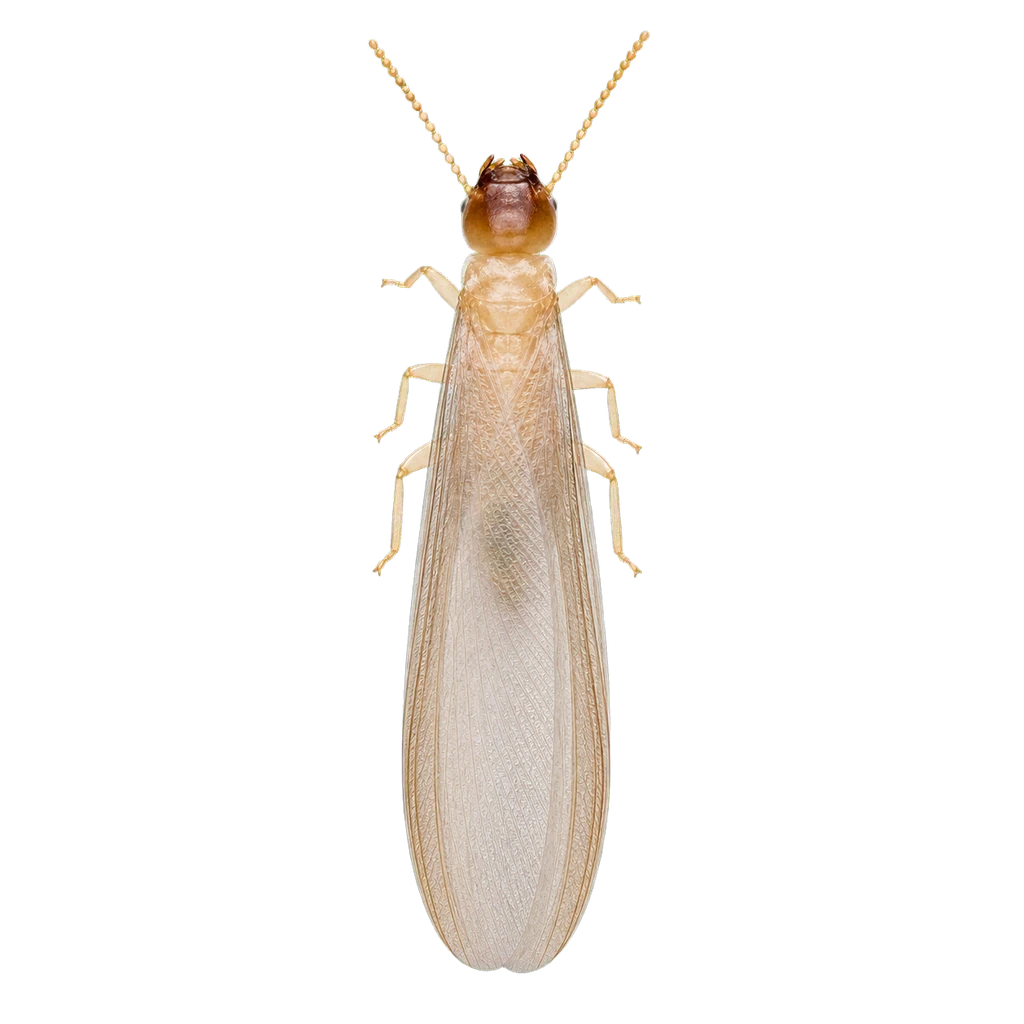
Termites and carpenter ants that damage your home from the inside out. Catch them before repair costs escalate.
Explore Category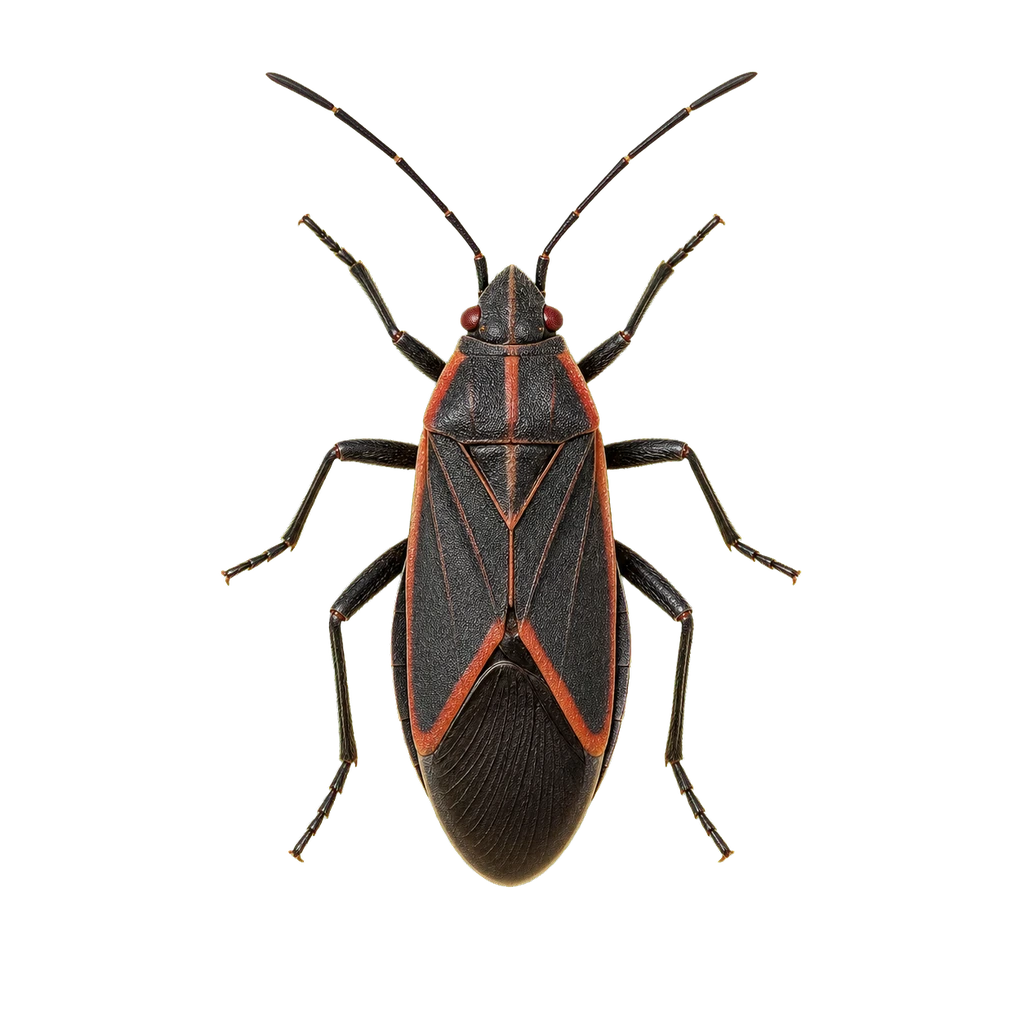
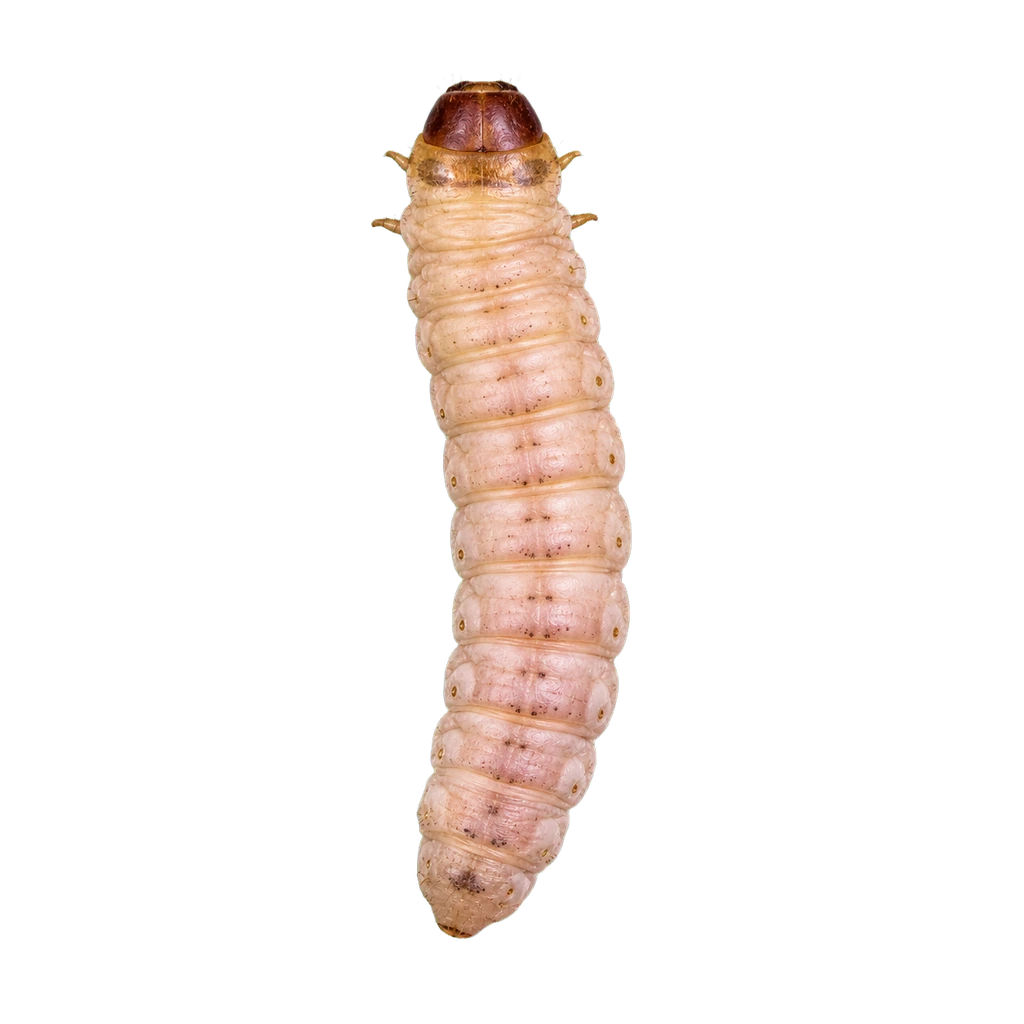
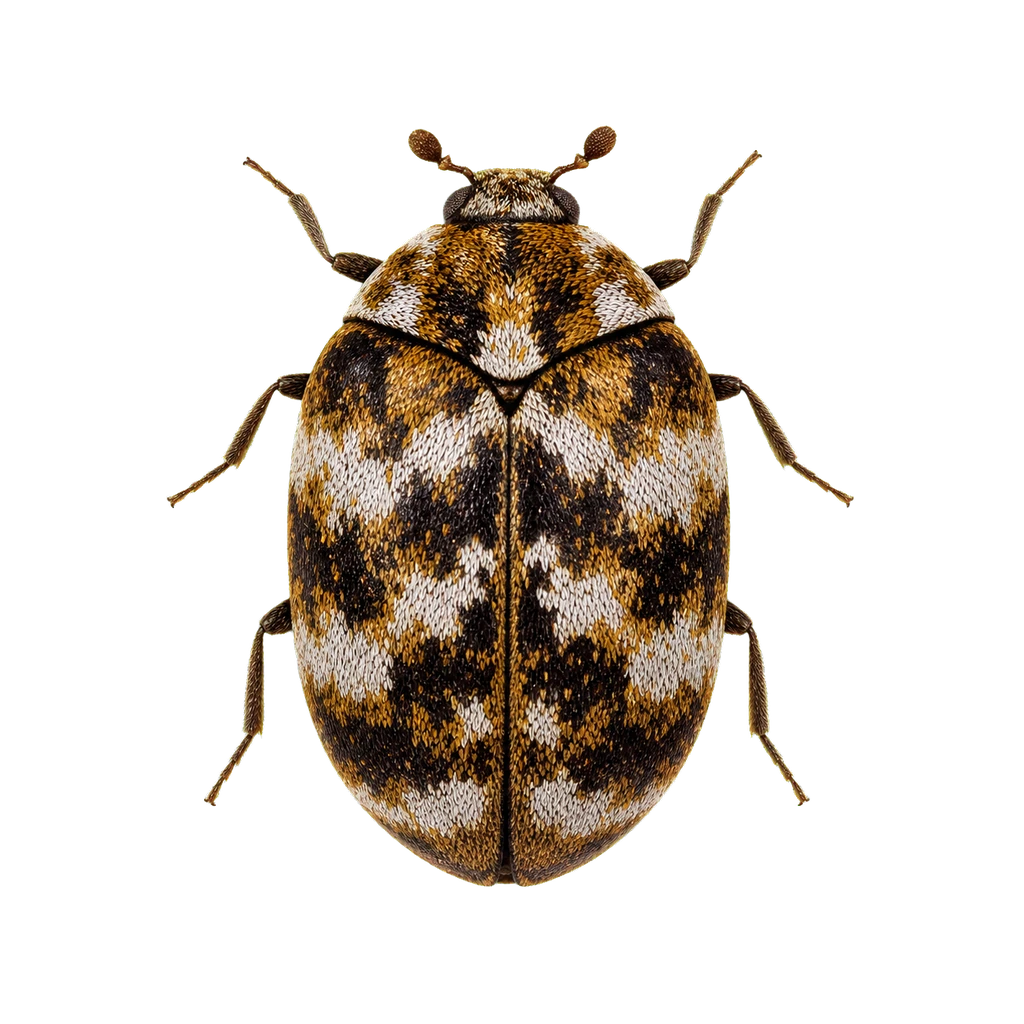
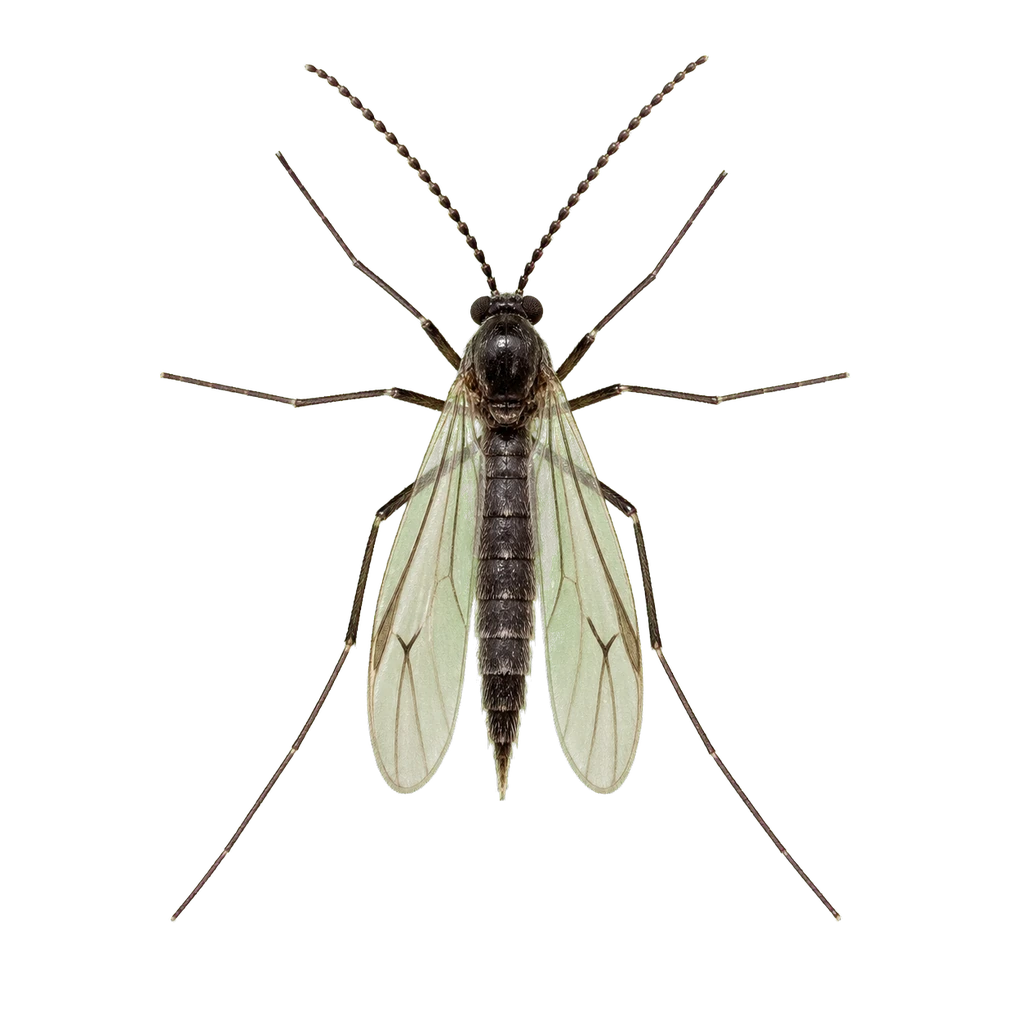
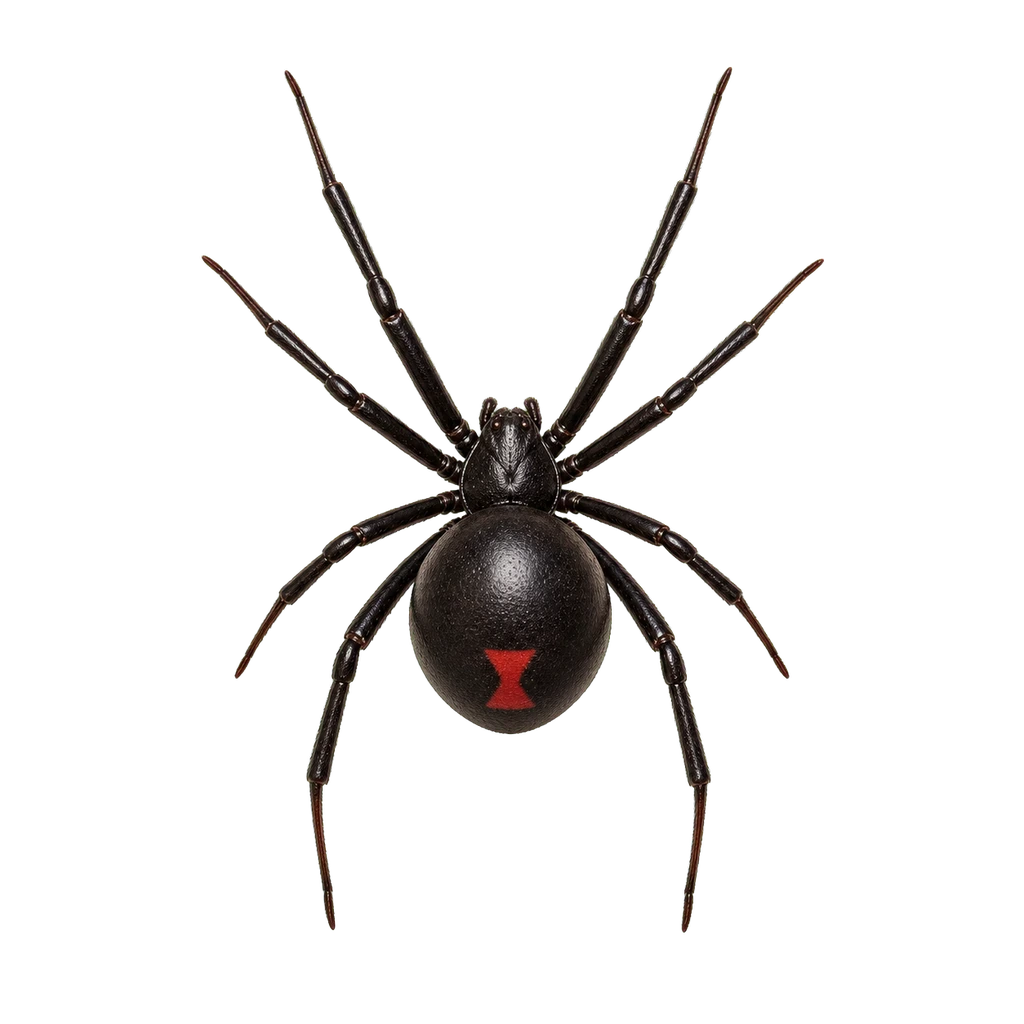
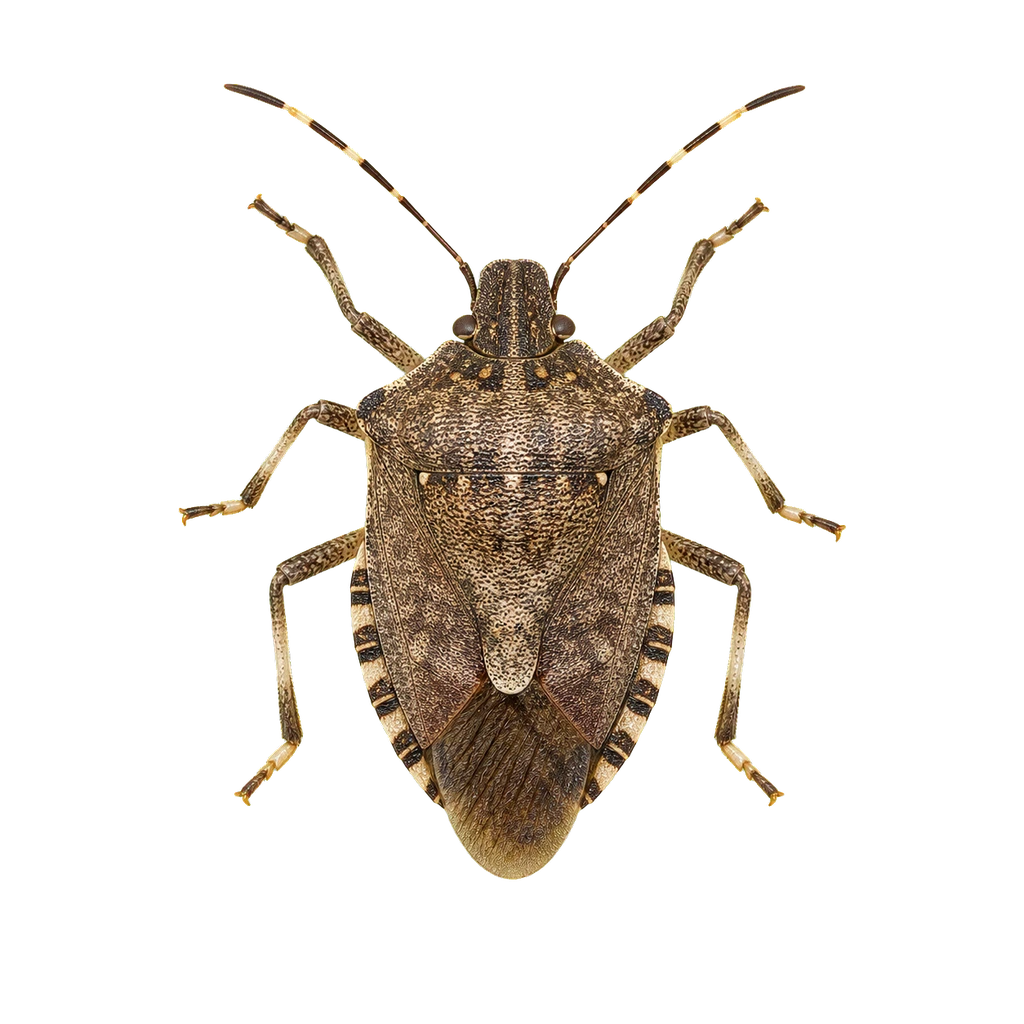
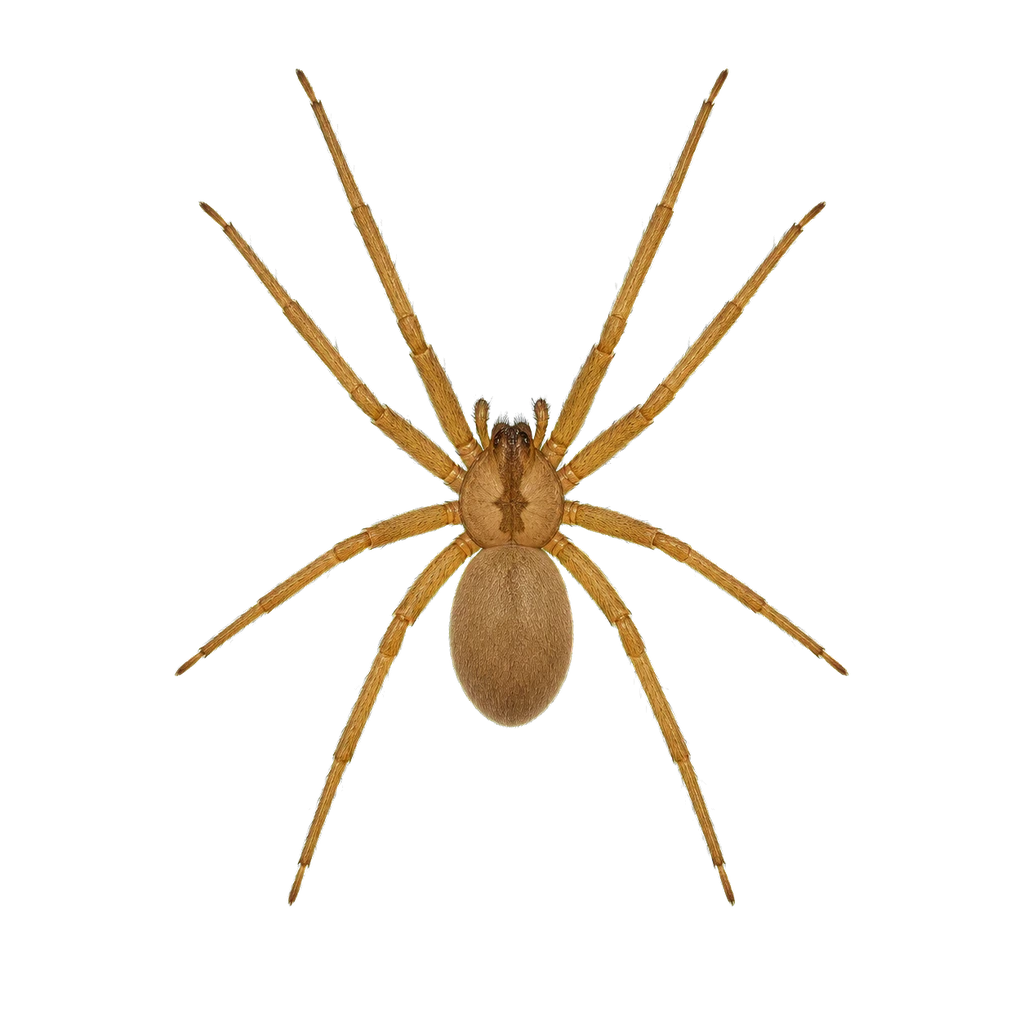
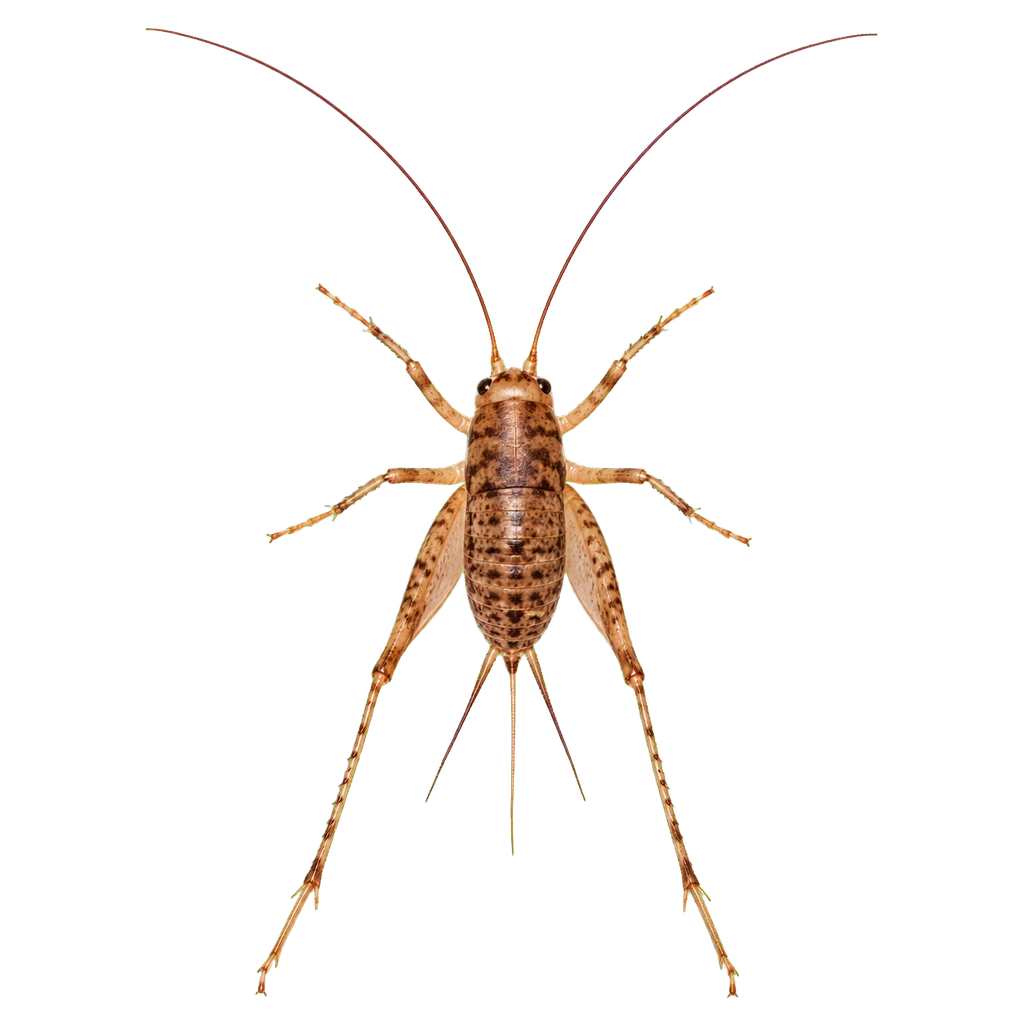
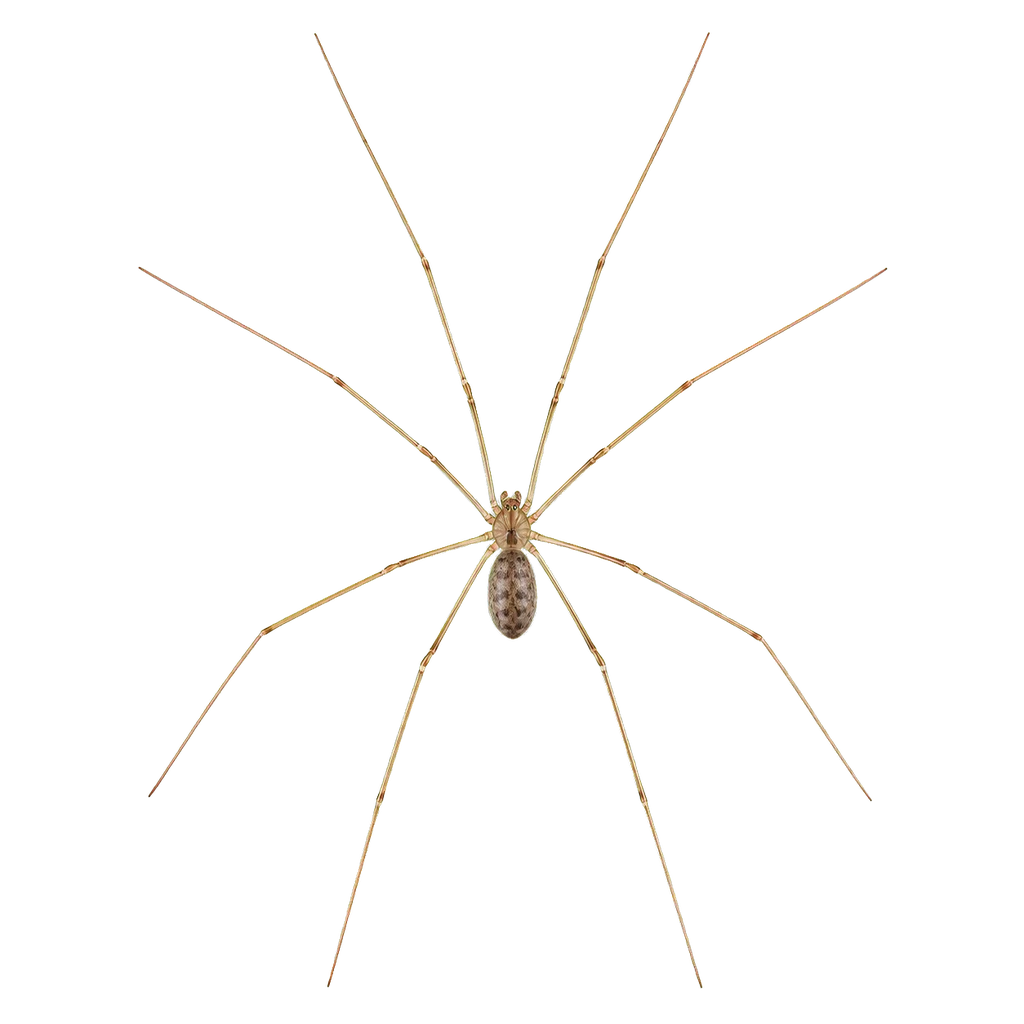
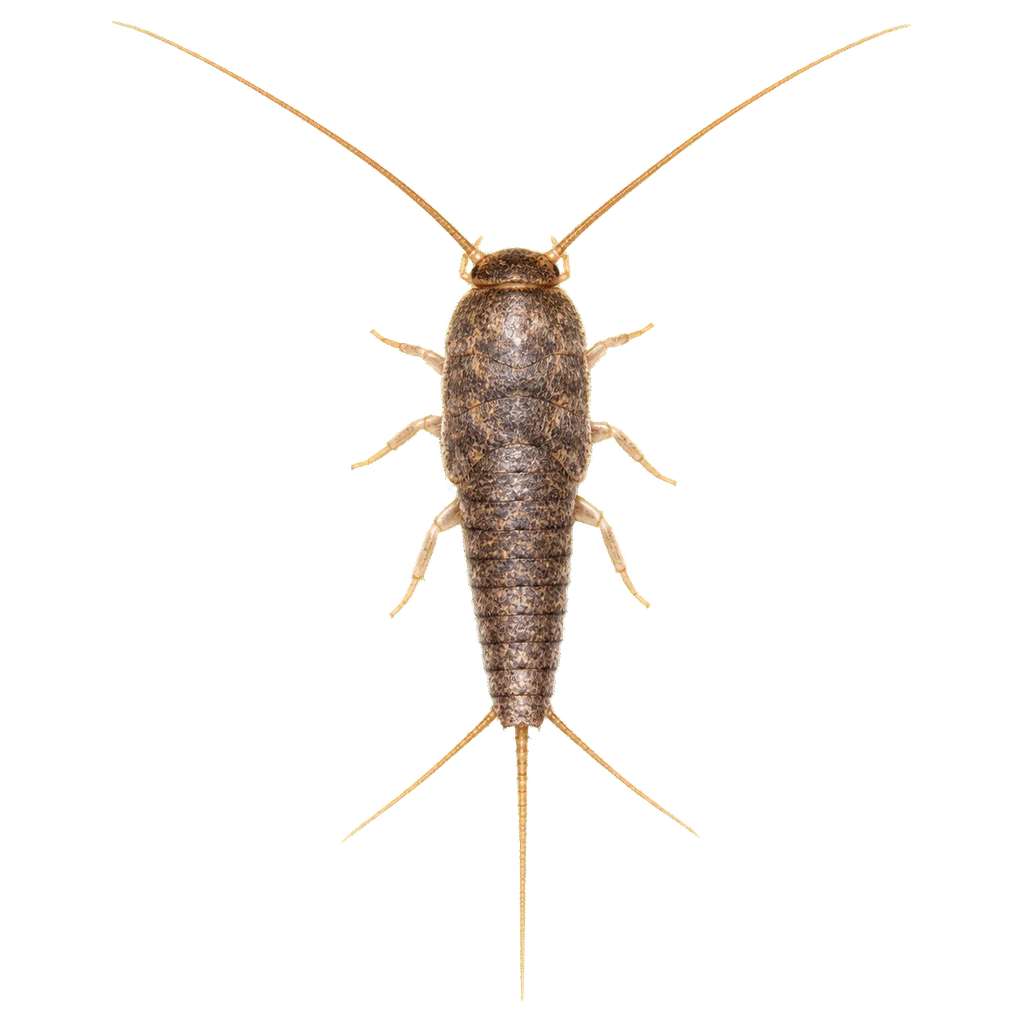
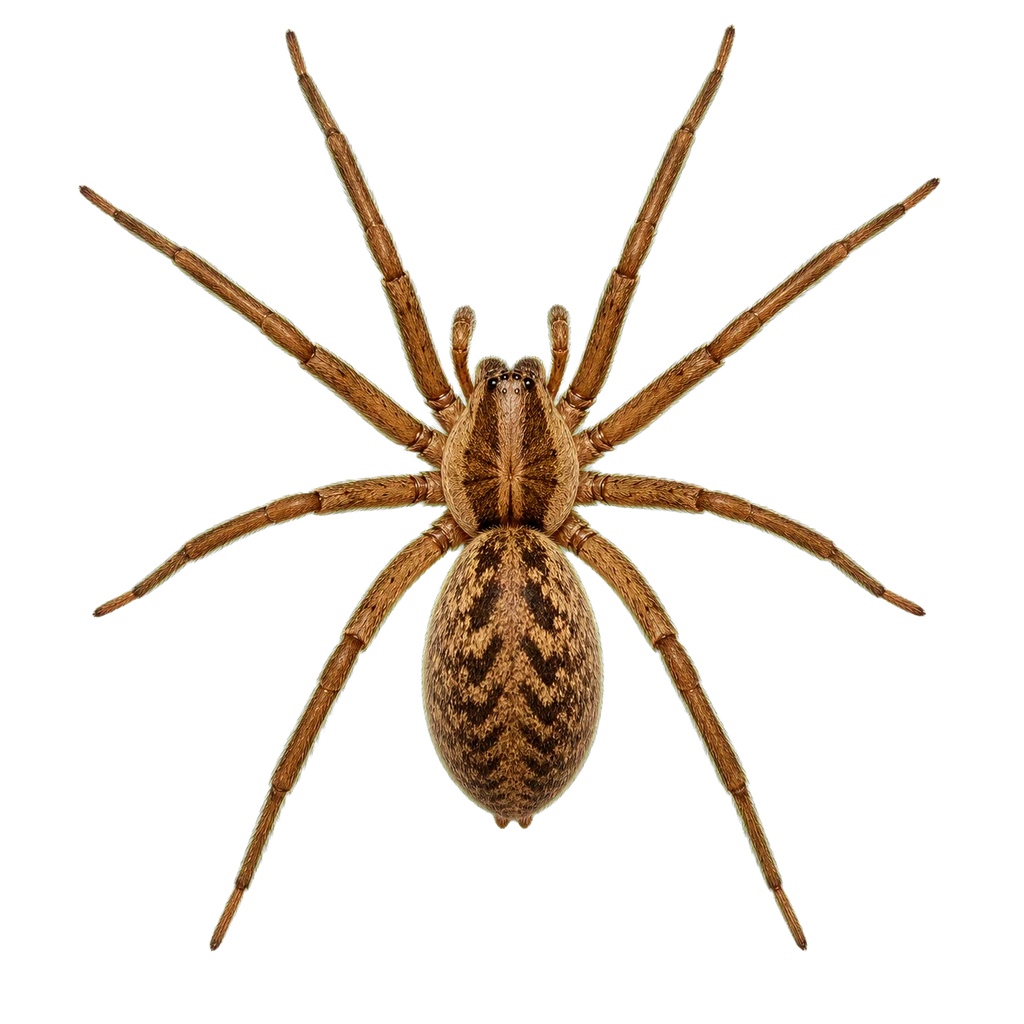
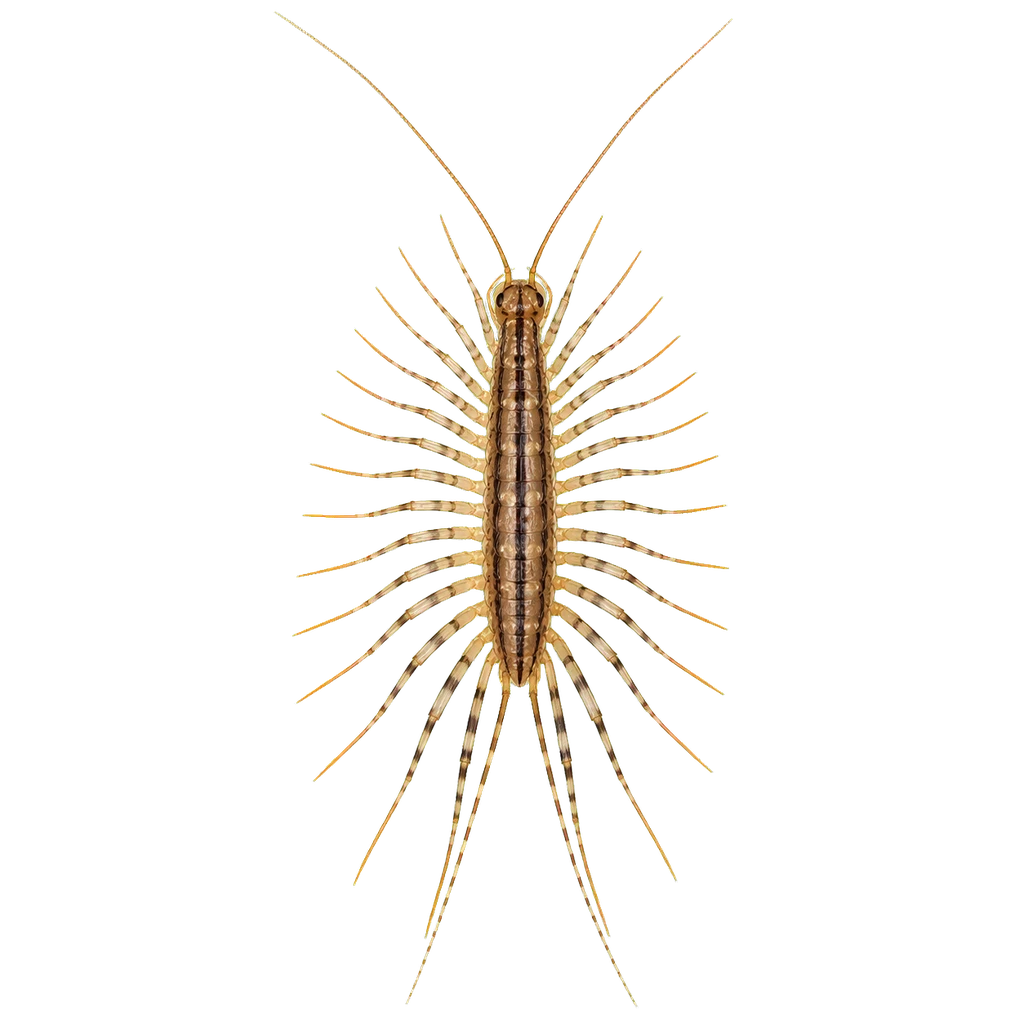
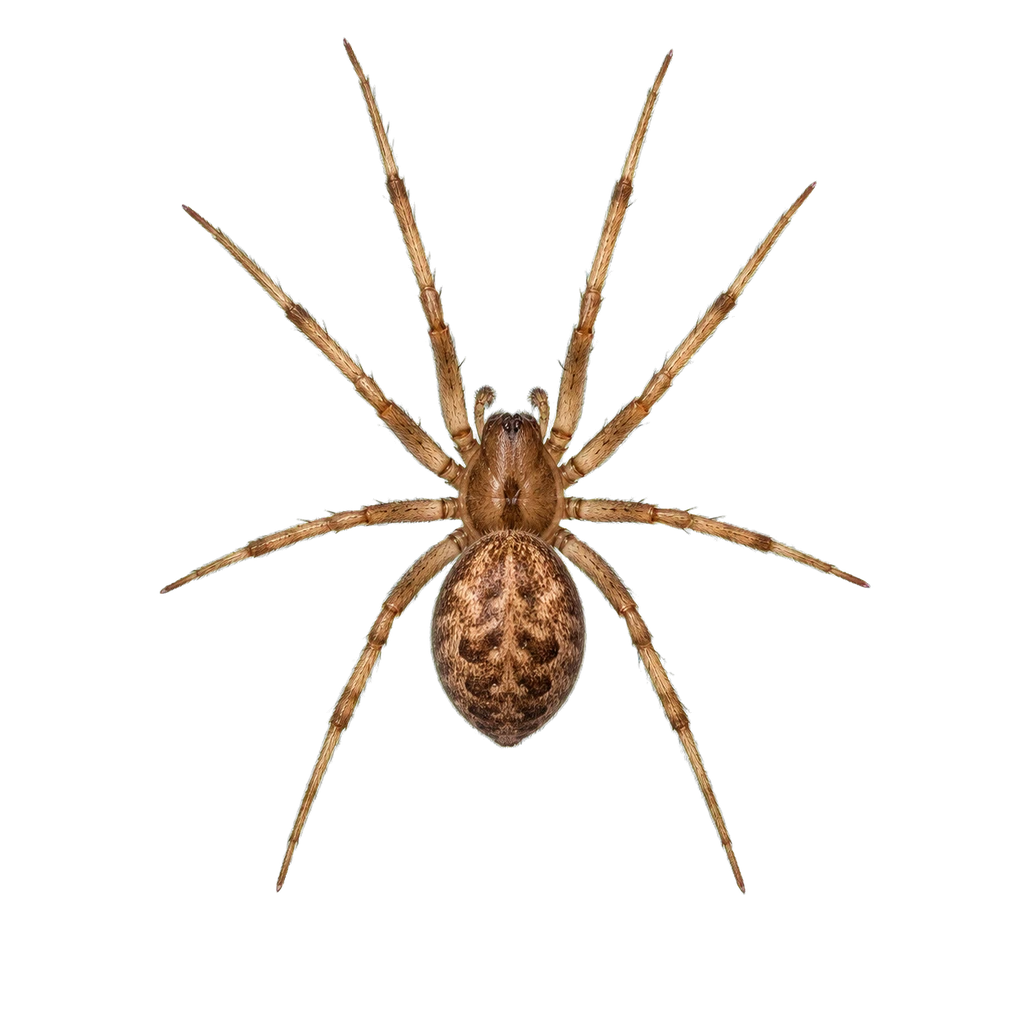
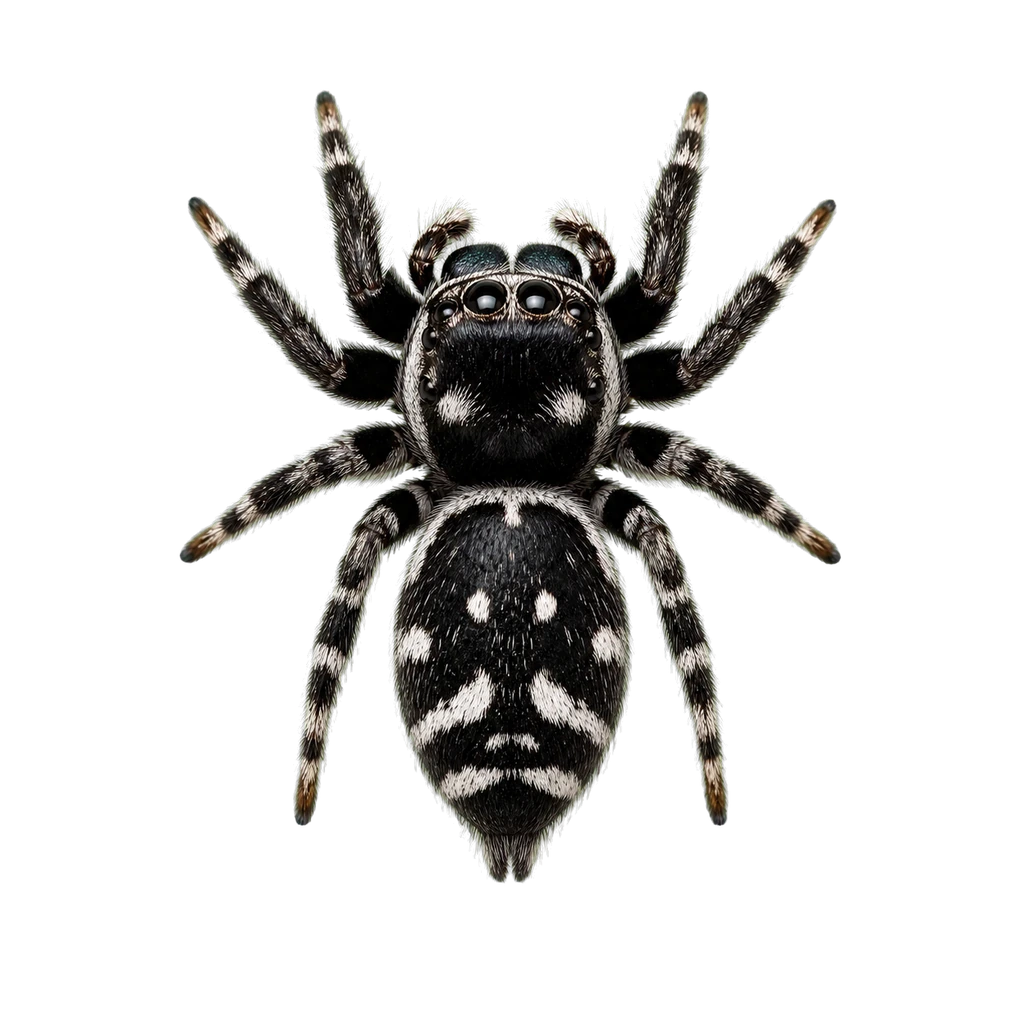
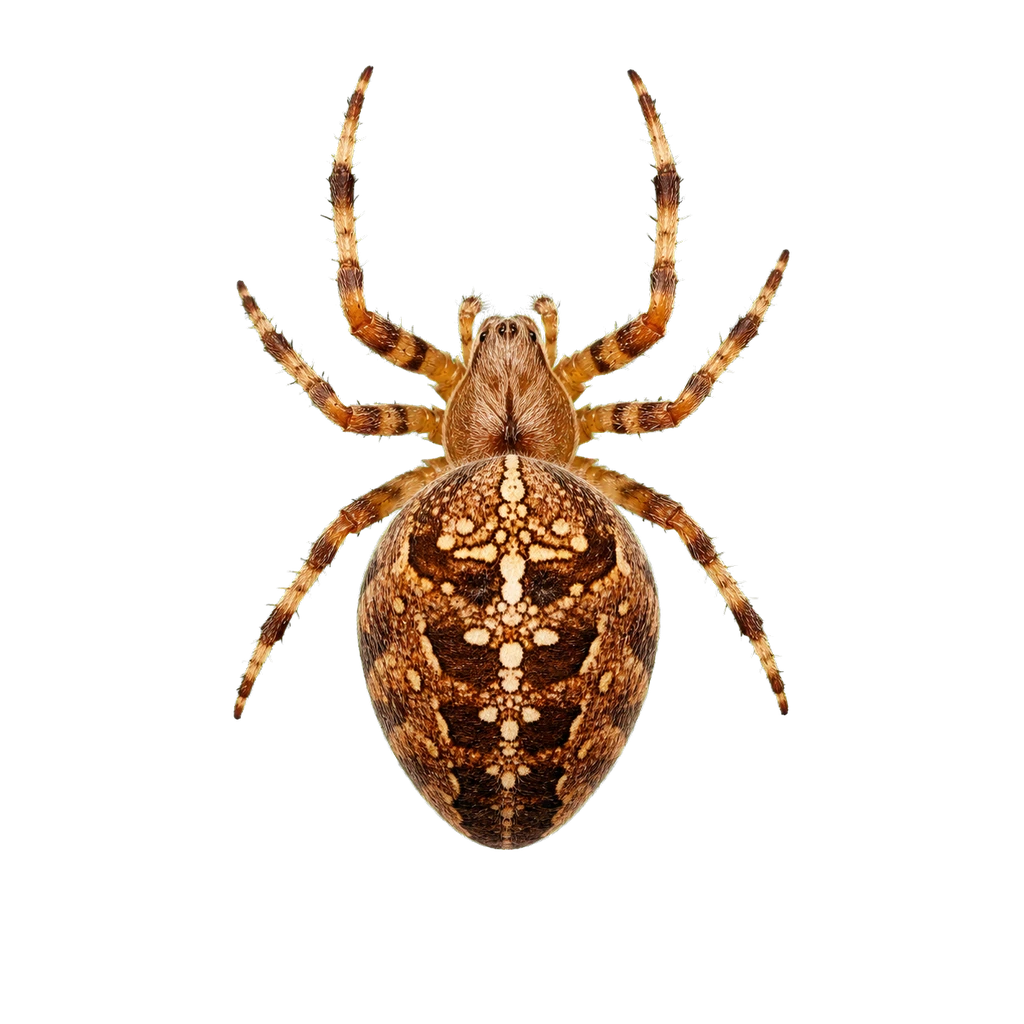
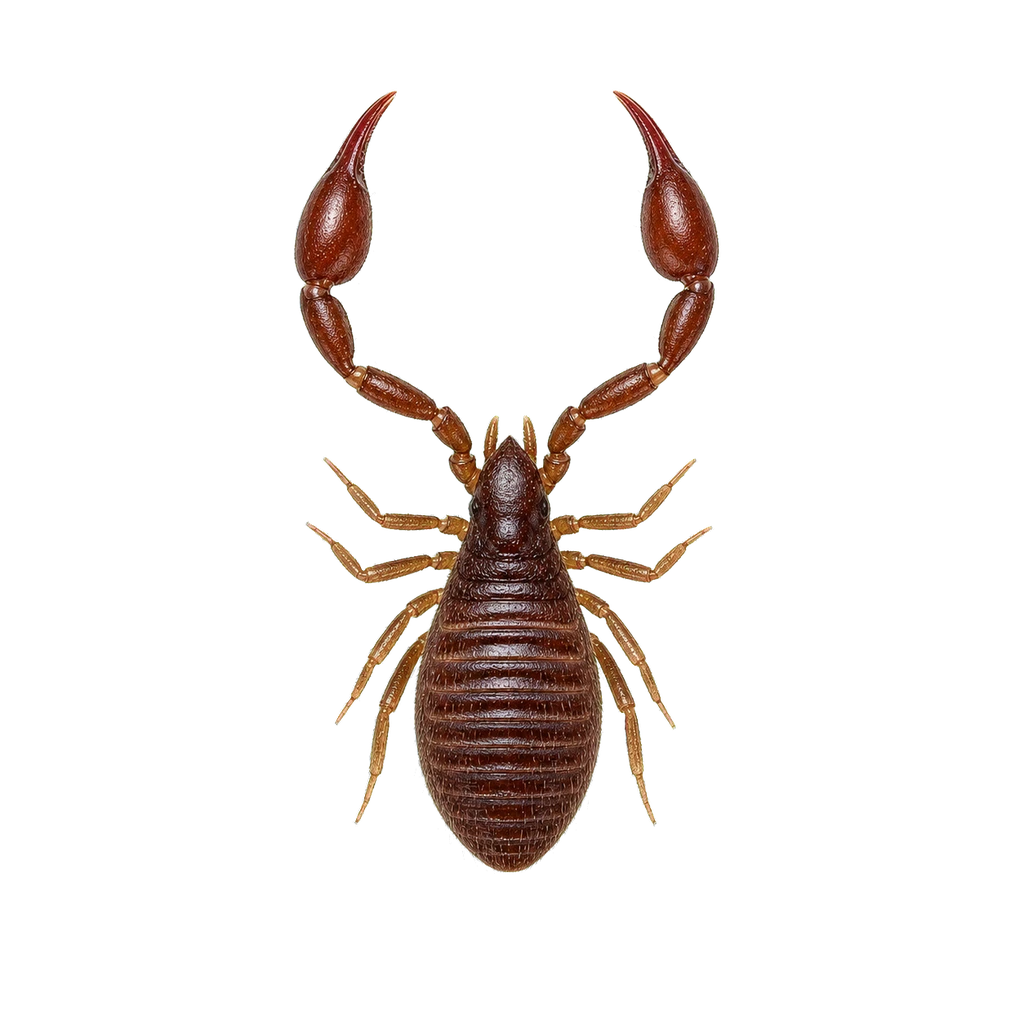
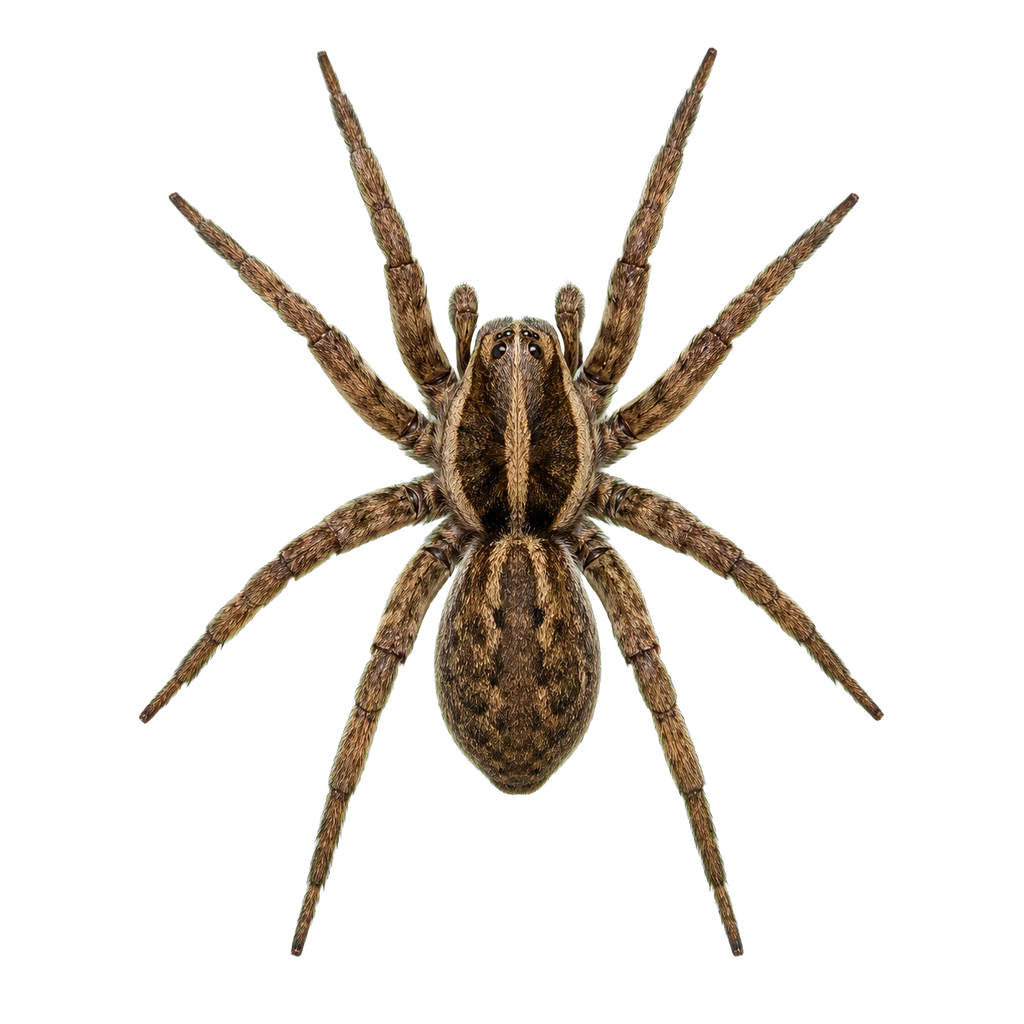
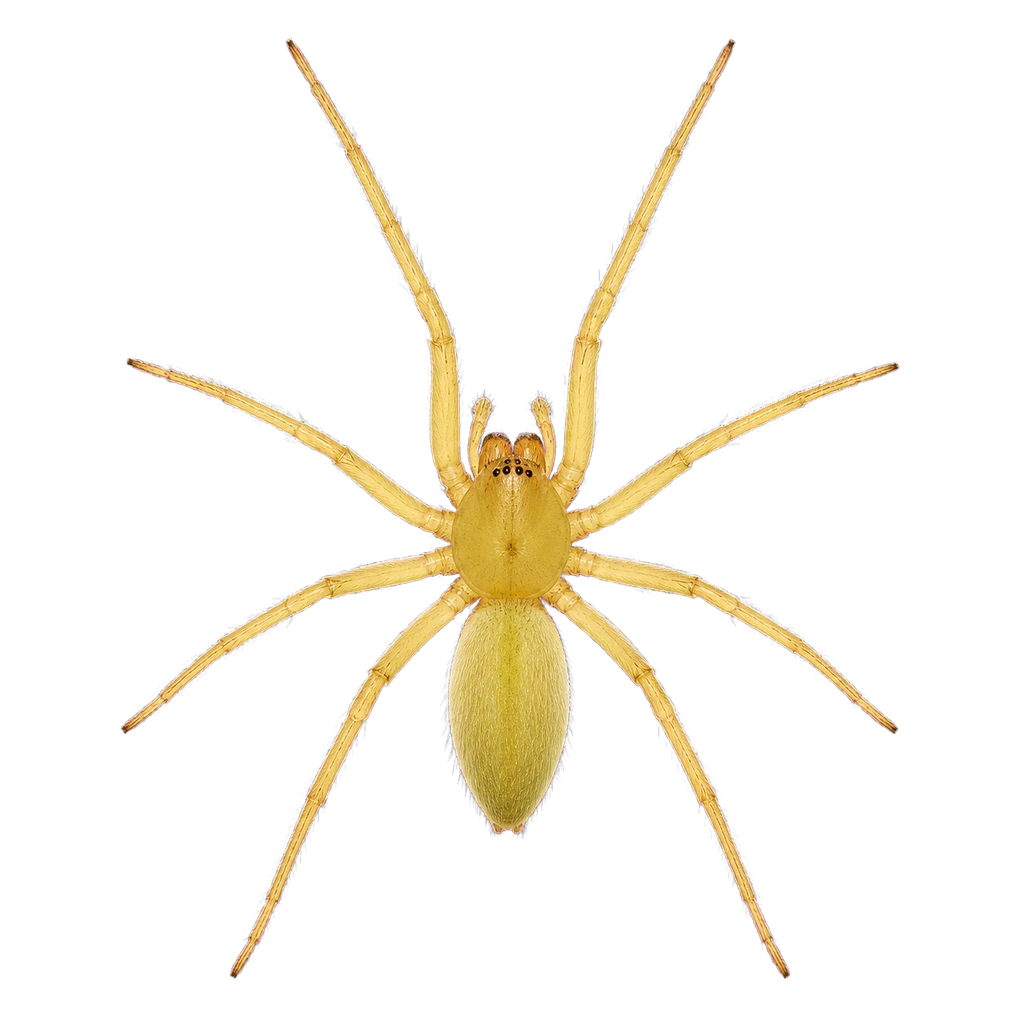
Stink bugs, centipedes, spiders, and other pests that show up seasonally. Learn why they're inside and how to keep them out.
Explore Category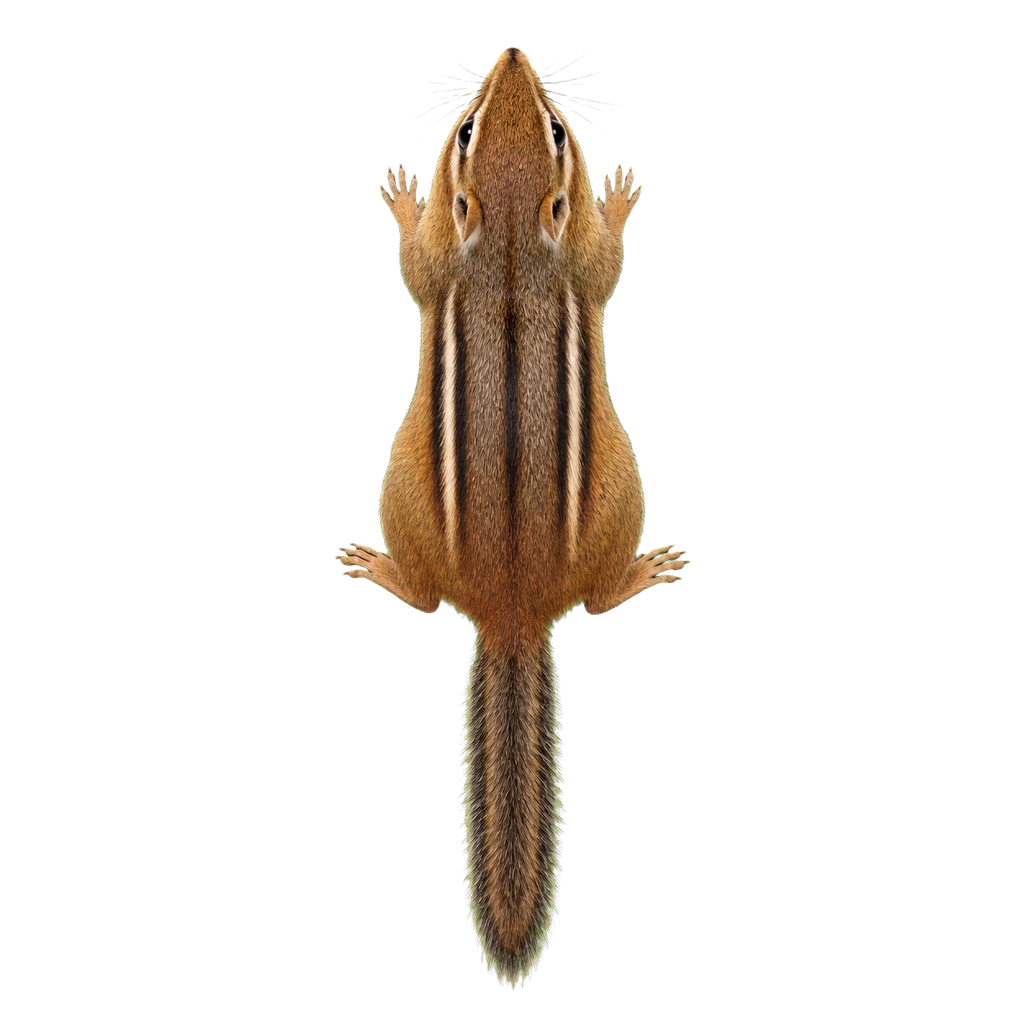
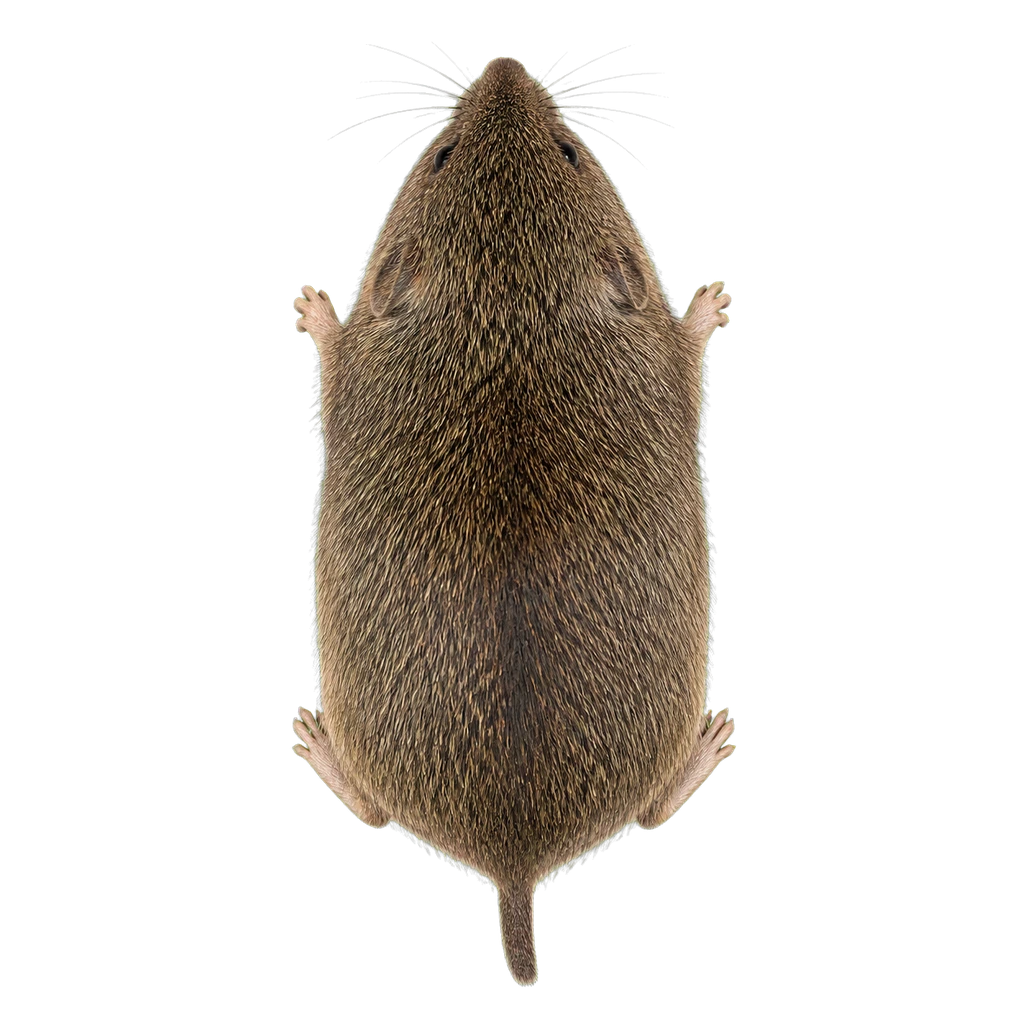
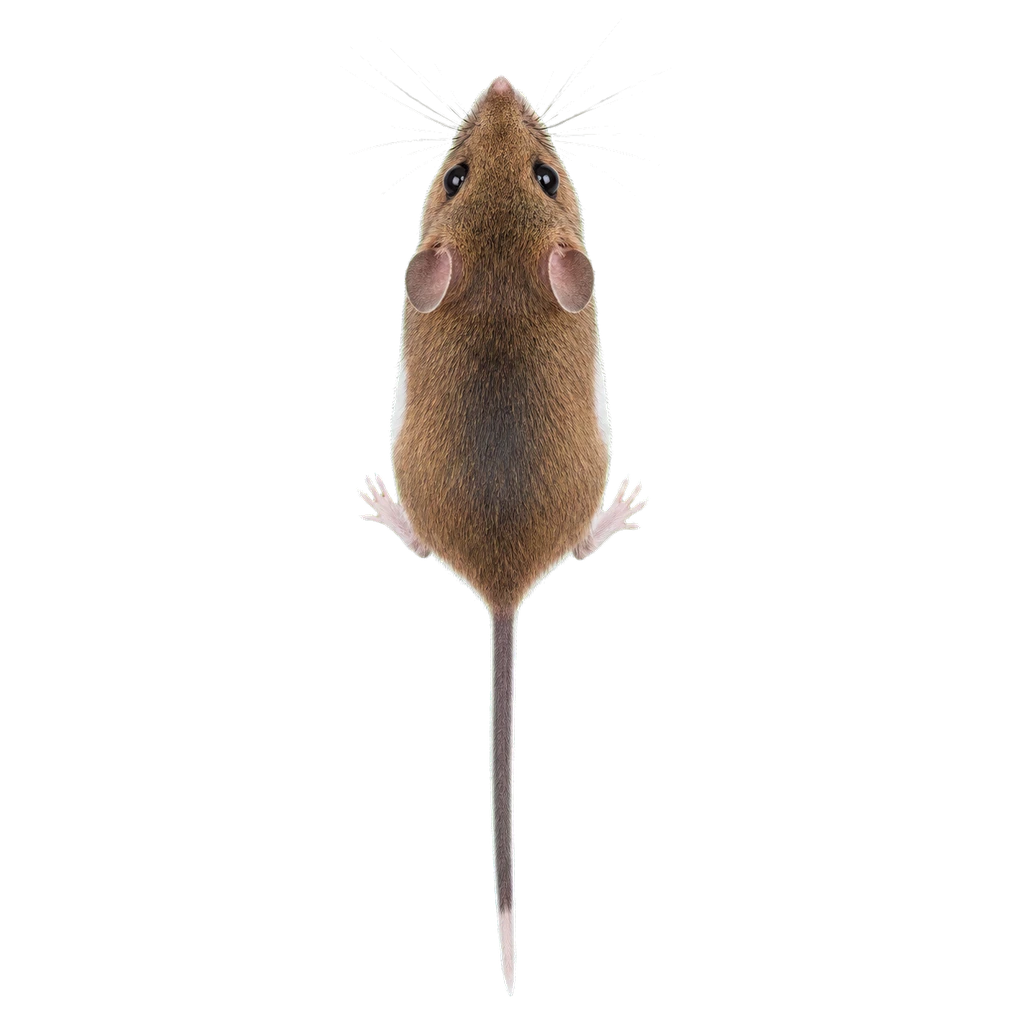
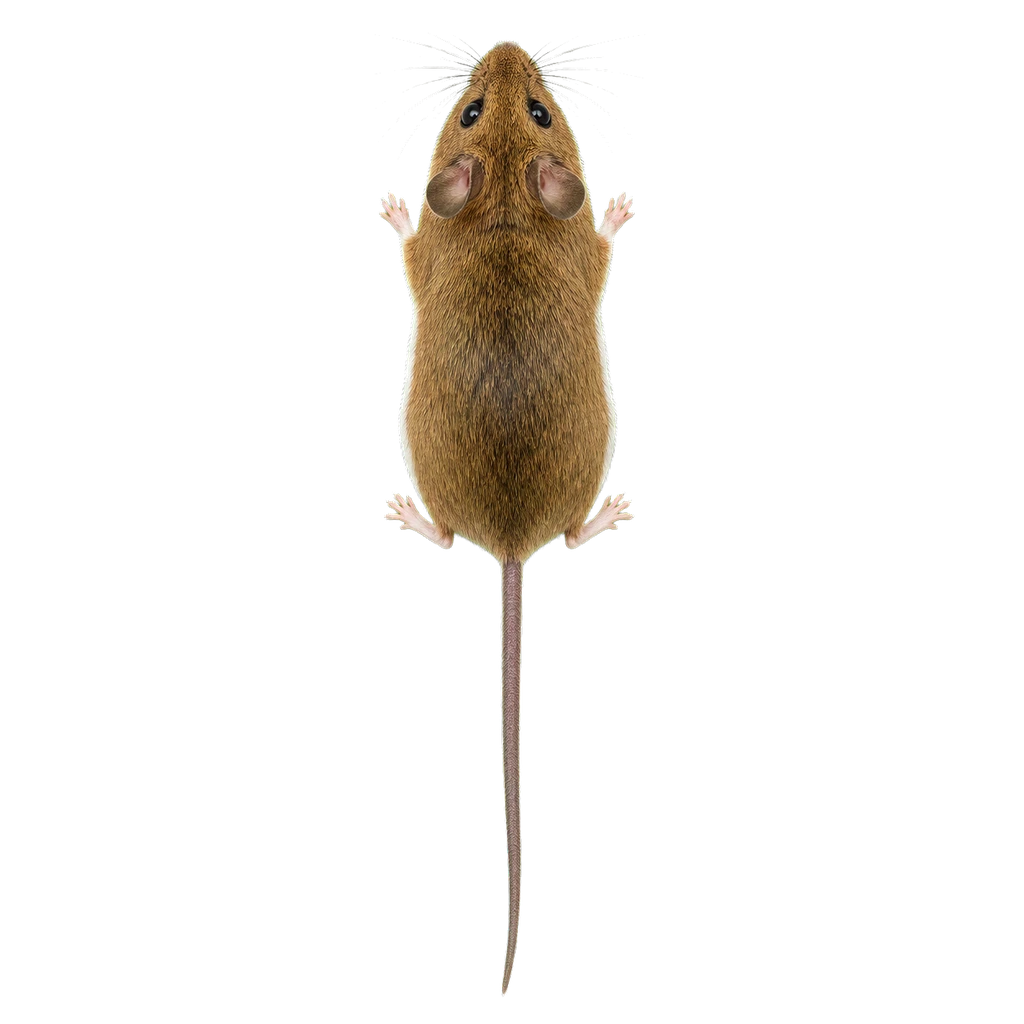
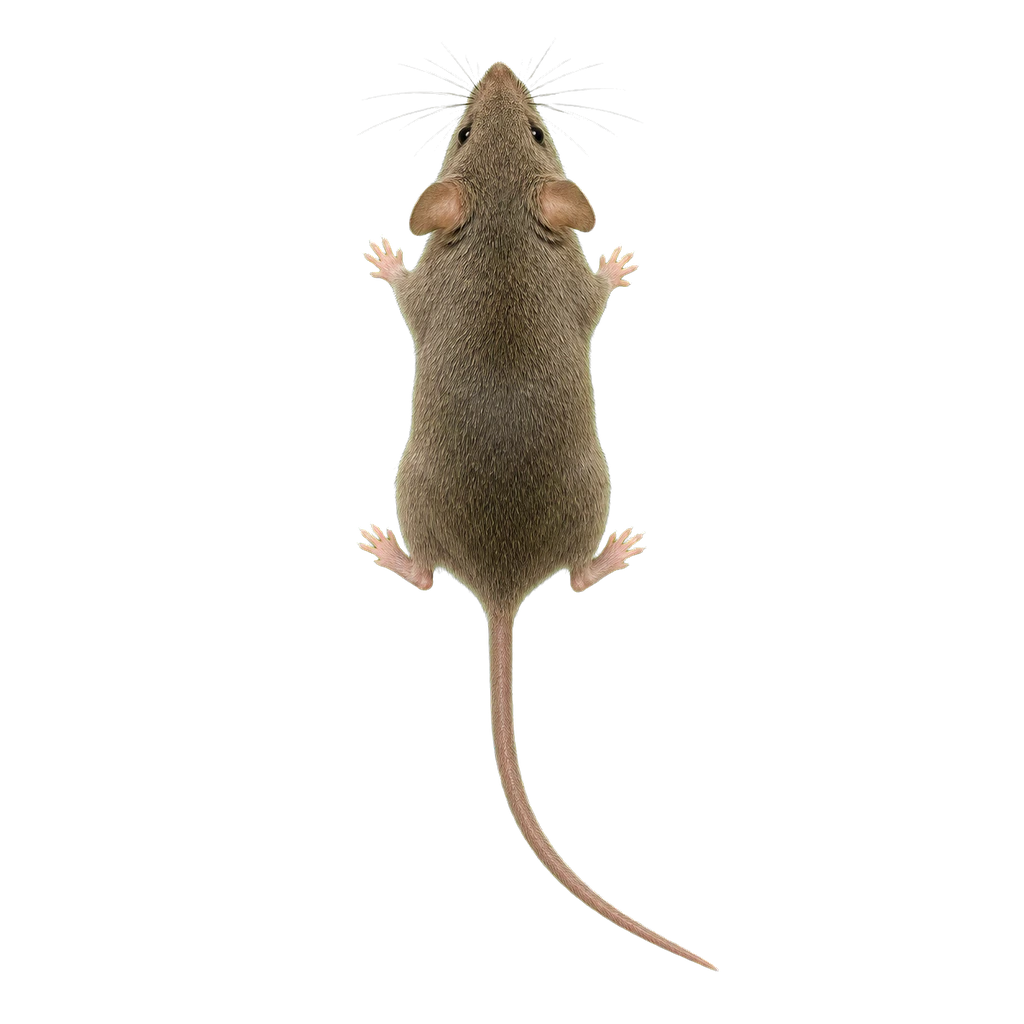
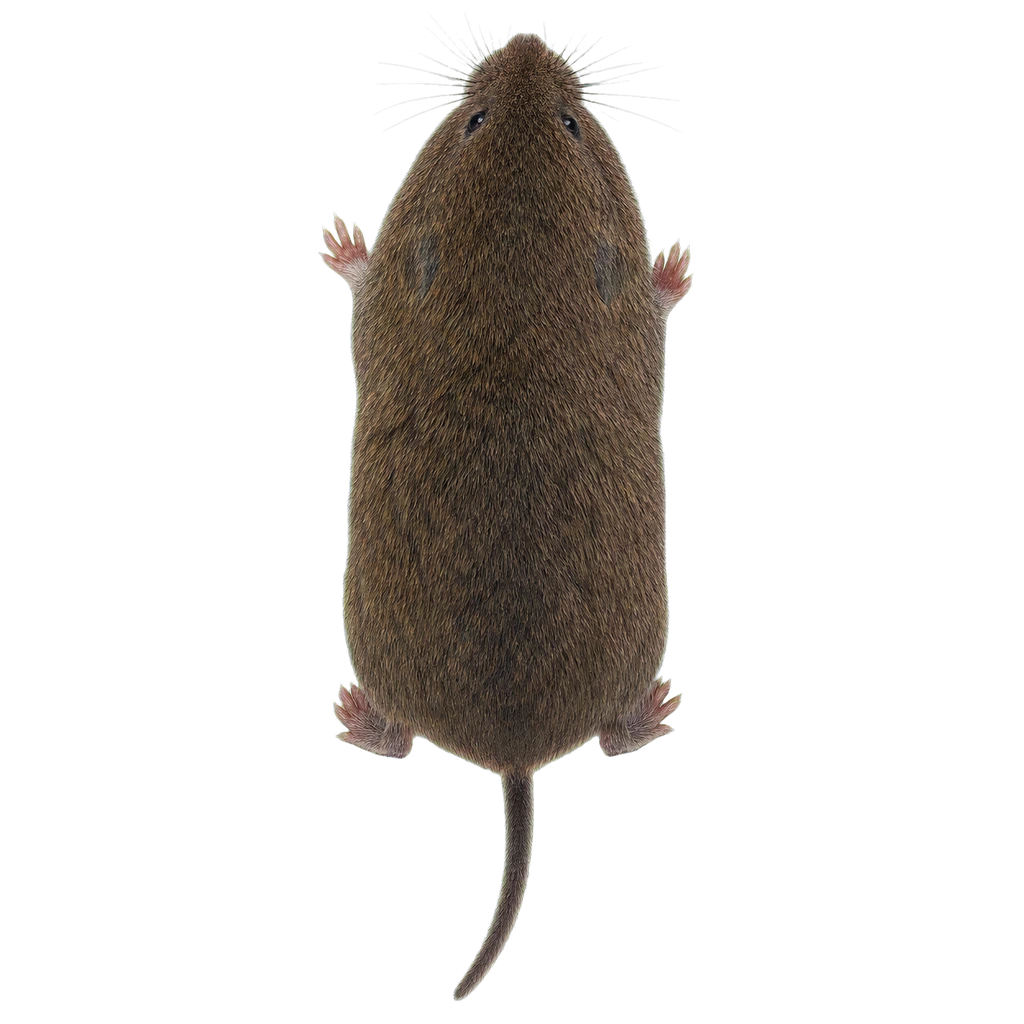
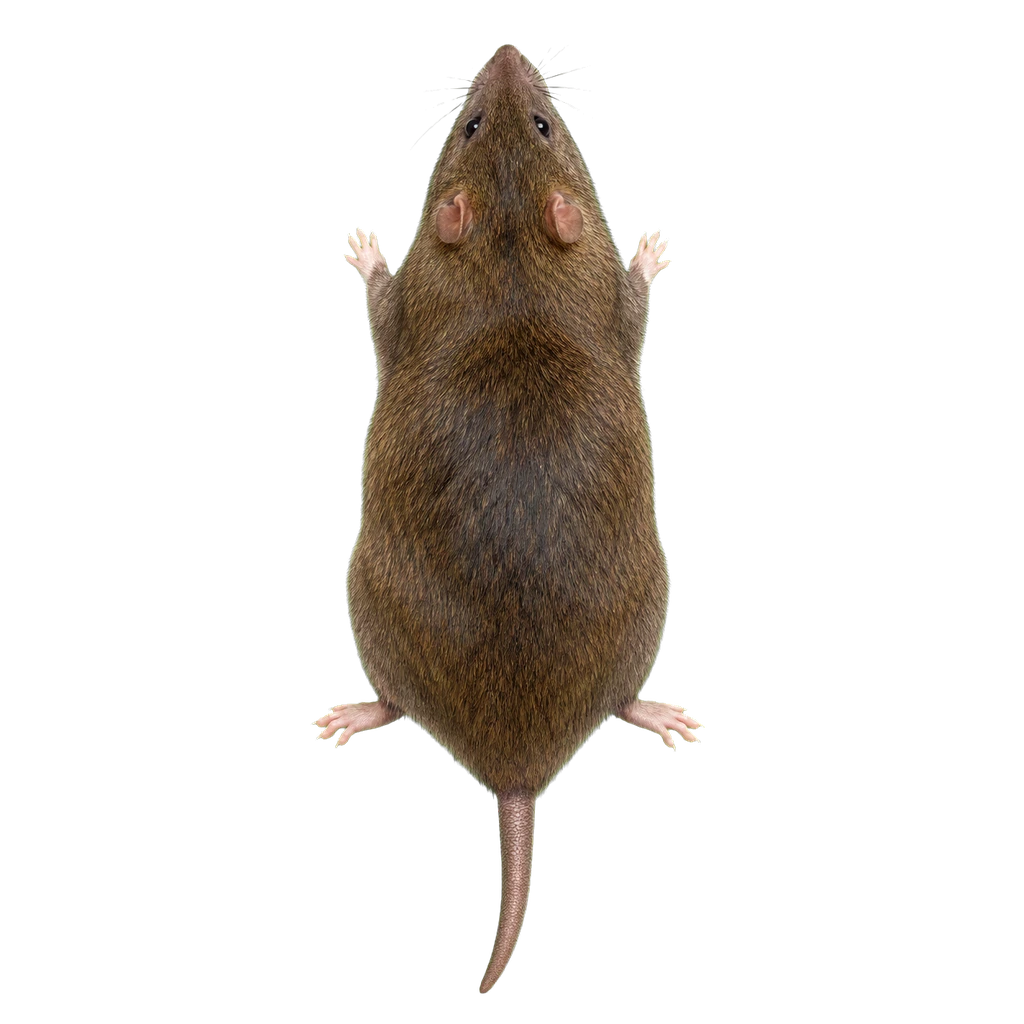
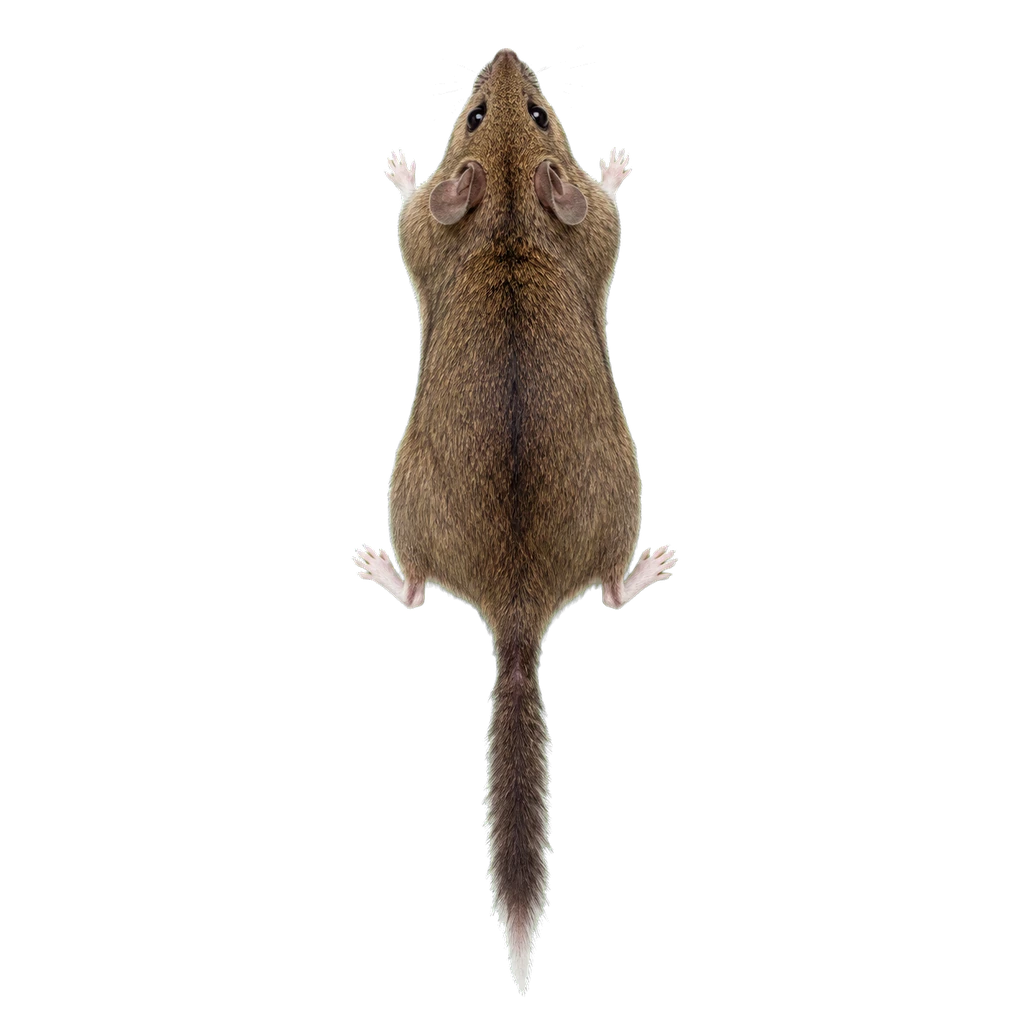
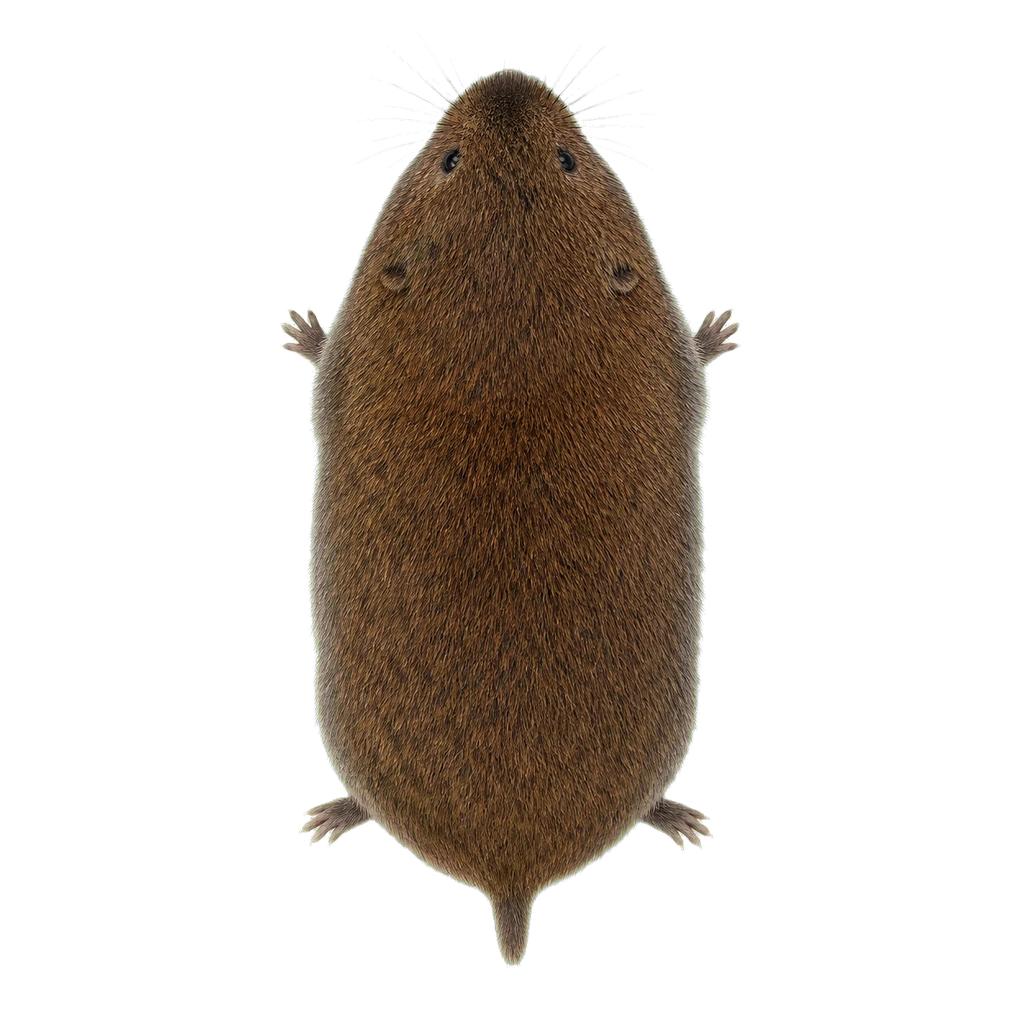
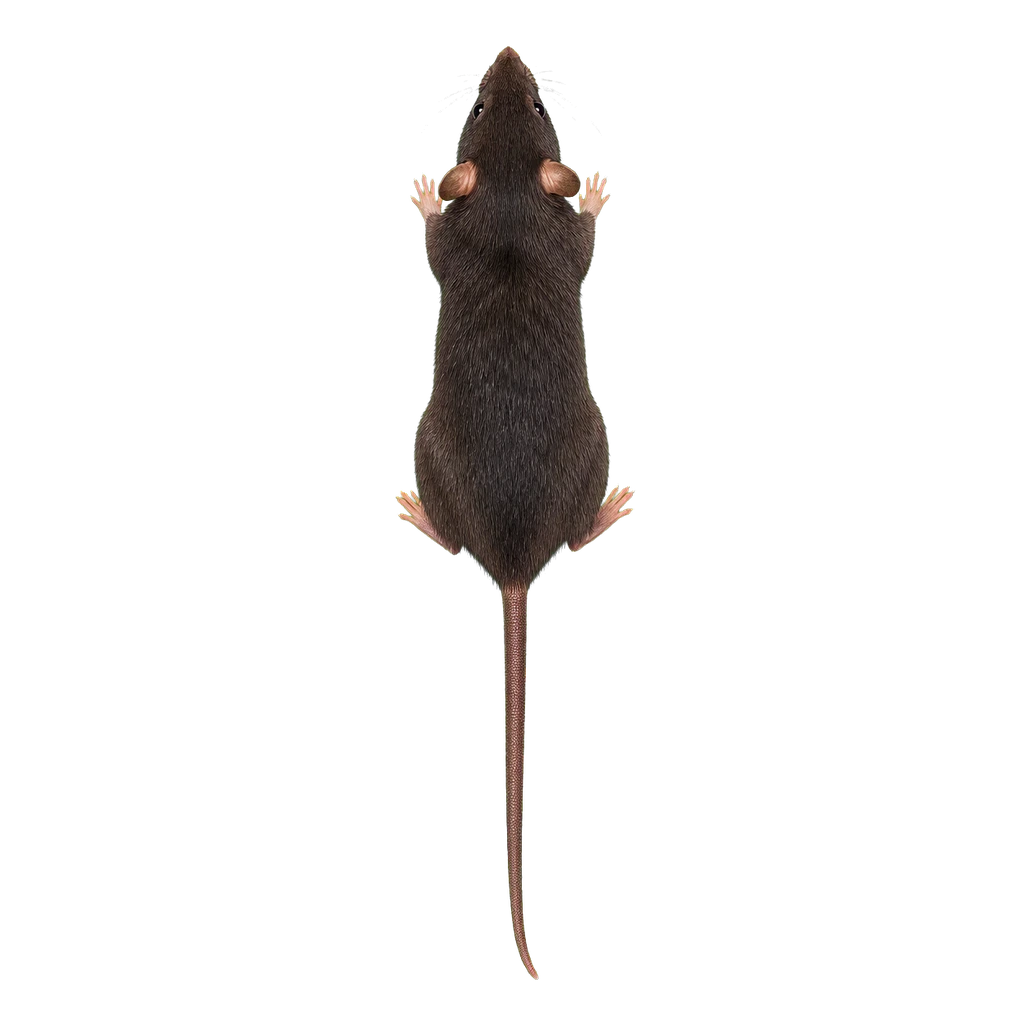
Scratching in walls, droppings in cabinets, gnaw marks on wires, find out what's living in your home and how to stop it.
Explore Category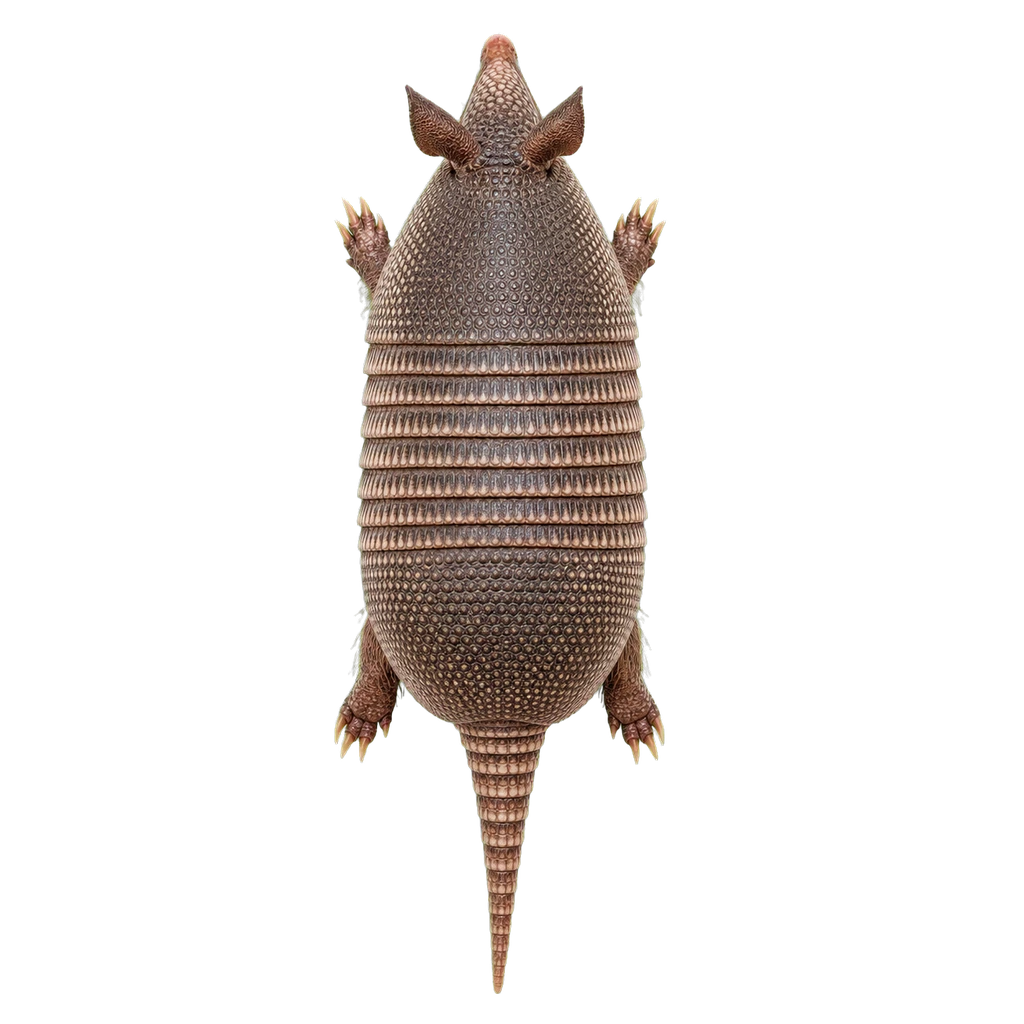
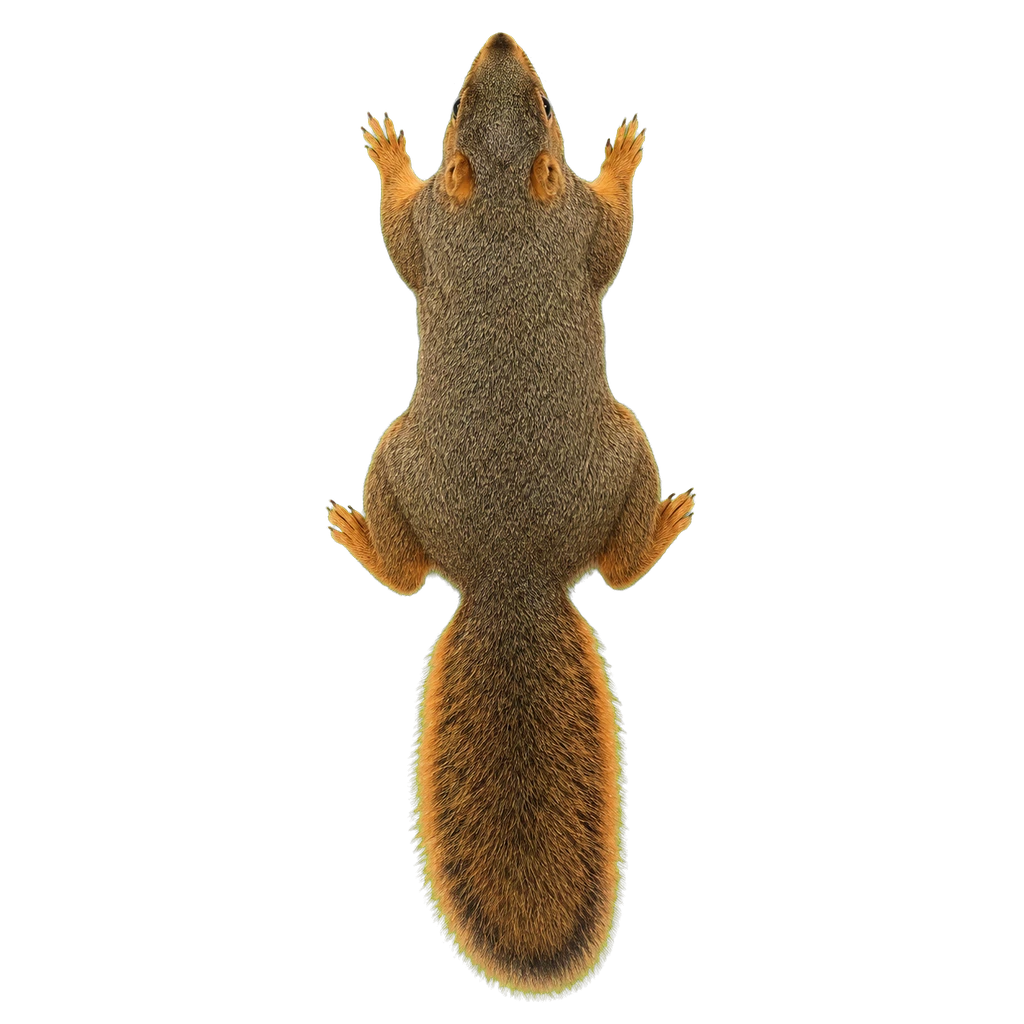
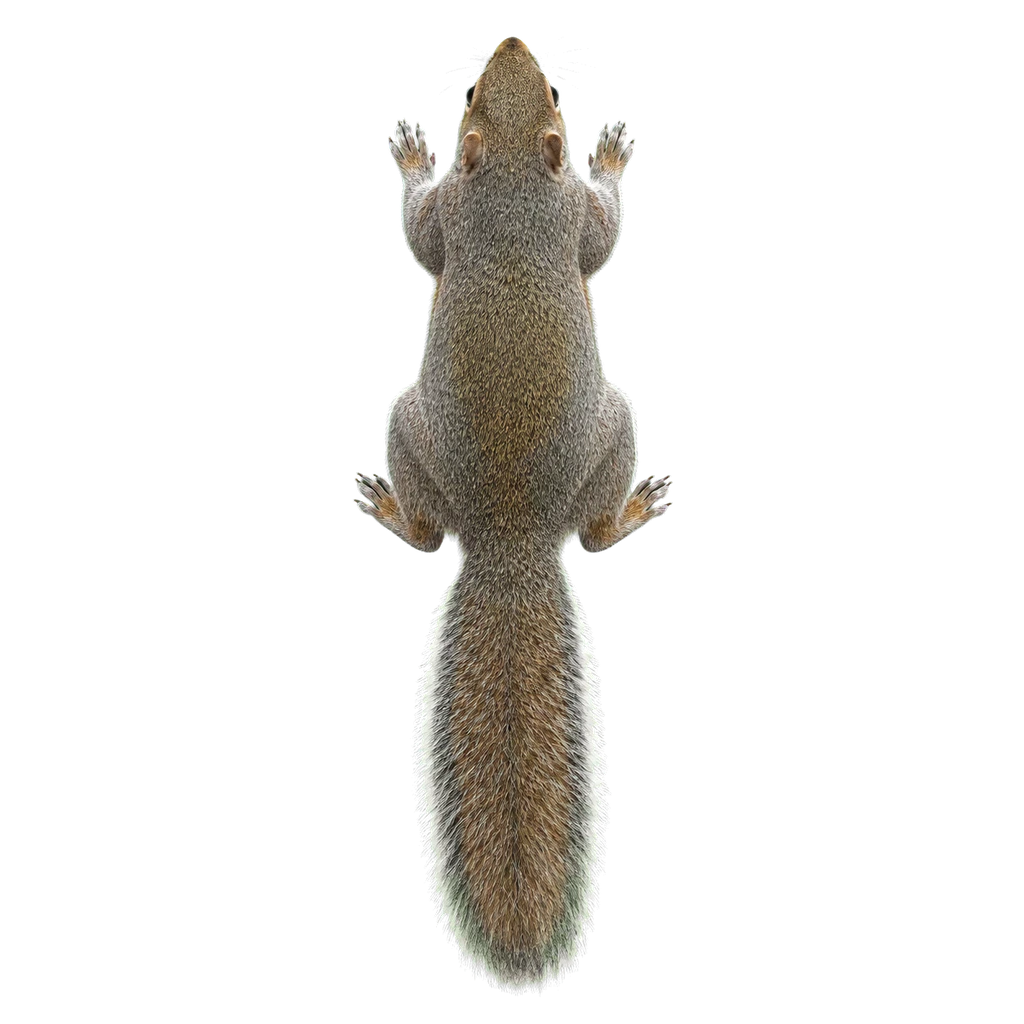
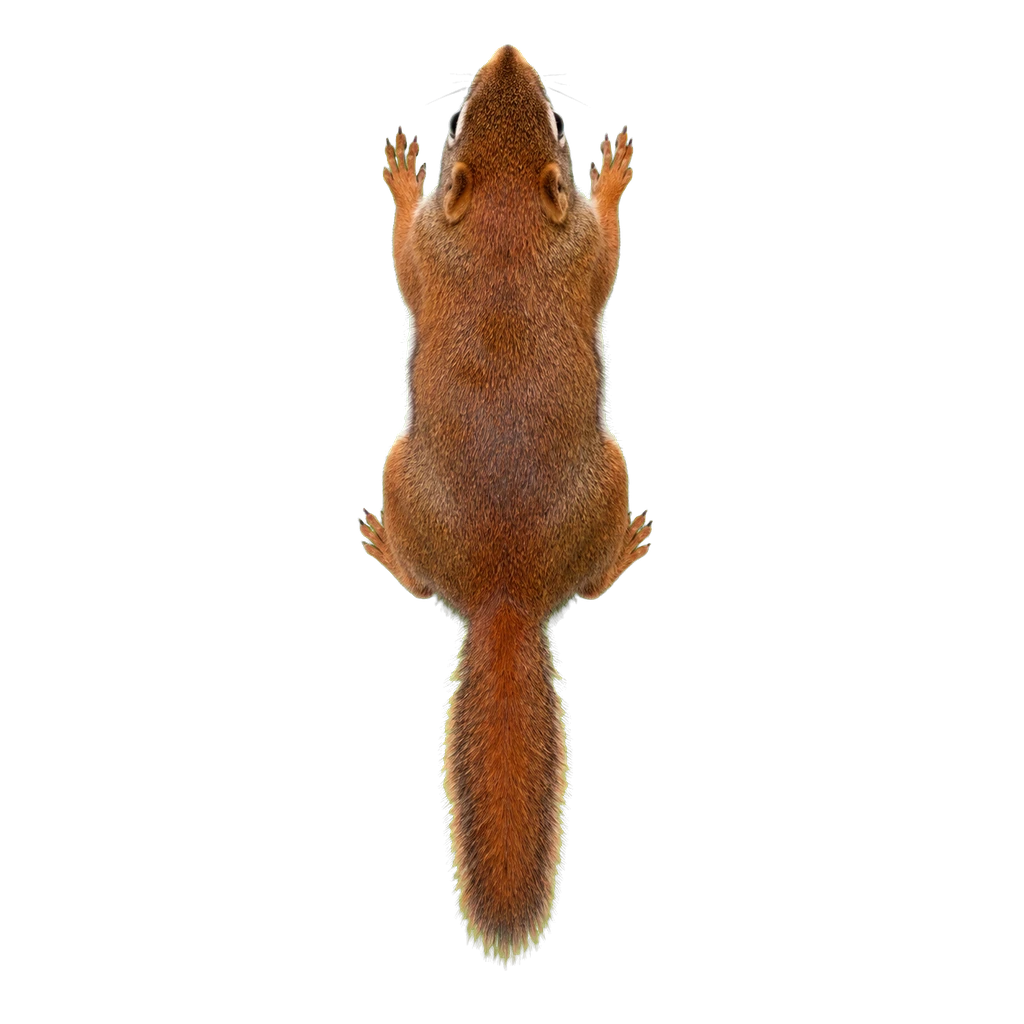
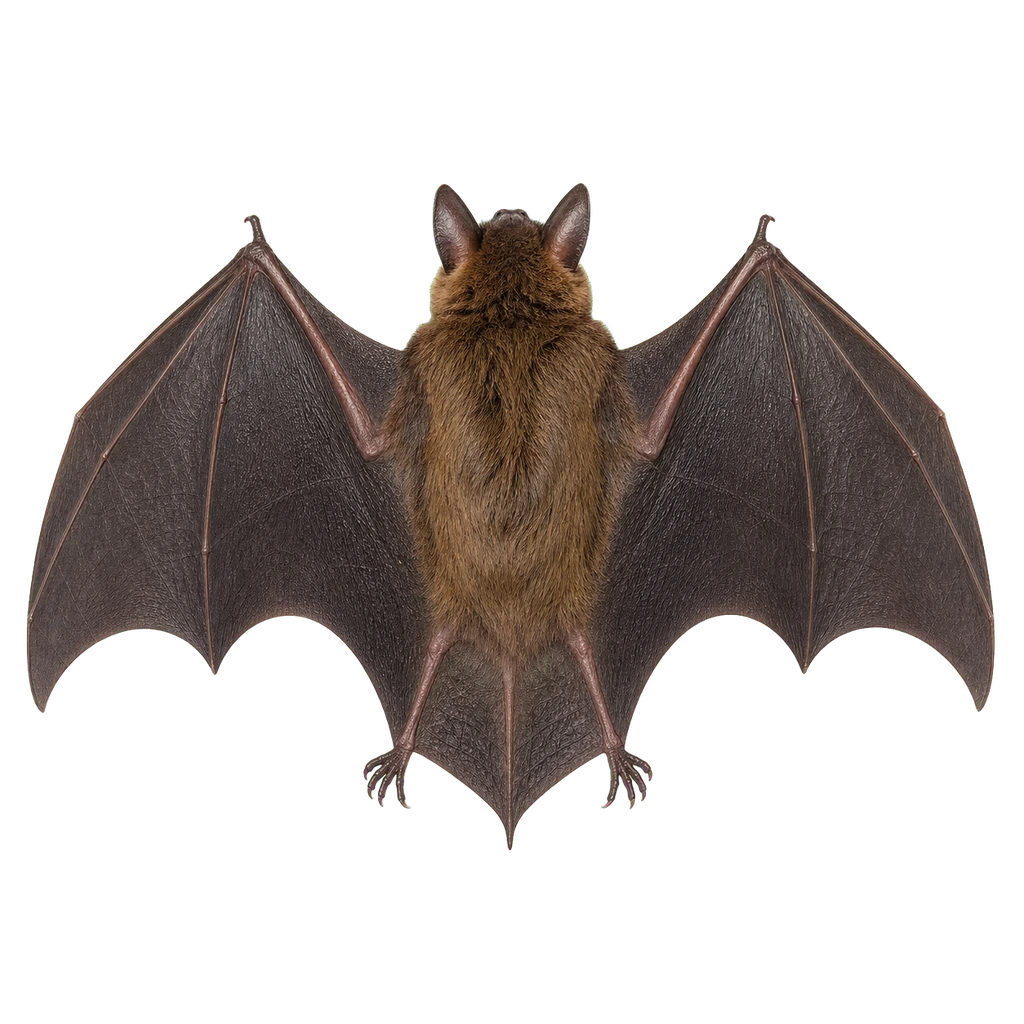
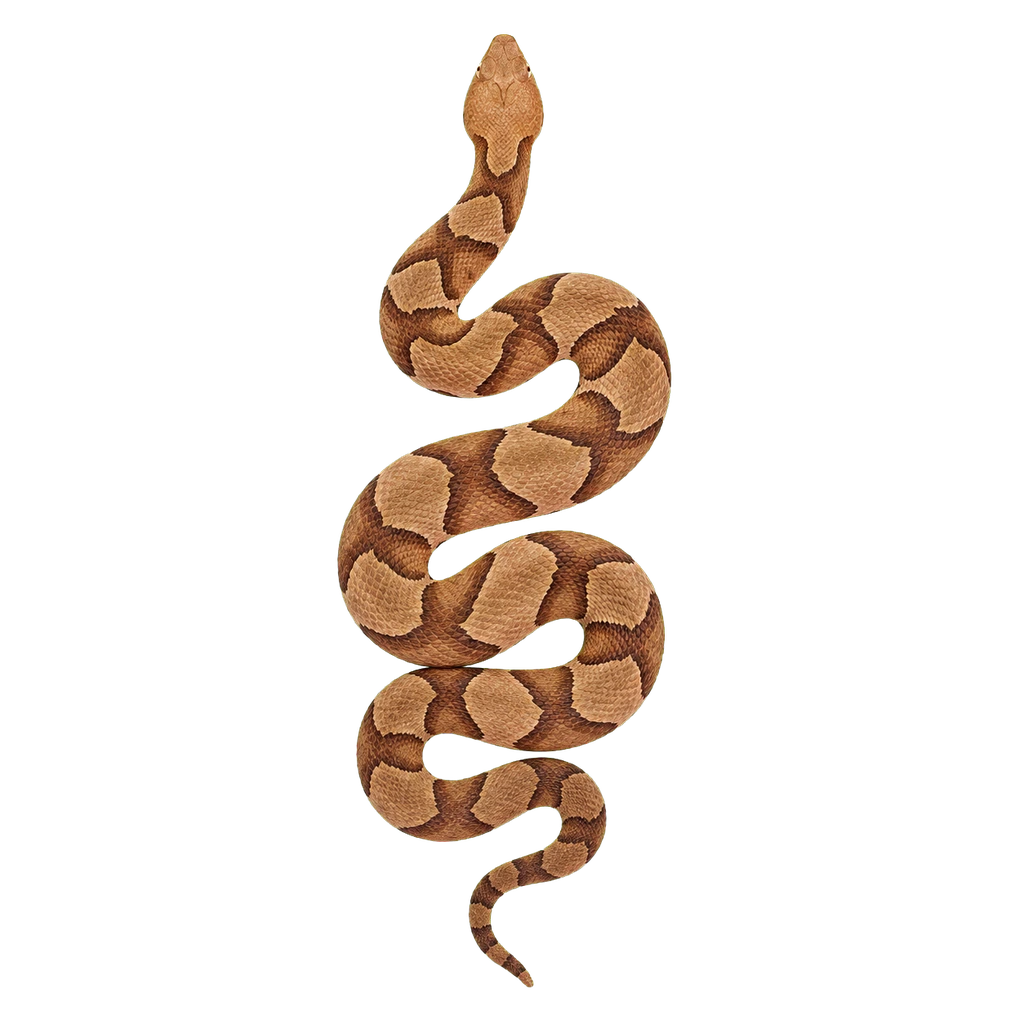
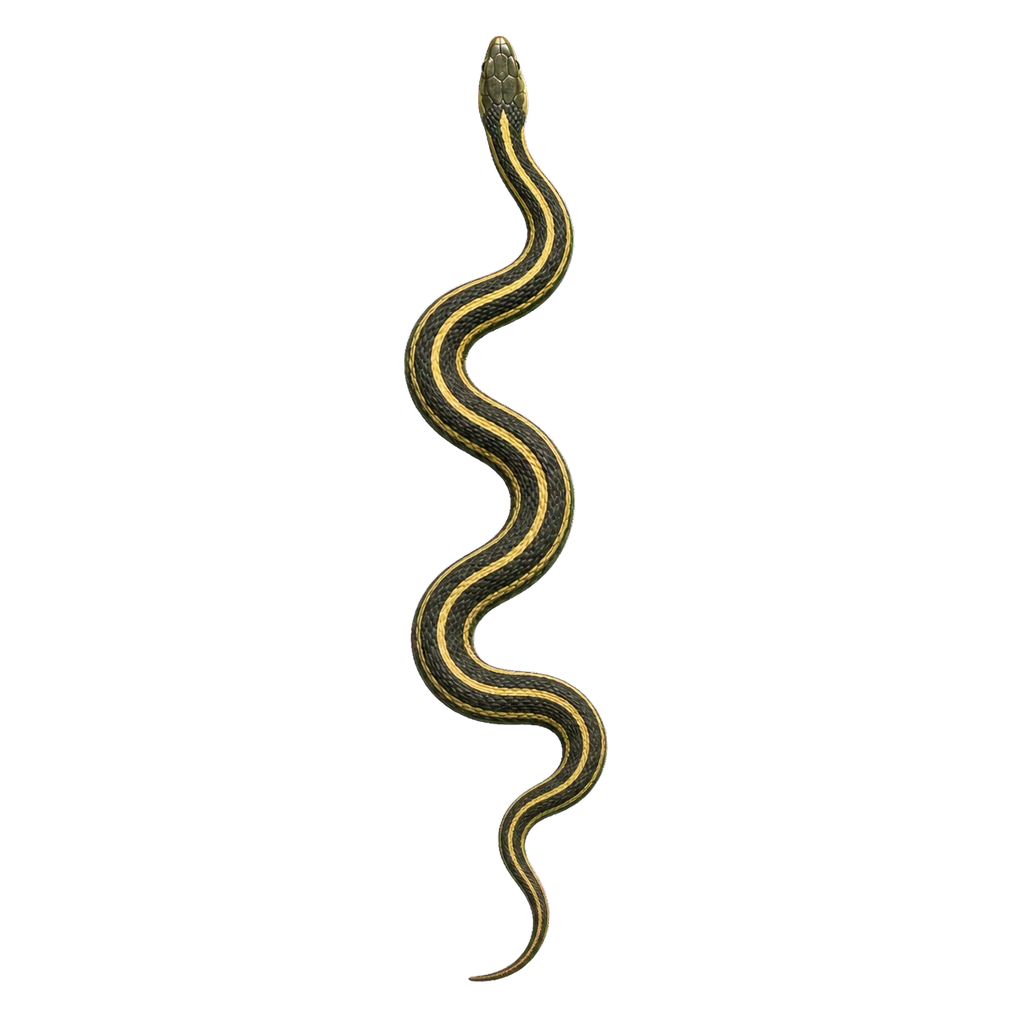
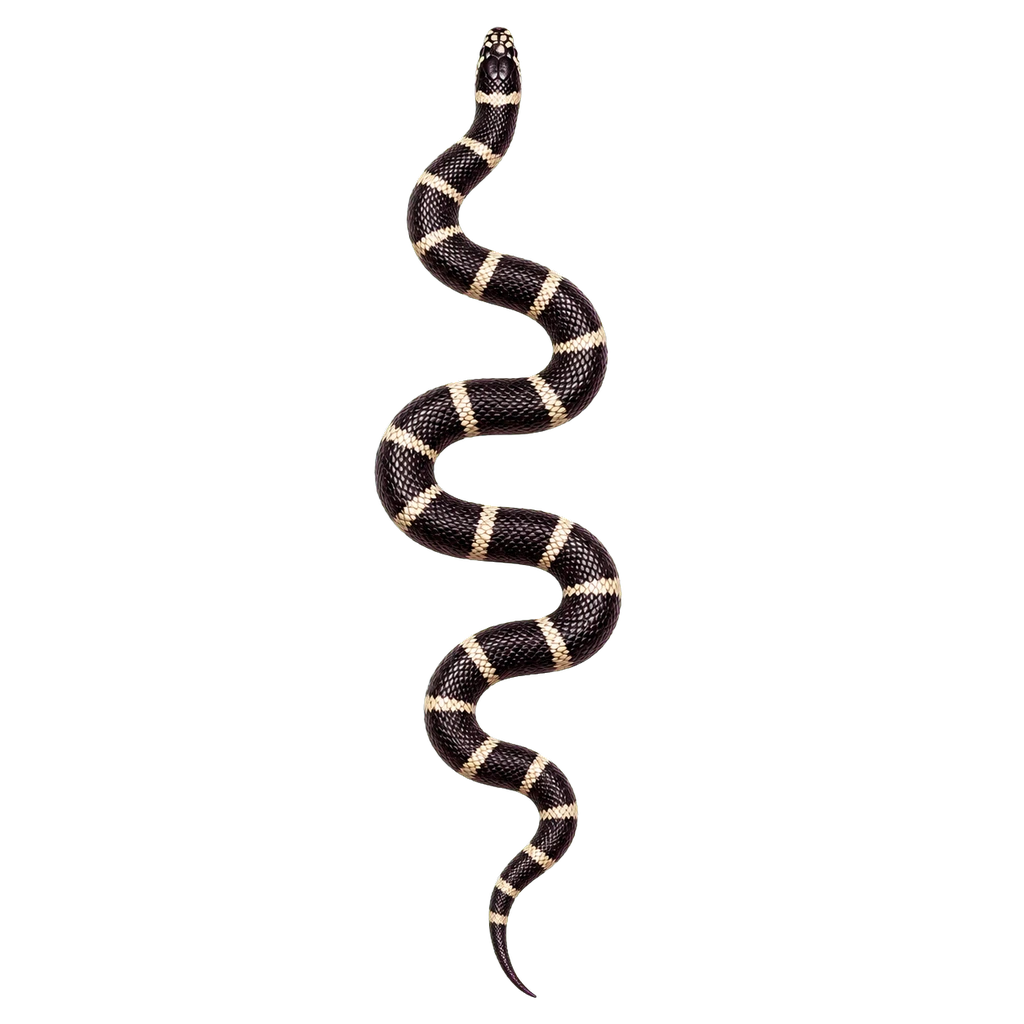
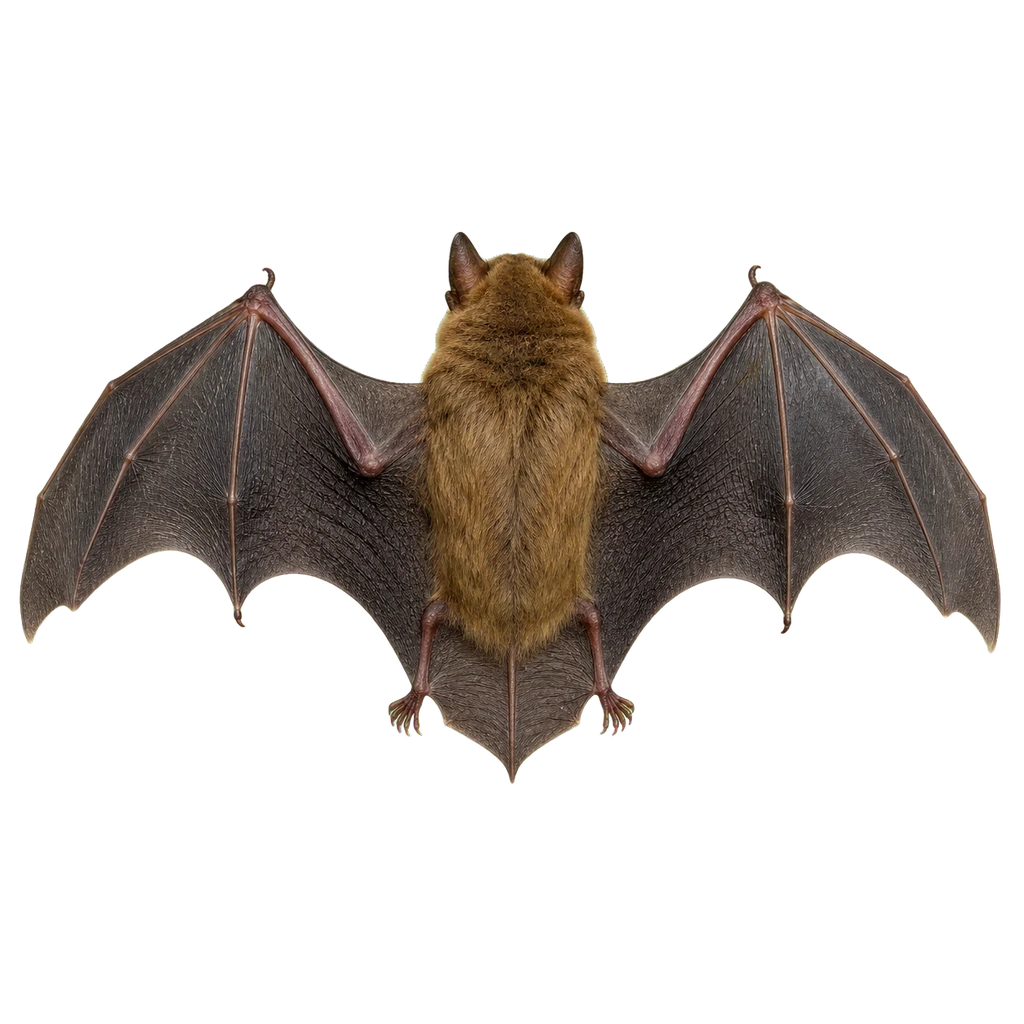
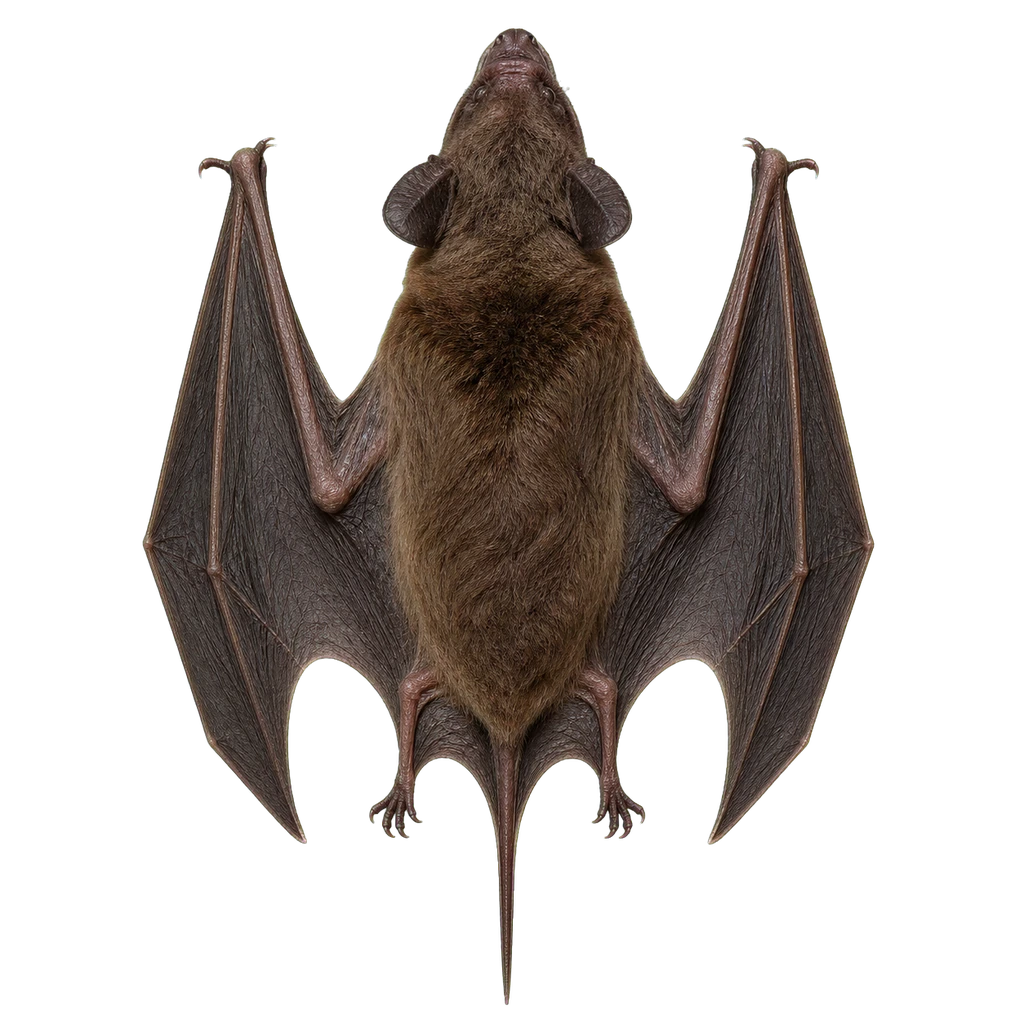
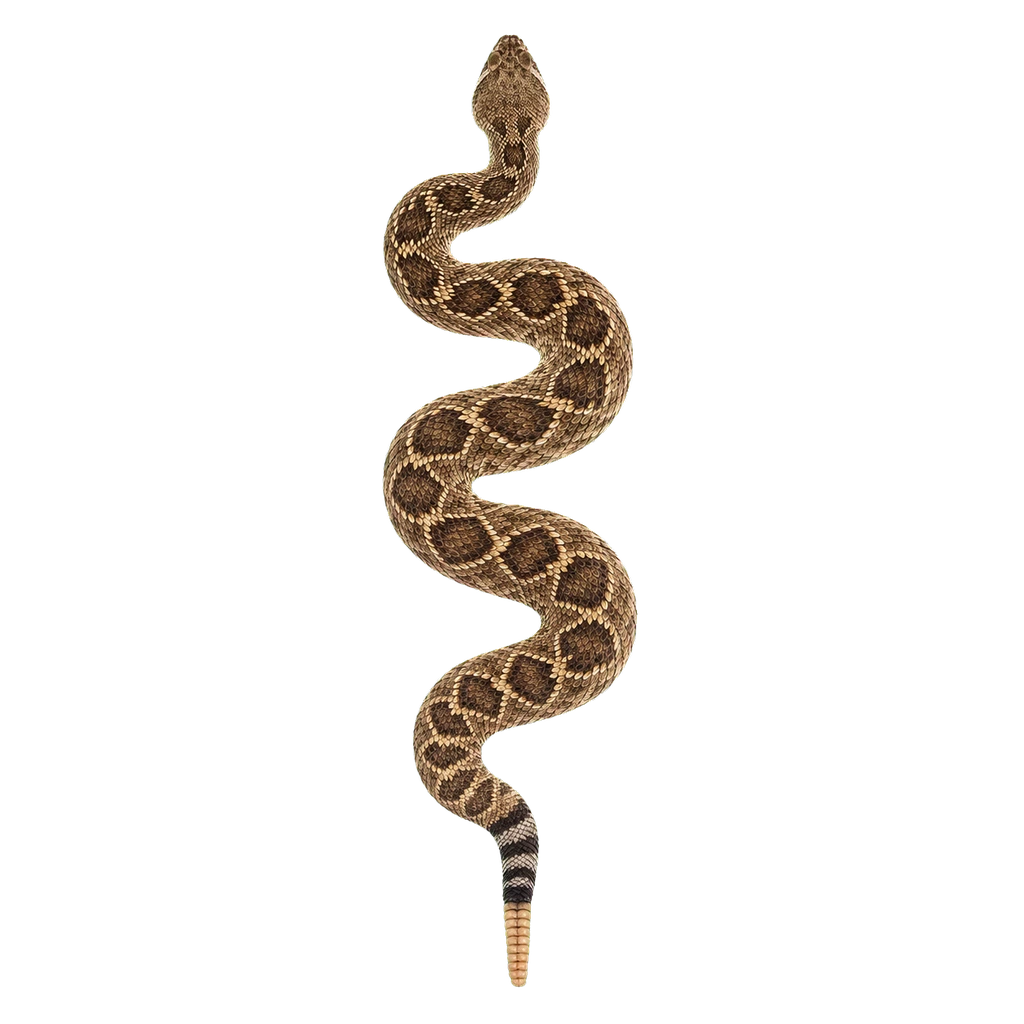
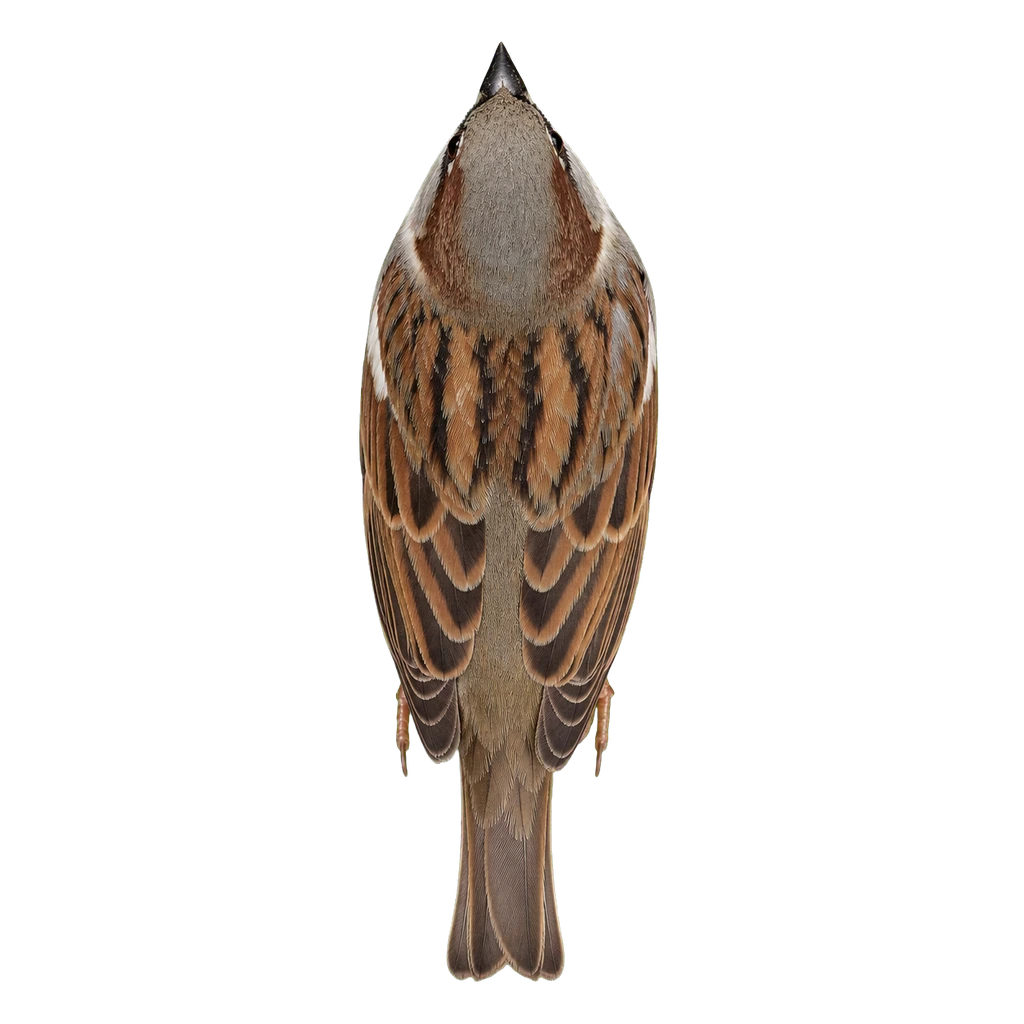
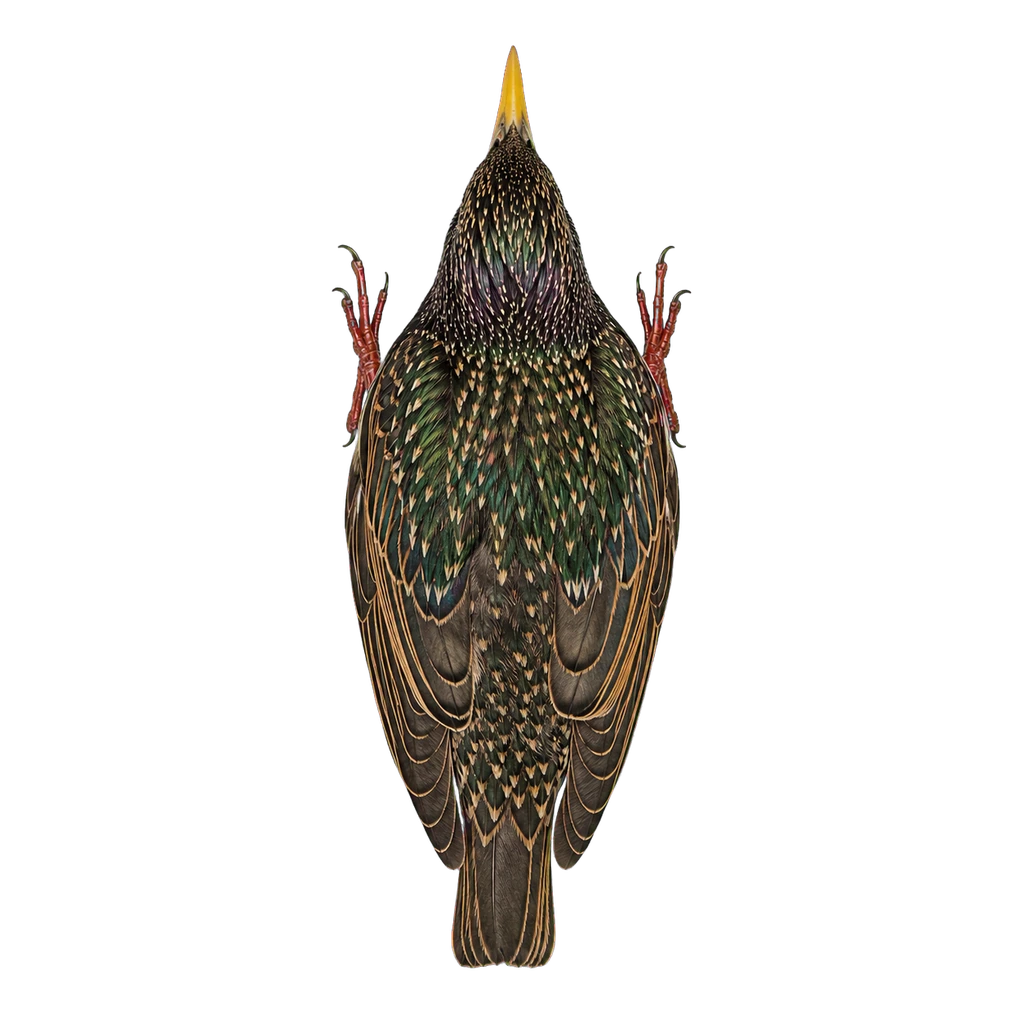
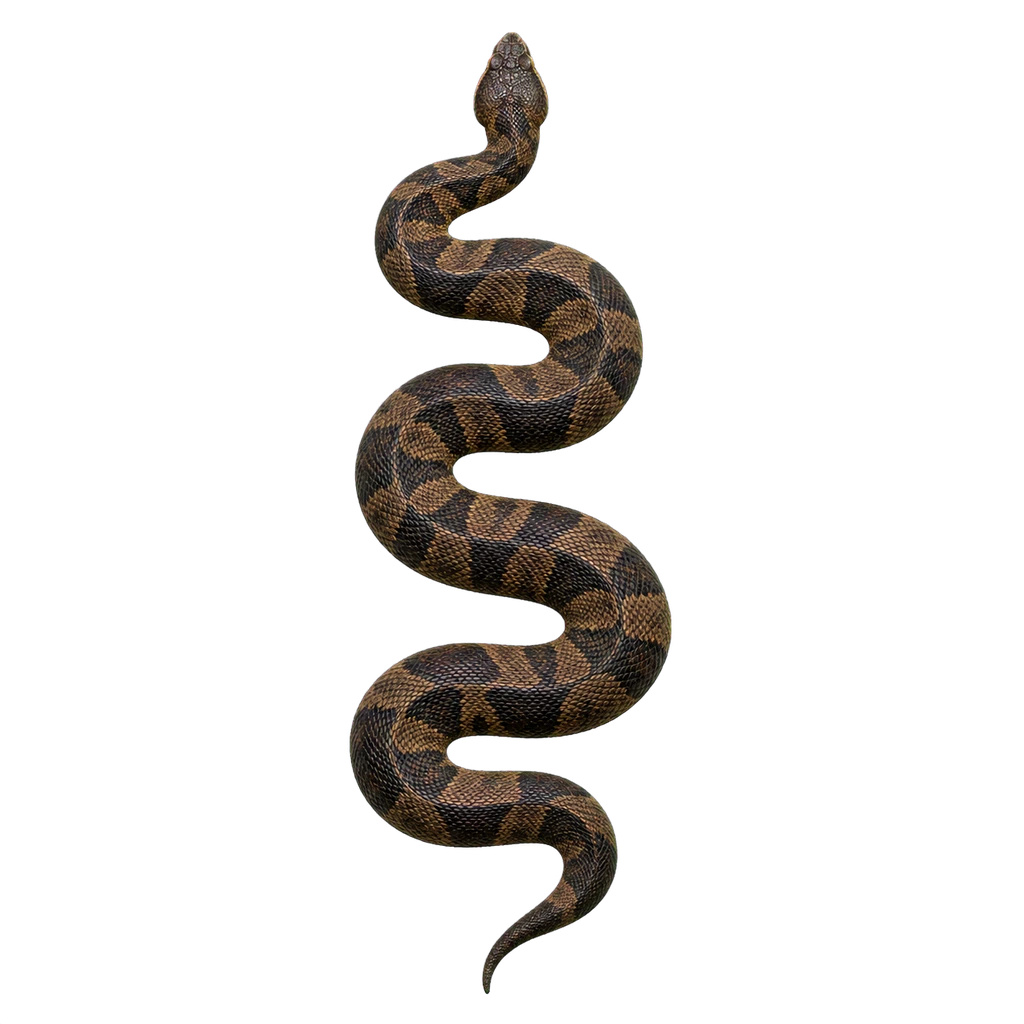
Raccoons, bats, squirrels, and snakes in attics, crawl spaces, and yards. Know the risks and how to remove them safely.
Explore CategoryPick the sign that matches what you've noticed. Each one points to the most likely causes and what to do next.
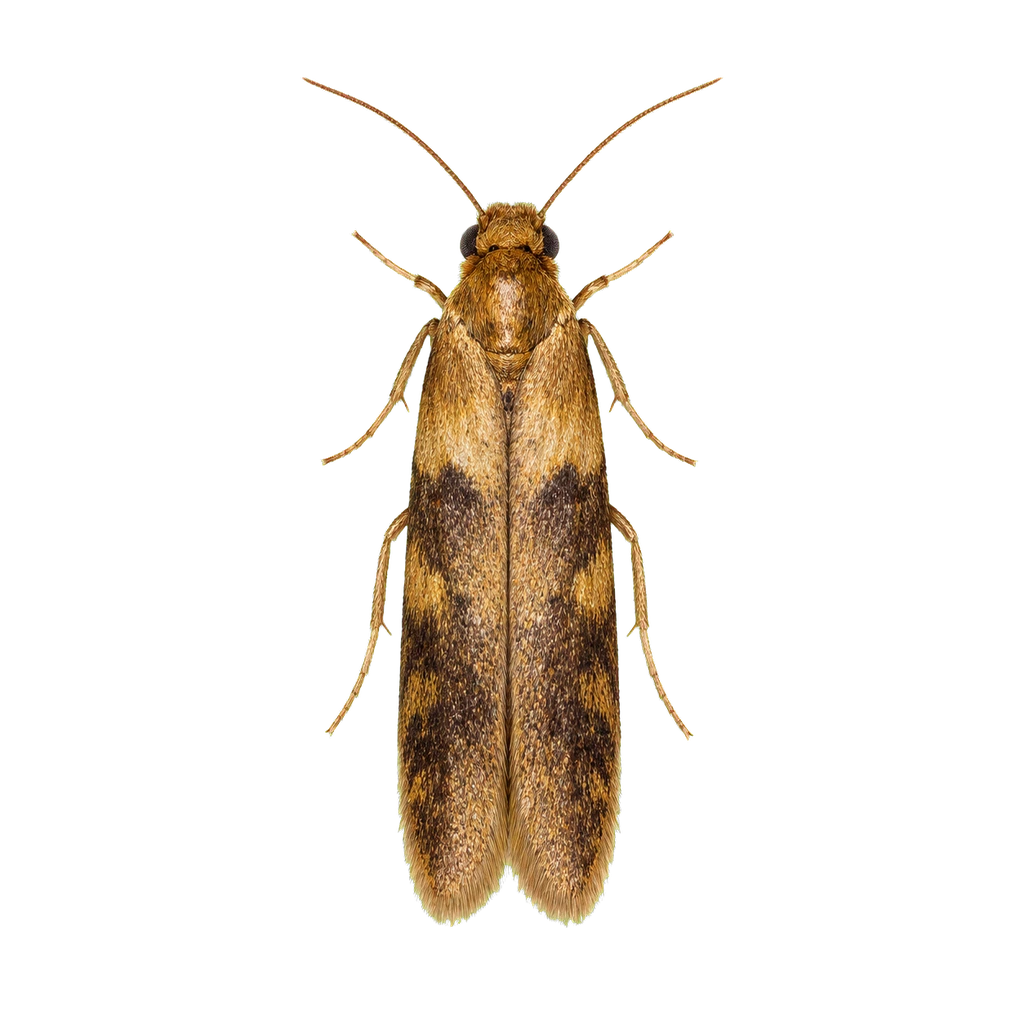
Ants, roaches, or pantry moths near sinks, counters, or stored food
Mice, rats, squirrels, or raccoons nesting inside wall voids or attics
Bed bugs, fleas, or mites that feed at night and leave itchy marks
Termites, carpenter ants, or wood borers weakening structural wood
Wasps, hornets, or bees building nests under eaves, in walls, or underground
Rodents or wildlife leaving physical evidence along travel paths

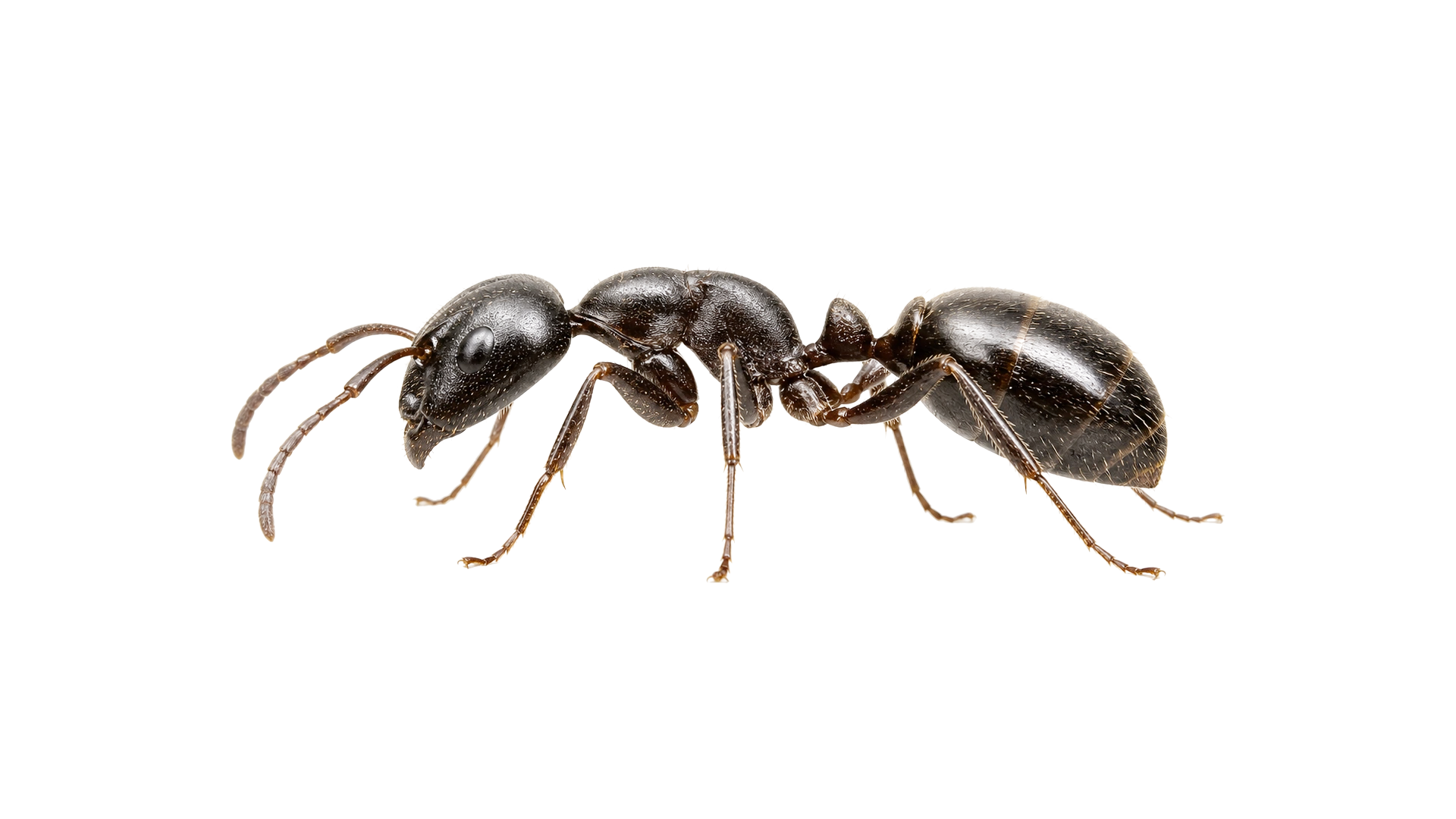
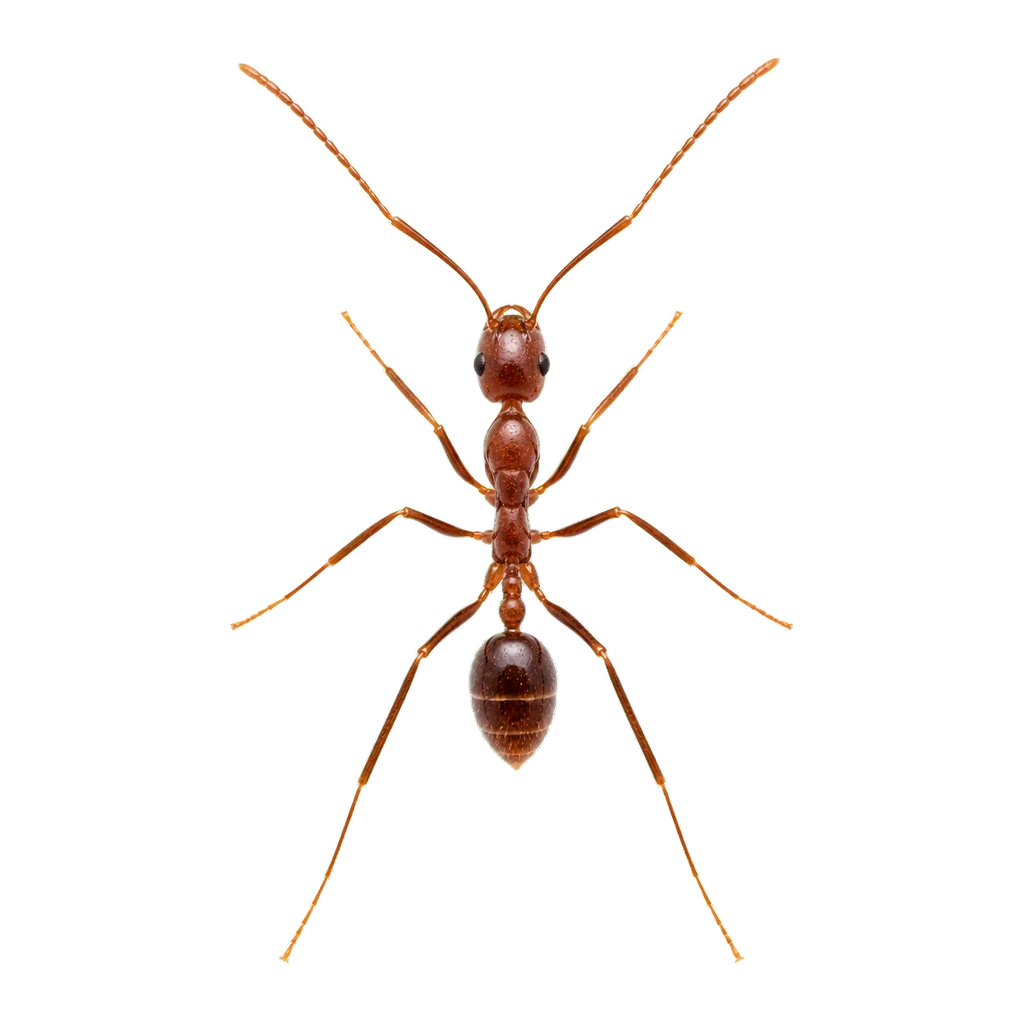
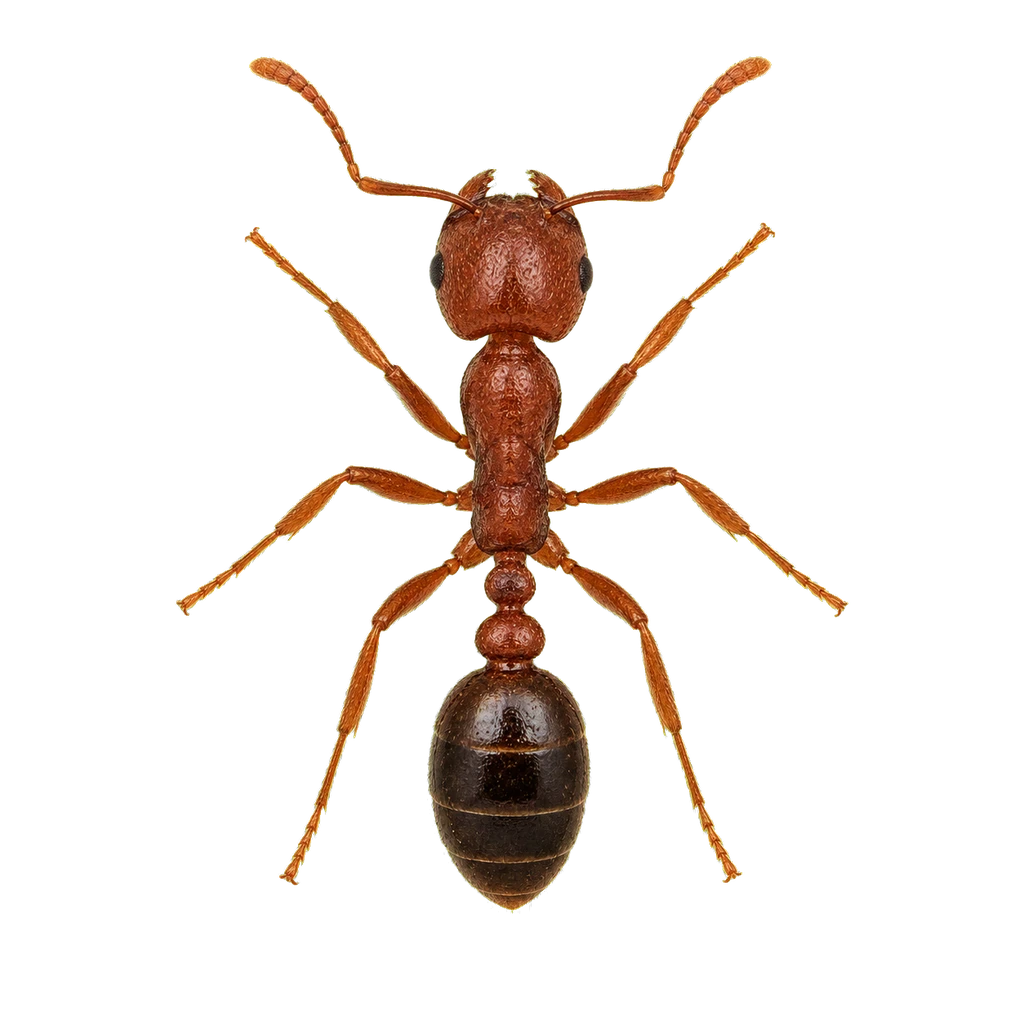
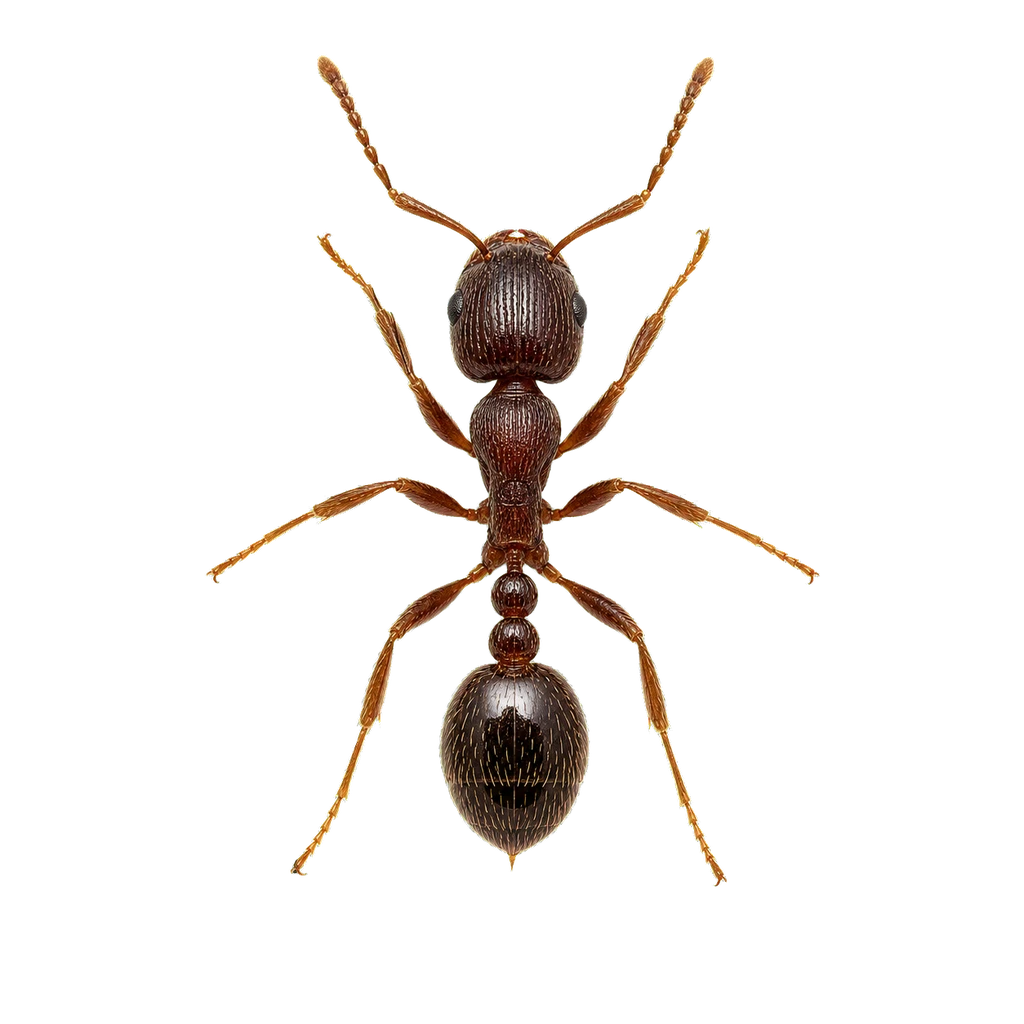
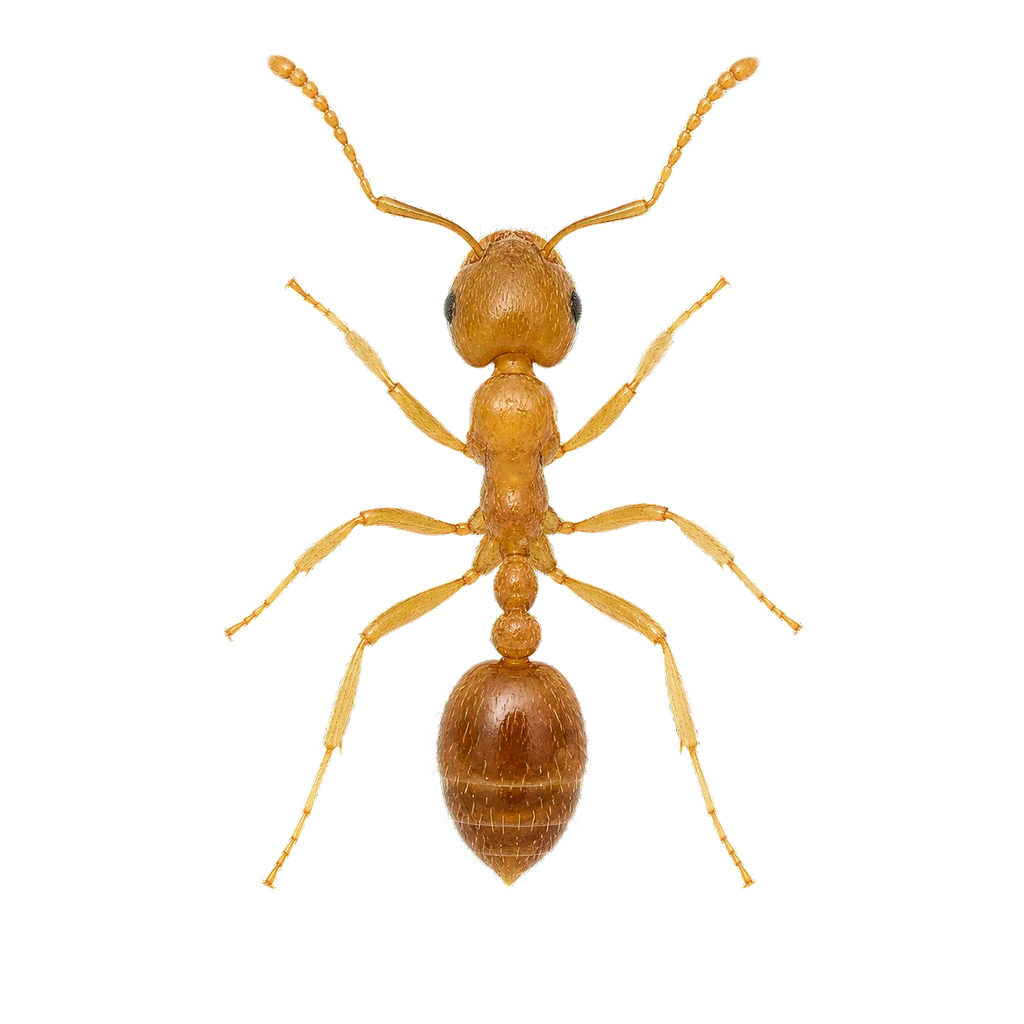
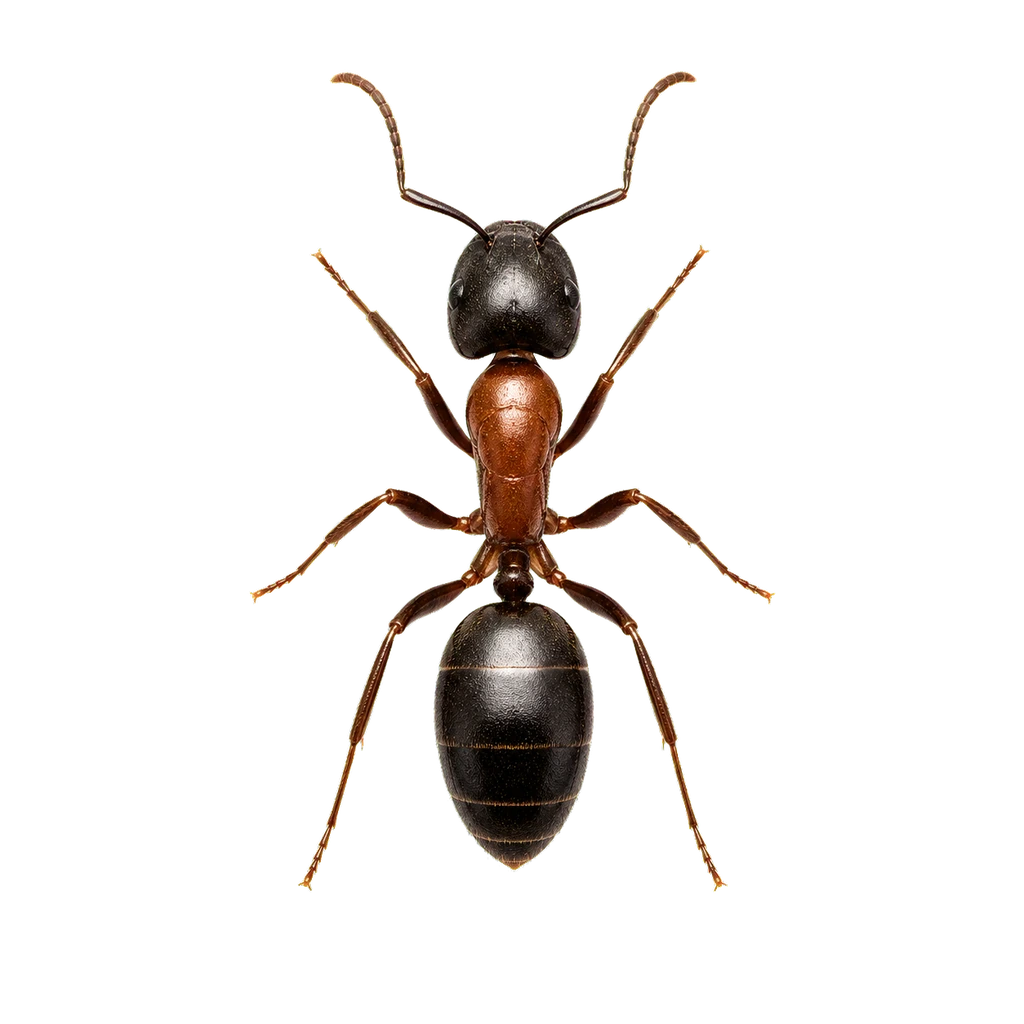
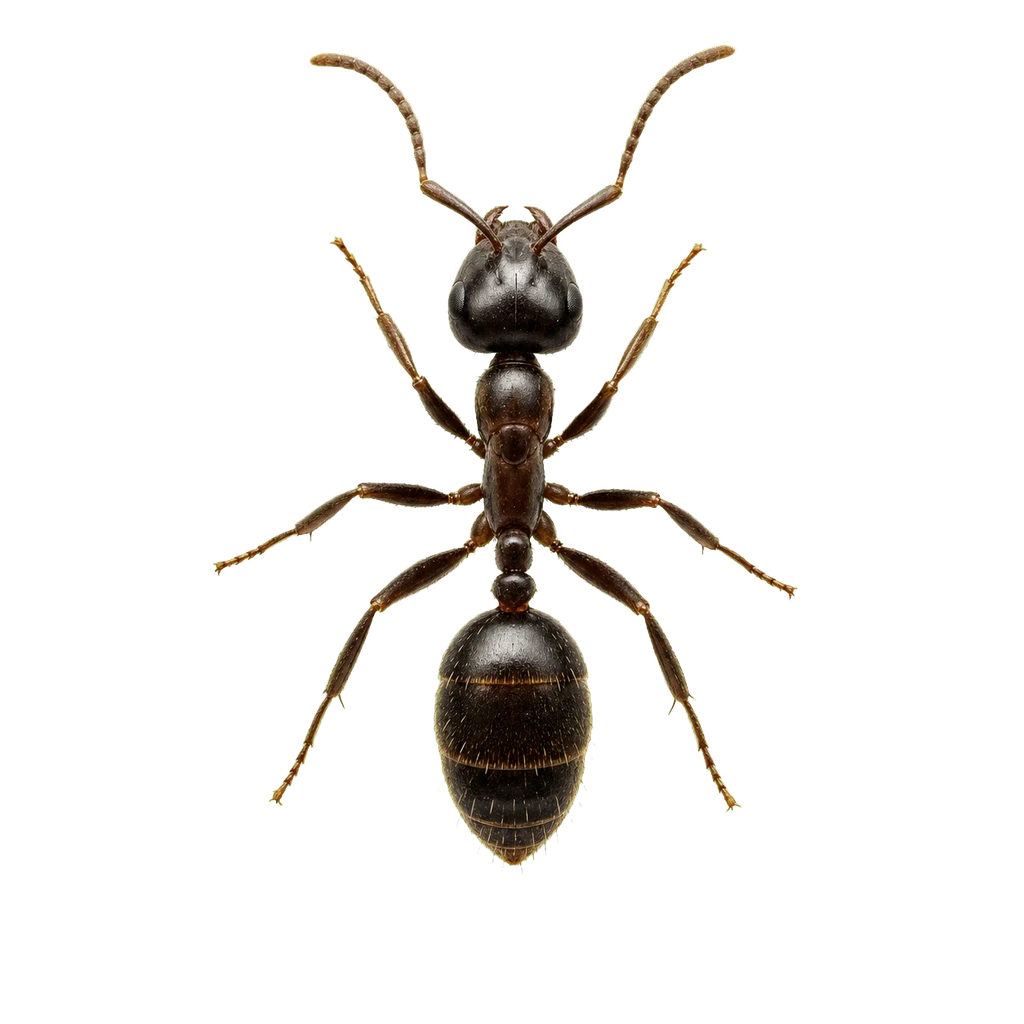
Ants form organized colonies that follow scent trails into homes, targeting food and water sources in kitchens, bathrooms, and along foundations.
Different species pose different risks, from food contamination to structural wood damage, so identifying the species is the first step toward effective control.
Know what you're looking for? Find the exact species below. Each one has its own behavior, risks, and treatment approach.
Now that you know what you're dealing with, the next steps depend on the severity. Some pests you can manage yourself, others need a professional before the problem gets worse.
Straightforward answers about identifying, preventing, and managing common household pests.
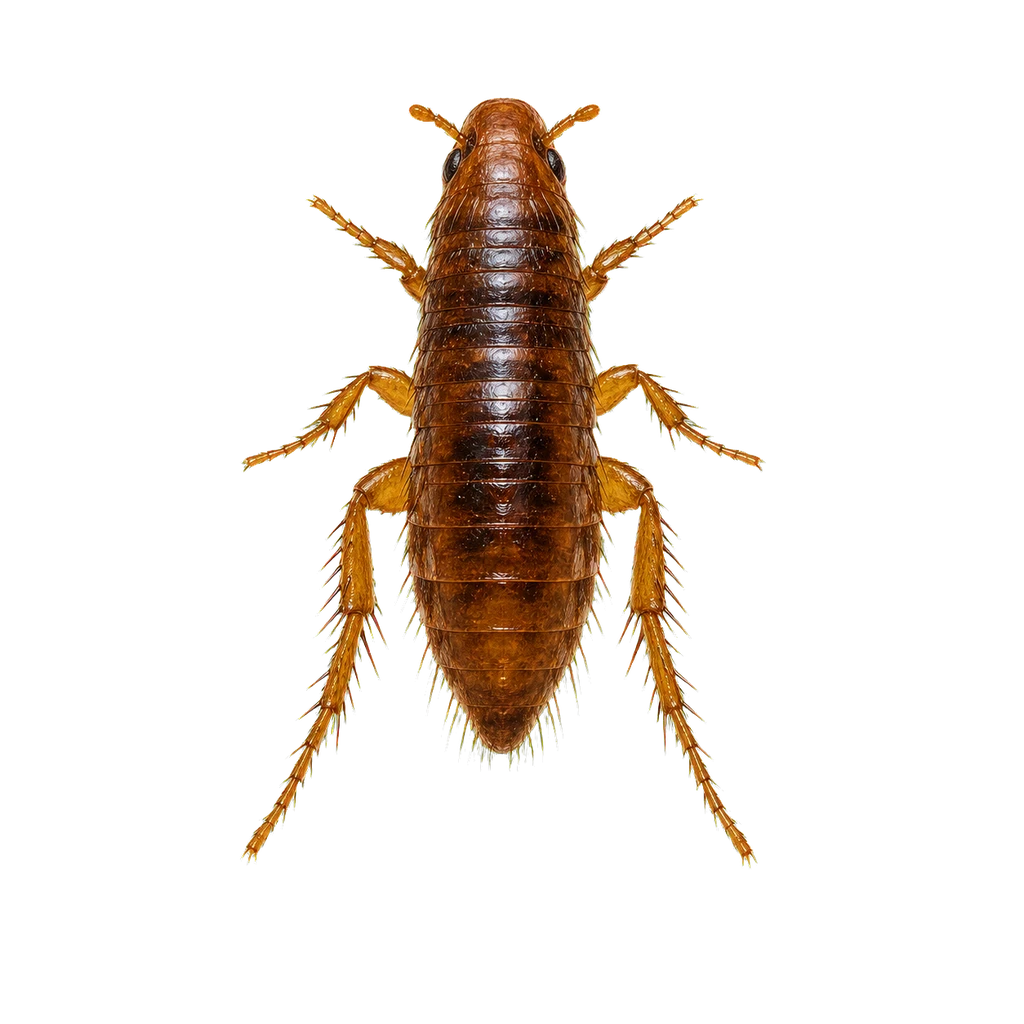
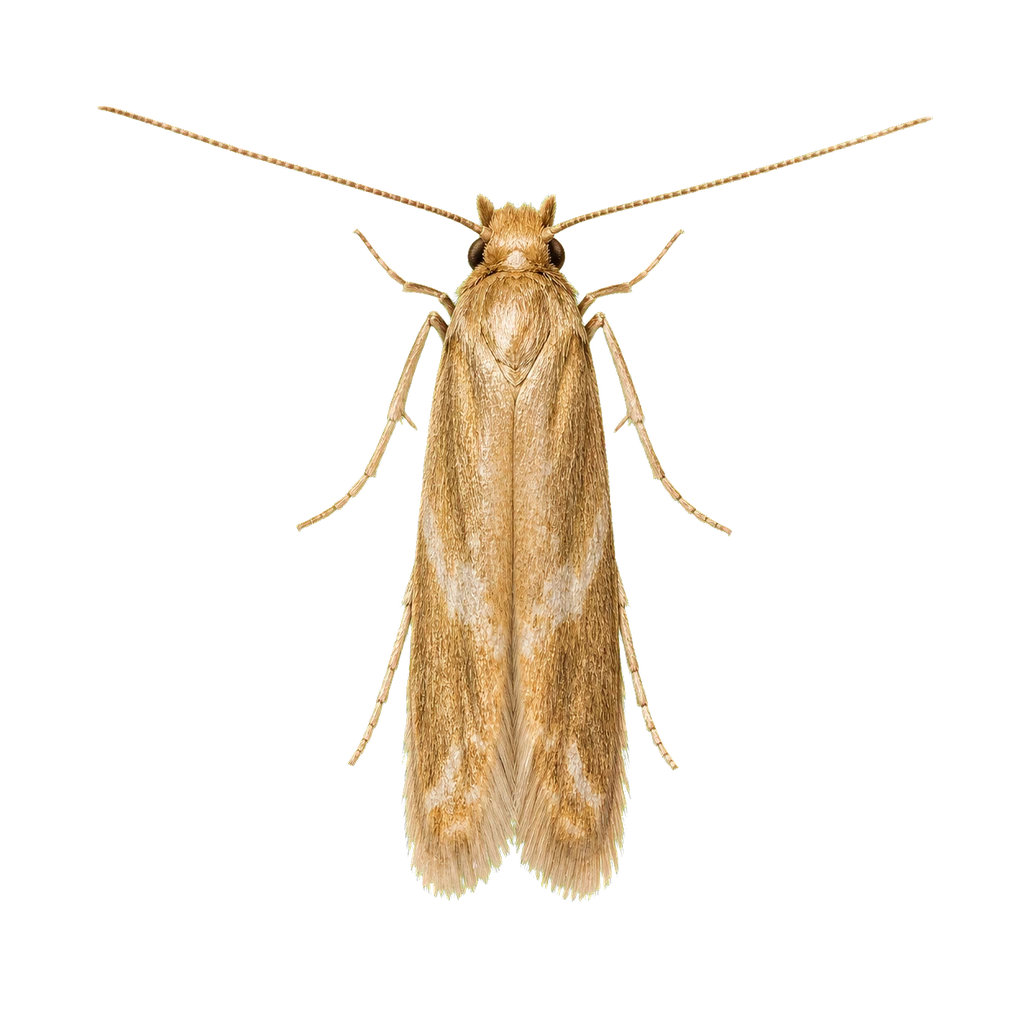
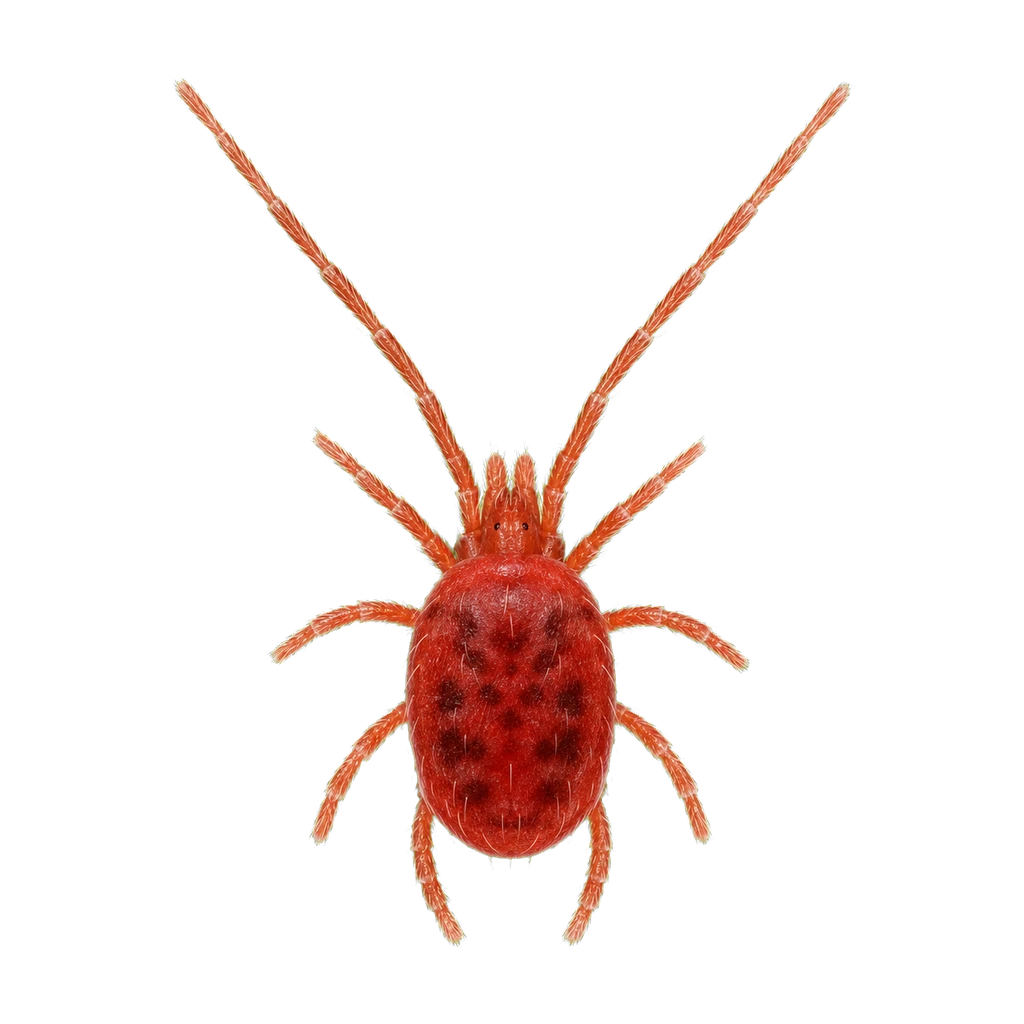
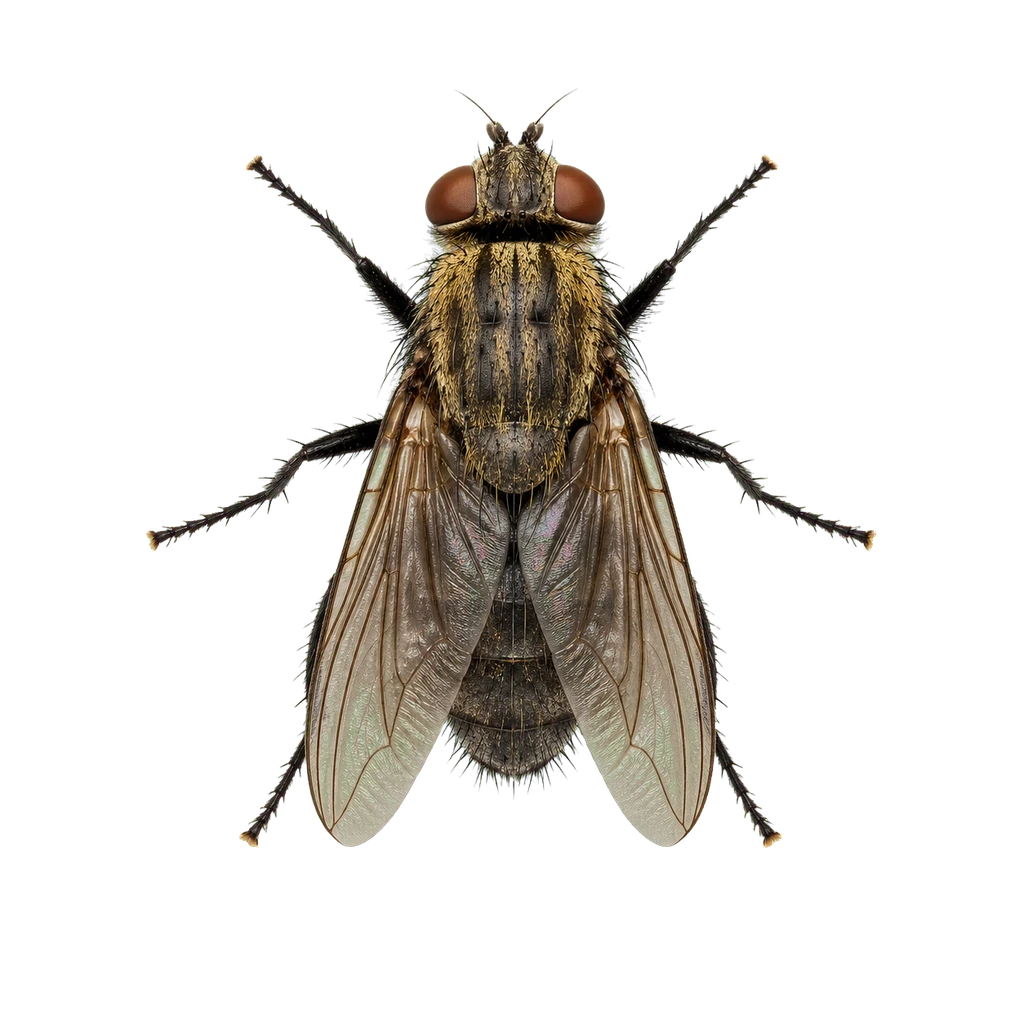
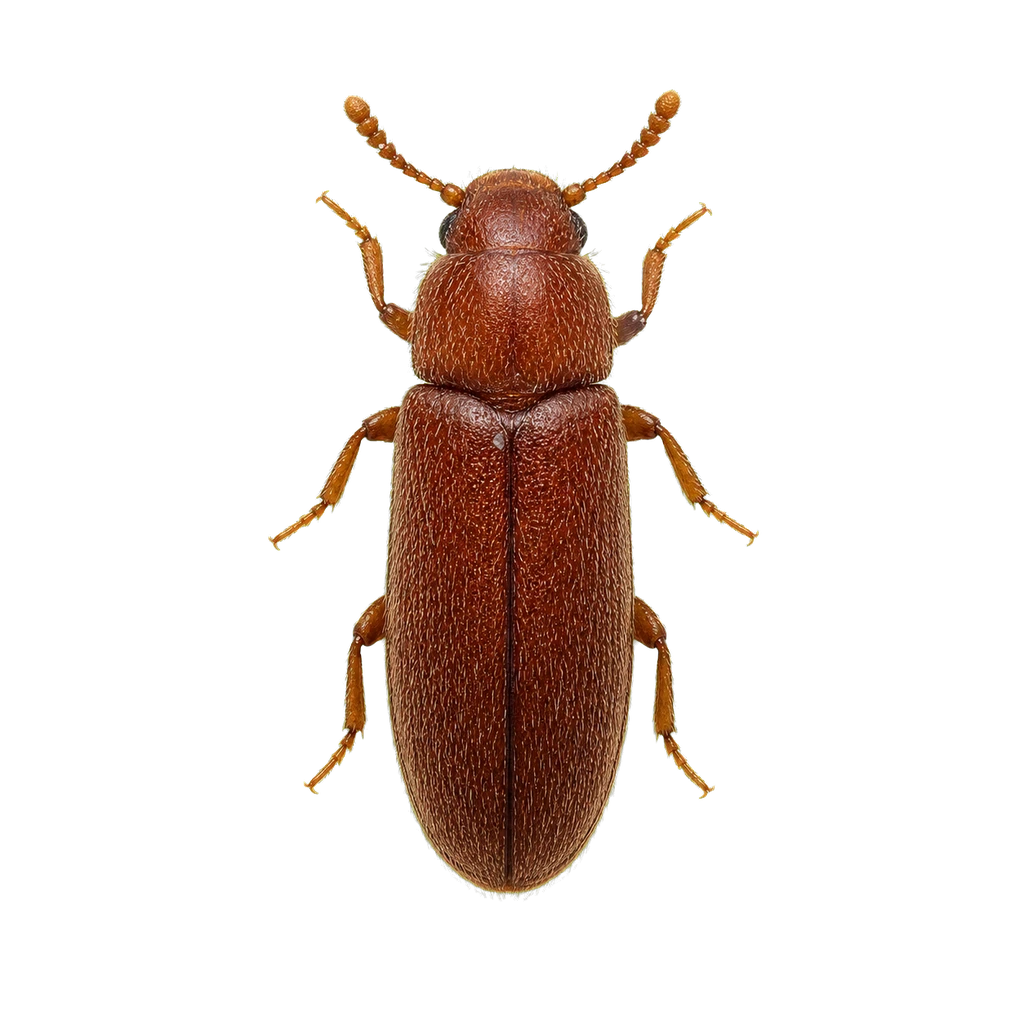
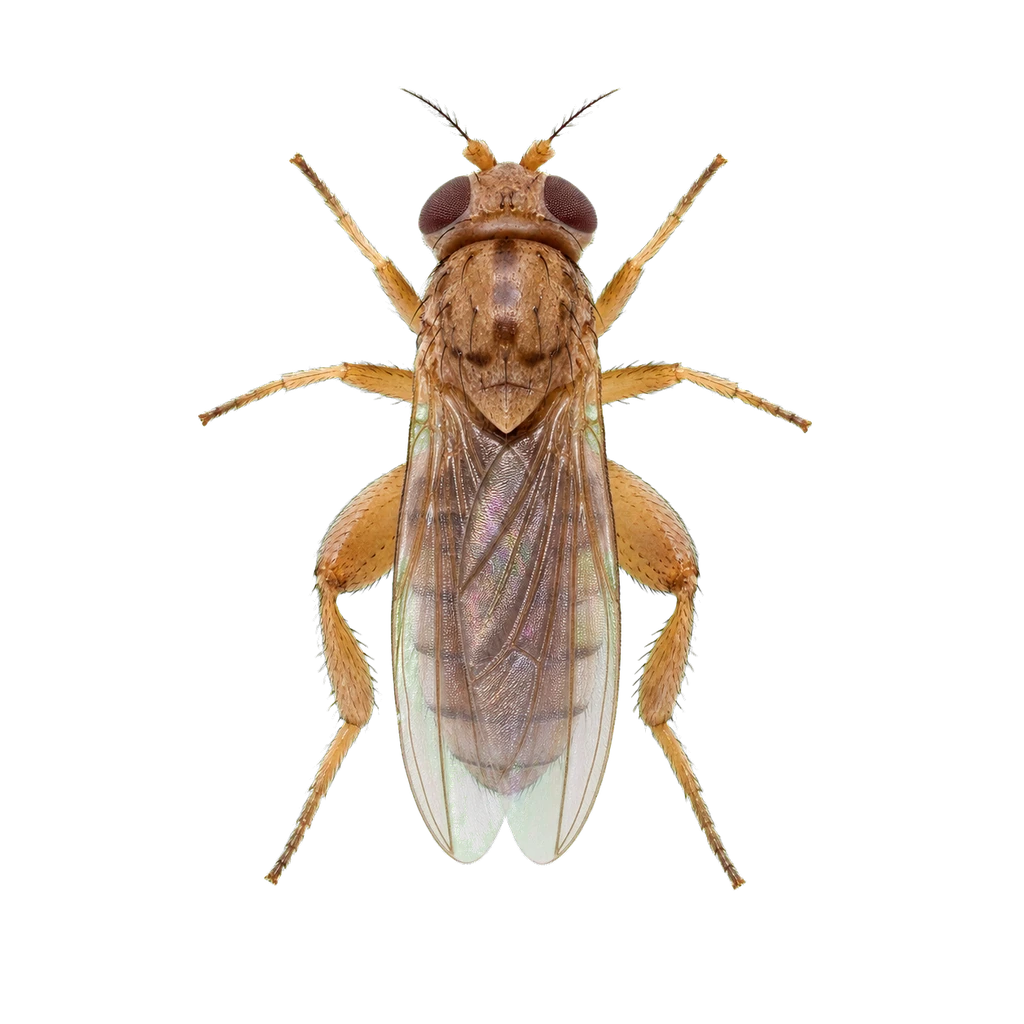
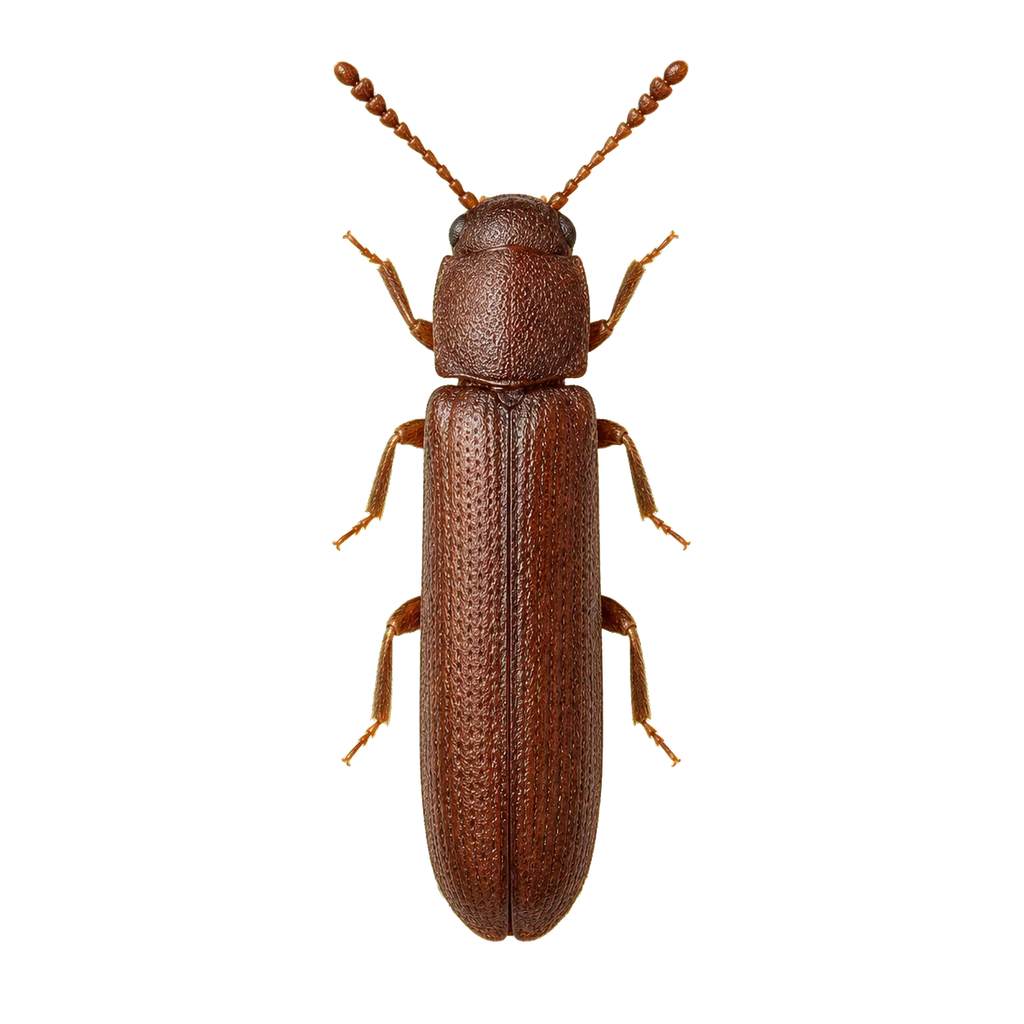
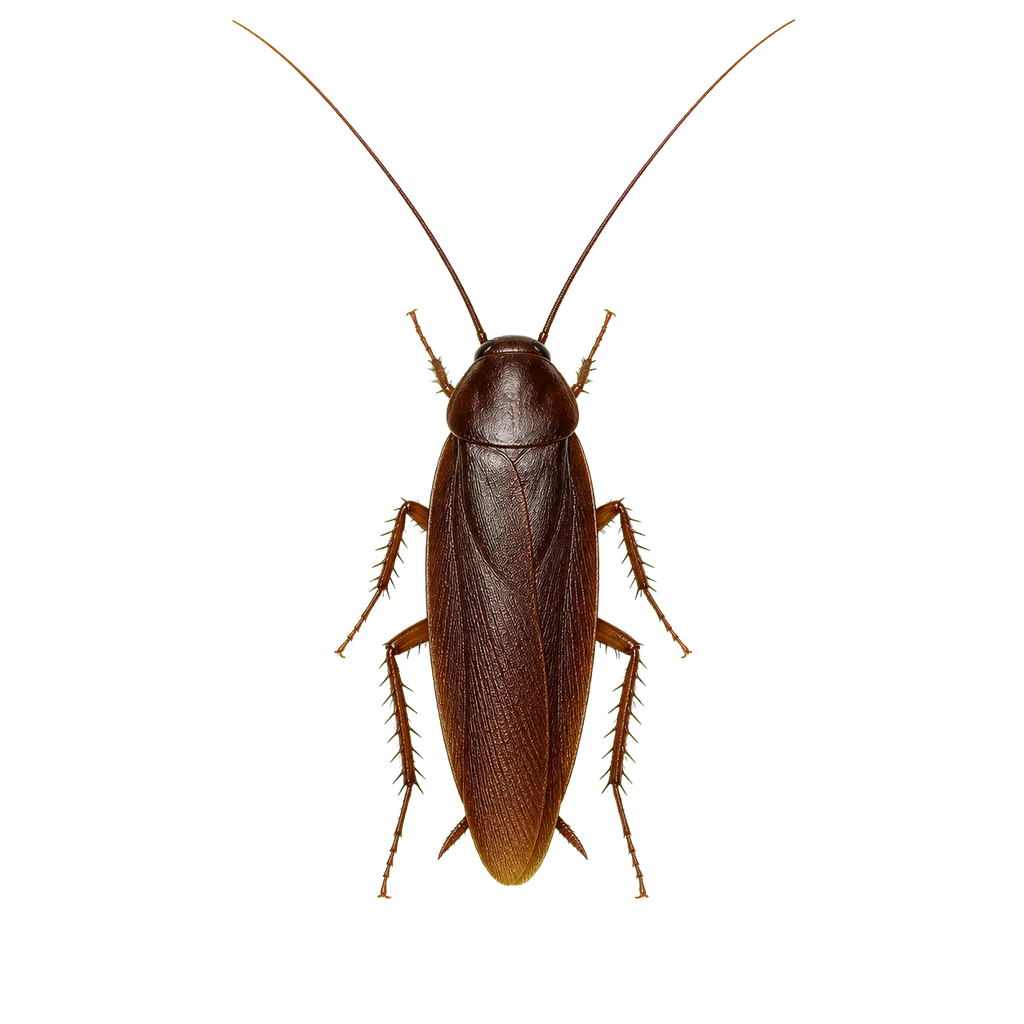
Start by noting where you see the pest, what time of day it appears, and any physical features you can observe, size, color, wings, number of legs. Look for droppings, damage patterns, or entry points nearby. Our Pest Identification Guide groups common pests by category with images and descriptions to help you match what you are seeing.
The most common household pests include ants, cockroaches, spiders, mice, rats, bed bugs, termites, fleas, and wasps. The specific pests you encounter depend on your region, climate, and the conditions around your home, moisture levels, food access, and structural gaps all play a role.
Recurring infestations usually mean the root cause has not been addressed. Over-the-counter products often eliminate visible pests but do not reach nests, colonies, or entry points. Ongoing moisture issues, unsealed gaps, and accessible food sources can continue attracting pests even after surface-level treatment.
A single sighting may be an isolated event, astray insect that wandered in through an open door. An infestation means pests have established a presence in your home. Signs include repeated sightings over several days, droppings or damage in more than one area, nesting material, or activity at consistent times of day.
If you're seeing pests daily, in multiple rooms, or noticing structural damage, droppings, or bites, call a professional. Over-the-counter products treat what you can see but rarely reach nests, colonies, or hidden entry points. A professional identifies the species, maps the full scope, and applies targeted treatment that addresses the source, not just the symptoms.
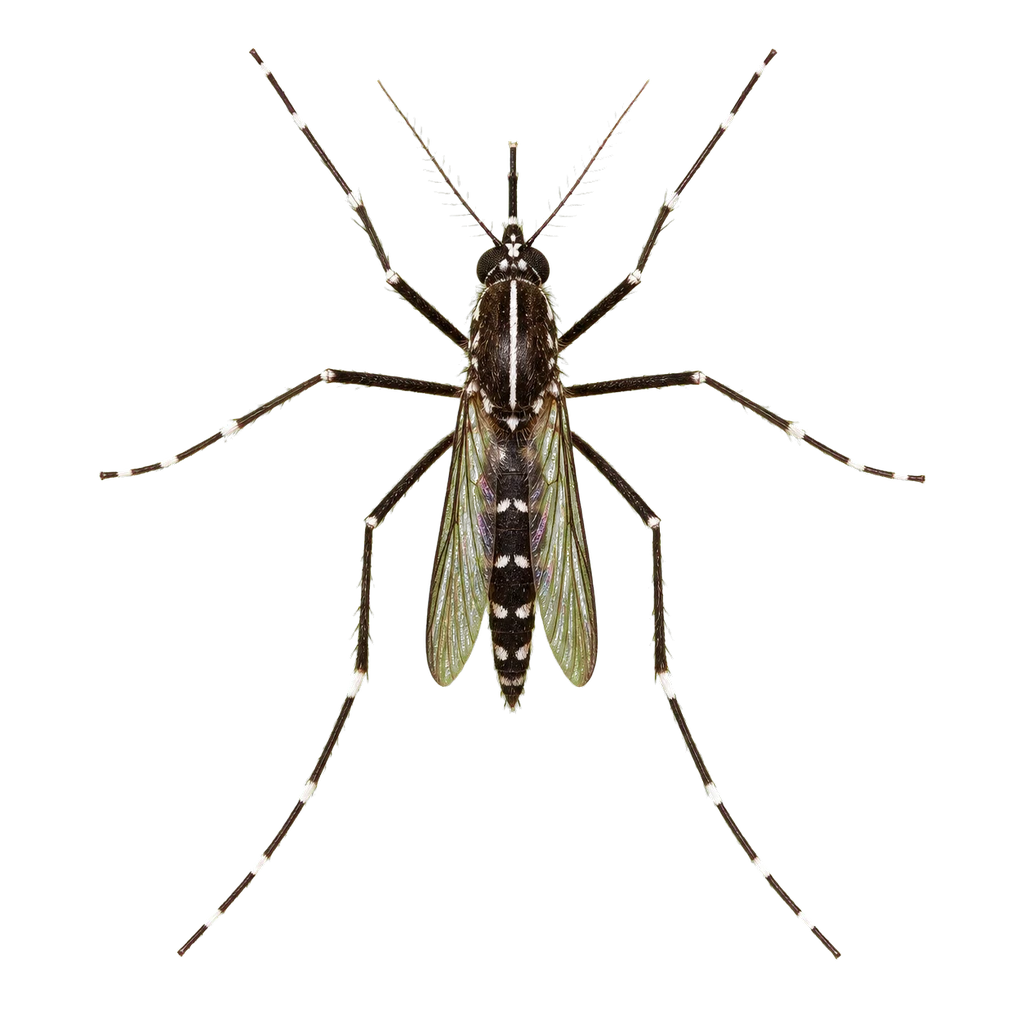
Yes. Ants, mosquitoes, and wasps are most active in warmer months, while rodents, stink bugs, and other occasional invaders tend to move indoors when temperatures drop in fall and winter. However, some pests like cockroaches, bed bugs, and termites remain active year-round regardless of season.
Seal cracks and gaps around doors, windows, pipes, and the foundation. Fix moisture issues like leaky faucets and poor drainage. Store food in airtight containers, keep trash sealed, and reduce clutter in storage areas. Trim vegetation away from exterior walls and remove standing water from your yard. Regular inspections of attics, basements, and crawl spaces help catch early signs before they become larger problems.
We built this library for homeowners who want real answers, not vague advice or scare tactics. Every pest profile is written from actual behavior data, field-tested detection methods, and the treatment approaches professionals use every day.
No fluff, no filler. Just the information you need to figure out what's in your home and what to do about it.