Local pest control help is one call away.

Occasional invaders illustration

Occasional Invaders

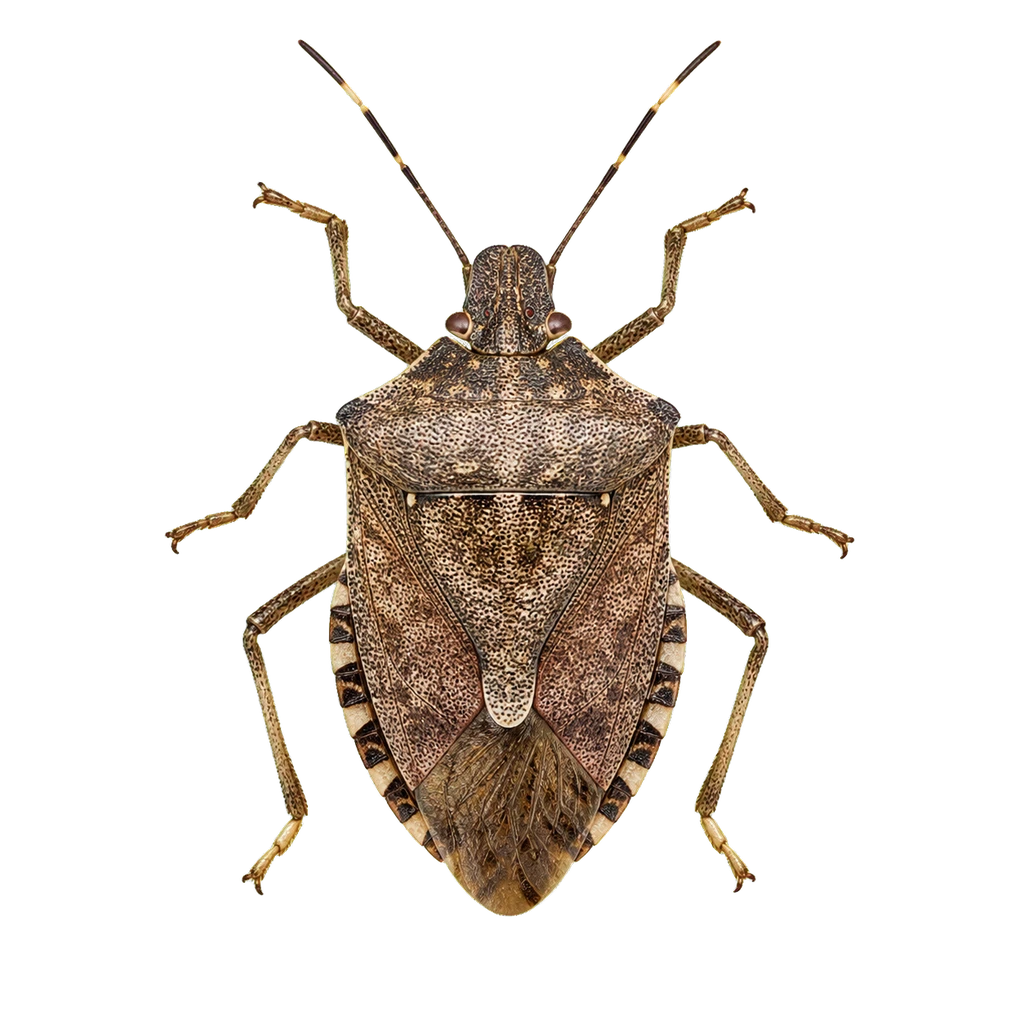
Stink bugs covering the south-facing siding on a 60-degree October afternoon. Asian lady beetles you're vacuuming out of the attic for the third week running. A centipede in the bathroom that wasn't there last summer. These pests didn't suddenly appear because something is wrong with your home. They appeared because the weather outside changed, and your house is the warmest, driest place within reach.

Each species has a specific trigger (temperature drops, drought, the first cold snap) and a specific entry behavior. Killing the ones inside doesn't help, because more keep coming until the pressure outside changes. The actual fix is sealing the gaps they're using and treating the exterior at the right time of year.

Pests in this category:

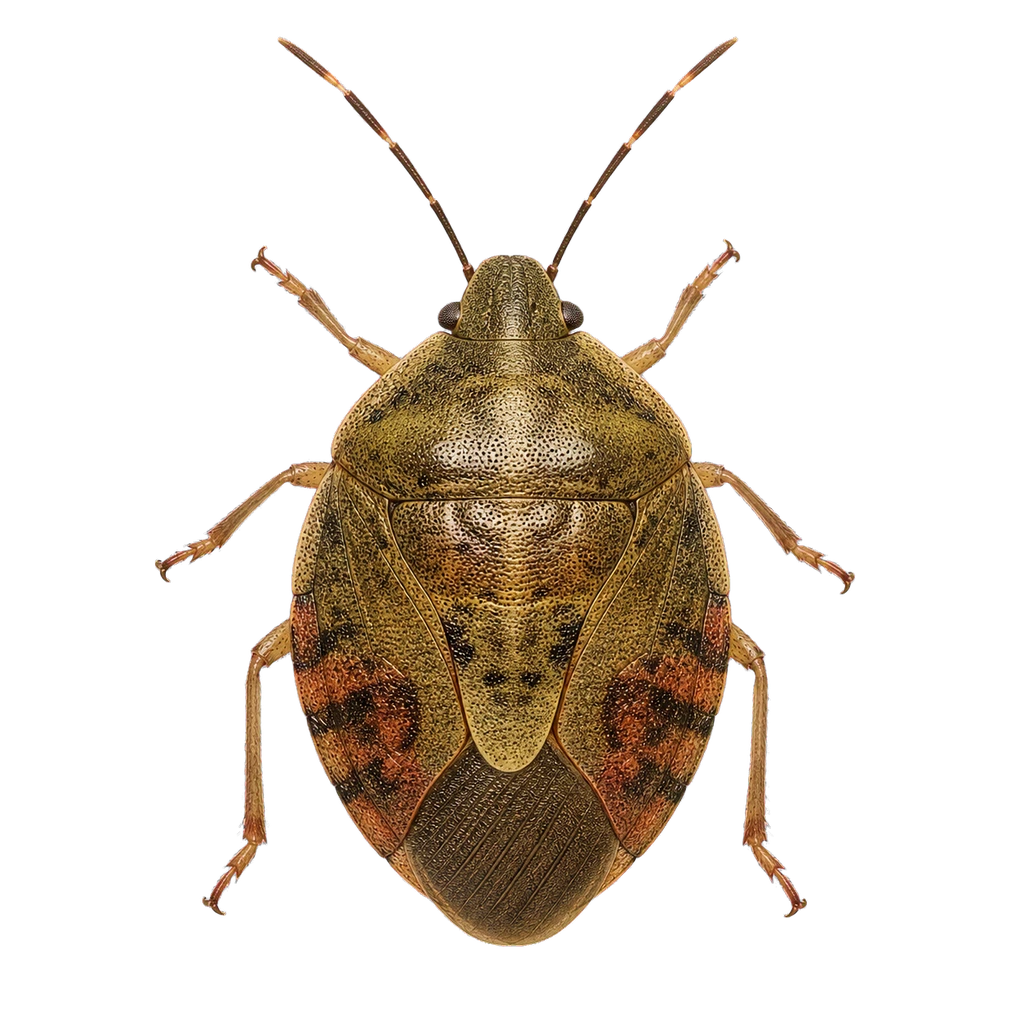
  • Stink bugs
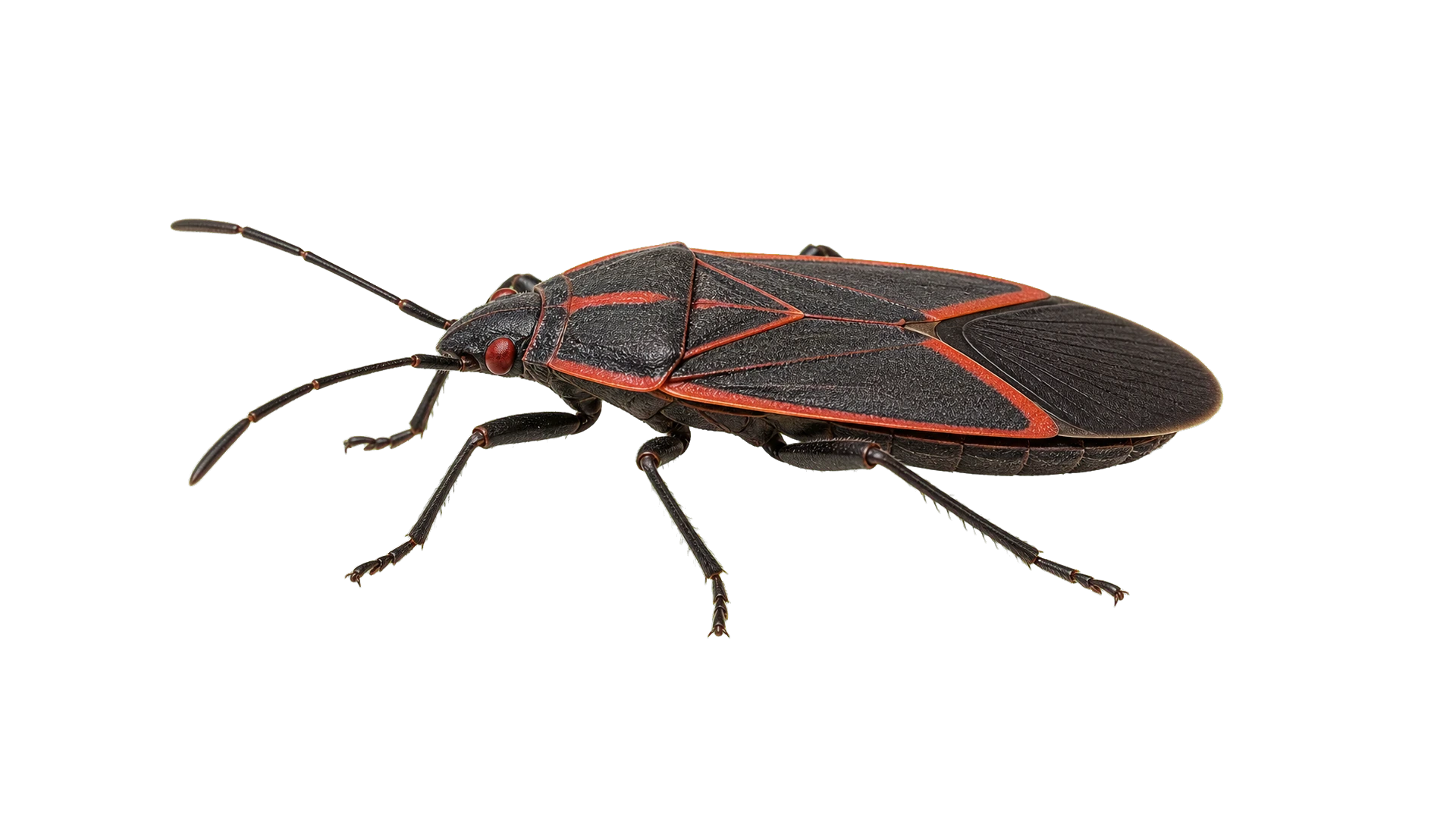
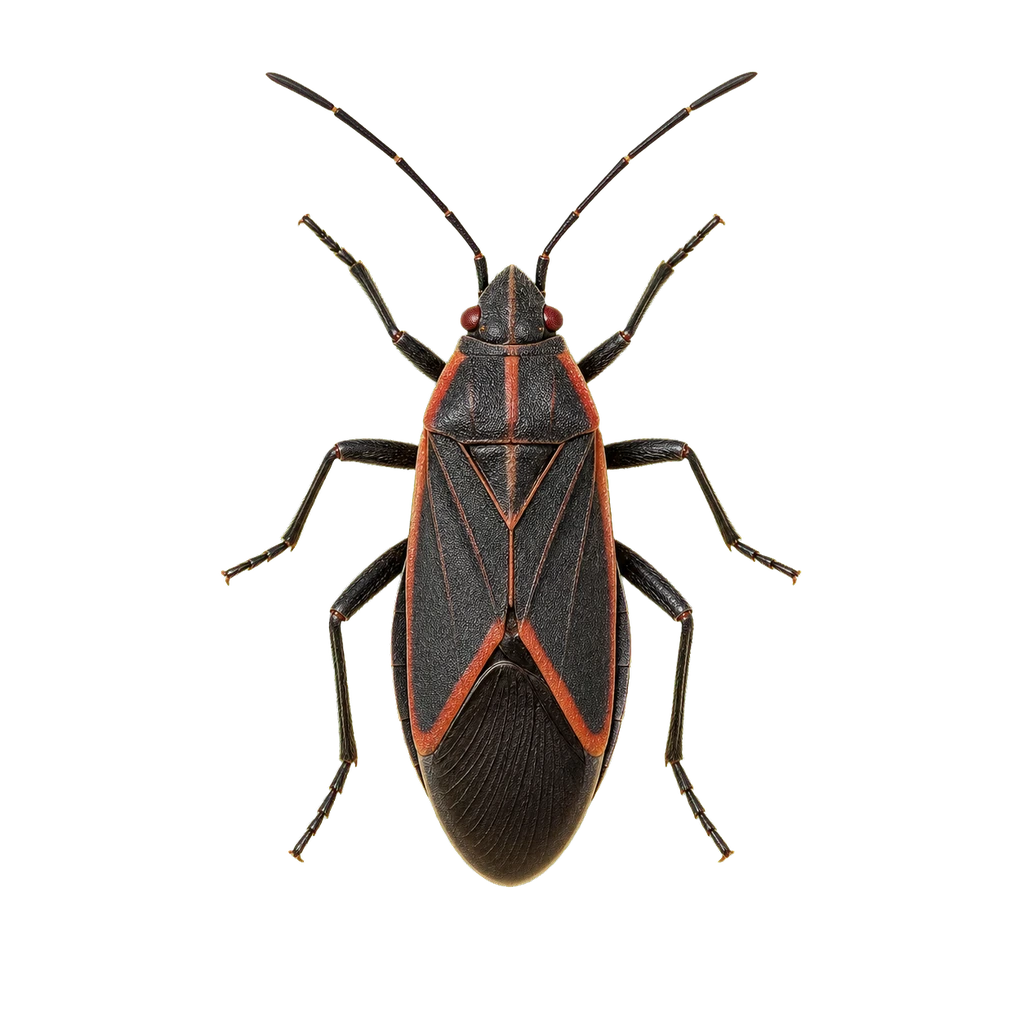
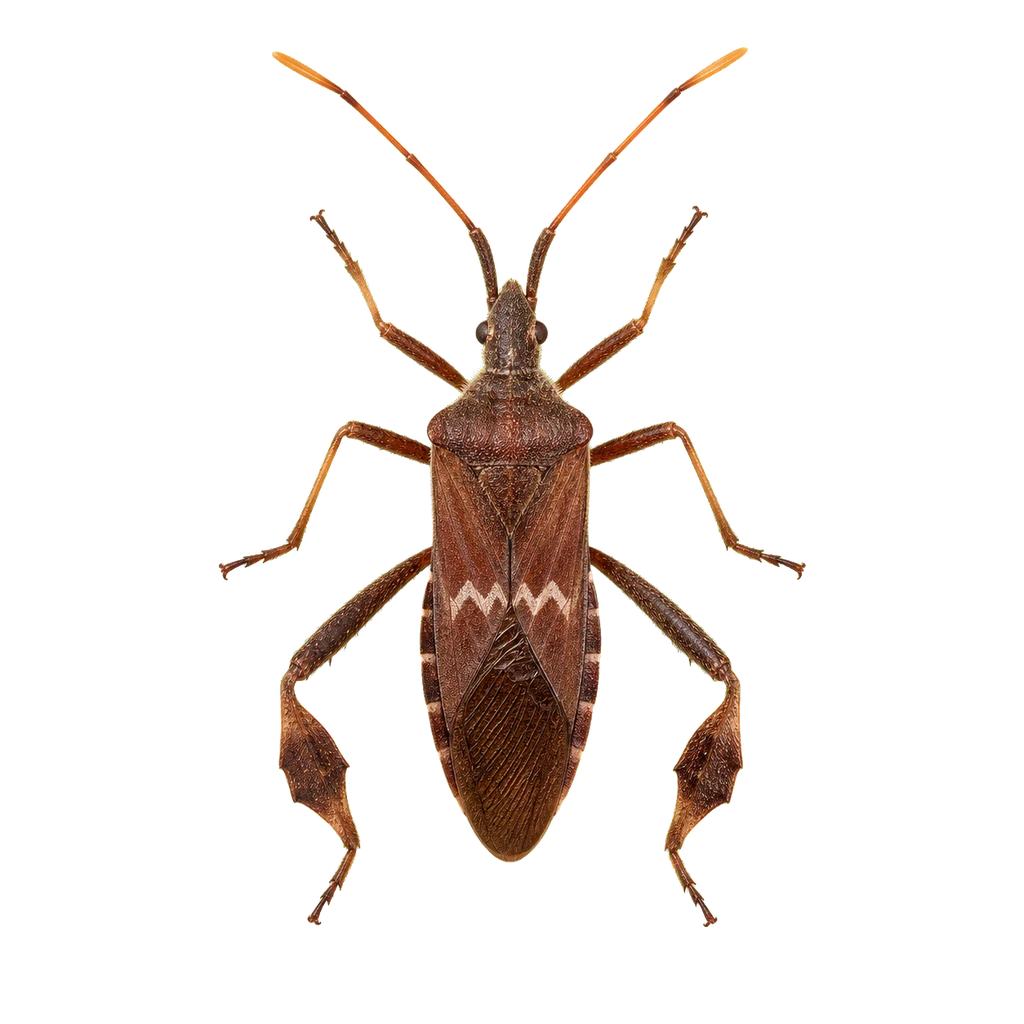
  • Boxelder bugs
  • Asian lady beetles
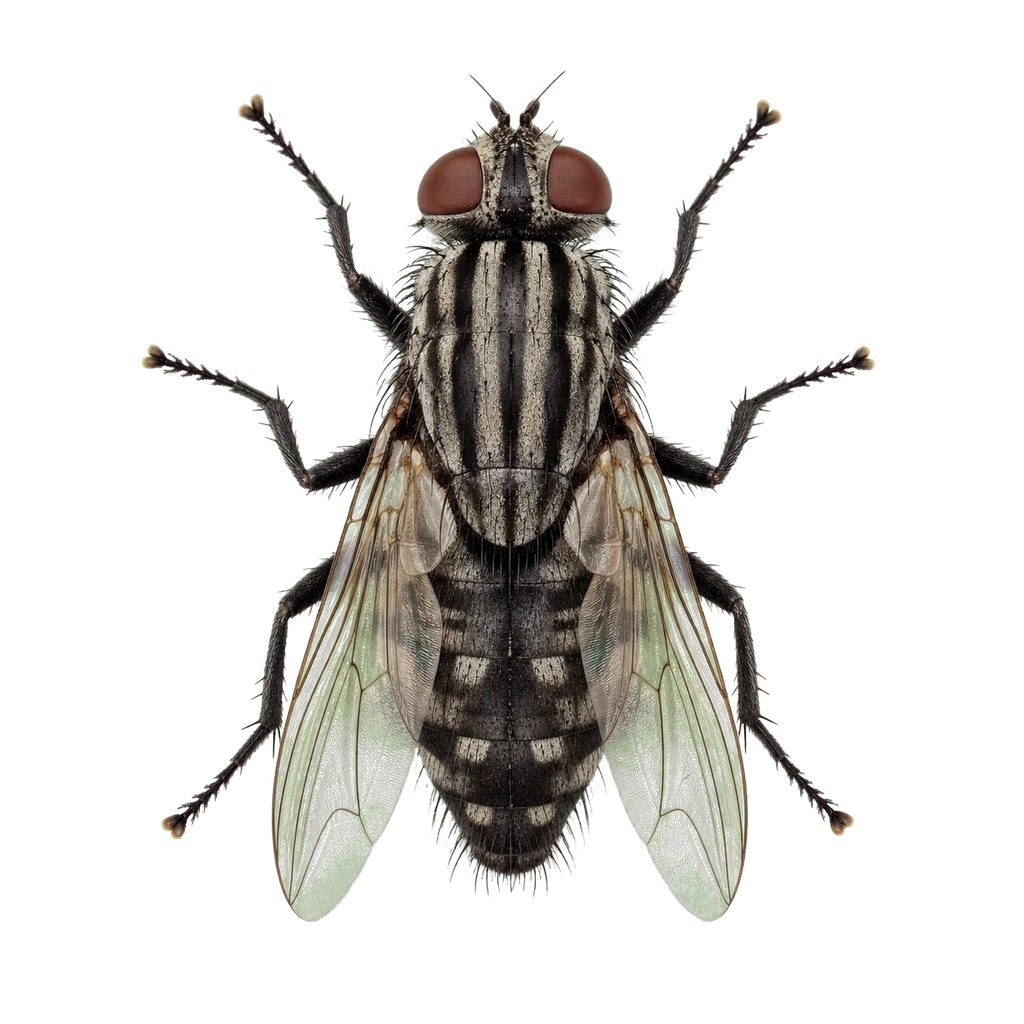
  • Cluster flies
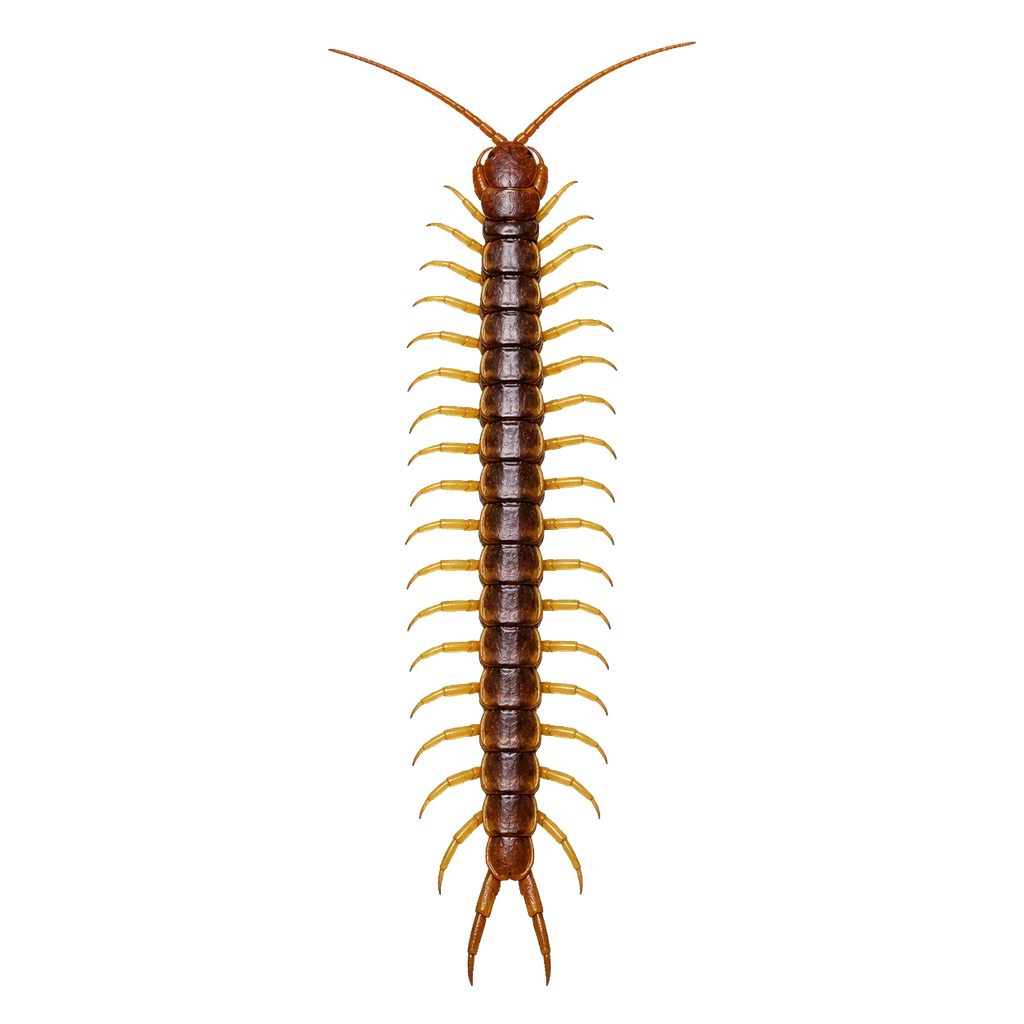
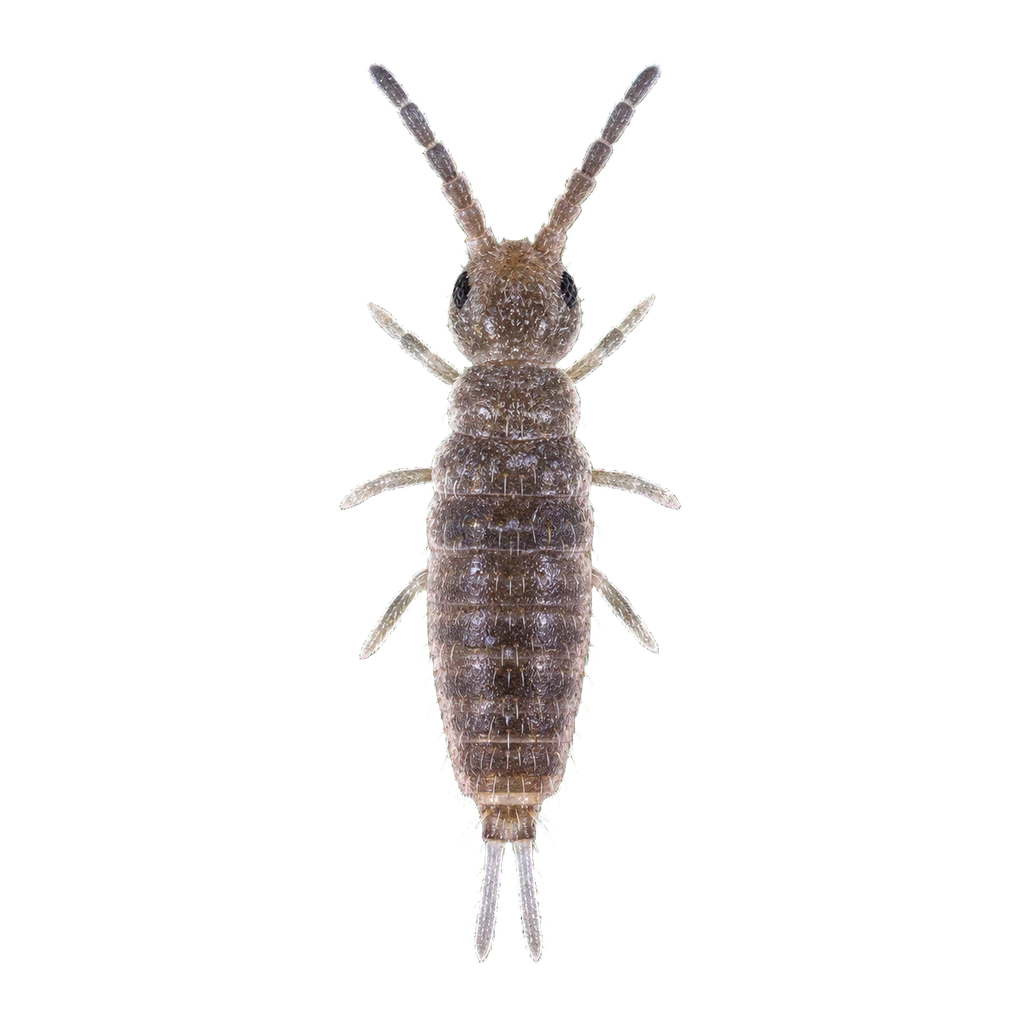
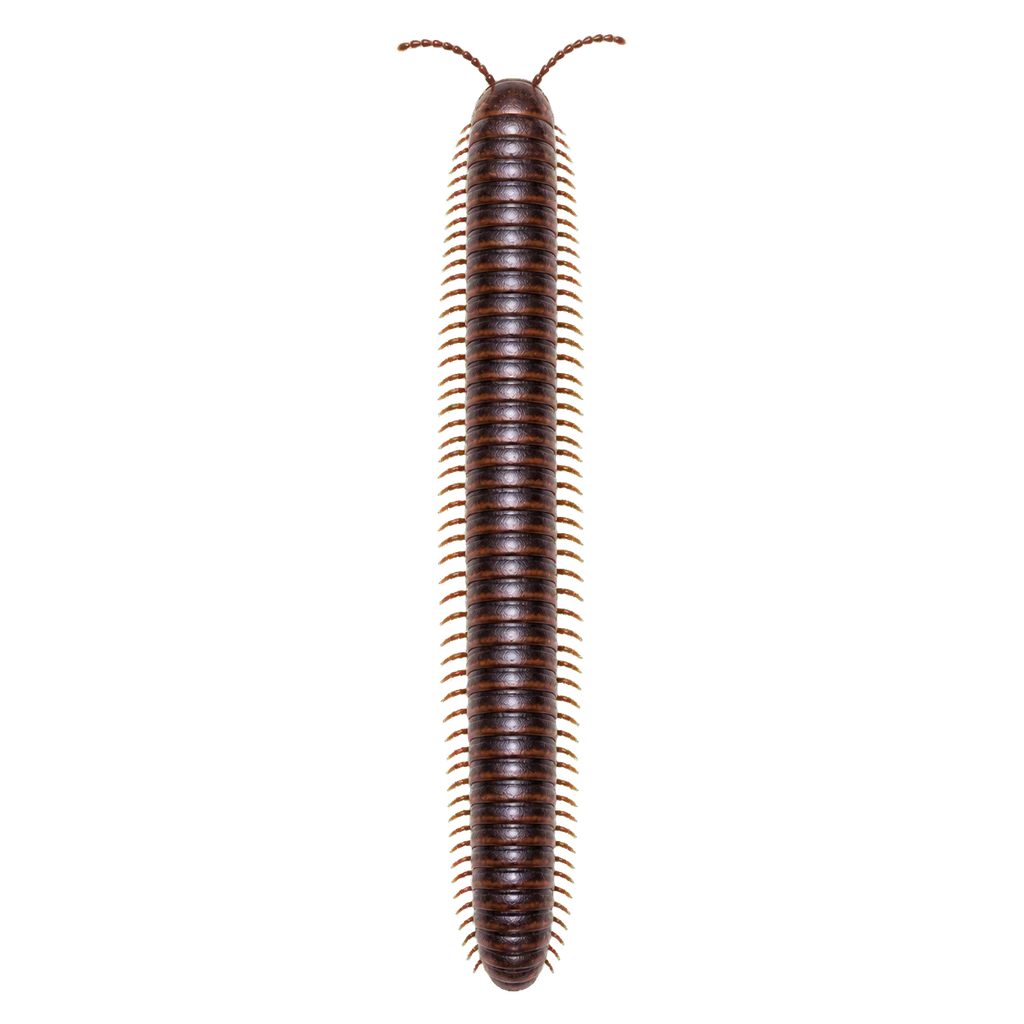
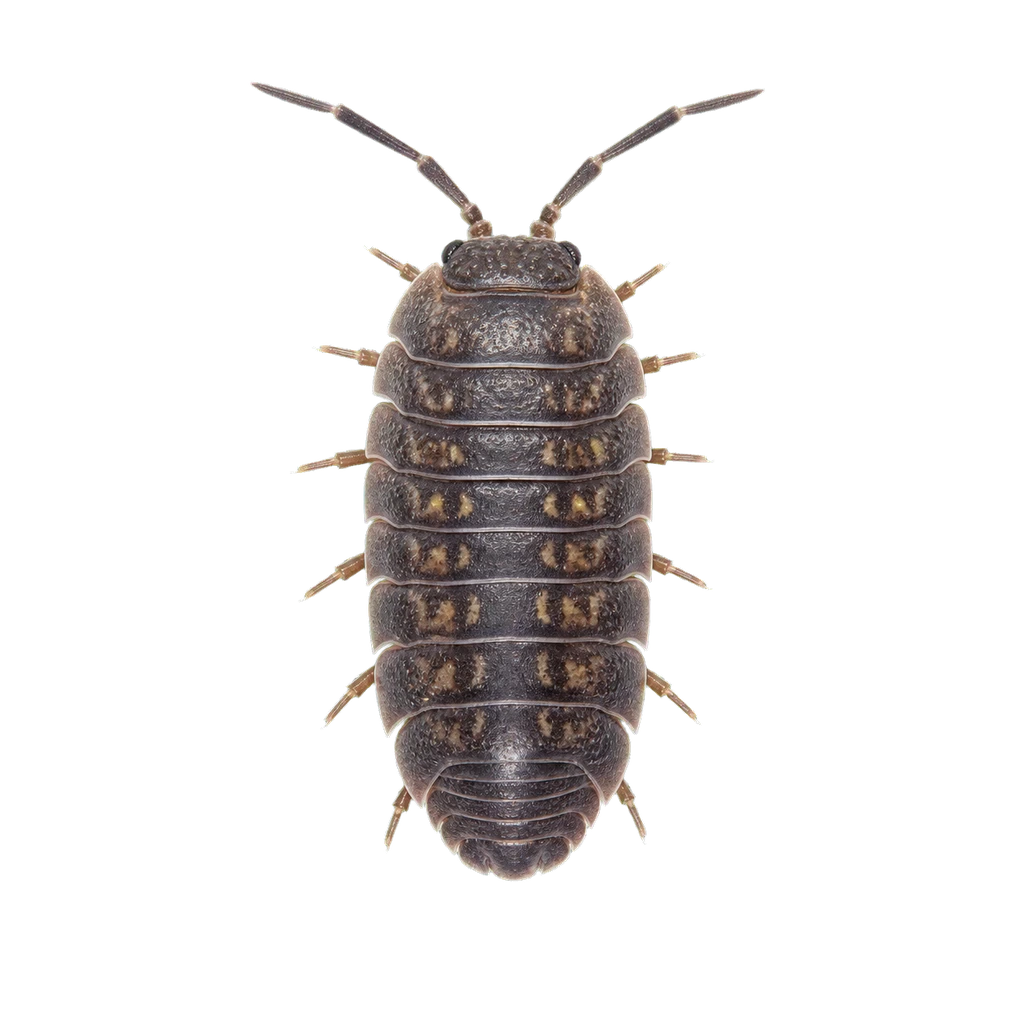
  • Centipedes and millipedes

What These Seasonal Invaders Have in Common

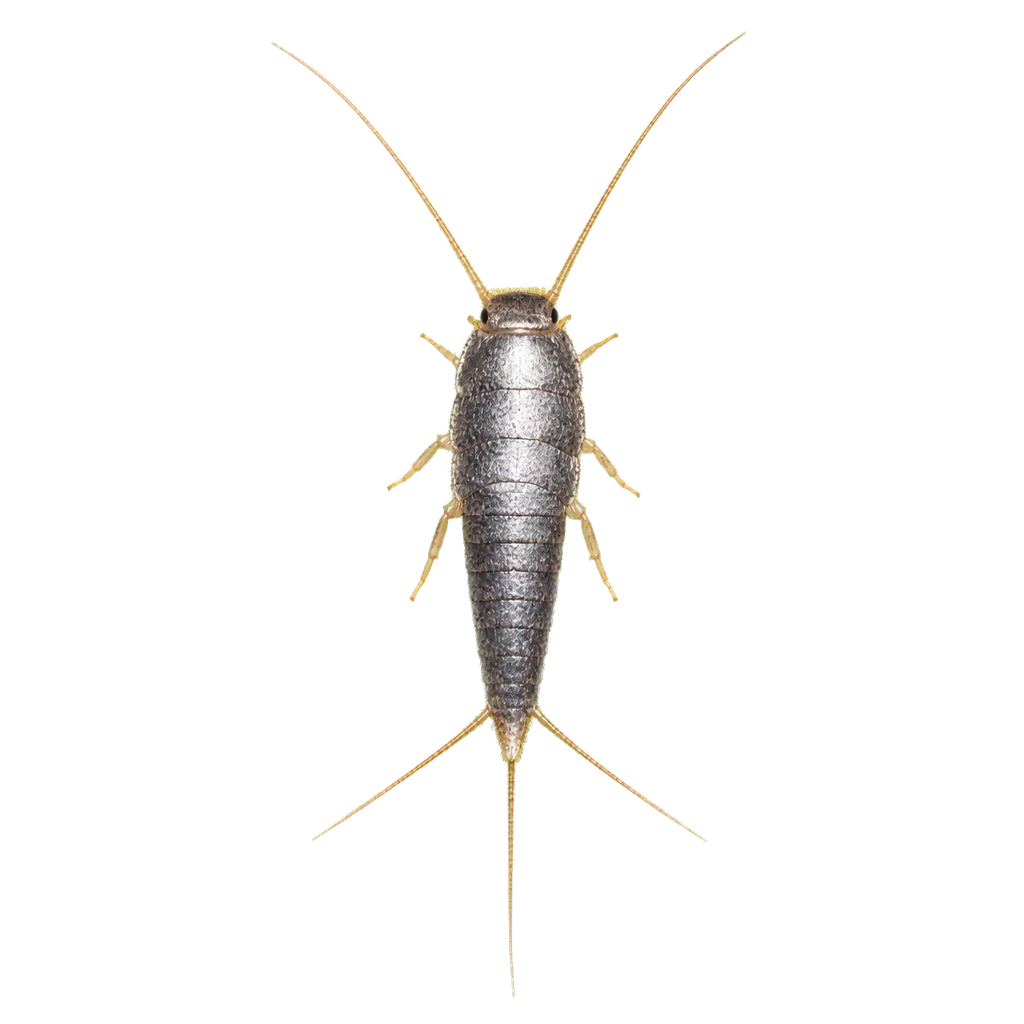
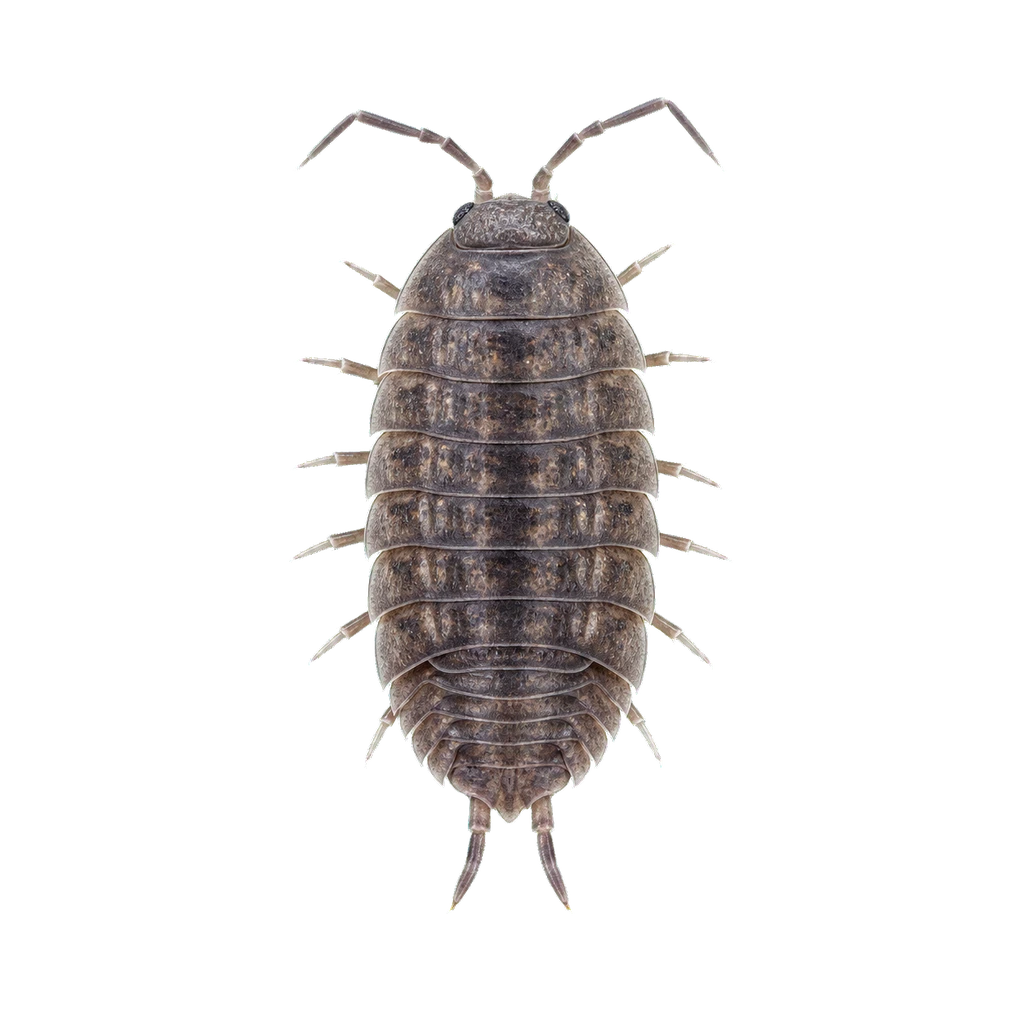
Every pest in this category has the same playbook: live outside most of the year, then push indoors the moment outside conditions stop being livable. Stink bugs and boxelder bugs are looking for warmth, so they cluster on sunny south-facing walls in early fall and squeeze through gaps. Asian lady beetles are looking for an overwintering site, which is why they end up in attics and wall voids by the dozens. Centipedes, millipedes, and pillbugs follow moisture, so they show up in basements and bathrooms during weather extremes.

What unites them is what they don't do: they don't reproduce inside, they don't eat your house, they don't carry meaningful disease. The damage they cause is to your patience, not your property. But because they keep arriving from outside, the typical homeowner reaction (kill the ones you see, spray indoors) does nothing, because there's a fresh wave behind them. The fix is structural, not chemical: find the gaps, seal them, and treat the exterior in the right season.

Timing matters more for this category than any other. Sealing in spring won't stop the fall migration. Treating in November is months too late. The window for stopping next year's invasion is roughly mid-August to early October, before clusters form on the exterior. After that, you're managing the ones already inside until temperatures rise and they leave on their own.

What Are You Seeing This Season?

Pick the sign that matches what you're noticing. Each one points to a different pest with a different evidence pattern.

What Are You Seeing This Season?

What You're Seeing

  • Dozens or hundreds of insects on sunny south- or west-facing walls in fall
  • Insects gathering near windows, doors, and dryer vents
  • Clusters reappearing every year on the same exterior surfaces

What's Likely Happening

Stink bugs, boxelder bugs, and Asian lady beetles cluster on warm walls in fall as they look for overwintering sites. The cluster itself isn't a problem, but every individual you see outside is a candidate to slip through the smallest gap and get inside. Exterior clustering is the warning window for taking exclusion action.

What You're Seeing

  • Insects emerging from wall voids, attic openings, or behind window casings
  • Slow-moving individuals on windowsills and ceiling corners
  • Live insects appearing in winter when none should be active

What's Likely Happening

Once temperatures warm in late winter, overwintering insects mistake interior heat for spring and try to leave. They emerge into living spaces through the same gaps they used to get in. By the time they're inside, exclusion is too late for this season, but the right window is opening for next fall.

What You're Seeing

  • Yellow staining on curtains or walls from disturbed Asian lady beetles
  • Cilantro-like or pungent odor when stink bugs are crushed
  • Rust-colored droplets on light-colored surfaces near attic vents

What's Likely Happening

Most occasional invaders don't bite, but they do leave stains and odors when handled. Asian lady beetles release a yellow defensive fluid that can permanently stain fabrics. Stink bugs are the most odorous and the smell lingers. Vacuuming gently (without crushing) is the right indoor response.

What You're Seeing

  • Fast-moving centipedes in basements, bathrooms, or laundry rooms
  • Slow millipedes or pillbugs in mulch beds and damp foundation areas
  • Activity that increases after heavy rain or in unusually dry weather

What's Likely Happening

Moisture-driven occasional invaders follow water: into damp basements during dry weather, away from saturated mulch during wet weather. They don't establish indoors but can persist if the home has a moisture issue. Fixing the moisture source is more effective than spraying.

Quick-Compare Occasional Invaders

Five common pests in this category, side by side. Pick yours by what you're seeing, how fast it spreads, and the kind of risk it carries.

Pest Top Sign Speed of Spread Risk Level Why They Come
Stink Bugs Shield-shaped insects clustering on sunny walls in fall Slow (one fall migration cycle per year) Low (nuisance only, but odor when crushed) Warmth on south-facing walls, gaps in siding and trim
Boxelder Bugs Black-and-orange clusters on boxelder, maple, or ash trees and adjacent walls Slow (one fall cluster per year) Low (nuisance only, no damage) Boxelder/maple seed source nearby; sunny walls
Asian Lady Beetles Orange beetles clustering in attics and wall voids in fall Slow (one fall hibernation cycle per year) Low to Medium (yellow stains on fabric, mild bites possible) Sunny walls, attic vents, soffit gaps for overwintering
Cluster Flies Slow flies on south-facing windows in late winter and early spring Slow (overwintering cycle, no indoor reproduction) Low (nuisance only) Attic spaces and wall voids for overwintering
Centipedes Fast many-legged insects in damp basements, bathrooms, garages Slow (don't reproduce indoors) Low (don't damage; defensive bites are rare) Moisture and other small insects to prey on
Stink Bugs
Top Sign Shield-shaped insects clustering on sunny walls in fall
Speed of Spread Slow (one fall migration cycle per year)
Risk Level Low (nuisance only, but odor when crushed)
Why They Come Warmth on south-facing walls, gaps in siding and trim
Boxelder Bugs
Top Sign Black-and-orange clusters on boxelder, maple, or ash trees and adjacent walls
Speed of Spread Slow (one fall cluster per year)
Risk Level Low (nuisance only, no damage)
Why They Come Boxelder/maple seed source nearby; sunny walls
Asian Lady Beetles
Top Sign Orange beetles clustering in attics and wall voids in fall
Speed of Spread Slow (one fall hibernation cycle per year)
Risk Level Low to Medium (yellow stains on fabric, mild bites possible)
Why They Come Sunny walls, attic vents, soffit gaps for overwintering
Cluster Flies
Top Sign Slow flies on south-facing windows in late winter and early spring
Speed of Spread Slow (overwintering cycle, no indoor reproduction)
Risk Level Low (nuisance only)
Why They Come Attic spaces and wall voids for overwintering
Centipedes
Top Sign Fast many-legged insects in damp basements, bathrooms, garages
Speed of Spread Slow (don't reproduce indoors)
Risk Level Low (don't damage; defensive bites are rare)
Why They Come Moisture and other small insects to prey on

Which Seasonal Invader Is It?

1 / 19
Boxelder Bugs close-up image

Boxelder Bugs

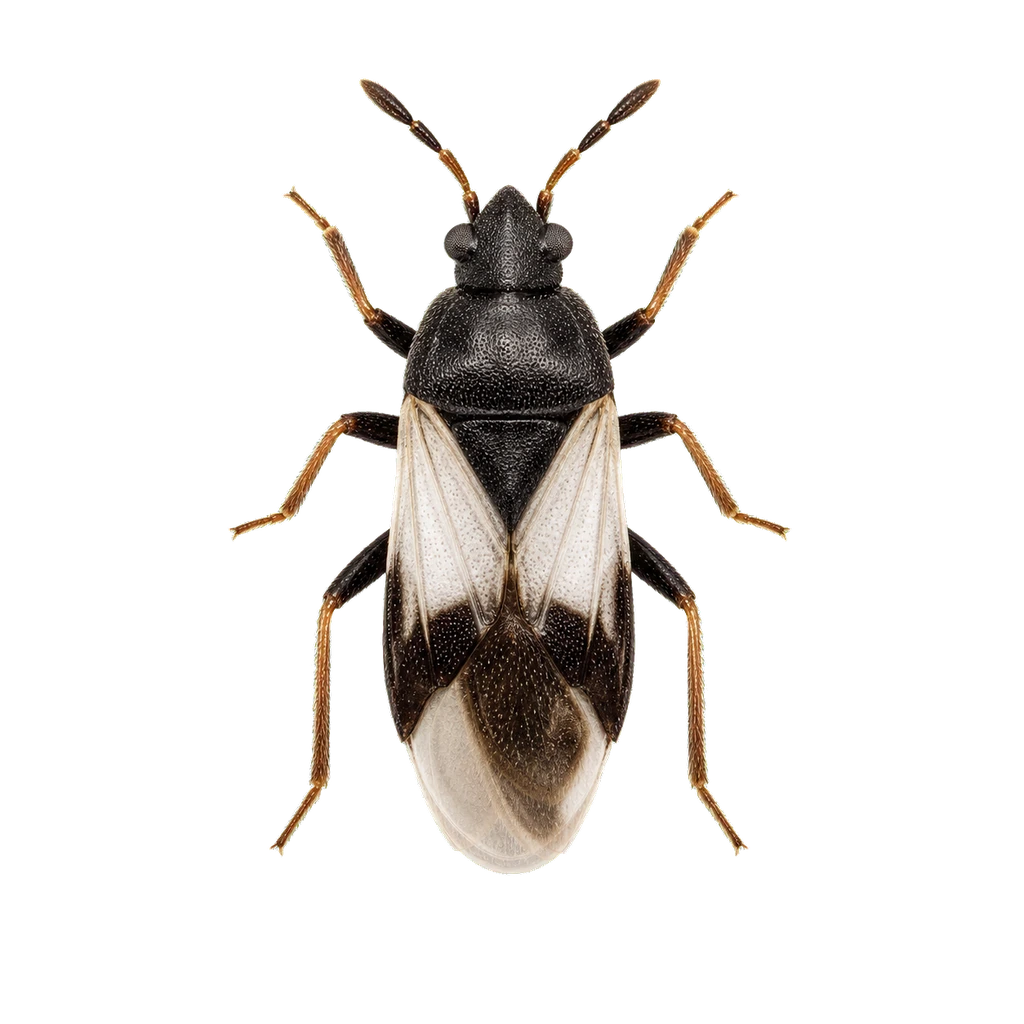
Boxelder bugs swarm sunny exterior walls in fall and squeeze inside to overwinter in wall voids, emerging indoors on warm winter days. They leave red stains on fabrics and surfaces when crushed and can appear in alarming numbers.

Learn more about Boxelder Bugs
Looking for help with Boxelder Bugs?
Connect with a local specialist.
(888) 495-1510
Looking for help with Boxelder Bugs?
Connect with a local specialist.
(888) 495-1510
NoToPests

Found a seasonal invader? Connect with a local pro who keeps them out.

Are Seasonal Invaders Worth Acting On?

Most homeowners reach for a spray when they should be sealing gaps. These four questions help you figure out whether your situation is a nuisance you can manage or a recurring pattern that needs structural fixes.

Vacuuming vs Sealing the Source

DIY

DIY in this category is mostly about exclusion: making the house harder to enter before the migration starts. Done in mid-to-late summer, this is genuinely effective and can cut next year's invasion in half on its own.

  • Seal every gap you can find around windows, doors, utility penetrations, and dryer vents (do this in July or August, before clusters form)
  • Install fine-mesh screening on attic vents, soffit vents, and foundation weep holes (the original screens are usually too coarse to stop stink bugs)
  • Vacuum any insects inside (don't squish them: stink bugs release odor, lady beetles release a yellow stain when crushed)
  • Remove or trim back boxelder, maple, and other host trees within 20 feet of the house if you have boxelder bug pressure
  • Reduce bright exterior lighting at night during peak migration weeks (it's a magnet for cluster flies and lady beetles)

Professional

If DIY exclusion isn't enough (and for many homes it isn't), the high-leverage intervention is a properly-timed exterior perimeter treatment with a long-residual product. This is the single most effective thing you can do for this category, and it's pro-only.

  • Applies a residual exterior perimeter treatment in late August or early September, before clusters form on the siding. This is the highest-impact action in the entire category
  • Identifies larger structural entry points that homeowners typically miss: soffit gaps, fascia separation, dryer vent damper failures, attic vent screen gaps
  • Inspects accessible attic and wall void areas for overwintering clusters and removes them where possible
  • Times the treatment to your region's specific migration window (varies by 2 to 4 weeks across the US)
  • Sets up annual late-summer service if your home is in a high-pressure area, which compounds in effectiveness year over year

Connect With a Local Pro Before Next Migration

Pest control technician with sprayer beside a service van
Junho L.
Daisuke P.
Kirk Q.
Marion K.

Trusted by homeowners nationwide

Prefer to Talk? (888) 495-1510

What Homeowners Say About Stopping Seasonal Invaders

Real stories from households who connected with pest control pros.

Tiana U.
Tiana U.
St. George, UT

"No more scorpions in the garage."

We kept finding bark scorpions near the garage door. The tech sealed every gap along the foundation and sprayed a barrier around the perimeter. Haven't seen one since.

Tiana U.
Tiana U.
St. George, UT

"No more scorpions in the garage."

We kept finding bark scorpions near the garage door. The tech sealed every gap along the foundation and sprayed a barrier around the perimeter. Haven't seen one since.

Felisha M.
Felisha M.
Fairbanks, AK

"Basement spiders finally under control."

Every fall, spiders would move inside as temperatures dropped. The pro treated the basement and entry areas and explained how to reduce the conditions that attract them. It made a noticeable difference right away.

Alexis F.
Alexis F.
Fayetteville, AR

"Brown recluse spiders, finally handled."

We found brown recluse spiders in the garage and a closet. The tech explained their habits and treated the areas where they hide. Knowing what to watch for gave us peace of mind.

Ming I.
Ming I.
Dover, DE

"Fall spider invasion handled."

Every autumn, spiders would take over the garage and porch. The tech treated those areas and explained what draws them indoors when temperatures drop. The difference was immediate.

Gabriela E.
Gabriela E.
Kahului, HI

"Indoor centipede sightings dropped sharply."

Finding centipedes in the house was alarming, especially with kids around. The tech treated the perimeter and interior and explained how moisture management reduces their presence. We see them far less often now.

Yumi N.
Yumi N.
Boise, ID

"Garage cleared of spiders."

Black widow spiders were nesting in the garage corners. The tech cleared the webs, treated the area, and explained how to keep the space less inviting. It's been months without any new webs appearing.

Tatsuo U.
Tatsuo U.
South Bend, IN

"Basement spider population knocked down fast."

Our basement had become a spider haven. The tech treated the entire lower level and explained how reducing clutter and moisture would help long-term. The spider population dropped significantly within a couple of weeks.

Claire K.
Claire K.
Davenport, IA

"Spiders cleared from window frames."

Every fall, spiders would cluster around our window frames. The tech treated the exterior and explained how light attracts insects, which in turn attract spiders. Reducing the conditions made a noticeable difference.

Li Z.
Li Z.
Wichita, KS

"Brown recluse spiders cleared from closets."

Finding brown recluse spiders in multiple closets was frightening. The tech treated the interior thoroughly and explained how to make storage areas less attractive to them. We've been checking regularly and haven't found any since.

Zora M.
Zora M.
Bowling Green, KY

"Crawl space spiders identified and cleared."

Our crawl space had a significant spider population including some we couldn't identify. The provider treated the area and explained which species are common in Kentucky. Knowing what we were dealing with helped a lot.

Seo W.
Seo W.
Augusta, ME

"Damp basement cleared of spiders."

The damp basement was full of spiders and webs. The provider treated the area and recommended a dehumidifier to reduce the moisture that attracts them. The spider population dropped noticeably within weeks.

Doris D.
Doris D.
Frederick, MD

"Fall stink bug invasions dropped sharply."

Stink bugs would cover our south-facing walls and find their way inside. The provider treated the exterior and sealed entry points around windows. The number that got inside dropped dramatically.

Khalil J.
Khalil J.
Ann Arbor, MI

"Stink bug migration cut off at the exterior."

In the fall, stink bugs would cluster on the sunny side of the house and work their way inside. The provider treated the exterior before the migration and sealed the most common entry points. The difference was significant.

Bryce X.
Bryce X.
Lansing, MI

"Crawl space spider habitat cleared."

Our crawl space was full of spider webs and egg sacs. The provider cleared and treated the area and explained how the moisture down there creates an ideal habitat. Adding ventilation and treatment together made a lasting difference.

Kathleen Z.
Kathleen Z.
Kansas City, MO

"Storage room cleared of brown recluse spiders."

We found brown recluse spiders while organizing a storage area. The provider treated the room and surrounding spaces and explained how to make storage areas less inviting. The careful approach put us at ease.

Hailey X.
Hailey X.
Helena, MT

"Log cabin spider problem managed."

Our cabin-style home attracted a lot of spiders. The provider treated the interior and exterior and explained how the wood siding creates perfect hiding spots. Regular treatments have kept the problem manageable.

Matthew A.
Matthew A.
Bellevue, NE

"Porch webs and spiders cleared up."

Our porch light attracted insects and spiders followed. The provider treated the porch area and suggested switching to yellow bulbs that attract fewer bugs. The spider webs have been much less of a problem since.

Joelle C.
Joelle C.
Las Vegas, NV

"Indoor scorpion sightings finally stopped."

Finding a scorpion in the bathroom was alarming. The provider treated the perimeter and interior and explained how desert landscaping near the foundation attracts them. After treatment, we stopped seeing them inside.

Raj T.
Raj T.
Sparks, NV

"Garage black widows cleared and prevented."

We found black widow webs in multiple corners of the garage. The provider treated the garage thoroughly and explained how to keep it less attractive to spiders. Regular inspections and treatment have kept it clear.

Felicia J.
Felicia J.
Portsmouth, NH

"Stone foundation spiders finally manageable."

Our stone foundation basement was perfect spider habitat. The provider treated the perimeter and interior and explained how sealing cracks in the old stonework helps. The basement is much more comfortable now.

Jackson F.
Jackson F.
Albuquerque, NM

"Garage sealed off against scorpions."

We found scorpions inside multiple times during summer. The provider sealed gaps around the garage door and foundation and treated the perimeter. They explained how desert landscaping against the house attracts them.

Drew U.
Drew U.
Las Cruces, NM

"Patio cleared of black widow nests."

We found black widow webs under outdoor furniture and along the foundation. The provider treated the yard and exterior thoroughly and explained how the warm, dry climate makes them common here. The treatment worked well.

Hana I.
Hana I.
Bismarck, ND

"Basement and upstairs cleared of spiders."

Our basement was full of spider webs and we kept finding them upstairs too. The provider treated both levels and explained how basements in North Dakota homes provide ideal shelter. The improvement was obvious within weeks.

Jesus D.
Jesus D.
Tulsa, OK

"Brown recluse spiders, finally handled."

We started finding brown recluse spiders in closets and the garage. The provider did a thorough treatment and explained their behavior patterns. They also recommended reducing clutter in storage areas, which helped significantly.

Tom G.
Tom G.
Norman, OK

"Displaced scorpions sealed out of the house."

After new construction disturbed the land near our neighborhood, scorpions started showing up in our home. The provider sealed entry points and treated the perimeter. They explained how land disturbance displaces scorpions into nearby homes.

Silvana B.
Silvana B.
Allentown, PA

"Sunny-side stink bug entries sealed."

Stink bugs would cover our sunny-side walls and get inside through tiny gaps. The provider treated the exterior in late summer and sealed around windows and doors. The number that got inside dropped to almost zero.

Bryan O.
Bryan O.
Rapid City, SD

"Detached garage cleared of spiders."

Our detached garage had become a spider haven. The tech treated the interior and sealed the gaps around the door and windows. They explained that garages are prime spider habitat because of the insects attracted to the light.

Andre C.
Andre C.
Chattanooga, TN

"Crawl space spider population brought down."

The crawl space under our house had a large spider population. The pro treated the area and installed better ventilation. They explained how reducing moisture in crawl spaces naturally reduces spider activity over time.

Latoya B.
Latoya B.
Wheeling, WV

"South wall sealed against stink bugs."

Stink bugs would swarm our south-facing walls and find their way inside through every crack. The pro treated the exterior and sealed around windows. The number getting inside dropped to almost none.

Wendell K.
Wendell K.
Casper, WY

"Basement webs and spiders cleared."

Our basement was full of spiders and webs every season. The tech treated the space and explained how reducing humidity and clutter makes it less hospitable. The spider population has been much lower since.

Cris A.
Cris A.
Tuscaloosa, AL

"Attic spiders identified, treated, and cleared."

We found spider webs throughout the attic and worried about brown recluses. The tech identified the species and treated the attic, garage, and crawl space. They explained how insulation provides hiding spots and recommended sealing gaps near the roofline.

Reese A.
Reese A.
Prattville, AL

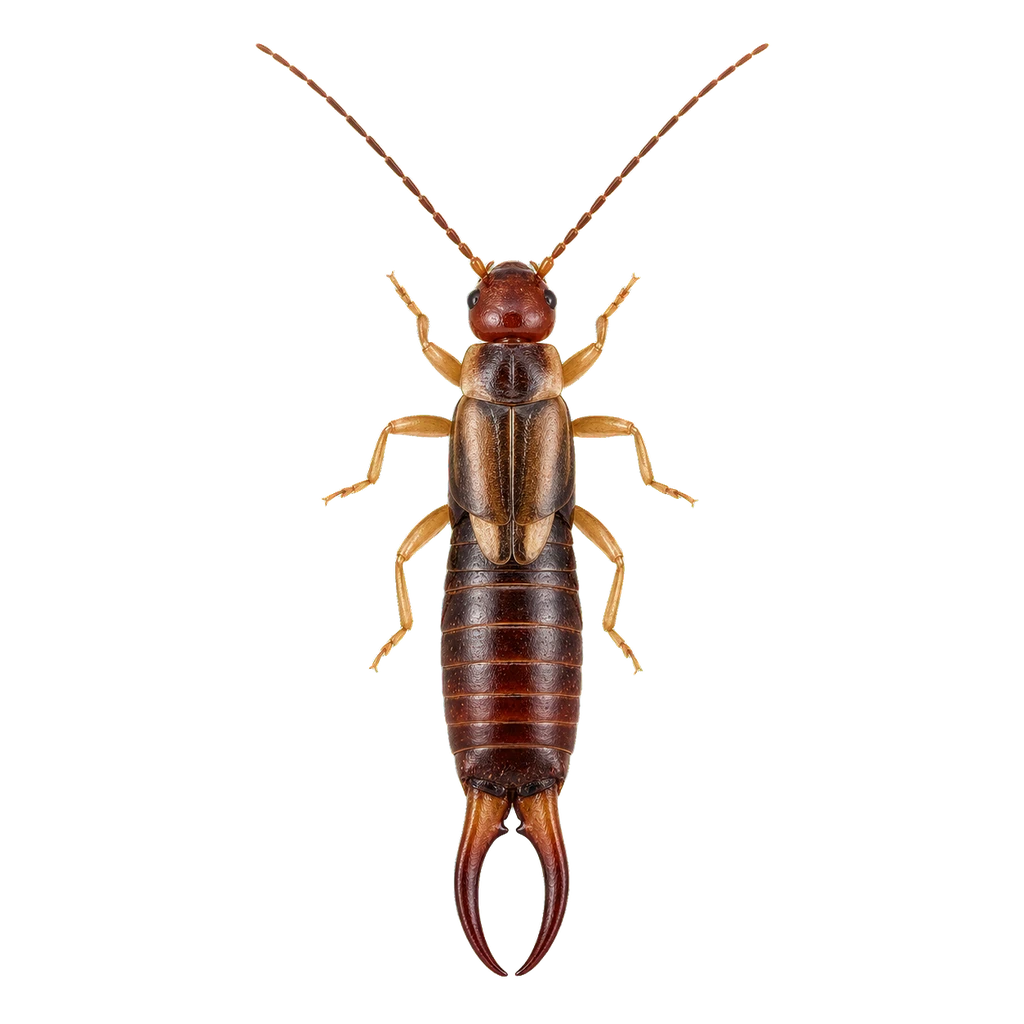
"Earwig entry route closed off at the mulch."

We had earwigs pouring in through the sliding door every evening. The inspector traced the issue to our mulch beds touching the foundation and treated the perimeter. Pulling the mulch back two inches made a big difference too.

Latifah U.
Latifah U.
Phenix City, AL

"Bathroom silverfish handled with moisture control."

Silverfish kept appearing in the bathroom and closets. The pro explained how humidity drives silverfish indoors and treated the moisture-prone areas. They also suggested a dehumidifier for the basement which helped reduce the overall activity.

Warren Y.
Warren Y.
Soldotna, AK

"Basement spider population cut down."

Our basement had cobwebs in every corner and we kept finding large spiders near the laundry area. The tech treated inside and out and explained how reducing other insects would cut the spider population since they follow their food source.

Hikari M.
Hikari M.
Scottsdale, AZ

"Bathroom scorpion sightings ended."

Finding scorpions in the bathroom at night was terrifying. The tech treated the interior and exterior and explained how Arizona bark scorpions enter through tiny cracks. After sealing and treating, we stopped finding them inside.

Kwame U.
Kwame U.
Chandler, AZ

"Garage cleared of black widow nests."

We found black widow webs behind boxes in the garage and near the water heater. The tech cleared the webs, treated the area, and recommended reducing clutter. They explained widow habits so we could spot early signs of return.

Janet D.
Janet D.
Peoria, AZ

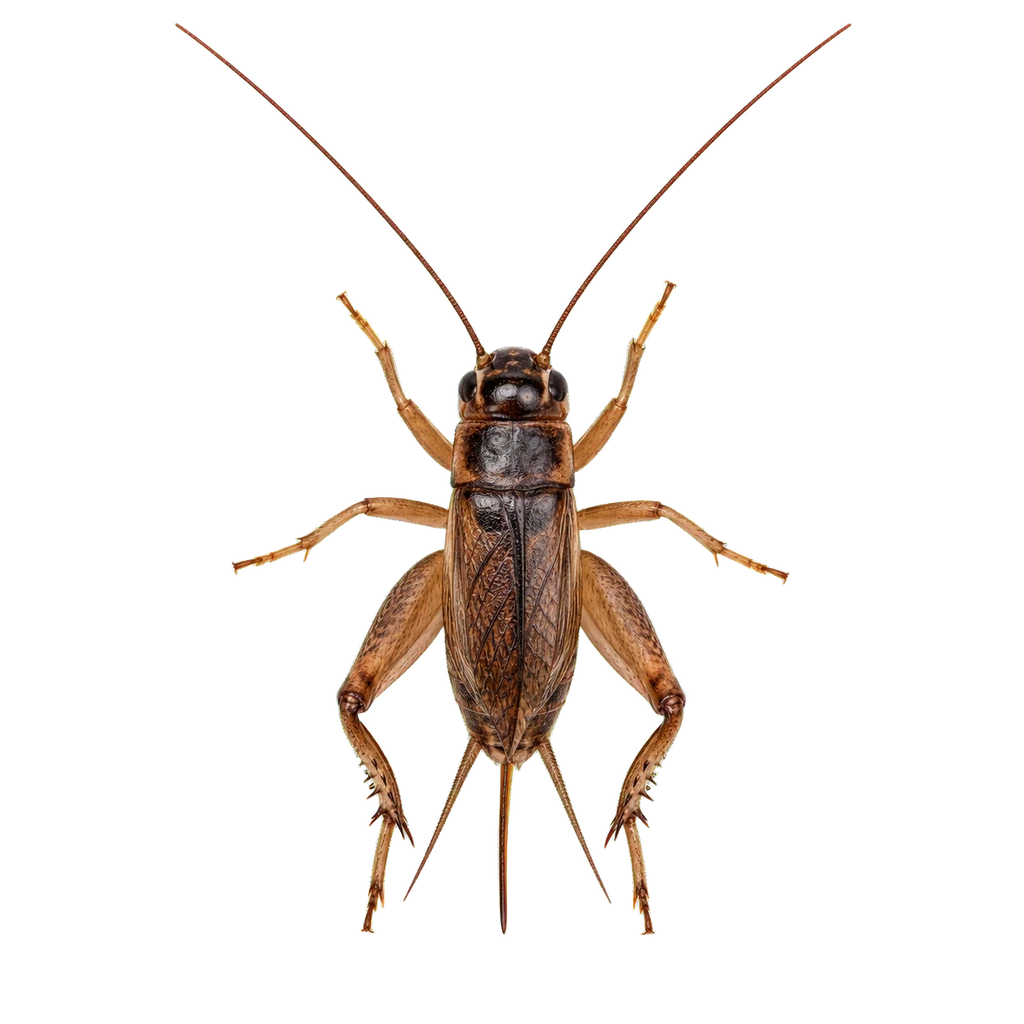
"Quiet nights again after cricket treatment."

The chirping was nonstop and crickets were getting into the house through the garage. The tech treated the exterior perimeter and garage entry points. They explained how outdoor lighting attracts crickets and suggested switching to amber bulbs.

Dimitri N.
Dimitri N.
Yuma, AZ

"Laundry room earwigs gone with leak repair."

Earwigs kept appearing near the washing machine drain. The tech found moisture under the unit and treated the area. Fixing a slow leak and improving ventilation eliminated the conditions that attracted them.

Mahogany A.
Mahogany A.
Conway, AR

"Closets cleared of brown recluse spiders."

We found brown recluses in the bedroom closets and were afraid to reach for clothes. The tech did a thorough treatment of closets, attic, and crawl space. They placed glue traps for monitoring and the activity dropped quickly.

Simon Q.
Simon Q.
Cabot, AR

"October stink bug entries sealed up."

Every October, stink bugs would cluster on the sunny side of the house and squeeze inside. The tech sealed window and door frames and treated the exterior. The number of bugs getting inside dropped to nearly zero.


Common Questions About Occasional Invaders

Answers to the questions homeowners ask most about seasonal pests like stink bugs, lady beetles, and boxelder bugs.

  • Why did all these bugs suddenly appear in my house? Toggle answer for: Why did all these bugs suddenly appear in my house?

    The weather outside changed. Stink bugs, boxelder bugs, and Asian lady beetles are looking for somewhere warm to overwinter, so they push indoors when the first cold snap hits in fall. Centipedes and millipedes follow moisture, showing up after droughts (looking for water) or heavy rains (driven out of soil). They're not infesting your home the way ants or cockroaches do. They're seeking shelter and finding their way through the same gaps every year. The fix isn't killing the ones inside, it's sealing the gaps and treating the exterior before next year's migration starts.


  • Are occasional invaders actually harmful? Toggle answer for: Are occasional invaders actually harmful?

    Mostly no. Stink bugs, boxelder bugs, lady beetles, crickets, and silverfish don't bite, don't sting, don't carry meaningful disease, and don't damage structures. The real costs are nuisance-level: stink bugs release odor when crushed, Asian lady beetles leave yellow staining on light fabrics and walls, silverfish damage paper and book bindings. The exceptions worth knowing: brown recluse and black widow spider bites need medical attention, and scorpion stings (in southwestern states) can be painful enough to require treatment. Centipedes can pinch but rarely break skin.
  • How do I keep them from getting inside? Toggle answer for: How do I keep them from getting inside?

    The whole game is exclusion done in mid-to-late summer, before fall clusters form. Seal cracks around windows, doors, and foundations with caulk or weatherstripping. Install fine-mesh screening on attic vents, soffit vents, and foundation weep holes (the original screens are usually too coarse for stink bugs). Replace damaged door sweeps and weatherstripping. Reduce bright outdoor lighting at night during peak migration weeks (it's a magnet for cluster flies and lady beetles). Clear leaf litter, mulch, and debris within 2 feet of the foundation where these pests harbor before pushing inside.

  • Should I call a professional for this? Toggle answer for: Should I call a professional for this?

    Yes if you're seeing them in real numbers, or if you want to break the cycle for next year. The most effective intervention in this category is a properly-timed late-August or early-September exterior perimeter treatment with a long-residual product, which is pro-only. That single treatment, scheduled right, can cut the next fall's invasion by 70% or more. If you're just seeing one or two stragglers a week, exclusion alone is probably enough. If you're dealing with dozens at a time on the siding or in the attic, that's the pressure level where a perimeter treatment pays off.

  • Why do I keep finding centipedes in my bathroom? Toggle answer for: Why do I keep finding centipedes in my bathroom?

    Centipedes are predators that follow their food. They're attracted to moisture and to the small insects (springtails, silverfish, drain flies) that thrive in damp environments. Bathrooms, basements, and laundry rooms provide both. Reducing humidity below 50% with exhaust fans and a dehumidifier, fixing any plumbing leaks, and eliminating their prey (treat any drain fly or silverfish issue first) cuts centipede activity dramatically. They're also nocturnal, so the ones you see in the morning have usually been hunting overnight. The good news: house centipedes are beneficial, they eat other pests, but most people would rather not share the bathroom with one.

  • Will they go away on their own? Toggle answer for: Will they go away on their own?

    Some of them, eventually. Fall stink bug and lady beetle invasions ease when temperatures stabilize and the bugs go dormant in wall voids or attics for winter. But they emerge again on warm winter days and during spring, and a fresh wave arrives next fall unless something has changed at the building envelope. Centipedes and silverfish persist year-round if conditions support them. The pattern keeps repeating as long as the gaps stay open and the conditions inside (moisture, prey insects, food sources) stay favorable. Sealing entry points and treating the perimeter is what actually breaks the cycle.

  • What's the difference between an occasional invader and an actual infestation? Toggle answer for: What's the difference between an occasional invader and an actual infestation?

    Occasional invaders wander in from outside and don't establish breeding colonies indoors. Cockroaches, bed bugs, and ants do the opposite: they reproduce inside, and the population grows. So seeing one or two crickets, earwigs, or stink bugs is normal, especially in fall and spring. Seeing them daily, in groups, or in multiple rooms means your home is actively drawing them in (open entry points + favorable interior conditions) and you've crossed from incidental to chronic. That's the threshold where exclusion plus an exterior treatment delivers the most value.

Explore All Pest Categories

Different pest? Different category? Browse every parent pest the network treats. Each one has its own behavior, signs, and treatment approach.

Wood-Destroying & Structural Pests

Pest Control Pros serving the city of the state of your city and nearby areas

Local pros treat every pest in this category. Get matched in one call, no pressure and no commitments.

Available 24/7
(888) 495-1510