
Talk to a local pest control pro today.
Fumigation Services Near You
Serving your city, and surrounding areas.
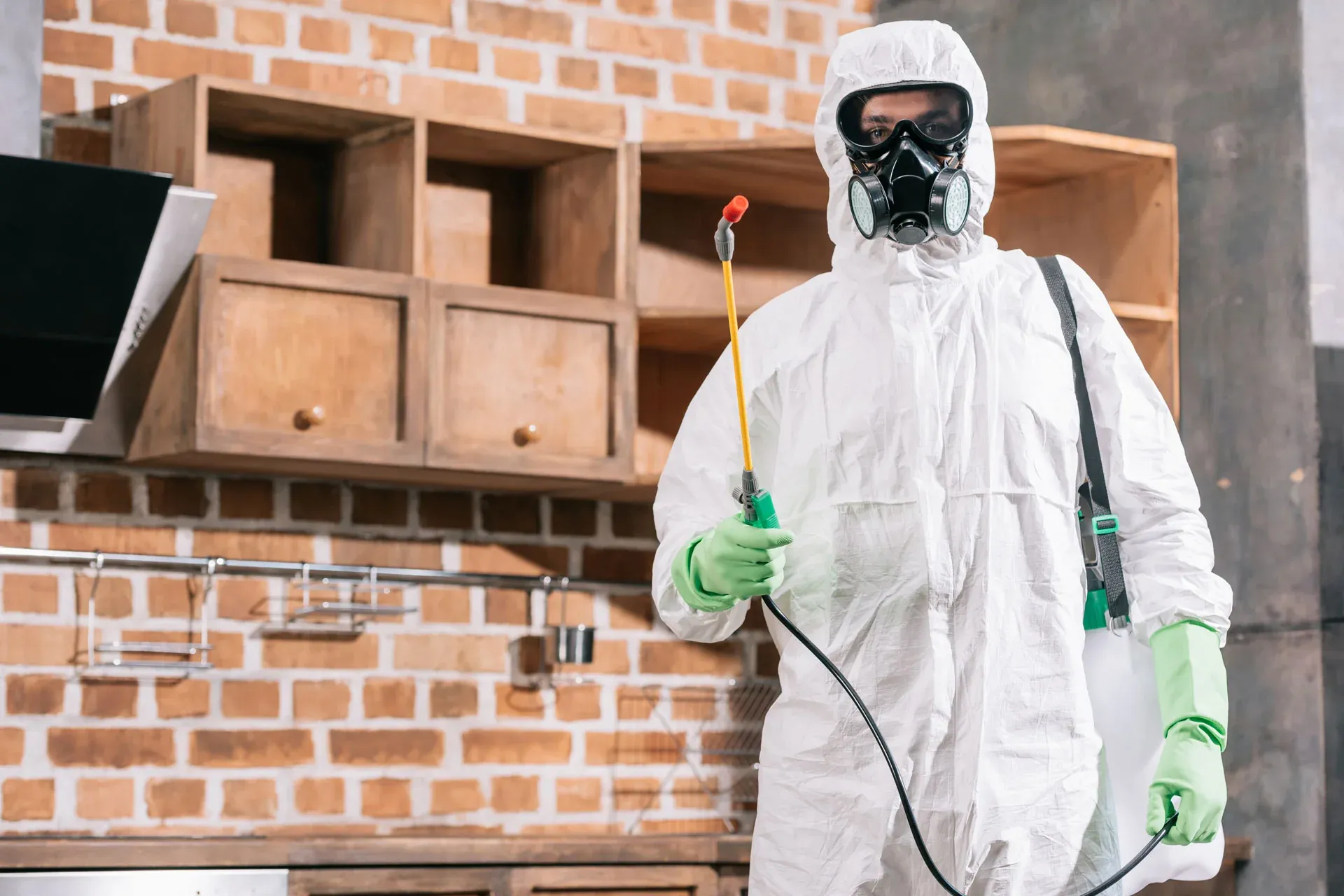
Fumigation is a whole-structure treatment for severe infestations that localized methods cannot reach. The entire building is tented and a penetrating gas fills walls, framing, and inaccessible voids, reaching termites, wood-boring beetles, and other pests embedded within the structure.
What to expect:
- Comprehensive inspection to confirm fumigation is necessary
- Full-structure tenting and sealed gas treatment
- Penetrates walls, attics, crawl spaces, and structural voids
- Eliminates termites, beetles, and deep-harboring pests
- Clear preparation instructions and safety protocols
- Post-treatment clearance testing before re-entry
Common pests this service covers
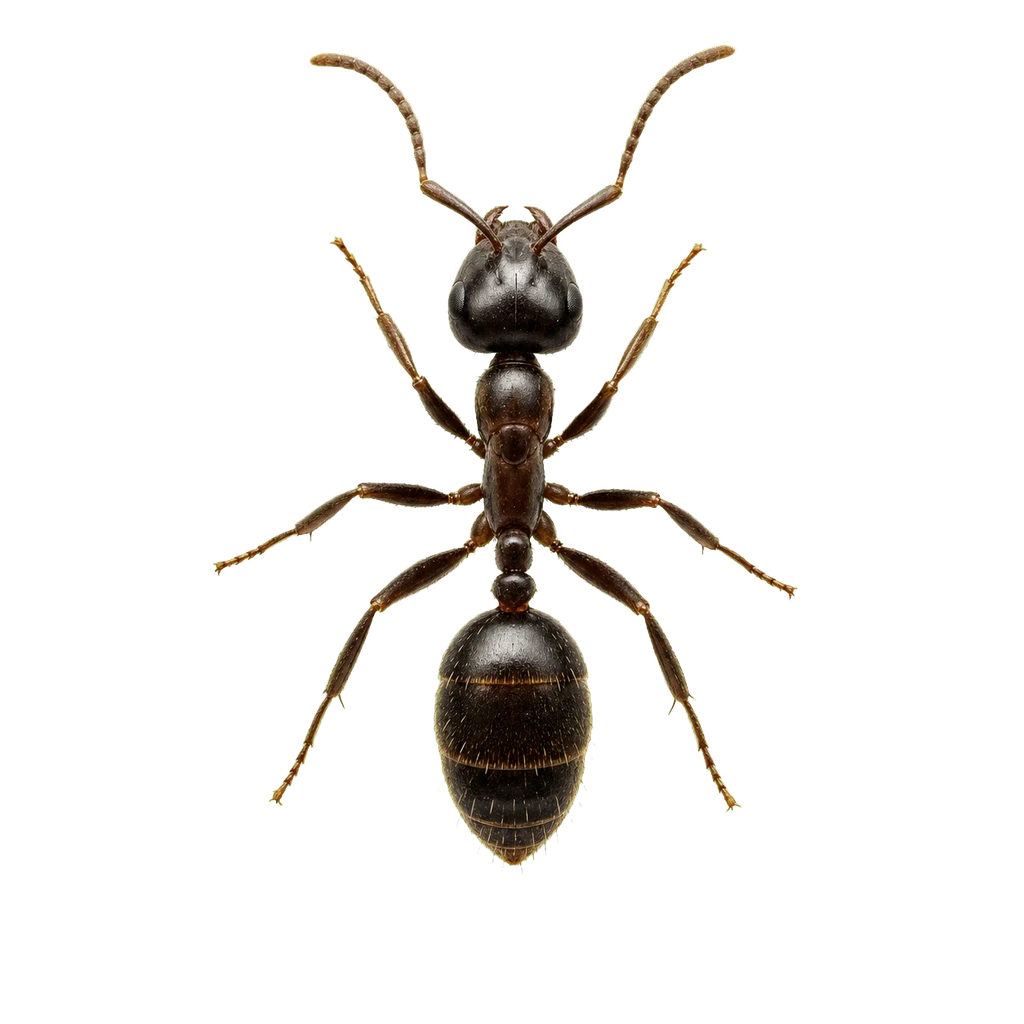 Ants
Ants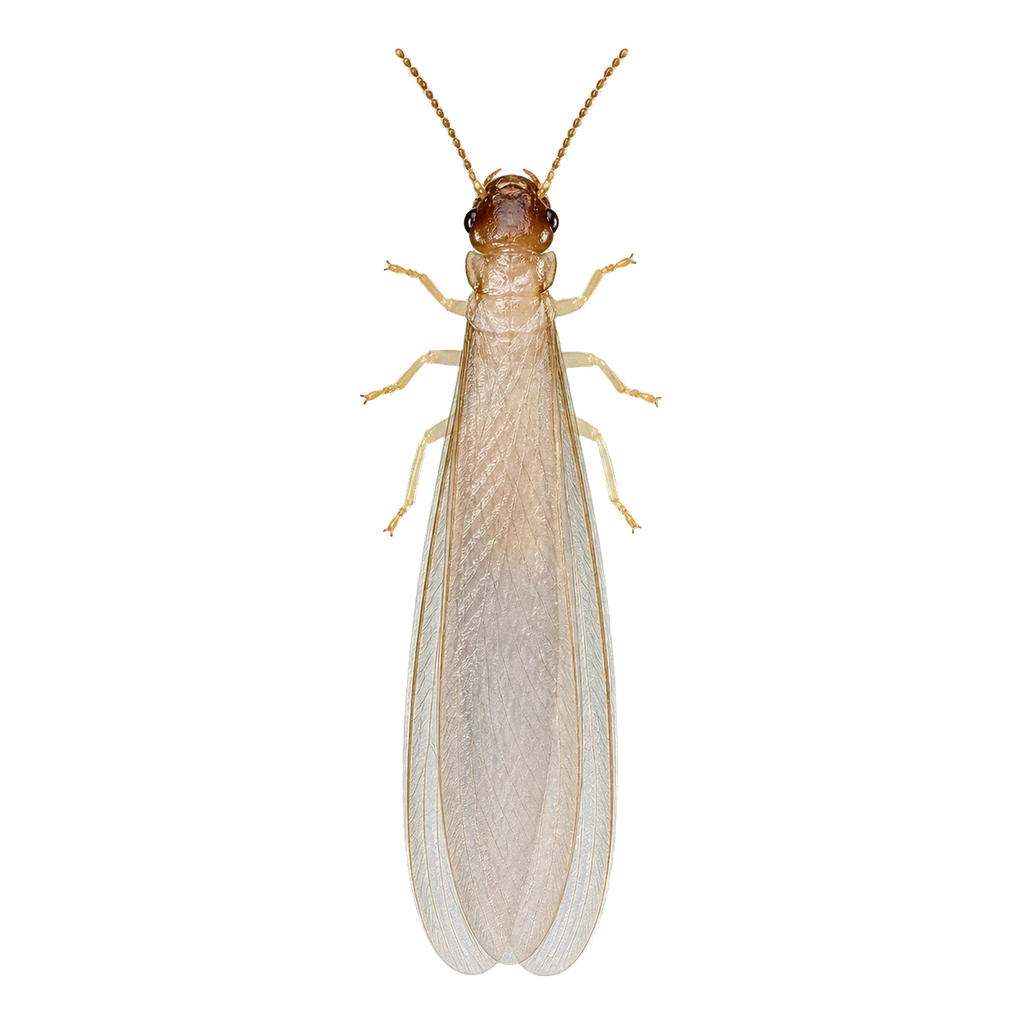 Termites
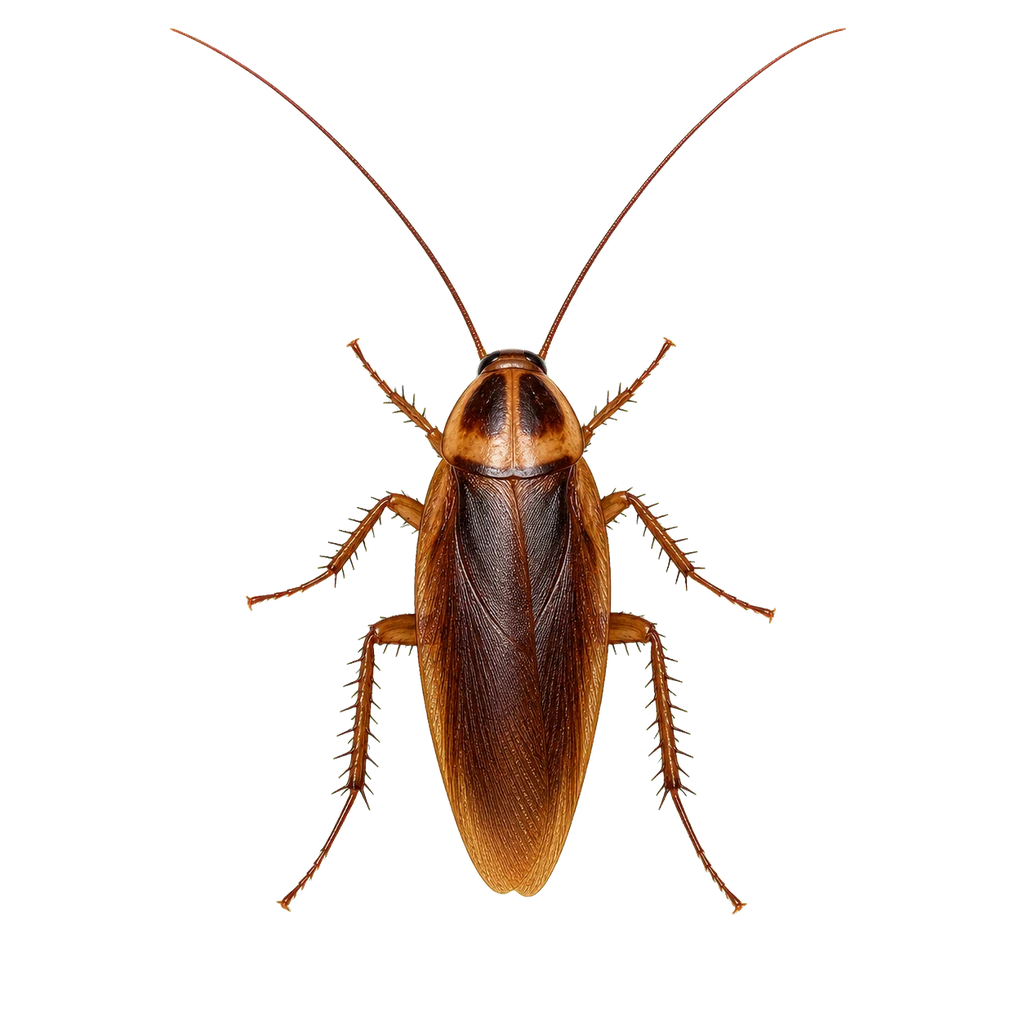 Cockroaches
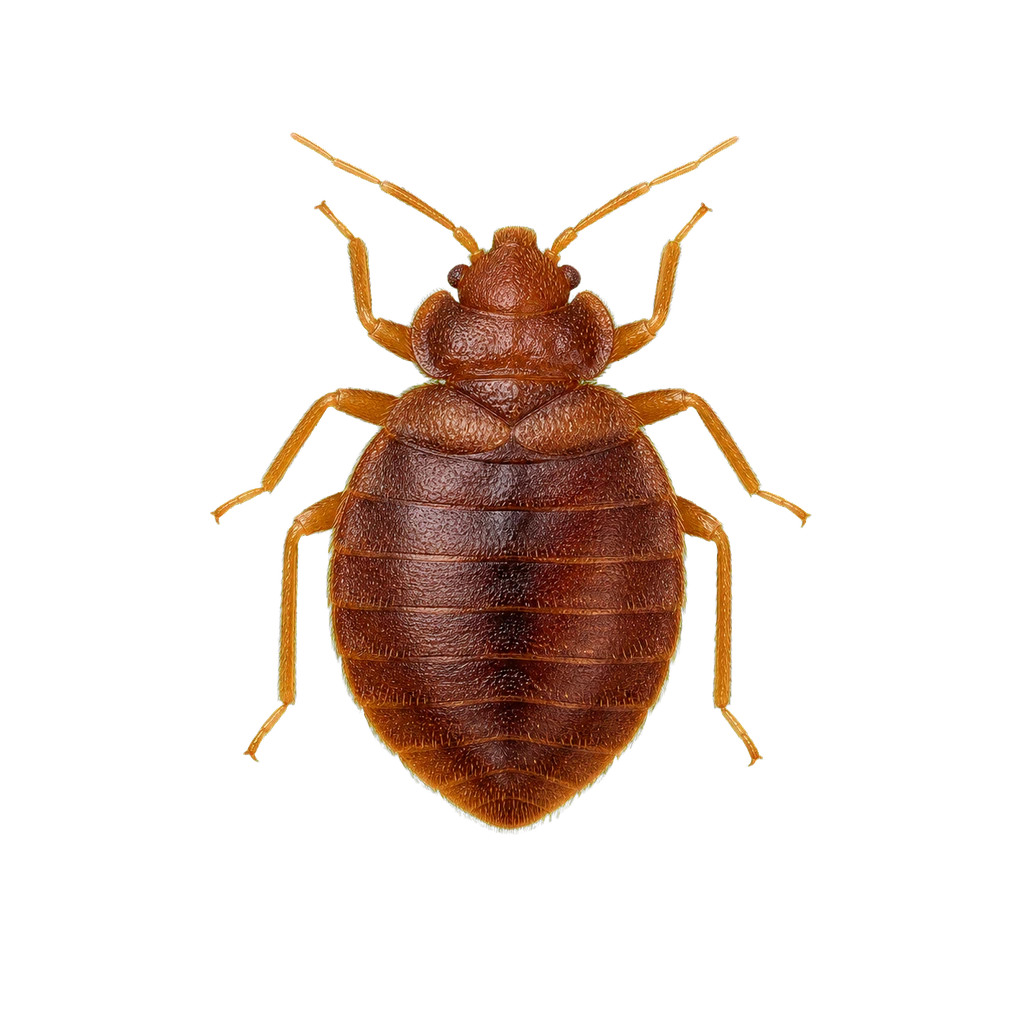 Bed Bugs
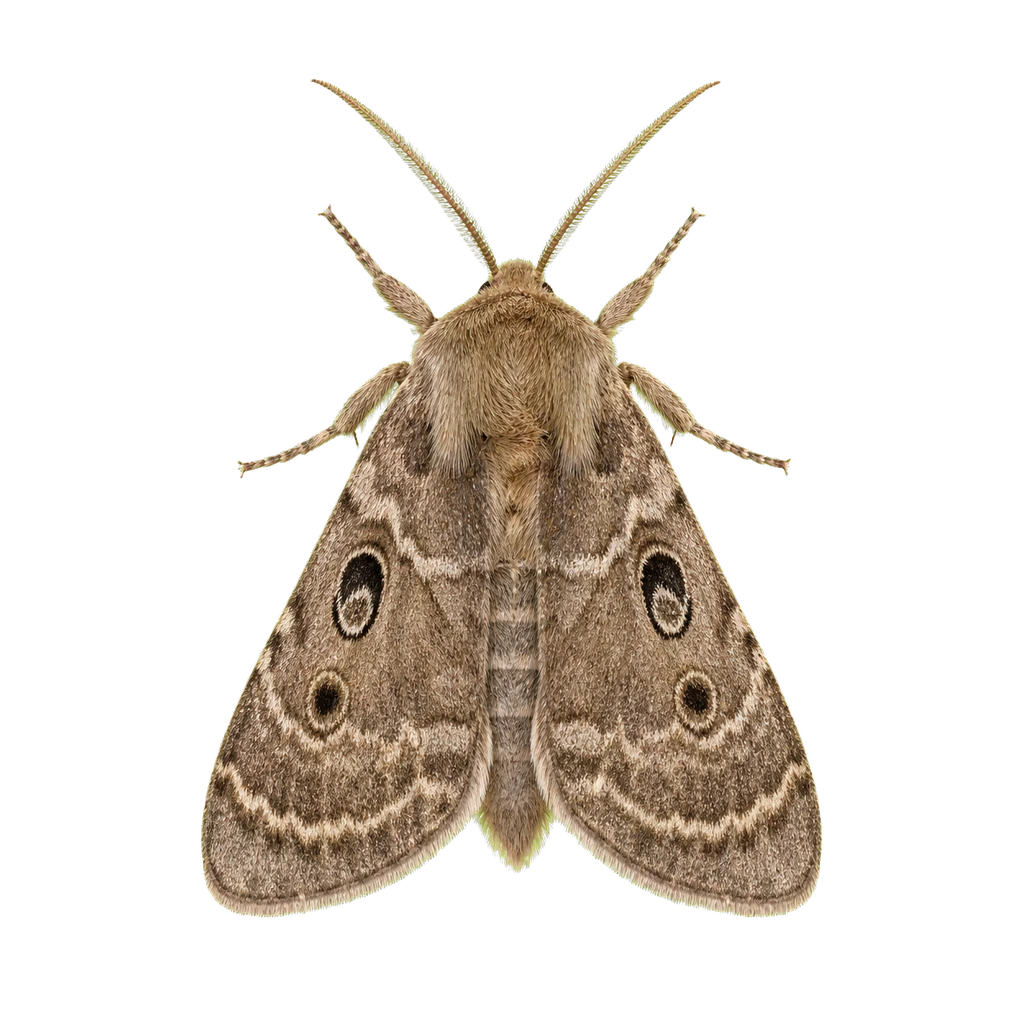 Moths
Moths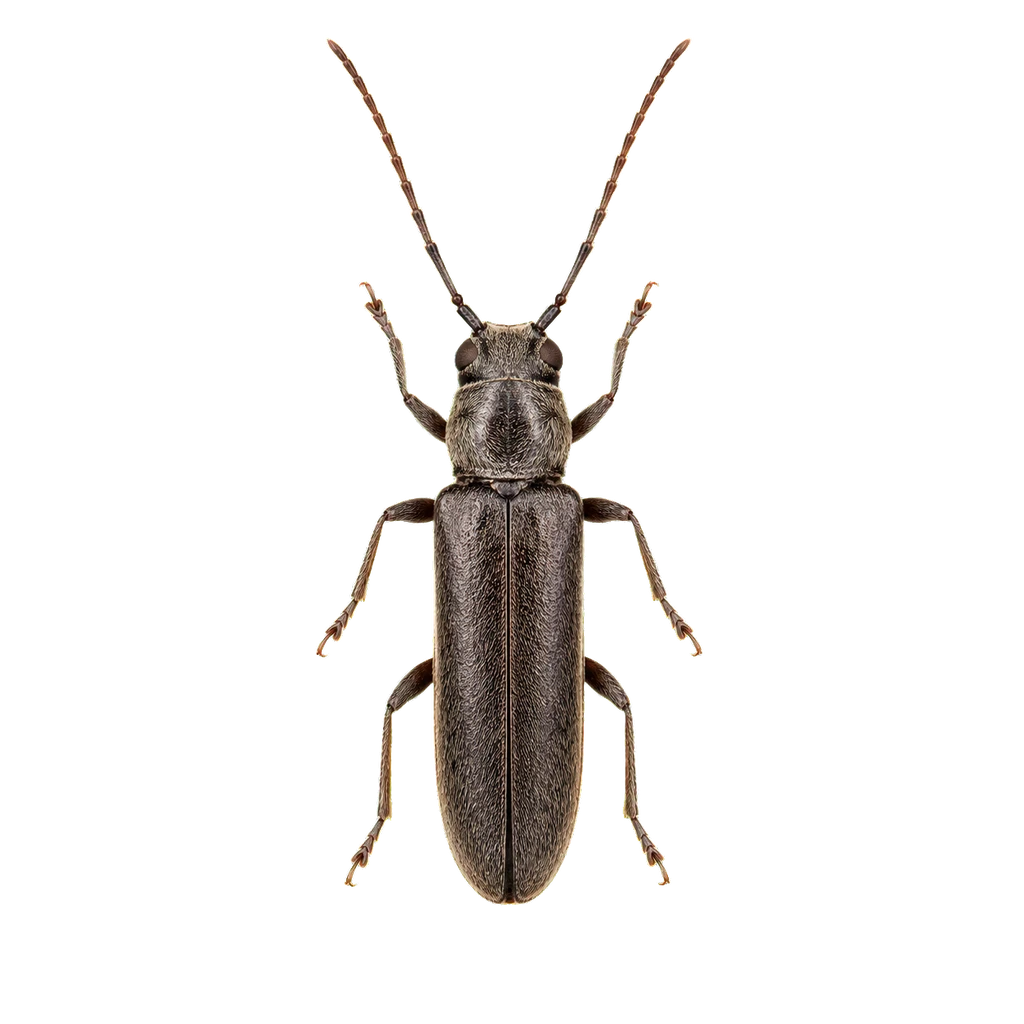 Old House Borers
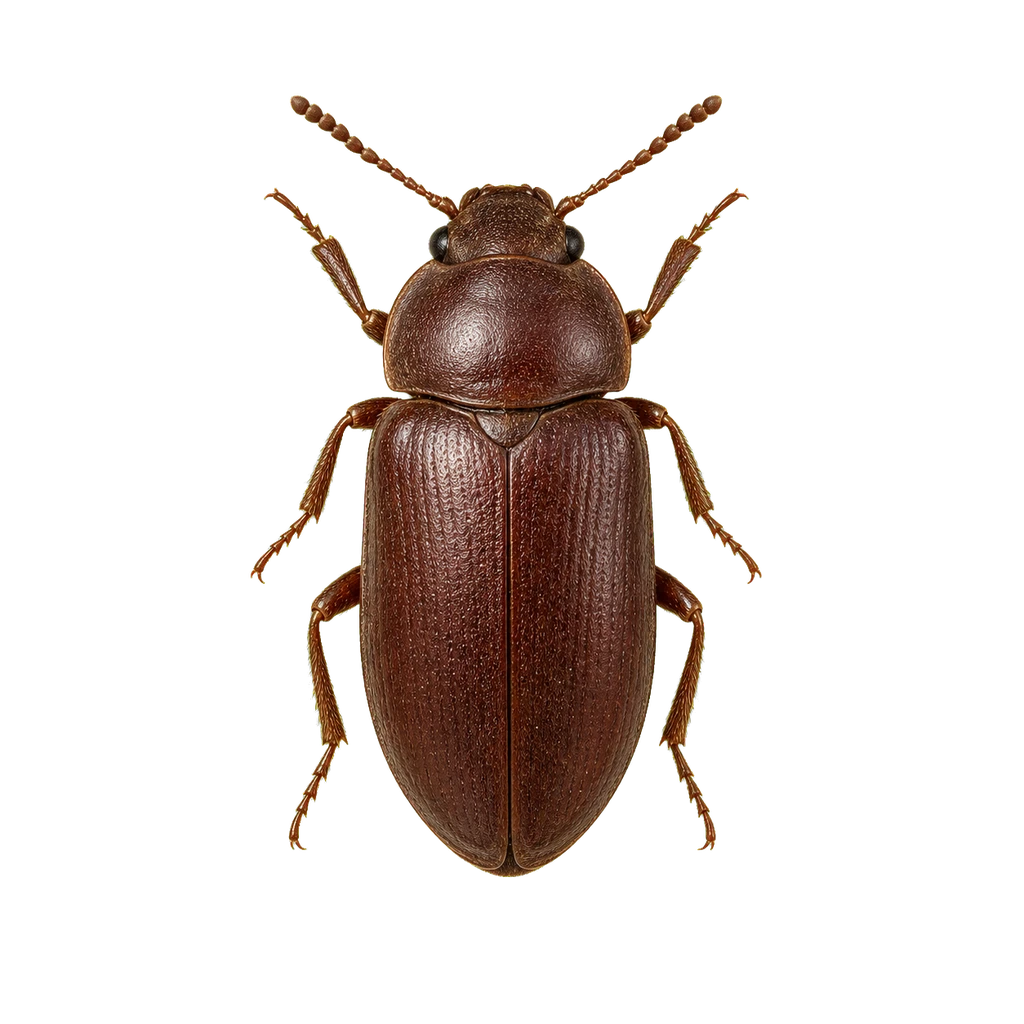 Beetles
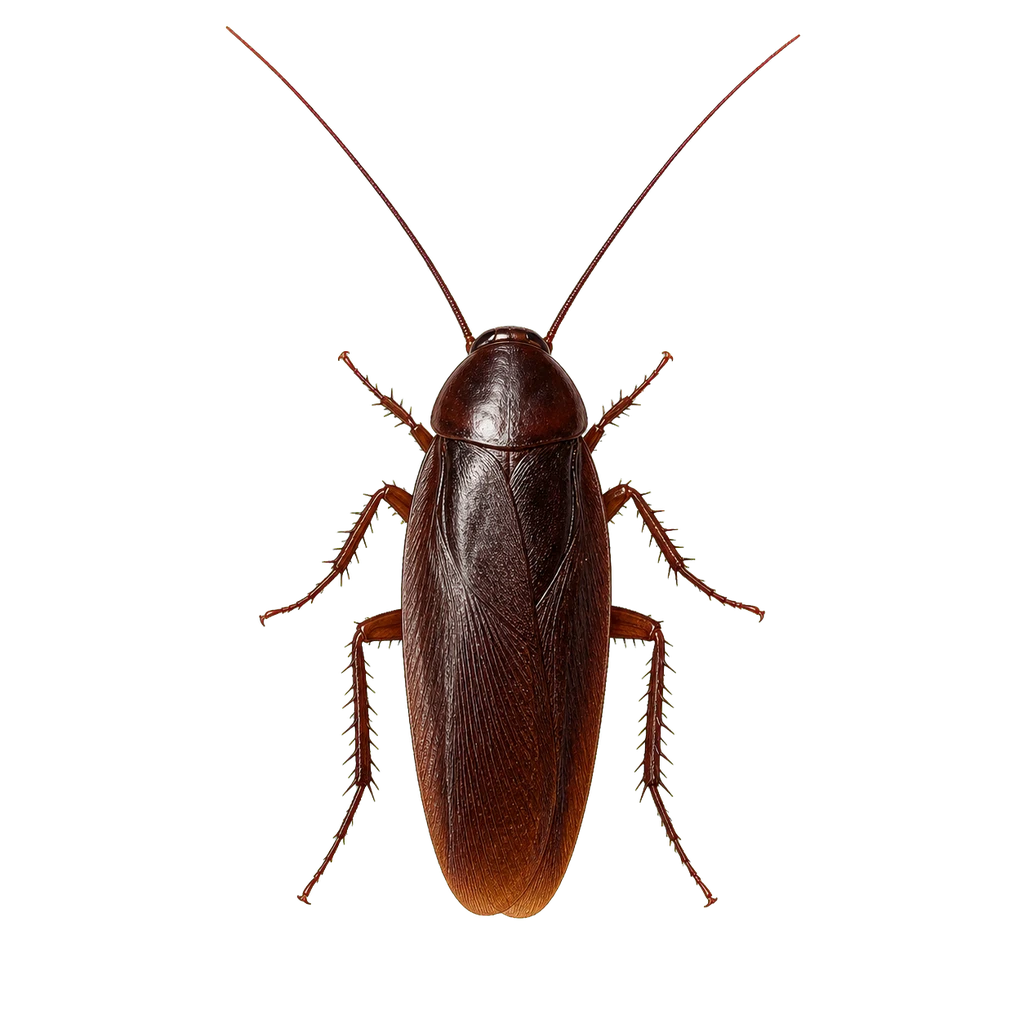 Palmetto Bugs
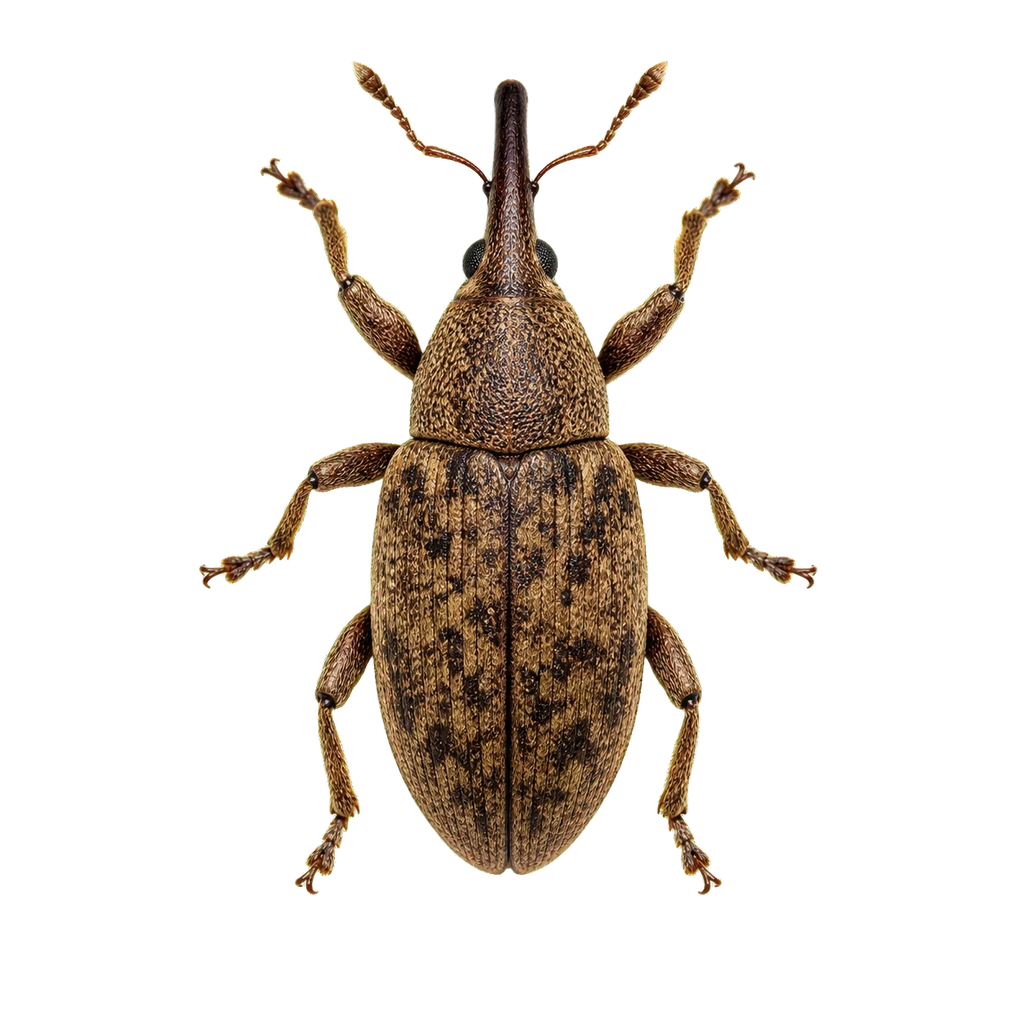 Weevils
Talk to a local pest control pro today.
Recognizing Structural Pest Damage
Select what you're experiencing, we'll explain what's likely going on and how fumigation addresses it.
- Local Pest Control
- 24/7 Availability
- Quality Workmanship
- Eco-Friendly Options
- Trusted by Homeowners


How Fumigation Works
A structured process to eliminate deep-in-structure infestations completely, from initial assessment through safe re-entry.
- Step 1
Inspection & Confirmation
A technician performs a structural inspection to confirm the pest species and assess how deep the infestation runs through the framing.
Not every termite or wood-boring beetle situation calls for fumigation, so the inspection determines whether tenting is truly the right tool, or whether a localized treatment is the smarter call.
- Step 2
Preparation & Tenting
You'll get detailed prep instructions covering food and medication bagging, plant relocation, and the temporary vacancy window required by label.
On treatment day, the structure is fully sealed under heavy fumigation tarps and clamped at the base so the gas stays contained for the entire dwell period.
- Step 3
Fumigation Treatment
Once tented, a measured concentration of fumigant gas is released and held at the prescribed level for the prescribed dwell time, calculated from your home's volume.
The gas penetrates load-bearing wood, wall cavities, and attic framing, reaching colonies that no spot treatment or bait can touch.
- Step 4
Aeration & Clearance
Tarps come down and the structure is actively aerated, with calibrated monitoring equipment confirming gas levels are below the clearance threshold before anyone re-enters.
Your technician hands over a clearance certificate and post-treatment documentation so you have the paper trail for records or future sale of the home.
What Fumigation Reaches That Spot Treatment Can't
Fumigation is built for severe structural infestations, reaching pests that localized treatments often miss when activity runs deep into framing.
| What changes | DIY | With a Pro |
|---|---|---|
| Coverage | Spot spray | Whole structure |
| Hidden activity | Cannot reach framing | Penetrates wood |
| Setup | No prep | Tarp + safety protocols |
| Verification | Hope it worked | Clearance certificate |
-
Whole-Structure Approach
Fumigant gas reaches into wall cavities, attic framing, and other spaces where spot treatments, injections, and baits often cannot.
-
Targets Hidden Damage
Termites and wood-boring beetles work inside framing and structural wood. Fumigation reaches deep into the wood to address activity you cannot see.
-
Ends the Cycle of Partial Treatments
When previous localized treatments have not resolved the problem, fumigation addresses the broader scope of the infestation in a single visit.
-
Protects Your Investment
Structural pest damage can reduce your home's value and compromise safety. Fumigation addresses the threat before damage continues to spread.
-
Professional Safety Protocols
Trained technicians manage every phase, from preparation through clearance testing, so your family re-enters only after the structure has been verified.
Why Spot Treatments Can't Stop Structural Pests
Surface sprays, bait stations, and liquid treatments are designed for pests you can reach. Termites and wood-boring beetles live deep inside structural wood, behind walls, above ceilings, and in framing members that no topical product can penetrate.
Fumigation works differently because it doesn't rely on surface contact. A penetrating gas reaches into voids, cavities, and structural wood throughout the building at the same time, addressing activity in places spot treatments cannot.
When an infestation has spread throughout the structure or embedded itself in inaccessible areas, fumigation is often the most effective option. It's not a first-line approach, it's the right tool when localized treatments have not resolved the problem.
Pests That Require Fumigation
Fumigation targets pests that embed themselves deep inside structural wood and building materials. If you're unsure whether your situation calls for fumigation, call us for an assessment.
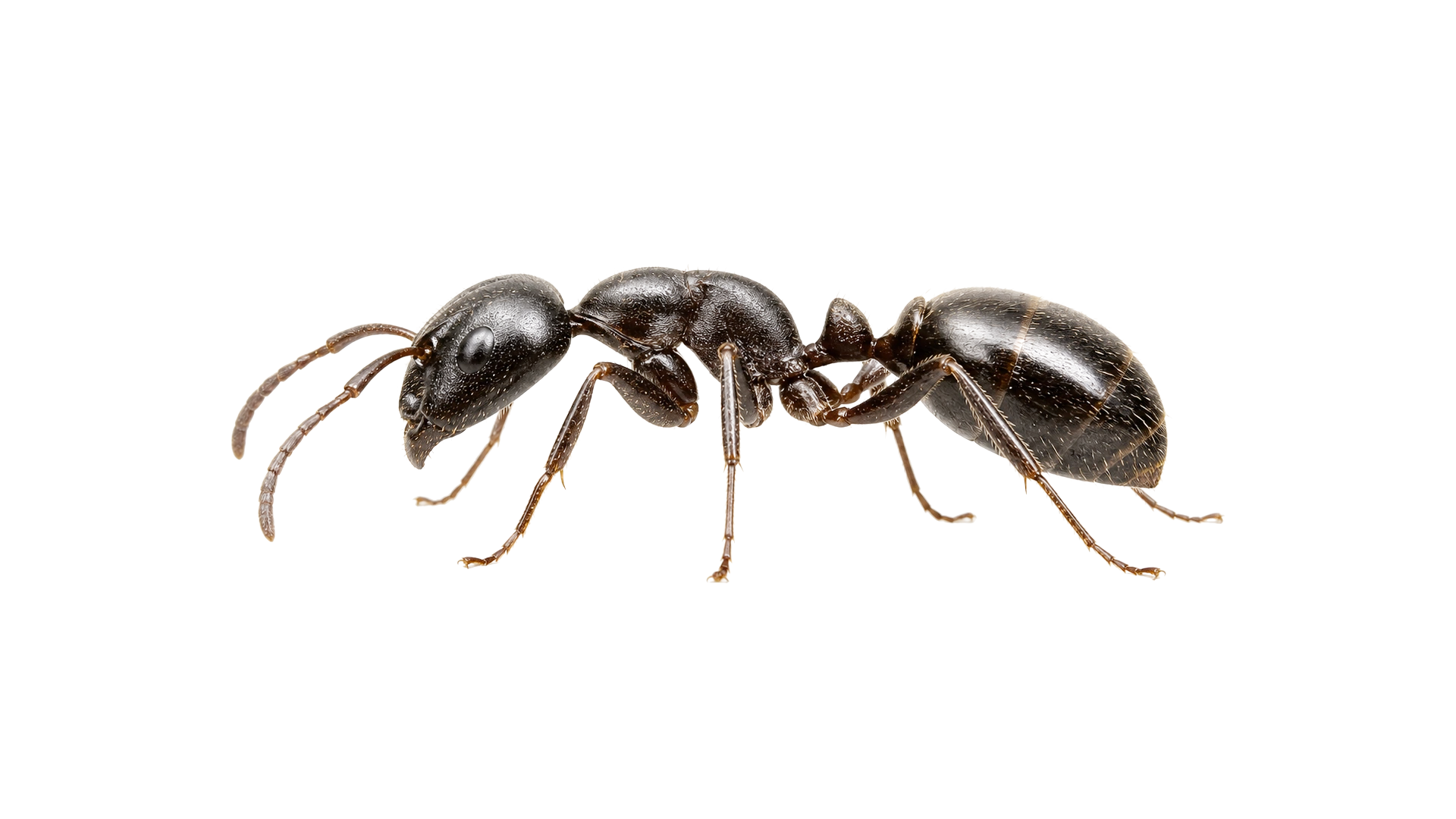
Ants
Fumigation is rarely the first-line choice for ants, but it becomes relevant for structure-wide carpenter ant activity where colonies have spread through inaccessible wall cavities and framing. In those cases, the penetrating gas reaches nest sites and satellite colonies that baits and drills cannot consistently treat.
Questions About Fumigation
Answers to help you understand the fumigation process and decide if it's right for your situation.
-
What is fumigation and what does the process involve? Toggle answer for: What is fumigation and what does the process involve?
Fumigation is a full-structure treatment where a gas penetrant is introduced into a sealed home to eliminate severe pest infestations, most commonly drywood termites. The home is covered with a tent or sealed tightly, and the gas reaches every crack, crevice, and void in the structure. It's the most thorough option for widespread or hard-to-reach infestations.
-
How long does fumigation take and when can I return home? Toggle answer for: How long does fumigation take and when can I return home?
The entire process typically takes 2 to 3 days. This includes preparation, the fumigation period itself (usually 24-48 hours), and aeration to clear the gas. Your provider will test air quality before clearing the home for re-entry. Plan to stay elsewhere for the duration.
-
Is fumigation safe for my family and pets? Toggle answer for: Is fumigation safe for my family and pets?
Fumigation requires all people, pets, and plants to vacate the home for the entire treatment period. The fumigant gas is carefully monitored and fully aerated before anyone returns. Once your provider confirms safe air levels and clears the home, there is no harmful residue left on surfaces, furniture, or clothing.
-
What should I expect during a fumigation? Toggle answer for: What should I expect during a fumigation?
Fumigation involves tenting your home and introducing a gas that penetrates walls, furniture, and structural wood to eliminate termites or other hidden pests. You'll vacate the home for two to three days while the gas does its work and the home is properly ventilated.
Your provider gives you a detailed prep checklist ahead of time, covering food, plants, pets, and medications that need to be removed or sealed. A professional re-entry check confirms the home is safe before you move back in.
-
How do I know if I actually need fumigation? Toggle answer for: How do I know if I actually need fumigation?
Fumigation is generally recommended when an infestation is widespread, deeply embedded in the structure, or involves pests like drywood termites that can't be fully reached with localized treatments. A professional inspection will determine whether fumigation is necessary or if a less intensive option would be effective.
-
What if fumigation isn't the right fit for the pest I'm dealing with? Toggle answer for: What if fumigation isn't the right fit for the pest I'm dealing with?
Fumigation is designed for specific situations, primarily severe termite infestations. If your problem involves a different pest, your provider may recommend alternatives like localized treatments, heat treatment, or ongoing service plans. We can help match you with the right approach.
-
What preparation is required before my home is fumigated? Toggle answer for: What preparation is required before my home is fumigated?
Preparation is more involved than most treatments. You'll need to remove or double-bag all food, medicine, and consumables. Plants and pets must be relocated. You may need to trim landscaping away from the house to allow tenting. Your provider will give you a detailed checklist well in advance so nothing is overlooked.
It's also worth notifying your neighbors, since the tenting and process can affect adjacent properties in close-proximity housing.
Local Coverage in Your State
Fumigation providers are available across all 50 states. Select yours to get started.
- Alabama Tap to view →
- Alaska Tap to view →
- Arizona Tap to view →
- Arkansas Tap to view →
- California Tap to view →
- Colorado Tap to view →
- Connecticut Tap to view →
- Delaware Tap to view →
- Florida Tap to view →
- Georgia Tap to view →
- Hawaii Tap to view →
- Idaho Tap to view →
- Illinois Tap to view →
- Indiana Tap to view →
- Iowa Tap to view →
- Kansas Tap to view →
- Kentucky Tap to view →
- Louisiana Tap to view →
- Maine Tap to view →
- Maryland Tap to view →
- Massachusetts Tap to view →
- Michigan Tap to view →
- Minnesota Tap to view →
- Mississippi Tap to view →
- Missouri Tap to view →
- Montana Tap to view →
- Nebraska Tap to view →
- Nevada Tap to view →
- New Hampshire Tap to view →
- New Jersey Tap to view →
- New Mexico Tap to view →
- New York Tap to view →
- North Carolina Tap to view →
- North Dakota Tap to view →
- Ohio Tap to view →
- Oklahoma Tap to view →
- Oregon Tap to view →
- Pennsylvania Tap to view →
- Rhode Island Tap to view →
- South Carolina Tap to view →
- South Dakota Tap to view →
- Tennessee Tap to view →
- Texas Tap to view →
- Utah Tap to view →
- Vermont Tap to view →
- Virginia Tap to view →
- Washington Tap to view →
- West Virginia Tap to view →
- Wisconsin Tap to view →
- Wyoming Tap to view →
Fumigation Pros serving your city, and nearby areas
Local providers ready for whole-structure tenting when termites or wood-boring pests run too deep for spot treatment. Get matched in one call.