

Talk to a local pest control pro today.
Insecticide Barrier Services Near You
Serving your city, and surrounding areas.
Insecticide barrier treatment creates a protective zone around your home's foundation and perimeter that stops crawling and flying insects before they get inside. Applied to exterior surfaces and reapplied seasonally, this preventive approach keeps your living spaces clear of the pests that enter from outdoors.
What to expect:
- Exterior inspection to identify pest pressure and vulnerable areas
- Foundation and perimeter barrier application
- Targets crawling insects, spiders, and other perimeter invaders
- Seasonal reapplication to maintain protection year-round
- Reduces indoor pest activity by intercepting pests outside
- Works alongside interior treatments for comprehensive coverage
Common pests this service covers
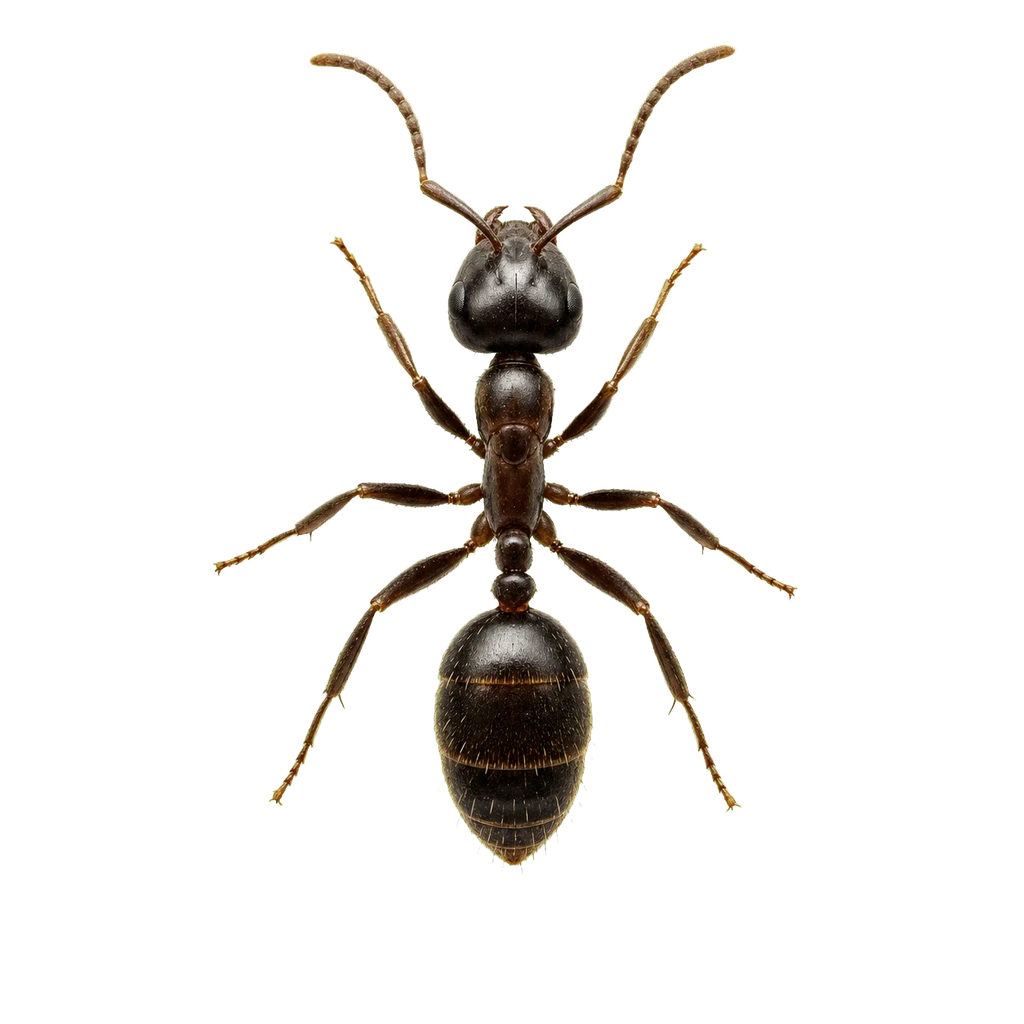 Ants
Ants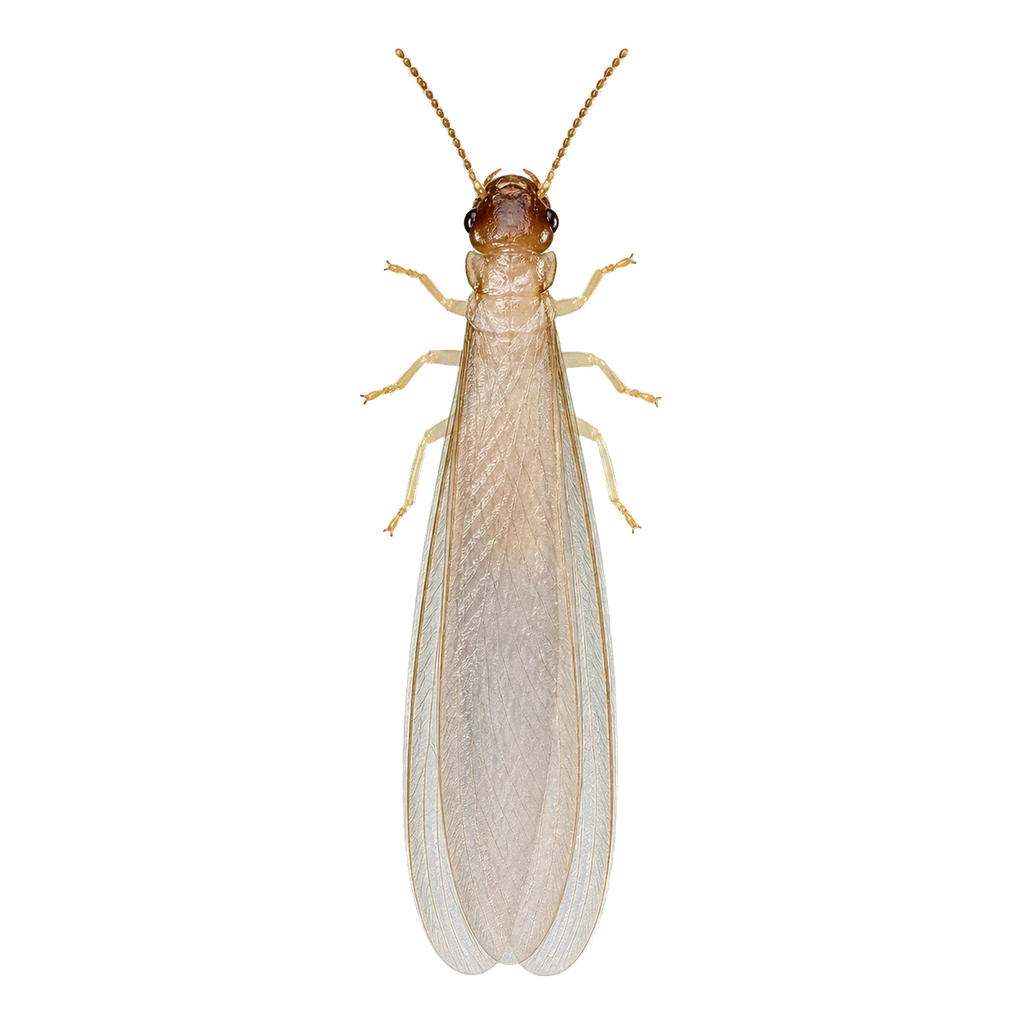 Termites
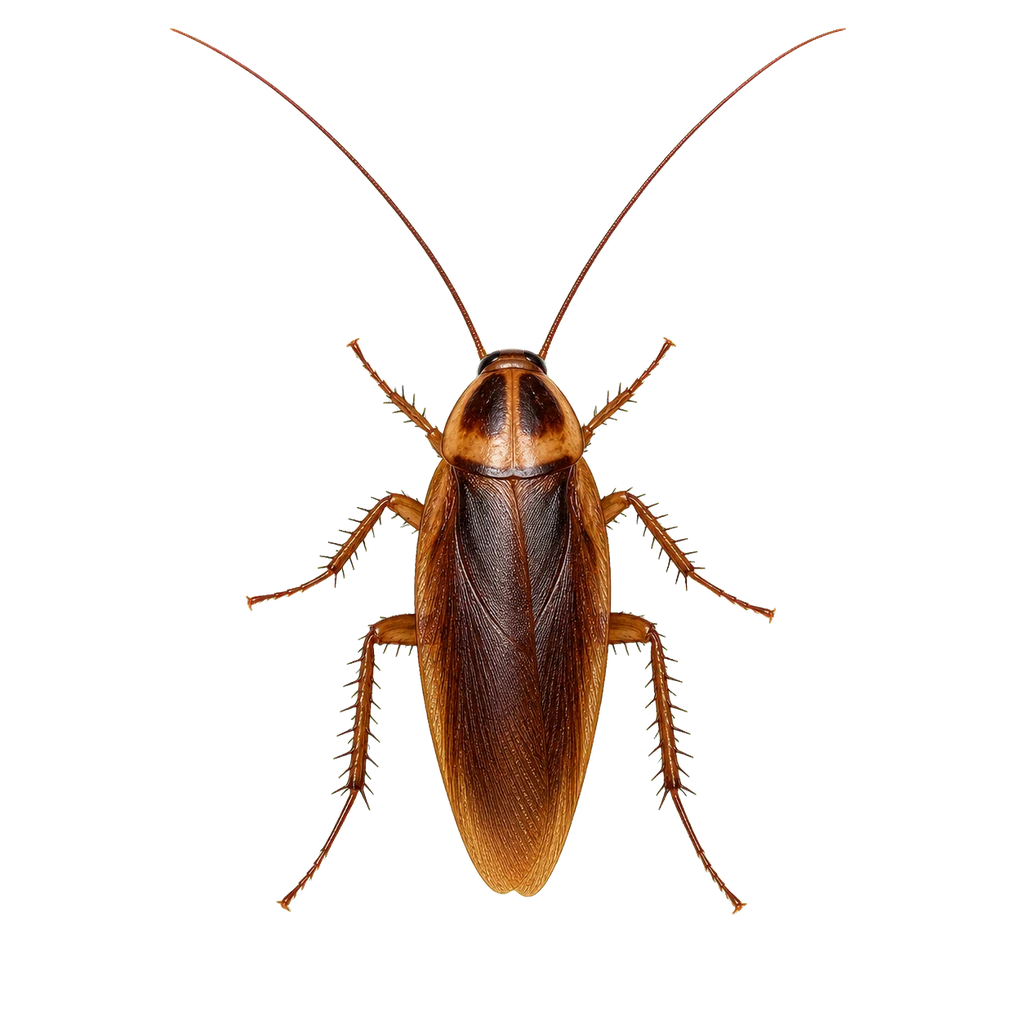 Cockroaches
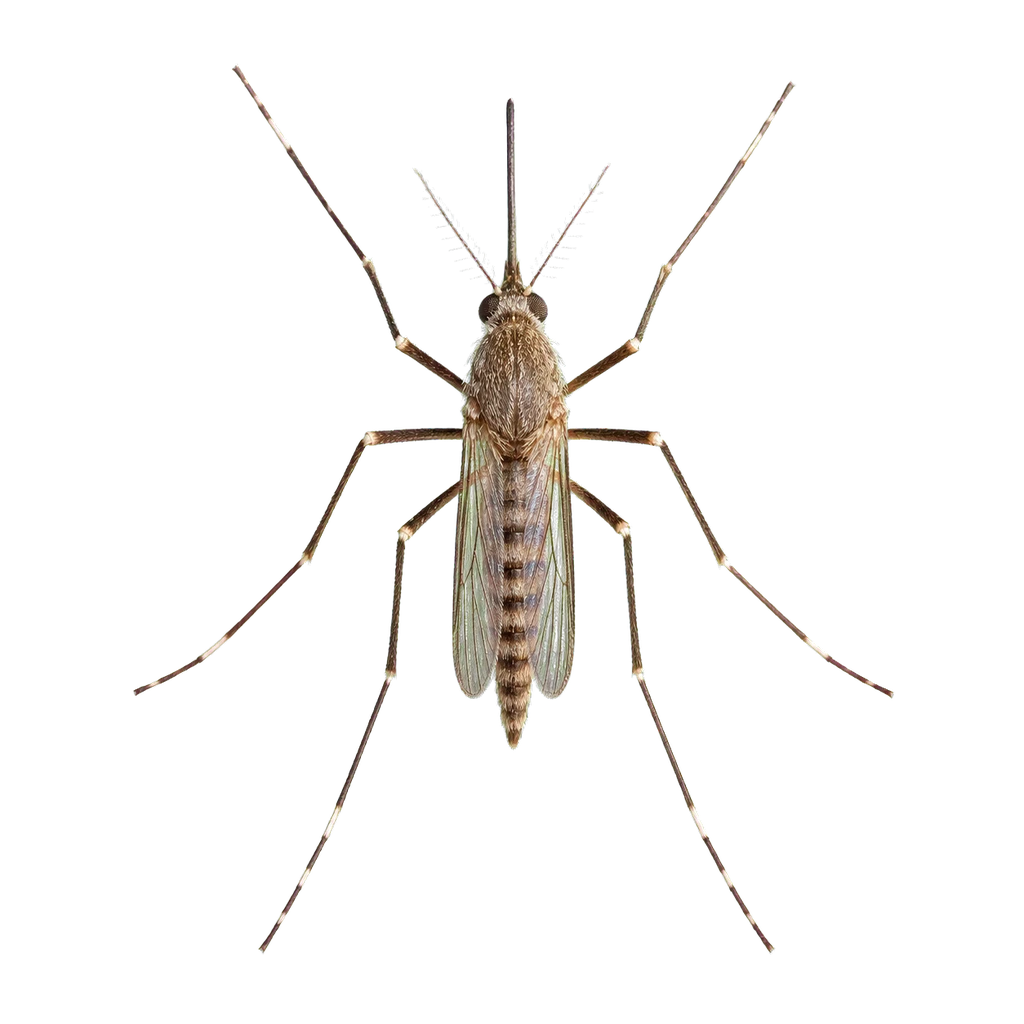 Mosquitoes
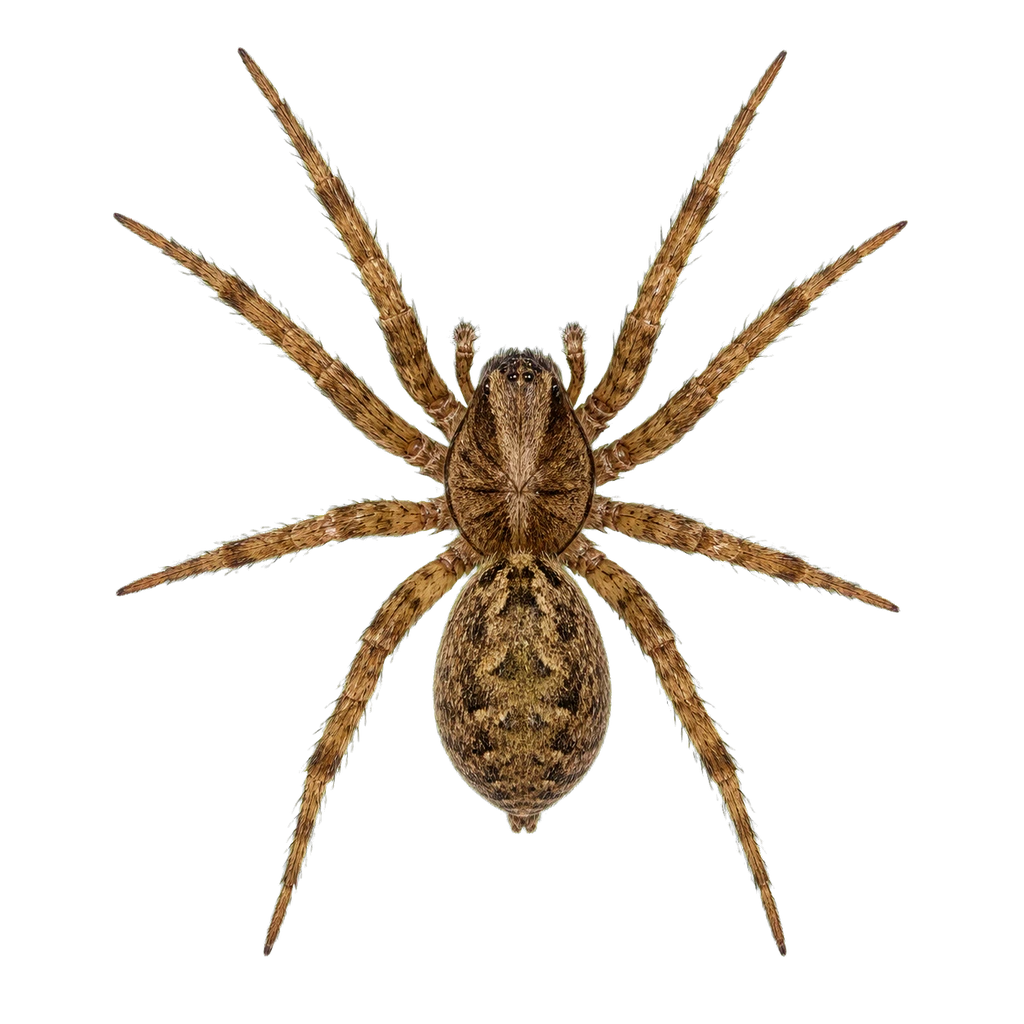 Spiders
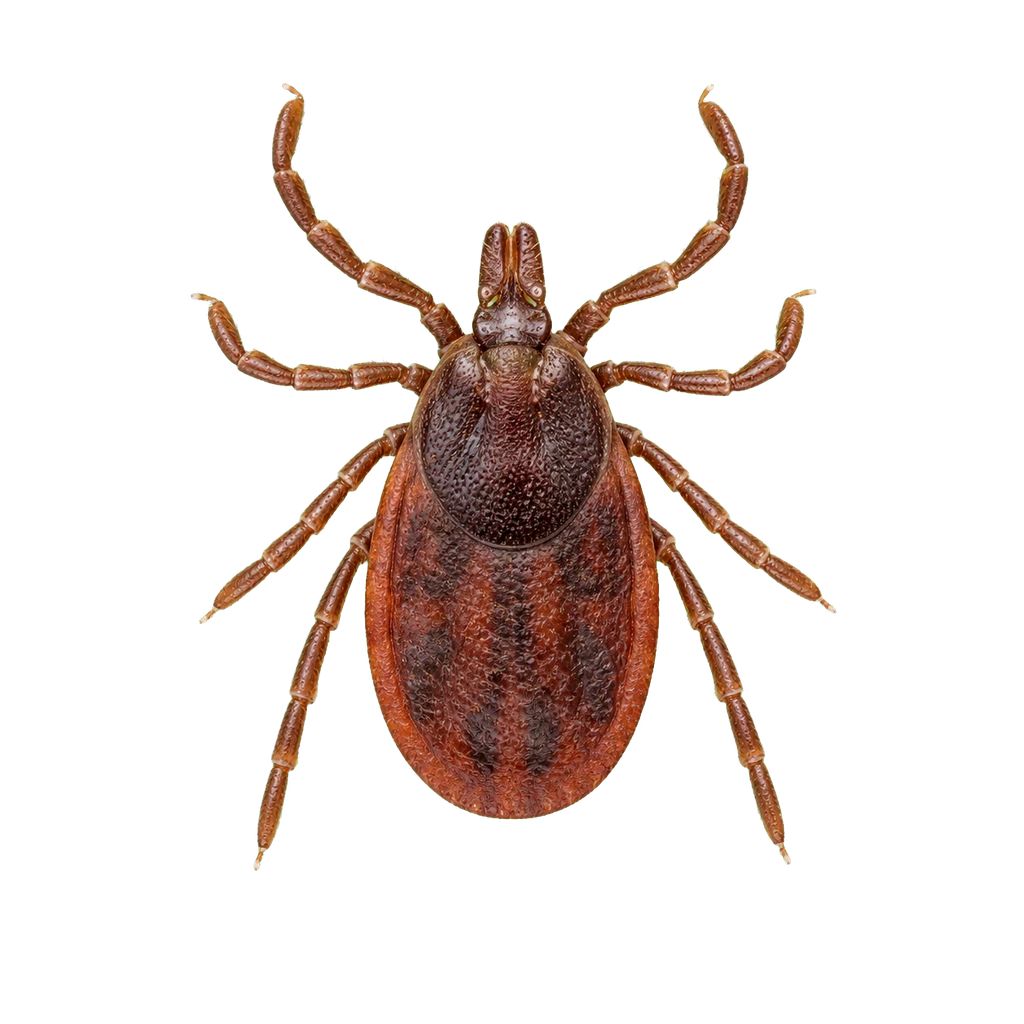 Ticks
Ticks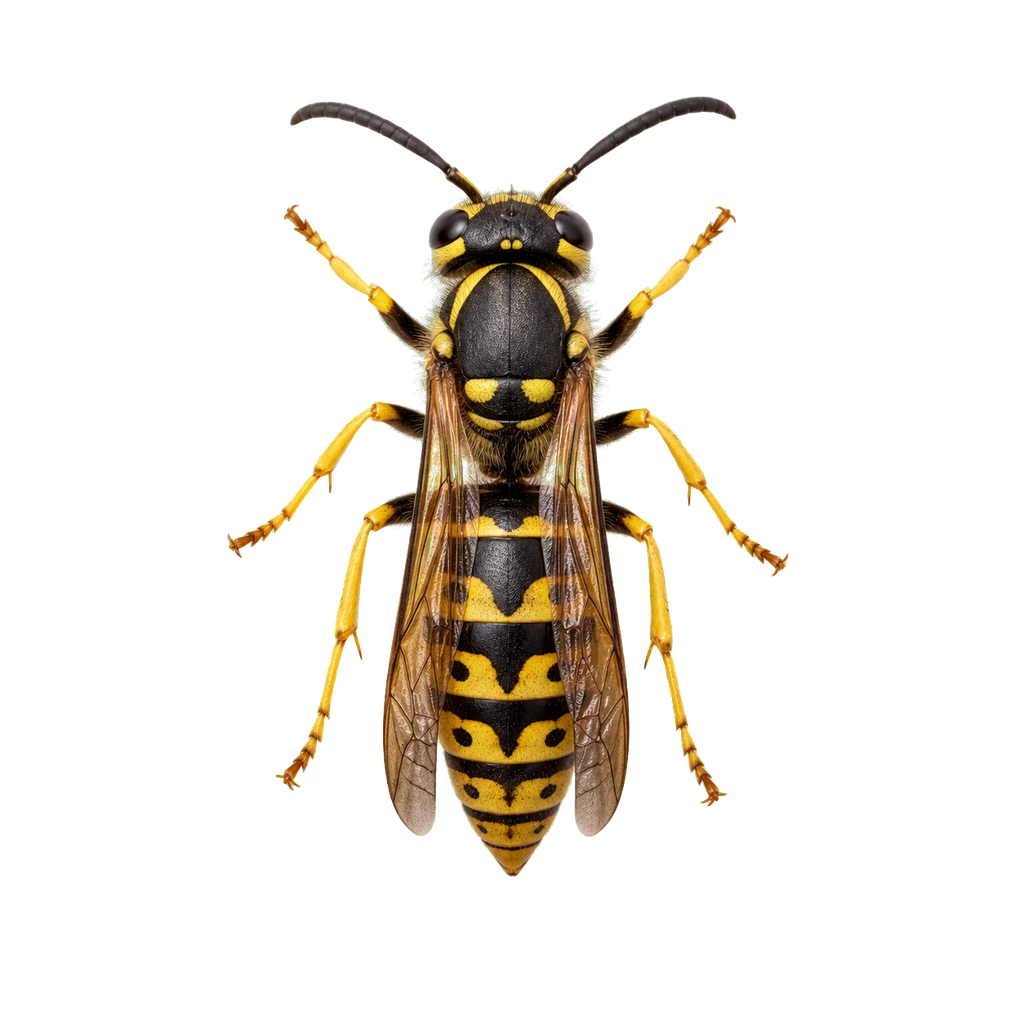 Wasps
Wasps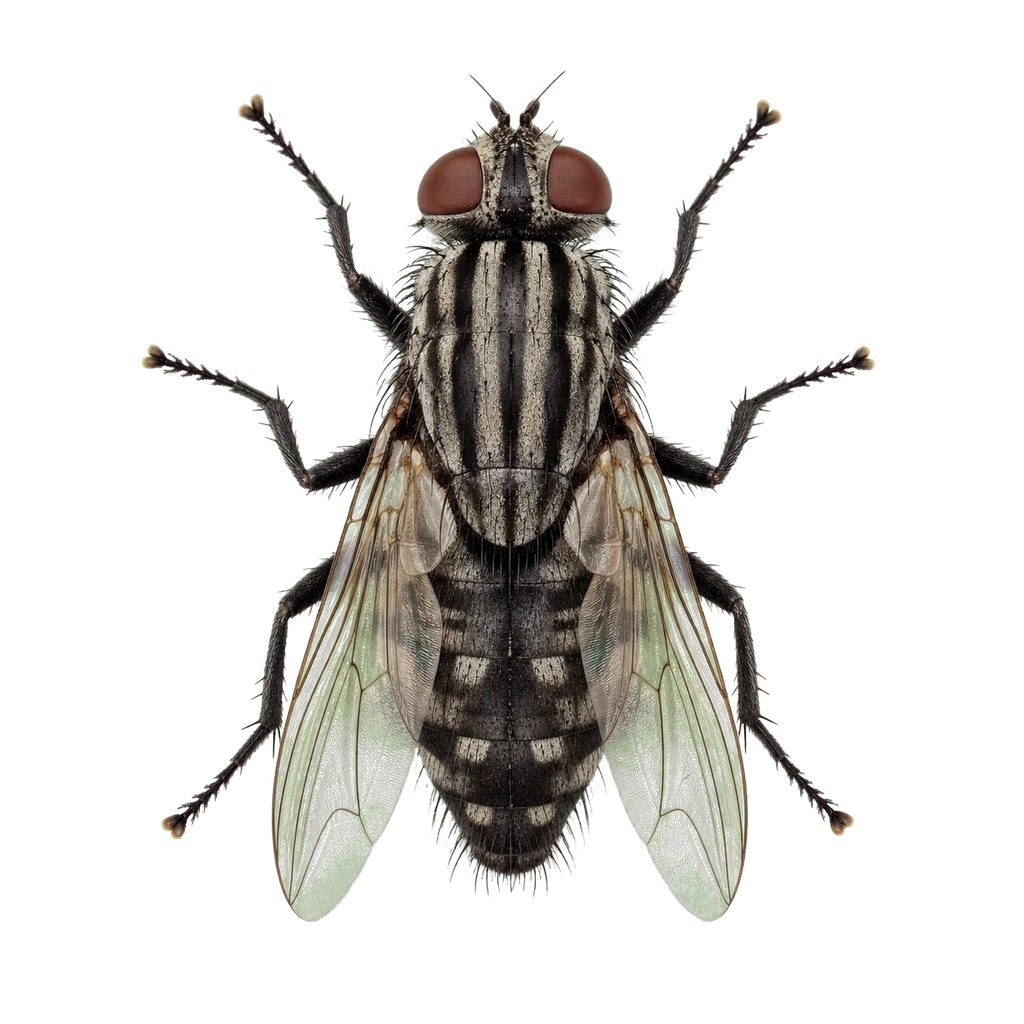 Flies
Flies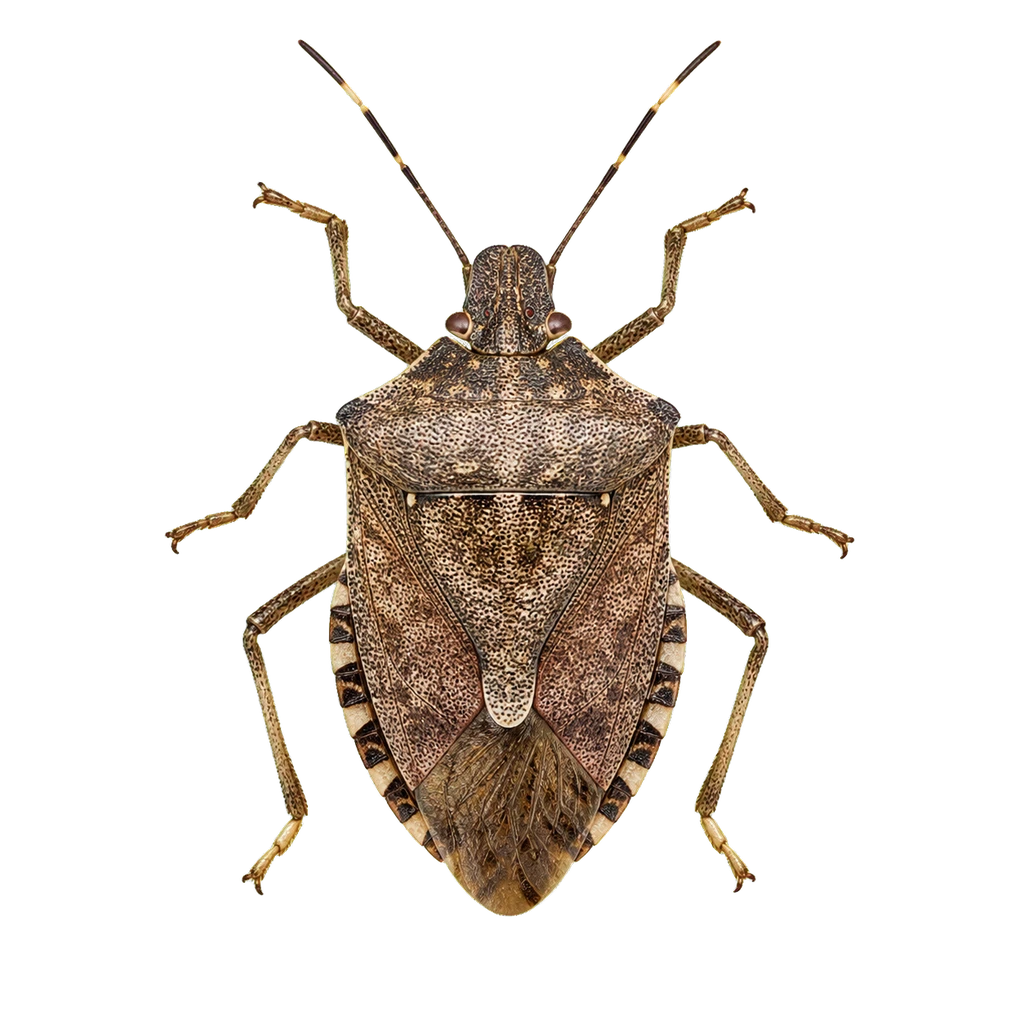 Stink Bugs
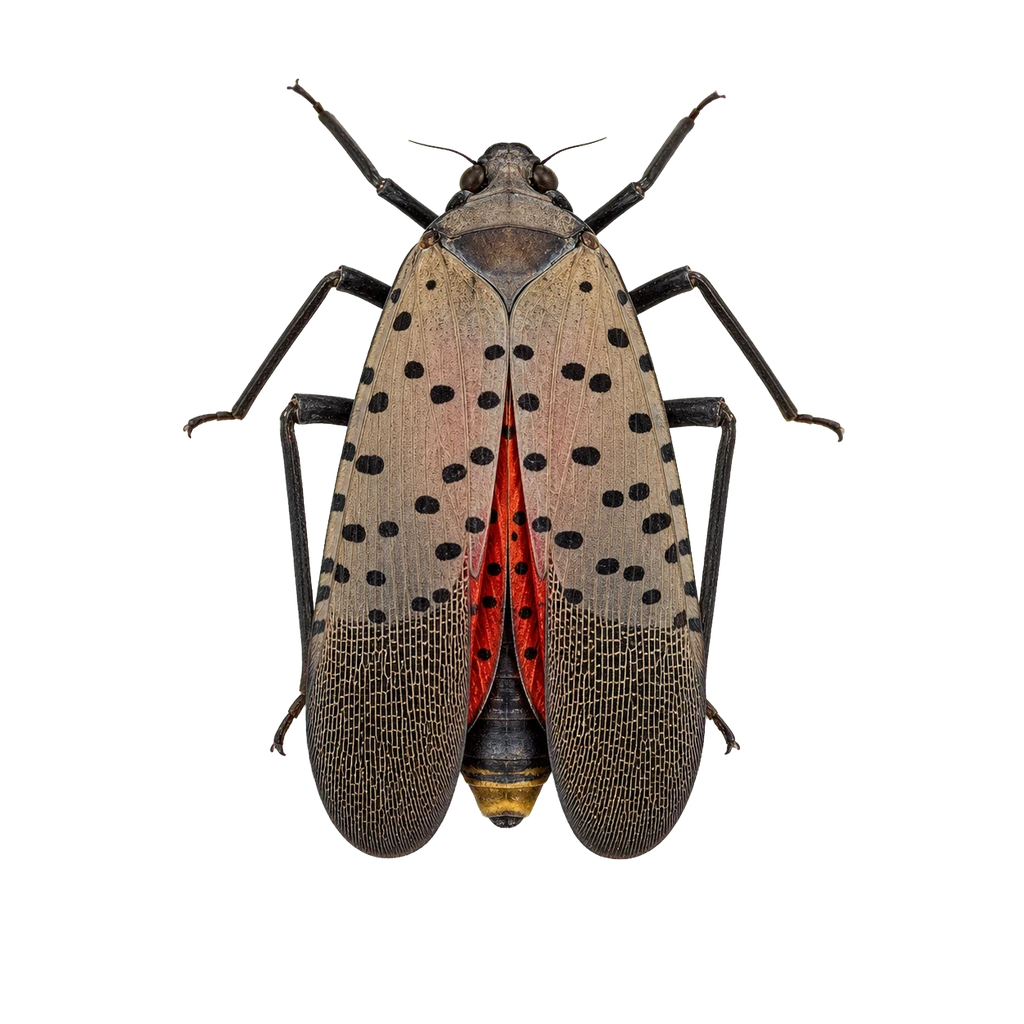 Spotted Lanternflies
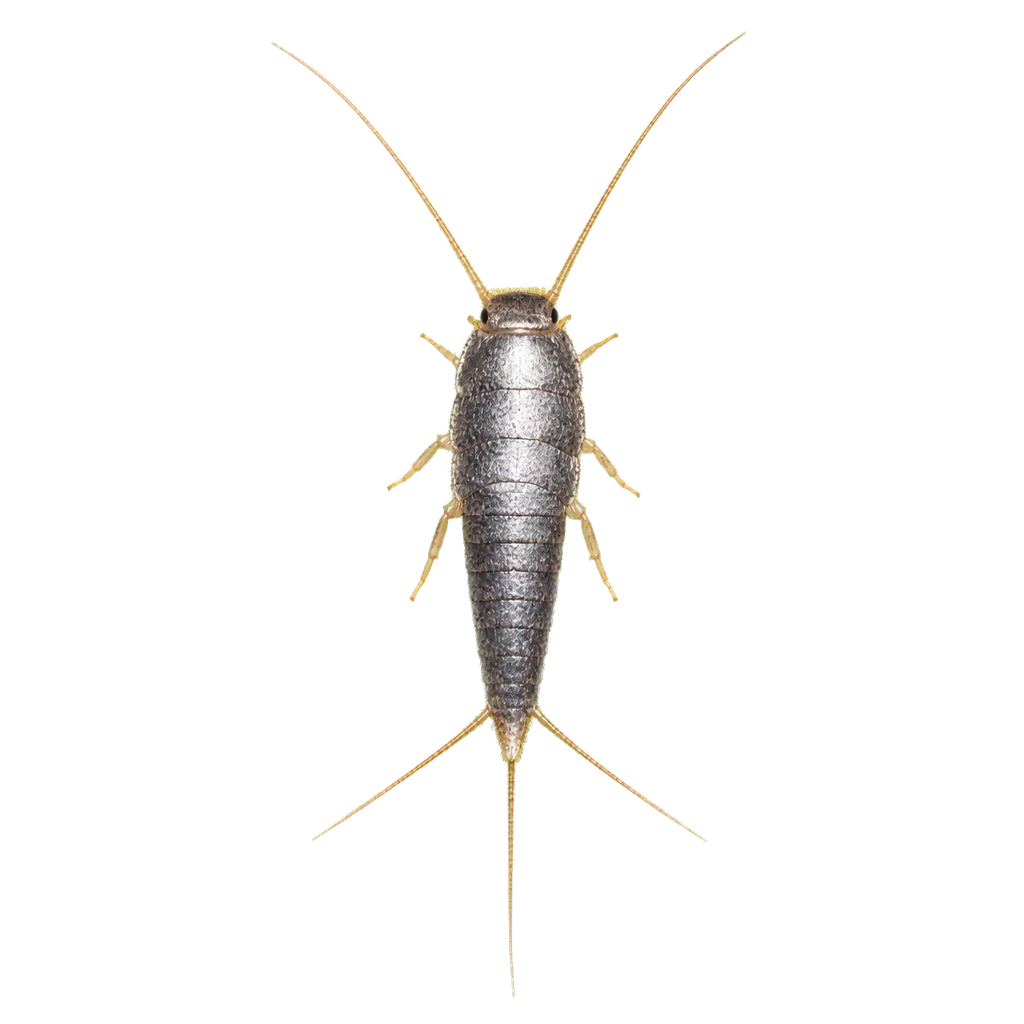 Silverfish
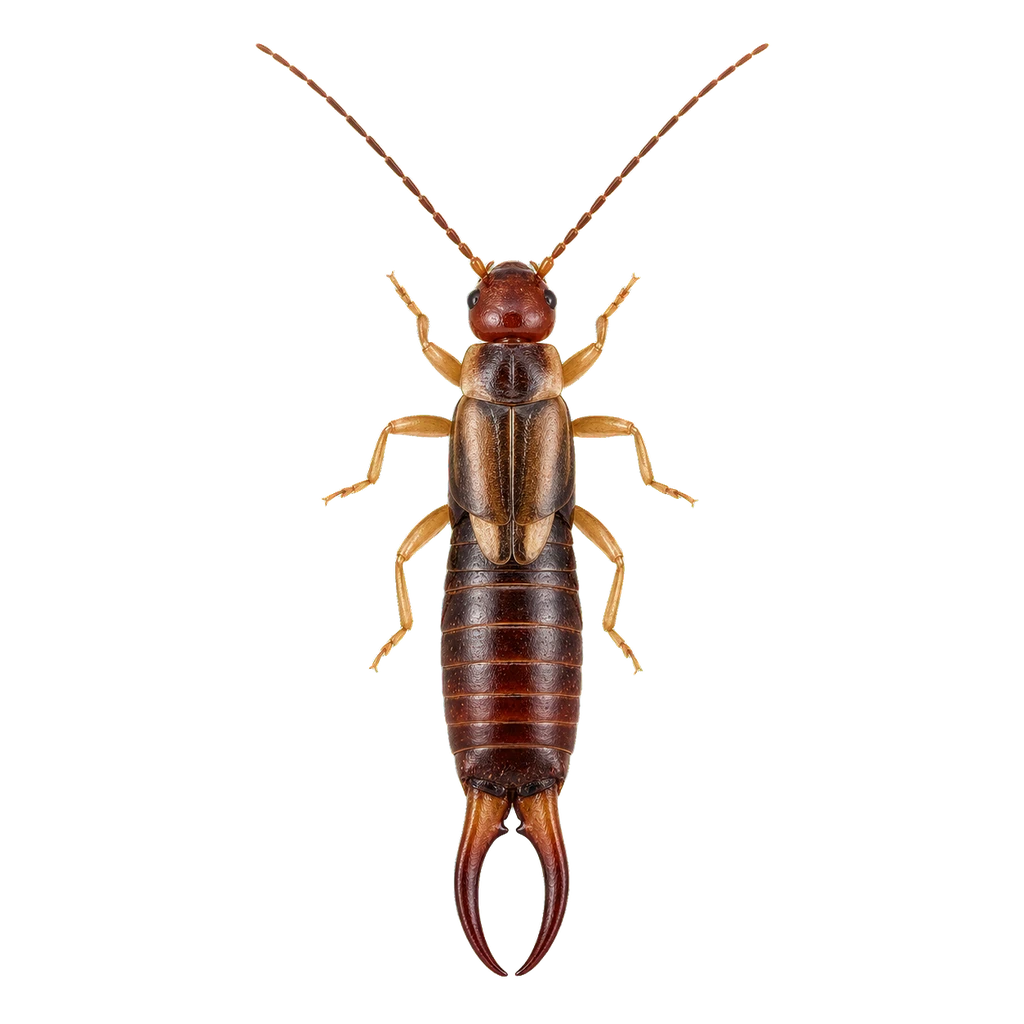 Earwigs
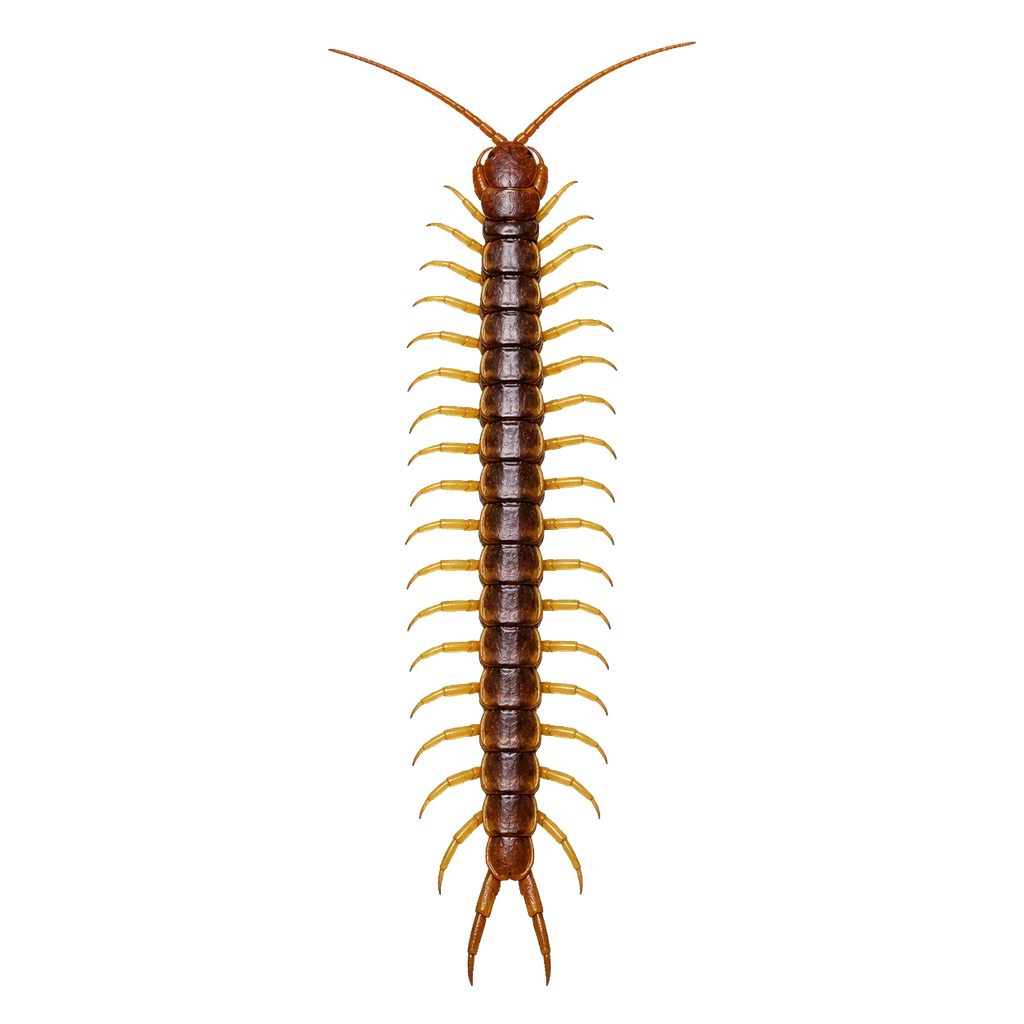 Centipedes
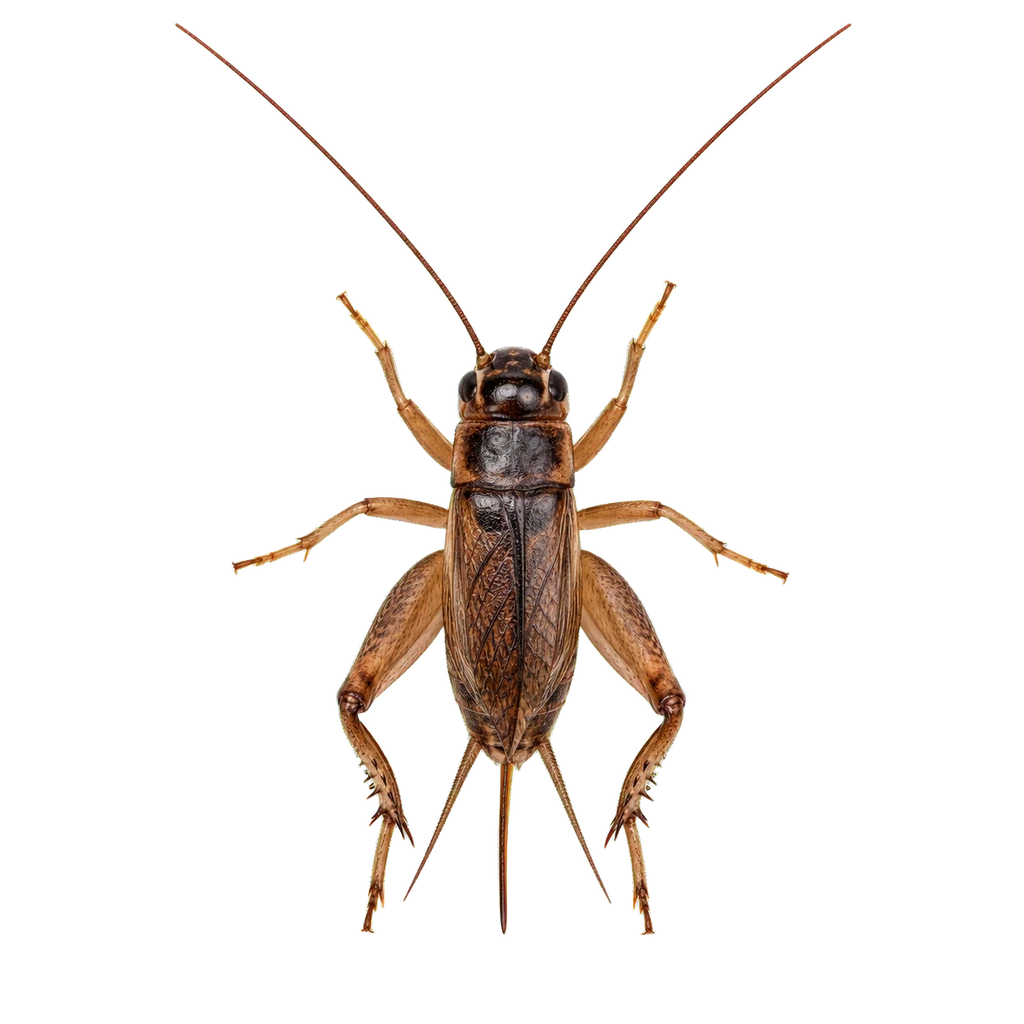 Crickets
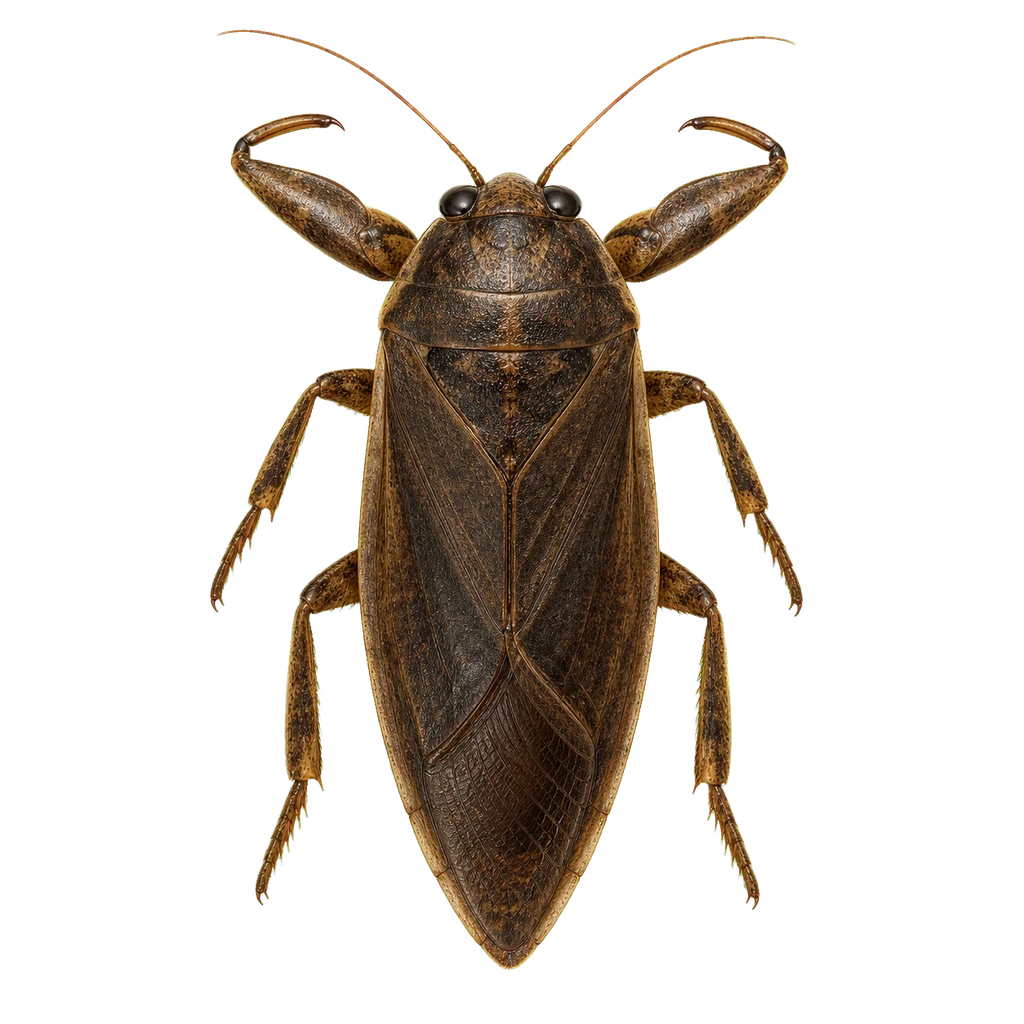 Waterbugs
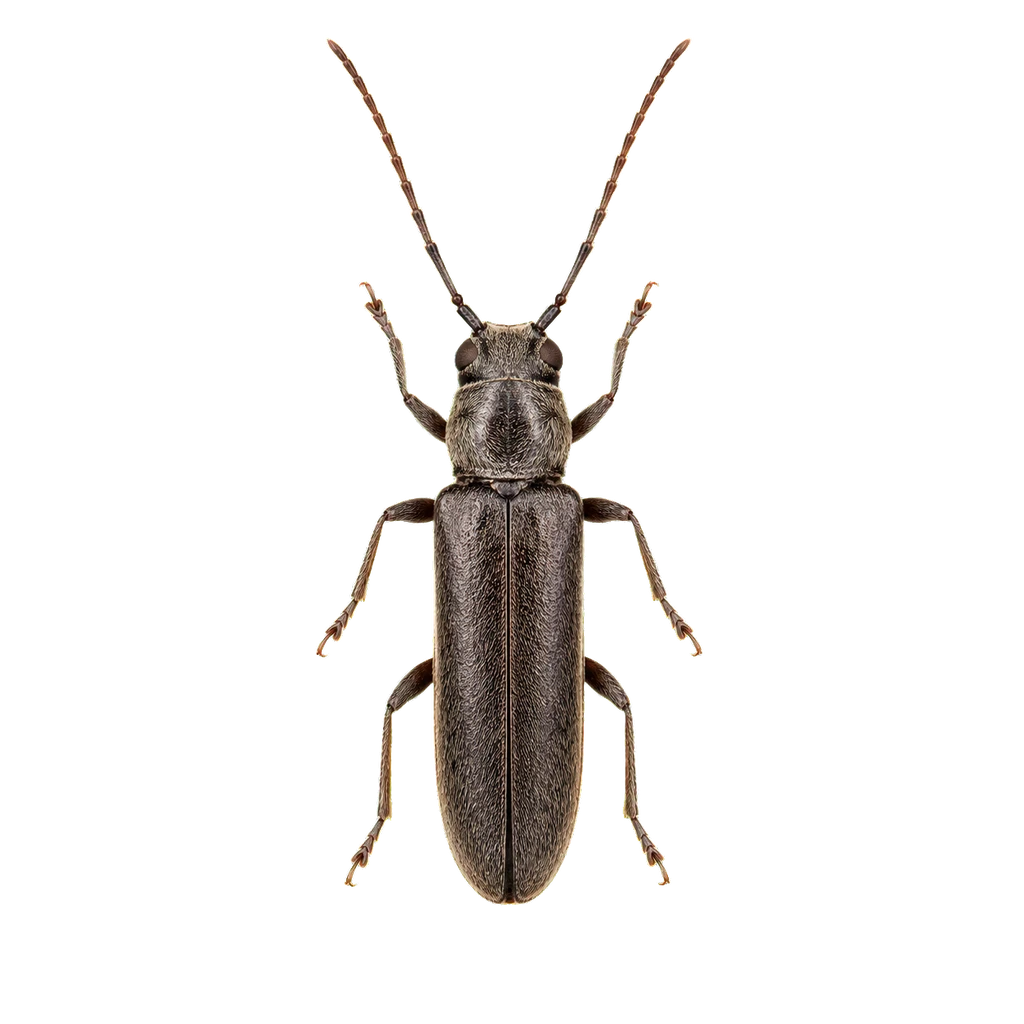 Old House Borers
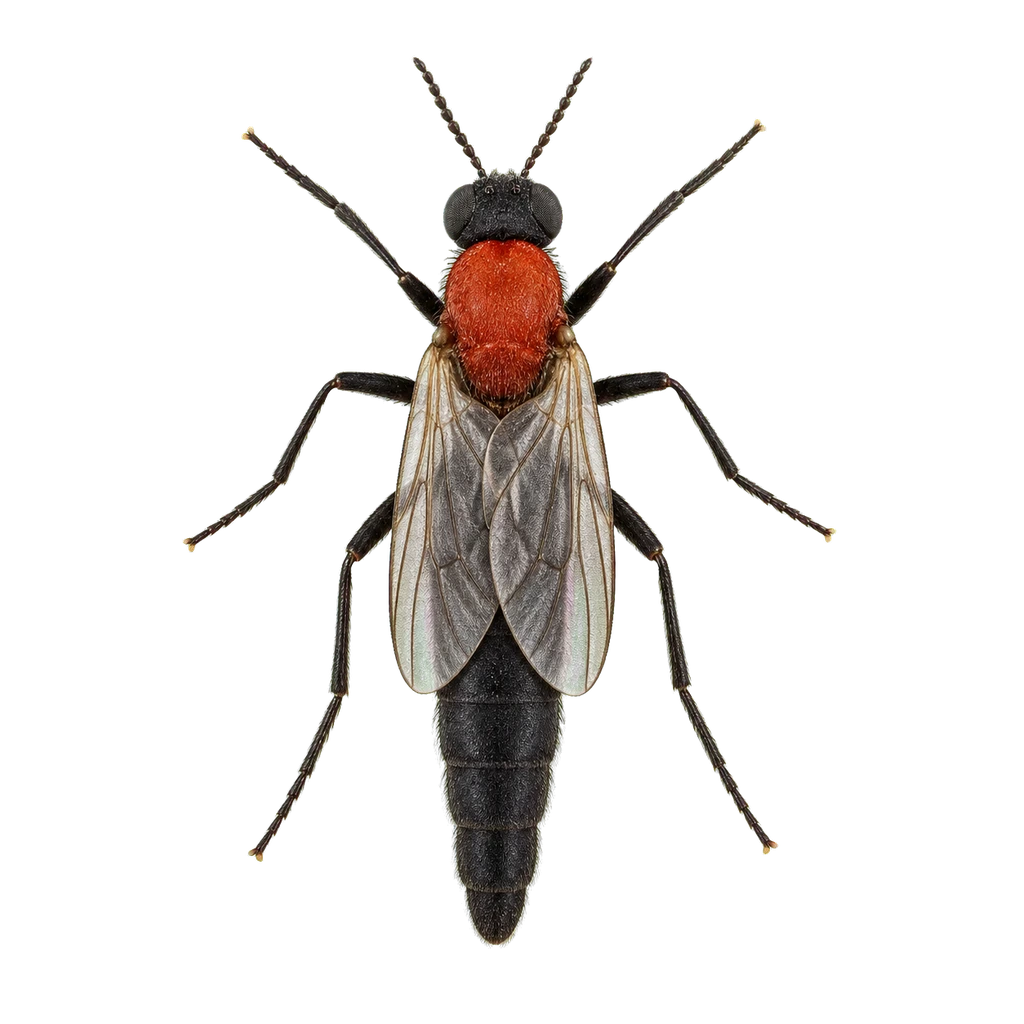 Lovebugs
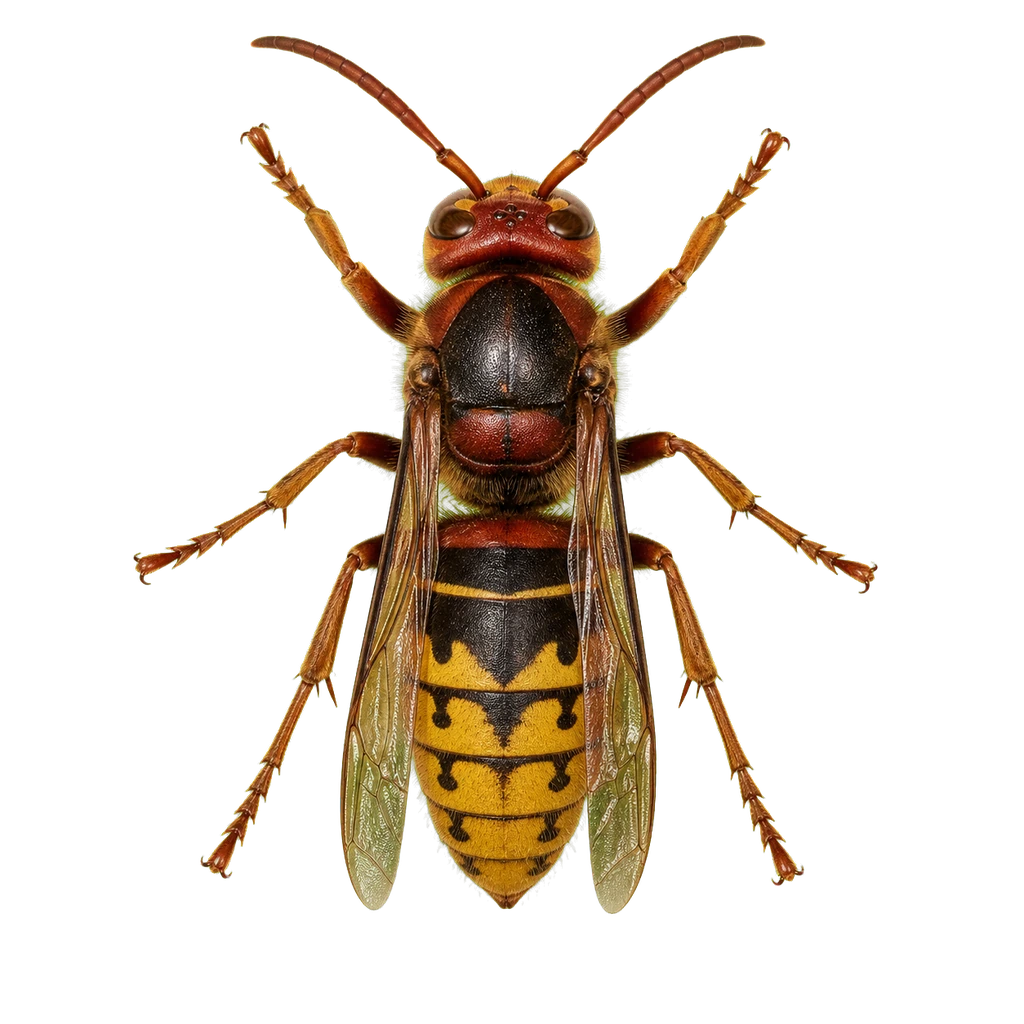 Hornets
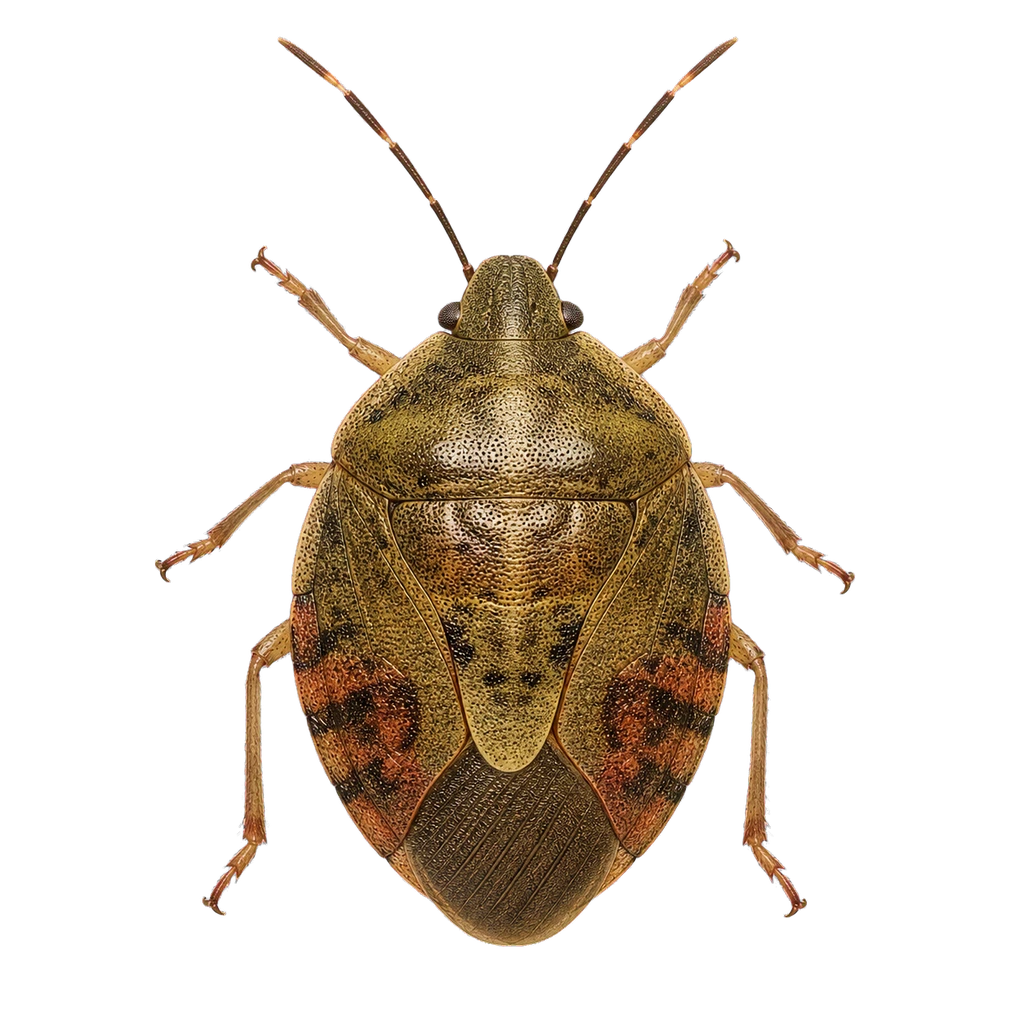 Kudzu Bugs
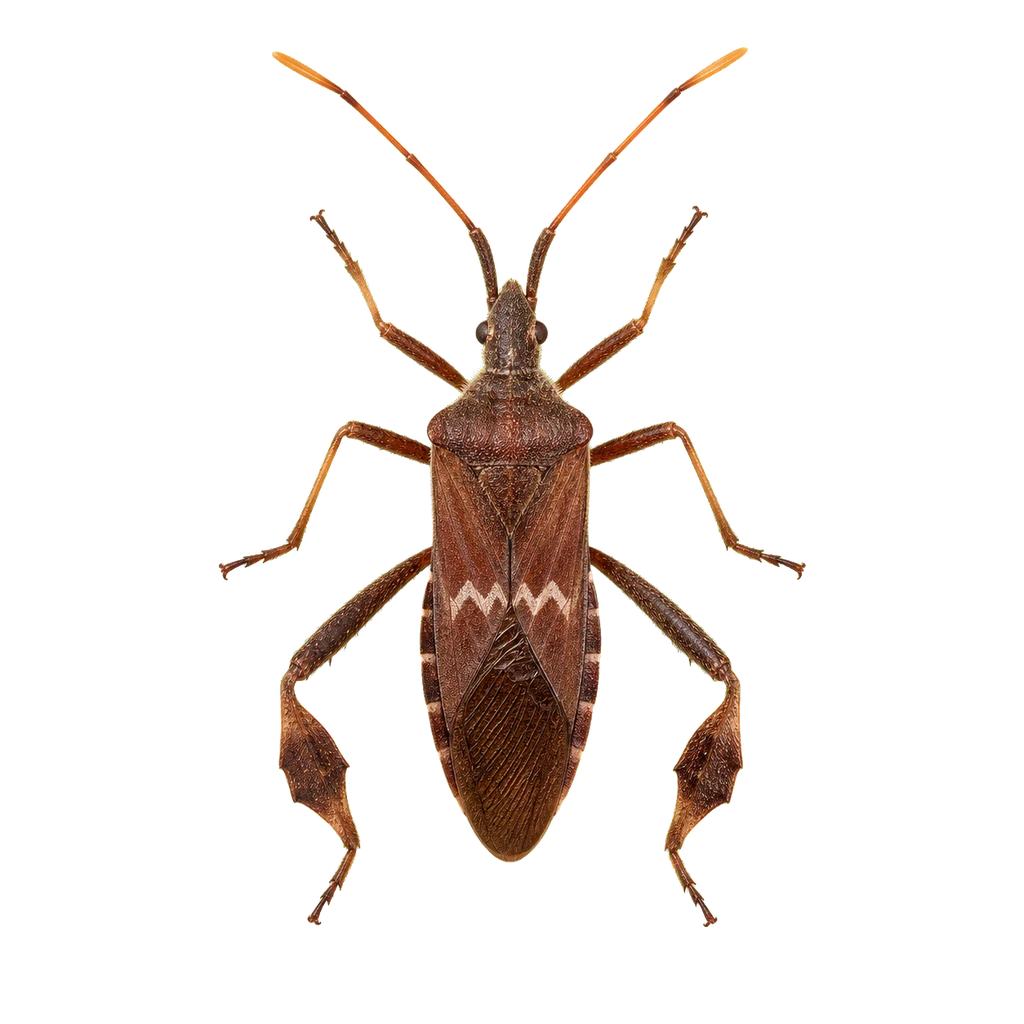 Western Conifer Seed Bugs
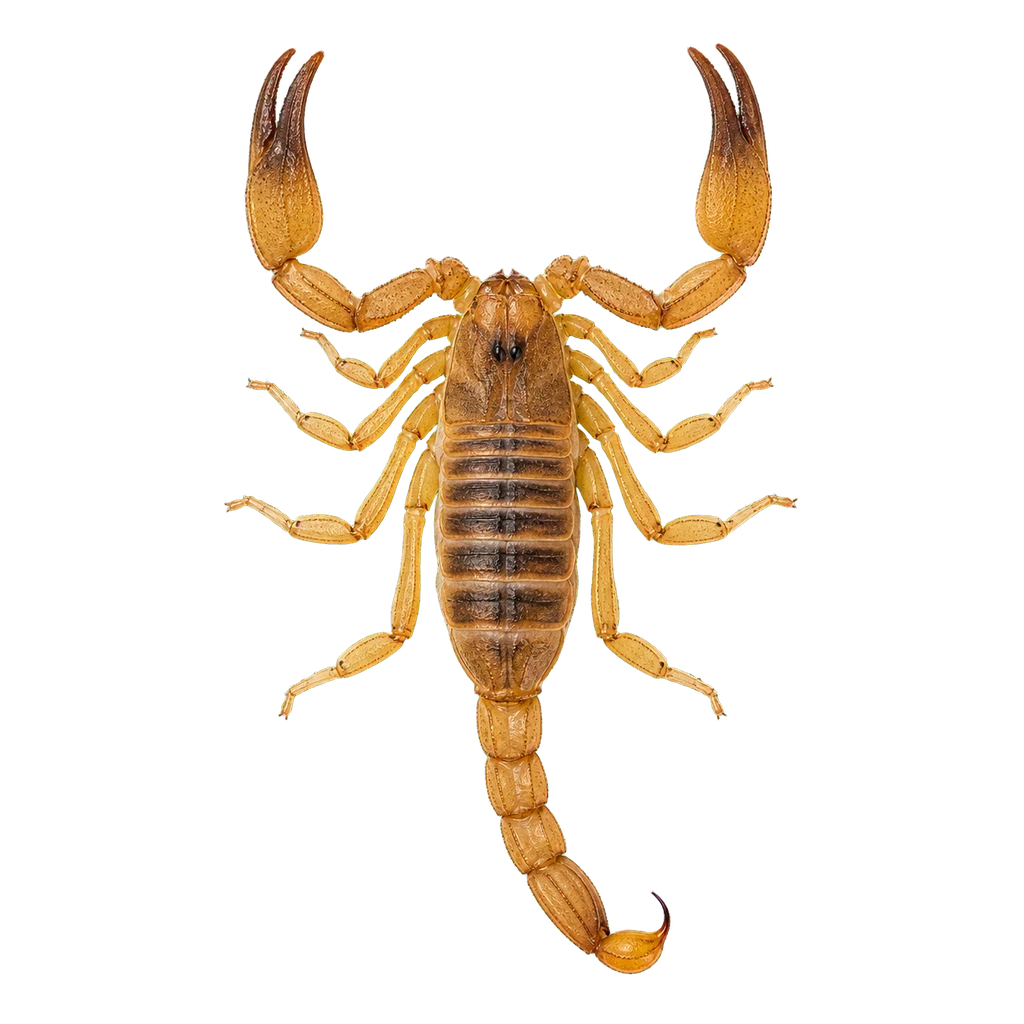 Scorpions
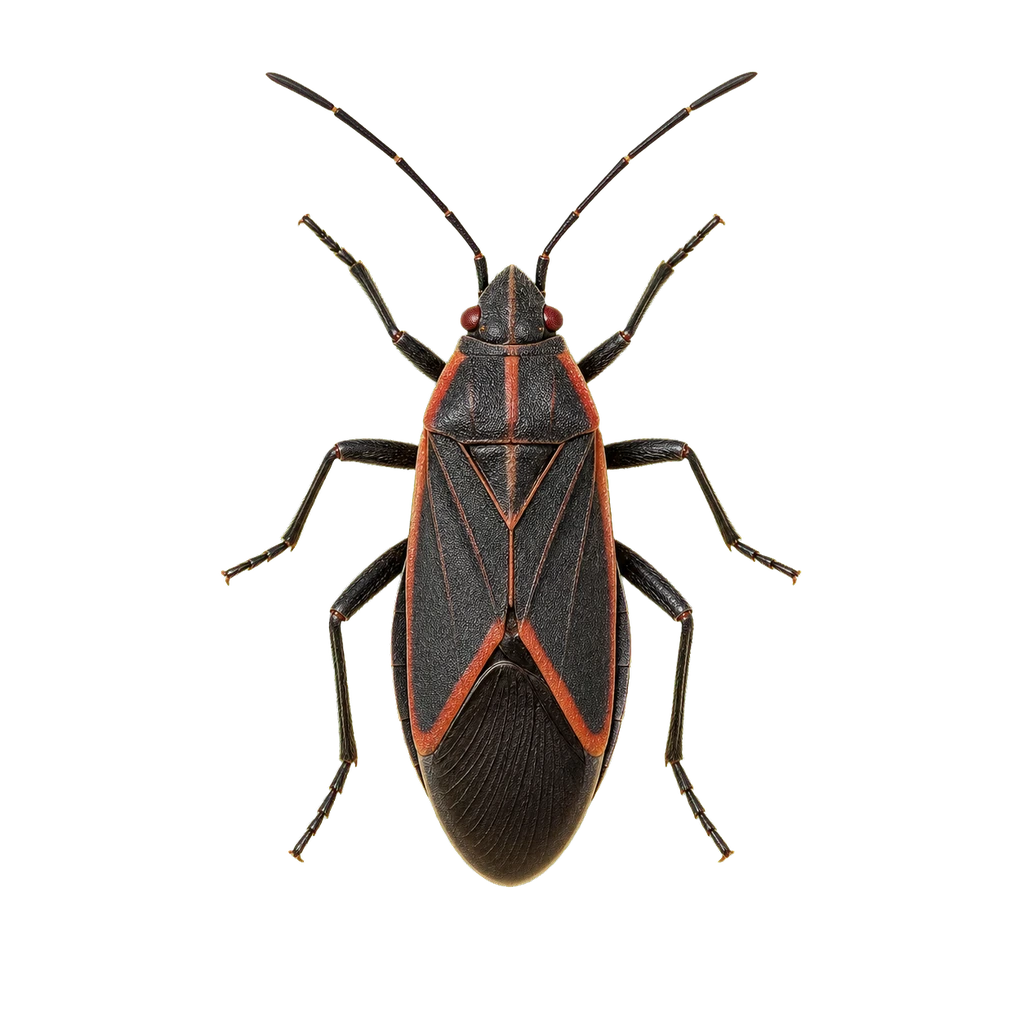 Boxelder Bugs
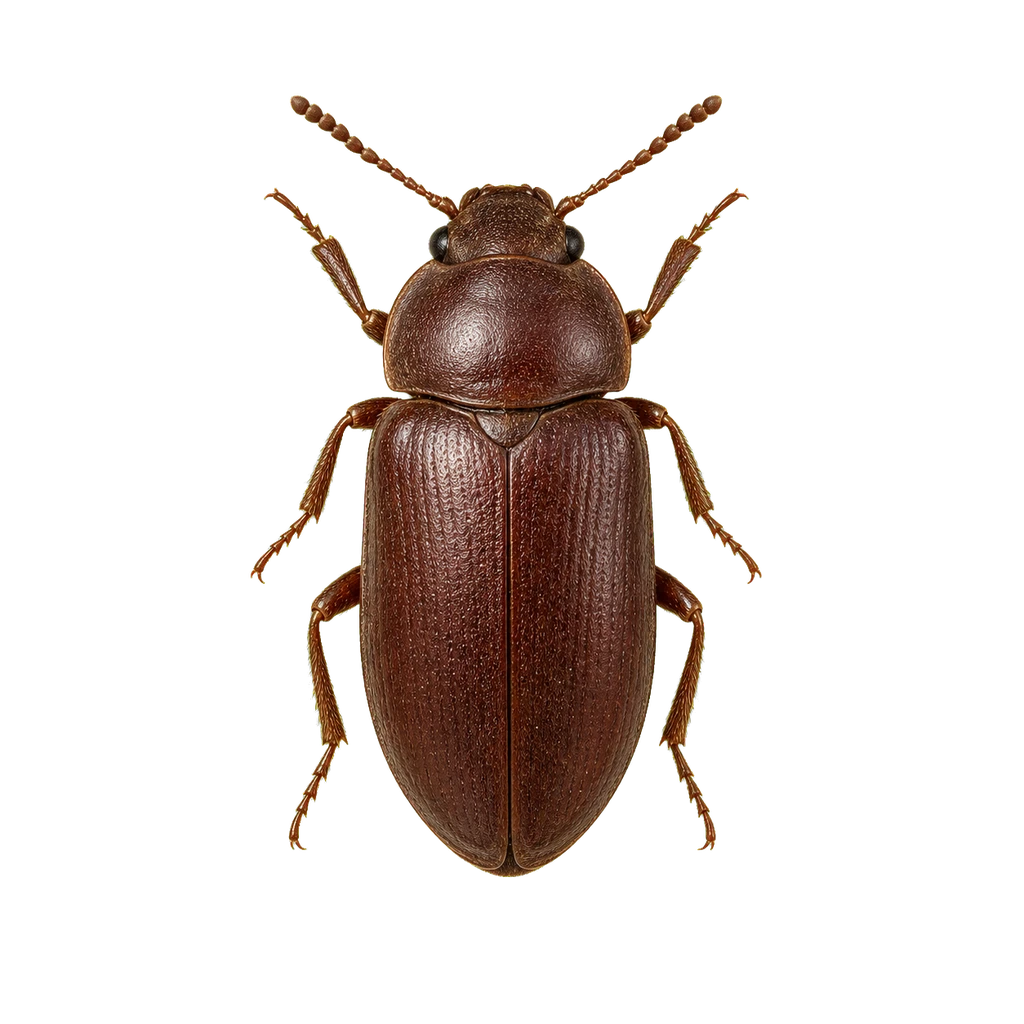 Beetles
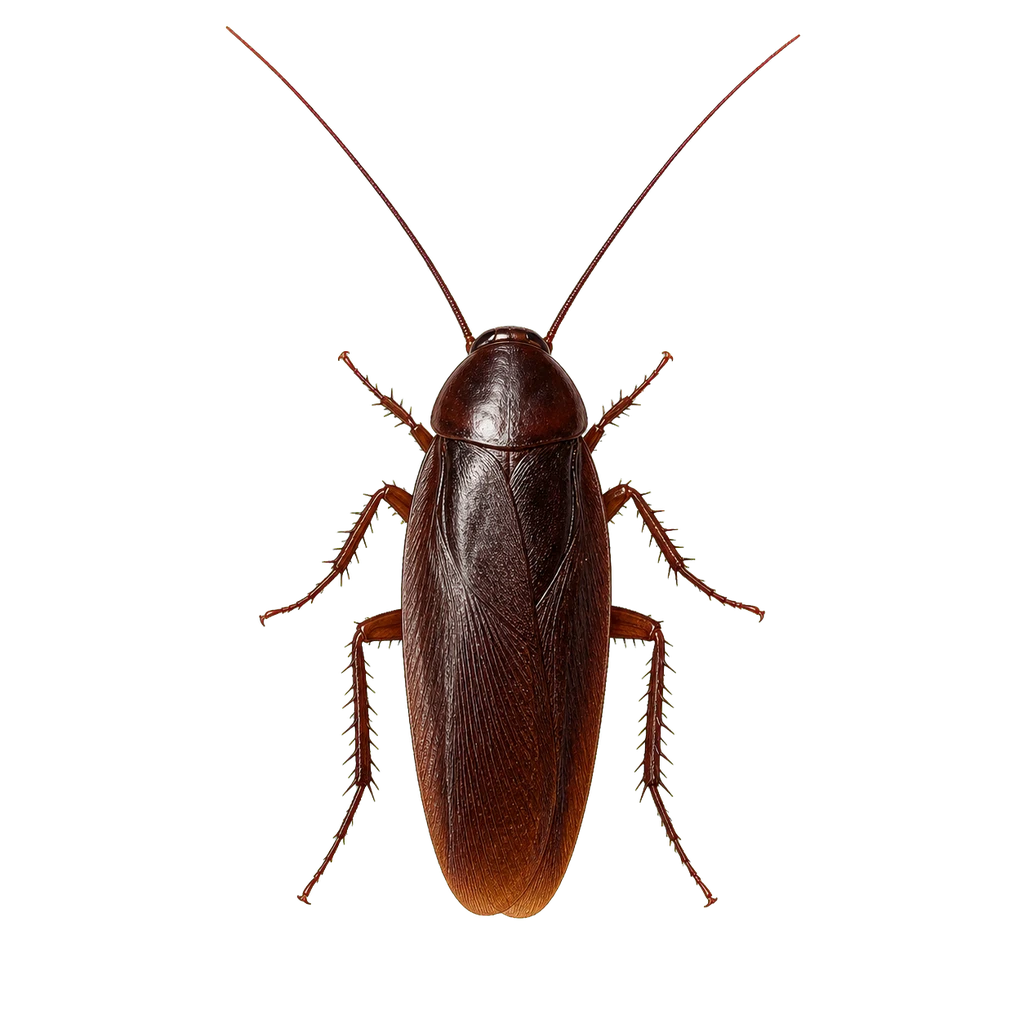 Palmetto Bugs
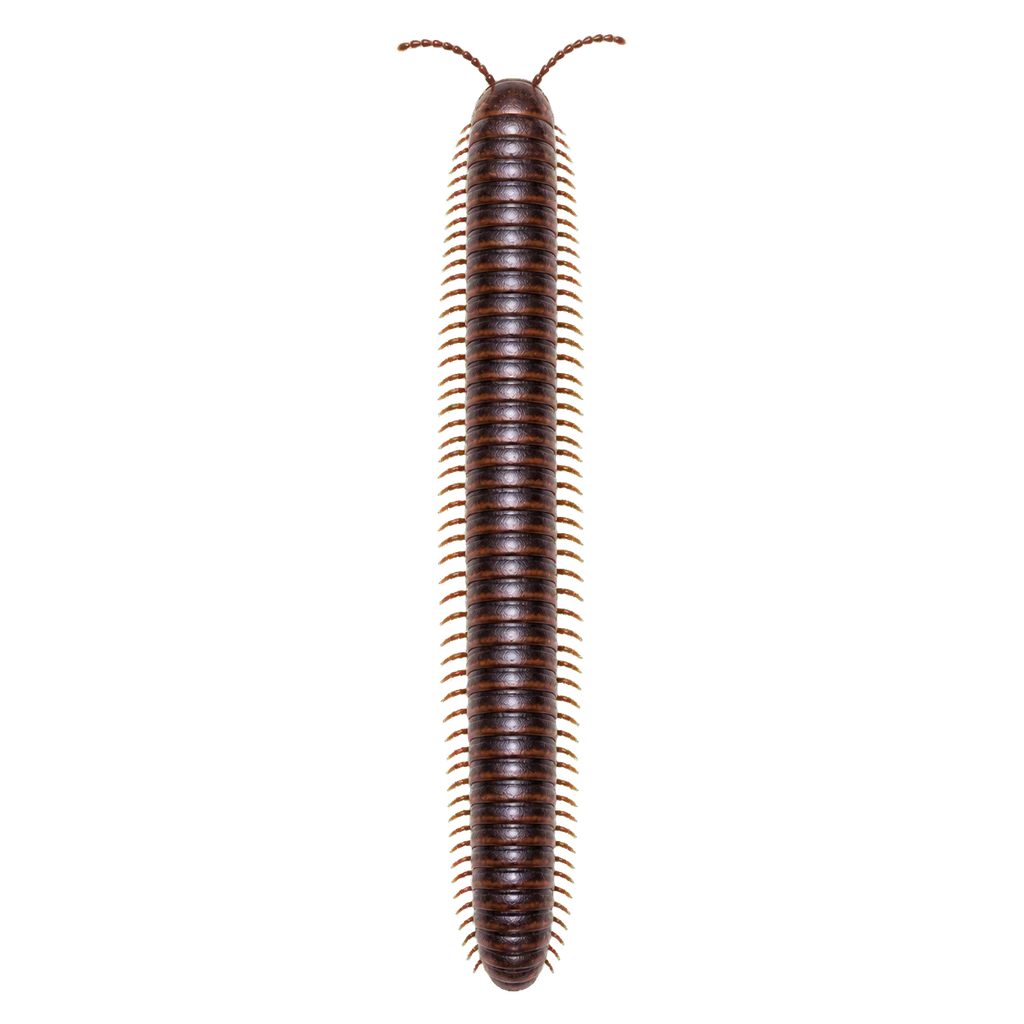 Millipedes
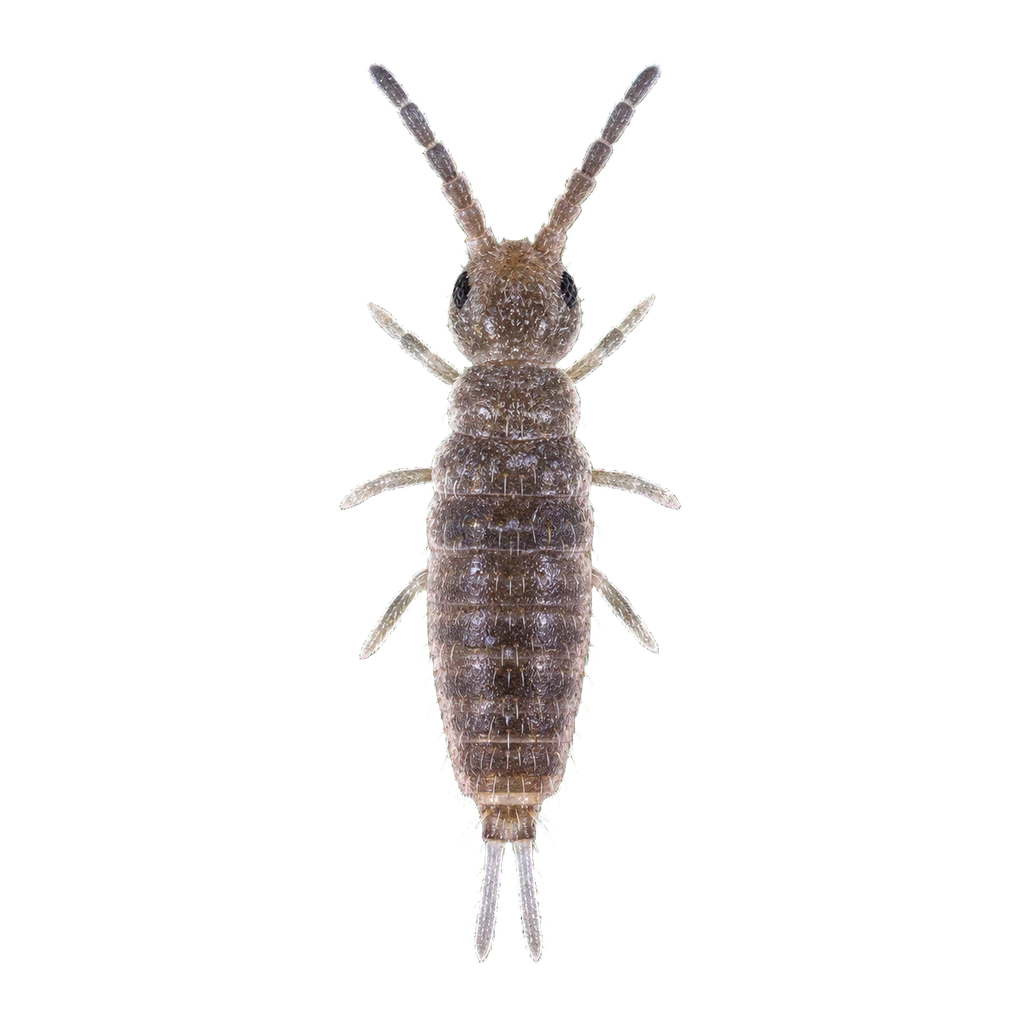 Springtails
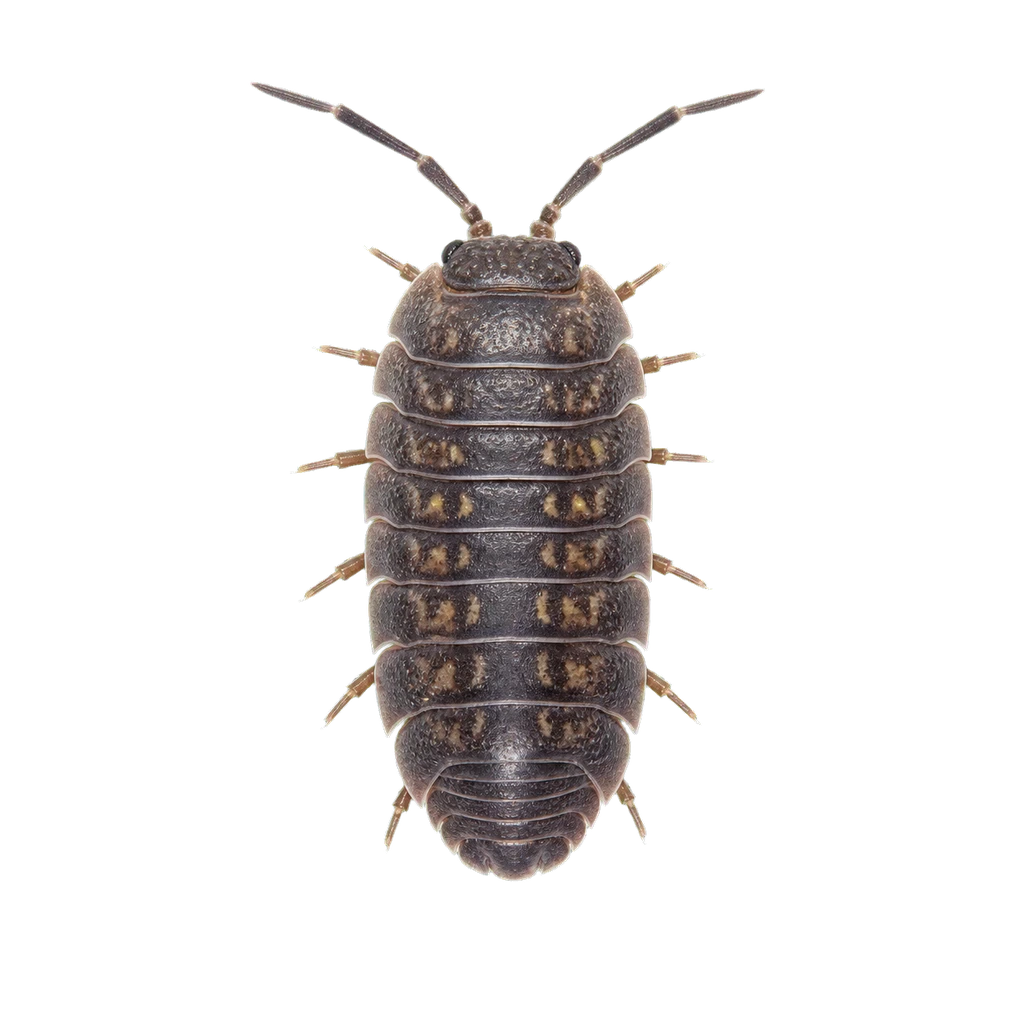 Pillbugs
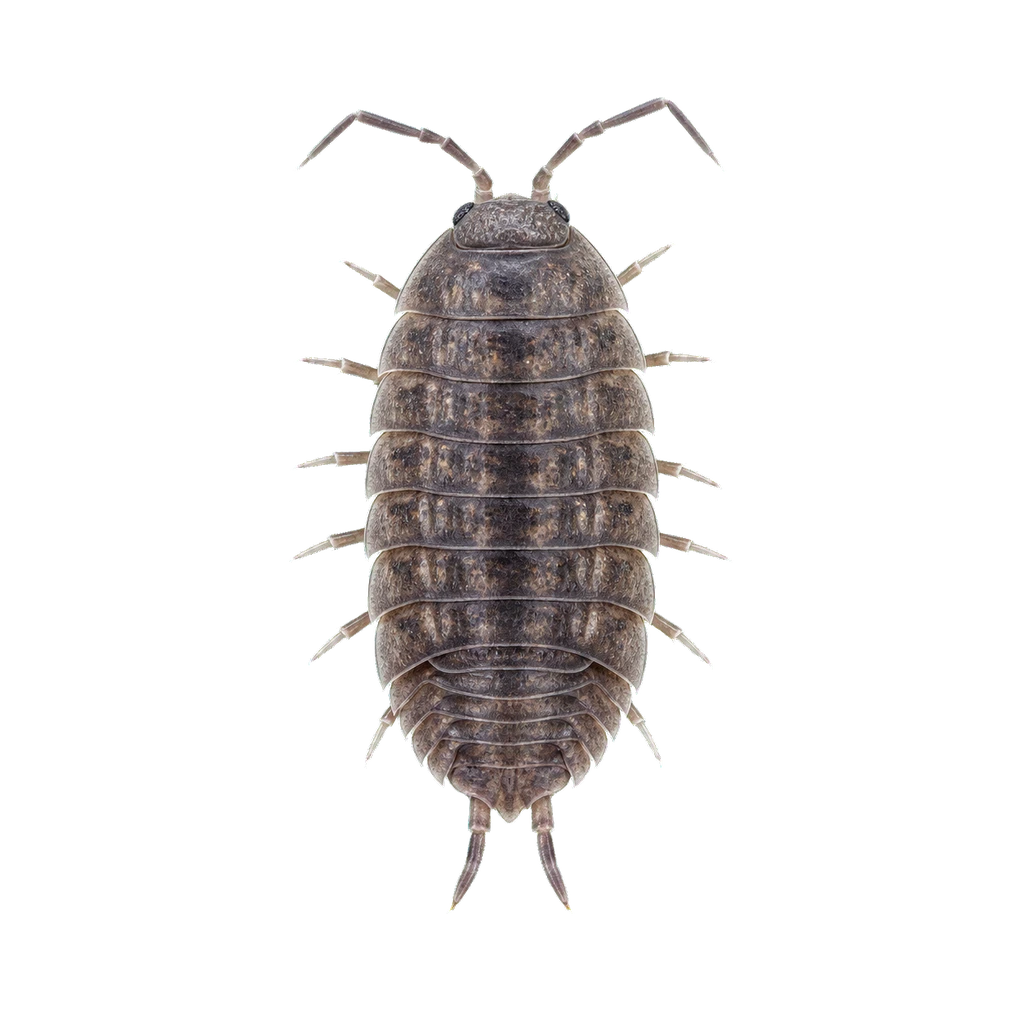 Sowbugs
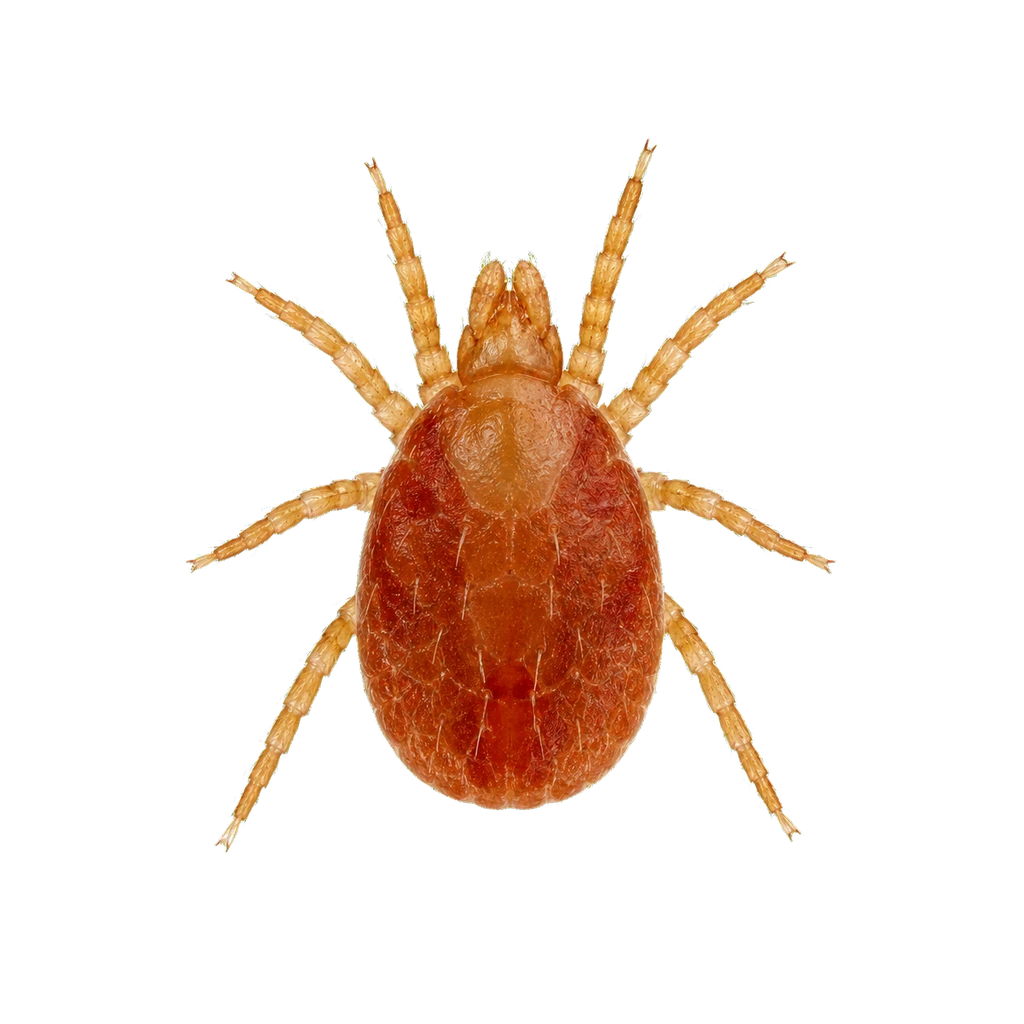 Mites
Mites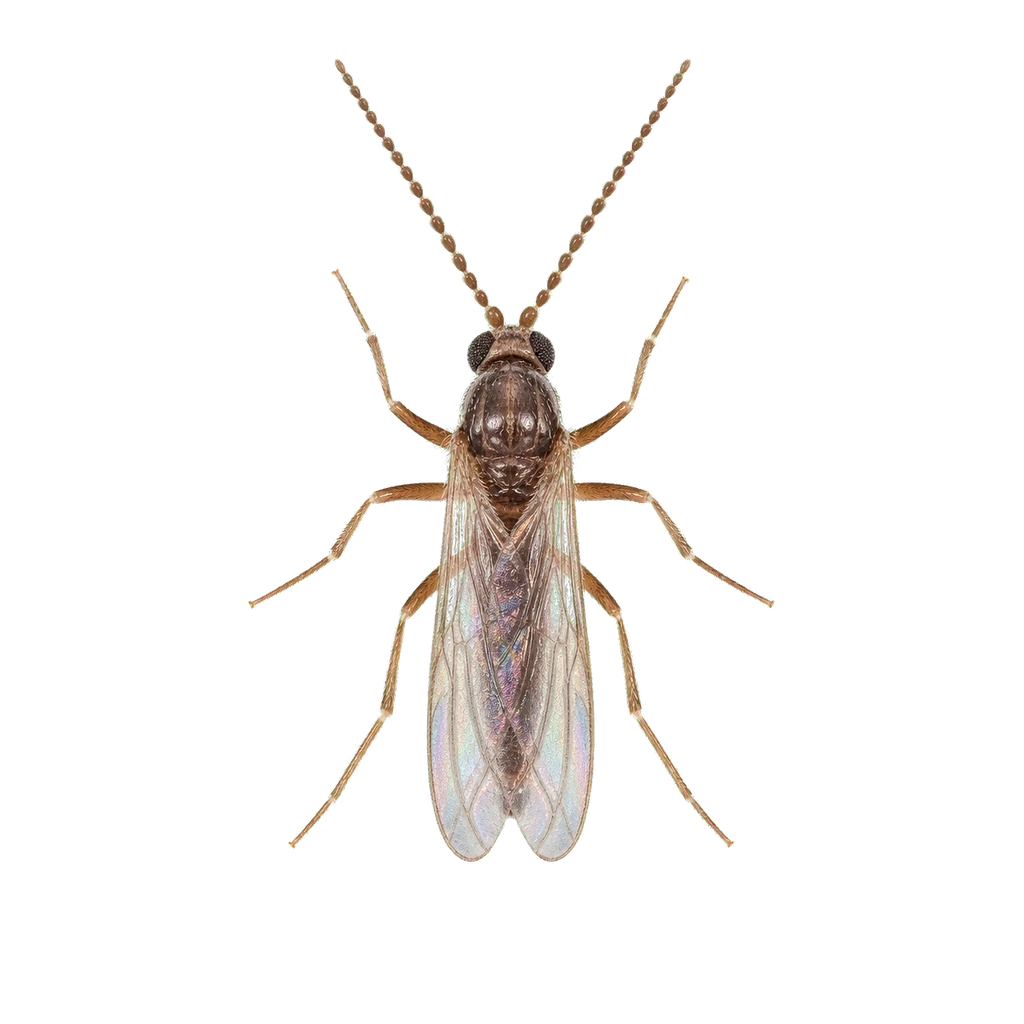 No-See-Ums
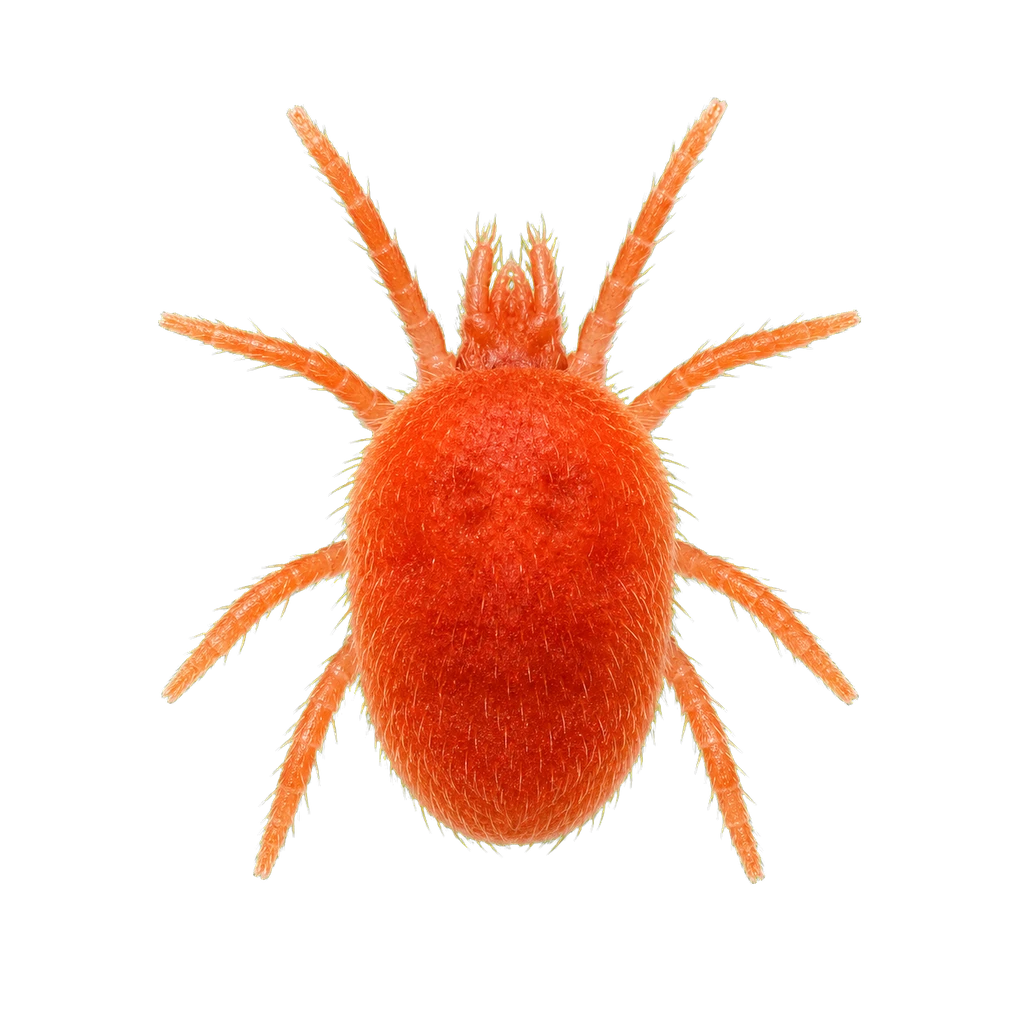 Chiggers
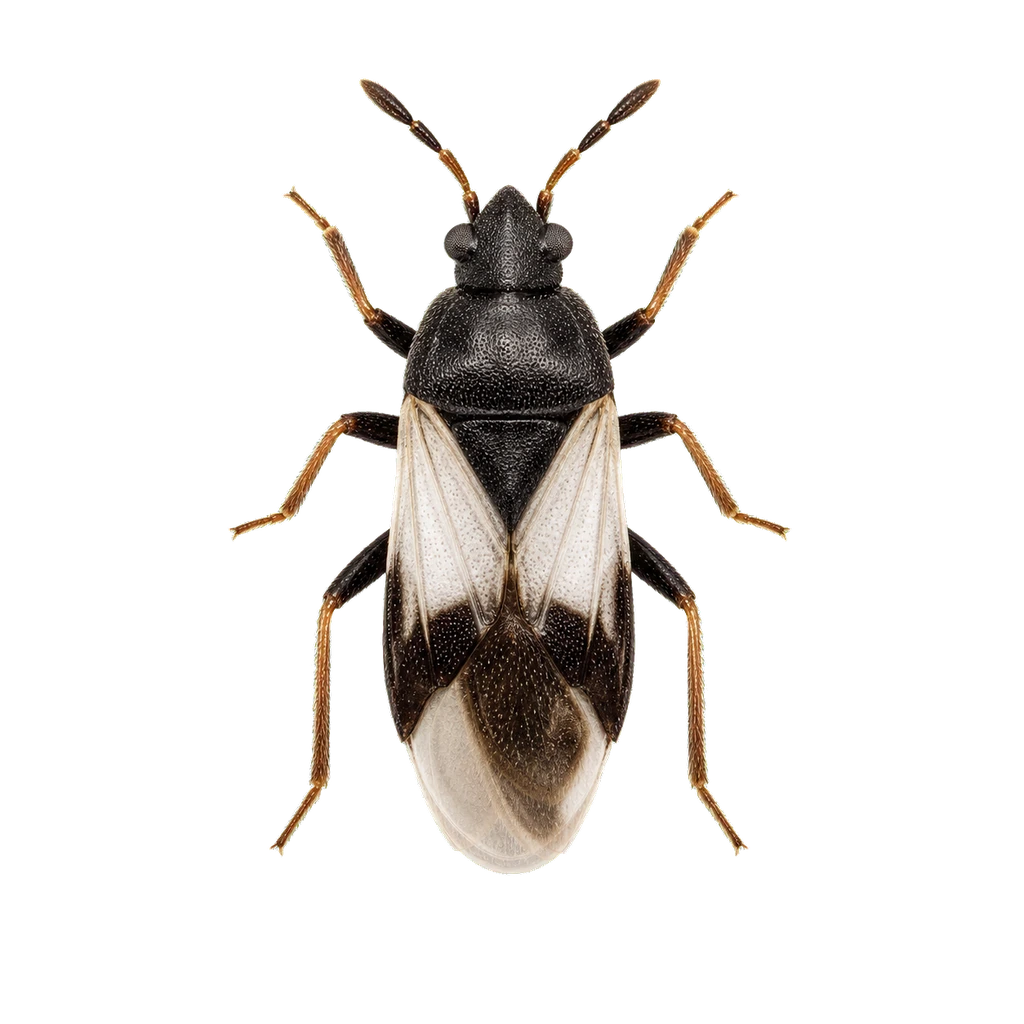 Chinch Bugs
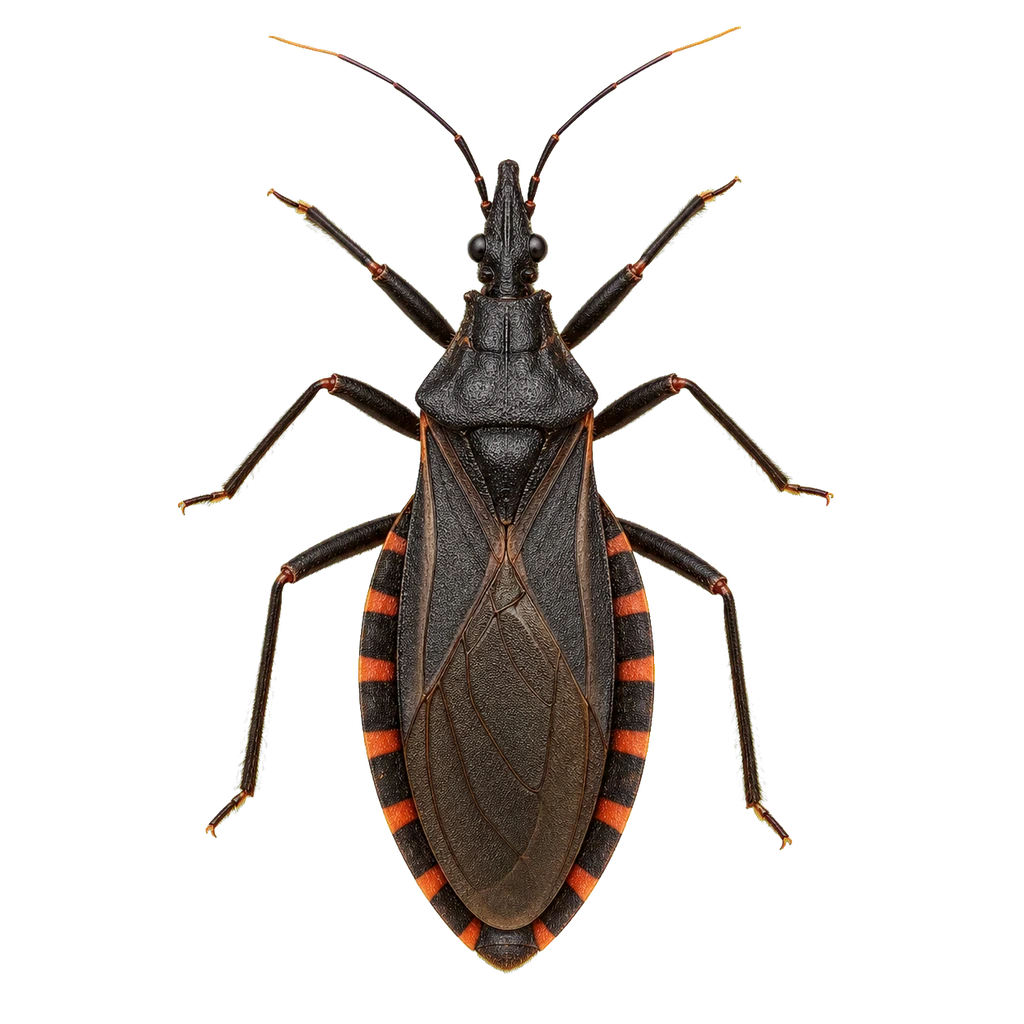 Kissing Bugs
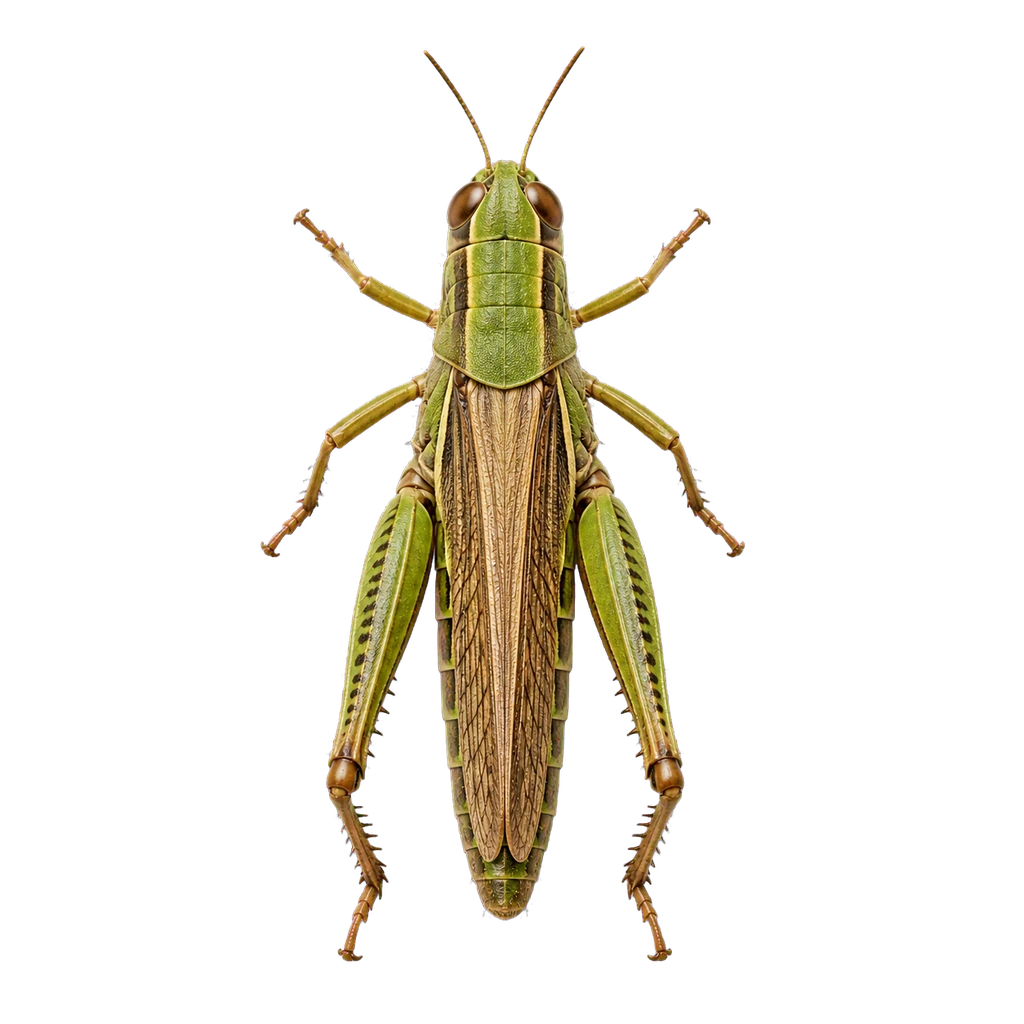 Grasshoppers
Talk to a local pest control pro today.
Signs of Perimeter Pest Pressure
Select what you're experiencing, we'll explain what's likely going on and how insecticide barriers address it.
- Local Pest Control
- 24/7 Availability
- Quality Workmanship
- Eco-Friendly Options
- Trusted by Homeowners


How Insecticide Barriers Work
A preventive treated perimeter around your home that stops insects at the boundary, before they reach your living spaces.
- Step 1
Perimeter Assessment
A technician walks the exterior to map high-pressure zones, vulnerable entry points, and conducive conditions: foundation cracks, landscaping borders, drainage, and outbuildings like garages and sheds.
We use that walk to set the optimal treatment band and pick the right product for the pests actually active around your property right now.
- Step 2
Barrier Strategy
We define the exact treatment band: how high up the foundation, how far into the soil, which doorway thresholds, and which surrounding structures get included.
Timing is part of the plan. A barrier laid down right before peak pressure starts in your region pays off far more than one applied mid-season.
- Step 3
Perimeter Application
Professional-grade insecticide is applied to the foundation band, soil at its base, doorway thresholds, garage perimeters, and any other zones flagged in the assessment, creating a continuous treated boundary insects have to cross.
Product and application method are matched to your surfaces (concrete, siding, brick, stucco, mulch beds) so residual activity holds up on whatever the barrier is sitting on.
- Step 4
Seasonal Reapplication
Barriers are built to last a season, but weather, UV, and landscaping activity wear them down. Scheduled reapplication keeps the perimeter protective rather than decorative.
Your technician sets a reapplication cadence around your region's pest calendar so the barrier is freshest when pressure is highest.
What a Treated Perimeter Changes
Insecticide barriers shift pest control from reactive to preventive, stopping insects at the perimeter instead of chasing them through your home.
| What changes | DIY | With a Pro |
|---|---|---|
| Application | Inside spray | Treated perimeter band |
| Coverage | Reactive only | Continuous boundary |
| Timing | After they're inside | Before peak season |
| Surfaces | Generic spray | Surface-matched products |
-
Prevention Instead of Reaction
A treated perimeter intercepts insects before they reach your doors and windows, reducing the need for interior treatments and the disruption that comes with them.
-
Continuous Perimeter Protection
Professional barrier products maintain residual effectiveness for weeks to months, providing ongoing protection between scheduled reapplications.
-
Fewer Insects Inside
By reducing the number of pests reaching your home's exterior walls and entry points, barrier treatment significantly decreases the insects that make it inside.
-
Seasonal Coverage When It Matters
Reapplication ahead of peak pest seasons ensures your barrier is strongest when insect pressure is highest, spring through fall in most regions.
-
Works With Other Treatments
Insecticide barriers complement interior treatments, exclusion work, and other services, creating layered protection that addresses pest pressure from multiple angles.
Why Hardware Store Barriers Wash Away
Hardware store perimeter sprays and granules are formulated for general consumer use, with lower active ingredient concentrations and shorter residual life. Rain, irrigation, and sun exposure break them down within days, leaving gaps in coverage exactly when pest pressure peaks.
Professional insecticide barrier treatments use commercial-grade products engineered for exterior durability. They bond to surfaces, resist washoff, and maintain residual activity through normal weather conditions. The coverage is also broader, treating the full perimeter rather than spot-spraying around obvious entry points.
The biggest advantage of professional barrier service is consistency. A scheduled reapplication program keeps your perimeter active across the season, something homeowners relying on retail products rarely manage on their own.
Pests Insecticide Barriers Stop
Insecticide barrier treatment targets the crawling and perimeter insects that most commonly invade homes from the outside. If your pest isn't listed here, call us and we'll recommend the right service.
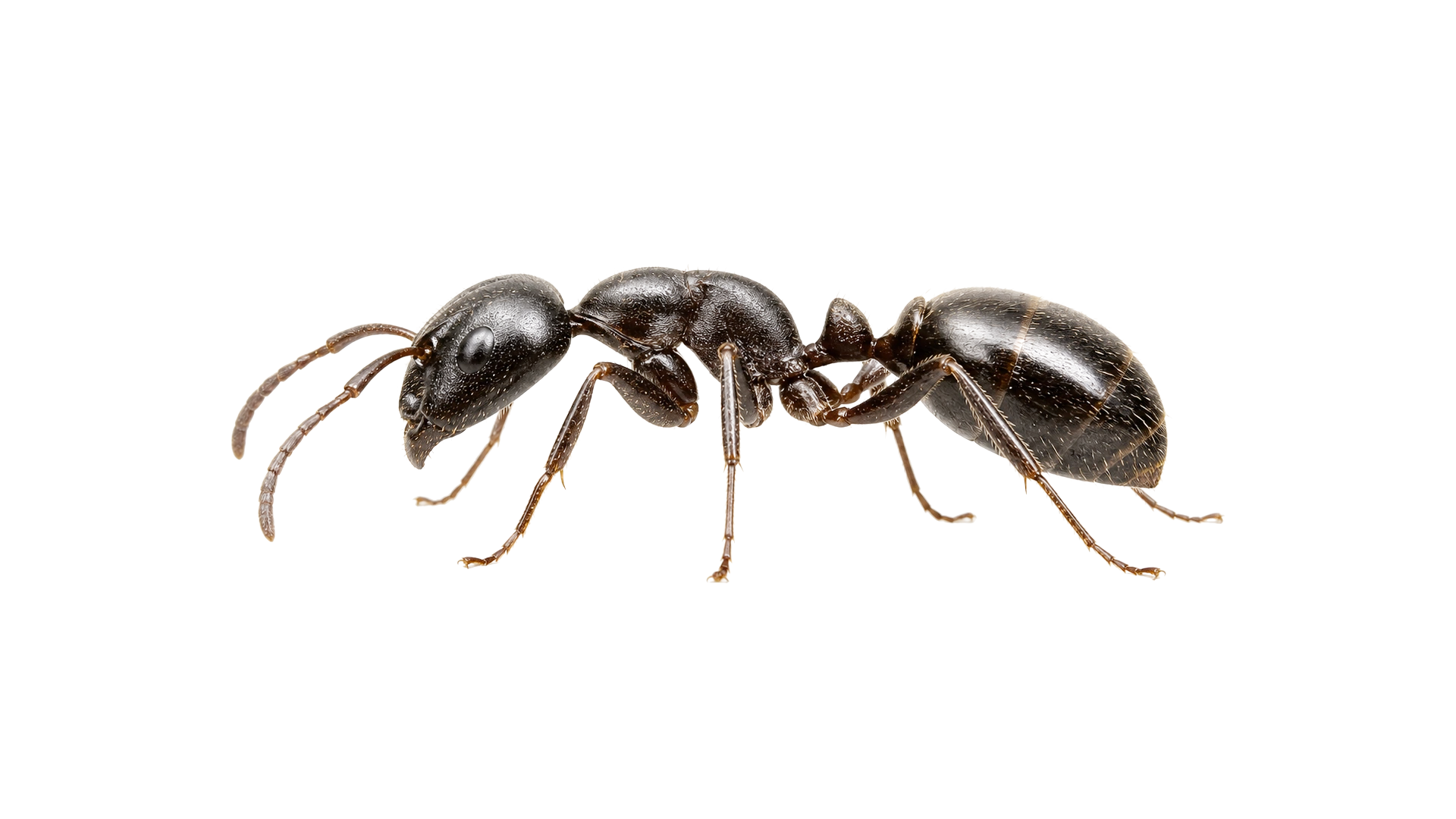
Ants
Ants are among the most common perimeter invaders, trailing along foundation walls and into kitchens through the smallest cracks. A treated barrier around the foundation intercepts foraging ants before they establish indoor trails, reducing colony pressure on your living spaces.
Questions About Insecticide Barriers
Answers to help you decide if insecticide barrier treatment is right for your home.
-
What is an insecticide barrier treatment? Toggle answer for: What is an insecticide barrier treatment?
An insecticide barrier is a perimeter treatment applied around the exterior of your home, typically along the foundation, around entry points, and along eaves or windowsills. It creates a protective zone that kills or repels crawling insects before they make it inside. Think of it as a defensive line between your home and the pests outside.
-
How long does barrier treatment take and how often does it need to be reapplied? Toggle answer for: How long does barrier treatment take and how often does it need to be reapplied?
A typical barrier application takes about 30 to 60 minutes depending on the size of your property. Most barrier treatments remain effective for 60 to 90 days under normal conditions. Seasonal reapplication, usually quarterly, keeps protection consistent throughout the year, with additional visits if heavy rain or other conditions reduce effectiveness.
-
Are insecticide barriers safe for my family and pets? Toggle answer for: Are insecticide barriers safe for my family and pets?
Modern barrier products are applied to exterior surfaces and dry within a short time. Once dry, treated areas pose minimal risk to people and pets. Your technician will let you know how long to keep children and animals away from treated zones, typically 30 minutes to an hour. Interior application is generally not required for barrier service.
-
How often should insecticide barriers be reapplied? Toggle answer for: How often should insecticide barriers be reapplied?
Most barrier treatments last two to three months depending on weather, landscaping, and local pest pressure. Quarterly service plans are the most common cadence because they maintain consistent protection through seasonal pest cycles.
Heavy rain, snow, or aggressive sun exposure can shorten a barrier's effective life, so providers in harsh climates may recommend more frequent visits. Your provider will calibrate the schedule to your property.
-
How do I know if I need a barrier treatment? Toggle answer for: How do I know if I need a barrier treatment?
If you're finding ants, spiders, cockroaches, or other crawling insects inside your home on a regular basis, especially near doors, windows, or baseboards, a barrier treatment can help stop them at the source. It's also a good preventive measure if you live in an area with high insect pressure, even before problems start.
-
What if the pests I'm seeing aren't affected by barrier treatments? Toggle answer for: What if the pests I'm seeing aren't affected by barrier treatments?
Barrier treatments are designed primarily for crawling insects that enter from the outside. If you're dealing with pests like rodents, bed bugs, termites, or flying insects, a different approach will be more effective. Let us know what you're seeing and we'll connect you with the right service.
-
Does rain or irrigation wash away barrier treatments? Toggle answer for: Does rain or irrigation wash away barrier treatments?
Modern barrier products are formulated to resist normal rainfall once they've dried. However, heavy or prolonged rain, direct sprinkler contact, or flooding can reduce effectiveness. Most providers account for weather conditions in their scheduling. If you notice increased pest activity between visits, contact your provider. Many will reapply at no extra charge if conditions warrant it.
Local Coverage in Your State
Insecticide barrier providers are available across all 50 states. Select yours to get started.
- Alabama Tap to view →
- Alaska Tap to view →
- Arizona Tap to view →
- Arkansas Tap to view →
- California Tap to view →
- Colorado Tap to view →
- Connecticut Tap to view →
- Delaware Tap to view →
- Florida Tap to view →
- Georgia Tap to view →
- Hawaii Tap to view →
- Idaho Tap to view →
- Illinois Tap to view →
- Indiana Tap to view →
- Iowa Tap to view →
- Kansas Tap to view →
- Kentucky Tap to view →
- Louisiana Tap to view →
- Maine Tap to view →
- Maryland Tap to view →
- Massachusetts Tap to view →
- Michigan Tap to view →
- Minnesota Tap to view →
- Mississippi Tap to view →
- Missouri Tap to view →
- Montana Tap to view →
- Nebraska Tap to view →
- Nevada Tap to view →
- New Hampshire Tap to view →
- New Jersey Tap to view →
- New Mexico Tap to view →
- New York Tap to view →
- North Carolina Tap to view →
- North Dakota Tap to view →
- Ohio Tap to view →
- Oklahoma Tap to view →
- Oregon Tap to view →
- Pennsylvania Tap to view →
- Rhode Island Tap to view →
- South Carolina Tap to view →
- South Dakota Tap to view →
- Tennessee Tap to view →
- Texas Tap to view →
- Utah Tap to view →
- Vermont Tap to view →
- Virginia Tap to view →
- Washington Tap to view →
- West Virginia Tap to view →
- Wisconsin Tap to view →
- Wyoming Tap to view →
Insecticide Barrier Pros serving your city, and nearby areas
Local providers laying down treated perimeters timed to your region's seasonal pest pressure. Get matched in one call.