Body 7 to 11 inches
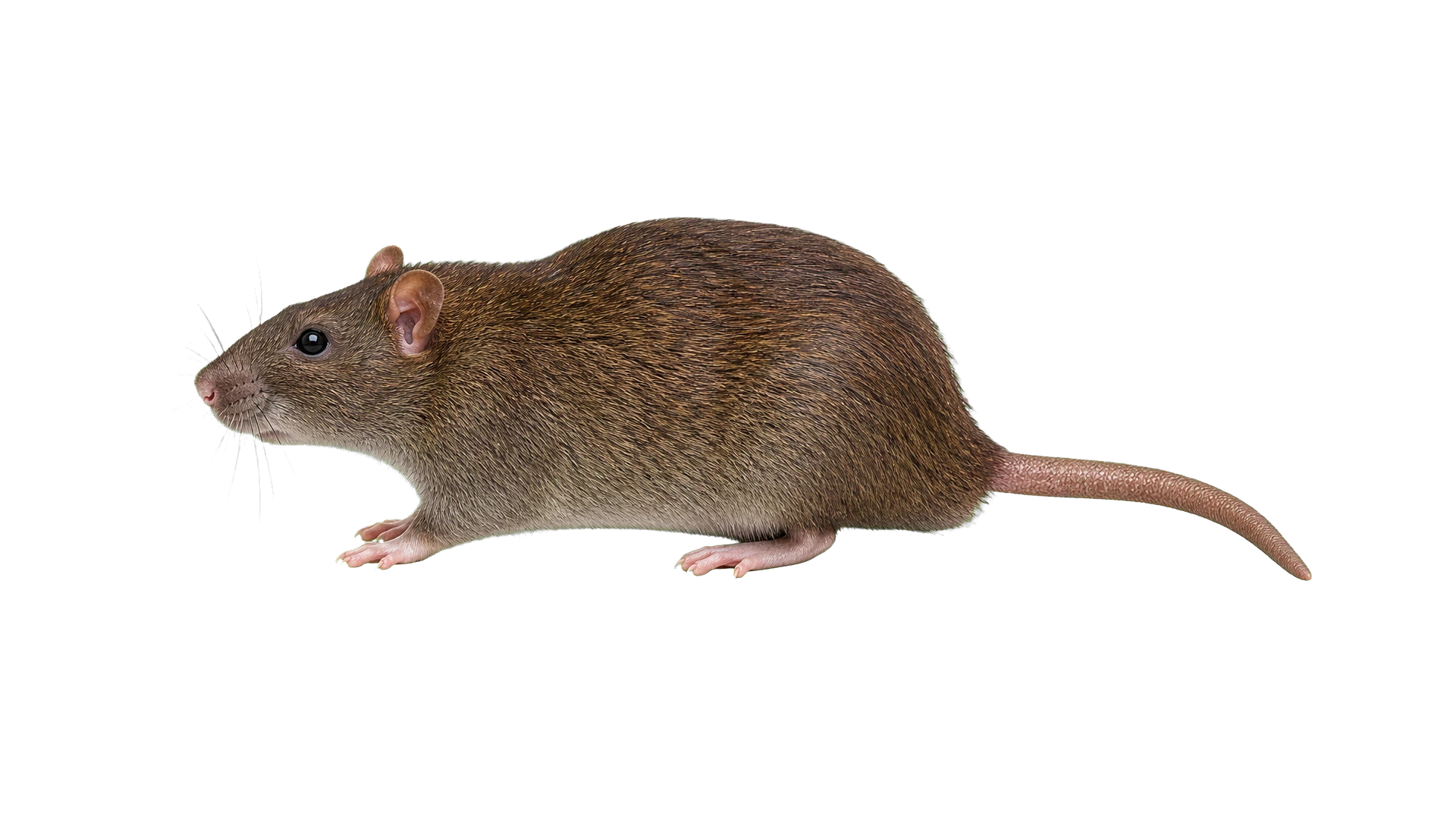
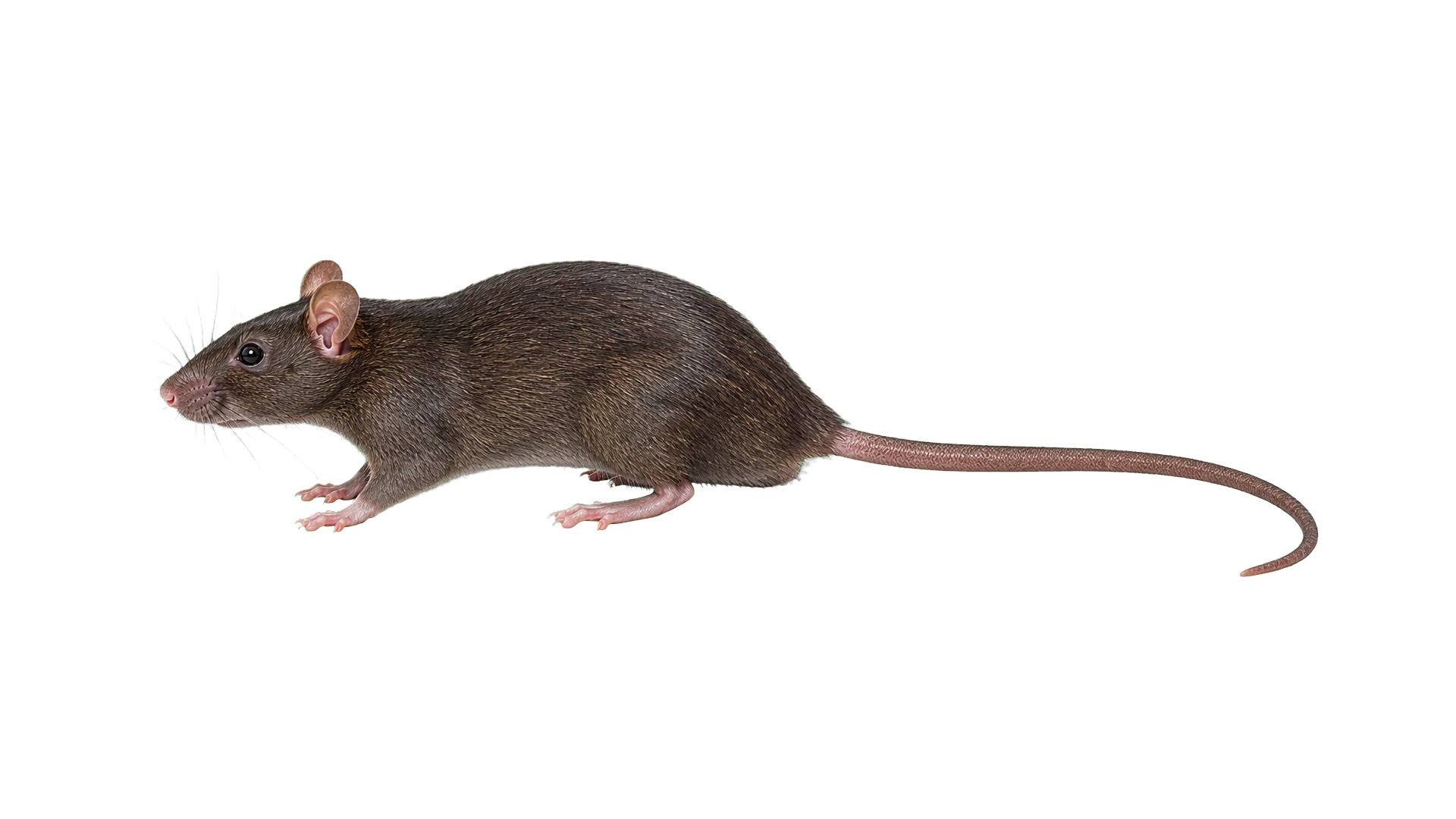
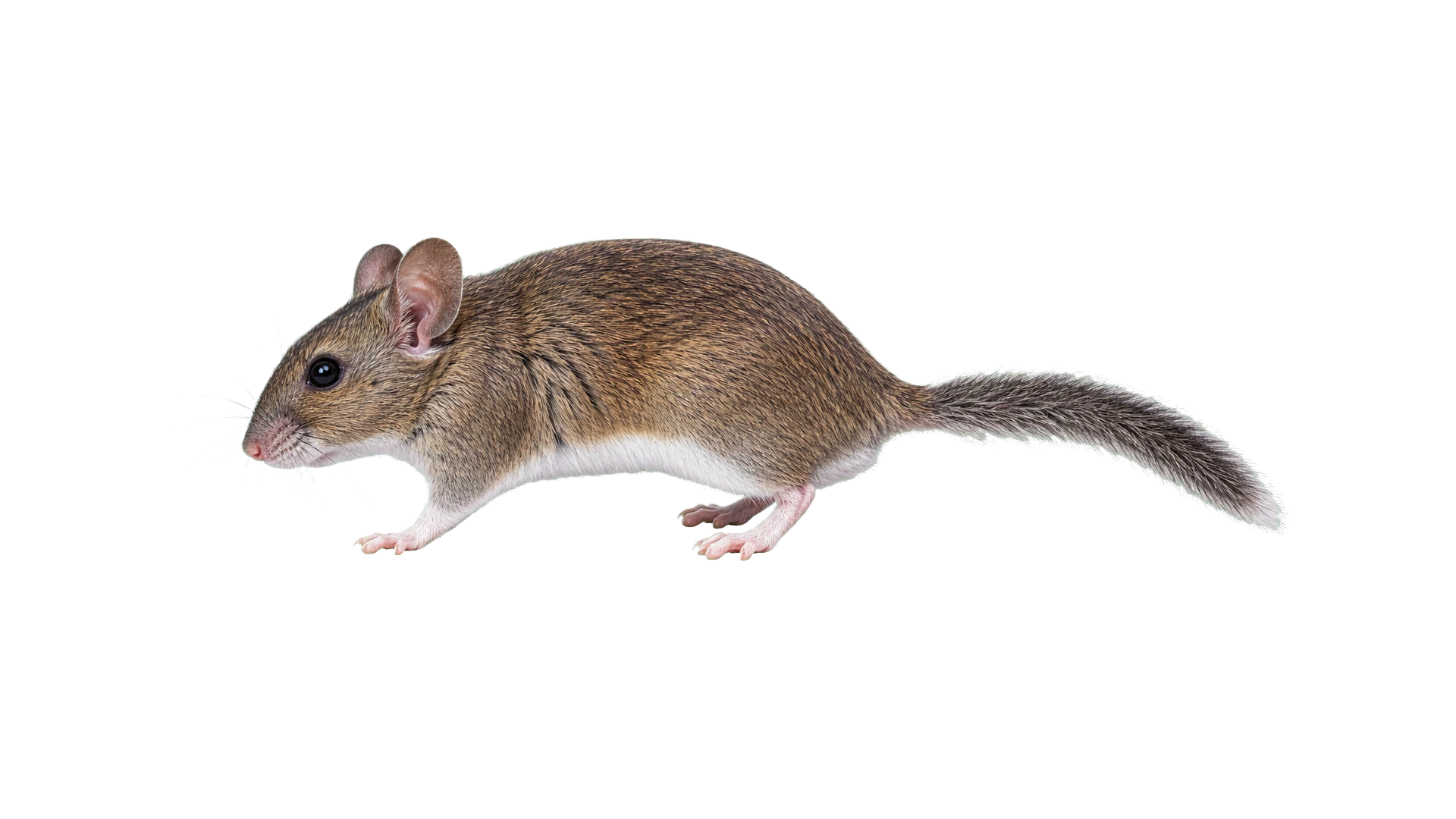
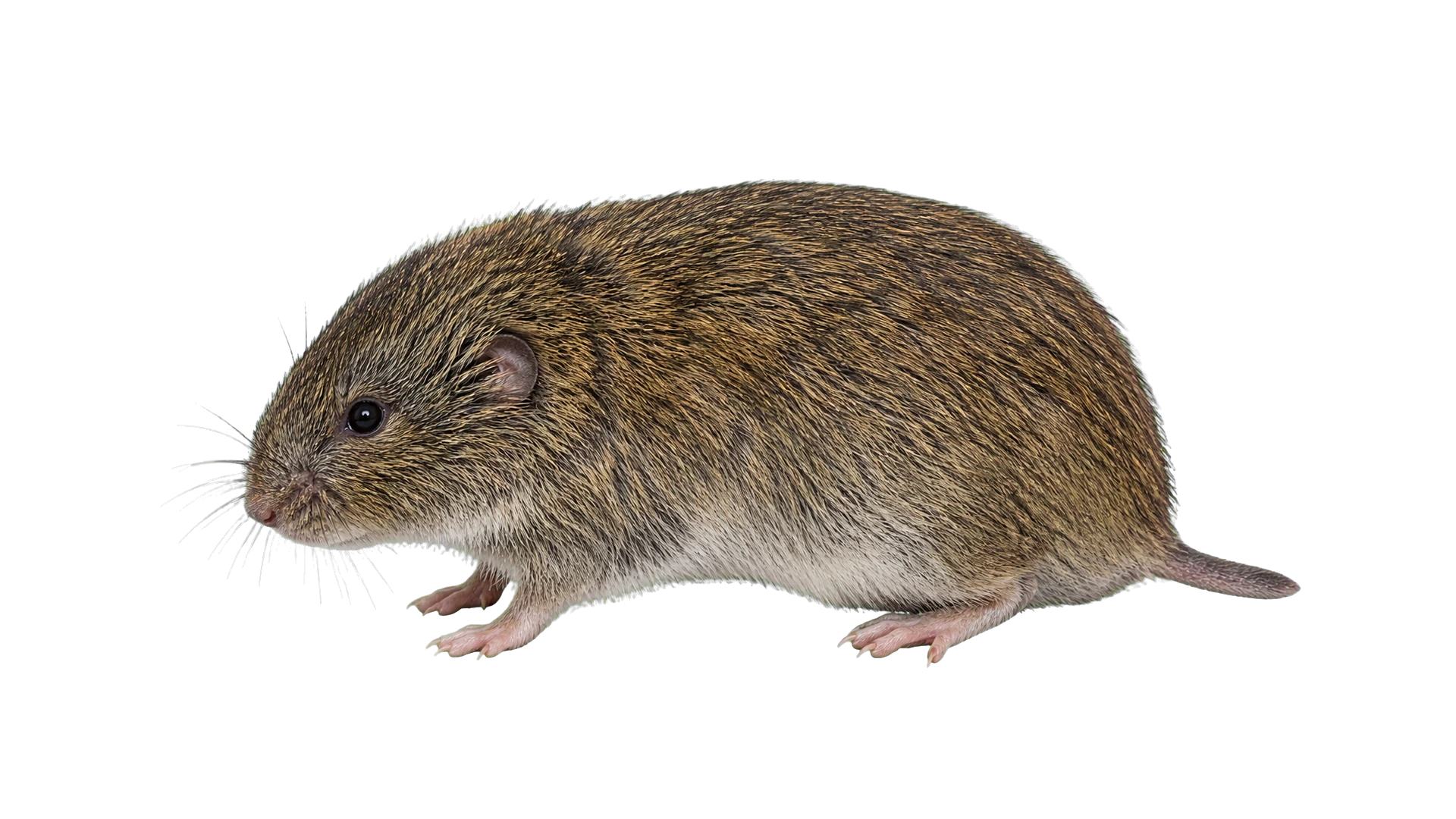
Adult rat body length runs 7 to 11 inches without the tail. A 4-inch rodent is a mouse. A 6-inch rodent is a juvenile rat. Size is the fastest separator for trap selection and bait dosing.
Local pest control help is one call away.
 Pest Control Services Nationwide Pest Control Services Nationwide
 A daytime rat sighting almost always means the population has outgrown safe nighttime foraging. Norway rats burrow at ground level. Roof rats climb into attics and rafters. The species you have changes where you trap, where you seal, and how long the job takes.
Rats commit to a property once they find food, water, and a defensible nest within 50 feet. Norway rats prefer burrows in soil, compost, or under foundations. Roof rats prefer high spaces: attics, palm fronds, hanging tree branches, garage rafters.
Address food and water and the colony shrinks. Seal the entry points and the colony cannot replace itself. Skip either step and the population stabilizes at whatever the property can support.
The three things every rat colony needs:
A breeding pair of Norway rats and their offspring can produce 1,500 descendants in a year under ideal conditions. In practice, food and territory limits keep most yard populations under 30 rats and most indoor colonies under 12. Even those numbers are enough to gnaw electrical wiring, contaminate food storage, and push pathogens through HVAC systems.
Three checks distinguish a rat from a juvenile rabbit, opossum, or oversized mouse. Size, snout, and droppings answer the species question in under a minute.
Adult rat body length runs 7 to 11 inches without the tail. A 4-inch rodent is a mouse. A 6-inch rodent is a juvenile rat. Size is the fastest separator for trap selection and bait dosing.

Norway rats have blunt rounded snouts and small ears tight to the head. Roof rats are slimmer with pointed snouts and larger ears. Both look heavier and stockier than any mouse from any angle.

Rat droppings run 12 to 18 millimeters, much larger than a grain of rice. Norway droppings are blunt-ended. Roof rat droppings are slightly more pointed. Both dwarf the 3 to 6 mm mouse pellets.
Rats leave heavier evidence than mice and they leave it in places homeowners walk past every day. Burrow holes look like yard wear. Gnaw damage looks like weather damage. Greasy rub marks look like dirt. Most rat populations go unnoticed for 3 to 6 months because the signs blend in.
Norway rats are ground-level animals. Burrow systems, smooth runways across mulch, gnaw damage on garage doors and foundation seams. Roof rats run high. Attic insulation matted along the eaves, droppings on the vapor barrier, gnaw marks at vent flashing. Find the sign and you find the species.
The fastest diagnostic walk takes 20 minutes. Walk the foundation perimeter looking for burrows and rub marks. Walk the roofline at dusk looking for gnaw damage at soffit corners and roofline gaps. Pop the attic hatch and shine a flashlight along the rafters and eaves. Inside a single evening, you can name the species.
How a Rat Population Establishes
Norway rats live in extended family groups centered on a dominant breeding pair, with several adult females and their successive litters sharing burrow space. Roof rats live in similar groups but in elevated nest sites: attics, dense palm fronds, ivy along walls, hanging branches above the roofline. The two species rarely share territory; if you have one, you usually do not have the other.
Rats are neophobic, meaning they avoid new objects in their territory for several days. This is why a freshly placed snap trap often catches nothing for the first 48 to 72 hours, then suddenly succeeds once the rats have accepted it as part of the environment. Patience and pre-baiting (offering bait without setting the trap) speed up acceptance significantly.
Rat removal is fundamentally different from mouse removal. The colony is smaller (10 to 30 rather than 50 to 100), the individuals are more cautious, and the entry points are bigger and easier to identify. The work is slower and more deliberate, with longer pre-bait periods and fewer trap placements, but the outcome is more durable when done correctly. Most rat populations clear in 3 to 6 weeks under a coordinated trap-and-seal plan.
Six features that separate a rat from a juvenile rabbit or oversized mouse, and why each one matters for control planning.
Norway rat snout is rounded and blunt. Roof rat snout is more pointed but still broader than any mouse. Fastest visual ID at running distance.
Rat ears sit close to the head and look small against the body. Mouse ears look oversized. The difference holds on juveniles too, which is where misidentification starts.
Adults weigh 6 to 18 ounces with a thick neck and broad shoulders. The bulk forces rats into larger entry holes and onto floor-level runways, not narrow ledges.
Rat incisors generate around 7,000 PSI, enough to chew through plastic conduit, soft aluminum, lead pipe, and untreated wood. Chewed wiring is the most dangerous outcome.
Norway rat tails are shorter than the body; roof rat tails are longer. Both are thick at the base, hairless, and ringed. Tail length names the species fast.
Five long toes on each hind paw give rats unusual grip on rough surfaces. Roof rats climb stucco, rough brick, vinyl siding, and bark vertically without slipping.
Pick the sign that matches what you've noticed. Each one points to a different rat species and a different stage of the infestation.
Rats are more cautious than mice but cause more damage when they settle in. They chew through wood, plastic, and electrical wiring, and a Norway rat colony can reach 30+ animals inside a year. The timeline below maps that escalation.
A single Norway or roof rat seen outside near food sources, or droppings (12 to 18 mm, much larger than mouse pellets) along the foundation. Rats are exploring. Full indoor activity has not started yet at this stage.
Multiple sightings, nightly noises in walls or attic, or gnaw marks on structural wood and plastic. Rats establish nests within 2 to 3 weeks of consistent food access. Indoor activity is accelerating week by week now.
Rats visible during the day, dead rats found, or active gnawing on electrical wiring (a fire risk). Nest sites are inside walls, attic insulation, or crawlspace. Population is breeding and growing 2 to 3 times per quarter.
Significant structural damage (chewed joists, ruined insulation), ammonia smell from urine in walls, or rats visible in living spaces. Disease risk includes leptospirosis, salmonella, and hantavirus. Repair costs $1,000 to $10,000 on top of treatment.
Rats are neophobic, they avoid new objects for 3 to 7 days. If your traps aren't catching anything in week one, that's normal. Bait without setting first; trigger only after consistent feeding.
Local rodent specialists know whether your area is Norway or roof rat country, where each nests, and how to seal the structures that bring them in.
Rats do not pick yards at random. They follow signals: dropped fruit under a tree during ripening, a bird feeder overflowing 1/2 cup of seed a day, dog waste accumulating in the back lawn. A scout finds reliable calories, drops a pheromone trail to the colony, and within 2 weeks a 6 to 10 rat group commits to the property because a breeding pair produces 5 to 12 pups every 21 to 28 days.
Different rat species chase different rewards, which is why ID matters. Norway rats (Rattus norvegicus) dominate northern and urban properties, burrow under sheds and slabs, and target ground-level food sources like trash, compost, and pet food. Roof rats (Rattus rattus) prefer the Southeast, West Coast, and Gulf states, climb into palm fronds, attics, and citrus trees, and feed on fruit, nuts, and bird seed. Cotton rats sit in tall-grass field edges across the Southeast. Pack rats build stick middens in the desert Southwest. Knowing the species tells you whether the entry is at ground level or roof level.
Sealing entries beats trapping every time. A young rat can pass through a hole the diameter of a quarter (about 3/4 inch), so any gap that size or larger is an open door. Start with the highest-leverage source: walk the foundation, garage door, utility penetrations, and rooflines at dusk and seal every gap with 1/4 inch hardware cloth, steel wool, and exterior caulk. Then remove ground food sources (fruit, compost, pet food, dog waste) for 30 days. Even partial wins help: sealing a 1 inch garage door gap and the gap around the dryer vent often cuts indoor sightings to zero within 7 to 14 days because rats give up on hard targets quickly.
Norway rat ground zero. Look at the base of woodpiles, sheds, dense ivy, compost piles, and along foundations. Active burrows have packed earth at the rim and worn-smooth entrances.
Roof rat ground zero. Look for trampled insulation along the eaves, droppings on the vapor barrier, and gnawed wiring at junction boxes. Listen for activity at dusk and pre-dawn.
Stored cardboard, bird seed, dog food, and stacks of holiday decorations make garages the most common indoor entry point for both species. Inspect garage door corners and stored items quarterly.
Norway rats travel through crawl spaces along sill plates, plumbing chases, and HVAC ducts. Look for greasy rub marks at the entry points and droppings in undisturbed corners.
Inspect the foundation at grade level for cracks, mortar gaps, weep hole openings, and any gap larger than a half-inch. Norway rats use these as primary entry points; roof rats use them as escape exits.
Norway rats can climb up sewer lines and emerge through unsealed cleanouts, broken vent stacks, or even toilets. Inspect cleanouts and ensure all plumbing penetrations are properly sealed.
Why a small yard population becomes a structural problem within one season.
0 to 4 weeks
Born blind, hairless, and helpless in the burrow nest. Mother nurses 4 weeks. Litters of 6 to 12 are typical and she is already pregnant again.
4 to 6 weeks
Eyes open at day 14. By week 5 pups leave the nest and sample food. They learn colony runways and feeding stations within days, fast.
8 to 12 weeks
Females become pregnant at 8 to 12 weeks. Gestation runs 21 to 23 days. The next generation breeds before the original pups turn 6 months old.
Lives 12 to 24 months in the wild
Adult rats weigh 6 to 18 ounces depending on species and food access. A breeding female produces 5 to 7 litters per year inside heated structures.
Norway rats and roof rats both reach reproductive maturity in 8 to 12 weeks. In ideal conditions a single breeding pair can produce 1,500 descendants in a year, though real populations are limited by food and territory long before they reach that ceiling. Acting in the first month of activity is the difference between a one-week trap-and-seal job and a multi-month coordinated control project.
Rat species nest, climb, and forage differently. Match what you're seeing to identify which one.
| Species | Severity | Key Sign | Where You'll Find Them |
|---|---|---|---|
| Cotton Rats | Persistent | Runway trails through tall grass, gnawed garden crops and sugarcane | tall grass, overgrown fields, ditches |
| Norway Rats | Persistent | Capsule-shaped droppings, greasy rub marks along walls, ground-level burrows | basements, sewers, burrows |
| Pack Rats | Persistent | Large stick-and-debris nests (middens), stolen small shiny objects | attics, engine compartments, rock crevices |
| Roof Rats | Persistent | Spindle-shaped droppings in attic, gnaw marks on wires, fruit damage in trees | attics, trees, rafters |
Severity reflects typical impact, not your specific case. If unsure, treat at the higher tier.
Honest read on the most common DIY methods: which ones reach the colony and which ones just rotate the population.

 T-Rex or Snap-E rat traps placed perpendicular to active runways, with trigger end against the wall Bait with peanut butter pressed deeply onto the trigger; pre-bait without setting for 3 to 5 days Once activated, check daily, reset, and rebait until catches stop for 7 consecutive days Lockable stations placed near burrow entries or along exterior runways, anchored so they cannot be moved Use first-generation anticoagulant baits; second-generation are restricted-use in many states Stations should be checked monthly and rebaited; track activity logs to confirm population decline Remove food sources (fallen fruit, dog waste, accessible compost) and harden water sources Cut back vegetation 2 feet from foundations and structures; trim trees so no branches overhang the roof Seal every gap larger than 1/2 inch with hardware cloth, copper mesh, or sheet metal, materials rats cannot chew through
  Kills rats but leaves carcasses in inaccessible spots, creating odor and secondary pest problems Pet, child, and non-target wildlife exposure risk if not in tamper-resistant stations Without exclusion, dead rats are replaced by neighboring rats within 4 to 8 weeks Cats sometimes kill mice but rarely engage adult rats, which are too large and aggressive Cat presence may suppress rat foraging activity but does not eliminate the colony Useful as a deterrent at low population levels, not as a control method for established colonies Rats are neophobic and avoid new objects in their territory for several days A trap set on day one usually catches nothing; the rats route around it for a week Pre-baiting (offering food without snapping) for 3 to 5 days dramatically improves capture rate
 Six prevention actions, sorted by effort. Rat control is mostly about closing access and removing the resources that built the colony in the first place.

Fruit on the ground rots into a rat-grade calorie source inside 48 hours. Dog waste in the yard is a major calorie source most homeowners overlook entirely. Daily pickup eliminates both rewards at once.

Outdoor pet bowls are a guaranteed nighttime draw. Bring them inside after the last feeding of the day. This is the single most effective easy intervention for suburban yards with rat pressure.

Keep a 2-foot bare zone of mulch or gravel between landscaping and siding. Trim ornamental grass below 12 inches. Remove ivy on walls. Each of these is a rat highway once it grows over.

Walk the foundation and roofline with a flashlight at dusk. Seal gaps over 1/2 inch with hardware cloth and silicone caulk. Focus on garage door corners, dryer vents, weep holes, and foundation cracks.
Move firewood 20 feet from the house and elevate on a rack. Eliminate woodpiles, abandoned vehicles, dense ground cover, and long-term clutter against the foundation. These are where rats burrow.

For roof rat areas, trim branches 8 feet back from the roofline, screen attic and gable vents with hardware cloth, seal soffit gaps, and inspect where two pitches meet. Roof rats commute through tree canopy.
Rat populations cycle with the seasons and with food availability. Time inspections and exclusion work to the months when the population is most exposed.
Outdoor populations recover from winter losses and breeding accelerates. Burrow systems expand. Spring is the easiest exclusion window because outdoor populations have not yet peaked and structures are visible without snow cover.
Outdoor populations grow rapidly with abundant food, water, and cover. Indoor activity is at its lowest. Use this window for property-wide exclusion and habitat modification.
Peak indoor invasion season. Cooling temperatures and harvest food drive outdoor populations toward warm structures. Most rat problems begin or escalate in October and November when outdoor cover thins.
Established indoor colonies breed continuously through winter. New invasions slow but established populations consolidate. Trapping and bait stations carry the active control work; outdoor exclusion projects pause until spring.
Four steps from arrival to a property no longer hosting a colony. Initial visits run 90 to 150 minutes, plus follow-ups across 3 to 6 weeks.
Identify species first, then trap, then exclude. Norway and roof rats need different access closures and different trap placements. Skipping the species ID step is the most common reason DIY plans drag on.
Walk yard, foundation, roofline, attic, and crawl spaces. Identify Norway versus roof rat from droppings, runway height, gnaw patterns, and burrow locations.
Place snap traps and tamper-resistant bait stations on active runways. Pre-bait without setting for 3 to 5 days so neophobic rats accept the equipment first.
Seal every gap over half an inch with hardware cloth and silicone. Address rooflines for roof rats and foundations for Norway rats. Door sweeps and vent screens included.
Return at 7 to 14 days, then at 30 days. The colony is gone when traps and bait show no activity for two consecutive visits and no new sign appears.
Real stories from households who connected with rat control pros to identify the species, clear the population, and seal the property.

"No pressure, just options."
I appreciated being given eco-friendly options without being pushed. The technician explained tradeoffs honestly and let me decide based on my priorities. They were transparent about what each approach involves. The no-pressure approach and honest information helped me make a confident decision.
"No pressure, just options."
I appreciated being given eco-friendly options without being pushed. The technician explained tradeoffs honestly and let me decide based on my priorities. They were transparent about what each approach involves. The no-pressure approach and honest information helped me make a confident decision.

"The inspection caught what we missed."
I didn't realize how much damage raccoons can cause once they get inside. The wildlife specialist explained what areas they inspect first and why raccoon issues are handled more carefully than regular pests. They showed me the damage and explained removal and exclusion strategies. Understanding the potential for damage made me glad I called professionals.

"The problem finally stayed gone."
Ants kept returning no matter what we did. The tech treated the trail areas and explained how to handle food storage and moisture so the ants don't keep coming back. It's been months and we haven't seen them again. I appreciated that it wasn't just a one-and-done spray.

"Clear expectations and a real plan."
I was overwhelmed and didn't know what was realistic to fix quickly. The inspector explained what results to expect and how long it typically takes depending on the ant species. They treated the right places and gave simple prevention tips. Everything felt structured and easy to follow.

"They found the entry points fast."
Ants were showing up in the kitchen and we couldn't figure out where they were coming from. The tech tracked the activity and pointed out two entry points we never would've noticed. After treating and sealing those areas, the ants disappeared. It was quick and surprisingly thorough.

"No pressure, just helpful info."
I mainly wanted to understand what was happening before committing to anything. The inspector walked me through the likely cause and the differences between treatment approaches. They answered questions without rushing me. The plan we chose worked and the ants were gone within days.

"The tech helped me stop wasting time."
I kept trying different products and nothing was sticking. The tech explained why some solutions don't work for certain ant problems and focused the treatment where it would actually matter. They also gave prevention tips that were easy to implement. The difference was obvious within the first week.

"We finally understood what to do next."
We felt stuck because nothing we tried lasted. The tech explained how to find the source of the problem, treated both indoor and outdoor areas, and helped us build a prevention routine. It wasn't complicated. Just the right steps in the right order. We've had a huge improvement since.

"They fixed what was actually causing it."
Ants kept showing up in the same spot. The pro explained that the visible ants weren't the real issue and focused the treatment on where they were coming from. They identified the entry path and treated it properly. The problem stopped and hasn't returned.

"It felt like a real inspection, not a quick spray."
The tech spent time figuring out where the ants were entering instead of just spraying around. They walked me through the likely reasons and what to watch for over time. After treatment, ant activity dropped fast and stayed low. The detailed approach gave me confidence.

"Small changes made a big difference."
We didn't realize how much our routine was attracting ants. The inspector explained simple prevention steps and treated the areas where activity was highest. Once those changes were in place, we stopped seeing ants inside. It was a practical approach that actually worked.

"The explanation alone was worth it."
I'd been doing random treatments without understanding what I was dealing with. The tech explained how ants behave and why certain approaches work better. They treated strategically instead of just spraying. It made the whole thing feel manageable.

"We stopped chasing the problem and solved it."
We kept wiping down counters and the ants would be back the next day. The pro identified the entry areas and explained the treatment plan clearly. Once they treated and targeted the colony, the ants disappeared quickly. It felt like we finally got ahead of it.

"They didn't oversell. Just solved it."
The tech explained what treatment was necessary and what wasn't. They focused on the entry points and corrected the conditions that were attracting ants. The work felt honest and effective. I liked having clear expectations and seeing results quickly.

"It wasn't just 'spray and go.'"
I appreciated the step-by-step explanation and the focus on prevention. The inspector treated the areas where ants were getting in and helped me understand what to change at home. The ants stopped showing up and it's been consistent. The approach felt thoughtful and sustainable.

"It finally made sense why they kept coming back."
I had ants showing up every few months and never understood why. The tech explained how outdoor nests and weather changes affect indoor activity. They treated the perimeter and entry points instead of just the inside. Since then, we haven't had recurring issues.

"Targeted instead of overdone."
I was worried about over-treating the house. The pro focused on specific problem areas and explained why blanket spraying wasn't necessary. The ants stopped appearing, and we didn't feel like chemicals were used unnecessarily. That balance mattered to us.

"Clear answers without jargon."
The tech explained everything in plain language and answered questions without rushing. They identified the type of ant we had and adjusted the treatment accordingly. Knowing why the approach worked gave me confidence it would last.

"They focused on prevention, not just treatment."
I liked that the tech talked through how to keep ants from returning after the treatment. They addressed moisture issues and entry points around the home. The treatment worked, and the prevention tips helped us stay ahead of future problems.

"No guessing, just a plan."
I was tired of guessing what would work. The inspector explained the cause of the issue and outlined a clear plan of action. After treatment, the ants disappeared and we haven't had to revisit the problem. It felt efficient and well thought out.

"They explained what to expect upfront."
The tech set expectations about timing and results before starting. They explained that some activity might happen initially and why. Everything played out exactly as described, and the ants were gone shortly after. That transparency made a big difference.

"Helpful without being overwhelming."
I didn't realize there were different types of ants or that it mattered. The inspector walked me through what they were seeing and explained how ant behavior affects treatment. It made it easier to ask the right questions and understand the solution.

"Saved me a lot of guessing."
I was close to trying random sprays for the ants. Talking with the tech helped me understand what was realistic to address and what usually doesn't work. The targeted treatment solved the issue quickly and saved time and frustration.

"It felt tailored to our home."
The tech didn't just apply a standard treatment. He looked at where we were seeing activity and adjusted the approach to our layout and yard. The ants stopped showing up and we understood how to keep it that way.

"Straightforward and effective."
I appreciated how straightforward everything was. The pro explained the issue, treated the problem areas, and gave us a few simple steps to prevent future issues. The ants were gone and it didn't feel complicated.

"They explained how the weather played a role."
I didn't realize seasonal changes could affect ant activity so much. The tech explained how heat and rain push ants indoors and what to do about it. They treated the problem areas and gave tips to prevent future issues. The explanation helped everything click.

"It wasn't as complicated as I expected."
I assumed pest control would be disruptive or complicated. The technician explained the steps clearly and focused on targeted treatment. The ants stopped appearing quickly and the process was smoother than expected.

"They helped me understand the bigger picture."
Instead of just treating the ants I saw, the tech explained what was happening around the house that made it attractive to pests. Once those factors were addressed, the problem resolved quickly. It felt educational as well as effective.

"Clear communication from start to finish."
I appreciated how clearly everything was explained before treatment began. The inspector walked through the process and answered all my questions. The ants were gone shortly after and we felt confident about prevention going forward.

"They addressed what we were missing."
We kept focusing on cleaning, but the tech showed us where ants were actually entering. Once those points were treated and sealed, the issue resolved. It was reassuring to finally understand the root cause.

"A methodical approach that worked."
The pro explained how they identify ant trails and colonies before treating. They took a methodical approach instead of rushing through. The ants stopped appearing and the fix has held up well.

"They understood desert pest behavior."
Living in Phoenix, pests behave differently than other places. The tech explained how heat drives ants indoors and what treatments work best here. The solution was effective and tailored to our environment.

"They took the time to do it right."
I appreciated that the tech didn't rush. He inspected the problem areas carefully and explained what they were seeing. The treatment worked quickly and the ants haven't returned.

"They understood the local pest issues."
The tech explained how the humidity here contributes to ant problems and why certain treatments work better in this climate. They focused on outdoor entry points and moisture-prone areas. The ants cleared up quickly and haven't come back.

"Finally something that lasted."
We'd dealt with recurring ants for years. The pro explained why flooding and moisture play such a big role here and adjusted the treatment accordingly. It's been months without seeing ants, which is a big win for us.

"They knew exactly what works in Arizona."
The tech explained how desert conditions affect ant behavior and which treatments are most effective here. They targeted the right areas and avoided unnecessary spraying. The ants disappeared quickly.

"Clear, calm, and professional."
I appreciated how calmly everything was explained. The inspector identified the ant problem, explained the treatment, and answered my questions without rushing. The solution worked and gave me peace of mind.

"They handled it efficiently."
The tech inspected the problem areas, explained the plan, and got to work quickly. The ants were gone within days and the process felt efficient without being rushed.

"Simple explanations, solid results."
I liked how simply everything was explained. The pro didn't overcomplicate things and focused on what mattered. The ants stopped appearing and we haven't needed follow-up treatments.

"They showed me what to watch for."
Beyond treating the ants, the tech explained what signs to watch for if activity starts again. That knowledge made me feel more in control. So far, everything has stayed clear.
Direct answers to the questions homeowners ask most when rat signs first appear.
Look at where the activity is. Norway rats live and travel at ground level: yards, basements, crawl spaces, sewer systems, and burrows under structures. Their tails are shorter than their bodies. Roof rats prefer high spaces: attics, palm fronds, ivy on walls, hanging tree branches, garage rafters. Their tails are longer than their bodies and they are slimmer overall. Also check the droppings: Norway rat droppings are blunt-ended, while roof rat droppings have slightly more pointed tips. Identifying the species correctly is essential because the entry points to seal and the trap placements are completely different for each.
Rats are neophobic, meaning they actively avoid new objects in their territory for several days after the object appears. A freshly placed trap usually catches nothing for the first 48 to 72 hours; the rats route around it until they accept it as part of the environment. The fix is pre-baiting. Place the trap where you want it but do not set it. Add bait. Refresh the bait daily for 3 to 5 days. Once you confirm the bait is being taken, set the trap normally. This single change typically improves capture rates dramatically. If you continue catching nothing after pre-baiting, the trap location is wrong, you may have a different species, or the population is smaller than the activity suggests.
Hardware-store rat bait works on the rats that consume it, but it carries three significant downsides homeowners often do not anticipate. First, poisoned rats commonly die in inaccessible spots inside walls or attic insulation, where the carcass odor lingers for two to three weeks and attracts secondary pest infestations. Second, pets, kids, and non-target wildlife (raptors, foxes, neighborhood cats) are at meaningful risk if they consume bait or eat a poisoned rat. Third, the rats killed by bait are replaced by neighboring rats within 4 to 8 weeks if the entry points have not been sealed. If bait is part of your plan, it should always be in tamper-resistant locked stations, paired with snap traps for confirmed kills, and combined with structural exclusion. Bait alone is rarely the right answer.
Norway rats can squeeze through openings as small as 1/2 inch wide. Roof rats are slimmer and fit through openings around 1/2 inch as well, sometimes a bit less. The general rule for inspection: if the opening is wider than your thumb, a rat can use it. Common entry points include gaps under garage doors, foundation cracks at grade level, openings around utility line penetrations (cable, gas, electric), broken or unscreened crawl space vents, soffit gaps where roof meets wall, and dryer vent flaps that no longer seal. A flashlight inspection at dusk along the foundation and roofline surfaces most of these in 30 to 45 minutes per visit.
Rats are vectors for several pathogens that transfer to humans through contaminated food, urine residue on surfaces, or aerosolized particles from disturbed droppings. Salmonellosis, leptospirosis, and rat-bite fever are the most common; hantavirus is rare but serious. They also host fleas and mites that can move to humans and pets. The cleanup recommendation: wear an N95 mask and disposable gloves, ventilate the area, dampen droppings with a 10-percent bleach solution before wiping (never sweep or vacuum dry, which aerosolizes pathogens), and dispose of materials in sealed bags. Heavy contamination in attics, basements, or HVAC areas is worth professional remediation, both for thoroughness and for personal safety.
Roof rats access attics through three main routes: gaps where rooflines meet walls (especially at chimneys, dormers, and where two pitches join), unscreened or damaged attic vents, and overhanging tree branches that bridge to the roof. The exclusion plan: trim every branch at least 8 feet from the roofline; screen all attic vents, gable vents, and ridge vents with quarter-inch hardware cloth; seal soffit gaps with sheet metal patches and silicone; and inspect the chimney chase and any roof penetrations for gaps. Done correctly, this is one-time work that holds for years. If you currently have an active attic population, complete trapping before sealing the final entry point so the rats cannot get sealed in.
A coordinated trap-and-seal plan for a moderate rat population (5 to 15 rats) typically clears the colony in 3 to 6 weeks. Larger populations or properties with significant outdoor harborage can run 6 to 10 weeks. The timeline is longer than mouse removal because rats are neophobic and need pre-baiting periods, and because rat exclusion work involves heavier-gauge materials (hardware cloth, sheet metal) that take longer to install correctly. Most plans include three site visits: an initial inspection and setup, a midpoint check at 10 to 14 days to assess catches and adjust placements, and a verification visit at 30 days to confirm zero activity before declaring the work complete.
Identify species, trap deliberately, seal the structure. Local rodent specialists handle the full plan, not a one-time bait drop.
Click through to the species page for behavior, regional patterns, and treatment specific to that rat type.
Ground-dwelling rats that burrow near foundations and basements.
Norway rats are strong diggers that often nest in basements, crawl spaces, or underground burrows near building foundations. They are excellent swimmers and frequently enter structures through damaged sewer lines and floor drains. Their gnawing can compromise plumbing, electrical wiring, and even concrete, making prompt professional control essential.
Quick ID:
Why it matters:
Agile climbing rats commonly found in attics and trees.
Roof rats prefer elevated nesting areas and often enter homes via roofs, power lines, overhanging tree branches, and poorly sealed attic vents. They are more slender than Norway rats with longer tails that aid in climbing. Roof rat activity in an attic can contaminate insulation, damage stored items, and create fire hazards from chewed wiring.
Quick ID:
Why it matters:
Nest-building rats that hoard debris and damage vehicles and structures.
Pack rats, also called woodrats, collect sticks, cactus pads, shiny objects, and debris to build large middens (nests) in attics, sheds, engine compartments, and rock crevices. They chew through wiring harnesses in vehicles, HVAC ductwork, and insulation. Their nests also harbor kissing bugs that transmit Chagas disease, adding a serious health dimension to the property damage.
Quick ID:
Why it matters:
Stocky field rats that invade rural properties and carry hantavirus.
Cotton rats are heavy-bodied rodents found in dense vegetation, overgrown fields, and agricultural areas across the southern United States. They construct runway systems through tall grass and readily enter sheds, barns, and garages. Cotton rats are known carriers of hantavirus and several other pathogens, making droppings cleanup and exclusion critical for properties near their habitat.
Quick ID:
Why it matters: