Local pest control help is one call away.

Pack Rat: Identification, Treatment & Prevention

Pack rats are the most distinctive rodent of the western and southwestern United States. They look almost squirrel-like, soft cinnamon-brown fur, a white belly, oversized dark eyes, large rounded ears, and a furry tail that sets them apart from any city-dwelling rat. They earn their name honestly: they collect shiny and unusual objects, coins, keys, foil, bottle caps, jewelry, and haul them back to a nest pile called a midden. The midden, not the rat itself, is what defines the problem and what makes pack rats so hard to evict.

If you're finding a growing pile of sticks, cactus pads, and odd objects in a garage corner, an attic, or under a porch, or if a vehicle parked in a desert garage has stopped running because something chewed the wiring harness, you almost certainly have pack rats. This guide covers how to confirm the species, why middens behave like multi-generational structures, what vehicle damage really costs, and what professional treatment involves.

Close-up illustration of a pack rat showing furry tail, large rounded ears, and oversized dark eyes

ID Card: Pack Rat

Scientific name
Neotoma spp.
Color
Brown-gray, white belly and feet
Size
6 to 8 inches
Body shape
Medium body with large ears, furry tail, and white underside
Key evidence
Large stick-and-debris nests (middens), stolen small shiny objects
Also known as
Woodrats, Trade rats, Bush rats

Related Species

Call to get matched with a local pest control pro.

Available 24/7
(888) 495-1510
  • Specialists who understand midden behavior and multi-generational nest sites
  • Vehicle wiring protection and engine bay exclusion programs
  • Hantavirus-aware midden removal with full CDC-protocol cleanup

Where to Inspect for Pack Rat Activity

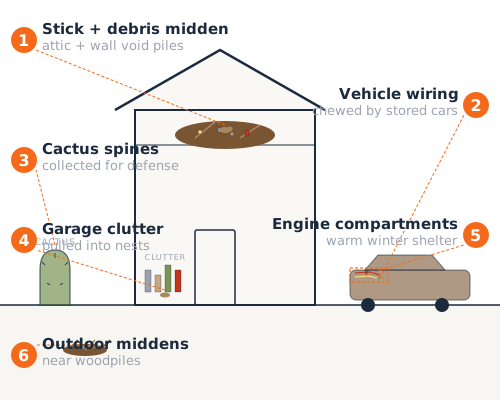
Cross-section illustration showing pack rat midden inside a garage, chewed wiring in an engine bay, and an outdoor stick pile under a cactus cluster

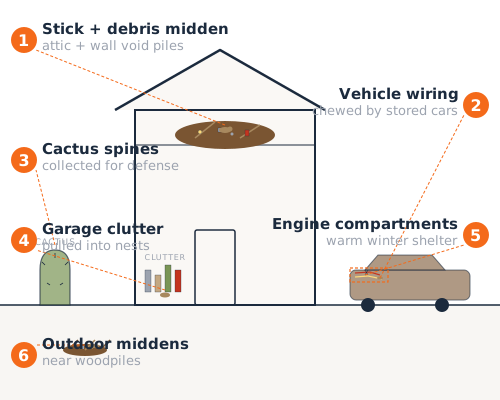
Pack rats leave evidence that no other rodent leaves: a growing pile of sticks, cactus pads, bones, and shiny collected objects in a sheltered spot. Walking your property with a flashlight and looking for that pile is how you confirm the species. Hit these zones first:

  • Vehicles parked in garages or outdoors, Pop the hood and check the air filter box, the top of the engine, and the interior cabin under the seats. Chewed wire insulation, shredded sound deadening, and small piles of sticks or pet food in the engine bay are the clearest sign. This is the #1 damage zone in southwestern properties.
  • Garages and outbuildings, Check behind workbenches, under shelving, and in corners where clutter has sat undisturbed for months. A midden in a garage is often a foot or more across by the time it's discovered, and it usually contains items the owner had forgotten were missing.
  • Attics, especially in older or rural homes, Pack rat middens in attics can sit for years before they're noticed. Look for stick piles around the eaves and along the soffits, plus matted insulation where the rat is bedding down. Older homes near desert or canyon habitat are the highest-risk attics in the country.
  • Around outdoor wood piles, cactus thickets, and rock piles, Outdoor middens hide inside protected cover within 50 feet of the house. A stick pile pushed under a wood stack or wedged into a cactus cluster is a working pack rat nest, and it's almost certainly sending rats toward your structures and vehicles.
  • Behind appliances and inside stored boxes, Pack rats drag collected material into protected voids. Pulling a refrigerator or washing machine away from the wall in a garage and finding foil scraps, dog kibble, and tangled rags is a confirmed indoor nest.
  • Under decks, porches, and crawl space access points, Shine a light underneath and look for the same stick-and-debris pile signature. These spots are favorite outdoor midden sites and they often connect to entry points into the structure above.

If you find middens or stick piles in two or more of these zones, the property is supporting an established pack rat population, not a single visitor. Outdoor middens have been carbon-dated in cliff sites to be thousands of years old, and even residential middens often persist across multiple generations of rats. Vehicle damage from a single chewing event runs $1,000 to $8,000 and is almost never covered under a standard auto warranty. Catching the problem before vehicle wiring is cut, or before the midden moves into structural insulation, is what saves the most money.

Cross-section illustration showing pack rat midden inside a garage, chewed wiring in an engine bay, and an outdoor stick pile under a cactus cluster
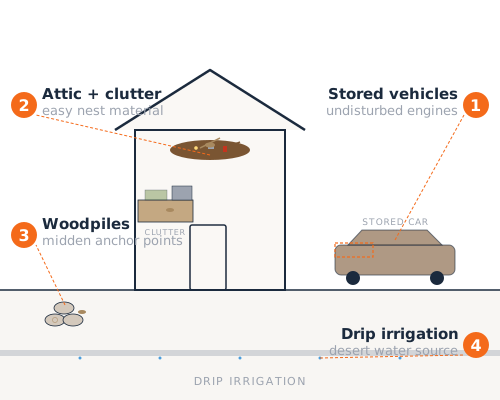
Illustration showing how pack rats enter homes and vehicles, from outdoor middens via foundation gaps, garage door seals, and engine bay openings

Why Do I Have Pack Rats?

Spotting a midden is step one. Understanding what's drawing pack rats to your property is what keeps the next generation from rebuilding the same pile in the same spot. Pack rats are tied to the western US in a way that other rodents aren't. They evolved in desert and canyon habitat, and they treat a rural or semi-rural property like a natural extension of that range. A garage with an old car in it looks the same to a pack rat as a cliff crevice with a cactus next to it.

What anchors them to your property:

  • Western or southwestern US geography, Pack rats are established across Arizona, New Mexico, Nevada, Utah, Colorado, Texas, California, Oregon, Wyoming, and Idaho, if you're outside that range, you're almost certainly looking at a different rodent
  • Rural or semi-rural land near desert, brush, or canyon habitat, Properties on the edge of native cover get steady pressure from outdoor middens in the surrounding terrain
  • Outdoor wood piles, rock piles, and cactus thickets within 50 feet of structures, These act as outdoor midden sites that stage rats toward your house and vehicles
  • Vehicles parked outdoors or in unsealed garages, A warm engine compartment in cold weather is the #1 attraction in the desert Southwest, and chewed wiring is the result
  • Older outbuildings, sheds, and barns with poor exclusion, Pack rats are less wary than urban rats and will move into a rural outbuilding within weeks if the structure has gaps wider than a quarter
  • An established midden in the surrounding habitat, Generations of pack rats can occupy the same outdoor midden site, so a neighbor's woodpile or a nearby canyon ledge keeps supplying rats long after you remove the one in your garage

A new pack rat nest starts when a single rat finds a protected, dry, undisturbed spot near food and water. She begins hauling in sticks, cactus pads, bones, and any shiny object that catches her attention. Within a few weeks the pile is a foot across, and within a few months it's two to six feet across with a tunnel system inside. Pack rats are intelligent and inquisitive, less cautious than urban rats, and they trade objects they're carrying for newer or shinier ones, which is where the nickname "trade rat" comes from. That same behavior is why coins, jewelry, and keys end up inside middens.

How Serious Is Your Pack Rat Problem?

Find your scenario below. Each row reflects how a pack rat situation actually progresses in desert and semi-rural properties, not a generic rodent timeline.

What You're Seeing Severity If Untreated Next Step
Single pack rat sighting near a garage or shed, no midden or damage yet Early A midden typically forms within 4 to 8 weeks once a rat selects a sheltered site near food and water. Confirm the species, furry tail, large dark eyes, rural western US location. Inspect garage and shed corners for early stick piles. Clear outdoor wood and rock piles within 50 feet of the structure.
Midden discovered in a garage or shed, vehicle in the same space with no damage yet Moderate Vehicle wire damage typically occurs within weeks once the rat shifts attention from the midden to nearby engine bays. Schedule a professional this week. Midden removal, trap deployment, and vehicle exclusion measures need to happen together, not in sequence.
Vehicle wire damage plus an active midden and multiple rat sightings High Damage compounds week by week. Repair costs are no longer under warranty, and outdoor habitat is actively staging more rats toward the property. Call a professional this week. Midden removal, comprehensive vehicle protection, and a full property habitat assessment are required.
Heavy infestation, vehicle damage over $3,000, or anyone in the household with respiratory or flu-like symptoms Urgent Hantavirus and plague exposure in the southwestern US are documented risks where pack rat populations are heavy, and disturbing a midden without protection is one of the highest-risk activities. Call today and schedule a property-wide assessment. Consult a physician about hantavirus and plague risk if symptoms are present. A mechanic should evaluate any vehicle with damage before further driving.
Single pack rat sighting near a garage or shed, no midden or damage yet
Severity Early
If Untreated A midden typically forms within 4 to 8 weeks once a rat selects a sheltered site near food and water.
Next Step Confirm the species, furry tail, large dark eyes, rural western US location. Inspect garage and shed corners for early stick piles. Clear outdoor wood and rock piles within 50 feet of the structure.
Midden discovered in a garage or shed, vehicle in the same space with no damage yet
Severity Moderate
If Untreated Vehicle wire damage typically occurs within weeks once the rat shifts attention from the midden to nearby engine bays.
Next Step Schedule a professional this week. Midden removal, trap deployment, and vehicle exclusion measures need to happen together, not in sequence.
Vehicle wire damage plus an active midden and multiple rat sightings
Severity High
If Untreated Damage compounds week by week. Repair costs are no longer under warranty, and outdoor habitat is actively staging more rats toward the property.
Next Step Call a professional this week. Midden removal, comprehensive vehicle protection, and a full property habitat assessment are required.
Heavy infestation, vehicle damage over $3,000, or anyone in the household with respiratory or flu-like symptoms
Severity Urgent
If Untreated Hantavirus and plague exposure in the southwestern US are documented risks where pack rat populations are heavy, and disturbing a midden without protection is one of the highest-risk activities.
Next Step Call today and schedule a property-wide assessment. Consult a physician about hantavirus and plague risk if symptoms are present. A mechanic should evaluate any vehicle with damage before further driving.

Pack rat damage moves from outdoor midden to indoor structure to chewed vehicle wiring fast in chronic-presence properties. If you're between two rows, treat the higher one as your situation.

How a Pack Rat Population Develops

Pack rats reproduce more slowly than their urban cousins, with smaller litters and longer lifespans, but they make up for it with multi-generational midden sites that hold rats across decades. The lifecycle below is exactly why removing the rat without addressing the midden tends to be a short-term fix.

  1. Pup

    About 4 to 6 weeks until weaning

    Born blind and hairless inside the central chamber of the midden. The mother is solitary and tends the litter alone, the midden's interior temperature and humidity stays stable enough that pups develop even in extreme desert weather outside.

  2. Juvenile

    About 4 to 8 weeks

    Young rats begin exploring outside the midden, often working the same trails their mother uses. They start collecting their own debris and shiny objects within days of leaving the nest chamber, which is when garage clutter and vehicle compartments start showing fresh activity.

  3. Adult

    Sexually mature at 8 to 12 weeks; lifespan 2 to 3 years

    Adults are territorial and intelligent, far less neophobic than commensal rats, which is why traps work but only when set in the right spots. Pack rat lifespans are noticeably longer than urban rats, and a single mature female can occupy the same midden site for years.

  4. Female reproductive output

    1 to 4 litters per year, 2 to 4 pups per litter

    Output is lower per litter than Norway or roof rats, but the long lifespan and persistent midden structure mean that a property hosting one female for two years can produce 8 to 32 offspring across her tenure. Most of those offspring stay within a few hundred yards of the parent midden.

Established middens persist across generations of pack rats. Researchers have carbon-dated some midden sites in cliff dwellings to be thousands of years old, with successive rats adding to the same pile across centuries. On a residential timescale, this is why trap-only treatment usually catches the resident rat but leaves the midden intact for the next one to inhabit, and why effective treatment dismantles the physical structure as part of the job.

When Pack Rats Are Most Active

Pack rat activity in the southwestern US follows a sharp seasonal calendar, with the worst vehicle damage almost always happening in the months no homeowner expects it. Knowing the calendar tells you when to inspect and when to schedule treatment.

  • Spring

    Outdoor populations expand as desert temperatures rise. Mating activity peaks, and new middens get constructed in cactus clusters, rock piles, and around outdoor wood storage. This is the best window to clear outdoor habitat before summer pressure peaks.

  • Summer

    Peak outdoor activity in desert and brush habitat. Rats forage at night and rest in cool midden chambers during the day. Indoor sightings are lower in summer, attics and garages get hot, but outdoor middens are most visible and easiest to identify in this window.

  • Fall

    Indoor migration begins as nighttime temperatures drop. This is when garage and shed activity ramps up, and when vehicle damage incidents start climbing as rats begin testing warm engine bays for shelter.

  • Winter

    Vehicle damage peaks. Cold desert nights drive pack rats into engine compartments, where they nest on warm exhaust manifolds and chew through wire insulation for both nesting material and out of pure boredom. The single most expensive month for pack rat vehicle damage in the desert Southwest is usually January or February.

Why Pack Rats Aren't a DIY Job

Pack rats are famous for chewing vehicle wire insulation, and the cost of a single damage event runs from $1,000 to $8,000 or more depending on the vehicle. Standard auto warranties treat rodent damage as an act of nature and almost never cover the repair. Homeowners who park a car or RV in a desert garage and discover chewed wiring the next morning frequently end up paying out-of-pocket for a harness replacement that costs more than the deductible on the car itself.

Middens are the part DIY work usually fails to address. A trap catches the rat in the midden, but the structure itself, the sticks, bones, cactus pads, and collected debris, stays in place. A new rat moves in within weeks, sometimes within days. Effective treatment dismantles the midden physically, removes the material safely, and treats the location so it's no longer attractive to the next occupant. That's a different scope than setting a few traps.

Health risk is the third reason this isn't a backyard project. Pack rats can carry hantavirus (Bayou virus and Black Creek Canal virus are documented in some Neotoma species), and in the southwestern US they're part of the cycle that occasionally transmits plague to humans through flea bites. Disturbing a midden without proper PPE aerosolizes dust and dried droppings, which is the exact exposure route CDC warns about for deer mouse hantavirus cleanup. A pro working middens uses the same protective protocols and disposal procedures.

Initial professional treatment for a residential pack rat problem runs $400 to $1,000, with $50 to $150 per month for ongoing monitoring on chronic-presence properties. That cost is almost always less than a single vehicle wire harness replacement, and far less than the medical workup that follows a confirmed hantavirus or plague exposure.

What Changes When a Pro Shows Up

Pack rat work is a three-part job: dismantle the midden safely, trap the resident animals, and shut down the entry points into structures and vehicles. A specialist who works the desert Southwest knows that skipping any of the three resets the timeline. Here's what changes:

Pest control technicians after completing pack rat removal
  • Local Pest Control
  • 24/7 Availability
  • Quality Workmanship
  • Eco‑Friendly Options
  • Trusted by Homeowners
  • They Inspect the Whole Property, Not Just the One Pile

    A real pack rat survey covers vehicles, garages, sheds, attics, decks, and outdoor cover within 50 feet of the structure. Middens often work in pairs or chains across a property, and finding only one usually means missing the other two.

  • They Remove the Midden With Hantavirus PPE

    Pack rat droppings and nest material can carry hantavirus, plague-vector fleas, and other pathogens. Midden removal follows CDC protocols, respirator, gloves, ventilated handling, and sealed disposal. Vacuuming or sweeping a midden without protection is exactly how exposure happens.

  • They Protect the Vehicle, Not Just the Engine Bay

    Effective vehicle exclusion combines rodent-deterrent wire wrap on chewed harnesses, ultrasonic deterrents inside the engine compartment, sealed garage access where possible, and habitat reduction around the parking area. Single-point measures (just peppermint oil, just an ultrasonic unit) almost never hold up alone.

  • They Treat the Outdoor Habitat

    Outdoor wood piles, rock piles, cactus thickets, and clutter within 50 feet of the structure stage the next generation of rats. Habitat reduction plus bait stations in outbuildings is what stops chronic-presence properties from rebuilding the same midden within a year.

  • Local Pest Control
  • 24/7 Availability
  • Quality Workmanship
  • Eco‑Friendly Options
  • Trusted by Homeowners
NoToPests home

One call connects you with a local specialist who knows pack rats and your area.

Be Ready When You Call

Pest control technician arriving for pack rat service
Junho L.
Daisuke P.
Kirk Q.
Marion K.

Trusted by homeowners nationwide

Call for Pest Control Help (888) 495-1510

Can You Handle This or Do You Need Help?

Pack rats sit at the intersection of structural pest, vehicle pest, and disease vector. That combination is why DIY work is most useful as identification and prevention, and why the actual elimination piece almost always benefits from professional handling.

What DIY Can Do

DIY pack rat work is best aimed at identification, prevention, and supplemental deterrents, not midden removal or population control. Useful steps with honest limits:

  • Confirm the species by checking for a furry tail, oversized dark eyes, a white belly, and a western US location, look-alike rodents need very different treatment
  • Inspect parked vehicles weekly during fall and winter for fresh sticks in the engine bay, chewed insulation, or pet food fragments dragged in by a nesting rat
  • Pull wood piles, rock piles, and stored lumber at least 50 feet from any structure or vehicle you want to protect, outdoor habitat is the primary supply
  • Use peppermint oil pads and ultrasonic deterrent units inside vehicles as supplemental protection, treat them as buying time until exclusion is in place
  • What DIY cannot do safely: dismantle an established midden without hantavirus PPE, exclude a vehicle wiring harness from chewing, or address the outdoor habitat that's staging the next rat in.

What a Pro Does Differently

Professional pack rat work is built around the midden, the vehicle, and the surrounding habitat together. Here's what changes when you call:

  • Midden removal follows CDC hantavirus protocols, full PPE, ventilated handling, and sealed disposal that DIY work almost always skips
  • Vehicle exclusion combines wire-wrap protection on existing harnesses, ultrasonic deterrents, and habitat reduction around the parking area
  • Trap deployment uses placement and trigger design specific to pack rats, which are intelligent and inquisitive rather than neophobic like commensal rats
  • Outdoor habitat assessment identifies wood piles, rock piles, and cover within 50 feet that need reduction to stop the next rat from moving in
  • Recurring monitoring on chronic-presence properties keeps middens from rebuilding, which is the single hardest part of long-term pack rat management.

Suspect Pack Rats? Don't Wait.

Pack rat damage to a single vehicle wire harness can cost more than a year of professional service, and middens carry hantavirus and plague-vector risk in the southwestern US. Connect with a local specialist for safe midden removal, vehicle protection, and exclusion.

Available 24/7
(888) 495-1510

What Homeowners Say After Getting Help

Real results from people who had the same problem and solved it.

Rashad E.
Rashad E.
Portland, OR

"No pressure, just options."

I appreciated being given eco-friendly options without being pushed. The technician explained tradeoffs honestly and let me decide based on my priorities. They were transparent about what each approach involves. The no-pressure approach and honest information helped me make a confident decision.

Rashad E.
Rashad E.
Portland, OR

"No pressure, just options."

I appreciated being given eco-friendly options without being pushed. The technician explained tradeoffs honestly and let me decide based on my priorities. They were transparent about what each approach involves. The no-pressure approach and honest information helped me make a confident decision.

Yu E.
Yu E.
Durham, NC

"The inspection caught what we missed."

I didn't realize how much damage raccoons can cause once they get inside. The wildlife specialist explained what areas they inspect first and why raccoon issues are handled more carefully than regular pests. They showed me the damage and explained removal and exclusion strategies. Understanding the potential for damage made me glad I called professionals.

Ren P.
Ren P.
Dayton, OH

"The problem finally stayed gone."

Ants kept returning no matter what we did. The tech treated the trail areas and explained how to handle food storage and moisture so the ants don't keep coming back. It's been months and we haven't seen them again. I appreciated that it wasn't just a one-and-done spray.

Kayla Q.
Kayla Q.
Pittsburgh, PA

"Clear expectations and a real plan."

I was overwhelmed and didn't know what was realistic to fix quickly. The inspector explained what results to expect and how long it typically takes depending on the ant species. They treated the right places and gave simple prevention tips. Everything felt structured and easy to follow.

Malachi U.
Malachi U.
Knoxville, TN

"They found the entry points fast."

Ants were showing up in the kitchen and we couldn't figure out where they were coming from. The tech tracked the activity and pointed out two entry points we never would've noticed. After treating and sealing those areas, the ants disappeared. It was quick and surprisingly thorough.

Arturo B.
Arturo B.
Yonkers, NY

"No pressure, just helpful info."

I mainly wanted to understand what was happening before committing to anything. The inspector walked me through the likely cause and the differences between treatment approaches. They answered questions without rushing me. The plan we chose worked and the ants were gone within days.

Octavio Z.
Octavio Z.
Duluth, MN

"The tech helped me stop wasting time."

I kept trying different products and nothing was sticking. The tech explained why some solutions don't work for certain ant problems and focused the treatment where it would actually matter. They also gave prevention tips that were easy to implement. The difference was obvious within the first week.

Chauncey A.
Chauncey A.
Duluth, MN

"We finally understood what to do next."

We felt stuck because nothing we tried lasted. The tech explained how to find the source of the problem, treated both indoor and outdoor areas, and helped us build a prevention routine. It wasn't complicated. Just the right steps in the right order. We've had a huge improvement since.

Vihaan V.
Vihaan V.
Madison, WI

"They fixed what was actually causing it."

Ants kept showing up in the same spot. The pro explained that the visible ants weren't the real issue and focused the treatment on where they were coming from. They identified the entry path and treated it properly. The problem stopped and hasn't returned.

Allison A.
Allison A.
Des Moines, IA

"It felt like a real inspection, not a quick spray."

The tech spent time figuring out where the ants were entering instead of just spraying around. They walked me through the likely reasons and what to watch for over time. After treatment, ant activity dropped fast and stayed low. The detailed approach gave me confidence.

Stephen N.
Stephen N.
Sacramento, CA

"Small changes made a big difference."

We didn't realize how much our routine was attracting ants. The inspector explained simple prevention steps and treated the areas where activity was highest. Once those changes were in place, we stopped seeing ants inside. It was a practical approach that actually worked.

Daquan V.
Daquan V.
Tampa, FL

"The explanation alone was worth it."

I'd been doing random treatments without understanding what I was dealing with. The tech explained how ants behave and why certain approaches work better. They treated strategically instead of just spraying. It made the whole thing feel manageable.

Deepak V.
Deepak V.
San Antonio, TX

"We stopped chasing the problem and solved it."

We kept wiping down counters and the ants would be back the next day. The pro identified the entry areas and explained the treatment plan clearly. Once they treated and targeted the colony, the ants disappeared quickly. It felt like we finally got ahead of it.

Mireya Z.
Mireya Z.
Riverside, CA

"They didn't oversell. Just solved it."

The tech explained what treatment was necessary and what wasn't. They focused on the entry points and corrected the conditions that were attracting ants. The work felt honest and effective. I liked having clear expectations and seeing results quickly.

Wei D.
Wei D.
Lexington, KY

"It wasn't just 'spray and go.'"

I appreciated the step-by-step explanation and the focus on prevention. The inspector treated the areas where ants were getting in and helped me understand what to change at home. The ants stopped showing up and it's been consistent. The approach felt thoughtful and sustainable.

Shu W.
Shu W.
Orlando, FL

"It finally made sense why they kept coming back."

I had ants showing up every few months and never understood why. The tech explained how outdoor nests and weather changes affect indoor activity. They treated the perimeter and entry points instead of just the inside. Since then, we haven't had recurring issues.

Teresa I.
Teresa I.
Mesa, AZ

"Targeted instead of overdone."

I was worried about over-treating the house. The pro focused on specific problem areas and explained why blanket spraying wasn't necessary. The ants stopped appearing, and we didn't feel like chemicals were used unnecessarily. That balance mattered to us.

Latonya X.
Latonya X.
Mesa, AZ

"Clear answers without jargon."

The tech explained everything in plain language and answered questions without rushing. They identified the type of ant we had and adjusted the treatment accordingly. Knowing why the approach worked gave me confidence it would last.

Humberto T.
Humberto T.
Eugene, OR

"They focused on prevention, not just treatment."

I liked that the tech talked through how to keep ants from returning after the treatment. They addressed moisture issues and entry points around the home. The treatment worked, and the prevention tips helped us stay ahead of future problems.

Jerrell N.
Jerrell N.
Arlington, VA

"No guessing, just a plan."

I was tired of guessing what would work. The inspector explained the cause of the issue and outlined a clear plan of action. After treatment, the ants disappeared and we haven't had to revisit the problem. It felt efficient and well thought out.

Marion K.
Marion K.
Boulder, CO

"They explained what to expect upfront."

The tech set expectations about timing and results before starting. They explained that some activity might happen initially and why. Everything played out exactly as described, and the ants were gone shortly after. That transparency made a big difference.

Bridget E.
Bridget E.
Sacramento, CA

"Helpful without being overwhelming."

I didn't realize there were different types of ants or that it mattered. The inspector walked me through what they were seeing and explained how ant behavior affects treatment. It made it easier to ask the right questions and understand the solution.

Junho L.
Junho L.
Naperville, IL

"Saved me a lot of guessing."

I was close to trying random sprays for the ants. Talking with the tech helped me understand what was realistic to address and what usually doesn't work. The targeted treatment solved the issue quickly and saved time and frustration.

Willis Y.
Willis Y.
Baton Rouge, LA

"It felt tailored to our home."

The tech didn't just apply a standard treatment. He looked at where we were seeing activity and adjusted the approach to our layout and yard. The ants stopped showing up and we understood how to keep it that way.

Thelma S.
Thelma S.
Madison, WI

"Straightforward and effective."

I appreciated how straightforward everything was. The pro explained the issue, treated the problem areas, and gave us a few simple steps to prevent future issues. The ants were gone and it didn't feel complicated.

Angelina B.
Angelina B.
Austin, TX

"They explained how the weather played a role."

I didn't realize seasonal changes could affect ant activity so much. The tech explained how heat and rain push ants indoors and what to do about it. They treated the problem areas and gave tips to prevent future issues. The explanation helped everything click.

Kirk Q.
Kirk Q.
Denver, CO

"It wasn't as complicated as I expected."

I assumed pest control would be disruptive or complicated. The technician explained the steps clearly and focused on targeted treatment. The ants stopped appearing quickly and the process was smoother than expected.

Cody L.
Cody L.
Denver, CO

"They helped me understand the bigger picture."

Instead of just treating the ants I saw, the tech explained what was happening around the house that made it attractive to pests. Once those factors were addressed, the problem resolved quickly. It felt educational as well as effective.

Marquis K.
Marquis K.
San Mateo, CA

"Clear communication from start to finish."

I appreciated how clearly everything was explained before treatment began. The inspector walked through the process and answered all my questions. The ants were gone shortly after and we felt confident about prevention going forward.

Virginia T.
Virginia T.
San Mateo, CA

"They addressed what we were missing."

We kept focusing on cleaning, but the tech showed us where ants were actually entering. Once those points were treated and sealed, the issue resolved. It was reassuring to finally understand the root cause.

June J.
June J.
Omaha, NE

"A methodical approach that worked."

The pro explained how they identify ant trails and colonies before treating. They took a methodical approach instead of rushing through. The ants stopped appearing and the fix has held up well.

Caitlin K.
Caitlin K.
Phoenix, AZ

"They understood desert pest behavior."

Living in Phoenix, pests behave differently than other places. The tech explained how heat drives ants indoors and what treatments work best here. The solution was effective and tailored to our environment.

Olive S.
Olive S.
Sacramento, CA

"They took the time to do it right."

I appreciated that the tech didn't rush. He inspected the problem areas carefully and explained what they were seeing. The treatment worked quickly and the ants haven't returned.

Arianna D.
Arianna D.
Baton Rouge, LA

"They understood the local pest issues."

The tech explained how the humidity here contributes to ant problems and why certain treatments work better in this climate. They focused on outdoor entry points and moisture-prone areas. The ants cleared up quickly and haven't come back.

Kiyana N.
Kiyana N.
New Orleans, LA

"Finally something that lasted."

We'd dealt with recurring ants for years. The pro explained why flooding and moisture play such a big role here and adjusted the treatment accordingly. It's been months without seeing ants, which is a big win for us.

Brett R.
Brett R.
Phoenix, AZ

"They knew exactly what works in Arizona."

The tech explained how desert conditions affect ant behavior and which treatments are most effective here. They targeted the right areas and avoided unnecessary spraying. The ants disappeared quickly.

Albert O.
Albert O.
Baltimore, MD

"Clear, calm, and professional."

I appreciated how calmly everything was explained. The inspector identified the ant problem, explained the treatment, and answered my questions without rushing. The solution worked and gave me peace of mind.

Rohit Y.
Rohit Y.
Orlando, FL

"They handled it efficiently."

The tech inspected the problem areas, explained the plan, and got to work quickly. The ants were gone within days and the process felt efficient without being rushed.

Carolyn H.
Carolyn H.
Omaha, NE

"Simple explanations, solid results."

I liked how simply everything was explained. The pro didn't overcomplicate things and focused on what mattered. The ants stopped appearing and we haven't needed follow-up treatments.

Edith Z.
Edith Z.
Newark, NJ

"They showed me what to watch for."

Beyond treating the ants, the tech explained what signs to watch for if activity starts again. That knowledge made me feel more in control. So far, everything has stayed clear.


Common Questions About Pack Rats

Direct answers to what homeowners ask most about identification, midden handling, vehicle damage, and treatment.

  • How do I identify pack rat activity versus other rodent activity? Toggle answer for: How do I identify pack rat activity versus other rodent activity?

    Pack rats (woodrats) are distinguished from other rodents by their signature behavior of constructing large, conspicuous nests called middens, piles of sticks, cactus pads, rocks, and assorted collected objects that can reach several feet in height and width. They are also notorious for collecting and hoarding shiny or unusual objects, coins, keys, jewelry, silverware, and hardware, oftenleaving a stick or pebble in place of the taken item, which is how they earned the name trading rats. Pack rat droppings are larger than mouse droppings (about 1/2 inch, dark, and pellet-shaped) and are typically concentrated near the midden. Their nests in structures are built in attics, engine compartments, outdoor storage areas, and pool equipment housings.

  • What damage do pack rats cause to homes and vehicles? Toggle answer for: What damage do pack rats cause to homes and vehicles?

    Pack rats cause extensive damage through their compulsive hoarding and gnawing behavior. In homes, they build their middens inside attic spaces, wall voids, and crawl spaces, incorporating insulation, wiring, ductwork, and stored items into their nest structures. Their gnawing on electrical wiring, HVAC ducting, and plumbing is a serious concern. Pack rats are especially notorious for damaging vehicles, and theybuild nests inside engine compartments using gathered materials, and chew through wiring harnesses, coolant hoses, and air filters, causing hundreds to thousands of dollars in repair costs. In the Southwest, pack rats also carry cactus spines and cholla segments into their nests, creating hazards for anyone reaching into infested spaces. They can also carry hantavirus, plague fleas, and kissing bugs depending on the region.


  • Why are rats so hard to get rid of once they move in? Toggle answer for: Why are rats so hard to get rid of once they move in?

    Rats are intelligent, cautious animals that learn quickly and adapt their behavior to avoid threats. They are neophobic, naturally suspicious of new objects in their environment, whichmeans traps and bait stations may be ignored for days until rats acclimate to their presence. Rats also breed rapidly, with females producing up to seven litters of six to twelve pups annually, and they reach sexual maturity in just five weeks. A colony can sustain significant losses and still recover its numbers within a few months if food, water, and harborage remain available.

  • What risks do rats pose to my health and property? Toggle answer for: What risks do rats pose to my health and property?

    Rats are one of the most consequential urban pests from a public health perspective. They transmit diseases including leptospirosis, rat-bite fever, hantavirus, and salmonellosis through their droppings, urine, saliva, and the fleas they carry. Their gnawing damages electrical wiring (a leading cause of unexplained structure fires), plumbing, insulation, and stored goods. A single rat produces approximately 25,000 droppings per year and urinates continuously as it travels, contaminating every surface it contacts.

  • How quickly can a provider get to my home? Toggle answer for: How quickly can a provider get to my home?

    Most providers in our network can schedule an inspection within 24-48 hours. For urgent situations, likeactive structural damage or large colonies, same-week emergency service is often available. Response times depend on your location and the provider's current schedule.

  • What happens during the first visit? Toggle answer for: What happens during the first visit?

    Your provider inspects the property to identify the pest, locate nesting or entry points, and assess the scope of the problem. You get a clear explanation of what they found, what they recommend, and a written scope before any work begins.

  • Is treatment safe for kids and pets? Toggle answer for: Is treatment safe for kids and pets?

    Modern pest control products are designed to break down quickly after application and pose minimal risk to people and pets when applied correctly. Most providers ask you to keep kids and pets out of treated areas for 1 to 2 hours while the product dries, after which the area is generally safe again. Always confirm specific re-entry times with your provider, and let them know about pet birds, fish, or reptiles, since some treatments require extra precautions for those species.

Pest Control Pros serving the city of the state of your city and nearby areas

Local providers experienced in pack rat midden removal and vehicle exclusion are ready to inspect, treat, and follow up, no obligation.

Available 24/7
(888) 495-1510