Local pest control help is one call away.

Roof Rat: Identification, Treatment & Prevention

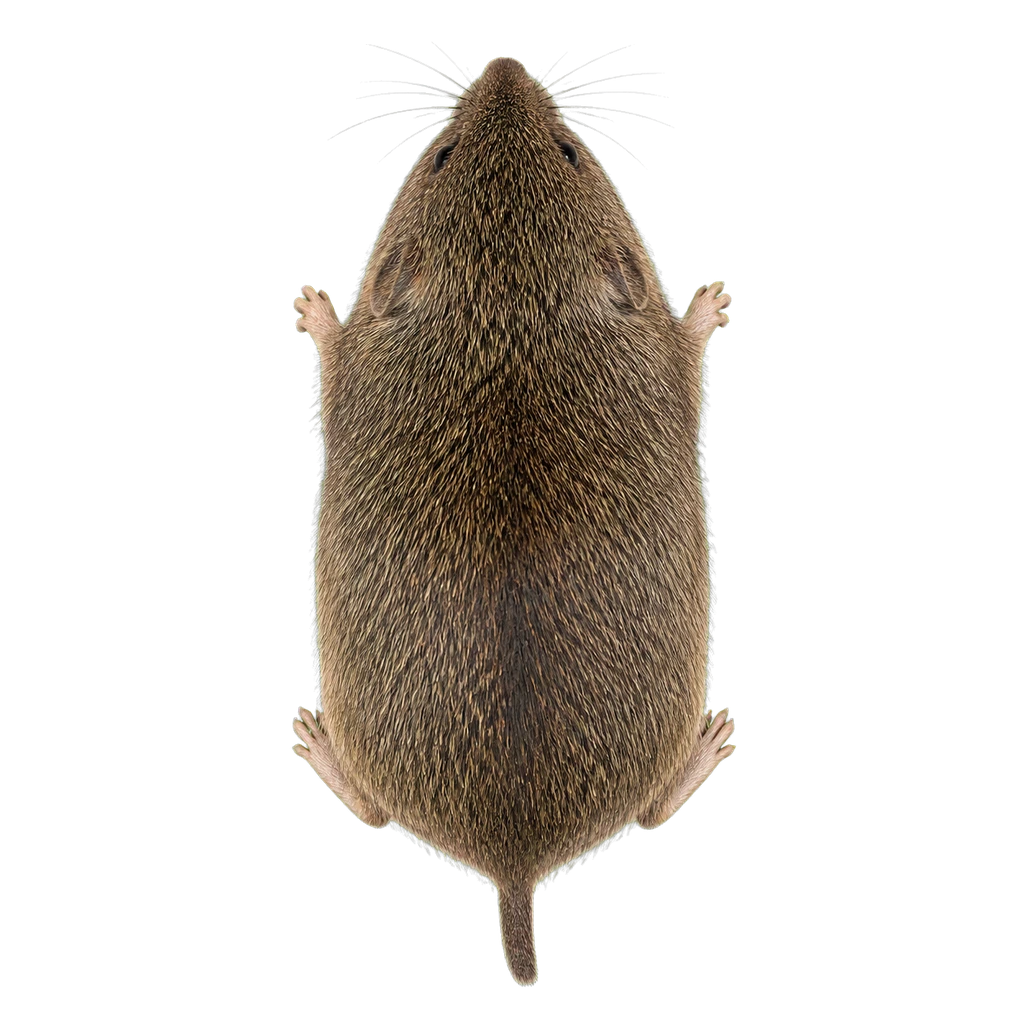
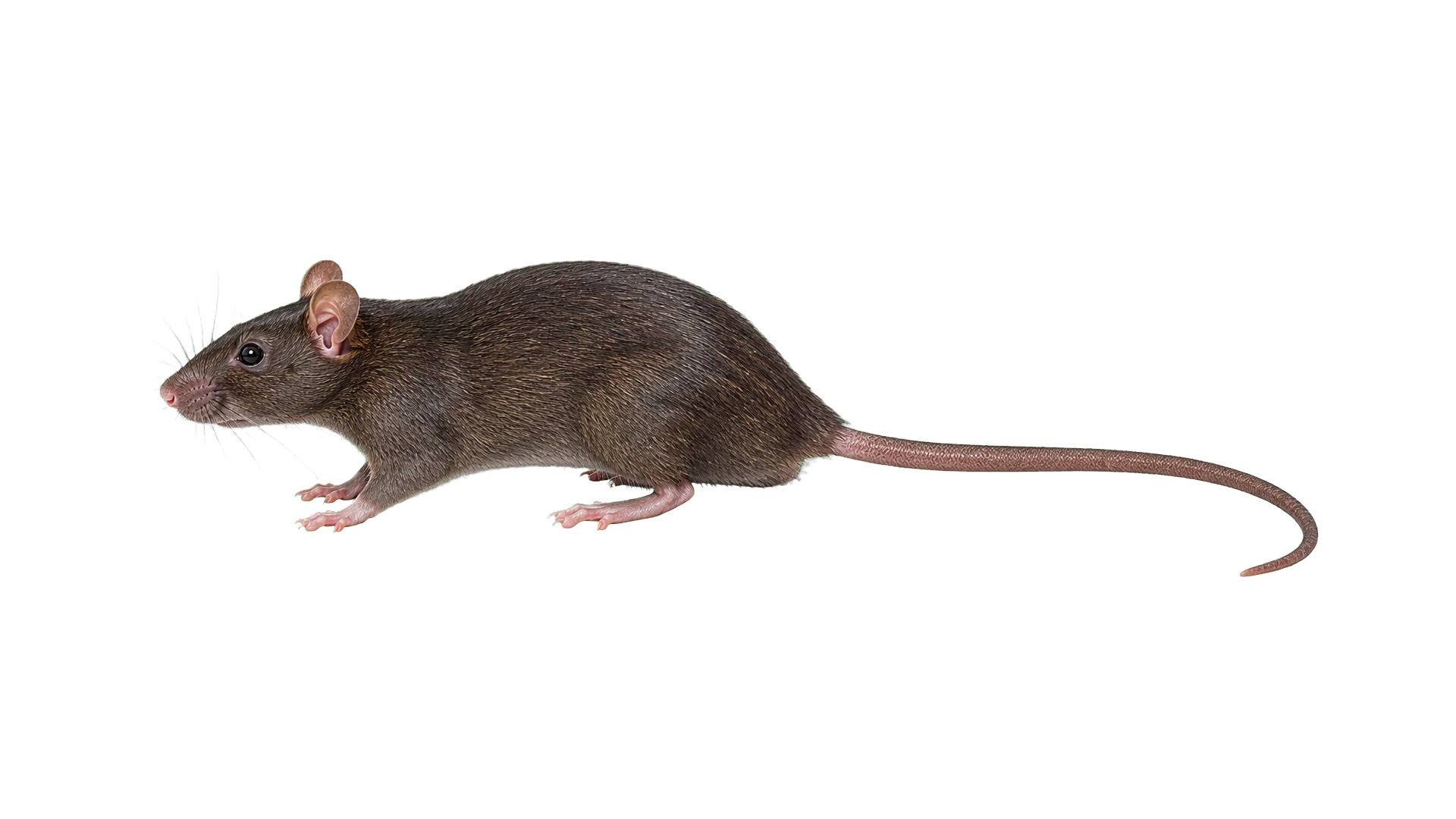
Roof rats are the climbing rodent of the southern United States, slender bodies of 150 to 200 millimeters with a tail measurably longer than the body, large ears, a pointed snout, and weights of 150 to 250 grams. The tail being longer than the body is the single fastest field ID against any other rat species. They are not native to North America, they arrived on ships from Asia, and today they are established throughout Florida, Texas, California, the Gulf Coast, Hawaii, and parts of Arizona, with port-city populations almost everywhere along the coast.

If you are finding small spindle-shaped droppings with pointed ends in your attic, hearing nighttime scurrying overhead in the rafters, or watching dark slender rats run along utility wires at dusk, the species is almost certainly Rattus rattus. This guide covers how to confirm them by droppings and tail length, why their preference for upper-level entry changes the treatment plan, and what a real attic and tree-canopy program looks like.

Close-up illustration of a roof rat showing slender dark body, large ears, pointed snout, and tail longer than the body

ID Card: Roof Rat

Scientific name
Rattus rattus
Color
Black, dark brown
Size
6 to 8 inches
Body shape
Sleek, lighter body with pointed snout and tail longer than body
Key evidence
Spindle-shaped droppings in attic, gnaw marks on wires, fruit damage in trees
Also known as
Black rats, Ship rats, Attic rats

Related Species

Call to get matched with a local pest control pro.

Available 24/7
(888) 495-1510
  • Specialists who understand arboreal climbing rodent biology
  • Attic, soffit, and roof-line inspection with overhead entry-point mapping
  • Outdoor habitat coordination including tree canopy and dense ornamental work

Where to Inspect for Roof Rat Activity

Cross-section illustration showing roof rat activity including attic nests, spindle-shaped droppings, gnawed insulation, and overhead travel paths along rafters and utility wires

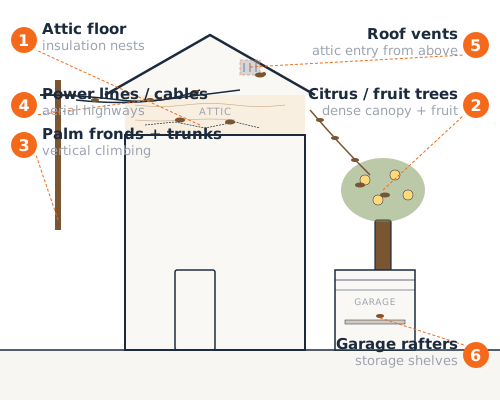
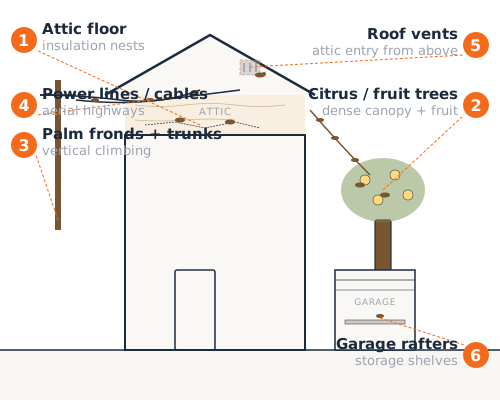
Roof rats live overhead. The visible signs at floor level badly underestimate the colony, so the inspection has to climb up to where the rats actually travel and nest. Bring a flashlight, look up at rafter joints and rooflines, and walk these zones in order:

  • Attic spaces and insulation, This is the primary indoor harborage. Look for tunnels pushed through fiberglass, shredded nest material, and clusters of spindle-shaped droppings (12 to 15 millimeters, pointed at both ends) near rafter beams and around gable vents.
  • Soffit vents, ridge vents, and gable vents, These are the textbook entry points at roof level. Inspect the screen mesh for chew damage and look for greasy rub marks along the edge where rats squeeze through gaps as small as a quarter coin.
  • Around chimneys and roof penetrations, Plumbing vent stacks, satellite dish mounts, and the flashing around chimneys all create gaps just large enough for a 150 gram rodent. Walk the roof edge with binoculars and look for chew marks on rubber boot seals.
  • Palm trees, citrus trees, and dense ornamental hedges within 20 feet of the house, This is where outdoor populations live. Palm frond skirts are a textbook nest site, and citrus or avocado trees with dropped fruit on the ground are a year-round food source feeding the attic population above.
  • Utility wires and tree limbs leading to the roof, These are the travel corridors. Walk the property at dusk and watch the wires, roof rats traverse them like a balance beam and use any branch within 6 feet of the house as a direct bridge.
  • Around garbage cans, compost bins, and outdoor pet food, Reliable food draws nightly foraging trips down from the attic. Look for gnaw marks on bin lids and droppings near outdoor pet bowls left out overnight.

If you find spindle-shaped droppings in the attic and a fruit tree with active branches touching the roof, the colony already has both a nest site and a food supply on the property. Roof rats produce 3 to 6 litters per year with 5 to 8 pups each, and juveniles reach breeding age in 8 to 12 weeks, which means attic populations of 20 to 50 animals are normal within the first year after entry. Treatment that ignores the upper-level entry path or the outdoor tree canopy lets the colony rebuild from the source even after indoor trapping clears the visible animals.

Cross-section illustration showing roof rat activity including attic nests, spindle-shaped droppings, gnawed insulation, and overhead travel paths along rafters and utility wires
Illustration showing how roof rats enter homes via overhead tree branches, utility wires, soffit gaps, roof vents, and ivy-covered walls into attic spaces

Why Do I Have Roof Rats?

Finding spindle droppings in the attic is step one. Understanding why the colony chose your property is what keeps the next group from moving in after this one is gone. Roof rats are picky in a different way than ground rodents, they need an elevated nest site, climbing access to get there, and a fruit or nut food source within foraging range. Southern US properties with mature landscaping check all three boxes, which is exactly why the species is so persistent in California, Florida, Texas, and the Gulf Coast.

What anchors them to your property:

  • Geographic range, roof rats are established throughout the southern US, port cities along every coast, and Hawaii, if you live in this zone the species is in your neighborhood whether or not it has reached your attic yet
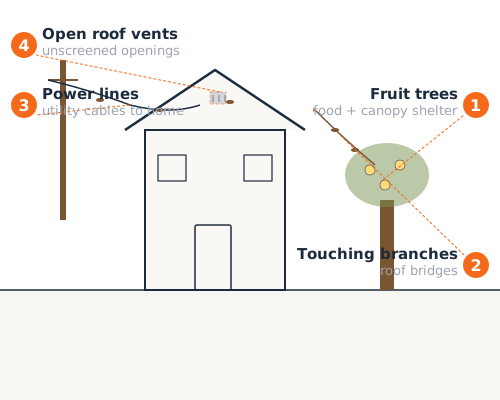
  • Mature trees with branches within 6 feet of the house, branches act as direct climbing bridges from canopy to roof, and tree limbs touching the structure deliver rats straight to soffit and vent entry points
  • Palm trees, citrus trees, and fruit-bearing landscape, the dietary preference for fruits, nuts, berries, and seeds is the reason roof rats are nicknamed fruit rats, palm frond skirts double as nest sites and citrus fruit feeds the population year-round
  • Dense ornamental hedges or ivy on walls, ivy-covered walls function as climbing routes up the side of the structure, and hedges within 20 feet of the house create outdoor harborage that funnels rats toward the foundation and eaves
  • Older home or commercial building with abundant attic ventilation gaps, soffit vents with damaged screen mesh, missing chimney caps, and gable vents larger than half an inch all give a 150 gram rodent an easy entry path once it reaches the roof

A new attic infestation starts when a scout climbs a tree limb, walks along a utility wire, or scales an ivy-covered wall, finds an unsealed soffit or vent gap, and pushes through. Once inside, the female finds a sheltered insulation pocket and produces her first litter within weeks. Three to six litters later, the attic holds dozens of animals, and the colony has established trails down through wall voids to garage spaces, exterior pet food, and any indoor food source it can reach. The outdoor population in the surrounding trees keeps feeding new animals into the attic for as long as the climbing access remains open.

How Serious Is Your Roof Rat Problem?

Find your scenario below. Each row reflects the actual progression of a roof rat colony in a southern US property, attic occupation supported by outdoor fruit-tree and dense vegetation harborage.

What You're Seeing Severity If Untreated Next Step
Spindle-shaped droppings in the attic, no live sightings, no nighttime sounds Early Early occupation. A breeding pair typically establishes a nest and produces the first litter within 4 to 6 weeks once they map a sheltered attic pocket. Confirm species by dropping shape (spindle with pointed ends rules out mice and Norway rats) and location (attic confirms roof rat over Norway rat). Schedule a professional inspection within 14 days. Do not seal entry points yet.
Spindle droppings in the attic plus occasional nighttime scurrying overhead Moderate Active colony of 5 to 15 animals. Population will roughly double within 8 to 10 weeks as the first juveniles reach breeding age and produce their own litters. Schedule professional service this week. The visit needs attic trap deployment along travel paths plus a comprehensive roof-line and soffit entry-point seal.
Heavy attic droppings, chewed insulation, nightly noise, and citrus or avocado tree damage outdoors High Mature colony of 20 to 50 animals with an outdoor source population in surrounding trees. Wire chew damage and insulation contamination compound weekly. Call a professional this week and request a same-week intensive program. Treatment needs attic trapping, comprehensive roof exclusion, and outdoor habitat coordination including tree canopy work.
Established attic colony, chewed electrical wiring visible, rats sighted in living space, young children in the home Urgent Mature infestation with documented fire risk from chewed wire insulation, contamination of insulation and stored items, and potential health exposure including leptospirosis, murine typhus, and salmonella. Call today for same-week pro service, request a licensed electrician for the wire damage, and ask the pest provider for a structural and contamination assessment before any insulation work.
Spindle-shaped droppings in the attic, no live sightings, no nighttime sounds
Severity Early
If Untreated Early occupation. A breeding pair typically establishes a nest and produces the first litter within 4 to 6 weeks once they map a sheltered attic pocket.
Next Step Confirm species by dropping shape (spindle with pointed ends rules out mice and Norway rats) and location (attic confirms roof rat over Norway rat). Schedule a professional inspection within 14 days. Do not seal entry points yet.
Spindle droppings in the attic plus occasional nighttime scurrying overhead
Severity Moderate
If Untreated Active colony of 5 to 15 animals. Population will roughly double within 8 to 10 weeks as the first juveniles reach breeding age and produce their own litters.
Next Step Schedule professional service this week. The visit needs attic trap deployment along travel paths plus a comprehensive roof-line and soffit entry-point seal.
Heavy attic droppings, chewed insulation, nightly noise, and citrus or avocado tree damage outdoors
Severity High
If Untreated Mature colony of 20 to 50 animals with an outdoor source population in surrounding trees. Wire chew damage and insulation contamination compound weekly.
Next Step Call a professional this week and request a same-week intensive program. Treatment needs attic trapping, comprehensive roof exclusion, and outdoor habitat coordination including tree canopy work.
Established attic colony, chewed electrical wiring visible, rats sighted in living space, young children in the home
Severity Urgent
If Untreated Mature infestation with documented fire risk from chewed wire insulation, contamination of insulation and stored items, and potential health exposure including leptospirosis, murine typhus, and salmonella.
Next Step Call today for same-week pro service, request a licensed electrician for the wire damage, and ask the pest provider for a structural and contamination assessment before any insulation work.

Roof rat colonies build slowly compared to mice but persist for years once the outdoor habitat is in place. If you're between two rows, treat the higher one as your situation.

How a Roof Rat Colony Grows

Roof rats reproduce continuously in the warm southern climates where they are established. They are less neophobic than Norway rats, which means they investigate new objects readily and traps catch them more easily, but it also means they explore new attic spaces quickly once climbing access is in place. The lifecycle below is why an established outdoor population in a fruit-tree neighborhood keeps refilling the attic for as long as the entry path stays open.

  1. Pup

    Born blind and helpless; weaned at 3 to 4 weeks

    Females give birth to 5 to 8 pups per litter in nests built from shredded attic insulation, fabric scraps, and plant material carried in from palms and trees. Pups are nursed entirely inside the nest and depend on the mother for the first three weeks of life.

  2. Juvenile

    About 3 to 8 weeks before dispersal

    Juveniles develop full climbing ability fast and start exploring the attic and adjacent roof spaces within weeks of weaning. They learn travel paths from the parent generation, which is why established attics show the same insulation tunnels and rafter trails year after year.

  3. Adult

    Sexually mature at 8 to 12 weeks; lifespan 12 to 24 months in protected attic colonies

    Adult roof rats are master climbers, they scale brick walls, traverse utility wires, and jump between branches with ease. Foraging happens at night, with workers traveling up to 300 feet from the nest, often along the same overhead route every evening.

  4. Female reproductive

    3 to 6 litters per year, 5 to 8 pups per litter

    A single female produces 30 to 50 or more offspring per year. With juveniles reaching breeding age at 8 to 12 weeks, the colony doubles roughly every three months in the absence of treatment, and an attic that starts with one breeding pair holds 20 to 50 animals by the end of year one.

Established roof rat colonies in southern US attics build more slowly than mouse populations but persist far longer. Tree canopy access to the property means the colony can rebuild from an outdoor source within weeks even after every animal in the attic has been trapped, which is why sealing the upper-level entry points and reducing the outdoor habitat are the two pieces that actually close the problem.

When Roof Rats Are Most Active

Roof rat activity tracks the southern climate calendar, with outdoor populations expanding in spring, peaking through summer fruit production, intensifying indoor pressure in fall, and remaining active through the mild winters that characterize California, Florida, and the Gulf Coast.

  • Spring

    Outdoor populations expand quickly as warmer temperatures return and citrus, avocado, and ornamental fruit set the first crop of the year. Mating peaks, females produce their first litters of the season, and new attic activity begins as juveniles disperse from established outdoor nests in palms and dense vegetation.

  • Summer

    Peak outdoor activity in fruit trees and dense vegetation. Attic temperatures rise significantly but established colonies persist, the insulation buffer is enough to keep nests viable through the hottest months. Foraging happens almost entirely at night when surface temperatures drop.

  • Fall

    Indoor sightings increase as cooler nighttime temperatures push outdoor populations toward the warmth of attic spaces. Attic activity intensifies through October and November as the year's juveniles reach breeding age. This is the loudest season for nighttime scratching overhead.

  • Winter

    Indoor attic populations remain active year-round in heated structures. In subtropical California, Florida, and the Gulf Coast, outdoor populations also continue feeding and breeding through the mild winter, with only modest slowdown during the coldest nights. Northern fringe populations in Texas and Arizona retreat further into attic spaces.

Why Roof Rats Aren't a DIY Job

Roof rats enter at upper levels, attic ventilation gaps, soffit gaps, around chimneys, and via tree limbs to the roof, none of which a homeowner can inspect or seal from the ground. The handful of droppings you find in the attic represents an active colony that has already mapped travel paths through your insulation, and the population in surrounding trees keeps feeding new animals in for as long as the climbing access remains open.

Over-the-counter rodenticide in an attic is the single most expensive mistake homeowners make with this species. Rats that consume bait die inside the walls and rafters, often in spots that cannot be reached without opening drywall, and the decomposition odor lasts two to six weeks before resolving. Improper trap placement at floor level catches almost nothing because roof rats travel overhead, not on the ground.

A professional inspects the attic, climbs the roof, identifies every overhead entry point, deploys traps along the actual travel paths in the rafters, seals roof and soffit gaps with hardware cloth and rodent-proof flashing, and documents the outdoor habitat work needed to break the climbing path. Multi-visit follow-up confirms the colony has collapsed and catches reinfestation pressure from outdoor source populations in neighboring yards.

Initial roof rat service typically runs $500 to $1,500 depending on attic size, structural sealing scope, and tree-canopy coordination, with $80 to $200 per month for ongoing monitoring in chronic southern markets. Roof rat damage, chewed wire insulation in attics is a documented fire risk, contaminated insulation, damaged stored items, is generally treated by homeowners insurance as preventable maintenance, so the work is rarely covered. Waiting is the most expensive option available.

What Changes When a Pro Shows Up

Roof rat work is overhead work. A specialist who has handled climbing rodents in the southern US builds the program around upper-level entry, attic harborage, and the outdoor tree canopy that feeds the colony. Here's what changes:

Pest control technicians after completing a roof rat treatment service
  • Local Pest Control
  • 24/7 Availability
  • Quality Workmanship
  • Eco‑Friendly Options
  • Trusted by Homeowners
  • They Inspect the Attic and Climb the Roof

    Inspection covers the attic floor, every soffit vent, the ridge and gable vents, all roof penetrations, and the flashing around chimneys. Travel paths through insulation get marked, and overhead entry points get mapped before a single trap is set.

  • They Trap in the Attic, Not at Floor Level

    Snap traps and multi-catch devices go where the rats actually travel, along attic beams, near insulation tunnels, and beside soffit entry points. Floor-level placement is the most common DIY mistake with this species. Outdoor bait stations target the source population in trees and dense vegetation.

  • They Seal at Roof Level With Rodent-Proof Materials

    Soffit gaps, ridge vents, gable vents, chimney gaps, and roof penetrations all get sealed with hardware cloth and rodent-proof flashing. Foam and steel wool alone don't last, the materials and the placement both matter.

  • They Document the Outdoor Habitat Work

    Tree limbs within 6 feet of the roof, palm frond skirts, dense ornamental hedges within 20 feet of the house, and fallen fruit are all on the list. The provider documents what needs to change and often coordinates with a tree-care service to break the climbing path before sealing is finished.

  • Local Pest Control
  • 24/7 Availability
  • Quality Workmanship
  • Eco‑Friendly Options
  • Trusted by Homeowners
NoToPests home

One call connects you with a local specialist who knows roof rats and your area.

Be Ready When You Call

Pest control technician arriving for roof rat service
Junho L.
Daisuke P.
Kirk Q.
Marion K.

Trusted by homeowners nationwide

Call for Pest Control Help (888) 495-1510

Can You Handle This or Do You Need Help?

Roof rats nest overhead, enter overhead, and travel overhead, three facts that put almost every part of meaningful treatment outside the range of a typical homeowner.

What DIY Can Do

DIY work is best aimed at identification, habitat reduction, and breaking the climbing path. Useful steps with honest limits:

  • Confirm the species by dropping shape (spindle with pointed ends rules out Norway rats and mice) and location (attic confirms roof rat over ground rodents)
  • Trim tree limbs back at least 6 feet from the roof and remove dense ornamental branches that touch the structure, this breaks the primary climbing path
  • Thin dense ornamental hedges within 20 feet of the house and clear ivy from exterior walls to reduce outdoor harborage and climbing routes
  • Secure outdoor pet food at night, harvest ripe fruit promptly, pick up fallen fruit, and tighten lids on garbage and compost bins
  • What DIY cannot safely do: inspect and treat attic spaces, climb and seal roof-level entry points, deploy traps along overhead travel paths, or coordinate tree-canopy work without significant safety and decomposition risk.

What a Pro Does Differently

Professional roof rat work is built around upper-level access and overhead trapping. Here's what changes when you call:

  • Comprehensive attic interior inspection, locating every nest pocket, travel path, and insulation tunnel before a single trap is placed
  • Roof and canopy assessment, mapping soffit, ridge, gable, chimney, and roof-penetration gaps that a homeowner cannot reach from the ground
  • Trap deployment along actual attic travel paths in the rafters and near soffit entry points, paired with outdoor bait stations targeting source populations in trees
  • Roof-level exclusion seal using hardware cloth and rodent-proof flashing on every overhead gap, plus chimney cap installation where missing
  • Multi-visit follow-up that confirms the colony has collapsed and catches reinfestation pressure from the outdoor source population in surrounding yards.

Suspect Roof Rats? Don't Wait.

Roof rats chew wire insulation in attics, contaminate stored items, and carry leptospirosis, murine typhus, and salmonella. Connect with a local specialist who handles attic trapping, roof-level exclusion, and outdoor habitat coordination.

Available 24/7
(888) 495-1510

What Homeowners Say After Getting Help

Real results from people who had the same problem and solved it.

Rashad E.
Rashad E.
Portland, OR

"No pressure, just options."

I appreciated being given eco-friendly options without being pushed. The technician explained tradeoffs honestly and let me decide based on my priorities. They were transparent about what each approach involves. The no-pressure approach and honest information helped me make a confident decision.

Rashad E.
Rashad E.
Portland, OR

"No pressure, just options."

I appreciated being given eco-friendly options without being pushed. The technician explained tradeoffs honestly and let me decide based on my priorities. They were transparent about what each approach involves. The no-pressure approach and honest information helped me make a confident decision.

Yu E.
Yu E.
Durham, NC

"The inspection caught what we missed."

I didn't realize how much damage raccoons can cause once they get inside. The wildlife specialist explained what areas they inspect first and why raccoon issues are handled more carefully than regular pests. They showed me the damage and explained removal and exclusion strategies. Understanding the potential for damage made me glad I called professionals.

Ren P.
Ren P.
Dayton, OH

"The problem finally stayed gone."

Ants kept returning no matter what we did. The tech treated the trail areas and explained how to handle food storage and moisture so the ants don't keep coming back. It's been months and we haven't seen them again. I appreciated that it wasn't just a one-and-done spray.

Kayla Q.
Kayla Q.
Pittsburgh, PA

"Clear expectations and a real plan."

I was overwhelmed and didn't know what was realistic to fix quickly. The inspector explained what results to expect and how long it typically takes depending on the ant species. They treated the right places and gave simple prevention tips. Everything felt structured and easy to follow.

Malachi U.
Malachi U.
Knoxville, TN

"They found the entry points fast."

Ants were showing up in the kitchen and we couldn't figure out where they were coming from. The tech tracked the activity and pointed out two entry points we never would've noticed. After treating and sealing those areas, the ants disappeared. It was quick and surprisingly thorough.

Arturo B.
Arturo B.
Yonkers, NY

"No pressure, just helpful info."

I mainly wanted to understand what was happening before committing to anything. The inspector walked me through the likely cause and the differences between treatment approaches. They answered questions without rushing me. The plan we chose worked and the ants were gone within days.

Octavio Z.
Octavio Z.
Duluth, MN

"The tech helped me stop wasting time."

I kept trying different products and nothing was sticking. The tech explained why some solutions don't work for certain ant problems and focused the treatment where it would actually matter. They also gave prevention tips that were easy to implement. The difference was obvious within the first week.

Chauncey A.
Chauncey A.
Duluth, MN

"We finally understood what to do next."

We felt stuck because nothing we tried lasted. The tech explained how to find the source of the problem, treated both indoor and outdoor areas, and helped us build a prevention routine. It wasn't complicated. Just the right steps in the right order. We've had a huge improvement since.

Vihaan V.
Vihaan V.
Madison, WI

"They fixed what was actually causing it."

Ants kept showing up in the same spot. The pro explained that the visible ants weren't the real issue and focused the treatment on where they were coming from. They identified the entry path and treated it properly. The problem stopped and hasn't returned.

Allison A.
Allison A.
Des Moines, IA

"It felt like a real inspection, not a quick spray."

The tech spent time figuring out where the ants were entering instead of just spraying around. They walked me through the likely reasons and what to watch for over time. After treatment, ant activity dropped fast and stayed low. The detailed approach gave me confidence.

Stephen N.
Stephen N.
Sacramento, CA

"Small changes made a big difference."

We didn't realize how much our routine was attracting ants. The inspector explained simple prevention steps and treated the areas where activity was highest. Once those changes were in place, we stopped seeing ants inside. It was a practical approach that actually worked.

Daquan V.
Daquan V.
Tampa, FL

"The explanation alone was worth it."

I'd been doing random treatments without understanding what I was dealing with. The tech explained how ants behave and why certain approaches work better. They treated strategically instead of just spraying. It made the whole thing feel manageable.

Deepak V.
Deepak V.
San Antonio, TX

"We stopped chasing the problem and solved it."

We kept wiping down counters and the ants would be back the next day. The pro identified the entry areas and explained the treatment plan clearly. Once they treated and targeted the colony, the ants disappeared quickly. It felt like we finally got ahead of it.

Mireya Z.
Mireya Z.
Riverside, CA

"They didn't oversell. Just solved it."

The tech explained what treatment was necessary and what wasn't. They focused on the entry points and corrected the conditions that were attracting ants. The work felt honest and effective. I liked having clear expectations and seeing results quickly.

Wei D.
Wei D.
Lexington, KY

"It wasn't just 'spray and go.'"

I appreciated the step-by-step explanation and the focus on prevention. The inspector treated the areas where ants were getting in and helped me understand what to change at home. The ants stopped showing up and it's been consistent. The approach felt thoughtful and sustainable.

Shu W.
Shu W.
Orlando, FL

"It finally made sense why they kept coming back."

I had ants showing up every few months and never understood why. The tech explained how outdoor nests and weather changes affect indoor activity. They treated the perimeter and entry points instead of just the inside. Since then, we haven't had recurring issues.

Teresa I.
Teresa I.
Mesa, AZ

"Targeted instead of overdone."

I was worried about over-treating the house. The pro focused on specific problem areas and explained why blanket spraying wasn't necessary. The ants stopped appearing, and we didn't feel like chemicals were used unnecessarily. That balance mattered to us.

Latonya X.
Latonya X.
Mesa, AZ

"Clear answers without jargon."

The tech explained everything in plain language and answered questions without rushing. They identified the type of ant we had and adjusted the treatment accordingly. Knowing why the approach worked gave me confidence it would last.

Humberto T.
Humberto T.
Eugene, OR

"They focused on prevention, not just treatment."

I liked that the tech talked through how to keep ants from returning after the treatment. They addressed moisture issues and entry points around the home. The treatment worked, and the prevention tips helped us stay ahead of future problems.

Jerrell N.
Jerrell N.
Arlington, VA

"No guessing, just a plan."

I was tired of guessing what would work. The inspector explained the cause of the issue and outlined a clear plan of action. After treatment, the ants disappeared and we haven't had to revisit the problem. It felt efficient and well thought out.

Marion K.
Marion K.
Boulder, CO

"They explained what to expect upfront."

The tech set expectations about timing and results before starting. They explained that some activity might happen initially and why. Everything played out exactly as described, and the ants were gone shortly after. That transparency made a big difference.

Bridget E.
Bridget E.
Sacramento, CA

"Helpful without being overwhelming."

I didn't realize there were different types of ants or that it mattered. The inspector walked me through what they were seeing and explained how ant behavior affects treatment. It made it easier to ask the right questions and understand the solution.

Junho L.
Junho L.
Naperville, IL

"Saved me a lot of guessing."

I was close to trying random sprays for the ants. Talking with the tech helped me understand what was realistic to address and what usually doesn't work. The targeted treatment solved the issue quickly and saved time and frustration.

Willis Y.
Willis Y.
Baton Rouge, LA

"It felt tailored to our home."

The tech didn't just apply a standard treatment. He looked at where we were seeing activity and adjusted the approach to our layout and yard. The ants stopped showing up and we understood how to keep it that way.

Thelma S.
Thelma S.
Madison, WI

"Straightforward and effective."

I appreciated how straightforward everything was. The pro explained the issue, treated the problem areas, and gave us a few simple steps to prevent future issues. The ants were gone and it didn't feel complicated.

Angelina B.
Angelina B.
Austin, TX

"They explained how the weather played a role."

I didn't realize seasonal changes could affect ant activity so much. The tech explained how heat and rain push ants indoors and what to do about it. They treated the problem areas and gave tips to prevent future issues. The explanation helped everything click.

Kirk Q.
Kirk Q.
Denver, CO

"It wasn't as complicated as I expected."

I assumed pest control would be disruptive or complicated. The technician explained the steps clearly and focused on targeted treatment. The ants stopped appearing quickly and the process was smoother than expected.

Cody L.
Cody L.
Denver, CO

"They helped me understand the bigger picture."

Instead of just treating the ants I saw, the tech explained what was happening around the house that made it attractive to pests. Once those factors were addressed, the problem resolved quickly. It felt educational as well as effective.

Marquis K.
Marquis K.
San Mateo, CA

"Clear communication from start to finish."

I appreciated how clearly everything was explained before treatment began. The inspector walked through the process and answered all my questions. The ants were gone shortly after and we felt confident about prevention going forward.

Virginia T.
Virginia T.
San Mateo, CA

"They addressed what we were missing."

We kept focusing on cleaning, but the tech showed us where ants were actually entering. Once those points were treated and sealed, the issue resolved. It was reassuring to finally understand the root cause.

June J.
June J.
Omaha, NE

"A methodical approach that worked."

The pro explained how they identify ant trails and colonies before treating. They took a methodical approach instead of rushing through. The ants stopped appearing and the fix has held up well.

Caitlin K.
Caitlin K.
Phoenix, AZ

"They understood desert pest behavior."

Living in Phoenix, pests behave differently than other places. The tech explained how heat drives ants indoors and what treatments work best here. The solution was effective and tailored to our environment.

Olive S.
Olive S.
Sacramento, CA

"They took the time to do it right."

I appreciated that the tech didn't rush. He inspected the problem areas carefully and explained what they were seeing. The treatment worked quickly and the ants haven't returned.

Arianna D.
Arianna D.
Baton Rouge, LA

"They understood the local pest issues."

The tech explained how the humidity here contributes to ant problems and why certain treatments work better in this climate. They focused on outdoor entry points and moisture-prone areas. The ants cleared up quickly and haven't come back.

Kiyana N.
Kiyana N.
New Orleans, LA

"Finally something that lasted."

We'd dealt with recurring ants for years. The pro explained why flooding and moisture play such a big role here and adjusted the treatment accordingly. It's been months without seeing ants, which is a big win for us.

Brett R.
Brett R.
Phoenix, AZ

"They knew exactly what works in Arizona."

The tech explained how desert conditions affect ant behavior and which treatments are most effective here. They targeted the right areas and avoided unnecessary spraying. The ants disappeared quickly.

Albert O.
Albert O.
Baltimore, MD

"Clear, calm, and professional."

I appreciated how calmly everything was explained. The inspector identified the ant problem, explained the treatment, and answered my questions without rushing. The solution worked and gave me peace of mind.

Rohit Y.
Rohit Y.
Orlando, FL

"They handled it efficiently."

The tech inspected the problem areas, explained the plan, and got to work quickly. The ants were gone within days and the process felt efficient without being rushed.

Carolyn H.
Carolyn H.
Omaha, NE

"Simple explanations, solid results."

I liked how simply everything was explained. The pro didn't overcomplicate things and focused on what mattered. The ants stopped appearing and we haven't needed follow-up treatments.

Edith Z.
Edith Z.
Newark, NJ

"They showed me what to watch for."

Beyond treating the ants, the tech explained what signs to watch for if activity starts again. That knowledge made me feel more in control. So far, everything has stayed clear.

Common Questions About Roof Rats

Direct answers to what homeowners ask most about identification, attic activity, and what real treatment looks like.

  • What distinguishes roof rats from Norway rats in behavior and habitat? Toggle answer for: What distinguishes roof rats from Norway rats in behavior and habitat?

    Roof rats are exceptional climbers that prefer to live above ground, in attics, ceiling voids, palm trees, dense vine growth, and overhead utility line conduit. They access buildings by traveling along tree branches, utility lines, fences, and vines to reach the roofline, then entering through vents, gaps under eave tiles, and openings in soffits. Unlike ground-dwelling Norway rats, roof rats rarely burrow and are seldom found in basements or at ground level. They are more common in coastal and southern states, particularly in areas with citrus trees, palm trees, and dense ornamental vegetation that provides aerial travel corridors between feeding and nesting sites.

  • How do roof rats get into my attic? Toggle answer for: How do roof rats get into my attic?

    Roof rats reach attic spaces by exploiting their extraordinary climbing ability, and theycan scale rough vertical surfaces like stucco, brick, and wood siding, walk along utility wires and fence tops, and leap up to four feet from a branch to a roofline. Common entry points include gaps where roof tiles lift away from the fascia, unscreened gable and ridge vents, openings around plumbing stacks and HVAC lines at the roofline, deteriorated soffit panels, and gaps where tree branches contact the roof. Once inside, they can traverse the entire attic and wall void system. Trimming all tree branches and vegetation to at least four feet from the roofline and screening every roof penetration eliminates the access points roof rats depend on.

  • Why are rats so hard to get rid of once they move in? Toggle answer for: Why are rats so hard to get rid of once they move in?

    Rats are intelligent, cautious animals that learn quickly and adapt their behavior to avoid threats. They are neophobic, naturally suspicious of new objects in their environment, whichmeans traps and bait stations may be ignored for days until rats acclimate to their presence. Rats also breed rapidly, with females producing up to seven litters of six to twelve pups annually, and they reach sexual maturity in just five weeks. A colony can sustain significant losses and still recover its numbers within a few months if food, water, and harborage remain available.

  • What risks do rats pose to my health and property? Toggle answer for: What risks do rats pose to my health and property?

    Rats are one of the most consequential urban pests from a public health perspective. They transmit diseases including leptospirosis, rat-bite fever, hantavirus, and salmonellosis through their droppings, urine, saliva, and the fleas they carry. Their gnawing damages electrical wiring (a leading cause of unexplained structure fires), plumbing, insulation, and stored goods. A single rat produces approximately 25,000 droppings per year and urinates continuously as it travels, contaminating every surface it contacts.

  • How quickly can a provider get to my home? Toggle answer for: How quickly can a provider get to my home?

    Most providers in our network can schedule an inspection within 24-48 hours. For urgent situations, likeactive structural damage or large colonies, same-week emergency service is often available. Response times depend on your location and the provider's current schedule.

  • What happens during the first visit? Toggle answer for: What happens during the first visit?

    Your provider inspects the property to identify the pest, locate nesting or entry points, and assess the scope of the problem. You get a clear explanation of what they found, what they recommend, and a written scope before any work begins.

  • Is treatment safe for kids and pets? Toggle answer for: Is treatment safe for kids and pets?

    Modern pest control products are designed to break down quickly after application and pose minimal risk to people and pets when applied correctly. Most providers ask you to keep kids and pets out of treated areas for 1 to 2 hours while the product dries, after which the area is generally safe again. Always confirm specific re-entry times with your provider, and let them know about pet birds, fish, or reptiles, since some treatments require extra precautions for those species.

Pest Control Pros serving the city of the state of your city and nearby areas

Local providers experienced with attic-based roof rat work and outdoor habitat coordination are ready to inspect, treat, and follow up, no obligation.

Available 24/7
(888) 495-1510