Local pest control help is one call away.

Pest Birds in and Around Buildings

Need bird exclusion help? (888) 495-1510

Pigeons, house sparrows, European starlings, and similar nuisance birds roost on buildings, nest in vents and eaves, and produce droppings that damage materials and create health concerns. Bird control follows different rules than insect or rodent control because most native species are protected by federal law (the Migratory Bird Treaty Act), and exclusion plus deterrents replace lethal control for almost every situation.

Why Bird Control Is Different

Three species (pigeons, house sparrows, European starlings) are non-native invasive birds and not protected by the Migratory Bird Treaty Act, although local ordinances may still restrict how they are managed. Almost every other bird species you encounter (native songbirds, swallows, woodpeckers, hawks, owls) is federally protected, and removing nests, eggs, or live birds without proper permits is a federal violation.

The practical implication is that bird management focuses on prevention and exclusion rather than removal. Spike strips on ledges, netting under eaves, sealed vent covers, and visual or sonic deterrents are the typical tools. Once birds nest in a protected species situation, the law generally requires waiting until the nest is naturally vacated before exclusion work can proceed.

Four common bird-related building issues:

  • Pigeon roosting on ledges, signs, building tops, and parking garages with droppings on cars and surfaces below
  • House sparrows or European starlings nesting in dryer vents, kitchen vents, bathroom vents, and similar small openings
  • Native swallows building mud nests under eaves and producing droppings on porches, windows, and walls
  • Woodpeckers drumming on siding, trim, or fascia and producing visible damage

Pest Birds by the Numbers

Bird-related damage to buildings, equipment, and inventory in the United States is estimated in the hundreds of millions of dollars annually. A single pigeon produces roughly 25 pounds of droppings per year. Pigeon droppings carry several human health concerns including histoplasmosis (a fungal lung infection from inhaled spores in dried guano) and psittacosis (a bacterial infection).

  • 11-13 in Pigeon body length
  • 3-6 years Pigeon lifespan
  • ~25 lbs Annual droppings

Three Pest Bird Species to Know

Three non-native species cause most pest bird issues in the United States and are not protected by the Migratory Bird Treaty Act. Other bird species you encounter are typically protected and require different management.

Pigeon icon

Pigeons (rock doves)

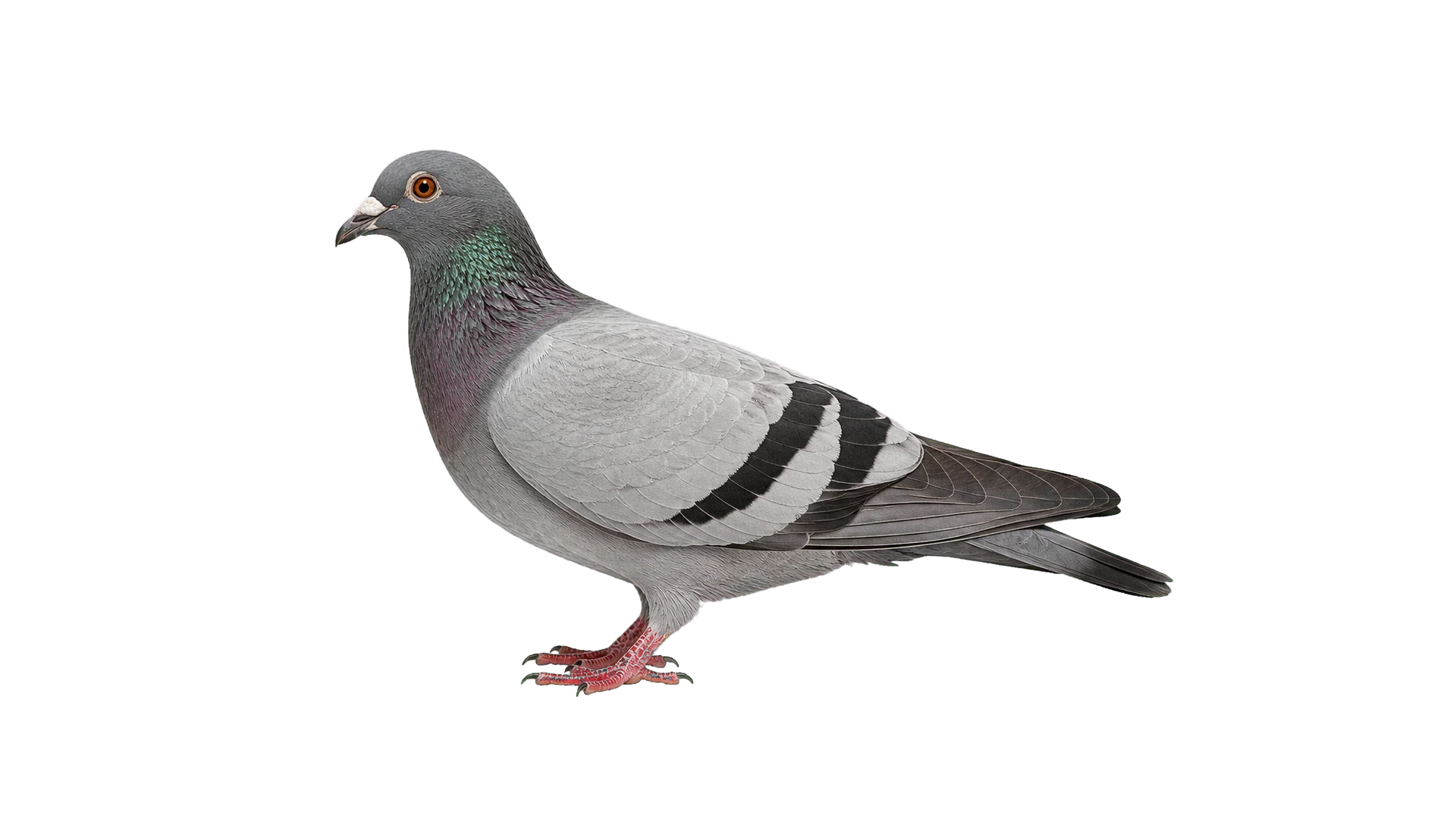
Gray plumage with iridescent green and purple neck feathers, 11 to 13 inches long. Roost on ledges, signs, building tops, and parking garages. Produce the largest volume of droppings of any pest bird and the most visible building damage from accumulated guano.

Sparrow icon

House sparrows

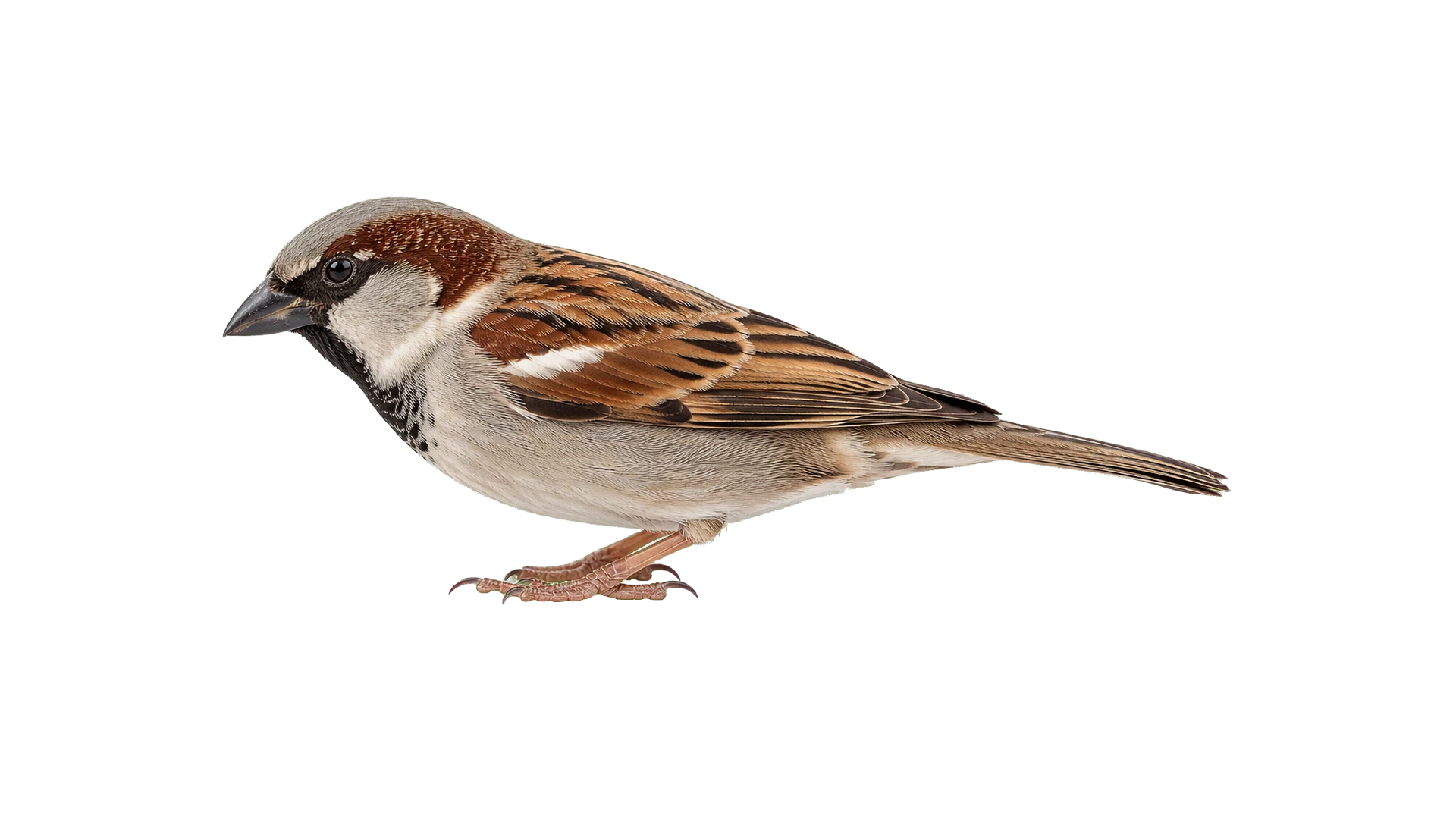
Small brown birds 5 to 6 inches long, males with gray crown and black bib. Nest in vents, eaves openings, and small structural cavities. Aggressive toward native cavity-nesters including bluebirds and tree swallows.

Starling icon

European starlings

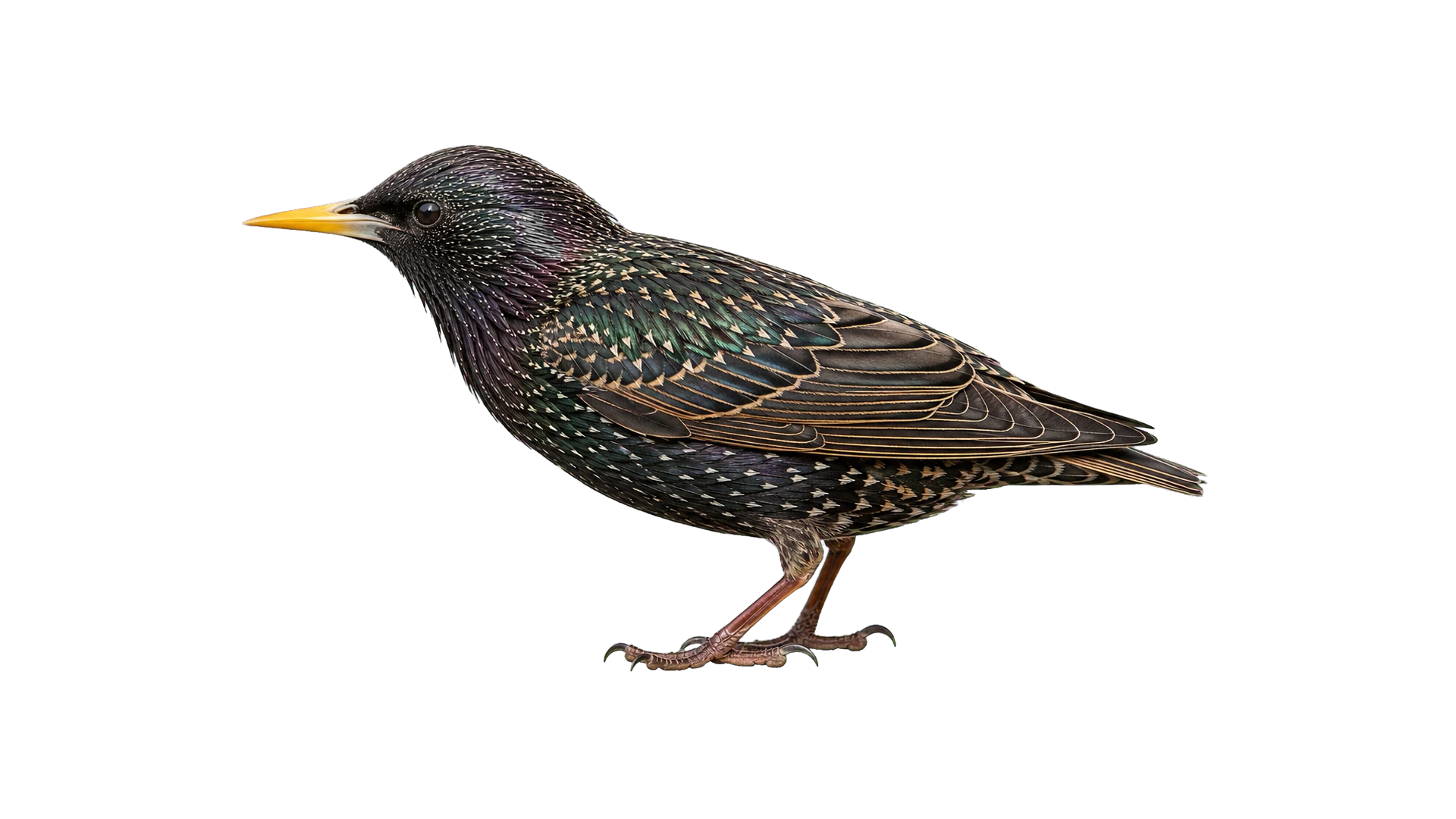
Stocky black birds 7 to 9 inches long with iridescent green and purple sheen, white spotting more visible in winter. Nest in cavities including vents and eaves; gather in large flocks. Aggressive cavity competitors with native woodpeckers and bluebirds.

Signs You Have a Pest Bird Issue

Pest bird issues are usually obvious from the building exterior, but some indoor signs (vent blockages, attic noise) indicate nesting that needs to be addressed promptly to prevent more serious damage.

How Bird Issues Develop

Initial roosting A few pigeons, sparrows, or starlings find a sheltered ledge, sign, or roof feature and begin perching there regularly for shelter.
Population builds The roost site attracts more birds. Droppings accumulate below at roughly 25 pounds per pigeon per year and start corroding surfaces.
Nesting and damage Birds nest in vents, eaves, or roof openings, blocking airflow and producing guano accumulation inside the structure.

How Pest Birds Affect Buildings

Pigeon damage is primarily about accumulated droppings. Pigeon guano contains uric acid that corrodes building materials over time, particularly painted surfaces, masonry, and metal. Heavy guano accumulation also creates health concerns through histoplasmosis spores in dried droppings, and aesthetic concerns through visible buildup on surfaces below roost sites. Pigeons typically do not nest inside structures but roost on exterior ledges and architectural features.

House sparrows and starlings are nest-cavity occupiers. They aggressively claim dryer vents, kitchen vents, bathroom vents, soffit openings, and any other small structural cavity for nesting. Nesting material in vents blocks airflow, creates fire hazards in dryer vents, and produces guano accumulation inside the vent or attic. Native cavity-nesters (bluebirds, tree swallows, woodpeckers) lose territory to these aggressive non-native competitors. Native species (swallows building mud nests on building exteriors, woodpeckers drumming on siding) require management approaches that respect their protected status while addressing the building concern.

Effective bird management is exclusion and deterrent rather than removal. Bird spikes prevent roosting on ledges and signs. Netting closes off larger spaces under eaves or over courtyards. Sealed vent covers prevent nesting in vents and chimneys. Visual deterrents (predator silhouettes, reflective tape) and sonic deterrents reduce roosting pressure on specific areas. For protected species, timing exclusion work between nesting seasons is the legal and practical approach.

Pest Bird Anatomy at a Glance

Six features that drive bird-related building issues, with a generic representative pictured. The features that matter for pest control are the perching grip, droppings biology, and nesting cavity preference.

1 2 3 4 5 6
  1. Beak (feeding adaptation)

    Beak shape reflects diet. Pigeons have short seed beaks, starlings long probing beaks, sparrows conical seed-crackers, woodpeckers chisel-like beaks for wood.

  2. Eye and head feathers

    Bird vision is excellent. They detect movement and reflective surfaces from a distance, which is why visual deterrents work against pigeons and starlings.

  3. Folded wing

    Folded wings reveal ID patterns. Pigeon wings show two dark bars; starlings show iridescent sheen with seasonal speckling. Wings also enable nesting in vents and eaves.

  4. Tail feathers

    Tail length and shape vary by species. Pigeon tails are short and rounded, starling tails squared, sparrow tails slightly notched. Useful for quick rooftop ID.

  5. Feet and claws

    Strong perching grip lets birds roost on narrow ledges and signs. Bird spikes work by removing flat gripping surfaces. Anti-perching coatings defeat the grip.

  6. Body feathers

    Feathers waterproof and insulate the bird for year-round outdoor life. Feather oils, dander, and droppings can release histoplasmosis spores in heavily fouled indoor spaces.

What Are You Actually Seeing?

Match the symptom pattern below to identify which bird issue you have and what response is appropriate.

What Are You Actually Seeing?

What You're Seeing

  • Pigeons visible on ledges, parapets, building tops, signs, or architectural features
  • Accumulated droppings on walkways, vehicles, or surfaces below the roost
  • Possible nests of twigs in sheltered ledge or balcony spots

What's Likely Happening

Pigeons select roost sites based on shelter, height, and proximity to food sources. Once a roost is established, additional pigeons join the population. Droppings accumulate continuously and damage surfaces below. Pigeons are non-native and not protected by federal law, although local ordinances may apply.

What To Do Now

  • Bird spikes on ledges, signs, light fixtures, and other roost surfaces eliminate flat perching areas.
  • Netting in larger sheltered spaces (under canopies, in courtyards) excludes pigeons completely.
  • Visual deterrents (predator silhouettes, reflective surfaces) provide initial deterrent before permanent exclusion is installed.
  • Cleanup of accumulated droppings using appropriate PPE; histoplasmosis exposure is a real concern for heavy guano cleanup.

What You're Seeing

  • Nesting material (twigs, grass, feathers) extending from dryer, kitchen, or bathroom vents
  • Reduced airflow from vents; dryer takes longer to dry clothes
  • Bird sounds (chirping, scratching, fluttering) from inside walls or attic

What's Likely Happening

House sparrows and starlings actively seek small structural cavities for nesting and aggressively defend them once claimed. Nests block vent airflow, create fire hazards in dryer vents, and produce guano accumulation. These species are non-native and not federally protected, but timing matters for any removal due to nesting biology.

What To Do Now

  • Wait for fledglings to leave the nest before removing nesting material when active eggs or chicks are present.
  • Remove nesting material from inside vents using appropriate access; clean vent and any guano accumulation.
  • Install vent covers with bird-resistant mesh while maintaining proper airflow to prevent re-nesting.
  • Inspect adjacent eaves and vents for additional nesting; sparrows and starlings often establish multiple nest sites on a single building.

What You're Seeing

  • Mud nests built under eaves, soffits, porch overhangs, or against textured exterior walls
  • Birds (likely barn swallows or cliff swallows) flying in and out during nesting season
  • Droppings on porches, windows, or walls below nests

What's Likely Happening

Native swallow species build mud nests on building exteriors during spring nesting season. They are protected by the Migratory Bird Treaty Act, and active nests cannot be legally disturbed without specific permits. Most swallow species complete nesting within 4 to 6 weeks; the nests are then naturally vacated and can be removed safely.

What To Do Now

  • Active nests with eggs or chicks must be left undisturbed during the nesting season due to federal protection.
  • Once fledglings have left and the nest is confirmed inactive, remove the nest and clean the area.
  • Install bird netting or slope-modification deterrents on previous nest sites before next year's nesting season to discourage rebuilding.
  • Annual inspection in early spring before nesting begins identifies likely sites for preemptive deterrent installation.

What You're Seeing

  • Round holes (1/2 to 2 inches diameter) drilled into siding, fascia, or trim
  • Drumming sounds during early morning hours, especially in spring
  • Woodpecker visible at hole during periodic activity

What's Likely Happening

Native woodpeckers drum on siding for territory establishment, drill for insect prey, or excavate cavities for nesting. They are protected by federal law. Insect-driven drilling is a sign that wood-boring insects may be present; territory drumming is unrelated to insects and reflects spring breeding behavior.

What To Do Now

  • Inspect for underlying insect activity (carpenter ants, beetles) that may be attracting feeding woodpeckers; treating the insects often stops the drilling.
  • Visual deterrents (reflective tape, predator silhouettes) and sonic deterrents reduce drumming activity in specific areas.
  • Permanent exclusion materials (netting, hardware cloth over affected siding) prevent ongoing damage in problem areas.
  • Wait for natural completion of nesting before any cavity remediation if active nesting holes are present.

How Urgent Is This Really?

Bird urgency runs on two clocks: the structural damage curve from accumulating guano, and the federal Migratory Bird Treaty Act calendar that protects most native species once nesting begins. The schedule below tracks both. Acting in the off-season is almost always faster and cheaper.

  1. 0-2 weeks
    Monitor

    A few birds perching, scouting, or accumulating nest material under eaves, in vents, or on signage. No nest yet. Species ID matters: pigeons, starlings, and house sparrows are unprotected, while most natives are protected once eggs are laid.

    • Identify the species. Three non-natives are unprotected; almost everything else is.
    • Inspect roof, soffits, gable vents, and signage for nest material accumulation.
    • Install bird spikes, netting, or vent covers before nesting begins. Legal window.
  2. 2 weeks - 1 month
    Act soon

    Nest construction underway, or birds entering and exiting a confined space (vent, soffit, attic). For unprotected species, immediate eviction is legal. For protected species, the federal legal window may have closed for the season already.

    • For unprotected species: remove the partial nest, install exclusion immediately.
    • For protected species: contact a state-permitted wildlife pro for permit options.
    • Document nest location, species, and start date for any future legal questions.
  3. 1-3 months (active nesting)
    Urgent

    Active nest with eggs or chicks, droppings accumulating below, or noise complaints. For protected species, no removal allowed until chicks fledge naturally. For unprotected species, pro removal plus disinfection is now needed.

    • Do not disturb a protected nest. Federal fines apply per individual violation.
    • Bag and dispose of droppings using gloves and an N95. Histoplasmosis risk is real.
    • Schedule pro removal for unprotected species, plus full exclusion and cleanup.
  4. 3+ months
    Critical

    Long-term nesting with multiple generations, heavy guano buildup, structural damage (clogged vents, soffit damage), or histoplasmosis exposure risk. Cleanup commonly runs $1,500 to $10,000 on top of removal and exclusion work.

    • Get one quote covering removal, full cleanup, exclusion, and any structural repairs.
    • Confirm the contractor follows federal and state wildlife laws. Fines stack fast.
    • Plan a 6-month follow-up. Birds return to known nesting sites year after year.

Bird timing is largely a calendar problem. Nesting season runs roughly March through September depending on species, and federal protections kick in the moment eggs are laid. Plan exclusion work for the off-season.

Pest Control Pros serving the city of the state of your city and nearby areas

Local wildlife pros handle bird exclusion, vent and roof remediation, and proper cleanup of guano with attention to species protection laws and health-safe procedures.

Available 24/7
(888) 495-1510

What Attracts Birds to Buildings

Birds choose roost and nest sites based on architectural and environmental features that mimic the natural cliffs and tree cavities they evolved to use. Several features make some buildings consistently attractive while identical neighbors stay empty.

Each species targets different building features. Pigeons want flat horizontal ledges and parapets at least 6 inches deep with a clear flight approach. House sparrows want any vent or eave cavity 1 to 2 inches wide that gives them a defensible hole. European starlings want 2 to 3 inch openings in vents, soffit gaps, or attic access points. Native swallows want sheltered corners under eaves where mud can be anchored. Knowing which species is on the building tells you which feature to neutralize first.

Most affected buildings have three or four of these conditions running at once. Start with the easy wins: bird-resistant vent covers and chimney caps go on first because they address sparrow and starling nesting in a single step. Then move to ledges and architectural features for pigeon work. A diverse pollinator garden and food-source audit (bird feeders moved away from the building, dumpsters secured) reduces overall pressure even before any spike or netting goes up.

Where Birds Concentrate on Buildings

Ledges, parapets, and signs

Pigeon roost ground zero. Flat surfaces above ground level provide secure perching. Bird spikes installed continuously across these surfaces eliminate roosting effectively.

Dryer, kitchen, and bathroom vents

Sparrow and starling nesting territory. Small vent openings without bird-resistant covers are functionally invitations. Vent covers with bird-resistant mesh are the standard prevention.

Eaves, soffits, and porch overhangs

Swallow mud nest territory and starling secondary cavity area. Sheltered corners under overhangs anchor mud nests. Slope modifications and netting prevent rebuilding.

Attic vents and roof openings

Multiple species nest in attics through unscreened vents or damaged roof openings. Inspect ridge vents, gable vents, and any roof penetrations for bird-resistant screening.

Chimneys and flue openings

Birds nest in unscreened chimneys, blocking airflow and creating fire hazards. Chimney caps with bird-resistant mesh are required for proper chimney function.

HVAC equipment and roof gear

Rooftop air conditioning units, exhaust fans, and similar equipment provide warmth and shelter that attract roosting and occasional nesting. Inspect equipment housings for bird damage and signs of nesting.

How Bird Populations Develop on Buildings

Bird populations build over multiple breeding seasons. Understanding the cycle is key to timing exclusion and deterrent installations.

  1. Initial scout

    Days to weeks

    First bird identifies the location as a potential roost or nest site. Returns repeatedly to evaluate. Early intervention at this stage is the highest-leverage prevention; deterrents installed before commitment are far more effective than after.

  2. Site commitment

    Weeks to months

    Bird (or pair, for nesting species) commits to the site and begins regular roosting or starts nest construction. Other birds may begin to join roosting populations. Removal becomes harder once site commitment is established.

  3. Active nesting or roosting

    4 to 8 weeks (nest); ongoing (roost)

    Active nesting period for pairs raising young, with eggs and chicks present. Federal protection applies to active native bird nests during this stage. Roost populations may grow continuously without specific nesting cycle.

  4. Fledging or seasonal departure

    Variable

    Young birds leave the nest; nesting cycle completes. Some species nest multiple times per season. Roost populations may persist year-round (pigeons) or shift seasonally (starlings).

The right time for exclusion work depends on the species and current activity. Non-protected species (pigeons, sparrows, starlings) can be addressed any time, although nesting cycles still affect timing for specific access. Protected species require waiting for active nests to vacate naturally before remediation can proceed.

IMPORTANT

Why Most DIY Bird Removal Violates Federal Law

DIY bird control trips over the federal Migratory Bird Treaty Act before it ever solves the building issue. Most native bird species are federally protected, and removing nests, eggs, or live birds without a permit is a federal violation with per-bird fines that stack quickly. Only three non-natives (pigeons, house sparrows, European starlings) are unprotected, and even those are restricted in some jurisdictions by local ordinance. Lethal control rarely solves the underlying problem anyway because new birds replace removed ones within weeks, and the building features that attracted the original colony remain. The leverage in bird management comes from exclusion and deterrents (spikes, netting, vent covers, slope modifications) that change the building so it stops attracting birds in the first place. Permanent physical exclusion installed in the off-season, paired with proper guano cleanup using N95 protection, is the approach that actually holds up.

Which Birds Are You Seeing?

Pest birds vary in damage, droppings, and disease risk. Match what you're seeing to identify which one.

Species Severity Key Sign Where You'll Find Them
Geese Nuisance Abundant droppings on lawns and paths near water, aggressive territorial behavior lawns, parks, golf courses
Pigeons Persistent Heavy droppings on ledges and rooftops, cooing sounds, feathers near nesting sites ledges, rooftops, bridges
Sparrows Nuisance Nests in building crevices, droppings near food service areas building cavities, signs, warehouses
Starlings Persistent Massive flocks at dusk, droppings accumulating on structures, nests in vents building cavities, vents, trees
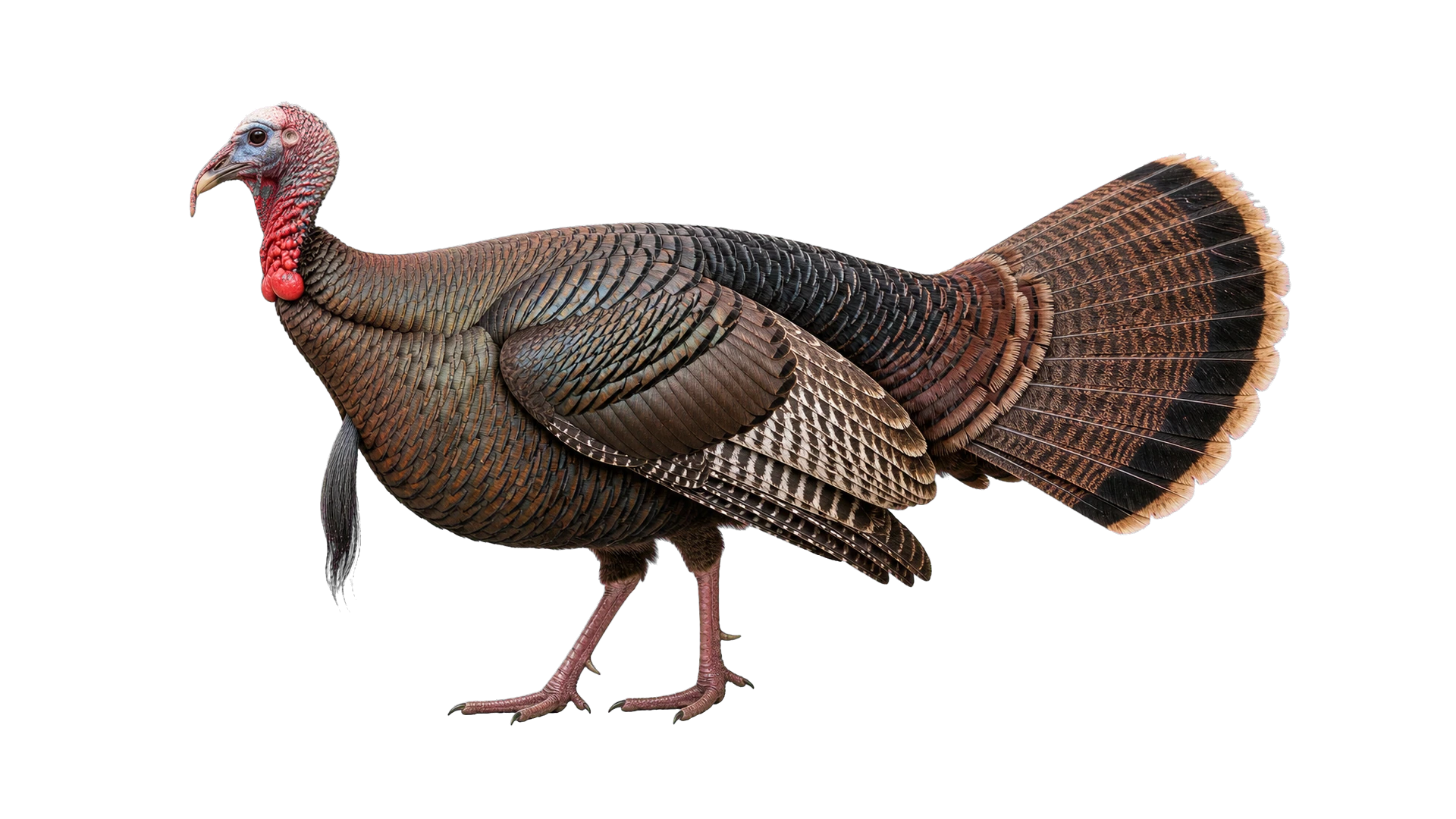
Wild Turkeys Nuisance Droppings and scratched-up mulch in yard, aggressive behavior near vehicles suburban yards, parks, forest edges
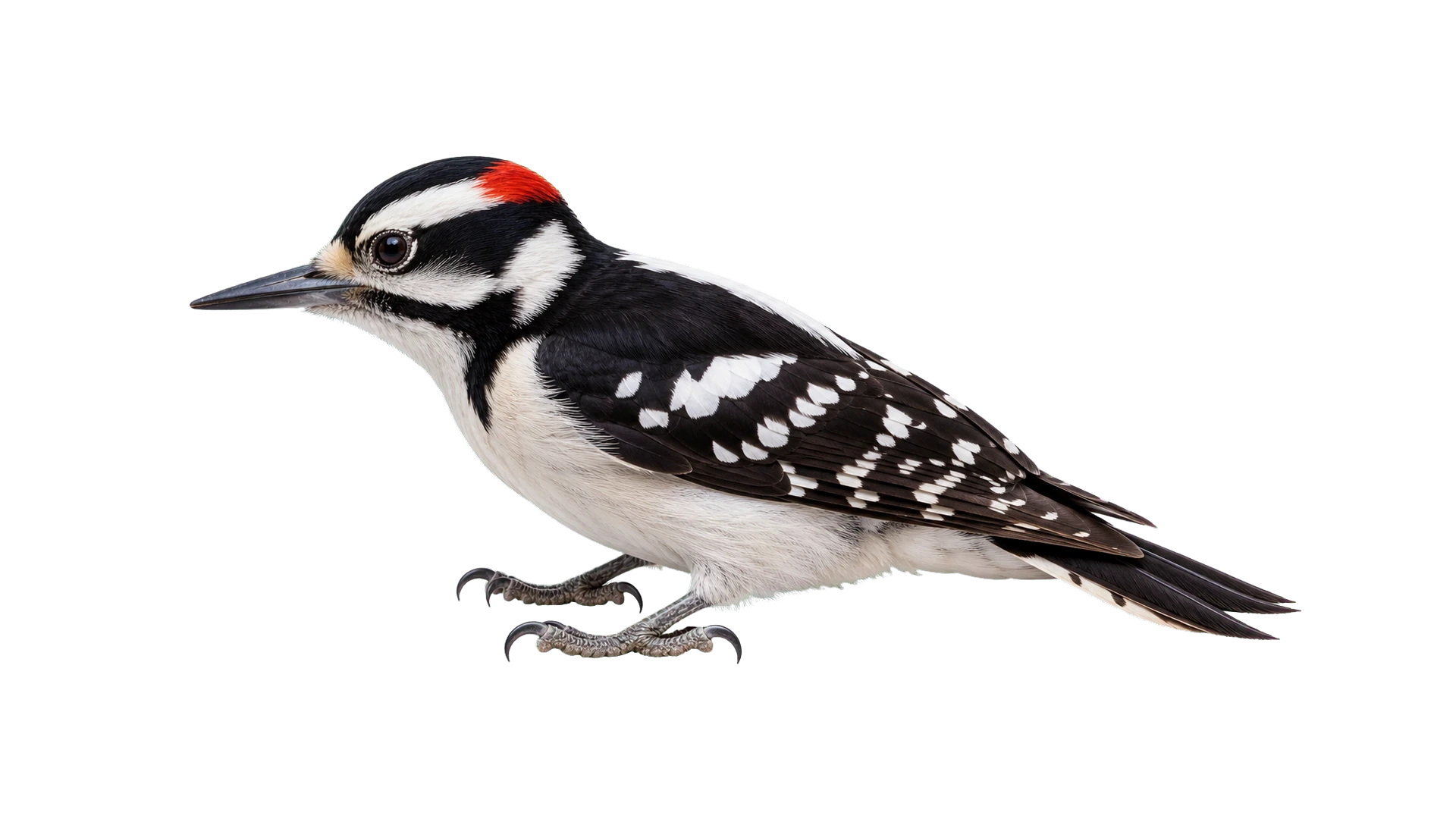
Woodpeckers Structural Rows of holes in wood siding, drumming sounds on structure in morning trees, wooden siding, utility poles
Geese
Severity Nuisance
Key Sign Abundant droppings on lawns and paths near water, aggressive territorial behavior
Where You'll Find Them lawns, parks, golf courses
Pigeons
Severity Persistent
Key Sign Heavy droppings on ledges and rooftops, cooing sounds, feathers near nesting sites
Where You'll Find Them ledges, rooftops, bridges
Sparrows
Severity Nuisance
Key Sign Nests in building crevices, droppings near food service areas
Where You'll Find Them building cavities, signs, warehouses
Starlings
Severity Persistent
Key Sign Massive flocks at dusk, droppings accumulating on structures, nests in vents
Where You'll Find Them building cavities, vents, trees
Wild Turkeys
Severity Nuisance
Key Sign Droppings and scratched-up mulch in yard, aggressive behavior near vehicles
Where You'll Find Them suburban yards, parks, forest edges
Woodpeckers
Severity Structural
Key Sign Rows of holes in wood siding, drumming sounds on structure in morning
Where You'll Find Them trees, wooden siding, utility poles

Severity reflects typical impact, not your specific case. If unsure, treat at the higher tier.

What Actually Helps With Pest Birds

Honest read on the bird control options. Permanent exclusion (spikes, netting, vent covers) outperforms every temporary deterrent over a multi-year horizon, and lethal control is illegal for almost every native species.

Can work icon

What can work

Bird spikes on ledges and signs

  • Plastic or stainless steel spikes installed on flat surfaces eliminate perching
  • Continuous installation across all flat ledges in the affected area is essential
  • Lasts 10+ years with appropriate UV-resistant materials

Netting for larger sheltered spaces

  • Heavy-duty bird netting closes off areas under canopies, in courtyards, or around HVAC equipment
  • Properly-installed netting excludes birds completely from specified zones
  • Professional installation is recommended for large or high-access areas

Vent covers with bird-resistant mesh

  • Replace standard vent covers with bird-resistant designs that maintain airflow while excluding birds
  • Inspect and clear vents annually to prevent debris accumulation
  • Single-time investment that addresses the most common nesting sites
Falls short icon

What reliably falls short

Plastic owls and predator decoys alone

  • Initially effective for a few days; birds quickly habituate to stationary objects
  • Useful as part of a combined approach but not as a standalone solution
  • Without movement or relocation, decoys lose all deterrent value within 1 to 2 weeks

Bird repellent sprays and gels

  • Some products produce short-term repellent effect on treated surfaces
  • Require frequent reapplication and break down with weather exposure
  • Often less cost-effective than physical exclusion over multi-year horizons

Lethal control for protected species

  • Federal Migratory Bird Treaty Act prohibits killing or removing protected species
  • Lethal control rarely solves underlying issue; replacement birds arrive quickly
  • Legal exposure and ineffective outcomes both argue for exclusion-based approaches

How to Prevent Bird Issues

Six prevention actions, sorted by effort. Permanent physical exclusion produces the best long-term results for most building situations.

  • Vent cover icon
    Easy One-time

    Bird-resistant vent covers

    Replace standard vent covers (dryer, kitchen, bathroom) with bird-resistant designs that maintain airflow while excluding birds. Single most cost-effective prevention against sparrow and starling nesting.

  • Inspection icon
    Easy Annual

    Annual building exterior inspection

    Inspect ledges, eaves, vents, and roof penetrations annually for early signs of bird activity (droppings, beginning nest material). Catching issues early prevents site commitment and reduces remediation cost.

  • Spikes icon
    Moderate One-time

    Bird spikes on roost-prone ledges

    Install bird spikes on ledges, parapets, signs, light fixtures, and other flat surfaces where pigeons or other birds roost. Continuous installation across the affected area is essential for effectiveness.

  • Food source icon
    Moderate Spring

    Eliminate outdoor food sources

    Move bird feeders away from buildings, contain dumpster contents, and clean spilled birdseed promptly. Reducing food availability reduces overall bird pressure on the property.

  • Netting icon
    Advanced One-time

    Netting for sheltered spaces

    Heavy-duty bird netting installed under canopies, in courtyards, or around rooftop equipment closes off larger problem areas completely. Professional installation recommended for high-access locations.

  • Roof inspection icon
    Advanced Variable

    Comprehensive roof and exterior exclusion

    Full audit and remediation of all bird-accessible openings including chimneys, attic vents, soffit gaps, and roof penetrations. Most appropriate for buildings with chronic or significant bird issues.

When Bird Issues Peak

Bird issues follow predictable seasonal patterns. Timing exclusion work between nesting seasons produces best results and respects protected species requirements.

  • Spring

    Peak nesting season for most species. Active swallow, sparrow, starling, and woodpecker nests are protected for native species. Pre-nesting inspection in early spring identifies likely sites for deterrent installation before nest commitment. Best window for non-protected species exclusion before nesting begins.

  • Summer

    Continued nesting activity for some species; multiple broods possible for sparrows and starlings. Pigeon roosting populations build through warm weather. Most active period for visible bird issues on buildings. Active native nests require protection during this window.

  • Fall

    Nesting season ends for most species. Native bird nests can be cleaned out after fledging completes. Best window for major exclusion work on previously-protected nest sites. Pigeon populations remain active. Starling flock formation begins for winter aggregations.

  • Winter

    Pigeons remain active year-round. Starling roost flocks form in some regions. Sparrows continue to use nest cavities for winter shelter. Cool weather is good for permanent exclusion installation; reduced bird activity allows cleanup and remediation without nesting protection concerns.

What a Pro Bird Visit Looks Like

Four steps from arrival to a complete exclusion plan. Initial visit runs 60 to 120 minutes for assessment. Full installation depends on extent and on protected-species nesting timing, which dictates the legal calendar.

Identify, exclude, clean up. Real bird control is exclusion-based and species-aware. Plans that skip species ID or use lethal control on protected natives create legal exposure before they solve the building issue.

Want a real assessment? (888) 495-1510
  1. Species identification and protection assessment

    Identify which bird species are involved and confirm protection status. Native protected species require timing-aware handling; non-native pest species can be addressed more flexibly.

  2. Building exterior audit

    Inspect all ledges, eaves, vents, roof penetrations, and architectural features for current activity, evidence of past activity, and locations vulnerable to future activity. Document all findings.

  3. Exclusion installation plan

    Recommend specific exclusion measures: bird spikes on ledges, netting for larger spaces, vent covers, slope modifications, deterrents. Sequence installation to respect any active protected nests.

  4. Cleanup and remediation

    Clean accumulated guano with appropriate PPE and procedures, particularly important for heavy accumulations where histoplasmosis exposure is a concern. Repair any building damage caused by previous bird activity.

What Property Owners Say After Bird Exclusion

Real stories from buildings that completed proper exclusion installations and addressed accumulated guano with safe procedures.

Rashad E.
Rashad E.
Portland, OR

"No pressure, just options."

I appreciated being given eco-friendly options without being pushed. The technician explained tradeoffs honestly and let me decide based on my priorities. They were transparent about what each approach involves. The no-pressure approach and honest information helped me make a confident decision.

Rashad E.
Rashad E.
Portland, OR

"No pressure, just options."

I appreciated being given eco-friendly options without being pushed. The technician explained tradeoffs honestly and let me decide based on my priorities. They were transparent about what each approach involves. The no-pressure approach and honest information helped me make a confident decision.

Yu E.
Yu E.
Durham, NC

"The inspection caught what we missed."

I didn't realize how much damage raccoons can cause once they get inside. The wildlife specialist explained what areas they inspect first and why raccoon issues are handled more carefully than regular pests. They showed me the damage and explained removal and exclusion strategies. Understanding the potential for damage made me glad I called professionals.

Ren P.
Ren P.
Dayton, OH

"The problem finally stayed gone."

Ants kept returning no matter what we did. The tech treated the trail areas and explained how to handle food storage and moisture so the ants don't keep coming back. It's been months and we haven't seen them again. I appreciated that it wasn't just a one-and-done spray.

Kayla Q.
Kayla Q.
Pittsburgh, PA

"Clear expectations and a real plan."

I was overwhelmed and didn't know what was realistic to fix quickly. The inspector explained what results to expect and how long it typically takes depending on the ant species. They treated the right places and gave simple prevention tips. Everything felt structured and easy to follow.

Malachi U.
Malachi U.
Knoxville, TN

"They found the entry points fast."

Ants were showing up in the kitchen and we couldn't figure out where they were coming from. The tech tracked the activity and pointed out two entry points we never would've noticed. After treating and sealing those areas, the ants disappeared. It was quick and surprisingly thorough.

Arturo B.
Arturo B.
Yonkers, NY

"No pressure, just helpful info."

I mainly wanted to understand what was happening before committing to anything. The inspector walked me through the likely cause and the differences between treatment approaches. They answered questions without rushing me. The plan we chose worked and the ants were gone within days.

Octavio Z.
Octavio Z.
Duluth, MN

"The tech helped me stop wasting time."

I kept trying different products and nothing was sticking. The tech explained why some solutions don't work for certain ant problems and focused the treatment where it would actually matter. They also gave prevention tips that were easy to implement. The difference was obvious within the first week.

Chauncey A.
Chauncey A.
Duluth, MN

"We finally understood what to do next."

We felt stuck because nothing we tried lasted. The tech explained how to find the source of the problem, treated both indoor and outdoor areas, and helped us build a prevention routine. It wasn't complicated. Just the right steps in the right order. We've had a huge improvement since.

Vihaan V.
Vihaan V.
Madison, WI

"They fixed what was actually causing it."

Ants kept showing up in the same spot. The pro explained that the visible ants weren't the real issue and focused the treatment on where they were coming from. They identified the entry path and treated it properly. The problem stopped and hasn't returned.

Allison A.
Allison A.
Des Moines, IA

"It felt like a real inspection, not a quick spray."

The tech spent time figuring out where the ants were entering instead of just spraying around. They walked me through the likely reasons and what to watch for over time. After treatment, ant activity dropped fast and stayed low. The detailed approach gave me confidence.

Stephen N.
Stephen N.
Sacramento, CA

"Small changes made a big difference."

We didn't realize how much our routine was attracting ants. The inspector explained simple prevention steps and treated the areas where activity was highest. Once those changes were in place, we stopped seeing ants inside. It was a practical approach that actually worked.

Daquan V.
Daquan V.
Tampa, FL

"The explanation alone was worth it."

I'd been doing random treatments without understanding what I was dealing with. The tech explained how ants behave and why certain approaches work better. They treated strategically instead of just spraying. It made the whole thing feel manageable.

Deepak V.
Deepak V.
San Antonio, TX

"We stopped chasing the problem and solved it."

We kept wiping down counters and the ants would be back the next day. The pro identified the entry areas and explained the treatment plan clearly. Once they treated and targeted the colony, the ants disappeared quickly. It felt like we finally got ahead of it.

Mireya Z.
Mireya Z.
Riverside, CA

"They didn't oversell. Just solved it."

The tech explained what treatment was necessary and what wasn't. They focused on the entry points and corrected the conditions that were attracting ants. The work felt honest and effective. I liked having clear expectations and seeing results quickly.

Wei D.
Wei D.
Lexington, KY

"It wasn't just 'spray and go.'"

I appreciated the step-by-step explanation and the focus on prevention. The inspector treated the areas where ants were getting in and helped me understand what to change at home. The ants stopped showing up and it's been consistent. The approach felt thoughtful and sustainable.

Shu W.
Shu W.
Orlando, FL

"It finally made sense why they kept coming back."

I had ants showing up every few months and never understood why. The tech explained how outdoor nests and weather changes affect indoor activity. They treated the perimeter and entry points instead of just the inside. Since then, we haven't had recurring issues.

Teresa I.
Teresa I.
Mesa, AZ

"Targeted instead of overdone."

I was worried about over-treating the house. The pro focused on specific problem areas and explained why blanket spraying wasn't necessary. The ants stopped appearing, and we didn't feel like chemicals were used unnecessarily. That balance mattered to us.

Latonya X.
Latonya X.
Mesa, AZ

"Clear answers without jargon."

The tech explained everything in plain language and answered questions without rushing. They identified the type of ant we had and adjusted the treatment accordingly. Knowing why the approach worked gave me confidence it would last.

Humberto T.
Humberto T.
Eugene, OR

"They focused on prevention, not just treatment."

I liked that the tech talked through how to keep ants from returning after the treatment. They addressed moisture issues and entry points around the home. The treatment worked, and the prevention tips helped us stay ahead of future problems.

Jerrell N.
Jerrell N.
Arlington, VA

"No guessing, just a plan."

I was tired of guessing what would work. The inspector explained the cause of the issue and outlined a clear plan of action. After treatment, the ants disappeared and we haven't had to revisit the problem. It felt efficient and well thought out.

Marion K.
Marion K.
Boulder, CO

"They explained what to expect upfront."

The tech set expectations about timing and results before starting. They explained that some activity might happen initially and why. Everything played out exactly as described, and the ants were gone shortly after. That transparency made a big difference.

Bridget E.
Bridget E.
Sacramento, CA

"Helpful without being overwhelming."

I didn't realize there were different types of ants or that it mattered. The inspector walked me through what they were seeing and explained how ant behavior affects treatment. It made it easier to ask the right questions and understand the solution.

Junho L.
Junho L.
Naperville, IL

"Saved me a lot of guessing."

I was close to trying random sprays for the ants. Talking with the tech helped me understand what was realistic to address and what usually doesn't work. The targeted treatment solved the issue quickly and saved time and frustration.

Willis Y.
Willis Y.
Baton Rouge, LA

"It felt tailored to our home."

The tech didn't just apply a standard treatment. He looked at where we were seeing activity and adjusted the approach to our layout and yard. The ants stopped showing up and we understood how to keep it that way.

Thelma S.
Thelma S.
Madison, WI

"Straightforward and effective."

I appreciated how straightforward everything was. The pro explained the issue, treated the problem areas, and gave us a few simple steps to prevent future issues. The ants were gone and it didn't feel complicated.

Angelina B.
Angelina B.
Austin, TX

"They explained how the weather played a role."

I didn't realize seasonal changes could affect ant activity so much. The tech explained how heat and rain push ants indoors and what to do about it. They treated the problem areas and gave tips to prevent future issues. The explanation helped everything click.

Kirk Q.
Kirk Q.
Denver, CO

"It wasn't as complicated as I expected."

I assumed pest control would be disruptive or complicated. The technician explained the steps clearly and focused on targeted treatment. The ants stopped appearing quickly and the process was smoother than expected.

Cody L.
Cody L.
Denver, CO

"They helped me understand the bigger picture."

Instead of just treating the ants I saw, the tech explained what was happening around the house that made it attractive to pests. Once those factors were addressed, the problem resolved quickly. It felt educational as well as effective.

Marquis K.
Marquis K.
San Mateo, CA

"Clear communication from start to finish."

I appreciated how clearly everything was explained before treatment began. The inspector walked through the process and answered all my questions. The ants were gone shortly after and we felt confident about prevention going forward.

Virginia T.
Virginia T.
San Mateo, CA

"They addressed what we were missing."

We kept focusing on cleaning, but the tech showed us where ants were actually entering. Once those points were treated and sealed, the issue resolved. It was reassuring to finally understand the root cause.

June J.
June J.
Omaha, NE

"A methodical approach that worked."

The pro explained how they identify ant trails and colonies before treating. They took a methodical approach instead of rushing through. The ants stopped appearing and the fix has held up well.

Caitlin K.
Caitlin K.
Phoenix, AZ

"They understood desert pest behavior."

Living in Phoenix, pests behave differently than other places. The tech explained how heat drives ants indoors and what treatments work best here. The solution was effective and tailored to our environment.

Olive S.
Olive S.
Sacramento, CA

"They took the time to do it right."

I appreciated that the tech didn't rush. He inspected the problem areas carefully and explained what they were seeing. The treatment worked quickly and the ants haven't returned.

Arianna D.
Arianna D.
Baton Rouge, LA

"They understood the local pest issues."

The tech explained how the humidity here contributes to ant problems and why certain treatments work better in this climate. They focused on outdoor entry points and moisture-prone areas. The ants cleared up quickly and haven't come back.

Kiyana N.
Kiyana N.
New Orleans, LA

"Finally something that lasted."

We'd dealt with recurring ants for years. The pro explained why flooding and moisture play such a big role here and adjusted the treatment accordingly. It's been months without seeing ants, which is a big win for us.

Brett R.
Brett R.
Phoenix, AZ

"They knew exactly what works in Arizona."

The tech explained how desert conditions affect ant behavior and which treatments are most effective here. They targeted the right areas and avoided unnecessary spraying. The ants disappeared quickly.

Albert O.
Albert O.
Baltimore, MD

"Clear, calm, and professional."

I appreciated how calmly everything was explained. The inspector identified the ant problem, explained the treatment, and answered my questions without rushing. The solution worked and gave me peace of mind.

Rohit Y.
Rohit Y.
Orlando, FL

"They handled it efficiently."

The tech inspected the problem areas, explained the plan, and got to work quickly. The ants were gone within days and the process felt efficient without being rushed.

Carolyn H.
Carolyn H.
Omaha, NE

"Simple explanations, solid results."

I liked how simply everything was explained. The pro didn't overcomplicate things and focused on what mattered. The ants stopped appearing and we haven't needed follow-up treatments.

Edith Z.
Edith Z.
Newark, NJ

"They showed me what to watch for."

Beyond treating the ants, the tech explained what signs to watch for if activity starts again. That knowledge made me feel more in control. So far, everything has stayed clear.

Common Questions About Pest Birds

Direct answers to what property owners ask most about bird issues, exclusion options, and species protection rules.

  • Which birds are protected and which are not? Toggle answer for: Which birds are protected and which are not?

    The Migratory Bird Treaty Act of 1918 protects nearly every native bird species. Killing, capturing, or disturbing nests, eggs, or chicks without a federal permit can carry fines up to $15,000 per violation. Three non-native species are exempt: pigeons (rock doves), house sparrows, and European starlings. These cause most building bird issues and can be managed more flexibly, though local ordinances may add restrictions. All native species (songbirds, woodpeckers, swallows, hawks, owls, herons, ducks, geese) are protected. Bald and golden eagles have stronger protections under their own act. Threatened and endangered species fall under the Endangered Species Act. Active native nests must be left undisturbed; remediation waits for natural fledging. Bird management is fundamentally exclusion-based for protected species.

  • Are pigeon droppings really dangerous to my health? Toggle answer for: Are pigeon droppings really dangerous to my health?

    Real risk in concentrated conditions, not in daily life. Histoplasmosis is the main documented concern. Histoplasma capsulatum grows in accumulated droppings and bat guano. Spores become airborne when dried material is disturbed during cleanup, causing lung infection that ranges from mild flu-like illness to serious pneumonia in vulnerable individuals. Heavy multi-year accumulations in attics or vent shafts produce the highest exposure during disturbance. Light exterior droppings on walkways carry minimal risk because outdoor airflow disperses spores. Psittacosis, cryptococcosis (mainly for immunocompromised), and Salmonella are less common concerns. Cleanup precautions: wear N95 or better respiratory protection, wet droppings before sweeping, use HEPA-filtered vacuums, and have heavy accumulations cleaned by professionals.

  • Do plastic owls and predator decoys actually work? Toggle answer for: Do plastic owls and predator decoys actually work?

    Briefly, then habituation takes over. New decoys produce real avoidance for the first few days to two weeks. Within 1 to 3 weeks birds notice the decoy never moves or strikes, and within a month most decoys have zero deterrent effect. Pigeons sometimes use them as perches. Motion helps. Motorized or wind-activated decoys with rotating elements maintain effectiveness for several months rather than weeks. Relocating decoys every few days extends usefulness, though the labor often exceeds the cost of permanent exclusion. Sonic deterrents face similar habituation. Decoys make sense for short-term situations (preventing nest building during a 2 to 4 week window), supplementary use alongside exclusion, or large open spaces where exclusion is impractical. Bird spikes and netting produce results that do not depend on behavioral response.


  • How do I get birds out of my dryer vent? Toggle answer for: How do I get birds out of my dryer vent?

    Confirm species and activity first. House sparrows and European starlings are not federally protected and can be removed once fledged. Native species require waiting for natural vacating due to federal protection. Listen for chirping during early morning to assess activity. Most bird nest cycles complete in 4 to 6 weeks from egg laying through fledging. Do not use the dryer during active nesting. Lint accumulation behind a blocked vent creates serious fire risk. Hang clothes to dry until the situation is resolved. Once confirmed inactive, remove the nest, clean the entire vent length of lint and droppings (use N95 protection), and install a bird-resistant vent cover with spring-loaded flap or mesh. Standard flap covers do not exclude sparrows or starlings.

  • What can I do about woodpeckers damaging my siding? Toggle answer for: What can I do about woodpeckers damaging my siding?

    Woodpeckers are federally protected, so management focuses on deterrents and exclusion. Diagnose the behavior first. Drumming for territory happens in spring on resonant surfaces (siding, gutters, flashings) and usually leaves surface marks. Feeding produces 1/2 to 2 inch holes where the bird is excavating insect larvae (carpenter ants, beetles). Nesting cavities are 2 to 4 inches in soft wood during spring. For feeding damage, treat the underlying insects. Carpenter ant or beetle treatment usually stops the activity. Visual and sonic deterrents work briefly before habituation. Physical exclusion (hardware cloth, bird netting, repellent panels) is permanent. Repair existing holes promptly to remove visual cues. Active nesting cavities cannot be touched during breeding season. Replace chronically damaged soft siding with harder materials (cement fiber, vinyl with hard backing) for durable results.

  • How effective are bird spikes really? Toggle answer for: How effective are bird spikes really?

    Very effective when properly selected and installed. Spikes are upward-pointing rigid wires or plastic prongs spaced closely enough to deny flat perching. Birds attempting to land cannot find secure footing and move on. Spikes do not injure birds. Pigeon spikes work for pigeons and similar mid-sized birds. Wider varieties handle gulls or crows. Smaller birds (sparrows, starlings) are often better excluded with netting. Stainless steel spikes last 25 plus years with minimal degradation. UV-resistant polycarbonate lasts 10 to 15 years. Continuous installation is essential. Gaps in coverage let birds perch in the gaps. Unlike visual or sonic deterrents that habituate, spikes remove the physical perching opportunity regardless of bird response. Cost compares favorably to multi-year deterrent programs.

  • When can I remove a bird nest legally? Toggle answer for: When can I remove a bird nest legally?

    Depends on species and activity status. House sparrow, European starling, and pigeon nests are not protected under the Migratory Bird Treaty Act and can be removed at any time, though humane approaches during chick-rearing are preferable. Active native species nests (containing eggs or chicks) cannot be legally disturbed. Inactive native nests can typically be removed during the off-season, but some species (cliff swallows in particular regions) retain year-round protection. Confirm inactive status by observing for parental visits and chick sounds over multiple days. Late fall through winter is the safest assumption. Chimney swifts and bats require similar waiting and specific exclusion procedures. Wear N95 protection during removal because nest material carries mites, fleas, and droppings. Install exclusion measures (vent covers, netting, spikes) between nesting seasons.

Pest Control Pros serving the city of the state of your city and nearby areas

Permanent exclusion plus proper cleanup, with attention to species protection rules. Local wildlife pros sort out the right approach for your specific situation.

Available 24/7
(888) 495-1510

Pest Bird Species You Are Likely Dealing With

Click through to species pages for specific identification and management for each pest bird type.

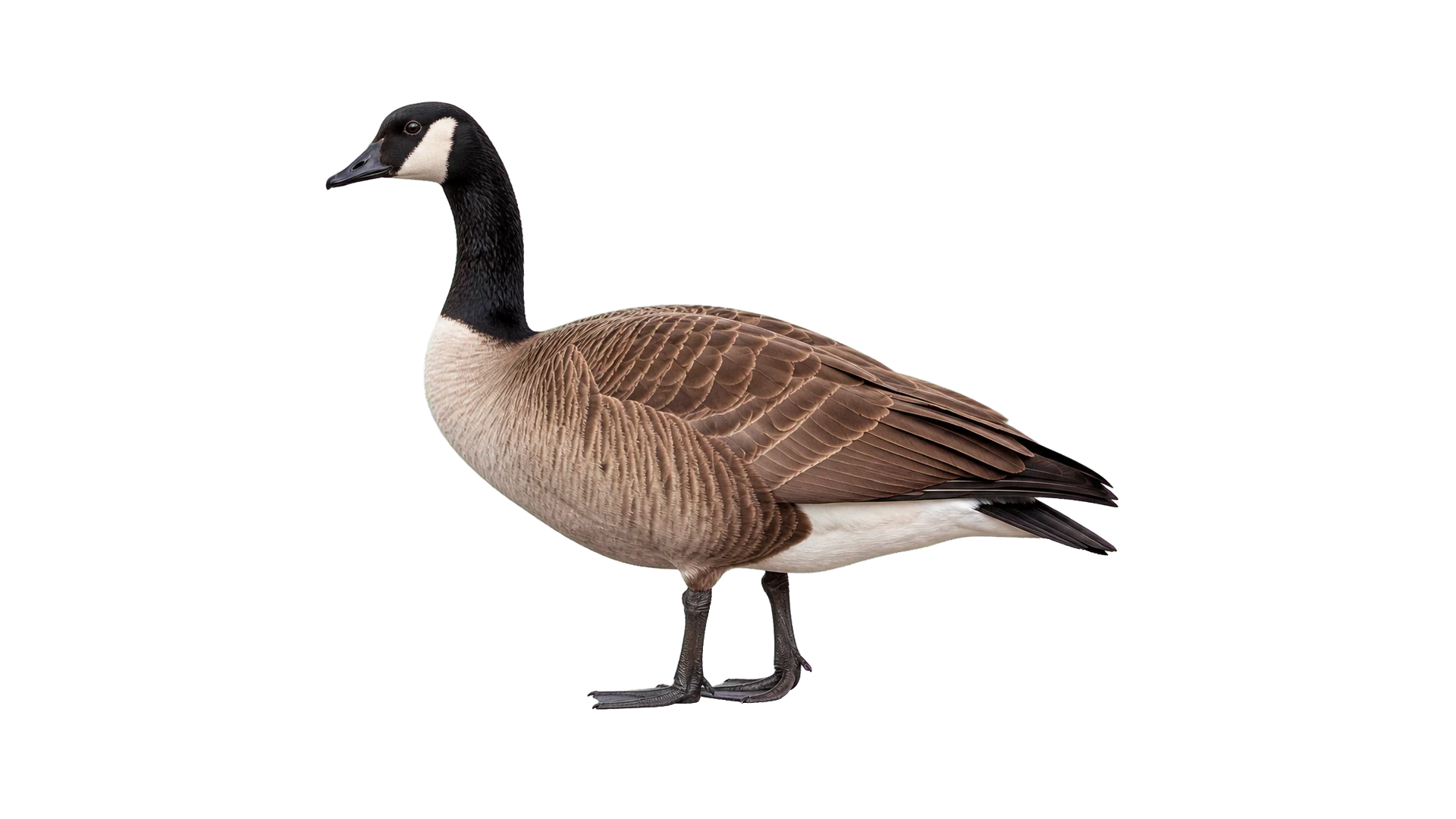
Geese

Aggressive waterfowl that overgraze lawns and leave large amounts of droppings.

Canada geese and other species establish resident flocks on commercial and residential properties near ponds, lakes, and irrigated fields. A single goose can produce over a pound of droppings per day, contaminating walkways, sports fields, and water features. Hazing, habitat modification, and exclusion fencing are the primary management strategies.

Quick ID:

  • Large droppings on lawn
  • Damaged grass areas
  • Geese near water features

Why it matters:

  • One goose produces over a pound of droppings per day on your property
  • Aggressive during nesting season, they chase people and pets
  • Droppings contaminate water features with E. coli and other pathogens
Learn more about Geese

Pigeons

Urban birds that roost on buildings and spread disease through droppings.

Pigeons nest on ledges, under bridges, in parking structures, and inside HVAC equipment, producing corrosive droppings that damage building facades and equipment. Their nests can block drainage systems and create fire hazards near electrical components. Comprehensive control requires exclusion barriers, roost deterrents, and ongoing maintenance.

Quick ID:

  • Heavy droppings accumulation
  • Nesting on ledges
  • Cooing sounds

Why it matters:

  • Droppings accelerate concrete and metal deterioration on structures
  • Nests block gutters and drainage, causing water damage to roofing
  • Pigeon droppings carry histoplasmosis and cryptococcosis fungi
Learn more about Pigeons

Sparrows

Small, adaptable birds that nest in vents, signs, and building cavities.

House sparrows are aggressive nesters that displace native bird species and build bulky nests inside dryer vents, bathroom exhaust fans, storefront signs, and warehouse rafters. Their nesting material creates fire hazards and can block ventilation systems. Vent covers and exclusion netting are the most reliable prevention methods.

Quick ID:

  • Nests in building cavities
  • Droppings near entry points
  • Loud chirping

Why it matters:

  • Nest material in dryer vents is a leading cause of residential fires
  • Blocked exhaust fans trap moisture, promoting mold growth indoors
  • They aggressively displace native songbirds from your property
Learn more about Sparrows

Starlings

Flocking birds that invade attics and cause extensive damage with nesting material.

European starlings form massive roosting flocks that produce enormous quantities of droppings, corroding paint, clogging gutters, and creating health hazards. They nest inside roof vents, soffits, and wall cavities where their debris attracts mites and other secondary pests. Early-season exclusion before nesting begins is critical for effective control.

Quick ID:

  • Large flocks at dusk
  • Heavy droppings under roosts
  • Loud chattering calls

Why it matters:

  • Massive roosts produce droppings that corrode surfaces and clog gutters
  • Nest debris in vents attracts bird mites that migrate indoors
  • Flocks numbering in the thousands can overwhelm a single property
Learn more about Starlings

Woodpeckers

Drumming birds that peck holes in siding, fascia, and trim boards.

Woodpeckers hammer on homes for three reasons: foraging for insects in the wood, excavating nesting cavities, and territorial drumming. The resulting damage ranges from small holes in trim to large openings that expose sheathing and insulation to moisture. Because woodpeckers are federally protected, deterrents and exclusion are the only legal options.

Quick ID:

  • Holes in siding
  • Drumming sounds on house
  • Wood chips below damage

Why it matters:

  • Holes expose sheathing and insulation to moisture and secondary pest entry
  • Federally protected, harming them carries legal penalties
  • Drumming damage on siding and fascia compounds rapidly in spring
Learn more about Woodpeckers

Wild Turkeys

Large, aggressive birds that damage landscaping and block driveways.

Wild turkeys have adapted well to suburban environments, forming flocks that roam through yards, gardens, and parking areas. Males become territorial and aggressive during breeding season, confronting people, pets, and even vehicles. They scratch up mulch beds, strip gardens, leave large droppings on walkways and driveways, and their persistent presence discourages outdoor activity.

Quick ID:

  • Flocks of large birds in yard
  • Droppings on walkways and driveways
  • Scratched-up garden beds

Why it matters:

  • Territorial males attack people, pets, and reflections in car doors
  • Flocks destroy landscaping, gardens, and mulch beds by constant scratching
  • Droppings on walkways and porches create slip hazards and sanitation concerns
Learn more about Wild Turkeys