Egg
About 18 days
Females lay 2 eggs per clutch in a flimsy stick nest on a sheltered ledge. Both parents incubate. Pigeons produce 4 to 6 broods per year per pair, with nearly continuous breeding in southern and coastal urban climates.
Local pest control help is one call away.
 Pest Control Services Nationwide Pest Control Services Nationwide
 Rock pigeons (Columba livia, also called rock doves, common pigeons, or feral pigeons) are the most common urban bird in North America. They run 30 to 35 centimeters long, weigh 240 to 380 grams, and carry a wingspan of 60 to 70 centimeters. The classic look is a gray body with two dark wing bars, an iridescent green and purple neck, and a white rump, but feral flocks show heavy color variation including white, brown, black, and mottled birds. They were introduced from Europe in the 1600s and now live in every US city.
If you're seeing pigeons perched on roof ledges, parapets, window air conditioners, or solar panels, with guano accumulating below those spots, you have a pigeon problem on the property. This guide covers identification, why pigeon damage compounds in three directions at once (structural, visual, health), and why exclusion (physical barriers) is the only treatment that actually ends the roost.
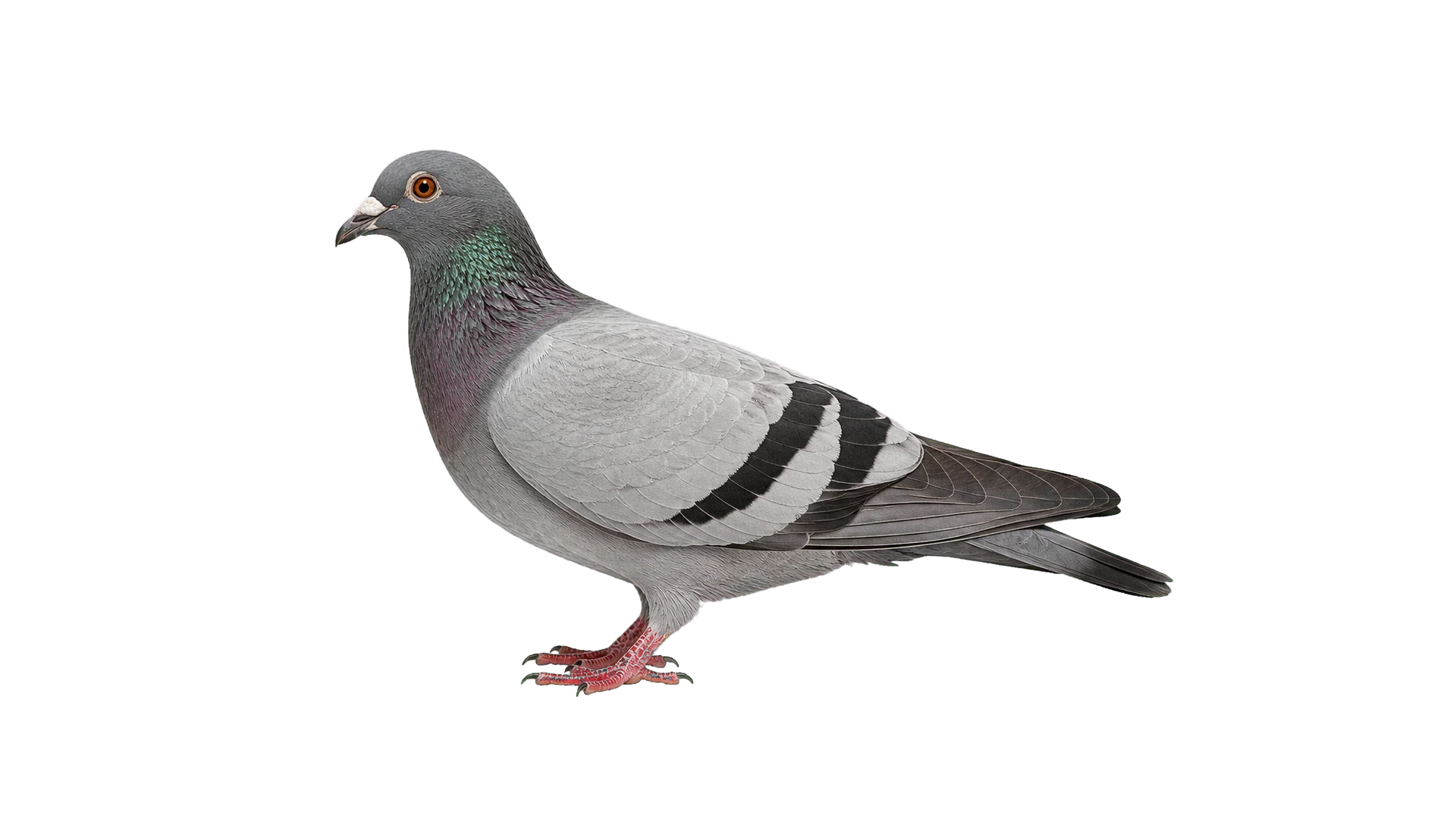
ID Card: Rock Pigeon
Related Species
Call to get matched with a local pest control pro.
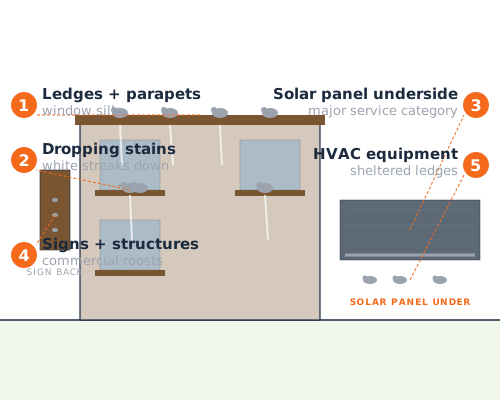
Rock pigeons don't build nests in trees the way most birds do. They evolved on European cliff faces and now treat flat protected ledges on modern buildings as the same thing. Walking the property and looking up at every horizontal surface above eye level finds the active roost sites fast:
Pigeon damage compounds in three ways at once: corrosive guano accumulation eats through paint, masonry, mortar, and steel over years; the visual mess drives down property aesthetics and creates real reputation issues for commercial properties; and the disease load (Histoplasmosis, Cryptococcosis, Psittacosis, Salmonella, E. coli are all carried in dried droppings) creates serious health risks especially for maintenance workers who disturb the guano. The longer a roost stays established, the harder it is to dislodge because pigeons key strongly on familiar sites year after year, and replacement birds arrive from neighboring flocks within weeks of any non-exclusion attempt.
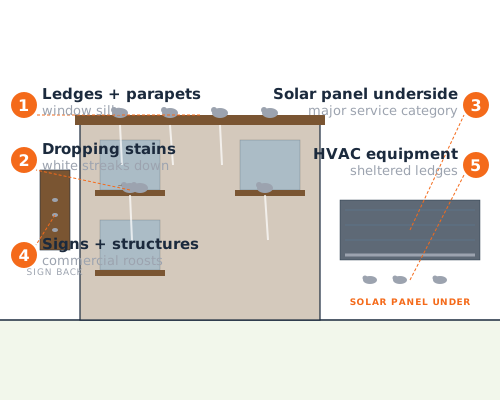
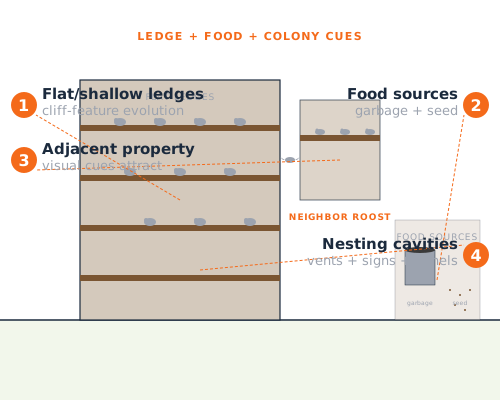
Spotting them is step one. Understanding why your specific building was selected explains why simple harassment (plastic owls, reflective tape, loud noises) reliably fails and why durable exclusion has to physically modify the surfaces pigeons key on. Pigeons pick architectural features for very specific reasons, and changing those features is what actually ends the roost.
What draws pigeons to your home or building:
A new roost begins when one or two pigeons discover a suitable ledge, then attract others through visual cues. Pigeons typically mate for life and produce 4 to 6 broods per year (2 eggs per clutch) with nearly year-round breeding in mild urban climates. One breeding pair can produce 8 to 12 offspring per year that themselves begin breeding at 6 months of age. By the time a property owner notices the guano accumulation, the roost is often several years old with multi-generational site fidelity, and the local flock has grown into the dozens or hundreds.
Find your scenario below. Each row reflects the actual progression of a pigeon roost, flock size, guano accumulation, and the health and structural exposure that comes with it, not a generic bird timeline.
| What You're Seeing | Severity | If Untreated | Next Step |
|---|---|---|---|
| Single pigeon or pair occasionally seen perched on the roof, no permanent roost yet | Early | A roost typically establishes within weeks if attractive ledges remain accessible | Identify perch and entry points. Schedule a professional inspection for exclusion design. Monitor activity over 7 to 14 days. |
| Active nest under a solar panel, on a window AC, or on a rooftop ledge | Moderate | Guano accumulation builds and corrosive damage to paint, masonry, and metal begins within months | Schedule professional exclusion this month, physical barrier installation on the active ledge plus nearby surfaces that match. |
| Established flock of 20 or more birds, visible guano on ledges below, ledge damage starting | High | Population grows rapidly, structural damage compounds, and disease exposure during cleanup becomes a real concern | Call a professional this week, comprehensive exclusion plus Histoplasmosis-aware cleanup plus structural assessment. |
| Heavy infestation of 50 or more birds on a commercial property, health code concerns, or a family member with respiratory illness near droppings | Urgent | Active disease exposure (Histoplasmosis, Cryptococcosis, Psittacosis) and major guano accumulation; structural and reputational concerns serious | Call today, professional service plus Histoplasmosis cleanup plus medical consultation plus an ongoing maintenance contract. |
Pigeon flocks grow fast and the longer a roost is established, the harder it is to dislodge. If you're between two rows, treat the higher one as your situation.
Rock pigeons reproduce almost year-round in mild urban climates, mate for life, and key strongly on familiar sites. The biology explains why flocks compound year over year and why exclusion (not killing) is the only durable response.
About 18 days
Females lay 2 eggs per clutch in a flimsy stick nest on a sheltered ledge. Both parents incubate. Pigeons produce 4 to 6 broods per year per pair, with nearly continuous breeding in southern and coastal urban climates.
About 28 to 30 days in nest
Squabs hatch naked and are fed 'crop milk' (a protein-rich regurgitated secretion) by both parents. They grow rapidly and look like small adults by week four. Squabs on window AC units or under solar panels create heavy guano accumulation in a small area before they fledge.
Leaves nest at about 28 days
Young pigeons develop adult plumage over the following weeks and join the local flock immediately. They often establish their own roosts within a few hundred feet of the parent nest site, which is how a flock of 2 birds becomes a flock of 50 inside three years on a suitable building.
Sexually mature at 6 months; live 3 to 6 years in wild urban environments
Adult pigeons return to the same nest site repeatedly across years. A site that produced 5 broods last year typically produces 5 to 6 this year. Site fidelity is what makes scares and lethal control fail, the same birds (or replacement birds from neighboring flocks) come back to the same spot within hours of any non-exclusion deterrent.
Pigeon populations grow rapidly when food and nest sites are abundant. One breeding pair produces 8 to 12 offspring per year that themselves begin breeding at 6 months of age, and the local flock acts as a continuous resupply pool. The only durable response is physical exclusion that removes every flat ledge from the building, not noise, not predator decoys, not poisoning, not trapping.
Rock pigeons are active year-round in most US cities with no clear seasonal stop. Activity peaks track food availability and breeding rhythms rather than weather, and urban heat plus continuous food supply mean reproduction continues through every season in mild climates.
Nesting peak. Multiple broods established as overwintered pairs ramp up reproduction and last year's juveniles seek out their own first nest sites. New roosts often establish in spring as the population expands. Best window for exclusion installation before nesting locks the birds in.
Continued breeding through the warm months. Young birds develop and join the flock, often establishing satellite roosts on adjacent buildings. Pressure on existing roost sites is at maximum as juveniles disperse and adults defend established ledges.
Secondary nesting wave in southern and coastal climates while northern flocks begin tightening to overwintering roosts. Winter food preparation drives flock movement and brings pigeons to new properties seeking food and sheltered ledges.
Continued urban breeding in heated structures and sheltered ledges. Northern flocks consolidate at the warmest available roost sites, often on rooftop HVAC equipment and inside open warehouse rafters. Winter exclusion installation prevents spring re-establishment.
Pigeon control is one of the few pest categories where DIY products are widely sold and reliably fail. Plastic owl decoys, reflective tape, ultrasonic devices, and motion sprinklers all work briefly because pigeons are cautious of new objects, and predictable enough to recognize within days that none of them are actually threatening. The same birds return to the same site within a week, often perching directly on the decoy that was supposed to scare them off. Rock pigeons are also not federally protected (unlike most US wild birds), but lethal control is rarely effective because replacement birds arrive from neighboring flocks within weeks.
What works is physical exclusion that prevents landing on the ledge at all. Bird spikes, netting, bird wire, electric track, slope strips, and vent screens are all effective when installed correctly on the right surfaces, and all require either rooftop access, professional-grade installation, or both. Specialists carry the safety equipment for high-up work and have the experience to pick the right product for each surface type. Narrow ledges call for spikes (and proper spike spacing matters, pigeons learn to walk between poorly-spaced spikes). Large under-eave cavities call for netting. Parapet walls often warrant electric track. Solar panels need edge-gap bird wire or full mesh skirting.
Guano cleanup is the part DIY most consistently underestimates and the part with the most serious health consequences. Pigeon droppings carry Histoplasma capsulatum (Histoplasmosis), Cryptococcus (Cryptococcosis), Chlamydia psittaci (Psittacosis), Salmonella, and E. coli. Histoplasmosis spores aerosolize when dried droppings are swept, scraped, or even walked through, and building maintenance workers exposed to dried guano have documented illness rates. Professional cleanup uses HEPA-filtered respirators, full PPE, a wet-down protocol with disinfectant before any guano is disturbed, and proper containment disposal. Sweeping out an attic floor of pigeon droppings without these precautions is direct exposure to the disease load.
Long-term success is about closing every ledge on the structure, not just the one with the most guano. A roost displaced by spikes on one parapet will shift to the next available ledge unless that one is also covered. Costs reflect the scope: residential exclusion runs $300 to $1,200 and commercial buildings run $2,000 to $50,000 or more for full exclusion plus Histoplasmosis-aware cleanup. Recurring maintenance contracts are common on commercial properties because the pressure from neighboring flocks never lets up.
Pigeon work is architectural modification work. A specialist who's installed exclusion on hundreds of buildings maps every roost site, picks the right product for each surface type, and installs it permanently. Spikes, netting, bird wire, electric track, and slope strips each have specific use cases. Here's what that looks like:

 Maps Every Roost and Nest Site
 A property walk catalogs every ledge, parapet, eave, equipment platform, and panel-edge gap pigeons are using. Treating only the obvious roost just shifts the flock to the next site you didn't address, often within days.
Selects the Right Exclusion for Each Surface Bird spikes for narrow ledges, netting for under-eave cavities and large open spaces, bird wire for parapet walls, electric track for prominent ledges that need a low-visibility solution, slope strips for HVAC platforms. Each surface gets the product that physically prevents landing rather than trying to scare the birds off.
Removes Active Nests and Cleans Guano Safely Dried pigeon droppings aerosolize Histoplasmosis spores when swept or disturbed. Professional cleanup uses HEPA-filtered respirators, full PPE, and wet-down protocols with disinfectant before any guano is touched. Heavy accumulations may require contaminated insulation replacement and structural repair quotes.
Closes the Gaps That Let Replacement Birds In Vent screens, soffit gap closure, equipment skirting, and structural sealing prevent the next flock from re-colonizing the same sites. Exclusion plus the architectural close-up together is what actually ends the roost rather than relocating it 20 feet over.

DIY for pigeons mostly fails because the popular products (decoys, alarms, reflective tape) don't work and the products that do work require rooftop access and professional-grade installation. The decision is about the scale of the roost, the access complexity, and the disease exposure during cleanup.
Prevention and food-source removal are real DIY contributions. Active exclusion installation usually isn't:
A pro brings the access equipment, the product mix, and the architectural eye that turns this from temporary harassment into actual exclusion:
Pigeon damage compounds fast and the popular DIY scares don't work. Connect with a local specialist who installs proper exclusion, cleans accumulated guano safely with Histoplasmosis PPE, and closes the architectural gaps that keep new birds coming back.
Real results from people who had the same problem and solved it.

"No pressure, just options."
I appreciated being given eco-friendly options without being pushed. The technician explained tradeoffs honestly and let me decide based on my priorities. They were transparent about what each approach involves. The no-pressure approach and honest information helped me make a confident decision.
"No pressure, just options."
I appreciated being given eco-friendly options without being pushed. The technician explained tradeoffs honestly and let me decide based on my priorities. They were transparent about what each approach involves. The no-pressure approach and honest information helped me make a confident decision.

"The inspection caught what we missed."
I didn't realize how much damage raccoons can cause once they get inside. The wildlife specialist explained what areas they inspect first and why raccoon issues are handled more carefully than regular pests. They showed me the damage and explained removal and exclusion strategies. Understanding the potential for damage made me glad I called professionals.

"The problem finally stayed gone."
Ants kept returning no matter what we did. The tech treated the trail areas and explained how to handle food storage and moisture so the ants don't keep coming back. It's been months and we haven't seen them again. I appreciated that it wasn't just a one-and-done spray.

"Clear expectations and a real plan."
I was overwhelmed and didn't know what was realistic to fix quickly. The inspector explained what results to expect and how long it typically takes depending on the ant species. They treated the right places and gave simple prevention tips. Everything felt structured and easy to follow.

"They found the entry points fast."
Ants were showing up in the kitchen and we couldn't figure out where they were coming from. The tech tracked the activity and pointed out two entry points we never would've noticed. After treating and sealing those areas, the ants disappeared. It was quick and surprisingly thorough.

"No pressure, just helpful info."
I mainly wanted to understand what was happening before committing to anything. The inspector walked me through the likely cause and the differences between treatment approaches. They answered questions without rushing me. The plan we chose worked and the ants were gone within days.

"The tech helped me stop wasting time."
I kept trying different products and nothing was sticking. The tech explained why some solutions don't work for certain ant problems and focused the treatment where it would actually matter. They also gave prevention tips that were easy to implement. The difference was obvious within the first week.

"We finally understood what to do next."
We felt stuck because nothing we tried lasted. The tech explained how to find the source of the problem, treated both indoor and outdoor areas, and helped us build a prevention routine. It wasn't complicated. Just the right steps in the right order. We've had a huge improvement since.

"They fixed what was actually causing it."
Ants kept showing up in the same spot. The pro explained that the visible ants weren't the real issue and focused the treatment on where they were coming from. They identified the entry path and treated it properly. The problem stopped and hasn't returned.

"It felt like a real inspection, not a quick spray."
The tech spent time figuring out where the ants were entering instead of just spraying around. They walked me through the likely reasons and what to watch for over time. After treatment, ant activity dropped fast and stayed low. The detailed approach gave me confidence.

"Small changes made a big difference."
We didn't realize how much our routine was attracting ants. The inspector explained simple prevention steps and treated the areas where activity was highest. Once those changes were in place, we stopped seeing ants inside. It was a practical approach that actually worked.

"The explanation alone was worth it."
I'd been doing random treatments without understanding what I was dealing with. The tech explained how ants behave and why certain approaches work better. They treated strategically instead of just spraying. It made the whole thing feel manageable.

"We stopped chasing the problem and solved it."
We kept wiping down counters and the ants would be back the next day. The pro identified the entry areas and explained the treatment plan clearly. Once they treated and targeted the colony, the ants disappeared quickly. It felt like we finally got ahead of it.

"They didn't oversell. Just solved it."
The tech explained what treatment was necessary and what wasn't. They focused on the entry points and corrected the conditions that were attracting ants. The work felt honest and effective. I liked having clear expectations and seeing results quickly.

"It wasn't just 'spray and go.'"
I appreciated the step-by-step explanation and the focus on prevention. The inspector treated the areas where ants were getting in and helped me understand what to change at home. The ants stopped showing up and it's been consistent. The approach felt thoughtful and sustainable.

"It finally made sense why they kept coming back."
I had ants showing up every few months and never understood why. The tech explained how outdoor nests and weather changes affect indoor activity. They treated the perimeter and entry points instead of just the inside. Since then, we haven't had recurring issues.

"Targeted instead of overdone."
I was worried about over-treating the house. The pro focused on specific problem areas and explained why blanket spraying wasn't necessary. The ants stopped appearing, and we didn't feel like chemicals were used unnecessarily. That balance mattered to us.

"Clear answers without jargon."
The tech explained everything in plain language and answered questions without rushing. They identified the type of ant we had and adjusted the treatment accordingly. Knowing why the approach worked gave me confidence it would last.

"They focused on prevention, not just treatment."
I liked that the tech talked through how to keep ants from returning after the treatment. They addressed moisture issues and entry points around the home. The treatment worked, and the prevention tips helped us stay ahead of future problems.

"No guessing, just a plan."
I was tired of guessing what would work. The inspector explained the cause of the issue and outlined a clear plan of action. After treatment, the ants disappeared and we haven't had to revisit the problem. It felt efficient and well thought out.

"They explained what to expect upfront."
The tech set expectations about timing and results before starting. They explained that some activity might happen initially and why. Everything played out exactly as described, and the ants were gone shortly after. That transparency made a big difference.

"Helpful without being overwhelming."
I didn't realize there were different types of ants or that it mattered. The inspector walked me through what they were seeing and explained how ant behavior affects treatment. It made it easier to ask the right questions and understand the solution.

"Saved me a lot of guessing."
I was close to trying random sprays for the ants. Talking with the tech helped me understand what was realistic to address and what usually doesn't work. The targeted treatment solved the issue quickly and saved time and frustration.

"It felt tailored to our home."
The tech didn't just apply a standard treatment. He looked at where we were seeing activity and adjusted the approach to our layout and yard. The ants stopped showing up and we understood how to keep it that way.

"Straightforward and effective."
I appreciated how straightforward everything was. The pro explained the issue, treated the problem areas, and gave us a few simple steps to prevent future issues. The ants were gone and it didn't feel complicated.

"They explained how the weather played a role."
I didn't realize seasonal changes could affect ant activity so much. The tech explained how heat and rain push ants indoors and what to do about it. They treated the problem areas and gave tips to prevent future issues. The explanation helped everything click.

"It wasn't as complicated as I expected."
I assumed pest control would be disruptive or complicated. The technician explained the steps clearly and focused on targeted treatment. The ants stopped appearing quickly and the process was smoother than expected.

"They helped me understand the bigger picture."
Instead of just treating the ants I saw, the tech explained what was happening around the house that made it attractive to pests. Once those factors were addressed, the problem resolved quickly. It felt educational as well as effective.

"Clear communication from start to finish."
I appreciated how clearly everything was explained before treatment began. The inspector walked through the process and answered all my questions. The ants were gone shortly after and we felt confident about prevention going forward.

"They addressed what we were missing."
We kept focusing on cleaning, but the tech showed us where ants were actually entering. Once those points were treated and sealed, the issue resolved. It was reassuring to finally understand the root cause.

"A methodical approach that worked."
The pro explained how they identify ant trails and colonies before treating. They took a methodical approach instead of rushing through. The ants stopped appearing and the fix has held up well.

"They understood desert pest behavior."
Living in Phoenix, pests behave differently than other places. The tech explained how heat drives ants indoors and what treatments work best here. The solution was effective and tailored to our environment.

"They took the time to do it right."
I appreciated that the tech didn't rush. He inspected the problem areas carefully and explained what they were seeing. The treatment worked quickly and the ants haven't returned.

"They understood the local pest issues."
The tech explained how the humidity here contributes to ant problems and why certain treatments work better in this climate. They focused on outdoor entry points and moisture-prone areas. The ants cleared up quickly and haven't come back.

"Finally something that lasted."
We'd dealt with recurring ants for years. The pro explained why flooding and moisture play such a big role here and adjusted the treatment accordingly. It's been months without seeing ants, which is a big win for us.

"They knew exactly what works in Arizona."
The tech explained how desert conditions affect ant behavior and which treatments are most effective here. They targeted the right areas and avoided unnecessary spraying. The ants disappeared quickly.
"Clear, calm, and professional."
I appreciated how calmly everything was explained. The inspector identified the ant problem, explained the treatment, and answered my questions without rushing. The solution worked and gave me peace of mind.

"They handled it efficiently."
The tech inspected the problem areas, explained the plan, and got to work quickly. The ants were gone within days and the process felt efficient without being rushed.

"Simple explanations, solid results."
I liked how simply everything was explained. The pro didn't overcomplicate things and focused on what mattered. The ants stopped appearing and we haven't needed follow-up treatments.

"They showed me what to watch for."
Beyond treating the ants, the tech explained what signs to watch for if activity starts again. That knowledge made me feel more in control. So far, everything has stayed clear.
Direct answers to what property owners ask most about identification, exclusion products, guano cleanup, and Histoplasmosis risk.
Pigeons have an exceptional homing instinct and a strong attachment to established roosting and nesting sites, once they select a ledge, sign, or structural recess, they will persistently return despite most deterrent efforts. They are highly adaptable urban birds that tolerate noise, human activity, and a wide range of weather conditions. Pigeons breed year-round in mild climates, producing up to six broods per year, and their droppings accumulate rapidly at roosting sites. Effective pigeon management requires physical exclusion (netting, spikes, or wire systems) that permanently blocks access to favored surfaces, as visual and auditory deterrents alone rarely provide lasting results.
Pigeon droppings harbor the fungal spores that cause histoplasmosis, cryptococcosis, and psittacosis, respiratory diseases that can be serious, especially for immunocompromised individuals. Dried pigeon droppings become airite when disturbed during cleaning, making proper respiratory protection essential during removal. Pigeon nesting material and accumulated droppings also support populations of bird mites, pigeon flies, and various beetles that can migrate indoors when pigeon activity is nearby. The acidic nature of pigeon droppings accelerates deterioration of building materials, corroding metal, etching stone, and degrading roofing membranes over time.
Pest birds such as pigeons, sparrows, and starlings are attracted to buildings that provide sheltered ledges, eaves, signage gaps, and HVAC equipment platforms that mimic natural cliff or cavity nesting sites. Once birds successfully nest and fledge young in a location, strong homing instincts bring them back to the same spot each breeding season. Nearby food sources like open dumpsters, outdoor dining areas, or loading docks reinforce the habit and can quickly grow a small bird presence into a large, established flock.
Bird droppings are highly acidic and can corrode metal, stain painted surfaces, and degrade roofing materials over time. Accumulated droppings in enclosed or semi-enclosed spaces pose a histoplasmosis risk, and nesting materials can clog gutters, drains, and ventilation systems, creatingfire hazards and water damage. Pest birds also carry ectoparasites like bird mites, ticks, and fleas that can migrate indoors when birds vacate nests, causing secondary infestations inside the building.
Most providers in our network can schedule an inspection within 24-48 hours. For urgent situations, likeactive structural damage or large colonies, same-week emergency service is often available. Response times depend on your location and the provider's current schedule.
Your provider inspects the property to identify the pest, locate nesting or entry points, and assess the scope of the problem. You get a clear explanation of what they found, what they recommend, and a written scope before any work begins.
Modern pest control products are designed to break down quickly after application and pose minimal risk to people and pets when applied correctly. Most providers ask you to keep kids and pets out of treated areas for 1 to 2 hours while the product dries, after which the area is generally safe again. Always confirm specific re-entry times with your provider, and let them know about pet birds, fish, or reptiles, since some treatments require extra precautions for those species.
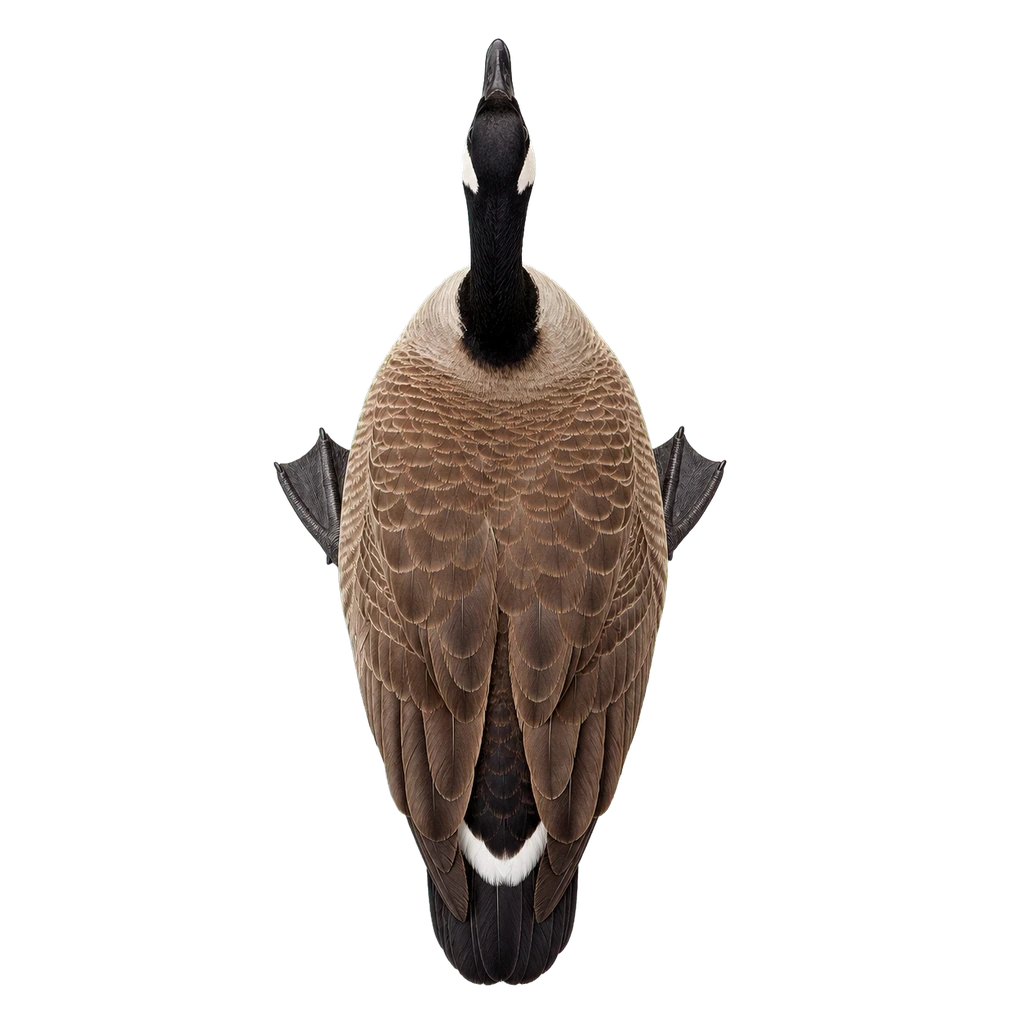
Canada geese congregate on lawns and near ponds, leaving large volumes of droppings that contaminate grass and water features. They become aggressive during nesting season and can cause significant turf damage to residential and commercial properties.
Learn More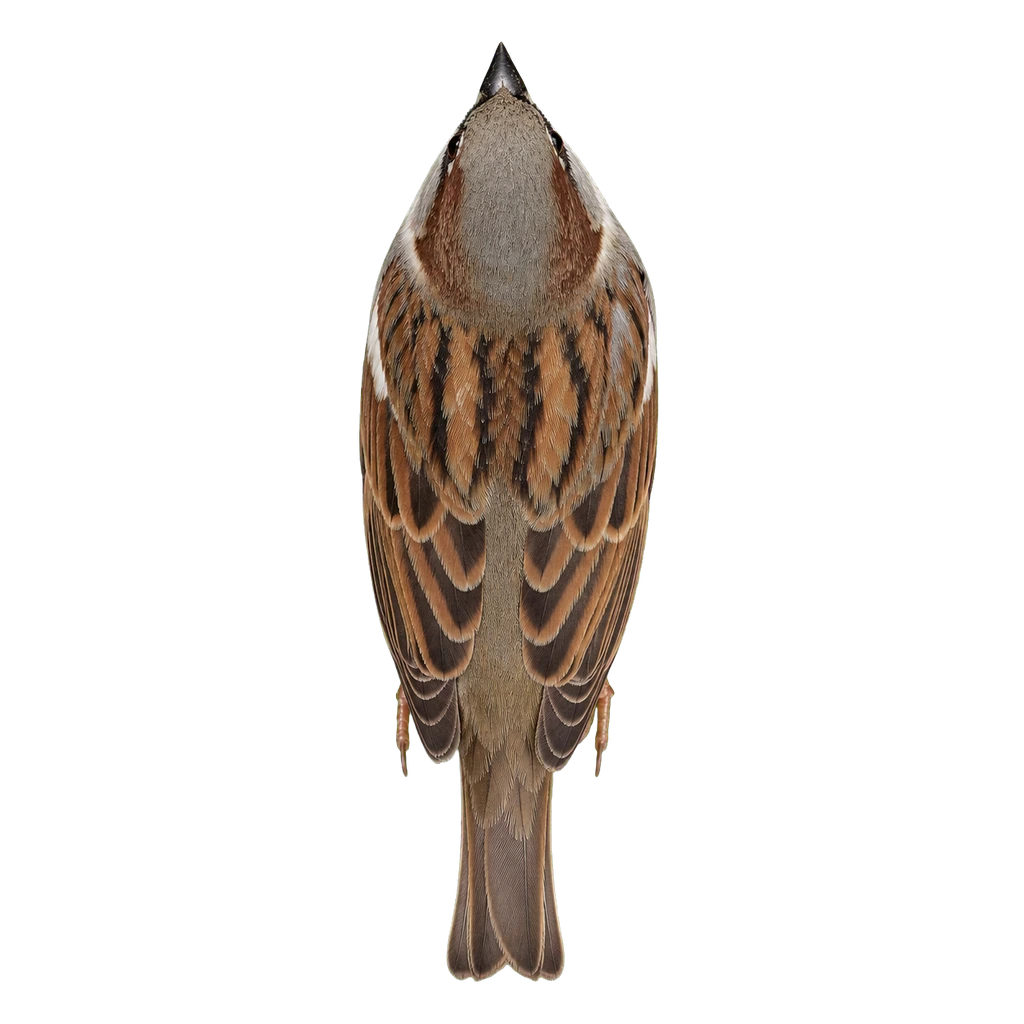
House sparrows build bulky nests inside vents, signs, and building cavities, blocking airflow and creating fire hazards. They breed rapidly, and their nesting debris attracts carpet beetles, mites, and other secondary pests.
Learn More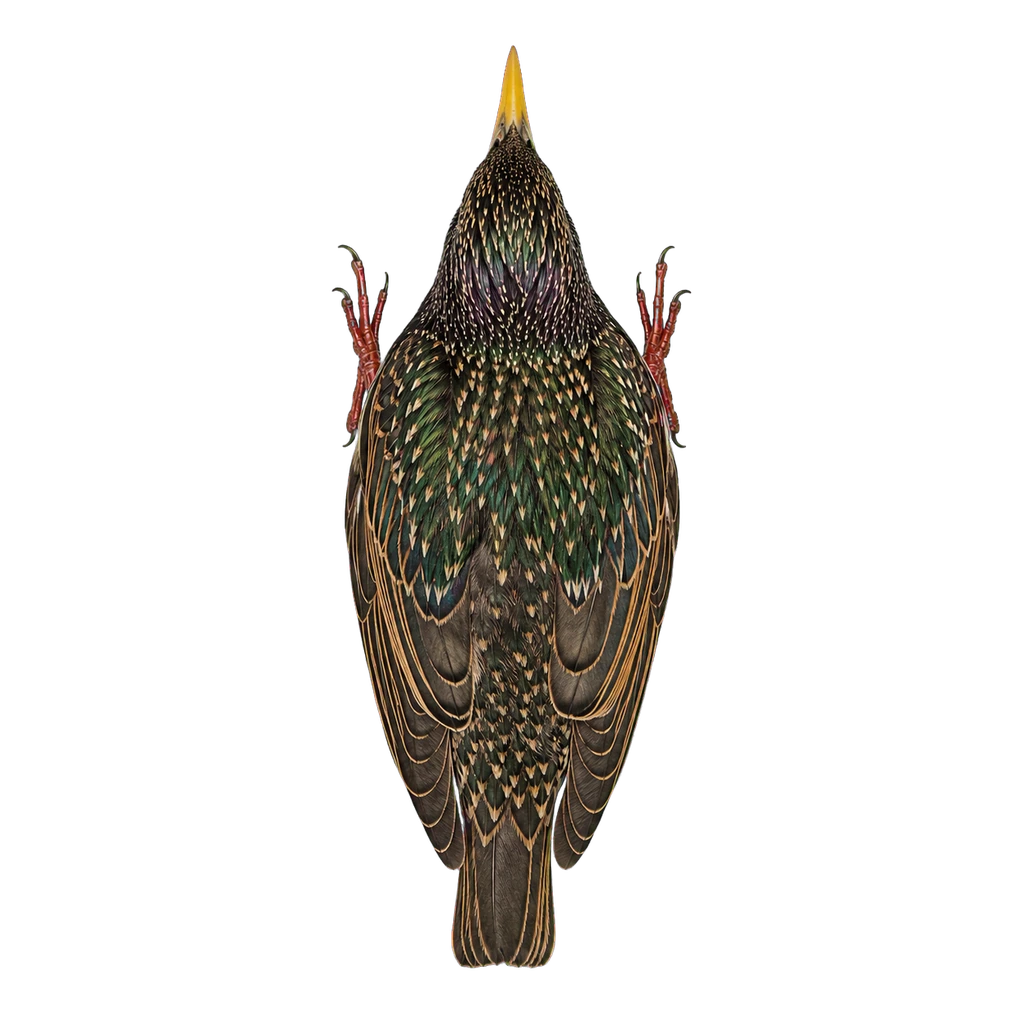
Starlings are invasive birds that form massive flocks and nest in building cavities, dryer vents, and soffits. Their accumulated droppings pose respiratory health risks and can cause structural corrosion beneath roosting sites.
Learn More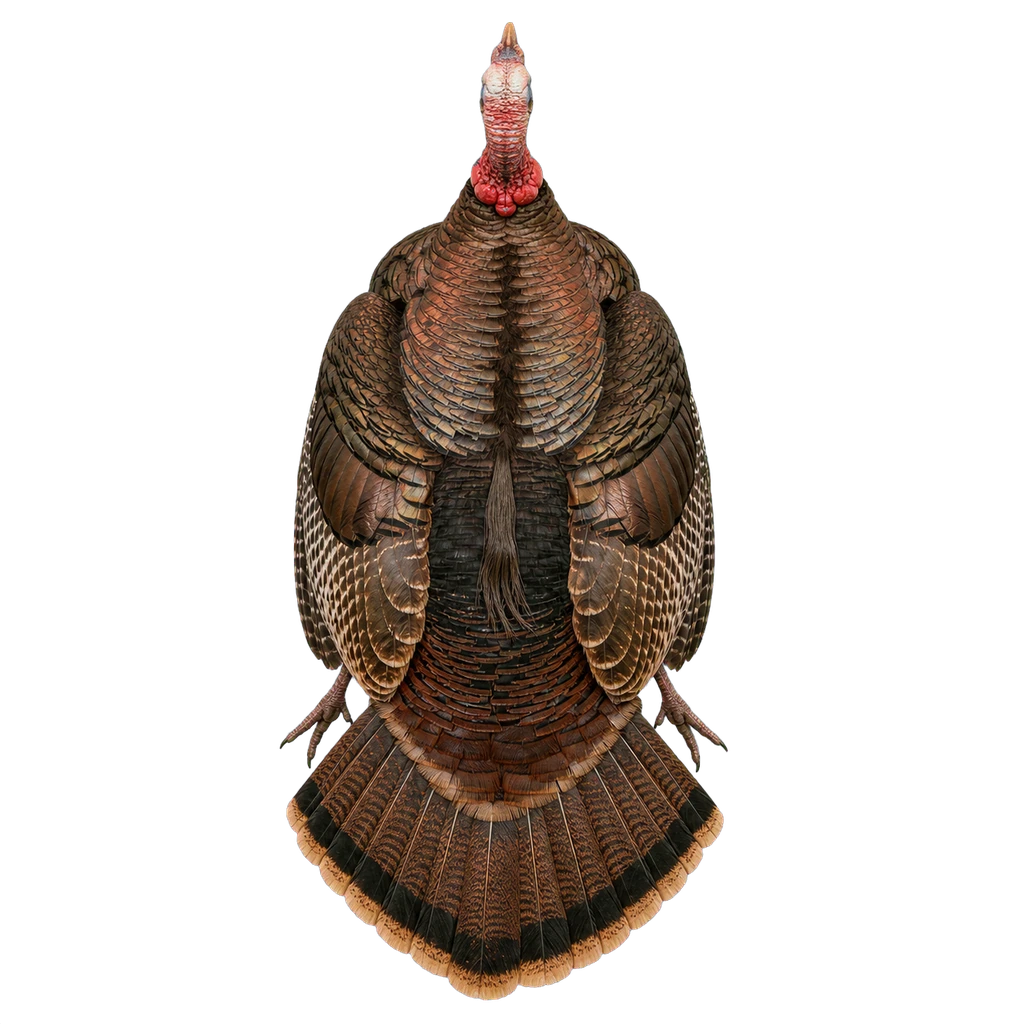
Wild turkeys have become increasingly bold in suburban neighborhoods, forming large flocks that damage landscaping, leave droppings everywhere, and can become aggressive toward people and pets during mating season.
Learn More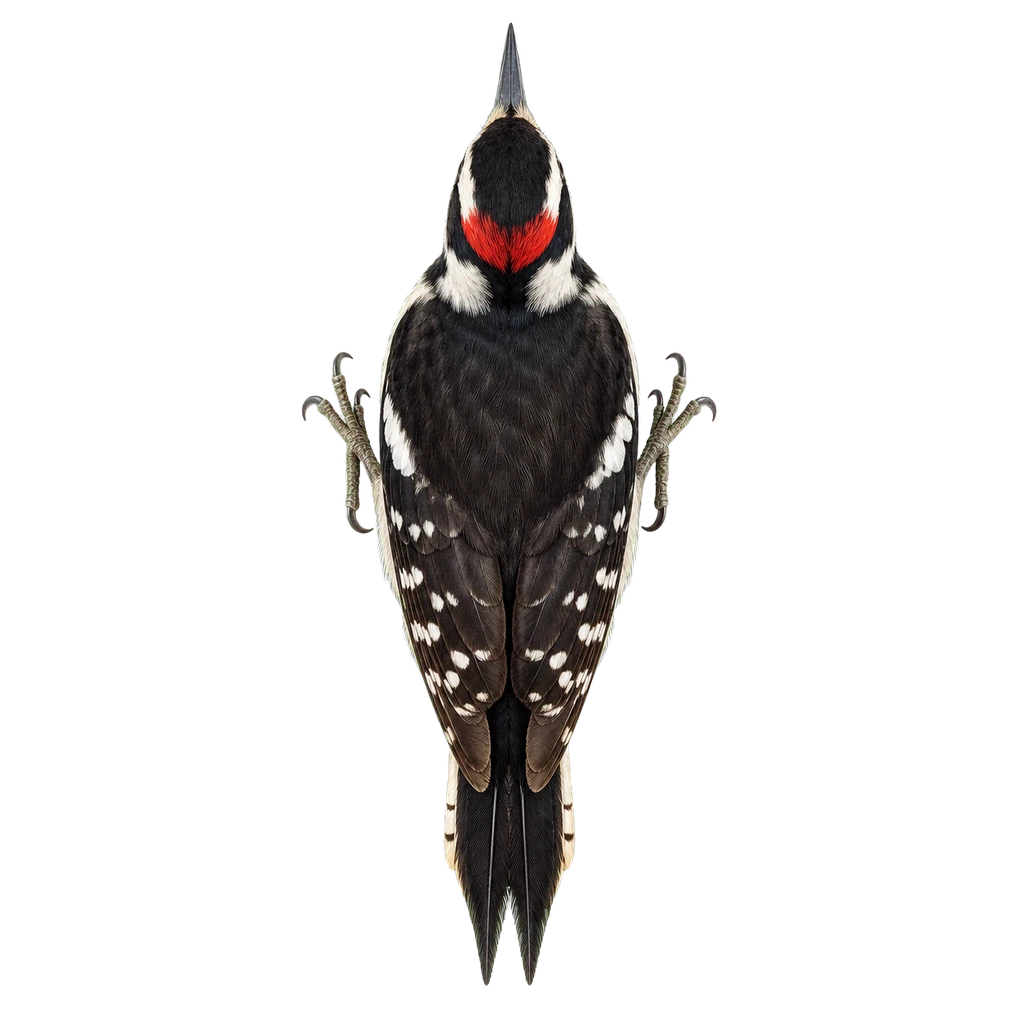
Woodpeckers drill holes into wood siding, fascia, and trim to find insects or establish territory, causing costly exterior damage. They are federally protected, so deterrents and exclusion are the only legal management options.
Learn MoreLocal providers experienced with rock pigeon exclusion, Histoplasmosis-aware guano cleanup, and architectural close-up are ready to inspect, install, and follow up, no obligation.