Local pest control help is one call away.

Canada Goose: Identification, Treatment & Prevention

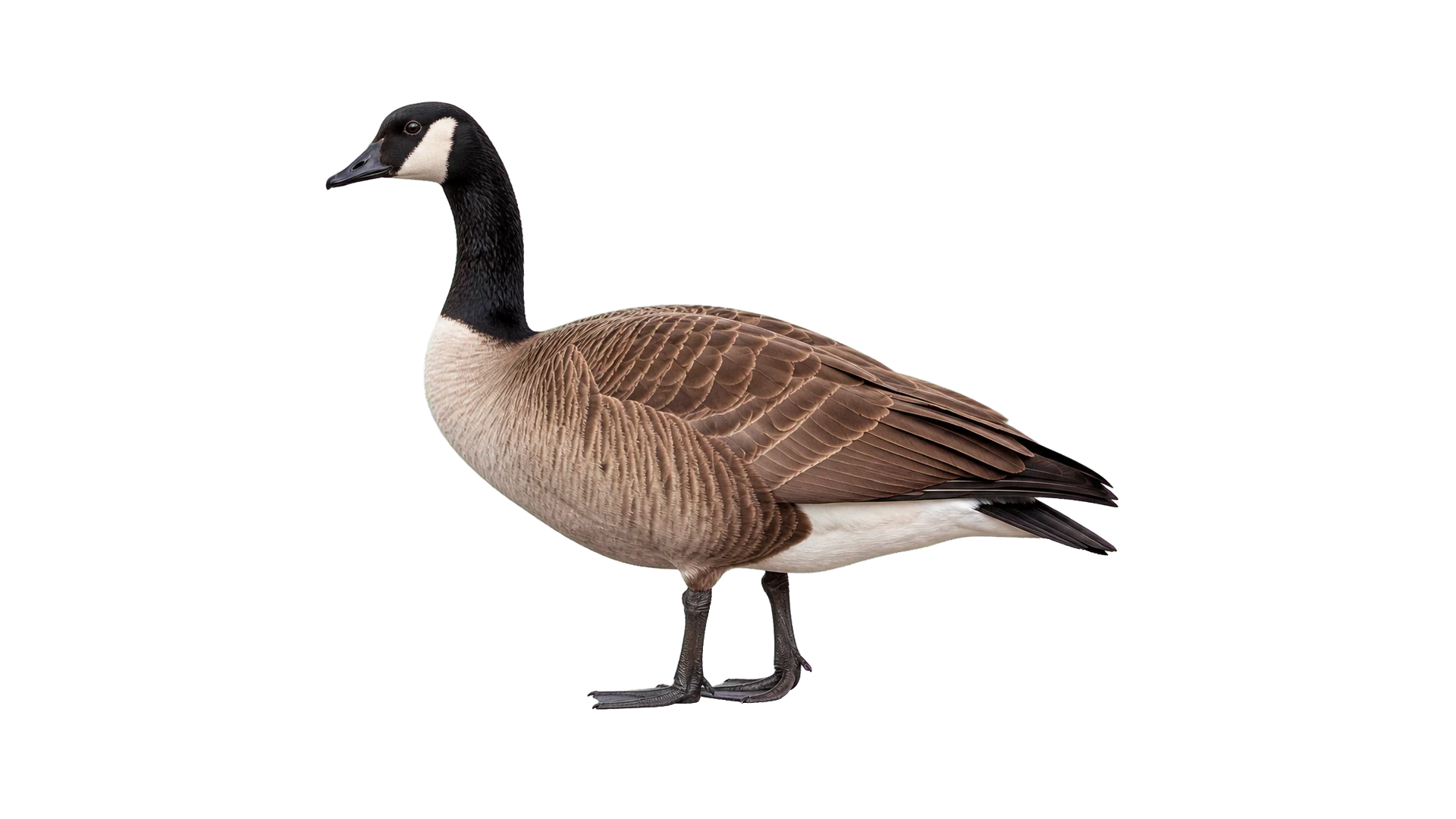
Canada geese are large waterfowl, 30 to 43 inches long and 7 to 20 pounds, with one feature no other goose shares: a solid black head and neck broken only by a white chinstrap that wraps from chin to cheek. The body is brown, the belly is white, and the call is a loud two-syllable honk you can hear from a quarter mile away. The bird that built the species' nuisance reputation isn't the migratory population that flies overhead in V formations every fall; it's the resident population that arrived decades ago and never left, the geese that live on corporate ponds and suburban lawns year-round.

If you're seeing 10 or more geese grazing daily on a lawn next to a pond, droppings accumulating on walkways and patios, or aggressive behavior near a spring nest, you almost certainly have a resident flock, not a passing migration. This guide covers how to confirm the species, why the Migratory Bird Treaty Act shapes every legal response, and what licensed hazing and habitat modification actually involve.

Close-up illustration of a Canada goose showing the black head and long black neck with white chinstrap, brown body, and white belly

ID Card: Canada Goose

Scientific name
Branta canadensis
Color
Brown, black
Size
30 to 43 inches
Body shape
Large, heavy-bodied with long neck
Key evidence
Abundant droppings on lawns and paths near water, aggressive territorial behavior
Also known as
Canada geese, Canadian geese

Related Species

Call to get matched with a local pest control pro.

Available 24/7
(888) 495-1510
  • Wildlife specialists licensed for goose work under federal Migratory Bird Treaty Act rules
  • Hazing programs (border collies, lasers, audio, visual deterrents) sized to flock and property
  • Habitat modification plans and federal permit support for nest oiling or egg addling

Where to Inspect for Canada Goose Activity

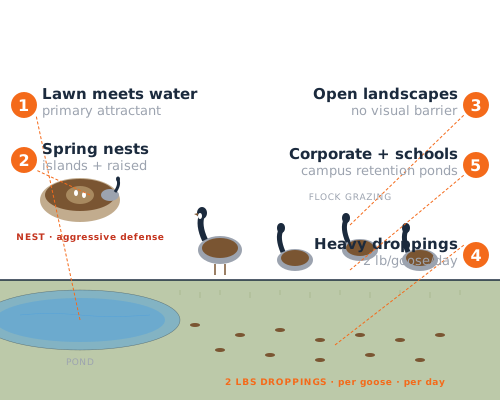
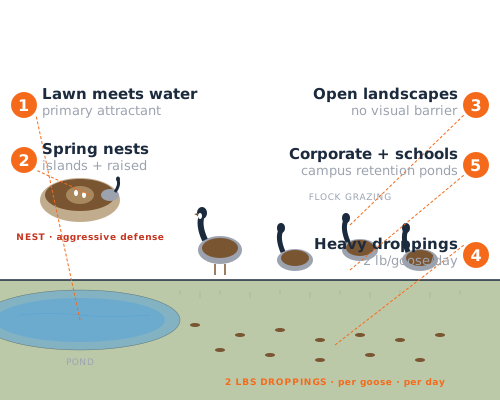
Cross-section illustration showing Canada goose habitat use, mowed lawn meeting open water with clear sight lines, plus typical droppings accumulation on walkways, beaches, and dock surfaces

Canada geese pick properties by formula: open mowed grass next to standing water with clear sight lines to spot predators. The textbook problem properties are landscaped to that recipe by accident. Walk the zones below with a notepad, counting birds and mapping where the droppings concentrate, that's the information a wildlife specialist will ask for on the first call:

  • Ornamental ponds, retention basins, and golf course water hazards, The single highest-risk feature on any property. Geese loaf on the bank, drink, and graze the adjacent grass without ever leaving sight of water.
  • Open mowed lawn next to the water's edge, Primary grazing habitat. A single adult bird pulls roughly 4 pounds of grass per day, and a flock of 30 can strip a lawn down to bare soil in a season.
  • Athletic fields, school grounds, and corporate campuses, Acres of irrigated turf with a retention pond or fountain pulls in resident flocks within months of installation.
  • Beaches, swim docks, and shoreline picnic areas, Droppings concentrate where geese loaf out of the water. A single goose produces 1 to 2 pounds of droppings per day, a 100-bird flock can foul a public beach to the point of closure inside a week.
  • Nest sites on islands, raised landscape features, and under shoreline shrubs, Active nests in March through June are the source of nearly every documented human-injury incident with geese. Pairs defend a 50-foot radius and will strike adults and children alike.
  • Agricultural fields next to wetlands or stormwater ponds, Resident flocks graze grain crops (corn, soy, wheat seedlings) and cause measurable yield loss on operations within a mile of standing water.

Canada geese are federally protected under the Migratory Bird Treaty Act, which means killing geese, collecting eggs, or destroying active nests requires a federal permit in nearly every case. Penalties for unauthorized harm range from steep fines to criminal charges. The legal homeowner toolkit is harassment, habitat modification, and permitted egg or nest manipulation where a licensed wildlife specialist files the paperwork. Properties with resident flocks above 50 birds, repeated aggressive incidents, or water-quality complaints typically warrant USDA Wildlife Services coordination on top of private hazing work.

Cross-section illustration showing Canada goose habitat use, mowed lawn meeting open water with clear sight lines, plus typical droppings accumulation on walkways, beaches, and dock surfaces
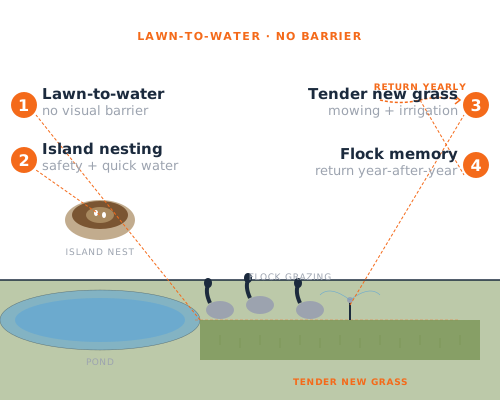
Illustration showing why Canada geese pick a property, mowed lawn meeting open water with clear sight lines, plus typical nest sites on islands and shoreline shrub bases

Why Do I Have Canada Geese?

Confirming the species is step one. Understanding why a flock anchored to your property is what makes the next response stick. Canada geese choose grazing sites the same way a deer chooses a meadow: open, edible, and safe to flee from. The suburban landscape design of the last 60 years (manicured lawn meeting an ornamental pond) reads to a goose as ideal habitat. Once a pair raises goslings on the property, those goslings return as adults the following year, and the resident flock compounds.

What anchors a resident flock to your property:

  • Mowed lawn within 30 feet of standing water, the textbook combination created by countless retention ponds, golf courses, and lakefront homes, with no buffer vegetation breaking the sight line
  • Young, tender grass kept short by regular mowing, geese prefer 2 to 4 inch grass and walk past anything taller than about 8 inches because they can't see predators through it
  • Open sight lines in every direction, no shrubs, no fencing, no tall plants blocking the view, geese will not graze where they can't watch for coyotes, dogs, or people approaching
  • Past nesting success on the site, geese mate for life and return to the natal pond year after year, once a brood fledges from your property, the next generation imprints and comes back as breeders

Resident Canada goose populations have grown three to fourfold since the 1970s, the consequence of mid-century reintroductions combined with suburban landscape design that accidentally built ideal goose habitat at scale. Some metro areas now host 10,000 or more resident birds year-round. A flock that first arrives in spring may stay through summer, raise goslings, and never leave, the pond stays open in winter from runoff or aeration, the grass keeps growing under irrigation, and there's no reason to migrate. By the time a property owner notices the droppings, the flock is usually one or two generations into site fidelity and won't disperse from light harassment alone.

How Serious Is Your Canada Goose Problem?

Find your scenario below. Each row reflects how a resident flock actually develops on a property, small group arrives, settles, breeds, and entrenches, not a generic wildlife timeline.

What You're Seeing Severity If Untreated Next Step
Small group of geese using the lawn occasionally, no nest, no daily presence Early A breeding pair often returns the following spring; resident flock typically establishes within 1 to 2 seasons if conditions stay attractive. Confirm species and count birds. Begin habitat modification now, let shoreline grass reach 8 inches, plant a 3-foot buffer. Monitor 14 days.
Established flock of 10 to 30 birds, daily presence, visible droppings, early lawn damage Moderate Droppings accumulate on walkways and patios; lawn damage compounds; aggressive defense begins if a pair nests on site next spring. Schedule a licensed wildlife specialist this month for harassment, habitat plan, and dropping cleanup.
Resident flock of 50 or more birds with active nesting or aggressive behavior toward family High Charging and biting incidents during March through June; water-quality impacts on adjacent ponds; lawn damage no longer cosmetic. Call this week. Sustained hazing program plus federal permit consideration for nest oiling or egg addling on active nests.
Heavy resident population, repeated injury incidents, water-quality complaints, or aviation concerns Urgent Documented public safety risk and possible regulatory exposure; E. coli and Campylobacter contamination in adjacent water; bird-strike concerns near airports. Call today and request a USDA Wildlife Services consultation alongside private hazing, federal or state depredation permit may be warranted.
Small group of geese using the lawn occasionally, no nest, no daily presence
Severity Early
If Untreated A breeding pair often returns the following spring; resident flock typically establishes within 1 to 2 seasons if conditions stay attractive.
Next Step Confirm species and count birds. Begin habitat modification now, let shoreline grass reach 8 inches, plant a 3-foot buffer. Monitor 14 days.
Established flock of 10 to 30 birds, daily presence, visible droppings, early lawn damage
Severity Moderate
If Untreated Droppings accumulate on walkways and patios; lawn damage compounds; aggressive defense begins if a pair nests on site next spring.
Next Step Schedule a licensed wildlife specialist this month for harassment, habitat plan, and dropping cleanup.
Resident flock of 50 or more birds with active nesting or aggressive behavior toward family
Severity High
If Untreated Charging and biting incidents during March through June; water-quality impacts on adjacent ponds; lawn damage no longer cosmetic.
Next Step Call this week. Sustained hazing program plus federal permit consideration for nest oiling or egg addling on active nests.
Heavy resident population, repeated injury incidents, water-quality complaints, or aviation concerns
Severity Urgent
If Untreated Documented public safety risk and possible regulatory exposure; E. coli and Campylobacter contamination in adjacent water; bird-strike concerns near airports.
Next Step Call today and request a USDA Wildlife Services consultation alongside private hazing, federal or state depredation permit may be warranted.

Canada geese are federally protected; lethal control requires federal permit. If you're between two rows, treat the higher one as your situation.

How a Resident Canada Goose Flock Establishes

Canada geese differ from most nuisance wildlife in three specific ways: pairs mate for life, both parents defend nests with documented aggression, and goslings imprint on the natal site so strongly that they return as breeders to the same property the next year. Lifespan in suburban environments routinely reaches 20 years, with some birds banded at 25 or more. The lifecycle below is exactly why a goose flock established on a property is essentially permanent without intervention.

  1. Egg

    About 28 days, laid March through May

    Females lay 2 to 9 eggs in a shallow scrape lined with down, typically on a small island, raised landscape feature, or under shoreline shrubs. Both parents defend a 50-foot radius aggressively. Egg oiling under federal permit prevents hatching without breaking the pair bond, the only non-lethal population-control tool that meaningfully slows resident flock growth.

  2. Gosling

    Hatch April through June; flightless until 8 to 10 weeks old

    Goslings are precocial, they walk and swim within hours of hatching and follow both parents in a single-file procession from nest to water. Family groups graze together on lawn for the entire summer. This is the period of highest human-injury risk, do not approach goslings under any circumstances, parental defense is at its annual peak.

  3. Juvenile

    Achieve flight at about 10 weeks; full adult plumage by 1 year

    Juveniles travel with the family unit through fall and winter, often joining other families at larger communal grazing and roosting sites. The natal site is imprinted at this stage, juveniles return the following year as yearlings to graze, and as breeders by year 2 or 3.

  4. Adult

    Pair-bond for life; live 10 to 25 years in suburban environments

    Adults reach sexual maturity at 2 to 3 years and produce one brood per year for the rest of their lives. Pair-bonded geese return to the same nest site annually unless something on the property has changed. A flock established for 5 years can include three or four overlapping generations all keyed on the same pond and lawn.

The combination of lifelong pair bonding, strong site fidelity, federal protection, and 20-plus-year lifespan means a resident flock isn't a one-season problem you treat once. It's a long-term management commitment. Hazing programs work because the flock can be made to perceive the site as worse than alternatives within range. One-time chasing fails because the birds return within hours and the site fidelity outlasts the homeowner's patience. Sustained programs running 8 to 16 weeks during peak seasons, paired with permanent habitat changes, are the only durable approach.

When Canada Geese Are Most Active

Canada goose activity follows a sharp seasonal calendar tied to nesting, brood-rearing, the summer molt, and (for migratory populations) the fall flight. Knowing what the birds are doing each quarter tells you what to expect on the property and when hazing will land with the most impact.

  • Spring

    Nesting season runs March through June and is by far the most dangerous period for human injury. Both adults defend the nest perimeter with charges, wing strikes, and bites, documented incidents range from knocked-down adults to bruised children. Hazing must avoid active nests, and any egg or nest manipulation requires a federal permit filed in advance. This is also the legal window for licensed egg oiling, the most effective non-lethal population tool available.

  • Summer

    Goslings hatch and family groups graze daily on lawns from May through August. Adults enter the annual molt in mid-summer and become flightless for 4 to 6 weeks, the only window when geese cannot escape pressure by flying. This is the highest-impact hazing window of the year for resident flocks, working dogs and lasers move flightless geese in ways they can't move flying ones.

  • Fall

    Migratory populations move through the northern range from September through November, often pausing on suburban ponds for days at a time. Resident populations consolidate at preferred roost sites and yearlings establish their own breeding territories. Juveniles set their adult site fidelity here, this is when next spring's resident flock is locked in, and last-minute habitat changes can still shift where the birds settle.

  • Winter

    Resident populations remain on retention ponds that stay open from runoff, aeration, or warm-water discharge. Migratory geese are in the southern US. Flocks concentrate at sites with reliable open water and grazing, which makes this the best season for habitat modification work, no nesting to disturb, no goslings underfoot, and any new buffer vegetation has the spring to establish.

Why Canada Geese Aren't a DIY Job

Canada geese are federally protected under the Migratory Bird Treaty Act. Killing geese, taking eggs, destroying active nests, and harassing them during sensitive nesting periods all require federal authorization in nearly every case. The protections exist for good reason, the species was nearly extinct across much of its range a century ago, but they sharply limit the legal homeowner toolkit. A frustrated property owner who tries to break eggs or trap a bird without a permit can be charged under federal law with penalties running to thousands of dollars per bird.

The damage that drives most calls is real on three separate fronts. First, droppings: a single goose produces 1 to 2 pounds per day, and a flock of 100 birds drops 100 to 200 pounds onto your lawn, walkways, and dock surfaces every 24 hours, and those droppings carry E. coli, Campylobacter, and Cryptosporidium that document zoonotic transmission to humans and dogs through water contact. Second, aggression: nesting pairs defend a 50-foot radius and have knocked down adults, pecked children, and struck the elderly hard enough to require medical care. Third, aviation hazard: Canada geese are the second most-significant bird-strike risk at US airports after gulls, the species behind the 'Miracle on the Hudson' was Canada geese.

What works, and what's legal, is hazing combined with habitat modification. Hazing means making the property continuously unpleasant: working dogs (border collies are the gold standard), trained-handler harassment, deterrent lasers at dawn and dusk, randomized audio devices, and rotated visual repellents stacked together so the birds can't habituate to any single tool. Habitat modification means changing what drew the flock in the first place: 3-foot buffer plantings between lawn and water, taller shoreline grass, slope adjustments where possible, and temporary fencing during peak seasons.

A licensed wildlife specialist starts with a flock count and a daily-pattern map, then builds a hazing schedule (often weekly or twice-weekly for 8 to 16 weeks) and recommends habitat changes that compound the hazing effect. For chronic resident flocks, they file the federal depredation permit for egg oiling or nest addling, the most effective non-lethal population tool available. Residential cost for a season runs $400 to $1,500; commercial properties, golf courses, and corporate campuses run $5,000 to $50,000 or more for ongoing programs because the flocks are larger and the land area is bigger.

What Changes When a Pro Shows Up

Goose work is licensed wildlife work, not pest control. A specialist's job is to map the flock's daily pattern, change the property's pull on the birds, and stack legal pressure on the site until the flock relocates. Here's what changes:

Wildlife specialists wrapping up a Canada goose hazing and habitat assessment visit
  • Local Pest Control
  • 24/7 Availability
  • Quality Workmanship
  • Eco‑Friendly Options
  • Trusted by Homeowners
  • They Walk the Property at Goose Schedule

    A real first visit happens at the times the flock actually uses the property (early morning grazing, mid-day loafing, evening return). The specialist counts birds, locates loafing zones, and finds any active nests before recommending a single change.

  • They Bring Border Collies When Hazing Begins

    Trained working dogs are the most effective non-lethal deterrent on the market. The collies don't harm the birds, but they replicate a persistent predator signal that geese refuse to tolerate, and they're licensed equipment that homeowners can't legally substitute with the family pet.

  • They Stack Deterrents Instead of Picking One

    Lasers at dawn and dusk, audio devices on a randomized schedule, mylar flagging on shorelines, predator decoys rotated weekly, geese habituate to any single tool within days. A real program runs three or four overlapping deterrents at once.

  • They Apply for Permits When Permits Are Needed

    Egg oiling and nest addling under federal permit are the only proven ways to slow resident flock growth without lethal control. A trained wildlife specialist files the depredation permit, executes the work in the legal window, and documents compliance for the state wildlife agency.

  • Local Pest Control
  • 24/7 Availability
  • Quality Workmanship
  • Eco‑Friendly Options
  • Trusted by Homeowners
NoToPests home

One call connects you with a local specialist who knows geese and your area.

Be Ready When You Call

Licensed wildlife specialist arriving for a Canada goose property assessment with a border collie hazing dog
Junho L.
Daisuke P.
Kirk Q.
Marion K.

Trusted by homeowners nationwide

Call for Pest Control Help (888) 495-1510

Can You Handle This or Do You Need Help?

Canada geese are an exception to most wildlife advice. Federal protection sharply narrows what's legal, and the species' site fidelity means single-event harassment fails. Habitat work is real DIY territory; active hazing and population control are licensed work.

What DIY Can Do

DIY work is best aimed at habitat modification and removing the food signal, not active hazing or population control. Useful steps with honest limits:

  • Stop all feeding immediately and put up signage asking guests and neighbors to do the same, this is the single highest-impact food signal you can remove
  • Let shoreline grass grow to 8 inches or taller and plant a 3-foot buffer of native grasses, switchgrass, or shrubs between lawn and water, geese refuse to walk through cover that hides predators
  • Install temporary fencing along the water's edge during peak nesting and brood-rearing months, low fencing breaks the lawn-to-water access geese need
  • Identify the species (black head and long black neck with white chinstrap, brown body, white belly, 30 to 43 inches long) and document flock size and daily pattern for any future specialist visit
  • What DIY cannot legally do: chase or harass geese near active nests, break eggs, destroy nests, trap, or harm geese in any way, all are federal violations under the Migratory Bird Treaty Act.

What a Pro Does Differently

Professional Canada goose work is built around federal-permit access plus the licensed equipment that makes hazing actually work. Here's what changes when you call:

  • Border collie hazing is the gold-standard non-lethal deterrent and only available through licensed handlers, the family dog can't substitute and shouldn't be used as a substitute
  • Sustained multi-week hazing programs with stacked deterrents (collies, lasers, audio, visual) that geese can't habituate to the way they habituate to any single tool
  • Federal depredation permit application for egg oiling and nest addling on chronic resident flocks, the most effective non-lethal population tool available
  • Property-specific habitat modification plan that identifies the architectural pulls keeping the flock anchored to your site, and the changes that will outlast any hazing program
  • USDA Wildlife Services coordination for properties with public safety incidents, water-quality concerns, or aviation-adjacent locations where state and federal agencies have authority.

Suspect Geese? Don't Wait.

Resident Canada goose flocks compound year over year and federal protections sharply limit DIY response. Connect with a licensed wildlife specialist who can plan legal hazing, recommend habitat modification, and handle federal permit work if warranted.

Available 24/7
(888) 495-1510

What Homeowners Say After Getting Help

Real results from people who had the same problem and solved it.

Rashad E.
Rashad E.
Portland, OR

"No pressure, just options."

I appreciated being given eco-friendly options without being pushed. The technician explained tradeoffs honestly and let me decide based on my priorities. They were transparent about what each approach involves. The no-pressure approach and honest information helped me make a confident decision.

Rashad E.
Rashad E.
Portland, OR

"No pressure, just options."

I appreciated being given eco-friendly options without being pushed. The technician explained tradeoffs honestly and let me decide based on my priorities. They were transparent about what each approach involves. The no-pressure approach and honest information helped me make a confident decision.

Yu E.
Yu E.
Durham, NC

"The inspection caught what we missed."

I didn't realize how much damage raccoons can cause once they get inside. The wildlife specialist explained what areas they inspect first and why raccoon issues are handled more carefully than regular pests. They showed me the damage and explained removal and exclusion strategies. Understanding the potential for damage made me glad I called professionals.

Ren P.
Ren P.
Dayton, OH

"The problem finally stayed gone."

Ants kept returning no matter what we did. The tech treated the trail areas and explained how to handle food storage and moisture so the ants don't keep coming back. It's been months and we haven't seen them again. I appreciated that it wasn't just a one-and-done spray.

Kayla Q.
Kayla Q.
Pittsburgh, PA

"Clear expectations and a real plan."

I was overwhelmed and didn't know what was realistic to fix quickly. The inspector explained what results to expect and how long it typically takes depending on the ant species. They treated the right places and gave simple prevention tips. Everything felt structured and easy to follow.

Malachi U.
Malachi U.
Knoxville, TN

"They found the entry points fast."

Ants were showing up in the kitchen and we couldn't figure out where they were coming from. The tech tracked the activity and pointed out two entry points we never would've noticed. After treating and sealing those areas, the ants disappeared. It was quick and surprisingly thorough.

Arturo B.
Arturo B.
Yonkers, NY

"No pressure, just helpful info."

I mainly wanted to understand what was happening before committing to anything. The inspector walked me through the likely cause and the differences between treatment approaches. They answered questions without rushing me. The plan we chose worked and the ants were gone within days.

Octavio Z.
Octavio Z.
Duluth, MN

"The tech helped me stop wasting time."

I kept trying different products and nothing was sticking. The tech explained why some solutions don't work for certain ant problems and focused the treatment where it would actually matter. They also gave prevention tips that were easy to implement. The difference was obvious within the first week.

Chauncey A.
Chauncey A.
Duluth, MN

"We finally understood what to do next."

We felt stuck because nothing we tried lasted. The tech explained how to find the source of the problem, treated both indoor and outdoor areas, and helped us build a prevention routine. It wasn't complicated. Just the right steps in the right order. We've had a huge improvement since.

Vihaan V.
Vihaan V.
Madison, WI

"They fixed what was actually causing it."

Ants kept showing up in the same spot. The pro explained that the visible ants weren't the real issue and focused the treatment on where they were coming from. They identified the entry path and treated it properly. The problem stopped and hasn't returned.

Allison A.
Allison A.
Des Moines, IA

"It felt like a real inspection, not a quick spray."

The tech spent time figuring out where the ants were entering instead of just spraying around. They walked me through the likely reasons and what to watch for over time. After treatment, ant activity dropped fast and stayed low. The detailed approach gave me confidence.

Stephen N.
Stephen N.
Sacramento, CA

"Small changes made a big difference."

We didn't realize how much our routine was attracting ants. The inspector explained simple prevention steps and treated the areas where activity was highest. Once those changes were in place, we stopped seeing ants inside. It was a practical approach that actually worked.

Daquan V.
Daquan V.
Tampa, FL

"The explanation alone was worth it."

I'd been doing random treatments without understanding what I was dealing with. The tech explained how ants behave and why certain approaches work better. They treated strategically instead of just spraying. It made the whole thing feel manageable.

Deepak V.
Deepak V.
San Antonio, TX

"We stopped chasing the problem and solved it."

We kept wiping down counters and the ants would be back the next day. The pro identified the entry areas and explained the treatment plan clearly. Once they treated and targeted the colony, the ants disappeared quickly. It felt like we finally got ahead of it.

Mireya Z.
Mireya Z.
Riverside, CA

"They didn't oversell. Just solved it."

The tech explained what treatment was necessary and what wasn't. They focused on the entry points and corrected the conditions that were attracting ants. The work felt honest and effective. I liked having clear expectations and seeing results quickly.

Wei D.
Wei D.
Lexington, KY

"It wasn't just 'spray and go.'"

I appreciated the step-by-step explanation and the focus on prevention. The inspector treated the areas where ants were getting in and helped me understand what to change at home. The ants stopped showing up and it's been consistent. The approach felt thoughtful and sustainable.

Shu W.
Shu W.
Orlando, FL

"It finally made sense why they kept coming back."

I had ants showing up every few months and never understood why. The tech explained how outdoor nests and weather changes affect indoor activity. They treated the perimeter and entry points instead of just the inside. Since then, we haven't had recurring issues.

Teresa I.
Teresa I.
Mesa, AZ

"Targeted instead of overdone."

I was worried about over-treating the house. The pro focused on specific problem areas and explained why blanket spraying wasn't necessary. The ants stopped appearing, and we didn't feel like chemicals were used unnecessarily. That balance mattered to us.

Latonya X.
Latonya X.
Mesa, AZ

"Clear answers without jargon."

The tech explained everything in plain language and answered questions without rushing. They identified the type of ant we had and adjusted the treatment accordingly. Knowing why the approach worked gave me confidence it would last.

Humberto T.
Humberto T.
Eugene, OR

"They focused on prevention, not just treatment."

I liked that the tech talked through how to keep ants from returning after the treatment. They addressed moisture issues and entry points around the home. The treatment worked, and the prevention tips helped us stay ahead of future problems.

Jerrell N.
Jerrell N.
Arlington, VA

"No guessing, just a plan."

I was tired of guessing what would work. The inspector explained the cause of the issue and outlined a clear plan of action. After treatment, the ants disappeared and we haven't had to revisit the problem. It felt efficient and well thought out.

Marion K.
Marion K.
Boulder, CO

"They explained what to expect upfront."

The tech set expectations about timing and results before starting. They explained that some activity might happen initially and why. Everything played out exactly as described, and the ants were gone shortly after. That transparency made a big difference.

Bridget E.
Bridget E.
Sacramento, CA

"Helpful without being overwhelming."

I didn't realize there were different types of ants or that it mattered. The inspector walked me through what they were seeing and explained how ant behavior affects treatment. It made it easier to ask the right questions and understand the solution.

Junho L.
Junho L.
Naperville, IL

"Saved me a lot of guessing."

I was close to trying random sprays for the ants. Talking with the tech helped me understand what was realistic to address and what usually doesn't work. The targeted treatment solved the issue quickly and saved time and frustration.

Willis Y.
Willis Y.
Baton Rouge, LA

"It felt tailored to our home."

The tech didn't just apply a standard treatment. He looked at where we were seeing activity and adjusted the approach to our layout and yard. The ants stopped showing up and we understood how to keep it that way.

Thelma S.
Thelma S.
Madison, WI

"Straightforward and effective."

I appreciated how straightforward everything was. The pro explained the issue, treated the problem areas, and gave us a few simple steps to prevent future issues. The ants were gone and it didn't feel complicated.

Angelina B.
Angelina B.
Austin, TX

"They explained how the weather played a role."

I didn't realize seasonal changes could affect ant activity so much. The tech explained how heat and rain push ants indoors and what to do about it. They treated the problem areas and gave tips to prevent future issues. The explanation helped everything click.

Kirk Q.
Kirk Q.
Denver, CO

"It wasn't as complicated as I expected."

I assumed pest control would be disruptive or complicated. The technician explained the steps clearly and focused on targeted treatment. The ants stopped appearing quickly and the process was smoother than expected.

Cody L.
Cody L.
Denver, CO

"They helped me understand the bigger picture."

Instead of just treating the ants I saw, the tech explained what was happening around the house that made it attractive to pests. Once those factors were addressed, the problem resolved quickly. It felt educational as well as effective.

Marquis K.
Marquis K.
San Mateo, CA

"Clear communication from start to finish."

I appreciated how clearly everything was explained before treatment began. The inspector walked through the process and answered all my questions. The ants were gone shortly after and we felt confident about prevention going forward.

Virginia T.
Virginia T.
San Mateo, CA

"They addressed what we were missing."

We kept focusing on cleaning, but the tech showed us where ants were actually entering. Once those points were treated and sealed, the issue resolved. It was reassuring to finally understand the root cause.

June J.
June J.
Omaha, NE

"A methodical approach that worked."

The pro explained how they identify ant trails and colonies before treating. They took a methodical approach instead of rushing through. The ants stopped appearing and the fix has held up well.

Caitlin K.
Caitlin K.
Phoenix, AZ

"They understood desert pest behavior."

Living in Phoenix, pests behave differently than other places. The tech explained how heat drives ants indoors and what treatments work best here. The solution was effective and tailored to our environment.

Olive S.
Olive S.
Sacramento, CA

"They took the time to do it right."

I appreciated that the tech didn't rush. He inspected the problem areas carefully and explained what they were seeing. The treatment worked quickly and the ants haven't returned.

Arianna D.
Arianna D.
Baton Rouge, LA

"They understood the local pest issues."

The tech explained how the humidity here contributes to ant problems and why certain treatments work better in this climate. They focused on outdoor entry points and moisture-prone areas. The ants cleared up quickly and haven't come back.

Kiyana N.
Kiyana N.
New Orleans, LA

"Finally something that lasted."

We'd dealt with recurring ants for years. The pro explained why flooding and moisture play such a big role here and adjusted the treatment accordingly. It's been months without seeing ants, which is a big win for us.

Brett R.
Brett R.
Phoenix, AZ

"They knew exactly what works in Arizona."

The tech explained how desert conditions affect ant behavior and which treatments are most effective here. They targeted the right areas and avoided unnecessary spraying. The ants disappeared quickly.

Albert O.
Albert O.
Baltimore, MD

"Clear, calm, and professional."

I appreciated how calmly everything was explained. The inspector identified the ant problem, explained the treatment, and answered my questions without rushing. The solution worked and gave me peace of mind.

Rohit Y.
Rohit Y.
Orlando, FL

"They handled it efficiently."

The tech inspected the problem areas, explained the plan, and got to work quickly. The ants were gone within days and the process felt efficient without being rushed.

Carolyn H.
Carolyn H.
Omaha, NE

"Simple explanations, solid results."

I liked how simply everything was explained. The pro didn't overcomplicate things and focused on what mattered. The ants stopped appearing and we haven't needed follow-up treatments.

Edith Z.
Edith Z.
Newark, NJ

"They showed me what to watch for."

Beyond treating the ants, the tech explained what signs to watch for if activity starts again. That knowledge made me feel more in control. So far, everything has stayed clear.

Common Questions About Canada Geese

Direct answers to what homeowners ask most about identification, federal protections, hazing timelines, and habitat modification.

  • How can I tell if the geese on my property are resident Canada geese or migrants? Toggle answer for: How can I tell if the geese on my property are resident Canada geese or migrants?

    Resident (non-migratory) Canada geese live in the same area year-round, nesting on local ponds, retention basins, and manicured lawns from March through June and never leaving for winter. Migratory geese pass through during fall (October-November) and spring (March-April) in V-formation flocks and stay only temporarily. If geese are present on your property from late spring through summer, especially if you observe nesting pairs, goslings, or molting adults unable to fly (June-July), and theyare almost certainly year-round residents. Resident populations are the source of persistent property damage because they establish permanent territories and return to the same sites annually.


  • Why is goose droppings management such a significant concern? Toggle answer for: Why is goose droppings management such a significant concern?

    A single adult Canada goose produces approximately one to two pounds of droppings per day, and a resident flock of 20 to 50 geese can blanket lawns, sidewalks, docks, sports fields, and beach areas with hundreds of pounds of waste weekly. Goose droppings are slippery, unsightly, and contain bacteria including E. Coli, Salmonella, Campylobacter, and Cryptosporidium that can contaminate water supplies and create health risks at swimming areas and public parks. The nutrient load from goose waste also contributes to excessive algae growth in ponds and lakes, degrading water quality and aesthetics.

  • Why do pest birds keep nesting on my building? Toggle answer for: Why do pest birds keep nesting on my building?

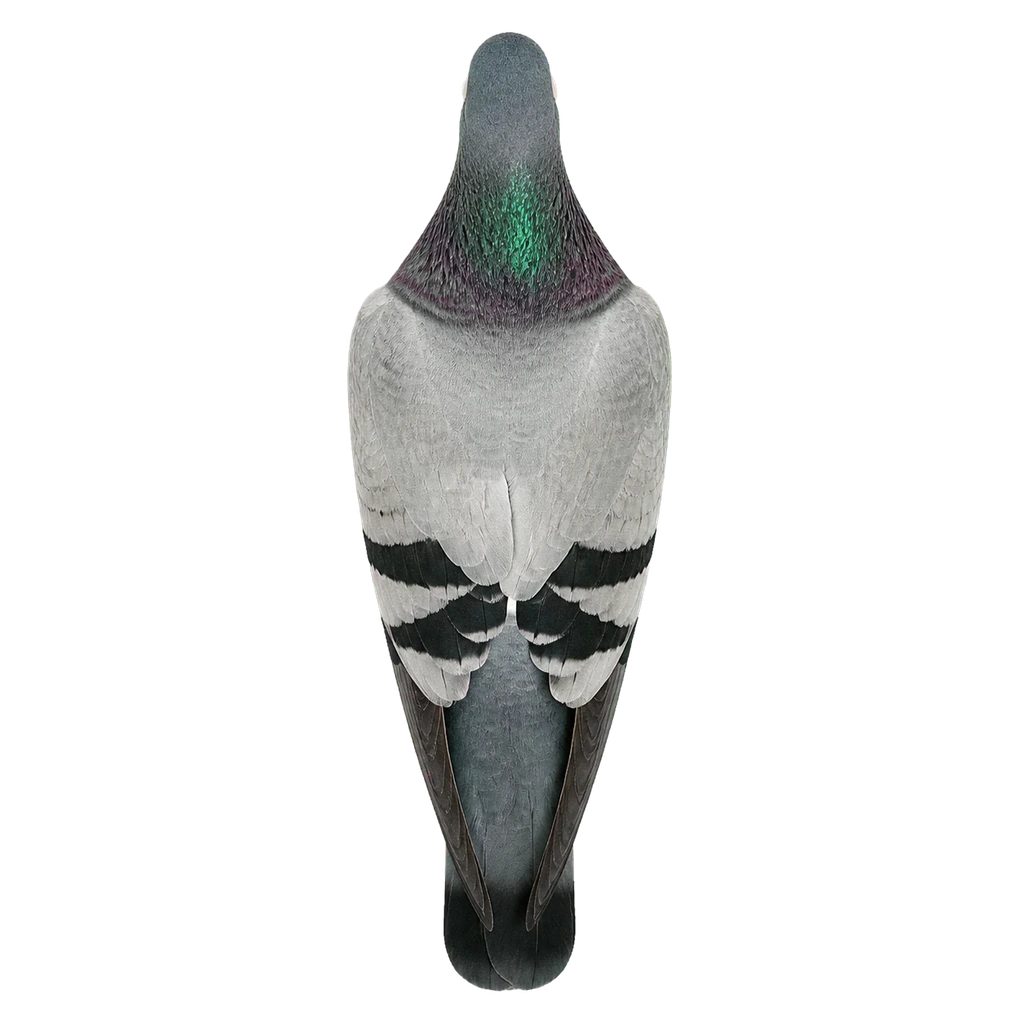
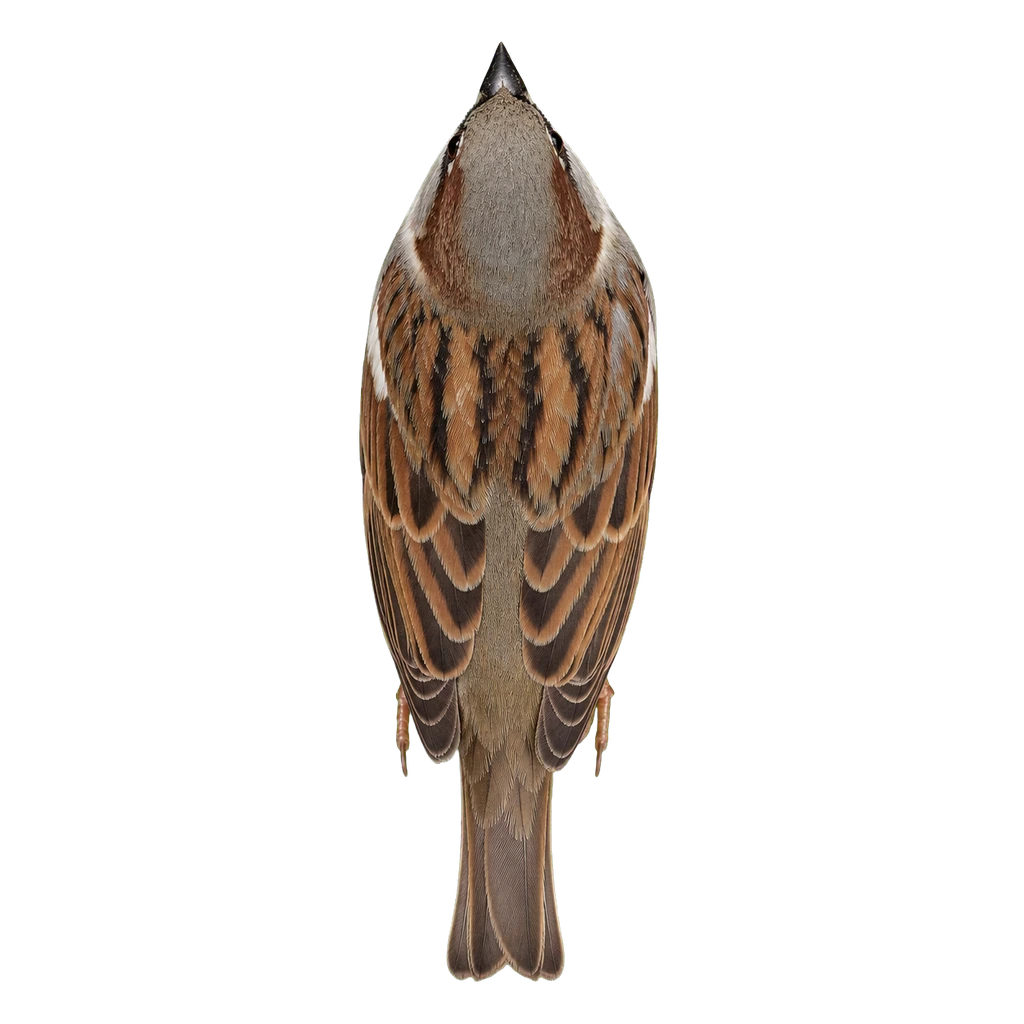
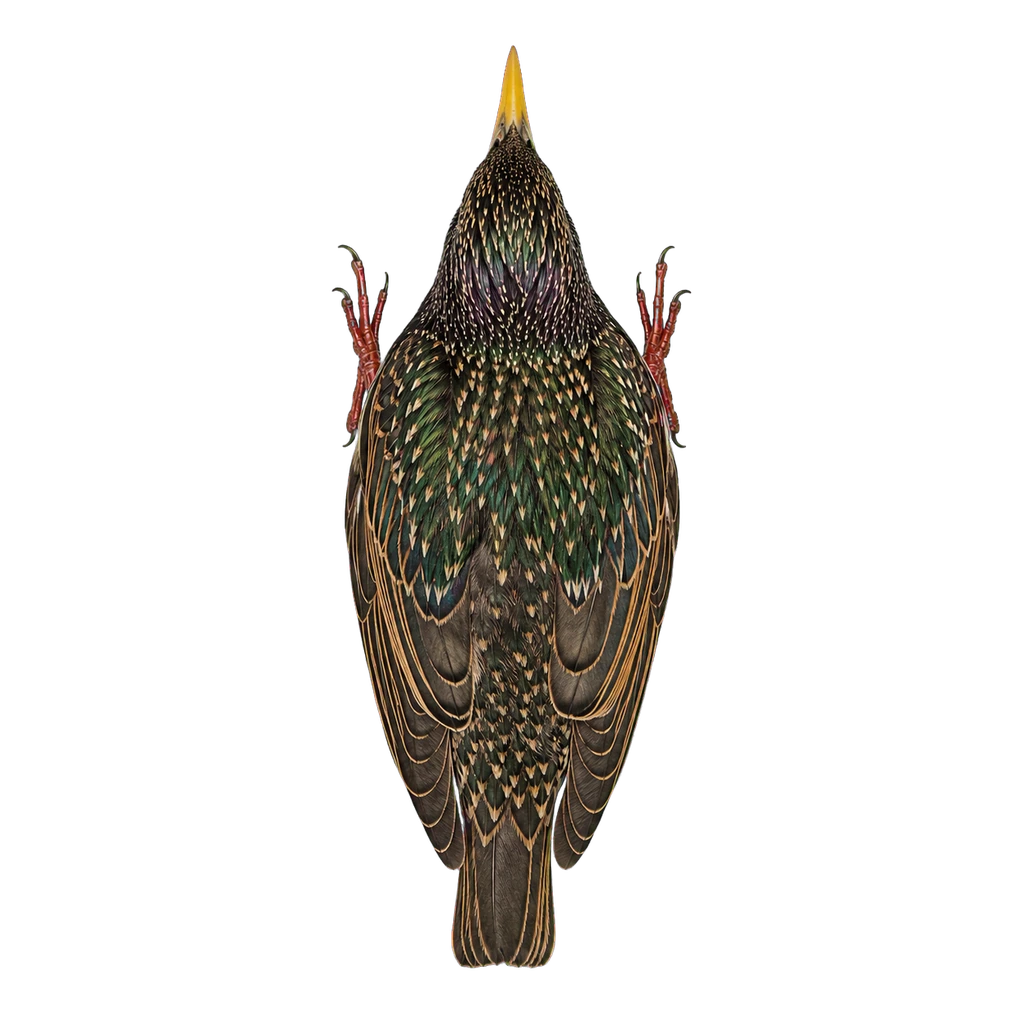
    Pest birds such as pigeons, sparrows, and starlings are attracted to buildings that provide sheltered ledges, eaves, signage gaps, and HVAC equipment platforms that mimic natural cliff or cavity nesting sites. Once birds successfully nest and fledge young in a location, strong homing instincts bring them back to the same spot each breeding season. Nearby food sources like open dumpsters, outdoor dining areas, or loading docks reinforce the habit and can quickly grow a small bird presence into a large, established flock.

  • What damage and health risks do pest birds cause? Toggle answer for: What damage and health risks do pest birds cause?

    Bird droppings are highly acidic and can corrode metal, stain painted surfaces, and degrade roofing materials over time. Accumulated droppings in enclosed or semi-enclosed spaces pose a histoplasmosis risk, and nesting materials can clog gutters, drains, and ventilation systems, creatingfire hazards and water damage. Pest birds also carry ectoparasites like bird mites, ticks, and fleas that can migrate indoors when birds vacate nests, causing secondary infestations inside the building.

  • How quickly can a provider get to my home? Toggle answer for: How quickly can a provider get to my home?

    Most providers in our network can schedule an inspection within 24-48 hours. For urgent situations, likeactive structural damage or large colonies, same-week emergency service is often available. Response times depend on your location and the provider's current schedule.

  • What happens during the first visit? Toggle answer for: What happens during the first visit?

    Your provider inspects the property to identify the pest, locate nesting or entry points, and assess the scope of the problem. You get a clear explanation of what they found, what they recommend, and a written scope before any work begins.

  • Is treatment safe for kids and pets? Toggle answer for: Is treatment safe for kids and pets?

    Modern pest control products are designed to break down quickly after application and pose minimal risk to people and pets when applied correctly. Most providers ask you to keep kids and pets out of treated areas for 1 to 2 hours while the product dries, after which the area is generally safe again. Always confirm specific re-entry times with your provider, and let them know about pet birds, fish, or reptiles, since some treatments require extra precautions for those species.

Pest Control Pros serving the city of the state of your city and nearby areas

Local wildlife specialists licensed for legal Canada goose hazing, habitat modification, and federal permit work are ready to inspect, plan, and execute, no obligation.

Available 24/7
(888) 495-1510