Local pest control help is one call away.

Body Louse: Identification, Treatment & Prevention

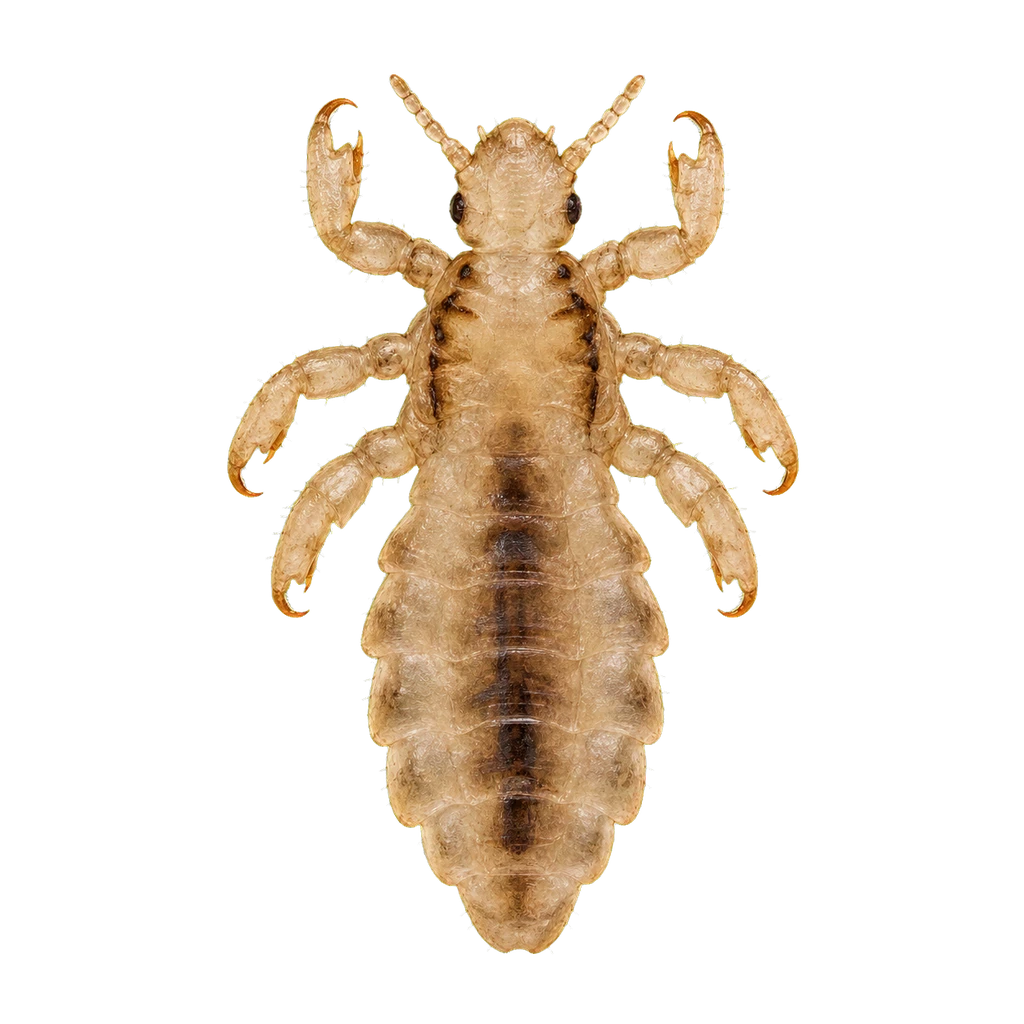
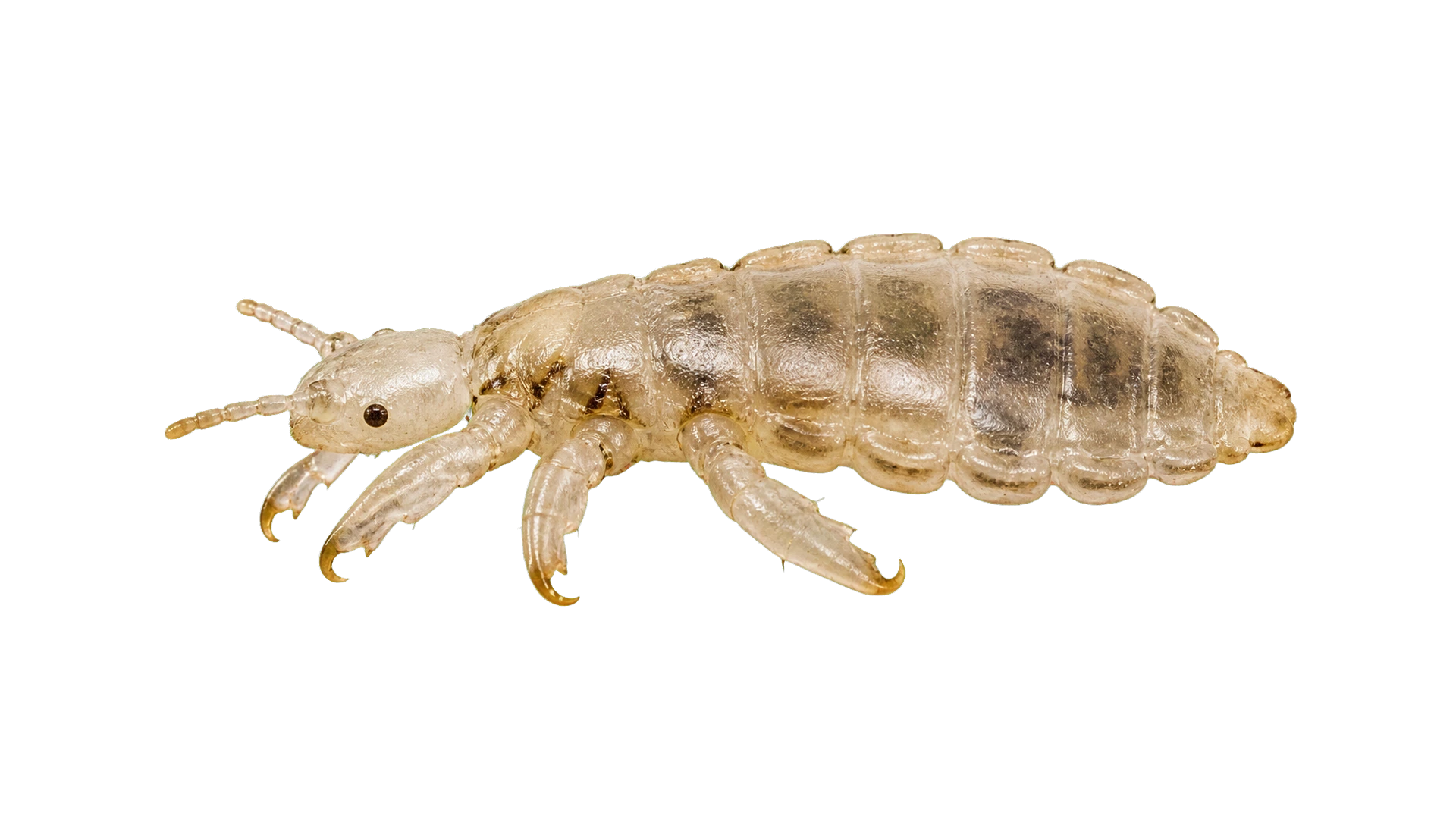
Body lice (Pediculus humanus humanus) are 2 to 4mm long, tan to gray-brown, with a flat oval body and six hooked legs. They look almost identical to head lice and are technically the same species, but they live in a completely different place. Body lice spend their entire life cycle in the seams of clothing and bedding. They crawl onto skin only to feed on blood, then return to the fabric. Find lice or pale eggs cemented in shirt collars, underwear waistbands, or sock cuffs, not on the scalp or body hair, and you are looking at body lice rather than head lice.

Body lice are uncommon in stable US households and almost always tied to a specific public health context: homelessness, refugee camps, displacement after disaster or conflict, prolonged group shelter living, or any setting where regular clothing changes and hot-water laundry access is interrupted. Unlike head lice, body lice carry serious bacterial disease, including epidemic typhus, trench fever, and louse-borne relapsing fever. That history is why body lice are tracked by public health agencies, not treated as a routine pest call.

Close-up illustration of a body louse crawling along a fabric seam with pale oval eggs cemented in the stitching, showing why clothing seams are the diagnostic location

ID Card: Body Louse

Scientific name
Pediculus humanus corporis
Color
White, gray
Size
1/16 to 1/8 inch
Body shape
Tiny, flat, wingless body similar to head lice but lives in clothing
Antennae
Short, 5 segments
Key evidence
Lice and eggs found in clothing seams, especially along inseams and collars

Related Species

Call to get matched with a local pest control pro.

Available 24/7
(888) 495-1510
  • Honest guidance, body lice are a public health and hygiene-access issue more than a pest control issue
  • Specialists who can confirm body lice vs head or pubic lice when the clothing-vs-body distinction is unclear
  • Coordination with local public health, healthcare, and shelter resources when the case warrants it

Where to Find Body Lice Activity

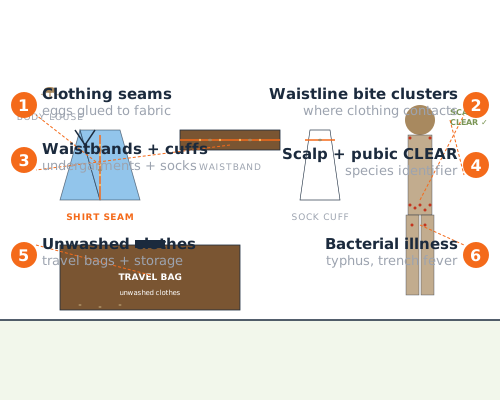
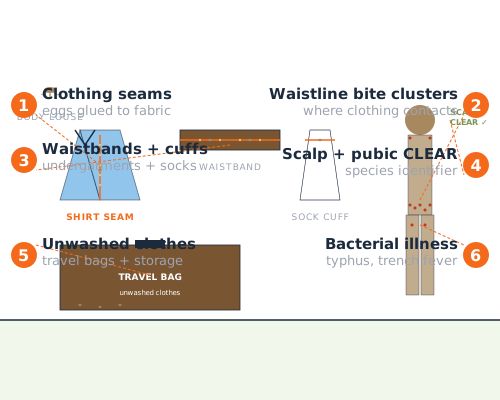
Illustration comparing body lice living in clothing seams to head lice on hair shafts, with bite-pattern overlay showing where clothing contact creates the feeding sites on skin

Body lice and head lice belong to the same species (Pediculus humanus) but live as two distinct ecotypes with completely different ecology. Body lice never colonize the scalp or body hair. They live in fabric that stays close to body warmth. The diagnostic search is in clothing seams, not on skin:

  • Seams of clothing worn against the body, Inspect waistbands, collars, cuffs, armpit seams, and sock tops in undershirts, underwear, and base layers. Live lice cluster in the fabric folds; pale oval eggs are cemented along the seam line.
  • Seams of jackets, coats, and outer layers worn for days at a time, In displacement or shelter settings where outerwear stays on continuously, the heaviest infestations build inside collar and cuff seams of jackets, not undergarments.
  • Sleeping bags, blankets, and bedding kept in direct body contact, Fabric that stays in steady contact with skin holds the same temperature signature as worn clothing and supports the same lice life cycle.
  • Bite welts in clusters along the waistline, shoulder seams, neckline, and underwear band, The bite pattern traces exactly where clothing presses against skin, which is the only time lice contact the body.
  • The scalp, body hair, and pubic hair will be CLEAR, This is the diagnostic confirmation. Lice found only in fabric, with no scalp or body-hair attachment, separates body lice from head lice and pubic lice.
  • Symptoms suggesting bacterial illness, Body lice are the only louse species that transmits human disease. A person with body lice plus fever, severe headache, or a developing rash needs immediate medical evaluation, not just laundry.

Body lice in a stable US household are rare and almost always signal a circumstance beyond pest control: prolonged inability to change or launder clothing, sustained close-quarters group living, recent travel from a displacement region, or close personal contact with an infested individual. The fabric-based treatment is straightforward, but the underlying access issue usually requires a public health or social-service response alongside the laundry work.

Illustration comparing body lice living in clothing seams to head lice on hair shafts, with bite-pattern overlay showing where clothing contact creates the feeding sites on skin
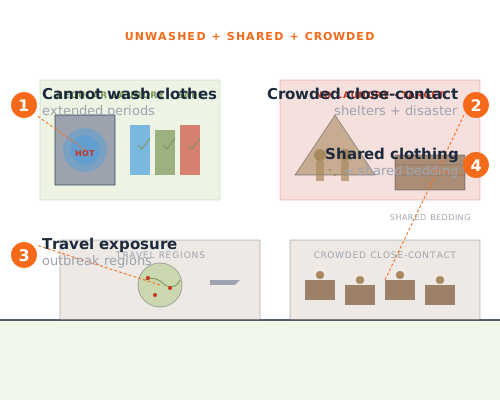
Illustration showing body lice transmission pathways through shared clothing and bedding in group-housing and displacement settings, with the hygiene-access link to public health response

Why Do I Have Body Lice?

Identifying them is step one. Understanding the conditions that allow body lice to persist is what separates this species from head lice and frames why it tracks so closely with public health emergencies rather than routine household exposure. Body lice cannot survive on a person who launders regularly, so the population can only build where access to clean clothing is interrupted for an extended stretch.

What sustains body lice transmission:

  • Limited access to clean clothing changes and hot-water laundry, the single defining condition; body lice die out as soon as worn fabric is hot-washed and replaced
  • Close-contact group living, homeless shelters, refugee camps, military barracks, disaster shelters, and other settings where many people share fabric proximity overnight
  • Recent presence in or travel from a displacement region, conflict zones, refugee corridors, and disaster-affected areas have active body lice populations and exposure history matters for the medical workup
  • Direct close contact with an infested person or shared garments, the primary person-to-person transmission route, especially when bedding or jackets pass between users

A new infestation begins when lice transfer from infested clothing to a new person's clothing through shared garments or close skin-to-fabric contact. Females lay 5 to 10 eggs per day glued into clothing seams. Eggs hatch in 7 to 10 days; nymphs mature in another 7 to 13 days; adults live about 30 days, all of it spent in fabric except for brief feeding trips onto skin. Critically, adult body lice can survive 5 to 10 days off a host inside clothing, much longer than head lice's 24 to 48 hours, which is why fabric decontamination has to be thorough.

How Serious Is Your Body Lice Situation?

Find your scenario below. Body lice severity tracks disease transmission risk, hygiene access, and whether the affected population is one person or a vulnerable group.

What You're Seeing Severity If Untreated Next Step
A single body louse spotted on clothing or in a seam, no widespread infestation yet Early Population builds in clothing seams within 2 to 3 weeks if the same garments stay worn Wash all clothing and bedding in hot water 130 degrees and above; high-heat dry. Decontaminate this week.
Multiple lice plus bite welts on the body and visible eggs in clothing seams Moderate Infestation persists as long as clothing stays unchanged; disease transmission risk grows over time Comprehensive clothing decontamination plus pediculicide if needed. Bathe and switch to freshly laundered garments same day.
Recurrent body lice infestation in a vulnerable population (homeless, sheltered, displaced) High Reinfestation cycle continues without ongoing access to clean clothing and bathing facilities Public health coordination plus sustained hygiene-access support. Laundry alone won't hold without the underlying access issue addressed.
Body lice plus fever, severe headache, rash, or known exposure to typhus or trench fever Urgent Possible louse-borne bacterial illness; risk progresses quickly without treatment Hospital ER same day. Louse-borne diseases are treatable but move fast, and cases are reportable to public health.
A single body louse spotted on clothing or in a seam, no widespread infestation yet
Severity Early
If Untreated Population builds in clothing seams within 2 to 3 weeks if the same garments stay worn
Next Step Wash all clothing and bedding in hot water 130 degrees and above; high-heat dry. Decontaminate this week.
Multiple lice plus bite welts on the body and visible eggs in clothing seams
Severity Moderate
If Untreated Infestation persists as long as clothing stays unchanged; disease transmission risk grows over time
Next Step Comprehensive clothing decontamination plus pediculicide if needed. Bathe and switch to freshly laundered garments same day.
Recurrent body lice infestation in a vulnerable population (homeless, sheltered, displaced)
Severity High
If Untreated Reinfestation cycle continues without ongoing access to clean clothing and bathing facilities
Next Step Public health coordination plus sustained hygiene-access support. Laundry alone won't hold without the underlying access issue addressed.
Body lice plus fever, severe headache, rash, or known exposure to typhus or trench fever
Severity Urgent
If Untreated Possible louse-borne bacterial illness; risk progresses quickly without treatment
Next Step Hospital ER same day. Louse-borne diseases are treatable but move fast, and cases are reportable to public health.

Body lice severity is mostly about disease risk and hygiene access, not structural treatment. If you're between two rows, treat the higher one as your situation.

How Body Lice Develop

The body lice life cycle runs entirely in clothing seams, with brief feeding trips onto skin. Three stages, all anchored to the warmth of body-contact fabric, with much longer off-host survival than head lice because clothing holds body temperature even when removed for hours.

  1. Nit (egg)

    About 7 to 10 days

    Adult females cement eggs to clothing seams and fabric folds, especially in undergarments, waistbands, collars, and cuffs where prolonged body contact keeps temperatures close to skin warmth. Eggs hatch into nymphs that immediately crawl onto skin for a first blood meal, then return to the fabric.

  2. Nymph

    About 7 to 13 days through three nymph stages

    Nymphs feed on blood several times a day by crawling from clothing onto skin, then returning to seams. They look like miniature adults and grow through three molts. Hot-water laundry kills all nymphs at this stage along with the eggs they hatched from.

  3. Adult

    Lives about 30 days on or near a host; 5 to 10 days off-host inside clothing

    Adults are 2 to 4mm long, tan to gray-brown, slightly larger than head lice. Females begin laying within 1 to 2 days of reaching adulthood and produce 5 to 10 eggs per day. Off-host survival in clothing runs 5 to 10 days, much longer than head lice (24 to 48 hours), which is why non-washable items need 2 to 4 weeks sealed away to clear all life stages.

The cycle ends quickly with proper laundry: hot wash above 130 degrees plus high-heat dry kills all life stages in worn clothing and bedding. Items that cannot be hot-washed go in sealed plastic for 2 to 4 weeks to starve out adults and let eggs hatch and die. Bathing the affected person and changing into freshly laundered clothes breaks the cycle the same day the protocol starts.

When Body Lice Cases Concentrate

Body lice are not weather-driven. They are conditions-driven. Cases concentrate where access to clean clothing and bathing is limited, which means displacement events, group housing capacity, and weather conditions that drive people into shelters all shape the seasonal pattern more than temperature itself.

  • Spring

    Cases from winter shelter cycles continue surfacing in healthcare settings as crowded-housing situations transition. Post-disaster cases from late-winter storms often present here, and refugee corridor activity tied to spring conflict cycles produces secondary case clusters.

  • Summer

    Disaster-driven cases can spike after hurricanes, wildfires, flooding, or other displacement events that disrupt laundry access for large populations at once. Summer travel from endemic regions adds isolated exposure cases. Public health alerts often issue here when outbreak clusters appear.

  • Fall

    Cold-weather approach drives shelter occupancy upward and concentrates vulnerable populations into close-quarters housing. Layered clothing worn continuously without changes becomes a body lice habitat. Public health surveillance of shelter populations typically steps up in this window.

  • Winter

    Highest case counts of the year in vulnerable populations. Layered clothing worn continuously, reduced laundry access, and crowded warming-shelter capacity converge into peak body lice conditions. Cases in stable single-family homes remain rare year-round; the winter spike is concentrated in displacement and homelessness settings.

Why Body Lice Are a Public Health (Not Pest Control) Concern

Body lice are one of the few entries on this site where the honest answer is 'pest control isn't really the right call.' Body lice live in clothing seams, not in carpet, walls, furniture, or pet fur. They cannot establish in the structure of a home. The treatment that clears an infestation happens in the laundry (hot wash plus high-heat dry of all worn clothing and bedding), in the bathroom (bathing the affected person and changing into freshly laundered clothes), and through public health channels when the case involves a vulnerable population. Nothing about that involves treating your home.

What sets body lice apart from head lice in seriousness is disease transmission. Body lice are the human vector for three serious bacterial illnesses: epidemic typhus (Rickettsia prowazekii), trench fever (Bartonella quintana), and louse-borne relapsing fever (Borrelia recurrentis). These diseases have shaped human history, devastating Napoleon's army on the retreat from Russia, killing millions in WWI trench warfare, sweeping through Holocaust camps, and resurging in modern conflict zones and refugee corridors. They remain present today in sporadic clusters in homeless and refugee populations and are tracked through global public health surveillance. Any body lice case with fever or rash needs immediate medical evaluation, and confirmed louse-borne illness is reportable to public health authorities.

Body lice are also a public health indicator, not a measure of personal cleanliness. They appear where access to clean clothing, hot-water laundry, and bathing has been interrupted for an extended period, conditions tied to homelessness, displacement, refugee status, and group-shelter living. That framing matters because the long-term response is not pesticide. It is sustained hygiene access for the affected population, which is a social-service and public health question rather than a pest control one.

Where a pest specialist genuinely adds value in a body lice case is identification confirmation (clothing seams, not scalp or pubic hair), accurate scope guidance on the laundry protocol that actually clears the infestation, routing to medical care when disease symptoms are present, and routing to public health or shelter resources when the case involves a vulnerable population. A real specialist names this honestly up front rather than upselling a home treatment that won't help.

What Changes When a Pro Shows Up

Most body lice cases are not standard pest control work. The treatment happens in the laundry, the bathroom, the doctor's office, and through public health channels. A pest specialist contributes through accurate identification and routing the case to the right resource. Here's what that looks like:

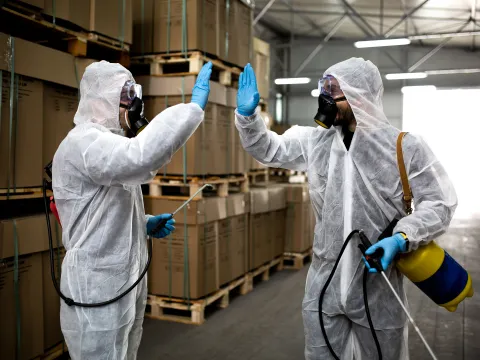
Pest control specialists providing body lice identification confirmation and coordinating with healthcare and public health resources
  • Local Pest Control
  • 24/7 Availability
  • Quality Workmanship
  • Eco‑Friendly Options
  • Trusted by Homeowners
  • Confirms Body Lice vs Head Lice vs Pubic Lice

    All three lice species need different treatment paths. A specialist confirms identification by where the lice are actually living: clothing seams (body lice), scalp (head lice), or pubic and coarse body hair (pubic lice). The wrong identification leads to the wrong treatment.

  • Reviews the Clothing and Bedding Decontamination Protocol

    Hot wash above 130 degrees plus high-heat dry kills lice and eggs in fabric. Items that cannot be hot-washed (jackets, leather, sleeping bags) go in sealed plastic bags for 2 to 4 weeks so lice starve out off-host. The specialist confirms which items need which treatment.

  • Refers to Medical Care for Disease-Vector Risk

    Fever, severe headache, rash, or known exposure to typhus, trench fever, or relapsing fever requires immediate medical evaluation. Body lice are the only louse that transmits these diseases, and the specialist routes the call to healthcare rather than treating it as a routine pest case.

  • Coordinates with Public Health and Shelter Resources

    Recurrent body lice in homeless, refugee, or shelter populations is a public health concern, not a household pest concern. The specialist can route the call to public health agencies, shelter management, or social services rather than performing a home treatment that won't help.

  • Local Pest Control
  • 24/7 Availability
  • Quality Workmanship
  • Eco‑Friendly Options
  • Trusted by Homeowners
NoToPests home

One call connects you with a local specialist who knows body lice and your area.

Be Ready When You Call

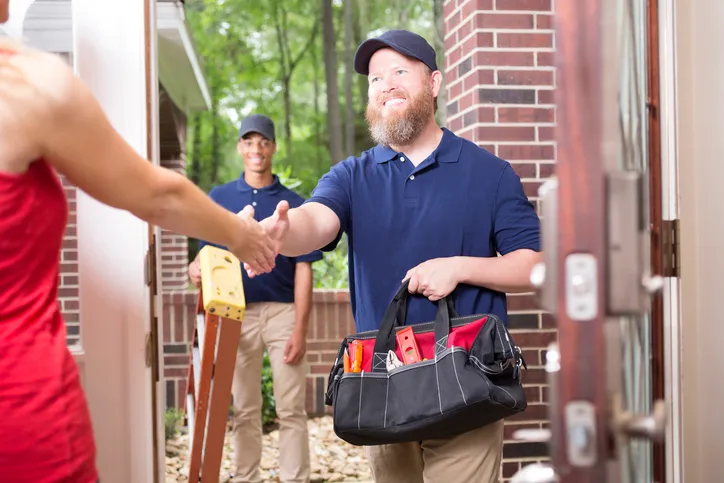
Pest control specialist arriving for a body lice identification consultation and resource-routing conversation
Junho L.
Daisuke P.
Kirk Q.
Marion K.

Trusted by homeowners nationwide

Call for Pest Control Help (888) 495-1510

Can You Handle This or Do You Need Help?

Body lice are mostly DIY laundry work with medical backup and public health coordination when the case involves a vulnerable population. The professional resources that matter are physicians, public health agencies, and shelter management, not home pesticide treatment.

What DIY Can Do

DIY clears almost every body lice case when the laundry and hygiene protocol is followed correctly. Without disease symptoms or ongoing access issues, no other intervention is usually needed:

  • Bathe affected person with soap and change into freshly laundered clothes the same day the protocol starts
  • Hot wash above 130 degrees and high-heat dry all clothing, bedding, towels, and sleeping bag fabric
  • Seal non-washable items (jackets, leather, dry-clean-only) in plastic for 2 to 4 weeks to starve out adults and let eggs hatch and die
  • Maintain daily clean clothing changes and regular bathing to prevent reinfestation, hygiene access is the foundational treatment
  • What DIY cannot handle: louse-borne disease symptoms (medical emergency), recurrent infestation in vulnerable populations (public health), or species identification uncertainty.

What a Pro Does Differently

For body lice, the right pros are a physician (medical care for disease vectors), public health (population-level cases), and shelter or social services (underlying hygiene access). Pest control plays a supporting role:

  • Physician evaluates and treats louse-borne bacterial illness (typhus, trench fever, relapsing fever) when symptoms are present
  • Public health agency coordinates response in shelter, refugee, or disaster settings where infestation is population-level rather than household
  • Pest specialist confirms body vs head vs pubic lice when identification is uncertain, the treatment paths differ sharply
  • Shelter or social services connects affected individuals to sustained hygiene access, the foundational long-term solution
  • Pest specialist provides honest scope guidance and prevents wasted home pesticide treatment that would not help.

Suspect Body Lice? Don't Wait.

Body lice carry serious bacterial disease, and the underlying access conditions matter as much as the lice themselves. Connect with a local specialist who can confirm identification and route you to the right resource, physician, public health agency, shelter services, or honest household guidance.

Available 24/7
(888) 495-1510

What Homeowners Say After Getting Help

Real results from people who had the same problem and solved it.

Rashad E.
Rashad E.
Portland, OR

"No pressure, just options."

I appreciated being given eco-friendly options without being pushed. The technician explained tradeoffs honestly and let me decide based on my priorities. They were transparent about what each approach involves. The no-pressure approach and honest information helped me make a confident decision.

Rashad E.
Rashad E.
Portland, OR

"No pressure, just options."

I appreciated being given eco-friendly options without being pushed. The technician explained tradeoffs honestly and let me decide based on my priorities. They were transparent about what each approach involves. The no-pressure approach and honest information helped me make a confident decision.

Yu E.
Yu E.
Durham, NC

"The inspection caught what we missed."

I didn't realize how much damage raccoons can cause once they get inside. The wildlife specialist explained what areas they inspect first and why raccoon issues are handled more carefully than regular pests. They showed me the damage and explained removal and exclusion strategies. Understanding the potential for damage made me glad I called professionals.

Ren P.
Ren P.
Dayton, OH

"The problem finally stayed gone."

Ants kept returning no matter what we did. The tech treated the trail areas and explained how to handle food storage and moisture so the ants don't keep coming back. It's been months and we haven't seen them again. I appreciated that it wasn't just a one-and-done spray.

Kayla Q.
Kayla Q.
Pittsburgh, PA

"Clear expectations and a real plan."

I was overwhelmed and didn't know what was realistic to fix quickly. The inspector explained what results to expect and how long it typically takes depending on the ant species. They treated the right places and gave simple prevention tips. Everything felt structured and easy to follow.

Malachi U.
Malachi U.
Knoxville, TN

"They found the entry points fast."

Ants were showing up in the kitchen and we couldn't figure out where they were coming from. The tech tracked the activity and pointed out two entry points we never would've noticed. After treating and sealing those areas, the ants disappeared. It was quick and surprisingly thorough.

Arturo B.
Arturo B.
Yonkers, NY

"No pressure, just helpful info."

I mainly wanted to understand what was happening before committing to anything. The inspector walked me through the likely cause and the differences between treatment approaches. They answered questions without rushing me. The plan we chose worked and the ants were gone within days.

Octavio Z.
Octavio Z.
Duluth, MN

"The tech helped me stop wasting time."

I kept trying different products and nothing was sticking. The tech explained why some solutions don't work for certain ant problems and focused the treatment where it would actually matter. They also gave prevention tips that were easy to implement. The difference was obvious within the first week.

Chauncey A.
Chauncey A.
Duluth, MN

"We finally understood what to do next."

We felt stuck because nothing we tried lasted. The tech explained how to find the source of the problem, treated both indoor and outdoor areas, and helped us build a prevention routine. It wasn't complicated. Just the right steps in the right order. We've had a huge improvement since.

Vihaan V.
Vihaan V.
Madison, WI

"They fixed what was actually causing it."

Ants kept showing up in the same spot. The pro explained that the visible ants weren't the real issue and focused the treatment on where they were coming from. They identified the entry path and treated it properly. The problem stopped and hasn't returned.

Allison A.
Allison A.
Des Moines, IA

"It felt like a real inspection, not a quick spray."

The tech spent time figuring out where the ants were entering instead of just spraying around. They walked me through the likely reasons and what to watch for over time. After treatment, ant activity dropped fast and stayed low. The detailed approach gave me confidence.

Stephen N.
Stephen N.
Sacramento, CA

"Small changes made a big difference."

We didn't realize how much our routine was attracting ants. The inspector explained simple prevention steps and treated the areas where activity was highest. Once those changes were in place, we stopped seeing ants inside. It was a practical approach that actually worked.

Daquan V.
Daquan V.
Tampa, FL

"The explanation alone was worth it."

I'd been doing random treatments without understanding what I was dealing with. The tech explained how ants behave and why certain approaches work better. They treated strategically instead of just spraying. It made the whole thing feel manageable.

Deepak V.
Deepak V.
San Antonio, TX

"We stopped chasing the problem and solved it."

We kept wiping down counters and the ants would be back the next day. The pro identified the entry areas and explained the treatment plan clearly. Once they treated and targeted the colony, the ants disappeared quickly. It felt like we finally got ahead of it.

Mireya Z.
Mireya Z.
Riverside, CA

"They didn't oversell. Just solved it."

The tech explained what treatment was necessary and what wasn't. They focused on the entry points and corrected the conditions that were attracting ants. The work felt honest and effective. I liked having clear expectations and seeing results quickly.

Wei D.
Wei D.
Lexington, KY

"It wasn't just 'spray and go.'"

I appreciated the step-by-step explanation and the focus on prevention. The inspector treated the areas where ants were getting in and helped me understand what to change at home. The ants stopped showing up and it's been consistent. The approach felt thoughtful and sustainable.

Shu W.
Shu W.
Orlando, FL

"It finally made sense why they kept coming back."

I had ants showing up every few months and never understood why. The tech explained how outdoor nests and weather changes affect indoor activity. They treated the perimeter and entry points instead of just the inside. Since then, we haven't had recurring issues.

Teresa I.
Teresa I.
Mesa, AZ

"Targeted instead of overdone."

I was worried about over-treating the house. The pro focused on specific problem areas and explained why blanket spraying wasn't necessary. The ants stopped appearing, and we didn't feel like chemicals were used unnecessarily. That balance mattered to us.

Latonya X.
Latonya X.
Mesa, AZ

"Clear answers without jargon."

The tech explained everything in plain language and answered questions without rushing. They identified the type of ant we had and adjusted the treatment accordingly. Knowing why the approach worked gave me confidence it would last.

Humberto T.
Humberto T.
Eugene, OR

"They focused on prevention, not just treatment."

I liked that the tech talked through how to keep ants from returning after the treatment. They addressed moisture issues and entry points around the home. The treatment worked, and the prevention tips helped us stay ahead of future problems.

Jerrell N.
Jerrell N.
Arlington, VA

"No guessing, just a plan."

I was tired of guessing what would work. The inspector explained the cause of the issue and outlined a clear plan of action. After treatment, the ants disappeared and we haven't had to revisit the problem. It felt efficient and well thought out.

Marion K.
Marion K.
Boulder, CO

"They explained what to expect upfront."

The tech set expectations about timing and results before starting. They explained that some activity might happen initially and why. Everything played out exactly as described, and the ants were gone shortly after. That transparency made a big difference.

Bridget E.
Bridget E.
Sacramento, CA

"Helpful without being overwhelming."

I didn't realize there were different types of ants or that it mattered. The inspector walked me through what they were seeing and explained how ant behavior affects treatment. It made it easier to ask the right questions and understand the solution.

Junho L.
Junho L.
Naperville, IL

"Saved me a lot of guessing."

I was close to trying random sprays for the ants. Talking with the tech helped me understand what was realistic to address and what usually doesn't work. The targeted treatment solved the issue quickly and saved time and frustration.

Willis Y.
Willis Y.
Baton Rouge, LA

"It felt tailored to our home."

The tech didn't just apply a standard treatment. He looked at where we were seeing activity and adjusted the approach to our layout and yard. The ants stopped showing up and we understood how to keep it that way.

Thelma S.
Thelma S.
Madison, WI

"Straightforward and effective."

I appreciated how straightforward everything was. The pro explained the issue, treated the problem areas, and gave us a few simple steps to prevent future issues. The ants were gone and it didn't feel complicated.

Angelina B.
Angelina B.
Austin, TX

"They explained how the weather played a role."

I didn't realize seasonal changes could affect ant activity so much. The tech explained how heat and rain push ants indoors and what to do about it. They treated the problem areas and gave tips to prevent future issues. The explanation helped everything click.

Kirk Q.
Kirk Q.
Denver, CO

"It wasn't as complicated as I expected."

I assumed pest control would be disruptive or complicated. The technician explained the steps clearly and focused on targeted treatment. The ants stopped appearing quickly and the process was smoother than expected.

Cody L.
Cody L.
Denver, CO

"They helped me understand the bigger picture."

Instead of just treating the ants I saw, the tech explained what was happening around the house that made it attractive to pests. Once those factors were addressed, the problem resolved quickly. It felt educational as well as effective.

Marquis K.
Marquis K.
San Mateo, CA

"Clear communication from start to finish."

I appreciated how clearly everything was explained before treatment began. The inspector walked through the process and answered all my questions. The ants were gone shortly after and we felt confident about prevention going forward.

Virginia T.
Virginia T.
San Mateo, CA

"They addressed what we were missing."

We kept focusing on cleaning, but the tech showed us where ants were actually entering. Once those points were treated and sealed, the issue resolved. It was reassuring to finally understand the root cause.

June J.
June J.
Omaha, NE

"A methodical approach that worked."

The pro explained how they identify ant trails and colonies before treating. They took a methodical approach instead of rushing through. The ants stopped appearing and the fix has held up well.

Caitlin K.
Caitlin K.
Phoenix, AZ

"They understood desert pest behavior."

Living in Phoenix, pests behave differently than other places. The tech explained how heat drives ants indoors and what treatments work best here. The solution was effective and tailored to our environment.

Olive S.
Olive S.
Sacramento, CA

"They took the time to do it right."

I appreciated that the tech didn't rush. He inspected the problem areas carefully and explained what they were seeing. The treatment worked quickly and the ants haven't returned.

Arianna D.
Arianna D.
Baton Rouge, LA

"They understood the local pest issues."

The tech explained how the humidity here contributes to ant problems and why certain treatments work better in this climate. They focused on outdoor entry points and moisture-prone areas. The ants cleared up quickly and haven't come back.

Kiyana N.
Kiyana N.
New Orleans, LA

"Finally something that lasted."

We'd dealt with recurring ants for years. The pro explained why flooding and moisture play such a big role here and adjusted the treatment accordingly. It's been months without seeing ants, which is a big win for us.

Brett R.
Brett R.
Phoenix, AZ

"They knew exactly what works in Arizona."

The tech explained how desert conditions affect ant behavior and which treatments are most effective here. They targeted the right areas and avoided unnecessary spraying. The ants disappeared quickly.

Albert O.
Albert O.
Baltimore, MD

"Clear, calm, and professional."

I appreciated how calmly everything was explained. The inspector identified the ant problem, explained the treatment, and answered my questions without rushing. The solution worked and gave me peace of mind.

Rohit Y.
Rohit Y.
Orlando, FL

"They handled it efficiently."

The tech inspected the problem areas, explained the plan, and got to work quickly. The ants were gone within days and the process felt efficient without being rushed.

Carolyn H.
Carolyn H.
Omaha, NE

"Simple explanations, solid results."

I liked how simply everything was explained. The pro didn't overcomplicate things and focused on what mattered. The ants stopped appearing and we haven't needed follow-up treatments.

Edith Z.
Edith Z.
Newark, NJ

"They showed me what to watch for."

Beyond treating the ants, the tech explained what signs to watch for if activity starts again. That knowledge made me feel more in control. So far, everything has stayed clear.

Common Questions About Body Lice

Direct answers to what people ask most about clothing-seam habitat, the disease vector risk that sets body lice apart from head lice, and the hygiene-access response that actually clears the infestation.

  • How are body lice different from head lice? Toggle answer for: How are body lice different from head lice?

    Body lice (Pediculus humanus corporis) live and lay eggs in clothing seams rather than on the body. They move to the skin only to feed. Body lice are associated with prolonged wearing of unwashed clothing and are rare in typical household settings. Regular laundering of clothes and bedding in hot water eliminates them.

  • Can body lice transmit diseases? Toggle answer for: Can body lice transmit diseases?

    Yes, body lice are the only lice species that can transmit diseases to humans, including epidemic typhus, trench fever, and relapsing fever. These diseases are rare in developed countries but body lice remain a concern in crowded living conditions, shelters, and disaster situations where clothing cannot be regularly washed.

  • Why do lice keep spreading even after treatment? Toggle answer for: Why do lice keep spreading even after treatment?

    Lice spread through direct head-to-head contact and shared personal items like combs, hats, and pillows, which means reinfestation is common in households and group settings where not everyone is treated simultaneously. A single surviving female can lay six to ten eggs (nits) per day, and nits cemented to hair shafts within a quarter inch of the scalp are resistant to many over-the-counter treatments. Incomplete treatment that kills adults but misses viable nits will result in a new generation hatching within seven to ten days, restarting the cycle.

  • Are head lice a health risk beyond itching? Toggle answer for: Are head lice a health risk beyond itching?

    Head lice do not transmit infectious diseases and are considered a nuisance pest rather than a medical hazard. However, persistent scratching of bite sites can break the skin and lead to secondary bacterial infections such as impetigo. Body lice, adifferent species that lives in clothing rather than on hair, can transmit diseases including epidemic typhus and trench fever, but body lice infestations are rare in the general population and are primarily associated with situations where regular laundering of clothing is not possible.

  • How quickly can a provider get to my home? Toggle answer for: How quickly can a provider get to my home?

    Most providers in our network can schedule an inspection within 24-48 hours. For urgent situations, likeactive structural damage or large colonies, same-week emergency service is often available. Response times depend on your location and the provider's current schedule.

  • What happens during the first visit? Toggle answer for: What happens during the first visit?

    Your provider inspects the property to identify the pest, locate nesting or entry points, and assess the scope of the problem. You get a clear explanation of what they found, what they recommend, and a written scope before any work begins.

  • Is treatment safe for kids and pets? Toggle answer for: Is treatment safe for kids and pets?

    Modern pest control products are designed to break down quickly after application and pose minimal risk to people and pets when applied correctly. Most providers ask you to keep kids and pets out of treated areas for 1 to 2 hours while the product dries, after which the area is generally safe again. Always confirm specific re-entry times with your provider, and let them know about pet birds, fish, or reptiles, since some treatments require extra precautions for those species.

Pest Control Pros serving the city of the state of your city and nearby areas

Local providers who can confirm body lice identification and route you to the right resource (physician, public health, shelter services, or honest household guidance) are ready to help, no obligation.

Available 24/7
(888) 495-1510