Local pest control help is one call away.

Mexican Free-Tailed Bat: Identification, Treatment & Prevention

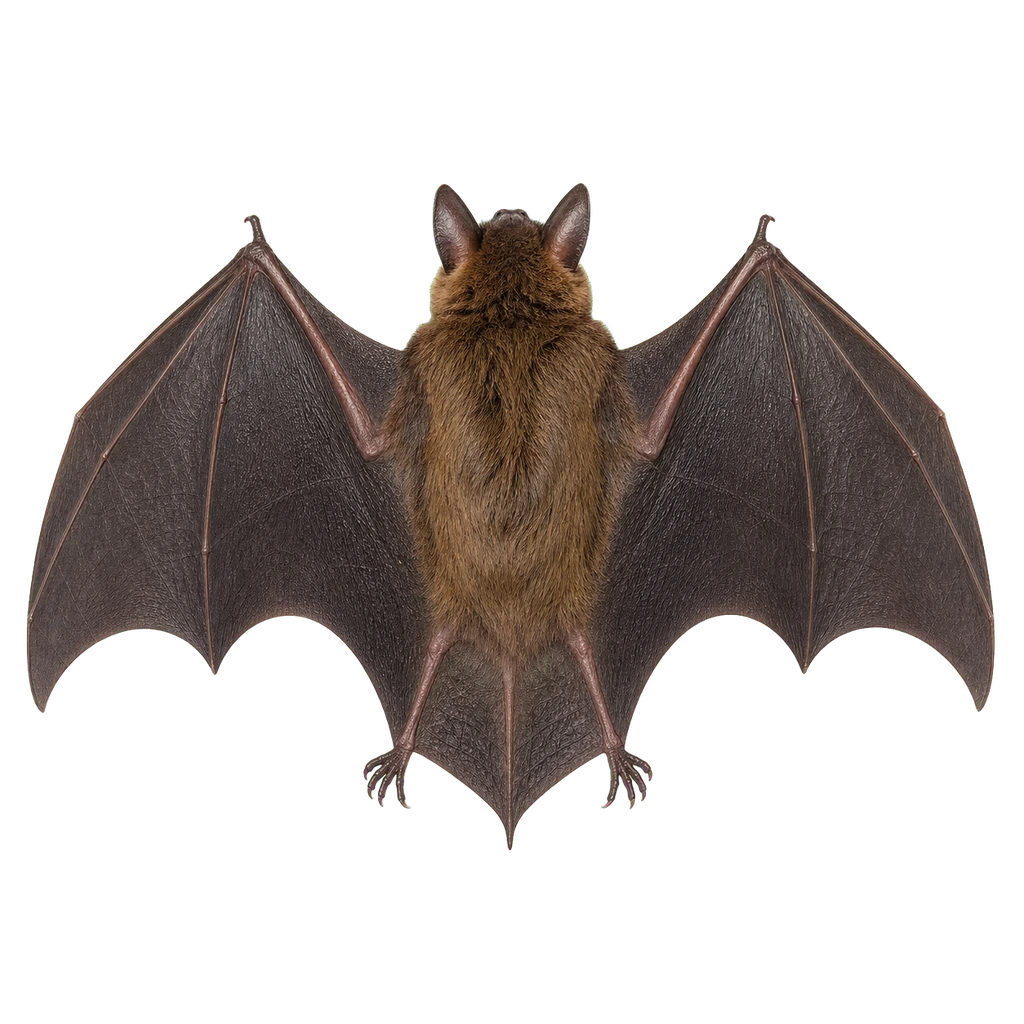
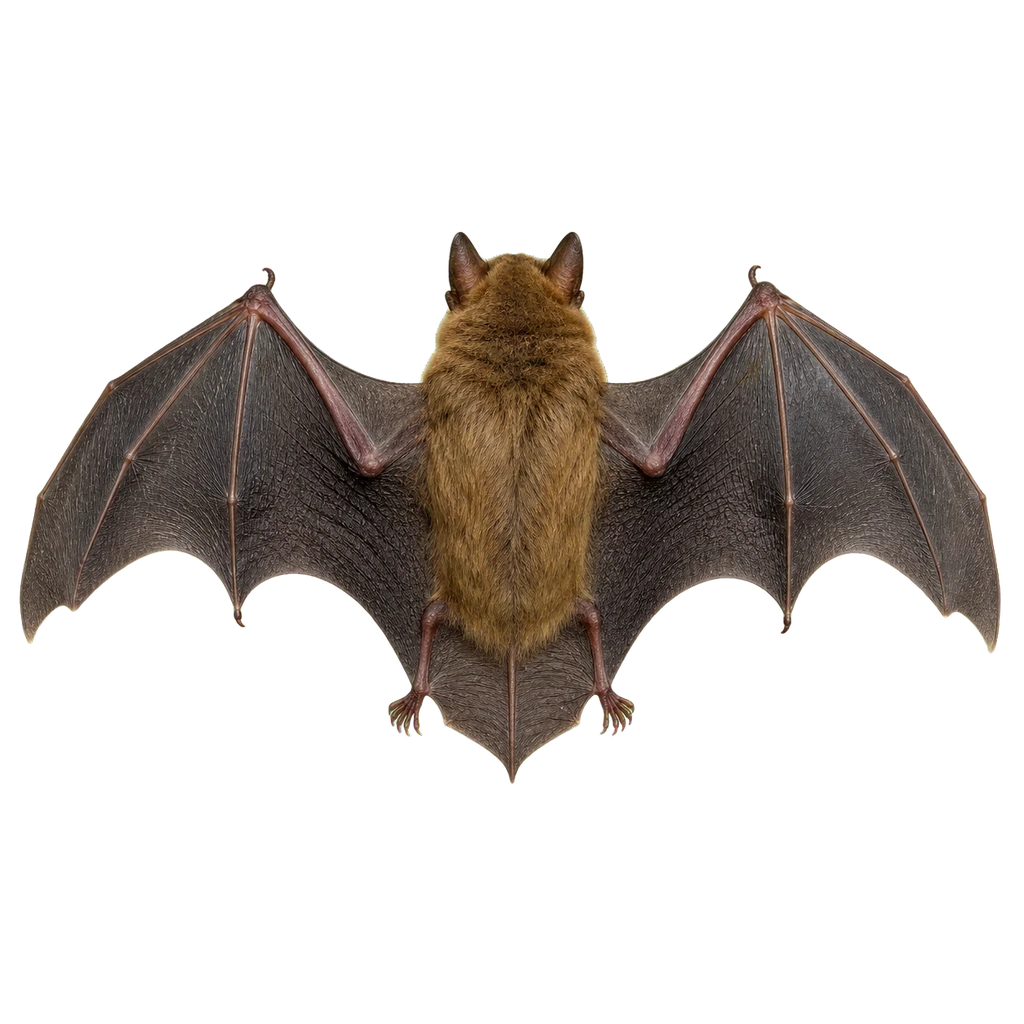
Mexican free-tailed bats (Tadarida brasiliensis, also called Brazilian free-tailed bats) are mid-sized bats with a 3.5 to 4 inch body, an 11 to 13 inch wingspan, and dark brown-to-gray fur. The defining field mark is the tail itself: roughly a third to half of it extends past the back edge of the tail membrane, which is where the name 'free-tailed' comes from. No other common US bat shows that much exposed tail. Their wings are long and narrow built for speed, with documented horizontal flight at 99 mph, the fastest level flight of any bat in North America.

This species also forms the largest bat colonies in North America, single sites holding from 50 bats in a suburban attic to more than 15 million at Bracken Cave in Texas (the largest mammal gathering on Earth). Their range covers the southern US from California across the desert southwest into Texas, the Gulf states, Georgia, Florida, and the Carolinas, with year-round populations in northern Mexico. If you live in that band and have a sizable bat colony in an attic, garage, gymnasium, or under a nearby bridge, this guide covers identification, why colony scale changes the exclusion job, and what licensed humane removal involves.

Close-up illustration of a Mexican free-tailed bat showing the tail extending well past the tail membrane, long pointed wings, and rounded ears

ID Card: Mexican Free-Tailed Bat

Scientific name
Tadarida brasiliensis
Color
Dark brown, gray-brown
Size
3 to 4 inches
Body shape
Slender body with long narrow wings and characteristic free tail
Key evidence
Massive guano deposits, extremely large colonies, strong ammonia odor from attic

Related Species

Call to get matched with a local pest control pro.

Available 24/7
(888) 495-1510
  • Wildlife specialists licensed for protected bat exclusion under southern state regulations
  • Experience with large-colony humane exclusion and synchronized multi-device installations
  • Histoplasmosis-aware decontamination capacity for the heavy guano this species produces

Where to Inspect for Mexican Free-Tailed Bat Activity

Cross-section illustration showing Mexican free-tailed bat colony roost sites in southern US attics, behind chimney flashing, in commercial buildings, and the dusk emergence flight pattern

Free-tailed colonies are loud, large, and visible compared to most US bat species. Once you know what to look at and when, the evidence is usually obvious. Most homeowner discoveries come from watching a roof or bridge edge at dusk and seeing a long, fast emergence of narrow-winged bats:

  • Attics in southern US homes, Residential colonies typically run 50 to 500 bats. Look up at ridge boards, gable peaks, and the underside of decking for tight hanging clusters. Guano on the attic floor is usually substantial well before homeowners notice anything indoors.
  • Commercial buildings, parking garages, warehouses, and gymnasiums, This species heavily uses commercial structures. Colonies of 5,000 to 50,000+ are common in older masonry buildings, stadium roofs, and high-bay warehouses across Texas, Arizona, and the Gulf states.
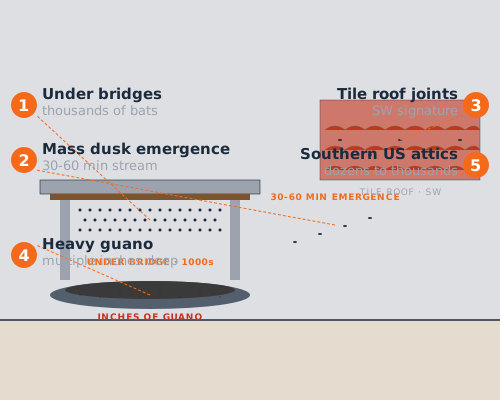
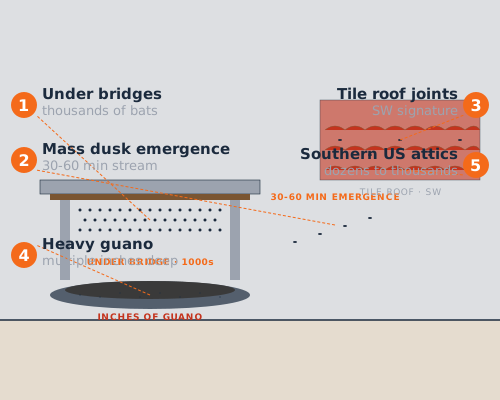
  • Highway bridges, overpasses, and culverts nearby, Famous colonies live under the Congress Avenue Bridge in Austin (1.5 million bats) and similar bridges across the southern US. Homes within a few miles of a bridge colony often pick up overflow roosting in attic spaces.
  • Around chimneys, expansion joints, and roof penetrations, Free-tailed bats squeeze into gaps as narrow as half an inch. Inspect every roof seam, parapet joint, and expansion gap on commercial properties and tile or metal-roof homes.
  • Roof eaves and outdoor lighting at dusk, This species flies fast and high. A narrow-winged silhouette darting straight out at speed (rather than the fluttery flight of little brown or big brown bats) is the field ID for free-tailed at dusk. Outdoor lights near agricultural land attract their insect prey and the bats follow.
  • Heavy guano accumulation below entries, Because colony size is so large, free-tailed guano piles build up faster than other species. Multiple inches of accumulation across an attic floor or below a bridge joint is normal for a colony that has been resident for two or more seasons.

Scale changes the exclusion job. A 50-bat colony exclusion is one or two one-way devices over a week. A 500-bat residential colony is a synchronized multi-device installation over 10 to 14 days. A 5,000-bat commercial colony is specialized work involving lift equipment, multiple field days, and extended decontamination after the bats are gone. Mexican free-tailed bats are protected by state law across their entire US range, exclusion only, never extermination, and maternity-season prohibitions are strict. Residential exclusion typically runs $500 to $3,000+; commercial work runs $5,000 to $50,000+ depending on building size and guano volume.

Cross-section illustration showing Mexican free-tailed bat colony roost sites in southern US attics, behind chimney flashing, in commercial buildings, and the dusk emergence flight pattern
Illustration showing how Mexican free-tailed bat colonies enter southern US attics and commercial buildings through chimney gaps, expansion joints, gable vents, and roof seams

Why Do I Have Mexican Free-Tailed Bats?

Identifying them is step one. Understanding why your structure was selected, and why this species concentrates in such large numbers, shapes the exclusion plan and the long-term prevention strategy. Free-tailed bats are agricultural-belt specialists. They fly farther, higher, and faster than other US bats, and they pick roost sites that can hold thousands of bodies near productive feeding grounds.

What draws Mexican free-tailed bats to your property:

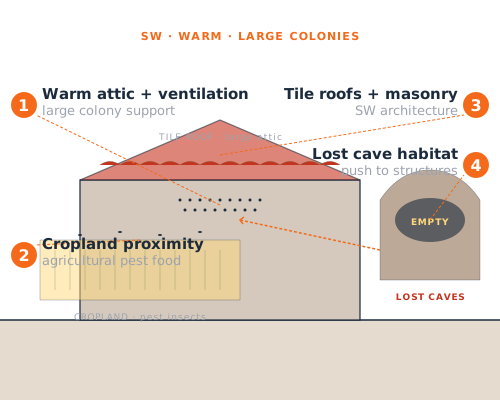
  • Southern US location with proximity to agriculture, this species feeds heavily on corn earworm, cotton bollworm, and fall armyworm moths above croplands; USDA values their pest control contribution at $3.7 billion per year
  • Large attic, garage, or commercial building volumes, free-tailed colonies need physical space; small enclosed attics that suit little brown bats are often too cramped for the numbers this species moves in
  • Older masonry construction with expansion joints, parking garages, gymnasiums, warehouses, and brick commercial buildings are textbook free-tailed roost sites across the desert southwest and Gulf states
  • Existing bridge or culvert colony within a few miles, established bridge colonies push overflow roosting into nearby attics, especially when the bridge colony grows past its capacity
  • Open access through chimneys, roof seams, or gable vents larger than half an inch, this species exploits gaps that smaller-bodied bats cannot

Maternity colonies form in spring as pregnant females gather at warm roost sites. Each female gives birth to one pup in June, and at the largest cave colonies, pups are deposited in dense 'pup walls' on the cave ceiling where mothers locate their own offspring by call and scent. Pups take their first flight at five to six weeks and reach reproductive maturity at nine to twelve months. Adults can live 8 to 18 years. Northern range populations migrate to Mexico for winter; year-round populations remain across southern Texas, southern California, southern Arizona, and Florida.

How Serious Is Your Mexican Free-Tailed Bat Situation?

Find your scenario below. Severity is driven by colony size, guano volume, and direct-contact risk, scale matters more with this species than any other US bat.

What You're Seeing Severity If Untreated Next Step
Small number of free-tailed bats at dusk, fewer than 25 emerging Early Colony grows annually; free-tailed colonies routinely scale into the hundreds within two to three seasons Schedule a wildlife specialist inspection. Plan exclusion in the next legal window outside maternity season.
Maternity colony, fast narrow-winged bats emerging in long streams, 100 to 500 bats Moderate Guano accumulation will compound; structural staining and odor become noticeable inside the home year over year Confirm legal exclusion window, plan post-maternity (September to October) exclusion plus guano cleanup quote.
Large residential colony 500+ bats, heavy guano, family living in structure High Histoplasmosis risk rises with accumulation; insulation likely requires full replacement; structural damage from urine accumulation Call a wildlife specialist this week, comprehensive multi-device exclusion plus Histo-aware decontamination.
Massive colony 2,000+ bats in a commercial building, parking garage, or gym Urgent Commercial-scale Histo exposure, occupant health risk, building IAQ failure, and continuing colony growth Call today and request a specialist with commercial-scale free-tailed exclusion and extended decontamination experience.
Small number of free-tailed bats at dusk, fewer than 25 emerging
Severity Early
If Untreated Colony grows annually; free-tailed colonies routinely scale into the hundreds within two to three seasons
Next Step Schedule a wildlife specialist inspection. Plan exclusion in the next legal window outside maternity season.
Maternity colony, fast narrow-winged bats emerging in long streams, 100 to 500 bats
Severity Moderate
If Untreated Guano accumulation will compound; structural staining and odor become noticeable inside the home year over year
Next Step Confirm legal exclusion window, plan post-maternity (September to October) exclusion plus guano cleanup quote.
Large residential colony 500+ bats, heavy guano, family living in structure
Severity High
If Untreated Histoplasmosis risk rises with accumulation; insulation likely requires full replacement; structural damage from urine accumulation
Next Step Call a wildlife specialist this week, comprehensive multi-device exclusion plus Histo-aware decontamination.
Massive colony 2,000+ bats in a commercial building, parking garage, or gym
Severity Urgent
If Untreated Commercial-scale Histo exposure, occupant health risk, building IAQ failure, and continuing colony growth
Next Step Call today and request a specialist with commercial-scale free-tailed exclusion and extended decontamination experience.

Mexican free-tailed bats are protected by state law across their entire US range. Rabies is the public health concern with bites; histoplasmosis is the inhalation concern with large guano accumulations. If you're between two rows, treat the higher one as your situation.

How Mexican Free-Tailed Bat Colonies Develop

This species is intensely social and forms the largest mammal gatherings on Earth. Their annual cycle is shaped by long-distance migration in northern populations, synchronized birthing at maternity sites, and a defined legal exclusion window that opens only after pups can fly.

  1. Spring arrival and maternity formation

    March through April

    Northern range populations migrate north from Mexico, returning to traditional maternity sites in southern US states. Year-round populations emerge from winter torpor and shift to summer roosts. Pregnant females gather and the maternity colony forms; exclusion is no longer legal once mothers are settled.

  2. Synchronized birth and pup-rearing

    May through August

    Each female gives birth to one pup in June, with thousands of pups born within days of each other at the largest sites. Pups roost in dense 'pup wall' clusters on cave ceilings or against attic decking. Mothers locate their own pup by call and scent in formations of millions. Pups are flightless for the first 5 to 6 weeks; exclusion is illegal during this entire window.

  3. First flight and post-maternity exclusion window

    August through October

    Pups achieve flight by late August or early September. Colony size peaks as juveniles join nightly foraging. The legal exclusion window opens once all pups are flying, this is the prime fall window (September through October) for humane exclusion across most of the southern US.

  4. Migration south or year-round residency

    October through February

    Northern range populations migrate south to Mexico from October through November. Year-round populations remain in southern Texas, southern Arizona, southern California, and Florida. The legal exclusion window stays open in resident-population areas but specialists often prefer fall, when bats are still active enough to use one-way devices reliably.

Pups reach reproductive maturity at 9 to 12 months and adults can live 8 to 18 years. Free-tailed colonies are remarkably stable, the same maternity site is often used for decades, which is why historical bridge and cave colonies remain reliable enough to support city ecotourism (Austin's Congress Avenue Bridge draws hundreds of thousands of visitors annually to watch the 1.5 million-bat emergence). Residential exclusions need to be permanent and complete, otherwise the colony returns to the same address year after year.

When Mexican Free-Tailed Bats Are Most Active

Seasonal patterns shift across the range. Northern populations are migratory and only present from spring to fall, while southern populations are year-round. Legal exclusion windows track maternity timing rather than weather.

  • Spring

    Migrating northern populations arrive from Mexico in March and April. Maternity colonies form quickly once females are settled. The legal exclusion window closes through this period in nearly every state, schedule by early March or plan for fall.

  • Summer

    Peak colony season and the worst time to act. Maternity colonies hold thousands of flightless pups from May through August. Exclusion is illegal across the full range. Use this window for documentation only: dusk counts, entry-point mapping, and scheduling the fall exclusion.

  • Fall

    Pups achieve flight in late August through early September; the legal exclusion window opens. September through October is the prime exclusion season across the southern US. In northern-range populations, this also lines up with pre-migration colony peak, count accurately because the colony is at its largest.

  • Winter

    Northern populations migrate to Mexico from October through November and are absent until spring. Southern resident populations remain in heated attics, garages, and commercial buildings. Exclusion is legal in resident-population areas but specialists usually prefer fall windows when bats are reliably active for evening exits.

Why Mexican Free-Tailed Bats Need Professional Help

Mexican free-tailed bat exclusion is licensed wildlife work in every state where this species occurs. The regulations match other protected bats (legal exclusion windows, maternity-season prohibitions, one-way humane device requirements) but the practical job is significantly larger. A 200-bat free-tailed colony in a suburban attic is a multi-device, multi-week project, and a 5,000-bat colony in a commercial parking garage is a specialized commercial decontamination job that small operators are not equipped to handle.

DIY mistakes scale with colony size, and that scale is unforgiving. Sealing during maternity season for a 300-bat colony traps hundreds of pups in the structure, producing a decomposition cascade that brings flies, dermestid beetles, and odor problems lasting months. Sealing before the colony has fully evacuated traps adult bats inside in numbers casual cleanup cannot handle. Missing entry points means the colony just shifts overnight, and at this scale, that means hundreds of bats redistributing into a different wall, soffit, or roof cavity.

A licensed wildlife specialist starts with multi-evening dusk counts to establish accurate colony size and identify every active entry point. They confirm species (Mexican free-tailed vs cave myotis, evening bats, or Brazilian free-tailed look-alikes), confirm the legal exclusion window for your state, and install multi-device one-way exclusion sized to the colony. Devices remain in place 10 to 14 days for free-tailed colonies, longer than the 4 to 5 days adequate for smaller-colony species, because the colony takes longer to fully exit.

Guano cleanup at free-tailed colony scale is its own project. Multi-inch accumulation across an attic floor is normal after even one or two seasons of occupancy. Full insulation removal and replacement is usually the only effective path because guano contaminates fiberglass and cellulose beyond cleaning. Histoplasmosis is the inhalation risk and the cleanup needs to happen under respirator-grade PPE with HEPA-equipped vacuum systems. In commercial buildings, the decontamination scope often runs longer than the exclusion itself.

What Changes When a Pro Shows Up

Mexican free-tailed work is licensed wildlife work scaled to colony size. A specialist who handles this species knows the multi-device exclusion approach for large colonies and the decontamination requirements for the guano they leave behind. Here's what that looks like:

Wildlife specialists after completing a large Mexican free-tailed bat exclusion and attic restoration
  • Local Pest Control
  • 24/7 Availability
  • Quality Workmanship
  • Eco‑Friendly Options
  • Trusted by Homeowners
  • Counts the Colony Over Multiple Evenings

    Three to five dusk counts establish accurate colony size. A 50-bat exclusion and a 500-bat exclusion are different jobs; getting the count right drives every other decision (device count, evacuation window, decontamination scope).

  • Maps Every Entry Across the Whole Structure

    Free-tailed colonies routinely use four to ten entry points spread across the roofline. A specialist documents every active emergence point before the first device is installed, otherwise the colony just shifts to whatever was missed.

  • Installs Synchronized Multi-Device Exclusion

    One-way exclusion devices are sized to colony scale, often 5 to 10 devices on a single residential structure, more on commercial buildings. Devices stay in place 10 to 14 days for full evacuation, longer than for smaller-colony species.

  • Histoplasmosis-Aware Guano Cleanup

    Heavy free-tailed guano accumulation usually requires full attic insulation removal and replacement plus deep cleaning of structural surfaces under respirator-grade PPE. Specialists with commercial experience have the crew capacity and decontamination equipment that smaller operators don't.

  • Local Pest Control
  • 24/7 Availability
  • Quality Workmanship
  • Eco‑Friendly Options
  • Trusted by Homeowners
NoToPests home

One call connects you with a local specialist who knows mexican free-tailed bats and your area.

Be Ready When You Call

Wildlife specialist arriving for a Mexican free-tailed bat exclusion assessment
Junho L.
Daisuke P.
Kirk Q.
Marion K.

Trusted by homeowners nationwide

Call for Pest Control Help (888) 495-1510

Can You Handle This or Do You Need Help?

All bat species are licensed work; Mexican free-tailed colonies add scale that makes professional involvement non-negotiable. DIY here is limited to observation and prevention, every meaningful step is regulated.

What DIY Can Do

Documentation and prevention are useful contributions. Anything more is illegal under state wildlife law and impractical at free-tailed colony scale:

  • Identify the species by the free tail extending beyond the membrane, long pointed wings, and fast straight-line flight at dusk
  • Document colony size with dusk counts over multiple evenings, this drops directly into the specialist's planning
  • Photograph entry points, guano accumulation, and any structural staining for the inspection visit
  • Cap chimneys and screen large attic vents BEFORE bats establish to prevent future colonies from selecting your home
  • Budget for attic insulation replacement and decontamination, this is usually the larger line item than the exclusion itself
  • What DIY cannot do: install one-way exclusion devices, perform guano cleanup with appropriate PPE, coordinate rabies-exposure response, or handle the legal documentation.

What a Pro Does Differently

A licensed wildlife specialist with free-tailed colony experience handles every aspect homeowners cannot safely or legally manage:

  • Multi-evening dusk counts establish accurate colony size and identify all active entry points across the structure
  • Synchronized multi-device exclusion sized to colony scale, often 5 to 10 devices on one residential structure
  • Extended 10 to 14 day evacuation window ensures the full colony has departed before any seal is placed
  • Permanent simultaneous sealing across all entry points to prevent colony shift into a different cavity
  • Histoplasmosis-aware decontamination with respirator-grade PPE and HEPA vacuum systems
  • Full insulation replacement and IAQ restoration for the comprehensive cleanup that follows large-colony exclusion.

Suspect Mexican Free-Tailed Bats? Don't Wait.

Mexican free-tailed colonies grow into the hundreds residentially and the thousands commercially, with guano accumulation and histoplasmosis risk scaling alongside. Connect with a licensed wildlife specialist who can plan exclusion at scale and handle the decontamination that follows.

Available 24/7
(888) 495-1510

What Homeowners Say After Getting Help

Real results from people who had the same problem and solved it.

Rashad E.
Rashad E.
Portland, OR

"No pressure, just options."

I appreciated being given eco-friendly options without being pushed. The technician explained tradeoffs honestly and let me decide based on my priorities. They were transparent about what each approach involves. The no-pressure approach and honest information helped me make a confident decision.

Rashad E.
Rashad E.
Portland, OR

"No pressure, just options."

I appreciated being given eco-friendly options without being pushed. The technician explained tradeoffs honestly and let me decide based on my priorities. They were transparent about what each approach involves. The no-pressure approach and honest information helped me make a confident decision.

Yu E.
Yu E.
Durham, NC

"The inspection caught what we missed."

I didn't realize how much damage raccoons can cause once they get inside. The wildlife specialist explained what areas they inspect first and why raccoon issues are handled more carefully than regular pests. They showed me the damage and explained removal and exclusion strategies. Understanding the potential for damage made me glad I called professionals.

Ren P.
Ren P.
Dayton, OH

"The problem finally stayed gone."

Ants kept returning no matter what we did. The tech treated the trail areas and explained how to handle food storage and moisture so the ants don't keep coming back. It's been months and we haven't seen them again. I appreciated that it wasn't just a one-and-done spray.

Kayla Q.
Kayla Q.
Pittsburgh, PA

"Clear expectations and a real plan."

I was overwhelmed and didn't know what was realistic to fix quickly. The inspector explained what results to expect and how long it typically takes depending on the ant species. They treated the right places and gave simple prevention tips. Everything felt structured and easy to follow.

Malachi U.
Malachi U.
Knoxville, TN

"They found the entry points fast."

Ants were showing up in the kitchen and we couldn't figure out where they were coming from. The tech tracked the activity and pointed out two entry points we never would've noticed. After treating and sealing those areas, the ants disappeared. It was quick and surprisingly thorough.

Arturo B.
Arturo B.
Yonkers, NY

"No pressure, just helpful info."

I mainly wanted to understand what was happening before committing to anything. The inspector walked me through the likely cause and the differences between treatment approaches. They answered questions without rushing me. The plan we chose worked and the ants were gone within days.

Octavio Z.
Octavio Z.
Duluth, MN

"The tech helped me stop wasting time."

I kept trying different products and nothing was sticking. The tech explained why some solutions don't work for certain ant problems and focused the treatment where it would actually matter. They also gave prevention tips that were easy to implement. The difference was obvious within the first week.

Chauncey A.
Chauncey A.
Duluth, MN

"We finally understood what to do next."

We felt stuck because nothing we tried lasted. The tech explained how to find the source of the problem, treated both indoor and outdoor areas, and helped us build a prevention routine. It wasn't complicated. Just the right steps in the right order. We've had a huge improvement since.

Vihaan V.
Vihaan V.
Madison, WI

"They fixed what was actually causing it."

Ants kept showing up in the same spot. The pro explained that the visible ants weren't the real issue and focused the treatment on where they were coming from. They identified the entry path and treated it properly. The problem stopped and hasn't returned.

Allison A.
Allison A.
Des Moines, IA

"It felt like a real inspection, not a quick spray."

The tech spent time figuring out where the ants were entering instead of just spraying around. They walked me through the likely reasons and what to watch for over time. After treatment, ant activity dropped fast and stayed low. The detailed approach gave me confidence.

Stephen N.
Stephen N.
Sacramento, CA

"Small changes made a big difference."

We didn't realize how much our routine was attracting ants. The inspector explained simple prevention steps and treated the areas where activity was highest. Once those changes were in place, we stopped seeing ants inside. It was a practical approach that actually worked.

Daquan V.
Daquan V.
Tampa, FL

"The explanation alone was worth it."

I'd been doing random treatments without understanding what I was dealing with. The tech explained how ants behave and why certain approaches work better. They treated strategically instead of just spraying. It made the whole thing feel manageable.

Deepak V.
Deepak V.
San Antonio, TX

"We stopped chasing the problem and solved it."

We kept wiping down counters and the ants would be back the next day. The pro identified the entry areas and explained the treatment plan clearly. Once they treated and targeted the colony, the ants disappeared quickly. It felt like we finally got ahead of it.

Mireya Z.
Mireya Z.
Riverside, CA

"They didn't oversell. Just solved it."

The tech explained what treatment was necessary and what wasn't. They focused on the entry points and corrected the conditions that were attracting ants. The work felt honest and effective. I liked having clear expectations and seeing results quickly.

Wei D.
Wei D.
Lexington, KY

"It wasn't just 'spray and go.'"

I appreciated the step-by-step explanation and the focus on prevention. The inspector treated the areas where ants were getting in and helped me understand what to change at home. The ants stopped showing up and it's been consistent. The approach felt thoughtful and sustainable.

Shu W.
Shu W.
Orlando, FL

"It finally made sense why they kept coming back."

I had ants showing up every few months and never understood why. The tech explained how outdoor nests and weather changes affect indoor activity. They treated the perimeter and entry points instead of just the inside. Since then, we haven't had recurring issues.

Teresa I.
Teresa I.
Mesa, AZ

"Targeted instead of overdone."

I was worried about over-treating the house. The pro focused on specific problem areas and explained why blanket spraying wasn't necessary. The ants stopped appearing, and we didn't feel like chemicals were used unnecessarily. That balance mattered to us.

Latonya X.
Latonya X.
Mesa, AZ

"Clear answers without jargon."

The tech explained everything in plain language and answered questions without rushing. They identified the type of ant we had and adjusted the treatment accordingly. Knowing why the approach worked gave me confidence it would last.

Humberto T.
Humberto T.
Eugene, OR

"They focused on prevention, not just treatment."

I liked that the tech talked through how to keep ants from returning after the treatment. They addressed moisture issues and entry points around the home. The treatment worked, and the prevention tips helped us stay ahead of future problems.

Jerrell N.
Jerrell N.
Arlington, VA

"No guessing, just a plan."

I was tired of guessing what would work. The inspector explained the cause of the issue and outlined a clear plan of action. After treatment, the ants disappeared and we haven't had to revisit the problem. It felt efficient and well thought out.

Marion K.
Marion K.
Boulder, CO

"They explained what to expect upfront."

The tech set expectations about timing and results before starting. They explained that some activity might happen initially and why. Everything played out exactly as described, and the ants were gone shortly after. That transparency made a big difference.

Bridget E.
Bridget E.
Sacramento, CA

"Helpful without being overwhelming."

I didn't realize there were different types of ants or that it mattered. The inspector walked me through what they were seeing and explained how ant behavior affects treatment. It made it easier to ask the right questions and understand the solution.

Junho L.
Junho L.
Naperville, IL

"Saved me a lot of guessing."

I was close to trying random sprays for the ants. Talking with the tech helped me understand what was realistic to address and what usually doesn't work. The targeted treatment solved the issue quickly and saved time and frustration.

Willis Y.
Willis Y.
Baton Rouge, LA

"It felt tailored to our home."

The tech didn't just apply a standard treatment. He looked at where we were seeing activity and adjusted the approach to our layout and yard. The ants stopped showing up and we understood how to keep it that way.

Thelma S.
Thelma S.
Madison, WI

"Straightforward and effective."

I appreciated how straightforward everything was. The pro explained the issue, treated the problem areas, and gave us a few simple steps to prevent future issues. The ants were gone and it didn't feel complicated.

Angelina B.
Angelina B.
Austin, TX

"They explained how the weather played a role."

I didn't realize seasonal changes could affect ant activity so much. The tech explained how heat and rain push ants indoors and what to do about it. They treated the problem areas and gave tips to prevent future issues. The explanation helped everything click.

Kirk Q.
Kirk Q.
Denver, CO

"It wasn't as complicated as I expected."

I assumed pest control would be disruptive or complicated. The technician explained the steps clearly and focused on targeted treatment. The ants stopped appearing quickly and the process was smoother than expected.

Cody L.
Cody L.
Denver, CO

"They helped me understand the bigger picture."

Instead of just treating the ants I saw, the tech explained what was happening around the house that made it attractive to pests. Once those factors were addressed, the problem resolved quickly. It felt educational as well as effective.

Marquis K.
Marquis K.
San Mateo, CA

"Clear communication from start to finish."

I appreciated how clearly everything was explained before treatment began. The inspector walked through the process and answered all my questions. The ants were gone shortly after and we felt confident about prevention going forward.

Virginia T.
Virginia T.
San Mateo, CA

"They addressed what we were missing."

We kept focusing on cleaning, but the tech showed us where ants were actually entering. Once those points were treated and sealed, the issue resolved. It was reassuring to finally understand the root cause.

June J.
June J.
Omaha, NE

"A methodical approach that worked."

The pro explained how they identify ant trails and colonies before treating. They took a methodical approach instead of rushing through. The ants stopped appearing and the fix has held up well.

Caitlin K.
Caitlin K.
Phoenix, AZ

"They understood desert pest behavior."

Living in Phoenix, pests behave differently than other places. The tech explained how heat drives ants indoors and what treatments work best here. The solution was effective and tailored to our environment.

Olive S.
Olive S.
Sacramento, CA

"They took the time to do it right."

I appreciated that the tech didn't rush. He inspected the problem areas carefully and explained what they were seeing. The treatment worked quickly and the ants haven't returned.

Arianna D.
Arianna D.
Baton Rouge, LA

"They understood the local pest issues."

The tech explained how the humidity here contributes to ant problems and why certain treatments work better in this climate. They focused on outdoor entry points and moisture-prone areas. The ants cleared up quickly and haven't come back.

Kiyana N.
Kiyana N.
New Orleans, LA

"Finally something that lasted."

We'd dealt with recurring ants for years. The pro explained why flooding and moisture play such a big role here and adjusted the treatment accordingly. It's been months without seeing ants, which is a big win for us.

Brett R.
Brett R.
Phoenix, AZ

"They knew exactly what works in Arizona."

The tech explained how desert conditions affect ant behavior and which treatments are most effective here. They targeted the right areas and avoided unnecessary spraying. The ants disappeared quickly.

Albert O.
Albert O.
Baltimore, MD

"Clear, calm, and professional."

I appreciated how calmly everything was explained. The inspector identified the ant problem, explained the treatment, and answered my questions without rushing. The solution worked and gave me peace of mind.

Rohit Y.
Rohit Y.
Orlando, FL

"They handled it efficiently."

The tech inspected the problem areas, explained the plan, and got to work quickly. The ants were gone within days and the process felt efficient without being rushed.

Carolyn H.
Carolyn H.
Omaha, NE

"Simple explanations, solid results."

I liked how simply everything was explained. The pro didn't overcomplicate things and focused on what mattered. The ants stopped appearing and we haven't needed follow-up treatments.

Edith Z.
Edith Z.
Newark, NJ

"They showed me what to watch for."

Beyond treating the ants, the tech explained what signs to watch for if activity starts again. That knowledge made me feel more in control. So far, everything has stayed clear.

Common Questions About Mexican Free-Tailed Bats

Direct answers to what southern US homeowners ask most about identification, large-colony exclusion, and Histo-aware decontamination.

  • Why are Mexican free-tailed bat colonies so large? Toggle answer for: Why are Mexican free-tailed bat colonies so large?

    Mexican free-tailed bats form the largest bat colonies in North America, some bridges and caves in Texas host millions. In residential settings, colonies of 100-1,000+ can establish in attics and commercial buildings across the southern US. Their colonial nature means a bat problem in your building is rarely just a few individuals.

  • When is the right time to exclude Mexican free-tailed bats? Toggle answer for: When is the right time to exclude Mexican free-tailed bats?

    Exclusion should be done outside maternity season, typically before May or after August in the southern US. During pup season, flightless young are inside the roost and will die if adults are excluded, creating odor and sanitation problems. Fall is often ideal, after pups can fly but before the colony disperses for winter migration.

  • Why do bats keep roosting in my attic or eaves? Toggle answer for: Why do bats keep roosting in my attic or eaves?

    Bats seek out dark, sheltered spaces that maintain stable temperatures for roosting and raising pups, and attics, soffits, and wall voids are ideal substitutes for their natural cave habitats. A gap as small as 3/8 of an inch is enough for most bat species to squeeze through, and once a colony establishes a roost, they produce scent markers that attract additional bats year after year. Removing a colony without sealing every entry point will result in bats returning to the same structure within days.


  • Are bats in my home dangerous to my family's health? Toggle answer for: Are bats in my home dangerous to my family's health?

    The primary health concern with indoor bat colonies is histoplasmosis, a respiratory illness caused by inhaling spores from the fungus Histoplasma capsulatum that grows in accumulated bat guano. Bat droppings also produce strong ammonia odors and can stain ceilings and walls. While the overall rabies rate in bats is low, any direct contact with a bat, especially one found on the ground or active during daylight, warrants immediate medical consultation since bat bites can be difficult to detect.

  • How quickly can a provider get to my home? Toggle answer for: How quickly can a provider get to my home?

    Most providers in our network can schedule an inspection within 24-48 hours. For urgent situations, likeactive structural damage or large colonies, same-week emergency service is often available. Response times depend on your location and the provider's current schedule.

  • What happens during the first visit? Toggle answer for: What happens during the first visit?

    Your provider inspects the property to identify the pest, locate nesting or entry points, and assess the scope of the problem. You get a clear explanation of what they found, what they recommend, and a written scope before any work begins.

  • Is treatment safe for kids and pets? Toggle answer for: Is treatment safe for kids and pets?

    Modern pest control products are designed to break down quickly after application and pose minimal risk to people and pets when applied correctly. Most providers ask you to keep kids and pets out of treated areas for 1 to 2 hours while the product dries, after which the area is generally safe again. Always confirm specific re-entry times with your provider, and let them know about pet birds, fish, or reptiles, since some treatments require extra precautions for those species.

Pest Control Pros serving the city of the state of your city and nearby areas

Local wildlife specialists licensed for large-colony bat exclusion and Histo-aware decontamination are ready to inspect, plan, and execute legal humane removal at residential or commercial scale, no obligation.

Available 24/7
(888) 495-1510