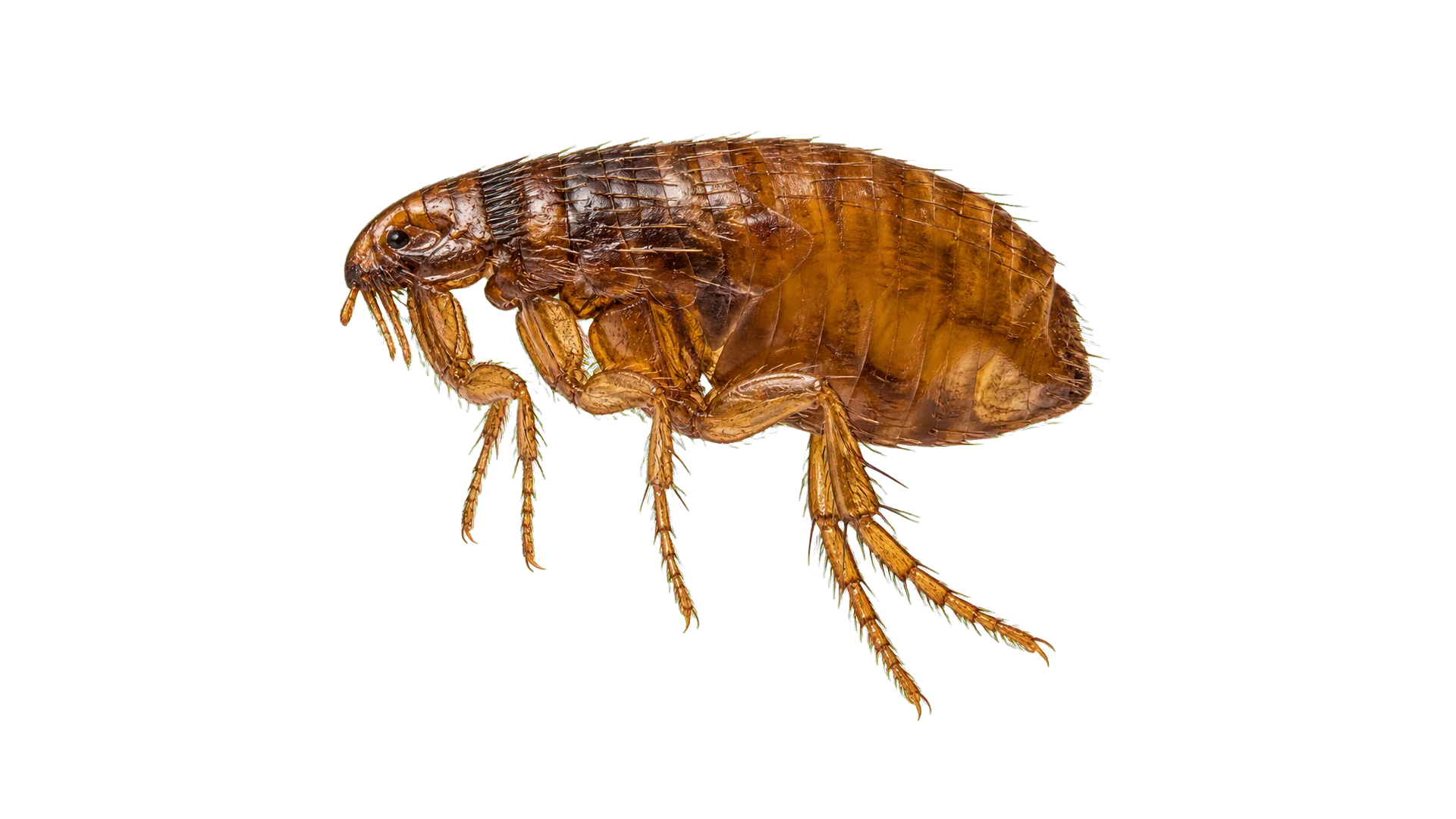
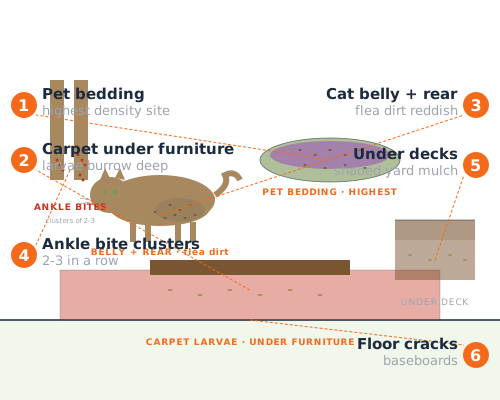
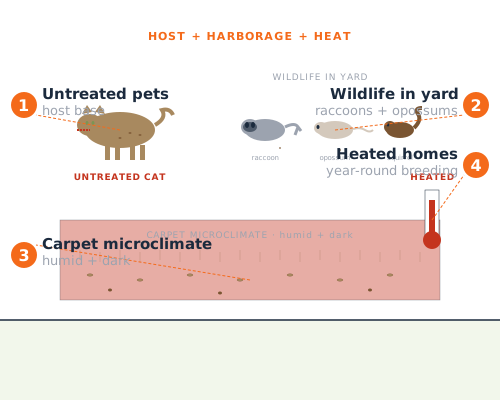
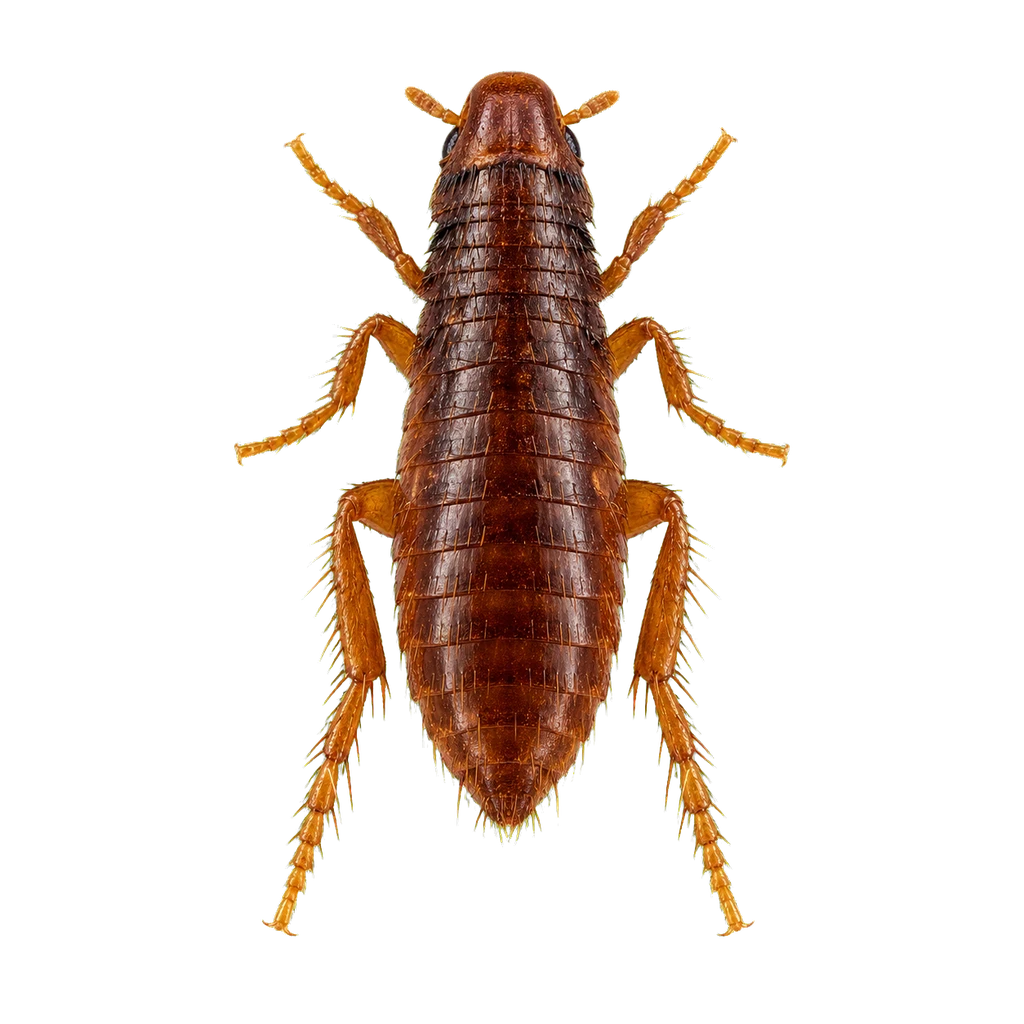
Flea control is the pest area where DIY most consistently fails, and the reason is biological, not personal. 95 percent of the infestation is in the environment (eggs, larvae, and pupae in carpets, bedding, and floor cracks), and only 5 percent is the adults on the pet at any given time. Surface treatment kills the visible adults and some of the unprotected larvae, which adds up to maybe a third of the actual population. The rest survives and emerges over the following weeks.
Pupae sealed inside cocoons are the toughest stage to control. They're resistant to most treatments and can stay dormant for 6 months or longer, waiting for vibration, warmth, or carbon dioxide cues that signal a host nearby. This is why empty homes flush with fleas the moment new occupants move in, and why returning from vacation often kicks off a sudden flea wave even after the home looked clear.
Cat fleas also create real health risks. Bites cause welts and itching in humans and pets, and many pets develop flea allergy dermatitis, an allergic skin reaction that needs separate veterinary treatment. Fleas transmit feline bartonellosis (Bartonella henselae, the cause of cat-scratch fever), tapeworms (Dipylidium caninum) when a pet or person accidentally swallows a flea, and murine typhus in some regions. Heavy infestations on small or young animals can cause severe anemia.
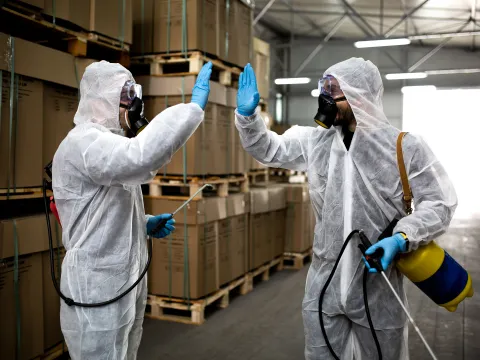
A specialist running this correctly treats the home with an adulticide plus an insect growth regulator (IGR) like methoprene or pyriproxyfen, applied with crevice tools into the larval hot zones rather than surface-sprayed onto open floor. They confirm what veterinary flea control each pet is on and time the home treatment so the pet can't reintroduce the population. They also treat outdoor rest areas where wildlife or stray cats may be reseeding the cycle. Budget roughly $200 to $500 for the initial residential treatment plus $50 to $120 per pet per month for veterinary flea control.