Local pest control help is one call away.

Dog Flea: Identification, Treatment & Prevention

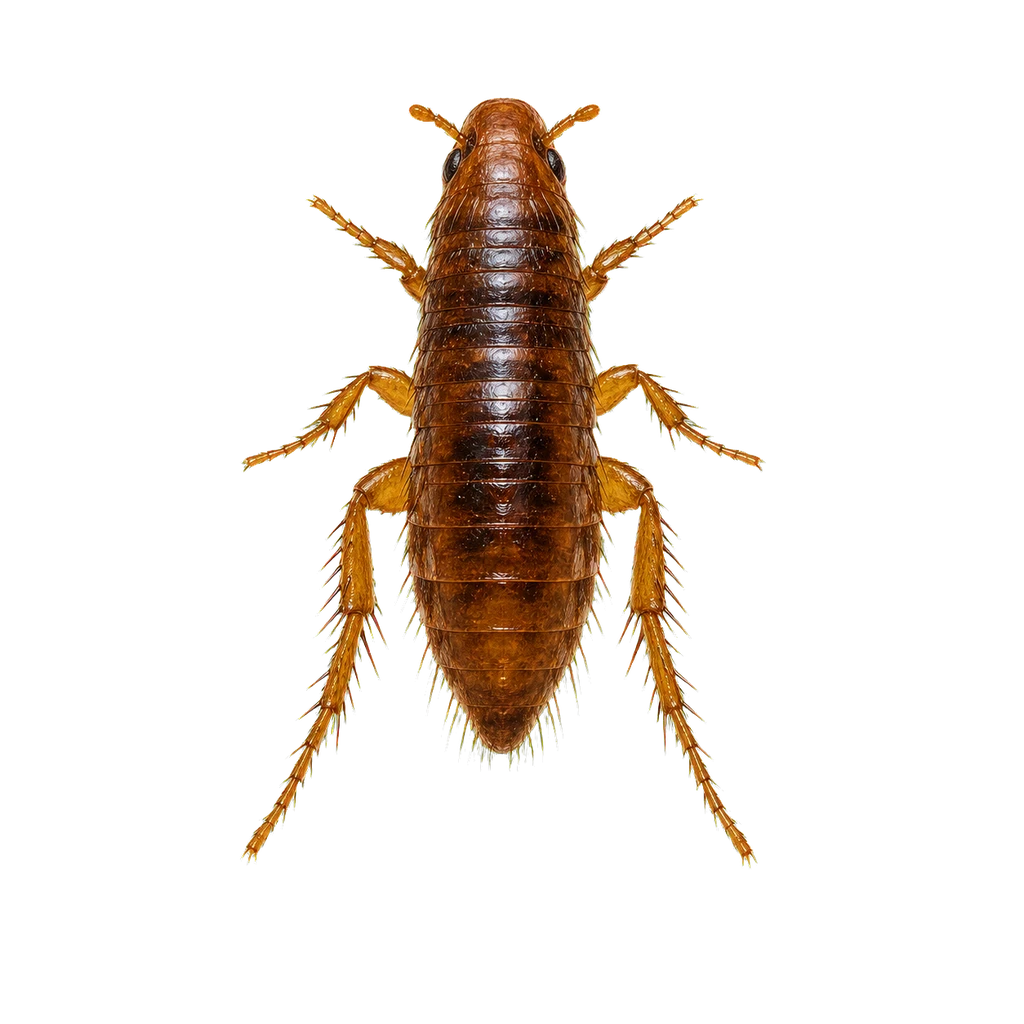
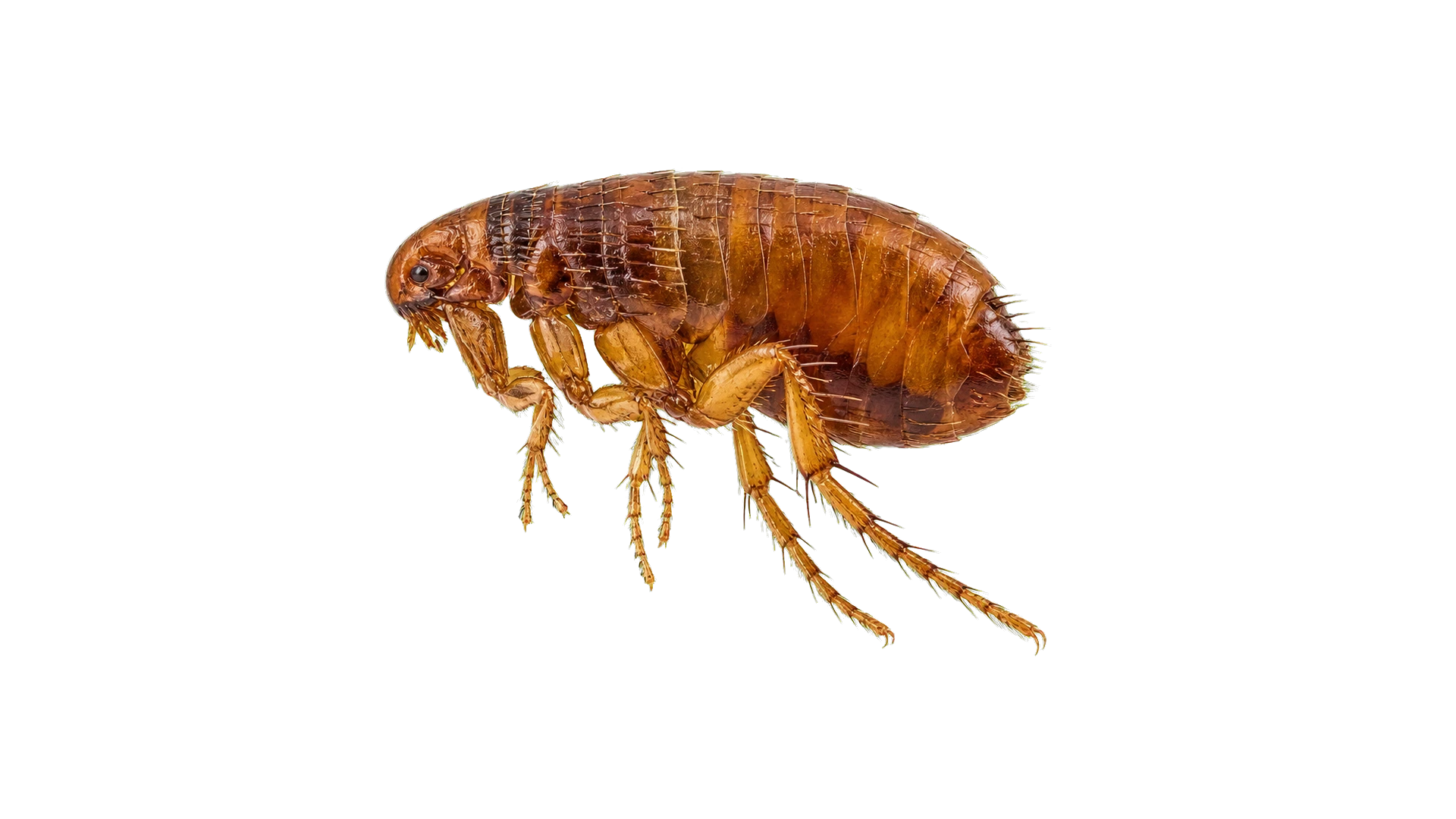
True dog fleas (Ctenocephalides canis) are small dark reddish-brown wingless biting insects about 1.5 to 3.5 millimeters long with side-flattened bodies built for jumping through dog fur. Here's the honest fact most pest sites skip: true dog fleas are uncommon in the United States. They're an Old World species concentrated in Europe and Asia. More than 95 percent of fleas found on US dogs are actually cat fleas (Ctenocephalides felis), which infest dogs and cats with equal enthusiasm. The two species are nearly identical without a microscope, and the treatment plan is the same regardless.

If your dog is scratching, you can see jumping fleas in the fur, or you're finding 'flea dirt' (digested blood specks) in dog bedding, you have fleas, almost certainly cat fleas regardless of which host they're on. This guide covers identification, why species ID matters less than treatment approach, and what professional treatment for a dog flea infestation actually involves.

Close-up illustration of a flea on dog fur showing the laterally flattened body and powerful jumping legs that look identical between true dog fleas and the cat fleas that actually infest most US dogs

ID Card: Dog Flea

Scientific name
Ctenocephalides canis
Color
Reddish-brown, dark brown
Size
1/16 to 1/8 inch
Body shape
Flat laterally (side-to-side), wingless, slightly rounder head
Antennae
Short, 3 segments
Key evidence
Flea dirt on dog bedding, most common in kennels and rural areas

Related Species

Call to get matched with a local pest control pro.

Available 24/7
(888) 495-1510
  • Specialists who run the three-track treatment, dog, home, yard, that fleas actually require
  • IGR (insect growth regulator) treatment that breaks the lifecycle, not just adult knockdown
  • Honest timeline expectations, fleas take 6 to 10 weeks to fully clear due to pupal dormancy

Where to Inspect for Dog Flea Activity

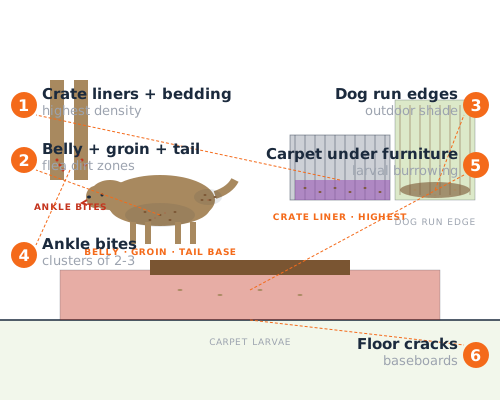
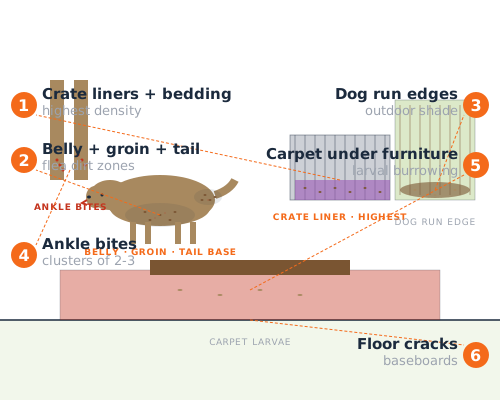
Cross-section illustration showing flea population distribution, adults on dog (5%), eggs in carpet and dog bedding (50%), larvae in floor cracks (35%), pupae dormant under furniture (10%)

Adult fleas on the dog are only 5 percent of the population. The other 95 percent (eggs, larvae, pupae) is hidden in the environment, mostly in spots people rarely vacuum. Dogs add an extra layer most cat-only homes don't have: outdoor exposure from walks, yards, dog parks, and kennel visits. Knowing where to actually look matters more than how many adults you see jumping:

  • Dog bedding, crate liners, and favorite sleeping spots, The single highest-density site. Eggs roll off the dog wherever it rests. Wash all bedding in hot water weekly and lift the crate pad to check underneath.
  • Carpet and upholstery the dog uses, Larvae burrow deep into carpet pile and develop in shaded undisturbed zones. The couch the dog naps on, under the bed, and along baseboards near rest spots are larval hot zones.
  • Cracks in hardwood and tile flooring around dog rest areas, Eggs and larvae fall into seams and stay there. Surface vacuuming won't reach them; crevice tools and frequent passes are required.
  • Dog's belly, groin, base of the tail, and behind the ears, Adult fleas concentrate in warm, less-groomed body areas. Comb with a fine-tooth flea comb over a wet white paper towel; flea dirt turns reddish-brown when wet, confirming flea activity.
  • Your ankles, lower legs, and waistline, Fleas jump from carpet to the lowest part of you. Itchy bumps in clusters of 2 to 3 are the bite signature on humans.
  • Outdoor dog rest areas, doghouses, kennels, and decks, Under decks, shaded sections of the yard, doghouse interiors, and around outdoor dog runs. Larvae need humidity and shade, so dry sunny lawn rarely produces fleas, but the spot under the porch where your dog naps almost always does.

What you see on the dog is a small slice of what's actually there. Treating only the visible adults (or only the dog) leaves the eggs, larvae, and pupae in the home and yard, and the population fully rebuilds within 2 to 4 weeks. Three-track treatment, dog plus home plus yard, is the only approach that actually clears an infestation rather than rotating the visible adults.

Cross-section illustration showing flea population distribution, adults on dog (5%), eggs in carpet and dog bedding (50%), larvae in floor cracks (35%), pupae dormant under furniture (10%)
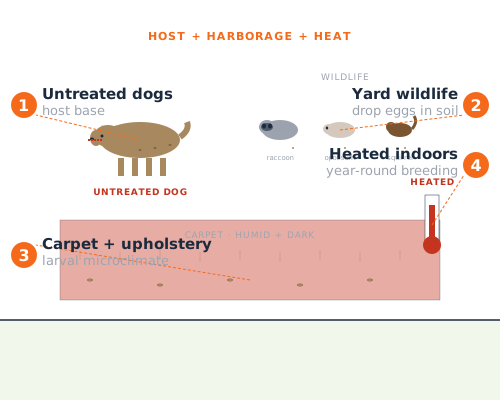
Illustration showing flea lifecycle paths from outdoor walks and wildlife hosts onto the dog, then off the dog into carpet, dog bedding, and floor cracks where eggs, larvae, and pupae develop

Why Do I Have Dog Fleas?

Spotting fleas on your dog is step one. Understanding how the population built explains why DIY half-measures keep failing and why the treatment plan must address all life stages, not just the adults you can see. Fleas have a four-stage lifecycle, and three of those four stages happen off the dog in your home and yard.

What sustains fleas on your dog and in your home:

  • Dogs not on year-round vet-prescribed flea prevention, one un-treated dog creates the host base the entire infestation depends on
  • Outdoor exposure from walks, yards, dog parks, hiking trails, and recent grooming or boarding stays, dogs bring fertilized adults home from any of these reservoirs
  • Multi-dog households where one dog skipped prevention, that dog acts as the host while the others stay technically protected but still carry eggs into the environment
  • Wildlife on the property (raccoons, opossums, feral cats, squirrels) dropping fertilized females and eggs in shaded yard areas before your dog ever steps outside
  • Warm climates and heated homes, fleas reproduce year-round in heated indoor environments and stay active outdoors year-round in Florida, Texas, and the southern states

An infestation usually starts when the dog brings home a few fertilized adults from a walk, a kennel visit, or a dog park encounter. Within 30 days those adults produce 1,500-plus eggs scattered through the home environment. Within 60 days the first wave of new adults is emerging from pupal cocoons, biting your dog and your family and laying their own eggs. By 90 days the population has cycled twice and the visible adult population looks identical regardless of how many DIY treatments have been attempted.

How Serious Is Your Dog Flea Problem?

Find your scenario below. Each row reflects population stage and what should happen next.

What You're Seeing Severity If Untreated Next Step
A single flea spotted on the dog, no human bites yet Early Population doubles every 2 to 4 weeks; bites on people typically start at week 4 Start vet-prescribed flea prevention immediately, vacuum daily, hot-wash dog bedding, monitor for 2 weeks.
Multiple fleas on the dog plus dog scratching plus occasional family bites Moderate Established environmental population; flea allergy dermatitis becoming likely in the dog Comprehensive program, vet flea control plus indoor IGR treatment plus intensive vacuum and bedding wash.
Heavy flea population, dog with flea allergy dermatitis, family bitten in multiple rooms High Heavy environmental population; clear-out will take 6 to 10 weeks even with proper treatment Call a professional this week plus loop in your vet on flea allergy management for the dog.
Severe anemia in puppy or small dog, heavy bites on immunocompromised family members Urgent Active medical risk, anemia in small dogs from heavy flea loads can be fatal Emergency vet visit today plus call a professional for intensive home and yard treatment.
A single flea spotted on the dog, no human bites yet
Severity Early
If Untreated Population doubles every 2 to 4 weeks; bites on people typically start at week 4
Next Step Start vet-prescribed flea prevention immediately, vacuum daily, hot-wash dog bedding, monitor for 2 weeks.
Multiple fleas on the dog plus dog scratching plus occasional family bites
Severity Moderate
If Untreated Established environmental population; flea allergy dermatitis becoming likely in the dog
Next Step Comprehensive program, vet flea control plus indoor IGR treatment plus intensive vacuum and bedding wash.
Heavy flea population, dog with flea allergy dermatitis, family bitten in multiple rooms
Severity High
If Untreated Heavy environmental population; clear-out will take 6 to 10 weeks even with proper treatment
Next Step Call a professional this week plus loop in your vet on flea allergy management for the dog.
Severe anemia in puppy or small dog, heavy bites on immunocompromised family members
Severity Urgent
If Untreated Active medical risk, anemia in small dogs from heavy flea loads can be fatal
Next Step Emergency vet visit today plus call a professional for intensive home and yard treatment.

Fleas take 6 to 10 weeks to fully clear even with correct treatment due to pupal dormancy. If you're between two rows, treat the higher one as your situation.

How Dog Fleas Develop

The flea lifecycle is the central reason flea treatment is so much harder than it looks. Four life stages, three of them off the dog, with one stage capable of dormancy that defeats single-shot treatment.

  1. Egg

    About 1 to 12 days

    Female fleas lay 40 to 50 eggs per day on the dog. Eggs are smooth and roll off the dog within hours, falling into carpet, dog bedding, crate liners, and floor cracks throughout the home. A single dog creates an environmental egg load most homeowners never realize exists.

  2. Larva

    About 4 to 18 days

    Larvae hatch and burrow deep into carpet fibers, floor cracks, and dog bedding. They feed on adult flea feces (digested blood) and organic debris. They avoid light and prefer humid undisturbed zones, which is why under-furniture and dog crate undersides are the densest larval sites.

  3. Pupa

    About 4 to 14 days, but cocoons can stay dormant for 6 months or more

    The killer stage. Larvae spin a sticky silk cocoon that picks up debris and becomes nearly invisible. Pupae can lie dormant for months waiting for vibration, body heat, or carbon dioxide cues that signal a host nearby. This is why returning from vacation triggers a sudden flea wave: thousands of pupae emerge at once as the dog walks back in.

  4. Adult

    Adults live 1 to 3 months on host; total population cycles every 30 to 90 days

    Adults emerge from the pupal cocoon when host cues are detected, jump to the dog within seconds, and begin feeding immediately. Females lay their first eggs within 24 to 48 hours of their first blood meal. The cycle restarts the same day.

The pupal stage is what makes single-shot treatment fail. Even a perfectly executed treatment kills adults and larvae but leaves dormant pupae untouched, and those pupae emerge over the following 6 to 10 weeks. Recurring or extended-residual treatment that catches each new emerging wave is the only durable approach.

When Dog Fleas Are Most Active

Fleas are active year-round in heated homes with a dog host present, regardless of outdoor temperature. Outdoor populations follow temperature and humidity, but indoor populations cycle continuously as long as the dog is present.

  • Spring

    Outdoor populations rebuild rapidly as temperatures rise above 65 degrees. Wildlife activity picks up, depositing fertilized eggs in shaded yard areas where dogs later rest. First wave of indoor infestations as dogs return from longer walks and yard time. Best window to confirm your dog is on year-round vet flea control before pressure peaks.

  • Summer

    Peak outdoor flea population. Dogs with daily outdoor walks, yard access, dog park visits, or hiking trips become the primary infestation vector. Dog owners often discover the population only after the second indoor cycle (60 to 90 days from initial introduction).

  • Fall

    Outdoor populations decline gradually but indoor populations continue cycling on the dog. Many homeowners assume winter will solve the problem, then discover the indoor infestation persists or worsens once windows close and the dog spends more time indoors.

  • Winter

    Outdoor adults die off in cold climates but eggs and pupae survive in protected sites like doghouses and under decks. Indoor populations continue cycling year-round in heated homes with a dog present. In Florida, Texas, and the southern states, outdoor populations stay active all winter and pressure never breaks.

Why Dog Fleas Need Professional Help

Flea control is the pest area where DIY most consistently fails, and the reason is biological rather than personal. Fleas have a four-stage lifecycle with one stage capable of dormancy that can extend for months. Surface treatment kills adults and the unprotected larvae it touches, which is maybe 30 percent of the population. The rest (eggs hidden in dog bedding and carpet, larvae deep in floor seams, pupae sealed in protective cocoons under furniture) survives and emerges over the following weeks.

Dogs add medical issues on top of the population problem. Flea allergy dermatitis is the most common skin condition vets see in dogs, and a single flea bite can trigger weeks of intense itching, hair loss, and skin infection in an allergic dog. Tapeworm transmission is the other dog-specific risk: when dogs swallow infected fleas during grooming, the tapeworm establishes in the gut and shows up as rice-like segments in the stool. Both of these require vet treatment in addition to environmental flea control, because clearing the home doesn't fix the medical fallout the bites have already caused.

The popular flea bombs and foggers are particularly bad. The aerosol drops down from the ceiling and never reaches under furniture, into carpet pile, or along baseboards, exactly where larvae actually develop. Fogger residue on visible surfaces gives the appearance of treatment but the actual high-density larval zones near dog bedding and crate areas are untouched. The fogger also fails to address the dog, which is the source of new eggs from day one of the next cycle.

A specialist running this correctly treats the home with both an adulticide (kills adults) and an insect growth regulator (sterilizes eggs and larvae) applied with crevice tools to the actual larval zones, not surface-sprayed. They confirm what flea prevention the dog is on and coordinate timing with the vet so re-infestation isn't possible during the clear-out. They also assess outdoor sites, doghouses, kennels, deck undersides, and yard travel paths, the part homeowners almost never address. Budget: $200 to $500 for initial pro treatment plus $50 to $120 per month per dog for vet flea control.

Realistic timeline matters too. A correctly treated infestation takes 6 to 10 weeks to fully clear because of pupal dormancy. A pro who promises immediate relief is overpromising. The honest answer is that you'll see new adults emerging for several weeks even after correct treatment, and that's exactly why an extended-residual IGR application is more important than a one-shot knockdown.

What Changes When a Pro Shows Up

Flea treatment that actually works runs three tracks at once. A specialist who's done this hundreds of times treats the home environment, coordinates with your vet on the dog, and addresses outdoor rest areas and yard reservoirs in one coordinated plan. Here's what that looks like:

Pest control technicians after completing a coordinated dog flea treatment program
  • Local Pest Control
  • 24/7 Availability
  • Quality Workmanship
  • Eco‑Friendly Options
  • Trusted by Homeowners
  • Treats the Home With IGR Plus Adulticide

    Insect growth regulators (IGRs) sterilize larvae and prevent eggs from developing into adults. Adulticide knocks down current adults. Together they break the lifecycle, the part bombs and surface sprays consistently miss.

  • Targets the Larval Hot Zones, Not Just Surfaces

    Crevice tools and crack-and-crevice treatment along baseboards, under furniture, around dog crates and bedding spots, and into floor seams. Where larvae actually develop, not where adults happen to be visible.

  • Coordinates With the Veterinarian

    Dog treatment is the vet's domain. The specialist confirms what your dog is currently on (or not), and times home treatment to match so re-infestation from the dog is impossible during the clear-out window.

  • Outdoor Yard, Kennel, and Doghouse Treatment

    Shaded dog rest areas, under decks, kennels, dog runs, doghouse interiors, and yard edges where wildlife travels get perimeter treatment to break the outdoor reservoir cycle. Without this, the next walk resets the population.

  • Local Pest Control
  • 24/7 Availability
  • Quality Workmanship
  • Eco‑Friendly Options
  • Trusted by Homeowners
NoToPests home

One call connects you with a local specialist who knows dog fleas and your area.

Be Ready When You Call

Pest control technician arriving for dog flea home treatment
Junho L.
Daisuke P.
Kirk Q.
Marion K.

Trusted by homeowners nationwide

Call for Pest Control Help (888) 495-1510

Can You Handle This or Do You Need Help?

DIY can do meaningful prep work and ongoing maintenance for dog fleas, but the actual treatment cycle is where retail products consistently fail and professional IGR-based treatment makes the difference between recurring waves and durable clear-out.

What DIY Can Do

Vet flea control plus aggressive cleaning is genuinely valuable work, and it's the foundation of any successful clear-out. The treatment phase is where retail products break down:

  • Get the dog on vet-prescribed prevention (Bravecto, NexGard, Simparica, Frontline, Comfortis, or Capstar for emergency knockdown), the foundation step
  • Daily vacuuming including under furniture, around dog bedding, and along baseboards, with immediate disposal of bag or canister contents
  • Weekly hot-water washing of all dog bedding, crate liners, throw rugs, and washable furniture covers
  • Steam-clean carpets where the dog spends time, heat kills eggs and larvae that vacuuming misses
  • Treat outdoor dog rest areas, doghouse interior, kennel, deck underside, with consumer yard flea products as a stopgap
  • What DIY cannot reliably do: deliver IGR to indoor larval zones, address pupal cocoon dormancy, or treat the full yard reservoir.

What a Pro Does Differently

A pro brings the IGR products, the application methods, and the timeline that retail products simply don't match:

  • IGR application sterilizes eggs and larvae, breaking the cycle in a way no retail product matches
  • Crevice tool application reaches under furniture, into carpet pile, around dog crates, and along baseboards where larvae actually live
  • Coordinated timing with veterinary flea prevention prevents re-introduction from the dog during clear-out
  • Outdoor perimeter treatment of the yard, doghouse, kennel, and deck underside, the dog's primary exposure zones
  • Realistic 6 to 10 week timeline with follow-up visits to catch emerging pupae waves, plus vet coordination for flea allergy management.

Suspect Dog Fleas? Don't Wait.

Flea populations cycle every 30 to 90 days and pupal dormancy defeats single-shot treatment. Connect with a local specialist who runs the three-track plan (home IGR plus dog coordination plus yard treatment) and sets realistic expectations for the 6 to 10 week clear-out.

Available 24/7
(888) 495-1510

What Homeowners Say After Getting Help

Real results from people who had the same problem and solved it.

Irene W.
Irene W.
Opelika, AL

"The tech solved our recurring flea issue."

We treated our dog for fleas but the house was still infested. The tech explained that flea eggs live in carpets and furniture and treated the interior with targeted products. Within two weeks the flea cycle was broken.

Irene W.
Irene W.
Opelika, AL

"The tech solved our recurring flea issue."

We treated our dog for fleas but the house was still infested. The tech explained that flea eggs live in carpets and furniture and treated the interior with targeted products. Within two weeks the flea cycle was broken.

Pedro W.
Pedro W.
Benton, AR

"Quick flea treatment after adopting a cat."

Our new rescue cat brought fleas into the house and they spread fast. The tech treated carpets, furniture, and baseboards while we got the cat treated by the vet. Breaking the flea life cycle in the house was key to solving it.

Bonnie S.
Bonnie S.
Harrington, DE

"Indoor flea cycle broken after stray visit."

A stray cat rested on our porch and left fleas that migrated inside. The provider treated the porch, entryway, and living room carpets. They explained how outdoor-to-indoor transmission works and recommended preventive treatments for pet-owning homes.

Linh C.
Linh C.
Sandy Springs, GA

"Indoor flea cycle broken after park visit."

Our dog picked up fleas at the park and the house was infested within a week. The provider treated the carpets and upholstered furniture while the vet treated the dog. They explained the four-stage flea lifecycle and why indoor treatment is necessary even after treating pets.

Sharon G.
Sharon G.
Derby, KS

"Indoor flea cycle broken throughout the house."

Our cats were treated for fleas but the carpets were still infested. The provider explained the flea life cycle in carpets and treated the floors and furniture. Breaking the indoor cycle was essential to ending the problem.

Esha H.
Esha H.
Radcliff, KY

"Move-in flea problem cleared within two weeks."

We moved into a house where the previous owner had pets and fleas were already established. The provider treated every room and explained the life cycle stages hiding in carpets. The problem was cleared within two weeks.

Common Questions About Dog Fleas

Direct answers to what dog owners ask most about identification, lifecycle, treatment timing, vet coordination, and the cat-flea-vs-dog-flea species question.

  • How do dog fleas differ from cat fleas? Toggle answer for: How do dog fleas differ from cat fleas?

    Dog fleas (Ctenocephalides canis) are less common than cat fleas but look nearly identical. The main difference is in head shape, dog fleas have a more rounded forehead. In practice, treatment is the same for both species. Most flea infestations on dogs are actually caused by cat fleas, not dog fleas.

  • Can dog fleas spread to humans? Toggle answer for: Can dog fleas spread to humans?

    Dog fleas bite humans but cannot complete their lifecycle on human hosts. Bites typically appear on ankles and lower legs as itchy red welts. The real concern is the flea population in your home, carpets, pet bedding, and furniture harbor eggs and larvae that produce new biting adults for months without treatment.

  • Why do fleas keep coming back after treatment? Toggle answer for: Why do fleas keep coming back after treatment?

    Flea pupae (cocoons) can remain dormant in carpet fibers and upholstery for up to 6 months, waiting for vibrations, warmth, or CO2 from a passing host to trigger emergence. A single treatment kills adult fleas, but the pupae are protected inside their cocoons. This is why you may see new fleas 2-4 weeks after treatment, they're newly emerged adults, not survivors. Thorough vacuuming accelerates pupal emergence and speeds up the elimination process.

  • Are fleas a health concern? Toggle answer for: Are fleas a health concern?

    Fleas transmit murine typhus, plague (in rare cases in the southwestern U.S.), and tapeworms. They're also the most common cause of allergic dermatitis in pets, acondition that causes intense itching, hair loss, and skin infections. In heavy infestations, fleas can cause anemia in puppies, kittens, and elderly pets. Flea bites on humans typically appear as itchy red clusters around the ankles and lower legs.

  • How quickly can a provider get to my home? Toggle answer for: How quickly can a provider get to my home?

    Most providers in our network can schedule an inspection within 24-48 hours. For urgent situations, likeactive structural damage or large colonies, same-week emergency service is often available. Response times depend on your location and the provider's current schedule.

  • What happens during the first visit? Toggle answer for: What happens during the first visit?

    Your provider inspects the property to identify the pest, locate nesting or entry points, and assess the scope of the problem. You get a clear explanation of what they found, what they recommend, and a written scope before any work begins.

  • Is treatment safe for kids and pets? Toggle answer for: Is treatment safe for kids and pets?

    Modern pest control products are designed to break down quickly after application and pose minimal risk to people and pets when applied correctly. Most providers ask you to keep kids and pets out of treated areas for 1 to 2 hours while the product dries, after which the area is generally safe again. Always confirm specific re-entry times with your provider, and let them know about pet birds, fish, or reptiles, since some treatments require extra precautions for those species.

Pest Control Pros serving the city of the state of your city and nearby areas

Local providers who run three-track flea treatment with IGR plus crevice application plus vet coordination are ready to inspect, treat, and follow through, no obligation.

Available 24/7
(888) 495-1510