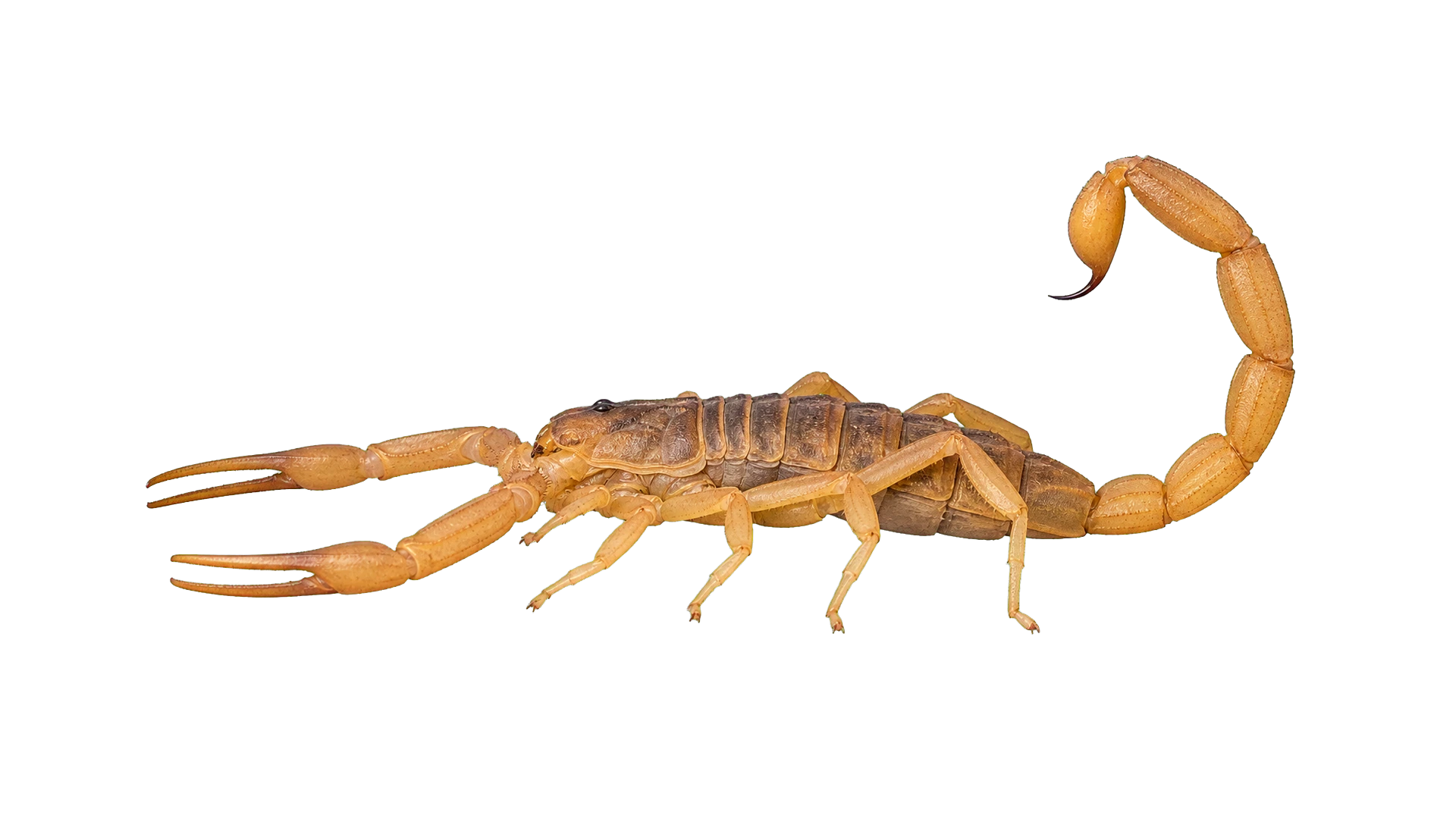
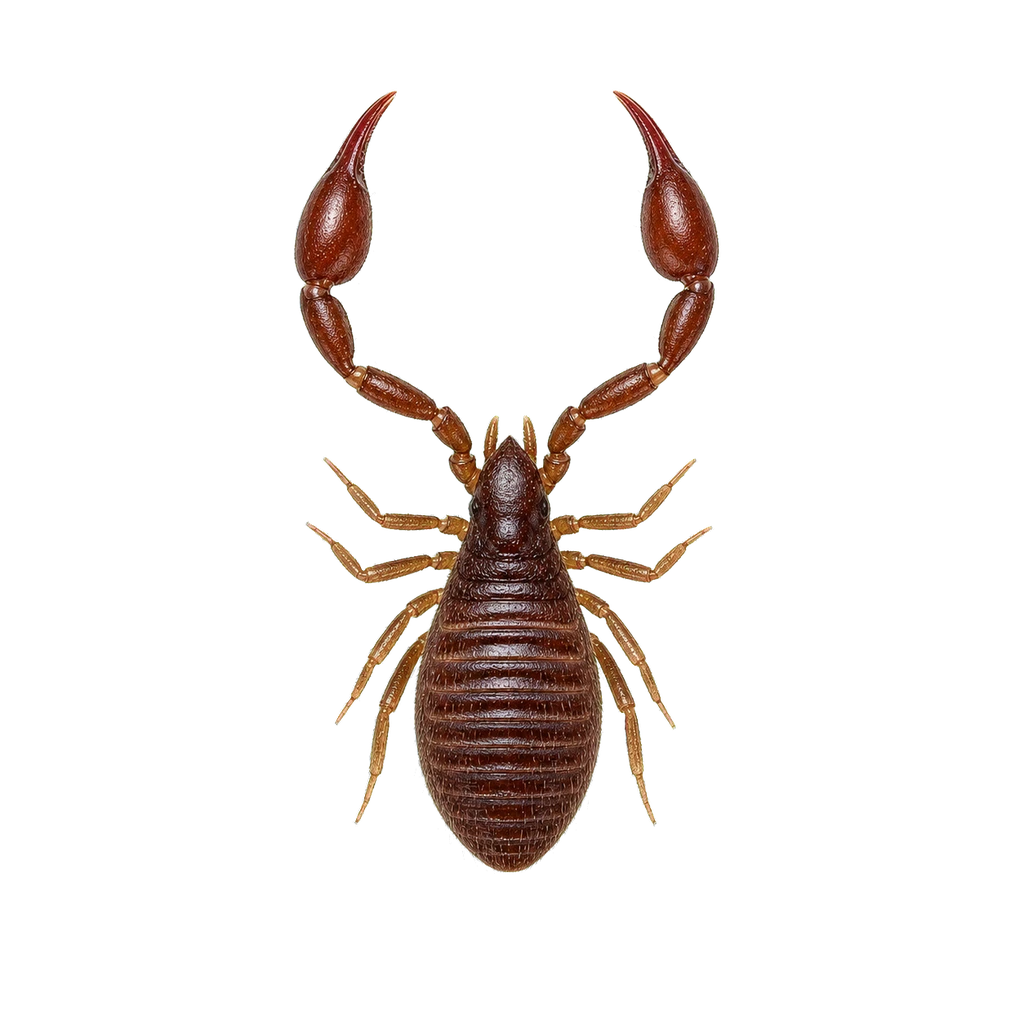
Arizona bark scorpions are the most medically significant scorpion in the United States. Stings on healthy adults cause severe pain plus numbness and tingling that spreads from the sting site, symptoms most adults can manage with cold compress and pain relief. Stings on children under 6, elderly family members, or anyone immunocompromised can progress to systemic envenomation with muscle twitching, eye movement issues, difficulty swallowing, and respiratory distress. Before antivenom became available, pediatric ICU admission was common. Antivenom (Anascorp, FDA approved in 2011) reverses systemic symptoms, but you have to get to it.
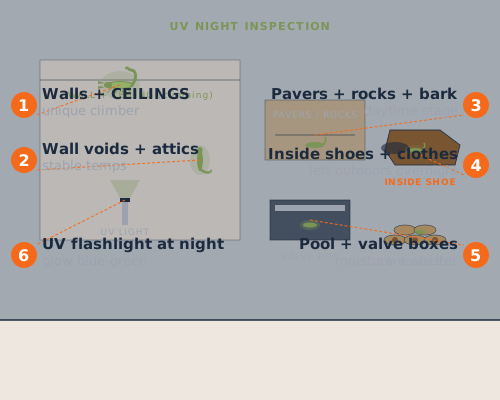
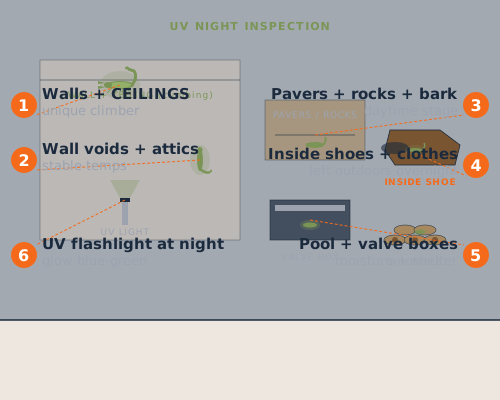
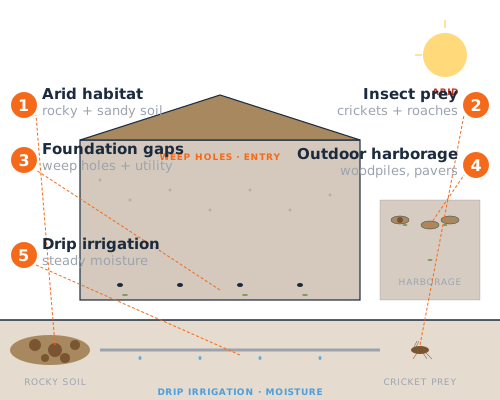
DIY treatment is limited in scorpion country in three specific ways. First, daytime inspection misses almost everything, you cannot find the scorpions you cannot see, and UV night inspection is the only diagnostic that works. Second, exclusion to 1/16 inch tolerances across every weep hole, conduit, and door sweep is detail work most homeowners cannot finish to a standard tight enough to keep a 5 cm scorpion out. Third, the bark scorpion population on a desert property regenerates from outdoor harborage that no homeowner can fully eliminate, ongoing residual treatment is what keeps pressure low between generations.
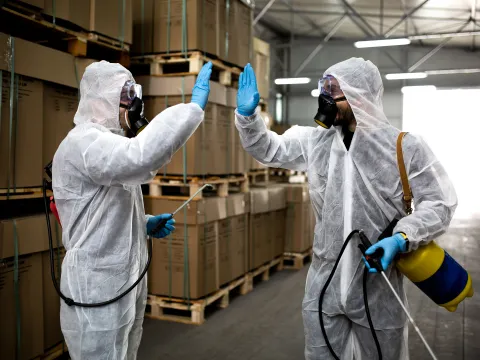
A pro with a UV flashlight walks the structure and yard after dark, maps every active scorpion plus every harborage zone, and applies pyrethroid residual to entry routes, baseboards, and outdoor staging sites. Exclusion seals the gaps. Recurring monthly or quarterly visits catch the next generation before it gets indoors. Initial residential treatment typically runs $300 to $800 with $80 to $200 per month for ongoing service in chronic-presence properties.
The honest framing is that complete elimination is not realistic in endemic regions, the surrounding desert is the source. Successful long-term management keeps the population on your property low enough that indoor sightings and sting incidents stop happening, especially when small children are at home. The cost of a sting incident on a young child (emergency room visit plus antivenom) is significantly higher than a full year of professional service.