Local pest control help is one call away.

Fox Squirrel: Identification, Treatment & Prevention

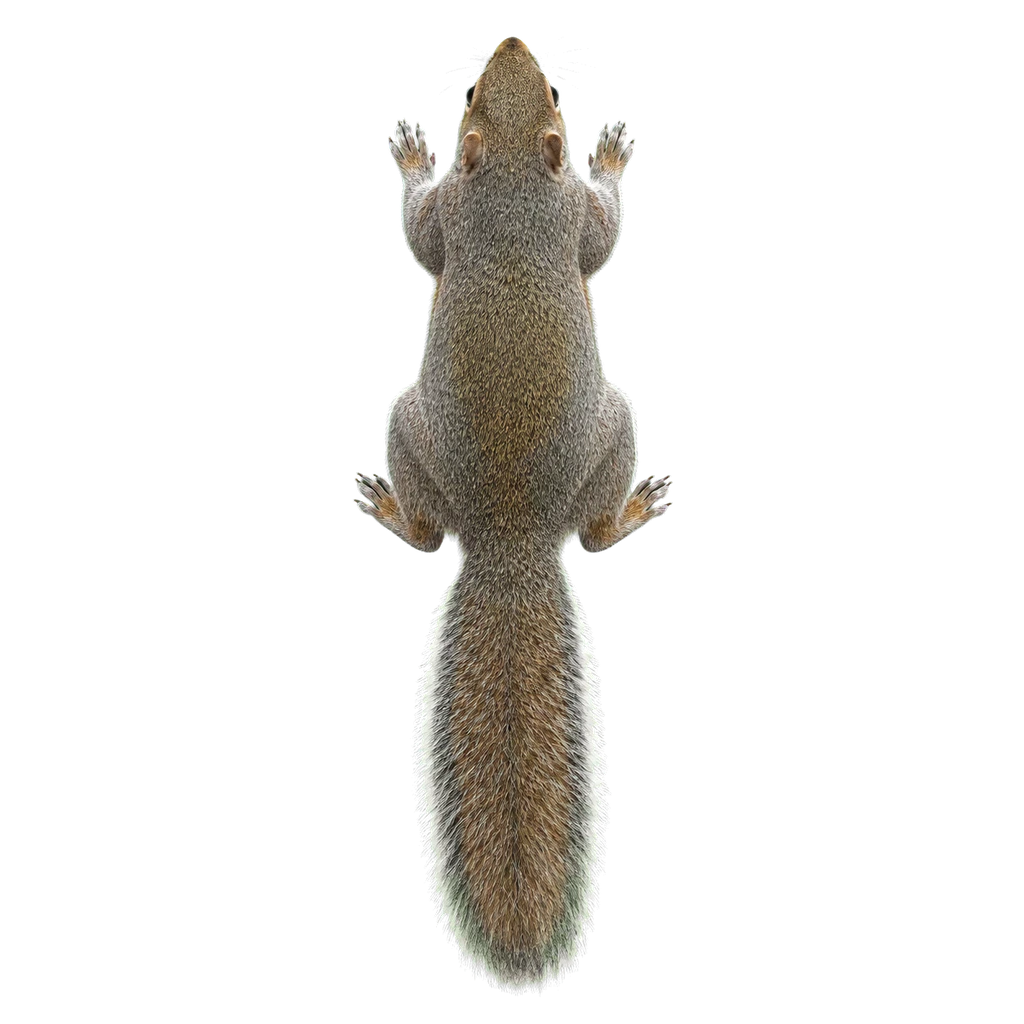
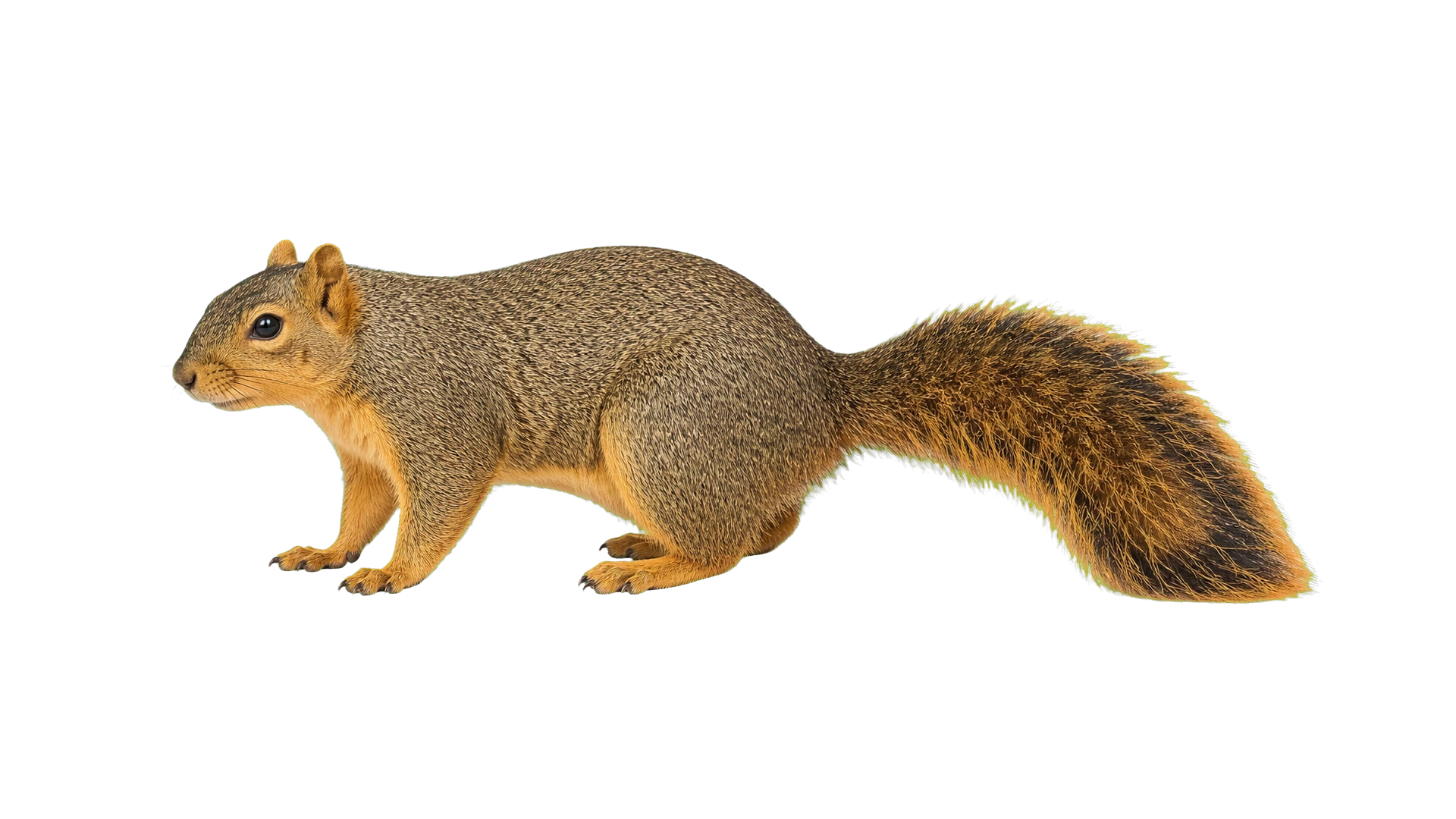
Fox squirrels (Sciurus niger) are the largest tree squirrel in North America. A full-grown adult measures 10 to 15 inches in body length with another 8 to 13 inches of bushy tail, and adults weigh 1 to 2.2 pounds. That heavier build, combined with a rusty-orange belly and brown-to-reddish back fur, sets them apart from the smaller gray squirrels they sometimes share territory with. They are most common across the central and southern United States, in oak openings, pecan groves, savanna edges, and suburban parks with mature trees.

If you are hearing heavy daytime scratching directly overhead, finding 2 to 3 inch chewed openings in gable vents or soffits, or watching a large rusty-bellied squirrel run roof to tree limb and back, you likely have fox squirrels. They nest in tree cavities by preference and move into attics when natural den sites are limited. This guide covers identification, why a property with mature pecan or oak trees is so attractive, and what professional exclusion involves.

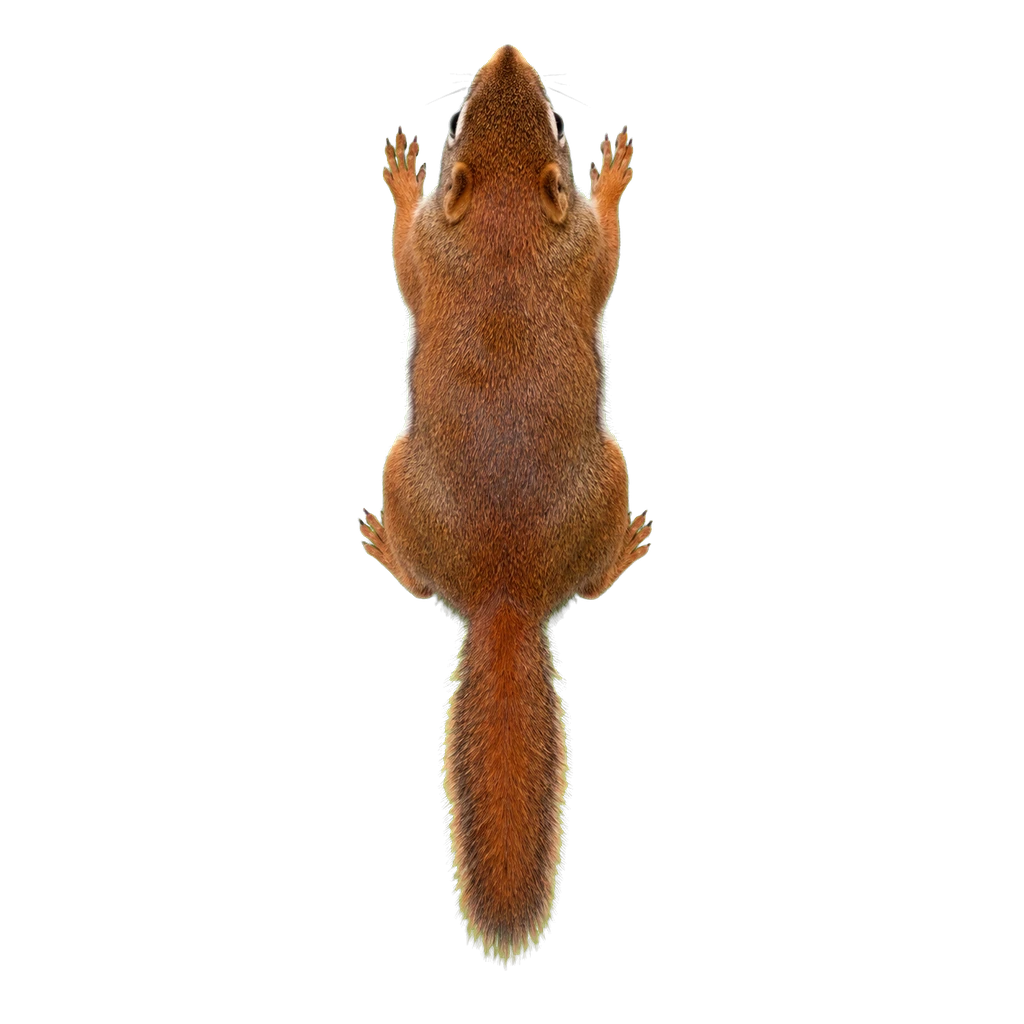
Close-up illustration of a fox squirrel showing rusty-orange belly, reddish-brown back, and bushy tail typical of the largest North American tree squirrel

ID Card: Fox Squirrel

Scientific name
Sciurus niger
Color
Rusty orange, gray-brown
Size
10 to 15 inches
Body shape
Stocky, heavy build with large bushy tail
Key evidence
Large gnawed openings, heavy scratching sounds in attic, larger droppings than gray squirrels

Related Species

Call to get matched with a local pest control pro.

Available 24/7
(888) 495-1510
  • Wildlife specialists trained on tree squirrel exclusion and state game-animal regulations
  • Heavy-gauge hardware cloth sealing rated for larger-bodied squirrels
  • Pup-rearing-aware timing and one-way door removal

Where to Inspect for Fox Squirrel Activity

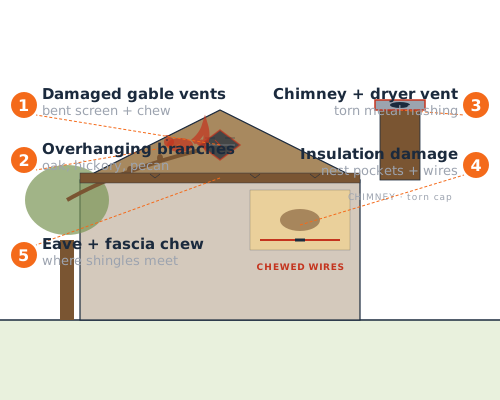
Cross-section illustration showing fox squirrel attic entry through 2 to 3 inch openings in gable vents and soffits, plus internal nest sites and gnaw damage to wiring and structural wood

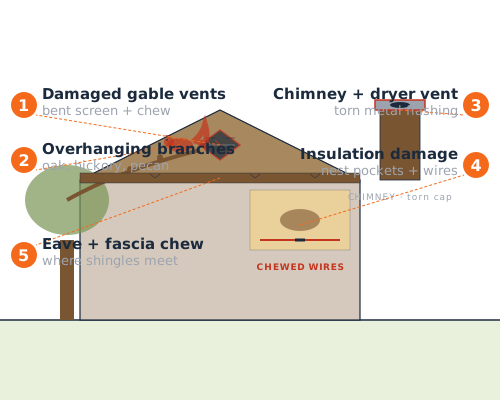
Fox squirrels are larger than gray squirrels and need bigger openings to enter, which means the entry signs are bigger too. A 2 to 3 inch chewed gap that would be too large for a gray squirrel is a comfortable doorway for a fox squirrel. Walk the perimeter and the attic with that size threshold in mind:

  • Attic spaces with 2 to 3 inch entry gaps, including hollowed nesting pockets near gable peaks and chewed wire sheathing larger than what mice or rats produce
  • Gable vents, soffit returns, and ridge vents, where any opening 2 inches or wider should be treated as a likely entry, fox squirrels need a bigger hole than gray squirrels
  • Chimney caps, chase covers, and plumbing vent boots, where bent flashing, cracked rubber boots, or missing caps invite entry from animals heavier than a gray squirrel
  • Tree limbs within 8 to 10 feet of the roof, fox squirrels are heavier-bodied and confident jumpers; trim back farther than you would for gray squirrels, especially pecan, oak, hickory, and walnut
  • Exterior outlets, A/C unit housing, and utility penetrations, chewed insulation around exterior wires is a fire-risk indicator and a confirmation of squirrel-sized teeth
  • Mature pecan, oak, and walnut trees in the yard, fox squirrels cache nuts in the fall and dig them up in winter, scattered shells under entry points confirm an established food route

Fox squirrels are diurnal, so daytime noise overhead is the easiest way to separate them from raccoons (mostly nocturnal) or rats (nocturnal and lighter sounding). Their droppings are noticeably larger than gray squirrel droppings, and their gnaw marks on wood are wider and deeper. Once a fox squirrel is established in an attic, the chewing damage to wiring, insulation, and structural wood accumulates quickly because of their larger size and stronger jaw.

Cross-section illustration showing fox squirrel attic entry through 2 to 3 inch openings in gable vents and soffits, plus internal nest sites and gnaw damage to wiring and structural wood
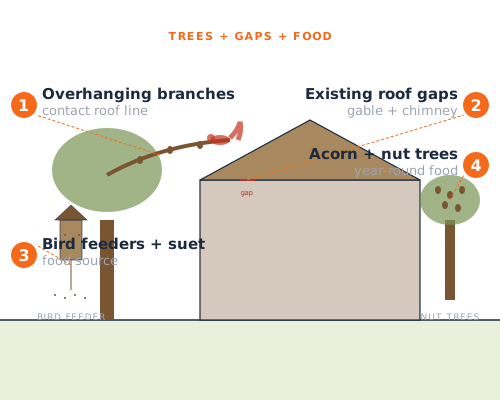
Illustration showing how fox squirrels use mature pecan and oak limbs to reach roofs, then enter through 2 to 3 inch openings at gable vents, soffit returns, and chimney chases

Why Do I Have Fox Squirrels?

Fox squirrels prefer open woodland over the dense forest gray squirrels thrive in, which is why suburban properties at the edge of savannas, pecan groves, or oak openings see them most. They naturally nest in tree cavities, but as mature dead trees disappear from suburban landscapes, attics become the next-best den option. A property with old pecan, oak, or walnut trees plus a roofline a heavier squirrel can reach is exactly the kind of place a mated female looks for in early spring.

What attracts fox squirrels:

  • Mature pecan, oak, hickory, and walnut trees within 8 to 10 feet of the roofline, the food-and-access combination that drives fox squirrel site selection in the central and southern US
  • Existing 2 to 3 inch openings at gable ends, soffit returns, or chimney chases, gaps that would be too tight for a gray squirrel are still passable for a fox squirrel
  • Bird feeders, suet cages, and pet food left outdoors, fox squirrels are aggressive feeders and a generous feeder station can support a small population year-round
  • Loss of natural cavity sites, declining dead-tree habitat in suburban yards pushes fox squirrels toward attics and outbuildings as substitute nest sites
  • Adjacent open woodland, savanna, or park property, fox squirrels thrive at these edges and will commute into adjacent residential properties for nut trees and shelter

Fox squirrels produce 1 to 2 litters per year (fewer than the gray squirrel's reliable two-litter calendar) with 2 to 4 pups per litter. First-litter pups are born in February through April, second-litter pups in June through August in the southern range. Pups stay with the mother for 14 to 18 weeks before they are independent, so an exclusion attempt during pup-rearing strands young inside the attic. Females often return to the same den site year after year, which is why one-time eviction without comprehensive sealing usually means a new squirrel in the same hole next season.

How Serious Is Your Fox Squirrel Problem?

Find your scenario below. Each row reflects damage extent for a larger-bodied squirrel and what should happen next.

What You're Seeing Severity If Untreated Next Step
Fox squirrel active on roof or tree limbs, no interior signs yet Early Attic entry establishes once a 2 to 3 inch opening is found; nut tree access accelerates the timeline Trim limbs 8 to 10 feet back from the roof; cap the chimney with heavy-gauge mesh.
Heavy daytime attic noise and oversized droppings on insulation Moderate Active denning; insulation damage and wire gnawing begin within weeks Schedule a wildlife inspection this week, pup-rearing window must be confirmed before exclusion begins.
Established nest, chewed wiring, multiple 2 to 3 inch entry points High Family established; structural and electrical damage accumulating, fire risk growing Call a wildlife specialist this week, comprehensive seal plus electrical inspection plus decontamination.
Multi-squirrel infestation, visible structural damage, chewed wiring, soiled insulation throughout Urgent Active home safety risk; state trapping permit may be required to remove established adults Call today for a state-permit trap deployment, intensive program, and electrician referral.
Fox squirrel active on roof or tree limbs, no interior signs yet
Severity Early
If Untreated Attic entry establishes once a 2 to 3 inch opening is found; nut tree access accelerates the timeline
Next Step Trim limbs 8 to 10 feet back from the roof; cap the chimney with heavy-gauge mesh.
Heavy daytime attic noise and oversized droppings on insulation
Severity Moderate
If Untreated Active denning; insulation damage and wire gnawing begin within weeks
Next Step Schedule a wildlife inspection this week, pup-rearing window must be confirmed before exclusion begins.
Established nest, chewed wiring, multiple 2 to 3 inch entry points
Severity High
If Untreated Family established; structural and electrical damage accumulating, fire risk growing
Next Step Call a wildlife specialist this week, comprehensive seal plus electrical inspection plus decontamination.
Multi-squirrel infestation, visible structural damage, chewed wiring, soiled insulation throughout
Severity Urgent
If Untreated Active home safety risk; state trapping permit may be required to remove established adults
Next Step Call today for a state-permit trap deployment, intensive program, and electrician referral.

Fox squirrel chewing on electrical wiring is a documented fire risk. If you are between two rows, treat the higher one as your situation.

How Fox Squirrels Develop

Fox squirrels live longer than gray squirrels (8 to 18 years versus 6 to 12) and reproduce less often, with 1 to 2 litters per year rather than the reliable two-litter calendar of gray squirrels. That slower reproduction is offset by site fidelity and longevity, a single den-occupying female can keep the same attic site for a decade if not excluded.

  1. Birth

    Pups born February-April and June-August

    2 to 4 pups per litter, born blind and helpless in tree cavities, leaf nests, or attic insulation pockets. The first-litter pups are the most common reason homeowners discover an attic infestation in early spring.

  2. Nursing and weaning

    8 to 10 weeks

    Pups stay with the mother in the den, eyes open at 4 to 5 weeks, fully furred at 7 to 8 weeks. This is the protected period in most states, exclusion during this window strands young to die in the structure.

  3. Juvenile dispersal

    Independent at 14 to 18 weeks

    Young fox squirrels disperse to find their own den sites, often within several hundred yards of the natal site. This is when adjacent attics and outbuildings get colonized as juveniles search for their first independent nest cavity.

  4. Adult

    Live 8 to 18 years

    Adults reach reproductive maturity at 10 to 12 months. Females show strong site fidelity, returning to the same den year after year. A long lifespan plus 1 to 2 litters per year means a single female can produce 20 or more offspring over her lifetime, all dispersing into nearby structures.

Site fidelity plus an 8 to 18 year lifespan is the reason single-entry sealing fails. The same female keeps coming back through chewed new openings until comprehensive exclusion addresses every gap on the structure at once. Pup-rearing windows in spring and late summer dictate when exclusion can legally proceed.

When Fox Squirrels Are Most Active

Fox squirrels are diurnal and active year-round, with sharp peaks tied to pup-rearing and nut caching. Each quarter has a different optimal exclusion window and a different set of warning signs.

  • Spring

    First-litter pups born February through April. This is a protected period under state game-animal rules, exclusion is illegal in most states because it would strand pups. Use this window to inspect, photograph entry points, and plan the exclusion that will happen once pups are independent.

  • Summer

    Second-litter pups born June through August in the southern range. First-litter juveniles disperse and seek their own den sites in adjacent attics. Brief exclusion window between first-litter dispersal (May or June) and second-litter birth, late spring is often the best summer exclusion timing.

  • Fall

    Nut caching peaks, especially pecans, walnuts, hickory, and acorns. Fox squirrels visit roof-adjacent trees constantly during this window and frequently expand into attic spaces as supplementary cache locations. October through early November is often the strongest fall exclusion window once second-litter pups are independent.

  • Winter

    Established den use intensifies during cold snaps. Adults retreat to attic cavities, recover nut caches, and prepare for the late-winter breeding cycle. Winter is a strong exclusion window in northern range states because pups are not yet present until February breeding kicks the calendar back over.

Why Fox Squirrels Need Professional Help

Fox squirrel work fails for predictable reasons when homeowners attempt it without specialist tools and timing knowledge. The biggest one is mesh gauge, hardware cloth that holds up to a gray squirrel will get chewed through by a fox squirrel because the bite force is greater. Heavy-gauge galvanized hardware cloth (19 gauge or sturdier, with quarter-inch openings) is what holds. The second is timing, sealing during pup-rearing strands young whose decomposition fills the home with odor and draws secondary pests.

The third issue is regulatory. Fox squirrels are state game animals across most of their range, with the same legal framework as gray squirrels. Trapping and relocation require a licensed wildlife operator in most states, and unlicensed lethal control can trigger fines. Exclusion is the legal path that works, but it has to be done correctly, every gap sealed at once, every entry confirmed empty of young, every chew-vulnerable opening sealed with the right material.

A wildlife specialist starts with a full property inspection sized for a larger squirrel, recording every 2 to 3 inch opening as a potential entry. They confirm no pups are trapped inside before exclusion begins. One-way doors let adults exit but not reenter and stay in place for 4 to 7 days. Then permanent sealing closes every entry with heavy-gauge hardware cloth, solid metal flashing, and chimney caps rated for larger animals. Tree work coordination handles the mature pecan and oak limbs that brought the squirrels in the first place.

Cleanup is the part DIY most often skips. Fox squirrel droppings, urine-saturated insulation, and chewed wiring create indoor air quality and fire safety issues that compound month over month. Specialists coordinate insulation removal and replacement, decontamination of nest sites, and electrician referral when needed. Initial visits typically run $400 to $1,200 depending on the scope, with recurring monitoring at $50 to $120 per month. The full package costs more upfront than a single trapping attempt but prevents the years of recurring damage and re-entry that almost always follow incomplete work.

What Changes When a Pro Shows Up

Fox squirrel work is exclusion work scaled up for a larger-bodied animal. The mesh has to be heavier, the entry size has to account for a wider chew gap, and the trapping piece (when needed) follows state game-animal rules. Here is what a specialist visit covers:

Wildlife specialists after completing a fox squirrel exclusion with heavy-gauge hardware cloth and chimney capping
  • Local Pest Control
  • 24/7 Availability
  • Quality Workmanship
  • Eco‑Friendly Options
  • Trusted by Homeowners
  • Inspection Scaled for a Larger Squirrel

    A property walk identifies every active and potential entry, with a 2 to 3 inch gap threshold instead of the 1.5 inch threshold used for gray squirrels. Larger droppings, wider chew marks, and bigger nut-cache piles all get recorded.

  • Pup-Rearing Window Confirmation

    Excluding adults while pups are still in the nest is illegal in most states under game-animal rules and creates a decomposition problem in the attic. The specialist times exclusion around spring and late-summer pup-rearing seasons.

  • One-Way Door Installation

    Sized for fox squirrels and left in place for 4 to 7 days to ensure full evacuation. When trapping is required (multi-squirrel infestation, structural urgency), state-permitted traps deploy under the appropriate wildlife license.

  • Heavy-Gauge Sealing and Cleanup

    Hardware cloth gauges that hold up to fox squirrel chewing (heavier than what suffices for gray squirrels), solid metal flashing, and chimney caps rated for larger animals. Soiled insulation removal and electrical wiring inspection coordinate with the exclusion.

  • Local Pest Control
  • 24/7 Availability
  • Quality Workmanship
  • Eco‑Friendly Options
  • Trusted by Homeowners
NoToPests home

One call connects you with a local specialist who knows fox squirrels and your area.

Be Ready When You Call

Wildlife specialist arriving for a fox squirrel exclusion and heavy-gauge sealing assessment
Junho L.
Daisuke P.
Kirk Q.
Marion K.

Trusted by homeowners nationwide

Call for Pest Control Help (888) 495-1510

Can You Handle This or Do You Need Help?

DIY for fox squirrels is real for identification, tree work, and feeder management, but exclusion itself requires heavier-gauge materials, pup-rearing timing, and licensure for any trapping piece.

What DIY Can Do

Identification and prevention are real DIY work. Active exclusion is harder:

  • Identify fox squirrels by rusty-orange belly, brown to reddish back, and a noticeably heavier build than gray squirrels
  • Trim limbs 8 to 10 feet back from the roof, more buffer than gray squirrels need because of the heavier body
  • Install a chimney cap rated for larger animals, use heavy-gauge mesh, lighter gauge gets chewed through
  • Secure bird feeders, clean up fallen pecans and acorns, and remove suet cages near the structure
  • What DIY cannot reliably do: confirm pup-rearing windows are clear, install one-way doors safely, or trap under state wildlife regulations.

What a Pro Does Differently

A wildlife specialist scales the inspection and the sealing up for a larger-bodied squirrel, plus handles the regulatory piece:

  • Full inspection with a 2 to 3 inch entry threshold (larger than gray squirrels) identifies gaps homeowners miss
  • Pup-rearing window confirmation before exclusion to avoid stranding young in the attic
  • One-way door installation sized for fox squirrels, plus state-permitted trapping when scope requires it
  • Heavy-gauge hardware cloth and solid metal flashing seal entries against a chewing force greater than gray squirrels produce
  • Insulation removal, decontamination, and electrical wiring inspection coordinate with the exclusion.

Suspect Fox Squirrels? Don't Wait.

Fox squirrels chew through lighter exclusion mesh that holds gray squirrels and the damage to wiring, insulation, and structural wood compounds fast. Connect with a local wildlife specialist who can exclude humanely and seal with heavy-gauge materials.

Available 24/7
(888) 495-1510

What Homeowners Say After Getting Help

Real results from people who had the same problem and solved it.

Andres W.
Andres W.
Milford, CT

"Attic squirrels evicted and entry repaired."

Squirrels gnawed through a rotted fascia board and nested in the attic. The wildlife specialist removed the animals, repaired the entry point, and installed a one-way exclusion device. The attic has stayed squirrel-free since.

Andres W.
Andres W.
Milford, CT

"Attic squirrels evicted and entry repaired."

Squirrels gnawed through a rotted fascia board and nested in the attic. The wildlife specialist removed the animals, repaired the entry point, and installed a one-way exclusion device. The attic has stayed squirrel-free since.

Quinn K.
Quinn K.
Richmond, IN

"Soffit repaired and attic cleared of squirrels."

Squirrels gnawed a hole in the soffit and were nesting in the attic. The provider removed the animals with a one-way door and repaired the entry point with metal flashing. The attic has been clear since.

Rashid X.
Rashid X.
Gorham, ME

"Fascia repaired and squirrels kept out."

Squirrels gnawed a hole in the fascia board and nested in the attic. The provider removed them using a one-way exclusion device and repaired the hole with metal flashing. The repair has held and no squirrels have returned.

Isabela V.
Isabela V.
Hibbing, MN

"Attic and feeders secured from squirrels."

Squirrels raided the bird feeders and eventually found a gap into the attic. The provider sealed the attic entry and recommended squirrel-proof feeders. Moving the feeders away from the house reduced the temptation for roofline access.

Keanu K.
Keanu K.
Whitefish, MT

"Fascia patched and squirrels kept out."

Squirrels gnawed through the fascia and nested in the attic insulation. The provider removed them with a one-way door and patched the hole with metal. The repair has held perfectly.

Lamont L.
Lamont L.
West Fargo, ND

"Soffit repaired and attic cleared of squirrels."

Squirrels gnawed through the soffit and nested in the attic. The provider removed them and repaired the entry with metal flashing. The repair has held and no squirrels have returned.

Gwen P.
Gwen P.
Vergennes, VT

"Fascia repaired and squirrels kept out."

Scratching above the bedroom ceiling at five in the morning, every morning. Walked outside and saw a chewed hole in the corner fascia about the size of a baseball. The wildlife specialist used a one-way door, gave the squirrels time to leave, then repaired the gap with metal flashing screwed into solid framing. They have not been able to chew back through. Worth it for the sleep alone.

Common Questions About Fox Squirrels

Direct answers to what homeowners ask most about identification, regional color variation, attic invasion, and exclusion timing.

  • How are fox squirrels different from gray squirrels? Toggle answer for: How are fox squirrels different from gray squirrels?

    Fox squirrels are larger (up to 27 inches including tail vs 20 inches for gray squirrels) with variable coloring, orange, rust, black, or mixed. They prefer open woodland and suburban areas with large trees. They are less likely to enter attics than gray squirrels but can cause significant damage to gardens, fruit trees, and bird feeders.

  • Do fox squirrels damage property? Toggle answer for: Do fox squirrels damage property?

    Fox squirrels gnaw on wood trim, siding, and deck furniture. They dig in lawns to cache nuts and raid gardens, fruit trees, and bird feeders aggressively. While less likely to nest in attics than gray squirrels, they will exploit large openings in barns, sheds, and garages. Securing food sources and sealing entry points are the primary deterrents.

  • Why do squirrels keep getting into my attic? Toggle answer for: Why do squirrels keep getting into my attic?

    Squirrels are agile climbers that can leap up to ten feet horizontally and access rooflines from overhanging tree branches, utility lines, and downspouts. They gnaw through fascia boards, roof vents, soffit panels, and even aluminum flashing to create or enlarge openings into attics, which provide a warm, dry, predator-free environment for nesting and raising young. Once a squirrel establishes an attic nest, it will return to the same entry point season after season, and the scent left behind attracts other squirrels even if the original occupant is removed.

  • What damage can squirrels do inside my home? Toggle answer for: What damage can squirrels do inside my home?

    Squirrels in attics cause extensive damage by gnawing on electrical wiring, creatinga serious fire hazard, chewing through PVC plumbing, shredding insulation for nesting material, and contaminating the space with urine and droppings. Their gnawing on structural wood members can compromise roof decking and rafters over time. Squirrels also cache food like acorns and nuts in wall voids and insulation, which attracts secondary pests including beetles, moths, and mice. Repair costs from long-term squirrel occupancy in an attic can be substantial.

  • How quickly can a provider get to my home? Toggle answer for: How quickly can a provider get to my home?

    Most providers in our network can schedule an inspection within 24-48 hours. For urgent situations, likeactive structural damage or large colonies, same-week emergency service is often available. Response times depend on your location and the provider's current schedule.

  • What happens during the first visit? Toggle answer for: What happens during the first visit?

    Your provider inspects the property to identify the pest, locate nesting or entry points, and assess the scope of the problem. You get a clear explanation of what they found, what they recommend, and a written scope before any work begins.

  • Is treatment safe for kids and pets? Toggle answer for: Is treatment safe for kids and pets?

    Modern pest control products are designed to break down quickly after application and pose minimal risk to people and pets when applied correctly. Most providers ask you to keep kids and pets out of treated areas for 1 to 2 hours while the product dries, after which the area is generally safe again. Always confirm specific re-entry times with your provider, and let them know about pet birds, fish, or reptiles, since some treatments require extra precautions for those species.

Pest Control Pros serving the city of the state of your city and nearby areas

Local wildlife specialists experienced with fox squirrel exclusion, heavy-gauge sealing, and state game-animal regulations are ready to inspect, exclude, and follow up, no obligation.

Available 24/7
(888) 495-1510