Birth
Pups born April or July
3 to 7 pups per litter, blind and naked, born in tree cavities, branch nests (dreys), or attic insulation pockets in cabin and mountain home roofs.
Local pest control help is one call away.
 Pest Control Services Nationwide Pest Control Services Nationwide
 American red squirrels (Tamiasciurus hudsonicus) are the smallest tree squirrel most homeowners ever deal with, about 7 to 9 inches of body plus a 5 to 6 inch tail, weighing only 7 to 10 ounces. That's roughly half the weight of a gray squirrel. The defining identifiers are bright reddish-rust fur on the back, a clean white eye ring, and a loud chattering scolding call that drops down from the canopy whenever a person walks under the tree. They live across the northern US, all of Canada, and south through the Rocky Mountains to Arizona; they are absent from the southern US.
Red squirrels are conifer specialists. They live in pine, spruce, and fir forests and prefer cabins, mountain homes, ski-area properties, and rural cottages over standard suburban houses. If you're hearing fast scrabbling overhead in a cabin attic, watching a pile of pine cone scales grow at the base of a tree near the deck, or getting scolded by a small rusty squirrel every time you step outside, this guide covers what to look for, why their cone middens are diagnostic, and what removal looks like when the entry holes are smaller than for any other tree squirrel.
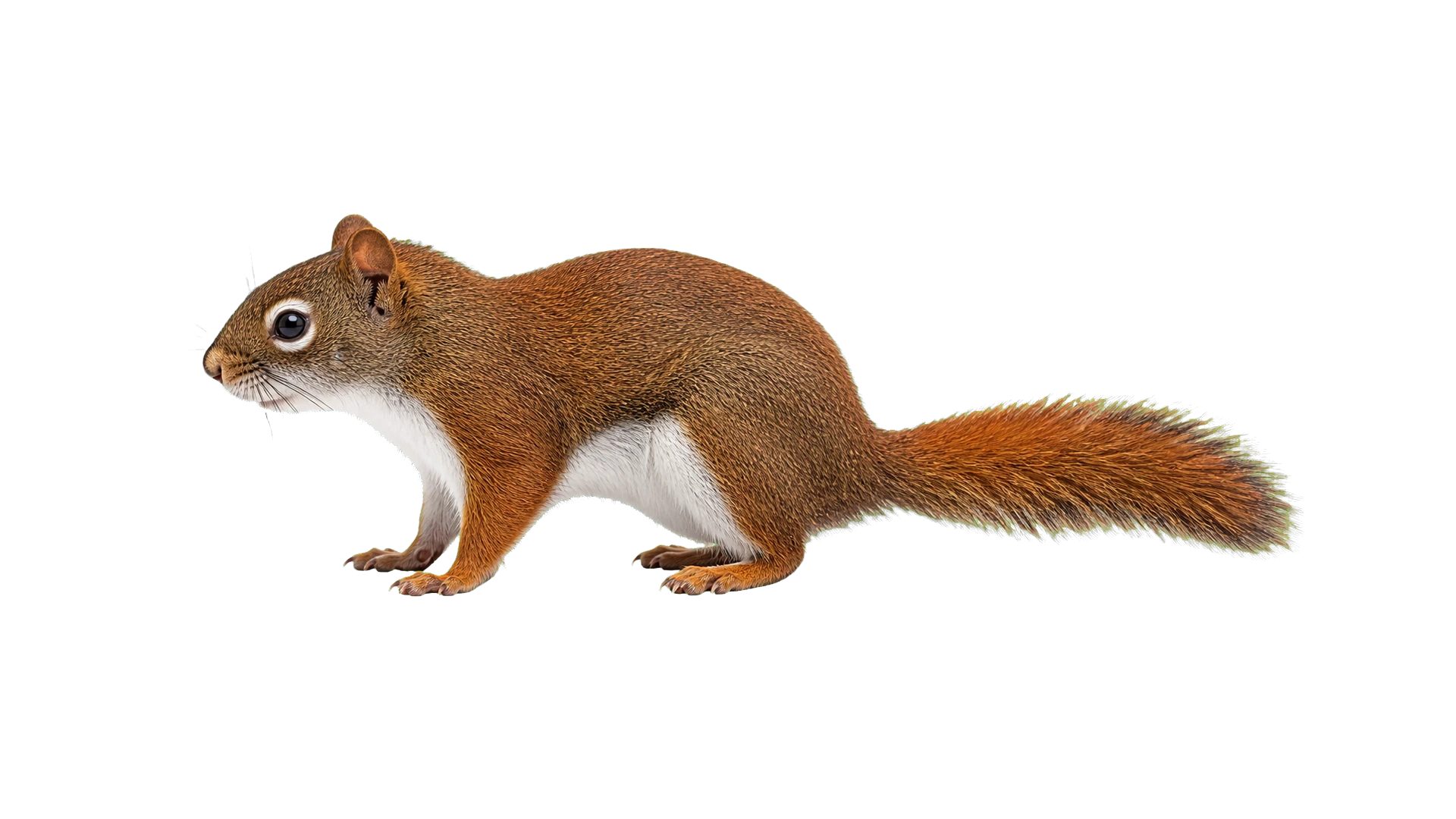
ID Card: Red Squirrel
Related Species
Call to get matched with a local pest control pro.
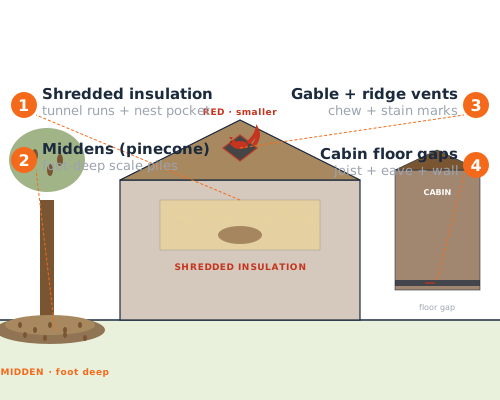
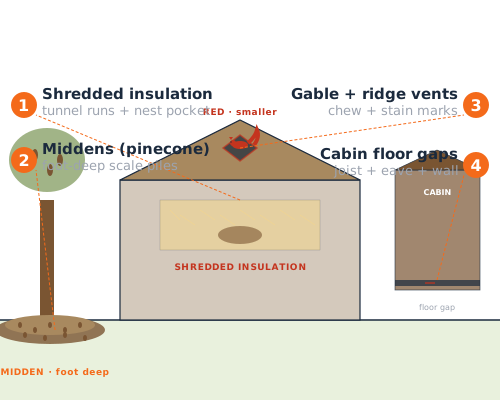
Red squirrels leave outdoor evidence no other tree squirrel produces, the cone midden, plus small-bodied attic signs that are easy to miss if you're only looking for gray squirrel scale. Walk the property and the attic with a flashlight, paying attention to these zones:
Red squirrels create the same fire-risk wire chewing as gray and fox squirrels, but they also build cone middens inside attic cavities and crawl spaces, which produces a persistent moisture and debris problem on top of the structural damage. The vocal territorial scolding most people hear from these squirrels is also diagnostic, gray and fox squirrels don't chatter constantly at people from the canopy.
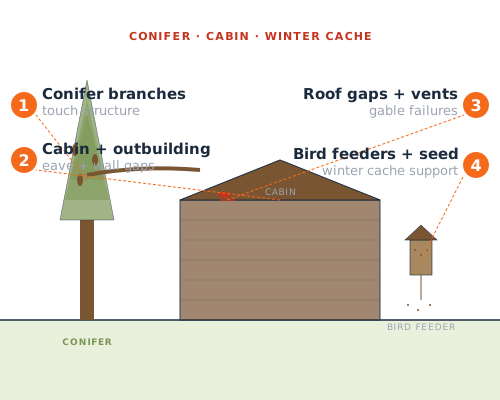
Red squirrels are tied to coniferous forests in a way other tree squirrels aren't. They eat pine cone seeds as a primary food source, defend roughly one-acre territories with constant vocal scolding, and reach population densities in healthy spruce-fir stands that suburban gray squirrel habitat never matches. A cabin or mountain home tucked into mature conifers is exactly the kind of property they target.
What anchors red squirrels to your property:
Red squirrels have one to two litters per year (three to seven pups per litter), with the first born in April and a second sometimes following in July. Young are weaned at seven to nine weeks and independent by ten to fourteen weeks. Because each squirrel defends only about an acre, the local population around a conifer-adjacent cabin can be much higher than gray squirrel density around a suburban home. Eviction without exclusion is a temporary fix; the next squirrel from the next territory moves in within days.
Find your scenario below. Each row reflects what's happening in a cabin or mountain home with red squirrels, not a generic squirrel timeline.
| What You're Seeing | Severity | If Untreated | Next Step |
|---|---|---|---|
| Red squirrels scolding from trees, visible cone midden under a conifer | Low | Population is established on the property; attic entry possible if openings exist | Trim limbs 5 to 6 feet back from the roof, install chimney cap, inspect vents. |
| Scrabbling sounds in cabin attic plus reddish droppings | Moderate | Active nesting; wire chewing and cone caching begin within weeks | Schedule inspection this week; identify the 1.5-inch entry point. |
| Established nest, chewed wiring, cabin storage damage, cone debris inside | High | Structural and electrical damage compounds; fire risk increases on every visit | Call a professional today; comprehensive seal plus electrical scope plus decontamination. |
| Multiple squirrels, chewed structural wood, cabin uninhabited season ahead | Urgent | Empty heated structure becomes a year-round colony site; damage runs unattended for months | Call today for specialized cabin program with state-regulated trapping and full exclusion. |
If between rows, treat the higher one as your situation. Seasonal cabins benefit from inspection before any extended absence.
Red squirrels are short-lived compared to gray and fox squirrels (three to seven years in the wild) but highly productive on a per-acre basis. Their lifecycle drives two attic occupancy peaks per year in many populations, with the second litter often falling inside cabin walls during summer.
Pups born April or July
3 to 7 pups per litter, blind and naked, born in tree cavities, branch nests (dreys), or attic insulation pockets in cabin and mountain home roofs.
7 to 9 weeks
Pups fully furred, eyes open by 4 weeks, eating solid food and beginning short trips outside the nest by week 7. This is the protected period in most states; exclusion now traps young inside the structure.
10 to 14 weeks
Juveniles disperse to claim their own territories, often within a few hundred yards of the natal site. Adjacent cabins on the same lake or ski-area road frequently pick up new squirrels in this window.
Mature at 10 to 12 months; live 3 to 7 years
Defends roughly one-acre territory with constant vocal scolding. Females reuse the same nest cavity across years; juveniles establish in adjacent territories, including neighboring cabin attics.
One to two litters per year combined with strong territorial behavior means that even after removal, the next juvenile from the adjacent territory will claim the open space within days. Comprehensive exclusion is what breaks the cycle, not single-squirrel trapping.
Red squirrel activity is year-round in their core range, with strong seasonal pattern shifts tied to pup-rearing and the fall cone harvest. Cabin and mountain home owners see different signs each quarter:
First pup-rearing peak. Females select nest cavities including cabin attics; territorial scolding intensifies around den sites. Exclusion timing avoids April pup-rearing in most northern populations.
Second pup-rearing in some populations through July and August. Juveniles from the spring litter disperse and claim neighboring territories. Cabin attics frequently pick up new squirrels in this window.
Cone caching peaks. Cone middens visibly grow at the base of feeding trees and sometimes inside attic cavities where squirrels stash seeds. This is the most active outdoor evidence window of the year.
Outdoor activity continues through snow cover; established attic nests in heated structures stay occupied. Cabins left empty between visits often become full-time winter dens, with damage running undetected for months.
Red squirrel work is harder than gray or fox squirrel work for one specific reason, the entry points are smaller and easier to miss. A standard squirrel inspection checks vents, soffits, and chimneys for openings the size of a fist. Red squirrels fit through gaps the size of a half-dollar. DIY exclusion that uses gray squirrel-grade hardware cloth and looks for gray squirrel-sized openings consistently leaves entries that red squirrels reopen within days.
State regulations add another layer. Red squirrels are classified as game animals or protected fur-bearers in many states, with trapping seasons, licensing rules, and humane-handling requirements that apply even when the squirrel is in your wall. Trapping or relocating without the proper permits is illegal in much of the species' range. Trained specialists handle the regulatory side alongside the physical exclusion.
Cabin and mountain home dynamics make this especially time-sensitive. Seasonal homes that sit empty for weeks give squirrels uninterrupted nesting time. By the time the owner arrives for a weekend, established nest pockets, chewed wiring, and shredded stored food can all be in place. Properties that have a single annual professional inspection ahead of the off-season catch the problem before it compounds across an empty winter.
Initial removal and exclusion at a cabin or mountain home typically runs $400 to $1,000, with recurring monitoring at $50 to $100 per month for properties that need ongoing protection. The recurring program matters most for cabins on conifer-heavy lots where the next juvenile from the neighboring territory is always available to fill an open attic.
Red squirrel work in cabins and mountain homes combines small-gauge exclusion, state-regulated trapping, and cone debris cleanup. Here's what a specialist actually does:

 Locates the 1.5-Inch Entry Points
 Red squirrels fit through openings gray squirrel inspections miss. A specialist who handles this species checks gable vent corners, soffit returns, ridge vent ends, and plumbing vent gaskets specifically for the smaller entry size.
State-Regulated Trapping Where Required Red squirrels are classified as game animals or fur-bearers in many states, with trapping seasons and licensing rules that apply even to nuisance situations. A trained specialist handles permits and timing alongside the exclusion.
Small-Gauge Hardware Cloth Sealing Quarter-inch hardware cloth and 18-gauge steel mesh handle red squirrel chewing; the heavier mesh used for gray squirrels still works but specialists scale materials to the smaller body and tighter openings.
Cone Debris and Insulation Cleanup Cone midden material accumulates inside attic cavities and crawl spaces when red squirrels cache feed indoors. Cleanup is part of the visit, not an afterthought, because the debris harbors moisture and secondary pests.

Red squirrel ID and yard-level prevention are real DIY territory. Cabin attic work and trapping aren't, both because the entries are smaller than typical squirrel jobs and because state regulations apply to most red squirrel removal.
DIY for red squirrels is identification, yard management, and protecting stored goods:
A wildlife specialist with red squirrel experience brings the small-entry inspection, regulatory handling, and cabin-specific exclusion that turn a recurring cabin problem into a finished job:
Red squirrel chewing in cabin and mountain home wiring creates fire risk in structures that often sit empty for weeks at a time. Connect with a local specialist who can exclude through the smaller entries, handle state trapping rules, and seal with small-gauge materials.
Real results from people who had the same problem and solved it.

"Attic squirrels evicted and entry repaired."
Squirrels gnawed through a rotted fascia board and nested in the attic. The wildlife specialist removed the animals, repaired the entry point, and installed a one-way exclusion device. The attic has stayed squirrel-free since.
"Attic squirrels evicted and entry repaired."
Squirrels gnawed through a rotted fascia board and nested in the attic. The wildlife specialist removed the animals, repaired the entry point, and installed a one-way exclusion device. The attic has stayed squirrel-free since.

"Soffit repaired and attic cleared of squirrels."
Squirrels gnawed a hole in the soffit and were nesting in the attic. The provider removed the animals with a one-way door and repaired the entry point with metal flashing. The attic has been clear since.

"Fascia repaired and squirrels kept out."
Squirrels gnawed a hole in the fascia board and nested in the attic. The provider removed them using a one-way exclusion device and repaired the hole with metal flashing. The repair has held and no squirrels have returned.

"Attic and feeders secured from squirrels."
Squirrels raided the bird feeders and eventually found a gap into the attic. The provider sealed the attic entry and recommended squirrel-proof feeders. Moving the feeders away from the house reduced the temptation for roofline access.

"Fascia patched and squirrels kept out."
Squirrels gnawed through the fascia and nested in the attic insulation. The provider removed them with a one-way door and patched the hole with metal. The repair has held perfectly.

"Soffit repaired and attic cleared of squirrels."
Squirrels gnawed through the soffit and nested in the attic. The provider removed them and repaired the entry with metal flashing. The repair has held and no squirrels have returned.

"Fascia repaired and squirrels kept out."
Scratching above the bedroom ceiling at five in the morning, every morning. Walked outside and saw a chewed hole in the corner fascia about the size of a baseball. The wildlife specialist used a one-way door, gave the squirrels time to leave, then repaired the gap with metal flashing screwed into solid framing. They have not been able to chew back through. Worth it for the sleep alone.
Direct answers to what cabin owners and mountain home owners ask most about identification, cone middens, and small-entry exclusion.
Pound for pound, yes. Red squirrels are smaller but more aggressive and territorial. They chew through siding, soffits, and even PVC pipes to access attics and wall voids. They cache massive quantities of pine cones and nuts in attics, creating fire hazards and attracting insects. In northern states, they are the most common squirrel in attic infestations.
Red squirrels are noisy, you will hear rapid chattering, scurrying, and gnawing during daytime hours. Look for piles of pine cone scales (middens) near the base of trees or inside the attic. Entry holes are typically smaller than gray squirrel holes, about 1.5 inches, oftenchewed through wood soffits or trim near the roofline.
Squirrels are agile climbers that can leap up to ten feet horizontally and access rooflines from overhanging tree branches, utility lines, and downspouts. They gnaw through fascia boards, roof vents, soffit panels, and even aluminum flashing to create or enlarge openings into attics, which provide a warm, dry, predator-free environment for nesting and raising young. Once a squirrel establishes an attic nest, it will return to the same entry point season after season, and the scent left behind attracts other squirrels even if the original occupant is removed.
Squirrels in attics cause extensive damage by gnawing on electrical wiring, creatinga serious fire hazard, chewing through PVC plumbing, shredding insulation for nesting material, and contaminating the space with urine and droppings. Their gnawing on structural wood members can compromise roof decking and rafters over time. Squirrels also cache food like acorns and nuts in wall voids and insulation, which attracts secondary pests including beetles, moths, and mice. Repair costs from long-term squirrel occupancy in an attic can be substantial.
Most providers in our network can schedule an inspection within 24-48 hours. For urgent situations, likeactive structural damage or large colonies, same-week emergency service is often available. Response times depend on your location and the provider's current schedule.
Your provider inspects the property to identify the pest, locate nesting or entry points, and assess the scope of the problem. You get a clear explanation of what they found, what they recommend, and a written scope before any work begins.
Modern pest control products are designed to break down quickly after application and pose minimal risk to people and pets when applied correctly. Most providers ask you to keep kids and pets out of treated areas for 1 to 2 hours while the product dries, after which the area is generally safe again. Always confirm specific re-entry times with your provider, and let them know about pet birds, fish, or reptiles, since some treatments require extra precautions for those species.
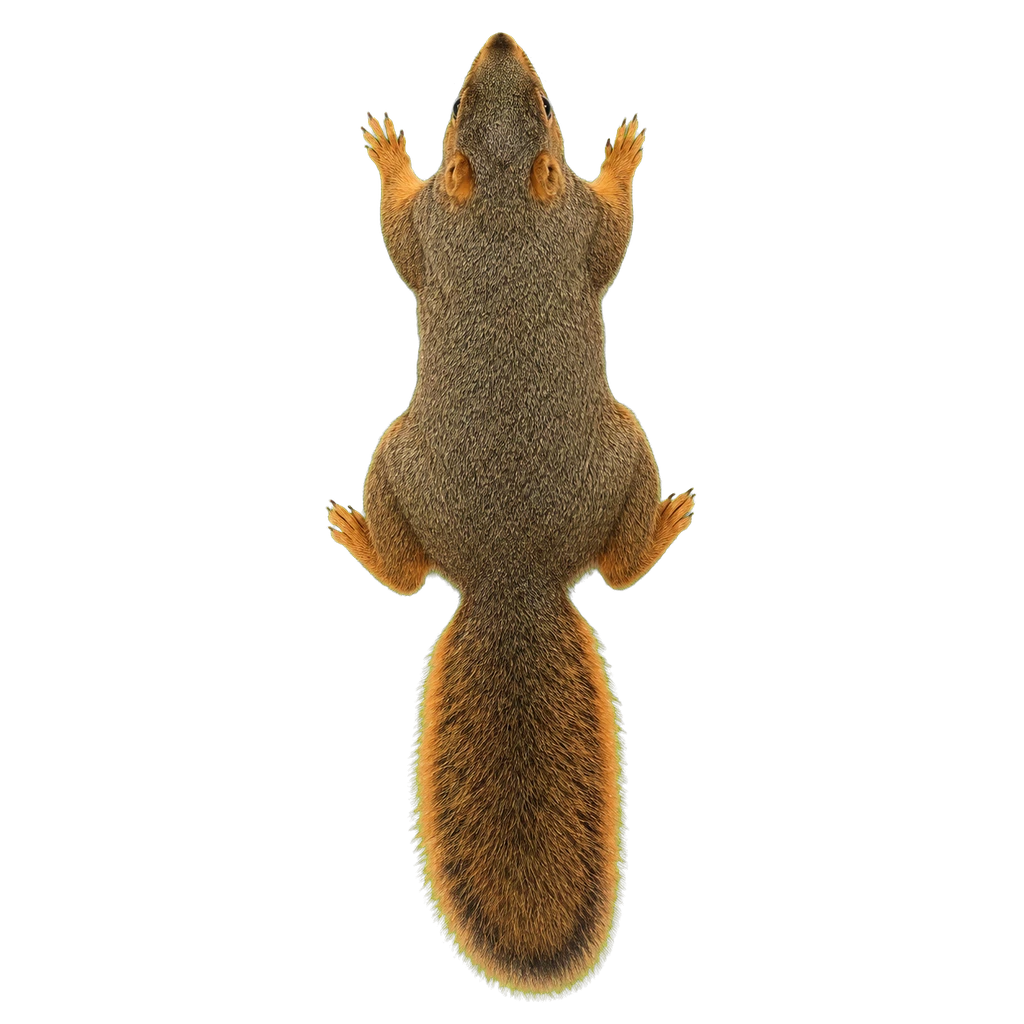
Fox squirrels are the largest tree squirrels in North America, and their bigger size means they create larger entry holes and more extensive attic damage than gray squirrels. They are less common indoors but harder to exclude once established.
Learn More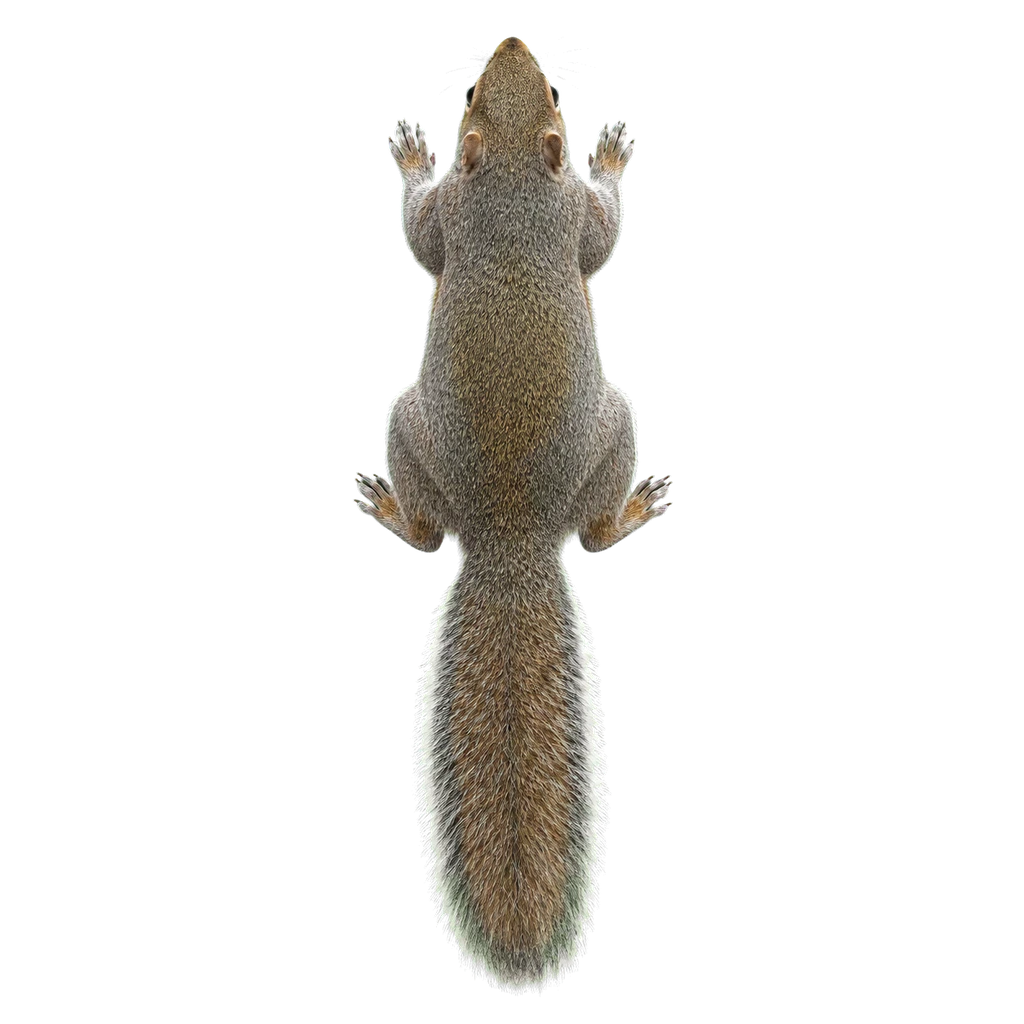
Gray squirrels are the most common attic invader among squirrel species, thriving in suburban neighborhoods where tree canopy meets rooflines. They chew through fascia and soffits, nest in insulation, and gnaw on electrical wiring.
Learn MoreLocal wildlife specialists experienced with red squirrel exclusion at cabins and mountain homes, including small-gauge sealing and state-regulated trapping, are ready to inspect and exclude, no obligation.