Local pest control help is one call away.

Dampwood Termite: Identification, Treatment & Prevention

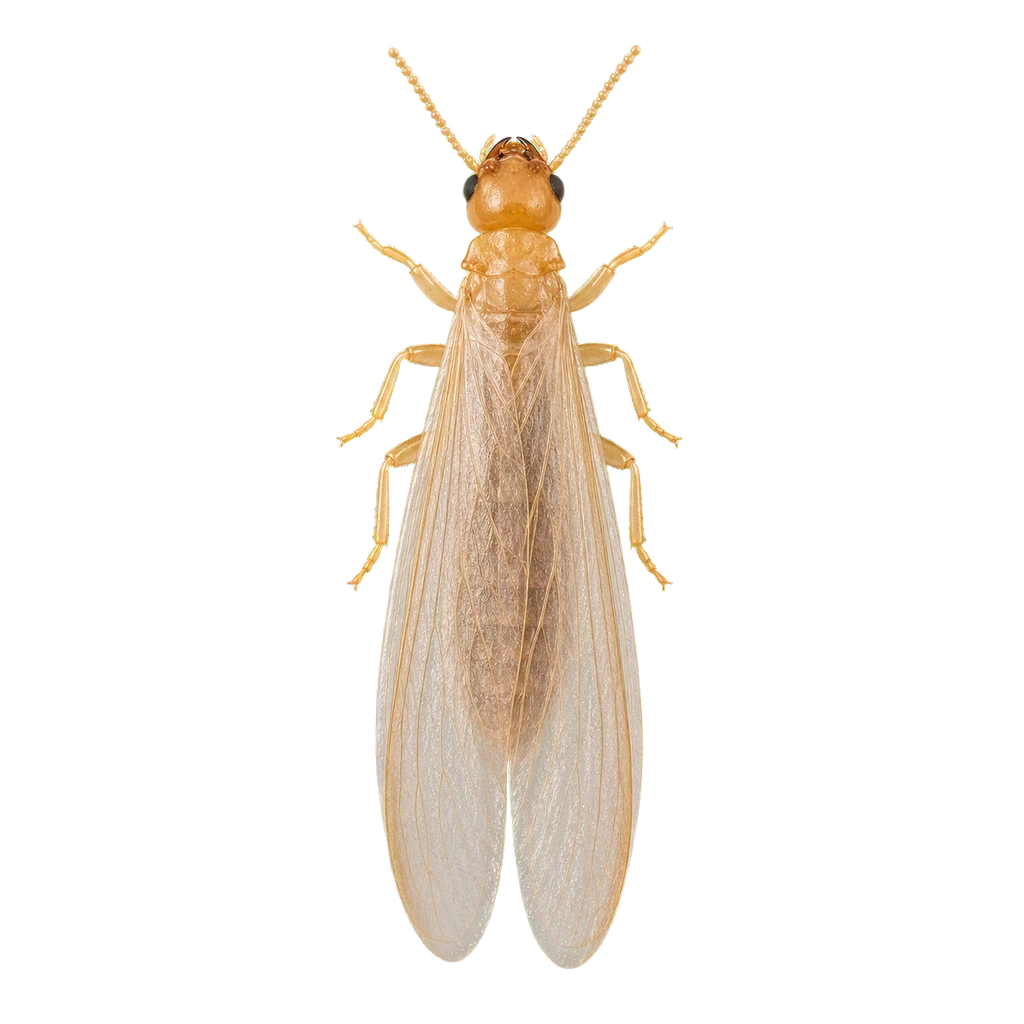
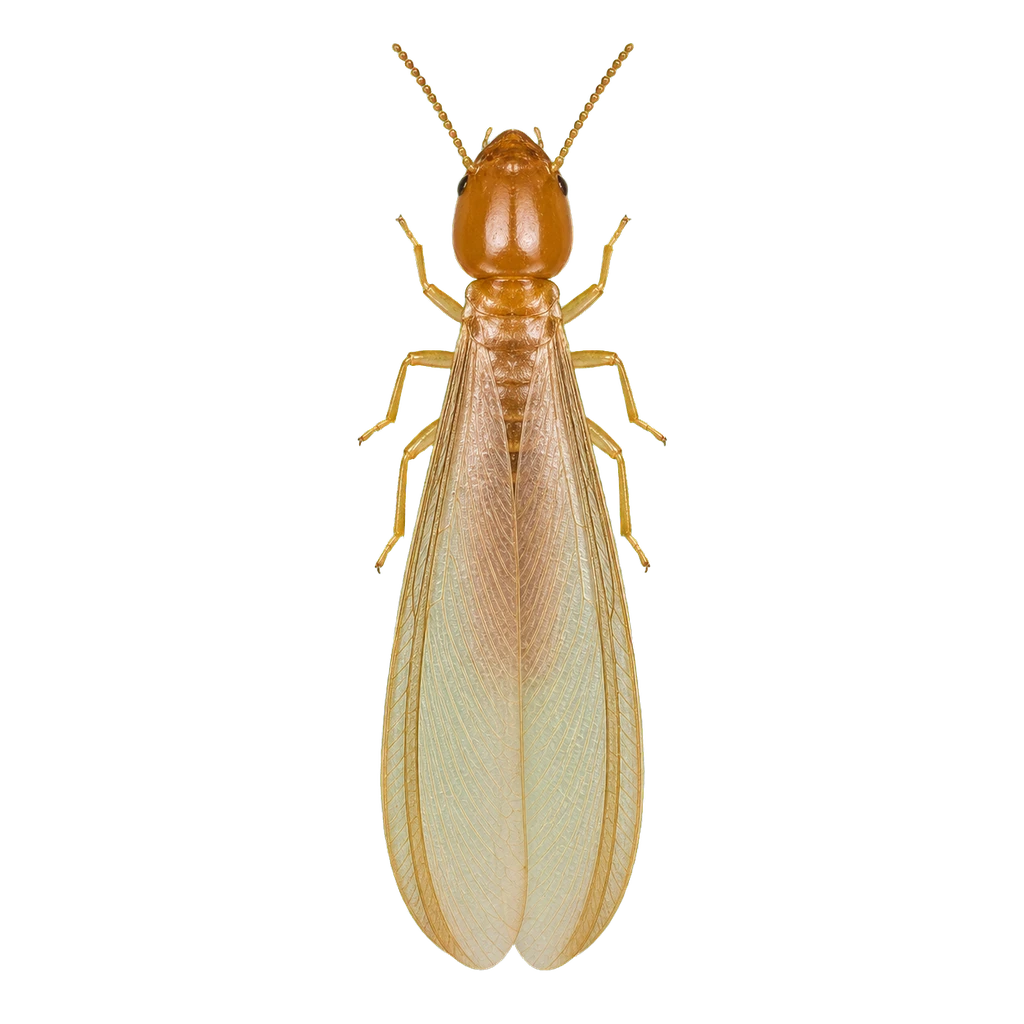
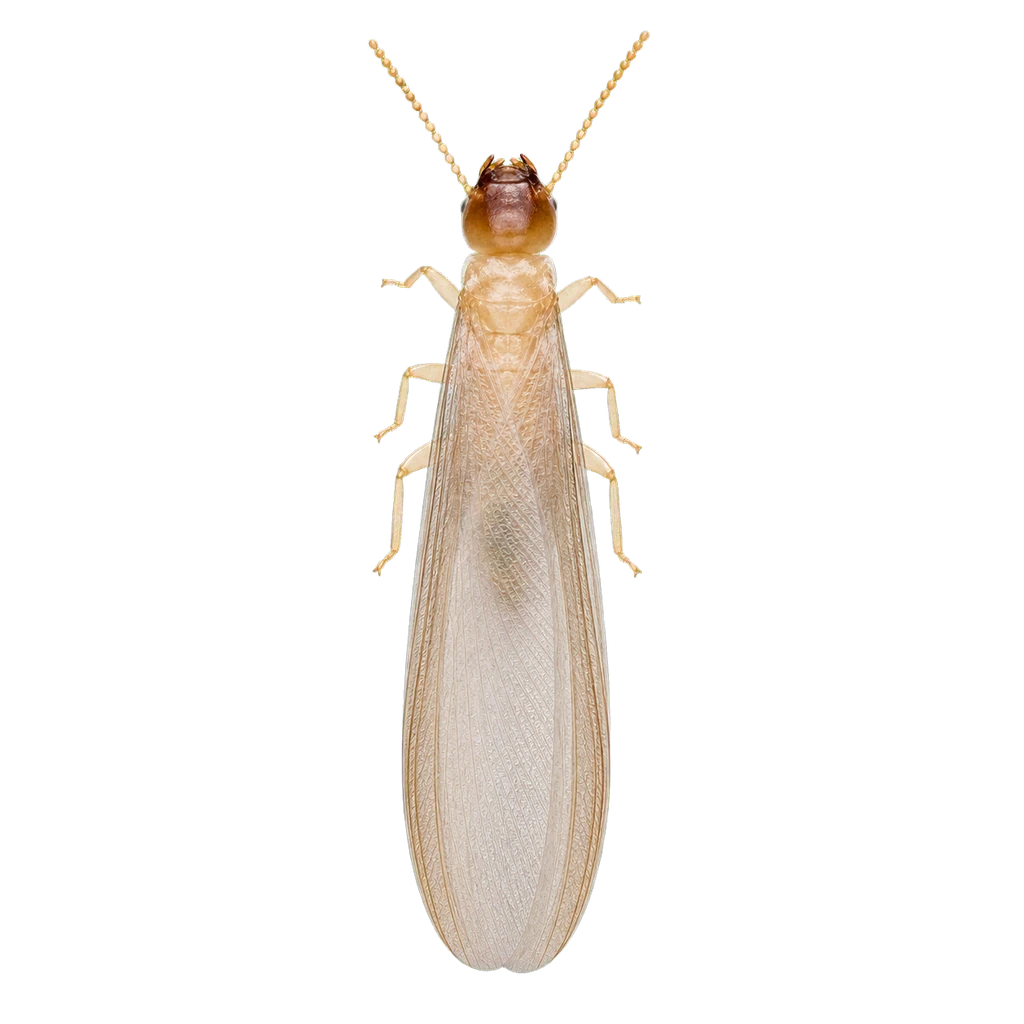
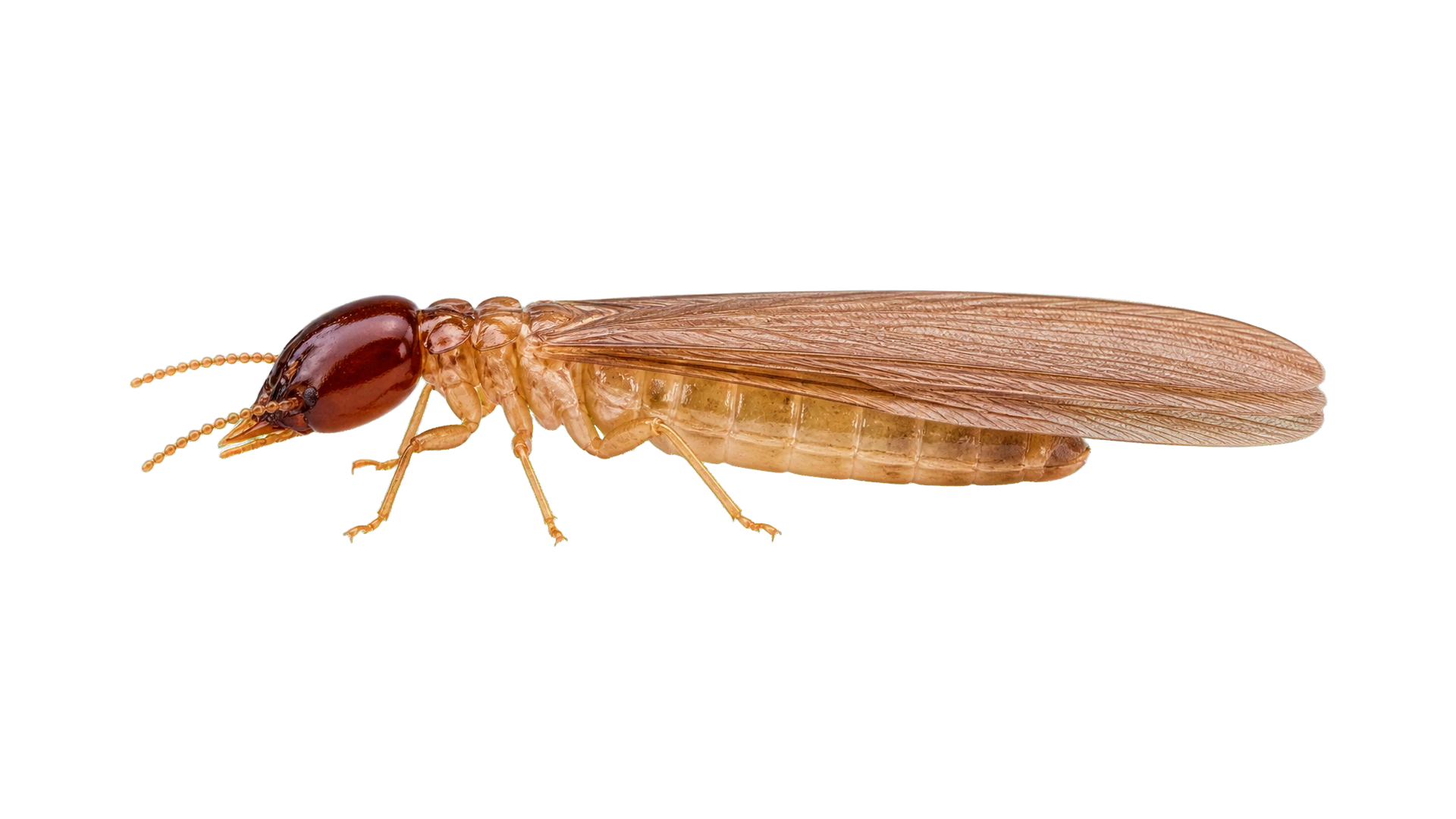
Dampwood termites are the largest termites in the United States. Workers run 12 to 15 millimeters long, soldiers reach 20 millimeters with oversized brown heads and prominent mandibles, and the late-summer alates push past 25 millimeters with smoky wings. They dwarf the subterranean and drywood species most homeowners picture when they hear the word termite, and that size makes them unusually easy to identify once you see one. What anchors them is also unusual: they will not touch dry, sound wood. They only colonize wood that is already wet, already rotting, or already in active fungal decay. The moisture itself is the prerequisite for the infestation.

If you live on the Pacific Coast, in heavy-rainfall country, or anywhere with chronic moisture problems on exterior framing, and you're finding pale tan workers, large-headed soldiers, or oversized winged adults in punky wood around porch posts, sill plates, or rafters near a leak, you're almost certainly looking at dampwood termites. This guide covers how to confirm the species, why fixing the moisture source is the foundation of every successful treatment, and what a specialist actually does when the colony has already settled into structural framing.

Close-up illustration of a dampwood termite showing pale tan worker body, oversized soldier head with mandibles, and large winged alate with smoky wings

ID Card: Dampwood Termite

Scientific name
Zootermopsis spp.
Color
Cream to brown, dark brown head
Size
1/2 to 1 inch
Body shape
Large, straight-sided body, biggest termite species in North America
Antennae
Straight, bead-like segments
Key evidence
Fecal pellets in damp wood, no mud tubes (nests entirely in wet wood)
Also known as
Wet wood termites, Rottenwood termites

Call to get matched with a local pest control pro.

Available 24/7
(888) 495-1510
  • Specialists who diagnose the moisture source before they touch the termites
  • Wood-destroying inspection coordinated with carpentry and drainage repair
  • Pacific Northwest providers who treat dampwood as a year-round endemic risk

Where to Inspect for Dampwood Termite Activity

Cross-section illustration showing dampwood termite galleries inside moisture-damaged framing, with frass packed into chambers and visible rot in adjacent wood

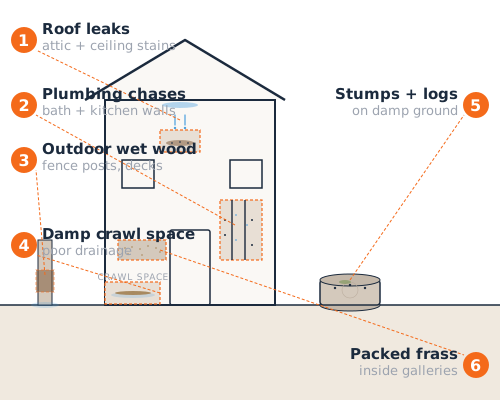
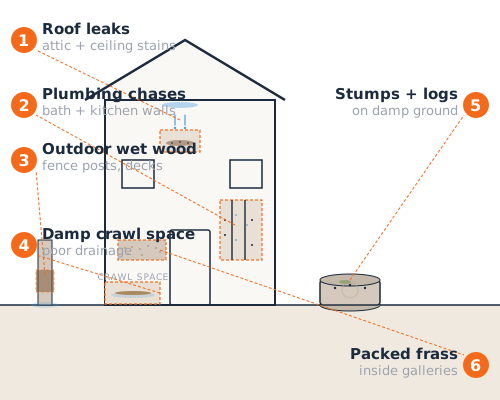
Dampwood termites do not roam looking for new wood the way other species do. They live inside whatever piece of moisture-damaged wood they founded the colony in, and every sign of activity sits within that single piece or its closest neighbors. The right inspection focuses on the parts of the home where water collects and lingers, and tests the wood there with a screwdriver to see what gives.

  • Porch and deck framing where wood meets ground or holds chronic moisture, Probe ledger boards, post bases, and stair stringers with a screwdriver. Wood that punctures easily, feels spongy, or shows visible rot is dampwood habitat the moment a winged pair finds it.
  • Window and door sills with bad flashing or chronic leak exposure, Press the interior corners with your thumb. Soft or crumbling wood on south- and west-facing exposures means flashing has been failing long enough to soften the framing all the way through.
  • Roof rafters near plumbing vent leaks or ice-dam damage, Bring a flashlight into the attic and inspect the underside of sheathing around vent boots, valleys, and chimney chases. Water staining on rafters with darkened, papery wood is exactly the substrate Pacific dampwood looks for.
  • Sill plates and rim joists in unventilated crawl spaces, This is the most damaging structural target in the United States. Crawl spaces without vapor barriers, with poor drainage, or with chronic groundwater intrusion soak sill plates until they will no longer hold a fastener.
  • Bathroom and laundry room framing with chronic plumbing leaks, Slow drips behind a tub surround, a sweating supply line, or a poorly sealed drain pan can keep adjacent studs above the 20 percent moisture content threshold for years before any visible failure.
  • Pacific Northwest exterior wood with weathered finish, From northern California through British Columbia, virtually any unprotected exterior wood is candidate habitat. Pacific dampwood is endemic from coast to mountain foothills and re-establishes wherever finish has lapsed.

Two or more punky-wood findings in the same structure means the moisture problem is older than the termites and broader than the visible damage. Combined moisture remediation and localized treatment runs $500 to $3,000 for typical service. Once a colony has settled into structural framing such as sill plates, floor joists, or load-bearing studs, repair scope can exceed $10,000 even before the pest treatment is added. Catching dampwood activity while it's still confined to a porch post or window sill is what keeps the project in the lower band.

Cross-section illustration showing dampwood termite galleries inside moisture-damaged framing, with frass packed into chambers and visible rot in adjacent wood
Illustration showing dampwood termite establishment pathway, with winged alates landing on moisture-damaged wood and founding colonies in rotting framing

Why Do I Have Dampwood Termites?

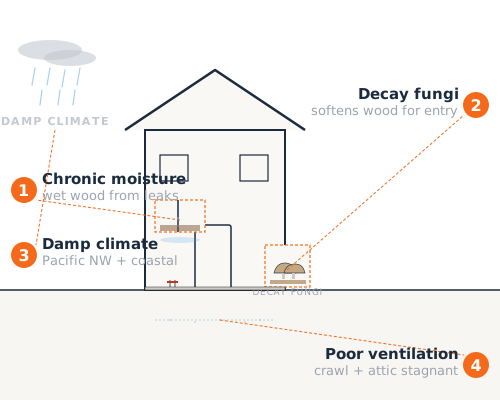
Confirming the species is step one. Understanding why the wood was suitable in the first place is what stops the next colony from arriving on schedule. Dampwood termites pick wood the way no other pest in this guide does: they read moisture content. If the wood is above roughly 20 percent moisture and actively decaying, a winged pair landing on it can found a colony. If the wood is sound and dry, that same pair cannot establish even if they want to. The infestation is downstream of a building problem, never the other way around.

What anchors them to your property:

  • Pacific Coast or Florida geography, Pacific dampwood ranges from northern California into British Columbia and is the most damaging species on the West Coast; Florida dampwood is restricted to peninsular Florida and the Keys
  • Chronic moisture damage, failed flashing, deferred roof repairs, blocked gutters, downspouts dumping next to the foundation, and porch decks without proper drainage put wood above the moisture threshold and keep it there
  • Active fungal decay in framing, dampwood termites prefer wood that rot fungi have already softened; sound, dry wood is effectively immune even if everything else lines up
  • Heavy-rainfall climate, the Pacific Northwest and Hawaiian Islands maintain ambient humidity year-round, which means exterior wood without a maintained finish will reach colonization-ready condition within a few seasons
  • Older homes with deferred maintenance, small problems (a hairline crack at a deck-to-house joint, a slow drip from a vent pipe collar) compound across decades until the framing under them is no longer wood the structure can rely on

A colony begins when a winged king and queen drop their wings in late summer and burrow into a piece of moisture-damaged wood. Most pairs fail; the rare pair that finds wood at the right moisture content seals into a chamber and produces the first brood. For the first two to three years, the colony is small and confined to that single piece. By year five, it can hold a few thousand workers, soldiers with brown helmet-like heads, and a steady production of secondary reproductives. The colony's range stays narrow, but the damage inside that one piece of wood accelerates as the population grows.

How Serious Is Your Dampwood Termite Problem?

Find your scenario below. Each row reflects the actual progression of a dampwood colony tied to a single piece of wet wood, not a generic termite timeline.

What You're Seeing Severity If Untreated Next Step
Damp wood spotted on porch framing or trim, no termite evidence yet Early Wood will continue softening and become colonization-ready for the next late-summer alate flight, typically within one season. Fix the moisture source immediately, flashing, drainage, grading. Schedule a wood-destroying inspection within 30 days to confirm no current activity.
Frass packed into a small section of punky wood, no obvious structural concern Moderate Colony will expand inside the affected piece over 6 to 12 months as moisture remains; damage spreads to wood in direct contact. Replace the affected wood section, fix the moisture source, and arrange a localized borate or fipronil application this month.
Multiple frass locations, visible galleries in framing, structural component involved High Damage compounds as adjacent framing wicks moisture and becomes habitat; repair scope grows from cosmetic to structural within months. Call a professional this week. Plan for structural assessment, significant moisture-source remediation, and coordinated localized treatment.
Established colony in structural framing, sill plate damage, chronic moisture history Urgent Structural integrity actively compromised. Replacement scope expands each season the moisture continues, and load paths can fail. Call today and request a structural engineer plus a pest service the same week. Plan for combined wood replacement and termite treatment.
Damp wood spotted on porch framing or trim, no termite evidence yet
Severity Early
If Untreated Wood will continue softening and become colonization-ready for the next late-summer alate flight, typically within one season.
Next Step Fix the moisture source immediately, flashing, drainage, grading. Schedule a wood-destroying inspection within 30 days to confirm no current activity.
Frass packed into a small section of punky wood, no obvious structural concern
Severity Moderate
If Untreated Colony will expand inside the affected piece over 6 to 12 months as moisture remains; damage spreads to wood in direct contact.
Next Step Replace the affected wood section, fix the moisture source, and arrange a localized borate or fipronil application this month.
Multiple frass locations, visible galleries in framing, structural component involved
Severity High
If Untreated Damage compounds as adjacent framing wicks moisture and becomes habitat; repair scope grows from cosmetic to structural within months.
Next Step Call a professional this week. Plan for structural assessment, significant moisture-source remediation, and coordinated localized treatment.
Established colony in structural framing, sill plate damage, chronic moisture history
Severity Urgent
If Untreated Structural integrity actively compromised. Replacement scope expands each season the moisture continues, and load paths can fail.
Next Step Call today and request a structural engineer plus a pest service the same week. Plan for combined wood replacement and termite treatment.

Dampwood severity tracks the underlying moisture problem more than the termite count. If you're between two rows, treat the higher one as your situation.

How a Dampwood Termite Colony Develops

Dampwood colonies are smaller, slower, and more wood-bound than any other termite category. They never leave the piece of wood they were founded in. They never build mud tubes to soil. They never need to forage outside the colony's home log. Everything about the lifecycle is locked to the moisture content of that single piece of wood, and that constraint is exactly why removing the moisture is so effective.

  1. Egg

    About 50 to 80 days

    The founding king and queen lay the first eggs inside a sealed chamber in moisture-damaged wood. The egg stage is unusually long for a termite, and brood production stays slow throughout the colony's life. The pair tends the first generation themselves before workers take over.

  2. Larva and pseudo-worker

    Development over several months; pseudo-workers persist for years

    Dampwood termites lack a permanent worker caste. Immatures called pseudo-workers do the labor of feeding, gallery expansion, and brood care while retaining the option to develop into soldiers or reproductives. This flexibility is part of why colonies survive long stretches with limited resources.

  3. Soldier

    Develops within mature colonies; persists multiple years

    Soldiers are dramatic, with dark reddish-brown heads roughly twice the width of the body and large curved mandibles. They guard gallery entrances against invading ants, which are dampwood's primary natural enemy. Finding a soldier during inspection is one of the cleanest species confirmations available.

  4. Alate (winged reproductive)

    Emerges late summer through fall, August to October

    Mature colonies produce alates that swarm on warm evenings after rain, especially in the Pacific Northwest. The flights are visually striking because the insects are so large, often confused with carpenter ant swarmers. Successful pairs land on moisture-damaged wood, shed wings, and start the next colony. Most pairs fail.

  5. King and queen

    Primary pair lives 5 to 20 years inside the founding chamber

    The original pair stays sealed in the founding chamber as long as the wood stays wet enough to feed the colony. Once the moisture drops, brood production stalls, the colony shrinks, and the king and queen die with it. This is the mechanism that makes moisture remediation the most reliable long-term control on the planet.

Because the colony cannot relocate, every dampwood infestation is a moisture story first and a pest story second. Eliminate the water and the colony loses its food source within a season. Add localized treatment to accelerate the kill and replace the damaged wood, and the property closes the chapter completely. Skip the moisture fix and even aggressive treatment buys only months.

When Dampwood Termites Are Most Active

Dampwood activity tracks wood moisture more than air temperature. The Pacific Northwest sees year-round feeding because the wood never really dries out, while inland and Nevada populations follow a sharper seasonal pattern tied to winter and spring rains.

  • Spring

    Existing colonies expand into wood that has wicked moisture through winter. Newly waterlogged framing around bad flashing or blocked gutters becomes available habitat, and existing colonies extend galleries into that newly wet wood. First reproductive development begins inside maturing colonies.

  • Summer

    Feeding peaks while moisture is still present from spring rains. Workers extend galleries aggressively, frass packs into older chambers, and alates mature inside the largest colonies. This is the inspection window when soft-wood damage is most discoverable because finishes are intact enough to highlight problem zones by contrast.

  • Fall

    Alates emerge August through October, often on warm evenings after the first significant rain. The large size of the swarmers makes the flights dramatic and visible from a distance. Successful pairs land on moisture-damaged wood that same evening, drop their wings, and begin new colonies. This is the highest-leverage window to find evidence.

  • Winter

    Pacific Northwest colonies continue feeding because the wood stays wet through the rainy season. Inland populations slow but do not stop. Alates do not fly during the cold months. Winter is a strong inspection window because deciduous foliage has dropped, exposing exterior framing for review without obstruction.

Why Dampwood Termites Aren't a DIY Job

Dampwood termite work breaks the pattern of every other termite category. The colony cannot exist without moisture-damaged wood, which means the building condition is the entire story. Homeowners who treat the visible termites without diagnosing the water source are essentially treating a symptom while the disease keeps producing new symptoms. Within months, the same wood, the same colony location, the same problem.

The most common DIY pattern is to spray hardware-store termiticide on the visible termites, kill the few dozen that get touched, and feel the problem is solved. Two months later, fresh activity appears in the same piece of wood, sometimes within inches of the previous spray. The colony was never reached, the moisture was never corrected, and the wood is still in colonization-ready condition. Repeat homeowner treatments at this scale rarely move the situation forward.

A specialist starts with a moisture meter and maps every wood location above the 20 percent moisture threshold. That map drives the entire plan. Sometimes the most important referral on a dampwood job is to a roofer, a plumber, or a drainage contractor, with the pest treatment scheduled after the moisture fix lands. Borate solutions penetrate wet wood unusually well, and spot fipronil injection handles active galleries. Once the moisture is gone, the colony loses its food source and dies within a season; treatment accelerates that timeline and prevents further damage in the interim.

Pacific Northwest and Florida properties live with permanent reinfestation pressure because the climate keeps generating moisture-ready wood faster than any single repair can eliminate it. The math favors annual professional inspection at a small cost compared to repeating an established-colony treatment plus framing replacement. Combined service typically runs $500 to $3,000; structural framing involvement can push that past $10,000. A vigilant inspection cycle keeps the project in the lower band indefinitely.

What Changes When a Pro Shows Up

Dampwood termite work runs in a different order than other termite jobs. The specialist starts by reading moisture, not by treating wood, because moisture is what allowed the colony in the first place. Here's what changes when the right pro walks the property:

Pest control technicians after completing a dampwood termite inspection and moisture audit
  • Local Pest Control
  • 24/7 Availability
  • Quality Workmanship
  • Eco‑Friendly Options
  • Trusted by Homeowners
  • They Audit Moisture Before Anything Else

    A pin and pinless moisture meter walks the framing, sills, sheathing, and crawl space. Every reading above 20 percent moisture content gets flagged. The map of wet wood is the map of current and future colonies. Nothing else gets quoted until that map exists.

  • They Tie Treatment to the Source Repair

    Treatment plans coordinate with roofing, plumbing, drainage, or carpentry repairs. The termite work is timed to follow the moisture fix so the same wood does not dry, get treated, and then reinfest because the leak was never stopped.

  • They Apply Localized Treatment, Not Whole-Structure Work

    Borate solutions penetrate damp wood especially well, and spot fipronil injection treats active galleries. Fumigation is rare for this species because once the moisture is gone, the colony dies on its own. Localized treatment carries the work the rest of the way.

  • They Plan Annual Inspection in Endemic Regions

    In the Pacific Northwest, dampwood is permanent reinfestation pressure. A real program books annual or biennial inspection of exterior wood condition, finish maintenance recommendations, and reinspection of any flagged moisture zones the year after the initial repair.

  • Local Pest Control
  • 24/7 Availability
  • Quality Workmanship
  • Eco‑Friendly Options
  • Trusted by Homeowners
NoToPests home

One call connects you with a local specialist who knows dampwood termites and your area.

Be Ready When You Call

Pest control technician arriving for dampwood termite inspection with moisture meter
Junho L.
Daisuke P.
Kirk Q.
Marion K.

Trusted by homeowners nationwide

Call for Pest Control Help (888) 495-1510

Can You Handle This or Do You Need Help?

Dampwood is the rare household pest where homeowner work has a real role, but only in the moisture half. The termite half almost always needs a specialist because the colony is hidden inside framing and the right products require professional access.

What DIY Can Do

Homeowners can absolutely move the needle on the moisture problem that allowed the infestation. The dampwood colony cannot survive in dry wood, so prevention work is real prevention:

  • Identify and fix the root cause of every wet-wood location, a failed flashing, a clogged downspout, a slow plumbing leak, a grading issue that drives water toward the foundation
  • Replace severely damaged wood with new framing finished and flashed to keep moisture out, especially porch posts, sill plates, and trim with visible rot
  • Maintain exterior wood finishes annually in Pacific Northwest and other wet climates so the wood itself never reaches colonization-ready moisture content
  • Improve crawl space drainage, ventilation, and vapor-barrier coverage where applicable, the highest-leverage long-term structural defense
  • What DIY cannot do: reach termites already inside galleries, confirm the full extent of damage behind drywall or sheathing, or treat structural framing without specialist tools and products.

What a Pro Does Differently

Professional dampwood work integrates pest treatment with structural repair coordination, with the moisture audit driving the entire plan:

  • Wood-destroying inspection with a moisture meter that maps every framing location above the 20 percent moisture content threshold
  • Coordinated consultation with roofers, plumbers, drainage contractors, and carpenters so the moisture fix and the wood treatment land in the right order
  • Localized borate or fipronil application targeted to infested wood and at-risk adjacent framing, not whole-structure work
  • Structural wood replacement coordination when treatment alone is not sufficient, with the carpenter and the pest service on the same scope
  • Annual reinspection in Pacific Northwest, Florida, and Hawaiian properties where dampwood reinfestation pressure is part of the climate, not an event.

Suspect Dampwood Termites? Don't Wait.

Dampwood termite damage compounds with every season the moisture continues. Connect with a local specialist who audits the water source first, treats the wood second, and coordinates the structural repairs that actually end the cycle.

Available 24/7
(888) 495-1510

What Homeowners Say After Getting Help

Real results from people who had the same problem and solved it.

Lindsey H.
Lindsey H.
Birmingham, AL

"Thorough inspection uncovered what we couldn't see."

We called about ants but the inspector discovered termite activity in our crawl space. They explained the difference and outlined a treatment plan that addressed both issues. Catching it early saved us from serious structural problems.

Lindsey H.
Lindsey H.
Birmingham, AL

"Thorough inspection uncovered what we couldn't see."

We called about ants but the inspector discovered termite activity in our crawl space. They explained the difference and outlined a treatment plan that addressed both issues. Catching it early saved us from serious structural problems.

Denise H.
Denise H.
Little Rock, AR

"Hidden termite activity caught and treated."

We had no idea termites were active until we noticed soft spots near a window frame. The pro inspected the whole house and found multiple areas of activity. The treatment was thorough and they explained how to monitor going forward.

Seth N.
Seth N.
Wilmington, DE

"Long-running termite colony shut down."

We discovered termite damage during a renovation. The pro explained how long the colony had likely been active and treated the entire perimeter. The inspection was thorough and the treatment gave us confidence to move forward with the project.

Steve J.
Steve J.
Jacksonville, FL

"Caught silent termite damage early."

We had no visible signs until a door frame felt soft. The inspector discovered termite activity behind the walls and treated the entire structure. They explained how Florida's humidity accelerates termite damage and what to monitor.

Greg G.
Greg G.
Atlanta, GA

"Front porch termites treated thoroughly."

We noticed mud tubes on the porch foundation during spring cleaning. The pro confirmed termite activity and treated the perimeter. They explained how Georgia's warm, humid climate makes regular monitoring important.

Terry A.
Terry A.
Honolulu, HI

"Termites under control in tropical climate."

In Hawaii, termites are everywhere. The inspector explained the difference between drywood and subterranean termites and treated our home for both. The inspection was detailed and the treatment plan made sense for our climate.

Janice W.
Janice W.
Springfield, IL

"Found hidden termite damage before it spread."

We discovered soft spots in the wall during a remodel. The inspector confirmed termite activity and treated the affected areas. They explained how Midwest humidity contributes to termite problems even in cooler states.

Enrique K.
Enrique K.
Overland Park, KS

"Basement beam termites caught early."

During a routine check, the provider found termite activity in our basement support beams. They treated the area and explained the monitoring schedule. Catching it early meant the structural damage was minimal.

Kyung U.
Kyung U.
Louisville, KY

"Foundation termites stopped at the perimeter."

We noticed mud tubes along the basement wall. The provider confirmed subterranean termites and treated the full perimeter. They explained how Kentucky's clay soil and moisture create ideal conditions for colonies.

Gerald E.
Gerald E.
Shreveport, LA

"Hidden siding termites treated and monitored."

We didn't know termites were active until paint started bubbling on an exterior wall. The provider removed some siding and found extensive activity. The treatment was comprehensive and they set up monitoring stations around the house.

Erica Q.
Erica Q.
Annapolis, MD

"Deck-area termite colony shut down."

The wood-to-ground contact around our deck had attracted termites. The provider treated the colony and explained how to prevent recurrence by adjusting the deck supports. The inspection was thorough and informative.

Clara M.
Clara M.
Jackson, MS

"They caught termite damage early enough to fix."

What looked like minor wood damage turned out to be an active termite colony. The provider treated the entire foundation and explained how Mississippi's warm climate keeps termites active year-round. We're glad we called when we did.

James T.
James T.
St. Louis, MO

"Garage framing termites treated effectively."

We found soft wood in the garage wall and the provider confirmed termite activity. They treated the structure and explained how the high humidity in St. Louis makes termite monitoring essential. The treatment was effective.

Shen Z.
Shen Z.
Trenton, NJ

"Crawl space termites stopped at the foundation."

Our crawl space inspection revealed termite tubes along the foundation walls. The provider treated the entire perimeter and installed monitoring stations. They explained the signs to watch for between visits.

Ayaan H.
Ayaan H.
Cincinnati, OH

"Renovation-found termites treated on the spot."

We opened up a wall during a kitchen remodel and found termite damage. The provider inspected the rest of the house and treated the affected areas. Catching it during the renovation actually saved us money on repairs.

Bradley M.
Bradley M.
Oklahoma City, OK

"Garage slab termites stopped at the soil."

Termites had come up through a crack in the garage slab. The provider treated the soil around and under the slab and explained how Oklahoma's clay soil holds moisture that termites need. The treatment was effective.

Ivette A.
Ivette A.
Cranston, RI

"Basement support beams treated for termites."

We discovered termite damage in the basement support beams during a moisture inspection. The inspector treated the colony and surrounding soil. They explained how Rhode Island's coastal humidity creates conditions termites thrive in.

Tamika Z.
Tamika Z.
Charleston, SC

"Termites monitored and controlled in the Lowcountry."

In Charleston, termites come with the territory. The crew set up monitoring stations and treated the active areas around our foundation. They explained why annual inspections are critical in the Lowcountry climate.

Nina V.
Nina V.
Nashville, TN

"Bathroom wall termites caught and treated."

A soft spot near the tub turned out to be termite damage. The inspector checked the rest of the house and treated the affected areas. They explained how Tennessee's humidity makes regular termite monitoring important.

Eleanor C.
Eleanor C.
Richmond, VA

"Termites stopped beneath the front steps."

Mud tubes along the foundation under our front steps revealed termite activity. The inspector treated the perimeter and explained how wood-to-soil contact around steps and porches creates an invitation for termites.

Marisela U.
Marisela U.
Charleston, WV

"Basement joist termites treated thoroughly."

We noticed soft spots in the basement ceiling joists. The inspector confirmed termite activity and treated the entire foundation area. They explained how the river valley humidity in Charleston contributes to termite pressure.

Carla E.
Carla E.
Enterprise, AL

"Termite swarm traced to its source and treated."

After a big rainstorm, we found winged termites near the windowsills. The inspector checked the entire foundation and discovered an active colony near the garage. They treated the perimeter and installed monitoring stations to catch future activity early.

Kathy F.
Kathy F.
Tucson, AZ

"They saved our porch from further termite damage."

We noticed the porch railing felt loose and discovered termite galleries inside the wood. The inspector treated the entire perimeter and replaced the worst sections. They explained how subterranean termites are especially active in southern Arizona.

Katie D.
Katie D.
Pine Bluff, AR

"Thorough inspection revealed hidden termite activity."

There were no visible signs until paint started bubbling on the wall. The inspector opened a small section and found extensive termite tunnels. They treated the entire structure and set up monitoring to catch activity before it causes visible damage again.

Becky V.
Becky V.
Broomfield, CO

"Basement termite colony caught and treated."

We found discarded wings near the basement window and the provider confirmed termite swarmers. They inspected the foundation and discovered an active colony. Treatment was quick and they set up monitoring stations around the perimeter.

Erin R.
Erin R.
Danbury, CT

"Pre-sale termites cleared in time for closing."

A pre-sale home inspection revealed termite activity near the foundation. The crew treated the affected area and cleared us for closing. They set up monitoring stations so the new owners would have ongoing protection.

Lydia F.
Lydia F.
Pensacola, FL

"Subterranean termite colony stopped beneath the house."

Mud tubes on the foundation walls revealed an active termite colony. The provider treated the entire perimeter and crawl space. They explained how Florida's sandy soil and moisture create ideal termite conditions and set up annual monitoring.

Clark E.
Clark E.
Palm Bay, FL

"Caught drywood termites before structural loss."

During a routine check we found frass piles below the attic trusses. The provider identified drywood termites and recommended fumigation for the attic space. They explained the difference between drywood and subterranean termites and why each requires a different approach.

Devi P.
Devi P.
Dalton, GA

"Garage wall termites stopped at the foundation."

We noticed mud tubes climbing the interior garage wall and called immediately. The provider confirmed an active colony and treated the entire foundation. They installed monitoring stations and explained the annual inspection schedule.

Amber L.
Amber L.
Pearl City, HI

"Wall cavity termite colony located and treated."

Hundreds of winged termites emerged from the bathroom vent fan one evening. The provider identified a colony in the wall cavity and treated the entire perimeter. They explained how Hawaii's tropical climate keeps termite pressure constant year-round.

Jamal M.
Jamal M.
Lahaina, HI

"Drywood termites caught at the window frames."

We noticed small pellets falling from the window frame and the provider identified drywood termite frass. They treated the affected frames and inspected the rest of the house. Early detection saved us from more extensive damage.

Jason U.
Jason U.
Lewiston, ID

"Remodel-found termites treated mid-project."

The drywall guy yelled for me to come look. Galleries running through two studs behind where the bathroom vanity used to sit. Honestly I almost panicked. The inspector got there same afternoon, treated the wood and the slab edge, and walked the rest of the house to be sure nothing else was active. Glad it surfaced while everything was open.

Keith V.
Keith V.
Waukegan, IL

"Fence line treated and house protected from termites."

The wooden fence posts were crumbling from termite damage. The provider treated the soil along the entire fence line and recommended replacing damaged posts with termite-resistant material. The treatment prevented spread to the house.

Gavin S.
Gavin S.
Evansville, IN

"Sale-inspection termites cleared before closing."

The buyer's inspection found termite activity near the garage. The provider treated the perimeter and cleared the issue before closing. They set up monitoring stations that transferred to the new owners.

Patrick G.
Patrick G.
Ames, IA

"Water heater leak and termites both addressed."

A leak near the water heater created the moisture termites love. The provider treated the area and recommended fixing the leak immediately. Once the moisture was gone and the treatment was in place, the termites didn't return.

Armando M.
Armando M.
Leavenworth, KS

"Porch termite colony caught and treated early."

We found piles of discarded wings on the front porch and the provider confirmed termite activity. They treated the foundation and set up monitoring stations. Early treatment prevented any visible structural damage.

Sydney R.
Sydney R.
Lafayette, LA

"Formosan termites stopped before more damage."

We discovered Formosan termite damage in the attic framing. The provider explained how aggressive this species is in Louisiana and treated the entire structure. Monitoring stations around the perimeter catch any new activity early.

Pablo G.
Pablo G.
Bath, ME

"Sill plate termites treated mid-renovation."

During a renovation, the contractor found termite damage in the sill plate. The provider treated the foundation perimeter and the damaged wood was replaced. Catching it during construction allowed thorough treatment before the walls were closed up.

Hiroshi W.
Hiroshi W.
Towson, MD

"Window trim termites stopped at the source."

The window trim on the ground floor was bubbling and we found termite galleries inside. The provider treated the foundation and replaced the damaged trim. Monitoring stations now give early warning of any new activity.

Latasha O.
Latasha O.
Brockton, MA

"Renovation-stage termites caught and treated."

Opening up the kitchen wall revealed termite damage in the studs. The provider treated the exposed framing and the perimeter before the contractor closed it back up. Early treatment during renovation prevented further spread.

Common Questions About Dampwood Termites

Direct answers to what homeowners ask most about identification, moisture-source repair, treatment, and Pacific Northwest reinfestation pressure.

  • How do dampwood termites differ from other termite species? Toggle answer for: How do dampwood termites differ from other termite species?

    Dampwood termites are the largest termite species in North America, soldiers and reproductives can reach 3/4 to 1 inch in length, significantly larger than subterranean or drywood termites. Unlike subterranean termites, dampwood termites do not require soil contact and do not build mud shelter tubes. Unlike drywood termites, they require wood with high moisture content (typically above 20%) and cannot survive in dry, sound wood. Their frass (droppings) is elongated and sometimes sticky or clumped due to the high moisture environment, rather than the dry, hexagonal pellets of drywood termites. Dampwood termites are most common in the Pacific Northwest, coastal California, and southern Florida where they infest logs, stumps, and structural wood that is in direct contact with soil or chronically exposed to water.


  • What conditions attract dampwood termites to a structure? Toggle answer for: What conditions attract dampwood termites to a structure?

    Dampwood termites infest wood that has sustained, elevated moisture content, and theyare indicators of a water problem rather than a standalone pest issue. Common conditions that attract them include wood-to-soil contact at deck posts, porch supports, and fence posts; plumbing leaks that chronically wet framing members; improper drainage that allows water to pool against foundation wood; leaking roofs that saturate fascia and rafter ends; and inadequate ventilation in crawl spaces that allows moisture to accumulate in floor joists. Resolving the moisture source eliminates the conditions dampwood termites require and prevents reinfection. Unlike subterranean termites, dampwood termites rarely require ongoing chemical treatment, fixing the water problem and replacing damaged wood is typically sufficient.

  • Why do termites keep coming back after treatment? Toggle answer for: Why do termites keep coming back after treatment?

    Termite colonies can contain hundreds of thousands of individuals spread across multiple satellite colonies. If treatment only targets one colony or one entry point, other colonies continue feeding. Additionally, subterranean termites build new mud tubes to bypass treated soil. Comprehensive treatment requires addressing all colony access points and monitoring for new activity over time.

  • How much damage can termites really do? Toggle answer for: How much damage can termites really do?

    Termites cause more structural damage to U.S. Homes each year than fires, floods, and storms combined. They eat wood from the inside out, so damage can be extensive before you see any visible signs. Floor joists, wall studs, roof decking, and support beams are all targets. By the time you notice sagging floors or hollow-sounding walls, the damage may already require significant repairs.

  • How quickly can a provider get to my home? Toggle answer for: How quickly can a provider get to my home?

    Most providers in our network can schedule an inspection within 24-48 hours. For urgent situations, likeactive structural damage or large colonies, same-week emergency service is often available. Response times depend on your location and the provider's current schedule.

  • What happens during the first visit? Toggle answer for: What happens during the first visit?

    Your provider inspects the property to identify the pest, locate nesting or entry points, and assess the scope of the problem. You get a clear explanation of what they found, what they recommend, and a written scope before any work begins.

  • Is treatment safe for kids and pets? Toggle answer for: Is treatment safe for kids and pets?

    Modern pest control products are designed to break down quickly after application and pose minimal risk to people and pets when applied correctly. Most providers ask you to keep kids and pets out of treated areas for 1 to 2 hours while the product dries, after which the area is generally safe again. Always confirm specific re-entry times with your provider, and let them know about pet birds, fish, or reptiles, since some treatments require extra precautions for those species.

Pest Control Pros serving the city of the state of your city and nearby areas

Local providers who handle dampwood-specific moisture audits, localized wood treatment, and structural repair coordination are ready to inspect, treat, and follow up, no obligation.

Available 24/7
(888) 495-1510