Local pest control help is one call away.

Drywood Termite: Identification, Treatment & Prevention

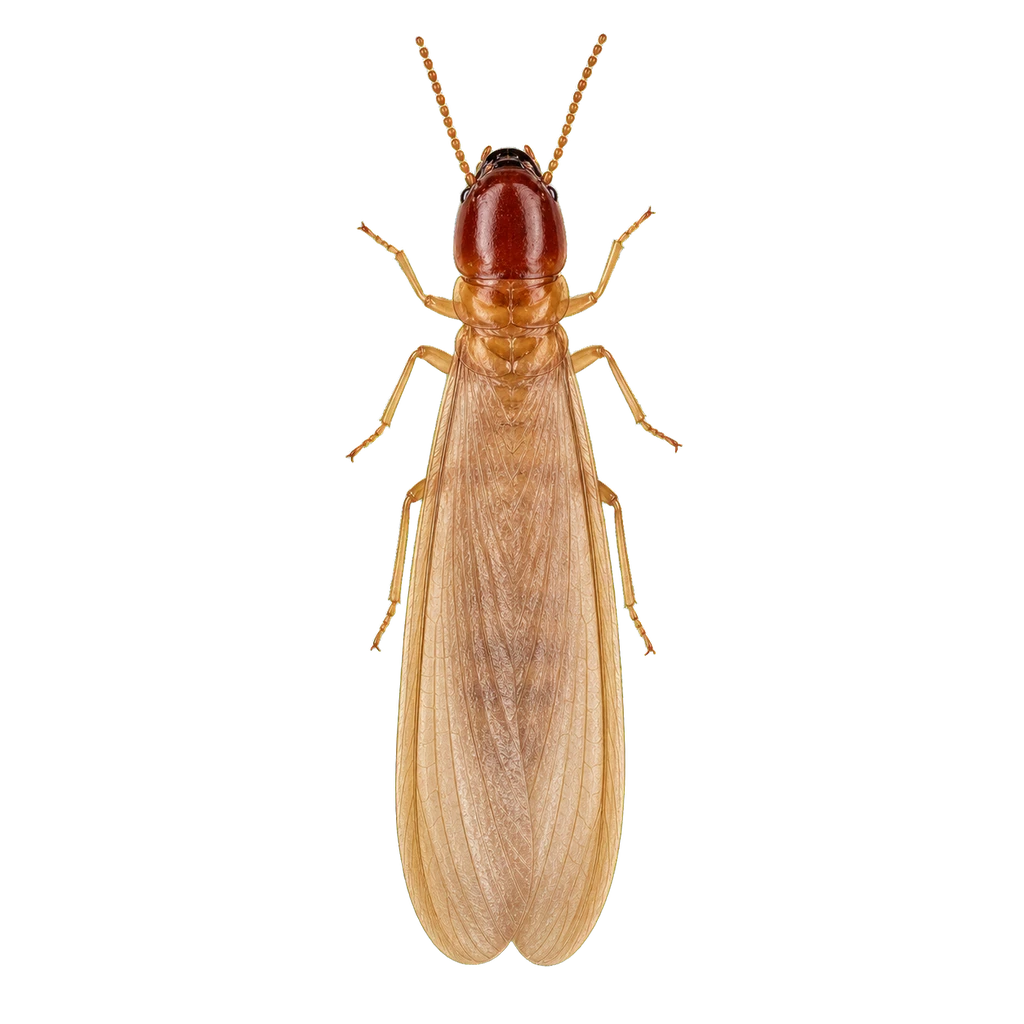
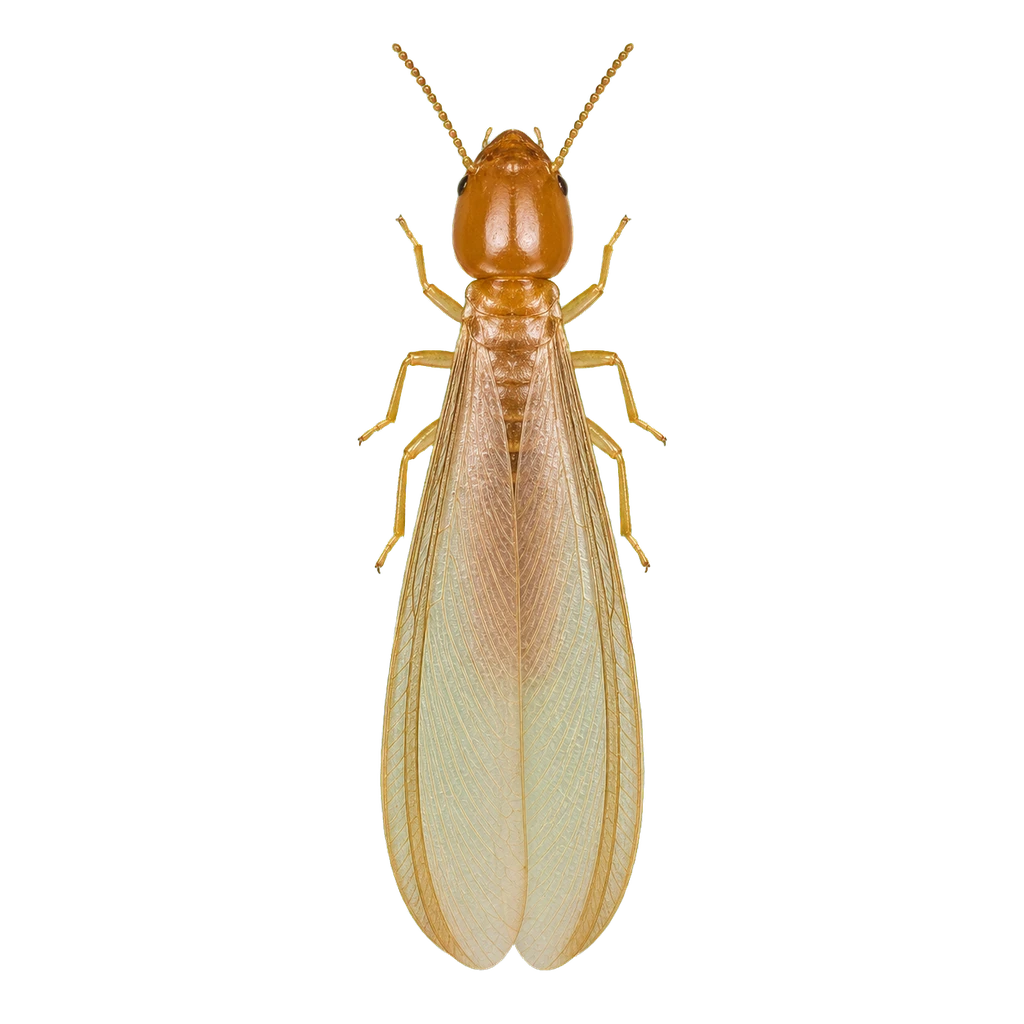
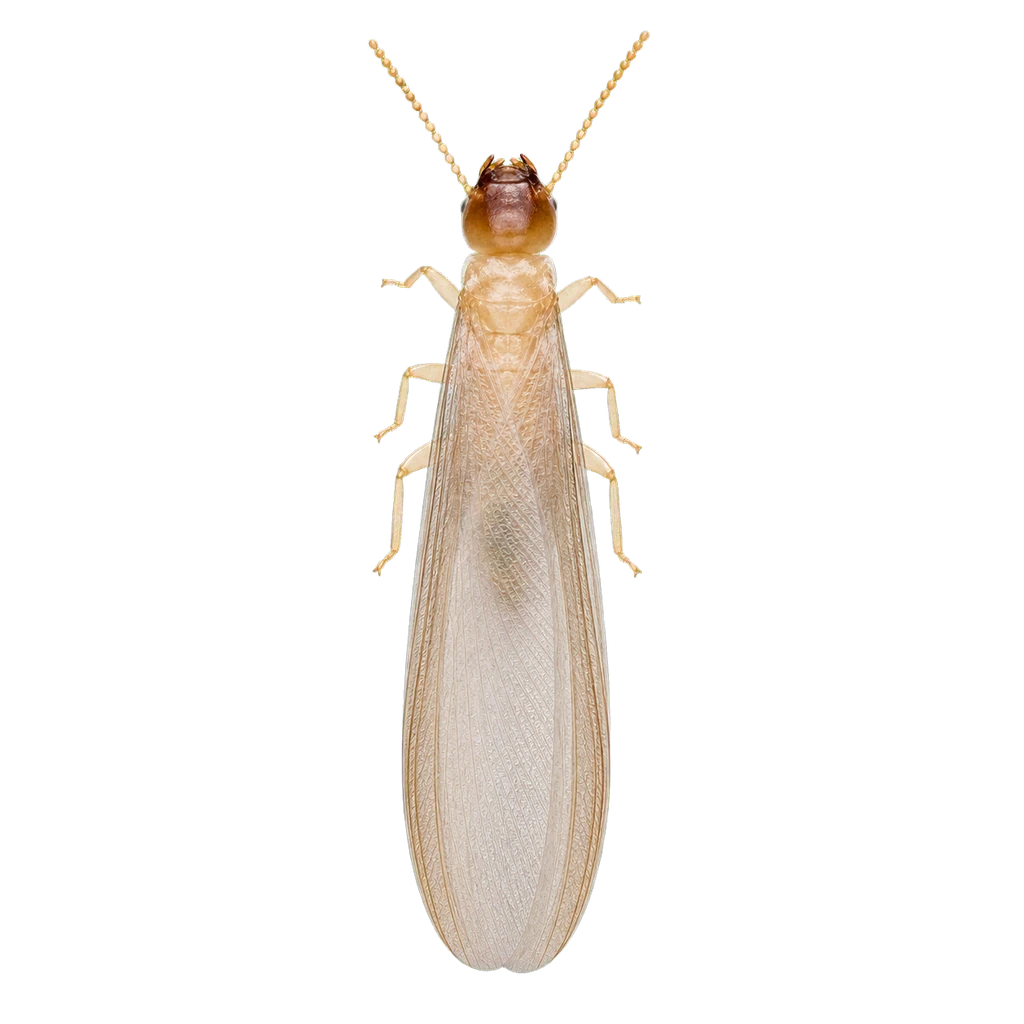
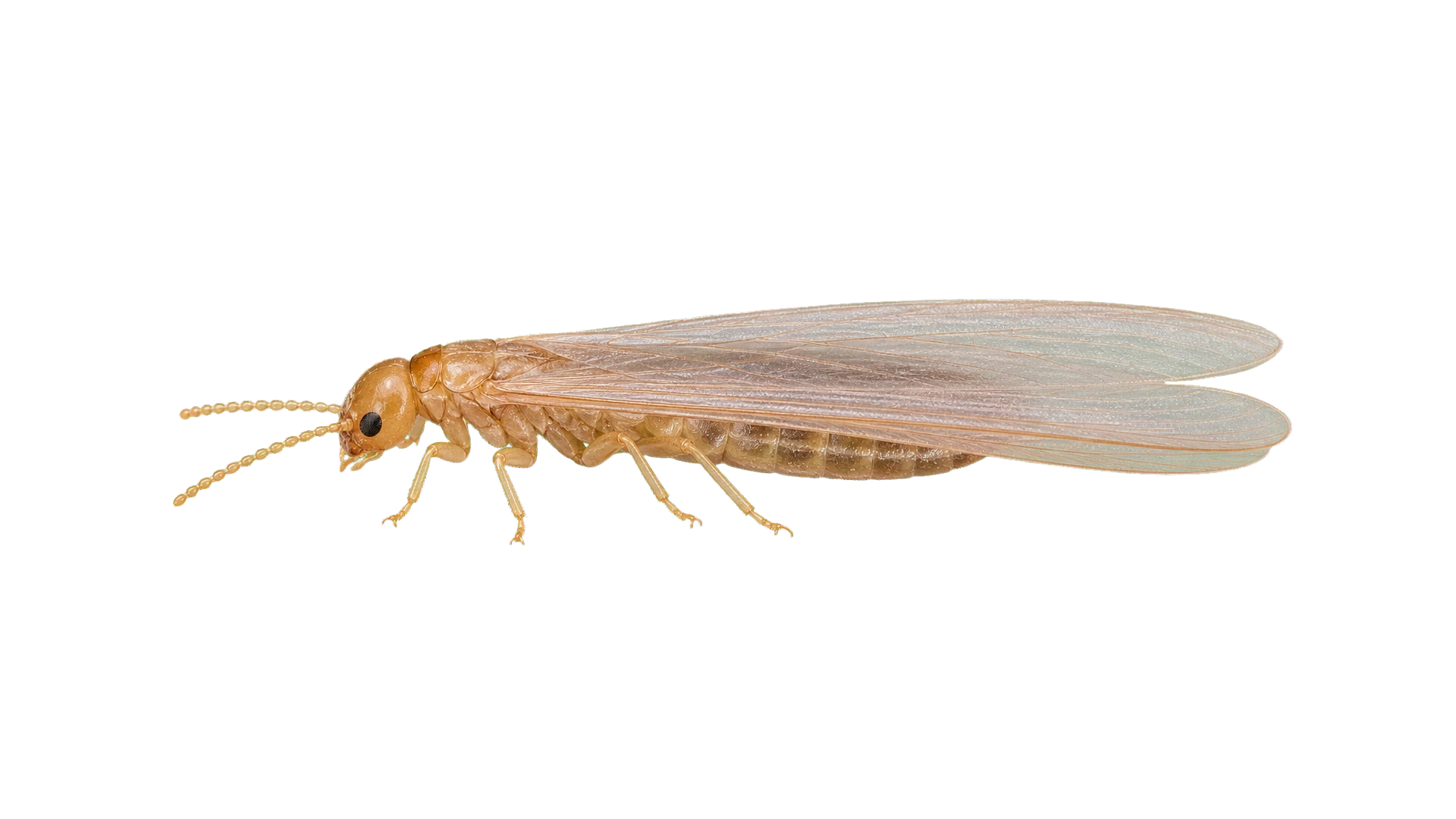
Drywood termites are the only major wood-destroying pest in the United States that lives entirely inside dry wood, with no soil contact and no need for ground moisture. Workers run 6 to 12 millimeters and are creamy white, soldiers carry large dark heads with massive mandibles, and reproductive alates are 10 to 15 millimeters with four equal-length smoky-brown wings. They infest attic rafters, roof framing, hardwood floors, window sills, antique furniture, and any wood at any height in the home. The defining evidence is a pile of six-sided, sand-like frass pellets ejected from a pinhole kickout hole in the wood above, and that single piece of evidence is the most reliable termite ID in homeowner inspection.

If you're finding small piles of hard, hexagonal pellets the size of fine grain collected on a windowsill, attic floor, hardwood floor near baseboards, or inside furniture drawers, you have drywood termites. This guide covers how to confirm the species, why no-soil-contact biology means evidence can appear anywhere in the house, what whole-structure fumigation actually involves, and why insurance treats drywood damage as preventable maintenance that the homeowner pays out of pocket.

Close-up illustration of a drywood termite alate with four equal-length smoky-brown wings, alongside hexagonal frass pellets ejected from a kickout hole

ID Card: Drywood Termite

Scientific name
Cryptotermes spp.
Color
Cream, light brown
Size
1/4 to 1/2 inch
Body shape
Straight-sided body, no ground contact needed
Antennae
Straight, bead-like segments
Key evidence
Hard six-sided fecal pellets (frass) pushed from kick-out holes in wood
Also known as
Furniture termites, Powderpost termites

Call to get matched with a local pest control pro.

Available 24/7
(888) 495-1510
  • Specialists trained on drywood biology, no soil contact, frass pellet ID, and multi-colony structures
  • Whole-structure fumigation coordination and licensed sulfuryl fluoride applicators
  • Annual WDIR inspection programs for California, Florida, Hawaii, Gulf Coast, and southern Arizona

Where to Inspect for Drywood Termite Evidence

Cross-section illustration showing drywood termite galleries inside attic rafters and wall framing, with hexagonal pellet frass ejected from kickout holes and collected on surfaces below

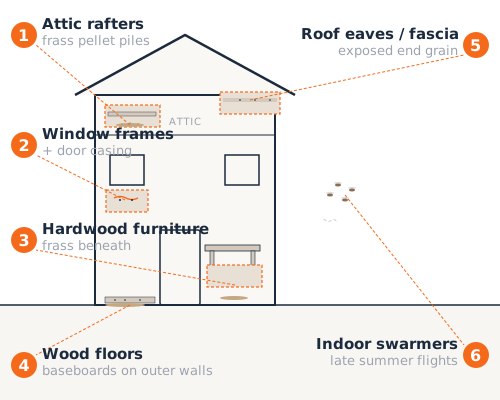
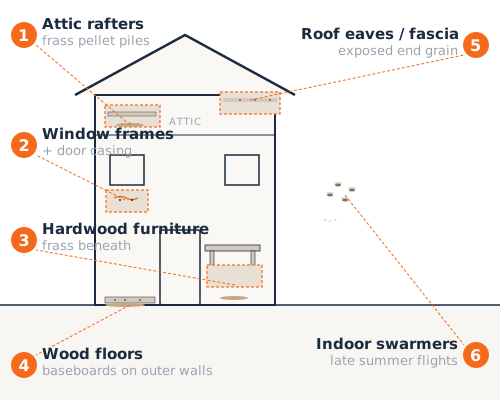
Drywood termites give themselves away by their frass pellets long before any other sign appears. The pellets are unmistakable once you know what to look for: hexagonal (six-sided), hard, dry, and granular, ranging from light tan to dark brown depending on the wood species being eaten. Each pellet is about 1 millimeter, the size of a fine grain of sand. Because drywoods do not need soil contact, evidence can show up at any height in the home, which is different from every other wood-destroying pest. Walk these zones with a flashlight and look UP at the wood directly above any pellet pile you find:

  • Attic rafters, ridge beams, and roof framing, This is the single most common location for drywood infestation in US homes. The wood is dry, accessible to swarmers entering through vents and eaves, and out of sight. Look for small piles of hexagonal pellets on top of the insulation, on the attic floor, or sitting in joist bays.
  • Hardwood floor edges and baseboard junctions, Pellets push out of kickout holes in baseboards and trim, then collect along the floor edge. A thin dark line of granular material along a baseboard is a classic discovery point, often noticed during vacuuming or mopping.
  • Wooden furniture, especially antiques and imported pieces, Drywood colonies establish inside a single piece of furniture and travel cross-country with it. Open drawers and look for small pellet piles inside, on the back of dressers, or under furniture legs. Imported pieces from California, Florida, Hawaii, and overseas are high-risk vectors.
  • Window sills, door frames, and crown molding, Pellet piles on windowsills and around door frames confirm a colony in upper-floor or elevated trim wood. Because drywoods don't need ground contact, finding evidence on a second-floor windowsill is normal, not unusual.
  • Wooden picture frames and decorative wood items, Small colonies can live inside a single thick picture frame or wooden art piece. Pellet piles on a shelf or mantel below the item are the first sign.
  • Roof eaves, exterior wood trim, and fascia boards, Look for pinhole kickout holes (1 to 2 millimeters across) in the underside of eaves and along trim. Pellet piles on porch floors, decks, or window ledges directly below confirm an active colony above.

If you find hexagonal pellet piles in two or more of these zones, you're almost certainly dealing with multiple separate colonies rather than a single infestation, because drywood swarmers fly independently and each pair founds its own colony in whatever piece of wood they reach first. A single home in endemic territory can host 10 or more separate colonies built up over decades. Drywood damage causes more than $1 billion in US repair costs every year, and homeowners insurance excludes termite damage as preventable maintenance, so the work comes out of the homeowner's pocket. Catching infestations during annual WDIR inspection, before pellet piles appear in multiple rooms, is what keeps treatment costs in the spot-treatment range instead of the full-fumigation range.

Cross-section illustration showing drywood termite galleries inside attic rafters and wall framing, with hexagonal pellet frass ejected from kickout holes and collected on surfaces below
Illustration showing drywood termite alates landing on a roof during fall swarming season, dropping wings, chewing into exposed wood, and founding multiple independent colonies throughout the structure

Why Do I Have Drywood Termites?

Spotting hexagonal pellets is step one. Understanding why drywoods chose your home, and why they probably chose it multiple times across multiple years, is what shapes the treatment decision. Drywood termites do not need soil contact, do not need a moisture source, and do not need anything from the ground. They extract every drop of water they need directly from the wood they're chewing, which means any piece of dry wood in your home is a potential colony site. That single biological fact is why drywood territory is geographic rather than property-specific.

What anchors them to your property:

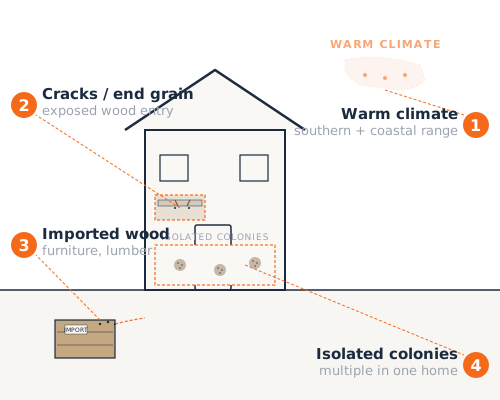
  • Geographic range, drywoods are endemic to California (Western drywood Incisitermes minor), Florida (Southeastern Incisitermes snyderi), Hawaii, the Gulf Coast states, and southern Arizona, the same alate flights happen across the region every fall and any untreated wood is a potential target
  • Wood structures with abundant attic and roof framing, drywoods prefer dry, accessible structural wood and modern homes with large attic spaces and exposed roof beams are prime habitat
  • Imported furniture and antiques from drywood territory, a single colony hidden in a hardwood dresser shipped from coastal California or international sources is the most common way drywoods reach interior states
  • Older homes with extensive wood trim, hardwood floors, and decorative wood elements, more wood surface area means more potential entry points for swarmer flights
  • Alate flight history, late summer warm humid evenings drive new colony establishment, every fall flight that lands on your roof is a new attempt to start a colony in the wood it reaches

A new drywood colony begins when paired alates land on a roof or wall, drop their four wings on the surface, walk to the nearest crack or check in the wood, and chew their way in. They seal themselves inside, mate, and lay the first eggs. The colony grows slowly: about 50 termites in the first year, a few hundred by year five, a few thousand by year ten or fifteen. Because each year's swarmer flight can found a new colony independently of any existing ones, a single home in endemic territory can host five, ten, or more separate colonies in different pieces of wood, each at a different stage of growth. This is the single most important difference from subterranean termites, where one central nest spreads through mud tubes from the soil. With drywoods, there is no central nest. Each colony is its own self-contained island inside its own piece of wood, which is exactly why whole-structure fumigation is the gold standard for established infestations.

How Serious Is Your Drywood Termite Problem?

Find your scenario below. Each row reflects how many colonies are likely present and which treatment method matches that scope.

What You're Seeing Severity If Untreated Next Step
Single pile of hexagonal pellets near a window or attic vent, no swarm history Early One localized colony continues growing inside its wood; pellet production will increase as the colony matures Confirm species (hexagonal hard pellets vs amorphous carpenter ant frass). Schedule a WDIR inspection within 30 days to determine scope.
Pellet piles in 2 or more locations, kickout holes visible in the wood Moderate Two or more colonies established; each one continues feeding inside its wood independently Schedule professional inspection this month. The inspector determines whether spot treatment is still viable or if fumigation is the better call.
Pellets in multiple rooms, alate swarm event inside the home, hollow-sounding wood in trim High Multiple colonies confirmed plus reproductive activity; spot treatment cannot reach colonies that haven't been located yet Schedule whole-structure fumigation this month. Sulfuryl fluoride is the only method that reaches every gallery in every wood element at once.
Heavy infestation throughout the structure, structural framing involvement, swarm and damage history Urgent Established multi-colony infestation with active structural damage compounding over time Call today and request fumigation coordination within weeks plus structural engineer consultation on damaged framing.
Single pile of hexagonal pellets near a window or attic vent, no swarm history
Severity Early
If Untreated One localized colony continues growing inside its wood; pellet production will increase as the colony matures
Next Step Confirm species (hexagonal hard pellets vs amorphous carpenter ant frass). Schedule a WDIR inspection within 30 days to determine scope.
Pellet piles in 2 or more locations, kickout holes visible in the wood
Severity Moderate
If Untreated Two or more colonies established; each one continues feeding inside its wood independently
Next Step Schedule professional inspection this month. The inspector determines whether spot treatment is still viable or if fumigation is the better call.
Pellets in multiple rooms, alate swarm event inside the home, hollow-sounding wood in trim
Severity High
If Untreated Multiple colonies confirmed plus reproductive activity; spot treatment cannot reach colonies that haven't been located yet
Next Step Schedule whole-structure fumigation this month. Sulfuryl fluoride is the only method that reaches every gallery in every wood element at once.
Heavy infestation throughout the structure, structural framing involvement, swarm and damage history
Severity Urgent
If Untreated Established multi-colony infestation with active structural damage compounding over time
Next Step Call today and request fumigation coordination within weeks plus structural engineer consultation on damaged framing.

Drywood damage is excluded from standard homeowners insurance as preventable maintenance. If you're between two rows, treat the higher one as your situation.

How a Drywood Termite Colony Grows

Drywood termite colonies grow far more slowly than subterranean termite colonies, but a single home in endemic territory can host many separate colonies founded by different swarmer flights over different years. The lifecycle below is why detection lags reality by 5 to 15 years and why whole-structure fumigation (which treats every colony in every piece of wood at once) is the gold standard for established infestations.

  1. Egg

    About 50 to 90 days

    After a paired pair of alates chews into a piece of wood and seals themselves inside, the queen lays small clutches of eggs deep in the founding gallery. Eggs are pale and need the warm, humid microclimate inside the wood. Drywood queens lay far fewer eggs than subterranean queens, which is why colony growth is measured in years rather than months.

  2. Larva and pseudo-worker

    Develops through several molts to working stage

    Eggs hatch into larvae that develop through several molts into pseudo-workers. Drywood pseudo-workers are nymphs that can later develop into soldiers or alates depending on colony needs. They consume the wood, dig the gallery system, and care for the queen and brood. There is no separate sterile worker caste like in subterranean termites, every working individual is potentially a future reproductive.

  3. Soldier and alate development

    Soldiers develop continuously; alates produced after the colony reaches roughly 50 to 300 individuals

    Soldiers with large dark heads and massive mandibles develop to defend the gallery entrance, especially during alate flight season. Alates (reproductive flying termites) start to be produced once the colony reaches about 50 to 300 workers, which typically happens 4 to 6 years after the colony was founded. Alate production is the colony's reproductive engine.

  4. Queen and king

    Founding pair lives 10 to 25 years inside the gallery

    The original alate pair that chewed in to start the colony becomes the queen and king, living together inside the central gallery for the colony's entire lifespan, which can stretch 10 to 25 years. Pseudo-workers care for them and the developing brood. The colony is entirely self-contained inside that one piece of wood, no soil contact, no foraging trips outside, no central nest connecting it to other colonies.

Drywood colonies grow slowly, but the math of multiple colonies in a single structure is what makes drywood infestations so persistent and so expensive. A home built 30 years ago in California or Florida may have been seeded by alate flights every fall for three decades. Some of those landings failed, but others succeeded, and the surviving colonies are at every stage of growth from year-one to year-twenty. This is exactly why fumigation (a whole-structure approach that reaches every wood element at once) is the gold standard for established infestations. Spot treatment can only address the colonies the inspector finds, and in multi-colony cases that leaves the unfound ones to keep damaging the structure.

When Drywood Termites Are Most Active

Drywood termites feed continuously inside wood year-round, but their visible activity (pellet production, alate flights) follows a strong seasonal pattern. Each quarter has its own diagnostic signal in drywood territory.

  • Spring

    Limited alate swarming in some species, especially Western drywood (Incisitermes minor) on warm spring afternoons in California. Existing colonies feed actively inside the wood and produce fresh pellets that accumulate on surfaces below. Spring is a strong inspection window because new pellet piles are easy to date and the air is still cool enough to see them clearly in attics.

  • Summer

    Feeding accelerates as temperatures rise and the inside of the wood warms up. Colonies that have been growing for years approach reproductive maturity, with alates developing inside mature colonies in preparation for fall flights. Pellet production peaks in summer in most species, and pellet piles on windowsills, attic floors, and baseboards grow noticeably between monthly inspections.

  • Fall

    Peak alate swarming season, August through November across most US drywood territory. Flights happen on warm, humid afternoons, often the day after a rain. Alates collect at windows and doors, attracted to light, and once they pair off they walk to exposed wood and chew in to found new colonies. This is when new infestations are seeded, every fall flight on your roof is a fresh attempt to start a colony in your wood.

  • Winter

    Feeding slows in unheated structures and in colder regions of drywood territory. In heated homes and in warm-winter areas (southern California, Florida, Hawaii, southern Arizona), feeding continues year-round at reduced pace. Winter is a strong inspection window because heating systems and dry indoor air make pellet piles easier to spot on hardwood floors and on furniture surfaces.

Why Drywood Termites Aren't a DIY Job

Drywood termites cause more than $1 billion in US damage every year, and homeowners insurance excludes that damage as preventable maintenance, which means the homeowner pays for treatment and structural repair out of pocket every time. The treatment choice between spot treatment and whole-structure fumigation is one of the highest-stakes decisions in residential pest control: choose wrong on a multi-colony case and the missed colonies keep damaging the structure for years while the homeowner believes the problem was solved.

Hexagonal frass pellets are the diagnostic, and they are unmistakable once you've seen them. No other pest droppings are six-sided, granular, and uniform in size. Carpenter ant frass is amorphous and contains insect parts. Subterranean termite frass doesn't exist as visible pellets (they pack it back into mud tubes). Drywood frass pellets piled below a wood surface are a confirmed drywood termite ID and there is no other reasonable explanation for that evidence.

DIY spot treatment products at hardware stores cannot reach an established colony sealed inside the gallery system. The colony is sealed inside the wood; surface treatment touches none of it. Whole-structure fumigation with sulfuryl fluoride (Vikane) is restricted-use, available only to licensed applicators with sealed-tent containment, gas monitoring equipment, and clearance protocols, the same regulatory reasons surgery requires a hospital.

Whole-structure fumigation is the gold standard treatment for established drywood infestations. The home is tarped, sulfuryl fluoride is introduced for 48 to 72 hours, and the gas reaches every gallery in every piece of wood throughout the structure. No colonies are missed. Cost runs $1,500 to $4,000+ depending on home size and complexity. Spot treatment for genuinely isolated single-colony cases runs $300 to $1,500 and carries the residual risk of unfound colonies continuing to damage the structure. Annual WDIR inspection in California, Florida, Hawaii, Gulf Coast, and southern Arizona is the maintenance schedule that catches new infestations during the silent growth years.

What Changes When a Pro Shows Up

Drywood treatment is one of the few pest jobs where the choice between methods carries thousands of dollars in difference. A specialist's first job is the inspection that determines whether you have one colony or many, then matching the right treatment to that finding. Here's what changes when a trained drywood pro shows up:

Pest control technicians after completing a drywood termite fumigation
  • Local Pest Control
  • 24/7 Availability
  • Quality Workmanship
  • Eco‑Friendly Options
  • Trusted by Homeowners
  • They Run a Full WDIR Inspection First

    Wood-Destroying Insect Report inspection covers attic rafters, eaves, roof framing, baseboards, window sills, hardwood floors, furniture, and every accessible wood element. The count of pellet sites determines whether spot treatment is feasible or whole-structure fumigation is the right call.

  • Spot Treatment for Confirmed Single-Colony Cases

    Borate solution (Bora-Care) injected directly into the gallery system, or localized heat treatment, kills the colony inside that one piece of wood. Spot treatment runs $300 to $1,500 and works when the inspection genuinely confirms one isolated infestation. The risk is colonies the inspector didn't find.

  • Whole-Structure Fumigation Is the Gold Standard

    Sulfuryl fluoride (Vikane) is the only treatment that reaches every gallery in every piece of wood throughout the home at once. The structure is tarped, fumigated for 48 to 72 hours, ventilated, and cleared. No colonies are missed because the gas penetrates every cubic foot of wood. Cost runs $1,500 to $4,000+ depending on home size.

  • Preventive Borate Treatment of Exposed Wood

    After active treatment, brushing or spraying borate solution onto exposed attic framing, eaves, and exterior trim makes that wood resistant to future swarmer establishment. The same fall flights that founded this year's colonies will fly again next year, prevention matters.

  • Local Pest Control
  • 24/7 Availability
  • Quality Workmanship
  • Eco‑Friendly Options
  • Trusted by Homeowners
NoToPests home

One call connects you with a local specialist who knows drywood termites and your area.

Be Ready When You Call

Pest control technician arriving for drywood termite inspection
Junho L.
Daisuke P.
Kirk Q.
Marion K.

Trusted by homeowners nationwide

Call for Pest Control Help (888) 495-1510

Can You Handle This or Do You Need Help?

Drywood termites are one of the strongest cases for professional treatment in residential pest control. DIY can identify the species and prepare the home for inspection, but it cannot reach a colony sealed inside finished wood, and sulfuryl fluoride fumigation is restricted-use and unavailable to homeowners.

What DIY Can Do

DIY work is best aimed at identification, documentation, and prevention of future infestation. Useful steps with honest limits:

  • Identify hexagonal pellet frass under wood surfaces and document the locations with photos
  • Find and document kickout holes (1 to 2 millimeter pinholes in the wood) above each pellet pile
  • Capture any alates that swarm indoors in a small jar with rubbing alcohol so the inspector can confirm species
  • Remove stored firewood, untreated wood debris, and exposed lumber from the attic and exterior of the home
  • What DIY cannot do: reach colonies sealed inside finished wood, perform sulfuryl fluoride fumigation, or accurately determine whether one or many colonies are present.

What a Pro Does Differently

Professional drywood termite work starts with a WDIR inspection and follows with the treatment method that matches the actual scope, executed under the licensing and equipment the work requires:

  • Full WDIR inspection of attic, eaves, framing, baseboards, hardwood floors, windows, and furniture determines spot vs fumigation accurately
  • Spot treatment via borate injection (Bora-Care) or localized heat treatment for genuinely confirmed single-colony infestations
  • Whole-structure fumigation with sulfuryl fluoride (Vikane) by a licensed applicator for multi-colony or hidden infestations, the gold standard
  • Structural damage assessment alongside treatment to identify framing that needs repair or reinforcement
  • Annual re-inspection programs catch new colonies founded by future swarmer flights during the silent growth years.

Suspect Drywood Termites? Don't Wait.

Drywood termite colonies grow silently inside wood for years before pellet piles become visible, and insurance treats the damage as preventable maintenance the homeowner pays for. Connect with a local specialist who can run a full WDIR inspection, recommend spot treatment or whole-structure fumigation honestly, and coordinate the work end-to-end.

Available 24/7
(888) 495-1510

What Homeowners Say After Getting Help

Real results from people who had the same problem and solved it.

Lindsey H.
Lindsey H.
Birmingham, AL

"Thorough inspection uncovered what we couldn't see."

We called about ants but the inspector discovered termite activity in our crawl space. They explained the difference and outlined a treatment plan that addressed both issues. Catching it early saved us from serious structural problems.

Lindsey H.
Lindsey H.
Birmingham, AL

"Thorough inspection uncovered what we couldn't see."

We called about ants but the inspector discovered termite activity in our crawl space. They explained the difference and outlined a treatment plan that addressed both issues. Catching it early saved us from serious structural problems.

Denise H.
Denise H.
Little Rock, AR

"Hidden termite activity caught and treated."

We had no idea termites were active until we noticed soft spots near a window frame. The pro inspected the whole house and found multiple areas of activity. The treatment was thorough and they explained how to monitor going forward.

Seth N.
Seth N.
Wilmington, DE

"Long-running termite colony shut down."

We discovered termite damage during a renovation. The pro explained how long the colony had likely been active and treated the entire perimeter. The inspection was thorough and the treatment gave us confidence to move forward with the project.

Steve J.
Steve J.
Jacksonville, FL

"Caught silent termite damage early."

We had no visible signs until a door frame felt soft. The inspector discovered termite activity behind the walls and treated the entire structure. They explained how Florida's humidity accelerates termite damage and what to monitor.

Greg G.
Greg G.
Atlanta, GA

"Front porch termites treated thoroughly."

We noticed mud tubes on the porch foundation during spring cleaning. The pro confirmed termite activity and treated the perimeter. They explained how Georgia's warm, humid climate makes regular monitoring important.

Terry A.
Terry A.
Honolulu, HI

"Termites under control in tropical climate."

In Hawaii, termites are everywhere. The inspector explained the difference between drywood and subterranean termites and treated our home for both. The inspection was detailed and the treatment plan made sense for our climate.

Janice W.
Janice W.
Springfield, IL

"Found hidden termite damage before it spread."

We discovered soft spots in the wall during a remodel. The inspector confirmed termite activity and treated the affected areas. They explained how Midwest humidity contributes to termite problems even in cooler states.

Enrique K.
Enrique K.
Overland Park, KS

"Basement beam termites caught early."

During a routine check, the provider found termite activity in our basement support beams. They treated the area and explained the monitoring schedule. Catching it early meant the structural damage was minimal.

Kyung U.
Kyung U.
Louisville, KY

"Foundation termites stopped at the perimeter."

We noticed mud tubes along the basement wall. The provider confirmed subterranean termites and treated the full perimeter. They explained how Kentucky's clay soil and moisture create ideal conditions for colonies.

Gerald E.
Gerald E.
Shreveport, LA

"Hidden siding termites treated and monitored."

We didn't know termites were active until paint started bubbling on an exterior wall. The provider removed some siding and found extensive activity. The treatment was comprehensive and they set up monitoring stations around the house.

Erica Q.
Erica Q.
Annapolis, MD

"Deck-area termite colony shut down."

The wood-to-ground contact around our deck had attracted termites. The provider treated the colony and explained how to prevent recurrence by adjusting the deck supports. The inspection was thorough and informative.

Clara M.
Clara M.
Jackson, MS

"They caught termite damage early enough to fix."

What looked like minor wood damage turned out to be an active termite colony. The provider treated the entire foundation and explained how Mississippi's warm climate keeps termites active year-round. We're glad we called when we did.

James T.
James T.
St. Louis, MO

"Garage framing termites treated effectively."

We found soft wood in the garage wall and the provider confirmed termite activity. They treated the structure and explained how the high humidity in St. Louis makes termite monitoring essential. The treatment was effective.

Shen Z.
Shen Z.
Trenton, NJ

"Crawl space termites stopped at the foundation."

Our crawl space inspection revealed termite tubes along the foundation walls. The provider treated the entire perimeter and installed monitoring stations. They explained the signs to watch for between visits.

Ayaan H.
Ayaan H.
Cincinnati, OH

"Renovation-found termites treated on the spot."

We opened up a wall during a kitchen remodel and found termite damage. The provider inspected the rest of the house and treated the affected areas. Catching it during the renovation actually saved us money on repairs.

Bradley M.
Bradley M.
Oklahoma City, OK

"Garage slab termites stopped at the soil."

Termites had come up through a crack in the garage slab. The provider treated the soil around and under the slab and explained how Oklahoma's clay soil holds moisture that termites need. The treatment was effective.

Ivette A.
Ivette A.
Cranston, RI

"Basement support beams treated for termites."

We discovered termite damage in the basement support beams during a moisture inspection. The inspector treated the colony and surrounding soil. They explained how Rhode Island's coastal humidity creates conditions termites thrive in.

Tamika Z.
Tamika Z.
Charleston, SC

"Termites monitored and controlled in the Lowcountry."

In Charleston, termites come with the territory. The crew set up monitoring stations and treated the active areas around our foundation. They explained why annual inspections are critical in the Lowcountry climate.

Nina V.
Nina V.
Nashville, TN

"Bathroom wall termites caught and treated."

A soft spot near the tub turned out to be termite damage. The inspector checked the rest of the house and treated the affected areas. They explained how Tennessee's humidity makes regular termite monitoring important.

Eleanor C.
Eleanor C.
Richmond, VA

"Termites stopped beneath the front steps."

Mud tubes along the foundation under our front steps revealed termite activity. The inspector treated the perimeter and explained how wood-to-soil contact around steps and porches creates an invitation for termites.

Marisela U.
Marisela U.
Charleston, WV

"Basement joist termites treated thoroughly."

We noticed soft spots in the basement ceiling joists. The inspector confirmed termite activity and treated the entire foundation area. They explained how the river valley humidity in Charleston contributes to termite pressure.

Carla E.
Carla E.
Enterprise, AL

"Termite swarm traced to its source and treated."

After a big rainstorm, we found winged termites near the windowsills. The inspector checked the entire foundation and discovered an active colony near the garage. They treated the perimeter and installed monitoring stations to catch future activity early.

Kathy F.
Kathy F.
Tucson, AZ

"They saved our porch from further termite damage."

We noticed the porch railing felt loose and discovered termite galleries inside the wood. The inspector treated the entire perimeter and replaced the worst sections. They explained how subterranean termites are especially active in southern Arizona.

Katie D.
Katie D.
Pine Bluff, AR

"Thorough inspection revealed hidden termite activity."

There were no visible signs until paint started bubbling on the wall. The inspector opened a small section and found extensive termite tunnels. They treated the entire structure and set up monitoring to catch activity before it causes visible damage again.

Becky V.
Becky V.
Broomfield, CO

"Basement termite colony caught and treated."

We found discarded wings near the basement window and the provider confirmed termite swarmers. They inspected the foundation and discovered an active colony. Treatment was quick and they set up monitoring stations around the perimeter.

Erin R.
Erin R.
Danbury, CT

"Pre-sale termites cleared in time for closing."

A pre-sale home inspection revealed termite activity near the foundation. The crew treated the affected area and cleared us for closing. They set up monitoring stations so the new owners would have ongoing protection.

Lydia F.
Lydia F.
Pensacola, FL

"Subterranean termite colony stopped beneath the house."

Mud tubes on the foundation walls revealed an active termite colony. The provider treated the entire perimeter and crawl space. They explained how Florida's sandy soil and moisture create ideal termite conditions and set up annual monitoring.

Clark E.
Clark E.
Palm Bay, FL

"Caught drywood termites before structural loss."

During a routine check we found frass piles below the attic trusses. The provider identified drywood termites and recommended fumigation for the attic space. They explained the difference between drywood and subterranean termites and why each requires a different approach.

Devi P.
Devi P.
Dalton, GA

"Garage wall termites stopped at the foundation."

We noticed mud tubes climbing the interior garage wall and called immediately. The provider confirmed an active colony and treated the entire foundation. They installed monitoring stations and explained the annual inspection schedule.

Amber L.
Amber L.
Pearl City, HI

"Wall cavity termite colony located and treated."

Hundreds of winged termites emerged from the bathroom vent fan one evening. The provider identified a colony in the wall cavity and treated the entire perimeter. They explained how Hawaii's tropical climate keeps termite pressure constant year-round.

Jamal M.
Jamal M.
Lahaina, HI

"Drywood termites caught at the window frames."

We noticed small pellets falling from the window frame and the provider identified drywood termite frass. They treated the affected frames and inspected the rest of the house. Early detection saved us from more extensive damage.

Jason U.
Jason U.
Lewiston, ID

"Remodel-found termites treated mid-project."

The drywall guy yelled for me to come look. Galleries running through two studs behind where the bathroom vanity used to sit. Honestly I almost panicked. The inspector got there same afternoon, treated the wood and the slab edge, and walked the rest of the house to be sure nothing else was active. Glad it surfaced while everything was open.

Keith V.
Keith V.
Waukegan, IL

"Fence line treated and house protected from termites."

The wooden fence posts were crumbling from termite damage. The provider treated the soil along the entire fence line and recommended replacing damaged posts with termite-resistant material. The treatment prevented spread to the house.

Gavin S.
Gavin S.
Evansville, IN

"Sale-inspection termites cleared before closing."

The buyer's inspection found termite activity near the garage. The provider treated the perimeter and cleared the issue before closing. They set up monitoring stations that transferred to the new owners.

Patrick G.
Patrick G.
Ames, IA

"Water heater leak and termites both addressed."

A leak near the water heater created the moisture termites love. The provider treated the area and recommended fixing the leak immediately. Once the moisture was gone and the treatment was in place, the termites didn't return.

Armando M.
Armando M.
Leavenworth, KS

"Porch termite colony caught and treated early."

We found piles of discarded wings on the front porch and the provider confirmed termite activity. They treated the foundation and set up monitoring stations. Early treatment prevented any visible structural damage.

Sydney R.
Sydney R.
Lafayette, LA

"Formosan termites stopped before more damage."

We discovered Formosan termite damage in the attic framing. The provider explained how aggressive this species is in Louisiana and treated the entire structure. Monitoring stations around the perimeter catch any new activity early.

Pablo G.
Pablo G.
Bath, ME

"Sill plate termites treated mid-renovation."

During a renovation, the contractor found termite damage in the sill plate. The provider treated the foundation perimeter and the damaged wood was replaced. Catching it during construction allowed thorough treatment before the walls were closed up.

Hiroshi W.
Hiroshi W.
Towson, MD

"Window trim termites stopped at the source."

The window trim on the ground floor was bubbling and we found termite galleries inside. The provider treated the foundation and replaced the damaged trim. Monitoring stations now give early warning of any new activity.

Latasha O.
Latasha O.
Brockton, MA

"Renovation-stage termites caught and treated."

Opening up the kitchen wall revealed termite damage in the studs. The provider treated the exposed framing and the perimeter before the contractor closed it back up. Early treatment during renovation prevented further spread.

Common Questions About Drywood Termites

Direct answers to what homeowners ask most about pellet identification, spot treatment versus fumigation, and what fumigation actually involves.

  • How can I tell if I have drywood termites versus subterranean termites? Toggle answer for: How can I tell if I have drywood termites versus subterranean termites?

    The most reliable way to distinguish drywood from subterranean termites is by their frass (droppings): drywood termites produce distinctive hard, six-sided, sand-grain-sized pellets that accumulate in small piles below infested wood, oftenon windowsills, under furniture, or in attic insulation beneath roof timbers. Subterranean termites, by contrast, use their frass as construction material in their mud tubes and galleries, so you never see free pellets. Drywood termites also do not require soil contact or build mud shelter tubes, and theylive entirely within the wood they infest, entering through cracks, joints, and exposed end grain above ground level. Finding tiny kickout holes (about 1 mm diameter) with piles of hexagonal pellets beneath them confirms drywood termite activity.

  • Where do drywood termites typically infest in a home? Toggle answer for: Where do drywood termites typically infest in a home?

    Drywood termites infest exposed wood above ground level, with no need for soil contact or moisture beyond what the wood itself contains. Common infestation sites include roof framing and eave areas, window and door frames, wooden furniture (especially antiques and imported pieces), hardwood flooring, wooden picture frames, and attic structural members. They frequently enter homes through infested furniture or as flying alates (swarmers) that land on and penetrate exposed wood. Colonies are small (typically a few thousand individuals) and develop slowly, so multiple independent colonies can exist in different parts of a single structure. Their presence is primarily a concern in coastal and southern states from California through the Southeast.


  • Why do termites keep coming back after treatment? Toggle answer for: Why do termites keep coming back after treatment?

    Termite colonies can contain hundreds of thousands of individuals spread across multiple satellite colonies. If treatment only targets one colony or one entry point, other colonies continue feeding. Additionally, subterranean termites build new mud tubes to bypass treated soil. Comprehensive treatment requires addressing all colony access points and monitoring for new activity over time.

  • How much damage can termites really do? Toggle answer for: How much damage can termites really do?

    Termites cause more structural damage to U.S. Homes each year than fires, floods, and storms combined. They eat wood from the inside out, so damage can be extensive before you see any visible signs. Floor joists, wall studs, roof decking, and support beams are all targets. By the time you notice sagging floors or hollow-sounding walls, the damage may already require significant repairs.

  • How quickly can a provider get to my home? Toggle answer for: How quickly can a provider get to my home?

    Most providers in our network can schedule an inspection within 24-48 hours. For urgent situations, likeactive structural damage or large colonies, same-week emergency service is often available. Response times depend on your location and the provider's current schedule.

  • What happens during the first visit? Toggle answer for: What happens during the first visit?

    Your provider inspects the property to identify the pest, locate nesting or entry points, and assess the scope of the problem. You get a clear explanation of what they found, what they recommend, and a written scope before any work begins.

  • Is treatment safe for kids and pets? Toggle answer for: Is treatment safe for kids and pets?

    Modern pest control products are designed to break down quickly after application and pose minimal risk to people and pets when applied correctly. Most providers ask you to keep kids and pets out of treated areas for 1 to 2 hours while the product dries, after which the area is generally safe again. Always confirm specific re-entry times with your provider, and let them know about pet birds, fish, or reptiles, since some treatments require extra precautions for those species.

Pest Control Pros serving the city of the state of your city and nearby areas

Local providers experienced with drywood-specific WDIR inspection, borate spot treatment, and sulfuryl fluoride fumigation coordination are ready to inspect, quote, and warranty the work, no obligation.

Available 24/7
(888) 495-1510