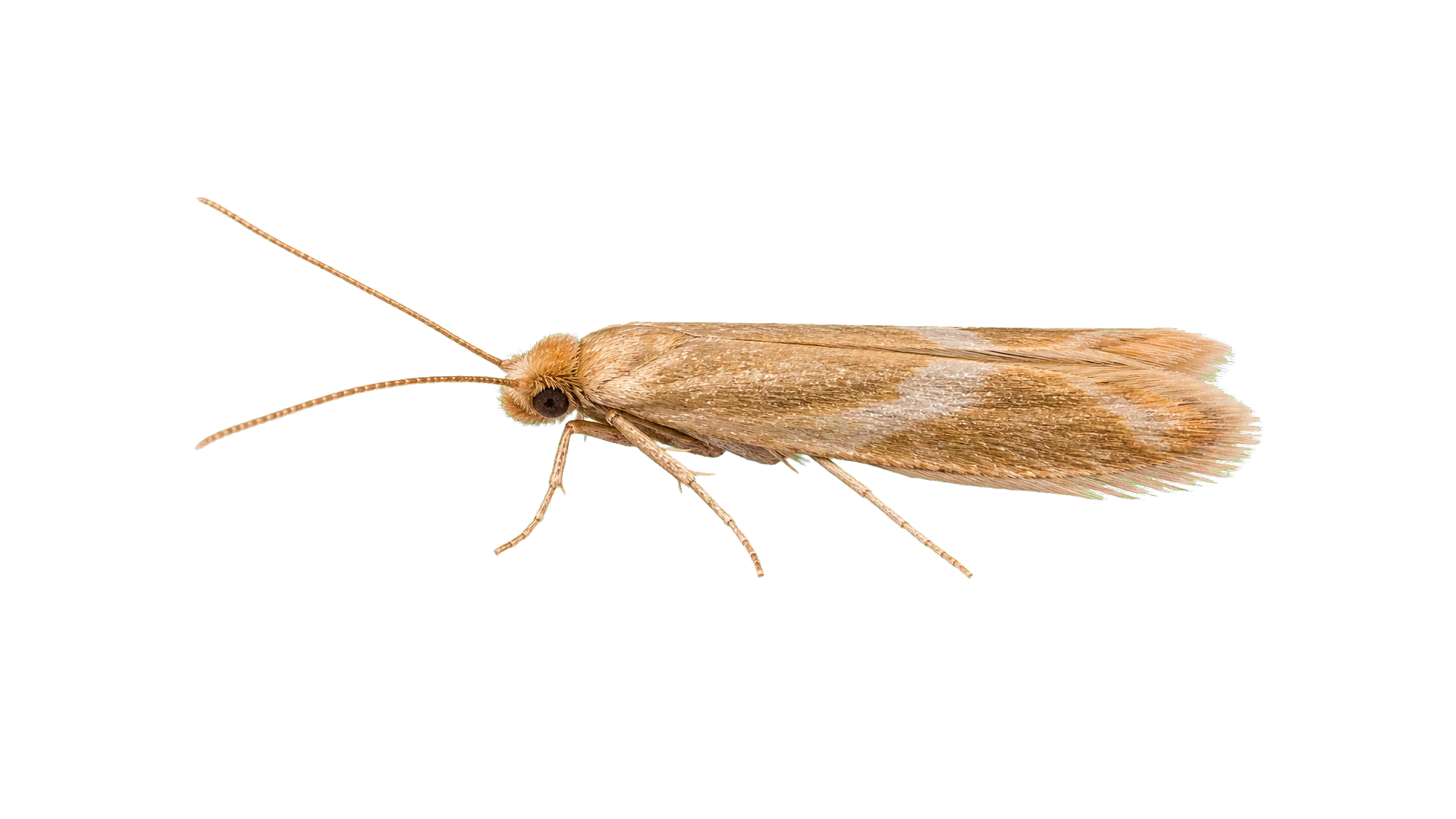
Why Do I Have Clothes Moths?
Finding the holes is step one. Understanding what is keeping the larvae fed inside your closets is what stops the next generation. Clothes moths do not pick homes the way ants or roaches do. The larvae need three things: protein fibers like wool or silk, a dark undisturbed location, and ideally some surface soiling for extra nutrition. Homes that store wool, fur, or feather items for months or years without disturbance are the ones that build infestations.
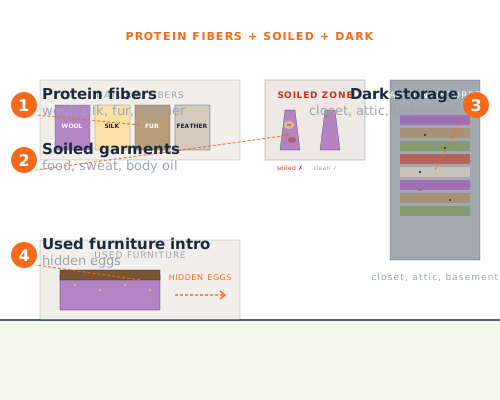
What anchors them to your home:
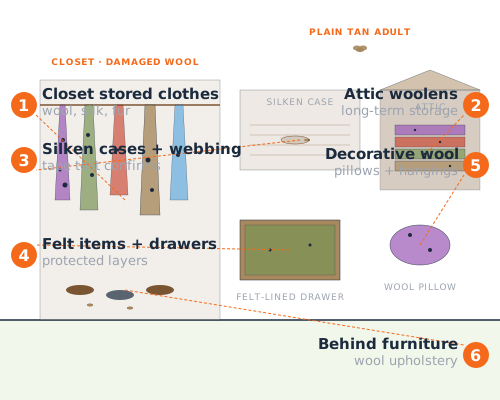
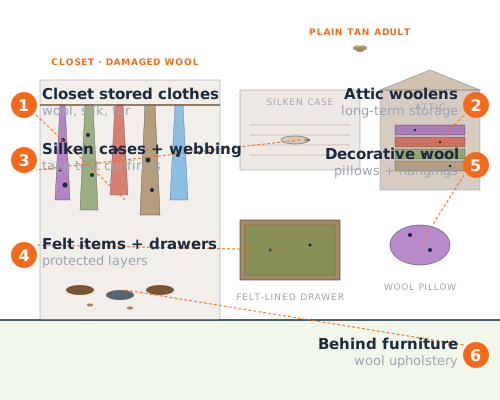
- Wool, silk, fur, feathers, and leather in long-term storage, the larvae digest keratin and other animal proteins, this is the only food source they need
- Soiled garments stored without laundering, sweat, food stains, and body oils are concentrated nutrients, larvae always head to soiled wool before clean wool
- Dark undisturbed closets, attics, and basement storage, larvae avoid light and movement, the seldom-opened guest closet or attic blanket box is where infestations always start
- Used items brought in from outside, vintage wool clothing, antique rugs, secondhand furs, and inherited textiles can carry eggs or larvae that establish new populations indoors
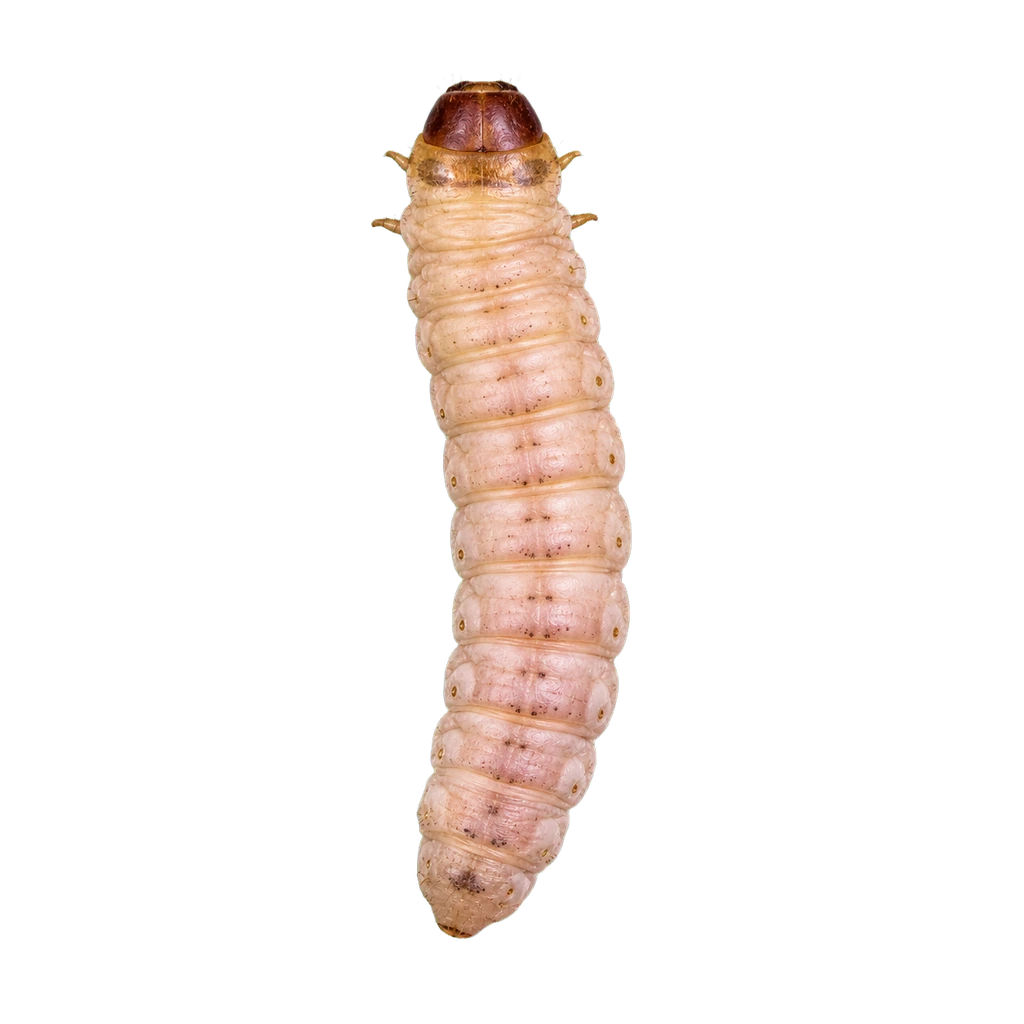
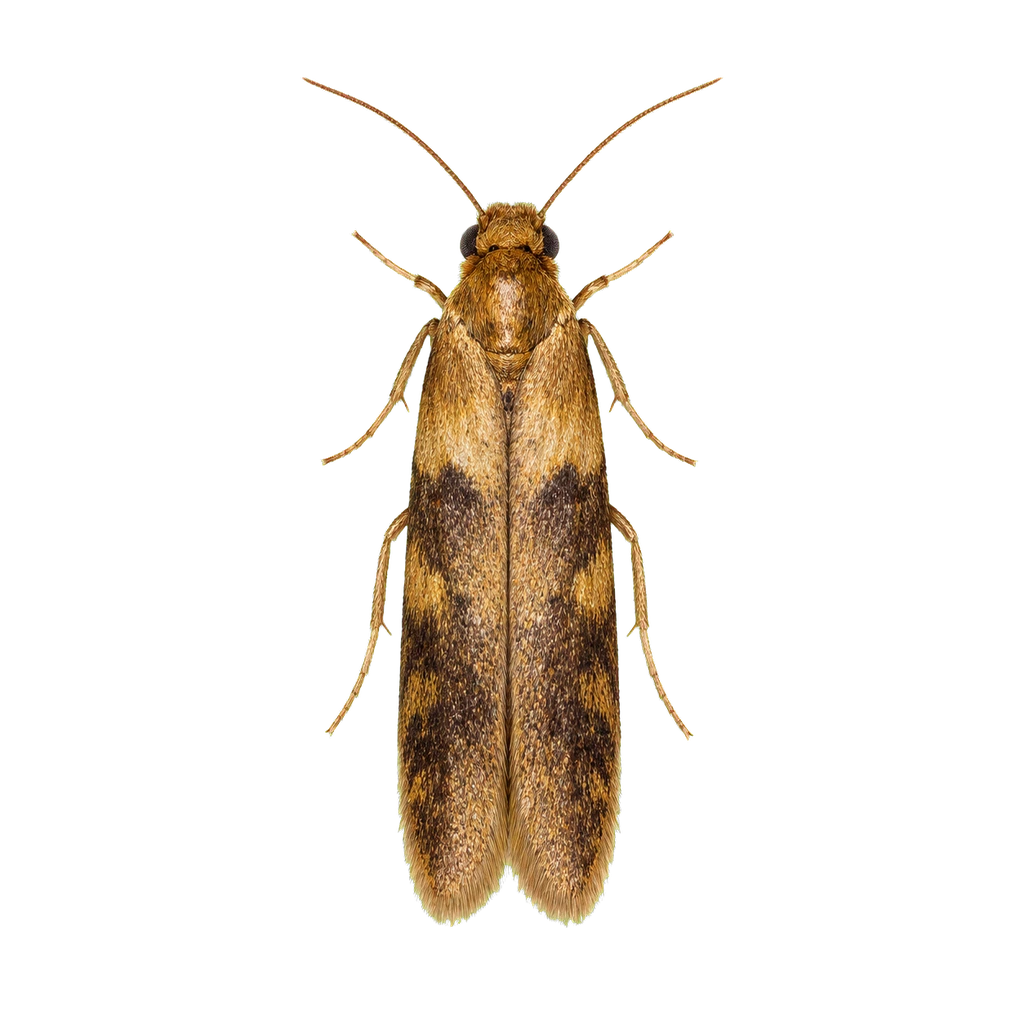
A new infestation usually starts when a single mated female finds an unwashed wool sweater or a vintage rug in a dark closet. She lays 40 to 50 eggs directly on the fibers. Eggs hatch in one to two weeks, and the larvae feed for five to eight weeks before pupating. In a heated home, three or four overlapping generations run every year, so by the time you spot the first hole, eggs and larvae are likely scattered across multiple items in the same closet. Unlike carpet beetles, which spread throughout the home, clothes moth infestations concentrate in specific storage zones, that focus is both their weakness and the reason they go undetected for so long.