Local pest control help is one call away.

King Snake: Identification, Treatment & Prevention

King snakes (genus Lampropeltis) are three- to six-foot non-venomous constrictors with smooth, glossy scales and bold banded patterns that vary by species. They eat rattlesnakes, copperheads, and cottonmouths, they are immune to pit viper venom, and they keep rodent and reptile populations down. From a property-health standpoint, a king snake is one of the most useful animals you can have on your land. Killing one almost always trades a harmless predator for an increase in venomous snakes a season or two later.

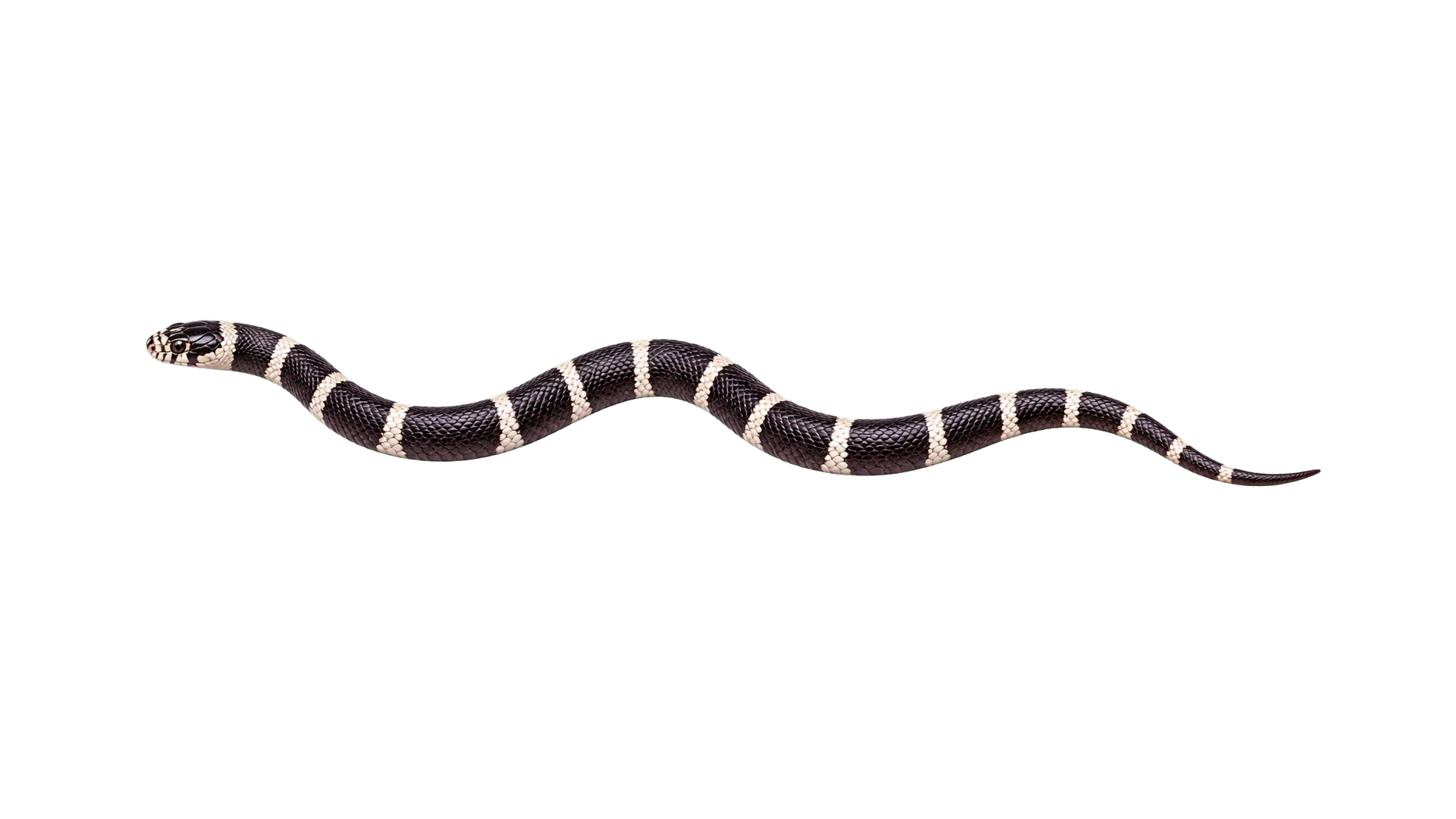
If you're finding a shiny banded snake in a garden bed, woodpile, or along a stone wall, the most common species are the Eastern king (black with chain-link yellow bands), California king (black with wide white or yellow bands or stripes), speckled king (black with one cream dot per scale), and scarlet king (red, yellow, and black bands that mimic the venomous coral snake). This guide covers how to confirm the species, how to separate scarlet kings from coral snakes safely, why most sightings warrant coexistence rather than removal, and when professional relocation actually makes sense.

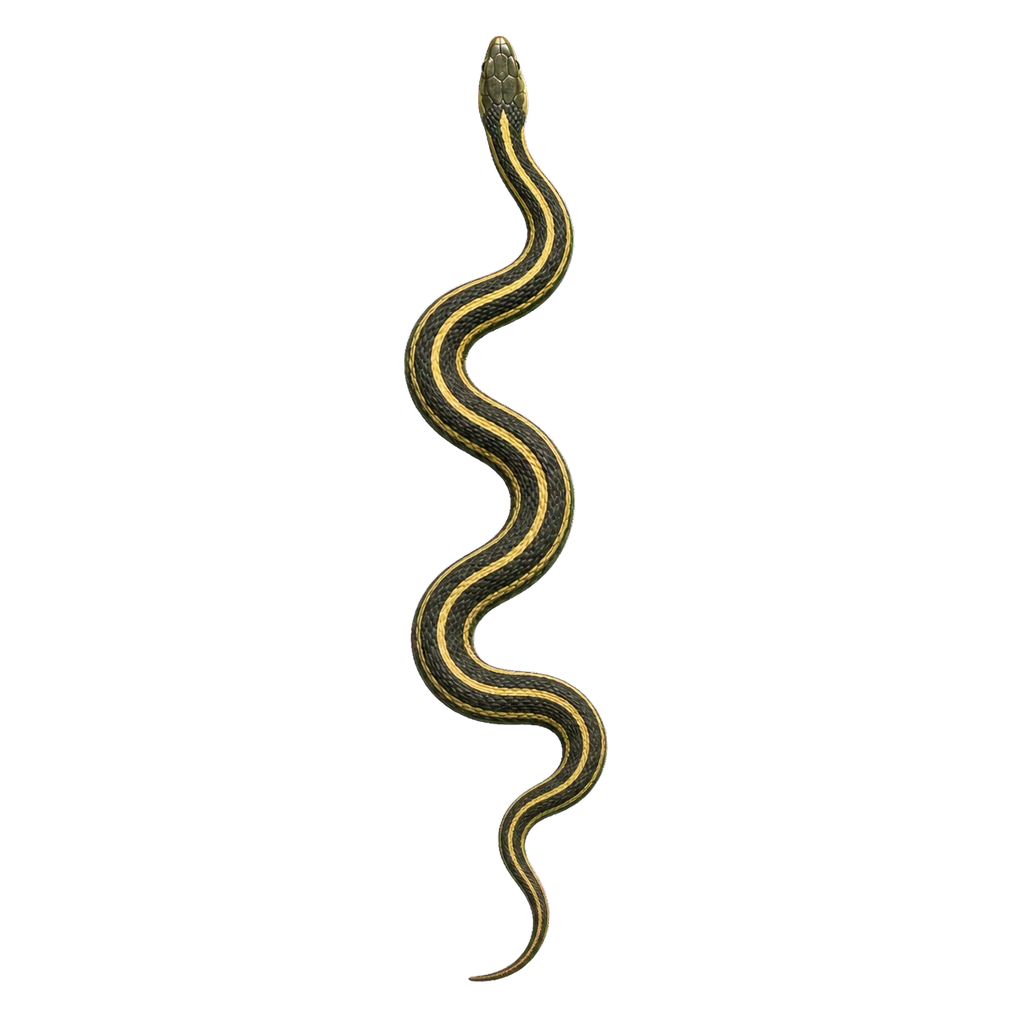
Close-up illustration of a king snake showing smooth glossy scales and characteristic banded pattern

ID Card: King Snake

Scientific name
Lampropeltis spp.
Color
Black, white or yellow bands
Size
36 to 60 inches
Body shape
Muscular, smooth-scaled body with distinctive banding
Key evidence
Black and white banded snake, often near outbuildings or rock walls
Also known as
Kingsnake, Chain snake

Related Species

Call to get matched with a local pest control pro.

Available 24/7
(888) 495-1510
  • Specialists trained in non-venomous and venomous snake identification
  • Safe capture and relocation when intervention is warranted
  • Habitat assessment that addresses the rodent base drawing snakes in

Where to Look for King Snake Activity

Cross-section illustration showing king snake habitat zones around foundations, woodpiles, rock walls, and outbuildings

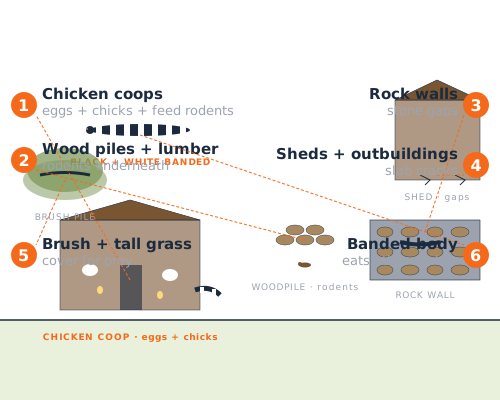
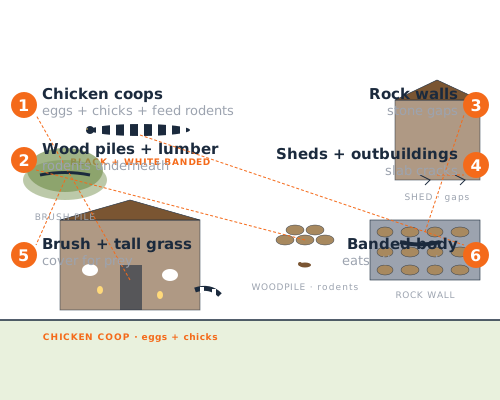
King snakes are semi-fossorial, meaning they spend a lot of time hidden under cover. They follow rodent runs and reptile concentrations rather than wandering randomly, so a sighting tells you where the prey base is. Walk these zones with a flashlight and a stick to lift cover from a safe distance:

  • Garden beds and mulched ornamentals, Deep mulch holds moisture and harbors lizards, voles, and smaller snakes, this is the single most common encounter zone for homeowners.
  • Stone walls, retaining walls, and landscape rocks, Gaps between stones offer cool daytime cover, basking spots on warm rocks, and direct access to rodent nests.
  • Wood piles, brush piles, and fallen logs, Aging stacks resting on dirt create the exact conditions king snakes seek out, dark, dry shelter with prey moving through.
  • Under sheds, decks, and raised structures, Crawl gaps and ventilation openings let king snakes work the rodent population sheltering underneath, often without ever surfacing.
  • Chicken coops and outbuildings, Eggs draw king snakes directly, and the rodent traffic around spilled feed keeps them returning. Coop floor gaps wider than half an inch are typical entry points.
  • Lawn-to-woodland edges, The transition zone between mowed grass and trees or fields concentrates rodents, lizards, and other snakes, where most yard encounters happen.

A king snake in any of these zones is a sign the property has a working food chain underneath. The snake itself is non-venomous and largely beneficial. The more useful question is what rodent or reptile population is keeping it interested, because that's the same prey base that draws venomous snakes when king snakes aren't present.

Cross-section illustration showing king snake habitat zones around foundations, woodpiles, rock walls, and outbuildings
Illustration showing king snake habitat zones around foundations, mulched beds, stone walls, and outbuilding access points

Why Do I Have King Snakes?

Almost every state in the lower 48 has at least one resident king snake species, so range alone explains the possibility. What pulls one onto a specific property is the combination of prey and cover. King snakes follow rodents, lizards, and other snakes, and they stay where they find dry shelter close to that food. Once a property meets both conditions, the same snake (or its offspring) tends to return year after year.

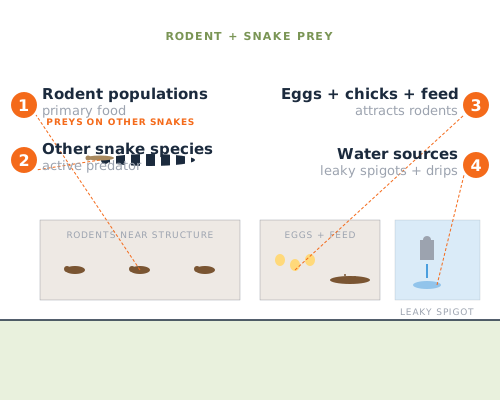
What anchors king snakes to your property:

  • Rodent populations, the most important draw, sheds, woodpiles, bird-feeder spill zones, and compost areas all sustain mice and voles that king snakes hunt year-round
  • Other snake species on or near the property, king snakes actively prey on rattlesnakes, copperheads, cottonmouths, and smaller non-venomous snakes, a snake-rich yard becomes a king snake yard
  • Cover that holds humidity, mulched garden beds, stone walls, brush piles, and decking with crawl space underneath all give king snakes the dark hiding spots they need during heat
  • Chicken coops, rabbit hutches, and small livestock, eggs, chicks, and the rodent traffic around feed are a triple draw, coops are one of the most common high-frequency sighting locations
  • Woodland and field edges, properties bordered by trees, hedgerows, or unmowed fields receive the highest snake pressure of any habitat type, king snakes follow that edge to hunt

Here's the part most homeowners don't expect: a yard that supports king snakes is a yard where venomous snakes have a harder time settling in. King snakes are immune to pit viper venom and actively hunt rattlesnakes, copperheads, and cottonmouths. Removing or killing the king snake doesn't make the property safer. It just opens space for whatever species the king snake was keeping out.

How Serious Is Your King Snake Sighting?

Find your scenario below. Most king snake sightings call for confirmation and coexistence, not removal, the rows below reflect that.

What You're Seeing Severity If Left Alone Next Step
Single king snake spotted in garden, mulch, or yard, no concern Early Beneficial presence, reduces rodent and venomous snake pressure on the property. Confirm ID (banded smooth-scaled snake, round head, no rattle). Leave undisturbed. Educate the household.
Multiple sightings or snake found in garage, under deck, household concerned Moderate Snake will continue to use the property as long as cover and rodents are available. Schedule a professional ID confirmation and relocation if the household wants it. Discuss the ecological tradeoff of removal.
King snake inside living space or actively raiding a chicken coop High Egg and chick predation will continue, indoor presence indicates an active entry point. Schedule same-week professional relocation. Seal coop access points and address the rodent population pulling snakes in.
Snake suspected to be venomous, household panicked, possible coral-snake confusion Urgent Consultation urgency, not danger, scarlet king snakes are often killed in error because the banding looks similar to coral snakes. Call today for same-day photo-based ID. If venomous look-alike is confirmed, request safe relocation rather than killing.
Single king snake spotted in garden, mulch, or yard, no concern
Severity Early
If Left Alone Beneficial presence, reduces rodent and venomous snake pressure on the property.
Next Step Confirm ID (banded smooth-scaled snake, round head, no rattle). Leave undisturbed. Educate the household.
Multiple sightings or snake found in garage, under deck, household concerned
Severity Moderate
If Left Alone Snake will continue to use the property as long as cover and rodents are available.
Next Step Schedule a professional ID confirmation and relocation if the household wants it. Discuss the ecological tradeoff of removal.
King snake inside living space or actively raiding a chicken coop
Severity High
If Left Alone Egg and chick predation will continue, indoor presence indicates an active entry point.
Next Step Schedule same-week professional relocation. Seal coop access points and address the rodent population pulling snakes in.
Snake suspected to be venomous, household panicked, possible coral-snake confusion
Severity Urgent
If Left Alone Consultation urgency, not danger, scarlet king snakes are often killed in error because the banding looks similar to coral snakes.
Next Step Call today for same-day photo-based ID. If venomous look-alike is confirmed, request safe relocation rather than killing.

King snake severity ratings reflect household risk, not snake danger, the snake itself is non-venomous. If you're between rows, treat the higher one as your situation.

How King Snakes Develop

King snakes are egg-laying snakes with slow growth, long lifespans, and strong site fidelity. Once a snake settles into good habitat, the same individual can return for 15 to 25 years, and its offspring tend to occupy the same range. The stages below explain why a single relocation rarely changes the long-term picture if the habitat stays the same.

  1. Egg

    Laid June to July, hatch in 60 to 80 days

    Females lay 5 to 25 eggs in a protected cavity, a rotting log, a mulch pile, a rodent burrow, or under a flat rock. The female does not guard the eggs after laying. Hatchling success depends on temperature and humidity inside the chamber.

  2. Hatchling

    Emerge August to September, 20 to 30 cm long

    Tiny king snakes emerge fully banded and capable hunters from day one. They eat small lizards, baby mice, and other young snakes. Most hatchlings don't survive their first year, predation from birds, raccoons, and larger snakes is heavy.

  3. Sub-adult

    2 to 3 years to full size

    Growth slows after the first year. Diet expands to include adult mice, small rats, and other snakes. Young king snakes start showing the venom-immune predatory behavior that defines the genus, taking on pit vipers larger than themselves by year three.

  4. Adult

    Sexually mature 3 to 4 years, live 15 to 25 years in the wild

    Adults defend a home range that often overlaps with the property where they hatched. Females breed annually after maturity, producing one clutch of eggs per year. Long lifespan and steady reproduction mean a single resident king snake can keep a property's venomous snake population low for two decades.

King snake populations are one of the better visible indicators of property ecological health. Abundance correlates with reduced rattlesnake and copperhead pressure, and loss of king snakes correlates with venomous snake increases within a few seasons. The standard professional recommendation is coexistence when possible, relocation only when a specific risk (indoor presence, coop predation, family medical concern) warrants moving the animal.

When King Snakes Are Most Active

King snakes follow a sharp seasonal calendar in most US climates, with peak surface activity from spring through fall and brumation (reptile dormancy) through the coldest months. Knowing the quarterly pattern tells you when sightings are likely and when treatment, if needed, will land best.

  • Spring

    Adults emerge from winter shelter as soil temperatures climb. Mating peaks April through May, the most visible activity period of the year as males travel widely searching for females. Egg-laying follows in June and July. This is when most homeowners first notice the resident snake on the property.

  • Summer

    Peak surface activity continues, but daytime heat pushes most hunting to dawn, dusk, and night. Eggs incubate in protected chambers. King snakes ambush rodents and other snakes along established travel routes, often near rock walls and woodpiles. Indoor encounters spike in air-conditioned structures during heat waves.

  • Fall

    Hatchlings emerge August through September, doubling the number of king snakes visible on the property for a few weeks. Adults feed aggressively pre-winter to build fat reserves. Cooler temperatures push activity back into daylight hours, increasing daytime sightings.

  • Winter

    Adults brumate in burrows, rock crevices, and foundation voids. In northern climates surface activity stops entirely. In southern range (Gulf states, Florida, southern California) warm-day surface activity continues year-round, especially during winter rain events that bring rodents to the surface.

Why King Snakes Rarely Need Treatment

King snakes are one of the few backyard animals where the correct professional answer is almost always to leave the snake where you found it. They're non-venomous, they actively hunt and kill rattlesnakes and copperheads, and they reduce the rodent population that draws every other snake species in. A property with a resident king snake has measurably less venomous snake pressure than the same property without one.

The classic mnemonic for telling US king snakes from coral snakes is, "Red touch yellow, kill a fellow. Red touch black, friend of Jack." On scarlet king snakes (non-venomous), red bands touch black bands. On coral snakes (venomous), red bands touch yellow bands. The rule works for native US coral snakes but breaks for Central and South American species, so when in doubt, call a professional for a photo ID instead of acting on the rhyme alone.

Most of what looks like a king snake problem is actually a king snake misidentified, or a household uncomfortable with snake sightings. Professional intervention in those cases is education and confirmation, not removal. When intervention is warranted (snake inside the house, snake actively predating a coop, scared family member with a medical reason to be away from the animal), a specialist relocates the snake safely and addresses the rodent base that drew it in.

The expensive mistake is treating a king snake the way you'd treat a rattlesnake. Killing a king snake takes one of the few natural pressures off venomous snakes in your area, and the rebound effect is measurable in a few seasons. If a snake has to go, relocation is almost always the right call instead.

What Changes When a Pro Shows Up

King snake work is identification work first, removal second. A specialist's job is to confirm the species, decide whether intervention helps or hurts the property, and handle relocation safely when it's warranted. Here's what changes:

Pest control technicians after completing a king snake relocation
  • Local Pest Control
  • 24/7 Availability
  • Quality Workmanship
  • Eco‑Friendly Options
  • Trusted by Homeowners
  • They Confirm the Species Before Anything Else

    King snake versus coral snake, rat snake, milk snake, or copperhead. Misidentification drives most unnecessary snake killings, and scarlet king snakes are the most commonly mistaken species in the southern US. A pro confirms by banding order, scale texture, and head shape before any action is taken.

  • They Recommend Coexistence When It's the Right Call

    Most king snake sightings don't warrant removal. A specialist will walk the property and explain why leaving the snake undisturbed lowers rattlesnake and copperhead pressure, fewer venomous snakes settle in where a king snake is established.

  • They Relocate Safely When Intervention Is Warranted

    Snake hooks, capture tubes, and ventilated transport containers handle the snake without injuring it. Relocation distances of one mile or more into suitable habitat keep the snake from returning while preserving its ecological role elsewhere.

  • They Address the Prey Base

    Rodents drew the king snake in, and they'll draw the next snake in too. Rodent assessment, coop reinforcement, and habitat tightening reduce the chance any snake (king or otherwise) finds the property attractive in the first place.

  • Local Pest Control
  • 24/7 Availability
  • Quality Workmanship
  • Eco‑Friendly Options
  • Trusted by Homeowners
NoToPests home

One call connects you with a local specialist who knows king snakes and your area.

Be Ready When You Call

Pest control technician arriving for king snake identification and relocation
Junho L.
Daisuke P.
Kirk Q.
Marion K.

Trusted by homeowners nationwide

Call for Pest Control Help (888) 495-1510

Can You Handle This or Do You Need Help?

King snakes are one of the few backyard animals where the right answer is almost always coexistence. The DIY question isn't usually about removal, it's about confident identification and habitat decisions.

What DIY Can Do

DIY work for king snakes is mostly about ID accuracy and habitat decisions, not removal:

  • Learn the banded-smooth-scaled-round-head profile so you can confirm a king snake without handling it
  • Memorize "red touch yellow, kill a fellow, red touch black, friend of Jack" for scarlet king versus coral snake in the US
  • Reinforce chicken coop floors and walls with quarter-inch hardware cloth to prevent egg theft
  • Reduce rodent harborage so the prey base shrinks, fewer rodents means fewer snakes of every kind
  • What DIY cannot safely do: capture or handle a large snake inside a structure, identify an ambiguous specimen with certainty, or relocate a snake in a way that survives the move.

What a Pro Does Differently

Professional king snake work is built around confident ID, ecological judgment, and safe handling. Here's what changes:

  • Species verification with confidence, including the scarlet king versus coral snake separation that drives most ID errors
  • Honest recommendation on whether intervention helps or hurts the property, most king snake situations don't warrant removal
  • Safe capture with snake hooks and transport tubes if relocation is the right call, no risk to the snake or the household
  • Rodent and habitat assessment so the conditions that pulled the snake in get addressed alongside any removal
  • Education for the household on why a resident king snake reduces venomous snake pressure, the part that changes how families think about future sightings.

Suspect King Snakes? Don't Wait.

King snakes are non-venomous and beneficial, but accurate identification matters when venomous look-alikes share the range. Connect with a local specialist for confirmation, safe relocation when warranted, and habitat work that keeps every kind of snake pressure low.

Available 24/7
(888) 495-1510

What Homeowners Say After Getting Help

Real results from people who had the same problem and solved it.

Rashad E.
Rashad E.
Portland, OR

"No pressure, just options."

I appreciated being given eco-friendly options without being pushed. The technician explained tradeoffs honestly and let me decide based on my priorities. They were transparent about what each approach involves. The no-pressure approach and honest information helped me make a confident decision.

Rashad E.
Rashad E.
Portland, OR

"No pressure, just options."

I appreciated being given eco-friendly options without being pushed. The technician explained tradeoffs honestly and let me decide based on my priorities. They were transparent about what each approach involves. The no-pressure approach and honest information helped me make a confident decision.

Yu E.
Yu E.
Durham, NC

"The inspection caught what we missed."

I didn't realize how much damage raccoons can cause once they get inside. The wildlife specialist explained what areas they inspect first and why raccoon issues are handled more carefully than regular pests. They showed me the damage and explained removal and exclusion strategies. Understanding the potential for damage made me glad I called professionals.

Ren P.
Ren P.
Dayton, OH

"The problem finally stayed gone."

Ants kept returning no matter what we did. The tech treated the trail areas and explained how to handle food storage and moisture so the ants don't keep coming back. It's been months and we haven't seen them again. I appreciated that it wasn't just a one-and-done spray.

Kayla Q.
Kayla Q.
Pittsburgh, PA

"Clear expectations and a real plan."

I was overwhelmed and didn't know what was realistic to fix quickly. The inspector explained what results to expect and how long it typically takes depending on the ant species. They treated the right places and gave simple prevention tips. Everything felt structured and easy to follow.

Malachi U.
Malachi U.
Knoxville, TN

"They found the entry points fast."

Ants were showing up in the kitchen and we couldn't figure out where they were coming from. The tech tracked the activity and pointed out two entry points we never would've noticed. After treating and sealing those areas, the ants disappeared. It was quick and surprisingly thorough.

Arturo B.
Arturo B.
Yonkers, NY

"No pressure, just helpful info."

I mainly wanted to understand what was happening before committing to anything. The inspector walked me through the likely cause and the differences between treatment approaches. They answered questions without rushing me. The plan we chose worked and the ants were gone within days.

Octavio Z.
Octavio Z.
Duluth, MN

"The tech helped me stop wasting time."

I kept trying different products and nothing was sticking. The tech explained why some solutions don't work for certain ant problems and focused the treatment where it would actually matter. They also gave prevention tips that were easy to implement. The difference was obvious within the first week.

Chauncey A.
Chauncey A.
Duluth, MN

"We finally understood what to do next."

We felt stuck because nothing we tried lasted. The tech explained how to find the source of the problem, treated both indoor and outdoor areas, and helped us build a prevention routine. It wasn't complicated. Just the right steps in the right order. We've had a huge improvement since.

Vihaan V.
Vihaan V.
Madison, WI

"They fixed what was actually causing it."

Ants kept showing up in the same spot. The pro explained that the visible ants weren't the real issue and focused the treatment on where they were coming from. They identified the entry path and treated it properly. The problem stopped and hasn't returned.

Allison A.
Allison A.
Des Moines, IA

"It felt like a real inspection, not a quick spray."

The tech spent time figuring out where the ants were entering instead of just spraying around. They walked me through the likely reasons and what to watch for over time. After treatment, ant activity dropped fast and stayed low. The detailed approach gave me confidence.

Stephen N.
Stephen N.
Sacramento, CA

"Small changes made a big difference."

We didn't realize how much our routine was attracting ants. The inspector explained simple prevention steps and treated the areas where activity was highest. Once those changes were in place, we stopped seeing ants inside. It was a practical approach that actually worked.

Daquan V.
Daquan V.
Tampa, FL

"The explanation alone was worth it."

I'd been doing random treatments without understanding what I was dealing with. The tech explained how ants behave and why certain approaches work better. They treated strategically instead of just spraying. It made the whole thing feel manageable.

Deepak V.
Deepak V.
San Antonio, TX

"We stopped chasing the problem and solved it."

We kept wiping down counters and the ants would be back the next day. The pro identified the entry areas and explained the treatment plan clearly. Once they treated and targeted the colony, the ants disappeared quickly. It felt like we finally got ahead of it.

Mireya Z.
Mireya Z.
Riverside, CA

"They didn't oversell. Just solved it."

The tech explained what treatment was necessary and what wasn't. They focused on the entry points and corrected the conditions that were attracting ants. The work felt honest and effective. I liked having clear expectations and seeing results quickly.

Wei D.
Wei D.
Lexington, KY

"It wasn't just 'spray and go.'"

I appreciated the step-by-step explanation and the focus on prevention. The inspector treated the areas where ants were getting in and helped me understand what to change at home. The ants stopped showing up and it's been consistent. The approach felt thoughtful and sustainable.

Shu W.
Shu W.
Orlando, FL

"It finally made sense why they kept coming back."

I had ants showing up every few months and never understood why. The tech explained how outdoor nests and weather changes affect indoor activity. They treated the perimeter and entry points instead of just the inside. Since then, we haven't had recurring issues.

Teresa I.
Teresa I.
Mesa, AZ

"Targeted instead of overdone."

I was worried about over-treating the house. The pro focused on specific problem areas and explained why blanket spraying wasn't necessary. The ants stopped appearing, and we didn't feel like chemicals were used unnecessarily. That balance mattered to us.

Latonya X.
Latonya X.
Mesa, AZ

"Clear answers without jargon."

The tech explained everything in plain language and answered questions without rushing. They identified the type of ant we had and adjusted the treatment accordingly. Knowing why the approach worked gave me confidence it would last.

Humberto T.
Humberto T.
Eugene, OR

"They focused on prevention, not just treatment."

I liked that the tech talked through how to keep ants from returning after the treatment. They addressed moisture issues and entry points around the home. The treatment worked, and the prevention tips helped us stay ahead of future problems.

Jerrell N.
Jerrell N.
Arlington, VA

"No guessing, just a plan."

I was tired of guessing what would work. The inspector explained the cause of the issue and outlined a clear plan of action. After treatment, the ants disappeared and we haven't had to revisit the problem. It felt efficient and well thought out.

Marion K.
Marion K.
Boulder, CO

"They explained what to expect upfront."

The tech set expectations about timing and results before starting. They explained that some activity might happen initially and why. Everything played out exactly as described, and the ants were gone shortly after. That transparency made a big difference.

Bridget E.
Bridget E.
Sacramento, CA

"Helpful without being overwhelming."

I didn't realize there were different types of ants or that it mattered. The inspector walked me through what they were seeing and explained how ant behavior affects treatment. It made it easier to ask the right questions and understand the solution.

Junho L.
Junho L.
Naperville, IL

"Saved me a lot of guessing."

I was close to trying random sprays for the ants. Talking with the tech helped me understand what was realistic to address and what usually doesn't work. The targeted treatment solved the issue quickly and saved time and frustration.

Willis Y.
Willis Y.
Baton Rouge, LA

"It felt tailored to our home."

The tech didn't just apply a standard treatment. He looked at where we were seeing activity and adjusted the approach to our layout and yard. The ants stopped showing up and we understood how to keep it that way.

Thelma S.
Thelma S.
Madison, WI

"Straightforward and effective."

I appreciated how straightforward everything was. The pro explained the issue, treated the problem areas, and gave us a few simple steps to prevent future issues. The ants were gone and it didn't feel complicated.

Angelina B.
Angelina B.
Austin, TX

"They explained how the weather played a role."

I didn't realize seasonal changes could affect ant activity so much. The tech explained how heat and rain push ants indoors and what to do about it. They treated the problem areas and gave tips to prevent future issues. The explanation helped everything click.

Kirk Q.
Kirk Q.
Denver, CO

"It wasn't as complicated as I expected."

I assumed pest control would be disruptive or complicated. The technician explained the steps clearly and focused on targeted treatment. The ants stopped appearing quickly and the process was smoother than expected.

Cody L.
Cody L.
Denver, CO

"They helped me understand the bigger picture."

Instead of just treating the ants I saw, the tech explained what was happening around the house that made it attractive to pests. Once those factors were addressed, the problem resolved quickly. It felt educational as well as effective.

Marquis K.
Marquis K.
San Mateo, CA

"Clear communication from start to finish."

I appreciated how clearly everything was explained before treatment began. The inspector walked through the process and answered all my questions. The ants were gone shortly after and we felt confident about prevention going forward.

Virginia T.
Virginia T.
San Mateo, CA

"They addressed what we were missing."

We kept focusing on cleaning, but the tech showed us where ants were actually entering. Once those points were treated and sealed, the issue resolved. It was reassuring to finally understand the root cause.

June J.
June J.
Omaha, NE

"A methodical approach that worked."

The pro explained how they identify ant trails and colonies before treating. They took a methodical approach instead of rushing through. The ants stopped appearing and the fix has held up well.

Caitlin K.
Caitlin K.
Phoenix, AZ

"They understood desert pest behavior."

Living in Phoenix, pests behave differently than other places. The tech explained how heat drives ants indoors and what treatments work best here. The solution was effective and tailored to our environment.

Olive S.
Olive S.
Sacramento, CA

"They took the time to do it right."

I appreciated that the tech didn't rush. He inspected the problem areas carefully and explained what they were seeing. The treatment worked quickly and the ants haven't returned.

Arianna D.
Arianna D.
Baton Rouge, LA

"They understood the local pest issues."

The tech explained how the humidity here contributes to ant problems and why certain treatments work better in this climate. They focused on outdoor entry points and moisture-prone areas. The ants cleared up quickly and haven't come back.

Kiyana N.
Kiyana N.
New Orleans, LA

"Finally something that lasted."

We'd dealt with recurring ants for years. The pro explained why flooding and moisture play such a big role here and adjusted the treatment accordingly. It's been months without seeing ants, which is a big win for us.

Brett R.
Brett R.
Phoenix, AZ

"They knew exactly what works in Arizona."

The tech explained how desert conditions affect ant behavior and which treatments are most effective here. They targeted the right areas and avoided unnecessary spraying. The ants disappeared quickly.

Albert O.
Albert O.
Baltimore, MD

"Clear, calm, and professional."

I appreciated how calmly everything was explained. The inspector identified the ant problem, explained the treatment, and answered my questions without rushing. The solution worked and gave me peace of mind.

Rohit Y.
Rohit Y.
Orlando, FL

"They handled it efficiently."

The tech inspected the problem areas, explained the plan, and got to work quickly. The ants were gone within days and the process felt efficient without being rushed.

Carolyn H.
Carolyn H.
Omaha, NE

"Simple explanations, solid results."

I liked how simply everything was explained. The pro didn't overcomplicate things and focused on what mattered. The ants stopped appearing and we haven't needed follow-up treatments.

Edith Z.
Edith Z.
Newark, NJ

"They showed me what to watch for."

Beyond treating the ants, the tech explained what signs to watch for if activity starts again. That knowledge made me feel more in control. So far, everything has stayed clear.

Common Questions About King Snakes

Direct answers to what homeowners ask most about identification, coral-snake look-alikes, and when relocation actually makes sense.

  • Are king snakes beneficial? Toggle answer for: Are king snakes beneficial?

    Yes, king snakes are non-venomous and actively prey on other snakes, including venomous species like copperheads and rattlesnakes. They also eat rodents, lizards, and bird eggs. Many homeowners consider them beneficial and leave them alone. If you need one relocated, a wildlife professional can move it without harm.

  • How do I tell a king snake from a coral snake? Toggle answer for: How do I tell a king snake from a coral snake?

    The traditional rhyme 'red touches yellow, kill a fellow; red touches black, friend of Jack' helps distinguish them. King snakes have red bands bordered by black, while coral snakes have red bands bordered by yellow. King snakes also have rounder heads and larger eyes. When in doubt, do not handle any brightly banded snake and contact a professional.

  • Why do snakes keep showing up on my property? Toggle answer for: Why do snakes keep showing up on my property?

    Snakes go where their prey is, and properties with active rodent populations, abundant insects, or nearby water sources that support frogs and toads will consistently attract snakes. Dense ground cover, rock walls, wood piles, tall grass, and debris provide the shelter snakes need for thermoregulation and predator avoidance. Eliminating these harborage areas and managing rodent populations are the two most effective ways to reduce snake activity, because without food and cover, snakes will move on to more suitable habitat.

  • How do I know if a snake on my property is dangerous? Toggle answer for: How do I know if a snake on my property is dangerous?

    In the United States, four groups of venomous snakes are present: rattlesnakes, copperheads, cottonmouths (water moccasins), and coral snakes. Pit vipers (the first three) generally have triangular heads, vertical pupils, heat-sensing pits between the eyes and nostrils, and heavy bodies relative to their length. However, several harmless species flatten their heads when threatened to mimic this appearance. The safest approach is to maintain distance from any unidentified snake and contact a wildlife professional for identification and removal rather than attempting to handle it yourself.

  • How quickly can a provider get to my home? Toggle answer for: How quickly can a provider get to my home?

    Most providers in our network can schedule an inspection within 24-48 hours. For urgent situations, likeactive structural damage or large colonies, same-week emergency service is often available. Response times depend on your location and the provider's current schedule.

  • What happens during the first visit? Toggle answer for: What happens during the first visit?

    Your provider inspects the property to identify the pest, locate nesting or entry points, and assess the scope of the problem. You get a clear explanation of what they found, what they recommend, and a written scope before any work begins.

  • Is treatment safe for kids and pets? Toggle answer for: Is treatment safe for kids and pets?

    Modern pest control products are designed to break down quickly after application and pose minimal risk to people and pets when applied correctly. Most providers ask you to keep kids and pets out of treated areas for 1 to 2 hours while the product dries, after which the area is generally safe again. Always confirm specific re-entry times with your provider, and let them know about pet birds, fish, or reptiles, since some treatments require extra precautions for those species.

Pest Control Pros serving the city of the state of your city and nearby areas

Local providers experienced with snake identification, coral-snake look-alikes, and safe relocation are ready to help, no obligation.

Available 24/7
(888) 495-1510