Embryo
About 90 to 120 days, depending on species
Rattlesnakes are live-bearing. The embryos develop inside the mother rather than in laid eggs, which is why you'll never find rattlesnake eggs in the yard. Gestation lasts most of one summer.
Local pest control help is one call away.
 Pest Control Services Nationwide Pest Control Services Nationwide
 Rattlesnakes are venomous pit vipers found in 48 of the 50 US states (everywhere except Alaska, Hawaii, Delaware, and Maine). The genus covers more than 30 species, from the 60 cm pygmy rattlesnake up to the 2.5 meter eastern diamondback. Every rattlesnake shares the same diagnostic features: a segmented rattle on the tail tip, a triangular head clearly wider than the neck, vertical pupil slits like a cat's eye, and heat-sensing pits between the eye and nostril. No other snake in the US has the rattle. If you hear it or see it, you have a rattlesnake.
Rattlesnakes account for the majority of the 7,000 to 8,000 venomous snakebites reported each year in the US, though only around 5 of those bites end in death because antivenom works when it's given quickly. About half of all rattlesnake bites happen during a DIY removal attempt. This guide covers how to identify a rattlesnake safely from a distance, why removal is licensed work in most states, and what to do if someone is bitten.
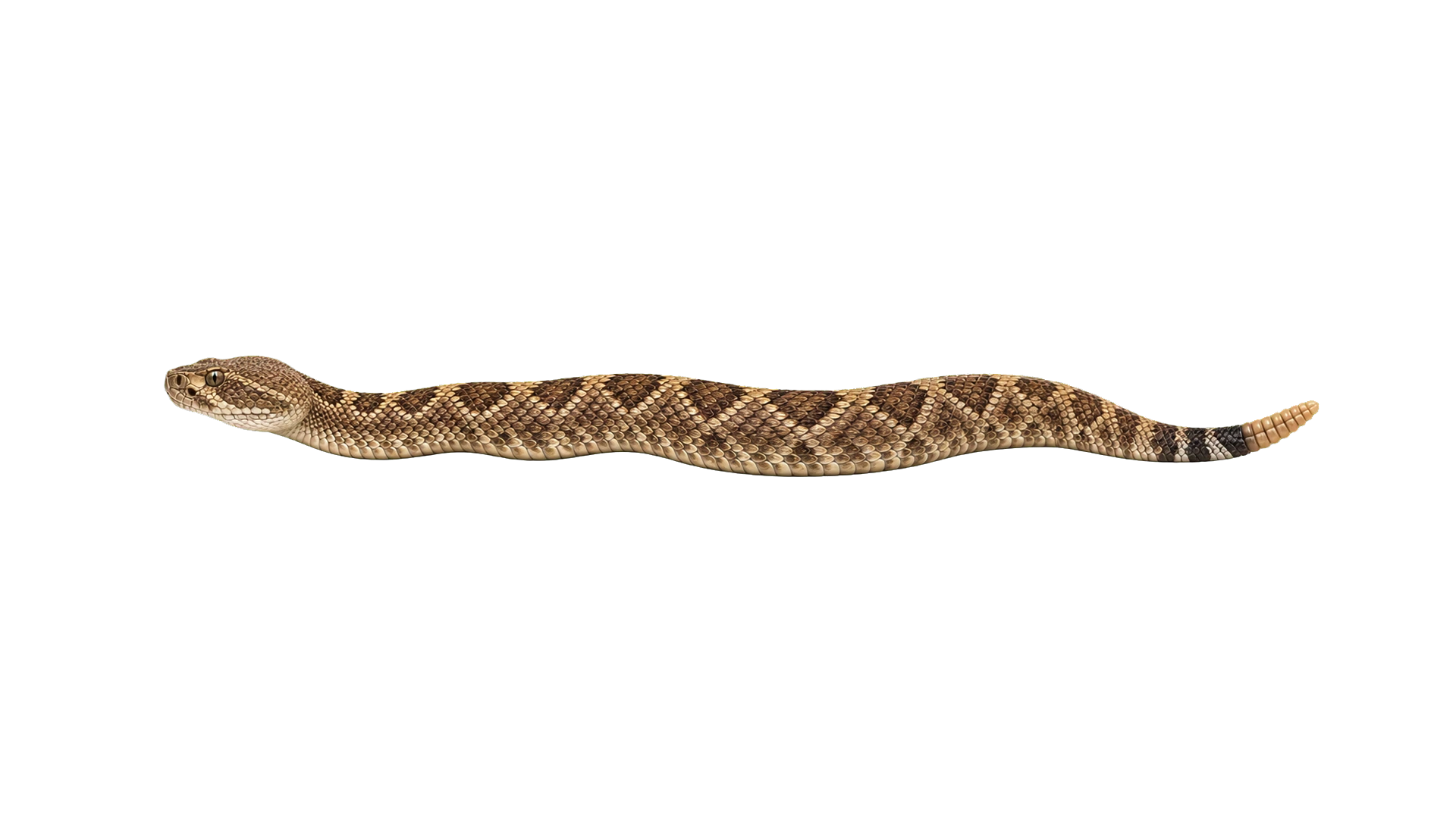
ID Card: Rattlesnake
Related Species
Call to get matched with a local pest control pro.
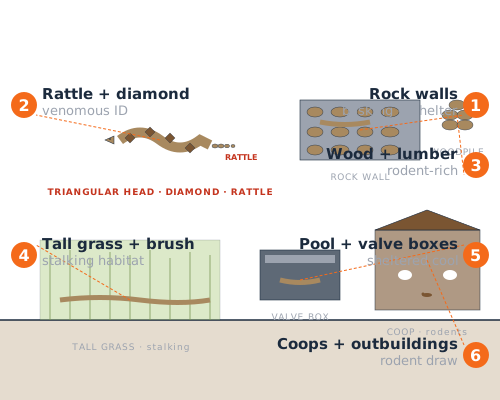
Rattlesnakes pick predictable spots on a property. They want cover, warmth, and prey. Walking these zones with a long-handled tool, never bare hands, is the safest way to spot activity before you stumble into it:
Most rattlesnake bites in the US happen when someone steps on or reaches near a snake they didn't see, or when someone tries to kill or move one without the right tools. Rattlesnakes are passive when undisturbed; they rattle as a warning and prefer to retreat when given space. The bite incidents you read about almost always involve a homeowner with a shovel, or a hiker stepping over a log without looking. Habitat reduction (rodent control, brush clearing, rock-feature management) plus boots and tools for yard work prevents the vast majority of encounters.
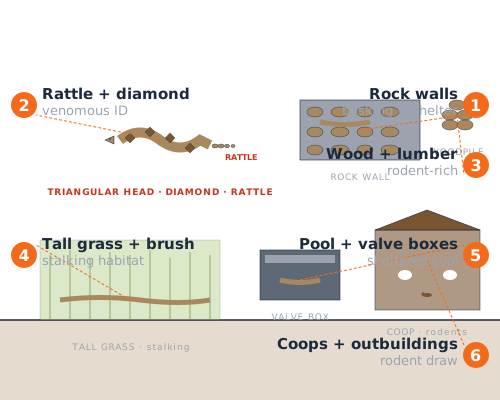
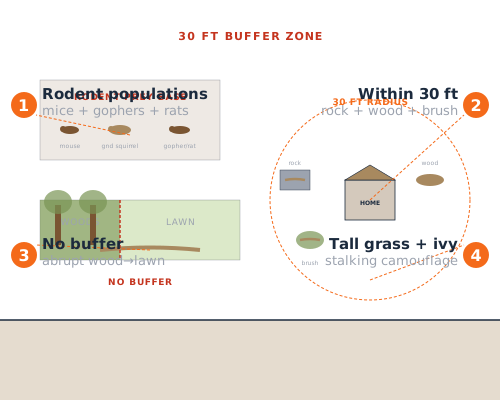
Seeing one is step one. Understanding why your property is producing rattlesnakes shapes both the immediate response and the longer-term habitat work that actually keeps the next one off. Rattlesnakes don't show up at random. They follow rodents, they shelter in stone and wood, and they stay where the conditions hold. The features that drew this snake will draw the next one unless something changes.
What draws rattlesnakes to your property:
Rattlesnakes are slow-reproducing and long-lived. Females give live birth (not eggs) to 4 to 25 young in late summer, and they may breed only every 2 to 3 years rather than annually. Adults can live 10 to 25 years in the wild and tend to stay in a small territory. A rattlesnake you find on your property is most likely the same individual you encounter repeatedly across a season unless it's relocated. Killing rattlesnakes is illegal in many states (eastern diamondback and timber rattlesnake are protected in several states; killing them carries fines), ecologically counterproductive (rattlesnakes are major rodent predators), and dangerous (half of US snakebites happen during DIY removal). The right answer is professional relocation plus habitat changes that lower the carrying capacity of the yard.
Find your scenario below. Each row reflects household risk and what should happen next, in real time.
| What You're Seeing | Severity | If Untreated | Next Step |
|---|---|---|---|
| Single rattlesnake spotted in the yard, well away from the home | Early | Same snake likely to be encountered again in the same area within days to weeks | Photograph the snake from at least 15 feet away for species ID. Keep family and pets indoors. Schedule professional relocation. |
| Multiple sightings plus rocky habitat near the home plus family with young kids or pets | Moderate | Established habitat pressure; bite risk to children or pets rises with every play session in the yard | Schedule a same-week professional inspection. Combine relocation with a habitat modification plan. |
| Rattlesnake near home entry, under the deck, or inside the garage | High | Direct family encounter risk; snake may move into the structure if startled | Call a wildlife specialist for same-day emergency relocation. Do not approach. Keep the door closed and the area clear. |
| Confirmed bite to a person or pet, OR a den site discovered on the property | Urgent | Bite: serious tissue damage and possible death without antivenom. Den: repeated future encounters guaranteed. | Bite: call 911 and get to a hospital with antivenom (CroFab) immediately. Den: call a wildlife specialist today for same-day service. |
If a bite has occurred, treat it as a medical emergency before anything else. If you're between two rows on snake activity, treat the higher one as your situation.
Rattlesnakes are long-lived, slow-reproducing predators. Females give live birth to fully venomous young, populations grow slowly, and removed snakes are not quickly replaced. Knowing the lifecycle is what makes the case for relocation rather than killing.
About 90 to 120 days, depending on species
Rattlesnakes are live-bearing. The embryos develop inside the mother rather than in laid eggs, which is why you'll never find rattlesnake eggs in the yard. Gestation lasts most of one summer.
Born July through September
Newborns are 15 to 30 cm long, fully venomous from birth, and independent immediately. Juvenile bites are medically serious; some research suggests young rattlesnakes inject their full venom load because they haven't yet learned to meter it. Late summer is peak juvenile encounter season.
About 2 to 4 years to reach full size
Sub-adults disperse into the surrounding habitat but generally stay within the same broader range. A new rattle segment is added with each shed (not annually, so segment count isn't an age indicator).
Sexually mature at 3 to 5 years; live 10 to 25 years in the wild
Adult rattlesnakes occupy a small home range and stay in it for years. Females breed every 2 to 3 years rather than annually, with 4 to 25 young per litter. The slow reproductive rate is why rattlesnake populations are vulnerable to local extirpation, and why relocation matters.
The combination of long lifespan, small home range, and infrequent reproduction means a rattlesnake population recovers slowly. Killing rattlesnakes (where it's even legal) doesn't reduce the species long-term but does remove a beneficial rodent predator and risks the life of whoever swings the shovel. Relocation, plus habitat modification that lowers the property's carrying capacity, is the ecologically and often legally appropriate response.
Rattlesnake activity follows temperature. Encounters peak in spring (emergence from dens) and late summer to early fall (juveniles born, adults feeding before brumation). Knowing the seasonal rhythm tells you when yard work is highest risk and when habitat work pays off most.
Snakes emerge from communal winter dens from March through May. Mating peaks in late spring, and snakes move from den sites toward summer habitat. Sightings cluster near known den sites in the first few warm weeks, which makes spring the highest-impact window for habitat reduction work near rock features.
Peak activity at dawn and dusk; rattlesnakes shelter from midday heat in shade or under cover. This is the highest-risk window for bites because homeowners are outside doing yard work and the snakes are out hunting. Boots, long pants, and tools are non-negotiable.
Pre-brumation feeding is heavy through September and October. Young are born July through September and disperse into surrounding habitat. Adults move back toward overwintering dens as nights cool. Juvenile encounters spike in late summer.
Most rattlesnakes enter brumation (snake hibernation) in communal dens with multiple snakes, often dozens in the same rock crevice or mammal burrow. Encounters drop sharply. In the southern US range, some surface activity continues on warm winter days. Winter is the best season for major brush, wood, and rock-feature clearing because snakes are dormant.
Rattlesnake handling is licensed work in most states for one straightforward reason: the failure mode is severe and homeowners consistently underestimate the risk. The CDC tracks 7,000 to 8,000 venomous snakebites in the US each year, and about half of them happen during a DIY removal attempt. Bites cause around 5 deaths annually, which is low only because antivenom (CroFab in the US) reverses outcomes when it's given quickly at a hospital. The medical bills for a serious bite run into the tens of thousands of dollars and dwarf the cost of professional relocation many times over.
DIY removal usually goes one of two ways: a homeowner with a shovel tries to kill the snake and gets bitten in the process, or a homeowner tries to bag the snake and gets bitten in the process. Both are common. Professional handlers use long-handled snake hooks and tongs that keep them outside striking range (rattlesnakes can strike about half their body length in under a second), plus a secure transport container, plus the legal knowledge of which species are protected and where relocation is allowed.
The bigger reason for professional help is the long-term math. A property that produced one rattlesnake this year will produce more next year unless rodents, wood piles, brush, and rock-wall harborage are addressed. A specialist who handles venomous snakes spends as much time mapping habitat and recommending reductions as they do moving the snake. Relocation alone, without habitat work, often just opens the spot for the next snake.
If a bite occurs, treat it as a true medical emergency. Call 911, immobilize the bitten limb at heart level, and remove any rings, watches, or tight clothing before swelling sets in. Do not cut the wound, do not try to suck the venom out, do not apply a tourniquet, and do not use ice; every one of those folk remedies has been proven harmful and is now actively contraindicated. Get to a hospital that stocks antivenom as fast as possible. Time matters.
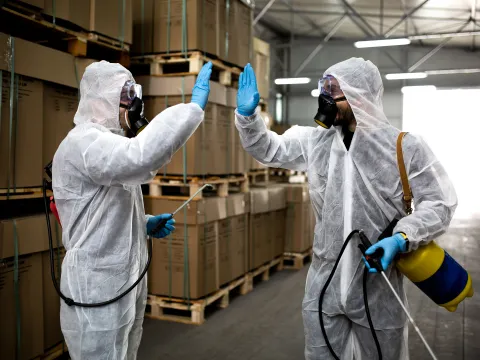
Rattlesnake work has two parts: relocating the snake currently on the property, and changing the property so it stops drawing the next one. A wildlife specialist who handles venomous snakes does both in one coordinated visit. Here's what that looks like:
 Confirms Rattlesnake Versus Non-Venomous Lookalike
 Gopher snakes, bull snakes, and rat snakes mimic rattlesnake patterning and even rattle their tails in dry leaves. Misidentification is common and killing a harmless mimic is illegal in many states. A specialist confirms species in seconds.
Safe Capture Using Snake Hooks and Tongs Professional handlers use long-handled hooks and tongs that maintain at least an arm's length of distance from striking range, plus a secure transport container. No bare-hand contact, no shovels, no plastic bags.
Relocates Under State Permit Rules Some rattlesnake species are state or federally protected, and relocation rules vary widely. A trained specialist handles permitting, picks an appropriate release site, and follows distance rules that keep the snake from returning.
Maps Habitat and Recommends Reductions Rock walls, wood piles, brush, and rodent harborage all get assessed. You get specific recommendations on what to clear, what buffer to keep between natural areas and lawn, and how to coordinate rodent control.

DIY for rattlesnakes is limited to prevention and habitat work. The actual handling is licensed work for a reason, half of all US snakebites happen during DIY removal attempts.
Habitat reduction is real, valuable work that meaningfully lowers snake pressure on a property. The actual snake handling is not DIY:
A pro brings the equipment, the species ID training, and the permit knowledge that rattlesnake work requires:
Rattlesnake bites are medical emergencies and DIY removal is how most US snakebites happen. Connect with a local wildlife specialist who can confirm species, capture and relocate safely, and assess the habitat conditions that drew the snake.
Real results from people who had the same problem and solved it.

"No pressure, just options."
I appreciated being given eco-friendly options without being pushed. The technician explained tradeoffs honestly and let me decide based on my priorities. They were transparent about what each approach involves. The no-pressure approach and honest information helped me make a confident decision.
"No pressure, just options."
I appreciated being given eco-friendly options without being pushed. The technician explained tradeoffs honestly and let me decide based on my priorities. They were transparent about what each approach involves. The no-pressure approach and honest information helped me make a confident decision.

"The inspection caught what we missed."
I didn't realize how much damage raccoons can cause once they get inside. The wildlife specialist explained what areas they inspect first and why raccoon issues are handled more carefully than regular pests. They showed me the damage and explained removal and exclusion strategies. Understanding the potential for damage made me glad I called professionals.

"The problem finally stayed gone."
Ants kept returning no matter what we did. The tech treated the trail areas and explained how to handle food storage and moisture so the ants don't keep coming back. It's been months and we haven't seen them again. I appreciated that it wasn't just a one-and-done spray.

"Clear expectations and a real plan."
I was overwhelmed and didn't know what was realistic to fix quickly. The inspector explained what results to expect and how long it typically takes depending on the ant species. They treated the right places and gave simple prevention tips. Everything felt structured and easy to follow.

"They found the entry points fast."
Ants were showing up in the kitchen and we couldn't figure out where they were coming from. The tech tracked the activity and pointed out two entry points we never would've noticed. After treating and sealing those areas, the ants disappeared. It was quick and surprisingly thorough.

"No pressure, just helpful info."
I mainly wanted to understand what was happening before committing to anything. The inspector walked me through the likely cause and the differences between treatment approaches. They answered questions without rushing me. The plan we chose worked and the ants were gone within days.

"The tech helped me stop wasting time."
I kept trying different products and nothing was sticking. The tech explained why some solutions don't work for certain ant problems and focused the treatment where it would actually matter. They also gave prevention tips that were easy to implement. The difference was obvious within the first week.

"We finally understood what to do next."
We felt stuck because nothing we tried lasted. The tech explained how to find the source of the problem, treated both indoor and outdoor areas, and helped us build a prevention routine. It wasn't complicated. Just the right steps in the right order. We've had a huge improvement since.

"They fixed what was actually causing it."
Ants kept showing up in the same spot. The pro explained that the visible ants weren't the real issue and focused the treatment on where they were coming from. They identified the entry path and treated it properly. The problem stopped and hasn't returned.

"It felt like a real inspection, not a quick spray."
The tech spent time figuring out where the ants were entering instead of just spraying around. They walked me through the likely reasons and what to watch for over time. After treatment, ant activity dropped fast and stayed low. The detailed approach gave me confidence.

"Small changes made a big difference."
We didn't realize how much our routine was attracting ants. The inspector explained simple prevention steps and treated the areas where activity was highest. Once those changes were in place, we stopped seeing ants inside. It was a practical approach that actually worked.

"The explanation alone was worth it."
I'd been doing random treatments without understanding what I was dealing with. The tech explained how ants behave and why certain approaches work better. They treated strategically instead of just spraying. It made the whole thing feel manageable.

"We stopped chasing the problem and solved it."
We kept wiping down counters and the ants would be back the next day. The pro identified the entry areas and explained the treatment plan clearly. Once they treated and targeted the colony, the ants disappeared quickly. It felt like we finally got ahead of it.

"They didn't oversell. Just solved it."
The tech explained what treatment was necessary and what wasn't. They focused on the entry points and corrected the conditions that were attracting ants. The work felt honest and effective. I liked having clear expectations and seeing results quickly.

"It wasn't just 'spray and go.'"
I appreciated the step-by-step explanation and the focus on prevention. The inspector treated the areas where ants were getting in and helped me understand what to change at home. The ants stopped showing up and it's been consistent. The approach felt thoughtful and sustainable.

"It finally made sense why they kept coming back."
I had ants showing up every few months and never understood why. The tech explained how outdoor nests and weather changes affect indoor activity. They treated the perimeter and entry points instead of just the inside. Since then, we haven't had recurring issues.

"Targeted instead of overdone."
I was worried about over-treating the house. The pro focused on specific problem areas and explained why blanket spraying wasn't necessary. The ants stopped appearing, and we didn't feel like chemicals were used unnecessarily. That balance mattered to us.

"Clear answers without jargon."
The tech explained everything in plain language and answered questions without rushing. They identified the type of ant we had and adjusted the treatment accordingly. Knowing why the approach worked gave me confidence it would last.
"They focused on prevention, not just treatment."
I liked that the tech talked through how to keep ants from returning after the treatment. They addressed moisture issues and entry points around the home. The treatment worked, and the prevention tips helped us stay ahead of future problems.

"No guessing, just a plan."
I was tired of guessing what would work. The inspector explained the cause of the issue and outlined a clear plan of action. After treatment, the ants disappeared and we haven't had to revisit the problem. It felt efficient and well thought out.
"They explained what to expect upfront."
The tech set expectations about timing and results before starting. They explained that some activity might happen initially and why. Everything played out exactly as described, and the ants were gone shortly after. That transparency made a big difference.

"Helpful without being overwhelming."
I didn't realize there were different types of ants or that it mattered. The inspector walked me through what they were seeing and explained how ant behavior affects treatment. It made it easier to ask the right questions and understand the solution.

"Saved me a lot of guessing."
I was close to trying random sprays for the ants. Talking with the tech helped me understand what was realistic to address and what usually doesn't work. The targeted treatment solved the issue quickly and saved time and frustration.

"It felt tailored to our home."
The tech didn't just apply a standard treatment. He looked at where we were seeing activity and adjusted the approach to our layout and yard. The ants stopped showing up and we understood how to keep it that way.

"Straightforward and effective."
I appreciated how straightforward everything was. The pro explained the issue, treated the problem areas, and gave us a few simple steps to prevent future issues. The ants were gone and it didn't feel complicated.

"They explained how the weather played a role."
I didn't realize seasonal changes could affect ant activity so much. The tech explained how heat and rain push ants indoors and what to do about it. They treated the problem areas and gave tips to prevent future issues. The explanation helped everything click.

"It wasn't as complicated as I expected."
I assumed pest control would be disruptive or complicated. The technician explained the steps clearly and focused on targeted treatment. The ants stopped appearing quickly and the process was smoother than expected.

"They helped me understand the bigger picture."
Instead of just treating the ants I saw, the tech explained what was happening around the house that made it attractive to pests. Once those factors were addressed, the problem resolved quickly. It felt educational as well as effective.

"Clear communication from start to finish."
I appreciated how clearly everything was explained before treatment began. The inspector walked through the process and answered all my questions. The ants were gone shortly after and we felt confident about prevention going forward.

"They addressed what we were missing."
We kept focusing on cleaning, but the tech showed us where ants were actually entering. Once those points were treated and sealed, the issue resolved. It was reassuring to finally understand the root cause.

"A methodical approach that worked."
The pro explained how they identify ant trails and colonies before treating. They took a methodical approach instead of rushing through. The ants stopped appearing and the fix has held up well.

"They understood desert pest behavior."
Living in Phoenix, pests behave differently than other places. The tech explained how heat drives ants indoors and what treatments work best here. The solution was effective and tailored to our environment.
"They took the time to do it right."
I appreciated that the tech didn't rush. He inspected the problem areas carefully and explained what they were seeing. The treatment worked quickly and the ants haven't returned.

"They understood the local pest issues."
The tech explained how the humidity here contributes to ant problems and why certain treatments work better in this climate. They focused on outdoor entry points and moisture-prone areas. The ants cleared up quickly and haven't come back.

"Finally something that lasted."
We'd dealt with recurring ants for years. The pro explained why flooding and moisture play such a big role here and adjusted the treatment accordingly. It's been months without seeing ants, which is a big win for us.

"They knew exactly what works in Arizona."
The tech explained how desert conditions affect ant behavior and which treatments are most effective here. They targeted the right areas and avoided unnecessary spraying. The ants disappeared quickly.
"Clear, calm, and professional."
I appreciated how calmly everything was explained. The inspector identified the ant problem, explained the treatment, and answered my questions without rushing. The solution worked and gave me peace of mind.

"They handled it efficiently."
The tech inspected the problem areas, explained the plan, and got to work quickly. The ants were gone within days and the process felt efficient without being rushed.

"Simple explanations, solid results."
I liked how simply everything was explained. The pro didn't overcomplicate things and focused on what mattered. The ants stopped appearing and we haven't needed follow-up treatments.

"They showed me what to watch for."
Beyond treating the ants, the tech explained what signs to watch for if activity starts again. That knowledge made me feel more in control. So far, everything has stayed clear.
Direct answers to what homeowners ask most about identification, bite first aid, and safe relocation.
The distinctive rattle sound is the most obvious sign, but rattlesnakes are often silent. Look for shed skins, tracks in dusty areas, and sunning behavior on warm rocks or pavement in morning hours. They prefer rocky outcrops, woodpiles, and dense brush. If you see one, give it wide clearance and contact a wildlife professional.
Remove rock piles, wood stacks, and dense brush near the foundation. Keep grass mowed short. Seal gaps under doors, around pipes, and in foundation walls. Reduce rodent populations, mice and rats are a primary food source. Snake-proof fencing (fine mesh, angled outward at top) can be effective around yards in high-risk areas.
Snakes go where their prey is, and properties with active rodent populations, abundant insects, or nearby water sources that support frogs and toads will consistently attract snakes. Dense ground cover, rock walls, wood piles, tall grass, and debris provide the shelter snakes need for thermoregulation and predator avoidance. Eliminating these harborage areas and managing rodent populations are the two most effective ways to reduce snake activity, because without food and cover, snakes will move on to more suitable habitat.
In the United States, four groups of venomous snakes are present: rattlesnakes, copperheads, cottonmouths (water moccasins), and coral snakes. Pit vipers (the first three) generally have triangular heads, vertical pupils, heat-sensing pits between the eyes and nostrils, and heavy bodies relative to their length. However, several harmless species flatten their heads when threatened to mimic this appearance. The safest approach is to maintain distance from any unidentified snake and contact a wildlife professional for identification and removal rather than attempting to handle it yourself.
Most providers in our network can schedule an inspection within 24-48 hours. For urgent situations, likeactive structural damage or large colonies, same-week emergency service is often available. Response times depend on your location and the provider's current schedule.
Your provider inspects the property to identify the pest, locate nesting or entry points, and assess the scope of the problem. You get a clear explanation of what they found, what they recommend, and a written scope before any work begins.
Modern pest control products are designed to break down quickly after application and pose minimal risk to people and pets when applied correctly. Most providers ask you to keep kids and pets out of treated areas for 1 to 2 hours while the product dries, after which the area is generally safe again. Always confirm specific re-entry times with your provider, and let them know about pet birds, fish, or reptiles, since some treatments require extra precautions for those species.

Copperheads are the most common venomous snake in the eastern US, favoring wooded areas and leaf litter where their camouflage makes them nearly invisible. Their bites are painful and require medical attention, though fatalities are extremely rare.
Learn More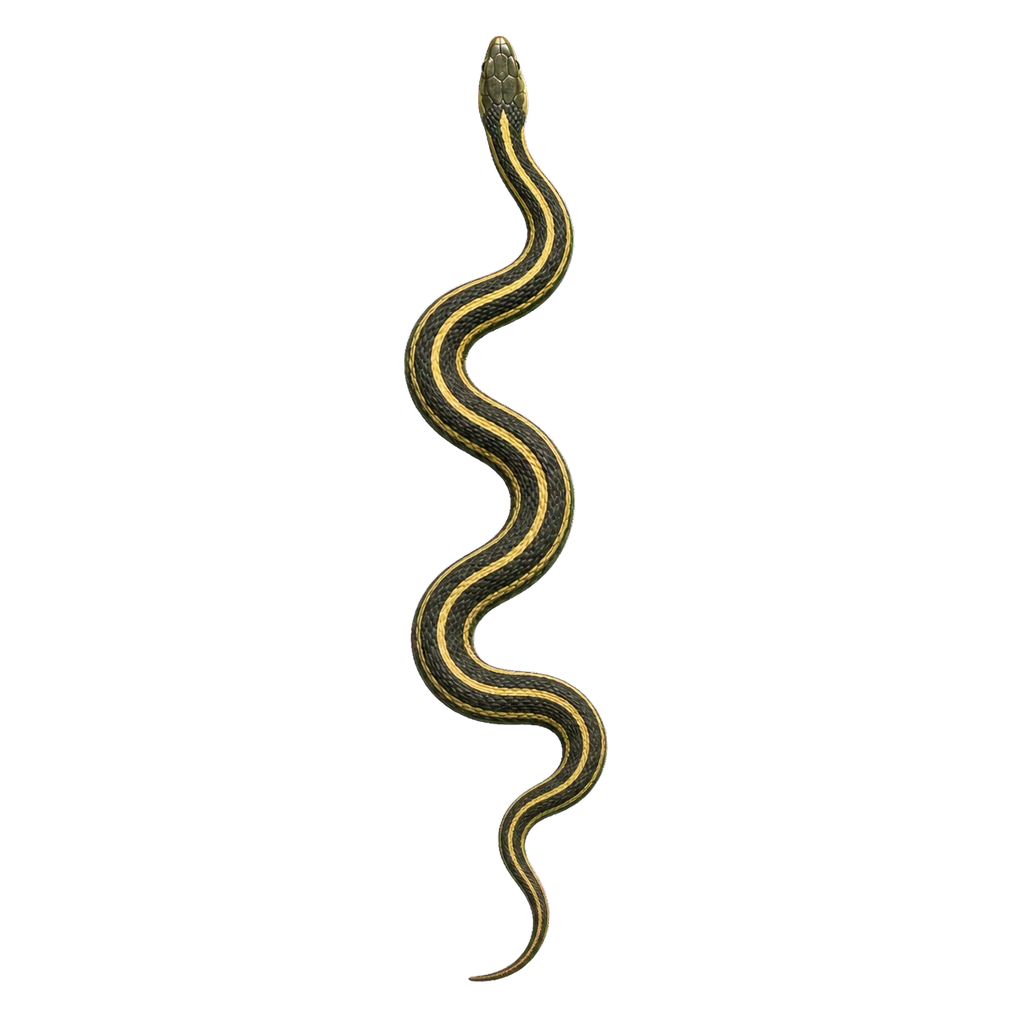
Garter snakes are the most commonly encountered snake in North America and are harmless to people. They are beneficial garden residents that eat slugs, insects, and rodents, but can enter basements in large numbers during spring emergence.
Learn More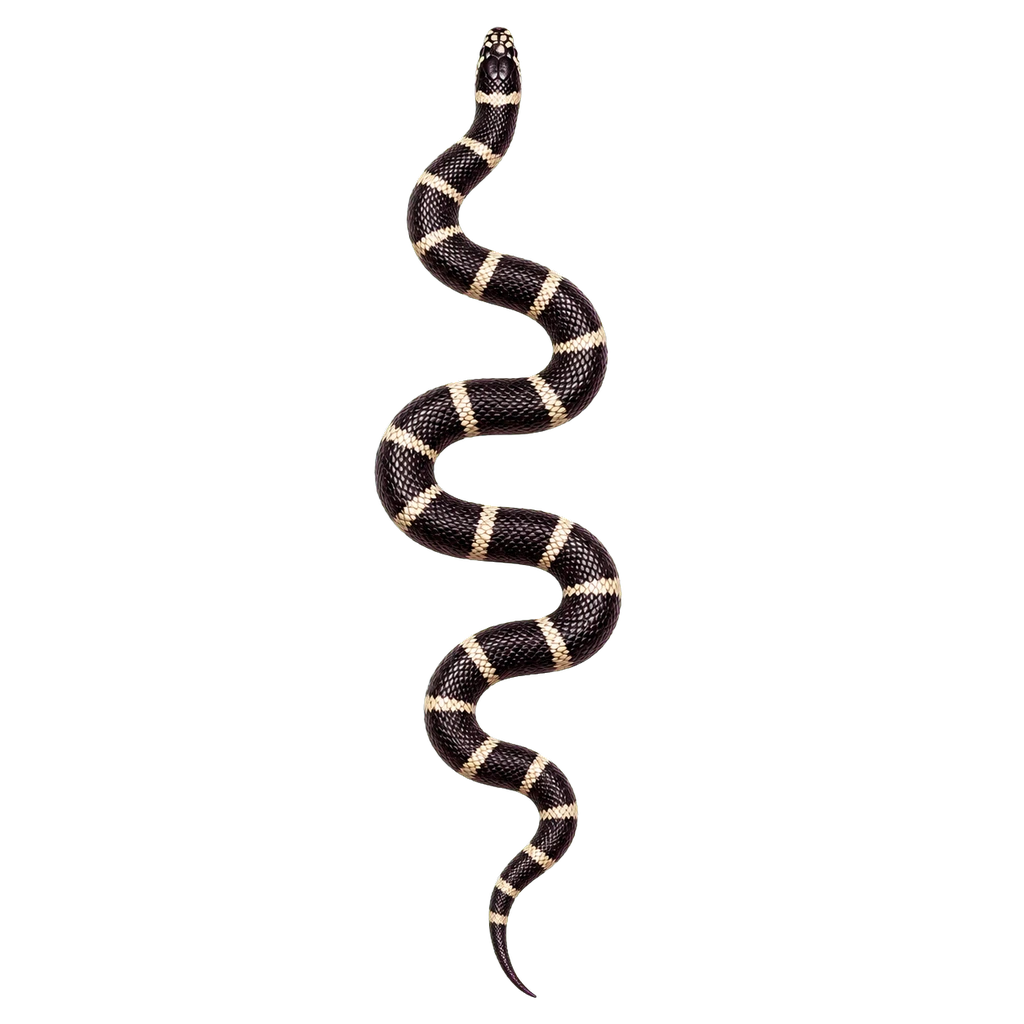
King snakes are non-venomous constrictors that actively hunt and eat other snakes, including venomous species like copperheads and rattlesnakes. They are considered beneficial but may still need relocation when found inside homes or outbuildings.
Learn More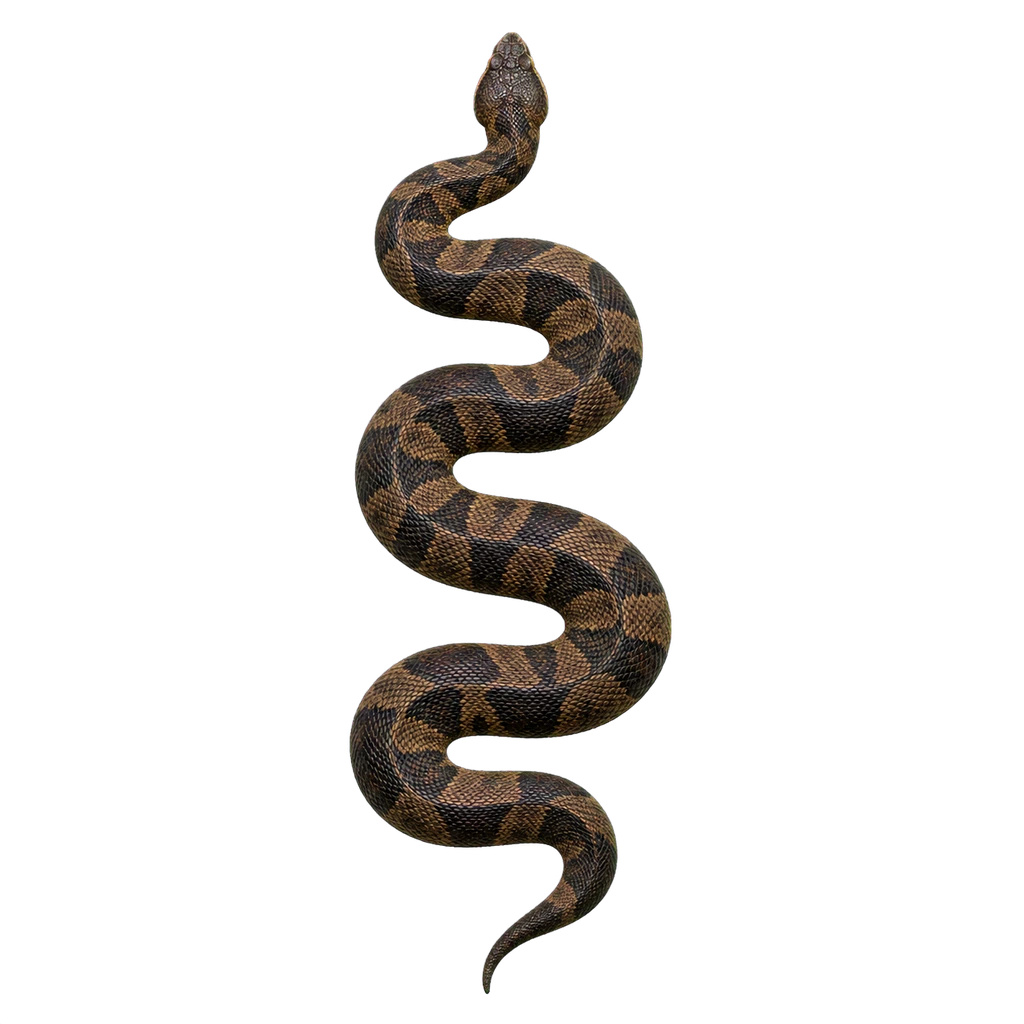
Water moccasins (cottonmouths) are aggressive semi-aquatic pit vipers found near ponds, creeks, and swamps across the southeastern US. They open their mouths to display the white interior as a warning and deliver painful venomous bites that require emergency treatment.
Learn MoreLocal wildlife specialists experienced with venomous snake identification, safe relocation, and habitat reduction are ready to inspect, remove, and follow up, no obligation.