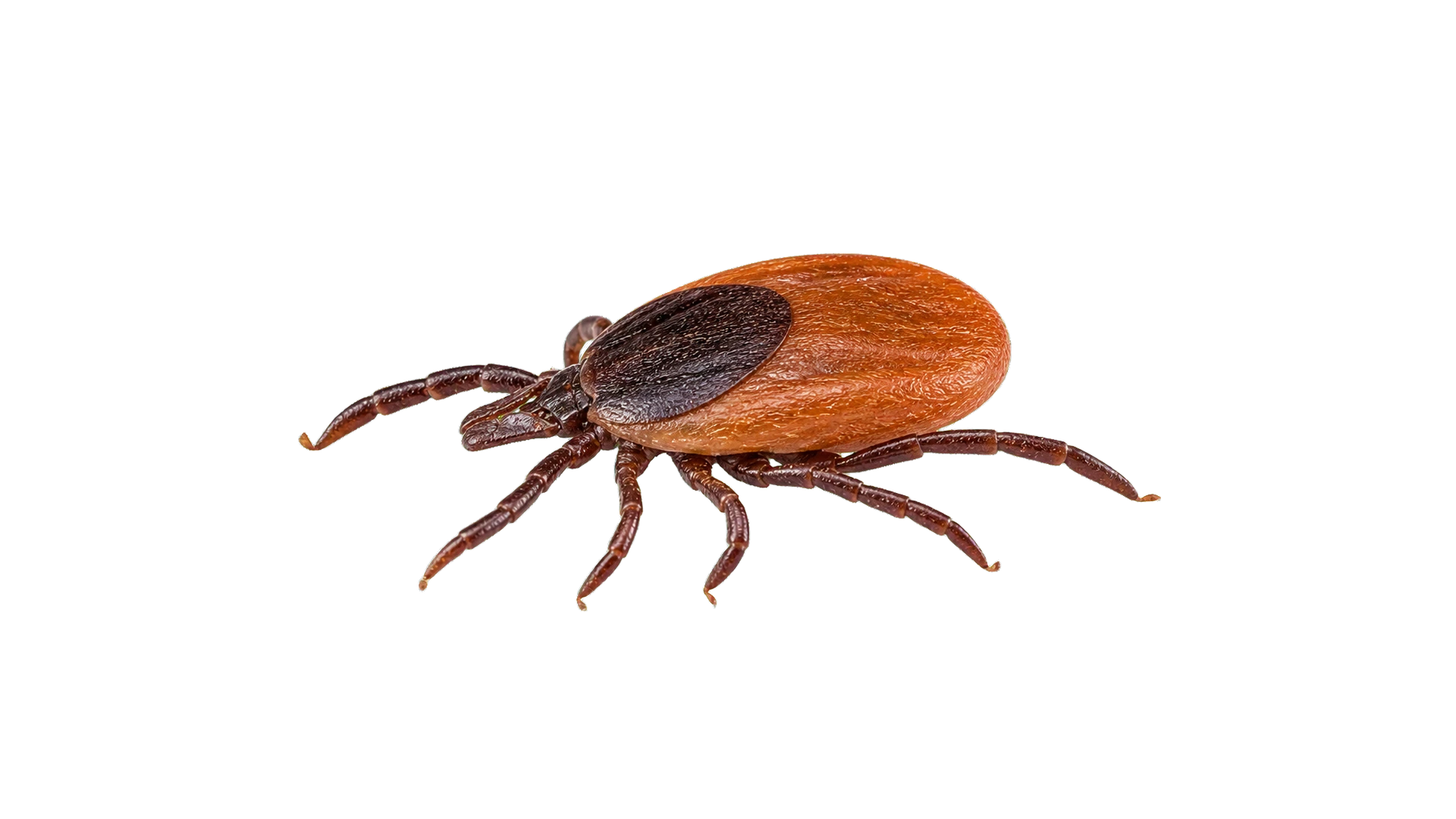
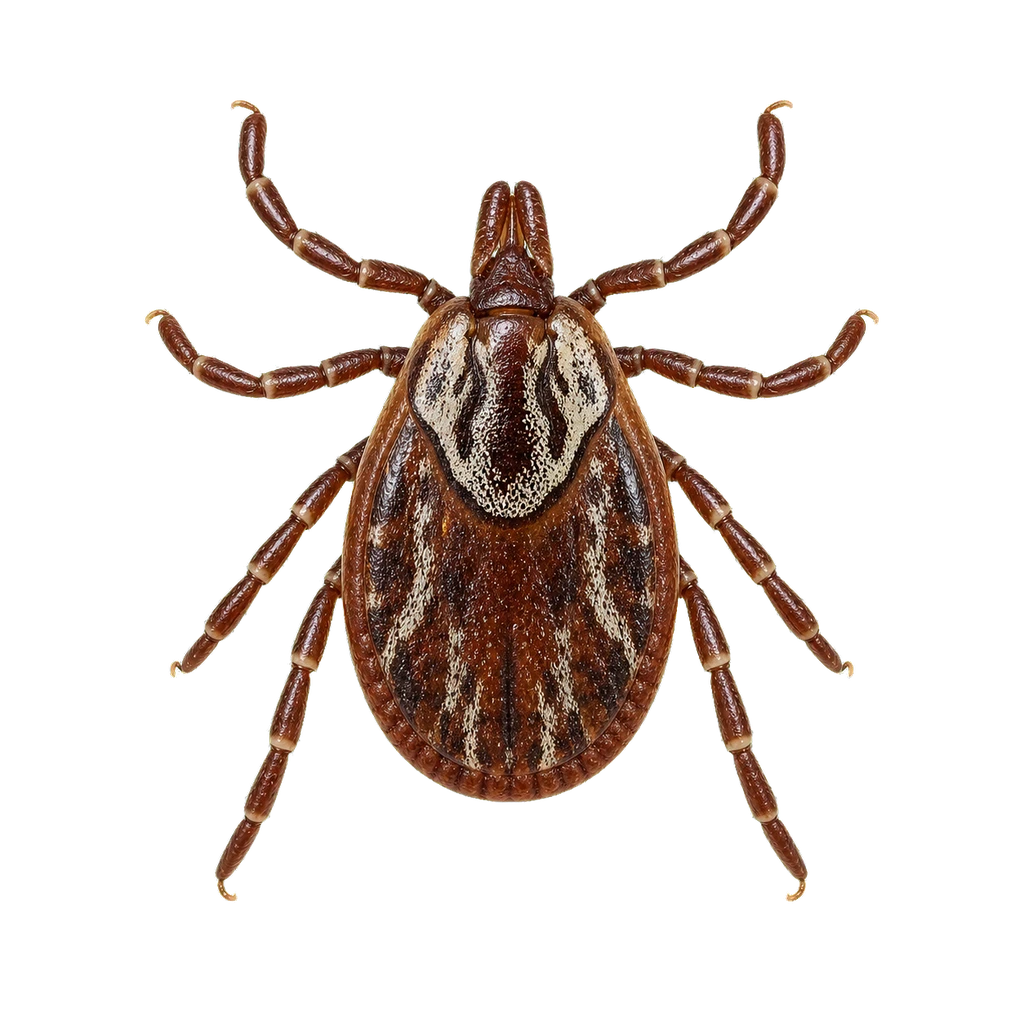
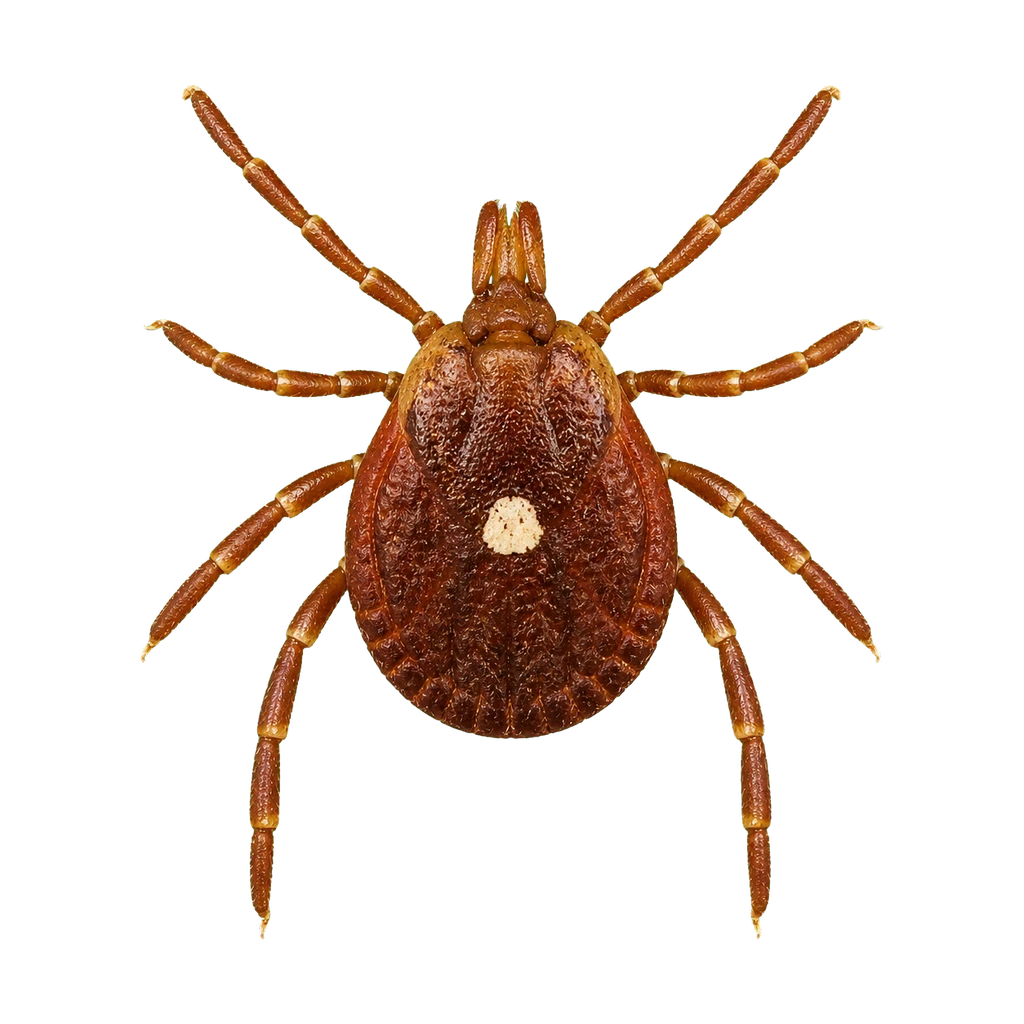
Deer ticks are not a nuisance pest. They are the primary vector of Lyme disease in the United States, and the CDC estimates roughly 476,000 Americans are diagnosed and treated for Lyme each year. The same bite can also transmit anaplasmosis, babesiosis, Powassan virus, Borrelia miyamotoi disease, and Ehrlichia muris-like infection. For households with kids who play outside, dog walkers, hikers, gardeners, and anyone who works outdoors in tick country, this is a real medical reason to take yard treatment seriously.
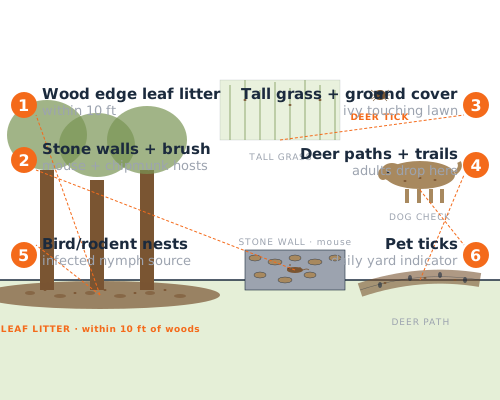
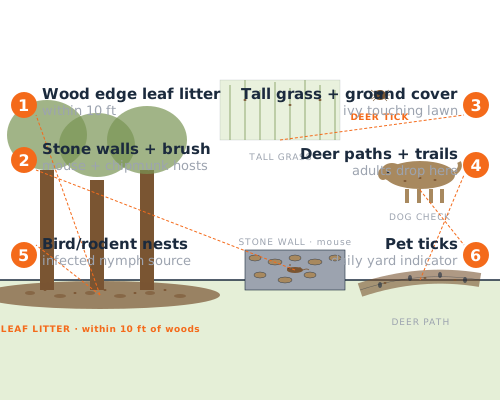
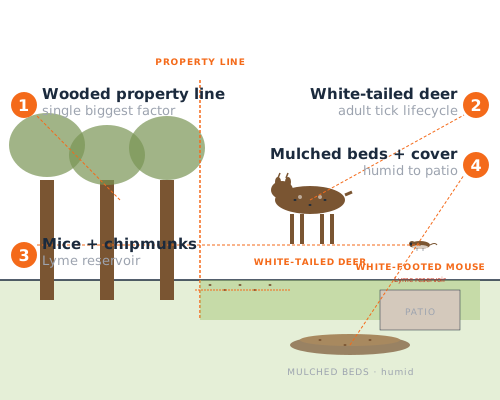
DIY tick control runs into two specific failures over and over. First, homeowners treat the open lawn instead of the leaf litter and the wood edge, which is where the ticks actually live. The lawn is dry and inhospitable to ticks; the edge holds the humidity they need. Treating the wrong zone produces almost no reduction. Second, homeowners treat once and assume it covers the whole year, when the lifecycle has two distinct peaks (spring nymphs, fall adults) that each need their own application.
A specialist treating for deer ticks walks the property to find the actual habitat (leaf litter at the wood edge, stone walls, brush piles, deer trails, ivy beds), then applies acaricide to those specific zones. Spring application in late April or early May targets emerging nymphs before peak Lyme season. Fall application in early October targets adults before they reproduce. The reduction holds because the application matches the biology, not the convention of broadcast perimeter spraying.
Habitat changes are the partner to acaricide, and a real professional will point them out: a 3-foot wood chip or mowed buffer between lawn and woods, leaf litter cleanup along the edge, wood piles moved away from the house, brush piles removed, deer exclusion if practical, and vet-prescribed tick prevention on every pet. Combined with two correctly timed treatments, these changes can drop yard tick density 80 to 95 percent through the active season. A seasonal program for a typical suburban yard runs $250 to $500.