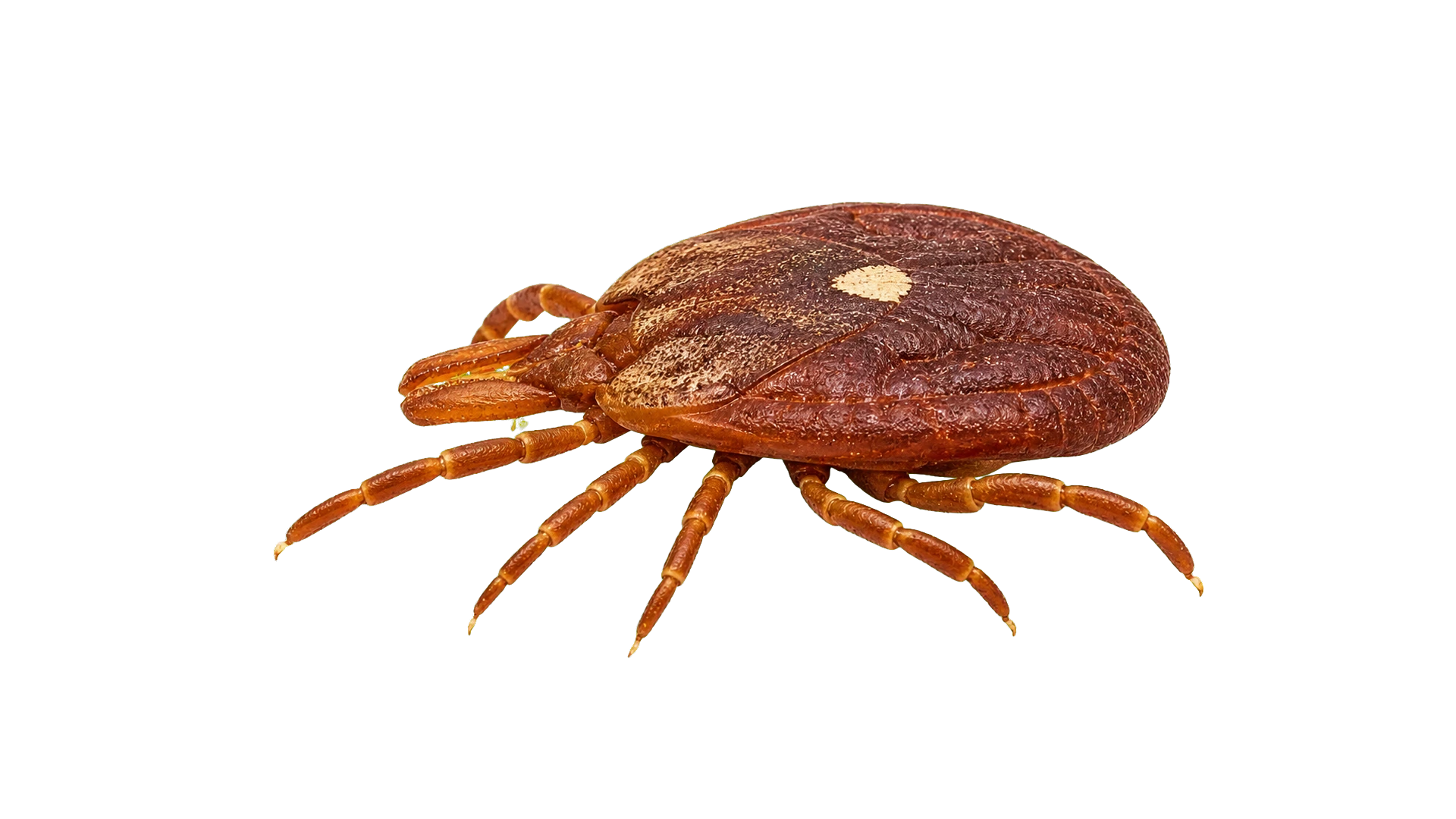
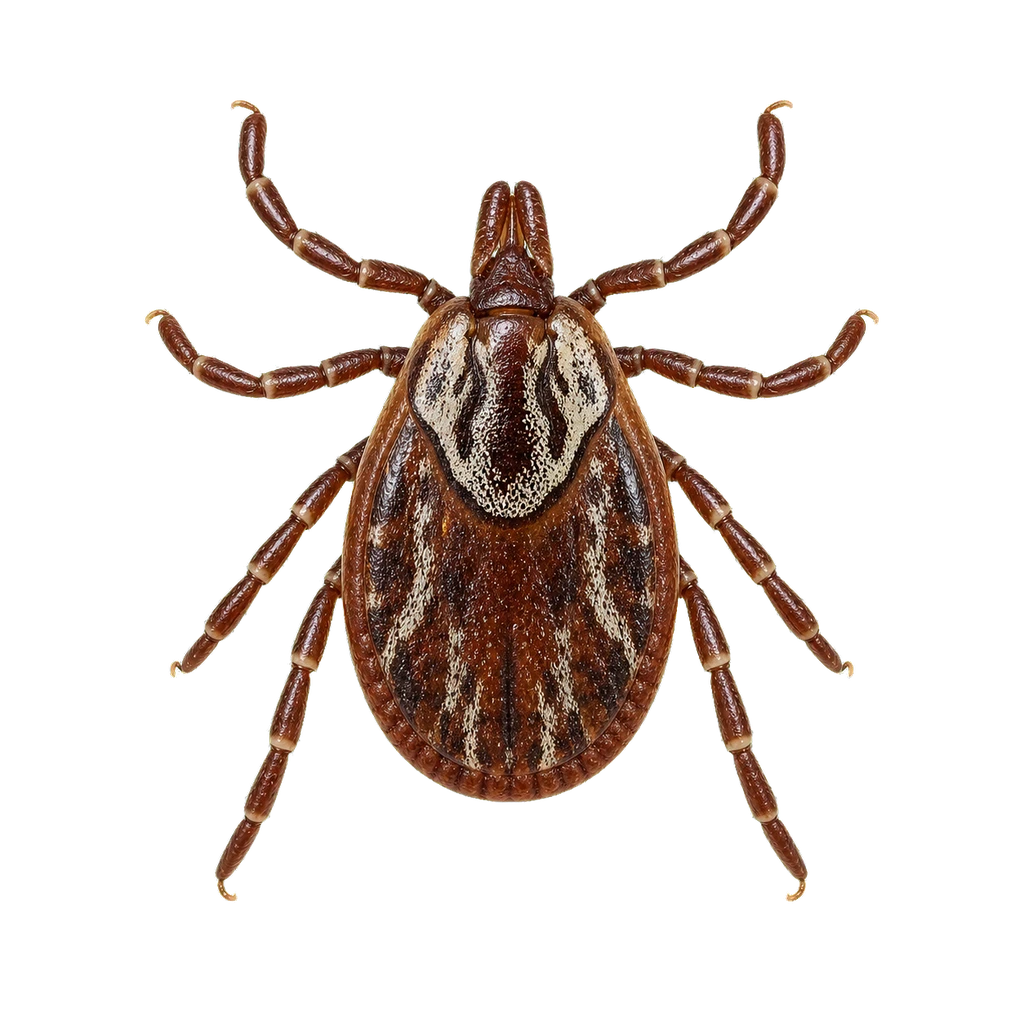
Lone star ticks are the most aggressive human-biting tick in their US range, and the leading cause of alpha-gal syndrome, a lifelong IgE allergy to red meat that produces delayed (3 to 8 hour) anaphylactic reactions after eating beef, pork, lamb, venison, or sometimes dairy. More than 450,000 cases have been documented since 2010, the count is climbing every year, and there is no cure. The math on yard treatment shifts when the alternative is permanent dietary restriction plus the disease risk of ehrlichiosis, tularemia, STARI, and Heartland virus. Households in established lone star country have a real medical reason to treat the yard.
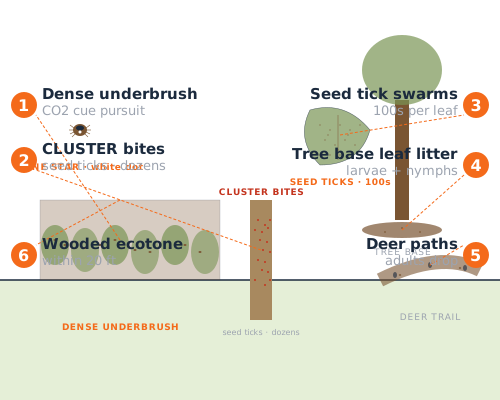
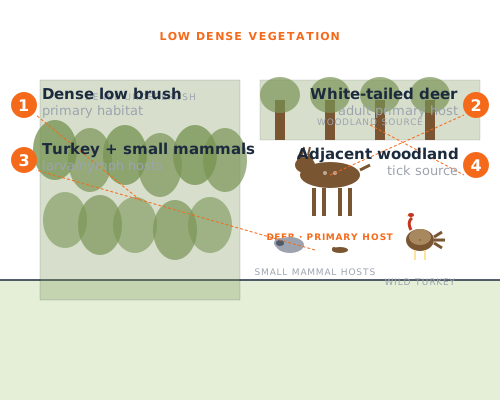
DIY tick control runs into three specific failures with this species. First, homeowners spray the lawn rather than the brush and wood-edge habitat where lone stars actually live. Second, they treat once and assume it lasts the whole season, when in fact the overlapping nymph-larval-adult activity calendar requires multiple correctly-timed treatments. Third, they don't address the deer host travel patterns that bring fresh ticks to the yard every week from neighboring woodland.
A specialist treating for lone star ticks walks the property to identify the actual habitat (wood edges, brush, deer paths, host-pursuit staging zones), then applies acaricide to those specific areas. April treatment catches emerging adults and nymphs; mid-summer treatment catches the seed-tick cluster window; fall treatment catches the next generation before winter. The reduction holds because the application matches the biology, not the convention of perimeter spraying.
Habitat reduction is the partner to chemical treatment. Brush clearing, mowed buffer between woods and lawn, deer management strategies, and removal of debris piles all reduce the host population and humid cover that lone stars depend on. Combined with timed treatment, vet-prescribed pet prevention, and personal protection habits, this can drop yard tick density by 80 to 95 percent through the active season.