Local pest control help is one call away.

Brown Recluse Spider: Identification, Treatment & Prevention

Brown recluse spiders (Loxosceles reclusa) are a medium-sized spider native to the south-central United States, with adult bodies measuring 6 to 12 millimeters. The single most useful fact about them is that their range is geographically limited. Recluses are established in Arkansas, Missouri, Oklahoma, Kansas, Tennessee, Kentucky, Mississippi, Alabama, Georgia, Texas, Louisiana, and parts of Illinois, Indiana, Iowa, Nebraska, and Ohio. They are not established in California, the Pacific Northwest, the Northeast, or Florida. Surveys done by university entomologists in those non-range states have found near zero recluses despite hundreds of homeowners claiming infestation.

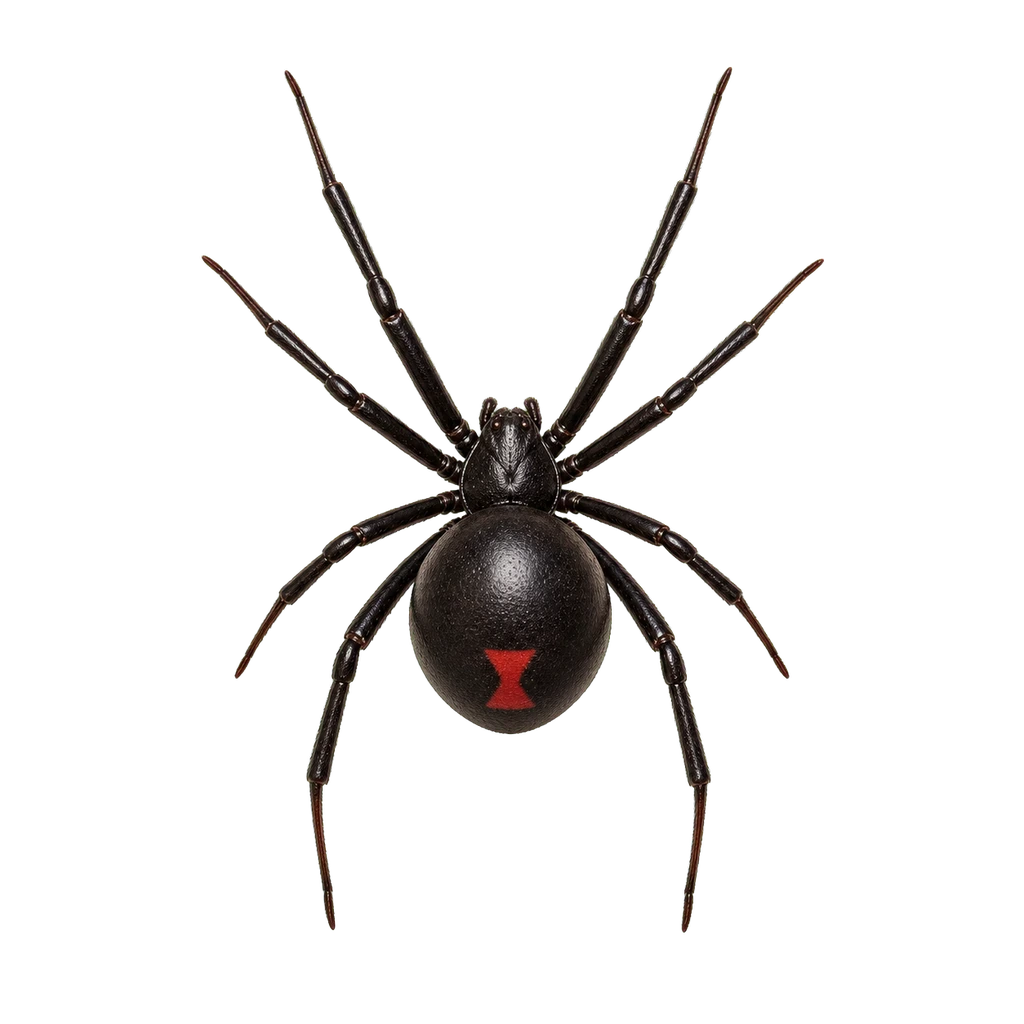
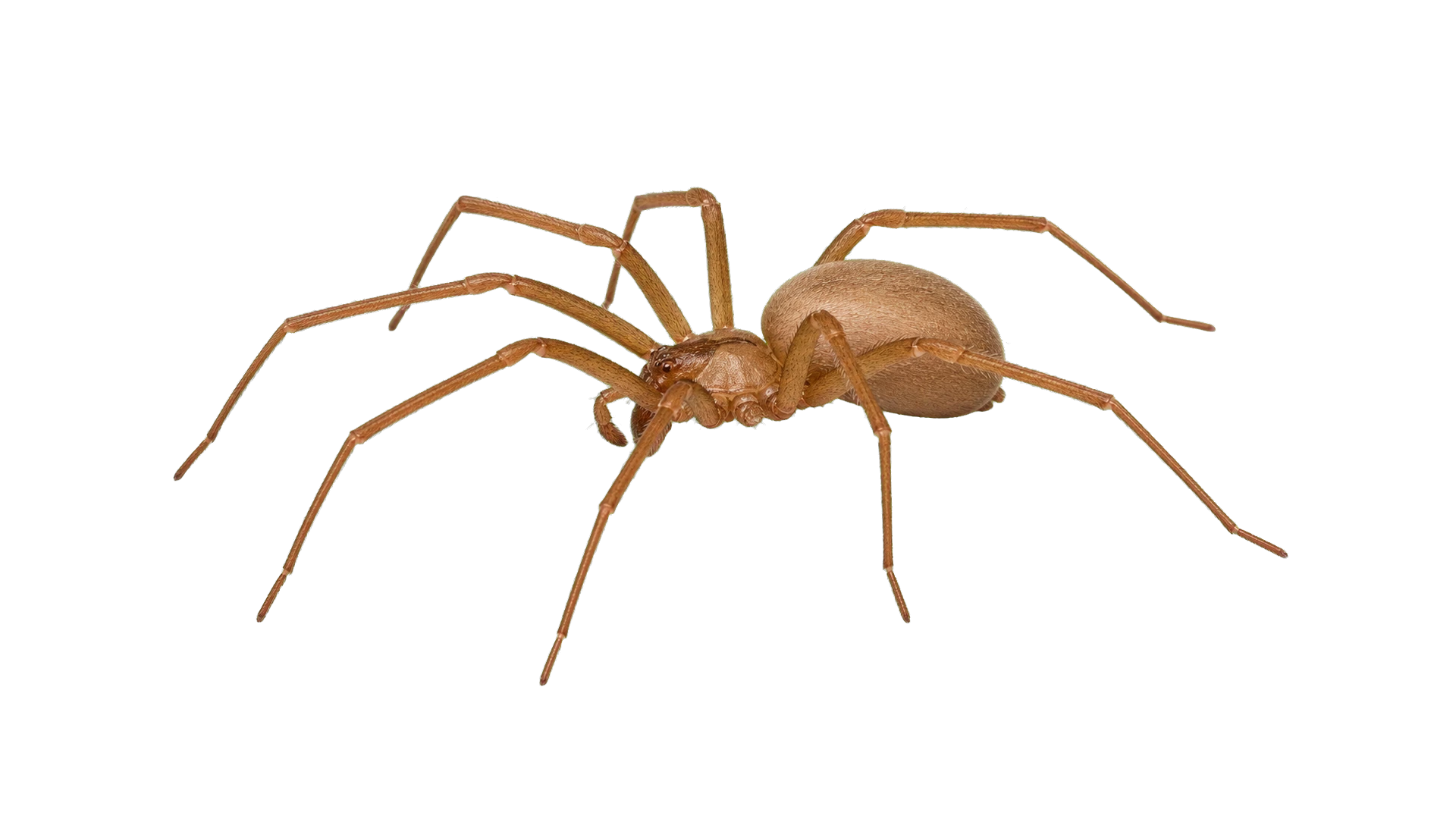
If you live inside the native range and you're seeing tan-to-dark-brown spiders with a violin-shaped marking on the front body segment, six eyes arranged in three pairs, and no banding on the legs, you likely have brown recluses. If you live outside the range and a doctor told you that a skin wound is a 'recluse bite', the science is clear that diagnosis is wrong in the vast majority of cases. This guide covers how to confirm the ID, what professional treatment actually looks like, and why the glue trap census is the diagnostic backbone of every real recluse program.

Close-up illustration of a brown recluse spider showing tan-brown body with violin-shaped marking on the cephalothorax

ID Card: Brown Recluse Spider

Scientific name
Loxosceles reclusa
Color
Brown, tan
Size
1/4 to 1/2 inch
Body shape
Small, light brown body with violin-shaped marking on cephalothorax
Key evidence
Found in undisturbed storage areas, cardboard boxes, and closets
Also known as
Fiddleback spiders, Violin spiders, Brown spiders

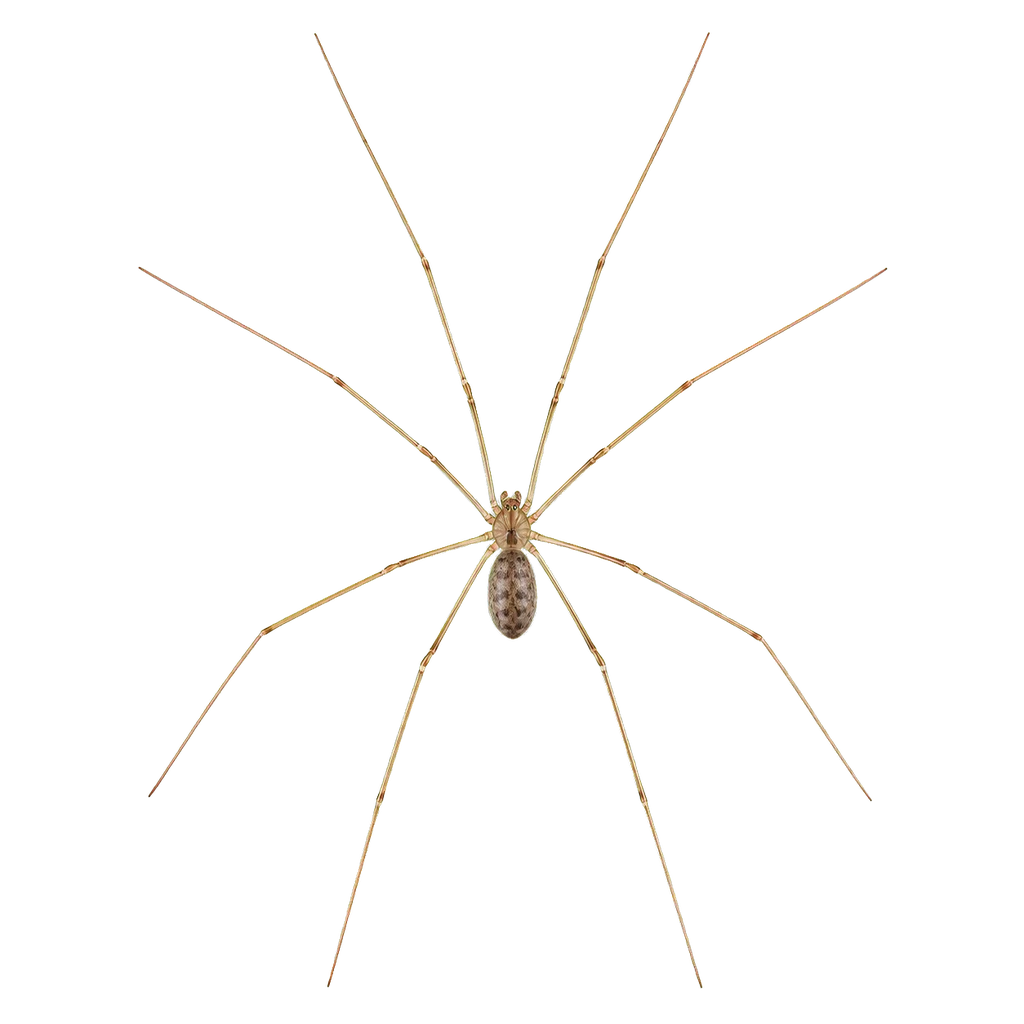
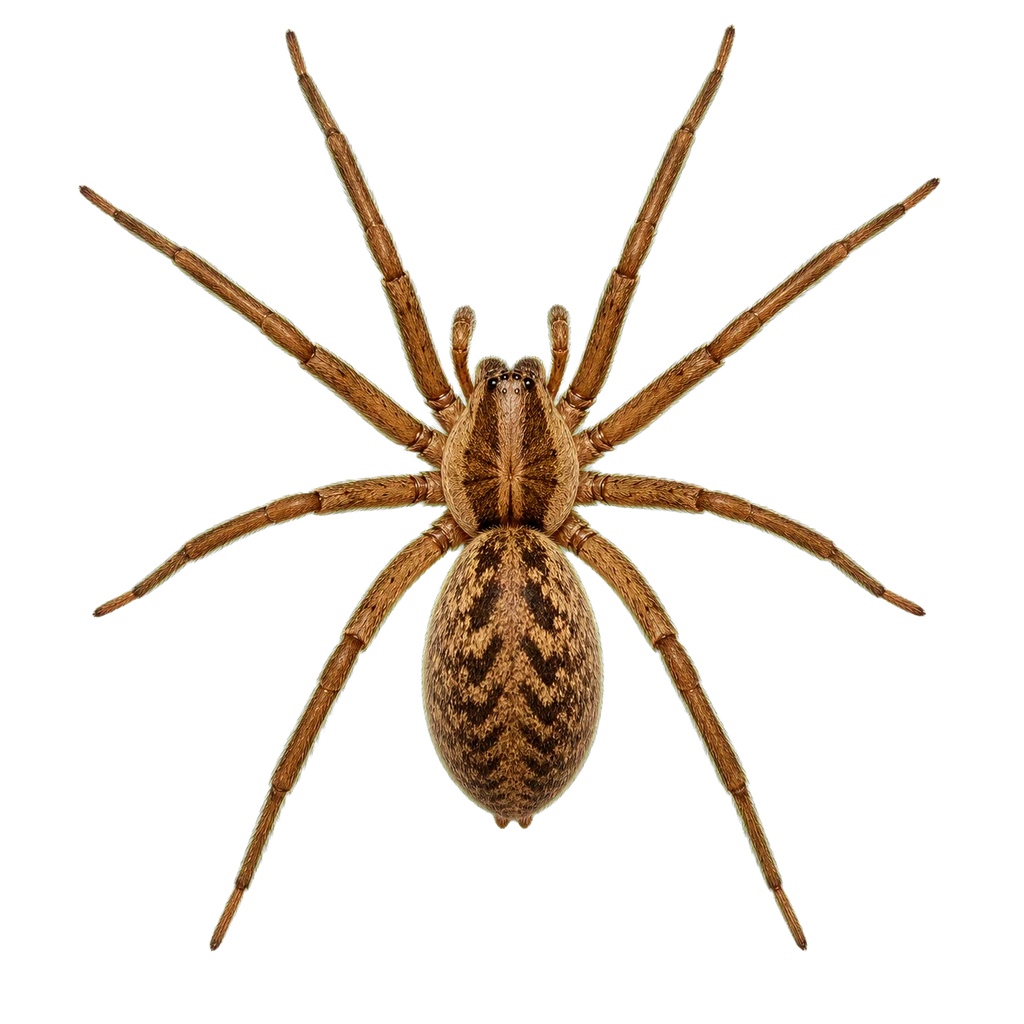
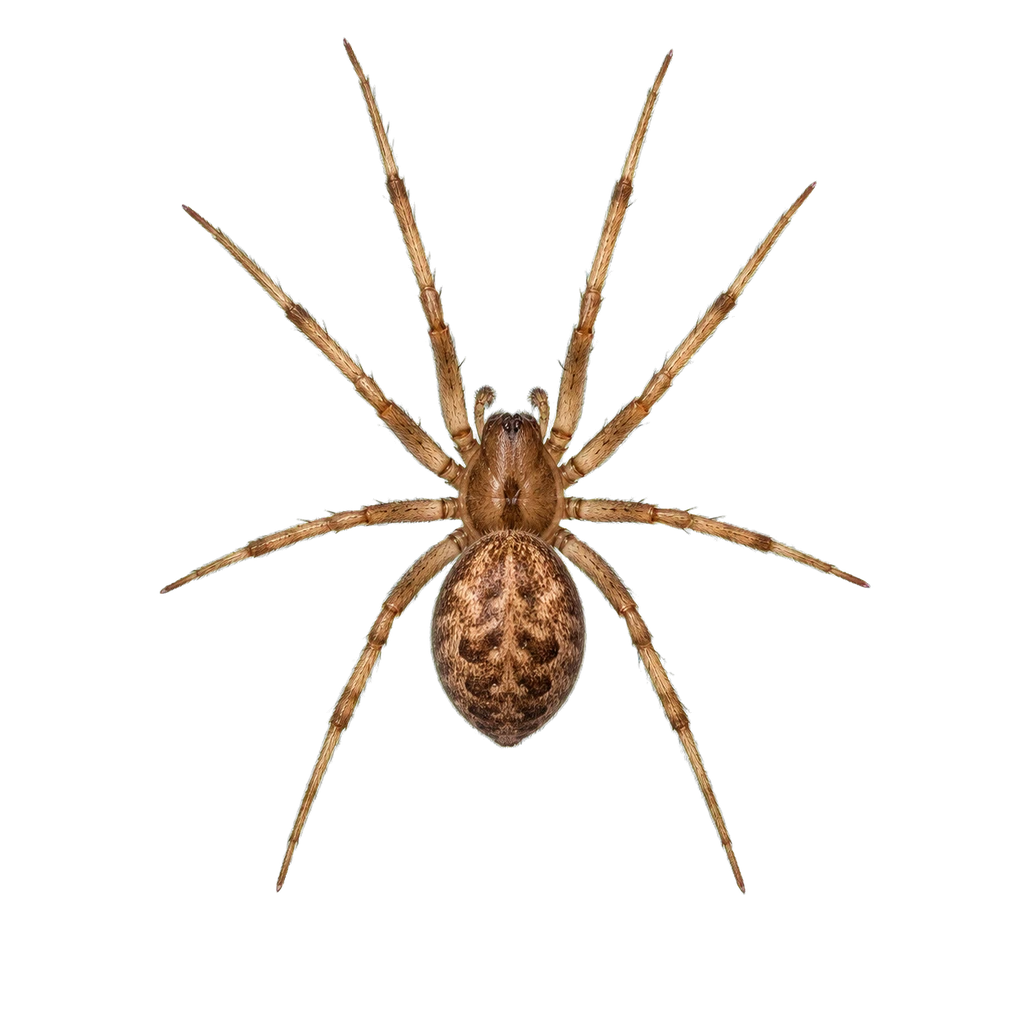
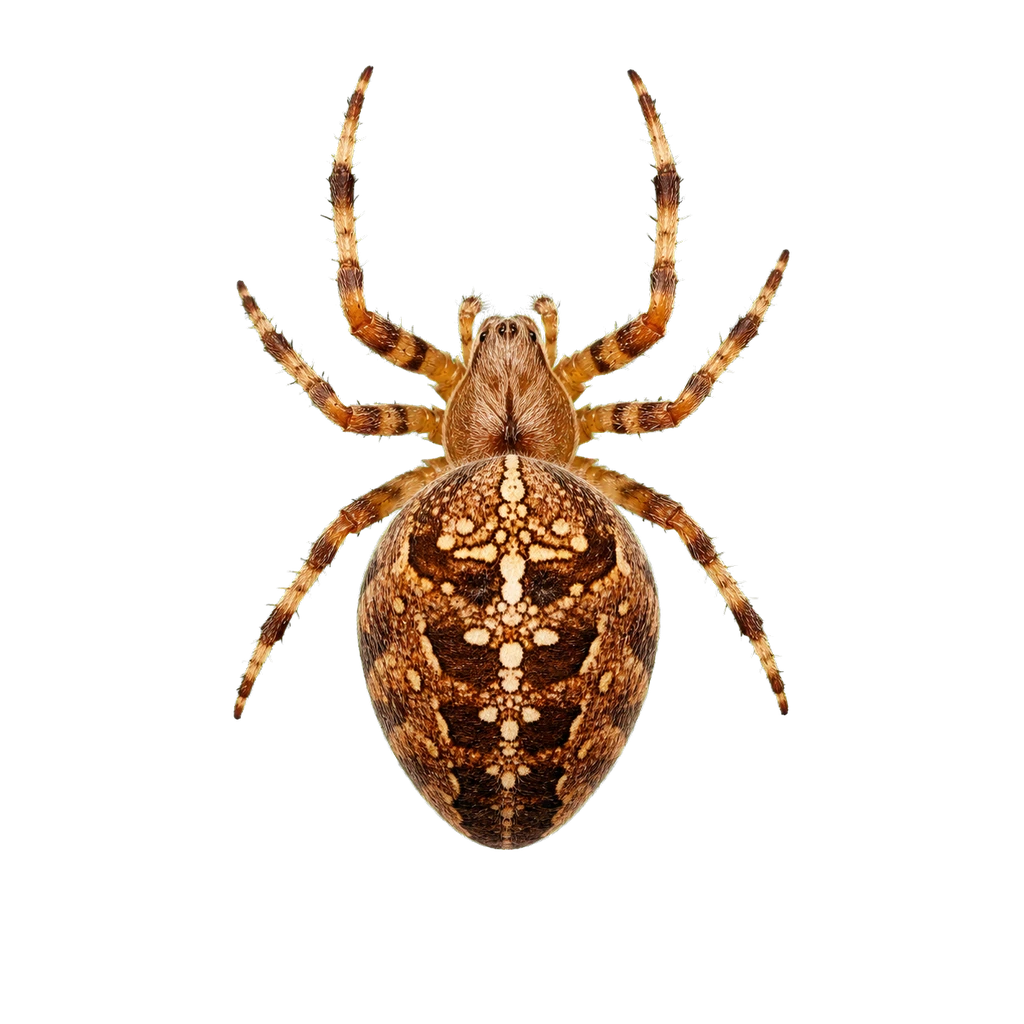
Related Species

Call to get matched with a local pest control pro.

Available 24/7
(888) 495-1510
  • Specialists who can confirm the violin marking and six-eye arrangement
  • Glue trap census programs that measure population scope before treatment
  • Multi-visit residual programs targeting cluster hiding zones, not just visible spiders

Where to Inspect for Brown Recluse Activity

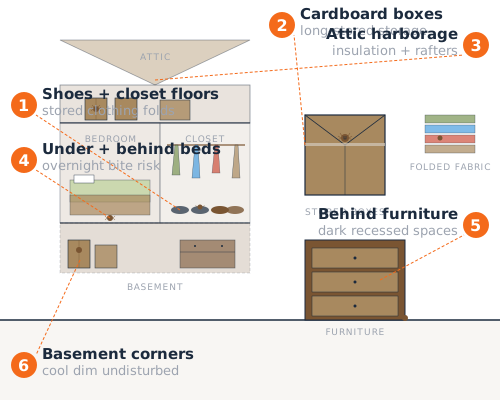
Cross-section illustration showing brown recluse cluster harborage inside stored cardboard boxes, behind furniture, and in attic insulation gaps

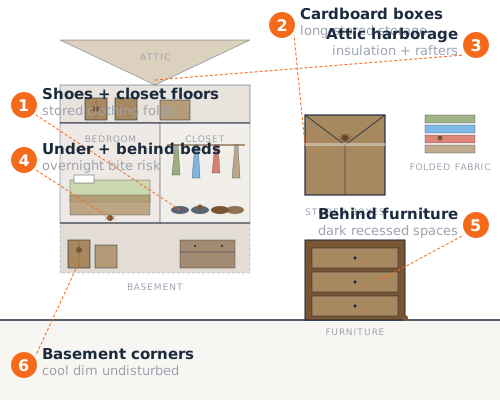
Brown recluses live up to their name. They hide in undisturbed harborage and almost never wander into open living space during the day. The first reliable evidence is rarely a spider on the wall, it's a spider tucked between cardboard boxes, inside a shoe that hasn't been worn in months, or pressed flat against the back of a stored dresser. Walk these hot zones with a flashlight, gloves on your hands, and a willingness to actually move stored items rather than peek around them:

  • Stored cardboard boxes in basements and attics, Corrugated cardboard is the single most preferred recluse harborage in homes. The flutes inside the cardboard wall give them exactly the tight crevice they want. Open every box that's been sealed for more than a year, with gloves, in good light.
  • Footwear left undisturbed, Shoes worn occasionally and stored in closet floors are textbook recluse hideouts. If you live in the native range, shake out shoes before putting them on, every time, especially shoes pulled out of seasonal storage.
  • Stored clothing not worn in 30 or more days, Folded clothing in dressers and hanging garments in guest closets both qualify. Pull each item off the rod or out of the drawer slowly, shake it over a light-colored sheet, watch for spiders falling out.
  • Behind furniture in low-traffic rooms, Guest bedrooms, formal living rooms, finished basements, anywhere humans rarely sit or vacuum. Pull furniture six inches off the wall, vacuum behind it, and inspect with a flashlight before sliding it back.
  • Garages, behind tool boxes and under workbench shelves, Stored sporting equipment, holiday decoration bins, and garden gear stacked along garage walls all create cluster harborage. Wear gloves whenever you reach behind a long-stored item.
  • Between books on rarely-touched shelves and inside bedding, Recluses sometimes climb into sheets and pillowcases overnight. Most documented bites happen when a sleeping person rolls onto a recluse that crawled into bed, or when someone reaches into a box without looking.

Two facts make recluse inspection different from any other spider. First, recluses cluster, unlike most spider species, they tolerate sharing harborage with other recluses, so one spider sighting in a basement often means dozens hidden in the same zone. Second, they're genuinely reclusive, the visible activity you see represents a tiny fraction of the actual population. A homeowner who finds three or four spiders in a year almost always has a true population of dozens to hundreds in hidden harborage. That's why professional inspection uses a glue trap census instead of relying on sightings.

Cross-section illustration showing brown recluse cluster harborage inside stored cardboard boxes, behind furniture, and in attic insulation gaps
Illustration showing brown recluse cluster harborage in stored cardboard boxes, attic insulation, behind furniture, and inside seasonal footwear

Why Do I Have Brown Recluse Spiders?

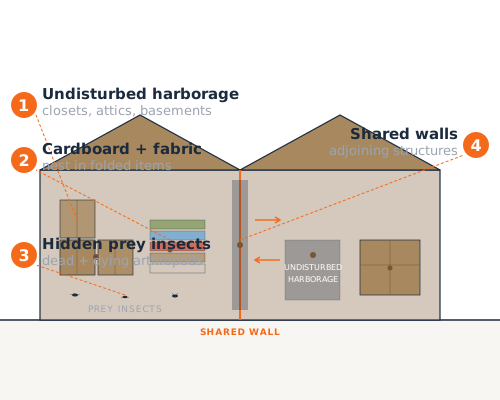
Spotting a recluse is step one. Understanding why your home suits them is what stops the population from rebuilding after treatment. Recluses don't come in from your yard the way some spiders do, they're indoor specialists in the native range, and most established infestations either arrived with the house when you moved in or transferred in stored boxes carrying spiders from a previous residence. They don't actively hunt humans, they hide, and your home is suitable when it provides exactly the conditions they want.

What anchors recluses to your property:

  • Your property is inside the genuine native range, south-central US states from Texas to Ohio. If you're outside that range and a doctor diagnosed a 'recluse bite', the science says reconsider, recluses are simply not established where you live
  • Long-term undisturbed storage zones, basements, attics, closets, and garages that humans rarely move through are exactly the conditions recluses need to cluster and reproduce
  • Cluttered storage built around cardboard boxes, stored fabric, and accumulated household items, corrugated cardboard is the preferred harborage substrate and stacks of it create cluster colonies
  • Older home construction with abundant void spaces, attic insulation gaps, wall cavities, and gaps behind baseboards all give recluses interconnected hiding zones
  • Recent move-in with stored boxes from a previous residence inside the range, recluses commonly transfer between homes by riding in sealed boxes that haven't been opened in months

A new recluse pocket starts when a fertilized female finds a tight undisturbed crevice and produces her first egg sac. Each sac holds 30 to 50 eggs, females produce 1 to 5 sacs per year, and adults live 2 to 5 years. That math is slow on paper, but with no predators inside a heated home and unlimited cardboard harborage, populations build over years and stay. By the time the first homeowner sighting happens, the cluster has often been growing quietly for two to four years.

How Serious Is Your Brown Recluse Problem?

Find your scenario below. Population scope and bite risk drive urgency with this species, and the glue trap census is what turns a guess into a real number.

What You're Seeing Severity If Untreated Next Step
One spider seen in basement or storage, glue trap census shows 0 to 1 catches per 30 days Early Single sighting may be a stray transferred in stored boxes; population either localized or just beginning Confirm the ID, violin marking plus six eyes plus uniform leg color. Schedule a professional glue trap census and start de-cluttering cardboard storage.
Multiple spiders sighted across rooms, glue traps catching 2 to 10 per month Moderate Established cluster with active reproduction. Bite risk rises as population expands into living spaces. Schedule professional treatment this week, residual insecticide in cluster zones plus extended trap monitoring to map distribution.
Glue trap catches 10 to 50 per month, spiders showing up in living spaces, recent bite incident High Established infestation with broad distribution. Cluster has expanded across multiple harborage zones. Same-week service. Plan for a 3 to 6 month treatment program with multiple visits and re-census at 30 and 90 days.
Confirmed bite with developing necrotic lesion or systemic reaction, OR cluster of 50+ spiders found in a single location Urgent Active medical risk plus a mature cluster that has been building for years. Lesions can progress over 7 to 14 days. Seek medical evaluation for the bite victim today. Request emergency pest service same day for the cluster site.
One spider seen in basement or storage, glue trap census shows 0 to 1 catches per 30 days
Severity Early
If Untreated Single sighting may be a stray transferred in stored boxes; population either localized or just beginning
Next Step Confirm the ID, violin marking plus six eyes plus uniform leg color. Schedule a professional glue trap census and start de-cluttering cardboard storage.
Multiple spiders sighted across rooms, glue traps catching 2 to 10 per month
Severity Moderate
If Untreated Established cluster with active reproduction. Bite risk rises as population expands into living spaces.
Next Step Schedule professional treatment this week, residual insecticide in cluster zones plus extended trap monitoring to map distribution.
Glue trap catches 10 to 50 per month, spiders showing up in living spaces, recent bite incident
Severity High
If Untreated Established infestation with broad distribution. Cluster has expanded across multiple harborage zones.
Next Step Same-week service. Plan for a 3 to 6 month treatment program with multiple visits and re-census at 30 and 90 days.
Confirmed bite with developing necrotic lesion or systemic reaction, OR cluster of 50+ spiders found in a single location
Severity Urgent
If Untreated Active medical risk plus a mature cluster that has been building for years. Lesions can progress over 7 to 14 days.
Next Step Seek medical evaluation for the bite victim today. Request emergency pest service same day for the cluster site.

Bite wounds need medical evaluation. About 10 to 15 percent of confirmed recluse bites develop the classic necrotic lesion, most heal with conservative care, but the ones that don't need attention early.

How a Brown Recluse Population Grows

Recluses live a long time and reproduce slowly compared to most household pests, but established indoor populations build steadily because nothing limits them inside a heated structure. The slow generational clock plus their tolerance for cluster harborage is exactly why established infestations are so persistent, and why a glue trap census across multiple months is the only honest way to assess one.

  1. Egg sac

    Hatch in 25 to 39 days

    Females produce 1 to 5 egg sacs per year, each containing 30 to 50 eggs. Sacs are off-white, about a half inch across, and woven into silk strands attached to web in undisturbed corners. A single mature female across her lifespan can produce 500+ offspring inside one structure.

  2. Spiderling

    Cluster near the sac for 4 to 12 days, then disperse short distances

    Hatched spiderlings stay close to the natal sac for the first week or two, then walk short distances to find their own harborage. Unlike many spiders, recluse spiderlings do not balloon long distances on silk, which is why populations build in specific structures rather than spreading across yards.

  3. Sub-adult

    5 to 8 molts over 10 to 12 months

    The violin marking develops gradually with each molt and isn't reliable in the youngest stages. Venom yield increases with body size. Sub-adults tolerate sharing harborage with adults, which is what allows cluster populations to build inside a single closet or stack of boxes.

  4. Adult

    Females 2 to 5 years (occasionally longer); males 1 to 2 years

    Females remain sedentary in established harborage and produce egg sacs each warm season. Males roam more, especially in summer searching for females, and account for most of the visible activity homeowners see in living spaces. Cluster sites of 50 or more individuals across all life stages are routine in mature indoor populations.

The long lifespan plus clustered hiding means that established infestations build slowly over years and persist for years after the first visible sighting. There is no peak swarm event that signals trouble, just a gradual accumulation of spiders in storage zones that's already been growing quietly when the first one walks across a basement floor. That's why glue trap census across multiple months is the assessment tool, single visits and single counts undercount the population every time.

When Brown Recluses Are Most Active

Recluses live entirely indoors in heated structures within the native range, so their seasonal pattern affects visibility and bite risk more than total population size. Indoor populations stay fully active twelve months a year. Knowing the seasonal rhythm tells you when sightings spike and when treatment lands with the most impact.

  • Spring

    Outdoor activity resumes in March and April in the warmer parts of the range. Females begin producing egg sacs and indoor populations transition from winter sedentary to active reproduction. Spring cleaning that disturbs long-stored boxes often produces the first sightings of the year.

  • Summer

    Peak indoor sightings from June through September. Males roam aggressively in search of females and account for most of the visible activity in living spaces. Females continue producing egg sacs through summer, building toward the peak cluster densities of the year.

  • Fall

    Spiderlings dispersed during summer reach sub-adult stages and cluster densities hit their annual maximum in October and November. This is the highest-yield window for a glue trap census, traps will catch more individuals now than at any other time of year, which makes the population scope visible.

  • Winter

    Indoor populations remain fully active in heated structures, and bites are possible year-round indoors. Outdoor activity stops in the cold regions of the range, but recluses do not enter homes from outside in winter, every winter sighting indicates an established indoor population that's been present for months or years.

Why Brown Recluses Aren't a DIY Job

The single most important thing to know about recluses is that misidentification is the dominant story outside the native range. University entomologists have published study after study finding that most 'brown recluse bites' diagnosed in California, the Pacific Northwest, the Northeast, and Florida are not recluse bites. They're MRSA, staph, other skin infections, other spider bites, or unknown causes. If you live in one of those non-range regions and a clinician diagnosed a recluse bite, the science strongly supports getting a second opinion.

Inside the genuine native range, recluses do exist and they cluster in undisturbed storage. One spider sighting often means dozens hidden in the same zone. The visible spider is roughly 5 to 10 percent of the actual population, the rest is between cardboard layers, in attic insulation, behind baseboards, and inside stored clothing. Contact spray kills the spider you see and does almost nothing to the cluster behind it.

Bite presentation is variable, which causes its own confusion. Initial bites are usually painless or only mildly stinging. About 10 to 15 percent of confirmed recluse bites develop the classic target-shaped necrotic lesion over 7 to 14 days, most heal with conservative care. Rare systemic reactions (hemolysis, kidney involvement) are serious and need medical attention. Children, elderly, and anyone with poor circulation or immunocompromise are at higher risk for severe outcomes.

A professional program uses residual insecticide in cluster zones plus a glue trap census placed monthly to measure the population over time. Initial assessment plus the first census typically runs $200 to $500. Treatment programs run $400 to $1,500 depending on home size and population scope, and established infestations take 3 to 6 months across multiple visits. Recurring monthly programs at $50 to $120 are common for keeping mature infestations under control.

What Changes When a Pro Shows Up

Recluse treatment is a measurement program first and a chemical program second. The visible spiders are 5 to 10 percent of the actual population, and a specialist's job is to find the rest, treat the cluster zones directly, and confirm collapse over months instead of guessing after a single visit. Here's what changes:

Pest control technicians after completing a brown recluse treatment service
  • Local Pest Control
  • 24/7 Availability
  • Quality Workmanship
  • Eco‑Friendly Options
  • Trusted by Homeowners
  • They Run a Glue Trap Census

    Dozens of sticky monitoring traps go in across closets, basements, attics, garages, and behind furniture. Catches are counted at 30 and 60 days. That number, not a homeowner's sighting count, is what tells you whether you have a localized pocket or a 300-spider cluster across the structure.

  • They Confirm the ID, Every Time

    Violin marking on the front body segment, six eyes arranged in three pairs (not eight like most spiders), uniform light-to-dark brown color, no banding on the legs, no stripes on the abdomen. If those four checks don't all match, it isn't a recluse, and a specialist will tell you.

  • Residual Insecticide in Cluster Zones

    Targeted application in the actual harborage seams, between cardboard layers, in attic insulation voids, behind baseboards, inside wall cavities, reaches recluses where they live. Surface treatment of open floors and walls misses the cluster entirely and wastes the visit.

  • De-clutter Intervention as Part of the Plan

    No chemical program survives the next year if cardboard boxes and stored fabric stay in place. A specialist will walk the storage zones with you and identify what needs to go, what should switch to sealed plastic, and what can stay if it's regularly disturbed.

  • Local Pest Control
  • 24/7 Availability
  • Quality Workmanship
  • Eco‑Friendly Options
  • Trusted by Homeowners
NoToPests home

One call connects you with a local specialist who knows brown recluse spiders and your area.

Be Ready When You Call

Pest control technician arriving for brown recluse service
Junho L.
Daisuke P.
Kirk Q.
Marion K.

Trusted by homeowners nationwide

Call for Pest Control Help (888) 495-1510

Can You Handle This or Do You Need Help?

Recluse populations are larger than they look and the bite risk is real. The DIY ceiling is genuinely low here, especially inside the native range where cluster populations build for years before becoming visible.

What DIY Can Do

DIY work is best aimed at harborage reduction and bite prevention, useful inside the range and almost the entire job outside it. Honest limits:

  • Inside the native range, place store-bought glue traps in suspected zones for monitoring, catches over weeks tell you whether you have a real population
  • Shake out stored clothing and shoes before wearing them, especially items pulled from long-term storage
  • De-clutter cardboard storage and switch to sealed plastic bins for anything stored more than a year
  • Wear gloves before reaching into boxes, behind furniture, or into dark crawl spaces
  • What DIY cannot do: inspect attic and wall voids safely, deploy a real census across multiple rooms, or apply residual insecticide in cluster harborage.

What a Pro Does Differently

Professional recluse work is built around cluster biology and population measurement. Here's what changes when you call:

  • Extended glue trap census across multiple rooms gives you a real number for population scope, not a guess based on sightings
  • Residual insecticide placed directly into cluster harborage, between cardboard layers, in attic voids, behind baseboards, reaches recluses where they live
  • Re-census at 30 and 90 days confirms the program is reducing the population, not just killing what's visible
  • De-clutter consultation identifies the cardboard and stored fabric that needs to go, no chemical program survives without harborage reduction
  • Multi-visit cadence over 3 to 6 months for established infestations, anyone promising one-visit elimination is overpromising.

Suspect Brown Recluse Spiders? Don't Wait.

Recluse populations build silently for years and the bite wounds that do develop can take weeks to heal. Connect with a local specialist who runs a glue trap census, treats cluster zones directly, and follows up across months instead of weeks.

Available 24/7
(888) 495-1510

What Homeowners Say After Getting Help

Real results from people who had the same problem and solved it.

Felisha M.
Felisha M.
Fairbanks, AK

"Basement spiders finally under control."

Every fall, spiders would move inside as temperatures dropped. The pro treated the basement and entry areas and explained how to reduce the conditions that attract them. It made a noticeable difference right away.

Felisha M.
Felisha M.
Fairbanks, AK

"Basement spiders finally under control."

Every fall, spiders would move inside as temperatures dropped. The pro treated the basement and entry areas and explained how to reduce the conditions that attract them. It made a noticeable difference right away.

Alexis F.
Alexis F.
Fayetteville, AR

"Brown recluse spiders, finally handled."

We found brown recluse spiders in the garage and a closet. The tech explained their habits and treated the areas where they hide. Knowing what to watch for gave us peace of mind.

Ming I.
Ming I.
Dover, DE

"Fall spider invasion handled."

Every autumn, spiders would take over the garage and porch. The tech treated those areas and explained what draws them indoors when temperatures drop. The difference was immediate.

Yumi N.
Yumi N.
Boise, ID

"Garage cleared of spiders."

Black widow spiders were nesting in the garage corners. The tech cleared the webs, treated the area, and explained how to keep the space less inviting. It's been months without any new webs appearing.

Tatsuo U.
Tatsuo U.
South Bend, IN

"Basement spider population knocked down fast."

Our basement had become a spider haven. The tech treated the entire lower level and explained how reducing clutter and moisture would help long-term. The spider population dropped significantly within a couple of weeks.

Claire K.
Claire K.
Davenport, IA

"Spiders cleared from window frames."

Every fall, spiders would cluster around our window frames. The tech treated the exterior and explained how light attracts insects, which in turn attract spiders. Reducing the conditions made a noticeable difference.

Li Z.
Li Z.
Wichita, KS

"Brown recluse spiders cleared from closets."

Finding brown recluse spiders in multiple closets was frightening. The tech treated the interior thoroughly and explained how to make storage areas less attractive to them. We've been checking regularly and haven't found any since.

Zora M.
Zora M.
Bowling Green, KY

"Crawl space spiders identified and cleared."

Our crawl space had a significant spider population including some we couldn't identify. The provider treated the area and explained which species are common in Kentucky. Knowing what we were dealing with helped a lot.

Seo W.
Seo W.
Augusta, ME

"Damp basement cleared of spiders."

The damp basement was full of spiders and webs. The provider treated the area and recommended a dehumidifier to reduce the moisture that attracts them. The spider population dropped noticeably within weeks.

Bryce X.
Bryce X.
Lansing, MI

"Crawl space spider habitat cleared."

Our crawl space was full of spider webs and egg sacs. The provider cleared and treated the area and explained how the moisture down there creates an ideal habitat. Adding ventilation and treatment together made a lasting difference.

Kathleen Z.
Kathleen Z.
Kansas City, MO

"Storage room cleared of brown recluse spiders."

We found brown recluse spiders while organizing a storage area. The provider treated the room and surrounding spaces and explained how to make storage areas less inviting. The careful approach put us at ease.

Hailey X.
Hailey X.
Helena, MT

"Log cabin spider problem managed."

Our cabin-style home attracted a lot of spiders. The provider treated the interior and exterior and explained how the wood siding creates perfect hiding spots. Regular treatments have kept the problem manageable.

Matthew A.
Matthew A.
Bellevue, NE

"Porch webs and spiders cleared up."

Our porch light attracted insects and spiders followed. The provider treated the porch area and suggested switching to yellow bulbs that attract fewer bugs. The spider webs have been much less of a problem since.

Raj T.
Raj T.
Sparks, NV

"Garage black widows cleared and prevented."

We found black widow webs in multiple corners of the garage. The provider treated the garage thoroughly and explained how to keep it less attractive to spiders. Regular inspections and treatment have kept it clear.

Felicia J.
Felicia J.
Portsmouth, NH

"Stone foundation spiders finally manageable."

Our stone foundation basement was perfect spider habitat. The provider treated the perimeter and interior and explained how sealing cracks in the old stonework helps. The basement is much more comfortable now.

Drew U.
Drew U.
Las Cruces, NM

"Patio cleared of black widow nests."

We found black widow webs under outdoor furniture and along the foundation. The provider treated the yard and exterior thoroughly and explained how the warm, dry climate makes them common here. The treatment worked well.

Hana I.
Hana I.
Bismarck, ND

"Basement and upstairs cleared of spiders."

Our basement was full of spider webs and we kept finding them upstairs too. The provider treated both levels and explained how basements in North Dakota homes provide ideal shelter. The improvement was obvious within weeks.

Jesus D.
Jesus D.
Tulsa, OK

"Brown recluse spiders, finally handled."

We started finding brown recluse spiders in closets and the garage. The provider did a thorough treatment and explained their behavior patterns. They also recommended reducing clutter in storage areas, which helped significantly.

Bryan O.
Bryan O.
Rapid City, SD

"Detached garage cleared of spiders."

Our detached garage had become a spider haven. The tech treated the interior and sealed the gaps around the door and windows. They explained that garages are prime spider habitat because of the insects attracted to the light.

Andre C.
Andre C.
Chattanooga, TN

"Crawl space spider population brought down."

The crawl space under our house had a large spider population. The pro treated the area and installed better ventilation. They explained how reducing moisture in crawl spaces naturally reduces spider activity over time.

Wendell K.
Wendell K.
Casper, WY

"Basement webs and spiders cleared."

Our basement was full of spiders and webs every season. The tech treated the space and explained how reducing humidity and clutter makes it less hospitable. The spider population has been much lower since.

Cris A.
Cris A.
Tuscaloosa, AL

"Attic spiders identified, treated, and cleared."

We found spider webs throughout the attic and worried about brown recluses. The tech identified the species and treated the attic, garage, and crawl space. They explained how insulation provides hiding spots and recommended sealing gaps near the roofline.

Warren Y.
Warren Y.
Soldotna, AK

"Basement spider population cut down."

Our basement had cobwebs in every corner and we kept finding large spiders near the laundry area. The tech treated inside and out and explained how reducing other insects would cut the spider population since they follow their food source.

Kwame U.
Kwame U.
Chandler, AZ

"Garage cleared of black widow nests."

We found black widow webs behind boxes in the garage and near the water heater. The tech cleared the webs, treated the area, and recommended reducing clutter. They explained widow habits so we could spot early signs of return.

Mahogany A.
Mahogany A.
Conway, AR

"Closets cleared of brown recluse spiders."

We found brown recluses in the bedroom closets and were afraid to reach for clothes. The tech did a thorough treatment of closets, attic, and crawl space. They placed glue traps for monitoring and the activity dropped quickly.

Fang T.
Fang T.
Loveland, CO

"Window wells cleaned out and spider-free."

Basement window wells were full of spider webs and insects. The tech treated the wells, cleaned them out, and sealed gaps around the window frames. They suggested adding well covers to reduce debris and insect activity.

Rosalba R.
Rosalba R.
Middletown, CT

"Basement storage reclaimed from spiders."

The unfinished basement was full of spider webs and egg sacs. The tech treated the entire basement, removed webs, and explained that reducing moisture and clutter makes the space less attractive to spiders and their prey.

Gilberto D.
Gilberto D.
Laurel, DE

"Brown recluse spiders identified and treated."

We found what looked like a brown recluse in the garage and panicked. The provider identified the species, treated the garage and crawl space, and placed monitoring traps. They educated us on how to recognize recluse spiders versus harmless look-alikes.

Dontae Z.
Dontae Z.
Fort Myers, FL

"Pool cage spiders cleared and webs gone."

Large orb weaver spiders built webs all over the pool enclosure every night. The provider treated the cage frame and surrounding landscaping. Reducing the insect population that attracted the spiders was the key to long-term control.

Mai G.
Mai G.
Athens, GA

"Screened porch cleared of spider webs."

Every corner of the screened porch had webs and large spiders. The provider treated inside the screen enclosure and the exterior perimeter. Reducing landscape lighting near the porch cut down the insect prey that attracted spiders.

Fernanda H.
Fernanda H.
Wahiawa, HI

"Closets cleared of cane spiders."

Large cane spiders kept appearing in closets and behind furniture. The provider treated the interior and exterior and cleared out harborage areas. They explained that cane spiders are mostly beneficial but understood our comfort concerns.

Juan Z.
Juan Z.
Twin Falls, ID

"Window wells cleared of black widows."

We found black widows in multiple basement window wells. The provider treated the wells, cleared debris, and sealed gaps around the windows. They recommended well covers to keep insects and spiders from using them as shelter.

Tavarez Q.
Tavarez Q.
Aurora, IL

"Unfinished basement spider count down sharply."

The basement had spiders in every corner and behind storage shelves. The provider treated the entire space and explained that reducing clutter and moisture cuts the insect population that spiders feed on. The improvement was dramatic.

Tim S.
Tim S.
Terre Haute, IN

"Brown recluse spiders cleared throughout the house."

We found brown recluse spiders in closets, the garage, and the basement. The provider did a thorough treatment and placed sticky traps for monitoring. They explained that reducing clutter eliminates hiding spots these spiders prefer.

Rafiki H.
Rafiki H.
Council Bluffs, IA

"Back porch cleared and webs gone."

Every morning, new webs stretched across the porch doorway. The provider treated the porch and surrounding area. Reducing outdoor lighting near the porch cut down the flying insects that attracted the spiders.

Ian R.
Ian R.
Manhattan, KS

"Whole-house recluse treatment fully resolved."

My son was reaching for a winter coat in the basement closet when he saw one drop down the sleeve. That was enough for me. The inspector found shed skins behind the dryer and treated the closets, garage, and the gap behind the water heater. Monitoring traps catch the occasional straggler. Knock on wood, no bites in the house, and the kids know not to grab clothes without shaking them out.

Derek K.
Derek K.
Elizabethtown, KY

"High-risk areas cleared of brown recluse spiders."

We kept finding brown recluses in the basement and laundry room. The provider treated all the high-risk areas and set up monitoring traps. They explained how to reduce clutter and seal boxes to minimize hiding spots.

Darnell M.
Darnell M.
Monroe, LA

"Playroom cleared safely for the kids."

Finding spiders in the playroom worried us about the children's safety. The provider identified the species, treated the room and surrounding areas, and explained how to reduce conditions that attract spiders indoors.

Jose N.
Jose N.
South Portland, ME

"Basement corners cleared and dehumidified."

The damp basement was full of spider webs and egg sacs. The provider treated the basement and recommended a dehumidifier. Reducing moisture cut down the insect prey that attracted spiders in the first place.

Emilia P.
Emilia P.
Hagerstown, MD

"Basement spiders down sharply with moisture control."

The basement had webs in every corner and large spiders near the sump pump. The provider treated the entire basement and sealed cracks in the foundation walls. Reducing moisture with a dehumidifier helped long-term.

Common Questions About Brown Recluse Spiders

Direct answers to what homeowners ask most about identification, geographic range, bite wounds, and what real treatment looks like.

  • How do I confirm a spider is actually a brown recluse? Toggle answer for: How do I confirm a spider is actually a brown recluse?

    Positive identification of brown recluse spiders requires examining three features: a dark, violin-shaped marking on the cephalothorax (the front body segment) with the violin's neck pointing toward the abdomen, only six eyes arranged in three pairs (a semicircle of three pairs, unlike the eight eyes of most spiders), and uniformly colored legs with no banding or spines. Brown recluses are light to medium brown, about the size of a quarter including legs, and have fine hairs rather than visible spines on their legs. Many harmless brown spiders are commonly misidentified as brown recluses. Their confirmed range is the south-central and midwestern United States, if you live outside this range, the spider is very likely a different species.

  • What happens when a brown recluse bites and how should I respond? Toggle answer for: What happens when a brown recluse bites and how should I respond?

    Brown recluse venom contains a tissue-destroying enzyme (sphingomyelinase D) that can cause necrotic skin lesions. Most bites initially resemble a mild bee sting and may go unnoticed. Over 24 to 72 hours, a subset of bites develop a characteristic pattern: the bite site turns red, then develops a bluish-white center that can progress to an open, slow-healing ulcer (necrotic lesion) over days to weeks. Many bites heal without necrosis, but medical evaluation is recommended for any suspected brown recluse bite. If possible, capture the spider for identification. Apply ice to reduce swelling and seek medical attention promptly, early intervention can significantly improve outcomes for bites that do develop necrosis.

  • Why do spiders keep appearing in my home? Toggle answer for: Why do spiders keep appearing in my home?

    Spiders follow their food source, other insects. If you have a recurring spider problem, it almost always means you also have an underlying insect population (gnats, flies, ants, or moths) that's attracting them. Reducing exterior lighting that draws insects, sealing cracks around windows and doors, and addressing the prey insects will significantly reduce spider activity indoors.


  • Are spiders dangerous? Toggle answer for: Are spiders dangerous?

    Most house spiders are harmless and actually beneficial, and theyeat other pests. However, two species in the U.S. Pose genuine medical risks: the brown recluse and the black widow. Brown recluse bites can cause tissue necrosis, and black widow bites cause severe muscle pain and cramping. If you're in an area where either species is common, identification matters.

  • How quickly can a provider get to my home? Toggle answer for: How quickly can a provider get to my home?

    Most providers in our network can schedule an inspection within 24-48 hours. For urgent situations, likeactive structural damage or large colonies, same-week emergency service is often available. Response times depend on your location and the provider's current schedule.

  • What happens during the first visit? Toggle answer for: What happens during the first visit?

    Your provider inspects the property to identify the pest, locate nesting or entry points, and assess the scope of the problem. You get a clear explanation of what they found, what they recommend, and a written scope before any work begins.

  • Is treatment safe for kids and pets? Toggle answer for: Is treatment safe for kids and pets?

    Modern pest control products are designed to break down quickly after application and pose minimal risk to people and pets when applied correctly. Most providers ask you to keep kids and pets out of treated areas for 1 to 2 hours while the product dries, after which the area is generally safe again. Always confirm specific re-entry times with your provider, and let them know about pet birds, fish, or reptiles, since some treatments require extra precautions for those species.

Pest Control Pros serving the city of the state of your city and nearby areas

Local providers experienced with brown recluse populations are ready to run a glue trap census, treat cluster harborage, and follow up across months, no obligation.

Available 24/7
(888) 495-1510