Local pest control help is one call away.

Cellar Spider: Identification, Treatment & Prevention

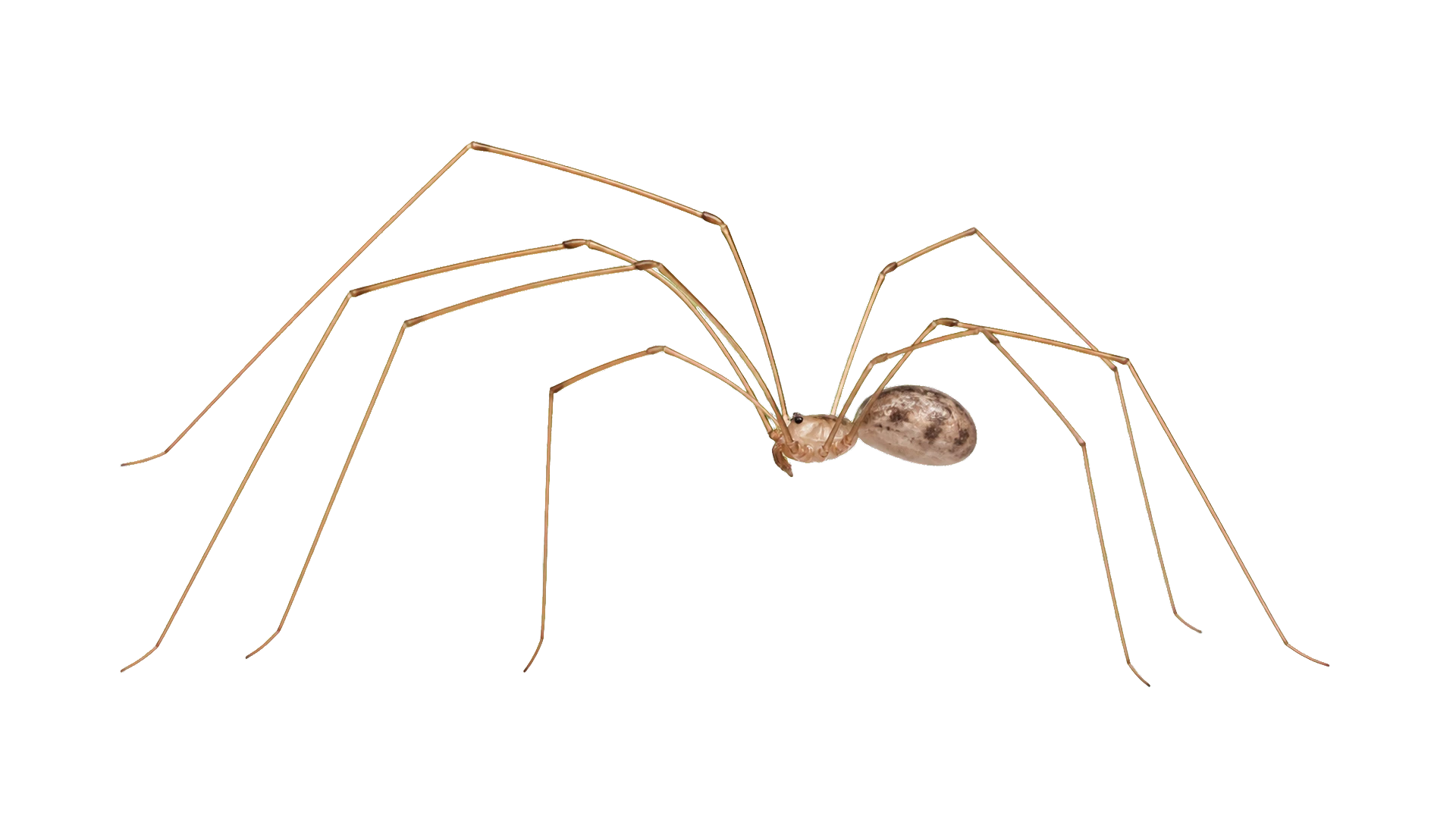
Cellar spiders are the long-legged spiders most homeowners notice hanging upside down in basement and garage corners. The body is small, around 6 to 10 millimeters, pale tan or gray and almost see-through, but the legs run five to seven times that length, which creates the distinctive look people call daddy long-legs. They are true spiders, not harvestmen, and the two are often confused. Cellar spiders have two body segments and live in messy tangled webs; harvestmen have one fused body and no web at all.

If you're seeing tiny pale spiders with extremely thin legs perched upside down inside loose, irregular webs in upper corners of basements, garages, attics, or dark closets, you're looking at cellar spiders. They are harmless to people and actually useful, because they eat other spiders. This guide covers how to confirm them, what behaviors to watch for, and the small number of cases where a single visit from a pro makes sense.

Close-up illustration of a cellar spider showing pale small body and ridiculously long thin legs hanging in a tangled web

ID Card: Cellar Spider

Scientific name
Pholcidae
Color
Pale tan, gray
Size
1/4 to 3/8 inch
Body shape
Small body with extremely long, thin legs
Key evidence
Messy cobwebs in ceiling corners and basements, vibrates web when disturbed
Also known as
Daddy long legs spiders, Skull spiders, Vibrating spiders

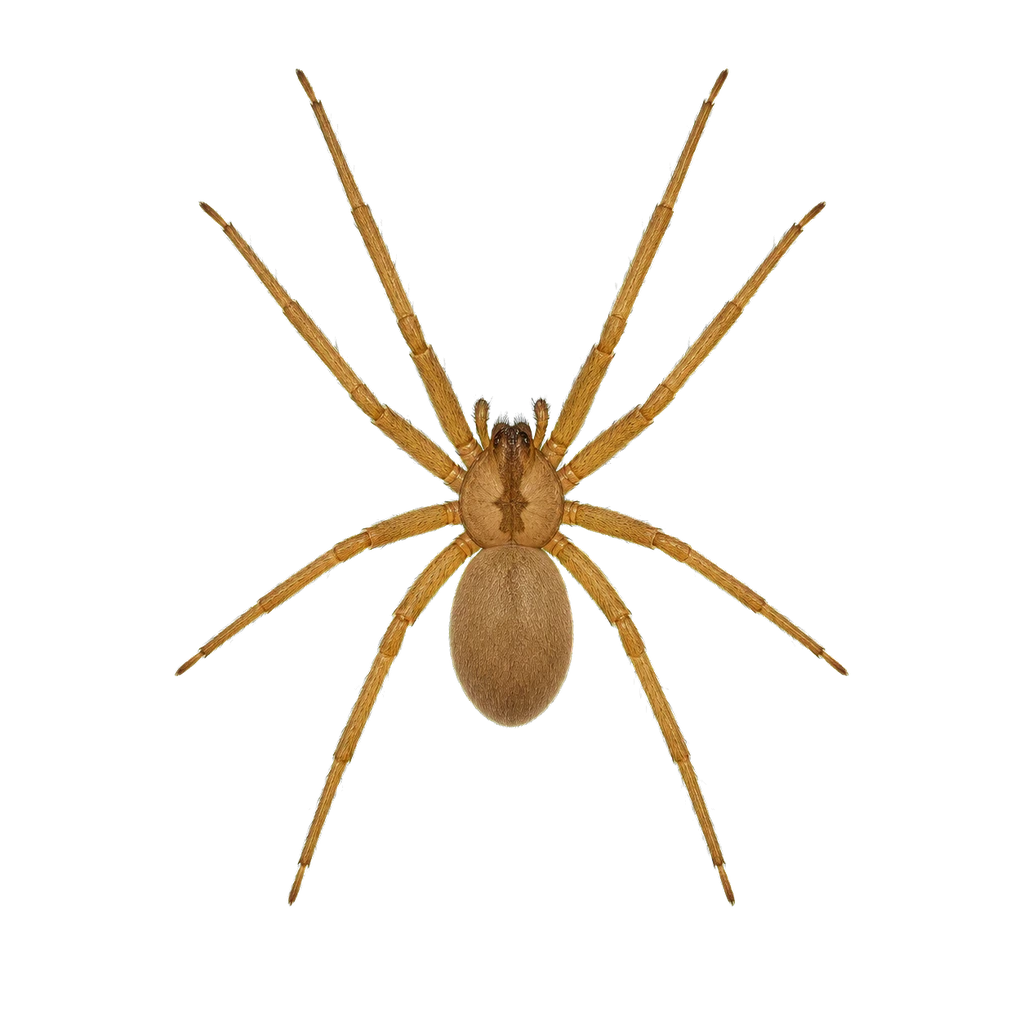
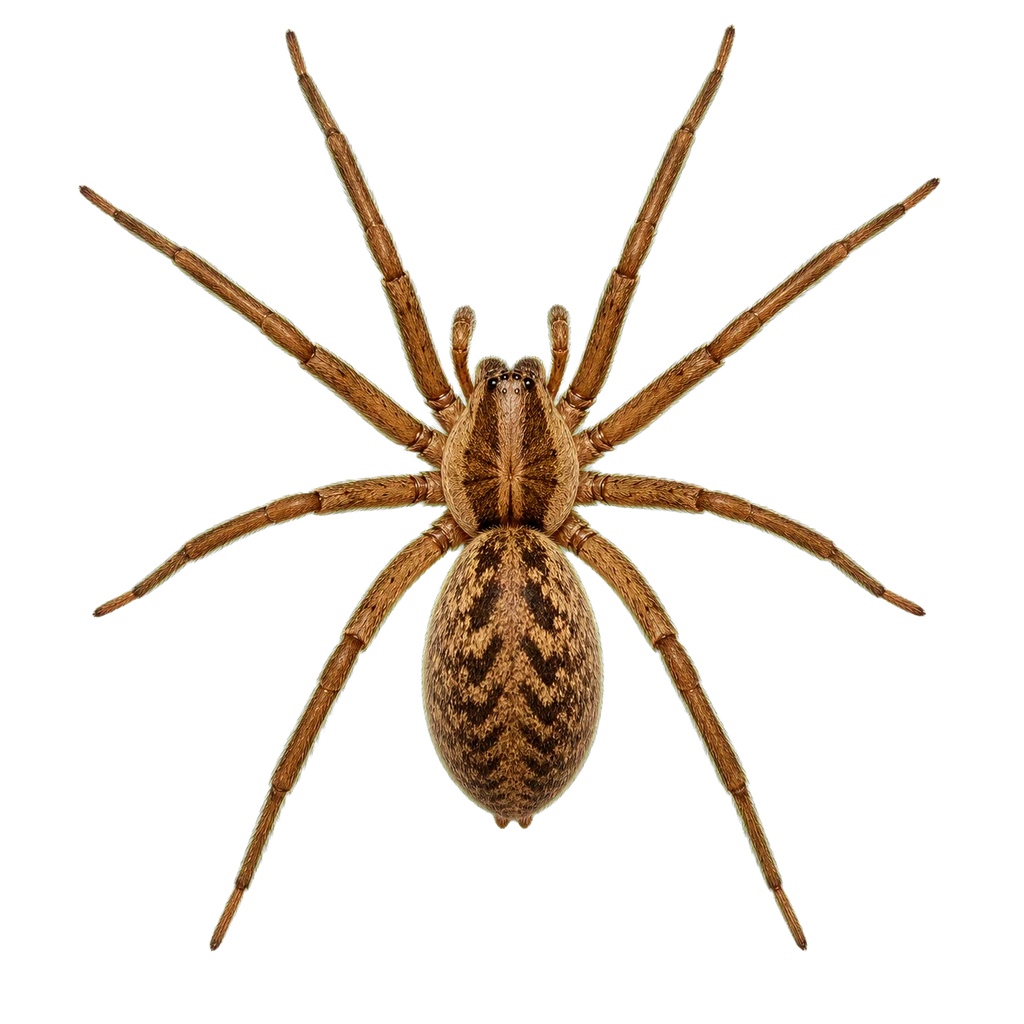
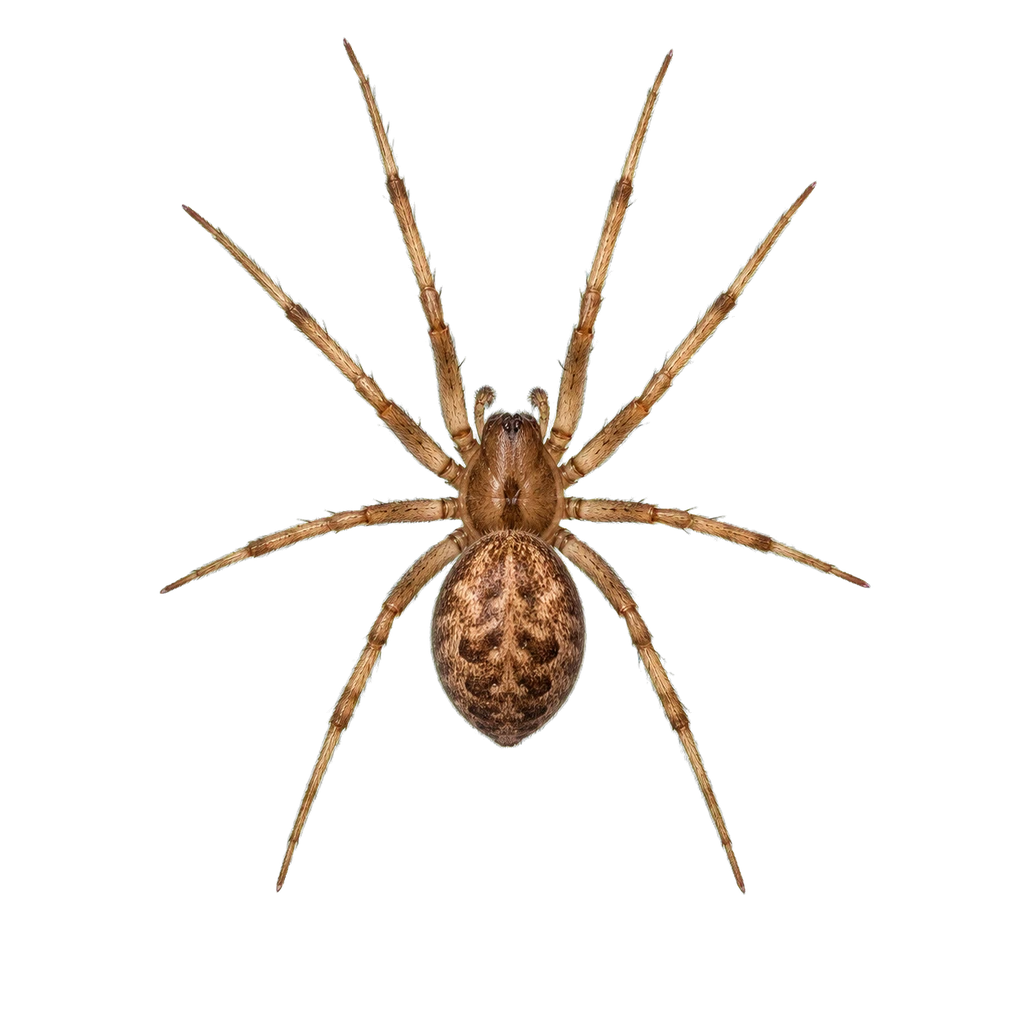
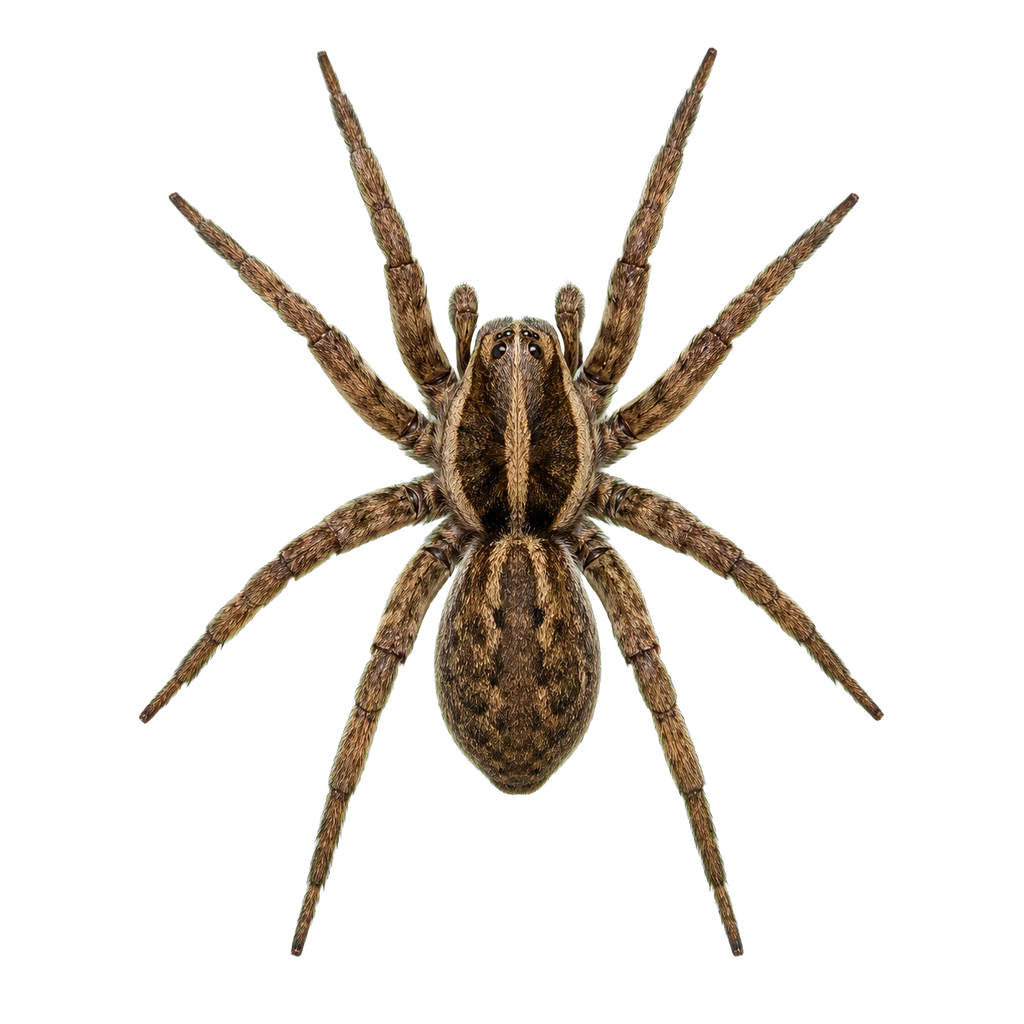
Related Species

Call to get matched with a local pest control pro.

Available 24/7
(888) 495-1510
  • Specialists who can confirm cellar spider identification on sight
  • Single-visit residual treatment when web density bothers the household
  • Honest guidance on when cellar spiders should be left alone for natural pest suppression

Where to Find Cellar Spider Webs

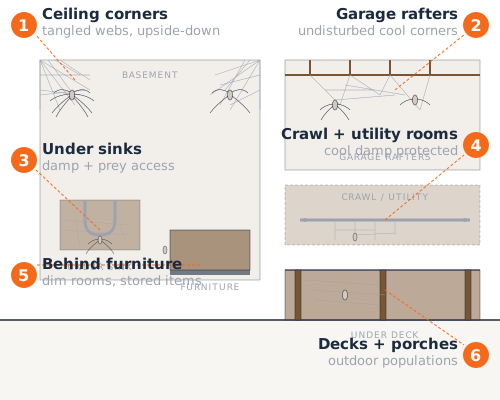
Cross-section illustration showing cellar spider web locations in basement, garage, attic, and crawl space upper corners

Cellar spiders pick the quietest, least-disturbed corners of a building and stay there. Once a web is established, the spider rarely leaves it. Walking the right rooms with a flashlight pointed up is how you map a population:

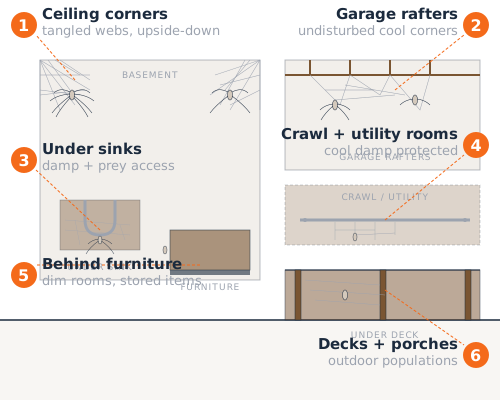
  • Basement ceiling corners and beams, The primary habitat in almost every home. Look for tangled messy webs in the angle where wall meets ceiling, with a small pale spider hanging upside down in the middle.
  • Garage corners and ceiling beams, Especially attached garages that stay cool and dim. Cellar spiders build heavy web density in the corners above storage shelves and behind doors that rarely open.
  • Attic corners and rafter joints, Bring a flashlight and look up at the rafters. Cellar spiders favor the dead-air pockets where rafters meet ridge boards. Egg sacs visible as small pale clusters held in the female's mouthparts.
  • Crawl space ceiling, Cool damp protected harborage equals textbook cellar spider conditions. Webs build heavily on the underside of subfloor framing, especially around plumbing penetrations.
  • Dark closet corners and behind unused furniture, Bedroom closets that stay closed, china cabinets that get moved twice a year, and the gap behind a tall dresser all support undisturbed webs.
  • Bathroom and laundry room ceiling corners, Cellar spiders tolerate higher humidity well, so steamy bathrooms and laundry rooms with constant moisture can hold small populations even in upper floors of the home.

If you find webs in three or more of these zones, you have an established cellar spider population that has been growing slowly over years. That isn't a problem the way an ant trail or a rodent run is a problem, because cellar spiders aren't damaging anything or carrying disease. The decision to treat is almost always about how the webs look, not about safety. Many pest control philosophies actually recommend leaving cellar spiders alone, since they're predators of other spiders including species that do bite people.

Cross-section illustration showing cellar spider web locations in basement, garage, attic, and crawl space upper corners
Illustration showing cellar spider habitat across basement, garage, attic, crawl space, and ceiling corners of older homes

Why Do I Have Cellar Spiders?

Spotting webs is step one. Understanding why cellar spiders settled into your home is what tells you whether anything actually needs to change. Cellar spiders are not invading the way ants or rodents invade. They live indoors. Heated buildings with low-traffic basements and garages are exactly the year-round habitat they evolved to use, and once a few individuals settle in, the population builds slowly across years without much intervention from outside.

What anchors them to your property:

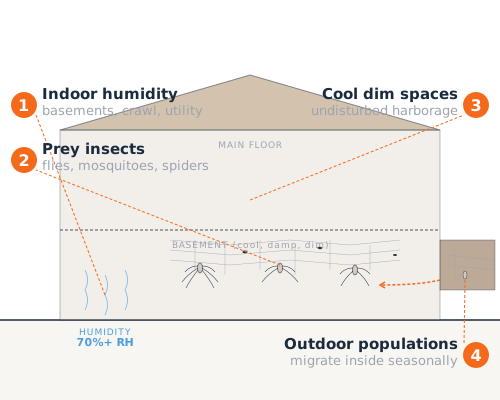
  • Low-traffic basements, garages, attics, and crawl spaces, the primary habitat, undisturbed corners with stable temperatures are exactly the conditions cellar spiders need to spend their entire lifecycle indoors
  • Indoor humidity slightly higher than the living spaces, basements and bathrooms run a few percent above the main floors, which is the preferred microclimate for cellar spiders compared to drier rooms
  • Other small arthropods indoors, cellar spiders eat small flies, gnats, mosquitoes, and even other spiders that gather in the same harborage, so a steady prey supply will sustain a steady cellar spider population
  • Heated indoor environment year-round, cellar spiders evolved in subtropical climates but now live worldwide inside heated buildings, the indoor temperature lets reproduction continue through winter when outdoor spiders are dormant
  • Older homes with complex construction, lots of void spaces, ceiling joists, and rarely-opened storage areas give cellar spiders more places to web than newer slab-on-grade homes with finished basements

A new web starts when a juvenile cellar spider disperses from its mother's web and settles into a nearby corner, usually within a few feet. Each female produces three or more egg sacs per year, and she carries each sac in her mouthparts for several weeks until the spiderlings hatch. That carrying behavior is one of the best field IDs for cellar spiders, because almost no other indoor spider does it. The population builds quietly across the lifespan of the adults, which can run one to three years.

How Serious Is Your Cellar Spider Problem?

Find your scenario below. Cellar spiders are harmless and beneficial, so severity here reflects how the webs look and how the household feels about them, not medical risk.

What You're Seeing Severity If Untreated Next Step
One cellar spider in a basement corner, no other webs visible Early A single cellar spider in a quiet corner is the normal state of most homes; the population will grow slowly across years rather than spiking Ignore it. Confirm the ID first, long thin legs, two body segments, hanging upside down in a messy web. A single beneficial predator is doing free pest work for you.
Multiple cellar spiders in basement and garage with visible webs Moderate Web density will continue to build slowly across months and years, but the population is self-limiting based on indoor prey supply Run an extended duster across corners once or twice a year if the webs bother you. Chemical treatment is almost never warranted at this stage.
Heavy web density throughout living spaces, frequent sightings in bathrooms and closets High-aesthetic Population has spread well beyond the typical basement and garage harborage; web visibility in the main living areas is what's driving the call Schedule a single pro residual visit to reduce the population. Also worth reducing other indoor flying insects since cellar spiders self-regulate around prey supply.
Family member with insect-sting allergy or strong fear of spiders, frequent encounters Moderate-elevated Cellar spider bites are not known to cause serious reactions, but household stress and avoidance behavior is a real quality-of-life issue worth addressing Call a pro for a single population-reduction visit. Confirm the species on arrival to rule out medically significant spiders that may be sharing the harborage.
One cellar spider in a basement corner, no other webs visible
Severity Early
If Untreated A single cellar spider in a quiet corner is the normal state of most homes; the population will grow slowly across years rather than spiking
Next Step Ignore it. Confirm the ID first, long thin legs, two body segments, hanging upside down in a messy web. A single beneficial predator is doing free pest work for you.
Multiple cellar spiders in basement and garage with visible webs
Severity Moderate
If Untreated Web density will continue to build slowly across months and years, but the population is self-limiting based on indoor prey supply
Next Step Run an extended duster across corners once or twice a year if the webs bother you. Chemical treatment is almost never warranted at this stage.
Heavy web density throughout living spaces, frequent sightings in bathrooms and closets
Severity High-aesthetic
If Untreated Population has spread well beyond the typical basement and garage harborage; web visibility in the main living areas is what's driving the call
Next Step Schedule a single pro residual visit to reduce the population. Also worth reducing other indoor flying insects since cellar spiders self-regulate around prey supply.
Family member with insect-sting allergy or strong fear of spiders, frequent encounters
Severity Moderate-elevated
If Untreated Cellar spider bites are not known to cause serious reactions, but household stress and avoidance behavior is a real quality-of-life issue worth addressing
Next Step Call a pro for a single population-reduction visit. Confirm the species on arrival to rule out medically significant spiders that may be sharing the harborage.

Cellar spiders are harmless. If you're between two rows, treat the higher one as your situation, but recognize most homes can leave them alone.

How a Cellar Spider Population Grows

Cellar spiders live one to three years as adults, which is long for a household spider. Each individual stays in roughly the same web for most of its life, so populations build slowly across years inside undisturbed buildings rather than spiking in any one season. The lifecycle below explains why heavy infestations almost always reflect a structure that has been quietly hosting cellar spiders for a while.

  1. Egg sac

    Carried 3 to 4 weeks until hatch

    Each female produces three or more egg sacs per year, with 13 to 60 eggs per sac. Unlike most spiders, the female holds the sac in her mouthparts for the entire incubation period rather than anchoring it to the web. Seeing a small pale cluster being carried by a female is one of the clearest field IDs for the species.

  2. Spiderling

    Disperse within days of hatching

    Newly hatched spiderlings stay clustered near the mother briefly, then disperse to nearby corners to start their own webs. Most disperse only a few feet, which is why cellar spider populations tend to spread room by room rather than across a whole house at once.

  3. Sub-adult

    About 1 year through five molts

    Juveniles progress through five molts over roughly a year, getting larger with each molt. The discarded exoskeletons collect in the web below the spider, which is often mistaken for dead spiders by homeowners. By the final molt the legs reach their full length, which is when most people first notice them.

  4. Adult

    Adults live 1 to 3 years; some species longer

    Adult cellar spiders settle into a permanent web and stay there for most of their remaining life. Females produce multiple egg sacs per year across the adult phase, so a single female in a corner can contribute well over a hundred offspring to the population across her lifespan.

An established cellar spider population in an older building can include dozens to hundreds of individuals across all life stages, distributed across basement, garage, attic, and crawl space corners. Because the spiders are long-lived and stay in place, the population builds slowly across years rather than swarming in any one season. That is also why a single residual visit can suppress visible numbers for a long stretch.

When Cellar Spiders Are Most Active

Cellar spiders inside heated buildings stay active all year, because indoor temperatures don't drop into the dormancy range. The seasonal pattern below describes when egg production peaks and when web density tends to be most visible.

  • Spring

    Egg sac production picks up as days lengthen. Females visibly carry pale clusters in their mouthparts, which is when many homeowners first notice them. Spiderlings begin dispersing into new corners across the basement and garage, expanding the visible web count.

  • Summer

    Indoor populations reach their seasonal peak. Outdoor cellar spider populations under decks, porches, and outbuildings expand in mild climates. Web density in basements, garages, and crawl spaces is at its most visible, and adult females may produce multiple sacs in succession.

  • Fall

    Egg production continues at a steady pace. Some outdoor individuals move into garages and basements ahead of cooler weather, but most populations are already established indoors. Web counts hold steady while juveniles continue molting toward adult size.

  • Winter

    Indoor populations remain fully active in heated structures. Outdoor cellar spiders go dormant in cold climates, but indoor females continue producing egg sacs and adult webs stay in place. The slow lifecycle means winter is one of the better windows for a single-visit treatment if one is needed.

Why Cellar Spiders Usually Aren't a Pro Job

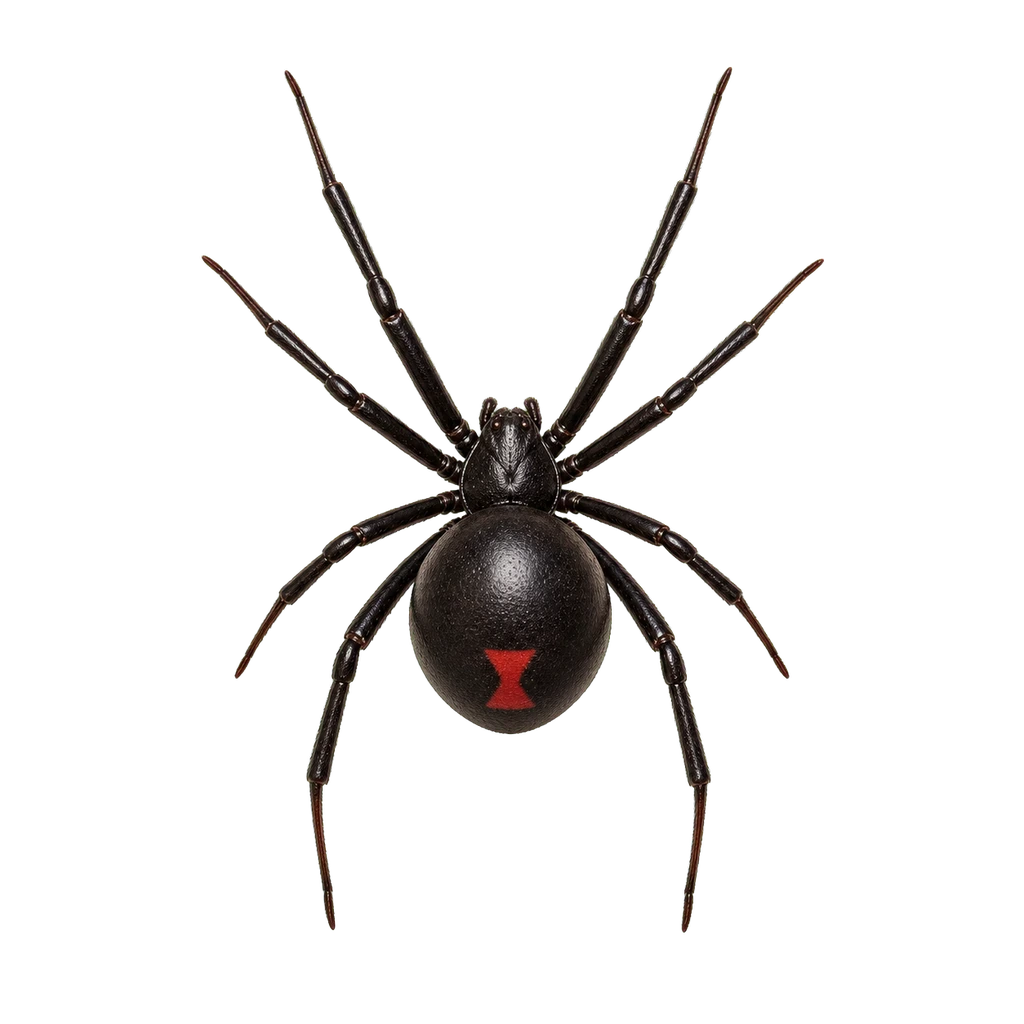
Cellar spiders are one of the few household pests where the honest answer is often to leave them alone. They don't bite people in any meaningful sense, their venom is not dangerous, and they actively reduce other spider populations including black widows and brown recluses. Most homeowners can manage a cellar spider population with an extended duster once or twice a year, and that's the whole job.

There's a long-running urban legend that daddy long-legs are the most venomous spider in the world but cannot bite through human skin. That story is false on both counts. Cellar spider venom has been tested and is not unusually potent, and the fang-length claim is irrelevant since the venom isn't dangerous regardless. The myth has stuck around for decades because it sounds like trivia, but it doesn't reflect any real measurement.

Professional treatment makes sense in a small number of scenarios: when web density has built up to where the household won't tolerate it, when the spiders have spread heavily into living spaces, or when a family member has a serious fear of spiders that's affecting daily life. In those cases a single visit with web removal and a corner residual usually suppresses the population for months, and no recurring program is needed.

A typical single-visit cellar spider job runs $100 to $200. Compare that to recurring ant or rodent programs and the cost is modest. But for most homes the math doesn't justify even the single visit, since the spider is harmless and the webs are easy to vacuum on a routine basis.

What Changes When a Pro Shows Up

Cellar spider treatment is one of the simplest jobs in the industry, because the spider is harmless and slow-moving. A specialist's main job is to confirm the species, remove the existing webs, and apply a single residual to the corners that hold them. Here's what changes:

Pest control technicians after completing a cellar spider treatment service
  • Local Pest Control
  • 24/7 Availability
  • Quality Workmanship
  • Eco‑Friendly Options
  • Trusted by Homeowners
  • They Confirm the Species

    The pro looks for the two-segment body, the extremely long thin legs, the messy tangled web, and the vibration defense behavior. They also rule out medically significant spiders that may share the same corners, so you know what you're actually dealing with.

  • They Remove Webs Across the Whole Property

    An extended duster reaches the ceiling corners, beams, rafters, and high closet corners that homeowners can't easily access. Removing the existing webs and egg sacs gives the residual a clean baseline to work from.

  • They Apply a Single Targeted Residual

    A spot residual in the upper corners reduces the population over the following weeks. Cellar spiders are not aggressive and don't bud or scatter the way ants do, so a single visit is usually enough. No recurring program is needed.

  • They Tell You When to Leave Them Alone

    A good specialist will explain the beneficial predator role. Cellar spiders eat black widows and brown recluses in lab settings. In a garage or unfinished basement, leaving a few in place often reduces the more concerning spiders you don't want.

  • Local Pest Control
  • 24/7 Availability
  • Quality Workmanship
  • Eco‑Friendly Options
  • Trusted by Homeowners
NoToPests home

One call connects you with a local specialist who knows cellar spiders and your area.

Be Ready When You Call

Pest control technician arriving for cellar spider service
Junho L.
Daisuke P.
Kirk Q.
Marion K.

Trusted by homeowners nationwide

Call for Pest Control Help (888) 495-1510

Can You Handle This or Do You Need Help?

Cellar spiders are the rare pest situation where DIY handles almost every case effectively. The species is harmless, the webs are easy to remove, and the spider rarely fights back against treatment.

What DIY Can Do

DIY handles most cellar spider situations completely. The work is mostly identification, web removal, and tolerance:

  • Confirm the species by looking for ridiculously long thin legs, two distinct body segments, and the messy tangled web in upper corners, all three together distinguish cellar spiders from harvestmen and other indoor spiders
  • Watch for the vibration defense behavior when you tap the web, cellar spiders rapidly spin in place to blur their outline, which is unique and confirms the ID
  • Remove webs with an extended duster or vacuum extension once or twice a year, focused on basement, garage, attic, and crawl space ceiling corners
  • Recognize cellar spiders eat other spiders, including black widows and brown recluses in lab settings, leaving a few in a garage or unfinished basement can reduce more dangerous species
  • What DIY cannot easily do: reach extremely high ceiling corners in commercial-style basements, or fully address an underlying prey insect issue feeding a heavy population.

What a Pro Does Differently

A pro visit makes sense in a narrow set of cases, primarily when web density bothers the household or a family member has serious arachnophobia. Here's what changes:

  • Species confirmation on sight, including ruling out medically significant spiders that may share basement and garage corners
  • Full property web and egg sac removal with extended dusters that reach the rafters and ceiling beams homeowners cannot access
  • Single targeted residual application in the upper corners, reducing the population for months without any recurring program
  • Honest guidance on when to leave cellar spiders alone, since they actively prey on more concerning species like black widows and brown recluses
  • Cellar spider work is usually a one-and-done job at $100 to $200, no contract, no follow-up unless a separate prey-insect issue needs work.

Suspect Cellar Spiders? Don't Wait.

Cellar spiders are harmless, but heavy web density can be worth a single visit. Connect with a local specialist who can confirm the species, clear the webs, and apply a targeted residual in one trip.

Available 24/7
(888) 495-1510

What Homeowners Say After Getting Help

Real results from people who had the same problem and solved it.

Felisha M.
Felisha M.
Fairbanks, AK

"Basement spiders finally under control."

Every fall, spiders would move inside as temperatures dropped. The pro treated the basement and entry areas and explained how to reduce the conditions that attract them. It made a noticeable difference right away.

Felisha M.
Felisha M.
Fairbanks, AK

"Basement spiders finally under control."

Every fall, spiders would move inside as temperatures dropped. The pro treated the basement and entry areas and explained how to reduce the conditions that attract them. It made a noticeable difference right away.

Alexis F.
Alexis F.
Fayetteville, AR

"Brown recluse spiders, finally handled."

We found brown recluse spiders in the garage and a closet. The tech explained their habits and treated the areas where they hide. Knowing what to watch for gave us peace of mind.

Ming I.
Ming I.
Dover, DE

"Fall spider invasion handled."

Every autumn, spiders would take over the garage and porch. The tech treated those areas and explained what draws them indoors when temperatures drop. The difference was immediate.

Yumi N.
Yumi N.
Boise, ID

"Garage cleared of spiders."

Black widow spiders were nesting in the garage corners. The tech cleared the webs, treated the area, and explained how to keep the space less inviting. It's been months without any new webs appearing.

Tatsuo U.
Tatsuo U.
South Bend, IN

"Basement spider population knocked down fast."

Our basement had become a spider haven. The tech treated the entire lower level and explained how reducing clutter and moisture would help long-term. The spider population dropped significantly within a couple of weeks.

Claire K.
Claire K.
Davenport, IA

"Spiders cleared from window frames."

Every fall, spiders would cluster around our window frames. The tech treated the exterior and explained how light attracts insects, which in turn attract spiders. Reducing the conditions made a noticeable difference.

Li Z.
Li Z.
Wichita, KS

"Brown recluse spiders cleared from closets."

Finding brown recluse spiders in multiple closets was frightening. The tech treated the interior thoroughly and explained how to make storage areas less attractive to them. We've been checking regularly and haven't found any since.

Zora M.
Zora M.
Bowling Green, KY

"Crawl space spiders identified and cleared."

Our crawl space had a significant spider population including some we couldn't identify. The provider treated the area and explained which species are common in Kentucky. Knowing what we were dealing with helped a lot.

Seo W.
Seo W.
Augusta, ME

"Damp basement cleared of spiders."

The damp basement was full of spiders and webs. The provider treated the area and recommended a dehumidifier to reduce the moisture that attracts them. The spider population dropped noticeably within weeks.

Bryce X.
Bryce X.
Lansing, MI

"Crawl space spider habitat cleared."

Our crawl space was full of spider webs and egg sacs. The provider cleared and treated the area and explained how the moisture down there creates an ideal habitat. Adding ventilation and treatment together made a lasting difference.

Kathleen Z.
Kathleen Z.
Kansas City, MO

"Storage room cleared of brown recluse spiders."

We found brown recluse spiders while organizing a storage area. The provider treated the room and surrounding spaces and explained how to make storage areas less inviting. The careful approach put us at ease.

Hailey X.
Hailey X.
Helena, MT

"Log cabin spider problem managed."

Our cabin-style home attracted a lot of spiders. The provider treated the interior and exterior and explained how the wood siding creates perfect hiding spots. Regular treatments have kept the problem manageable.

Matthew A.
Matthew A.
Bellevue, NE

"Porch webs and spiders cleared up."

Our porch light attracted insects and spiders followed. The provider treated the porch area and suggested switching to yellow bulbs that attract fewer bugs. The spider webs have been much less of a problem since.

Raj T.
Raj T.
Sparks, NV

"Garage black widows cleared and prevented."

We found black widow webs in multiple corners of the garage. The provider treated the garage thoroughly and explained how to keep it less attractive to spiders. Regular inspections and treatment have kept it clear.

Felicia J.
Felicia J.
Portsmouth, NH

"Stone foundation spiders finally manageable."

Our stone foundation basement was perfect spider habitat. The provider treated the perimeter and interior and explained how sealing cracks in the old stonework helps. The basement is much more comfortable now.

Drew U.
Drew U.
Las Cruces, NM

"Patio cleared of black widow nests."

We found black widow webs under outdoor furniture and along the foundation. The provider treated the yard and exterior thoroughly and explained how the warm, dry climate makes them common here. The treatment worked well.

Hana I.
Hana I.
Bismarck, ND

"Basement and upstairs cleared of spiders."

Our basement was full of spider webs and we kept finding them upstairs too. The provider treated both levels and explained how basements in North Dakota homes provide ideal shelter. The improvement was obvious within weeks.

Jesus D.
Jesus D.
Tulsa, OK

"Brown recluse spiders, finally handled."

We started finding brown recluse spiders in closets and the garage. The provider did a thorough treatment and explained their behavior patterns. They also recommended reducing clutter in storage areas, which helped significantly.

Bryan O.
Bryan O.
Rapid City, SD

"Detached garage cleared of spiders."

Our detached garage had become a spider haven. The tech treated the interior and sealed the gaps around the door and windows. They explained that garages are prime spider habitat because of the insects attracted to the light.

Andre C.
Andre C.
Chattanooga, TN

"Crawl space spider population brought down."

The crawl space under our house had a large spider population. The pro treated the area and installed better ventilation. They explained how reducing moisture in crawl spaces naturally reduces spider activity over time.

Wendell K.
Wendell K.
Casper, WY

"Basement webs and spiders cleared."

Our basement was full of spiders and webs every season. The tech treated the space and explained how reducing humidity and clutter makes it less hospitable. The spider population has been much lower since.

Cris A.
Cris A.
Tuscaloosa, AL

"Attic spiders identified, treated, and cleared."

We found spider webs throughout the attic and worried about brown recluses. The tech identified the species and treated the attic, garage, and crawl space. They explained how insulation provides hiding spots and recommended sealing gaps near the roofline.

Warren Y.
Warren Y.
Soldotna, AK

"Basement spider population cut down."

Our basement had cobwebs in every corner and we kept finding large spiders near the laundry area. The tech treated inside and out and explained how reducing other insects would cut the spider population since they follow their food source.

Kwame U.
Kwame U.
Chandler, AZ

"Garage cleared of black widow nests."

We found black widow webs behind boxes in the garage and near the water heater. The tech cleared the webs, treated the area, and recommended reducing clutter. They explained widow habits so we could spot early signs of return.

Mahogany A.
Mahogany A.
Conway, AR

"Closets cleared of brown recluse spiders."

We found brown recluses in the bedroom closets and were afraid to reach for clothes. The tech did a thorough treatment of closets, attic, and crawl space. They placed glue traps for monitoring and the activity dropped quickly.

Fang T.
Fang T.
Loveland, CO

"Window wells cleaned out and spider-free."

Basement window wells were full of spider webs and insects. The tech treated the wells, cleaned them out, and sealed gaps around the window frames. They suggested adding well covers to reduce debris and insect activity.

Rosalba R.
Rosalba R.
Middletown, CT

"Basement storage reclaimed from spiders."

The unfinished basement was full of spider webs and egg sacs. The tech treated the entire basement, removed webs, and explained that reducing moisture and clutter makes the space less attractive to spiders and their prey.

Gilberto D.
Gilberto D.
Laurel, DE

"Brown recluse spiders identified and treated."

We found what looked like a brown recluse in the garage and panicked. The provider identified the species, treated the garage and crawl space, and placed monitoring traps. They educated us on how to recognize recluse spiders versus harmless look-alikes.

Dontae Z.
Dontae Z.
Fort Myers, FL

"Pool cage spiders cleared and webs gone."

Large orb weaver spiders built webs all over the pool enclosure every night. The provider treated the cage frame and surrounding landscaping. Reducing the insect population that attracted the spiders was the key to long-term control.

Mai G.
Mai G.
Athens, GA

"Screened porch cleared of spider webs."

Every corner of the screened porch had webs and large spiders. The provider treated inside the screen enclosure and the exterior perimeter. Reducing landscape lighting near the porch cut down the insect prey that attracted spiders.

Fernanda H.
Fernanda H.
Wahiawa, HI

"Closets cleared of cane spiders."

Large cane spiders kept appearing in closets and behind furniture. The provider treated the interior and exterior and cleared out harborage areas. They explained that cane spiders are mostly beneficial but understood our comfort concerns.

Juan Z.
Juan Z.
Twin Falls, ID

"Window wells cleared of black widows."

We found black widows in multiple basement window wells. The provider treated the wells, cleared debris, and sealed gaps around the windows. They recommended well covers to keep insects and spiders from using them as shelter.

Tavarez Q.
Tavarez Q.
Aurora, IL

"Unfinished basement spider count down sharply."

The basement had spiders in every corner and behind storage shelves. The provider treated the entire space and explained that reducing clutter and moisture cuts the insect population that spiders feed on. The improvement was dramatic.

Tim S.
Tim S.
Terre Haute, IN

"Brown recluse spiders cleared throughout the house."

We found brown recluse spiders in closets, the garage, and the basement. The provider did a thorough treatment and placed sticky traps for monitoring. They explained that reducing clutter eliminates hiding spots these spiders prefer.

Rafiki H.
Rafiki H.
Council Bluffs, IA

"Back porch cleared and webs gone."

Every morning, new webs stretched across the porch doorway. The provider treated the porch and surrounding area. Reducing outdoor lighting near the porch cut down the flying insects that attracted the spiders.

Ian R.
Ian R.
Manhattan, KS

"Whole-house recluse treatment fully resolved."

My son was reaching for a winter coat in the basement closet when he saw one drop down the sleeve. That was enough for me. The inspector found shed skins behind the dryer and treated the closets, garage, and the gap behind the water heater. Monitoring traps catch the occasional straggler. Knock on wood, no bites in the house, and the kids know not to grab clothes without shaking them out.

Derek K.
Derek K.
Elizabethtown, KY

"High-risk areas cleared of brown recluse spiders."

We kept finding brown recluses in the basement and laundry room. The provider treated all the high-risk areas and set up monitoring traps. They explained how to reduce clutter and seal boxes to minimize hiding spots.

Darnell M.
Darnell M.
Monroe, LA

"Playroom cleared safely for the kids."

Finding spiders in the playroom worried us about the children's safety. The provider identified the species, treated the room and surrounding areas, and explained how to reduce conditions that attract spiders indoors.

Jose N.
Jose N.
South Portland, ME

"Basement corners cleared and dehumidified."

The damp basement was full of spider webs and egg sacs. The provider treated the basement and recommended a dehumidifier. Reducing moisture cut down the insect prey that attracted spiders in the first place.

Emilia P.
Emilia P.
Hagerstown, MD

"Basement spiders down sharply with moisture control."

The basement had webs in every corner and large spiders near the sump pump. The provider treated the entire basement and sealed cracks in the foundation walls. Reducing moisture with a dehumidifier helped long-term.

Common Questions About Cellar Spiders

Direct answers to what homeowners ask most about identification, the daddy long-legs myth, and when treatment is actually warranted.

  • How do I tell cellar spiders from brown recluse spiders? Toggle answer for: How do I tell cellar spiders from brown recluse spiders?

    Cellar spiders (often called daddy long legs spiders) are frequently confused with brown recluse spiders because of their similar light-brown coloring, but the two are easily distinguished. Cellar spiders have extremely long, thin legs relative to a small, elongated body and build messy, irregular webs in corners, basements, and garages, and theyare almost always found hanging upside-down in their web. Brown recluses have proportionally shorter, thicker legs, do not hang in webs (they are hunting spiders active at night), and possess the distinctive violin marking and six-eye pattern. Cellar spiders are completely harmless and actually prey on other spiders and insects, including brown recluses when they share habitat.

  • Should I remove cellar spiders from my basement? Toggle answer for: Should I remove cellar spiders from my basement?

    Cellar spiders are beneficial predators that feed on mosquitoes, flies, gnats, and even other spider species including brown recluses and black widows, makingthem arguably the most helpful spider to have in your home. They are completely harmless to humans, cannot deliver a medically significant bite, and do not damage any household materials. The primary reason people remove them is aesthetic: their prolific web-building creates unsightly cobwebs in corners, ceilings, and basements. If web accumulation is the concern, periodic web removal with a broom or vacuum is sufficient, thespiders themselves are providing a valuable pest control service at no cost.

  • Why do spiders keep appearing in my home? Toggle answer for: Why do spiders keep appearing in my home?

    Spiders follow their food source, other insects. If you have a recurring spider problem, it almost always means you also have an underlying insect population (gnats, flies, ants, or moths) that's attracting them. Reducing exterior lighting that draws insects, sealing cracks around windows and doors, and addressing the prey insects will significantly reduce spider activity indoors.


  • Are spiders dangerous? Toggle answer for: Are spiders dangerous?

    Most house spiders are harmless and actually beneficial, and theyeat other pests. However, two species in the U.S. Pose genuine medical risks: the brown recluse and the black widow. Brown recluse bites can cause tissue necrosis, and black widow bites cause severe muscle pain and cramping. If you're in an area where either species is common, identification matters.

  • How quickly can a provider get to my home? Toggle answer for: How quickly can a provider get to my home?

    Most providers in our network can schedule an inspection within 24-48 hours. For urgent situations, likeactive structural damage or large colonies, same-week emergency service is often available. Response times depend on your location and the provider's current schedule.

  • What happens during the first visit? Toggle answer for: What happens during the first visit?

    Your provider inspects the property to identify the pest, locate nesting or entry points, and assess the scope of the problem. You get a clear explanation of what they found, what they recommend, and a written scope before any work begins.

  • Is treatment safe for kids and pets? Toggle answer for: Is treatment safe for kids and pets?

    Modern pest control products are designed to break down quickly after application and pose minimal risk to people and pets when applied correctly. Most providers ask you to keep kids and pets out of treated areas for 1 to 2 hours while the product dries, after which the area is generally safe again. Always confirm specific re-entry times with your provider, and let them know about pet birds, fish, or reptiles, since some treatments require extra precautions for those species.

Pest Control Pros serving the city of the state of your city and nearby areas

Local providers who handle cellar spider work as a single-visit job are ready to confirm the species, clear the webs, and apply a corner residual, no obligation.

Available 24/7
(888) 495-1510