Egg
About 28 days
Each queen lays roughly 30 eggs per day. Across hundreds of queens in a single supercolony, that adds up to tens of thousands of eggs daily. Eggs are tended by workers across multiple connected nests.
Local pest control help is one call away.
 Pest Control Services Nationwide Pest Control Services Nationwide
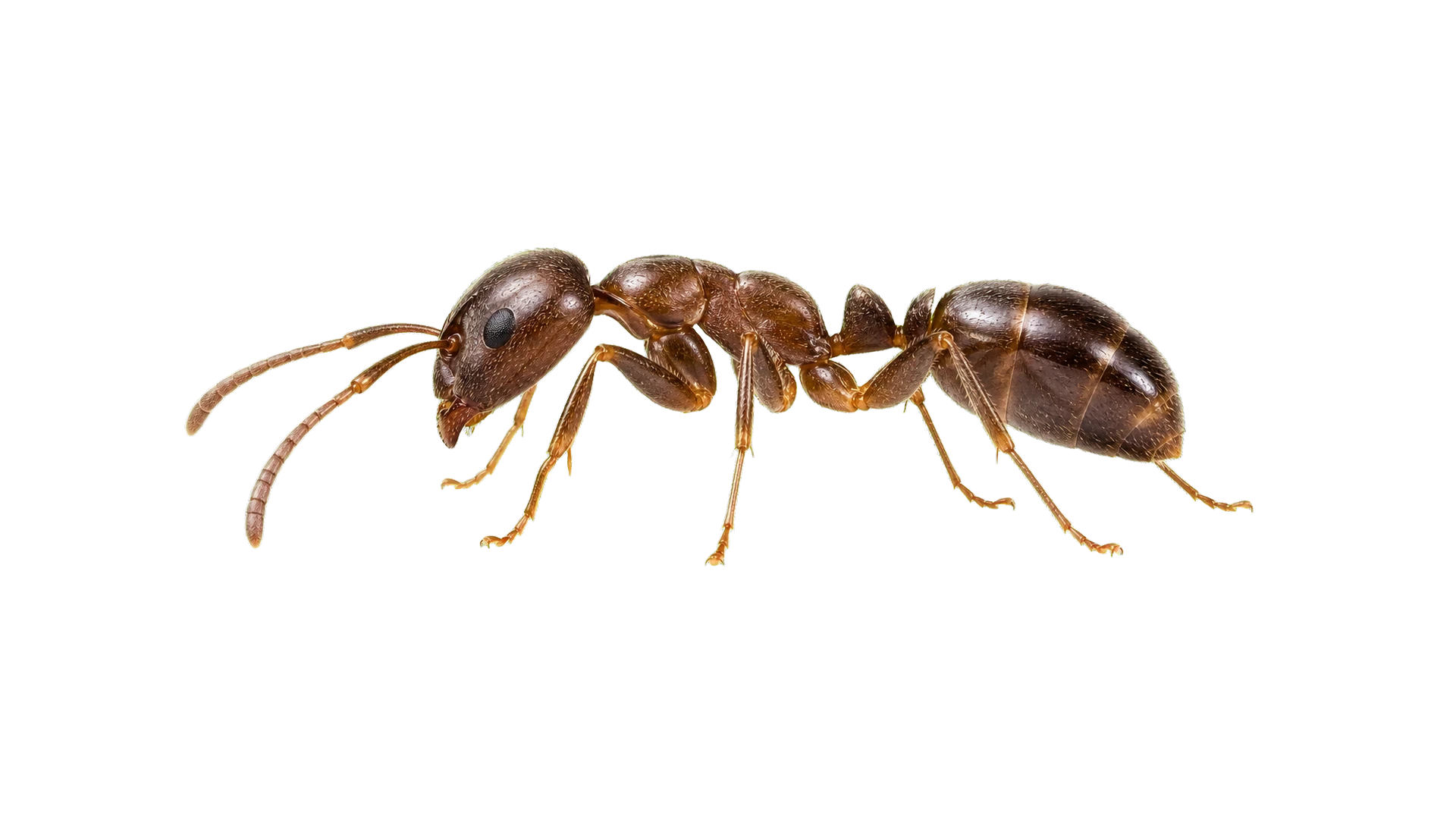
 Argentine ants are the dominant invasive ant across California, Florida, and the southern United States. They look unremarkable, small, light brown, no sting, no obvious damage, but their colonies are different from any other household ant. Argentine colonies have hundreds of queens spread across thousands of interconnected nests, all cooperating instead of competing. That biology is exactly why DIY treatment fails so consistently.
If you're seeing thin trails of small light-brown ants moving in continuous lines along baseboards, countertops, or outdoor walkways, with workers that don't bite or sting when disturbed, you likely have Argentine ants. This guide covers how to confirm, why supercolonies are so persistent, and what professional treatment actually looks like.
ID Card: Argentine Ant
Related Species
Call to get matched with a local pest control pro.
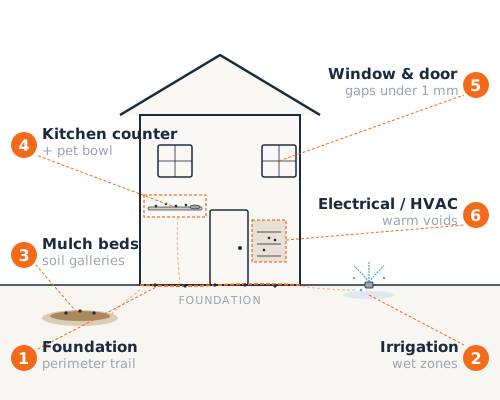
Argentine ants don't hide their movement. They form continuous foraging trails that follow predictable paths from outdoor nests to indoor food and water sources. Walking these zones is how you map the supercolony:
If you find connected trails between two or more of these zones, you're looking at a supercolony rather than an isolated nest. Argentine ant supercolonies in coastal California and Florida have been measured in the millions of workers across multiple properties. Treatment that ignores the network just shifts trails to a new entry point.
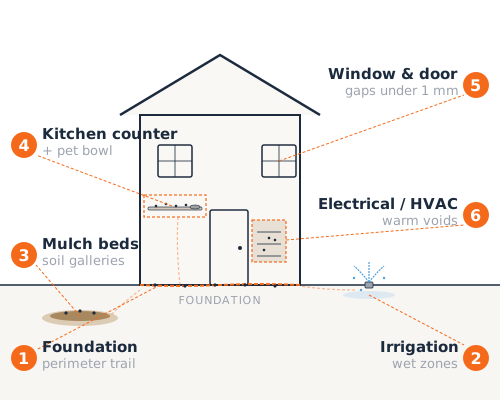
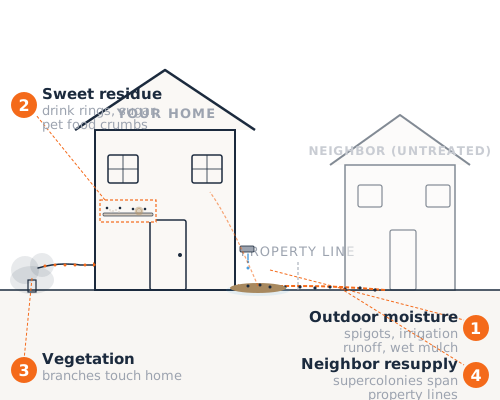
Spotting a trail is step one. Understanding what's keeping the supercolony anchored to your property is what stops them from rebuilding. Argentine ants don't pick homes the way other ants do. They expand from neighboring nests toward whatever moisture, food, and shelter is closest, and once a property is part of the network, eviction is a sustained effort rather than a one-time treatment.
What anchors them to your property:
A new colony pocket starts when scout workers find a moist, undisturbed spot near a food source. Within weeks, the queens already in the local supercolony shift workers and brood into that pocket. There's no mating flight, no founding queen, no waiting period. The colony just expands. That's why treating one nest does almost nothing, the others fill the gap within days.
Find your scenario below. Each row reflects the actual progression of a supercolony, not a generic ant timeline.
| What You're Seeing | Severity | If Untreated | Next Step |
|---|---|---|---|
| Occasional indoor scouts, no continuous trail yet | Early | A trail typically forms within 2 to 4 weeks once scouts confirm a food source | Wipe down counters with vinegar to disrupt scent trails. Seal entry gaps. Inspect outdoor moisture sources. |
| One or two indoor trails, light foraging at night | Moderate | Trails will multiply across rooms within 1 to 2 months as the supercolony shifts workers in | Outdoor nest pocket is established. Schedule a professional perimeter and bait program this month. |
| Multiple trails across kitchen, bath, and exterior at once | High | Population will spread to adjacent rooms and into electrical boxes within weeks | Supercolony is fully active on the property. Call a professional this week, DIY will not move the needle. |
| Trails persist after multiple DIY treatments, ants in appliances | Urgent | Sprays have triggered budding, the colony is splitting and resilient to surface treatments | Call today and request a multi-visit non-repellent program with neighbor coordination if possible. |
Argentine ant supercolonies span multiple yards. If you're between two rows, treat the higher one as your situation.
Argentine ants reproduce differently from almost every other household ant. Most ants depend on a single founding queen and an annual mating flight. Argentine colonies have hundreds of queens spread across many connected nests, and new queens mate inside the colony, never leaving the ground. That biology is the entire reason supercolonies are so persistent.
About 28 days
Each queen lays roughly 30 eggs per day. Across hundreds of queens in a single supercolony, that adds up to tens of thousands of eggs daily. Eggs are tended by workers across multiple connected nests.
About 11 to 14 days
Larvae are fed regurgitated food by adult workers. The supercolony shifts brood between nests in response to weather, treatment, and food availability, which is why DIY pesticide sprays often shift the visible trail without reducing the population.
About 14 to 21 days
Pupae develop in moist, sheltered chambers. Most pupae become workers; a smaller fraction become reproductive queens that stay in the colony rather than leaving on a mating flight.
Workers live 60 to 90 days; queens live around 1 year
Workers maintain trails up to 200 feet from the nearest nest. New queens are produced continuously and mating happens internally, so the supercolony never has to wait for an annual cycle to expand. It just keeps growing.
A mature supercolony in a residential block can include thousands of nests with hundreds of cooperating queens, with all of the workers behaving as one unified population. That's why eliminating one nest does nothing measurable, and why successful treatment requires a strategy aimed at the queens across the whole network rather than the workers in any one trail.
Argentine ants stay active year-round in mild climates and shift indoors during weather extremes. Knowing the seasonal pattern tells you when to expect indoor pressure and when treatment windows are most effective.
Outdoor populations explode as soil warms and moisture stays high. Trails extend dramatically as the supercolony pushes new nest pockets into mulch beds, irrigation zones, and lawn margins. This is the best window to treat the perimeter before pressure peaks.
Indoor pressure jumps when outdoor moisture drops. Workers come inside searching for water, this is why kitchen sinks, bathrooms, and pet bowls become the dominant trail destinations. Foraging activity continues 24 hours per day in coastal zones.
Outdoor nests consolidate ahead of cooler weather. In southern California and Florida, the supercolony stays fully active. In transition climates, workers retreat into wall voids, electrical boxes, and warm structural pockets.
In mild-winter regions, surface activity continues year-round. In cooler regions, trails go quiet but indoor satellite pockets stay active in heated voids. A mild January with rain often pulls workers back to the surface for early-season trails.
Argentine ant supercolonies are the closest thing to an unkillable household pest. The workers you see on your counter represent a tiny fraction of an interconnected network that may extend across multiple yards, contain hundreds of queens, and shift brood between nests in response to threats.
Over-the-counter sprays are actively counterproductive here. Repellent contact sprays kill the workers in the trail and signal the colony to bud, splitting into more nests in more locations. Many homeowners describe their ant problem as worse two weeks after starting DIY than before they began.
A professional uses non-repellent products and slow-acting baits placed along active trails so workers carry the active ingredient back to the queens across the network. The first week often looks like nothing is happening. By week three, trails collapse. By month two, the population on the property is meaningfully reduced.
The hard truth is that complete elimination is rare. Successful long-term Argentine ant management is about keeping pressure low on your property while neighboring untreated yards continue to host colonies. A real program plans for that reality.
Argentine ant treatment is unlike any other ant job. A specialist who's worked supercolonies knows the colony will not collapse from a single visit, and the entire program is built around that reality. Here's what changes:
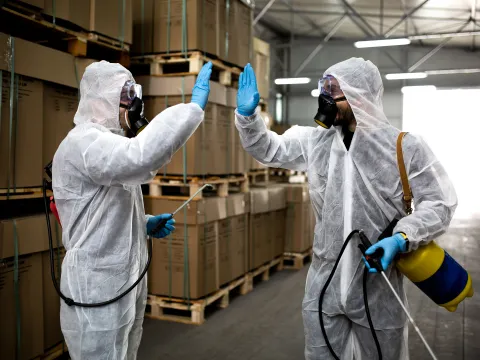
 They Map the Network, Not Just the Trail
 Inspection covers the property perimeter, irrigation zones, and connected vegetation. The goal is to identify every active nest pocket on your land before a drop of product is applied.
They Use Non-Repellent Products Repellent sprays trigger budding and scatter the colony. Non-repellents let workers carry the active ingredient back to the queens. It's slower in the first week but actually moves the population down.
Bait Stations in the Right Places Sweet baits deployed along active trails and near nest entry points let workers transport the active ingredient deep into the colony network. Bad placement equals no result.
They Plan for Re-Invasion Argentine ant supercolonies cross property lines. A real program includes follow-up visits and a perimeter strategy to slow re-invasion from neighboring untreated yards.

Argentine ants are an exception to most ant advice. The biology of the supercolony makes this one of the few household pests where DIY can actively make the situation worse.
DIY work is best aimed at prevention and trail disruption, not population reduction. Useful steps with honest limits:
Professional Argentine ant work is built around supercolony biology. Here's what changes when you call:
Argentine ant supercolonies grow continuously across property lines. Connect with a local specialist who handles non-repellent treatment, bait programs, and multi-visit follow-up.
Real results from people who had the same problem and solved it.
"The problem finally stayed gone."
Ants kept returning no matter what we did. The tech treated the trail areas and explained how to handle food storage and moisture so the ants don't keep coming back. It's been months and we haven't seen them again. I appreciated that it wasn't just a one-and-done spray.
"The problem finally stayed gone."
Ants kept returning no matter what we did. The tech treated the trail areas and explained how to handle food storage and moisture so the ants don't keep coming back. It's been months and we haven't seen them again. I appreciated that it wasn't just a one-and-done spray.

"Clear expectations and a real plan."
I was overwhelmed and didn't know what was realistic to fix quickly. The inspector explained what results to expect and how long it typically takes depending on the ant species. They treated the right places and gave simple prevention tips. Everything felt structured and easy to follow.

"They found the entry points fast."
Ants were showing up in the kitchen and we couldn't figure out where they were coming from. The tech tracked the activity and pointed out two entry points we never would've noticed. After treating and sealing those areas, the ants disappeared. It was quick and surprisingly thorough.

"No pressure, just helpful info."
I mainly wanted to understand what was happening before committing to anything. The inspector walked me through the likely cause and the differences between treatment approaches. They answered questions without rushing me. The plan we chose worked and the ants were gone within days.

"The tech helped me stop wasting time."
I kept trying different products and nothing was sticking. The tech explained why some solutions don't work for certain ant problems and focused the treatment where it would actually matter. They also gave prevention tips that were easy to implement. The difference was obvious within the first week.

"They fixed what was actually causing it."
Ants kept showing up in the same spot. The pro explained that the visible ants weren't the real issue and focused the treatment on where they were coming from. They identified the entry path and treated it properly. The problem stopped and hasn't returned.
"It felt like a real inspection, not a quick spray."
The tech spent time figuring out where the ants were entering instead of just spraying around. They walked me through the likely reasons and what to watch for over time. After treatment, ant activity dropped fast and stayed low. The detailed approach gave me confidence.

"Small changes made a big difference."
We didn't realize how much our routine was attracting ants. The inspector explained simple prevention steps and treated the areas where activity was highest. Once those changes were in place, we stopped seeing ants inside. It was a practical approach that actually worked.

"The explanation alone was worth it."
I'd been doing random treatments without understanding what I was dealing with. The tech explained how ants behave and why certain approaches work better. They treated strategically instead of just spraying. It made the whole thing feel manageable.

"We stopped chasing the problem and solved it."
We kept wiping down counters and the ants would be back the next day. The pro identified the entry areas and explained the treatment plan clearly. Once they treated and targeted the colony, the ants disappeared quickly. It felt like we finally got ahead of it.

"They didn't oversell. Just solved it."
The tech explained what treatment was necessary and what wasn't. They focused on the entry points and corrected the conditions that were attracting ants. The work felt honest and effective. I liked having clear expectations and seeing results quickly.
"It wasn't just 'spray and go.'"
I appreciated the step-by-step explanation and the focus on prevention. The inspector treated the areas where ants were getting in and helped me understand what to change at home. The ants stopped showing up and it's been consistent. The approach felt thoughtful and sustainable.

"It finally made sense why they kept coming back."
I had ants showing up every few months and never understood why. The tech explained how outdoor nests and weather changes affect indoor activity. They treated the perimeter and entry points instead of just the inside. Since then, we haven't had recurring issues.
"Targeted instead of overdone."
I was worried about over-treating the house. The pro focused on specific problem areas and explained why blanket spraying wasn't necessary. The ants stopped appearing, and we didn't feel like chemicals were used unnecessarily. That balance mattered to us.

"Clear answers without jargon."
The tech explained everything in plain language and answered questions without rushing. They identified the type of ant we had and adjusted the treatment accordingly. Knowing why the approach worked gave me confidence it would last.
"They focused on prevention, not just treatment."
I liked that the tech talked through how to keep ants from returning after the treatment. They addressed moisture issues and entry points around the home. The treatment worked, and the prevention tips helped us stay ahead of future problems.

"No guessing, just a plan."
I was tired of guessing what would work. The inspector explained the cause of the issue and outlined a clear plan of action. After treatment, the ants disappeared and we haven't had to revisit the problem. It felt efficient and well thought out.
"They explained what to expect upfront."
The tech set expectations about timing and results before starting. They explained that some activity might happen initially and why. Everything played out exactly as described, and the ants were gone shortly after. That transparency made a big difference.
"Helpful without being overwhelming."
I didn't realize there were different types of ants or that it mattered. The inspector walked me through what they were seeing and explained how ant behavior affects treatment. It made it easier to ask the right questions and understand the solution.

"Saved me a lot of guessing."
I was close to trying random sprays for the ants. Talking with the tech helped me understand what was realistic to address and what usually doesn't work. The targeted treatment solved the issue quickly and saved time and frustration.

"It felt tailored to our home."
The tech didn't just apply a standard treatment. He looked at where we were seeing activity and adjusted the approach to our layout and yard. The ants stopped showing up and we understood how to keep it that way.
"Straightforward and effective."
I appreciated how straightforward everything was. The pro explained the issue, treated the problem areas, and gave us a few simple steps to prevent future issues. The ants were gone and it didn't feel complicated.

"They explained how the weather played a role."
I didn't realize seasonal changes could affect ant activity so much. The tech explained how heat and rain push ants indoors and what to do about it. They treated the problem areas and gave tips to prevent future issues. The explanation helped everything click.

"It wasn't as complicated as I expected."
I assumed pest control would be disruptive or complicated. The technician explained the steps clearly and focused on targeted treatment. The ants stopped appearing quickly and the process was smoother than expected.
"They helped me understand the bigger picture."
Instead of just treating the ants I saw, the tech explained what was happening around the house that made it attractive to pests. Once those factors were addressed, the problem resolved quickly. It felt educational as well as effective.

"Clear communication from start to finish."
I appreciated how clearly everything was explained before treatment began. The inspector walked through the process and answered all my questions. The ants were gone shortly after and we felt confident about prevention going forward.
"They addressed what we were missing."
We kept focusing on cleaning, but the tech showed us where ants were actually entering. Once those points were treated and sealed, the issue resolved. It was reassuring to finally understand the root cause.
"A methodical approach that worked."
The pro explained how they identify ant trails and colonies before treating. They took a methodical approach instead of rushing through. The ants stopped appearing and the fix has held up well.
"They understood desert pest behavior."
Living in Phoenix, pests behave differently than other places. The tech explained how heat drives ants indoors and what treatments work best here. The solution was effective and tailored to our environment.
"They took the time to do it right."
I appreciated that the tech didn't rush. He inspected the problem areas carefully and explained what they were seeing. The treatment worked quickly and the ants haven't returned.
"They understood the local pest issues."
The tech explained how the humidity here contributes to ant problems and why certain treatments work better in this climate. They focused on outdoor entry points and moisture-prone areas. The ants cleared up quickly and haven't come back.

"Finally something that lasted."
We'd dealt with recurring ants for years. The pro explained why flooding and moisture play such a big role here and adjusted the treatment accordingly. It's been months without seeing ants, which is a big win for us.

"They knew exactly what works in Arizona."
The tech explained how desert conditions affect ant behavior and which treatments are most effective here. They targeted the right areas and avoided unnecessary spraying. The ants disappeared quickly.
"Clear, calm, and professional."
I appreciated how calmly everything was explained. The inspector identified the ant problem, explained the treatment, and answered my questions without rushing. The solution worked and gave me peace of mind.

"They handled it efficiently."
The tech inspected the problem areas, explained the plan, and got to work quickly. The ants were gone within days and the process felt efficient without being rushed.
"Simple explanations, solid results."
I liked how simply everything was explained. The pro didn't overcomplicate things and focused on what mattered. The ants stopped appearing and we haven't needed follow-up treatments.
"They showed me what to watch for."
Beyond treating the ants, the tech explained what signs to watch for if activity starts again. That knowledge made me feel more in control. So far, everything has stayed clear.

"They explained why DIY hadn't worked."
I had tried several store-bought solutions with no luck. The inspector explained why those methods don't always reach the source of the problem. Once they treated the entry points and nesting areas, the ants stopped showing up.

"Seasonal problems finally under control."
Every spring we dealt with ants in the kitchen. The tech explained why seasonal changes trigger activity and helped us get ahead of it this time. The treatment worked quickly and we haven't had issues since.

"They made it easy to understand."
I appreciated how clearly everything was explained. The pro identified the problem areas and explained what changes would help prevent future issues. The ants cleared up and it felt manageable.
Direct answers to what homeowners ask most about identification, supercolony behavior, and treatment.
Argentine ants form supercolonies, interconnected networks of nests with multiple queens that cooperate instead of competing. A single supercolony can span entire neighborhoods. They overwhelm native ant species, disrupt ecosystems, and reproduce at staggering rates. Unlike most ant species, workers from different Argentine ant nests don't fight each other, which allows their populations to grow without the natural population checks that limit other species.
Argentine ant control requires a perimeter-focused approach because their colonies are so large that killing individual nests barely dents the population. Trim vegetation away from the structure, eliminate moisture sources (leaky hoses, over-irrigation), and remove food attractants. Slow-acting bait is critical, workers share it throughout the colony network. Repellent sprays are counterproductive because they simply redirect trails without reducing the population.
Ants leave invisible pheromone trails that guide other workers to food and water sources. If the colony itself isn't eliminated, orif the conditions that attracted them persist (moisture, food access, entry points), new workers will follow the old trails back. Effective treatment targets the colony, not just the visible ants.
Most ant species are nuisance pests, and theycontaminate food but don't cause structural damage. The major exception is carpenter ants, which excavate wood to build nests and can compromise beams, framing, and wall studs over time. If you're finding wood shavings (frass) near walls, you may have a structural ant problem.
Most providers in our network can schedule an inspection within 24-48 hours. For urgent situations, likeactive structural damage or large colonies, same-week emergency service is often available. Response times depend on your location and the provider's current schedule.
Your provider inspects the property to identify the pest, locate nesting or entry points, and assess the scope of the problem. You get a clear explanation of what they found, what they recommend, and a written scope before any work begins.
Modern pest control products are designed to break down quickly after application and pose minimal risk to people and pets when applied correctly. Most providers ask you to keep kids and pets out of treated areas for 1 to 2 hours while the product dries, after which the area is generally safe again. Always confirm specific re-entry times with your provider, and let them know about pet birds, fish, or reptiles, since some treatments require extra precautions for those species.
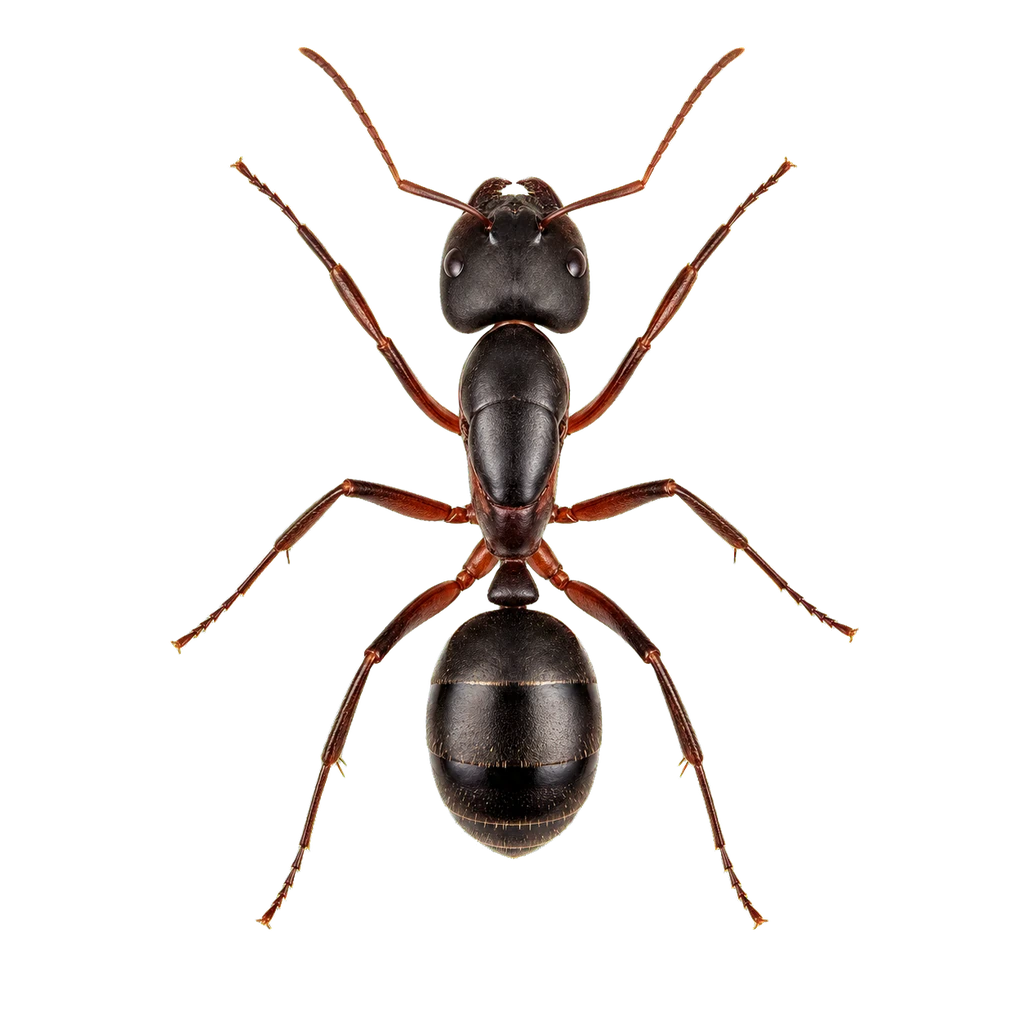
Carpenter ants tunnel through damp or decaying wood to build nests, causing structural damage over time. Unlike termites, they don't eat wood, but the galleries they carve can weaken beams, framing, and support structures.
Learn More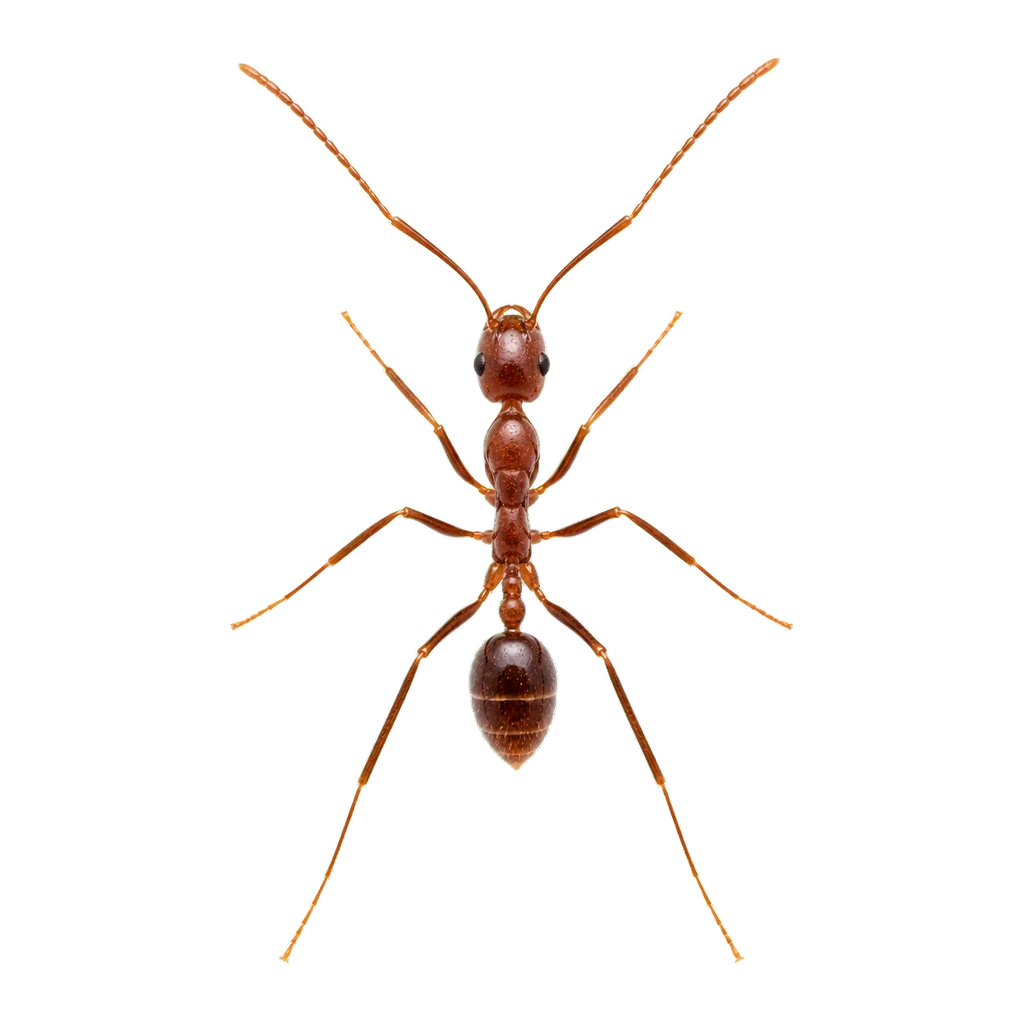
Crazy ants move in erratic, zigzag patterns and form enormous super-colonies that overwhelm properties in southern states. They are particularly notorious for invading electrical equipment, shorting out A/C units, switch boxes, and electronics in large numbers.
Learn More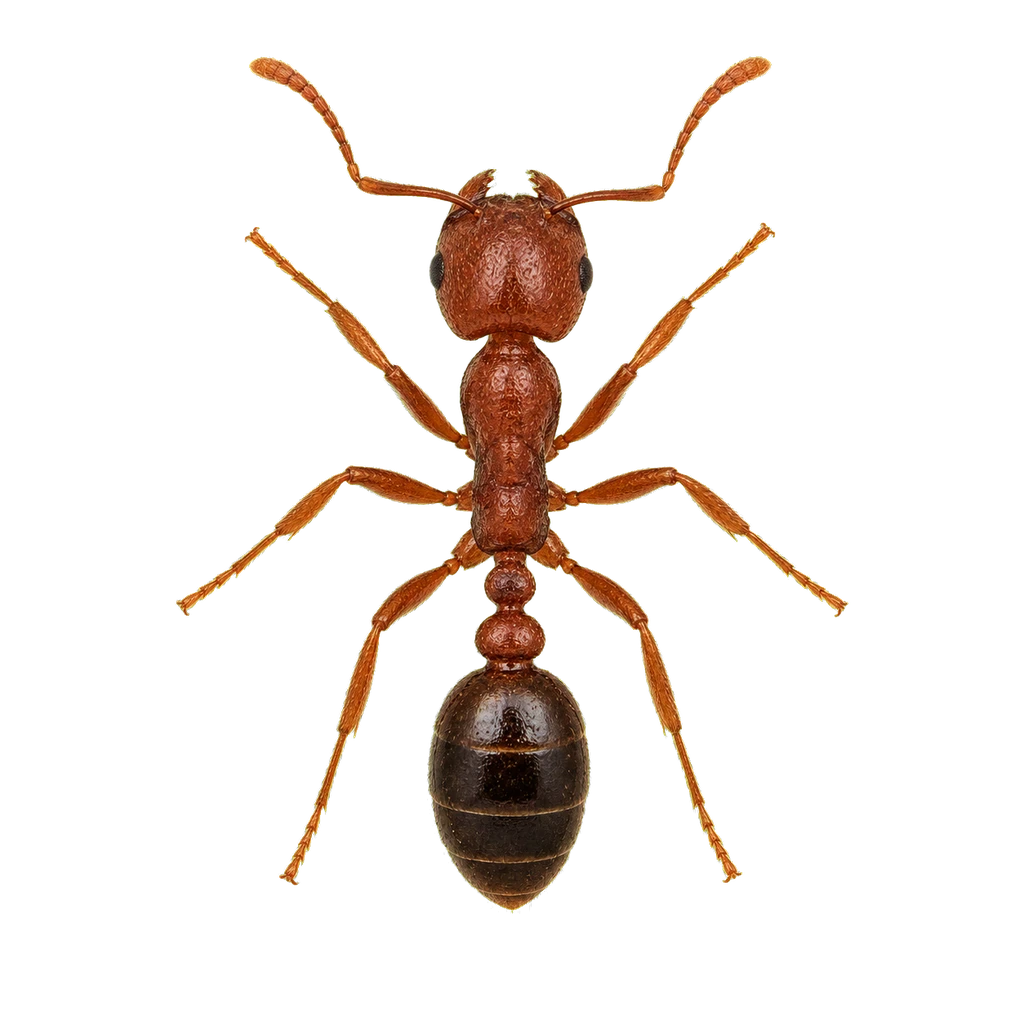
Fire ants build large mounds in yards and deliver painful, venomous stings when disturbed, sometimes triggering severe allergic reactions. They are aggressive, fast-spreading, and can also damage electrical equipment and landscaping.
Learn More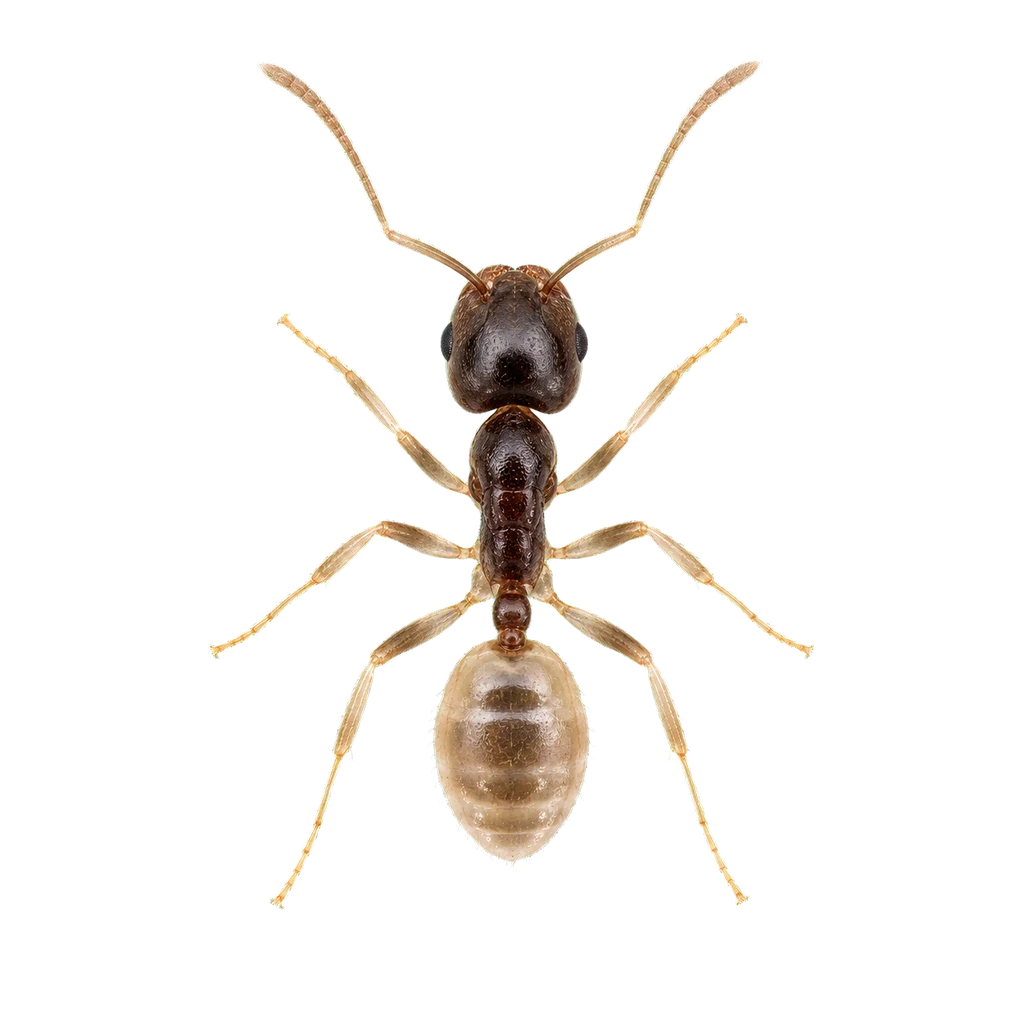
Ghost ants are tiny, nearly invisible ants with translucent legs and abdomens that infest kitchens and bathrooms in warm climates. Their small size and multiple-queen colonies make them a persistent indoor nuisance.
Learn More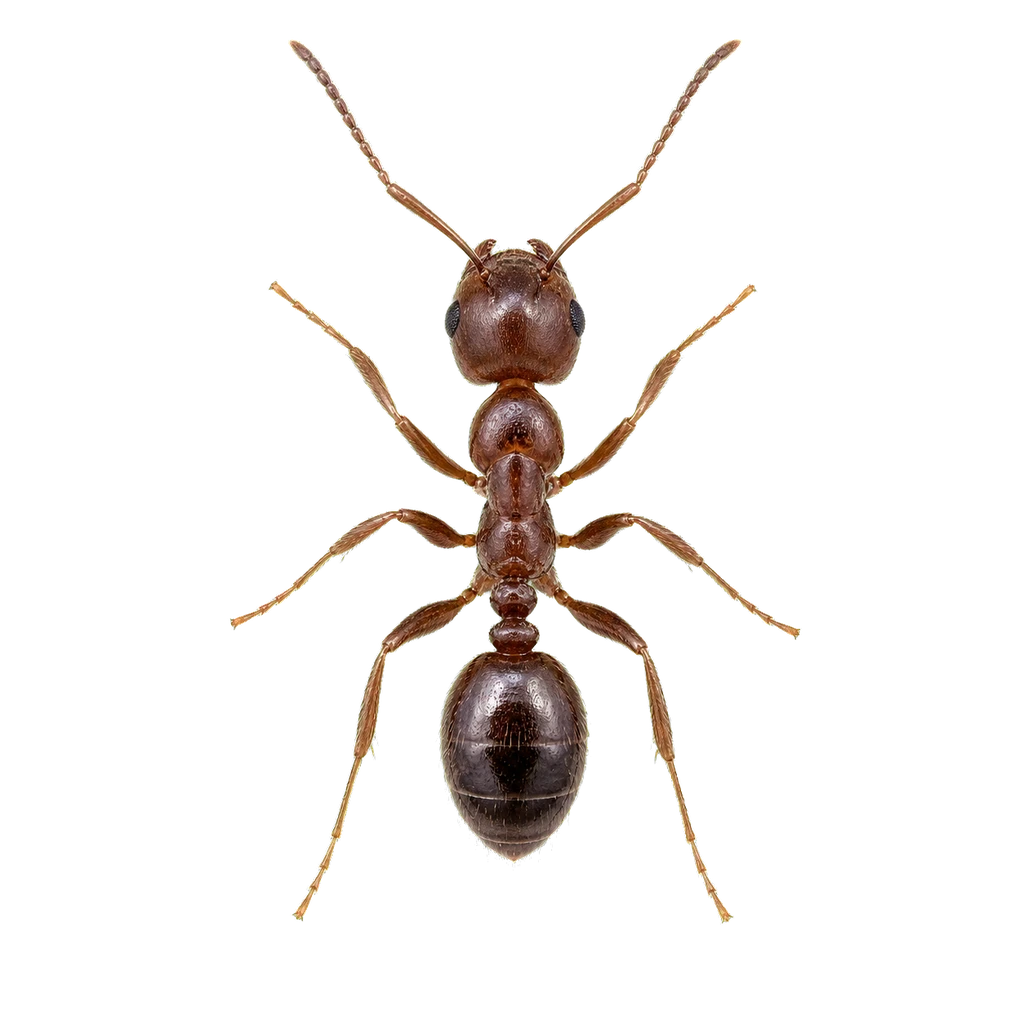
Odorous house ants release a distinctive rotten-coconut smell when crushed, and they are among the most common indoor ant species. They form large colonies near moisture sources and are persistent year-round kitchen invaders.
Learn More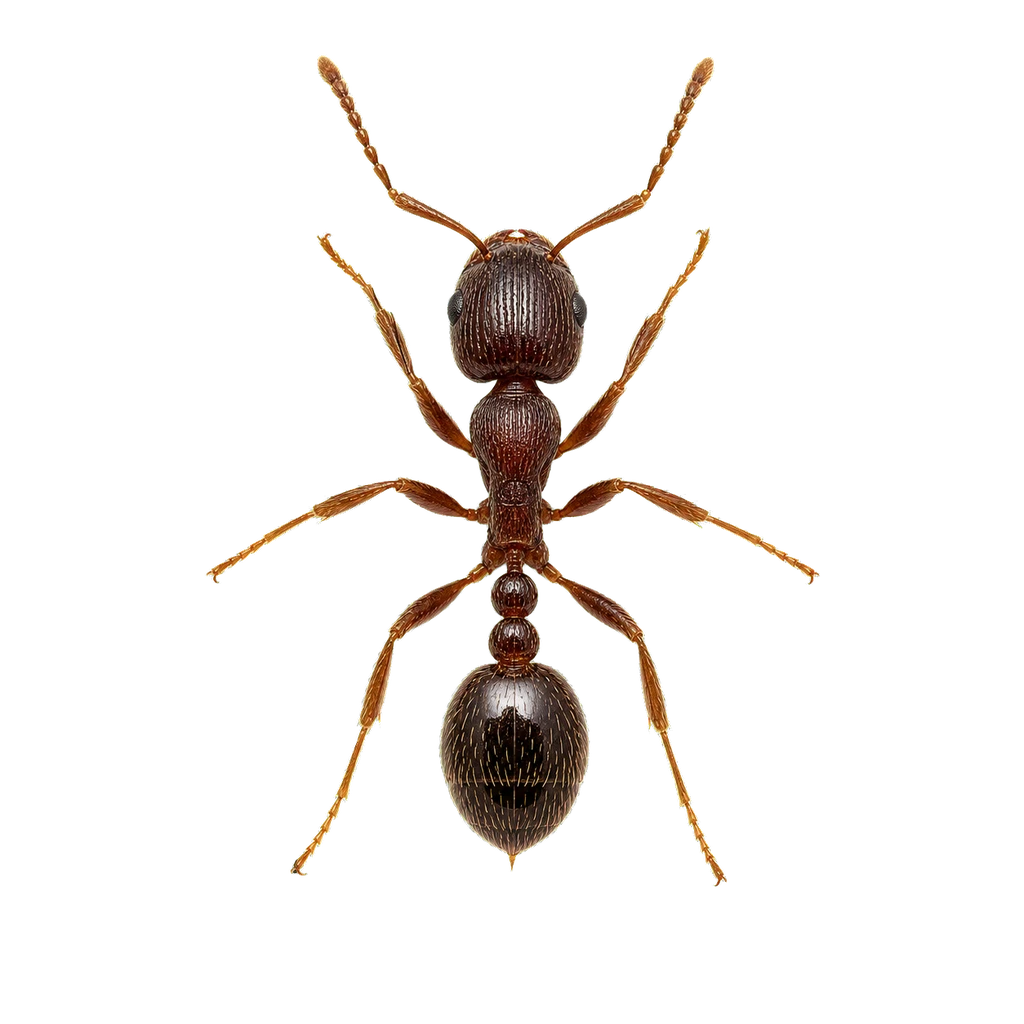
Pavement ants nest under sidewalks, driveways, and foundations, pushing small mounds of dirt through cracks. They frequently move indoors to forage for food, especially greasy or sweet items in kitchens.
Learn More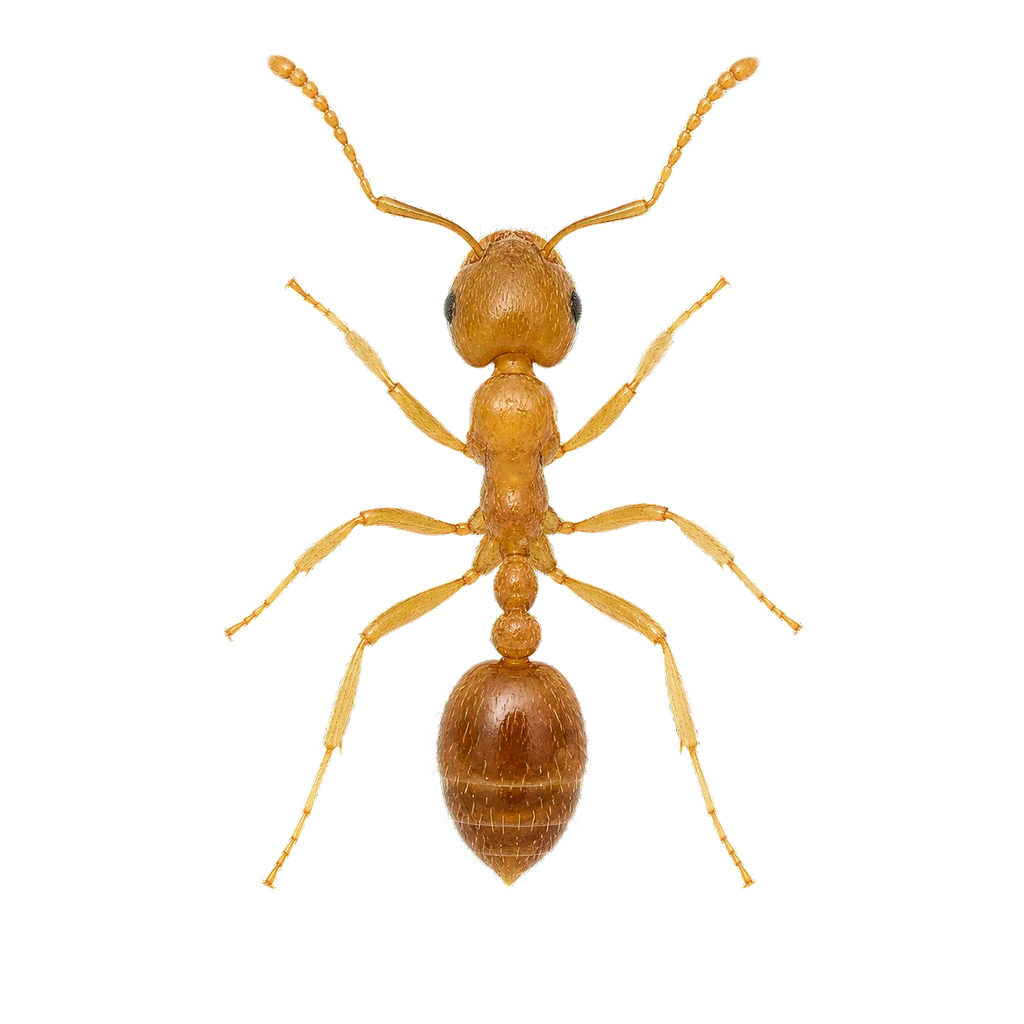
Pharaoh ants are tiny, yellowish ants that thrive in heated buildings year-round and are notoriously difficult to eliminate. Disturbing their colonies causes them to split and spread, making DIY treatments counterproductive and professional baiting essential.
Learn More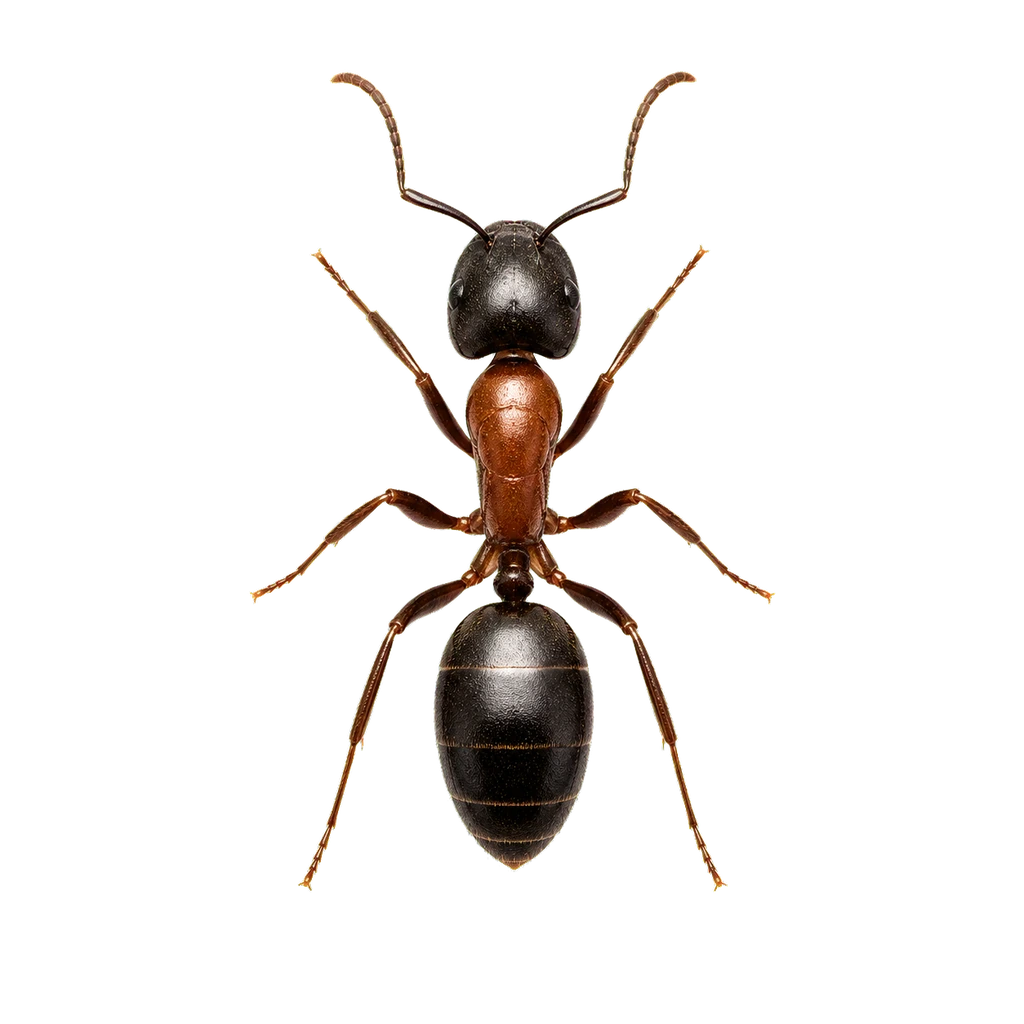
Sugar ants are drawn to sweet foods and frequently invade kitchens and pantries at night. While they don't bite or sting, their persistent trails and food contamination make them one of the most common household nuisances.
Learn More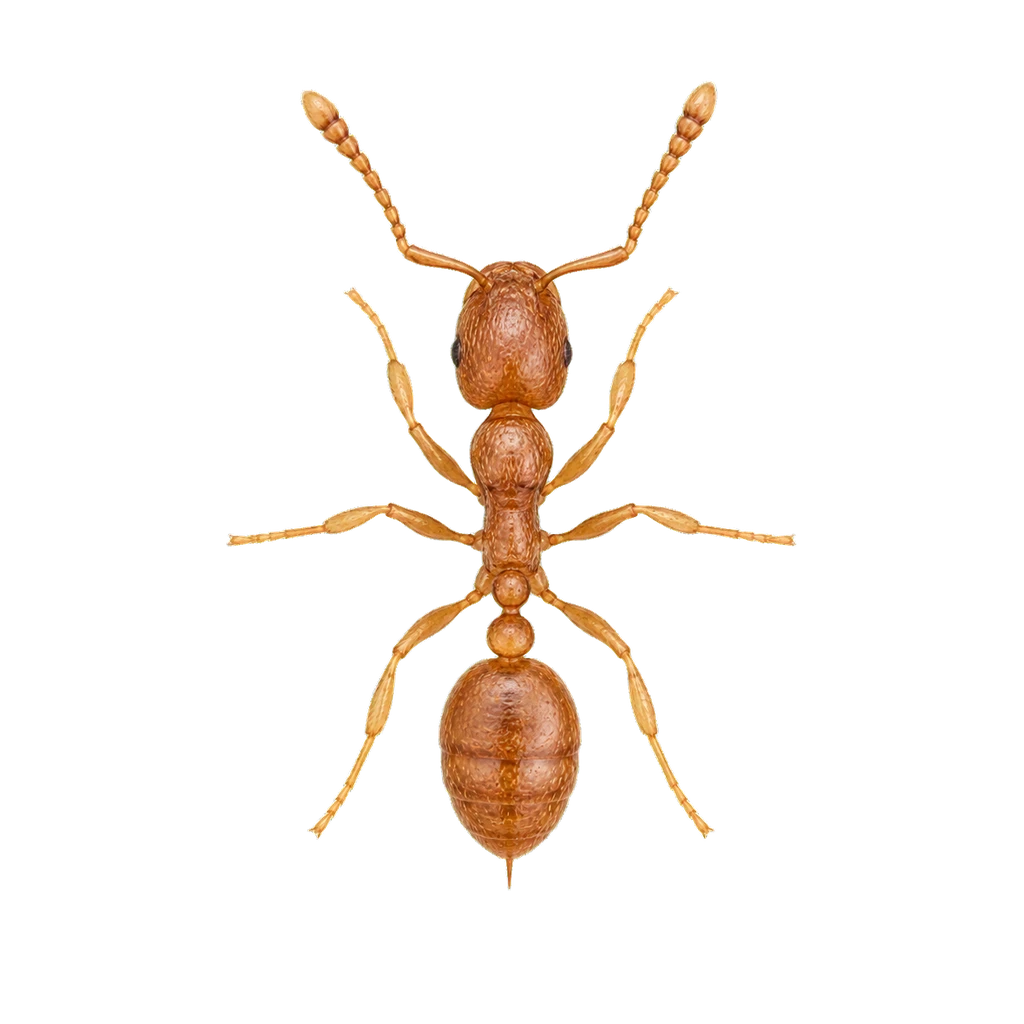
Thief ants are among the smallest household ants, named for their habit of nesting near other ant colonies and stealing their food. They are attracted to grease and protein-rich foods in kitchens and pantries.
Learn MoreLocal providers who handle Argentine ant supercolonies are ready to inspect, treat, and follow up, no obligation.