Local pest control help is one call away.

Thief Ant: Identification, Treatment & Prevention

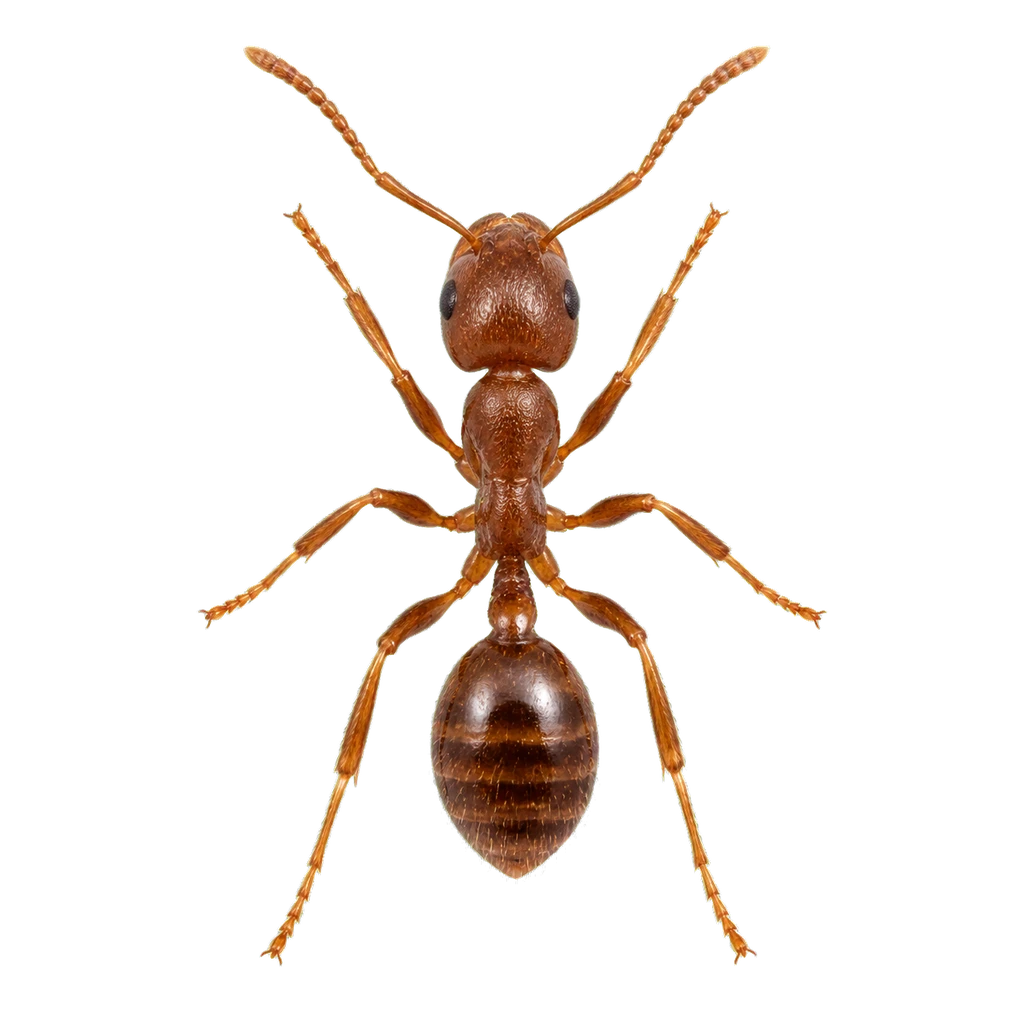
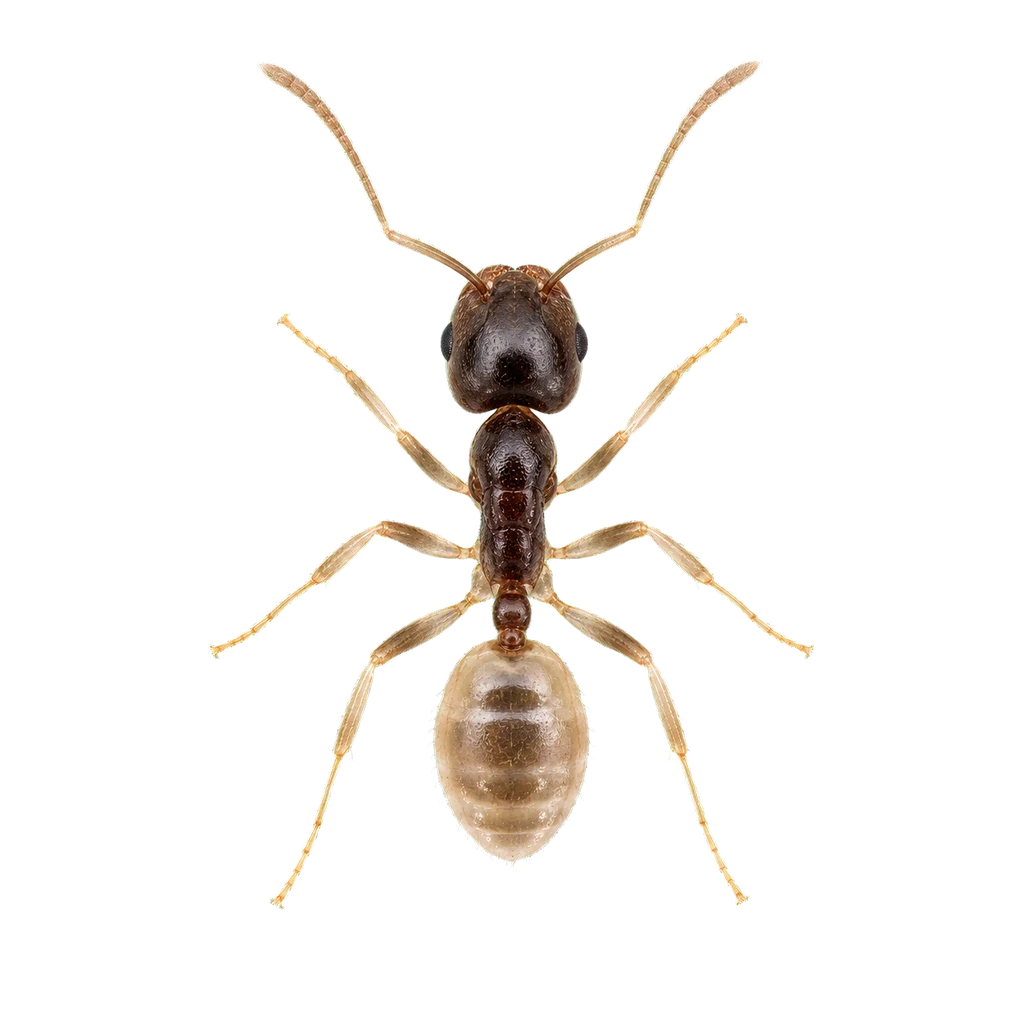
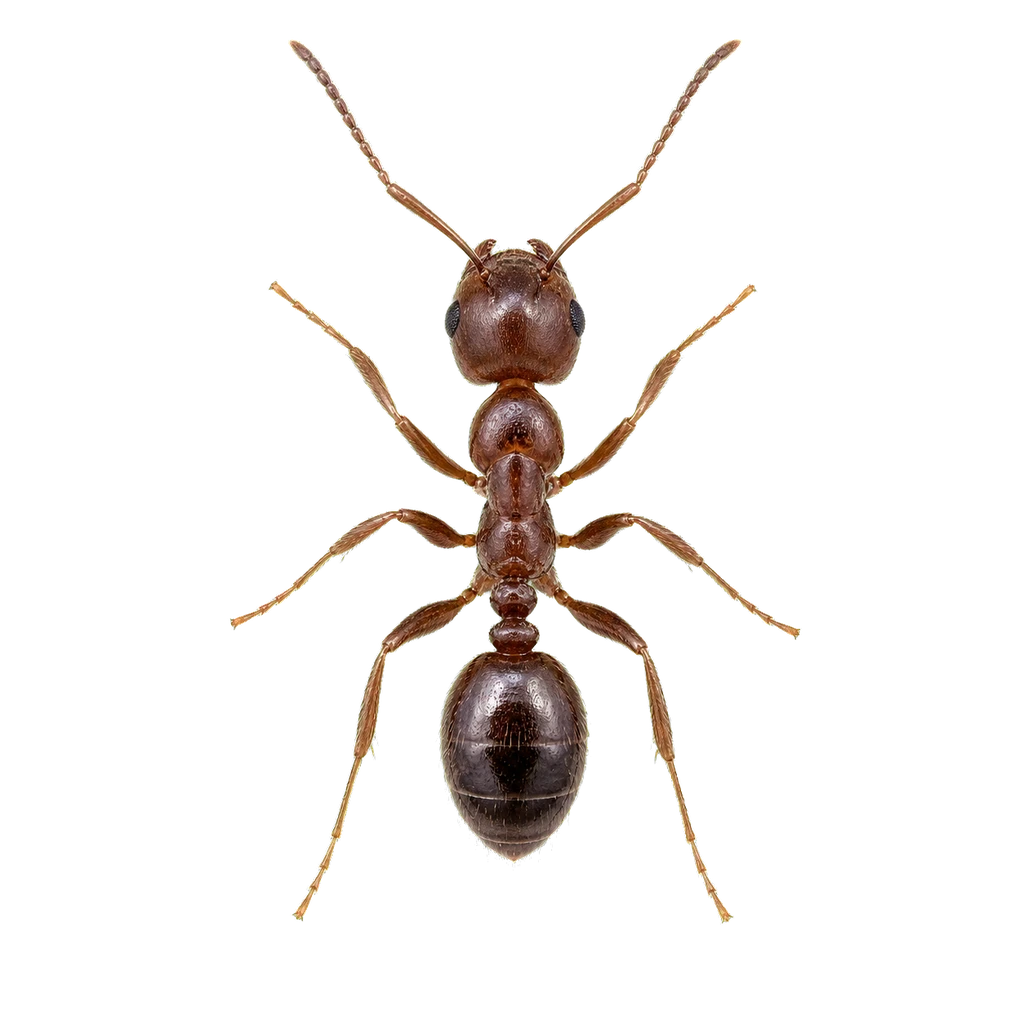
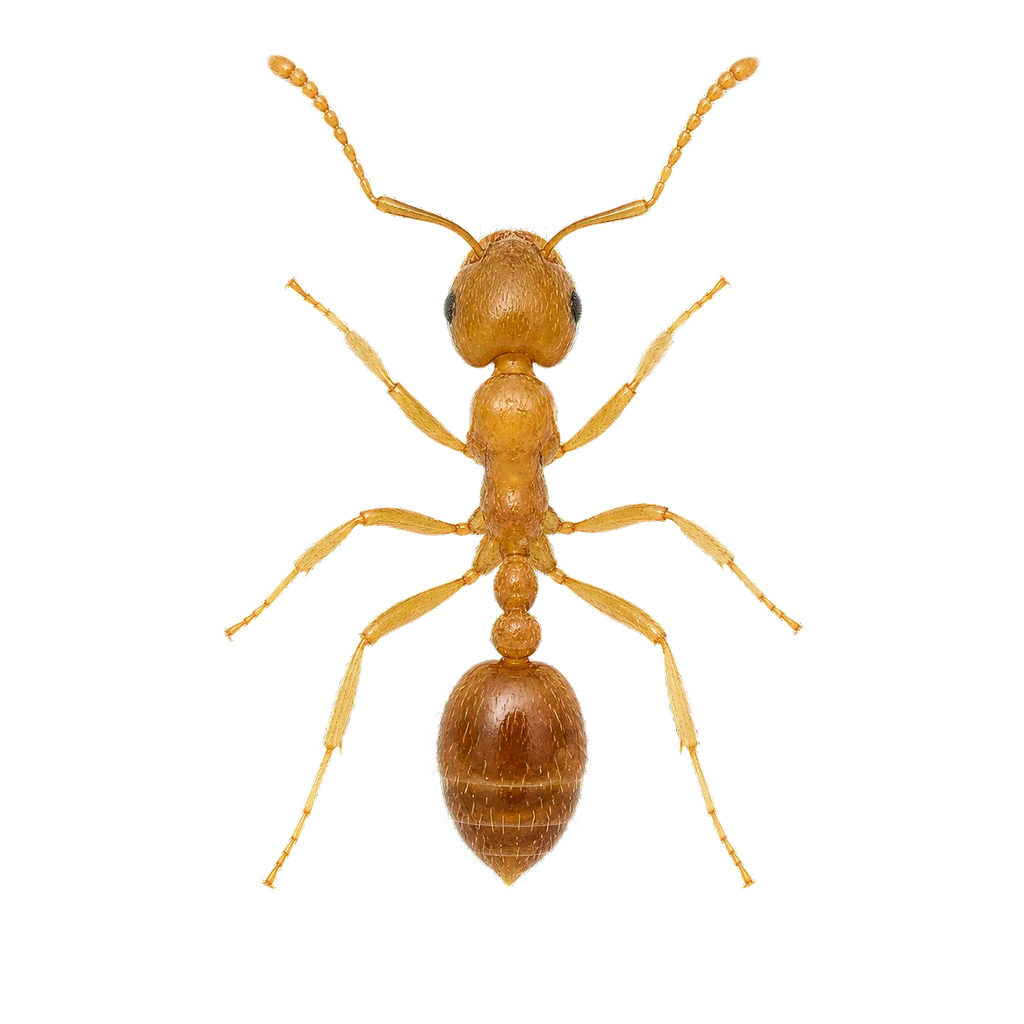
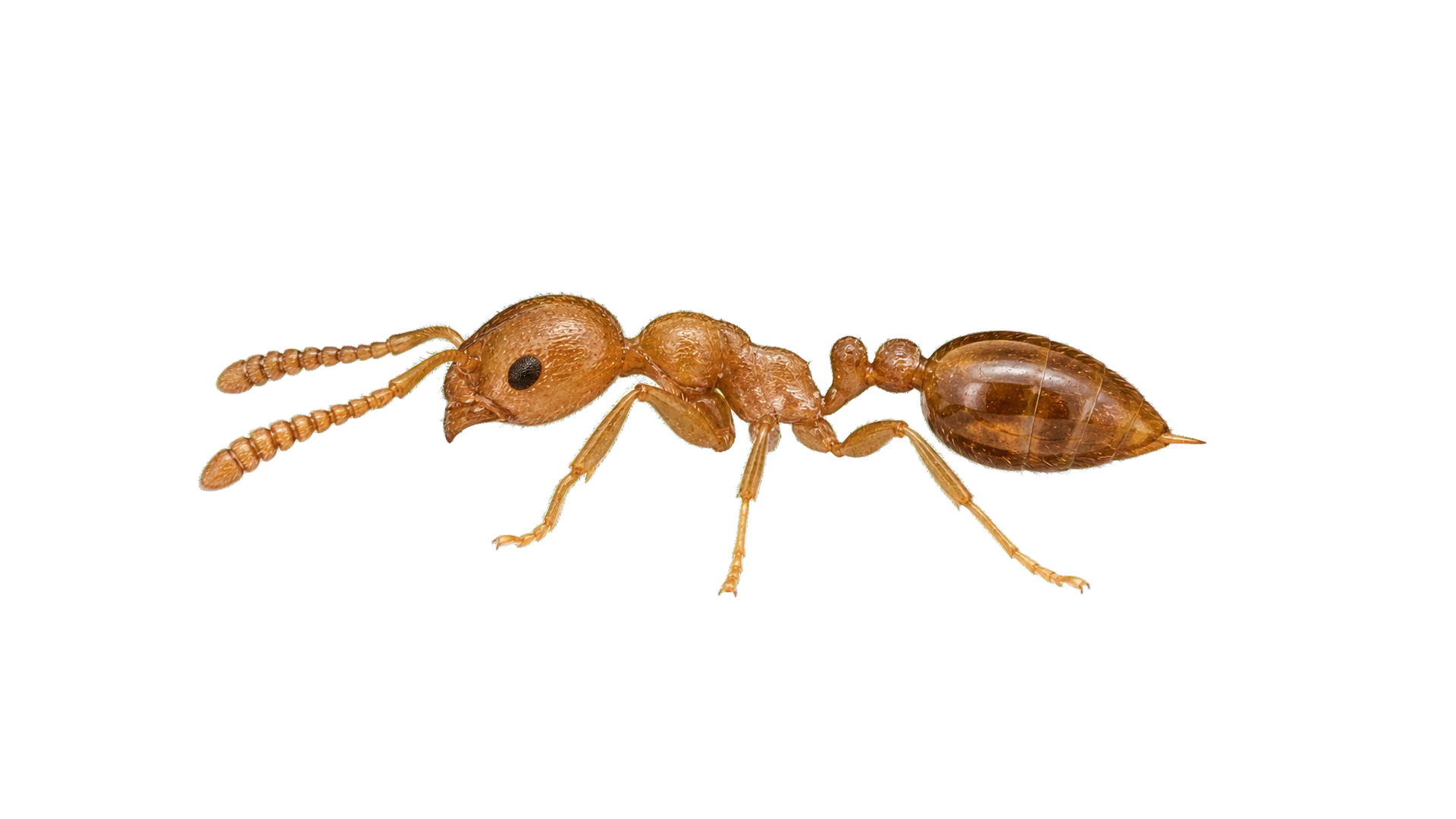
Thief ants are one of the smallest household ants in North America at just 1.3 to 1.8 millimeters, smaller than a sesame seed and easy to miss against a light countertop. They're pale yellow to light brown, stingless to humans in practical terms despite being close cousins of fire ants, and they earn their name honestly. Established thief ant colonies nest right next to larger ant species and conduct nightly raids to steal eggs, larvae, and food stores. In some field studies, up to 80 percent of a thief ant colony's protein intake came from raiding the brood chambers of other ants on the same property.

If you're seeing extremely tiny pale-yellow ants in your pet food bowl, around grease drippings on the stovetop, or in faint columns along a baseboard near the refrigerator, thief ants are the most likely culprit. This guide covers how to confirm them, why pharaoh ant lookalike confusion changes the treatment plan, why protein and grease bait is the only bait that works, and what professional treatment actually looks like.

Close-up illustration of a thief ant showing tiny pale-yellow body, two-segment petiole, and 10-segmented antennae with a 2-segmented club

ID Card: Thief Ant

Scientific name
Solenopsis molesta
Color
Yellowish-brown, light brown
Size
1/32 to 1/16 inch
Body shape
Two-node waist, very small and compact
Antennae
Elbowed, 10 segments with 2-segment club
Key evidence
Tiny ants found in grease or protein-based foods, nesting near other ant colonies
Also known as
Grease ants, Kitchen ants

Related Species

Call to get matched with a local pest control pro.

Available 24/7
(888) 495-1510
  • Specialists who confirm thief ants versus pharaoh ants under a hand lens
  • Treatment plans built around protein and grease bait, not sugar
  • Multi-point bait placement for polygyne colonies that bud under contact sprays

Where to Find Thief Ant Activity

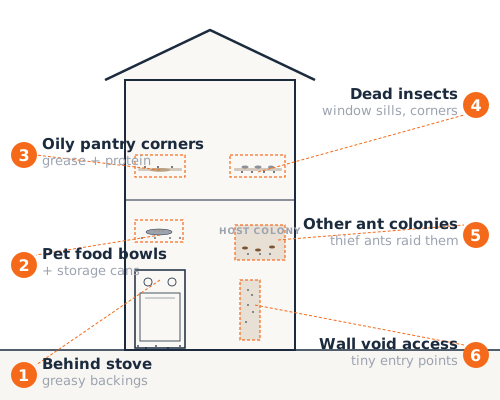
Cross-section illustration showing thief ant trails between pet food, stovetop grease, pantry shelves, and wall void nest pockets with raiding routes toward adjacent ant colonies

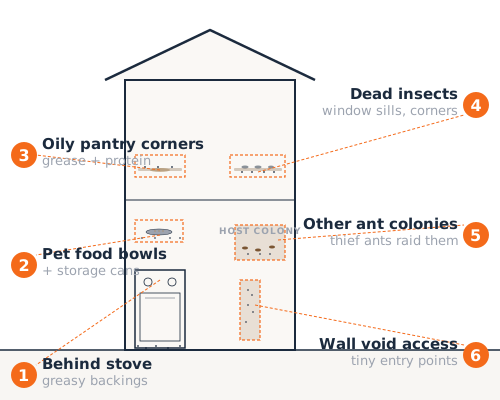
Thief ants leave faint chemical trails because their tiny bodies don't release much pheromone, and homeowners routinely walk past columns of them without noticing. Strong light, a hand lens, and a focused look at grease-heavy and protein-heavy zones is how you find them while the colony is still localized:

  • Pet food bowls and storage, This is the #1 indoor activity zone. Check the bowl rim, the floor below the bowl, and the inside of dry-food storage containers. Thief ants will work a pet bowl every night and disappear by morning.
  • Behind the oven and around drip pans, Grease residue is irresistible to thief ants. Pull the oven out, look at the wall behind it, check the seam where the stovetop meets the counter, and inspect the floor underneath.
  • Cabinet floors and corners with crumbs, Baking-supply shelves, oil bottles, peanut butter jars, and dried-meat packaging all attract thief ant trails. Pull every container forward and look at the back corners of the shelf.
  • Plumbing penetrations and under sinks, Thief ants need moisture as well as protein. The pipe collars under kitchen and bathroom sinks are common entry points, along with the floor around the water heater.
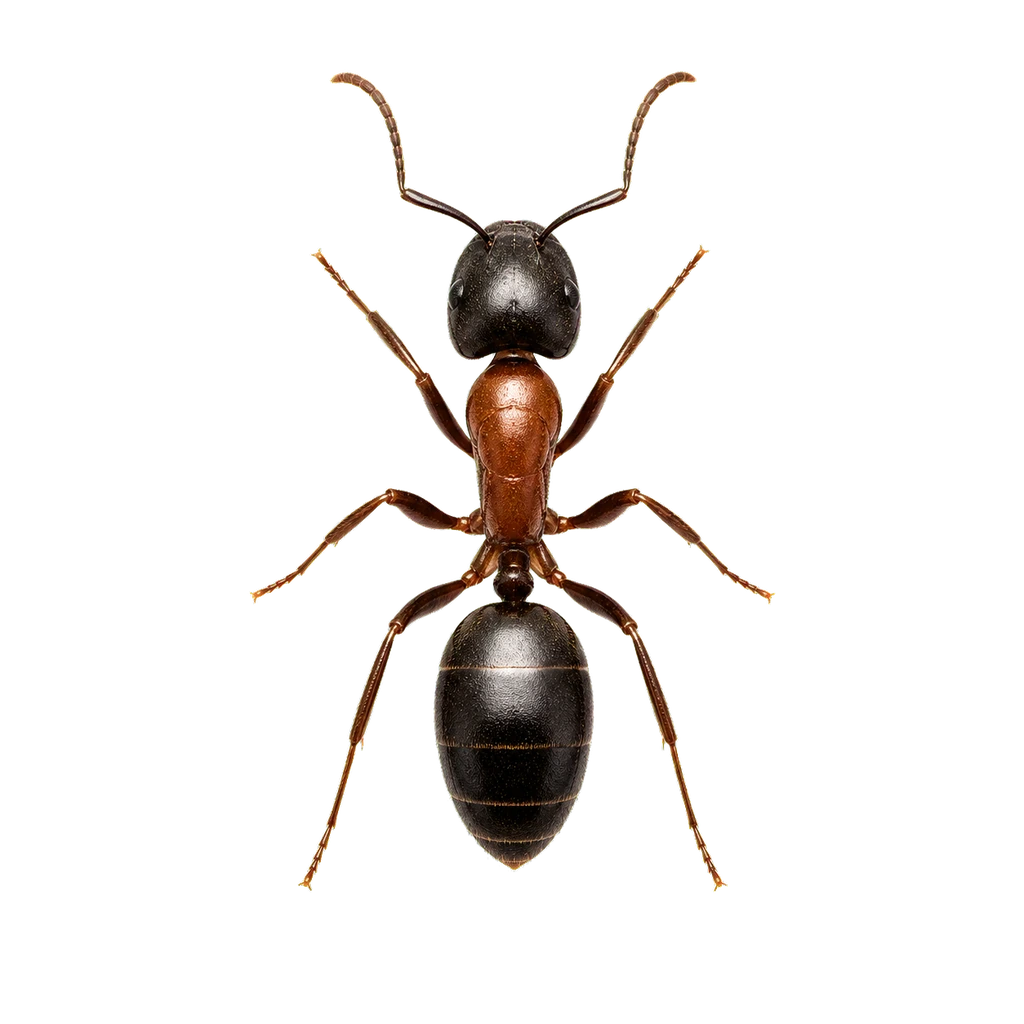
  • Adjacent to existing ant colonies, If you have fire ant mounds in the yard or carpenter ant trails along a deck, look for tiny pale ants nearby. Thief ants intentionally nest within raiding distance of larger species.
  • Wall void access points, Outlet plates, switch plates, baseboards, and pipe chases let thief ants travel between rooms inside the wall. Trails appearing at outlet edges confirm an in-wall nest pocket.

If you find faint trails in two or more of these zones, and especially if you see thief ants near another ant species, you're looking at an established colony with multiple sub-nests rather than a single point of entry. The colony is almost always polygyne (multiple queens) and almost always interconnected. Treatment that only hits the visible trail leaves the rest of the network intact, and the missing workers are replaced from another nest pocket within days.

Cross-section illustration showing thief ant trails between pet food, stovetop grease, pantry shelves, and wall void nest pockets with raiding routes toward adjacent ant colonies
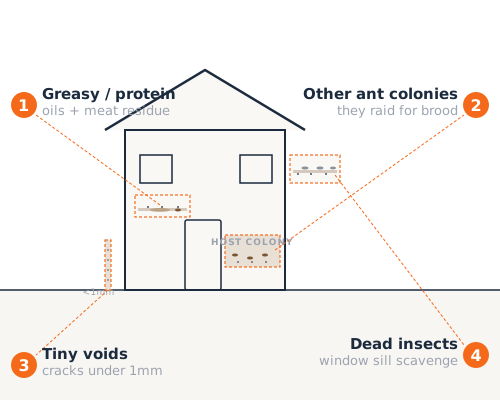
Illustration showing how thief ants enter homes through sub-millimeter gaps, plumbing penetrations, and shared wall voids, with raiding routes between sub-nests and adjacent larger ant colonies

Why Do I Have Thief Ants?

Finding the trail is step one. Understanding what keeps thief ants anchored to your property is what keeps them from rebuilding after treatment. Thief ants are unusual in the household-ant world because of their food preference: they want greasy and oily and protein-heavy foods first, with sweets a distant second. That preference, plus their tiny size and their habit of nesting near other ants for raiding access, gives them options most household ants don't have.

What anchors them to your property:

  • Grease residue under and behind cooking appliances, the spray of bacon grease, dripped olive oil, and the layer of cooking film on the wall behind the stove are exactly what they're looking for
  • Pet food and pet feeding stations, dry kibble, wet food, and the spilled crumbs under the bowl all sustain trail activity year-round, and thief ants are some of the most reliable pet-bowl visitors of any household ant
  • Existing ant populations on the property, fire ant mounds, carpenter ant satellite nests, and pavement ant colonies all give thief ants a brood-stealing food source, an active ant problem is an open invitation
  • Cracks under 1 millimeter around windows, plumbing, and electrical penetrations, thief ants are small enough to walk through gaps you can't see, so entry rarely requires a visible opening
  • Indoor moisture sources, a slow drip under the kitchen sink or condensation around the water heater is enough to anchor a wall-void nest pocket within feet of the leak

Most thief ant infestations originate outdoors in soil, under stones, in rotting wood, or in cement crevices, and migrate inside in late summer or fall when workers are hunting for the next food source. Once a small group is inside, the polygyne biology takes over: multiple queens establish nest pockets in different voids, brood is shared across the pockets, and the colony becomes a network rather than a single nest. That's why one bait point rarely finishes the job.

How Serious Is Your Thief Ant Problem?

Find your scenario below. Each row reflects the real progression of a polygyne thief ant colony with budding behavior, not a generic ant timeline.

What You're Seeing Severity If Untreated Next Step
A few tiny pale ants spotted at the pet food bowl, no continuous trail yet Early Scouts will return nightly to the same bowl and a continuous trail typically forms within 7 to 14 days Confirm thief ant versus pharaoh under a hand lens (look at the antennal club). Remove pet food bowl access overnight. Clean grease residue behind the stove. Monitor 7 to 10 days.
Trails of tiny ants in 2 or more rooms, ants on the stovetop or in the pantry Moderate The colony has a wall void nest pocket and trails will extend to additional rooms within 2 to 4 weeks Schedule professional protein and grease gel bait this week. Do NOT switch to sugar bait, it will sit untouched while the colony grows.
Multiple visible trails, ants in stored food, ants near a fire ant mound or carpenter ant trail High Thief ants are actively raiding the adjacent colony and the satellite nest network is established Same-week professional service. Multi-point bait placement plus assessment of the adjacent ant species, treatment of one without the other often misses the second problem.
Ants throughout the structure including bathrooms and bedrooms, suspected contamination of stored foods Urgent Mature polygyne network with multiple queens, foragers carrying bacteria onto food surfaces is now part of the situation Call today and request a full-home treatment program. Bait reformulation may be needed mid-program if the colony shifts food preference.
A few tiny pale ants spotted at the pet food bowl, no continuous trail yet
Severity Early
If Untreated Scouts will return nightly to the same bowl and a continuous trail typically forms within 7 to 14 days
Next Step Confirm thief ant versus pharaoh under a hand lens (look at the antennal club). Remove pet food bowl access overnight. Clean grease residue behind the stove. Monitor 7 to 10 days.
Trails of tiny ants in 2 or more rooms, ants on the stovetop or in the pantry
Severity Moderate
If Untreated The colony has a wall void nest pocket and trails will extend to additional rooms within 2 to 4 weeks
Next Step Schedule professional protein and grease gel bait this week. Do NOT switch to sugar bait, it will sit untouched while the colony grows.
Multiple visible trails, ants in stored food, ants near a fire ant mound or carpenter ant trail
Severity High
If Untreated Thief ants are actively raiding the adjacent colony and the satellite nest network is established
Next Step Same-week professional service. Multi-point bait placement plus assessment of the adjacent ant species, treatment of one without the other often misses the second problem.
Ants throughout the structure including bathrooms and bedrooms, suspected contamination of stored foods
Severity Urgent
If Untreated Mature polygyne network with multiple queens, foragers carrying bacteria onto food surfaces is now part of the situation
Next Step Call today and request a full-home treatment program. Bait reformulation may be needed mid-program if the colony shifts food preference.

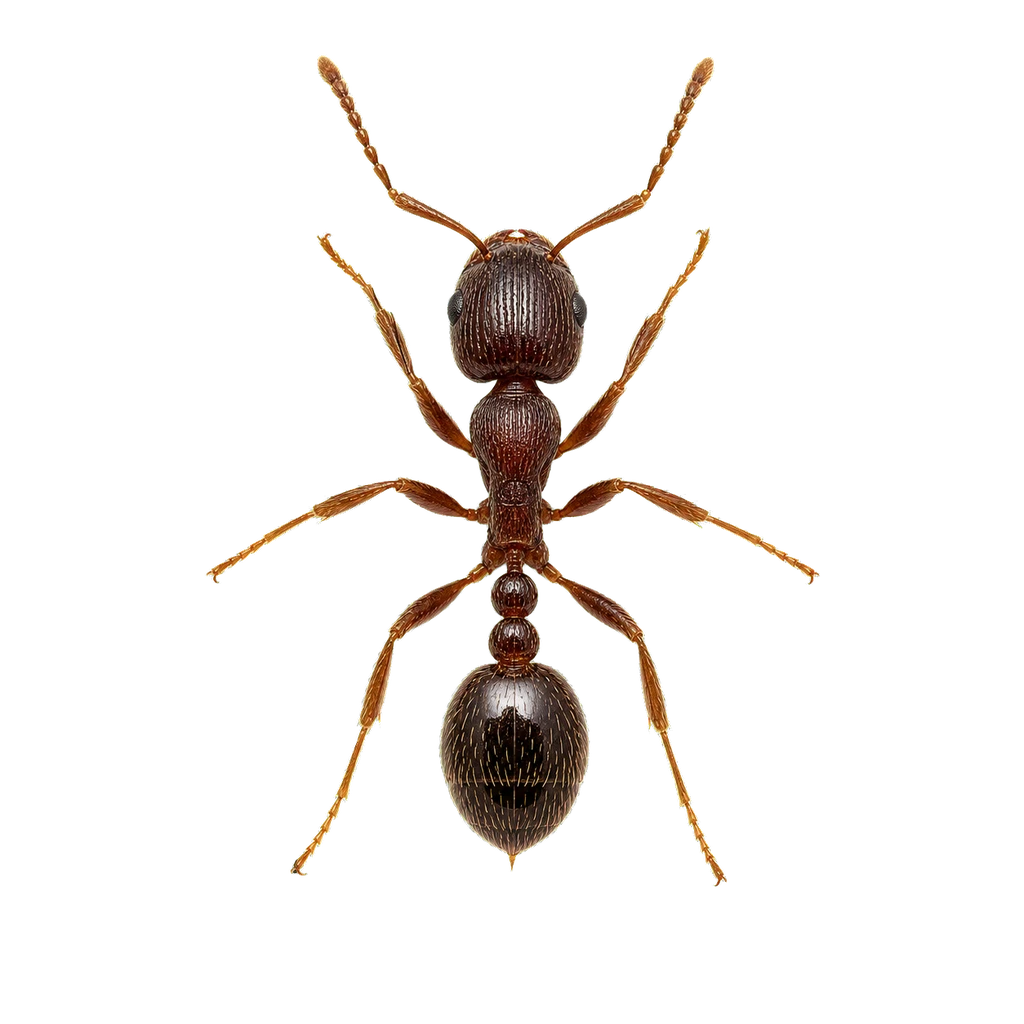
Thief ants are routinely misidentified as pharaoh ants because both are tiny and pale, but the treatment plans differ. If you're between two rows, treat the higher one as your situation.

How a Thief Ant Colony Grows

Thief ants are members of the Solenopsis genus, the same group as fire ants, and they share fire ants' key reproductive traits: multiple queens per colony, exposed pupae without cocoons, and a true stinger (though theirs is too small to penetrate human skin in most cases). What sets thief ants apart from their fire ant cousins is the sheer scale of their nest network. A single household colony can include dozens or hundreds of queens distributed across multiple wall void pockets, baseboard cavities, and outdoor soil nests, all sharing brood through interconnected trails. That biology is why a single bait point misses most of the population.

  1. Egg

    About 16 to 28 days

    Multiple queens lay eggs continuously inside indoor nest pockets and outdoor soil nests. Because there are many queens producing brood simultaneously, the colony never has a slow reproductive month, the way a single-queen species does.

  2. Larva

    About 21 to 28 days

    Workers feed larvae regurgitated protein and oils brought in from foraging. This is where bait works: a slow-acting protein or grease gel carried back from a kitchen trail reaches every larva and every queen in the connected nest pockets through trophallaxis.

  3. Pupa

    About 13 to 27 days

    Unlike most ants, thief ant pupae are exposed rather than wrapped in a cocoon, a Solenopsis trait shared with fire ants. Most develop into worker females; a fraction become reproductive queens that often mate and stay in the existing network rather than founding a new colony.

  4. Adult worker

    Workers live several months; queens live multiple years

    Workers forage along faint chemical trails, often passing through wall voids and outlet boxes to reach kitchens and pantries. Because the colony continuously produces new queens internally, it doesn't depend on seasonal mating flights to expand, it just keeps adding queens and adding nest pockets year-round in heated structures.

An established thief ant colony in a residential structure can include several connected nest pockets in wall voids, behind appliances, under baseboards, and in soil outside the foundation. Workers carry brood between pockets in response to temperature, moisture, and treatment pressure, which is why contact sprays cause budding rather than collapse. Real treatment has to target the queens across all pockets through bait that workers carry home, not the workers walking on the counter.

When Thief Ants Are Most Active

Thief ants stay fully active year-round in heated indoor structures, while outdoor populations track the soil temperature. Knowing the seasonal pattern tells you when indoor pressure peaks and when outdoor treatment windows are most useful.

  • Spring

    Outdoor colonies expand quickly from winter consolidation as soil warms. Mating flights occur from April through June in most regions, with new queens establishing soil nests under stones, in rotting wood, and in cement crevices. Indoor activity remains steady and any wall void pocket from the previous year is still producing brood.

  • Summer

    Peak outdoor foraging. Raids on adjacent ant colonies intensify as thief ants chase brood from fire ants, pavement ants, and other neighbors. Indoor activity stays moderate. Yard mounds of larger ant species near your foundation are the most likely sign of thief ants on the property right now.

  • Fall

    Outdoor colonies start consolidating ahead of cooler weather and indoor populations spike. Workers head into heated structures seeking food stockpiles and warmer microclimates. The kitchen pantry and the pet food storage area both see noticeable upticks in trail activity from mid-September through November.

  • Winter

    Outdoor activity stops in cold climates. Indoor colonies in heated wall voids stay fully active and foraging continues 24 hours a day across the kitchen and bathroom. Tiny pale ants on the counter in February confirm an interior nest pocket, the outdoor colonies aren't traveling in that weather, so the source is inside the structure.

Why Thief Ants Aren't a DIY Job

Thief ant DIY fails for one specific reason more than any other: bait selection. Hardware-store ant baits are almost universally sweet-based because sweet works on Argentine ants, odorous house ants, pavement ants, and most of the common household species. Thief ants are the exception. They walk past sugar baits untouched while the colony continues producing brood, and the homeowner concludes the bait failed when really the bait was wrong.

On top of that, contact sprays are actively counterproductive on a polygyne colony. Spraying along a thief ant trail kills the workers in that trail and signals the surviving sub-nests to split off, scattering the colony into more nest pockets across more rooms. Many homeowners discover their problem is worse after two weeks of DIY than before they started, and the wall void pockets they can't see are now larger and more numerous.

A pro starts with a hand-lens species check, thief ant versus pharaoh ant, because that decision changes the bait formulation. They use protein-based or grease-based gel placed directly on the active trails workers are already running. Multi-point placement covers each major entry zone so the bait reaches every connected nest pocket. Outdoor perimeter treatment addresses re-entry pressure from soil nests near the foundation. Typical initial service runs $150 to $400, and ongoing programs in food-prep environments commonly cost $30 to $70 per month.

Thief ants also carry Salmonella, Streptococcus, and Staphylococcus bacteria on their bodies, and their tiny size lets them slip through wire screens and into supposedly sealed food containers. In food-prep settings and households with stored pantry items, the contamination risk is the real reason to handle this fast, not the cosmetic nuisance of trail activity.

What Changes When a Pro Shows Up

Thief ant treatment is a bait-formulation problem first and a placement problem second. A specialist who has worked the species starts with species confirmation and then designs the bait program around polygyne biology. Here's what changes:

Pest control technicians after completing a thief ant treatment service
  • Local Pest Control
  • 24/7 Availability
  • Quality Workmanship
  • Eco‑Friendly Options
  • Trusted by Homeowners
  • They Confirm the Species Under a Lens

    Thief ants and pharaoh ants are both tiny and pale, but their treatment plans diverge. The give-away is the antennal club: thief ants have a 2-segmented club, pharaoh ants have a 3-segmented club. A hand-lens look at a captured worker decides which bait formulation goes down.

  • Protein and Grease Bait, Not Sugar

    Thief ants prefer greasy, oily, and protein-heavy foods. Off-the-shelf sweet baits sit untouched on thief ant trails while the colony continues to grow. A pro brings protein-based and grease-based gel baits and places them directly on the active trails the scouts are already using.

  • Multi-Point Placement for a Network

    Polygyne colonies have multiple queens across multiple sub-nests. One bait station rarely reaches all of them. Professional placement covers several entry zones and several active trails so the bait is carried into every connected pocket, not just the most visible one.

  • They Check for Adjacent Ant Species

    Thief ants nest near other ants for raiding access. If a fire ant mound, pavement ant nest, or carpenter ant satellite is on the property, the thief ant problem will keep refilling from the food source the other species provides. A full inspection treats both, not just one.

  • Local Pest Control
  • 24/7 Availability
  • Quality Workmanship
  • Eco‑Friendly Options
  • Trusted by Homeowners
NoToPests home

One call connects you with a local specialist who knows thief ants and your area.

Be Ready When You Call

Pest control technician arriving for thief ant service
Junho L.
Daisuke P.
Kirk Q.
Marion K.

Trusted by homeowners nationwide

Call for Pest Control Help (888) 495-1510

Can You Handle This or Do You Need Help?

Thief ants are different from almost every other small ant in your home: bait formulation is the entire game, and the wrong bait wastes weeks while the polygyne colony continues to expand.

What DIY Can Do

DIY work is most useful for cutting off food access and starving the foraging pressure. Honest limits:

  • Cleaning grease residue behind the stove, around drip pans, and on cabinet floors removes the primary attractant and reduces trail traffic
  • Removing pet food bowl access overnight and storing kibble in airtight containers cuts the most reliable food source thief ants exploit
  • Sealing opened pantry items (peanut butter, nuts, dried meats) in airtight containers eliminates secondary food sources
  • Store-bought protein baits occasionally help small isolated infestations, but most off-the-shelf options use sugar bait and will fail on thief ants
  • What DIY cannot do: confirm species under a hand lens, formulate matched protein and grease gel bait, or place bait across the polygyne nest network.

What a Pro Does Differently

Professional thief ant work is built around species confirmation, bait formulation, and multi-point placement. Here's what changes when you call:

  • Hand-lens species check, thief versus pharaoh, decides which bait formulation goes down on the first visit
  • Protein-based or grease-based gel bait, matched to the colony's current food preference and placed directly on active trails
  • Multi-point placement across kitchen, pantry, pet feeding stations, and wall void access points so bait reaches every connected sub-nest
  • Outdoor perimeter treatment for soil nests within 30 feet of the foundation, the source of most indoor migration in fall
  • Adjacent-colony assessment, treatment of the other ant species on the property is often required to keep thief ants from refilling the network.

Suspect Thief Ants? Don't Wait.

Thief ants need protein and grease bait, not sugar, and a polygyne colony rebuilds fast under contact sprays. Connect with a local specialist who confirms the species and places matched bait across the whole nest network.

Available 24/7
(888) 495-1510

What Homeowners Say After Getting Help

Real results from people who had the same problem and solved it.

Ren P.
Ren P.
Dayton, OH

"The problem finally stayed gone."

Ants kept returning no matter what we did. The tech treated the trail areas and explained how to handle food storage and moisture so the ants don't keep coming back. It's been months and we haven't seen them again. I appreciated that it wasn't just a one-and-done spray.

Ren P.
Ren P.
Dayton, OH

"The problem finally stayed gone."

Ants kept returning no matter what we did. The tech treated the trail areas and explained how to handle food storage and moisture so the ants don't keep coming back. It's been months and we haven't seen them again. I appreciated that it wasn't just a one-and-done spray.

Kayla Q.
Kayla Q.
Pittsburgh, PA

"Clear expectations and a real plan."

I was overwhelmed and didn't know what was realistic to fix quickly. The inspector explained what results to expect and how long it typically takes depending on the ant species. They treated the right places and gave simple prevention tips. Everything felt structured and easy to follow.

Malachi U.
Malachi U.
Knoxville, TN

"They found the entry points fast."

Ants were showing up in the kitchen and we couldn't figure out where they were coming from. The tech tracked the activity and pointed out two entry points we never would've noticed. After treating and sealing those areas, the ants disappeared. It was quick and surprisingly thorough.

Arturo B.
Arturo B.
Yonkers, NY

"No pressure, just helpful info."

I mainly wanted to understand what was happening before committing to anything. The inspector walked me through the likely cause and the differences between treatment approaches. They answered questions without rushing me. The plan we chose worked and the ants were gone within days.

Octavio Z.
Octavio Z.
Duluth, MN

"The tech helped me stop wasting time."

I kept trying different products and nothing was sticking. The tech explained why some solutions don't work for certain ant problems and focused the treatment where it would actually matter. They also gave prevention tips that were easy to implement. The difference was obvious within the first week.

Vihaan V.
Vihaan V.
Madison, WI

"They fixed what was actually causing it."

Ants kept showing up in the same spot. The pro explained that the visible ants weren't the real issue and focused the treatment on where they were coming from. They identified the entry path and treated it properly. The problem stopped and hasn't returned.

Allison A.
Allison A.
Des Moines, IA

"It felt like a real inspection, not a quick spray."

The tech spent time figuring out where the ants were entering instead of just spraying around. They walked me through the likely reasons and what to watch for over time. After treatment, ant activity dropped fast and stayed low. The detailed approach gave me confidence.

Stephen N.
Stephen N.
Sacramento, CA

"Small changes made a big difference."

We didn't realize how much our routine was attracting ants. The inspector explained simple prevention steps and treated the areas where activity was highest. Once those changes were in place, we stopped seeing ants inside. It was a practical approach that actually worked.

Daquan V.
Daquan V.
Tampa, FL

"The explanation alone was worth it."

I'd been doing random treatments without understanding what I was dealing with. The tech explained how ants behave and why certain approaches work better. They treated strategically instead of just spraying. It made the whole thing feel manageable.

Deepak V.
Deepak V.
San Antonio, TX

"We stopped chasing the problem and solved it."

We kept wiping down counters and the ants would be back the next day. The pro identified the entry areas and explained the treatment plan clearly. Once they treated and targeted the colony, the ants disappeared quickly. It felt like we finally got ahead of it.

Mireya Z.
Mireya Z.
Riverside, CA

"They didn't oversell. Just solved it."

The tech explained what treatment was necessary and what wasn't. They focused on the entry points and corrected the conditions that were attracting ants. The work felt honest and effective. I liked having clear expectations and seeing results quickly.

Wei D.
Wei D.
Lexington, KY

"It wasn't just 'spray and go.'"

I appreciated the step-by-step explanation and the focus on prevention. The inspector treated the areas where ants were getting in and helped me understand what to change at home. The ants stopped showing up and it's been consistent. The approach felt thoughtful and sustainable.

Shu W.
Shu W.
Orlando, FL

"It finally made sense why they kept coming back."

I had ants showing up every few months and never understood why. The tech explained how outdoor nests and weather changes affect indoor activity. They treated the perimeter and entry points instead of just the inside. Since then, we haven't had recurring issues.

Teresa I.
Teresa I.
Mesa, AZ

"Targeted instead of overdone."

I was worried about over-treating the house. The pro focused on specific problem areas and explained why blanket spraying wasn't necessary. The ants stopped appearing, and we didn't feel like chemicals were used unnecessarily. That balance mattered to us.

Latonya X.
Latonya X.
Mesa, AZ

"Clear answers without jargon."

The tech explained everything in plain language and answered questions without rushing. They identified the type of ant we had and adjusted the treatment accordingly. Knowing why the approach worked gave me confidence it would last.

Humberto T.
Humberto T.
Eugene, OR

"They focused on prevention, not just treatment."

I liked that the tech talked through how to keep ants from returning after the treatment. They addressed moisture issues and entry points around the home. The treatment worked, and the prevention tips helped us stay ahead of future problems.

Jerrell N.
Jerrell N.
Arlington, VA

"No guessing, just a plan."

I was tired of guessing what would work. The inspector explained the cause of the issue and outlined a clear plan of action. After treatment, the ants disappeared and we haven't had to revisit the problem. It felt efficient and well thought out.

Marion K.
Marion K.
Boulder, CO

"They explained what to expect upfront."

The tech set expectations about timing and results before starting. They explained that some activity might happen initially and why. Everything played out exactly as described, and the ants were gone shortly after. That transparency made a big difference.

Bridget E.
Bridget E.
Sacramento, CA

"Helpful without being overwhelming."

I didn't realize there were different types of ants or that it mattered. The inspector walked me through what they were seeing and explained how ant behavior affects treatment. It made it easier to ask the right questions and understand the solution.

Junho L.
Junho L.
Naperville, IL

"Saved me a lot of guessing."

I was close to trying random sprays for the ants. Talking with the tech helped me understand what was realistic to address and what usually doesn't work. The targeted treatment solved the issue quickly and saved time and frustration.

Willis Y.
Willis Y.
Baton Rouge, LA

"It felt tailored to our home."

The tech didn't just apply a standard treatment. He looked at where we were seeing activity and adjusted the approach to our layout and yard. The ants stopped showing up and we understood how to keep it that way.

Thelma S.
Thelma S.
Madison, WI

"Straightforward and effective."

I appreciated how straightforward everything was. The pro explained the issue, treated the problem areas, and gave us a few simple steps to prevent future issues. The ants were gone and it didn't feel complicated.

Angelina B.
Angelina B.
Austin, TX

"They explained how the weather played a role."

I didn't realize seasonal changes could affect ant activity so much. The tech explained how heat and rain push ants indoors and what to do about it. They treated the problem areas and gave tips to prevent future issues. The explanation helped everything click.

Kirk Q.
Kirk Q.
Denver, CO

"It wasn't as complicated as I expected."

I assumed pest control would be disruptive or complicated. The technician explained the steps clearly and focused on targeted treatment. The ants stopped appearing quickly and the process was smoother than expected.

Cody L.
Cody L.
Denver, CO

"They helped me understand the bigger picture."

Instead of just treating the ants I saw, the tech explained what was happening around the house that made it attractive to pests. Once those factors were addressed, the problem resolved quickly. It felt educational as well as effective.

Marquis K.
Marquis K.
San Mateo, CA

"Clear communication from start to finish."

I appreciated how clearly everything was explained before treatment began. The inspector walked through the process and answered all my questions. The ants were gone shortly after and we felt confident about prevention going forward.

Virginia T.
Virginia T.
San Mateo, CA

"They addressed what we were missing."

We kept focusing on cleaning, but the tech showed us where ants were actually entering. Once those points were treated and sealed, the issue resolved. It was reassuring to finally understand the root cause.

June J.
June J.
Omaha, NE

"A methodical approach that worked."

The pro explained how they identify ant trails and colonies before treating. They took a methodical approach instead of rushing through. The ants stopped appearing and the fix has held up well.

Caitlin K.
Caitlin K.
Phoenix, AZ

"They understood desert pest behavior."

Living in Phoenix, pests behave differently than other places. The tech explained how heat drives ants indoors and what treatments work best here. The solution was effective and tailored to our environment.

Olive S.
Olive S.
Sacramento, CA

"They took the time to do it right."

I appreciated that the tech didn't rush. He inspected the problem areas carefully and explained what they were seeing. The treatment worked quickly and the ants haven't returned.

Arianna D.
Arianna D.
Baton Rouge, LA

"They understood the local pest issues."

The tech explained how the humidity here contributes to ant problems and why certain treatments work better in this climate. They focused on outdoor entry points and moisture-prone areas. The ants cleared up quickly and haven't come back.

Kiyana N.
Kiyana N.
New Orleans, LA

"Finally something that lasted."

We'd dealt with recurring ants for years. The pro explained why flooding and moisture play such a big role here and adjusted the treatment accordingly. It's been months without seeing ants, which is a big win for us.

Brett R.
Brett R.
Phoenix, AZ

"They knew exactly what works in Arizona."

The tech explained how desert conditions affect ant behavior and which treatments are most effective here. They targeted the right areas and avoided unnecessary spraying. The ants disappeared quickly.

Albert O.
Albert O.
Baltimore, MD

"Clear, calm, and professional."

I appreciated how calmly everything was explained. The inspector identified the ant problem, explained the treatment, and answered my questions without rushing. The solution worked and gave me peace of mind.

Rohit Y.
Rohit Y.
Orlando, FL

"They handled it efficiently."

The tech inspected the problem areas, explained the plan, and got to work quickly. The ants were gone within days and the process felt efficient without being rushed.

Carolyn H.
Carolyn H.
Omaha, NE

"Simple explanations, solid results."

I liked how simply everything was explained. The pro didn't overcomplicate things and focused on what mattered. The ants stopped appearing and we haven't needed follow-up treatments.

Edith Z.
Edith Z.
Newark, NJ

"They showed me what to watch for."

Beyond treating the ants, the tech explained what signs to watch for if activity starts again. That knowledge made me feel more in control. So far, everything has stayed clear.

Marshall M.
Marshall M.
Pasadena, CA

"They explained why DIY hadn't worked."

I had tried several store-bought solutions with no luck. The inspector explained why those methods don't always reach the source of the problem. Once they treated the entry points and nesting areas, the ants stopped showing up.

Mitchell P.
Mitchell P.
Austin, TX

"Seasonal problems finally under control."

Every spring we dealt with ants in the kitchen. The tech explained why seasonal changes trigger activity and helped us get ahead of it this time. The treatment worked quickly and we haven't had issues since.

Evelyn M.
Evelyn M.
Bloomington, IN

"They made it easy to understand."

I appreciated how clearly everything was explained. The pro identified the problem areas and explained what changes would help prevent future issues. The ants cleared up and it felt manageable.

Common Questions About Thief Ants

Direct answers to what homeowners ask most about identification, bait selection, pharaoh ant lookalike confusion, and what real treatment looks like.

  • How do I tell thief ants apart from pharaoh ants? Toggle answer for: How do I tell thief ants apart from pharaoh ants?

    Thief ants and pharaoh ants are both extremely small and pale, making them easy to confuse. The key difference is antenna structure: thief ants have 10-segmented antennae with a 2-segmented club, while pharaoh ants have 12-segmented antennae with a 3-segmented club. In practice, thief ants are slightly smaller, more uniformly yellow, and tend to trail along baseboards near the floor rather than along upper cabinet edges. A magnifying glass or professional identification is usually needed.

  • Why are thief ants called thief ants? Toggle answer for: Why are thief ants called thief ants?

    Thief ants get their name from their habit of nesting near other ant colonies and raiding them for food and brood (larvae and pupae). They use their tiny size to enter other ants' nests through passages too small for the host ants to follow. In homes, they're attracted to greasy and high-protein foods, peanut butter, cheese, meat, and pet food, rather than sweets, which can help distinguish them from sugar-seeking species.

  • Why do ants keep coming back after treatment? Toggle answer for: Why do ants keep coming back after treatment?

    Ants leave invisible pheromone trails that guide other workers to food and water sources. If the colony itself isn't eliminated, orif the conditions that attracted them persist (moisture, food access, entry points), new workers will follow the old trails back. Effective treatment targets the colony, not just the visible ants.

  • Are ants dangerous to my home? Toggle answer for: Are ants dangerous to my home?

    Most ant species are nuisance pests, and theycontaminate food but don't cause structural damage. The major exception is carpenter ants, which excavate wood to build nests and can compromise beams, framing, and wall studs over time. If you're finding wood shavings (frass) near walls, you may have a structural ant problem.

  • How quickly can a provider get to my home? Toggle answer for: How quickly can a provider get to my home?

    Most providers in our network can schedule an inspection within 24-48 hours. For urgent situations, likeactive structural damage or large colonies, same-week emergency service is often available. Response times depend on your location and the provider's current schedule.


  • What happens during the first visit? Toggle answer for: What happens during the first visit?

    Your provider inspects the property to identify the pest, locate nesting or entry points, and assess the scope of the problem. You get a clear explanation of what they found, what they recommend, and a written scope before any work begins.

  • Is treatment safe for kids and pets? Toggle answer for: Is treatment safe for kids and pets?

    Modern pest control products are designed to break down quickly after application and pose minimal risk to people and pets when applied correctly. Most providers ask you to keep kids and pets out of treated areas for 1 to 2 hours while the product dries, after which the area is generally safe again. Always confirm specific re-entry times with your provider, and let them know about pet birds, fish, or reptiles, since some treatments require extra precautions for those species.

Pest Control Pros serving the city of the state of your city and nearby areas

Local providers who confirm thief ant species and place protein and grease gel bait across polygyne networks are ready to inspect, treat, and follow up, no obligation.

Available 24/7
(888) 495-1510