Local pest control help is one call away.

Fire Ant: Identification, Treatment & Prevention

Fire ants (Solenopsis invicta and the hybrid forms found across the southern US) are the only common yard pest that can put a family member in the emergency room. Workers run 1/8 to 1/4 inch long, come in multiple sizes inside the same mound, and deliver an alkaloid sting that leaves a white pustule within 24 hours. About one to two percent of the population has a severe allergic response, and a single disturbed mound can deliver dozens of stings in seconds.

If you're seeing dome-shaped soil mounds in open lawn with no central entry hole, reddish-brown ants pouring out the moment you tap the dirt, or pustules on shoes, ankles, or pets after time on the grass, you have fire ants. This guide covers safe field ID, the two-step bait-and-drench approach that actually collapses a fire ant colony, why pouring boiling water rarely reaches the queen, and what real professional treatment looks like.

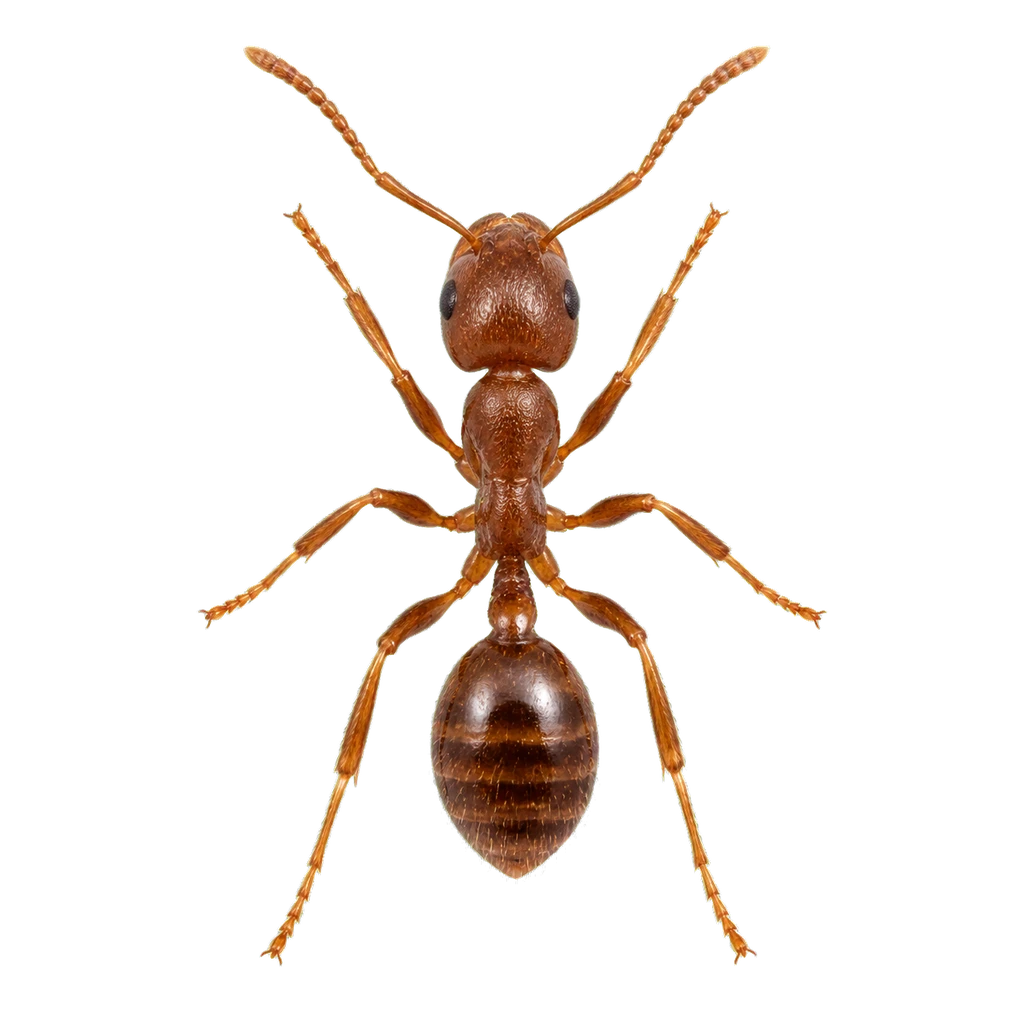
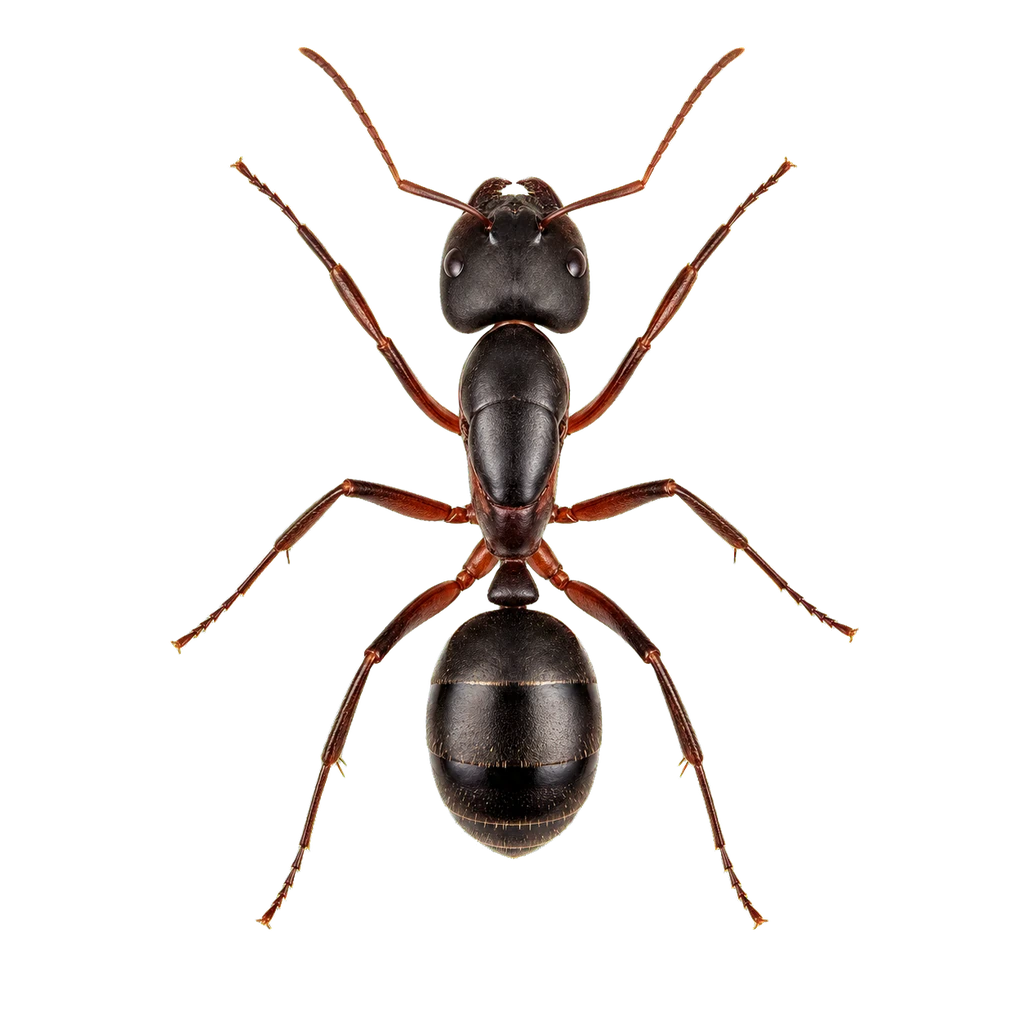
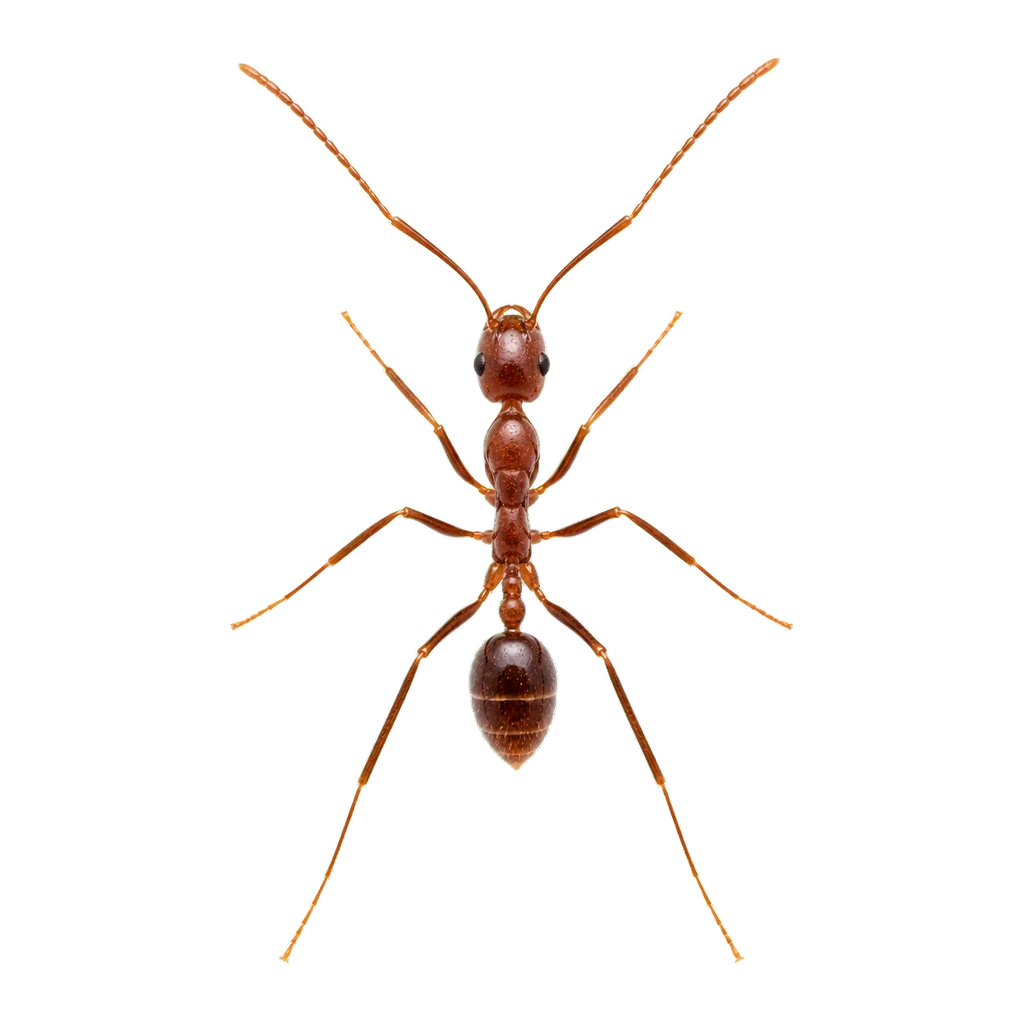
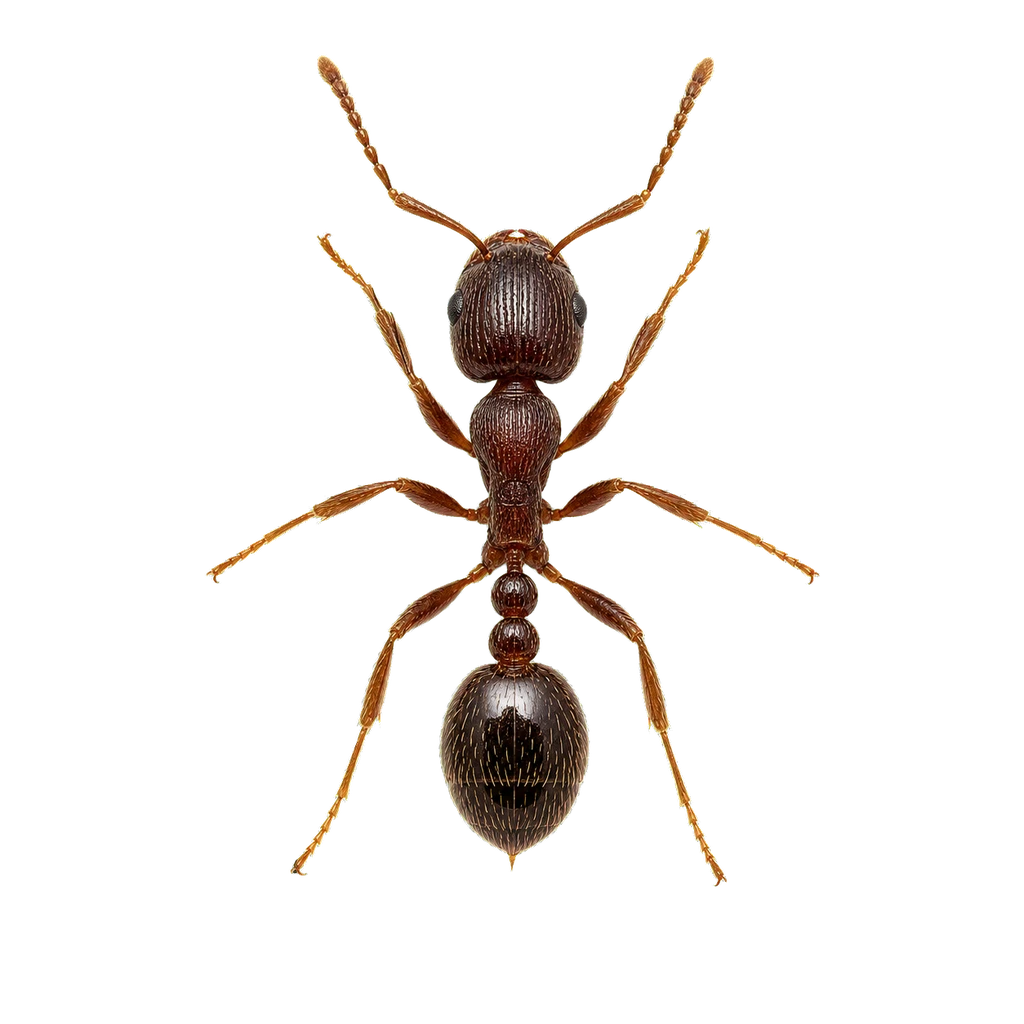
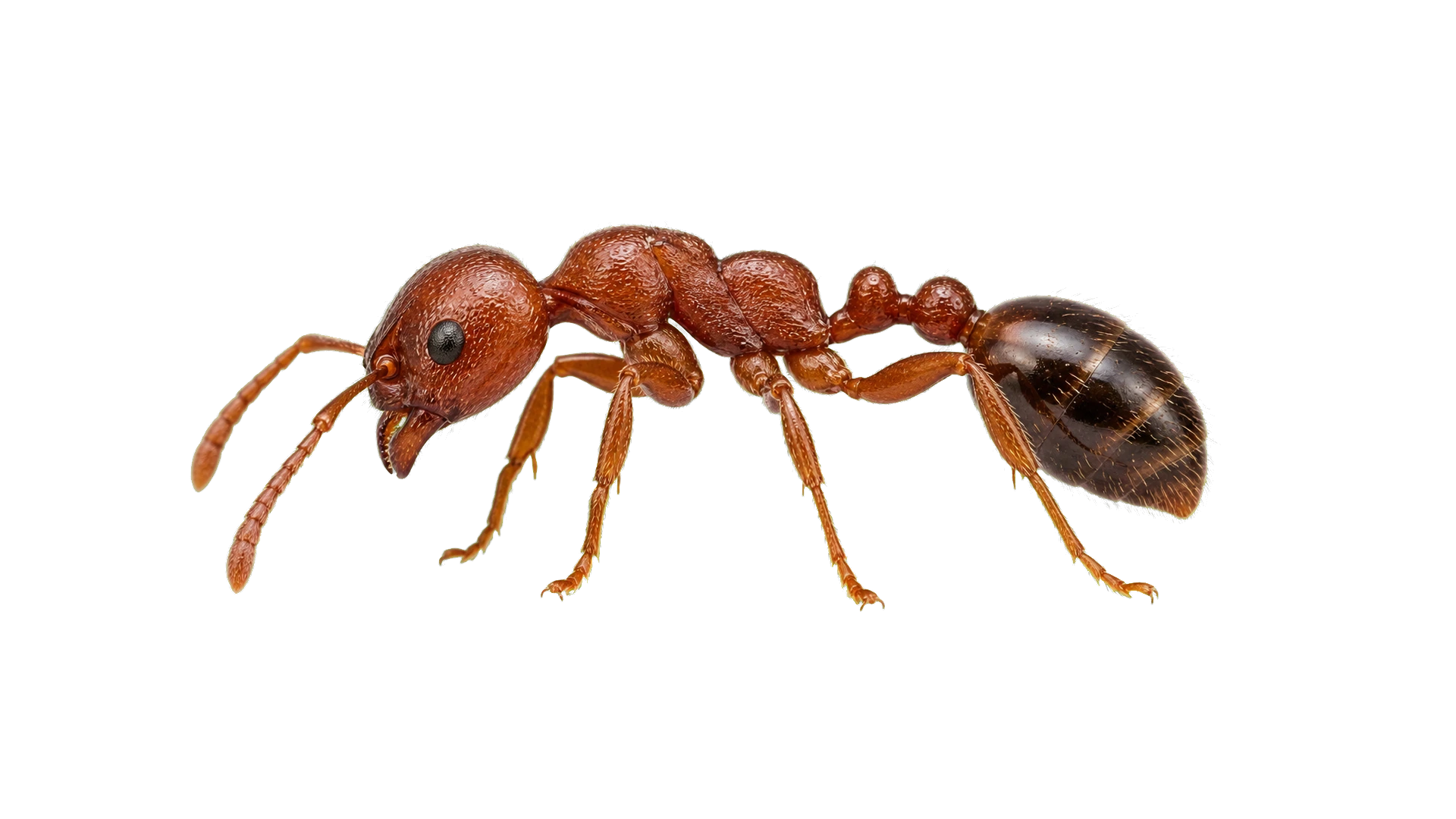
Close-up illustration of a red imported fire ant showing reddish-brown body, two-node petiole, and 10-segmented antennae with a two-segmented club

ID Card: Fire Ant

Scientific name
Solenopsis invicta
Color
Reddish-brown, black
Size
1/8 to 1/4 inch
Body shape
Two-node waist (petiole and postpetiole)
Antennae
Elbowed, 10 segments with 2-segment club
Key evidence
Dome-shaped dirt mounds in yard, painful stings leaving white pustules
Also known as
Red ants, Red imported fire ants, RIFA

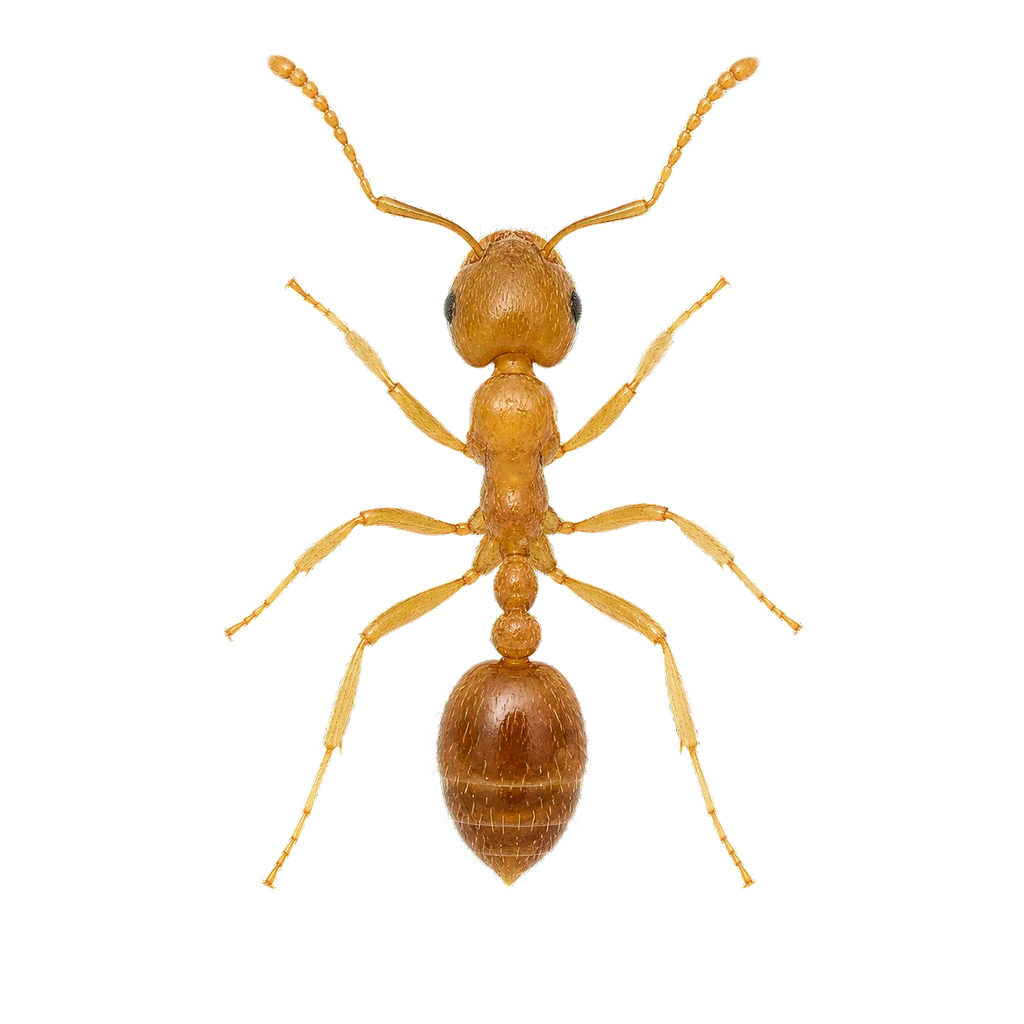
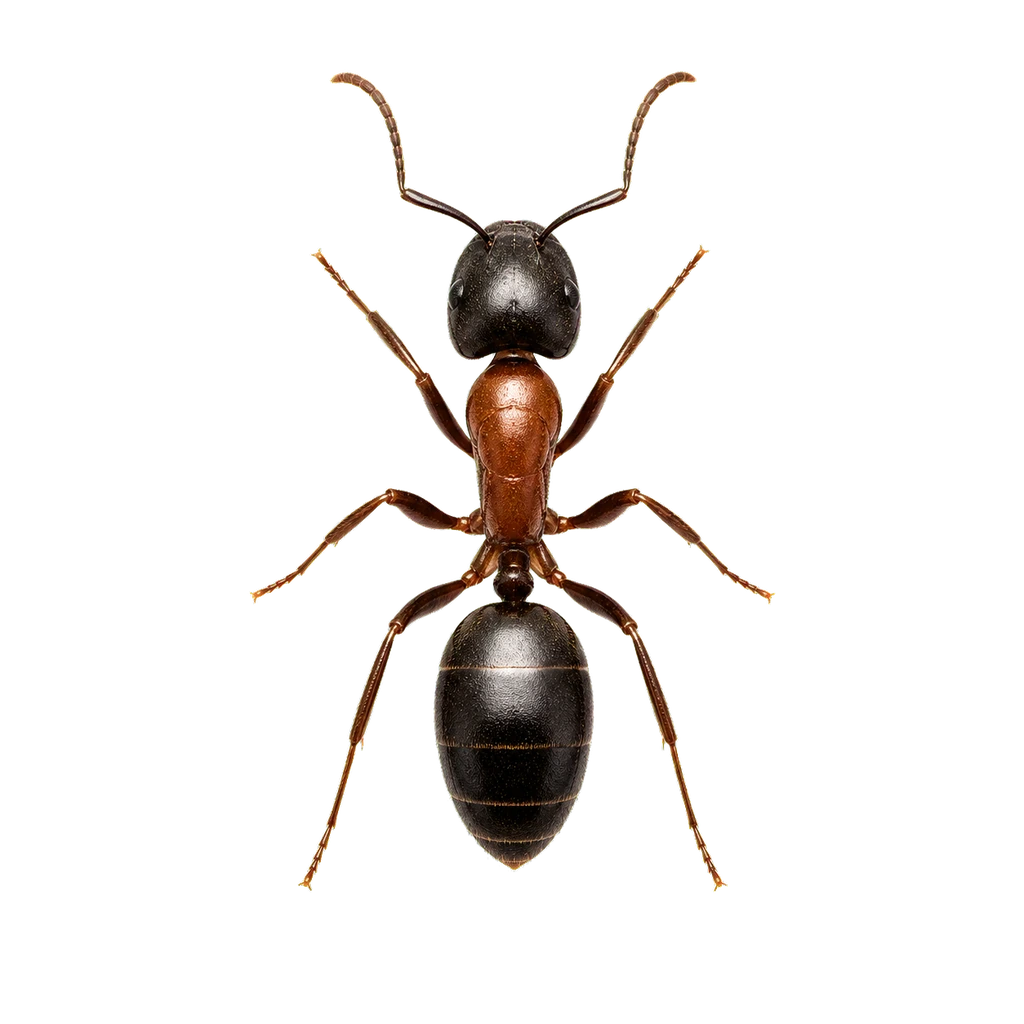
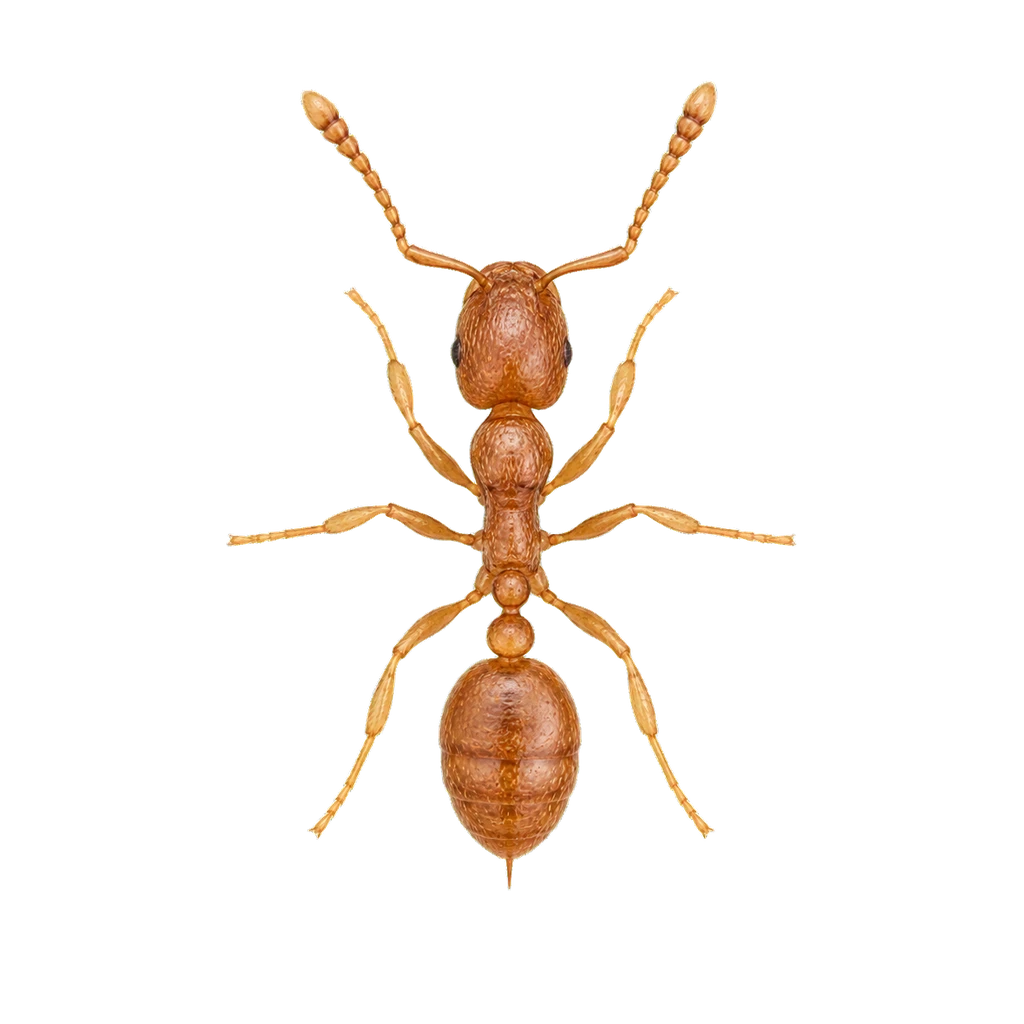
Related Species

Call to get matched with a local pest control pro.

Available 24/7
(888) 495-1510
  • Specialists trained on stinging-ant biology and anaphylaxis protocols
  • Two-step broadcast bait plus targeted mound treatment programs
  • Family-safe re-entry windows and labeled products for kids, pets, and allergic households

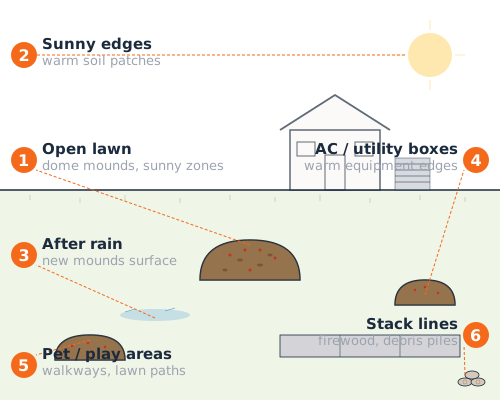
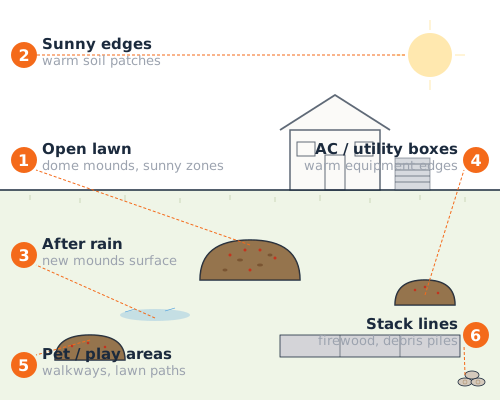
Where to Inspect for Fire Ant Mounds

Cross-section illustration showing a fire ant mound with side-entry tunnels, deep underground galleries, and the queen chamber 12 to 18 inches below the surface

Fire ant mounds give themselves away once you know what to look for: a dome of fluffy soil, no central opening at the top, and workers that boil out within seconds if the mound is tapped. Walk these zones in closed-toe shoes and long pants, ideally the morning after rain when fresh mounds appear overnight:

  • Open lawn turf, especially after rain, Mounds emerge above grass within 12 to 24 hours of a soaking storm. Dome-shaped, 4 to 18 inches across, no central hole, this is the classic fire ant signature.
  • Walkway, driveway, and sidewalk edges, Concrete seams act as moisture corridors. Fire ants nest along these edges because soil there warms quickly and holds water just below the slab.
  • Around A/C condenser units, transformers, and utility boxes, Workers are drawn to electrical fields and can chew through low-voltage wiring. Short-circuited A/C systems and traffic signal boxes are common indicators of colony activity nearby.
  • Under mulch, around shrub bases, near patio borders, Partial shade plus moist soil is preferred mound territory. Pull back a few inches of mulch and look for tunnel openings on the underside.
  • Around tree trunks and stumps in lawn areas, Root channels offer ready-made tunneling routes. Mounds adjacent to stumps often connect to deeper underground galleries the colony uses in cold weather.
  • At fence lines and property edges next to undeveloped land, Colonies push satellite mounds across boundary lines from vacant lots, drainage ditches, or pasture. The first mounds you see on your property usually came from next door.

If you find more than three mounds within 100 feet of the home, you're dealing with an established population and likely the polygyne (multi-queen) form, where mound-by-mound treatment will not collapse the colony. A useful field test: stand still next to the mound for 10 seconds. If ants don't begin climbing your shoes within that window, it's probably not fire ants. Sting risk is the priority concern with this species, especially for children under 6, the elderly, and any household member with a known insect-sting allergy. Medical bills for severe sting reactions routinely exceed $5,000 and are billed to health insurance, not homeowners coverage.

Cross-section illustration showing a fire ant mound with side-entry tunnels, deep underground galleries, and the queen chamber 12 to 18 inches below the surface
Illustration showing how fire ant colonies establish from spring mating flights, found new mounds, and connect underground in the polygyne multi-queen form

Why Do I Have Fire Ants?

Spotting a mound is step one. Understanding what makes your property colonizable, and what brings new queens in after every spring mating flight, is what stops the yard from rebuilding three mounds for every one you treat. Fire ants are climate-locked to USDA Zone 8 and warmer, established across Florida, Texas, Louisiana, Alabama, Mississippi, Georgia, the Carolinas, and parts of California and the Southwest. Inside that range, the limiting factor isn't whether they'll show up, it's how fast they expand once they do.

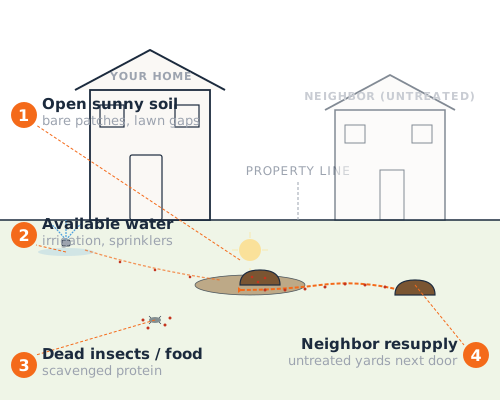
What draws fire ants to your property:

  • Sunny open soil with short turf and good drainage, this is the primary habitat, mowed lawns and graded yards in Z8+ states are textbook fire ant terrain
  • Adjacent untreated land, vacant lots, agricultural fields, drainage ditches, and pasture all host parent colonies that push satellite mounds across the property line each season
  • Recently disturbed soil, fresh landscaping, new sod, recent grading, and post-construction lots all offer easier tunneling than compacted ground and draw new queens preferentially
  • Irrigation lines and sprinkler heads, consistent moisture in arid regions creates artificial fire ant habitat where there'd otherwise be none
  • Electrical equipment, A/C condensers, transformer pads, and traffic signal boxes attract colonies through electrical fields, and once they're inside the equipment, they short-circuit it from the chewing damage

A new colony begins after a mating flight when a single fertilized queen (or in the polygyne form, several queens together) lands on bare soil, sheds her wings, and digs a starter chamber. Within 90 days the colony hits sting-relevant size. Mature colonies (3 to 5 years old) contain 100,000 to 250,000 workers in single-queen mounds and can hold 50 or more queens in polygyne networks that connect underground across an entire property. The polygyne form is the one that defeats most DIY treatment, because killing the visible mound does nothing to the queens networking in tunnels 30 feet away.

How Serious Is Your Fire Ant Problem?

Find your scenario below. Sting risk plus mound count plus colony form (single-queen vs multi-queen) drives the response window, not just the number of mounds you can see.

What You're Seeing Severity If Untreated Next Step
Single isolated mound on the property, no recent stings Early If it's the monogyne (single-queen) form, a mating flight from this mound produces 3 to 5 additional mounds by next spring. If polygyne (multi-queen), satellite mounds appear within weeks underground regardless of treatment. Identify the form first: count worker sizes within the mound. Uniform sizes suggest monogyne, where a labeled mound drench can work. Variable sizes suggest polygyne, where broadcast bait is the only reliable approach.
3 to 5 mounds visible across the yard, occasional sting incidents Moderate Mound count typically doubles within one warm season. Polygyne-form properties can hit 20 to 30 mounds per acre in 12 months once the network is established. Multi-colony pressure confirmed. Schedule a professional broadcast bait application this week, mound-by-mound treatment will not keep pace with the spread.
10+ mounds, mounds in high-traffic areas (around playset, patio, A/C unit), repeated stings High Sting events will continue, and children, pets, and outdoor workers face daily exposure. Damage to the A/C unit, irrigation valve boxes, or electrical equipment is also likely. Call a professional for same-day or next-day service. Restrict yard access until treatment is complete, especially around the playset and any equipment colonies have moved into.
Anaphylactic sting reaction in the household, or mounds inside the garage, utility room, or A/C condenser Urgent Continued exposure carries real medical risk for the allergic family member. Repeated stings are statistically certain at this level. Equipment damage and electrical short-circuits compound the cost. Call today and request emergency service. Get an allergist referral for the affected family member, prescription epinephrine auto-injectors are standard care for confirmed fire ant venom allergy.
Single isolated mound on the property, no recent stings
Severity Early
If Untreated If it's the monogyne (single-queen) form, a mating flight from this mound produces 3 to 5 additional mounds by next spring. If polygyne (multi-queen), satellite mounds appear within weeks underground regardless of treatment.
Next Step Identify the form first: count worker sizes within the mound. Uniform sizes suggest monogyne, where a labeled mound drench can work. Variable sizes suggest polygyne, where broadcast bait is the only reliable approach.
3 to 5 mounds visible across the yard, occasional sting incidents
Severity Moderate
If Untreated Mound count typically doubles within one warm season. Polygyne-form properties can hit 20 to 30 mounds per acre in 12 months once the network is established.
Next Step Multi-colony pressure confirmed. Schedule a professional broadcast bait application this week, mound-by-mound treatment will not keep pace with the spread.
10+ mounds, mounds in high-traffic areas (around playset, patio, A/C unit), repeated stings
Severity High
If Untreated Sting events will continue, and children, pets, and outdoor workers face daily exposure. Damage to the A/C unit, irrigation valve boxes, or electrical equipment is also likely.
Next Step Call a professional for same-day or next-day service. Restrict yard access until treatment is complete, especially around the playset and any equipment colonies have moved into.
Anaphylactic sting reaction in the household, or mounds inside the garage, utility room, or A/C condenser
Severity Urgent
If Untreated Continued exposure carries real medical risk for the allergic family member. Repeated stings are statistically certain at this level. Equipment damage and electrical short-circuits compound the cost.
Next Step Call today and request emergency service. Get an allergist referral for the affected family member, prescription epinephrine auto-injectors are standard care for confirmed fire ant venom allergy.

Fire ant populations grow rapidly across the warm season. If you're between two rows, treat the higher one as your situation, especially if anyone in the household has a known insect-sting allergy.

How a Fire Ant Colony Grows

Fire ant colonies grow on a tight annual cycle: spring mating flights produce new queens, new queens found new colonies, colonies hit sting-relevant size in 90 days, and mature mounds throw their own reproductives within 3 to 5 years. Two biological details set fire ants apart from other ants: workers come in multiple sizes (polymorphic minor and major workers in the same mound), and the polygyne form keeps multiple queens in a connected underground network, so killing one queen does not stop the colony. The lifecycle below explains why broadcast bait timed to the spring window is the highest-leverage treatment of the year.

  1. Egg

    About 8 to 10 days

    A mature queen lays up to 1,500 eggs per day at peak. In polygyne mounds with 50+ queens, daily egg production crosses 75,000 across the connected colony. Eggs are tended by workers and shifted between chambers as soil temperature changes through the day.

  2. Larva

    About 6 to 12 days

    Workers feed larvae regurgitated insect protein and oils. Larvae also serve as the colony's solid-food processor, since adult fire ants can only swallow liquids. This is the developmental stage that makes slow-acting baits work, foragers carry the active ingredient back, share it with larvae, and the colony's digestive engine ingests the dose for the queens.

  3. Pupa

    About 9 to 16 days

    Fire ant pupae develop without a silk cocoon (unusual among ants, which is a quick field ID feature when a mound is opened up). Most pupae become workers; in mature colonies, a fraction become winged alates, male and female reproductives that leave the mound during spring mating flights.

  4. Adult worker

    Workers live about 5 weeks; queens live 6 to 7 years

    Workers forage 30 to 50 feet from the mound, occasionally out to 100 feet. They bite first to grip the skin, then pivot and sting 7 to 8 times in a circular pattern, that pivot-and-sting circle plus the white pustule at each sting site is diagnostic for fire ants over wasps, hornets, or other ant species.

A mature colony (3 to 5 years old) holds 100,000 to 250,000 workers in the single-queen form, and polygyne networks can run higher across connected mound clusters. Each mature mound throws thousands of new alates during the spring mating flights, typically warm afternoons in May, June, or July after rain. That's why broadcast bait timed to the spring window collapses next year's mound count, and why a missed season often doubles the property's mound load by the following spring.

When Fire Ants Are Most Active

Fire ant pressure tracks soil temperature and rainfall. Knowing the seasonal rhythm tells you when new mounds will appear, when sting risk peaks, and when broadcast bait will land with maximum effect.

  • Spring

    Peak mating flight season. Winged alates emerge from mature mounds during warm afternoons after the first heavy rain, typically May through July. New queens land within a half-mile of the parent mound, shed their wings, and dig starter chambers. Existing colonies push fresh mound material up to rebuild after winter compaction. This is the highest-leverage treatment window of the year.

  • Summer

    Foraging shifts to dawn and dusk to avoid midday heat. Workers extend the foraging radius up to 100 feet. Sting incidents spike for outdoor workers, landscapers, kids on the playset, and pets in the grass. Mound profiles flatten in dry weather but reform overnight after summer thunderstorms when colonies push moisture-softened soil to the surface.

  • Fall

    Secondary mating flight wave in warmer regions (Florida, coastal Texas, the Gulf Coast). Colonies stockpile food and rebuild mound walls before cooler weather. This is the second-best treatment window of the year, treating in fall reduces overwintering queen count and lowers next spring's mound pressure.

  • Winter

    When soil drops below 50 degrees Fahrenheit, the colony retreats 6 to 18 inches deep into chambers below the visible mound. Surface activity stops in Zone 8 and cooler. In Zone 9 and warmer (Florida, south Texas, coastal Gulf), mild winters allow continuous low-grade foraging year-round. Cold snaps don't kill mature colonies, they just push them deeper.

Why Fire Ants Aren't a DIY Job

Fire ants are the only common household pest where the DIY attempt itself carries serious personal risk. A single tap on an active mound triggers a coordinated swarm: workers boil out within 3 to 5 seconds, climb anything in contact with the soil, and deliver dozens of stings in a wave. Kids and pets don't read the warning signs in time. About one to two percent of the population has a severe allergic response to fire ant venom, and a mass-sting event for an allergic family member is an emergency-room scenario, not a wait-and-see one.

Most homeowner remedies on the mound don't reach the queen. Boiling water cools off before it penetrates 12 inches deep. Gasoline poses a fire hazard and is illegal as a pesticide in most states. Contact sprays kill the workers on the surface and trigger budding: the surviving queens and brood split into 3 to 5 satellite mounds within two weeks. Many homeowners describe their fire ant problem as visibly worse 14 days after starting DIY than before they began, with the additional mounds now scattered in places they weren't watching.

A professional uses the two-step method that fire ant research has consistently shown to work: broadcast a slow-acting bait (indoxacarb, hydramethylnon, or S-methoprene growth regulator) across the full acreage so workers collect the active ingredient on every foraging trip, then drench any mound near high-traffic zones for fast knock-down. Workers carry the bait back, feed it to larvae, and the larvae process the dose for the queens. On polygyne (multi-queen) properties, broadcast bait is the only approach that addresses the underground network, mound-by-mound work doesn't keep up with how many queens are operating.

If anyone in the household is allergic to insect stings, professional treatment moves from advisable to essential. Confirmed fire ant venom allergy typically warrants prescription epinephrine auto-injectors from an allergist, and the property itself needs an active management plan rather than a wait-and-see approach. Residential fire ant programs across the southern US typically run $200 to $600 per year. Medical bills for a single severe sting reaction routinely exceed $5,000, and the medical side bills to health insurance, not homeowners.

What Changes When a Pro Shows Up

Fire ant treatment is one of the few residential pest jobs where the technician's first concern is your family's safety, not the speed of the kill. The whole protocol is built around shrinking sting risk while the colony collapses underground. Here's what changes:

Pest control technicians after completing a two-step fire ant broadcast bait and mound treatment program
  • Local Pest Control
  • 24/7 Availability
  • Quality Workmanship
  • Eco‑Friendly Options
  • Trusted by Homeowners
  • They Identify the Colony Form First

    Polygyne (multi-queen) mounds connect underground and can't be controlled mound by mound. A pro counts worker size variation across mounds and assesses spacing to identify the form before selecting product. The wrong protocol on the wrong form wastes the visit.

  • Two-Step Treatment: Broadcast Bait Plus Targeted Drench

    Real fire ant programs combine a broadcast bait (indoxacarb, hydramethylnon, or an S-methoprene growth regulator) spread across the full acreage with a labeled drench at any mound near high-traffic zones. Bait alone is slow, drench alone misses the queens, both together is what actually collapses the colony.

  • Family-Safe Re-Entry Windows

    Products labeled for residential lawns have clear re-entry intervals, usually 2 to 4 hours after application once granules settle. The technician tells you exactly when kids and pets can be back on the grass and which areas to keep them off longer.

  • Spring Follow-Up Inspections for New Queens

    Mating flights produce new queens every May through July. A real program includes a spring perimeter inspection to catch starter mounds at the 30 to 60-day stage before they reach sting-relevant size. One missed season can put the property back to baseline.

  • Local Pest Control
  • 24/7 Availability
  • Quality Workmanship
  • Eco‑Friendly Options
  • Trusted by Homeowners
NoToPests home

One call connects you with a local specialist who knows fire ants and your area.

Be Ready When You Call

Pest control technician arriving for a fire ant broadcast bait and mound drench service
Junho L.
Daisuke P.
Kirk Q.
Marion K.

Trusted by homeowners nationwide

Call for Pest Control Help (888) 495-1510

Can You Handle This or Do You Need Help?

Fire ants are different from other ants in one critical way: getting the treatment wrong can land someone in the emergency room. That changes the math on DIY versus professional work, especially in households with kids, pets, or anyone with a known sting allergy.

What DIY Can Do

DIY work is best aimed at isolated single-queen mounds and basic prevention, not full-property control. Useful steps with honest limits:

  • Labeled mound drenches can collapse single-queen (monogyne) mounds when applied per label and the queen is reached at depth
  • Store-bought broadcast baits can reduce mound count if timed to spring or fall foraging, but the product selection and application rate matter a lot
  • Sealing electrical equipment gaps and clearing mulch contact with the foundation reduces nesting habitat near the structure
  • What DIY cannot safely do: identify the polygyne (multi-queen) form, treat full acreage reliably, manage mounds near play areas without sting risk, or prevent re-invasion from neighboring untreated land
  • Boiling water, gasoline, and homemade remedies are dangerous, often illegal as pesticides, and almost always scatter the colony rather than collapse it.

What a Pro Does Differently

Professional fire ant work is built around colony form, two-step treatment, and family safety. Here's what changes when you call:

  • Colony form identification first, single-queen mounds get targeted drench, multi-queen networks get broadcast bait across the full acreage
  • Two-step protocol combines indoxacarb or hydramethylnon broadcast bait with a labeled drench for fast knock-down at priority mounds
  • Labeled products with documented re-entry intervals so the lawn is safe for kids and pets within hours of application
  • Sting-risk prioritization, mounds near the playset, patio, and A/C unit get treated first regardless of mound size
  • Spring follow-up inspections catch new mating-flight queens before they reach sting-relevant size, this is what keeps the property from rebuilding to baseline every year.

Suspect Fire Ants? Don't Wait.

Fire ant stings escalate within seconds and mound counts double across a single warm season. Connect with a local specialist who can identify the colony form, apply the two-step broadcast-and-drench protocol, and reduce sting risk for kids, pets, and allergic family members.

Available 24/7
(888) 495-1510

What Homeowners Say After Getting Help

Real results from people who had the same problem and solved it.

Ren P.
Ren P.
Dayton, OH

"The problem finally stayed gone."

Ants kept returning no matter what we did. The tech treated the trail areas and explained how to handle food storage and moisture so the ants don't keep coming back. It's been months and we haven't seen them again. I appreciated that it wasn't just a one-and-done spray.

Ren P.
Ren P.
Dayton, OH

"The problem finally stayed gone."

Ants kept returning no matter what we did. The tech treated the trail areas and explained how to handle food storage and moisture so the ants don't keep coming back. It's been months and we haven't seen them again. I appreciated that it wasn't just a one-and-done spray.

Kayla Q.
Kayla Q.
Pittsburgh, PA

"Clear expectations and a real plan."

I was overwhelmed and didn't know what was realistic to fix quickly. The inspector explained what results to expect and how long it typically takes depending on the ant species. They treated the right places and gave simple prevention tips. Everything felt structured and easy to follow.

Malachi U.
Malachi U.
Knoxville, TN

"They found the entry points fast."

Ants were showing up in the kitchen and we couldn't figure out where they were coming from. The tech tracked the activity and pointed out two entry points we never would've noticed. After treating and sealing those areas, the ants disappeared. It was quick and surprisingly thorough.

Arturo B.
Arturo B.
Yonkers, NY

"No pressure, just helpful info."

I mainly wanted to understand what was happening before committing to anything. The inspector walked me through the likely cause and the differences between treatment approaches. They answered questions without rushing me. The plan we chose worked and the ants were gone within days.

Octavio Z.
Octavio Z.
Duluth, MN

"The tech helped me stop wasting time."

I kept trying different products and nothing was sticking. The tech explained why some solutions don't work for certain ant problems and focused the treatment where it would actually matter. They also gave prevention tips that were easy to implement. The difference was obvious within the first week.

Vihaan V.
Vihaan V.
Madison, WI

"They fixed what was actually causing it."

Ants kept showing up in the same spot. The pro explained that the visible ants weren't the real issue and focused the treatment on where they were coming from. They identified the entry path and treated it properly. The problem stopped and hasn't returned.

Allison A.
Allison A.
Des Moines, IA

"It felt like a real inspection, not a quick spray."

The tech spent time figuring out where the ants were entering instead of just spraying around. They walked me through the likely reasons and what to watch for over time. After treatment, ant activity dropped fast and stayed low. The detailed approach gave me confidence.

Stephen N.
Stephen N.
Sacramento, CA

"Small changes made a big difference."

We didn't realize how much our routine was attracting ants. The inspector explained simple prevention steps and treated the areas where activity was highest. Once those changes were in place, we stopped seeing ants inside. It was a practical approach that actually worked.

Daquan V.
Daquan V.
Tampa, FL

"The explanation alone was worth it."

I'd been doing random treatments without understanding what I was dealing with. The tech explained how ants behave and why certain approaches work better. They treated strategically instead of just spraying. It made the whole thing feel manageable.

Deepak V.
Deepak V.
San Antonio, TX

"We stopped chasing the problem and solved it."

We kept wiping down counters and the ants would be back the next day. The pro identified the entry areas and explained the treatment plan clearly. Once they treated and targeted the colony, the ants disappeared quickly. It felt like we finally got ahead of it.

Mireya Z.
Mireya Z.
Riverside, CA

"They didn't oversell. Just solved it."

The tech explained what treatment was necessary and what wasn't. They focused on the entry points and corrected the conditions that were attracting ants. The work felt honest and effective. I liked having clear expectations and seeing results quickly.

Wei D.
Wei D.
Lexington, KY

"It wasn't just 'spray and go.'"

I appreciated the step-by-step explanation and the focus on prevention. The inspector treated the areas where ants were getting in and helped me understand what to change at home. The ants stopped showing up and it's been consistent. The approach felt thoughtful and sustainable.

Shu W.
Shu W.
Orlando, FL

"It finally made sense why they kept coming back."

I had ants showing up every few months and never understood why. The tech explained how outdoor nests and weather changes affect indoor activity. They treated the perimeter and entry points instead of just the inside. Since then, we haven't had recurring issues.

Teresa I.
Teresa I.
Mesa, AZ

"Targeted instead of overdone."

I was worried about over-treating the house. The pro focused on specific problem areas and explained why blanket spraying wasn't necessary. The ants stopped appearing, and we didn't feel like chemicals were used unnecessarily. That balance mattered to us.

Latonya X.
Latonya X.
Mesa, AZ

"Clear answers without jargon."

The tech explained everything in plain language and answered questions without rushing. They identified the type of ant we had and adjusted the treatment accordingly. Knowing why the approach worked gave me confidence it would last.

Humberto T.
Humberto T.
Eugene, OR

"They focused on prevention, not just treatment."

I liked that the tech talked through how to keep ants from returning after the treatment. They addressed moisture issues and entry points around the home. The treatment worked, and the prevention tips helped us stay ahead of future problems.

Jerrell N.
Jerrell N.
Arlington, VA

"No guessing, just a plan."

I was tired of guessing what would work. The inspector explained the cause of the issue and outlined a clear plan of action. After treatment, the ants disappeared and we haven't had to revisit the problem. It felt efficient and well thought out.

Marion K.
Marion K.
Boulder, CO

"They explained what to expect upfront."

The tech set expectations about timing and results before starting. They explained that some activity might happen initially and why. Everything played out exactly as described, and the ants were gone shortly after. That transparency made a big difference.

Bridget E.
Bridget E.
Sacramento, CA

"Helpful without being overwhelming."

I didn't realize there were different types of ants or that it mattered. The inspector walked me through what they were seeing and explained how ant behavior affects treatment. It made it easier to ask the right questions and understand the solution.

Junho L.
Junho L.
Naperville, IL

"Saved me a lot of guessing."

I was close to trying random sprays for the ants. Talking with the tech helped me understand what was realistic to address and what usually doesn't work. The targeted treatment solved the issue quickly and saved time and frustration.

Willis Y.
Willis Y.
Baton Rouge, LA

"It felt tailored to our home."

The tech didn't just apply a standard treatment. He looked at where we were seeing activity and adjusted the approach to our layout and yard. The ants stopped showing up and we understood how to keep it that way.

Thelma S.
Thelma S.
Madison, WI

"Straightforward and effective."

I appreciated how straightforward everything was. The pro explained the issue, treated the problem areas, and gave us a few simple steps to prevent future issues. The ants were gone and it didn't feel complicated.

Angelina B.
Angelina B.
Austin, TX

"They explained how the weather played a role."

I didn't realize seasonal changes could affect ant activity so much. The tech explained how heat and rain push ants indoors and what to do about it. They treated the problem areas and gave tips to prevent future issues. The explanation helped everything click.

Kirk Q.
Kirk Q.
Denver, CO

"It wasn't as complicated as I expected."

I assumed pest control would be disruptive or complicated. The technician explained the steps clearly and focused on targeted treatment. The ants stopped appearing quickly and the process was smoother than expected.

Cody L.
Cody L.
Denver, CO

"They helped me understand the bigger picture."

Instead of just treating the ants I saw, the tech explained what was happening around the house that made it attractive to pests. Once those factors were addressed, the problem resolved quickly. It felt educational as well as effective.

Marquis K.
Marquis K.
San Mateo, CA

"Clear communication from start to finish."

I appreciated how clearly everything was explained before treatment began. The inspector walked through the process and answered all my questions. The ants were gone shortly after and we felt confident about prevention going forward.

Virginia T.
Virginia T.
San Mateo, CA

"They addressed what we were missing."

We kept focusing on cleaning, but the tech showed us where ants were actually entering. Once those points were treated and sealed, the issue resolved. It was reassuring to finally understand the root cause.

June J.
June J.
Omaha, NE

"A methodical approach that worked."

The pro explained how they identify ant trails and colonies before treating. They took a methodical approach instead of rushing through. The ants stopped appearing and the fix has held up well.

Caitlin K.
Caitlin K.
Phoenix, AZ

"They understood desert pest behavior."

Living in Phoenix, pests behave differently than other places. The tech explained how heat drives ants indoors and what treatments work best here. The solution was effective and tailored to our environment.

Olive S.
Olive S.
Sacramento, CA

"They took the time to do it right."

I appreciated that the tech didn't rush. He inspected the problem areas carefully and explained what they were seeing. The treatment worked quickly and the ants haven't returned.

Arianna D.
Arianna D.
Baton Rouge, LA

"They understood the local pest issues."

The tech explained how the humidity here contributes to ant problems and why certain treatments work better in this climate. They focused on outdoor entry points and moisture-prone areas. The ants cleared up quickly and haven't come back.

Kiyana N.
Kiyana N.
New Orleans, LA

"Finally something that lasted."

We'd dealt with recurring ants for years. The pro explained why flooding and moisture play such a big role here and adjusted the treatment accordingly. It's been months without seeing ants, which is a big win for us.

Brett R.
Brett R.
Phoenix, AZ

"They knew exactly what works in Arizona."

The tech explained how desert conditions affect ant behavior and which treatments are most effective here. They targeted the right areas and avoided unnecessary spraying. The ants disappeared quickly.

Albert O.
Albert O.
Baltimore, MD

"Clear, calm, and professional."

I appreciated how calmly everything was explained. The inspector identified the ant problem, explained the treatment, and answered my questions without rushing. The solution worked and gave me peace of mind.

Rohit Y.
Rohit Y.
Orlando, FL

"They handled it efficiently."

The tech inspected the problem areas, explained the plan, and got to work quickly. The ants were gone within days and the process felt efficient without being rushed.

Carolyn H.
Carolyn H.
Omaha, NE

"Simple explanations, solid results."

I liked how simply everything was explained. The pro didn't overcomplicate things and focused on what mattered. The ants stopped appearing and we haven't needed follow-up treatments.

Edith Z.
Edith Z.
Newark, NJ

"They showed me what to watch for."

Beyond treating the ants, the tech explained what signs to watch for if activity starts again. That knowledge made me feel more in control. So far, everything has stayed clear.

Marshall M.
Marshall M.
Pasadena, CA

"They explained why DIY hadn't worked."

I had tried several store-bought solutions with no luck. The inspector explained why those methods don't always reach the source of the problem. Once they treated the entry points and nesting areas, the ants stopped showing up.

Mitchell P.
Mitchell P.
Austin, TX

"Seasonal problems finally under control."

Every spring we dealt with ants in the kitchen. The tech explained why seasonal changes trigger activity and helped us get ahead of it this time. The treatment worked quickly and we haven't had issues since.

Evelyn M.
Evelyn M.
Bloomington, IN

"They made it easy to understand."

I appreciated how clearly everything was explained. The pro identified the problem areas and explained what changes would help prevent future issues. The ants cleared up and it felt manageable.

Common Questions About Fire Ants

Direct answers to what homeowners ask most about mound identification, sting safety, and the two-step treatment that actually works.

  • How can I tell fire ant mounds apart from regular ant hills? Toggle answer for: How can I tell fire ant mounds apart from regular ant hills?

    Fire ant mounds are dome-shaped piles of loose, finely worked soil with no visible entry hole on top, workers enter and exit through underground tunnels at the mound's base. They can reach 18 inches tall and 2 feet wide. Regular ant hills are typically smaller with a visible central opening. If you disturb a fire ant mound, hundreds of aggressive workers will swarm out within seconds and sting repeatedly, never kick or stand on a suspected mound.

  • Why are fire ant stings so painful compared to other ants? Toggle answer for: Why are fire ant stings so painful compared to other ants?

    Fire ants inject solenopsin-based venom that produces an immediate intense burning sensation, hence their name. Unlike most ants that bite, fire ants anchor with their jaws and sting repeatedly from their abdomen, often rotating in a circle to deliver multiple stings. Each sting forms a white pustule within 24 hours. People with venom allergies can experience anaphylaxis from fire ant stings, so medical attention is warranted for any systemic reaction.

  • Why do ants keep coming back after treatment? Toggle answer for: Why do ants keep coming back after treatment?

    Ants leave invisible pheromone trails that guide other workers to food and water sources. If the colony itself isn't eliminated, orif the conditions that attracted them persist (moisture, food access, entry points), new workers will follow the old trails back. Effective treatment targets the colony, not just the visible ants.

  • Are ants dangerous to my home? Toggle answer for: Are ants dangerous to my home?

    Most ant species are nuisance pests, and theycontaminate food but don't cause structural damage. The major exception is carpenter ants, which excavate wood to build nests and can compromise beams, framing, and wall studs over time. If you're finding wood shavings (frass) near walls, you may have a structural ant problem.

  • How quickly can a provider get to my home? Toggle answer for: How quickly can a provider get to my home?

    Most providers in our network can schedule an inspection within 24-48 hours. For urgent situations, likeactive structural damage or large colonies, same-week emergency service is often available. Response times depend on your location and the provider's current schedule.


  • What happens during the first visit? Toggle answer for: What happens during the first visit?

    Your provider inspects the property to identify the pest, locate nesting or entry points, and assess the scope of the problem. You get a clear explanation of what they found, what they recommend, and a written scope before any work begins.

  • Is treatment safe for kids and pets? Toggle answer for: Is treatment safe for kids and pets?

    Modern pest control products are designed to break down quickly after application and pose minimal risk to people and pets when applied correctly. Most providers ask you to keep kids and pets out of treated areas for 1 to 2 hours while the product dries, after which the area is generally safe again. Always confirm specific re-entry times with your provider, and let them know about pet birds, fish, or reptiles, since some treatments require extra precautions for those species.

Pest Control Pros serving the city of the state of your city and nearby areas

Local providers experienced in fire ant biology, polygyne vs monogyne identification, and the two-step broadcast-and-drench protocol are ready to inspect, treat, and follow up, no obligation.

Available 24/7
(888) 495-1510