Local pest control help is one call away.

Africanized Bee: Identification, Treatment & Prevention

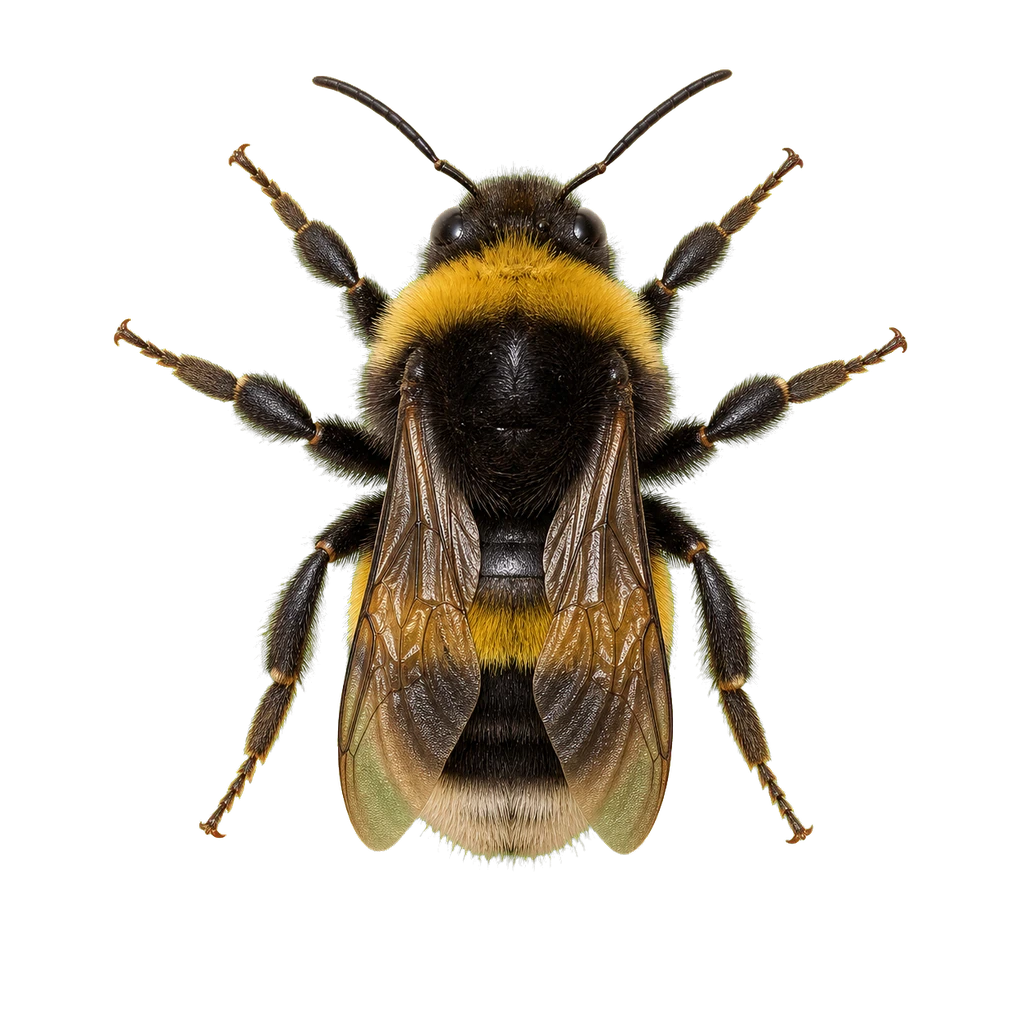
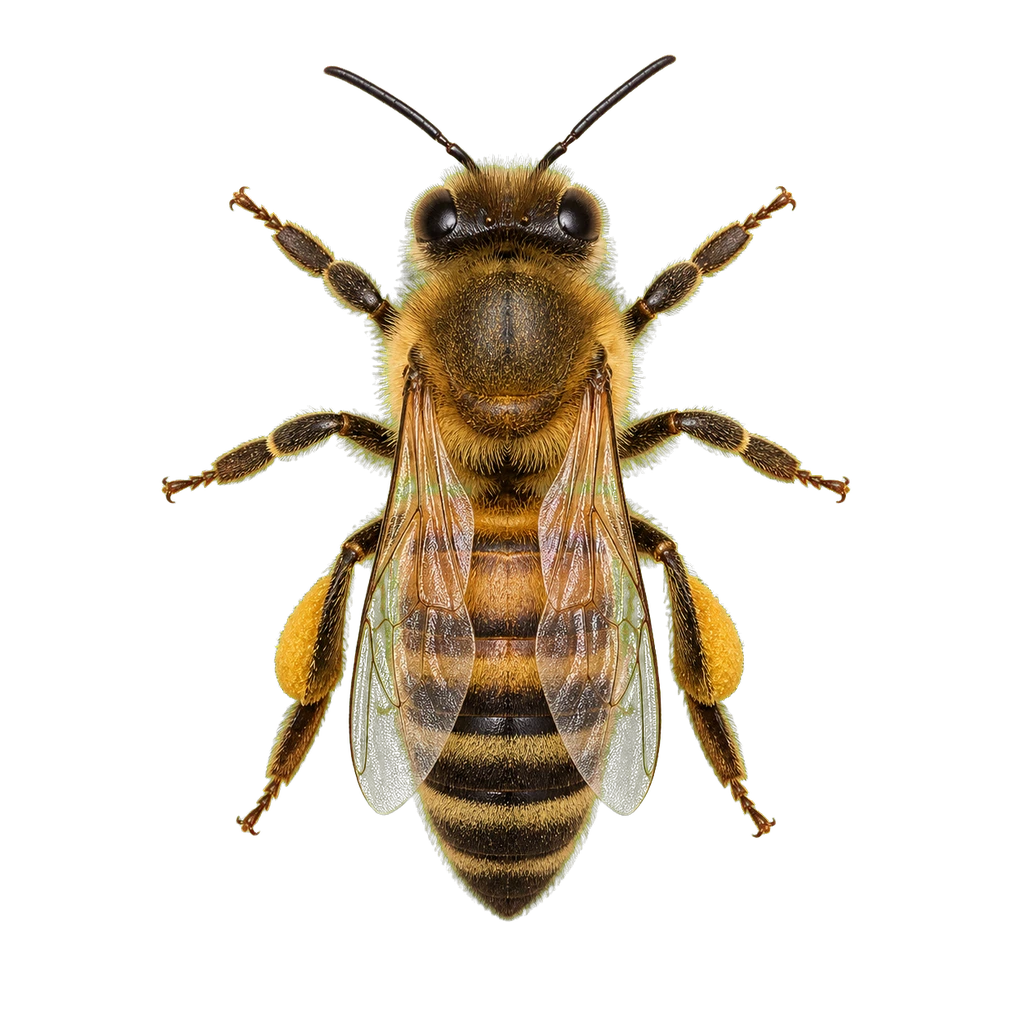
Africanized honey bees, often called killer bees, look exactly like the regular honey bees most people grew up around. Same size. Same yellow-and-brown banding. Same fuzzy body. The only reliable way to tell them apart is by behavior or DNA testing. They are a hybrid of African honey bees brought to Brazil in 1956 and the European honey bees already living in the Americas. The hybrid escaped, spread northward through Central America, and arrived in the southern United States in the early 1990s. Today they're established across Arizona, New Mexico, Texas, southern California, Nevada, Utah, and parts of Florida, with the range continuing to push north each year.

If you live in the southwestern US and you see honey bees streaming into a wall void, a water meter box, an old tire, or a cinder block in the yard, the safest assumption is that the colony is Africanized until a specialist confirms otherwise. A disturbed Africanized colony can deploy ten times more attacking bees than a European colony, chase a perceived threat for a quarter mile, and stay agitated for hours after the trigger ends. This guide explains how to identify likely Africanized activity from a safe distance, what professional removal looks like, and why these colonies are treated as a public-safety issue across their range.

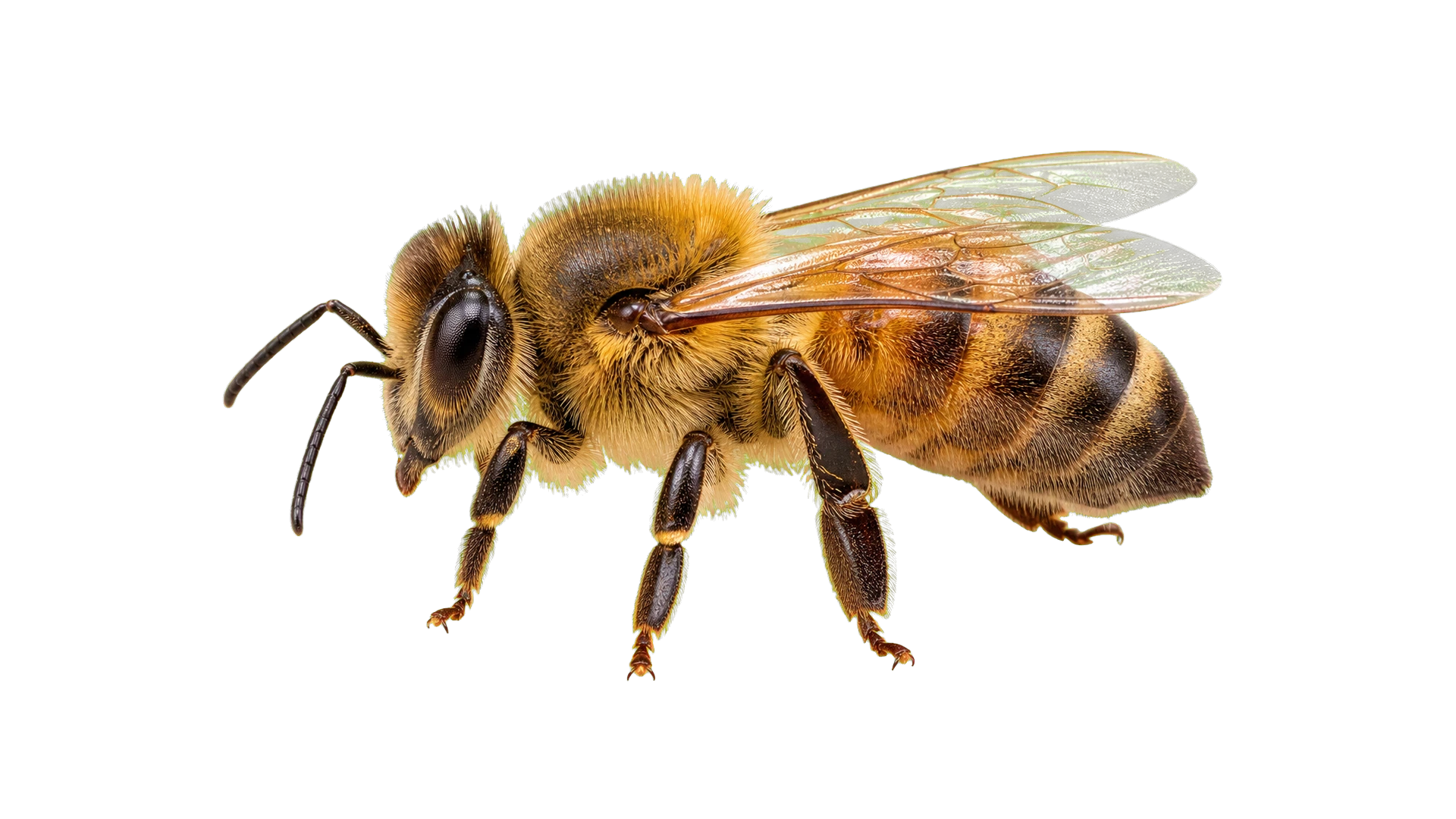
Close-up illustration of Africanized honey bees clustered on comb

ID Card: Africanized Bee

Scientific name
Apis mellifera scutellata hybrid
Color
Golden-brown, dark brown bands
Size
3/8 to 5/8 inch
Body shape
Stout body, nearly identical to European honey bees
Antennae
Elbowed, 12-13 segments
Key evidence
Highly aggressive colony defense, nesting in unusual cavities like tires and boxes
Also known as
Killer bees, AHB

Related Species

Call to get matched with a local pest control pro.

Available 24/7
(888) 495-1510
  • Specialists trained on Africanized honey bee identification and removal
  • Full sealed protective gear with backup handlers on every job
  • Cavity sealing and perimeter audit to prevent return swarms

Where to Inspect for Africanized Bee Activity

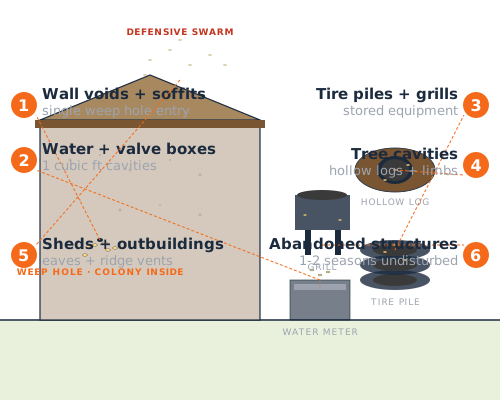
Cross-section illustration showing Africanized bee nest sites in water meter boxes, cinder blocks, tires, wall voids, and abandoned vehicles

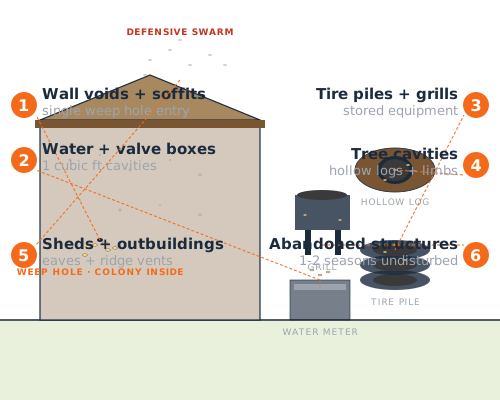
European honey bees usually pick large protected cavities like tree hollows and wide wall voids. Africanized bees take almost anything. They will move into a buried water meter box, a stack of old tires, or the crawl space under an abandoned car. That flexibility is why a property in the southwestern US can host a colony without the homeowner ever seeing the inside of the nest. Walk these zones from a safe distance, watching for steady bee traffic going in and out of one specific opening:

  • Water meter boxes and irrigation valve boxes, Lift the lid only with a long tool and from several feet back. A colony fits comfortably in one cubic foot, and these in-ground boxes are the single most common Africanized nest site in the Arizona and Texas range.
  • Cinder blocks and decorative landscaping, Hollow blocks used as planters, retaining walls, or yard borders give scouts a ready-made cavity. Check every block within 50 feet of the home, especially shaded or partially buried ones.
  • Old tires, buckets, and abandoned containers, Stacked tires hold heat, block rain, and offer a quarter-inch entry hole. Discarded plant pots, BBQ grill chambers, and water jugs left outdoors for a season are all known nest sites.
  • Abandoned vehicles and stored equipment, Cars, trailers, and machinery that haven't moved in months provide hundreds of small voids. Check trunk seals, fender wells, glove boxes, and any opening into the body.
  • Garbage cans, compost bins, and outdoor storage, Lift lids only with a long stick from a distance. A swarm that moved into a quiet trash can over the weekend is a known cause of summer sting incidents in the Phoenix and Tucson metros.
  • Abandoned rodent burrows and ground cavities, Africanized colonies will move underground, which European bees almost never do. Sealed-looking burrows with bees streaming in and out are an unmistakable Africanized signal.
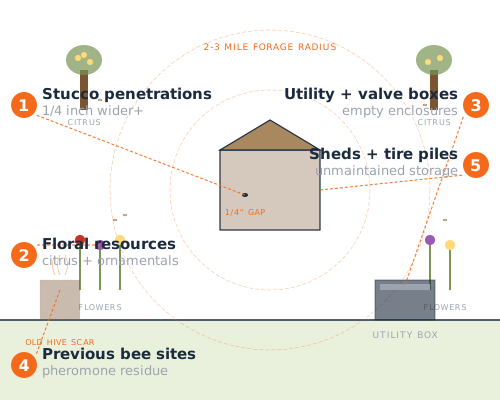
  • Small openings under siding and around utility penetrations, Any gap a quarter inch or wider can become an entry point. Inspect dryer vents, weep holes, gas-meter penetrations, and stucco cracks for steady traffic.
  • Wall voids, chimneys, and attic vents, The traditional cavity choices. In Africanized range, treat every feral honey bee colony in a structure as potentially Africanized until a specialist says otherwise.

Africanized bees pick smaller, more varied, and more exposed cavities than European honey bees, which makes early detection harder. The good news: the colony betrays itself with steady, directional flight to one opening. The bad news: by the time you notice that traffic, the colony has usually been established for weeks and the defensive response is already at full strength. If you spot a colony in any of these zones inside Africanized range, do not approach it for a closer look. Call a specialist for identification from a safe distance instead.

Cross-section illustration showing Africanized bee nest sites in water meter boxes, cinder blocks, tires, wall voids, and abandoned vehicles
Illustration showing Africanized bee nest entry points at meter boxes, cinder blocks, soffits, and tire piles

Why Do I Have Africanized Bees?

Africanized colonies swarm several times per year compared to one or two times for European colonies, which means scout bees are constantly searching for new nest cavities across the southwestern US. If your property has accessible cavities and flowering plants within a few miles, scouts will eventually find it. Once a swarm picks your meter box or wall void, the colony moves in within hours and starts building comb the same day.

What anchors a colony to your property:

  • Location inside the established Africanized range, AZ, NM, TX, southern CA, NV, UT, and parts of FL all carry confirmed populations
  • Small protected cavities within easy reach, water meter boxes, cinder blocks, tire piles, and wall voids at one cubic foot or larger
  • Flowering plants within two to three miles for forage, ornamental landscaping, citrus groves, desert blooms, and watered lawns all qualify
  • Warm climate that supports year-round activity, the deep southwest never gets cold enough to stop colonies from developing
  • Rural-to-suburban edge properties where wild colonies push into yards, sheds, and outbuildings most aggressively
  • Documented Africanized presence in the surrounding area, neighborhood swarm history strongly predicts the next colony location

Sealing potential cavities before the next swarm season and removing established colonies promptly are the only reliable ways to prevent a serious sting event on your property. The longer a colony stays, the bigger it becomes, and the more guard bees it can deploy when something disturbs the entrance. A small swarm in March is a manageable removal job. The same colony in August can be a thirty-thousand-bee operation that requires evacuation of nearby homes.

How Serious Is Your Africanized Bee Problem?

Find your scenario below. Each row reflects the actual progression of an Africanized colony in southwestern US conditions, not a generic stinging-insect timeline.

What You're Seeing Severity If Untreated Next Step
A small swarm cluster spotted in the southwestern US, no permanent cavity yet Early Scout bees will pick a cavity within 24 to 72 hours and the swarm moves in permanently Do NOT approach. Call a specialist within 24 hours for identification and removal before the cluster commits to a permanent site.
Established colony in a water meter box or small outdoor cavity, low foot traffic in the area Moderate Colony grows, builds combs, and becomes more defensive each week, mowing or yard work will eventually trigger an attack Schedule a specialist within 48 hours. Keep people, pets, and equipment well away from the cavity until removal.
Colony in a wall void, chimney, or attic with bees showing up inside the home High Indoor bee sightings mean the colony is established and oriented toward interior space, a mass-sting event in the home is now possible Emergency specialist same-day. Restrict family from the affected side of the home until the colony is removed and the cavity is sealed.
Active sting attack underway or a person hit with multiple stings Urgent Africanized attacks have caused documented deaths in the US, single events have delivered 500 to 2,000 stings on one victim Call 911 first for medical evacuation. Get the victim and bystanders inside a vehicle or building. Then call a specialist to address the colony source.
A small swarm cluster spotted in the southwestern US, no permanent cavity yet
Severity Early
If Untreated Scout bees will pick a cavity within 24 to 72 hours and the swarm moves in permanently
Next Step Do NOT approach. Call a specialist within 24 hours for identification and removal before the cluster commits to a permanent site.
Established colony in a water meter box or small outdoor cavity, low foot traffic in the area
Severity Moderate
If Untreated Colony grows, builds combs, and becomes more defensive each week, mowing or yard work will eventually trigger an attack
Next Step Schedule a specialist within 48 hours. Keep people, pets, and equipment well away from the cavity until removal.
Colony in a wall void, chimney, or attic with bees showing up inside the home
Severity High
If Untreated Indoor bee sightings mean the colony is established and oriented toward interior space, a mass-sting event in the home is now possible
Next Step Emergency specialist same-day. Restrict family from the affected side of the home until the colony is removed and the cavity is sealed.
Active sting attack underway or a person hit with multiple stings
Severity Urgent
If Untreated Africanized attacks have caused documented deaths in the US, single events have delivered 500 to 2,000 stings on one victim
Next Step Call 911 first for medical evacuation. Get the victim and bystanders inside a vehicle or building. Then call a specialist to address the colony source.

Africanized colonies escalate quickly once disturbed. If you're between two rows, treat the higher one as your situation.

How Africanized Bee Colonies Develop

Africanized colonies follow the same lifecycle stages as European honey bees, but the pace and the swarming frequency are very different. A new Africanized swarm in March can become a thirty-thousand-bee defensive colony by August, and that same colony can send off five or six new swarms before the year ends. Understanding the cycle explains why one untreated colony seeds the next year's problem across an entire neighborhood.

  1. Egg

    About 3 days

    Queens lay continuously across active comb, with egg production accelerating faster than in European colonies. A healthy Africanized queen can lay over 1,500 eggs per day during peak season, which is why colonies expand so rapidly once a cavity is chosen.

  2. Larva

    About 6 days

    Workers feed the developing larvae a mix of royal jelly, honey, and pollen, then cap the cells. Brood pattern is dense and tightly clustered. The faster larval development is one reason Africanized colonies recover from setbacks much more quickly than European ones.

  3. Pupa

    About 12 days

    Sealed cells produce the next generation of foragers and guard bees. Guard bee proportion is higher in Africanized colonies, which is part of why the defensive response involves so many more bees than a European colony of the same size.

  4. Adult worker

    Workers live 6 to 7 weeks; queens 1 to 3 years

    Adult workers forage, defend the colony, and produce the next round of brood. Africanized colonies swarm five to ten times more often than European ones, with multiple swarms per year per colony. Each swarm carries a queen and several thousand workers and can establish a new colony within a few miles of the parent nest in under a week.

Frequent swarming is what makes Africanized bees a regional problem rather than a single-property one. Removal must be thorough, the cavity must be sealed afterward, and surrounding vulnerable cavities should be sealed at the same time. Otherwise the next scout finds another opening on the same property within weeks of the first removal.

When Africanized Bees Are Most Active

Africanized bees are active year-round across most of the deep southwestern US, with seasonal shifts in swarming and defensive behavior. Knowing the calendar tells you when colonies are most likely to establish and when defensive response peaks.

  • Spring

    Peak swarming season across Arizona, southern California, Texas, and New Mexico. Scout bees evaluate cavities aggressively and new colonies establish on any property with open access. The range continues to push north each spring, so northern Arizona, Utah, and Nevada all see swarm pressure expanding into new neighborhoods.

  • Summer

    Continued swarming combined with rapid colony growth. Established hives reach maximum size and defensive response is at its strongest. This is when sting incidents peak across the southwest. Yard work, pool service, and HVAC repair calls drive most of the summer attack events documented in the region.

  • Fall

    Late-season swarms still occur in warm zones through October. Colonies become more defensive as flower resources drop and stored honey must be protected from raiders. A previously calm colony often becomes aggressive in fall as nectar flow slows.

  • Winter

    Continued activity in the deep southwest where night temperatures stay above freezing. Cooler nights reduce flight, but disturbed colonies still respond aggressively year-round. Phoenix, Tucson, and southern Texas effectively have a 12-month Africanized bee season.

Why Africanized Bees Need Professional Help

Africanized honey bees look exactly like the regular honey bees most people grew up around. The visual identification is unreliable. The behavior is not. A disturbed Africanized colony can release ten times more guard bees than a European colony of the same size, pursue a fleeing person for a quarter mile, and stay agitated for hours after the trigger event ended. Documented attacks have delivered 500 to over 2,000 stings on a single victim. People, horses, and pets have died in single events across Arizona, Texas, and southern California.

Over-the-counter wasp sprays and bee foggers do not finish an Africanized colony. They enrage one. The amount of pesticide in a hardware-store can is calibrated for a paper-wasp nest of fifty insects, not a honey bee colony of twenty thousand. The result is a partial knockdown of the foragers near the entrance and a massive defensive response from the brood inside the cavity, often within seconds. Many of the most serious sting incidents on record across the southwestern US started with a homeowner attempting to spray the entrance themselves.

Professional handlers in the established Africanized range are trained specifically for these colonies. They show up in full sealed protective gear with a second handler on site as backup. They have the equipment to extract comb, brood, and honey in one visit, and they seal the cavity afterward so a new swarm doesn't reuse the same opening. Just as importantly, they walk the rest of the property and identify other vulnerable cavities, because removing today's colony without sealing tomorrow's entry point just resets the clock.

Most local beekeepers will not collect Africanized colonies, and that is the right call. Relocation is standard for European honey bees because the colony is valuable and beekeepers want them. Africanized colonies are not relocated by responsible specialists in the US. They are eliminated on site to remove the public-safety risk. Specialized Africanized bee removal typically runs $400 to $1,500 depending on cavity location, colony size, and accessibility.

What Changes When a Pro Shows Up

Africanized bee work demands a specialist who handles these colonies regularly. Most beekeepers will not collect Africanized colonies, and most general pest control techs do not have the suit, the backup, or the protocols to handle one safely. A trained Africanized specialist arrives with all of it ready.

Pest control technicians after completing an Africanized bee removal
  • Local Pest Control
  • 24/7 Availability
  • Quality Workmanship
  • Eco‑Friendly Options
  • Trusted by Homeowners
  • They Confirm the Identification

    Behavioral observation from a safe distance, paired with knowledge of the local Africanized range, drives the initial call. When behavior is ambiguous, lab DNA testing of collected workers confirms the cross. In established Africanized range, the working assumption is positive until proven otherwise.

  • They Show Up in a Full Sealed Suit

    Africanized colonies test every gap in protective gear. Trained handlers wear a vented sealed suit, double gloves, taped boots, and a ventilated hood, and they always work with a second handler on site for backup. Generalist pest control crews rarely carry this setup.

  • They Eliminate the Colony, They Do Not Relocate It

    Live removal is standard for European honey bees because beekeepers want the colony. Africanized colonies are not relocated by responsible specialists. They are eliminated on site to remove the public-safety risk. Comb, brood, and honey are then extracted so the cavity does not draw a new swarm.

  • They Seal the Cavity and Audit the Property

    After the colony is gone, the entry is sealed with screen, foam, or hardware appropriate to the cavity. The rest of the property gets walked for other vulnerable spots so the next scout doesn't find a fresh entry point next door. Chronic-pressure properties get scheduled follow-up monitoring.

  • Local Pest Control
  • 24/7 Availability
  • Quality Workmanship
  • Eco‑Friendly Options
  • Trusted by Homeowners
NoToPests home

One call connects you with a local specialist who knows africanized bees and your area.

Be Ready When You Call

Pest control technician arriving for Africanized bee removal
Junho L.
Daisuke P.
Kirk Q.
Marion K.

Trusted by homeowners nationwide

Call for Pest Control Help (888) 495-1510

Can You Handle This or Do You Need Help?

Africanized bee removal is one of the very few pest situations where DIY genuinely risks lives. The line between prevention and removal must not be crossed by anyone without the suit, the training, and the backup handler.

What DIY Can Do

DIY work for Africanized bees is strictly preventive, never removal. The right work happens long before a swarm arrives:

  • In southwestern US range, assume any bee swarm or established colony is potentially Africanized until a specialist says otherwise
  • Stay completely away from any active colony, retreat a quarter mile if pursued, and shelter in a vehicle or building rather than running across open ground
  • Seal cavities before swarm season, weep holes, soffit gaps, vents, and utility penetrations all need to be screened or closed
  • Remove tire piles, stored coolers, abandoned planters, and unused grills from the yard, these are all known nest cavities
  • Keep water meter box and irrigation valve lids tight and inspect them quarterly during swarm season
  • Teach family members the escape protocol, get inside, close windows, do not run in a straight line if pursued
  • Seek medical evaluation immediately for any multiple-sting event, even before serious symptoms appear
  • What DIY cannot safely do: remove, spray, smoke, plug, or disturb any active Africanized colony, for any reason, ever.

What a Pro Does Differently

Professional Africanized work covers identification, removal, and prevention in one coordinated visit:

  • Behavioral identification from a safe distance and DNA confirmation when needed
  • Full sealed protective gear, trained handlers, and a backup handler on every job
  • Cavity treatment that addresses the colony in place, comb extraction, brood removal, and honey cleanup
  • Colony elimination rather than relocation, live removal is not standard for Africanized colonies and most beekeepers will not accept them
  • Cavity sealing and a follow-up walk-through to confirm no remaining bees and identify other vulnerable openings
  • Recurring monitoring for chronic-pressure properties in established Africanized range.

Suspect Africanized Bees? Don't Wait.

Africanized bee swarms have killed people, pets, and livestock across the southwestern US. Connect with a local specialist trained for these colonies for immediate, safe removal.

Available 24/7
(888) 495-1510

What Homeowners Say After Getting Help

Real results from people who had the same problem and solved it.

Rashawn U.
Rashawn U.
Prescott, AZ

"Pergola treated and saved from carpenter bees."

Our wooden pergola had perfectly round holes from carpenter bees. The pro treated each bore hole and applied a preventive coating to the wood. They explained that untreated softwood in Arizona is a magnet for these bees.

Rashawn U.
Rashawn U.
Prescott, AZ

"Pergola treated and saved from carpenter bees."

Our wooden pergola had perfectly round holes from carpenter bees. The pro treated each bore hole and applied a preventive coating to the wood. They explained that untreated softwood in Arizona is a magnet for these bees.

Common Questions About Africanized Bees

Direct answers to what homeowners ask most about identification, defensive behavior, and safe removal.

  • How can I tell Africanized bees from European honey bees? Toggle answer for: How can I tell Africanized bees from European honey bees?

    Africanized honey bees are visually nearly identical to European honey bees, and theyare the same species (Apis mellifera) with slightly smaller body size, but the difference is too subtle for field identification without laboratory measurement. The distinguishing characteristics are entirely behavioral: Africanized colonies are dramatically more defensive, responding to disturbances near the nest in greater numbers, pursuing perceived threats over much longer distances (up to a quarter mile versus a few yards), and remaining agitated for hours after a disturbance. They also nest in a wider variety of locations, includingsmall, enclosed spaces like utility boxes, overturned pots, underground cavities, and wall voids, whereas European honey bees prefer larger cavities. If bees react aggressively to activity 50 feet or more from the nest, they should be treated as Africanized.

  • What should I do if I disturb an Africanized bee colony? Toggle answer for: What should I do if I disturb an Africanized bee colony?

    If you trigger a defensive response from Africanized bees, run in a straight line to the nearest enclosed shelter, abuilding or vehicle, as quickly as possible. Cover your face and head with your shirt or hands while running, as bees target the head and face. Do not swat at the bees (which releases alarm pheromone that attracts more attackers), do not jump into water (the bees will wait for you to surface), and do not stop running until you reach shelter. Africanized bees may pursue for 300 yards or more. Once inside shelter, kill any bees that followed you in. If you receive more than 10 stings, or experience difficulty breathing, swelling away from sting sites, or dizziness, seek emergency medical attention immediately regardless of any prior allergy history.

  • Why do bees keep nesting near my home? Toggle answer for: Why do bees keep nesting near my home?

    Bees look for protected cavities near floral food sources. Wall voids, soffits, chimneys, irrigation valve boxes, and hollow trees in the yard are all attractive nesting sites. Properties with abundant flowering plants, clover lawns, or nearby agricultural areas provide the foraging resources that sustain colonies. Once a colony establishes, the scent of beeswax attracts future swarms to the same location.

  • Are bee stings dangerous? Toggle answer for: Are bee stings dangerous?

    For most people, a bee sting causes temporary pain and swelling. However, approximately 2 million Americans are allergic to insect venom, and bee stings cause more deaths annually in the U.S. Than any other venomous animal. Africanized honey bees (present in southern states) are particularly dangerous because they attack in large numbers when disturbed. If a nest is in a high-traffic area, professional removal is the safest approach.

  • How quickly can a provider get to my home? Toggle answer for: How quickly can a provider get to my home?

    Most providers in our network can schedule an inspection within 24-48 hours. For urgent situations, likeactive structural damage or large colonies, same-week emergency service is often available. Response times depend on your location and the provider's current schedule.

  • What happens during the first visit? Toggle answer for: What happens during the first visit?

    Your provider inspects the property to identify the pest, locate nesting or entry points, and assess the scope of the problem. You get a clear explanation of what they found, what they recommend, and a written scope before any work begins.

  • Is treatment safe for kids and pets? Toggle answer for: Is treatment safe for kids and pets?

    Modern pest control products are designed to break down quickly after application and pose minimal risk to people and pets when applied correctly. Most providers ask you to keep kids and pets out of treated areas for 1 to 2 hours while the product dries, after which the area is generally safe again. Always confirm specific re-entry times with your provider, and let them know about pet birds, fish, or reptiles, since some treatments require extra precautions for those species.

Pest Control Pros serving the city of the state of your city and nearby areas

Local providers trained for Africanized honey bee removal are ready to inspect, eliminate the colony, and seal the cavity, no obligation.

Available 24/7
(888) 495-1510