Local pest control help is one call away.

Ground Bee: Identification, Treatment & Prevention

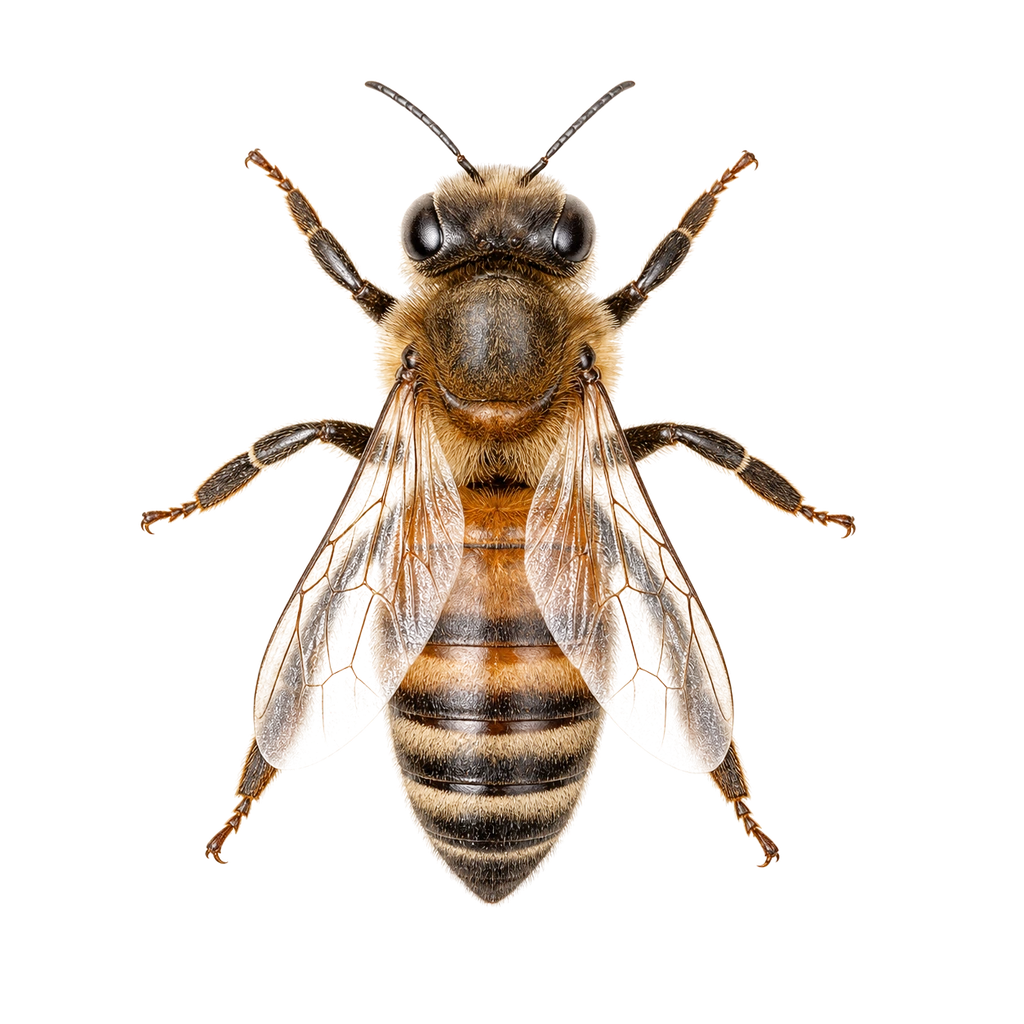
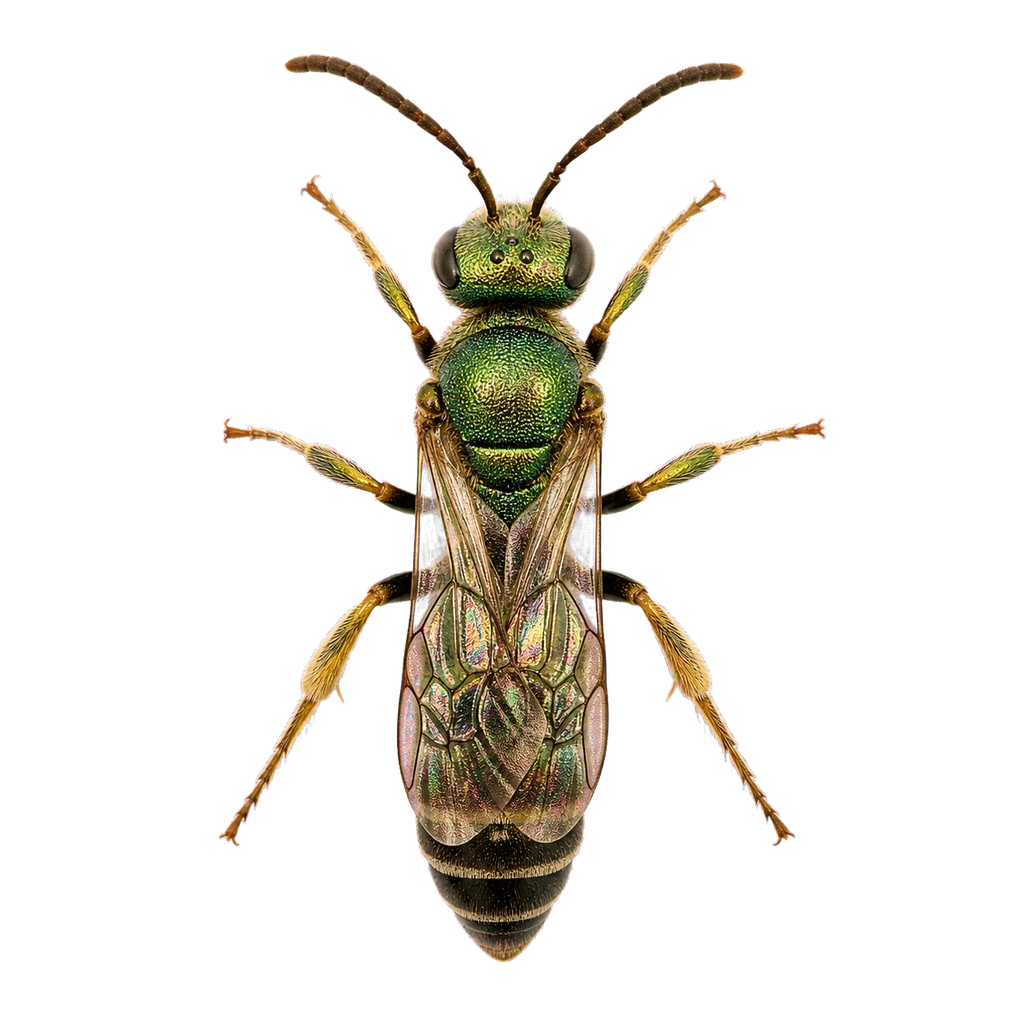
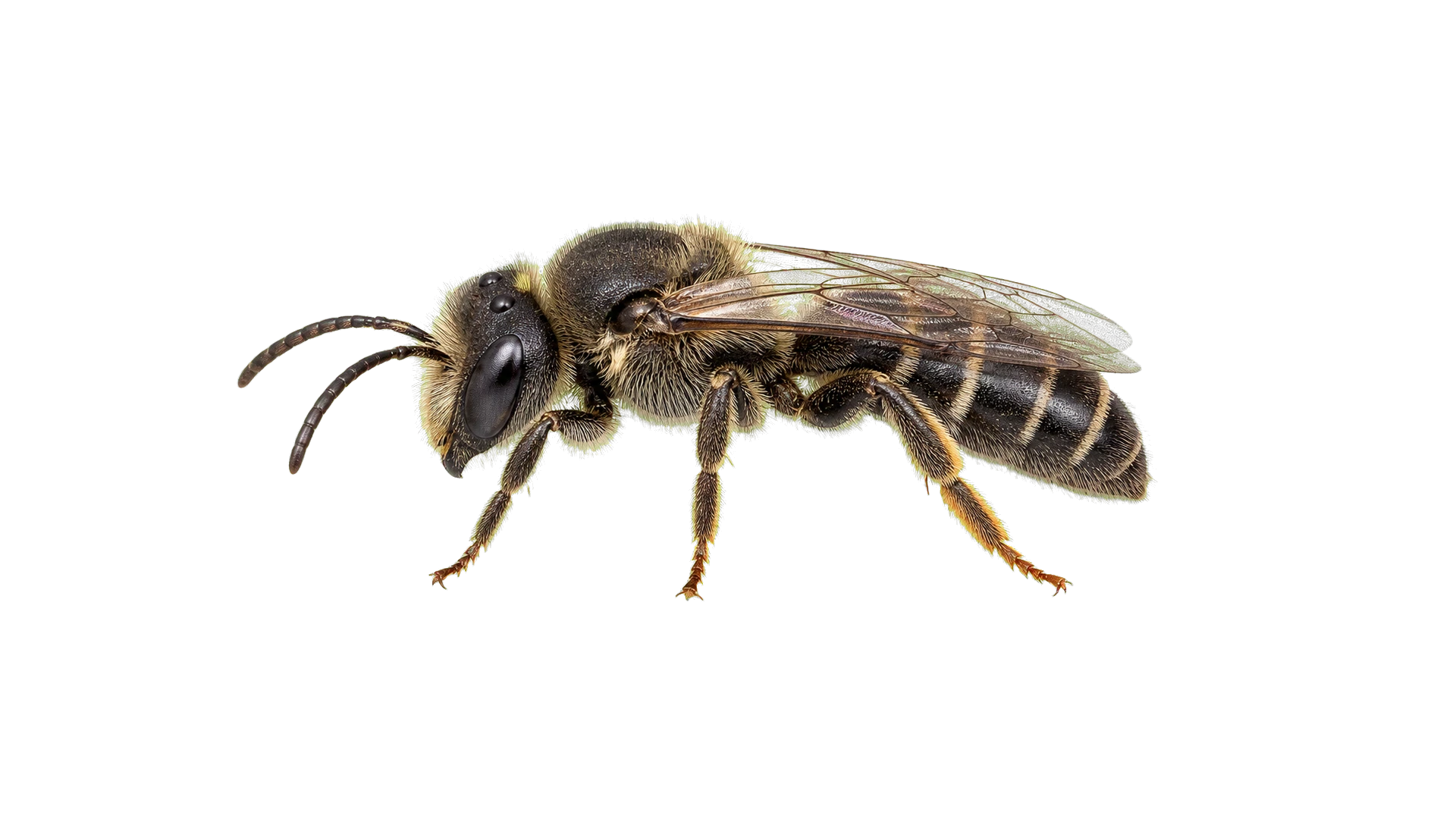
Ground bees is the homeowner term for solitary native bees that nest in soil. The group covers mining bees (Andrena), sweat bees (Lasioglossum and Halictus), plasterer bees (Colletes), and digger bees (Anthophora). Most run 6 to 15 millimeters long. Some look like small fuzzy bumble bees with light bands. Others are metallic green or blue and easy to mistake for flies. They are not honey bees, not bumble bees, and not yellow jackets.

If you are seeing small bees flying low over a bare lawn patch in early spring, with each bee popping in and out of her own quarter-inch hole, you are looking at solitary native ground bees. Every female digs her own burrow and lays her own eggs. There is no shared colony and no shared defense. This guide covers how to confirm what you have, why tolerance is usually the right answer, and when a pro call is actually worth making.

Close-up illustration of a solitary mining bee at the entrance of her quarter-inch ground burrow

ID Card: Ground Bee

Scientific name
Andrena spp.
Color
Dark brown to black, pale hair bands
Size
1/4 to 3/4 inch
Body shape
Slender body, less fuzzy than bumble bees
Antennae
Elbowed, 12-13 segments
Key evidence
Small mound-ringed holes in bare soil, gentle hovering activity in spring
Also known as
Mining bees, Digger bees, Solitary bees

Related Species

Call to get matched with a local pest control pro.

Available 24/7
(888) 495-1510
  • Specialists trained on solitary native bee identification
  • Honest assessment, most ground bee aggregations need no treatment
  • Sting safety planning for households with confirmed allergies

Where to Inspect for Ground Bee Activity

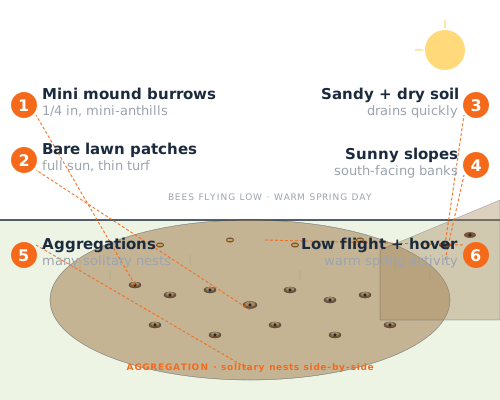
Cross-section illustration of a solitary ground bee aggregation showing many separate burrows in sparse-grass lawn soil

Ground bees pick sun-warmed dirt with thin or missing grass cover. Walk the yard on a sunny morning in March or April and look at these spots:

  • Sparse-grass lawn patches with bare soil showing through, The most common nest site. Look for many quarter-inch holes scattered across the patch, each with a tiny ring of fresh dirt at the entrance.
  • Sandy slopes and well-drained soil banks, Easy digging plus quick drying after rain is exactly what these bees want. South-facing slopes warm fastest in spring and get picked first.
  • Sun-warmed bare dirt along lawn edges and walkway borders, Foundation strips with no plant cover, edges of garden beds, and the dirt strip beside a driveway are all classic spots once spring sun starts heating the surface.
  • Old sandboxes or unused dirt play areas, Fine sand with no foot traffic and full sun exposure mimics natural nesting habitat. Aggregations show up here quietly and surprise homeowners in spring.
  • Driveway edges where the grass thins out, The transition strip between concrete and lawn is sun-warm and easy to excavate. Worth a slow walk because the bees are small and easy to miss.
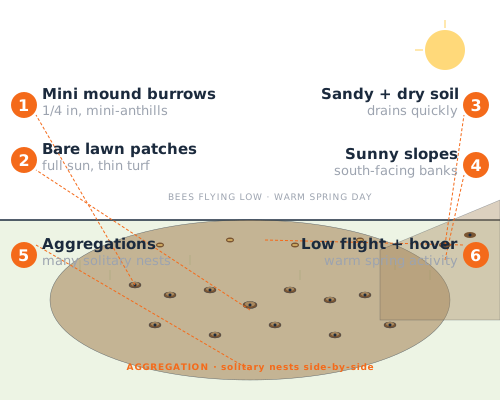
  • Any patch where you see twenty or more tiny mounds clustered together, A cluster of small dirt mounds with one bee per hole is an aggregation, not a colony. Each mound belongs to a separate female with her own nest.

What looks like a colony of hundreds is actually hundreds of separate females nesting near each other because the soil is right. There is no shared queen, no shared comb, and no shared defense. That biology is the single most important fact for deciding what to do next. The aggregation looks alarming and the right response is almost always to leave it alone for four to six weeks until the adults die off on their own.

Cross-section illustration of a solitary ground bee aggregation showing many separate burrows in sparse-grass lawn soil
Illustration showing how solitary ground bee females each dig separate burrows in the same sun-warm bare-soil patch

Why Do I Have Ground Bees?

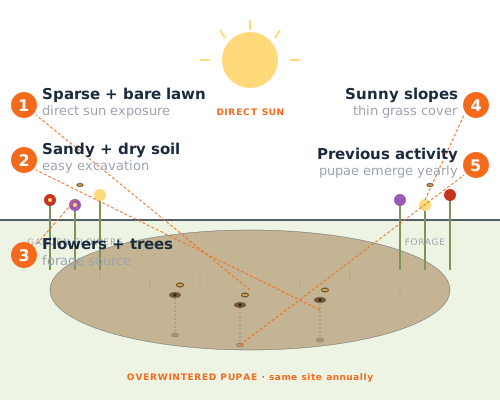
Finding an aggregation is step one. Understanding why your yard was picked explains both this year's bees and what to do (or not do) about next year. Ground bee females scout in early spring for soil that is bare, well-drained, and warm in the sun. When many females find the same patch, they nest near each other but each one digs her own separate burrow. The cluster is a sign that your soil is good nesting substrate, not that a colony has taken over.

What draws ground bee females to your yard:

  • Bare or sparse soil patches with no thick grass cover, females cannot dig through dense turf and pick spots where the soil is exposed
  • Sandy or well-drained soil that does not stay wet, eggs and pollen stores need dry chambers and waterlogged ground rots the brood
  • Full sun exposure that warms the surface in early spring, the bees emerge when soil hits a target temperature and pick the warmest spots first
  • Early spring blooming plants nearby, willow, fruit trees, dandelion, crocus, and other March-through-May bloomers supply the pollen females need to provision each cell
  • Recent landscape work that exposed fresh soil, new grading, removed sod, or thinned grass from drought all create the bare patches females are scanning for
  • Mild local climate with a clear early-spring warm-up, the bees time emergence to the seasonal warming pattern in your region

A new aggregation forms when scouting females find soil that fits their checklist. Each female digs her own quarter-inch tunnel six to twelve inches deep, packs pollen and nectar into side chambers, lays one egg per chamber, and seals it. Then she dies. The whole adult cycle takes four to six weeks. The eggs she left behind develop underground all summer, overwinter as pupae, and emerge as next year's adults around the same date. Nobody returns to your yard from outside, the population that comes back next year is the offspring already in your soil.

How Serious Is Your Ground Bee Situation?

Find your scenario below. Each row reflects what is actually appropriate for a solitary, non-aggressive native pollinator with a four-to-six-week activity window.

What You're Seeing Severity If Untreated Next Step
Aggregation in unused yard area or back lawn nobody walks through Low Adults die naturally in four to six weeks; eggs develop underground for the rest of the year with no surface activity. Leave alone. These are beneficial early-spring pollinators and the activity window is short. Note the spot for fall lawn improvement if you want fewer next year.
Heavy aggregation in lawn the family uses regularly Moderate No real safety risk because the bees are non-aggressive, but family members may still want to avoid the patch during the four-to-six-week window. Educate the household about how solitary bees behave. Tolerate through spring. Plan fall overseeding and compost topdressing to thicken turf for next year.
Confirmed sting allergy in household plus heavy activity in regular-use zone High Females virtually never sting and males physically cannot sting, but even rare exposure matters when a sensitized family member is involved. Schedule a pro for species verification and a sting safety plan, antihistamines on hand, EpiPen accessible, family awareness of the patch. Treatment is rarely the right call.
Aggressive bees swarming around a single hole, papery nest material, fast attack pattern Urgent This pattern is yellow jackets or a similar social wasp, not ground bees. Yellow jackets defend the nest with mass stings and the response is completely different. Call today for species verification. Treatment for yellow jackets is urgent. Treatment for solitary ground bees is rarely warranted, so getting the ID right comes first.
Aggregation in unused yard area or back lawn nobody walks through
Severity Low
If Untreated Adults die naturally in four to six weeks; eggs develop underground for the rest of the year with no surface activity.
Next Step Leave alone. These are beneficial early-spring pollinators and the activity window is short. Note the spot for fall lawn improvement if you want fewer next year.
Heavy aggregation in lawn the family uses regularly
Severity Moderate
If Untreated No real safety risk because the bees are non-aggressive, but family members may still want to avoid the patch during the four-to-six-week window.
Next Step Educate the household about how solitary bees behave. Tolerate through spring. Plan fall overseeding and compost topdressing to thicken turf for next year.
Confirmed sting allergy in household plus heavy activity in regular-use zone
Severity High
If Untreated Females virtually never sting and males physically cannot sting, but even rare exposure matters when a sensitized family member is involved.
Next Step Schedule a pro for species verification and a sting safety plan, antihistamines on hand, EpiPen accessible, family awareness of the patch. Treatment is rarely the right call.
Aggressive bees swarming around a single hole, papery nest material, fast attack pattern
Severity Urgent
If Untreated This pattern is yellow jackets or a similar social wasp, not ground bees. Yellow jackets defend the nest with mass stings and the response is completely different.
Next Step Call today for species verification. Treatment for yellow jackets is urgent. Treatment for solitary ground bees is rarely warranted, so getting the ID right comes first.

Ground bee severity is almost always lower than it looks. If you are between two rows, default to species verification before any action.

How Ground Bees Live and Die in Six Weeks

Ground bees run an annual cycle that almost everyone underestimates. The adults you are watching are above ground for four to six weeks total. The other ten to eleven months of the year, the species is invisible underground. That single fact is the strongest argument for patience over treatment.

  1. Spring adult emergence

    March through April

    Adults dig out of the soil where they pupated last fall. Males emerge first and hover over the aggregation looking for females. Mating happens at or near the surface, often visible as a small swirl of bees over the patch. Males physically cannot sting and have no stinger at all. Females rarely sting because there is no shared colony to defend.

  2. Burrow building and provisioning

    April through May

    Each female digs her own burrow six to twelve inches deep with side chambers. She works alone. She visits early-spring flowers, gathers pollen and nectar, packs a loaf of provisions into each chamber, lays a single egg on the loaf, and seals the chamber. The fresh-dirt mound at the burrow entrance is excavated soil. Aggregations look busy because dozens of separate females are all doing this at once.

  3. Adult die-off

    Late April through May

    Adult females die shortly after finishing their burrows. Males die earlier because their only job in life is mating. By late May or early June the surface is quiet again and the aggregation looks abandoned, because it is. Only the brood left underground continues into the next phase.

  4. Larval development, pupation, overwintering

    June through next March

    Each egg hatches in its sealed chamber and the larva eats the pollen and nectar loaf, develops slowly, then pupates underground through summer and fall. The pupae overwinter in their chambers. Next spring they dig their way out and start the cycle again at the same site, because that is where their parents nested. There is no movement, no swarming, no return migration.

Four to six weeks of surface activity per year, then nothing for ten to eleven months. The cycle is short, predictable, and self-limiting. Spraying never solves the problem because the brood underground is already provisioned and sealed off, the surface is empty within weeks anyway, and the same females will not return next year because they are already dead. Tolerance is the response that matches the biology.

When Ground Bees Are Most Active

Ground bee activity is locked to early spring soil warming. Knowing where you are on the calendar tells you almost everything about what is reasonable to expect from the aggregation.

  • Spring

    The only window with adult activity. Emergence usually starts in March and runs through April or early May depending on region. You will see small bees flying low over the bare patch, males hovering, females entering and leaving their burrows, and fresh dirt mounds appearing at hole entrances. This is also when the bees do their pollination work on willow, fruit trees, dandelion, crocus, and other early bloomers that honey bees often miss entirely.

  • Summer

    Adults are dead and the surface is quiet again. The brood is developing in sealed chambers underground. Nothing to see, nothing to do. If you are seeing bees on the patch in summer, you are looking at a different species, possibly sweat bees foraging on lawn weeds or honey bees passing through. Verify before assuming the same population is active.

  • Fall

    Pupae sit in sealed chambers underground waiting for spring. No surface activity at all. This is the right window to overseed, topdress with compost, and thicken the lawn if you want fewer aggregation conditions next spring. Disturbing the soil deeply enough to expose pupae would interrupt the cycle, but most homeowners would rather just leave the area alone.

  • Winter

    Pupae overwinter underground. No surface activity. Lawn improvement work continues anywhere conditions allow. The bees do not return to the same aggregation by traveling, the next year's adults are already the offspring sitting in your soil right now.

Why Ground Bees Rarely Need Treatment

Ground bees are solitary native pollinators, not social colonies. The cluster of holes you are looking at is dozens or hundreds of separate females nesting near each other because the soil is right, not a single colony with a queen and shared defense. Males physically cannot sting and have no stinger at all. Females have stingers but virtually never use them, because there is no nest worth defending the way a yellow jacket or honey bee colony defends theirs. The bees you are watching are about as docile as any stinging insect can be.

On top of that, the activity window is four to six weeks. That is the entire adult phase of the lifecycle. By the time most homeowners decide to do something about an aggregation, the adults are already days or weeks away from dying off on their own. Treatment timed to the visible problem is treatment timed to a population that is about to disappear without intervention. The eggs the females already left underground are sealed in their chambers and unreachable by any surface spray. Next year's adults will emerge from those eggs no matter what you spray on the surface now.

Ground bees are also genuinely important pollinators for early-spring blooms. Honey bees do not become abundant until later in spring when temperatures consistently hit 55 degrees Fahrenheit or higher. Mining bees and other solitary natives are active at lower temperatures and pollinate willow, fruit trees, dandelion, crocus, and other March-through-May bloomers that honey bees often miss. Killing the population in a fruit-growing yard genuinely costs the homeowner pollination value the following year.

Where pro help actually matters is species verification (yellow jackets defending a single hole behave completely differently and need urgent treatment) and sting safety planning for households with a confirmed allergy. A specialist who knows local solitary bee species can confirm what you have in two minutes and walk through whether intervention makes sense for your specific household. In the vast majority of cases, the answer is no.

What Changes When a Pro Shows Up

Ground bee calls are mostly identification, education, and habitat planning. A specialist who handles solitary native bees knows the default is tolerance, the second option is lawn improvement, and treatment is rarely the right call. Here is what changes when a pro shows up:

Pest control specialists confirming a solitary ground bee aggregation after on-site identification
  • Local Pest Control
  • 24/7 Availability
  • Quality Workmanship
  • Eco‑Friendly Options
  • Trusted by Homeowners
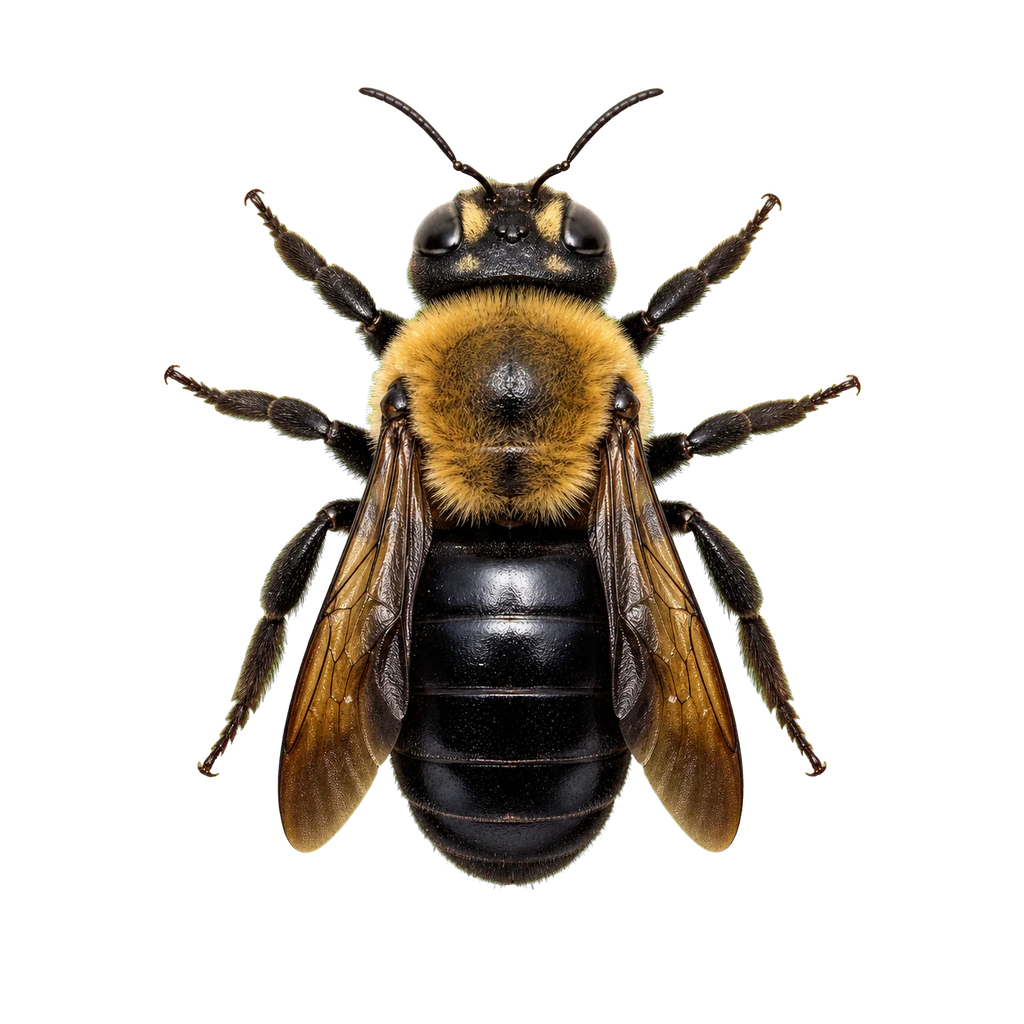
  • Confirms Ground Bees, Not Yellow Jackets or Carpenter Bees

    Solitary scattered burrows in bare soil with one bee per hole is ground bees. A single defended hole with many fast-moving aggressive bees is yellow jackets. Round holes in wood with sawdust is carpenter bees. Getting the species right in two minutes is the most valuable thing a pro does on this call.

  • Explains How Solitary Bees Behave

    Males physically cannot sting. Females have stingers but virtually never use them because there is no nest to defend. The bees you are watching are doing critical pollination work on fruit trees, willow, and early garden blooms for a four-to-six-week window, then they are gone.

  • Plans Lawn Improvement for Next Year

    If the aggregation is in a high-use lawn area and you want fewer next year, the answer is thicker turf. The visit covers overseeding timing, compost topdressing, irrigation adjustments, and shade evaluation. None of that involves pesticide and all of it makes the yard healthier.

  • Sting Safety Planning for Allergic Households

    If a family member has a confirmed bee or wasp allergy, the visit covers antihistamine availability, EpiPen accessibility, family awareness of the active patch, and yard routing to keep them away from the area during the brief activity window. Treatment is rarely needed even here.

  • Local Pest Control
  • 24/7 Availability
  • Quality Workmanship
  • Eco‑Friendly Options
  • Trusted by Homeowners
NoToPests home

One call connects you with a local specialist who knows ground bees and your area.

Be Ready When You Call

Pest control specialist arriving for solitary ground bee identification and safety planning
Junho L.
Daisuke P.
Kirk Q.
Marion K.

Trusted by homeowners nationwide

Call for Pest Control Help (888) 495-1510

Can You Handle This or Do You Need Help?

Ground bees are one of the few yard situations where the right answer is almost always tolerance plus a few lawn adjustments. DIY here is mostly identification, family awareness, and fall overseeding to thicken turf for next year.

What DIY Can Do

If the aggregation is in a low-conflict area and you can wait four to six weeks, DIY is mostly observation, education, and fall lawn work. The bees do the rest:

  • Confirm species from a safe distance, scattered quarter-inch burrows with one bee per hole, low-flying small bees, brief early-spring activity, non-aggressive behavior
  • Educate the household about how solitary bees behave, males cannot sting at all and females virtually never do because there is no shared colony to defend
  • Mark the patch with a flag or stake so family and pets stay aware during the brief four-to-six-week window
  • Tolerate the aggregation through spring and let the adults die off naturally, by June the surface is quiet again
  • Overseed bare lawn patches in fall and topdress with compost to thicken turf and remove the nesting substrate for next year
  • Fix bare-soil conditions, irrigation adjustments, shade evaluation, and foot-traffic routing all help dense grass come back in the spots females picked
  • What DIY cannot do safely: separate solitary ground bees from yellow jackets if the behavior pattern is unclear, or plan sting safety for households with confirmed allergies.

What a Pro Does Differently

A pro adds species verification, sting safety planning, and honest guidance on whether intervention makes sense. Most professional ground bee work is reassurance plus a fall lawn plan, not pesticide:

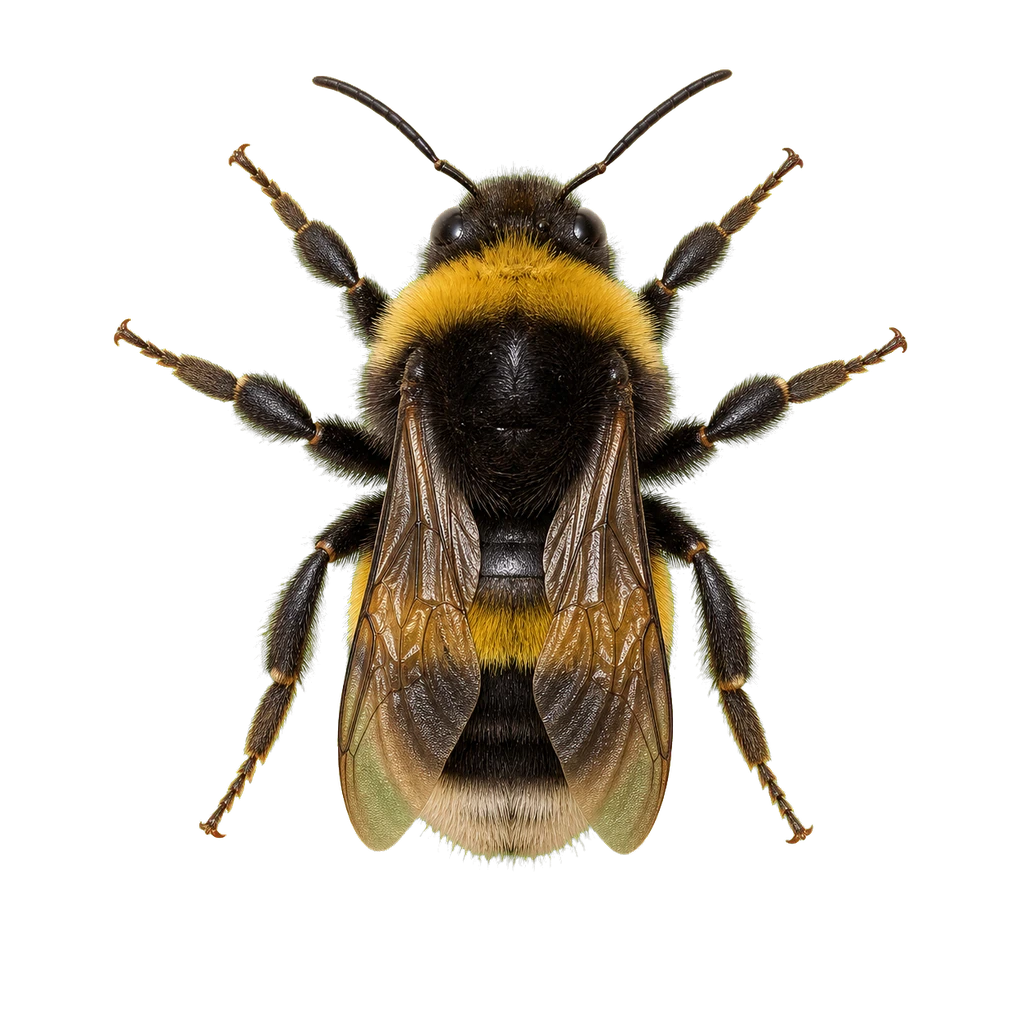
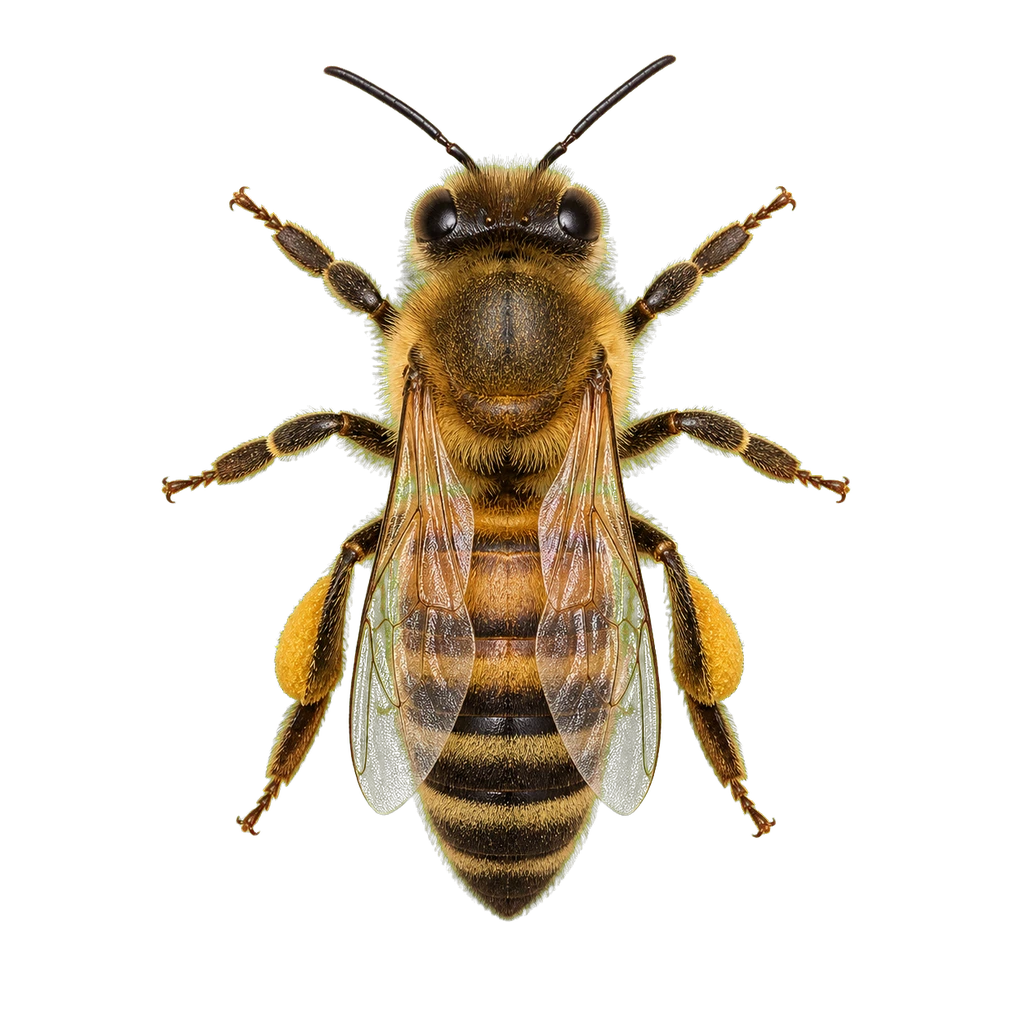
  • Species confirmation in minutes, separates solitary native bees from yellow jackets (single defended hole, aggressive mass response), honey bees (large hive, propolis), and bumble bees (round fuzzy, larger size)
  • Education about the lifecycle so the household understands the four-to-six-week window and stops worrying about a population that is about to disappear on its own
  • Lawn improvement plan tailored to the bare-patch conditions and soil type so the same aggregation does not show up again next year
  • Sting safety planning for households with confirmed bee or wasp allergies, antihistamines, EpiPen access, family awareness, yard routing during the brief window
  • Honest recommendation against treatment in nearly every case, the population is short-lived and the bees are beneficial early pollinators worth protecting

Suspect Ground Bees? Don't Wait.

Ground bees are solitary native pollinators and almost never need treatment, but yellow jackets defending a single ground hole look similar at first glance and need urgent action. Connect with a local specialist who can confirm the species and walk through your options.

Available 24/7
(888) 495-1510

What Homeowners Say After Getting Help

Real stories from people who had a yard full of holes in spring and learned what was actually going on.

Rashawn U.
Rashawn U.
Prescott, AZ

"Pergola treated and saved from carpenter bees."

Our wooden pergola had perfectly round holes from carpenter bees. The pro treated each bore hole and applied a preventive coating to the wood. They explained that untreated softwood in Arizona is a magnet for these bees.

Rashawn U.
Rashawn U.
Prescott, AZ

"Pergola treated and saved from carpenter bees."

Our wooden pergola had perfectly round holes from carpenter bees. The pro treated each bore hole and applied a preventive coating to the wood. They explained that untreated softwood in Arizona is a magnet for these bees.

Common Questions About Ground Bees

Direct answers to what homeowners ask most about identification, sting risk, pollinator value, and whether treatment is ever the right call.

  • How can I tell ground bees from yellow jackets nesting in the ground? Toggle answer for: How can I tell ground bees from yellow jackets nesting in the ground?

    Ground-nesting bees (including mining bees, sweat bees, and cellophane bees) create small, individual burrow entrances, each about pencil-width, oftenwith a small cone of excavated soil around the opening, and you will see single bees entering and exiting individual holes. Yellow jackets, by contrast, use a single, shared entrance hole with a steady stream of wasps flying in and out, and they are noticeably more aggressive. Ground bees are typically fuzzy, slow-moving, and docile around their burrows, while yellow jackets are sleek, fast, and will aggressively defend their colony entrance. If you see dozens of individual small holes with one bee per hole rather than one hole with many insects, you have ground-nesting bees.

  • Should I treat ground bee nests in my lawn? Toggle answer for: Should I treat ground bee nests in my lawn?

    Ground-nesting bees are solitary, non-aggressive pollinators that rarely sting and pose minimal risk to people and pets walking normally across the lawn. They are important native pollinators that typically nest for only four to six weeks in spring before completing their cycle and abandoning the burrows. Their burrowing does not damage turf, thesmall soil mounds settle naturally with rain or mowing. Due to their significant ecological value as pollinators and their temporary, low-risk presence, most entomologists strongly recommend leaving ground bee nesting aggregations undisturbed. If the burrows are in a high-traffic area, maintaining thicker turf, increasing irrigation, and adding mulch to bare areas after the bees' active season will discourage nesting in those spots the following year.

  • Why do bees keep nesting near my home? Toggle answer for: Why do bees keep nesting near my home?

    Bees look for protected cavities near floral food sources. Wall voids, soffits, chimneys, irrigation valve boxes, and hollow trees in the yard are all attractive nesting sites. Properties with abundant flowering plants, clover lawns, or nearby agricultural areas provide the foraging resources that sustain colonies. Once a colony establishes, the scent of beeswax attracts future swarms to the same location.

  • Are bee stings dangerous? Toggle answer for: Are bee stings dangerous?

    For most people, a bee sting causes temporary pain and swelling. However, approximately 2 million Americans are allergic to insect venom, and bee stings cause more deaths annually in the U.S. Than any other venomous animal. Africanized honey bees (present in southern states) are particularly dangerous because they attack in large numbers when disturbed. If a nest is in a high-traffic area, professional removal is the safest approach.

  • How quickly can a provider get to my home? Toggle answer for: How quickly can a provider get to my home?

    Most providers in our network can schedule an inspection within 24-48 hours. For urgent situations, likeactive structural damage or large colonies, same-week emergency service is often available. Response times depend on your location and the provider's current schedule.

  • What happens during the first visit? Toggle answer for: What happens during the first visit?

    Your provider inspects the property to identify the pest, locate nesting or entry points, and assess the scope of the problem. You get a clear explanation of what they found, what they recommend, and a written scope before any work begins.

  • Is treatment safe for kids and pets? Toggle answer for: Is treatment safe for kids and pets?

    Modern pest control products are designed to break down quickly after application and pose minimal risk to people and pets when applied correctly. Most providers ask you to keep kids and pets out of treated areas for 1 to 2 hours while the product dries, after which the area is generally safe again. Always confirm specific re-entry times with your provider, and let them know about pet birds, fish, or reptiles, since some treatments require extra precautions for those species.

Pest Control Pros serving the city of the state of your city and nearby areas

Local providers who know solitary native bees, separate them from yellow jackets in minutes, and recommend treatment only when truly warranted are ready to help, no obligation.

Available 24/7
(888) 495-1510