Local pest control help is one call away.

Honey Bee: Identification, Live Removal & Beekeeper Coordination

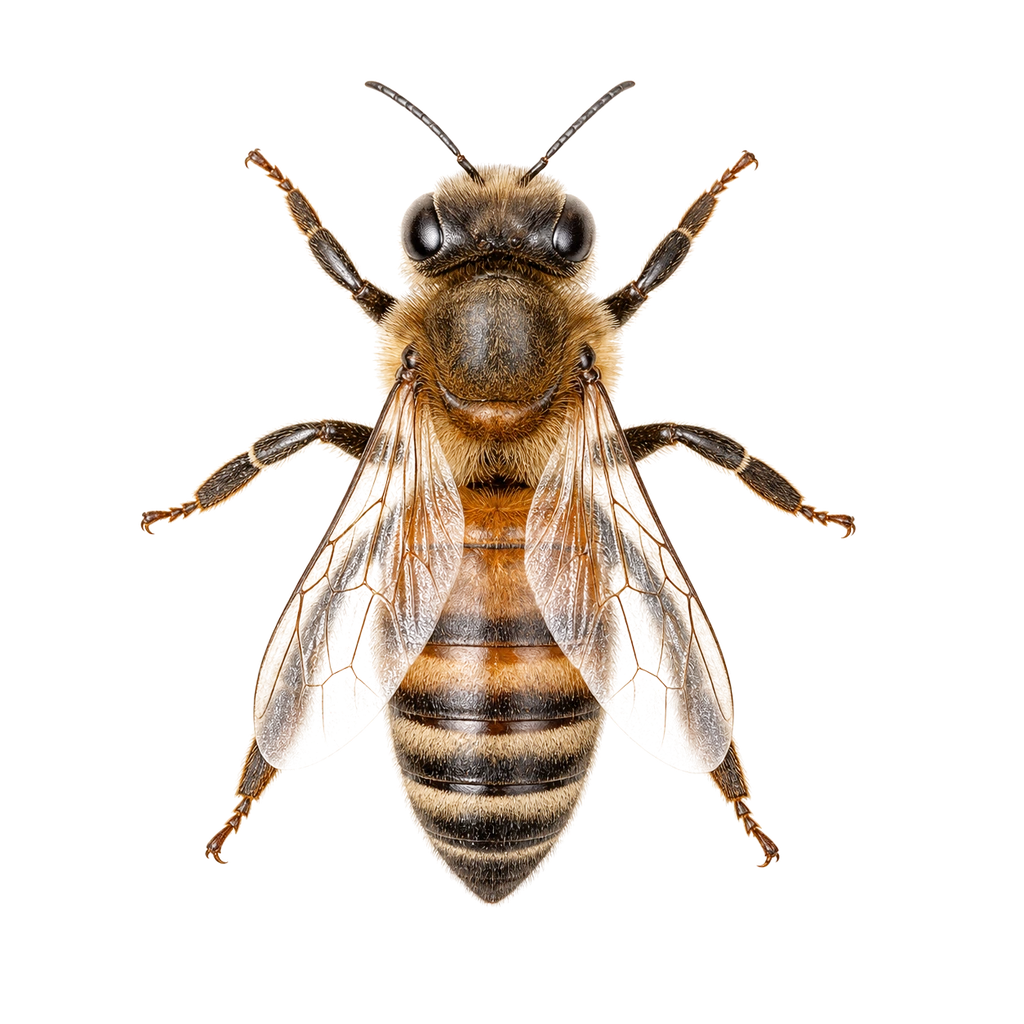
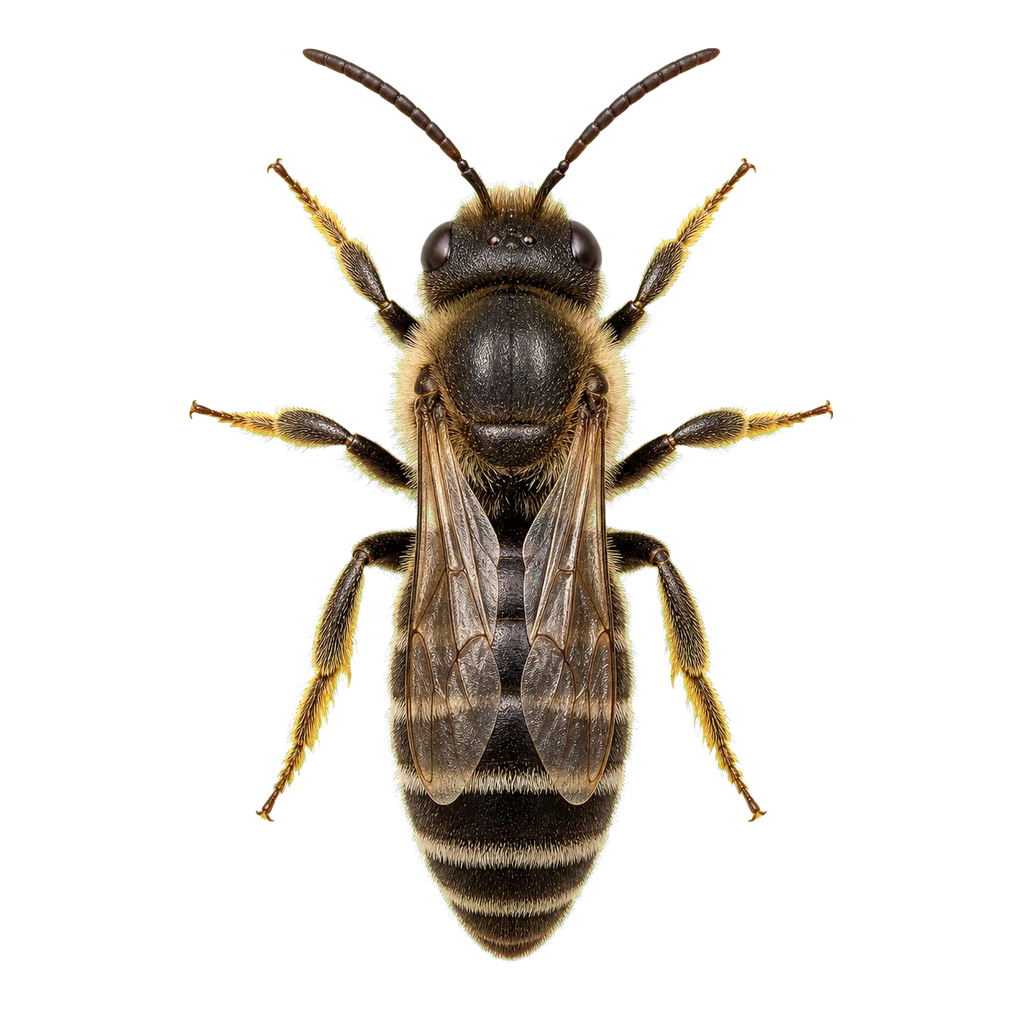
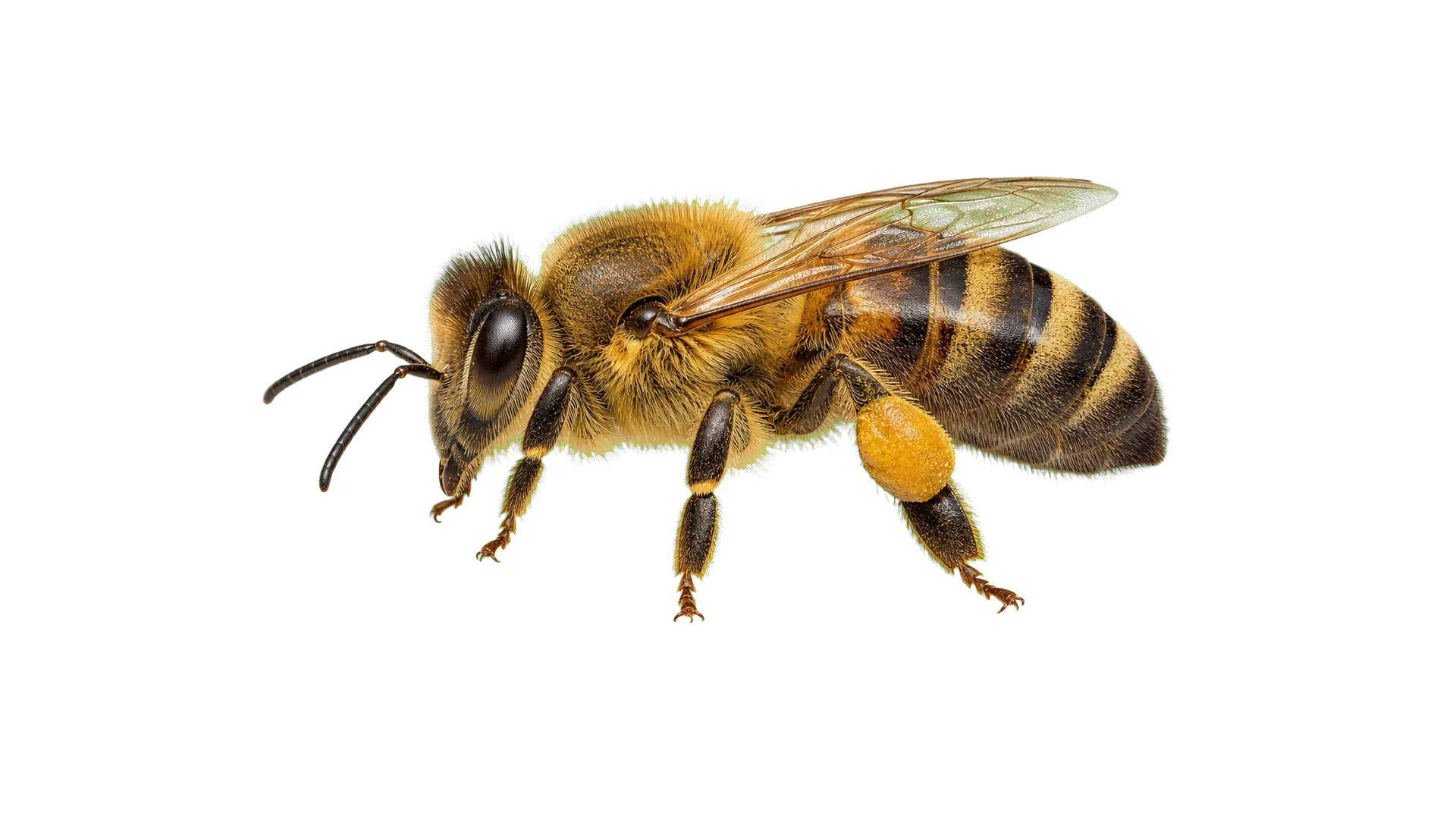
Honey bees are fuzzy golden-brown insects, 10 to 15 millimeters long, with dark abdominal bands, transparent wings, and a stinger workers use only once before dying. They are critical pollinators tied to roughly $15 billion in US agricultural output each year, and they belong in a managed hive or a hollow tree, not in your trash. If you can keep them alive, you should.

If you see a softball- to basketball-sized cluster of bees hanging from a branch, fence, or vehicle, that is a swarm in transit. If you see steady bee traffic at a small hole in your siding, soffit, chimney, or wall, that is an established colony with comb, honey, and brood already built up inside the cavity. This guide covers how to tell the two apart, why both situations call for live relocation rather than extermination, and what a proper beekeeper cutout actually involves.

Close-up illustration of a honey bee showing fuzzy golden-brown body with dark bands, transparent wings, and pollen-dusted legs

ID Card: Honey Bee

Scientific name
Apis mellifera
Color
Golden brown, black
Size
1/2 to 5/8 inch
Body shape
Slender, golden-brown body with banded abdomen
Antennae
Elbowed, 12-13 segments
Key evidence
Large active colonies with visible honeycomb, swarms on branches or structures
Also known as
European honey bees, Western honey bees

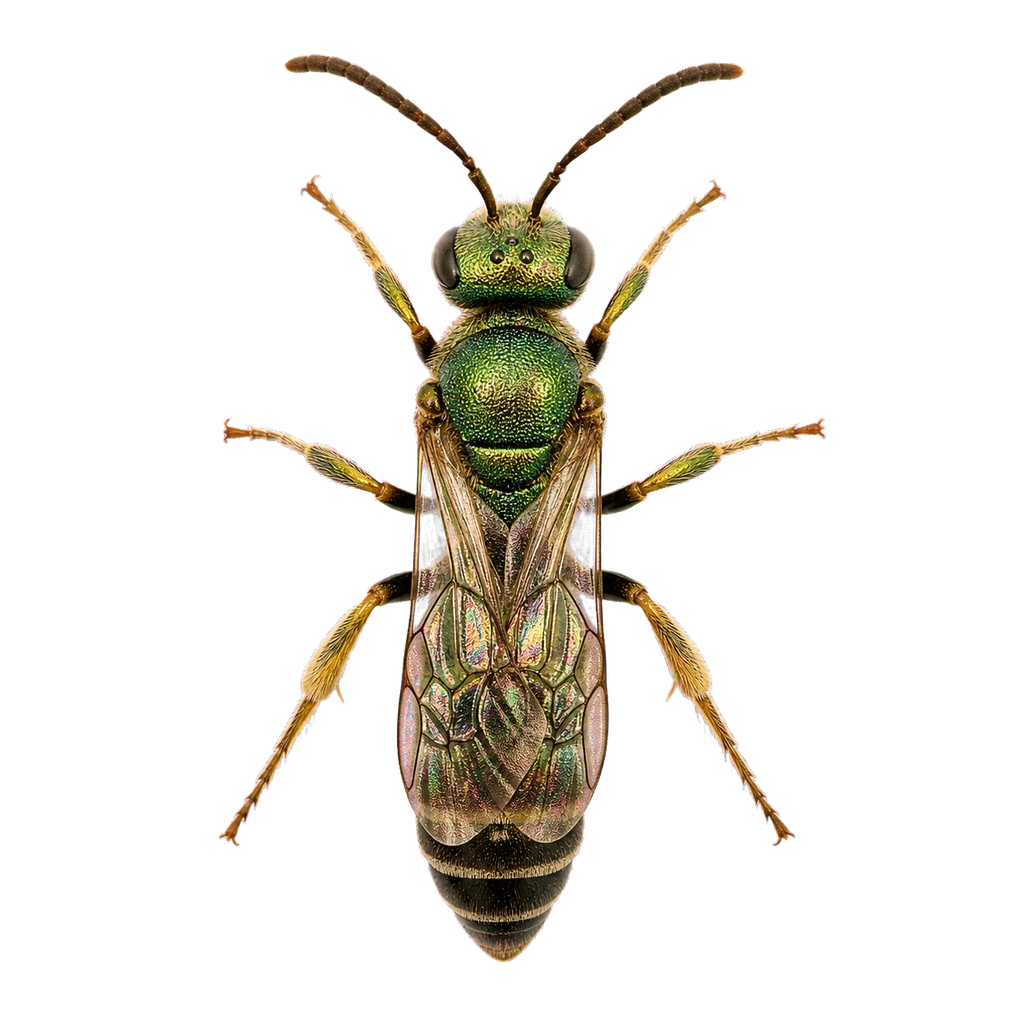
Related Species

Call to get matched with a local live-removal specialist.

Available 24/7
(888) 495-1510
  • Beekeeper coordination for free or low-cost swarm collection
  • Cutout specialists who remove comb, honey, brood, and queen intact
  • Cavity cleanup and sealing after the bees are gone to block re-occupation

Where to Find Honey Bee Activity

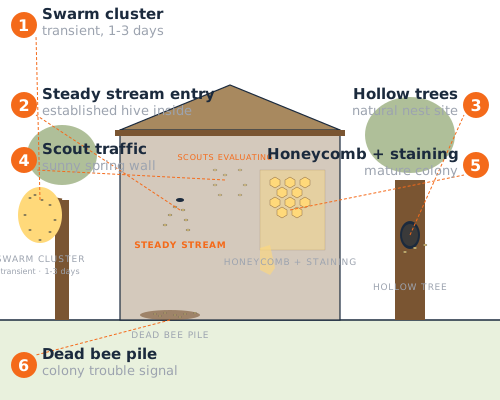
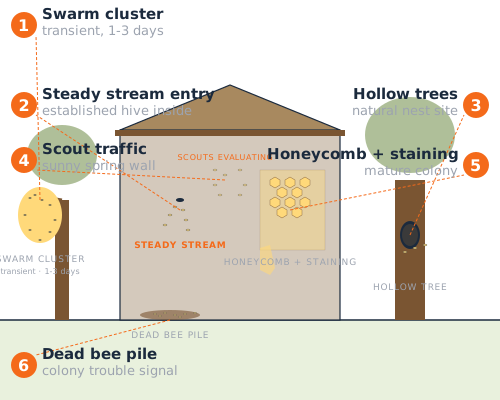
Cross-section illustration comparing a temporary honey bee swarm cluster on a tree branch with an established wall-void colony showing comb, honey stores, and brood inside the cavity

Honey bees show up in two completely different scenarios and the right response depends entirely on which one you have. Use these inspection zones to figure out whether you're looking at a brief stop or a long-term tenant:

  • Swarm cluster on a tree branch, fence, or vehicle, A traveling reproductive swarm of 5,000 to 30,000 bees that left a parent hive. The cluster lasts hours to a few days, scout bees are searching for a permanent home, and the bees are full of honey and unusually calm because they have no nest to defend.
  • Bees streaming through a 1 to 2 millimeter hole in siding or brick, A wall-void colony. Workers will follow the same flight path in and out all day. Once you see this pattern for more than a few days, the bees have built comb inside and the cavity is now an established hive.
  • Chimney flue with bee traffic at the top, A vertical hive inside the flue. Common in homes with uncapped chimneys. Comb hangs from the smoke shelf or damper area and can drip honey down into the firebox during summer heat.
  • Soffit gaps, eaves, and ceiling fan housings, Bees enter through tiny openings and build comb between the ceiling and roof sheathing. Look for daytime activity at any small dark hole on the upper exterior of the house.
  • Outdoor utility boxes, water meter pits, and tree cavities, Honey bees readily nest in shaded protected cavities outside the home. These are usually the easiest situations to relocate safely.
  • Inside, single bees against window glass, One or two wandering bees indoors typically came in through an open door or window and will leave through the same opening if you stop interfering and air the room out.

The most important call you'll make is swarm versus colony. A swarm clustered in the open will move itself within a few days, and a local beekeeping club will almost always collect it for free. A colony established inside a wall, chimney, or soffit needs a cutout: a specialist opens the cavity, removes every piece of comb, captures the queen, and relocates the bees to a managed hive. Sealing the entry hole with bees inside is the worst possible response, the trapped colony dies, the abandoned comb melts and ferments, and honey leaks into your walls for weeks.

Cross-section illustration comparing a temporary honey bee swarm cluster on a tree branch with an established wall-void colony showing comb, honey stores, and brood inside the cavity
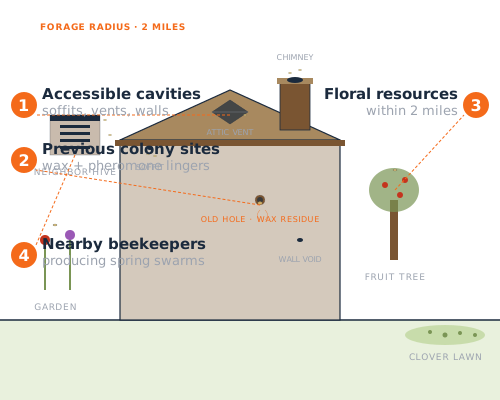
Illustration showing how honey bee swarms scout cavities like soffits, wall voids, chimney flues, and attic vents, then move in to build perennial wax comb inside the structure

Why Do I Have Honey Bees?

Spotting bees is step one. Understanding why your property was chosen is what stops the next swarm from settling in once this one is gone. Honey bees scout aggressively every spring, and any cavity that worked once will be re-evaluated by future scouts unless the opening is sealed and the scent of old comb is removed.

What draws honey bees to your home specifically:

  • An accessible void of the right size, wall cavities, soffit gaps, chimney flues, and attic corners near vents all match what scouts look for, between 1 and 10 gallons of enclosed space
  • A small entry hole, 1 to 2 millimeters is enough for foragers and ideal because the colony can defend it easily, larger gaps actually get rejected by scouts
  • Floral resources within 2 miles, mature trees, flowering shrubs, gardens, and clover-rich lawns sustain a colony once it moves in
  • Residual wax or honey from a previous colony, the smell of old comb tells new scouts the site has been proven safe and dramatically increases the chance of re-occupation
  • Active managed beekeeping or wild hives in the neighborhood, the more nearby colonies producing spring swarms, the more often your home gets evaluated

A new colony begins when an existing hive grows large enough to split. The old queen leaves with roughly half the workers, the swarm clusters temporarily on a branch or fence while scouts evaluate options, and then the entire cluster relocates to its chosen cavity in a matter of hours. From the moment they enter, the bees begin building wax comb and the queen starts laying. Within two to three weeks the colony is fully established and the situation has gone from a same-day beekeeper pickup to a multi-hour structural cutout.

How Serious Is Your Honey Bee Situation?

Find your scenario below. Each row is built around the swarm-versus-colony question that drives everything else.

What You're Seeing Severity If Untreated Next Step
One or two bees indoors near a window or door Early Wandered inside through an open door or window. Will exit on its own through the same path once the room is aired out. Open a window or door, let the bee fly out, and close it behind. No spray needed. If sightings continue daily, check for a colony in an adjacent wall.
Tight bee cluster on a tree branch, fence, or vehicle that appeared today Swarm Most swarms relocate themselves within a few hours to 3 days once scouts pick a permanent home. Stay calm and keep distance. The cluster is reproductive and non-aggressive. Contact a local beekeeping club for free same-day collection.
Steady bee traffic at a small hole in a wall, soffit, or chimney for more than a week Colony Established hive. Comb, honey, and brood are already inside. Cutout cost and difficulty rise every week the colony stays. Coordinate a beekeeper cutout this week. Do NOT seal the entry hole or spray. The structural work gets harder as comb expands.
Bee-sting allergy in the household, defensive bees, or interior breakthrough into living space Urgent Sting reaction risk is immediate. Bees entering living areas indicate the wall barrier is compromised or the colony is under stress. Address medical safety first, allergy plan and clear the room. Call a live-removal specialist today for same-day coordination.
One or two bees indoors near a window or door
Severity Early
If Untreated Wandered inside through an open door or window. Will exit on its own through the same path once the room is aired out.
Next Step Open a window or door, let the bee fly out, and close it behind. No spray needed. If sightings continue daily, check for a colony in an adjacent wall.
Tight bee cluster on a tree branch, fence, or vehicle that appeared today
Severity Swarm
If Untreated Most swarms relocate themselves within a few hours to 3 days once scouts pick a permanent home.
Next Step Stay calm and keep distance. The cluster is reproductive and non-aggressive. Contact a local beekeeping club for free same-day collection.
Steady bee traffic at a small hole in a wall, soffit, or chimney for more than a week
Severity Colony
If Untreated Established hive. Comb, honey, and brood are already inside. Cutout cost and difficulty rise every week the colony stays.
Next Step Coordinate a beekeeper cutout this week. Do NOT seal the entry hole or spray. The structural work gets harder as comb expands.
Bee-sting allergy in the household, defensive bees, or interior breakthrough into living space
Severity Urgent
If Untreated Sting reaction risk is immediate. Bees entering living areas indicate the wall barrier is compromised or the colony is under stress.
Next Step Address medical safety first, allergy plan and clear the room. Call a live-removal specialist today for same-day coordination.

Honey bees are protected pollinators. Live removal is almost always the right answer. If you're between two rows, treat the higher one as your situation.

How a Honey Bee Colony Reproduces

Honey bee colonies are perennial. A single colony in a tree or wall void can live for years, replace its queen multiple times, and split off new swarms every spring. That lifecycle is the reason both halves of the situation, the swarm in transit and the colony already in your wall, exist at the same time of year.

  1. Egg

    About 3 days

    A healthy queen lays up to 1,500 to 2,000 eggs per day during the active season, one to each hexagonal cell. A mature colony has tens of thousands of eggs at any moment, tucked deep inside the comb where they're protected by workers.

  2. Larva

    About 6 days

    Workers feed each larva continuously, royal jelly for the first few days, then a pollen and nectar mix. Larval cells are open and visible if you ever see brood comb during a cutout. Their density tells the specialist how mature the colony is.

  3. Pupa

    About 12 days for workers (24 for drones, 16 for queens)

    Workers cap each larval cell with wax and the pupa transforms inside. Capped brood looks like a smooth tan band across the comb. This is the part that smells strongest and decays fastest if a colony is killed inside a wall.

  4. Adult worker

    Summer workers 6 to 7 weeks; winter workers several months; queens 2 to 5 years

    Mature colonies hold 20,000 to 80,000 workers across multiple comb sheets. Each spring, when the colony outgrows its cavity, the old queen leaves with about half the workers as a swarm to start a new colony. The remaining bees raise a new queen and continue at the original site.

Because the colony is perennial and replaces itself indefinitely, removal isn't a single-event kill, it's about emptying the cavity completely and closing the entry. A proper cutout pulls every piece of comb, every drop of honey, and the queen out together, then seals the void so the next scout group rejects the site. Cutting that work short is what creates the secondary pest problem that lasts for months.

When Honey Bees Are Most Active

Honey bee activity follows a sharp calendar driven by floral bloom and colony reproduction. Knowing what's happening each quarter tells you what kind of bee event you're actually looking at and how urgent it is.

  • Spring

    Swarm season runs from April through June. Mature colonies divide, the old queen leaves with about half the workers, and the resulting swarms cluster temporarily on branches, fences, eaves, and vehicles while scouts pick a new home. This is also when scouts evaluate your wall voids and chimneys for next year's colony, even if no bees ever move in. Most homeowner discoveries happen in this window.

  • Summer

    Peak foraging and colony establishment in voids. Bees that swarmed in May are now fully settled inside walls and chimneys with several pounds of comb. Wall hives become noticeable as steady traffic at one entry point. The longer a colony stays through summer, the bigger and heavier the cutout becomes by fall.

  • Fall

    Foraging slows as flowers fade. Colonies cap their final honey stores and prepare to overwinter as a tight cluster. Wall hives get quieter on the outside but are still fully alive. Late-season cutouts deal with the largest comb of the year, which is why coordinating removal earlier in the season costs less and is less disruptive.

  • Winter

    Unlike yellow jackets, honey bee colonies do not die at the first frost. Workers cluster around the queen inside the hive and metabolize stored honey to stay warm. A wall colony that survives the winter emerges in spring much larger than the previous year and immediately starts the swarm cycle again. Winter is often the calmest, lowest-cost window to schedule a cutout.

Why Honey Bees Should Be Relocated, Not Killed

Honey bees are not pests in the ordinary sense. They are critical pollinators tied to more than $15 billion in US agricultural production each year, populations have been declining for two decades, and many states require live removal to be considered before extermination. Treating a wall hive with the same insecticide approach used on yellow jackets is the wrong call ethically, agriculturally, and structurally.

The structural reason is just as compelling as the ecological one. A mature hive holds 30 to 80 pounds of honey plus several pounds of brood and comb. When the bees are killed and the comb is left in place, there are no workers to keep it cool and dry. The honey melts, drips through drywall, ferments, and within weeks attracts ants, wax moths, mice, roaches, and secondary bee swarms drawn by the lingering wax pheromone. Stains and odors can persist for months. The repair bill from a botched kill almost always exceeds what a proper cutout would have cost.

Pricing follows the same logic. A live swarm collection from a local beekeeping club is often free or under $100 because the beekeeper wants the bees. An established colony cutout typically runs $300 to $1,500, and that number stays manageable when the call is made early. By contrast, extermination plus the cleanup, drywall repair, deodorizing, and follow-up pest treatment often pushes $400 to $2,000 with worse outcomes.

There are situations where treatment is unavoidable, third-story walls with no safe cutout access, defensive Africanized colonies in southern states, and acute sting emergencies. A real specialist explains why before doing it and still extracts every piece of comb afterward. That comb extraction is the part that protects your home from the next problem.

What Changes When a Live-Removal Specialist Shows Up

Honey bee work is the opposite of wasp work. The first goal is figuring out whether the colony can be saved, then routing you to the right beekeeper or cutout specialist. No spraying first and asking questions later. Here's what that looks like:

Live-removal specialist after completing a coordinated honey bee cutout
  • Local Pest Control
  • 24/7 Availability
  • Quality Workmanship
  • Eco‑Friendly Options
  • Trusted by Homeowners
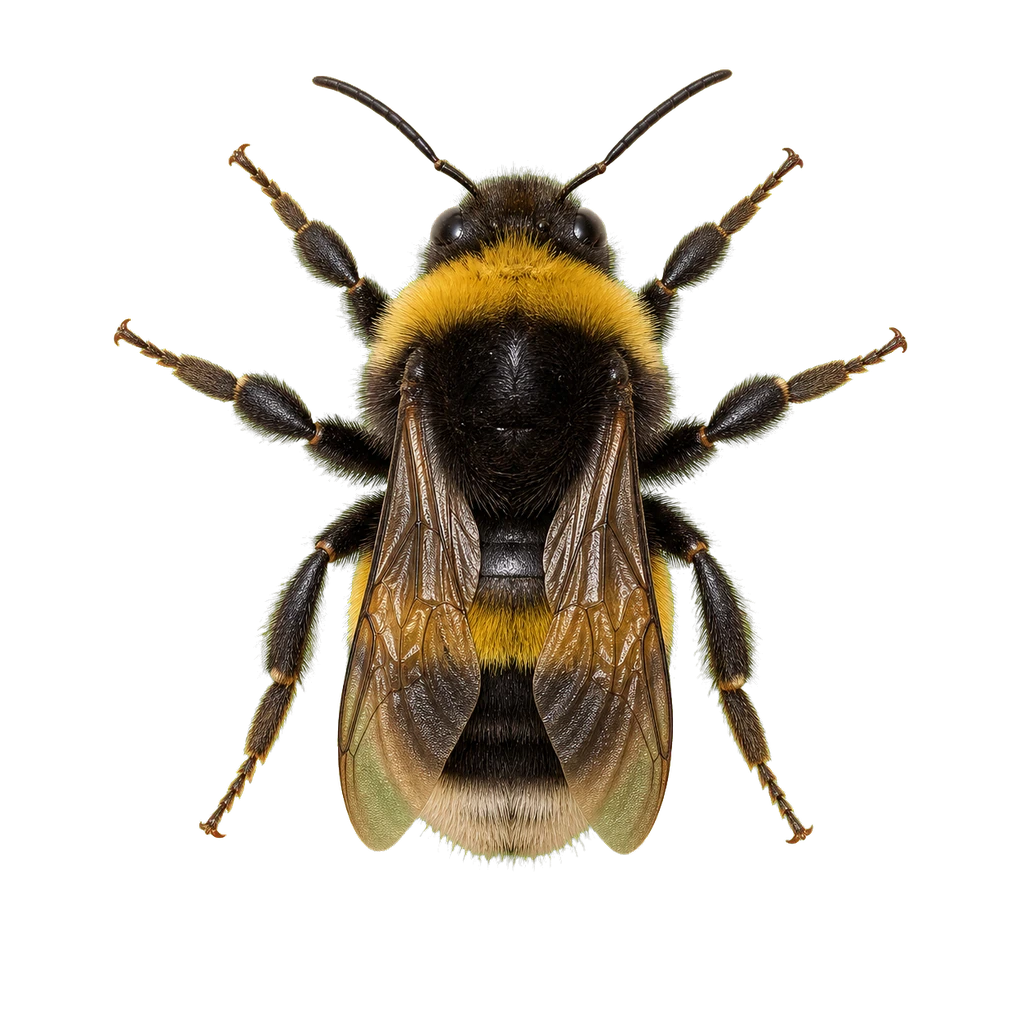
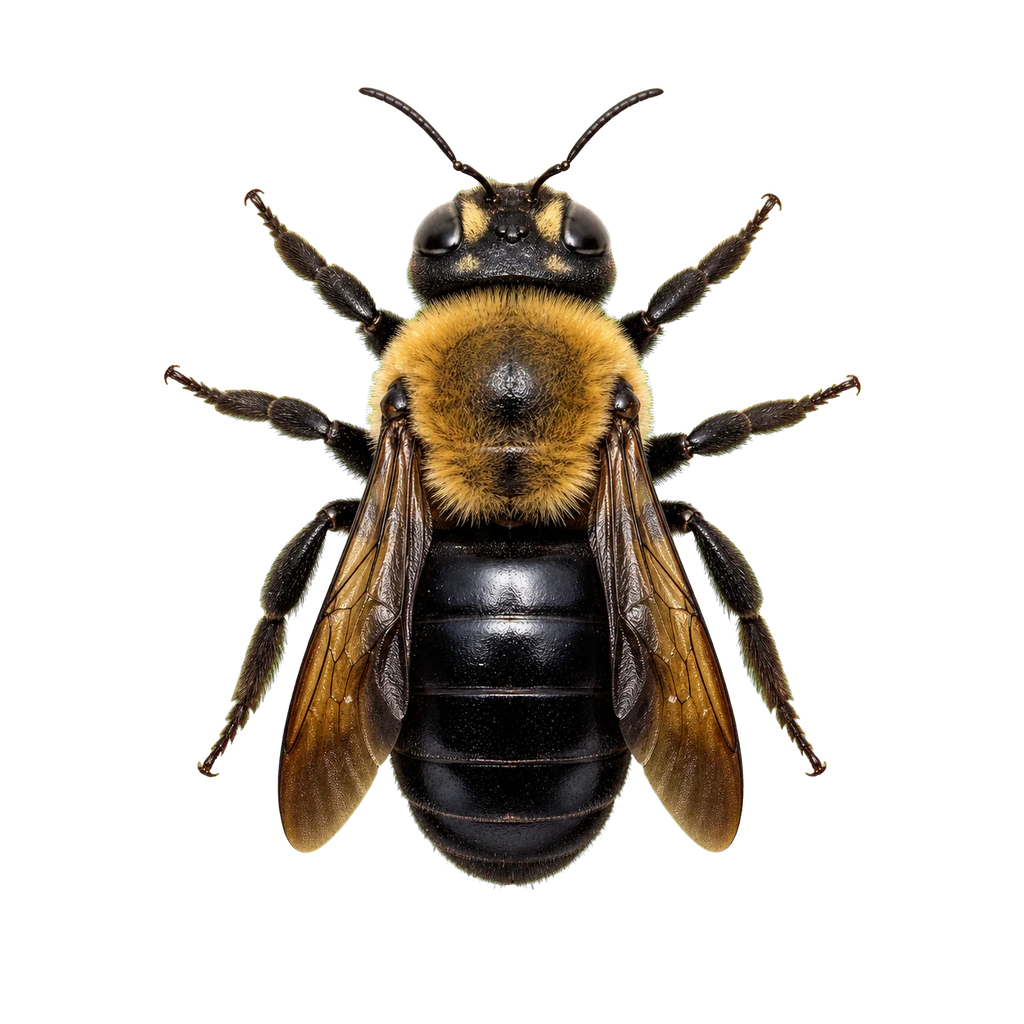
  • Confirms Honey Bee Versus Yellow Jacket or Bumble Bee

    Misidentification is the single most common mistake on these calls. A specialist confirms the species in seconds by looking for the fuzzy body, dark bands, and clustering behavior, then immediately shifts from extermination to live relocation.

  • Routes Swarms to a Local Beekeeping Club

    Swarms are the easiest situation by far. Beekeepers actively want healthy colonies and will collect a cluster for free, usually within hours. The specialist makes the introduction so the swarm is gone before scouts choose a permanent cavity.

  • Performs Full Cutouts on Established Colonies

    An established hive in a wall, soffit, or chimney requires a cutout. The specialist opens the cavity, removes every piece of comb, captures the queen, transfers brood and bees to a managed hive box, and cleans the cavity of residual honey and wax.

  • Seals the Cavity Properly Once Bees Are Out

    After removal, the entry hole is sealed and the cavity is treated so no pheromone or residual scent remains. This is the step that prevents next year's scouts from re-occupying the same site. Skipping it means you'll be doing this again.

  • Local Pest Control
  • 24/7 Availability
  • Quality Workmanship
  • Eco‑Friendly Options
  • Trusted by Homeowners
NoToPests home

One call connects you with a local specialist who knows honey bees and your area.

Be Ready When You Call

Live-removal specialist arriving for honey bee swarm pickup or cutout coordination
Junho L.
Daisuke P.
Kirk Q.
Marion K.

Trusted by homeowners nationwide

Call for Pest Control Help (888) 495-1510

Can You Handle This or Do You Need Help?

Honey bees are not a hardware-store spray situation. Your job is mostly routing the situation to the right person and protecting the household until they arrive.

What DIY Can Do

If you can correctly identify a swarm and call your local beekeeping club before the cluster moves on its own, you may already have solved the problem at zero cost. The limits start at the wall:

  • Confirming honey bees versus yellow jackets versus bumble bees and carpenter bees, the single most important field call
  • Calling a county or state beekeeping association for free swarm collection while the cluster is still hanging in the open
  • Sealing scout-evaluation gaps in late fall and winter, between active swarm seasons, to block next year's hive
  • Letting a single indoor bee escape through an open window rather than swatting or spraying it
  • What DIY cannot do: open a wall, remove 30 to 80 pounds of honey-laden comb, capture the queen safely, or seal a cavity so no future swarm reuses it.

What a Live-Removal Specialist Does Differently

A live-removal specialist isn't a generic pest control technician. They coordinate beekeepers, perform structural cutouts, and decide which option matches your situation:

  • Confirms the species and the swarm-versus-colony call before any plan is made
  • Connects you with a local beekeeper for free or low-cost live collection of swarms
  • Performs full cutouts on established colonies, comb, honey, brood, and queen all extracted intact and transferred to a managed hive
  • Cleans the cavity of residual honey and wax and seals the entry so the site can't be reused by future scouts
  • Handles last-resort treatment legally and safely only when allergies or inaccessible colonies leave no other option, and still extracts the comb afterward.

Suspect Honey Bees? Don't Wait.

Swarms move on within days but established colonies only get bigger. Connect with a local specialist who can confirm what you're looking at, route swarms to a beekeeper, and coordinate full structural cutout if a colony is already in the wall.

Available 24/7
(888) 495-1510

What Homeowners Say After Getting Help

Real results from people who had the same problem and solved it.

Rashawn U.
Rashawn U.
Prescott, AZ

"Pergola treated and saved from carpenter bees."

Our wooden pergola had perfectly round holes from carpenter bees. The pro treated each bore hole and applied a preventive coating to the wood. They explained that untreated softwood in Arizona is a magnet for these bees.

Rashawn U.
Rashawn U.
Prescott, AZ

"Pergola treated and saved from carpenter bees."

Our wooden pergola had perfectly round holes from carpenter bees. The pro treated each bore hole and applied a preventive coating to the wood. They explained that untreated softwood in Arizona is a magnet for these bees.

Common Questions About Honey Bees

Direct answers to what homeowners ask most about swarm versus colony identification, live removal, and beekeeper coordination.

  • How do I know if honey bees have built a hive inside my wall? Toggle answer for: How do I know if honey bees have built a hive inside my wall?

    Signs of an established honey bee colony inside a wall include a steady stream of bees entering and exiting a specific gap or crack (rather than random wandering), a low humming or buzzing sound audible through the wall, and honey staining or moisture spots that appear on interior wall surfaces as the colony grows and comb becomes heavy with honey. Established hives inside walls can contain 30 to 60 pounds or more of honeycomb, and if not properly removed, abandoned comb will melt, attract other pests, and cause severe staining and structural damage.

  • What is the difference between a honey bee swarm and an infestation? Toggle answer for: What is the difference between a honey bee swarm and an infestation?

    A honey bee swarm is a temporary cluster of bees, oftena large, football-shaped mass hanging from a tree branch, fence, or structure, that forms when a colony is in transit to a new nesting location. Swarms are generally docile and typically move on within 24 to 72 hours without intervention. An infestation, by contrast, is an established colony that has moved into a structural void and begun building permanent comb. If bees are entering and exiting a wall gap, soffit, or chimney repeatedly over several days, they have likely begun establishing a permanent colony that will require professional live removal and structural repair.

  • Why do bees keep nesting near my home? Toggle answer for: Why do bees keep nesting near my home?

    Bees look for protected cavities near floral food sources. Wall voids, soffits, chimneys, irrigation valve boxes, and hollow trees in the yard are all attractive nesting sites. Properties with abundant flowering plants, clover lawns, or nearby agricultural areas provide the foraging resources that sustain colonies. Once a colony establishes, the scent of beeswax attracts future swarms to the same location.

  • Are bee stings dangerous? Toggle answer for: Are bee stings dangerous?

    For most people, a bee sting causes temporary pain and swelling. However, approximately 2 million Americans are allergic to insect venom, and bee stings cause more deaths annually in the U.S. Than any other venomous animal. Africanized honey bees (present in southern states) are particularly dangerous because they attack in large numbers when disturbed. If a nest is in a high-traffic area, professional removal is the safest approach.

  • How quickly can a provider get to my home? Toggle answer for: How quickly can a provider get to my home?

    Most providers in our network can schedule an inspection within 24-48 hours. For urgent situations, likeactive structural damage or large colonies, same-week emergency service is often available. Response times depend on your location and the provider's current schedule.

  • What happens during the first visit? Toggle answer for: What happens during the first visit?

    Your provider inspects the property to identify the pest, locate nesting or entry points, and assess the scope of the problem. You get a clear explanation of what they found, what they recommend, and a written scope before any work begins.

  • Is treatment safe for kids and pets? Toggle answer for: Is treatment safe for kids and pets?

    Modern pest control products are designed to break down quickly after application and pose minimal risk to people and pets when applied correctly. Most providers ask you to keep kids and pets out of treated areas for 1 to 2 hours while the product dries, after which the area is generally safe again. Always confirm specific re-entry times with your provider, and let them know about pet birds, fish, or reptiles, since some treatments require extra precautions for those species.

Live-Removal Pros serving the city of the state of your city and nearby areas

Local providers who coordinate with beekeepers for free swarm pickup and perform full structural cutouts are ready to inspect, route, and follow up, no obligation.

Available 24/7
(888) 495-1510