Local pest control help is one call away.

Bumble Bee: Identification, Treatment & Prevention

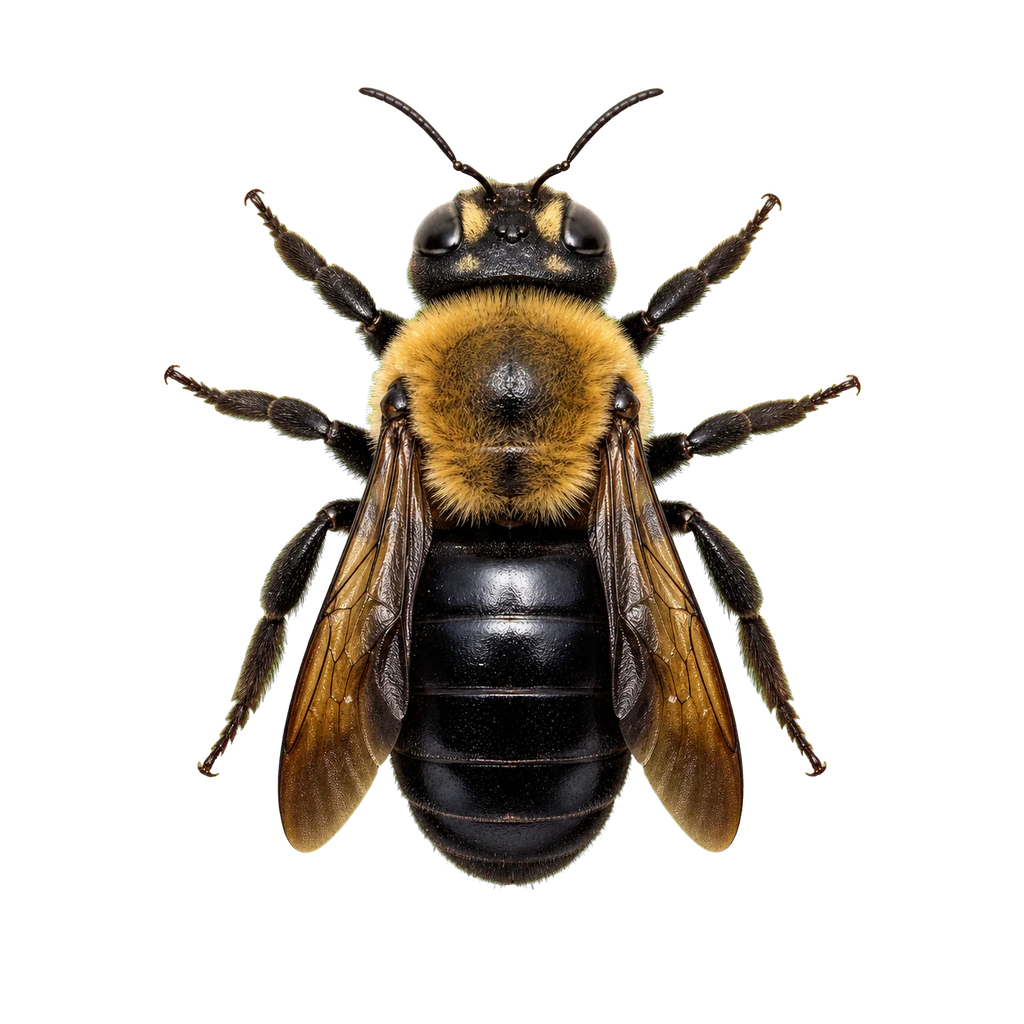
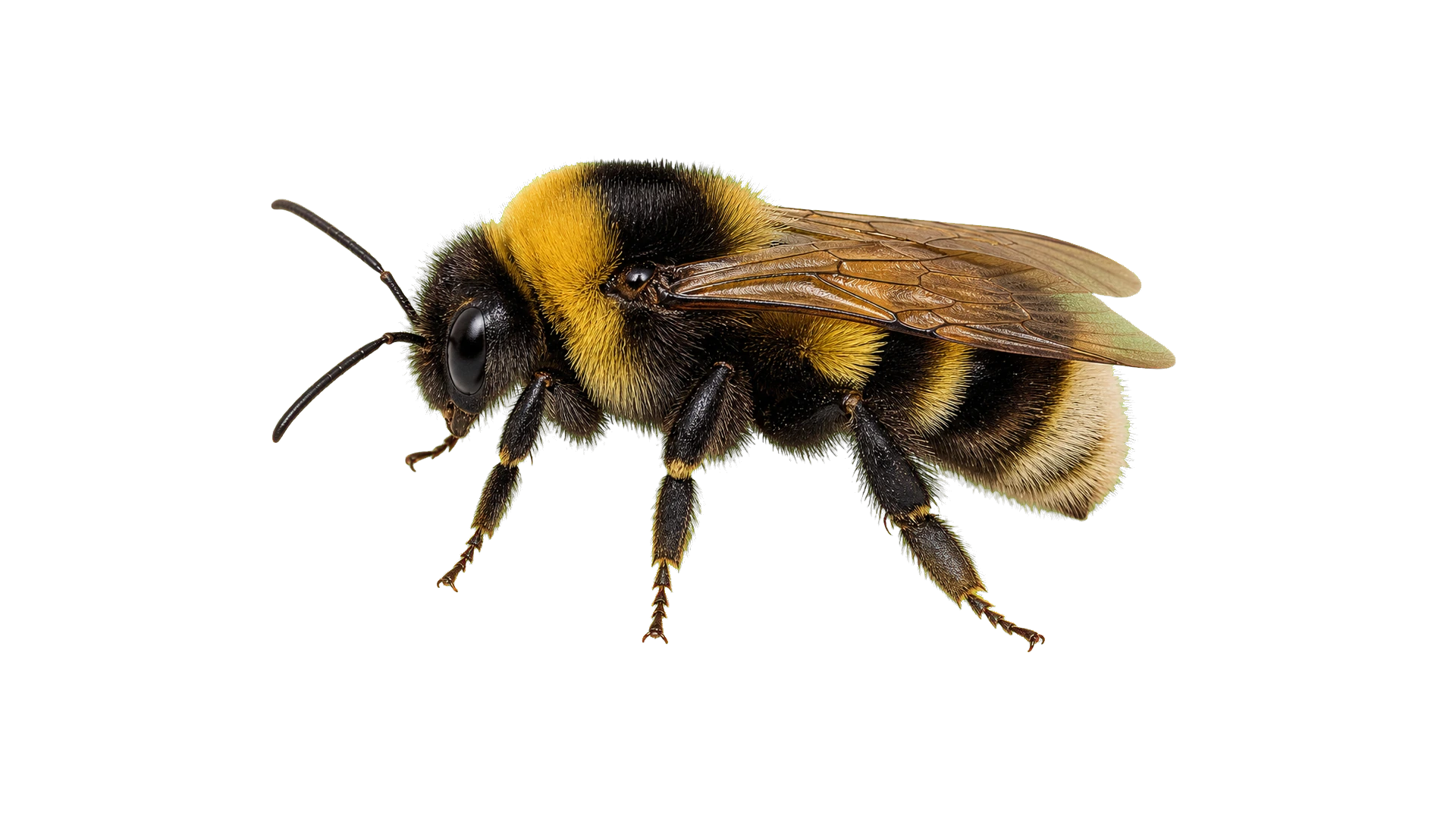
Bumble bees are the big fuzzy black-and-yellow bees you see bumping along flowers in late spring and summer. Workers run 12 to 25 millimeters long, larger and much fuzzier than honey bees, with a slow buzzing flight that's easy to recognize once you've seen it. They live in small annual colonies of 50 to 400 workers, build their nests in the ground inside abandoned rodent burrows, under garden sheds, in compost piles, or in dense ornamental grasses. The colony dies off every fall except for the next year's queens.

If you're seeing very fuzzy black-and-yellow bees flying low to the ground, entering a hole in the lawn or going under a shed, you're looking at bumble bees. This guide covers how to confirm it, why these are the most important garden pollinators in North America, and why the right answer for almost every bumble bee situation is to leave them alone or relocate the nest rather than killing it.

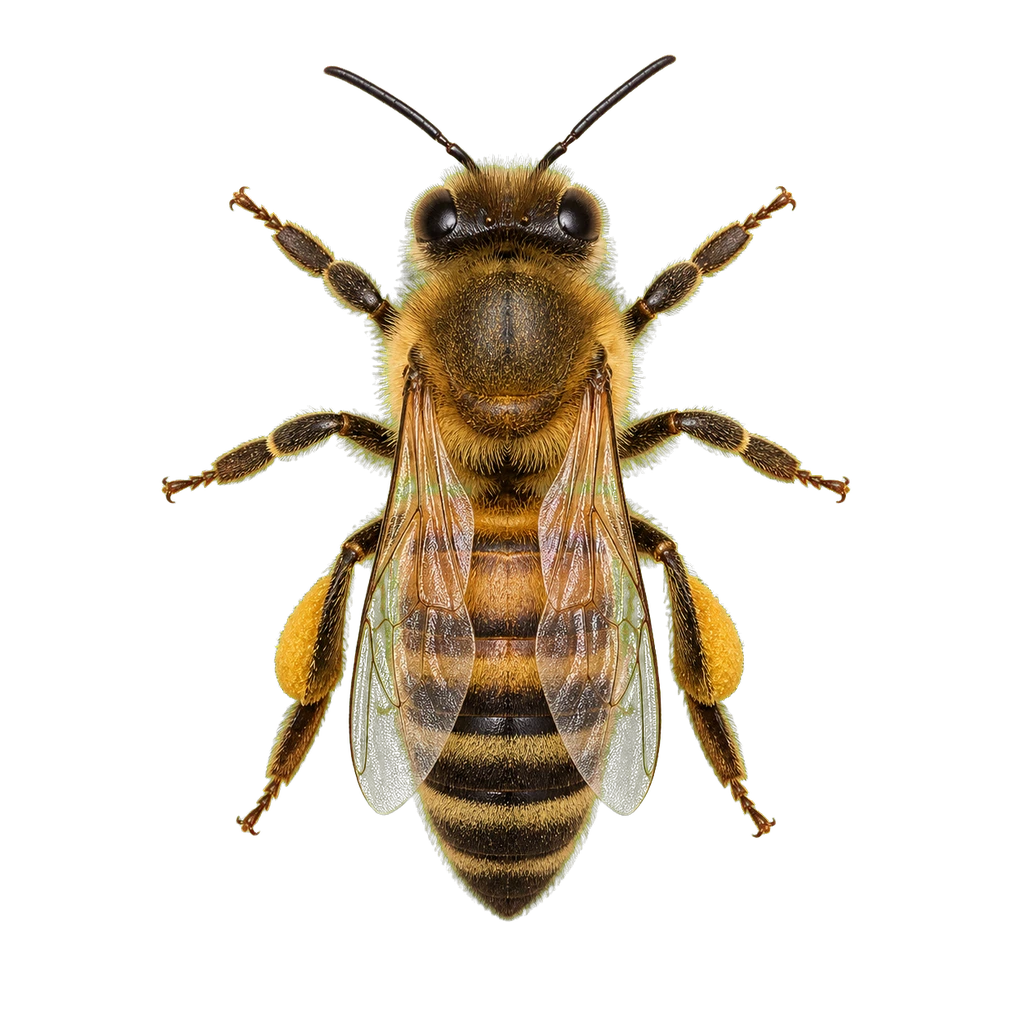
Close-up illustration of a bumble bee showing the very fuzzy round body, black coloring with yellow bands, and large size that distinguishes it from honey bees and other bees

ID Card: Bumble Bee

Scientific name
Bombus spp.
Color
Yellow, black
Size
1/2 to 1 inch
Body shape
Large, round, densely fuzzy body
Antennae
Elbowed, 12-13 segments
Key evidence
Ground-level nesting in abandoned rodent burrows, loud buzzing near flowers
Also known as
Bumblebees, Fuzzy bees, Ground bees

Related Species

Call to get matched with a local pest control pro.

Available 24/7
(888) 495-1510
  • Specialists trained in bee species ID who won't treat a beneficial pollinator like a pest
  • Wildlife relocation coordination with local beekeepers and conservation groups
  • Honest assessment, most bumble bee nests don't need any intervention at all

Where to Find Bumble Bee Nests

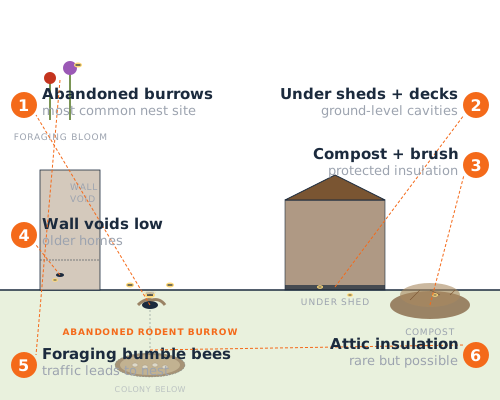
Cross-section illustration showing common bumble bee nest sites, ground holes near sheds, abandoned rodent burrows in lawn edges, compost piles, dense ornamental grasses, and hollow stumps

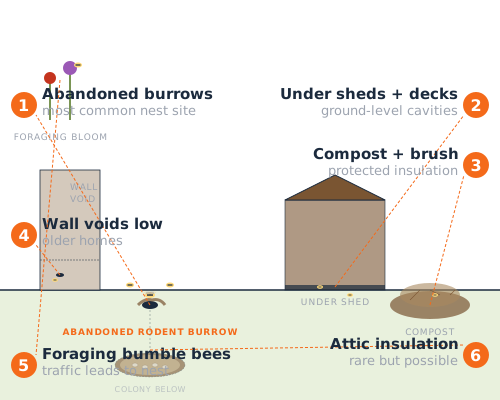
Bumble bees nest at or below ground level inside pre-formed cavities. They don't excavate the way carpenter bees do, they move into spaces that already exist. Most homeowners discover the nest by accident while gardening, mowing, or moving outdoor storage. Walk these zones to confirm what you're seeing:

  • Ground holes near garden sheds and outbuildings, The most common nest site by a wide margin. Look for fuzzy bees entering and leaving a small hole in soil, with the colony tucked into an old rodent burrow underneath.
  • Compost piles, leaf piles, and brush piles, Insulated, undisturbed, and full of usable cavities. Founding queens love these sites in spring. The bees you spot moving through the pile in summer mean a colony is established inside.
  • Abandoned rodent burrows at lawn edges and field margins, Old vole, mouse, and chipmunk tunnels are textbook bumble bee real estate. The queen finds the empty burrow in April and the colony grows underground all summer.
  • Dense ornamental grass clumps and ground cover, Tall grasses, pampas grass, and thick perennials provide protection at the base. Steady bee traffic going into one clump usually means a colony is nested at the soil line.
  • Wall voids near ground level in older homes (rare), Possible but uncommon. Look for steady traffic at one small opening in low siding or near the foundation. Bumble bees never nest in chimneys the way honey bees sometimes do.
  • Hollow tree stumps and rotted logs in the yard, Pre-formed cavities at ground level with good insulation. Tap the stump gently from several feet away, defensive buzzing confirms a colony inside.

Finding a bumble bee nest on your property is genuinely rare and worth a moment of recognition before deciding what to do. Many North American bumble bee species are in documented decline. The rusty patched bumble bee was added to the federal endangered species list in 2017, the first bee species ever protected under that law. Causes include pathogens like Nosema, habitat loss, and exposure to systemic pesticides. The default response to a bumble bee colony should be 'can it stay where it is' rather than 'how do we kill it.' Most nests die naturally at first frost without ever causing a problem, and the bees were doing critical pollination work the entire summer.

Cross-section illustration showing common bumble bee nest sites, ground holes near sheds, abandoned rodent burrows in lawn edges, compost piles, dense ornamental grasses, and hollow stumps
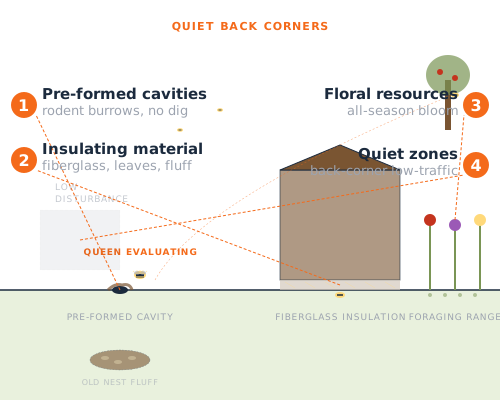
Illustration showing how an overwintered bumble bee queen scouts ground-level cavities in early spring, founds a small annual colony, and the colony peaks in midsummer before dying at first frost

Why Do I Have Bumble Bees?

Spotting the nest is step one. Understanding why your yard was chosen explains both this year's colony and what conditions matter for any future nest. Bumble bee queens scout for sites in early spring after waking from winter dormancy. They check dozens of possible cavities, evaluate temperature, moisture, and disturbance level, then commit to one site for the entire year. A few specific conditions almost guarantee a queen will pick a yard.

What draws bumble bee queens to your property:

  • A garden with flowering plants in bloom from April through September, queens evaluate floral resources within their foraging range and yards with diverse blooms (clover lawns, herbs, fruit trees, native perennials) score highest
  • Available ground-nesting cavities, abandoned rodent burrows, hollow logs, gaps under sheds and decks, and dense ornamental grasses all give a queen a ready-made nest space without excavation work
  • Compost piles, leaf piles, and brush piles, insulated organic matter close to flowering plants, the exact combination a founding queen ranks at the top of her list
  • A mild local climate with limited pesticide use, bumble bee populations are concentrated in suburban yards and rural properties with diverse plantings, declining sharply in heavily-treated areas
  • Quiet, low-disturbance back corners and side yards, the queen avoids spots with constant foot traffic and picks areas where the colony can grow through summer without being disturbed

A new colony begins each spring with one queen who survived winter alone. She emerges from soil or bark in April or May, finds a suitable cavity, and lays her first batch of 5 to 10 eggs. Through May and early June she does everything herself, builds the nest cells, hunts pollen, defends the cavity, lays eggs. Once her first workers emerge in late June, she stays inside and dedicates herself to egg-laying. The colony peaks at 50 to 400 workers in midsummer, produces new queens and males in late summer, then dies entirely at first hard frost. Only newly-mated queens survive winter, and they overwinter alone, not in the old nest.

How Serious Is Your Bumble Bee Situation?

Find your scenario below. Each row reflects the right response for a small, beneficial, declining-pollinator colony, not a generic stinging-insect timeline.

What You're Seeing Severity If Untreated Next Step
Nest in a garden corner, unused yard area, or back fence line nobody walks through Low Colony naturally dies at first frost; site rarely reused next year and pollination work continues all summer. Leave alone. Mark the spot with a flag so family stays aware. Check on the colony seasonally and let it die naturally in fall.
Nest near a walkway, garden bed worked weekly, or family activity area Moderate Defensive activity stays mild but family members will eventually disturb the entry within 5 to 10 feet, increasing sting risk over the summer. Schedule a wildlife professional or local beekeeper for relocation, not extermination. Most are willing to move bumble bee colonies for a modest fee.
Nest in active children's play area or inside a wall void near indoor living space High Direct family contact unavoidable; wall void nests can also draw secondary pests (ants, wax moths) once the colony dies in fall if comb is not removed. Call a professional this week for same-week relocation. Killing is only appropriate if relocation truly isn't possible due to nest location.
Allergic family member nearby and an active nest in regular-use area Urgent Active medical risk if a sensitized person is stung; some people develop allergies over multiple exposures. Call today for professional relocation plus a sting safety plan (antihistamines on hand, EpiPen accessible, family awareness of the entry location).
Nest in a garden corner, unused yard area, or back fence line nobody walks through
Severity Low
If Untreated Colony naturally dies at first frost; site rarely reused next year and pollination work continues all summer.
Next Step Leave alone. Mark the spot with a flag so family stays aware. Check on the colony seasonally and let it die naturally in fall.
Nest near a walkway, garden bed worked weekly, or family activity area
Severity Moderate
If Untreated Defensive activity stays mild but family members will eventually disturb the entry within 5 to 10 feet, increasing sting risk over the summer.
Next Step Schedule a wildlife professional or local beekeeper for relocation, not extermination. Most are willing to move bumble bee colonies for a modest fee.
Nest in active children's play area or inside a wall void near indoor living space
Severity High
If Untreated Direct family contact unavoidable; wall void nests can also draw secondary pests (ants, wax moths) once the colony dies in fall if comb is not removed.
Next Step Call a professional this week for same-week relocation. Killing is only appropriate if relocation truly isn't possible due to nest location.
Allergic family member nearby and an active nest in regular-use area
Severity Urgent
If Untreated Active medical risk if a sensitized person is stung; some people develop allergies over multiple exposures.
Next Step Call today for professional relocation plus a sting safety plan (antihistamines on hand, EpiPen accessible, family awareness of the entry location).

Bumble bee colonies are small, annual, and ecologically valuable. If you're between two rows, default to the response that keeps the colony alive when the location reasonably allows it.

How a Bumble Bee Colony Lives and Dies in One Year

Bumble bee colonies are annual, the entire population dies at first hard frost except for newly-mated queens that survive winter alone in protected sites. That biology is the single most important fact for anyone deciding what to do with a colony on their property. The colony in your yard in August will be naturally gone in October, and the bees were pollinating your tomatoes and blueberries the whole time.

  1. Spring queen establishment

    April through May

    An overwintered queen emerges from soil, mulch, or under bark in early spring, feeds on early flowers, and scouts for a nest cavity. She lays her first batch of 5 to 10 eggs and does all the work herself, builds the wax cups, hunts pollen, defends the entry, lays eggs. This is the smallest and most fragile the colony will ever be.

  2. Summer worker buildup

    June through July

    First-generation workers emerge in late June and take over foraging. The queen never leaves the nest again and dedicates herself entirely to egg-laying. The colony grows from a handful of bees to dozens, then hundreds, as more workers come online each week. Foraging traffic at the entry becomes obvious and the colony's defensive radius (still small) starts to matter.

  3. Late-summer colony peak and new queen production

    Late July through September

    Colony hits its peak of 50 to 400 workers, dramatically smaller than honey bee colonies which can run 30,000 to 80,000. Late summer the queen shifts production from worker eggs to new queens and males (drones). New queens leave the nest to mate with drones from other colonies, then disperse to find overwintering sites alone.

  4. Fall colony death, queen overwintering

    October through March

    Workers and the original queen die off through October as nights cool. By first hard frost the colony is entirely gone. Only the newly-mated queens survive, overwintering alone under loose bark, in soil cavities, in mulch, or in leaf litter. They emerge the next spring to start the cycle again at a brand-new site.

The annual cycle means a colony in August will be naturally gone in October without any human intervention. For homeowners who can wait through one summer, doing nothing is often the right answer, and the most beneficial one for declining bumble bee populations. Patience is genuinely the ecologically appropriate first response with this species, in a way it isn't with honey bees or wasps.

When Bumble Bees Are Most Active

Bumble bee activity follows a strict annual rhythm tied to flowering plant availability and overnight temperatures. The same colony that's barely visible in May is at full strength in August, then gone by November. Knowing where you are on the calendar tells you what's reasonable to expect.

  • Spring

    Overwintered queens emerge from soil and bark in April and May and begin scouting for nest sites. You'll see solitary very large fuzzy bees flying low over lawns, hovering near garden beds, and investigating ground-level cavities. Founding queens are extremely tolerant; they rarely defend at this stage because there's no colony to defend yet. Spring is also peak foraging on early flowers like dandelions, crocuses, and fruit tree blossoms.

  • Summer

    Worker emergence in June and July changes the dynamic. Foraging traffic at the nest entry intensifies and bumble bees become highly visible on flowering plants throughout the day. This is when buzz pollination matters most, bumble bees vibrate their flight muscles at a specific frequency to shake pollen loose from tomato, blueberry, cranberry, and eggplant flowers. Honey bees physically cannot do this. The defensive radius expands but stays small, typically 5 to 10 feet from the entry.

  • Fall

    Colony peaks in late summer and shifts production to new queens and drones for next year's generation. New queens leave to mate and find overwintering sites. Workers and the original queen die off through October as overnight temperatures drop. By first hard frost the entire colony is gone except for the new queens, who are no longer at the nest site.

  • Winter

    No colony activity. Newly-mated queens overwinter alone in protected sites, under loose bark, in soil cavities a few inches down, in mulch and leaf litter, occasionally in attic insulation. They don't sting in winter and are essentially impossible to find. They emerge the following spring to start fresh colonies at new sites across the area.

Why Bumble Bees Usually Don't Need Treatment

Bumble bees occupy a different category than honey bees, wasps, or hornets. They're critical pollinators (especially for tomatoes, blueberries, cranberries, peppers, and eggplant, all of which depend on buzz pollination that bumble bees can do and honey bees can't), they live in small annual colonies of 50 to 400 workers that die at first frost, they're non-aggressive defenders that almost never sting unprovoked, and many North American species are in documented decline. The rusty patched bumble bee became the first federally endangered bee species in 2017. Several others are likely candidates in coming years.

All of that adds up to a different default response. For honey bees in a wall void or yellow jackets near a doorway, the question is when to treat. For bumble bees, the question is whether to intervene at all. The honest answer for a colony in a remote garden corner, unused yard area, or back fence line is leave it alone. The colony will be gone in October. The site rarely gets reused next year. The bees did real pollination work for your garden and your neighbors' gardens all summer. Nothing about the situation actually requires treatment.

Where intervention legitimately matters is when the nest location creates unavoidable conflict, walking paths, doorways used daily, active play areas, garden beds worked weekly, wall voids near indoor living space, allergic family members in regular-use areas. In those cases the right response is relocation, not killing. Many wildlife rehabbers, native bee conservation groups, and beekeepers in most regions will move a bumble bee colony for $150 to $400 rather than see it destroyed. A specialist who knows bumble bees will route you to the right local contact instead of jumping to pesticide.

When relocation truly isn't possible, removal is done at dusk in protective gear when the entire colony is inside the nest. Comb, dead bees, and brood are removed afterward, especially important in wall void cases where leftover material would attract ants, wax moths, and mice over the following months. A specialist also helps confirm the species, the federally endangered rusty patched bumble bee is protected and a pest company that doesn't know the difference is exposing you to legal risk as well as wasting a beneficial colony.

What Changes When a Pro Shows Up

Bumble bee calls are mostly assessment and routing, not treatment. A specialist who handles pollinators knows the default is preserve the colony, the second option is relocate, and killing is the last resort, only when the nest location genuinely can't accommodate the other two. Here's what changes when a pro shows up:

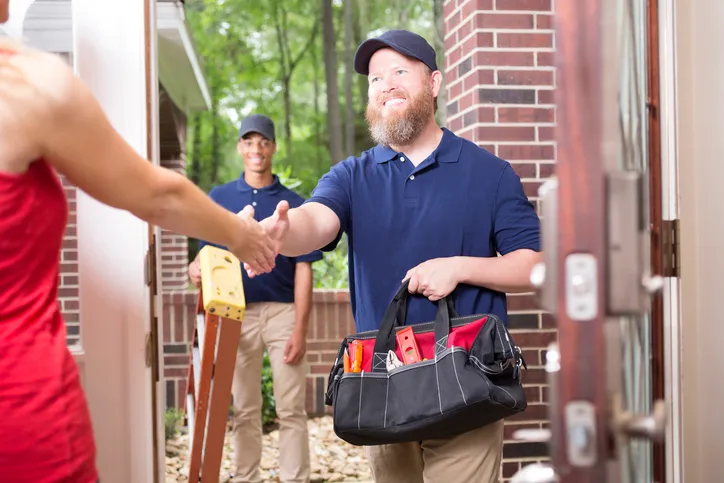
Wildlife and pest control professionals after completing a bumble bee nest relocation
  • Local Pest Control
  • 24/7 Availability
  • Quality Workmanship
  • Eco‑Friendly Options
  • Trusted by Homeowners
  • Confirms Bumble Bee, Not Carpenter, Honey, or Yellow Jacket

    Each species needs different handling. A specialist confirms in seconds based on the fully fuzzy round body, slow buzzing flight, and ground-nest behavior. Misidentified bee calls account for a huge fraction of unnecessary pollinator deaths every year.

  • Verifies the Species Isn't Federally Endangered

    The rusty patched bumble bee (Bombus affinis) was federally listed as endangered in 2017 and harming the colony is illegal. A specialist who knows local Bombus species rules this in or out before any plan is made.

  • Coordinates Relocation With Local Beekeepers

    Many wildlife rehabbers, native bee conservation groups, and beekeepers are willing to move a bumble bee colony rather than see it killed. A specialist makes that connection. Relocation usually runs $150 to $400 depending on access.

  • Gentle Extraction, Not Pesticide, When Possible

    Relocation is done at dusk when all foragers are inside. The nest is carefully excavated, transferred to a transport box, and moved to a natural area away from human activity. Recurring follow-up isn't needed, the annual colony dies in fall regardless.

  • Local Pest Control
  • 24/7 Availability
  • Quality Workmanship
  • Eco‑Friendly Options
  • Trusted by Homeowners
NoToPests home

One call connects you with a local specialist who knows bumble bees and your area.

Be Ready When You Call

Pest control specialist arriving for bumble bee nest assessment and relocation
Junho L.
Daisuke P.
Kirk Q.
Marion K.

Trusted by homeowners nationwide

Call for Pest Control Help (888) 495-1510

Can You Handle This or Do You Need Help?

Bumble bees are one of the few household-encounter species where the right answer is often patience plus a few yard adjustments. DIY work here is mostly identification, family awareness, and minor routing so everyone can coexist with the colony through summer.

What DIY Can Do

If the nest is in a low-conflict location and you can wait until frost, DIY is essentially observation, family awareness, and small yard adjustments. The colony does the rest:

  • Confirm species, very fuzzy black-and-yellow body, larger than honey bees, slow buzzing flight, ground or low-cavity nest entry
  • Educate family members and pets about the non-aggressive nature of bumble bees and the importance of leaving the entry undisturbed
  • Mark the nest area with a flag or rope at 10 feet to keep family and pets aware without provoking the colony
  • Reroute walkways and yard chores to give the colony a 10-foot buffer through summer, the colony's defense radius is rarely more than that
  • Secure pet food bowls and outdoor trash to reduce conflict opportunities and let the colony do its pollination work undisturbed
  • Wait for first hard frost, the colony dies entirely and is gone by November without any chemical intervention
  • What DIY cannot do safely: remove a wall void colony, assess endangered species protection, or handle a nest in a high-conflict location with allergic family members.

What a Pro Does Differently

A pro adds species verification, endangered species awareness, and the relocation coordination DIY can't match. Most professional bumble bee work is routing to the right local resource, not extermination:

  • Species confirmation in seconds, separates bumble bees from carpenter bees (shiny abdomen, wood nests), honey bees (less fuzzy, large hives), and yellow jackets (not fuzzy, papery nests)
  • Endangered species check, rusty patched bumble bee and other declining Bombus species are protected and harming the colony has legal consequences
  • Wildlife and beekeeper coordination, many local groups will relocate a bumble bee colony for $150 to $400 instead of killing it
  • Gentle extraction at dusk when relocation is necessary, the nest is moved intact to a natural area away from human activity
  • Comb and brood removal in wall void cases prevents secondary pest issues (ants, wax moths, mice) that otherwise follow a dead colony
  • Recurring monitoring is not typically needed, bumble bee colonies are annual and don't return to the same site, unlike honey bees or termites.

Suspect Bumble Bees? Don't Wait.

Bumble bees are declining pollinators worth protecting wherever possible, but nests near doorways, in walls, or close to allergic family members deserve fast assessment. Connect with a local specialist who knows the species, coordinates relocation, and removes only when truly necessary.

Available 24/7
(888) 495-1510

What Homeowners Say After Getting Help

Real results from people who had the same situation and found a response that worked.

Rashawn U.
Rashawn U.
Prescott, AZ

"Pergola treated and saved from carpenter bees."

Our wooden pergola had perfectly round holes from carpenter bees. The pro treated each bore hole and applied a preventive coating to the wood. They explained that untreated softwood in Arizona is a magnet for these bees.

Rashawn U.
Rashawn U.
Prescott, AZ

"Pergola treated and saved from carpenter bees."

Our wooden pergola had perfectly round holes from carpenter bees. The pro treated each bore hole and applied a preventive coating to the wood. They explained that untreated softwood in Arizona is a magnet for these bees.

Common Questions About Bumble Bees

Direct answers to what homeowners ask most about identification, sting risk, pollinator value, and when relocation actually beats removal.

  • How can I tell if I have bumble bees or a more aggressive stinging insect? Toggle answer for: How can I tell if I have bumble bees or a more aggressive stinging insect?

    Bumble bees are distinctively round and fuzzy with dense hair covering their entire body, giving them a soft, plump appearance that differs sharply from the sleek, shiny bodies of yellow jackets, wasps, and hornets. They are relatively docile and rarely sting unless their nest is directly disturbed or they are physically handled. Bumble bee nests are small, typically fewer than 200 individuals, andare usually located underground in abandoned rodent burrows, under porches, or in dense grass clumps, unlike the paper nests of wasps or the large exposed combs of honey bees.

  • Should I remove a bumble bee nest near my home? Toggle answer for: Should I remove a bumble bee nest near my home?

    Bumble bee colonies are annual, theentire colony dies off at the end of fall except for newly mated queens that overwinter elsewhere, soa nest discovered in summer will naturally become inactive within a few months. Bumble bees are important pollinators facing population declines, so removal is generally discouraged unless the nest is in a high-traffic area where stings are a genuine risk, such as directly beside a doorway or in a children's play area. If the nest can be left undisturbed until fall, the colony will abandon it permanently and will not reuse the same nest site the following year.

  • Why do bees keep nesting near my home? Toggle answer for: Why do bees keep nesting near my home?

    Bees look for protected cavities near floral food sources. Wall voids, soffits, chimneys, irrigation valve boxes, and hollow trees in the yard are all attractive nesting sites. Properties with abundant flowering plants, clover lawns, or nearby agricultural areas provide the foraging resources that sustain colonies. Once a colony establishes, the scent of beeswax attracts future swarms to the same location.

  • Are bee stings dangerous? Toggle answer for: Are bee stings dangerous?

    For most people, a bee sting causes temporary pain and swelling. However, approximately 2 million Americans are allergic to insect venom, and bee stings cause more deaths annually in the U.S. Than any other venomous animal. Africanized honey bees (present in southern states) are particularly dangerous because they attack in large numbers when disturbed. If a nest is in a high-traffic area, professional removal is the safest approach.

  • How quickly can a provider get to my home? Toggle answer for: How quickly can a provider get to my home?

    Most providers in our network can schedule an inspection within 24-48 hours. For urgent situations, likeactive structural damage or large colonies, same-week emergency service is often available. Response times depend on your location and the provider's current schedule.

  • What happens during the first visit? Toggle answer for: What happens during the first visit?

    Your provider inspects the property to identify the pest, locate nesting or entry points, and assess the scope of the problem. You get a clear explanation of what they found, what they recommend, and a written scope before any work begins.

  • Is treatment safe for kids and pets? Toggle answer for: Is treatment safe for kids and pets?

    Modern pest control products are designed to break down quickly after application and pose minimal risk to people and pets when applied correctly. Most providers ask you to keep kids and pets out of treated areas for 1 to 2 hours while the product dries, after which the area is generally safe again. Always confirm specific re-entry times with your provider, and let them know about pet birds, fish, or reptiles, since some treatments require extra precautions for those species.

Pest Control Pros serving the city of the state of your city and nearby areas

Local providers who know bumble bees, coordinate relocation with beekeepers when possible, and remove only when truly necessary are ready to inspect, no obligation.

Available 24/7
(888) 495-1510