Spring queen establishment
March through May
Overwintered queens emerge from sheltered cavities and build a small founding nest with a few cells. The queen forages alone and tends the first brood until the first workers emerge.
Local pest control help is one call away.
 Pest Control Services Nationwide Pest Control Services Nationwide
 Red wasps (Polistes carolina and Polistes perplexus) are the largest paper wasps in the southeastern United States. Workers run 25 to 35 millimeters long, more than an inch, with reddish-brown bodies, dark smoky wings, and long legs that dangle in flight. They are noticeably bigger and longer than the northern paper wasps most homeowners are used to seeing, and their nests can grow to 12 to 15 inches across with 200 or more cells.
If you are seeing inch-long rust-colored wasps with dark wings building open umbrella-shaped paper nests under your eaves, on attic peaks, behind soffit panels, or under deck railings, you have red wasps. They are more defensive than northern paper wasps and will attack from 8 to 12 feet away from the nest rather than the usual 3 to 6 feet. Pro treatment is the recommended path for any established red wasp nest. This guide covers identification, where they build, what makes them different, and what professional removal involves.
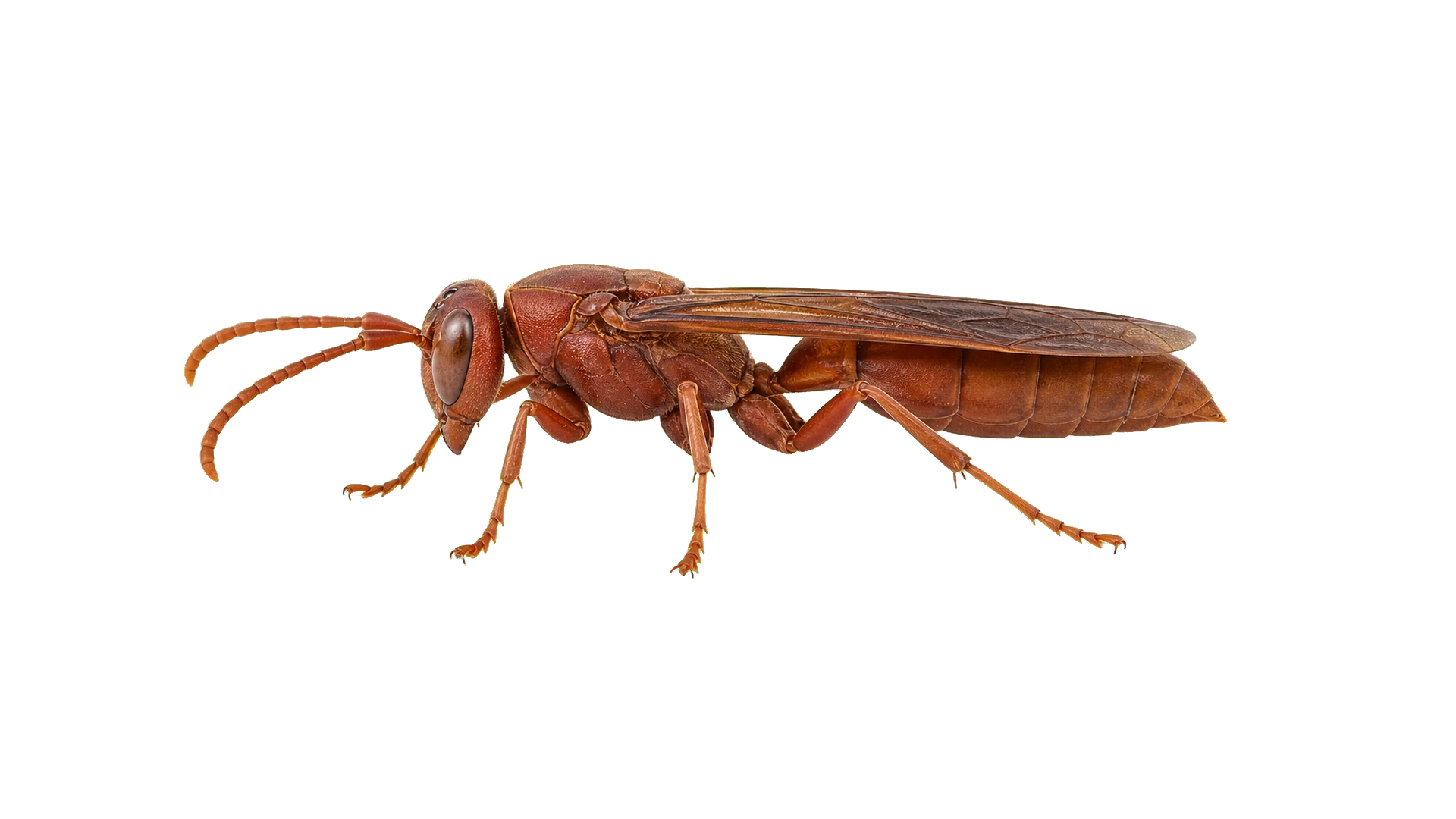
ID Card: Red Wasp
Related Species
Call to get matched with a local pest control pro.
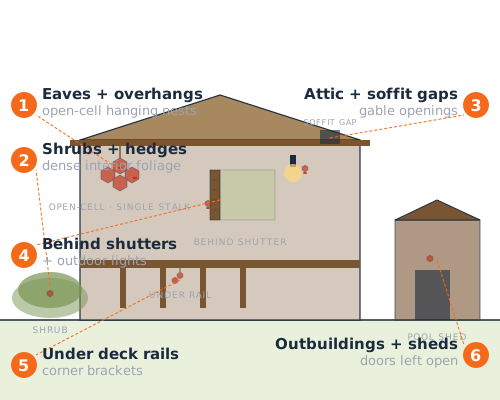
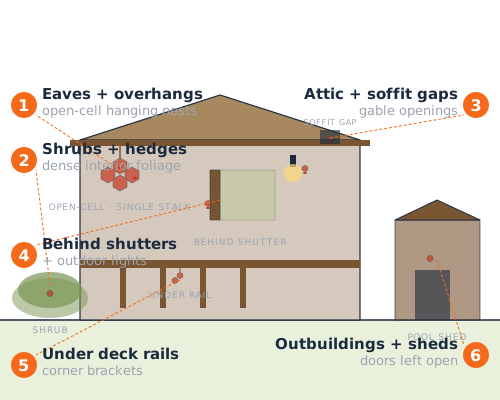
Red wasps build open umbrella-shaped paper nests in protected outdoor spots with overhead cover. In the southeastern US, the highest-risk zones get hours of sun on southern and western exposures and stay sheltered from rain. Walk these zones in daylight from at least 30 feet back and look up:
Red wasp colonies in the deep south can reach 100 to 300 wasps in a mature nest, and nest envelopes commonly exceed the size of a dinner plate by late summer. If you find an active red wasp nest above an eave, in an attic void, or near a walkway, do not approach within 12 feet. The defense zone is wider than what you might expect from smaller northern paper wasps.
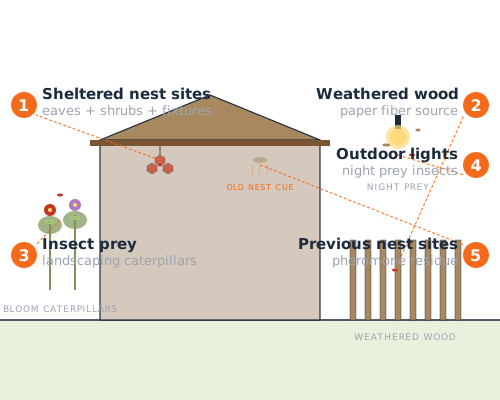
Red wasps are a southeastern US species. Their range covers Florida, Texas, Louisiana, Mississippi, Alabama, Georgia, the Carolinas, Tennessee, and Arkansas. The warm climate supports a larger colony scale than what northern paper wasps reach, and a typical southern home offers everything an overwintered queen needs to start a new nest in spring.
What attracts red wasps:
Red wasps follow an annual cycle in the northern part of their range and stay active year-round in the deep south. Queens overwinter in protected spots, tree cavities, attic corners, fence-post hollows, and emerge in spring to start the cycle again. Sealing those cavities during cold months and removing prior nest attachment points after each season is how you keep the same eave from being colonized year after year.
Find your scenario below. Each row reflects how a red wasp colony actually progresses through a southern season, not a generic wasp timeline.
| What You're Seeing | Severity | If Untreated | Next Step |
|---|---|---|---|
| Small early-season nest in a distant eave or unused yard corner | Early | Red wasp nests grow faster and reach larger size than northern paper wasps; expect heavy expansion through summer. | Schedule a pro this week. Catching the nest before it scales into the hundreds keeps the removal simpler and safer. |
| Mature nest near a walkway, entry door, or patio area | Moderate | Defense zone extends 8 to 12 feet from the nest; foot traffic within that range will trigger attacks. | Schedule evening pro treatment within 48 to 72 hours. Keep family and pets at least 15 feet away in the meantime. |
| Multiple nests on the property plus a nest in an attic void | High | Heavy local population indicates strong overwintering habitat and high likelihood of repeat colonization next season. | Same-week pro visit. Treatment scope should include void treatment for attic nests and a comprehensive seal of overwintering cavities. |
| Sting incident with allergic family member, active nest still in a family area | Urgent | Active medical risk from a larger, more painful sting and broader defense zone than smaller paper wasps. | Same-day medical attention for the sting victim. Emergency pro removal of the nest the same day. |
Red wasp colonies grow faster than smaller paper wasps. If you're between two rows, treat the higher one as your situation.
Red wasps run an annual cycle in the northern part of their range and stay active year-round in the deep south. Either way, the founding queen builds the parent nest alone in spring, workers expand it through summer, and the colony peaks in late summer or fall at 100 to 300 wasps. Only mated queens survive winter.
March through May
Overwintered queens emerge from sheltered cavities and build a small founding nest with a few cells. The queen forages alone and tends the first brood until the first workers emerge.
June through August
Workers expand the paper envelope and brood comb aggressively. Red wasp colonies scale faster than northern paper wasps and commonly reach 100 to 300 workers by late summer in the deep south.
September through October
Nests reach maximum size, sometimes 12 to 15 inches across with 200 or more cells. Reproductive queens and males are produced, and defense behavior intensifies as resources tighten.
First freeze
In the northern part of the range, workers and the founding queen die at the first hard freeze and new mated queens disperse to overwinter. In the deep south, colonies stay active year-round with reduced winter activity.
Annual colonies die in the northern range, but the nest sites stay attractive to next spring's queens. Sealing the eave, soffit, or vent and treating the attachment point after removal is what keeps the same location from being colonized year after year.
Red wasps in the southeastern US run a longer active season than northern paper wasps, with peak aggression in fall. Knowing the seasonal pattern tells you when nests grow fastest and when treatment lands with the most impact.
Overwintered queens emerge and build small founding nests with a few visible cells. This is the best window to schedule a pro before colonies scale, founding nests are smaller and easier to treat with a lower defense response.
Colony expansion accelerates and nests grow well beyond what northern paper wasps reach. Workers forage actively all day, and nests near patios and entries become a daily hazard.
Peak colony size and peak aggression. Defense behavior intensifies as resources tighten and reproductive queens emerge. This is the most dangerous quarter for sting incidents.
In the northern part of the range, colonies die at first freeze and new queens overwinter in protected cavities. In Florida, the Gulf Coast, and south Texas, colonies stay active year-round with reduced winter activity.
Red wasps are larger and more defensive than the northern paper wasps most homeowners have dealt with before. Workers run 25 to 35 millimeters long, more than an inch, with bigger stingers and a larger volume of venom per sting. The sting is noticeably more painful than what smaller paper wasps deliver.
The defense zone is also wider. Red wasps will attack from 8 to 12 feet around the nest, compared to the 3 to 6 feet typical for northern paper wasps. Many homeowners only learn about that wider perimeter when they walk past a nest they thought was a safe distance away. Multiple stings from a defending colony of 100 to 300 wasps is a serious medical event, especially for children, pets, or anyone with sting allergies.
A pro handles red wasps with full bee-suit protective gear, evening treatment timing when the colony is on the nest, the right product for the larger paper envelope, and a residual on the attachment point after removal. For attic-void nests, void treatment is added so the colony can't retreat into the wall cavity. Single nest removal usually runs $200 to $500. For chronic properties with multiple nests every year, recurring service costs $50 to $120 per month and includes the spring inspection walk.
DIY contact sprays often trigger a defensive swarm before they knock down enough of the colony to matter, and homeowners on ladders with workers in the air is exactly the situation that produces multiple-sting emergencies. The wait-and-see option doesn't apply here: red wasp colonies grow fast in southern climates, and a small founding nest in May is a 200-wasp problem by September.
Red wasp removal is not the same as knocking down a small northern paper wasp nest. Larger colonies, wider defense zones, and bigger stings change the entire approach. Here's what changes when a pro handles it:

 Species Verification First
 Pros confirm red wasp ID versus smaller northern paper wasps. The reddish-brown body, dark smoky wings, and inch-long size change product choice and protective gear.
Evening Treatment Timing Red wasps return to the nest at dusk. Evening treatment hits the largest share of the colony at once and avoids the daytime defense response that puts workers in the air.
Full Bee-Suit Protective Gear Larger stingers and wider defense zones mean trained handlers wear sealed bee suits, gloves, and hoods, not the lighter gear that works for smaller paper wasps.
Nest Removal Plus Residual on the Attachment Point After the nest is treated and extracted, a residual on the original attachment stalk discourages a new queen from rebuilding on the same spot next spring. Attic-void nests get void treatment instead.

Red wasps are an exception to most paper wasp DIY advice. Larger size, wider defense zones, and more painful stings change the calculus, established nests should not be approached without trained handlers and full protective gear.
DIY work for red wasps is identification and observation, not removal:
Professional red wasp work is built around the larger colony scale and wider defense zone. Here's what changes when you call:
Red wasps are larger, more defensive, and sting harder than northern paper wasps. Connect with a local specialist for evening pro treatment, full protective gear, and complete nest removal.
Real results from people who had the same problem and solved it.

"Wasp nests removed from every eave."
Every summer, wasps would build nests around our roof and porch. The tech removed the nests safely and treated the areas to discourage rebuilding. They explained the seasonal pattern so we know when to watch for activity.
"Wasp nests removed from every eave."
Every summer, wasps would build nests around our roof and porch. The tech removed the nests safely and treated the areas to discourage rebuilding. They explained the seasonal pattern so we know when to watch for activity.

"Wasps removed from the wall cavity."
We noticed wasps entering a gap near the soffit. The provider carefully removed the nest from inside the wall cavity and sealed the opening. They were calm and methodical throughout the whole process.

"Large wasp nest safely removed."
We didn't notice the wasp nest until it was large enough to be dangerous. The provider removed it safely and treated the area to prevent rebuilding. They explained that catching nests early makes removal much easier.

"Porch wasps moved on for good."
Every summer, wasps would rebuild nests under our porch roof. The provider removed the nest, treated the area, and explained what conditions attract them. Adjusting the area made them choose elsewhere.

"Eave wasp nests cleared and deterred."
Every summer, wasps built nests under our roof eaves. The tech removed the nests and treated the area with a deterrent. They explained the nesting cycle so we could catch new activity earlier.

"Cabin eave wasp nests cleared and deterred."
Every summer, wasps would build large nests under our cabin eaves. The crew removed them and treated the area to deter rebuilding. They explained the nesting cycle so we could catch new activity earlier in the season.

"Spring wasp nests removed before they spread."
Every spring, paper wasps would appear under the eaves and near the porch lights. The pro removed the nests and treated the areas to discourage rebuilding. They explained the nesting patterns so we know when to watch for early activity.

"Shed wall wasps removed and sealed out."
We discovered a wasp nest inside the wall of our storage shed. The pro removed the colony and sealed the gap they used for access. They recommended checking outbuildings each spring before nests get established.

"Patio wasp nests cleared and prevented."
Every summer, wasps nested under the patio cover and made outdoor dining impossible. The crew removed the nests and treated the wood with a deterrent. They explained the timing for early-season prevention before colonies establish.

"Soffit wasp colony removed and sealed."
A wasp colony established itself inside the soffit above our front door. The crew removed the nest and sealed the opening. They explained that Colorado's warm days and cool nights make soffits attractive nesting spots for wasps.

"Pool-deck wasps removed and area treated."
Yellow jackets built a ground nest near our pool and were stinging guests. The pro located and removed the nest and treated the surrounding area. They explained how sweet drinks and food attract yellow jackets to outdoor entertaining areas.

"Mailbox post cleared of wasps."
Paper wasps built a nest inside the hollow mailbox post and stung the mail carrier. The pro removed the nest and treated the post. They recommended checking hollow posts and fixtures each spring before colonies establish.

"Light fixtures cleared of wasp nests."
Every spring, wasps would nest inside the porch light covers. The provider removed the nests and treated the fixtures with a deterrent. Switching to yellow-tinted bulbs also reduced the insect activity that attracts wasps.

"Deck made safe again, wasps cleared."
Wasps built nests between the deck boards and joists, making it dangerous to walk barefoot. The provider removed the nests and treated the undersides of the boards. Annual spring treatments have kept the deck wasp-free since.

"Storage closet cleared of wasp colony."
A paper wasp colony had established inside our lanai storage closet. The provider removed the nest and treated the area. They recommended checking enclosed outdoor spaces monthly since Hawaii's warm climate allows year-round nesting.

"Patio furniture wasps cleared safely."
Paper wasps nested under our outdoor dining set and we didn't notice until someone was stung. The provider removed the nests and treated the patio area. They recommended checking under furniture and planters in spring.

"Swing set wasps removed and sealed out."
A wasp colony built inside the hollow posts of our kids' swing set. The provider removed the nest and sealed the open tube ends. They recommended inspecting play equipment each spring before kids start using it.

"Front walkway wasp ground nest removed."
Yellow jackets built a nest in the ground near our front walkway and were stinging visitors. The provider located the nest entrance and removed the colony. They treated the area to deter rebuilding.

"Shed yellow jacket colony safely removed."
A yellow jacket colony grew under the garden shed and we couldn't mow near it. The provider removed the nest and treated the ground. They recommended checking under sheds and decks in early spring to catch colonies before they grow.

"Trash area cleared of swarming wasps."
Wasps were constantly around the trash cans making it dangerous to take out the garbage. The provider removed nearby nests and treated the area. They recommended tightly sealed lids and rinsing cans regularly.

"Grill cover nest removed and area treated."
We lifted the grill cover and found a wasp nest inside. The provider removed it and treated the patio area. They suggested storing the grill cover inside or checking before each use during warm months.

"Attic vents screened and wasps cleared."
Wasps built nests inside the attic gable vents. The provider removed the colonies and installed mesh screens over the vents. They recommended checking vents each spring to prevent new colonies from establishing.

"Garage ceiling wasp nest cleared safely."
A large paper wasp nest formed on the garage ceiling near the opener. The provider removed it and treated the area. They recommended checking the garage each spring before nests get large enough to be dangerous.

"Swing set cleared and sealed safely."
A wasp colony built inside the hollow beam of the swing set. The provider removed the nest and sealed the openings. They suggested checking play equipment each spring before the kids start using it.

"Patio ground nest located and removed."
Yellow jackets built a ground nest under the patio pavers. The provider located and removed the nest. They treated the surrounding area and explained why ground nests are harder to spot than aerial ones.

"Boat dock wasps cleared each summer."
Paper wasps built nests under the dock every summer. The provider removed the nests and treated the structure. They recommended spring inspections before the dock gets heavy use.

"Garage door tracks cleared of wasp nests."
Paper wasps built nests in the garage door track channels. The provider removed the nests and treated the track areas. They recommended checking the tracks each spring before the first use of the season.

"Carport kept wasp-free with annual treatment."
Multiple wasp nests appeared in the carport ceiling every summer. The provider removed them and treated the ceiling. Annual spring treatment before nesting season begins has kept the carport wasp-free.

"Mailbox nest cleared and area treated."
A small wasp colony built inside our mailbox and the mail carrier was stung. The provider removed the nest and treated the area. Checking the mailbox in spring before nesting season prevents a repeat.

"Cabin eaves cleared of wasp nests."
Paper wasps built nests under every eave of our cabin. The provider removed the nests and treated the wood. Spring inspections before cabin season prevent surprises.

"Shed walls cleared and sealed against wasps."
Opened the shed door to grab the weed whacker and a steady stream of paper wasps came pouring out of a knothole. I shut that door fast. The tech treated the wall cavity, removed the nest, and caulked every gap he could find. Annual spring checks are now on my calendar so I do not get surprised again.

"Irrigation valve box cleared of wasps."
Yellow jackets built a nest inside the irrigation valve box and were stinging when we adjusted sprinklers. The provider removed the colony and treated the box. Checking valve boxes before irrigation season prevents surprises.

"Attic vent cleared and screened against wasps."
Wasps streaming in and out of the gable vent all afternoon, you could see them from the driveway. The tech suited up, removed a softball-sized nest from inside the attic, and installed fine mesh screening across both gable vents. He suggested I check them every spring before things warm up. Two seasons later, no wasps.

"Front step ground nest located and removed."
Yellow jackets built a ground nest near the front steps and were stinging visitors. The provider located the nest entrance and eliminated the colony. They treated the surrounding area to deter rebuilding.

"Stucco weep holes screened against wasps."
Wasps entered through stucco weep screeds and built nests inside the wall cavity. The provider treated the cavity and installed mesh screens over the weep openings. Annual checks prevent recurrence.

"Deck stair ground nest located and removed."
Yellow jackets built a ground nest near the deck stairs. The provider removed the colony and treated the surrounding area. They explained ground-nest behavior and how to spot early signs.

"Shutter wasp nests cleared and treated."
Paper wasps built nests behind the decorative shutters on the front of the house. The provider removed the nests and treated the shutter mounting areas. Checking behind shutters each spring prevents new colonies.
"Garage ceiling wasp nest removed safely."
Pulled the garage door opener cord one Saturday and heard the buzz before I saw the football-sized nest in the corner of the ceiling. I quietly backed out. The tech suited up, removed the whole thing, and treated the framing. He told me to do a spring walkthrough every year before the garage gets regular use. Adding it to my March checklist.

"Soffit cleared and opening sealed."
Standing at the front door dropping off Halloween candy with the kids, a wasp landed on my hand. Then another. Looked up and saw a steady stream going in and out of a gap in the soffit. The tech came the next morning, suited up, removed the nest from inside, and caulked the gap. Two seasons in and the soffit is still tight.

"Pool deck ground nest located and removed."
My nephew got stung four times in two minutes during a Memorial Day pool party. We thought it was one wasp until we noticed the steady stream coming up from a hole near the umbrella stand. The tech came out the next morning, knocked out the ground nest, and treated the surrounding area. He talked us through keeping drinks covered and away from the entry. No stings since.
Direct answers to what homeowners ask most about identification, the southern range, and safe pro removal.
Red wasps (Polistes carolina and related species) are paper wasps distinguished by their predominantly reddish-brown to dark red body coloring, with darker (nearly black) wings. They are slender, about 1 inch long, with the characteristic long dangling legs visible in flight that all paper wasps display. Their nests are the typical open, umbrella-shaped paper wasp comb attached by a single stalk to eaves, porch ceilings, door frames, and other sheltered overhangs. Red wasps are commonly found throughout the southeastern and central United States. They are distinguished from other paper wasp species by their uniformly red-brown coloring, as most other paper wasps have yellow-and-brown or brown-and-orange patterns.
Red wasps are generally comparable in temperament to other paper wasp species, and theyare moderately defensive of their nest but not as aggressively territorial as yellow jackets or bald-faced hornets. They will sting if the nest is directly disturbed, if they are physically threatened, or if someone makes rapid movements close to the nest. However, colonies of red wasps tend to be larger than those of some other paper wasp species, which means more defenders are available when a nest is disturbed. Their stings are painful and can cause significant localized swelling. Like all paper wasps, they build nests in locations where human contact is likely, under eaves, behind shutters, inside grills, and around playground equipment, soaccidental nest disturbance is the most common cause of stings.
Wasps are attracted to sheltered spots near food sources. Eaves, porch ceilings, shutters, and deck railings offer protected nesting sites. Outdoor trash, sugary drinks, pet food, and protein-rich grilling areas provide the food wasps need. Removing old nests (wasps don't reuse them, but the scent attracts new queens), sealing eave gaps, and managing food attractants reduces nesting pressure.
For most people, a wasp sting causes localized pain and swelling that resolves in a few hours. However, wasps can sting multiple times (unlike honeybees), and for individuals with venom allergies, a single sting can trigger anaphylaxis, alife-threatening reaction. If a nest is near a high-traffic area like a doorway, patio, or playground, removal is strongly recommended.
Most providers in our network can schedule an inspection within 24-48 hours. For urgent situations, likeactive structural damage or large colonies, same-week emergency service is often available. Response times depend on your location and the provider's current schedule.
Your provider inspects the property to identify the pest, locate nesting or entry points, and assess the scope of the problem. You get a clear explanation of what they found, what they recommend, and a written scope before any work begins.
Modern pest control products are designed to break down quickly after application and pose minimal risk to people and pets when applied correctly. Most providers ask you to keep kids and pets out of treated areas for 1 to 2 hours while the product dries, after which the area is generally safe again. Always confirm specific re-entry times with your provider, and let them know about pet birds, fish, or reptiles, since some treatments require extra precautions for those species.
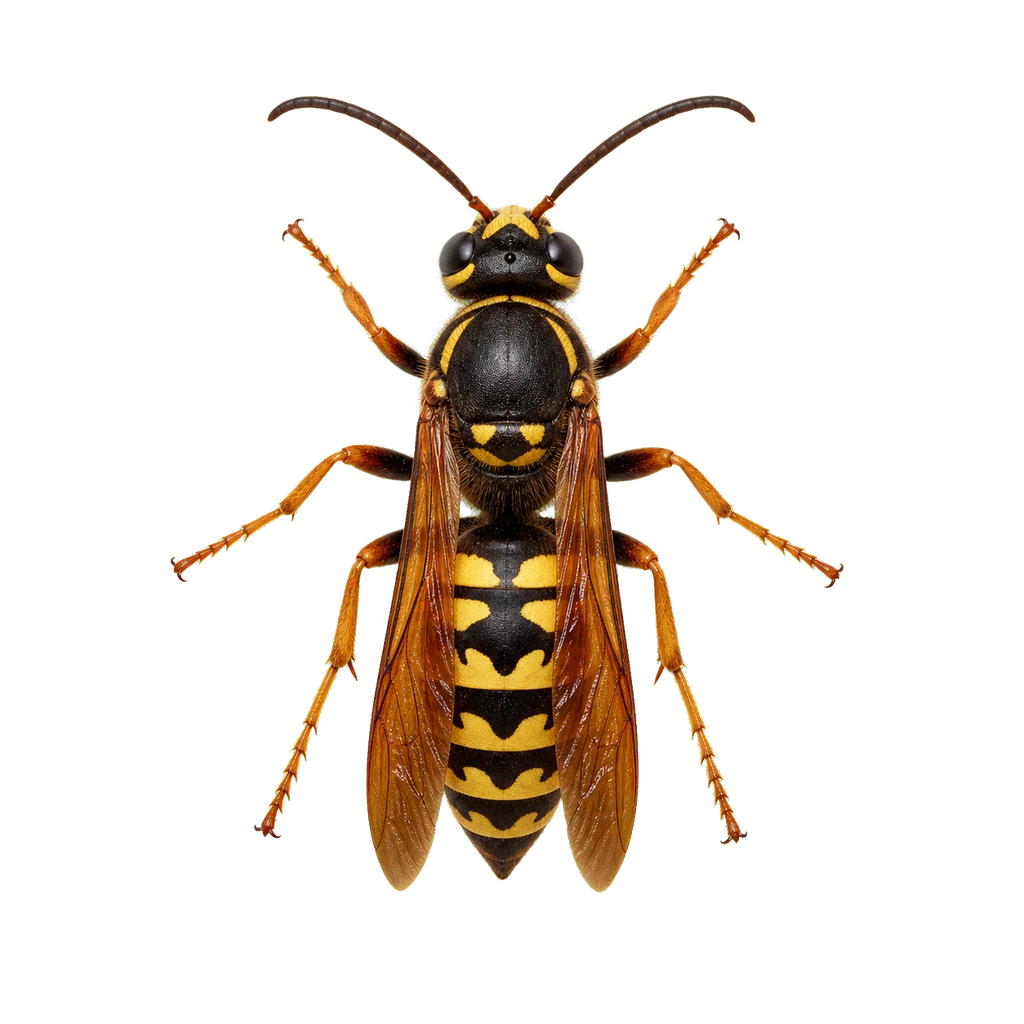
Cicada killers are impressively large solitary wasps that dig burrows in lawns and hunt cicadas to feed their larvae. Despite their intimidating size, females rarely sting and males cannot sting at all.
Learn More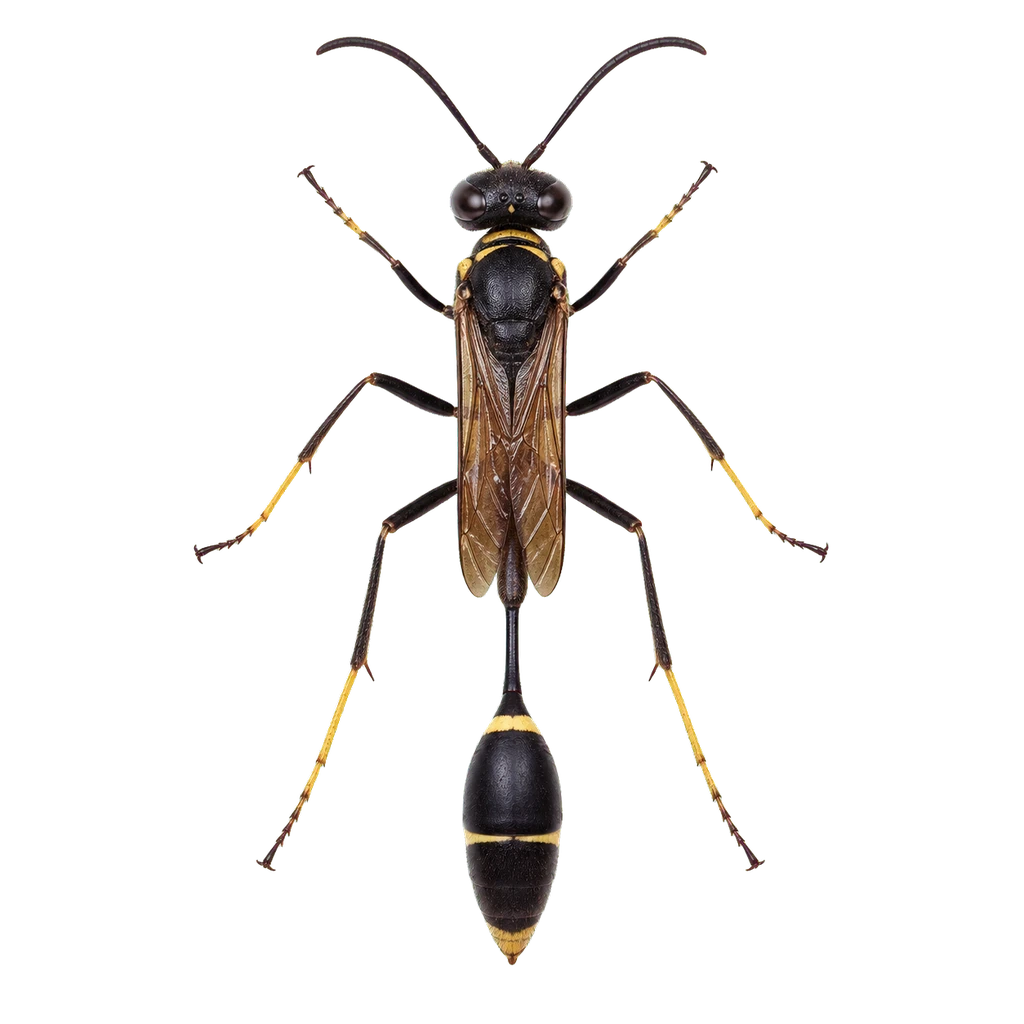
Mud daubers are solitary wasps that build tube-shaped mud nests on walls, ceilings, and under eaves. They rarely sting and actually help control spider populations, but their nests are unsightly and can clog equipment and block drainage.
Learn More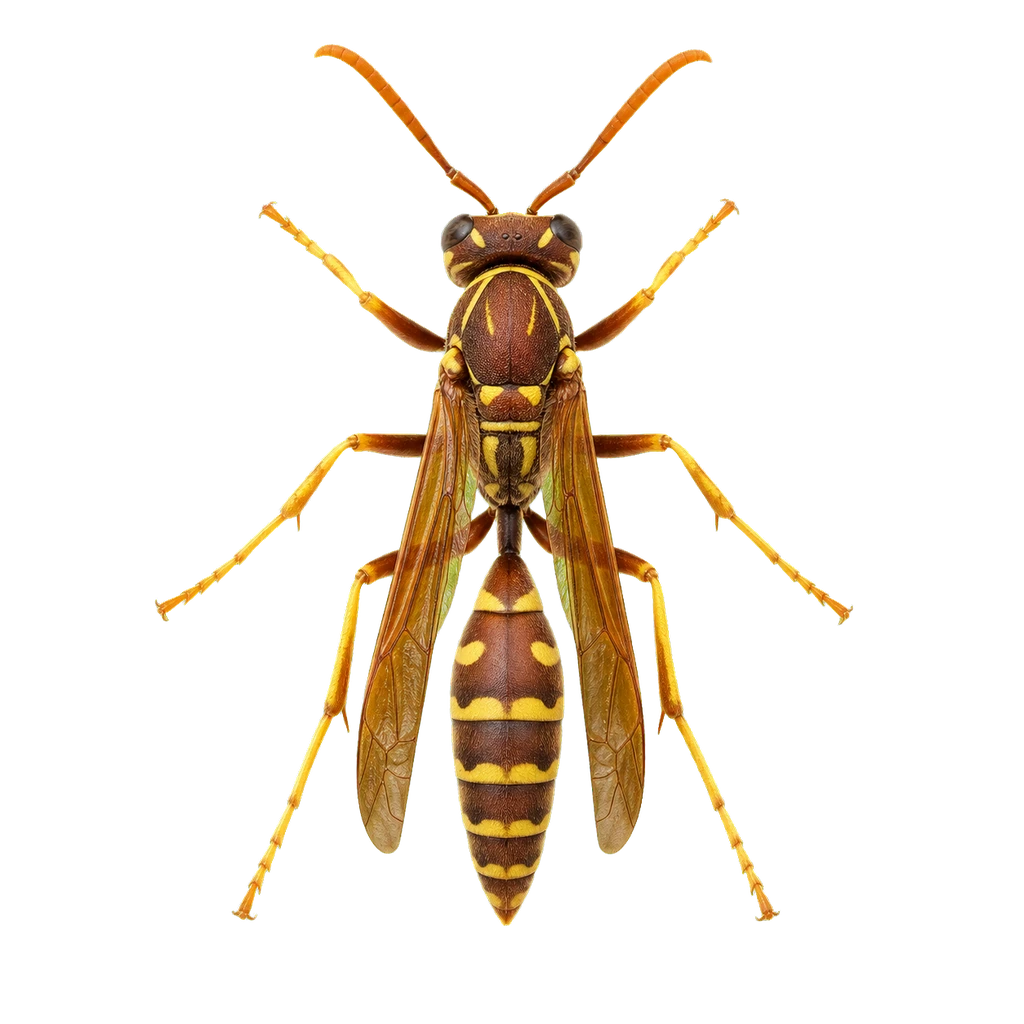
Paper wasps build open, umbrella-shaped nests under eaves, porch ceilings, and deck railings. They are less aggressive than yellow jackets but will sting repeatedly if their nest is threatened, making nests near entryways a concern for households.
Learn More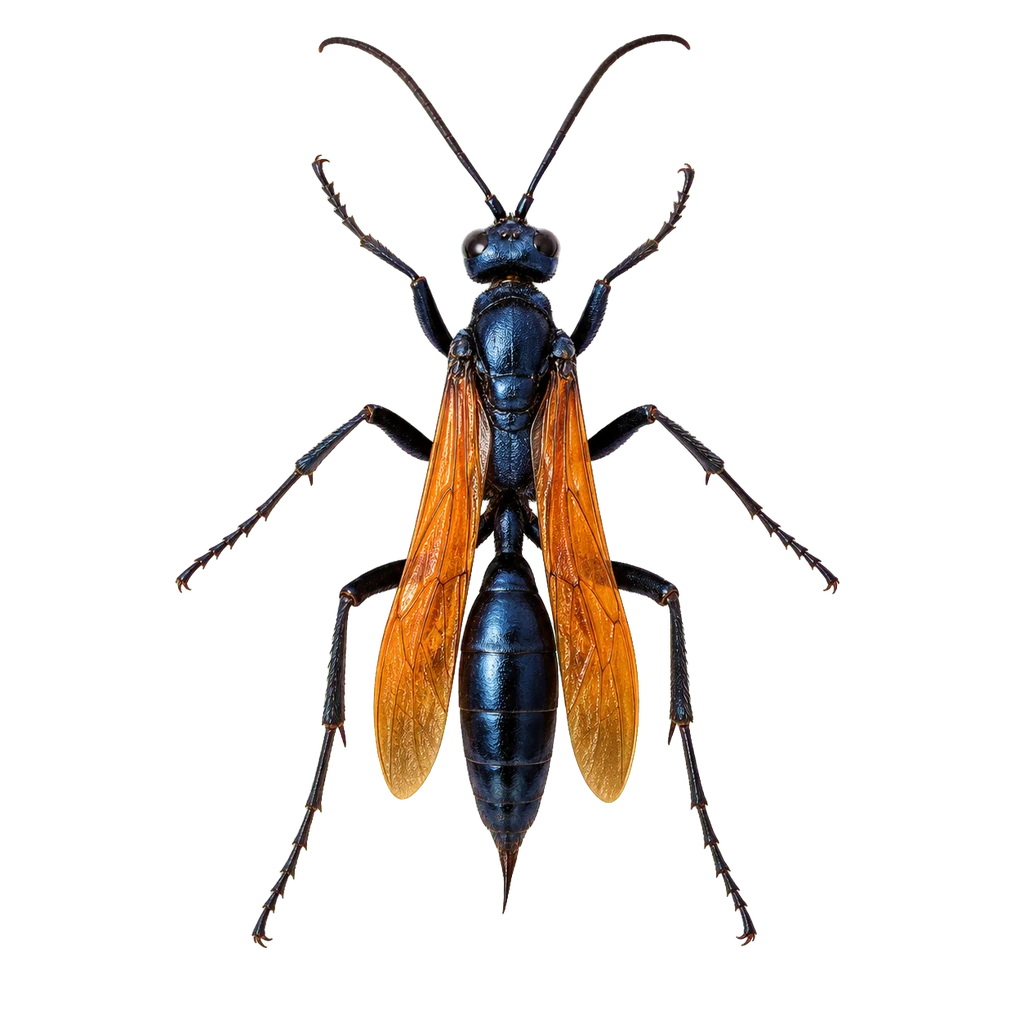
Tarantula hawks are massive spider-hunting wasps with a sting rated as one of the most painful of any insect. They hunt tarantulas to provision their nests and are commonly seen in the southwestern United States.
Learn More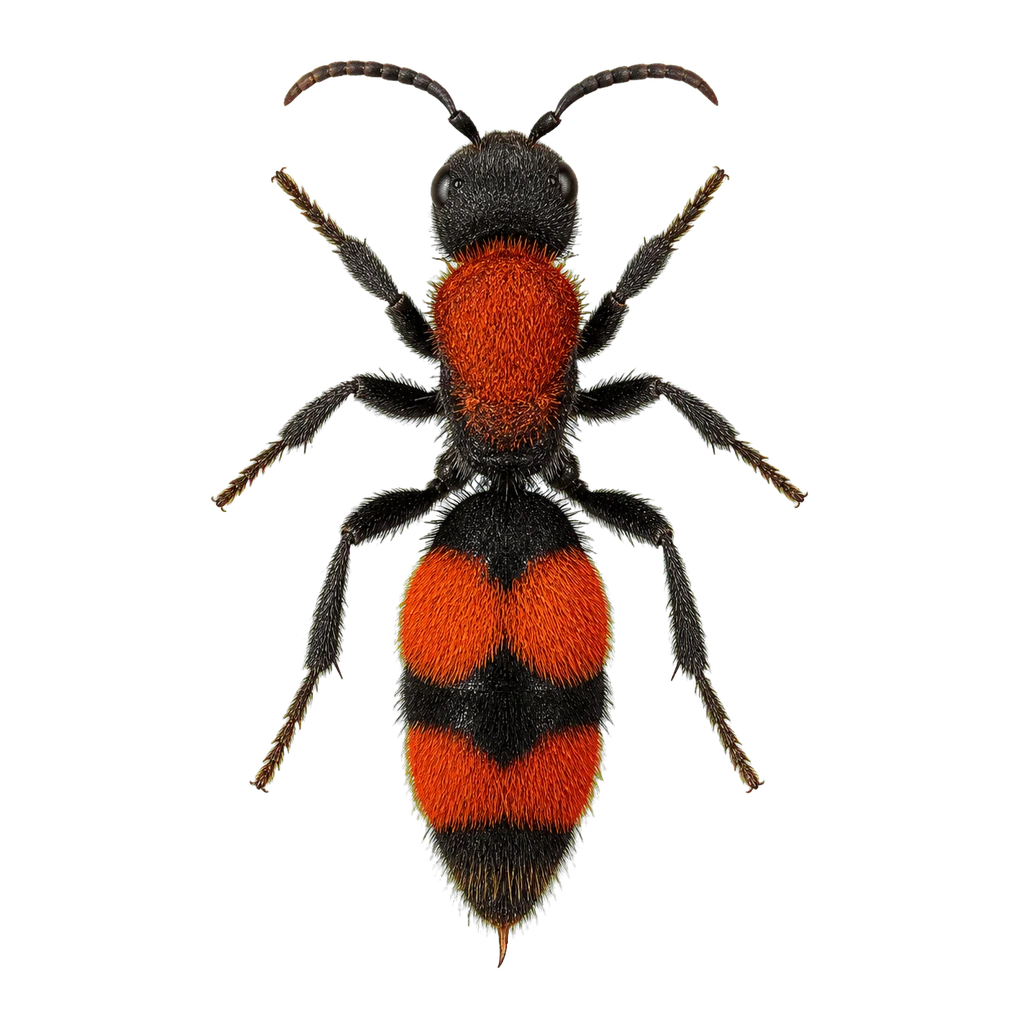
Velvet ants are actually wingless female wasps covered in bright, fuzzy hair. They deliver one of the most painful stings of any North American insect and are commonly encountered walking across lawns in southern states.
Learn More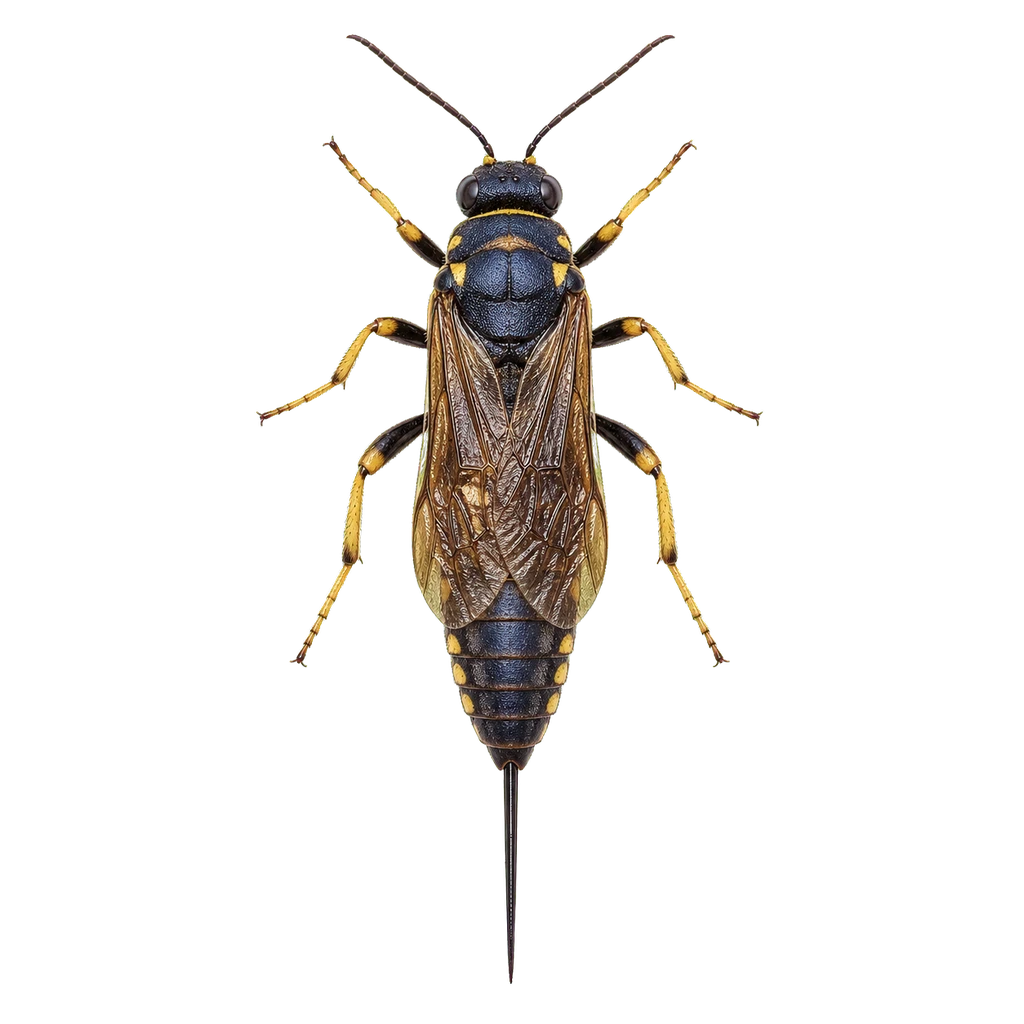
Wood wasps are large, intimidating-looking insects whose larvae bore through structural lumber. Despite their wasp-like appearance, they cannot sting and their damage is typically limited to the original wood they infested.
Learn More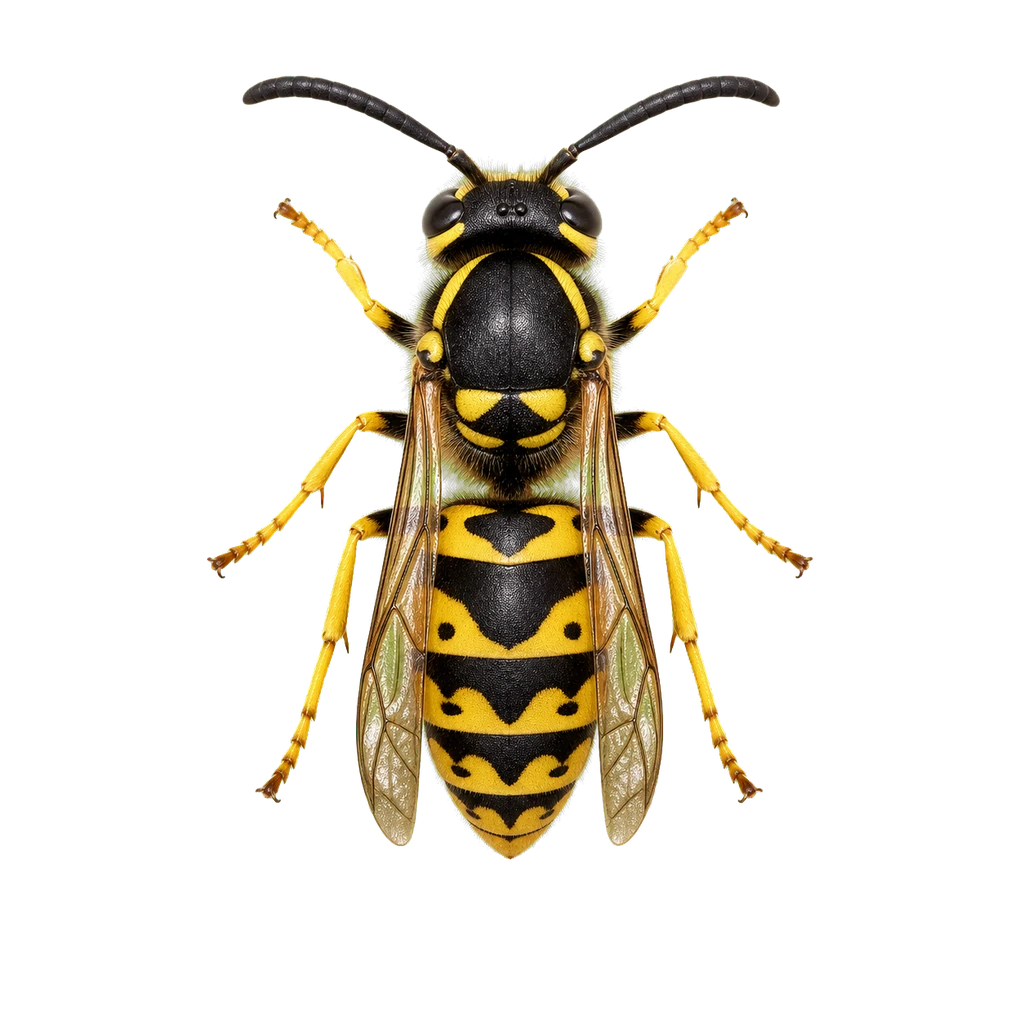
Yellow jackets nest underground, inside wall voids, and in other concealed spaces, making them easy to disturb accidentally while mowing or working in the yard. They are the most aggressive stinging insects around homes and are attracted to sugary drinks and outdoor food.
Learn MoreLocal providers who handle red wasps and other large southern paper wasps are ready to inspect and remove nests safely, no obligation.