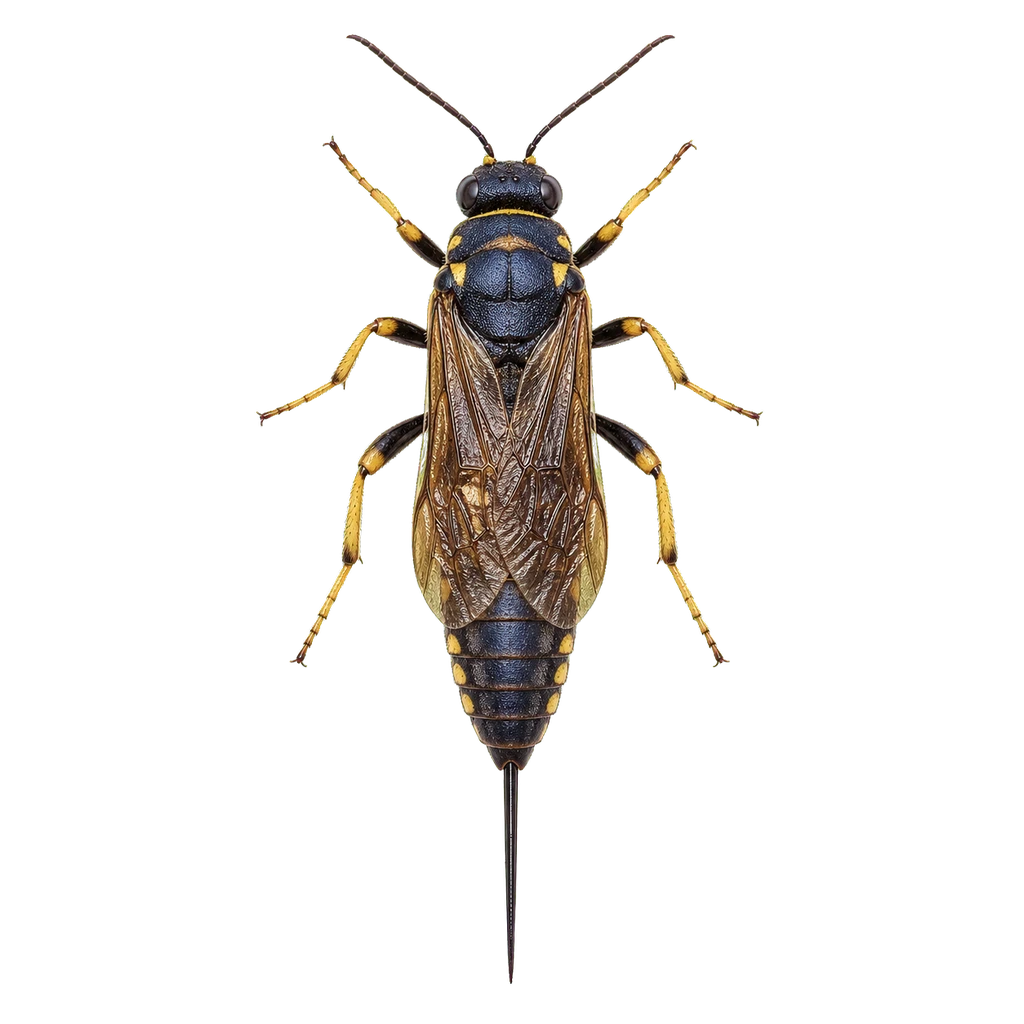
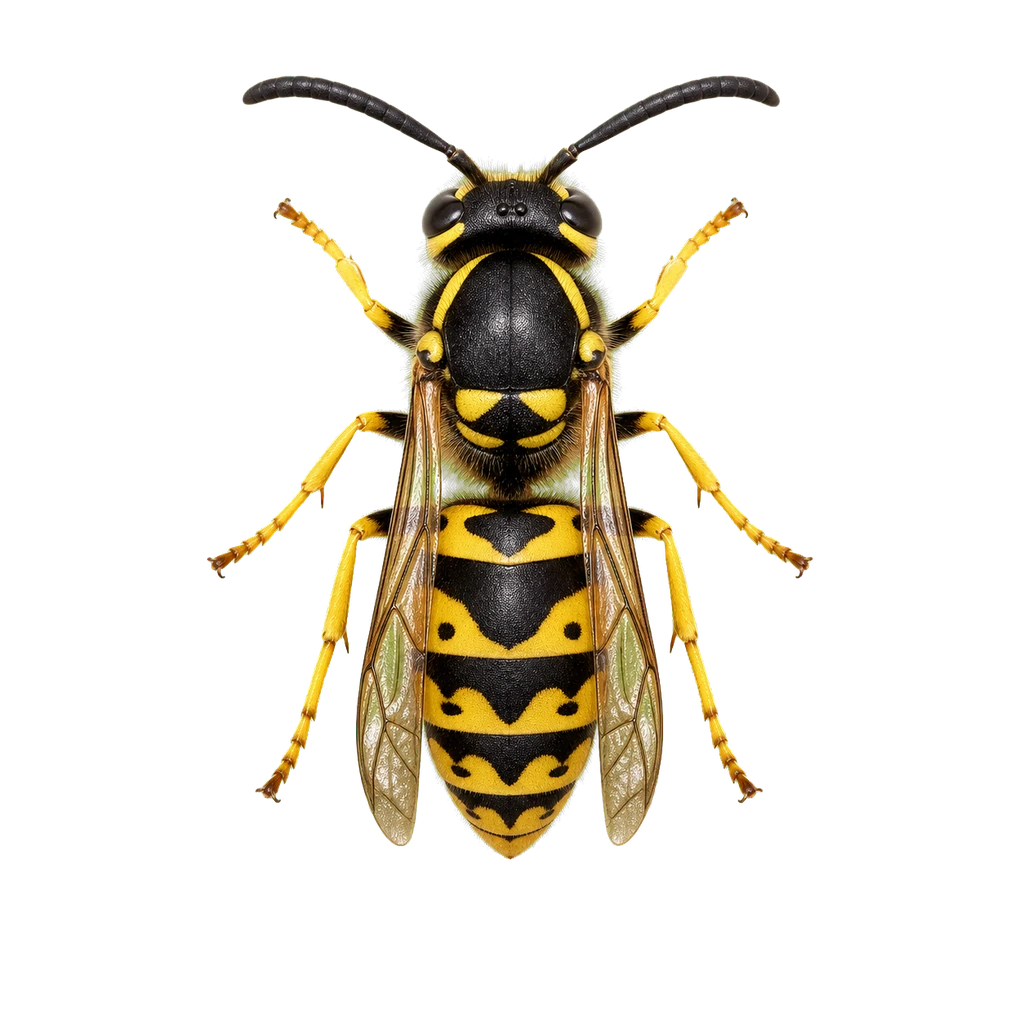
Local pest control help is one call away.

Velvet Ant: Identification, Treatment & Prevention

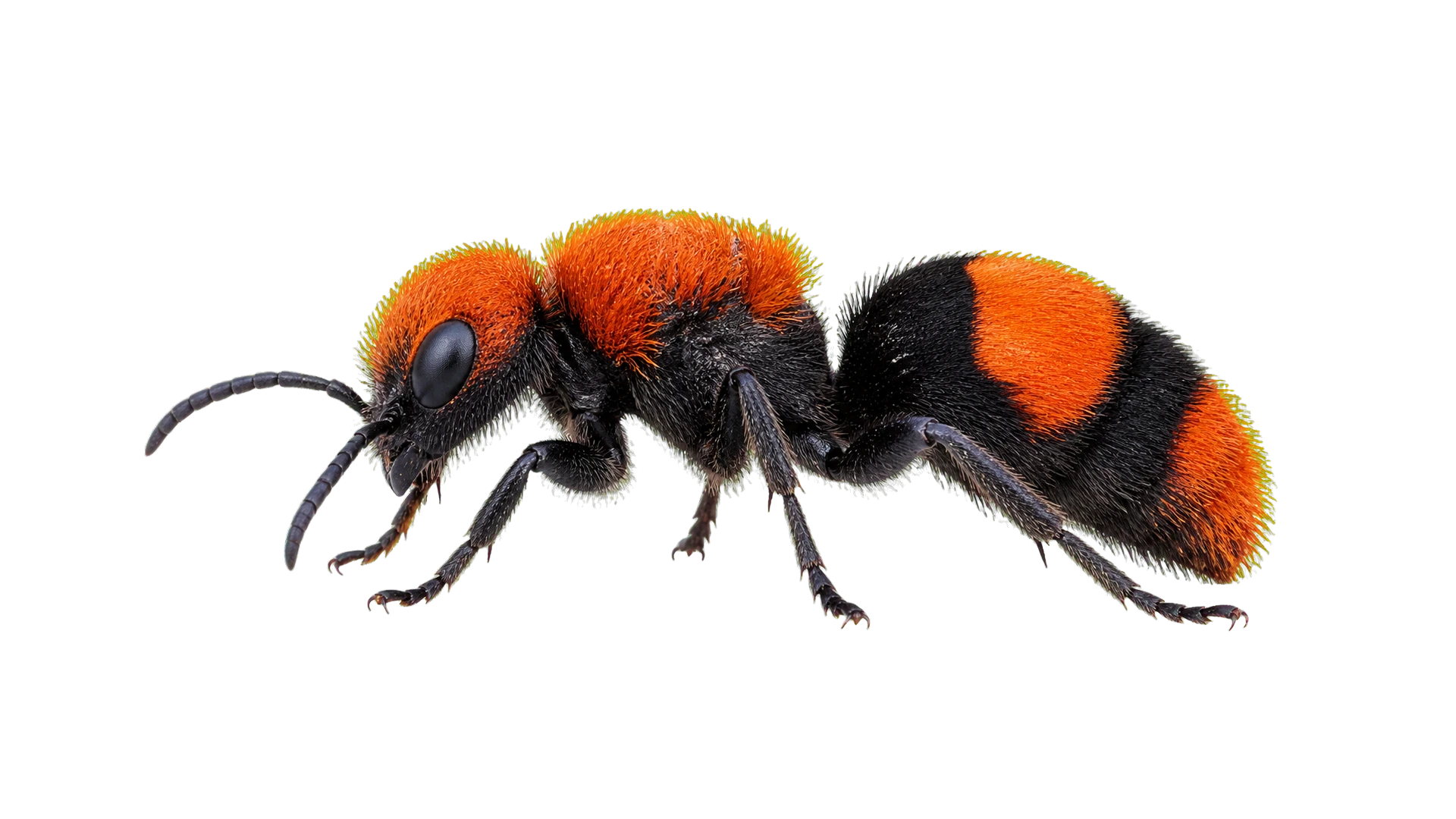
Velvet ants are not ants. The bright red, orange, or yellow fuzzy insect walking briskly across your sunny lawn is a wingless female wasp in the family Mutillidae, and the largest North American species, Dasymutilla occidentalis, earned the nickname 'cow killer' from folklore claiming its sting could drop a steer. The folklore is wrong about lethality, but the sting itself ranks 3.0 on the Schmidt Sting Pain Index, comparable to a hornet, with intense burning pain that radiates for 10 to 30 minutes after contact.

If you're seeing a solitary, fast-moving, brightly colored fuzzy insect on a sandy lawn, garden path, or patio in summer, with no nest and no group of similar insects nearby, you almost certainly have a female velvet ant hunting for ground-nesting bee or wasp burrows to parasitize. This guide covers how to identify them safely, why they're on your property, what a sting actually involves, and why the right response targets their host bees and wasps rather than the velvet ants themselves.

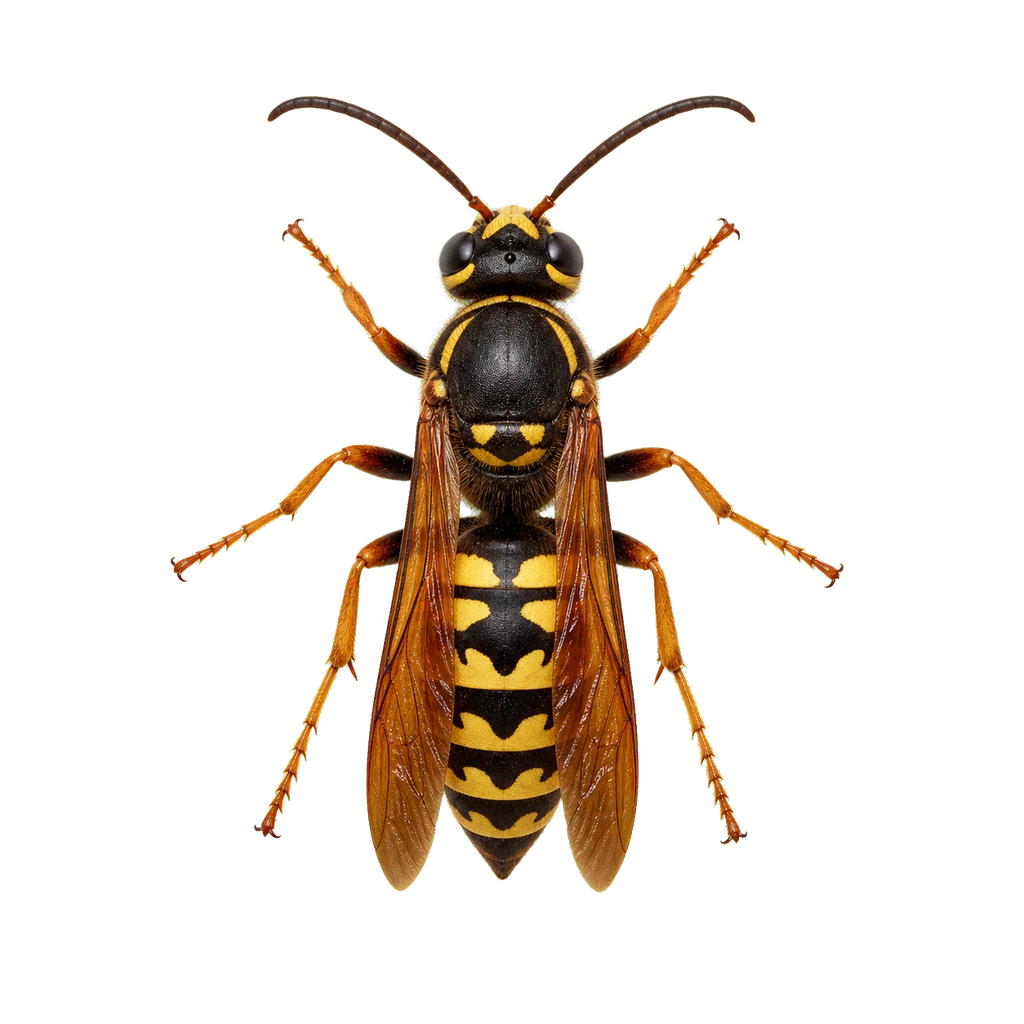
Close-up illustration of a velvet ant showing thick velvety hair and bright red and black warning coloration

ID Card: Velvet Ant

Scientific name
Dasymutilla occidentalis
Color
Black, bright orange-red velvet hair
Size
1/2 to 1 inch
Body shape
Densely fuzzy body, wingless females resemble large ants
Antennae
Elbowed, 12-13 segments
Key evidence
Brightly colored fuzzy insect running on ground, extremely painful sting
Also known as
Cow killers, Cow ants, Red velvet ants

Related Species

Call to get matched with a local pest control pro.

Available 24/7
(888) 495-1510
  • Specialists trained in stinging insect identification and host species mapping
  • Property assessment for ground-nesting bee and wasp habitat that supports velvet ant pressure
  • Sting safety guidance for households with allergic family members or barefoot lawn use

Where to Look for Velvet Ant Activity

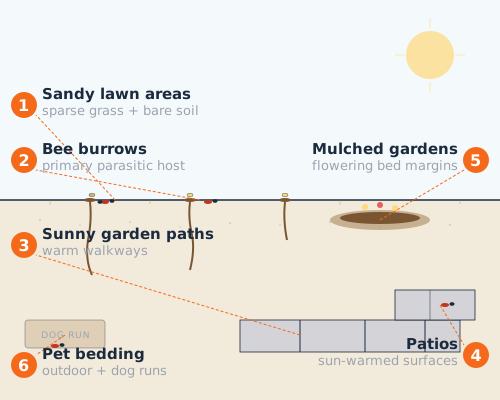
Cross-section illustration showing velvet ant hunting territory across sandy lawn, ground-nesting bee burrows, and cicada killer nest sites in patio cracks

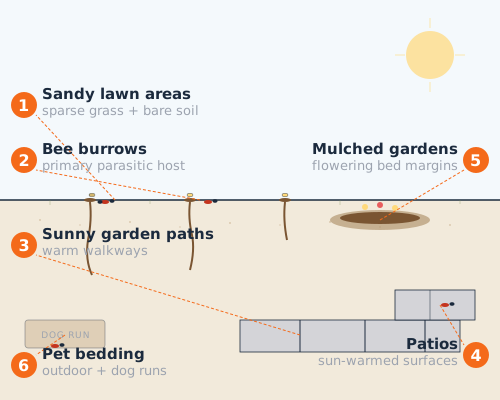
Velvet ants are active during the hottest part of summer afternoons, when females walk steadily across open, sun-warmed ground searching for ground-nesting bee and wasp burrows to parasitize. They don't build nests of their own, they don't form trails, and they don't aggregate, so you're looking for individuals on the move rather than groups. Walk the property in midday heat between June and August and scan these zones:

  • Sun-warm open lawn areas at midday, This is the primary observation zone. A single bright red, orange, or yellow fuzzy insect moving briskly across sparse turf during a hot afternoon is almost always a female velvet ant hunting host burrows.
  • Sandy soil patches and bare-dirt zones, Ground-nesting bees prefer well-drained, sparsely vegetated soil for their burrows, and velvet ants follow the hosts. Bare patches in a lawn, sandy areas along driveways, and worn paths through gardens all concentrate activity.
  • Around active ground-nesting bee colonies, Bumble bee nests in old rodent burrows, miner bee aggregations in lawn soil, ground bee burrows in sandy beds, every one of these host sites attracts velvet ants. Look for clusters of small holes 1/8 to 1/4 inch wide with loose soil around the rim.
  • Patio cracks and concrete seams with cicada killer activity, Cicada killer wasps nest in cracks along patios, sidewalks, and pool decks. These large solitary wasps are a primary velvet ant host, and the presence of cicada killer burrows on a patio sharply raises the chance of velvet ant sightings nearby.
  • Children's play areas, garden paths, and lawn edges, Anywhere bare feet, sandals, or knees regularly touch the ground in summer is where sting incidents happen. Walking these zones in shoes and scanning ahead is the single most effective sting prevention step.
  • Wood piles, rock walls, and shaded edges, Adult velvet ants rest in protected spots at the edges of their hunting territory. Stacked firewood, dry-stacked rock walls, and the bases of garden retaining walls all serve as daytime cover.

Velvet ants are solitary, so sightings count as individuals rather than colonies. A single observation in a corner of the yard rarely warrants action. Multiple sightings across several weeks in family-use zones tell you the property is hosting a healthy ground-nesting bee or wasp population, and that host population is what supplies the velvet ants. The sting itself causes intense burning pain that lasts 10 to 30 minutes and almost never requires medical care, but it ranks among the most painful insect stings in North America. For households with insect-sting allergies or small children who play barefoot on the lawn, that pain potential is reason enough to identify and reduce the host habitat.

Cross-section illustration showing velvet ant hunting territory across sandy lawn, ground-nesting bee burrows, and cicada killer nest sites in patio cracks
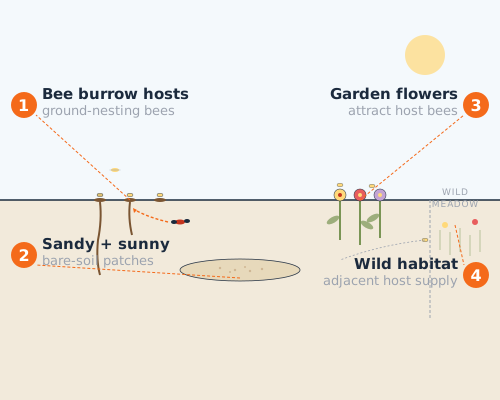
Illustration showing how velvet ants enter yards from regional habitat, locate ground-nesting bee burrows in sandy lawn, and parasitize host larvae in underground chambers

Why Do I Have Velvet Ants?

Velvet ants don't move into properties the way other yard insects do. They have no nests to build, no foraging trails to extend, and no group structure to expand. Each adult female lives alone and her single goal is finding ground-nesting bee or wasp burrows to parasitize. That means a velvet ant on your property is a symptom: the actual reason she's there is that your yard supports the host species she preys on. Reduce the hosts and the velvet ant pressure drops on its own within one or two seasons.

What brings velvet ants to your property:

  • Established ground-nesting bee or wasp population, this is the requirement, bumble bees in old rodent burrows, miner bees in lawn soil, ground bees in sandy beds, or cicada killers in patio cracks all serve as host nests that velvet ant larvae develop inside
  • Sandy, well-drained, sparsely vegetated soil, host bees prefer this substrate for their burrows, and any property with bare-dirt patches, sandy driveways, or thin lawn turf is naturally favorable habitat
  • Open, sun-exposed lawn with low ground cover, adult females search for host nests by walking across warm open ground during summer afternoons, dense shade and thick lawn cover make hunting harder and reduce activity
  • Adjacent meadows, fields, or undeveloped lots, surrounding undeveloped land supplies a steady regional population of host bees and wasps, even properties with excellent lawn care can see velvet ants traveling in from neighboring habitat
  • Warm summer climate, peak activity runs June through September across the southern and central US, properties in hot dry summer zones see the most activity

When a female velvet ant finds an active host burrow, she enters the tunnel and lays a single egg on or near the host larva inside one of the brood chambers. The velvet ant larva hatches in a few days and consumes the host larva, then pupates inside the abandoned host nest chamber. Several weeks later the adult velvet ant chews her way out and walks away. Every velvet ant you see is the end product of one parasitized host nest somewhere on the property or nearby. That's the lever for control, every ground-nesting bee or wasp nest you remove takes future velvet ants out of the system.

How Serious Is Your Velvet Ant Problem?

Find your scenario below. Each row reflects the actual sting-risk pattern for a solitary parasitoid wasp, not a generic colony progression.

What You're Seeing Severity If Untreated Next Step
One velvet ant spotted in the yard, no children or pets routinely on that lawn Early Individuals wander through, sting risk stays low if no one walks barefoot in that area Identify the species (red velvet ant is the largest and most painful), note where you saw it, and monitor. No treatment is needed unless contact risk grows.
Multiple sightings in main family lawn or near play areas across several weeks Moderate Repeat sightings confirm host bees or wasps are nesting on the property, sting incidents become a matter of time Locate and reduce ground-nesting bee or wasp habitat, the actual velvet ant supply. Enforce a shoes-on rule for kids on lawn areas this summer.
Sting incident in a family member or pet, plus weekly sightings in the yard High Sting risk is now confirmed, and an active host bee or wasp colony is almost certainly producing the velvet ants you're seeing Schedule a professional inspection this week for ground bee, bumble bee, or cicada killer nests on the property. Host nest control is what reduces future velvet ants.
Family member with insect-sting allergy plus active sightings, OR multiple ground-nesting bee or wasp colonies confirmed on property Urgent An allergic sting can trigger a medical emergency, and multiple host colonies multiply the velvet ant supply through the summer Call this week for same-week host habitat treatment. Confirm an epinephrine auto-injector is available for any allergic family member, and reduce sandy bare-soil patches that support host bees.
One velvet ant spotted in the yard, no children or pets routinely on that lawn
Severity Early
If Untreated Individuals wander through, sting risk stays low if no one walks barefoot in that area
Next Step Identify the species (red velvet ant is the largest and most painful), note where you saw it, and monitor. No treatment is needed unless contact risk grows.
Multiple sightings in main family lawn or near play areas across several weeks
Severity Moderate
If Untreated Repeat sightings confirm host bees or wasps are nesting on the property, sting incidents become a matter of time
Next Step Locate and reduce ground-nesting bee or wasp habitat, the actual velvet ant supply. Enforce a shoes-on rule for kids on lawn areas this summer.
Sting incident in a family member or pet, plus weekly sightings in the yard
Severity High
If Untreated Sting risk is now confirmed, and an active host bee or wasp colony is almost certainly producing the velvet ants you're seeing
Next Step Schedule a professional inspection this week for ground bee, bumble bee, or cicada killer nests on the property. Host nest control is what reduces future velvet ants.
Family member with insect-sting allergy plus active sightings, OR multiple ground-nesting bee or wasp colonies confirmed on property
Severity Urgent
If Untreated An allergic sting can trigger a medical emergency, and multiple host colonies multiply the velvet ant supply through the summer
Next Step Call this week for same-week host habitat treatment. Confirm an epinephrine auto-injector is available for any allergic family member, and reduce sandy bare-soil patches that support host bees.

Velvet ant pressure tracks the host bee and wasp population on your property. If you're between two rows, treat the higher one as your situation, since sting risk is what defines severity here.

How Velvet Ants Develop

Velvet ants have one of the strangest life histories of any North American insect. They are solitary parasitoid wasps, which means each female lives alone, builds no nest of her own, and depends entirely on the brood chambers of ground-nesting bees and wasps to raise her young. The lifecycle below is why velvet ant control is really host control, and why every adult you see in the yard means a host nest somewhere nearby was already parasitized.

  1. Egg

    A few days to hatch

    The adult female enters an active ground-nesting bee or wasp burrow and lays a single egg on or near a host larva or pupa inside one of the underground brood chambers. She typically lays one egg per host chamber and moves on to search for the next host nest, so a productive female parasitizes dozens of host larvae across the summer.

  2. Larva

    Roughly 2 to 4 weeks

    The velvet ant larva hatches and consumes the host larva or pupa from the outside, finishing the development the host was meant to complete. Velvet ant larvae are ectoparasitoids, meaning they live attached to the host and digest it slowly rather than swallowing it whole. The chamber stays sealed throughout this period.

  3. Pupa

    Roughly 2 to 4 weeks

    Once the host is consumed, the velvet ant larva spins a thin cocoon inside the abandoned host chamber and transforms into the adult form. The pupation cell is essentially the original host nest with all evidence of the host removed. In cooler regions or late-season generations, the pupa overwinters underground and the adult emerges the following spring.

  4. Adult

    Weeks to months across one summer

    The adult female chews her way out of the host chamber and walks away from the soil. Females cannot fly and travel entirely on foot, which is why you see them moving briskly across sunny lawns. Males are completely different in appearance, with wings and a wasp-like body, and they fly normally, visit flowers, and locate females for mating but cannot sting. Adult females live for weeks to months, hunting host nests across the warm season.

Every adult velvet ant you encounter in the yard is the end product of one parasitized ground-nesting bee or wasp nest. That direct one-to-one link is the single most useful fact about this species: there is no colony to collapse and no queen to target. The supply chain is the host bee and wasp population on your property and in the surrounding habitat. Removing or reducing that host population is the only intervention that meaningfully cuts future velvet ant pressure, which is why professional work focuses on the hosts rather than on the velvet ants themselves.

When Velvet Ants Are Most Active

Velvet ant activity is sharply seasonal because females need warm soil and active host nests to find prey. Knowing the calendar tells you which months matter for sting prevention and when host habitat treatment lands with the most impact.

  • Spring

    Adults overwinter as larvae or pupae inside host nest chambers underground. The first adult females emerge in late May and early June as soil warms into the 70s. Activity is light at first, since host bees and wasps are still establishing their own nests. This is the best window for host habitat modification, reseeding bare patches and sealing patio cracks before the host population gets established.

  • Summer

    Peak season runs June through August across most of the US. Females are actively walking across sunny lawns during the hottest hours of the afternoon, hunting for ground-nesting bee and wasp burrows to parasitize. This is when sting incidents happen, almost always when a barefoot family member steps on or near a wandering female. Daily sightings on a single property are normal during this window.

  • Fall

    Late-season adult females continue searching for host nests through September, sometimes into early October in southern regions. Activity tapers as host bees and wasps complete their own breeding cycles and overall stinging-insect pressure drops. First hard frost ends adult activity for the year, with the next generation already overwintering safely inside parasitized host nests underground.

  • Winter

    No adult activity at the surface. Velvet ant larvae and pupae sit dormant inside host nest chambers below the frost line, completing their development underground. Host habitat work during winter has no effect on the next summer's velvet ants, since they're already sealed inside host chambers, but it does reduce the host population that will emerge next spring to supply the following season's velvet ants.

Why Velvet Ants Aren't a Spray-on-Sight Problem

Velvet ant stings are intensely painful but rarely medically dangerous unless the person stung is allergic to insect venom. The Schmidt Sting Pain Index rates the red velvet ant at 3.0 out of 4.0, comparable to a hornet sting and noticeably less than a tarantula hawk. Pain typically lasts 10 to 30 minutes, with localized swelling and redness for several hours. There is no necrotic effect, no spreading toxin, and no risk of disease transmission. A cold compress, an antihistamine, and shoes on the lawn cover most household exposure.

Spraying a velvet ant on sight feels useful but accomplishes almost nothing for property-level control. Each adult female you see is the end product of one parasitized host nest somewhere on the property or in the surrounding area, and killing her doesn't change how many more are about to emerge from the host nests already producing them. The supply chain is the ground-nesting bee or wasp population, and the velvet ants will keep arriving as long as the hosts keep nesting.

Professional service flips the focus entirely. The inspection maps ground bee aggregations, bumble bee burrows, miner bee patches, and cicada killer nests on the property. Treatment targets the host nests directly, removing the larvae that velvet ant females need to complete their lifecycle. Habitat modification, reseeding bare patches with dense turf, repairing patio cracks, and adjusting irrigation, makes the property less favorable for host bees in future seasons. Within one or two summers the velvet ant pressure drops, because the supply of host nests on the property drops.

A typical assessment runs $150 to $400 for inspection alone. Host habitat treatment plus modification runs $300 to $800 in most regions. There is no recurring program for velvet ants the way there is for cockroaches or rodents, because velvet ants are seasonal visitors rather than residents. Once the host population is reduced, the work is largely done until the next generation of host bees moves in from the surrounding habitat.

What Changes When a Pro Shows Up

Velvet ant work is unusual because the velvet ants themselves are rarely the treatment target. A specialist's job is to identify the ground-nesting bee or wasp host population on the property, reduce that habitat, and give the household a clear sting-safety plan. Here's what changes:

Pest control technicians after completing a velvet ant and host habitat assessment
  • Local Pest Control
  • 24/7 Availability
  • Quality Workmanship
  • Eco‑Friendly Options
  • Trusted by Homeowners
  • They Identify the Host Species, Not Just the Velvet Ant

    A walk-through maps ground bee aggregations, bumble bee nests, miner bee patches, and cicada killer burrows across the property. Knowing which host species is supplying the velvet ants determines which treatment approach actually moves the population down.

  • They Treat the Hosts, Not Each Velvet Ant

    Targeted product application at ground bee burrows and cicada killer nest entries removes the host larvae that velvet ants depend on. A single afternoon of host nest treatment removes more future velvet ants than years of spraying individual wasps on the lawn.

  • They Modify the Habitat

    Sandy bare-dirt patches in the lawn are the substrate host bees prefer. Reseeding bare patches with dense turf, repairing concrete cracks where cicada killers nest, and adjusting irrigation to discourage bare-soil zones all reduce future host populations and the velvet ants they supply.

  • They Build a Sting-Safety Plan

    For households with allergic family members or young children, the inspection includes specific lawn zones to avoid during peak summer afternoons, recommended footwear practices, and clear first-aid steps if a sting happens. Velvet ant stings are intensely painful but almost always resolve with cold compress and antihistamine at home.

  • Local Pest Control
  • 24/7 Availability
  • Quality Workmanship
  • Eco‑Friendly Options
  • Trusted by Homeowners
NoToPests home

One call connects you with a local specialist who knows velvet ants and your area.

Be Ready When You Call

Pest control technician arriving for velvet ant and host habitat assessment
Junho L.
Daisuke P.
Kirk Q.
Marion K.

Trusted by homeowners nationwide

Call for Pest Control Help (888) 495-1510

Can You Handle This or Do You Need Help?

Velvet ants are unusual because most of the useful response is personal protection and host management, not direct treatment of the wasps themselves. The biology of a solitary parasitoid wasp changes what DIY can accomplish and what a professional actually adds.

What DIY Can Do

DIY work for velvet ants is built around personal safety and observation, not population control. Useful steps with honest limits:

  • Identification from a safe distance, photograph any bright fuzzy insect on the lawn and compare it to red velvet ant or other Mutillidae images, do not touch under any circumstance
  • Shoes-on rule for lawn use during summer afternoons, this prevents the large majority of household stings since females are walking at ground level
  • Documenting host nest sightings, mark the location of ground bee burrows or cicada killer holes and share with the specialist on the inspection visit
  • Cold compress and antihistamine for any sting, monitor for allergic reaction and seek emergency care only if breathing is affected or symptoms spread systemically
  • What DIY cannot safely do: handle individual velvet ants, treat the underlying host bee or wasp nests, or reduce regional pressure from surrounding habitat.

What a Pro Does Differently

Professional velvet ant work is built around host species identification and habitat modification. Here's what changes when you call:

  • Property survey that maps ground bee aggregations, bumble bee nests, miner bee patches, and cicada killer burrows, the actual treatment targets that supply velvet ants
  • Targeted host nest treatment that removes the host larvae velvet ant females depend on, eliminating the supply chain rather than chasing individual wasps
  • Habitat modification, reseeding bare-dirt patches with dense turf, repairing concrete cracks, and adjusting irrigation to discourage host bee nesting in future seasons
  • Sting-safety planning for households with allergic family members or barefoot lawn use, including specific zones to avoid during peak afternoons
  • Realistic timeline, velvet ant pressure drops over one to two summers as host populations shrink, not overnight.

Suspect Velvet Ants? Don't Wait.

Velvet ant stings rank among the most painful in North America and the hosts that supply them are usually already established on the property. Connect with a local specialist who maps the host nests, treats the supply chain, and gives you a clear sting-safety plan.

Available 24/7
(888) 495-1510

What Homeowners Say After Getting Help

Real results from people who had the same problem and solved it.

Donna X.
Donna X.
Idaho Falls, ID

"Wasp nests removed from every eave."

Every summer, wasps would build nests around our roof and porch. The tech removed the nests safely and treated the areas to discourage rebuilding. They explained the seasonal pattern so we know when to watch for activity.

Donna X.
Donna X.
Idaho Falls, ID

"Wasp nests removed from every eave."

Every summer, wasps would build nests around our roof and porch. The tech removed the nests safely and treated the areas to discourage rebuilding. They explained the seasonal pattern so we know when to watch for activity.

Helen D.
Helen D.
Rochester, MN

"Wasps removed from the wall cavity."

We noticed wasps entering a gap near the soffit. The provider carefully removed the nest from inside the wall cavity and sealed the opening. They were calm and methodical throughout the whole process.

Moses T.
Moses T.
Great Falls, MT

"Large wasp nest safely removed."

We didn't notice the wasp nest until it was large enough to be dangerous. The provider removed it safely and treated the area to prevent rebuilding. They explained that catching nests early makes removal much easier.

Quincy F.
Quincy F.
Minot, ND

"Porch wasps moved on for good."

Every summer, wasps would rebuild nests under our porch roof. The provider removed the nest, treated the area, and explained what conditions attract them. Adjusting the area made them choose elsewhere.

Orlando Z.
Orlando Z.
Brookings, SD

"Eave wasp nests cleared and deterred."

Every summer, wasps built nests under our roof eaves. The tech removed the nests and treated the area with a deterrent. They explained the nesting cycle so we could catch new activity earlier.

Shinji A.
Shinji A.
Jackson, WY

"Cabin eave wasp nests cleared and deterred."

Every summer, wasps would build large nests under our cabin eaves. The crew removed them and treated the area to deter rebuilding. They explained the nesting cycle so we could catch new activity earlier in the season.

Deon J.
Deon J.
Gadsden, AL

"Spring wasp nests removed before they spread."

Every spring, paper wasps would appear under the eaves and near the porch lights. The pro removed the nests and treated the areas to discourage rebuilding. They explained the nesting patterns so we know when to watch for early activity.

Davon A.
Davon A.
Kenai, AK

"Shed wall wasps removed and sealed out."

We discovered a wasp nest inside the wall of our storage shed. The pro removed the colony and sealed the gap they used for access. They recommended checking outbuildings each spring before nests get established.

Arthur B.
Arthur B.
Russellville, AR

"Patio wasp nests cleared and prevented."

Every summer, wasps nested under the patio cover and made outdoor dining impossible. The crew removed the nests and treated the wood with a deterrent. They explained the timing for early-season prevention before colonies establish.

Harry S.
Harry S.
Pueblo, CO

"Soffit wasp colony removed and sealed."

A wasp colony established itself inside the soffit above our front door. The crew removed the nest and sealed the opening. They explained that Colorado's warm days and cool nights make soffits attractive nesting spots for wasps.

Juana L.
Juana L.
Norwalk, CT

"Pool-deck wasps removed and area treated."

Yellow jackets built a ground nest near our pool and were stinging guests. The pro located and removed the nest and treated the surrounding area. They explained how sweet drinks and food attract yellow jackets to outdoor entertaining areas.

Huan R.
Huan R.
Milford, DE

"Mailbox post cleared of wasps."

Paper wasps built a nest inside the hollow mailbox post and stung the mail carrier. The pro removed the nest and treated the post. They recommended checking hollow posts and fixtures each spring before colonies establish.

Malcolm J.
Malcolm J.
Lakeland, FL

"Light fixtures cleared of wasp nests."

Every spring, wasps would nest inside the porch light covers. The provider removed the nests and treated the fixtures with a deterrent. Switching to yellow-tinted bulbs also reduced the insect activity that attracts wasps.

Chen Q.
Chen Q.
Alpharetta, GA

"Deck made safe again, wasps cleared."

Wasps built nests between the deck boards and joists, making it dangerous to walk barefoot. The provider removed the nests and treated the undersides of the boards. Annual spring treatments have kept the deck wasp-free since.

Esmeralda S.
Esmeralda S.
Mililani, HI

"Storage closet cleared of wasp colony."

A paper wasp colony had established inside our lanai storage closet. The provider removed the nest and treated the area. They recommended checking enclosed outdoor spaces monthly since Hawaii's warm climate allows year-round nesting.

Christopher X.
Christopher X.
Caldwell, ID

"Patio furniture wasps cleared safely."

Paper wasps nested under our outdoor dining set and we didn't notice until someone was stung. The provider removed the nests and treated the patio area. They recommended checking under furniture and planters in spring.

Anabel V.
Anabel V.
Joliet, IL

"Swing set wasps removed and sealed out."

A wasp colony built inside the hollow posts of our kids' swing set. The provider removed the nest and sealed the open tube ends. They recommended inspecting play equipment each spring before kids start using it.

Renisha S.
Renisha S.
Anderson, IN

"Front walkway wasp ground nest removed."

Yellow jackets built a nest in the ground near our front walkway and were stinging visitors. The provider located the nest entrance and removed the colony. They treated the area to deter rebuilding.

Yadira K.
Yadira K.
Dubuque, IA

"Shed yellow jacket colony safely removed."

A yellow jacket colony grew under the garden shed and we couldn't mow near it. The provider removed the nest and treated the ground. They recommended checking under sheds and decks in early spring to catch colonies before they grow.

Encarnacion R.
Encarnacion R.
Garden City, KS

"Trash area cleared of swarming wasps."

Wasps were constantly around the trash cans making it dangerous to take out the garbage. The provider removed nearby nests and treated the area. They recommended tightly sealed lids and rinsing cans regularly.

Francis Q.
Francis Q.
Hopkinsville, KY

"Grill cover nest removed and area treated."

We lifted the grill cover and found a wasp nest inside. The provider removed it and treated the patio area. They suggested storing the grill cover inside or checking before each use during warm months.

Kate S.
Kate S.
Ruston, LA

"Attic vents screened and wasps cleared."

Wasps built nests inside the attic gable vents. The provider removed the colonies and installed mesh screens over the vents. They recommended checking vents each spring to prevent new colonies from establishing.

Jayson P.
Jayson P.
Saco, ME

"Garage ceiling wasp nest cleared safely."

A large paper wasp nest formed on the garage ceiling near the opener. The provider removed it and treated the area. They recommended checking the garage each spring before nests get large enough to be dangerous.

Lillian W.
Lillian W.
Bowie, MD

"Swing set cleared and sealed safely."

A wasp colony built inside the hollow beam of the swing set. The provider removed the nest and sealed the openings. They suggested checking play equipment each spring before the kids start using it.

Silvia P.
Silvia P.
Quincy, MA

"Patio ground nest located and removed."

Yellow jackets built a ground nest under the patio pavers. The provider located and removed the nest. They treated the surrounding area and explained why ground nests are harder to spot than aerial ones.

Reed G.
Reed G.
Traverse City, MI

"Boat dock wasps cleared each summer."

Paper wasps built nests under the dock every summer. The provider removed the nests and treated the structure. They recommended spring inspections before the dock gets heavy use.

Tuan U.
Tuan U.
Owatonna, MN

"Garage door tracks cleared of wasp nests."

Paper wasps built nests in the garage door track channels. The provider removed the nests and treated the track areas. They recommended checking the tracks each spring before the first use of the season.

Randy B.
Randy B.
Starkville, MS

"Carport kept wasp-free with annual treatment."

Multiple wasp nests appeared in the carport ceiling every summer. The provider removed them and treated the ceiling. Annual spring treatment before nesting season begins has kept the carport wasp-free.

Jaime O.
Jaime O.
Cape Girardeau, MO

"Mailbox nest cleared and area treated."

A small wasp colony built inside our mailbox and the mail carrier was stung. The provider removed the nest and treated the area. Checking the mailbox in spring before nesting season prevents a repeat.

Nayeli R.
Nayeli R.
Kalispell, MT

"Cabin eaves cleared of wasp nests."

Paper wasps built nests under every eave of our cabin. The provider removed the nests and treated the wood. Spring inspections before cabin season prevent surprises.

Haru S.
Haru S.
Hastings, NE

"Shed walls cleared and sealed against wasps."

Opened the shed door to grab the weed whacker and a steady stream of paper wasps came pouring out of a knothole. I shut that door fast. The tech treated the wall cavity, removed the nest, and caulked every gap he could find. Annual spring checks are now on my calendar so I do not get surprised again.

Tina O.
Tina O.
Fallon, NV

"Irrigation valve box cleared of wasps."

Yellow jackets built a nest inside the irrigation valve box and were stinging when we adjusted sprinklers. The provider removed the colony and treated the box. Checking valve boxes before irrigation season prevents surprises.

Ravi Q.
Ravi Q.
Dover, NH

"Attic vent cleared and screened against wasps."

Wasps streaming in and out of the gable vent all afternoon, you could see them from the driveway. The tech suited up, removed a softball-sized nest from inside the attic, and installed fine mesh screening across both gable vents. He suggested I check them every spring before things warm up. Two seasons later, no wasps.

Raven C.
Raven C.
Paterson, NJ

"Front step ground nest located and removed."

Yellow jackets built a ground nest near the front steps and were stinging visitors. The provider located the nest entrance and eliminated the colony. They treated the surrounding area to deter rebuilding.

Taylor U.
Taylor U.
Los Lunas, NM

"Stucco weep holes screened against wasps."

Wasps entered through stucco weep screeds and built nests inside the wall cavity. The provider treated the cavity and installed mesh screens over the weep openings. Annual checks prevent recurrence.

Anya M.
Anya M.
New Rochelle, NY

"Deck stair ground nest located and removed."

Yellow jackets built a ground nest near the deck stairs. The provider removed the colony and treated the surrounding area. They explained ground-nest behavior and how to spot early signs.

Mike S.
Mike S.
High Point, NC

"Shutter wasp nests cleared and treated."

Paper wasps built nests behind the decorative shutters on the front of the house. The provider removed the nests and treated the shutter mounting areas. Checking behind shutters each spring prevents new colonies.

Bianca V.
Bianca V.
Wahpeton, ND

"Garage ceiling wasp nest removed safely."

Pulled the garage door opener cord one Saturday and heard the buzz before I saw the football-sized nest in the corner of the ceiling. I quietly backed out. The tech suited up, removed the whole thing, and treated the framing. He told me to do a spring walkthrough every year before the garage gets regular use. Adding it to my March checklist.

Eva M.
Eva M.
Youngstown, OH

"Soffit cleared and opening sealed."

Standing at the front door dropping off Halloween candy with the kids, a wasp landed on my hand. Then another. Looked up and saw a steady stream going in and out of a gap in the soffit. The tech came the next morning, suited up, removed the nest from inside, and caulked the gap. Two seasons in and the soffit is still tight.

Larry I.
Larry I.
Bartlesville, OK

"Pool deck ground nest located and removed."

My nephew got stung four times in two minutes during a Memorial Day pool party. We thought it was one wasp until we noticed the steady stream coming up from a hole near the umbrella stand. The tech came out the next morning, knocked out the ground nest, and treated the surrounding area. He talked us through keeping drinks covered and away from the entry. No stings since.

Common Questions About Velvet Ants

Direct answers to what homeowners ask most about identification, sting risk, and why host bees and wasps drive the whole problem.

  • What are velvet ants and how do I identify them? Toggle answer for: What are velvet ants and how do I identify them?

    Velvet ants are not actually ants, and theyare wingless female wasps in the family Mutillidae, covered in dense, velvety hair that is often brightly colored in combinations of red, orange, black, and white. The most common species in the U.S. Is the cow killer (Dasymutilla occidentalis), a striking large insect (about 3/4 inch) with bright reddish-orange and black fuzzy hair. They are typically seen running quickly across lawns, bare soil, and sandy areas in summer, where they search for the ground-nesting bee and wasp burrows in which they lay their eggs. Their distinctive fuzzy appearance and fast, ground-running behavior make them easy to recognize once you know what to look for.


  • How painful is a velvet ant sting? Toggle answer for: How painful is a velvet ant sting?

    Female velvet ants deliver one of the most painful stings of any North American insect, thecow killer velvet ant's sting is rated near the top of the Schmidt Sting Pain Index. The intense, burning pain can last 20 to 30 minutes, which is how the cow killer earned its common name (though the sting is not actually dangerous to livestock or humans in terms of venom toxicity). Velvet ants will only sting in self-defense when stepped on barefoot or physically handled. They are solitary insects, not colony-dwelling, so there is no risk of a swarming defensive response. The simplest prevention is wearing shoes when walking on lawns and sandy areas during summer, and avoiding picking up any brightly colored, fuzzy insect found running on the ground.

  • Why do wasps keep building nests near my home? Toggle answer for: Why do wasps keep building nests near my home?

    Wasps are attracted to sheltered spots near food sources. Eaves, porch ceilings, shutters, and deck railings offer protected nesting sites. Outdoor trash, sugary drinks, pet food, and protein-rich grilling areas provide the food wasps need. Removing old nests (wasps don't reuse them, but the scent attracts new queens), sealing eave gaps, and managing food attractants reduces nesting pressure.

  • Are wasp stings dangerous? Toggle answer for: Are wasp stings dangerous?

    For most people, a wasp sting causes localized pain and swelling that resolves in a few hours. However, wasps can sting multiple times (unlike honeybees), and for individuals with venom allergies, a single sting can trigger anaphylaxis, alife-threatening reaction. If a nest is near a high-traffic area like a doorway, patio, or playground, removal is strongly recommended.

  • How quickly can a provider get to my home? Toggle answer for: How quickly can a provider get to my home?

    Most providers in our network can schedule an inspection within 24-48 hours. For urgent situations, likeactive structural damage or large colonies, same-week emergency service is often available. Response times depend on your location and the provider's current schedule.

  • What happens during the first visit? Toggle answer for: What happens during the first visit?

    Your provider inspects the property to identify the pest, locate nesting or entry points, and assess the scope of the problem. You get a clear explanation of what they found, what they recommend, and a written scope before any work begins.

  • Is treatment safe for kids and pets? Toggle answer for: Is treatment safe for kids and pets?

    Modern pest control products are designed to break down quickly after application and pose minimal risk to people and pets when applied correctly. Most providers ask you to keep kids and pets out of treated areas for 1 to 2 hours while the product dries, after which the area is generally safe again. Always confirm specific re-entry times with your provider, and let them know about pet birds, fish, or reptiles, since some treatments require extra precautions for those species.

Pest Control Pros serving the city of the state of your city and nearby areas

Local providers who handle stinging insects and ground-nesting host bee management are ready to inspect, treat the hosts, and follow up, no obligation.

Available 24/7
(888) 495-1510