Local pest control help is one call away.

Tarantula Hawk: Identification, Treatment & Prevention

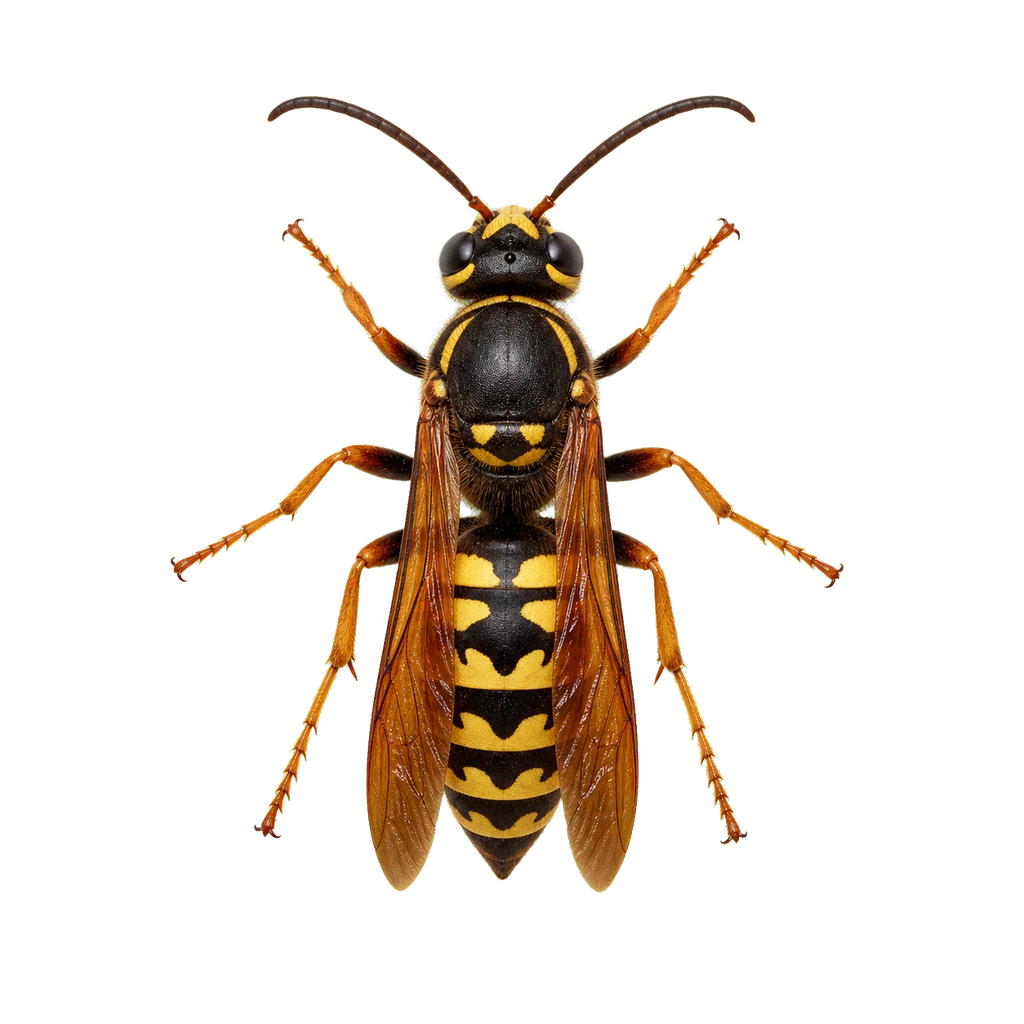
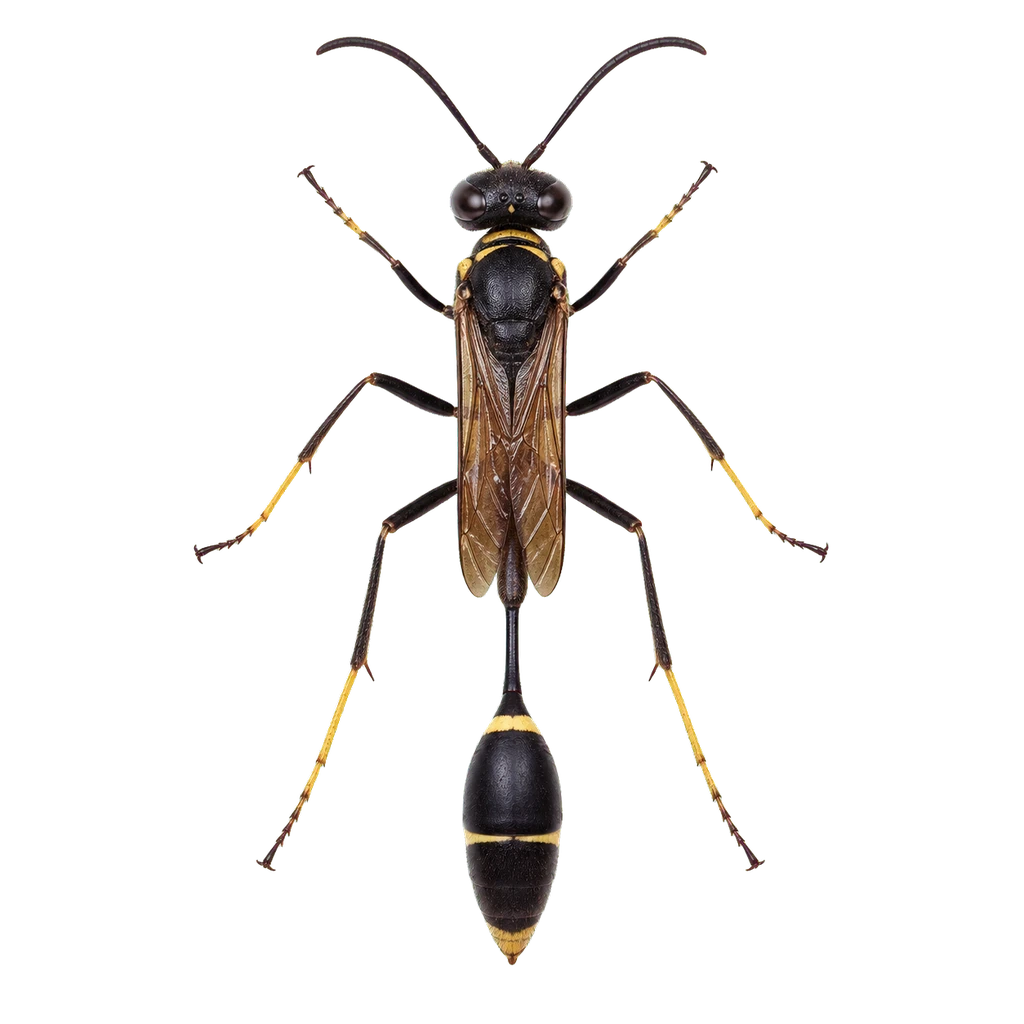
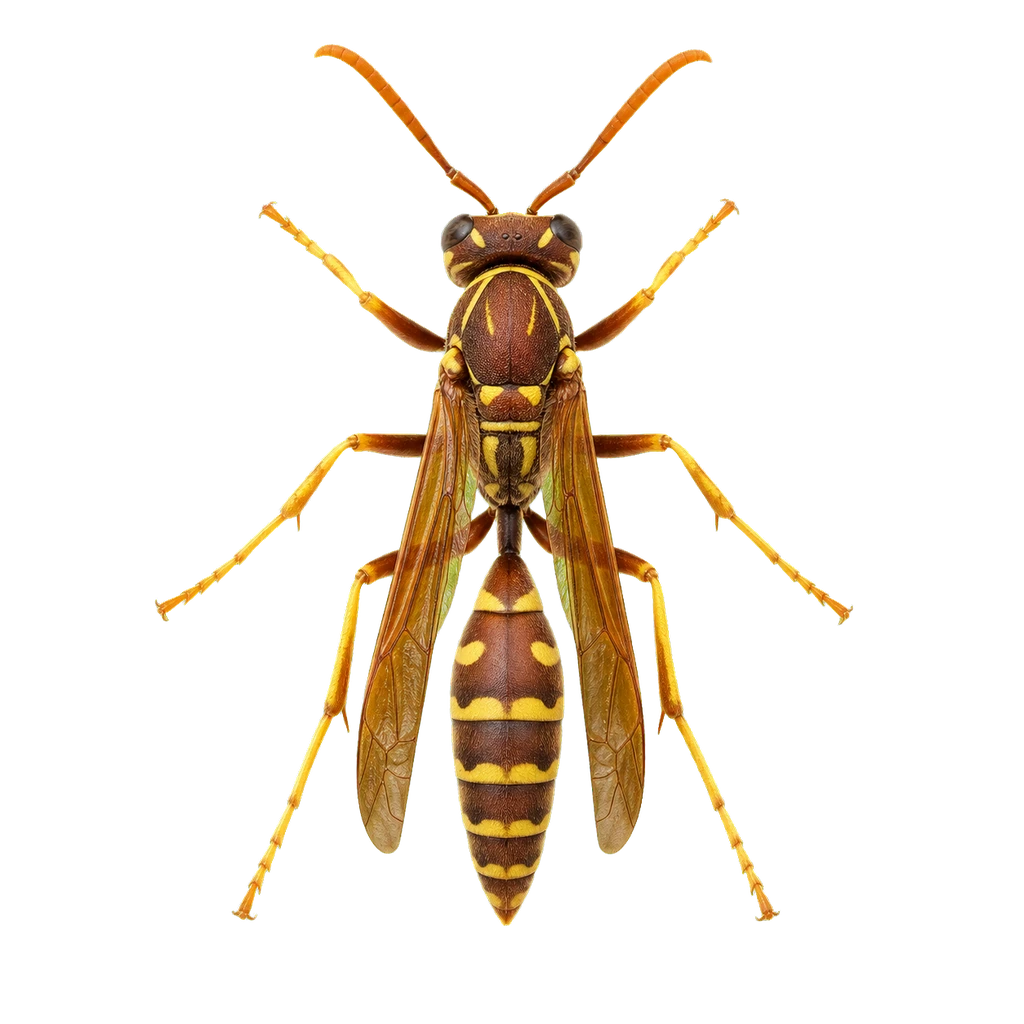
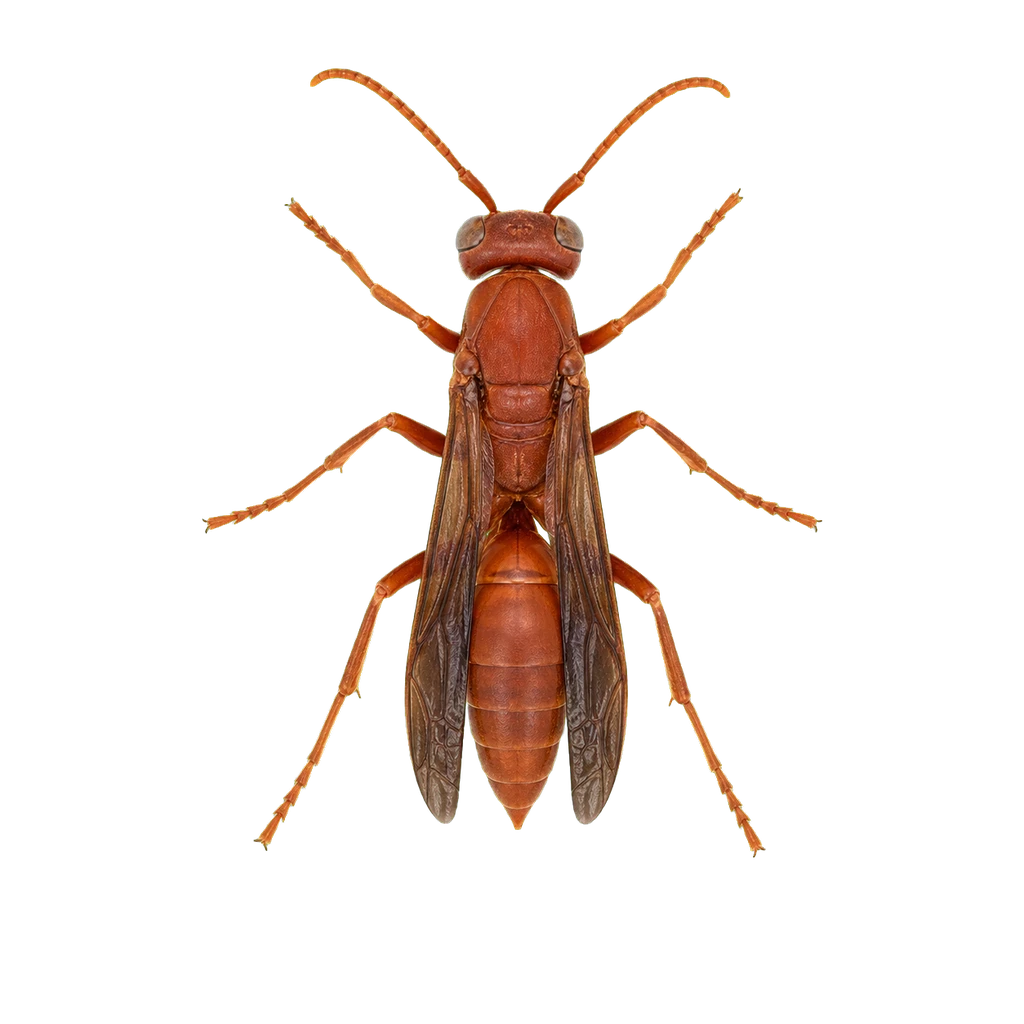
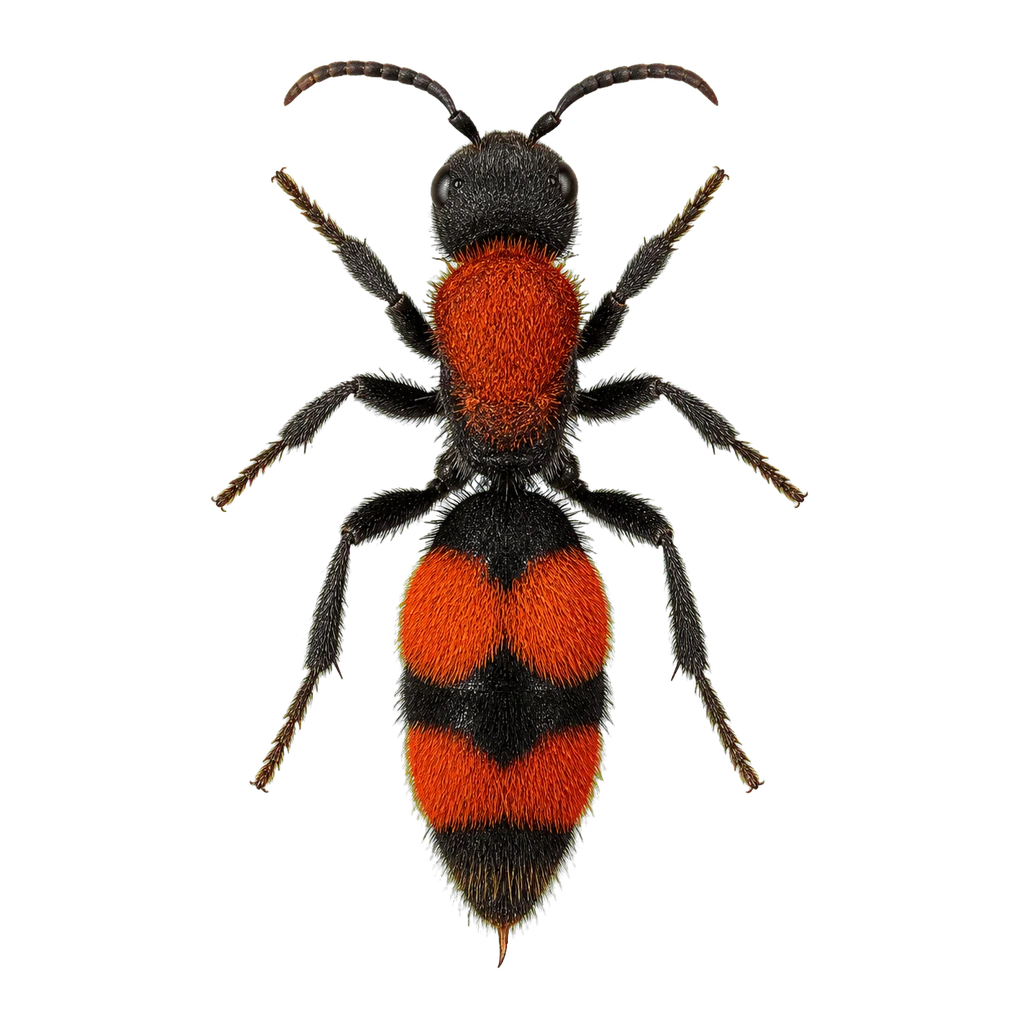
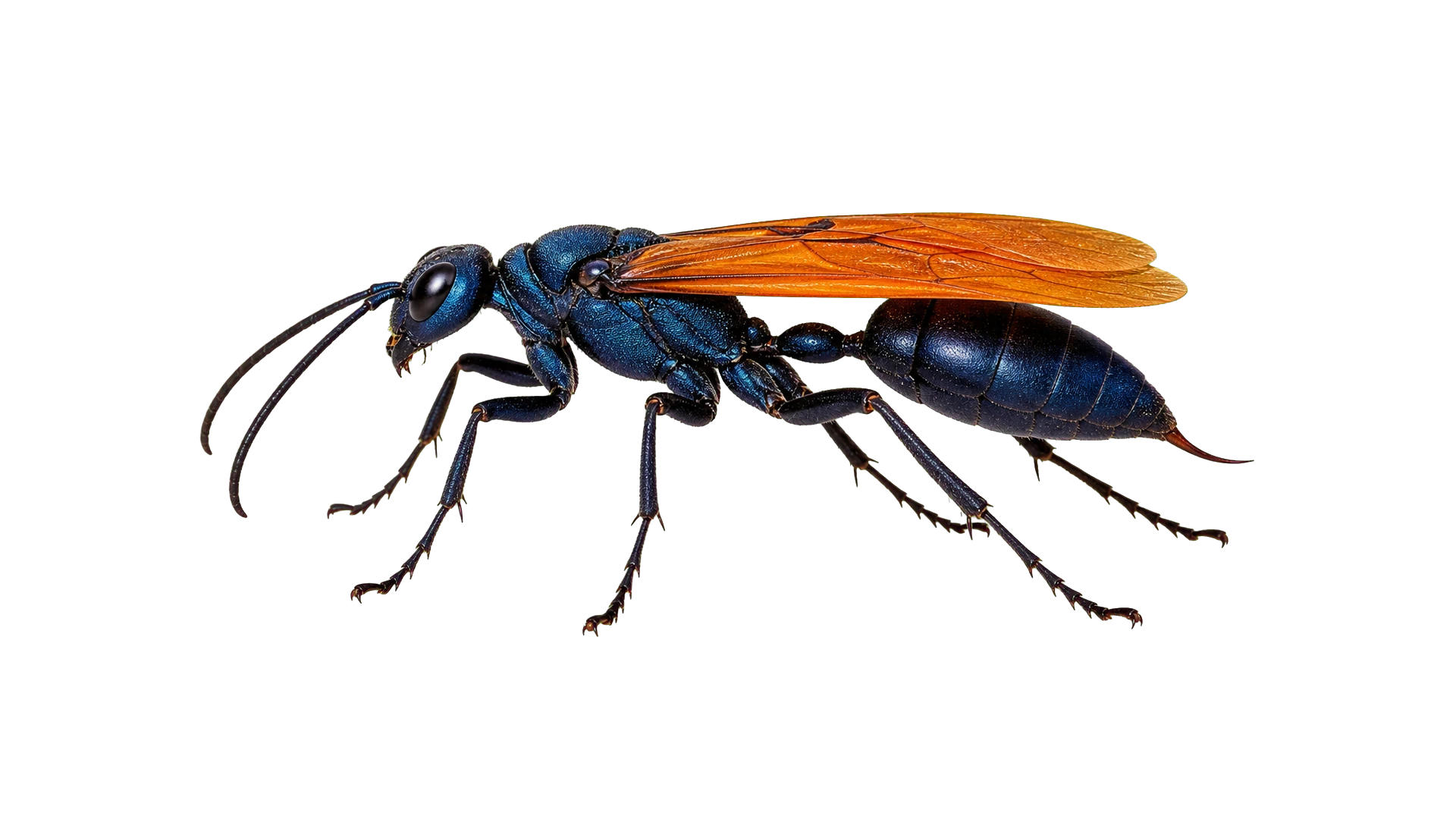
Tarantula hawks are the largest stinging wasps in the United States. Workers run 40 to 50 millimeters long, almost two inches, with a metallic blue-black body and bright orange-red wings that catch the desert sun. Once you see one, you'll never confuse it with anything else. They live across Arizona, New Mexico, Texas, southern California, Nevada, and the southern edges of Utah and Colorado, with their range continuing south into Mexico.

If you're seeing huge dark wasps with glowing orange wings cruising low over your yard in summer, that's almost certainly Pepsis grossa or Pepsis thisbe. They're solitary hunters with a fearsome reputation, the Schmidt Sting Pain Index rates their sting at 4.0 out of 4.0, the highest rating ever given to any insect. But the full story is less scary than the headline. They almost never sting people, and when they do, the pain is brief and the venom itself is not very toxic to humans. This guide covers how to identify them, why they show up where they do, and when professional help is actually worth a call.

Close-up illustration of a tarantula hawk wasp showing metallic blue-black body and bright orange-red wings

ID Card: Tarantula Hawk

Scientific name
Pepsis grossa
Color
Blue-black metallic, bright orange wings
Size
1.5 to 2 inches
Body shape
Very large, dark body with bright orange wings
Antennae
Long, slightly curved
Key evidence
Seen hunting tarantulas in desert regions, among the most painful stings known
Also known as
Spider wasps, Pepsis wasps

Related Species

Call to get matched with a local pest control pro.

Available 24/7
(888) 495-1510
  • Specialists trained on solitary wasp identification across the desert Southwest
  • Honest assessment of when avoidance is the right answer and when treatment isn't
  • Sting safety planning for households with arachnophobia or specific medical concerns

Where to Inspect for Tarantula Hawk Activity

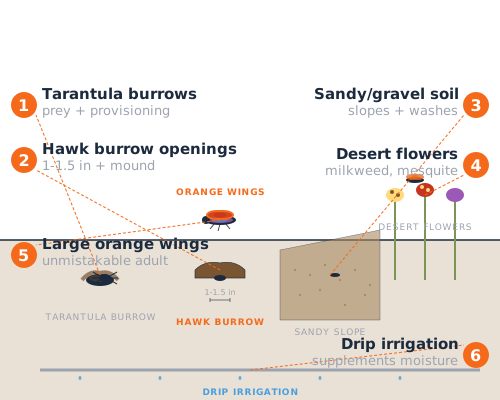
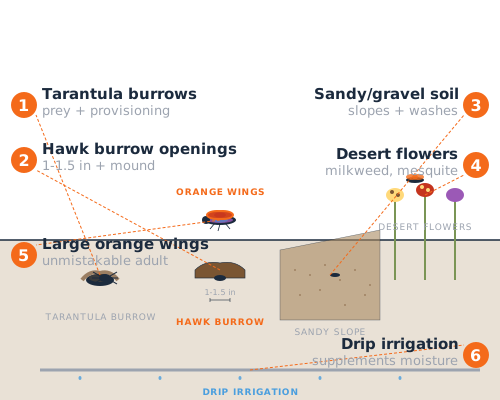
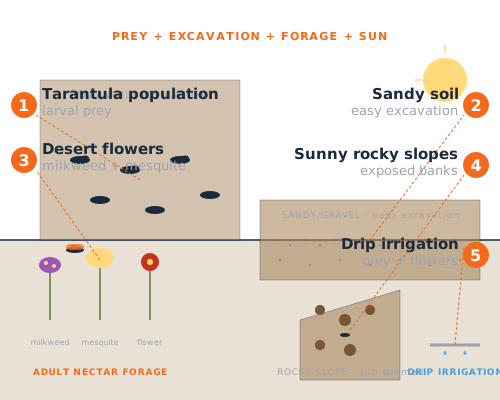
Cross-section illustration showing tarantula hawk hunting zones across desert flowers, scrubland edges, and tarantula burrow sites

Tarantula hawks track two things: flowering desert plants for nectar, and tarantulas for prey. A walk through your property in summer will tell you whether the conditions are right for them. Look in these areas:

  • Flowering desert plants, Milkweed, mesquite, agave, and other native bloomers feed the adults. A yard with these plants is a refueling stop on the hunting route.
  • Tarantula burrows and rock outcrops, Tarantulas live in undisturbed soil under rocks, along slopes, and in scrubland edges. Where the spiders live, the wasps follow.
  • Sandy or rocky open ground, Female tarantula hawks need loose, dry soil they can dig into to bury a paralyzed spider. Open patches near scrub or boulders are prime spots.
  • Outbuildings and sheds with sandy soil nearby, Detached structures in desert yards often have undisturbed ground around them where both predator and prey settle in.
  • Native scrubland edges, Where landscaped yard meets natural desert, you get the highest density of both nectar plants and tarantula activity in a single zone.
  • Sunny, low-traffic corners of the property, Tarantula hawks do their hunting in warm, open daylight hours. Quiet sunlit areas are where you'll see the most activity.

Spotting a tarantula hawk on your property is almost always good news for the local ecosystem. They are non-aggressive toward people and they keep tarantula populations in balance. The right response is identification and respectful distance, not treatment.

Cross-section illustration showing tarantula hawk hunting zones across desert flowers, scrubland edges, and tarantula burrow sites
Illustration showing a solitary female tarantula hawk dragging a paralyzed tarantula toward an underground burrow

Why Do I Have Tarantula Hawks?

Tarantula hawks don't pick your property the way ants pick a kitchen. They are wide-ranging desert specialists, and seeing them on your land says more about your zip code and yard than about anything you did wrong. A southwestern home with flowering plants, warm dry weather, and any natural ground at all sits inside the suitable habitat zone.

What draws them to your yard:

  • Range, you live in the southwestern US, which is the heart of their territory year after year
  • A tarantula population on or near your property gives female wasps the prey they need to provision their burrows
  • Flowering native plants like milkweed, mesquite, and agave provide nectar for the adults between hunting trips
  • Warm, dry climate and undisturbed soil match the conditions they evolved to use
  • Minimal landscape disturbance, the more natural your yard feels, the more attractive it is as a hunting ground

A single female tarantula hawk works alone. She doesn't build a shared nest or defend a colony. She hunts on her own through the summer, paralyzes one tarantula at a time, drags each spider into a burrow she dug herself, and lays a single egg on the still-living body. The larva eats the paralyzed spider over several weeks. This is parasitoid behavior, not social wasp behavior, which is one reason tarantula hawks are nothing like the yellowjackets or paper wasps people usually picture.

How Serious Is Your Tarantula Hawk Sighting?

Find your scenario below. Each row reflects what tarantula hawks actually do, solitary nectar feeders that hunt tarantulas, not aggressive social wasps.

What You're Seeing Severity What It Means Next Step
One or two wasps on flowering plants, no human conflict Low Beneficial nectar feeder and natural tarantula predator. Non-aggressive toward people. Leave them alone. Identification is the right response, not treatment.
Multiple sightings near patios, paths, or outdoor activity Low to Moderate Normal seasonal pattern in occupied southwestern habitat. Risk to people stays very low. Educate the household, give the wasps space, no contact needed.
Family member with arachnophobia or fear of stings, multiple sightings Comfort-level Not a medical risk, but a real quality-of-life concern when the yard feels off-limits. Schedule a sting safety consultation, focused on education and avoidance, not extermination.
An actual sting happened Painful, rarely urgent Intense pain for roughly 5 minutes then drops sharply. Venom is low-toxicity, true medical emergencies are extraordinarily rare. Cold compress, sit down, wait it out. Call medical care only for severe reaction or known allergy.
One or two wasps on flowering plants, no human conflict
Severity Low
What It Means Beneficial nectar feeder and natural tarantula predator. Non-aggressive toward people.
Next Step Leave them alone. Identification is the right response, not treatment.
Multiple sightings near patios, paths, or outdoor activity
Severity Low to Moderate
What It Means Normal seasonal pattern in occupied southwestern habitat. Risk to people stays very low.
Next Step Educate the household, give the wasps space, no contact needed.
Family member with arachnophobia or fear of stings, multiple sightings
Severity Comfort-level
What It Means Not a medical risk, but a real quality-of-life concern when the yard feels off-limits.
Next Step Schedule a sting safety consultation, focused on education and avoidance, not extermination.
An actual sting happened
Severity Painful, rarely urgent
What It Means Intense pain for roughly 5 minutes then drops sharply. Venom is low-toxicity, true medical emergencies are extraordinarily rare.
Next Step Cold compress, sit down, wait it out. Call medical care only for severe reaction or known allergy.

Tarantula hawks sting people only when grabbed, stepped on, or directly contacted. If you're between two rows, treat the higher one as your situation.

How Tarantula Hawks Develop

Tarantula hawks complete one full generation per year. Adults are only above ground for a few weeks each summer, and almost the entire rest of the lifecycle happens underground inside a sealed burrow with a paralyzed spider. This is parasitoid biology, not colony biology, which is why a property has no nest to find and no swarm to worry about.

  1. Egg

    Laid on a paralyzed tarantula

    A female stings an adult tarantula, paralyzes it without killing it, drags the still-living spider into a burrow she dug herself, and lays a single egg directly on the body. Then she seals the burrow and flies off to hunt again.

  2. Larva

    Feeds on the spider for several weeks

    The larva hatches and consumes the paralyzed tarantula slowly, saving the vital organs for last so the spider stays alive and fresh through almost the entire feeding period. This is the food source for the whole larval stage, no foraging needed.

  3. Pupa

    Overwinters underground

    After the spider is consumed, the larva pupates in the sealed chamber. Development continues slowly through fall and winter inside the buried burrow, completely out of sight.

  4. Adult

    Emerges the following summer

    Adults dig their way out of the burrow when summer temperatures return. They feed on flower nectar and fermenting fruit, mate, and the females begin hunting tarantulas to provision the next generation. Adults live only a few weeks, then the cycle restarts.

One generation per year and a brief surface window means tarantula hawk encounters are limited to a few weeks each summer. Outside that window, the population is invisible underground. There's no nest to remove, no colony to treat, and no eradication target the way there is with social wasps.

When Tarantula Hawks Are Most Active

Tarantula hawks follow a sharp seasonal pattern across the desert Southwest. Knowing the calendar tells you when sightings are expected, when they aren't, and how short the active window actually is.

  • Spring

    Pupae continue developing inside sealed underground burrows. Adults have not yet emerged, and surface sightings are essentially zero. If you're seeing a large dark wasp with orange wings before late spring, it's probably another species.

  • Summer

    Peak activity runs June through September across Arizona, New Mexico, Texas, southern California, Nevada, and southern Utah and Colorado. Adults emerge, feed on nectar, mate, and the females hunt tarantulas. Almost every tarantula hawk sighting a homeowner ever has falls inside this window.

  • Fall

    Adult activity tapers as temperatures cool. Females finish provisioning burrows and die, and the new generation of larvae is already feeding inside sealed chambers. Surface sightings drop quickly through October.

  • Winter

    Pupae develop slowly underground inside buried burrows. There are no above-ground tarantula hawks during winter anywhere in the US range. A wasp seen in January is not a tarantula hawk.

Why Tarantula Hawks Rarely Need Professional Treatment

Tarantula hawks have a fearsome reputation because of the Schmidt Sting Pain Index. Justin Schmidt rated their sting at 4.0 out of 4.0, the highest pain rating he ever assigned to any insect, and only the bullet ant shares that score. Anyone who has been stung describes the experience the same way: blinding, paralyzing, immediate pain. That part of the reputation is real.

What's also true is that the venom itself is relatively low in toxicity to humans. The pain is intense for roughly 5 minutes and then drops sharply. Medical complications beyond pain are extraordinarily rare. The standard at-home response, a cold compress and sitting still until the pain passes, is enough for almost every documented case. Emergency rooms see tarantula hawk stings rarely, and when they do, the visit is usually driven by panic rather than medical danger.

More importantly, tarantula hawks are not aggressive. They are solitary parasitoids, not defensive colony wasps. They do not swarm, they do not chase, and they do not sting unless physically grabbed, stepped on, or directly contacted. Walking past one on a flower is essentially zero-risk behavior. The single most effective response if you encounter one is calm avoidance, not panic and certainly not contact.

Because of all this, professional service is rarely warranted. The typical pro visit for tarantula hawks is a verification and education appointment, confirming what you saw, walking through sting biology, and giving the household a practical avoidance plan. Treatment is reserved for the small minority of cases where a documented medical concern or specific household need justifies it.

What Changes When a Pro Shows Up

Most tarantula hawk calls do not end in treatment. A specialist's real value is honest identification, sting safety education, and confirming whether anything actually needs to be done. Here's what changes:

Pest control technicians after completing a tarantula hawk consultation
  • Local Pest Control
  • 24/7 Availability
  • Quality Workmanship
  • Eco‑Friendly Options
  • Trusted by Homeowners
  • They Confirm the Species

    Several large dark wasps live in the Southwest. A specialist verifies that what you saw is actually Pepsis grossa or Pepsis thisbe, so the rest of the conversation is based on the right biology, not on a lookalike.

  • They Explain Real Sting Risk

    The Schmidt 4.0 rating refers to pain intensity, not toxicity. Pain peaks in about 5 minutes then drops sharply, and the venom itself is low-toxicity for humans. A pro walks through what that actually means for your household.

  • They Build a Sting-Safe Routine

    Closed shoes outdoors, no swatting at flying wasps, no grabbing or stepping near a wasp on the ground. Practical avoidance habits eliminate almost all sting risk without any product on the property.

  • They Reserve Treatment for Rare Cases

    If a documented severe pain reaction or specific medical concern justifies it, the visit may include targeted advice. Most homeowner calls about tarantula hawks resolve with information, not insecticide.

  • Local Pest Control
  • 24/7 Availability
  • Quality Workmanship
  • Eco‑Friendly Options
  • Trusted by Homeowners
NoToPests home

One call connects you with a local specialist who knows tarantula hawks and your area.

Be Ready When You Call

Pest control technician arriving for a tarantula hawk consultation
Junho L.
Daisuke P.
Kirk Q.
Marion K.

Trusted by homeowners nationwide

Call for Pest Control Help (888) 495-1510

Can You Handle This or Do You Need Help?

Tarantula hawks are an unusual entry on the pest list. They are large, dramatic, and famous for their painful sting, but they are also non-aggressive and almost never warrant treatment. Most households handle this one themselves with the right information.

What DIY Can Do

DIY for tarantula hawks is almost entirely about identification and behavior. Useful steps with honest limits:

  • Learn the field ID, very large size, metallic blue-black body, bright orange-red wings, no other US wasp looks quite like this
  • Treat them as beneficial neighbors, they keep tarantula populations balanced and never bother people who leave them alone
  • Educate household members about appearance and behavior, fear drops sharply once people know what they're actually looking at
  • Wear closed shoes outdoors in summer, this single habit prevents almost every documented sting on residential property
  • Never grab, swat, or step on a tarantula hawk, contact is the only behavior that reliably produces a sting
  • What DIY cannot safely do: handle live wasps, dig up burrows, or attempt physical removal.

What a Pro Does Differently

Professional work on tarantula hawks is consultation, not extermination. Here's what changes when you call:

  • Species verification by someone who has actually seen Pepsis grossa and Pepsis thisbe in the field, not just photos
  • Honest explanation of the Schmidt 4.0 rating, intense pain, low toxicity, brief duration, that puts the real risk in context
  • Sting safety planning for households with arachnophobia or documented severe pain reactions in past stings
  • Practical avoidance routines tailored to your yard, where the wasps actually are and where the kids actually play
  • Recommendation to skip treatment when treatment isn't warranted, a real specialist tells you that out loud.

Spotted a Tarantula Hawks? Get Real Answers.

Tarantula hawks look intimidating but are almost always harmless to people who give them space. Connect with a local specialist for honest identification and a clear sting-safety plan.

Available 24/7
(888) 495-1510

What Homeowners Say After Getting Help

Real results from people who had the same problem and solved it.

Donna X.
Donna X.
Idaho Falls, ID

"Wasp nests removed from every eave."

Every summer, wasps would build nests around our roof and porch. The tech removed the nests safely and treated the areas to discourage rebuilding. They explained the seasonal pattern so we know when to watch for activity.

Donna X.
Donna X.
Idaho Falls, ID

"Wasp nests removed from every eave."

Every summer, wasps would build nests around our roof and porch. The tech removed the nests safely and treated the areas to discourage rebuilding. They explained the seasonal pattern so we know when to watch for activity.

Helen D.
Helen D.
Rochester, MN

"Wasps removed from the wall cavity."

We noticed wasps entering a gap near the soffit. The provider carefully removed the nest from inside the wall cavity and sealed the opening. They were calm and methodical throughout the whole process.

Moses T.
Moses T.
Great Falls, MT

"Large wasp nest safely removed."

We didn't notice the wasp nest until it was large enough to be dangerous. The provider removed it safely and treated the area to prevent rebuilding. They explained that catching nests early makes removal much easier.

Quincy F.
Quincy F.
Minot, ND

"Porch wasps moved on for good."

Every summer, wasps would rebuild nests under our porch roof. The provider removed the nest, treated the area, and explained what conditions attract them. Adjusting the area made them choose elsewhere.

Orlando Z.
Orlando Z.
Brookings, SD

"Eave wasp nests cleared and deterred."

Every summer, wasps built nests under our roof eaves. The tech removed the nests and treated the area with a deterrent. They explained the nesting cycle so we could catch new activity earlier.

Shinji A.
Shinji A.
Jackson, WY

"Cabin eave wasp nests cleared and deterred."

Every summer, wasps would build large nests under our cabin eaves. The crew removed them and treated the area to deter rebuilding. They explained the nesting cycle so we could catch new activity earlier in the season.

Deon J.
Deon J.
Gadsden, AL

"Spring wasp nests removed before they spread."

Every spring, paper wasps would appear under the eaves and near the porch lights. The pro removed the nests and treated the areas to discourage rebuilding. They explained the nesting patterns so we know when to watch for early activity.

Davon A.
Davon A.
Kenai, AK

"Shed wall wasps removed and sealed out."

We discovered a wasp nest inside the wall of our storage shed. The pro removed the colony and sealed the gap they used for access. They recommended checking outbuildings each spring before nests get established.

Arthur B.
Arthur B.
Russellville, AR

"Patio wasp nests cleared and prevented."

Every summer, wasps nested under the patio cover and made outdoor dining impossible. The crew removed the nests and treated the wood with a deterrent. They explained the timing for early-season prevention before colonies establish.

Harry S.
Harry S.
Pueblo, CO

"Soffit wasp colony removed and sealed."

A wasp colony established itself inside the soffit above our front door. The crew removed the nest and sealed the opening. They explained that Colorado's warm days and cool nights make soffits attractive nesting spots for wasps.

Juana L.
Juana L.
Norwalk, CT

"Pool-deck wasps removed and area treated."

Yellow jackets built a ground nest near our pool and were stinging guests. The pro located and removed the nest and treated the surrounding area. They explained how sweet drinks and food attract yellow jackets to outdoor entertaining areas.

Huan R.
Huan R.
Milford, DE

"Mailbox post cleared of wasps."

Paper wasps built a nest inside the hollow mailbox post and stung the mail carrier. The pro removed the nest and treated the post. They recommended checking hollow posts and fixtures each spring before colonies establish.

Malcolm J.
Malcolm J.
Lakeland, FL

"Light fixtures cleared of wasp nests."

Every spring, wasps would nest inside the porch light covers. The provider removed the nests and treated the fixtures with a deterrent. Switching to yellow-tinted bulbs also reduced the insect activity that attracts wasps.

Chen Q.
Chen Q.
Alpharetta, GA

"Deck made safe again, wasps cleared."

Wasps built nests between the deck boards and joists, making it dangerous to walk barefoot. The provider removed the nests and treated the undersides of the boards. Annual spring treatments have kept the deck wasp-free since.

Esmeralda S.
Esmeralda S.
Mililani, HI

"Storage closet cleared of wasp colony."

A paper wasp colony had established inside our lanai storage closet. The provider removed the nest and treated the area. They recommended checking enclosed outdoor spaces monthly since Hawaii's warm climate allows year-round nesting.

Christopher X.
Christopher X.
Caldwell, ID

"Patio furniture wasps cleared safely."

Paper wasps nested under our outdoor dining set and we didn't notice until someone was stung. The provider removed the nests and treated the patio area. They recommended checking under furniture and planters in spring.

Anabel V.
Anabel V.
Joliet, IL

"Swing set wasps removed and sealed out."

A wasp colony built inside the hollow posts of our kids' swing set. The provider removed the nest and sealed the open tube ends. They recommended inspecting play equipment each spring before kids start using it.

Renisha S.
Renisha S.
Anderson, IN

"Front walkway wasp ground nest removed."

Yellow jackets built a nest in the ground near our front walkway and were stinging visitors. The provider located the nest entrance and removed the colony. They treated the area to deter rebuilding.

Yadira K.
Yadira K.
Dubuque, IA

"Shed yellow jacket colony safely removed."

A yellow jacket colony grew under the garden shed and we couldn't mow near it. The provider removed the nest and treated the ground. They recommended checking under sheds and decks in early spring to catch colonies before they grow.

Encarnacion R.
Encarnacion R.
Garden City, KS

"Trash area cleared of swarming wasps."

Wasps were constantly around the trash cans making it dangerous to take out the garbage. The provider removed nearby nests and treated the area. They recommended tightly sealed lids and rinsing cans regularly.

Francis Q.
Francis Q.
Hopkinsville, KY

"Grill cover nest removed and area treated."

We lifted the grill cover and found a wasp nest inside. The provider removed it and treated the patio area. They suggested storing the grill cover inside or checking before each use during warm months.

Kate S.
Kate S.
Ruston, LA

"Attic vents screened and wasps cleared."

Wasps built nests inside the attic gable vents. The provider removed the colonies and installed mesh screens over the vents. They recommended checking vents each spring to prevent new colonies from establishing.

Jayson P.
Jayson P.
Saco, ME

"Garage ceiling wasp nest cleared safely."

A large paper wasp nest formed on the garage ceiling near the opener. The provider removed it and treated the area. They recommended checking the garage each spring before nests get large enough to be dangerous.

Lillian W.
Lillian W.
Bowie, MD

"Swing set cleared and sealed safely."

A wasp colony built inside the hollow beam of the swing set. The provider removed the nest and sealed the openings. They suggested checking play equipment each spring before the kids start using it.

Silvia P.
Silvia P.
Quincy, MA

"Patio ground nest located and removed."

Yellow jackets built a ground nest under the patio pavers. The provider located and removed the nest. They treated the surrounding area and explained why ground nests are harder to spot than aerial ones.

Reed G.
Reed G.
Traverse City, MI

"Boat dock wasps cleared each summer."

Paper wasps built nests under the dock every summer. The provider removed the nests and treated the structure. They recommended spring inspections before the dock gets heavy use.

Tuan U.
Tuan U.
Owatonna, MN

"Garage door tracks cleared of wasp nests."

Paper wasps built nests in the garage door track channels. The provider removed the nests and treated the track areas. They recommended checking the tracks each spring before the first use of the season.

Randy B.
Randy B.
Starkville, MS

"Carport kept wasp-free with annual treatment."

Multiple wasp nests appeared in the carport ceiling every summer. The provider removed them and treated the ceiling. Annual spring treatment before nesting season begins has kept the carport wasp-free.

Jaime O.
Jaime O.
Cape Girardeau, MO

"Mailbox nest cleared and area treated."

A small wasp colony built inside our mailbox and the mail carrier was stung. The provider removed the nest and treated the area. Checking the mailbox in spring before nesting season prevents a repeat.

Nayeli R.
Nayeli R.
Kalispell, MT

"Cabin eaves cleared of wasp nests."

Paper wasps built nests under every eave of our cabin. The provider removed the nests and treated the wood. Spring inspections before cabin season prevent surprises.

Haru S.
Haru S.
Hastings, NE

"Shed walls cleared and sealed against wasps."

Opened the shed door to grab the weed whacker and a steady stream of paper wasps came pouring out of a knothole. I shut that door fast. The tech treated the wall cavity, removed the nest, and caulked every gap he could find. Annual spring checks are now on my calendar so I do not get surprised again.

Tina O.
Tina O.
Fallon, NV

"Irrigation valve box cleared of wasps."

Yellow jackets built a nest inside the irrigation valve box and were stinging when we adjusted sprinklers. The provider removed the colony and treated the box. Checking valve boxes before irrigation season prevents surprises.

Ravi Q.
Ravi Q.
Dover, NH

"Attic vent cleared and screened against wasps."

Wasps streaming in and out of the gable vent all afternoon, you could see them from the driveway. The tech suited up, removed a softball-sized nest from inside the attic, and installed fine mesh screening across both gable vents. He suggested I check them every spring before things warm up. Two seasons later, no wasps.

Raven C.
Raven C.
Paterson, NJ

"Front step ground nest located and removed."

Yellow jackets built a ground nest near the front steps and were stinging visitors. The provider located the nest entrance and eliminated the colony. They treated the surrounding area to deter rebuilding.

Taylor U.
Taylor U.
Los Lunas, NM

"Stucco weep holes screened against wasps."

Wasps entered through stucco weep screeds and built nests inside the wall cavity. The provider treated the cavity and installed mesh screens over the weep openings. Annual checks prevent recurrence.

Anya M.
Anya M.
New Rochelle, NY

"Deck stair ground nest located and removed."

Yellow jackets built a ground nest near the deck stairs. The provider removed the colony and treated the surrounding area. They explained ground-nest behavior and how to spot early signs.

Mike S.
Mike S.
High Point, NC

"Shutter wasp nests cleared and treated."

Paper wasps built nests behind the decorative shutters on the front of the house. The provider removed the nests and treated the shutter mounting areas. Checking behind shutters each spring prevents new colonies.

Bianca V.
Bianca V.
Wahpeton, ND

"Garage ceiling wasp nest removed safely."

Pulled the garage door opener cord one Saturday and heard the buzz before I saw the football-sized nest in the corner of the ceiling. I quietly backed out. The tech suited up, removed the whole thing, and treated the framing. He told me to do a spring walkthrough every year before the garage gets regular use. Adding it to my March checklist.

Eva M.
Eva M.
Youngstown, OH

"Soffit cleared and opening sealed."

Standing at the front door dropping off Halloween candy with the kids, a wasp landed on my hand. Then another. Looked up and saw a steady stream going in and out of a gap in the soffit. The tech came the next morning, suited up, removed the nest from inside, and caulked the gap. Two seasons in and the soffit is still tight.

Larry I.
Larry I.
Bartlesville, OK

"Pool deck ground nest located and removed."

My nephew got stung four times in two minutes during a Memorial Day pool party. We thought it was one wasp until we noticed the steady stream coming up from a hole near the umbrella stand. The tech came out the next morning, knocked out the ground nest, and treated the surrounding area. He talked us through keeping drinks covered and away from the entry. No stings since.

Common Questions About Tarantula Hawks

Direct answers to what homeowners ask most about identification, sting risk, and whether treatment is actually warranted.

  • What are tarantula hawks and should I be concerned about them? Toggle answer for: What are tarantula hawks and should I be concerned about them?

    Tarantula hawks are large (up to 2 inches), striking solitary wasps with blue-black bodies and bright orange or rust-colored wings. They are found primarily in the southwestern United States and are named for their hunting behavior: females paralyze tarantulas with a powerful sting and drag them into burrows as food for their larvae. Despite their fearsome appearance and the fact that their sting is rated as one of the most painful of any insect in the world, tarantula hawks are not aggressive toward humans and will only sting if physically grabbed or stepped on. They are commonly seen visiting flowers for nectar during summer months and pose essentially no threat to people who observe them from a reasonable distance.

  • How painful is a tarantula hawk sting? Toggle answer for: How painful is a tarantula hawk sting?

    The tarantula hawk sting is rated at the highest level (4 out of 4) on the Schmidt Sting Pain Index, described as instantaneous, electrifying, and blinding pain. However, the extreme pain is very short-lived, typically subsiding within three to five minutes, andthe sting produces no lasting tissue damage or significant medical effects in most people. The sting's primary defense mechanism is the overwhelming pain itself, which causes most predators (and people) to immediately release the wasp. Tarantula hawks are solitary and non-aggressive, so stings are extremely rare and occur almost exclusively when someone accidentally steps on or grabs one. The recommended response if stung is simply to find a safe place to lie down until the brief but intense pain passes.


  • Why do wasps keep building nests near my home? Toggle answer for: Why do wasps keep building nests near my home?

    Wasps are attracted to sheltered spots near food sources. Eaves, porch ceilings, shutters, and deck railings offer protected nesting sites. Outdoor trash, sugary drinks, pet food, and protein-rich grilling areas provide the food wasps need. Removing old nests (wasps don't reuse them, but the scent attracts new queens), sealing eave gaps, and managing food attractants reduces nesting pressure.

  • Are wasp stings dangerous? Toggle answer for: Are wasp stings dangerous?

    For most people, a wasp sting causes localized pain and swelling that resolves in a few hours. However, wasps can sting multiple times (unlike honeybees), and for individuals with venom allergies, a single sting can trigger anaphylaxis, alife-threatening reaction. If a nest is near a high-traffic area like a doorway, patio, or playground, removal is strongly recommended.

  • How quickly can a provider get to my home? Toggle answer for: How quickly can a provider get to my home?

    Most providers in our network can schedule an inspection within 24-48 hours. For urgent situations, likeactive structural damage or large colonies, same-week emergency service is often available. Response times depend on your location and the provider's current schedule.

  • What happens during the first visit? Toggle answer for: What happens during the first visit?

    Your provider inspects the property to identify the pest, locate nesting or entry points, and assess the scope of the problem. You get a clear explanation of what they found, what they recommend, and a written scope before any work begins.

  • Is treatment safe for kids and pets? Toggle answer for: Is treatment safe for kids and pets?

    Modern pest control products are designed to break down quickly after application and pose minimal risk to people and pets when applied correctly. Most providers ask you to keep kids and pets out of treated areas for 1 to 2 hours while the product dries, after which the area is generally safe again. Always confirm specific re-entry times with your provider, and let them know about pet birds, fish, or reptiles, since some treatments require extra precautions for those species.

Pest Control Pros serving the city of the state of your city and nearby areas

Local providers experienced with stinging insect identification and sting-safety guidance are ready to help, no obligation.

Available 24/7
(888) 495-1510