Local pest control help is one call away.

Blow Fly: Identification, Treatment & Prevention

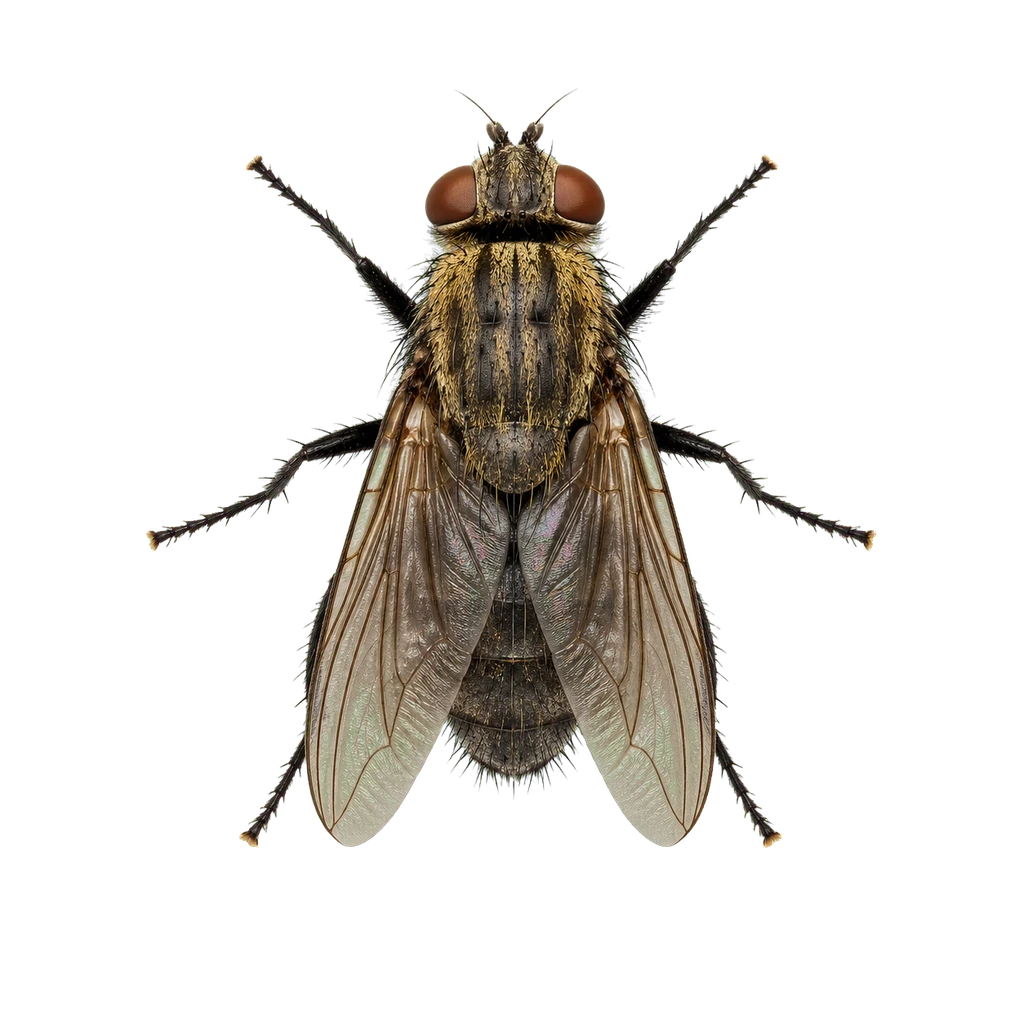
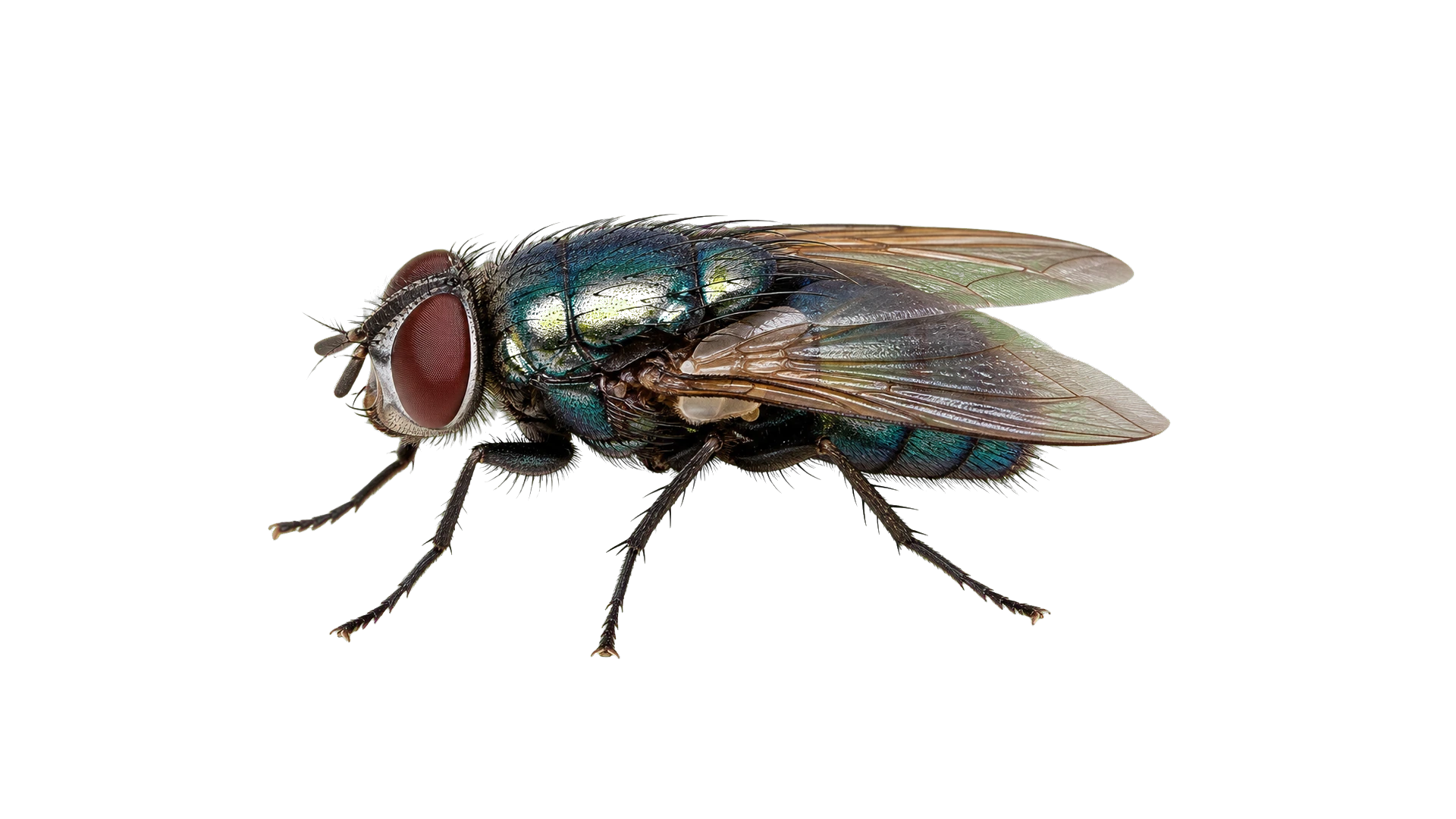
Blow flies are 8 to 12 millimeters long with metallic blue or green bodies that shine like polished metal in the light. They are the loudest fly you will hear indoors, the buzz is heavy and unmistakable. Forensic scientists use them to estimate time of death because adult blow flies arrive at a fresh carcass within minutes of an animal dying, drawn in by the chemicals released as tissue breaks down.

If you are seeing shiny blue or green flies inside your home, you almost certainly have a dead animal somewhere in the structure. The carcass is usually a mouse, rat, bird, squirrel, or bat tucked into a wall void, attic, chimney, or crawl space. This guide covers identification, where the body is most likely hidden, and what professional help looks like when you cannot find the source yourself.

Close-up illustration of a blow fly showing the metallic blue or green body, large red eyes, and spongy mouthparts

ID Card: Blow Fly

Scientific name
Calliphoridae
Color
Metallic blue, metallic green
Size
1/4 to 1/2 inch
Body shape
Stout, metallic blue or green body
Antennae
Short, 3-segmented with feathery arista
Key evidence
Metallic flies near garbage or dead animals, maggots on decaying matter
Also known as
Bottle flies, Greenbottle flies, Bluebottle flies

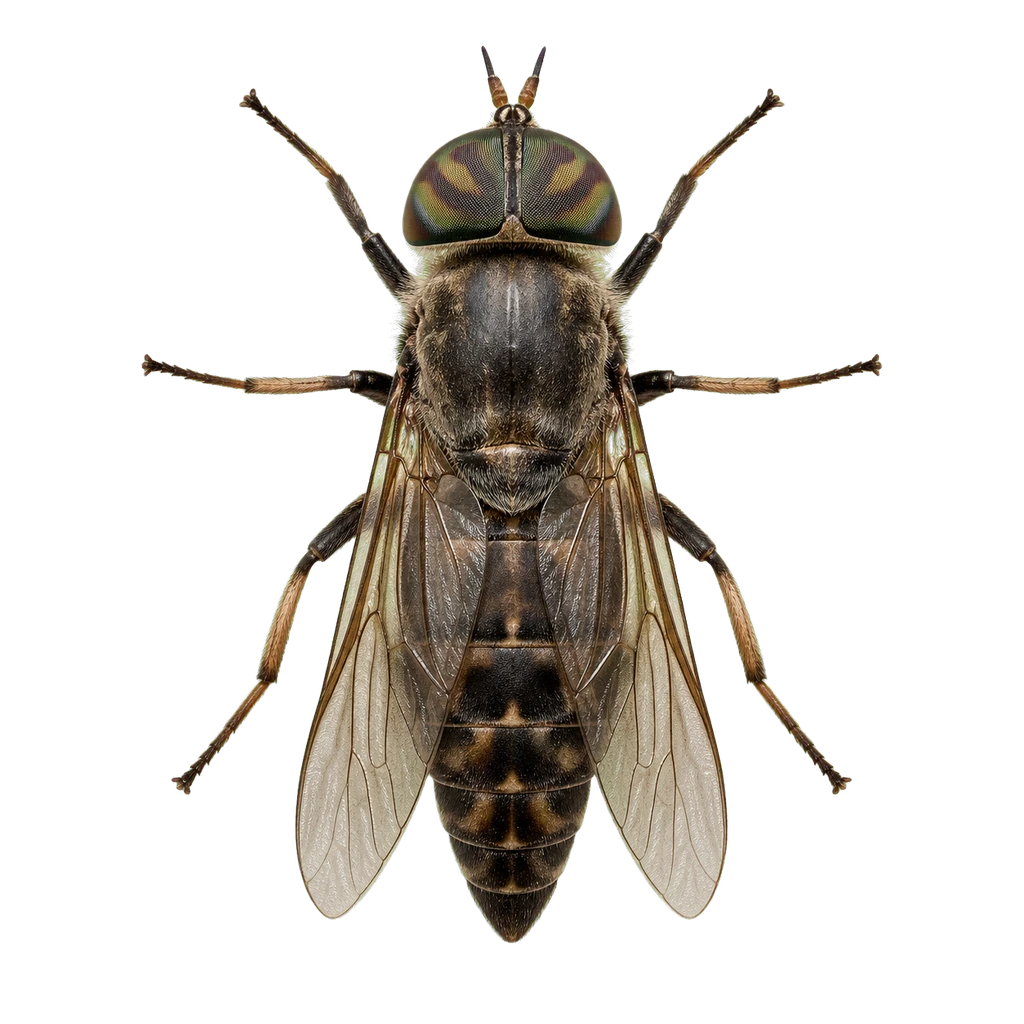
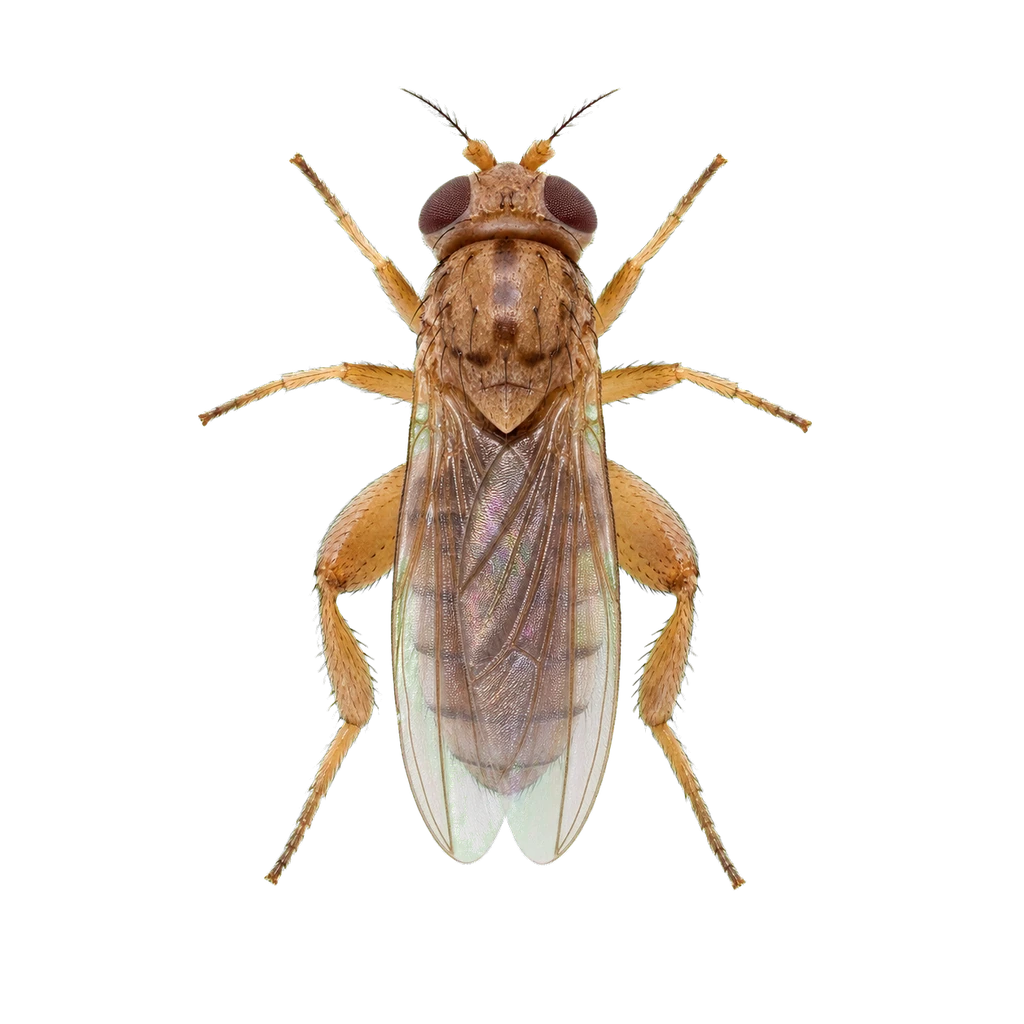
Related Species

Call to get matched with a local pest control pro.

Available 24/7
(888) 495-1510
  • Specialists who locate hidden carcasses in walls, attics, chimneys, and crawl spaces
  • Borescope and chimney camera inspection of inaccessible voids
  • Carcass extraction, decontamination, and entry point sealing once the source is removed

Where to Inspect for the Hidden Carcass

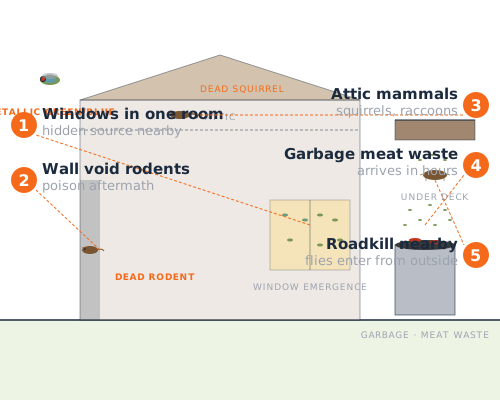
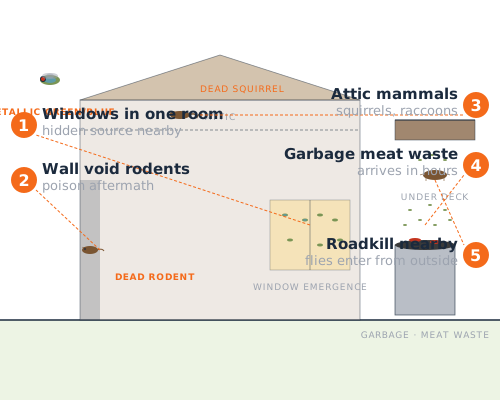
Cross-section illustration showing common dead animal locations in attics, wall voids, chimneys, and crawl spaces where blow flies breed

Blow flies cluster near the dead animal feeding their next generation. Walking these zones with a flashlight and your nose is the fastest way to narrow down where the body is hiding:

  • Attic spaces and ridge boards, Bats, squirrels, and birds that get inside often die in attic corners or behind insulation. Check for blow flies on rafters and a sweet, sickly smell that gets stronger as you move toward one end.
  • Wall voids near recent rodent activity, A mouse or rat poisoned with bait often dies inside a wall within 3 to 7 days. Press your ear to the drywall and follow the smell, blow flies will be exiting through the closest gap.
  • Chimneys and chimney caps, Birds and squirrels frequently get trapped inside and die there. Look for flies at the fireplace damper, hearth, or anywhere the chimney meets the wall.
  • Crawl spaces with rodent traps, Snap traps and bait stations under the house produce carcasses that homeowners forget about. Bring a flashlight and follow the fly traffic to the trap location.
  • Under decks, porches, and outdoor sheds, Wildlife seeking shelter often crawl beneath these structures to die. Outdoor blow flies entering the home from one side of the yard usually means a carcass is tucked underneath.
  • Outdoor garbage with meat or fish content, Blow flies breed openly in trash with protein waste, especially in warm weather. A cluster of flies at one bin in summer is breeding, not random.

If you see persistent blow flies indoors, a hidden carcass is the cause more than 90 percent of the time. The smell may not appear for the first 2 to 3 days, and in cool wall voids it can stay faint for over a week. Once you find and remove the body, the fly activity ends within 7 to 14 days as the remaining maggots finish their cycle. No source removal, no resolution, blow flies will keep emerging in waves until the carcass is gone.

Cross-section illustration showing common dead animal locations in attics, wall voids, chimneys, and crawl spaces where blow flies breed
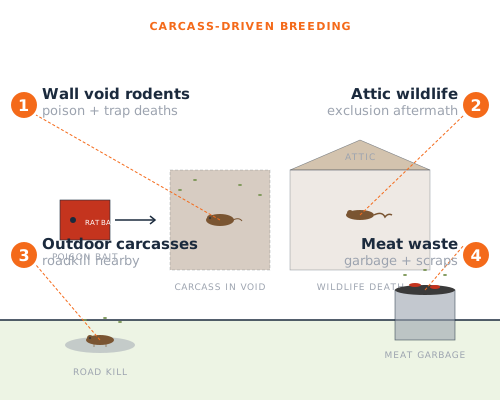
Illustration showing how blow flies enter homes from hidden dead animal sources in wall voids, attics, chimneys, and outdoor carcasses

Why Do I Have Blow Flies?

Spotting a few shiny blue or green flies is step one. Understanding that they are pointing at a dead animal is what stops the problem. Blow flies do not breed in your kitchen the way fruit flies do, and they do not feed on living people or pets. Their entire lifecycle depends on a carcass within foraging range, and indoor blow flies almost always mean that carcass is inside or under your structure.

What brings blow flies into your home:

  • A dead animal in a wall void, attic, chimney, or crawl space, by far the number one cause of indoor blow fly activity year-round
  • Recent rodent extermination without carcass cleanup, mice and rats poisoned with bait crawl into walls to die and the body is left behind
  • A bird or squirrel that died inside a chimney after getting trapped, common in homes without chimney caps
  • Outdoor garbage holding meat, fish, or pet food waste, especially in warm weather when blow flies breed in the bin itself
  • Wildlife mortality nearby, road kill, a dead pet, or livestock loss within 100 yards can produce enough outdoor flies to migrate into the home

Adult blow flies detect a dead animal through chemicals released as soft tissue breaks down. They can find a carcass within minutes of an animal dying, which is why the timeline is so consistent: a mouse dies on a Tuesday, blow flies are landing on it within hours, eggs are laid, and the homeowner sees the first adult flies emerging 10 to 14 days later. By that point the body is well into decomposition and the smell is starting to bleed through the wall. Removing the source is the only durable fix.

How Serious Is Your Blow Fly Problem?

Find your scenario below. With blow flies, the right next step depends entirely on whether you can already smell or locate the source.

What You're Seeing Severity If Untreated Next Step
A few blow flies indoors after a warm day with the door open Early May be incidental from outdoors; monitor for 7 days to confirm a smell or new flies do not develop. Walk the attic, crawl space, and exterior for an obvious carcass or smell. If nothing turns up in 7 days, the problem likely resolves on its own.
Persistent blow flies at one window plus a faint sweet smell Moderate A hidden carcass is producing flies; expect waves of new adults every 7 to 14 days until the source is removed. Schedule a professional inspection this week. They will locate the body with a borescope or chimney camera and coordinate removal.
Heavy fly activity plus a clear rotting odor in one area High Larger carcass (squirrel, raccoon, or full-grown rat) is actively decomposing; staining and odor will worsen daily. Call a professional now. Source removal often requires opening a wall or ceiling and includes decontamination of the affected cavity.
Outdoor blow flies plus a pet wound that looks inflamed or has visible maggots Urgent Myiasis (flesh infection from fly larvae) is an emergency veterinary condition for outdoor pets and livestock. Call a veterinarian today for the animal, then a pest control provider for outdoor sanitation and source removal.
A few blow flies indoors after a warm day with the door open
Severity Early
If Untreated May be incidental from outdoors; monitor for 7 days to confirm a smell or new flies do not develop.
Next Step Walk the attic, crawl space, and exterior for an obvious carcass or smell. If nothing turns up in 7 days, the problem likely resolves on its own.
Persistent blow flies at one window plus a faint sweet smell
Severity Moderate
If Untreated A hidden carcass is producing flies; expect waves of new adults every 7 to 14 days until the source is removed.
Next Step Schedule a professional inspection this week. They will locate the body with a borescope or chimney camera and coordinate removal.
Heavy fly activity plus a clear rotting odor in one area
Severity High
If Untreated Larger carcass (squirrel, raccoon, or full-grown rat) is actively decomposing; staining and odor will worsen daily.
Next Step Call a professional now. Source removal often requires opening a wall or ceiling and includes decontamination of the affected cavity.
Outdoor blow flies plus a pet wound that looks inflamed or has visible maggots
Severity Urgent
If Untreated Myiasis (flesh infection from fly larvae) is an emergency veterinary condition for outdoor pets and livestock.
Next Step Call a veterinarian today for the animal, then a pest control provider for outdoor sanitation and source removal.

Blow fly severity is driven by what is decomposing, not how many flies are visible. If you are between two rows, treat the higher one as your situation.

How a Blow Fly Generation Develops

Blow flies move from egg to adult faster than almost any other household fly, and the entire cycle is tied to a single dead animal. Once the carcass is consumed or removed, the cycle ends. Here is the timing that tells you how recently the source died and how long the flies will keep emerging.

  1. Egg

    About 6 to 24 hours

    Female blow flies arrive at a fresh carcass within minutes and lay 150 to 200 eggs in body openings or wound sites. A single mouse or rat usually attracts several females, which is why one rodent death can produce hundreds of flies.

  2. Larva (maggot)

    About 3 to 7 days

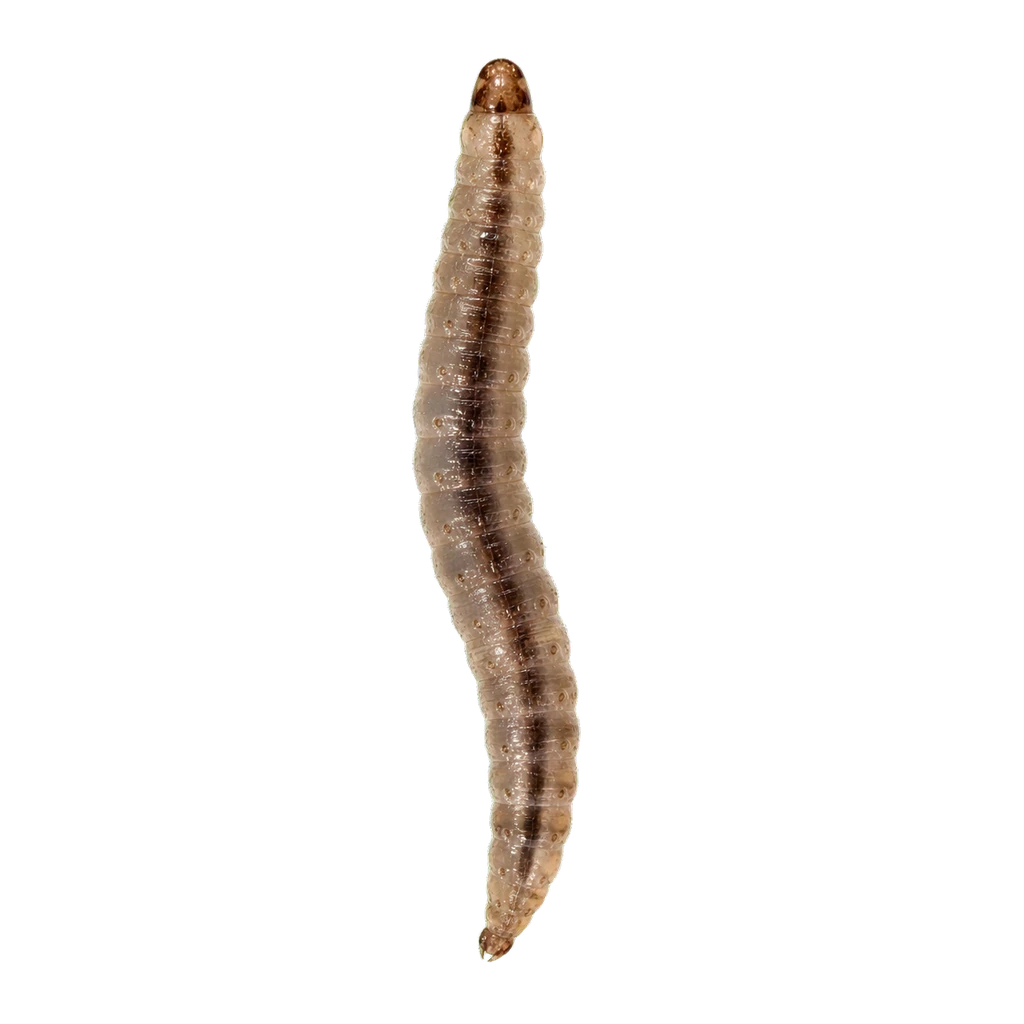
    Maggots feed on the soft tissue in three larval stages, growing quickly. Forensic entomologists measure maggot length to estimate time of death within a day or two. The faster the cycle moves, the warmer the temperature inside the wall or attic.

  3. Pupa

    About 3 to 7 days

    Mature maggots leave the carcass and pupate in nearby soil, insulation, or wall void corners. This is the quiet phase, you may see fewer flies for several days before the next wave emerges.

  4. Adult

    Adults live 14 to 21 days

    Adults emerge in waves as different egg batches mature. Indoor adults concentrate at the closest window seeking light, which is why fly clusters at one window often point directly at the source location.

Total lifecycle is roughly 2 to 3 weeks. A typical mouse or rat carcass produces 1 or 2 emergence waves before the source is fully consumed. A larger carcass (squirrel, raccoon) can produce 3 or 4 waves over a month or more, which is why source removal cannot wait.

When Blow Flies Are Most Active

Outdoor blow fly activity tracks temperature and wildlife mortality. Indoor incidents follow a separate calendar tied to rodent control and animal deaths inside the structure, which means blow fly calls happen year-round even in cold climates.

  • Spring

    Outdoor populations rebuild as temperatures rise and overwintering pupae emerge. Spring rodent control activity that kills mice in walls produces a wave of indoor blow flies 10 to 14 days later. This is one of the most common times homeowners first see them.

  • Summer

    Peak season outdoors. Warm weather accelerates the lifecycle to 10 to 14 days and any wildlife mortality nearby (road kill, dead pets, livestock loss) produces large outdoor populations that migrate into homes. Indoor garbage with protein waste breeds flies on its own.

  • Fall

    Fall rodent control work produces another wave of indoor incidents as mice and rats move into heated walls and die from bait or natural causes. Outdoor activity continues through warm fall weather and ends with the first hard freeze.

  • Winter

    Outdoor activity stops in cold climates, but heated wall voids stay warm enough to produce blow flies year-round. A persistent blow fly problem in January almost always points to a rodent that died inside a heated wall after seeking winter shelter.

When Blow Flies Need Professional Help

Blow fly work is fundamentally about finding and removing a dead animal. If the carcass is visible (a mouse on the floor, a bird in the yard, a rodent in a trap you set), you can usually handle it yourself with gloves and a sealed bag, and the fly activity ends within a week. Professional help becomes essential when the body is hidden in a wall void, attic, chimney, or crawl space and you cannot reach it.

If recent rodenticide use preceded the blow fly activity, a poisoned rodent dying inside a wall is almost certainly the source. This is the single most common reason homeowners call about blow flies, and it is one of the strongest arguments against rodenticide-first rodent control. A trap that catches the rodent outside the wall avoids the entire problem.

A professional inspects systematically with borescopes, chimney cameras, and structural access tools. They locate the carcass, coordinate removal (which sometimes includes opening a wall or ceiling), decontaminate the cavity, and seal the entry point that let the animal in. Once the source is out, a residual treatment on the resting surfaces handles any remaining adult flies.

Initial blow fly service runs $250 to $700 when the source is accessible. A full job with structural inspection and carcass extraction from a wall or chimney runs $500 to $2,000 or more, depending on the location and the amount of access work involved. Recurring service is uncommon, blow flies are a single-incident problem tied to one dead animal, and once the source is gone the calls stop.

What Changes When a Pro Shows Up

Blow fly work is carcass extraction, not spray work. A specialist's job is to locate the dead animal inside your structure, remove it cleanly, and decontaminate the cavity so the next pest does not move into the same spot. Here is what changes:

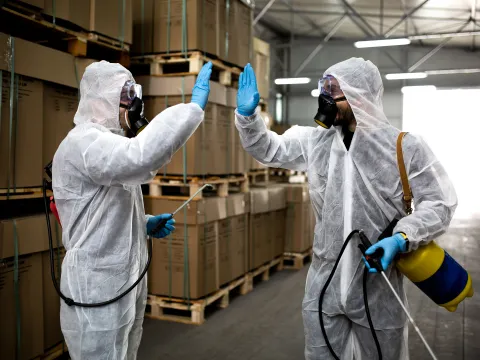
Pest control technicians after completing a blow fly source removal service
  • Local Pest Control
  • 24/7 Availability
  • Quality Workmanship
  • Eco‑Friendly Options
  • Trusted by Homeowners
  • They Find the Carcass You Cannot

    Structural inspection covers attic, wall voids, chimney, crawl space, and exterior shelter zones. Borescopes and chimney cameras let them see into voids without opening drywall first. Smell, fly clusters, and stains narrow down which wall to open.

  • They Extract the Source Safely

    Larger carcasses (squirrels, raccoons, full-grown rats) require protective equipment, controlled removal, and sealed disposal. Wall opening is sometimes necessary; the provider coordinates that work with the surrounding repair so you are not paying twice.

  • They Decontaminate the Cavity

    Decomposition fluids soak into insulation and framing. After removal, the void is treated with an enzymatic cleaner to neutralize odor and break down residue. Skipping this step is why some homes still smell weeks after the body is out.

  • They Seal the Entry Point

    The reason a rodent, bird, or bat got in once is still there. The inspection identifies the gap, vent, or chimney opening that allowed the animal in, and the entry is sealed so it does not happen again.

  • Local Pest Control
  • 24/7 Availability
  • Quality Workmanship
  • Eco‑Friendly Options
  • Trusted by Homeowners
NoToPests home

One call connects you with a local specialist who knows blow flies and your area.

Be Ready When You Call

Pest control technician arriving for blow fly source removal service
Junho L.
Daisuke P.
Kirk Q.
Marion K.

Trusted by homeowners nationwide

Call for Pest Control Help (888) 495-1510

Can You Handle This or Do You Need Help?

Blow fly work splits cleanly on one question, can you reach the dead animal? Accessible sources are a DIY job. Hidden sources behind drywall, inside chimneys, or in attic insulation are not.

What DIY Can Do

DIY handles accessible blow fly sources effectively. Honest scope of what you can do yourself:

  • Identify the species by the metallic blue or green sheen, the large size, and the loud buzz, no other indoor fly looks or sounds like a blow fly
  • Follow the flies to the source, they congregate within a few feet of the carcass and cluster at the closest window
  • Remove visible dead animals outdoors or in accessible spaces using gloves and a sealed bag
  • Tighten outdoor garbage with meat or fish content, blow flies will breed openly in a leaky bin during summer
  • Trap and remove rodents using snap traps where possible, this avoids the in-wall death that drives most indoor blow fly calls
  • What DIY cannot do: locate carcasses in wall voids, perform safe wall opening, or decontaminate insulation soaked with decomposition fluids.

What a Pro Does Differently

Professional blow fly work is built around finding and extracting a hidden carcass. Here is what changes when you call:

  • Borescope inspection of wall voids without opening drywall first, the location is confirmed before a single hole is cut
  • Chimney camera inspection for trapped birds or squirrels that died inside the flue
  • Crawl space and attic access with the protective equipment needed to handle a decomposing animal safely
  • Cavity decontamination after removal, enzymatic cleaners break down odor and residue that would otherwise linger for weeks
  • Entry point sealing so the same gap, vent, or chimney opening does not let in the next animal.

Suspect Blow Flies? Don't Wait.

Indoor blow flies almost always mean a hidden dead animal. Connect with a local specialist for source location, safe removal, and decontamination.

Available 24/7
(888) 495-1510

What Homeowners Say After Getting Help

Real results from people who had the same problem and solved it.

Rodrigo K.
Rodrigo K.
Lewiston, ME

"Finally got the fall cluster fly problem under control."

Every autumn, cluster flies would swarm into our upstairs rooms. The provider explained their life cycle and treated the exterior before they could enter. The following fall was dramatically better.

Rodrigo K.
Rodrigo K.
Lewiston, ME

"Finally got the fall cluster fly problem under control."

Every autumn, cluster flies would swarm into our upstairs rooms. The provider explained their life cycle and treated the exterior before they could enter. The following fall was dramatically better.

Noah X.
Noah X.
Concord, NH

"Upstairs cluster fly migration stopped."

We had hundreds of cluster flies appearing in our upstairs rooms every fall. The provider treated the exterior before the migration season and sealed gaps around the windows. The improvement was dramatic.

Shiv N.
Shiv N.
Stowe, VT

"Autumn cluster fly swarms knocked back."

Cluster flies would swarm our upstairs windows each fall. The pro treated the exterior before migration season and sealed the gaps they were using to enter. The following fall was dramatically better.

Sushma N.
Sushma N.
Bethel, AK

"Summer fly breeding sites treated."

Summer brought massive fly problems around the house. The tech identified breeding areas near standing water and treated the perimeter. They also suggested screen repairs that made a significant difference in keeping flies out of the kitchen.

Lauren E.
Lauren E.
Valdez, AK

"Cluster fly numbers down dramatically."

Each fall, cluster flies would gather on the sunny side of the house and find their way indoors. The inspector treated the exterior walls and sealed cracks around window frames. The numbers dropped dramatically the following season.

Sora Z.
Sora Z.
Sandpoint, ID

"Attic soffits sealed against cluster flies."

Thousands of cluster flies appeared in the attic each autumn. The provider treated the attic and sealed soffit vents with fine mesh. They explained the overwintering behavior and recommended late-summer treatment for best results.

Horacio Y.
Horacio Y.
Westbrook, ME

"Cluster fly attic invasion knocked back."

Cluster flies would invade the attic every autumn and emerge on warm winter days. The provider treated the exterior in late summer and sealed soffit gaps. The preventive timing made a dramatic difference in the number getting inside.

Suresh H.
Suresh H.
Bemidji, MN

"Cabin attic sealed against cluster flies."

Our lake cabin attic filled with cluster flies every fall. The provider treated the exterior in late August and sealed soffit vents. The preventive timing was key to reducing the fly population dramatically.

Jaya T.
Jaya T.
Livingston, MT

"Attic cluster fly numbers dramatically reduced."

Thousands of cluster flies appeared in the attic each autumn. The provider treated the exterior in late summer and sealed the soffit vents. Early timing dramatically reduced the invasion.

Angela O.
Angela O.
Berlin, NH

"Cabin cluster fly cycle finally broken."

Cluster flies filled the cabin every autumn and emerged on warm winter days. The provider treated the exterior in late summer and sealed soffit openings. The timing was critical for prevention.

Alfredo H.
Alfredo H.
Rugby, ND

"Attic cluster fly entries closed off."

Cluster flies appeared in the attic every autumn. The provider treated the exterior in late summer and sealed soffit gaps. Timing the treatment before flies seek shelter was critical.

Dante Q.
Dante Q.
Madison, SD

"Attic soffits sealed against cluster flies."

First warm day in February the attic ceiling would have dozens of flies waking up and crawling toward the window. Disgusting honestly. The tech explained you have to treat in late August before they move in for the winter, so we timed it that way. Sealed the soffit gaps too. This past winter the count was way down. Timing the treatment was the key piece I had been missing.

Karen H.
Karen H.
Newport, VT

"Attic soffits sealed against cluster flies."

Every February when the sun hit the south side of the roof, the bedrooms would fill with sluggish flies. Vacuumed up a small graveyard worth one weekend. The tech treated the exterior in the last week of August, which is when they look for shelter, and sealed the soffit gaps. The next winter was probably ninety percent better. The timing made all the difference.

Itzel A.
Itzel A.
Powell, WY

"Attic soffits sealed against cluster flies."

First warm day of February, sluggish flies would crawl across the upstairs ceiling and end up on the bathroom counter. Vacuumed up dozens every winter. The tech explained the cluster flies look for shelter in late August, so that is when we need to treat. Sealed the soffit gaps too. This past winter the count was way down. Catching them before they move in was the key.

Common Questions About Blow Flies

Direct answers to what homeowners ask most about identification, dead animal sources, and what real treatment looks like.

  • What does it mean if blow flies suddenly appear inside my home? Toggle answer for: What does it mean if blow flies suddenly appear inside my home?

    A sudden appearance of large, metallic-colored blow flies (blue or green bottle flies) indoors almost always indicates the presence of a dead animal, amouse, rat, bird, squirrel, or other wildlife, in a wall void, attic, crawl space, or chimney. Blow flies can detect decomposing tissue within minutes and lay eggs that develop into adults in as few as seven to twelve days. If you see more than a few blow flies appearing from one area of the home over several days, a dead animal carcass is the most likely source. The fly activity will resolve once the carcass fully desiccates, typically within two to three weeks, though locating and removing it eliminates both the flies and the associated odor much faster.
  • How can I tell blow flies apart from common house flies? Toggle answer for: How can I tell blow flies apart from common house flies?

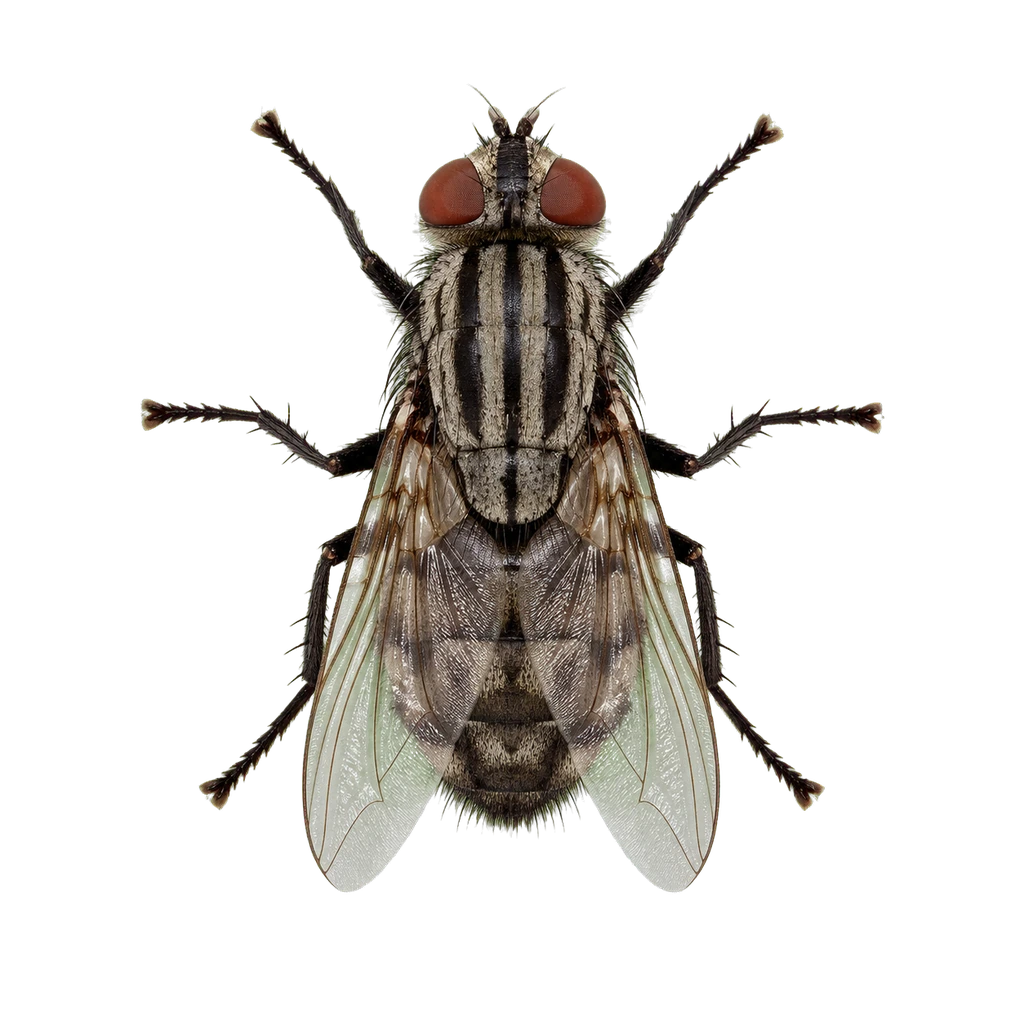
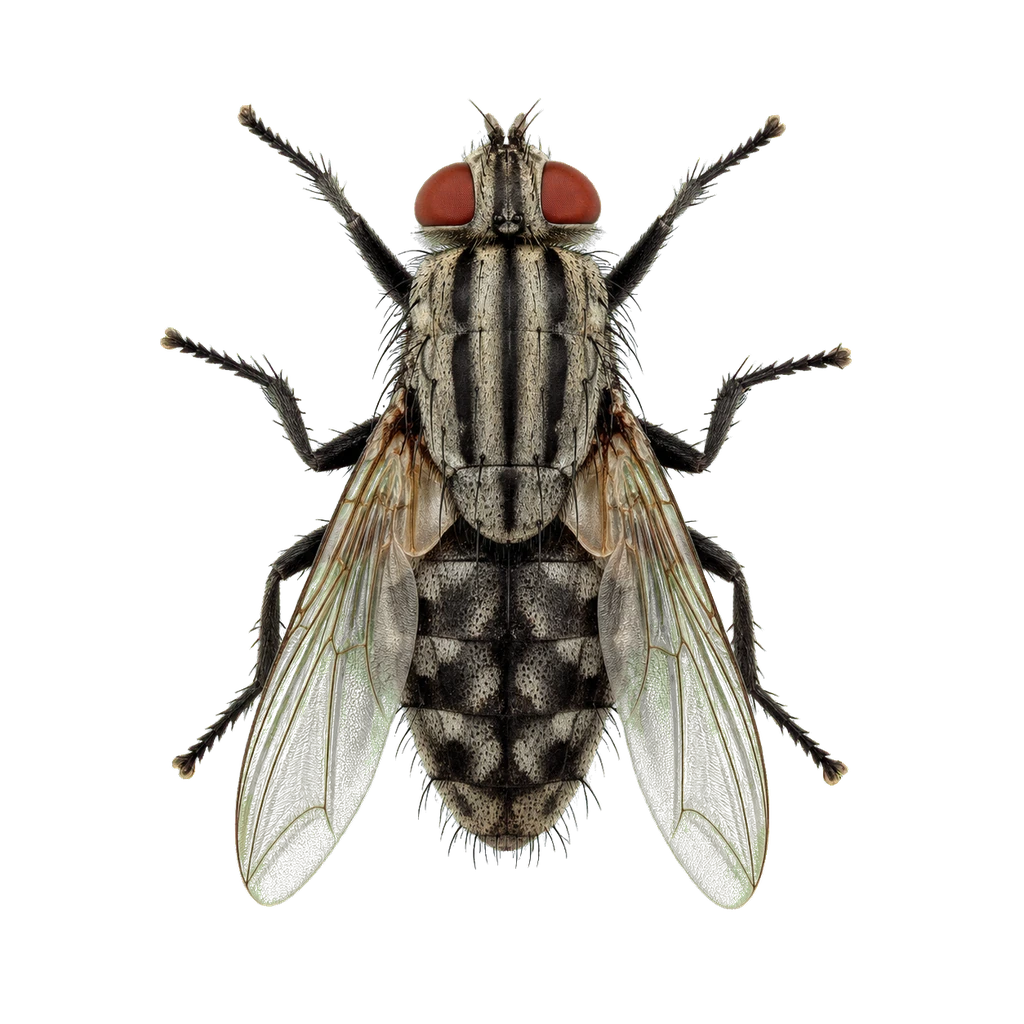
    Blow flies are noticeably larger than house flies and have a distinctive metallic sheen, bright blue (blue bottle flies), green (green bottle flies), or coppery-bronze, on their bodies, which house flies lack entirely. House flies are dull gray with four dark longitudinal stripes on the thorax and are generally smaller. Blow flies buzz more loudly and tend to fly directly toward windows and light sources when trapped indoors. If you are seeing metallic, shiny flies rather than dull gray ones, you are dealing with blow flies, and the priority should be locating the organic matter source (dead animal, garbage, or pet waste) that is attracting them.
  • Why do flies keep showing up in my home? Toggle answer for: Why do flies keep showing up in my home?

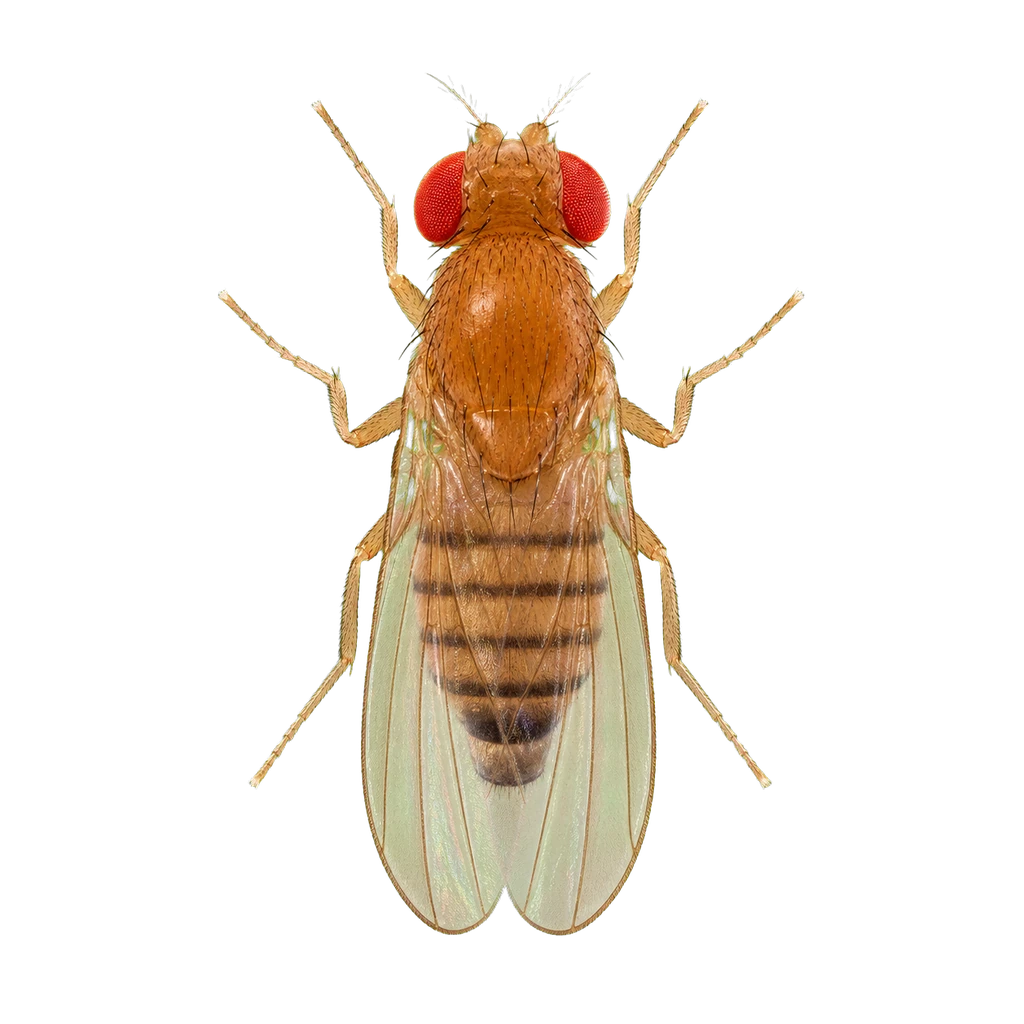
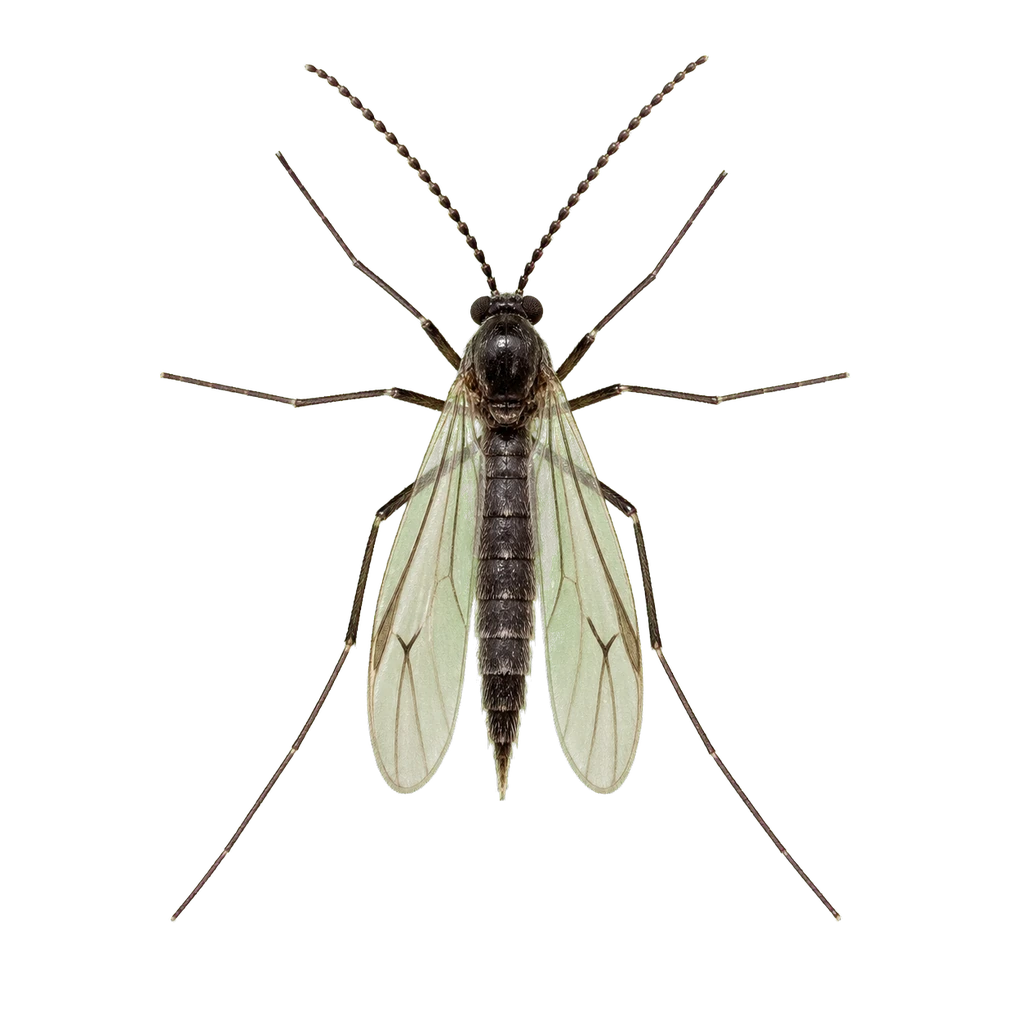
    Flies reproduce incredibly fast, asingle house fly can lay 500 eggs in her lifetime, and the cycle from egg to adult takes as little as 7 days. They're drawn to decaying organic matter, garbage, pet waste, and moist drains. If flies are persistent indoors, there's almost always a breeding source nearby: an overlooked trash bag, a dirty garbage disposal, a floor drain with organic buildup, or a dead animal in a wall void.

  • Are flies a health risk? Toggle answer for: Are flies a health risk?

    House flies are significant disease vectors. They land on garbage, animal waste, and decaying matter, then transfer pathogens to your food and surfaces. They carry E. Coli, salmonella, cholera, and over 100 other pathogens. Fruit flies and drain flies are less of a direct health risk but indicate sanitation issues that should be addressed. Any persistent fly presence warrants finding and eliminating the breeding source.

  • How quickly can a provider get to my home? Toggle answer for: How quickly can a provider get to my home?

    Most providers in our network can schedule an inspection within 24-48 hours. For urgent situations, likeactive structural damage or large colonies, same-week emergency service is often available. Response times depend on your location and the provider's current schedule.

  • What happens during the first visit? Toggle answer for: What happens during the first visit?

    Your provider inspects the property to identify the pest, locate nesting or entry points, and assess the scope of the problem. You get a clear explanation of what they found, what they recommend, and a written scope before any work begins.

  • Is treatment safe for kids and pets? Toggle answer for: Is treatment safe for kids and pets?

    Modern pest control products are designed to break down quickly after application and pose minimal risk to people and pets when applied correctly. Most providers ask you to keep kids and pets out of treated areas for 1 to 2 hours while the product dries, after which the area is generally safe again. Always confirm specific re-entry times with your provider, and let them know about pet birds, fish, or reptiles, since some treatments require extra precautions for those species.

Pest Control Pros serving the city of the state of your city and nearby areas

Local providers experienced with carcass location and blow fly source removal are ready to inspect, treat, and follow up, no obligation.

Available 24/7
(888) 495-1510