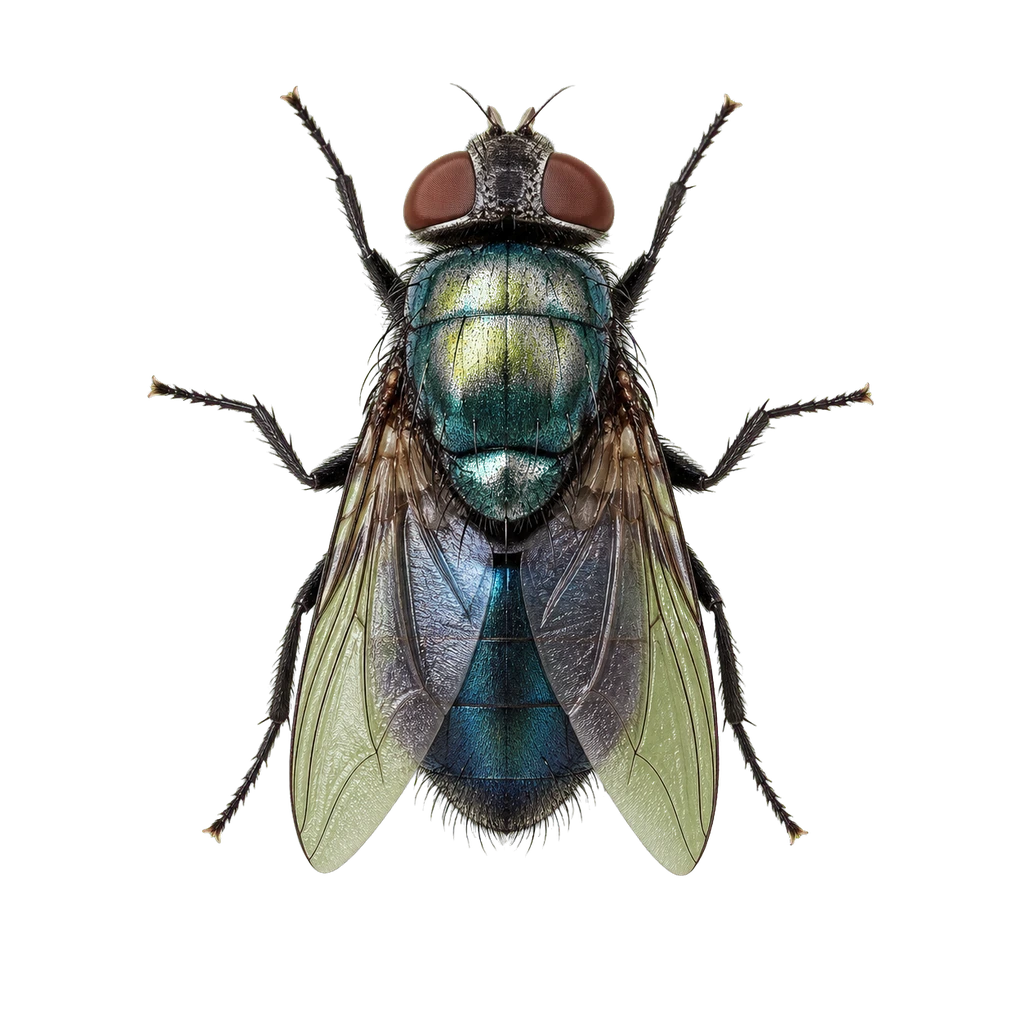
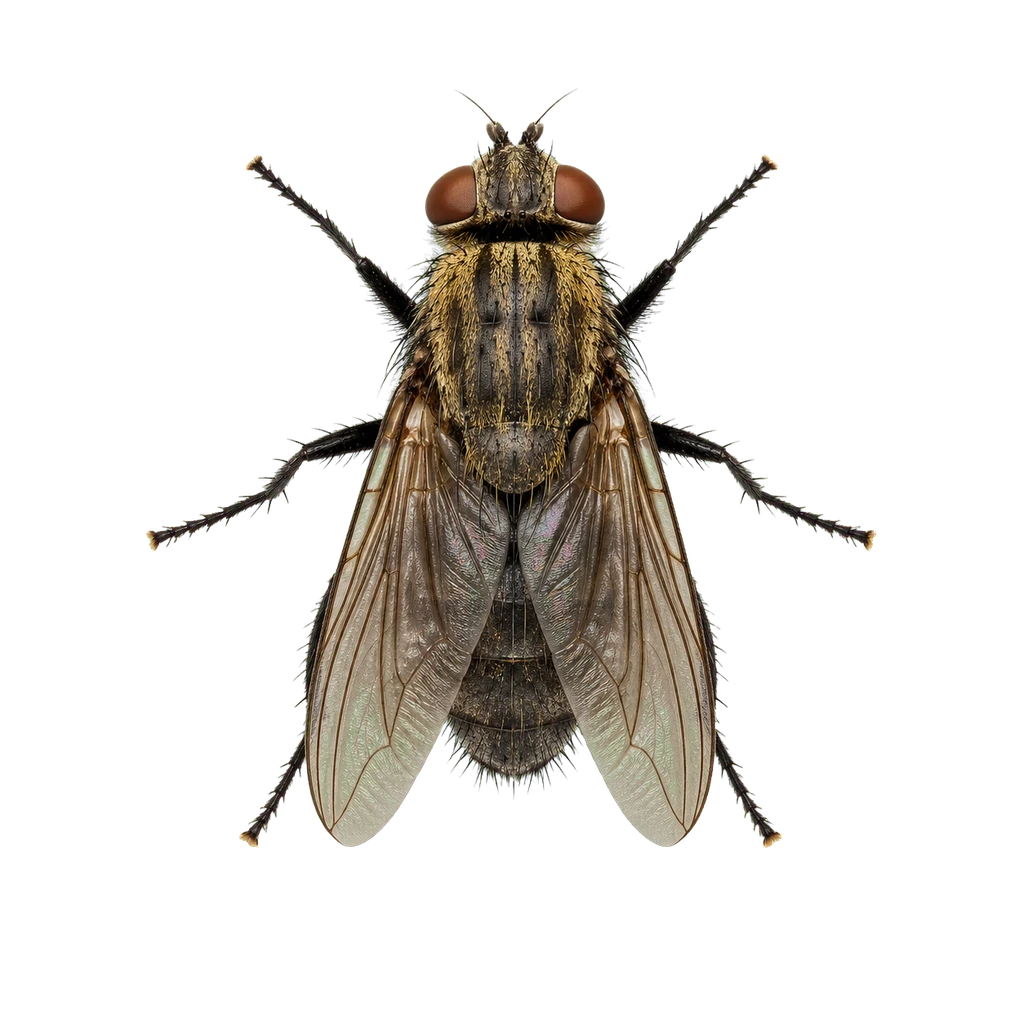
Local pest control help is one call away.

Fruit Fly: Identification, Treatment & Prevention

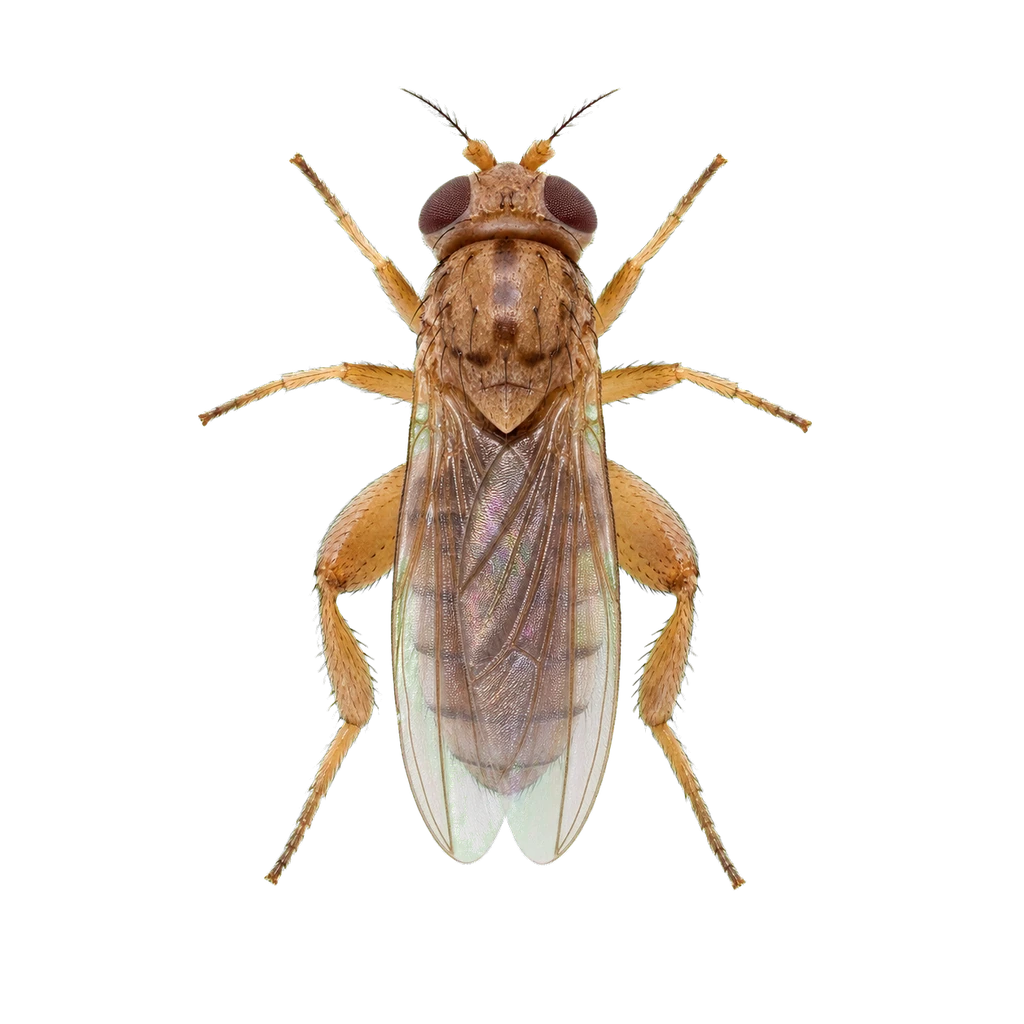
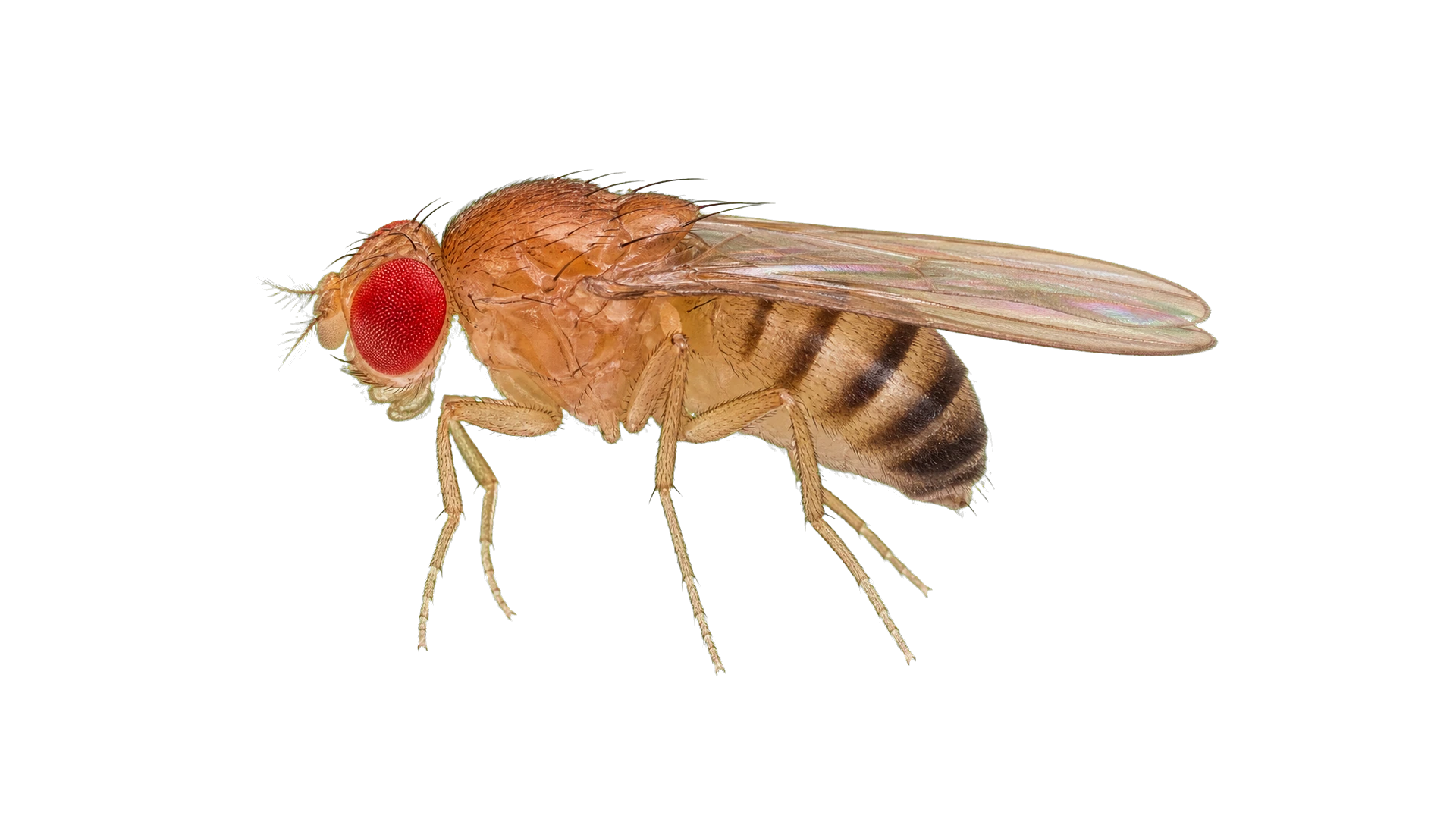
Fruit flies are tiny, 3 to 4 millimeter adults with tan-to-brown bodies and bright red eyes, and that red eye is the single best field ID you have. They fly in slow, hovering loops around fruit bowls, sink drains, and recycling bins, and they breed in anything that's fermenting, overripe fruit, drain biofilm, the sugar residue inside a wine bottle in the recycling, the damp mop head in the broom closet. Their lifecycle is so fast that one banana left on the counter can grow into 100 flies in 10 days.

If you're seeing tiny tan flies with red eyes drifting slowly above the fruit bowl, near the kitchen sink, or around the recycling bin, you have fruit flies. This guide covers how to confirm them, why sanitation is the entire game, what apple-cider-vinegar traps actually do, and when a pro needs to find a hidden source you can't reach.

Close-up illustration of a fruit fly showing the tiny tan-brown body and the large red eyes that confirm the species

ID Card: Fruit Fly

Scientific name
Drosophila melanogaster
Color
Tan, brown
Size
1/8 inch
Body shape
Tiny, round body with bright red eyes
Antennae
Short, 3-segmented with feathery arista
Key evidence
Swarms around overripe fruit, vinegar, and fermenting organic matter
Also known as
Vinegar flies, Banana flies, Bar flies

Related Species

Call to get matched with a local pest control pro.

Available 24/7
(888) 495-1510
  • Specialists who locate the hidden fermenting source homeowners can't reach
  • Enzymatic drain treatment that dissolves the biofilm where eggs survive
  • Multi-visit programs for chronic kitchens and commercial food handling

Where to Inspect for Fruit Fly Breeding Sources

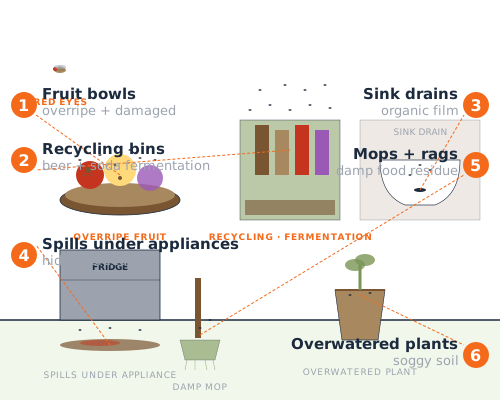
Cross-section illustration showing fruit fly breeding sources in fruit bowls, sink drain biofilm, recycling bins with wine residue, and damp mop heads

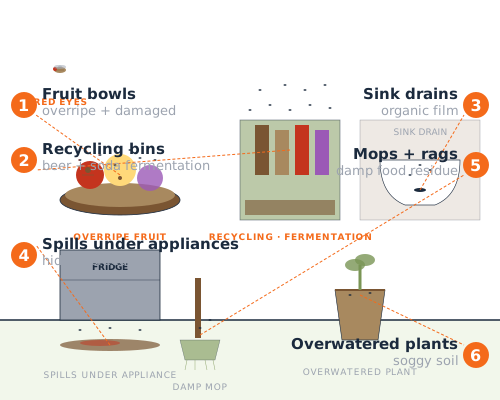
Fruit flies do not migrate in from outside in any meaningful number. They breed indoors, in something fermenting, and that something is usually within ten feet of where you're seeing the cloud. Walk these zones with a flashlight and your nose, fermenting smells are louder than you'd think:

  • Fruit bowls and produce sitting on the counter, Lift every piece and check the bottom. The first overripe banana, a tomato with a soft spot, or a peach with broken skin is almost always the original source. Pieces touching each other ripen faster than pieces stored alone.
  • The garbage disposal and sink drains, Shine a light down the drain. A slimy organic film, called biofilm, lines the inside of the disposal and the upper drain pipe, and the eggs survive inside that film even after the visible flies are killed. The garbage disposal is the most common hidden source in any kitchen.
  • Recycling bins, especially with wine, beer, or juice bottles, Sugar residue at the bottom of a single rinsed-out bottle is enough to breed thousands of flies in a week. Look inside the bin itself, not just at the bottles, drips pool at the bottom corners and ferment.
  • Garbage cans without a tight-fitting lid, Coffee grounds, fruit peels, and food scraps in an uncovered can ferment within 24 hours. Liner bags with small tears at the bottom let liquid leak into the can itself, which then breeds flies under the new bag.
  • Mop heads, sponges, and cleaning rags stored damp, A damp mop in a broom closet picks up food residue across the kitchen and then sits fermenting for days. This is the single most overlooked source in homes that 'cleaned everything' and still see flies.
  • Behind and under appliances, Spilled juice that ran behind the refrigerator, dishwasher drip pans that didn't dry out, a coffee maker with grounds stuck in a hidden tray, all classic chronic sources. If flies persist after the visible kitchen is clean, the source is behind something heavy.
  • Compost bins, indoor or just outside the kitchen door, A countertop compost pail without a sealed lid is a fly factory. An outdoor pile within 10 feet of the house pulls scouts straight to your back door.
  • Wine racks, beer storage, and pet bowls with food residue, Less common but real: a single corked wine bottle leaking a few drops, a beer fridge with sticky shelves, or a pet bowl left out overnight with damp kibble in it can sustain a small population.

The math is harsh. A female lays 500 eggs in her short life, the egg-to-adult cycle is 8 to 10 days, and indoor warmth keeps the colony cycling year-round. That's why one forgotten piece of fruit goes from invisible to dozens of flies in a week and hundreds the week after. Find the source and the swarm collapses within days. Kill adults without finding the source and you're treating the symptom while the next generation is already hatching.

Cross-section illustration showing fruit fly breeding sources in fruit bowls, sink drain biofilm, recycling bins with wine residue, and damp mop heads
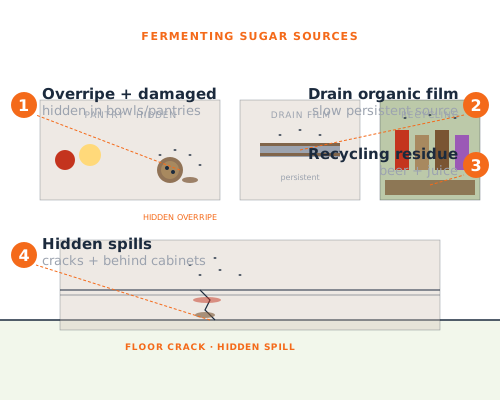
Illustration showing fruit fly breeding sources in fruit bowls, garbage disposals, wine bottles in recycling, and damp mop heads

Why Do I Have Fruit Flies?

Spotting the red eyes is step one. Finding what they're breeding in is the only thing that ends the swarm. Fruit flies don't pick homes for warmth or shelter the way roaches or rodents do, they pick homes that have something fermenting. The adult flies eat yeast and sugar. The larvae eat yeast inside fermenting or decaying material. Every meaningful fruit fly problem traces back to one specific fermenting source you haven't found yet, and almost always it's something that smells fine to you but is actively breeding flies inside it.

What's actually breeding them in your kitchen:

  • Overripe fruit on the counter, the most common starter source, a single banana with brown spots or a tomato with a soft side will seed a population within 48 hours of being laid on
  • Biofilm inside the garbage disposal and upper drain pipe, the most common hidden source, eggs survive in the slime layer even after a kitchen looks spotless
  • Sugar residue in recycling bins, beer bottles, wine bottles, juice cartons, and soda cans rinsed once but not actually cleaned still hold enough sugar to ferment and breed flies
  • Damp cleaning materials, a mop head, sponge, or rag with food residue stored damp is a source that homeowners almost never check, and it explains most 'we cleaned everything and they came back' cases
  • Hidden spills, juice that ran behind the fridge, coffee grounds in a hidden tray, a dishwasher drip pan that never fully dries out, anywhere fermenting liquid sits undisturbed for more than a day
  • Compost bins, an indoor countertop pail or an outdoor pile within 10 feet of the house pulls scouts straight to your kitchen door

The lifecycle is what makes them feel impossible. Eggs hatch in 24 hours. Larvae feed for 3 to 5 days. Pupae develop for 4 to 5 days. Adults emerge ready to mate within hours and lay 500 eggs over a 10 to 15 day lifespan. Indoor heat keeps the cycle running 8 to 10 generations per year, with no winter break. That's why removing the source fixes it within a week, and why every adult-killing trap or spray gives you 48 hours of relief before the next batch hatches from a source you haven't found.

How Serious Is Your Fruit Fly Problem?

Find your scenario below. Fruit flies build fast and collapse fast, the question is whether the source is obvious or hidden.

What You're Seeing Severity If Untreated Next Step
A few tiny flies hovering near the fruit bowl, no other rooms affected Early Population doubles every 8 to 10 days. One overripe banana left out can become 100 flies in under two weeks. Throw out all overripe fruit, refrigerate the rest, and set up an apple cider vinegar trap on the counter. Monitor for 7 days, problem should collapse.
Flies in multiple kitchen spots, fruit bowl already cleaned but they keep showing up Moderate There's a second source you haven't found yet, usually the garbage disposal or a recycling bin. Population continues to grow until found. Treat every drain with an enzymatic cleaner (not bleach), empty and rinse the recycling, check under appliances, and run the vinegar trap. Reassess in 5 days.
Heavy population, kitchen cleaned thoroughly, source still unclear High Hidden source, often biofilm deep in the drain, fermenting liquid behind an appliance, or a broken disposal seal, sustains the cycle indefinitely. Call a professional this week. A specialist locates the hidden source with the right tools, treats the drain biofilm with commercial enzymes, and ends the cycle.
Heavy flies near food prep, commercial kitchen, or sanitary code concern Urgent Contamination risk on prep surfaces, bacteria carried on the legs and body of adult flies (E. coli and Listeria are documented). Health code issues for commercial kitchens. Call today and stop using affected prep surfaces until source is found and treatment is complete. Document the timeline if a code inspection is possible.
A few tiny flies hovering near the fruit bowl, no other rooms affected
Severity Early
If Untreated Population doubles every 8 to 10 days. One overripe banana left out can become 100 flies in under two weeks.
Next Step Throw out all overripe fruit, refrigerate the rest, and set up an apple cider vinegar trap on the counter. Monitor for 7 days, problem should collapse.
Flies in multiple kitchen spots, fruit bowl already cleaned but they keep showing up
Severity Moderate
If Untreated There's a second source you haven't found yet, usually the garbage disposal or a recycling bin. Population continues to grow until found.
Next Step Treat every drain with an enzymatic cleaner (not bleach), empty and rinse the recycling, check under appliances, and run the vinegar trap. Reassess in 5 days.
Heavy population, kitchen cleaned thoroughly, source still unclear
Severity High
If Untreated Hidden source, often biofilm deep in the drain, fermenting liquid behind an appliance, or a broken disposal seal, sustains the cycle indefinitely.
Next Step Call a professional this week. A specialist locates the hidden source with the right tools, treats the drain biofilm with commercial enzymes, and ends the cycle.
Heavy flies near food prep, commercial kitchen, or sanitary code concern
Severity Urgent
If Untreated Contamination risk on prep surfaces, bacteria carried on the legs and body of adult flies (E. coli and Listeria are documented). Health code issues for commercial kitchens.
Next Step Call today and stop using affected prep surfaces until source is found and treatment is complete. Document the timeline if a code inspection is possible.

Source elimination is the entire treatment. If you're between two rows, treat the higher one as your situation.

How a Fruit Fly Population Explodes

Fruit flies have one of the fastest lifecycles of any household pest. Egg to adult in 8 to 10 days. Females mate within hours of emerging and start laying eggs the same day. Indoor warmth keeps the cycle running 8 to 10 generations per year, with no seasonal break. That biology is the entire reason a single piece of forgotten fruit becomes 100 flies in 10 days and thousands within a month if the source isn't found.

  1. Egg

    Hatch in about 24 hours

    A female lays roughly 500 eggs over her 10 to 15 day lifespan, deposited directly on or just under the surface of fermenting fruit, in drain biofilm, or in any fermenting liquid. Eggs are too small to see with the naked eye, which is why source identification depends on smell and location, not on spotting eggs.

  2. Larva

    About 3 to 5 days

    Larvae feed on the yeast inside the fermenting material. They're tiny and pale, and most homeowners never see them. Larvae embedded in drain biofilm are protected from bleach and most surface cleaners, which is why enzymatic drain treatment matters.

  3. Pupa

    About 4 to 5 days

    The pupa forms a hardened case usually attached to the breeding substrate or a nearby dry surface. This is the stage where homeowners 'clean everything' and think the problem is solved, only to see a fresh wave of adults emerge 4 to 5 days later from pupae they didn't realize were there.

  4. Adult

    Adults live 10 to 15 days; mate within hours of emerging

    New adults are reproductive within hours and begin laying eggs the same day. With egg-to-adult cycle of 8 to 10 days and 500 eggs per female, one overripe banana left on the counter becomes 100 flies in 10 days and several thousand within a month if the source isn't removed.

The compounding math is why fruit fly populations feel like they appear out of nowhere. There's no slow buildup, no warning. The source went unfound for 8 days, and now you have a swarm. Source elimination is the only treatment that works because the biology doesn't leave room for anything else, you're not trying to outrun the next generation, you're trying to remove what they're breeding in.

When Fruit Flies Are Most Active

Fruit fly activity is largely indoor and largely year-round. Heated kitchens keep the lifecycle running through winter, and outdoor populations spike during the warm-weather harvest months. The seasonal pattern matters less than the timing of grocery deliveries and produce ripening cycles.

  • Spring

    Activity ramps up as outdoor temperatures climb and fresh-season produce starts arriving in homes. The first warm weekend often triggers the first noticeable indoor swarm of the year. Spring cleaning sometimes reveals overlooked sources behind appliances or in pantry corners.

  • Summer

    Peak indoor activity. Warm temperatures speed the lifecycle to its absolute minimum (8 days egg to adult), and warm-weather produce, peaches, tomatoes, melons, plums, sits on counters at exactly the ripeness flies prefer. Outdoor populations migrate inside on produce, through open doors, and on grocery deliveries.

  • Fall

    Sustained activity through the harvest season. Apples, pears, late tomatoes, and stone fruit come into homes in volume, and a single piece of orchard fruit can carry eggs that hatch on the counter days later. Outdoor compost piles peak now and pull scouts toward the back door.

  • Winter

    Indoor populations stay fully active in heated kitchens. Outdoor sources stop in cold climates, which actually concentrates the problem, every fly you see is breeding indoors, so finding the source is the whole game. Holiday entertaining, wine bottles in recycling, fruit baskets as gifts, drives a noticeable winter spike.

When Fruit Flies Need Professional Help

Most fruit fly problems are DIY-able once the source is identified. Throw out the overripe fruit, refrigerate ripe produce, take out the recycling, treat the drains with an enzymatic cleaner, and run an apple cider vinegar trap on the counter. Within a week the swarm collapses. Sanitation is the foundation of every fruit fly treatment, professional or otherwise.

Professional help becomes worth the call when the source isn't obvious and DIY hasn't ended the problem in 7 to 10 days. The most common hidden sources are deep drain biofilm in the garbage disposal (where eggs survive even after bleach), fermenting liquid behind or under an appliance, a broken disposal seal allowing slow leakage into the cabinet below, or a damp cleaning material homeowners almost never check. A specialist with the right tools finds these quickly.

A pro inspects systematically, treats drain biofilm with commercial enzymatic foam (not the bleach or hardware-store cleaners that don't kill eggs), reduces adult populations with light traps and bait stations while source elimination takes effect, and returns in 10 to 14 days to confirm. Residential cost runs $150 to $400 for an initial visit, and chronic conditions, commercial kitchens, recurring grocery delivery sources, sometimes warrant $30 to $80 monthly recurring service.

The honest test for whether to call: have you cleaned every visible source, treated the drains, and waited 10 days? If the answer is yes and the flies are still coming back, the source is hidden and a pro can find it faster than another round of DIY guessing.

What Changes When a Pro Shows Up

Fruit fly work is detective work. A specialist who's done dozens of these jobs knows where to look first, what hidden sources keep regenerating populations, and what drain treatment actually reaches the biofilm where eggs are surviving. Here's what changes when a pro arrives:

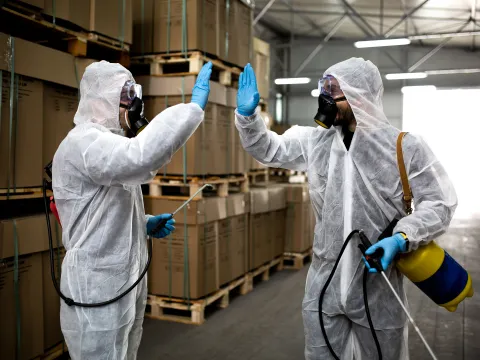
Pest control technicians after completing a fruit fly service
  • Local Pest Control
  • 24/7 Availability
  • Quality Workmanship
  • Eco‑Friendly Options
  • Trusted by Homeowners
  • They Find the Hidden Source You Missed

    A flashlight in the garbage disposal, a hand under the dishwasher, a check of the refrigerator drip pan, and a look behind every appliance. Most chronic fruit fly cases trace to one specific source the homeowner couldn't get to or didn't think to check. The inspection is most of the value.

  • Enzymatic Drain Treatment That Reaches the Biofilm

    Commercial-grade enzymatic foam clings to the pipe wall and dissolves the organic film where eggs are surviving. Hardware-store drain cleaners pour through too fast to penetrate the biofilm, and bleach doesn't kill eggs embedded in the slime layer. The enzyme product is the difference.

  • Adult Reduction While the Source Treatment Works

    Commercial light traps and bait stations knock down the visible adult population during the few days it takes for source elimination to fully take effect. This is the part homeowners can see, but it's the smallest part of the treatment.

  • Follow-Up to Confirm the Source Was the Source

    A return visit at 10 to 14 days confirms the population has actually collapsed, not just dropped temporarily. If flies return, the source identification was wrong and the inspection restarts. Most one-visit jobs hold; the follow-up exists for the cases that need a second look.

  • Local Pest Control
  • 24/7 Availability
  • Quality Workmanship
  • Eco‑Friendly Options
  • Trusted by Homeowners
NoToPests home

One call connects you with a local specialist who knows fruit flies and your area.

Be Ready When You Call

Pest control technician arriving for a fruit fly service
Junho L.
Daisuke P.
Kirk Q.
Marion K.

Trusted by homeowners nationwide

Call for Pest Control Help (888) 495-1510

Can You Handle This or Do You Need Help?

Fruit flies are one of the most DIY-friendly pest problems when the source is obvious. They become a pro job when the source is hidden, the kitchen is commercial, or DIY has failed twice in a row.

What DIY Can Do

DIY handles most residential fruit fly situations. Sanitation is the foundation, and once you find the source, the swarm collapses within days. Honest scope:

  • Throw out overripe fruit and refrigerate the rest, removes the most common source in one step
  • Apple cider vinegar trap (1 inch vinegar, 1 drop dish soap, plastic wrap with toothpick holes) catches and reduces adults while sanitation works
  • Enzymatic drain cleaner used weekly on every kitchen drain dissolves the biofilm where eggs survive (bleach does not, do not use bleach)
  • Empty and rinse recycling bins, including the bin itself, not just the bottles
  • Wash or replace damp mop heads, sponges, and cleaning rags
  • What DIY cannot do: locate hidden sources behind or under heavy appliances, treat broken disposal seals, identify obscure sources in chronic-repeat situations, or pass a commercial health code inspection.

What a Pro Does Differently

Professional fruit fly work shines when DIY hasn't found the source after 10 days or when the kitchen is commercial. Here's what changes when you call:

  • Systematic source inspection covering drains, behind and under appliances, recycling, compost, and cleaning material storage
  • Commercial enzymatic drain foam that clings to the pipe wall and dissolves biofilm, dramatically more effective than hardware-store products or bleach
  • Identification of obscure sources, broken disposal seals, dishwasher drip pans, refrigerator condensate trays, that homeowners can't easily reach or check
  • Adult reduction through commercial light traps and bait stations during the days source elimination takes effect
  • Multi-visit cadence confirming the source was correctly identified, plus a $30 to $80 monthly recurring option for chronic conditions or commercial kitchens.

Suspect Fruit Flies? Don't Wait.

Fruit fly populations double every 8 to 10 days, but they also collapse within a week once the source is found. Connect with a local specialist who finds hidden sources, treats drain biofilm with commercial enzymes, and confirms the population is gone.

Available 24/7
(888) 495-1510

What Homeowners Say After Getting Help

Real results from people who had the same problem and solved it.

Rodrigo K.
Rodrigo K.
Lewiston, ME

"Finally got the fall cluster fly problem under control."

Every autumn, cluster flies would swarm into our upstairs rooms. The provider explained their life cycle and treated the exterior before they could enter. The following fall was dramatically better.

Rodrigo K.
Rodrigo K.
Lewiston, ME

"Finally got the fall cluster fly problem under control."

Every autumn, cluster flies would swarm into our upstairs rooms. The provider explained their life cycle and treated the exterior before they could enter. The following fall was dramatically better.

Noah X.
Noah X.
Concord, NH

"Upstairs cluster fly migration stopped."

We had hundreds of cluster flies appearing in our upstairs rooms every fall. The provider treated the exterior before the migration season and sealed gaps around the windows. The improvement was dramatic.

Shiv N.
Shiv N.
Stowe, VT

"Autumn cluster fly swarms knocked back."

Cluster flies would swarm our upstairs windows each fall. The pro treated the exterior before migration season and sealed the gaps they were using to enter. The following fall was dramatically better.

Sushma N.
Sushma N.
Bethel, AK

"Summer fly breeding sites treated."

Summer brought massive fly problems around the house. The tech identified breeding areas near standing water and treated the perimeter. They also suggested screen repairs that made a significant difference in keeping flies out of the kitchen.

Lauren E.
Lauren E.
Valdez, AK

"Cluster fly numbers down dramatically."

Each fall, cluster flies would gather on the sunny side of the house and find their way indoors. The inspector treated the exterior walls and sealed cracks around window frames. The numbers dropped dramatically the following season.

Sora Z.
Sora Z.
Sandpoint, ID

"Attic soffits sealed against cluster flies."

Thousands of cluster flies appeared in the attic each autumn. The provider treated the attic and sealed soffit vents with fine mesh. They explained the overwintering behavior and recommended late-summer treatment for best results.

Horacio Y.
Horacio Y.
Westbrook, ME

"Cluster fly attic invasion knocked back."

Cluster flies would invade the attic every autumn and emerge on warm winter days. The provider treated the exterior in late summer and sealed soffit gaps. The preventive timing made a dramatic difference in the number getting inside.

Suresh H.
Suresh H.
Bemidji, MN

"Cabin attic sealed against cluster flies."

Our lake cabin attic filled with cluster flies every fall. The provider treated the exterior in late August and sealed soffit vents. The preventive timing was key to reducing the fly population dramatically.

Jaya T.
Jaya T.
Livingston, MT

"Attic cluster fly numbers dramatically reduced."

Thousands of cluster flies appeared in the attic each autumn. The provider treated the exterior in late summer and sealed the soffit vents. Early timing dramatically reduced the invasion.

Angela O.
Angela O.
Berlin, NH

"Cabin cluster fly cycle finally broken."

Cluster flies filled the cabin every autumn and emerged on warm winter days. The provider treated the exterior in late summer and sealed soffit openings. The timing was critical for prevention.

Alfredo H.
Alfredo H.
Rugby, ND

"Attic cluster fly entries closed off."

Cluster flies appeared in the attic every autumn. The provider treated the exterior in late summer and sealed soffit gaps. Timing the treatment before flies seek shelter was critical.

Dante Q.
Dante Q.
Madison, SD

"Attic soffits sealed against cluster flies."

First warm day in February the attic ceiling would have dozens of flies waking up and crawling toward the window. Disgusting honestly. The tech explained you have to treat in late August before they move in for the winter, so we timed it that way. Sealed the soffit gaps too. This past winter the count was way down. Timing the treatment was the key piece I had been missing.

Karen H.
Karen H.
Newport, VT

"Attic soffits sealed against cluster flies."

Every February when the sun hit the south side of the roof, the bedrooms would fill with sluggish flies. Vacuumed up a small graveyard worth one weekend. The tech treated the exterior in the last week of August, which is when they look for shelter, and sealed the soffit gaps. The next winter was probably ninety percent better. The timing made all the difference.

Itzel A.
Itzel A.
Powell, WY

"Attic soffits sealed against cluster flies."

First warm day of February, sluggish flies would crawl across the upstairs ceiling and end up on the bathroom counter. Vacuumed up dozens every winter. The tech explained the cluster flies look for shelter in late August, so that is when we need to treat. Sealed the soffit gaps too. This past winter the count was way down. Catching them before they move in was the key.

Common Questions About Fruit Flies

Direct answers to what homeowners ask most about red-eye identification, fermenting breeding sources, and what actually ends the swarm.

  • How do I tell fruit flies from drain flies or fungus gnats? Toggle answer for: How do I tell fruit flies from drain flies or fungus gnats?

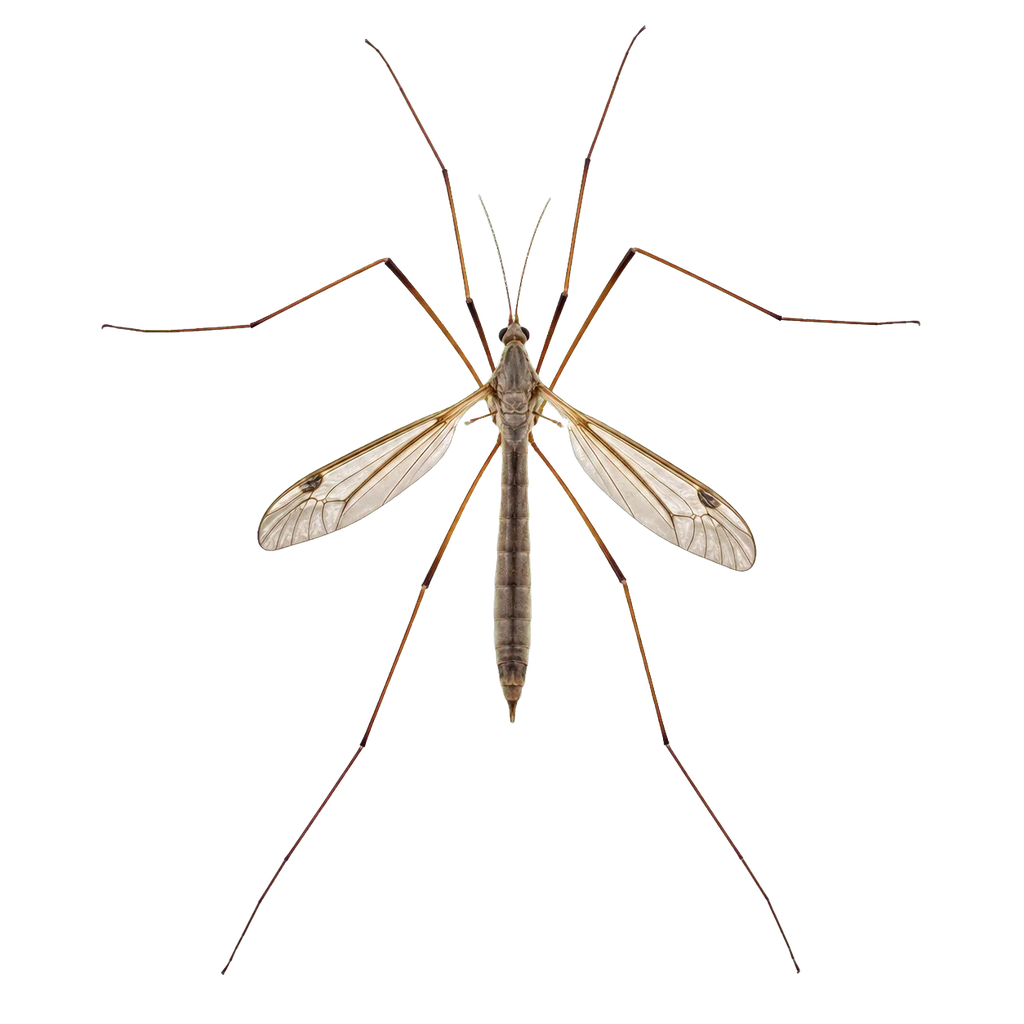
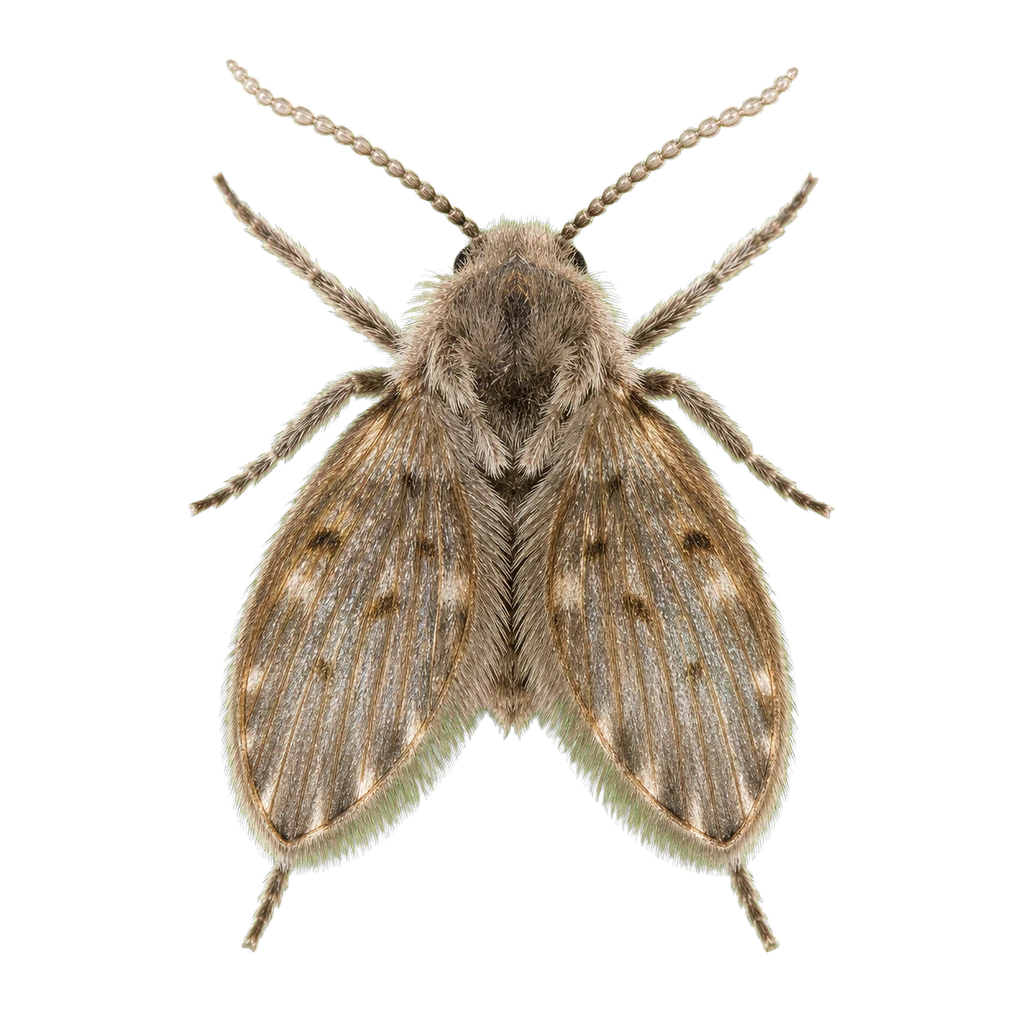
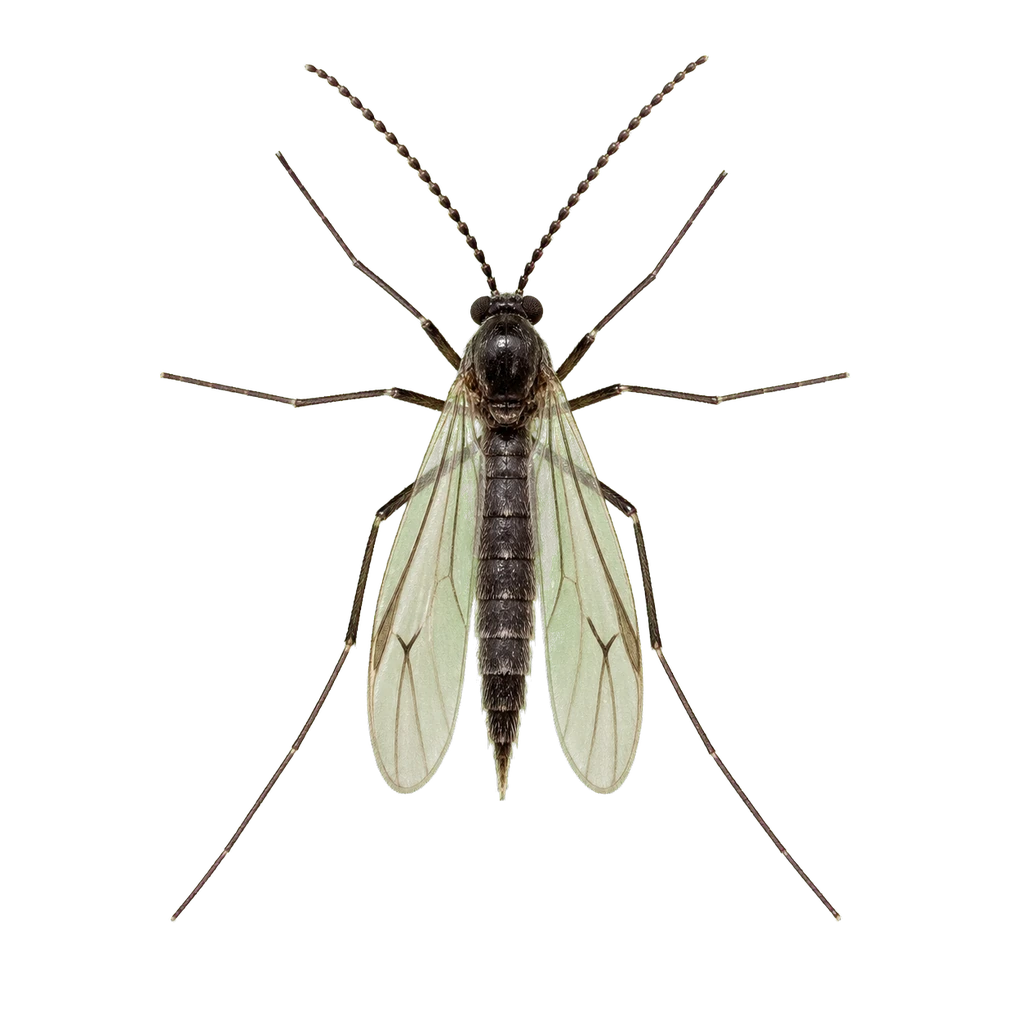
    Fruit flies are tiny (about 1/8 inch), tan to brownish-yellow flies with distinctive bright red eyes (visible under close inspection) and a rounded body shape. They hover and fly in quick, darting patterns near fruit bowls, garbage cans, and recycling bins. Drain flies are fuzzy, moth-shaped, and rest on walls near drains. Fungus gnats are darker, more delicate, with long legs and antennae, and are found near potted plants. The red eyes and attraction to fermenting produce are the fastest identifiers for fruit flies. If the tiny flies you see are hovering near your fruit bowl or wine glasses rather than near drains or houseplants, they are almost certainly fruit flies.

  • Why are fruit flies so hard to get rid of once they appear? Toggle answer for: Why are fruit flies so hard to get rid of once they appear?

    Fruit flies reproduce extraordinarily fast, afemale can lay up to 500 eggs, and the entire life cycle from egg to reproducing adult takes just eight to ten days at room temperature. They breed not only on visible fruit but in any moist area with fermenting organic material: the residue inside garbage disposal splash guards, empty bottles in recycling bins, damp mop heads, forgotten produce behind appliances, residue in drip trays, and spilled juice in refrigerator drawers. Killing visible adults with traps addresses only a fraction of the population while larvae continue developing in hidden breeding sites. Eliminating every source of fermenting organic material is the only way to break the cycle completely.
  • Why do flies keep showing up in my home? Toggle answer for: Why do flies keep showing up in my home?

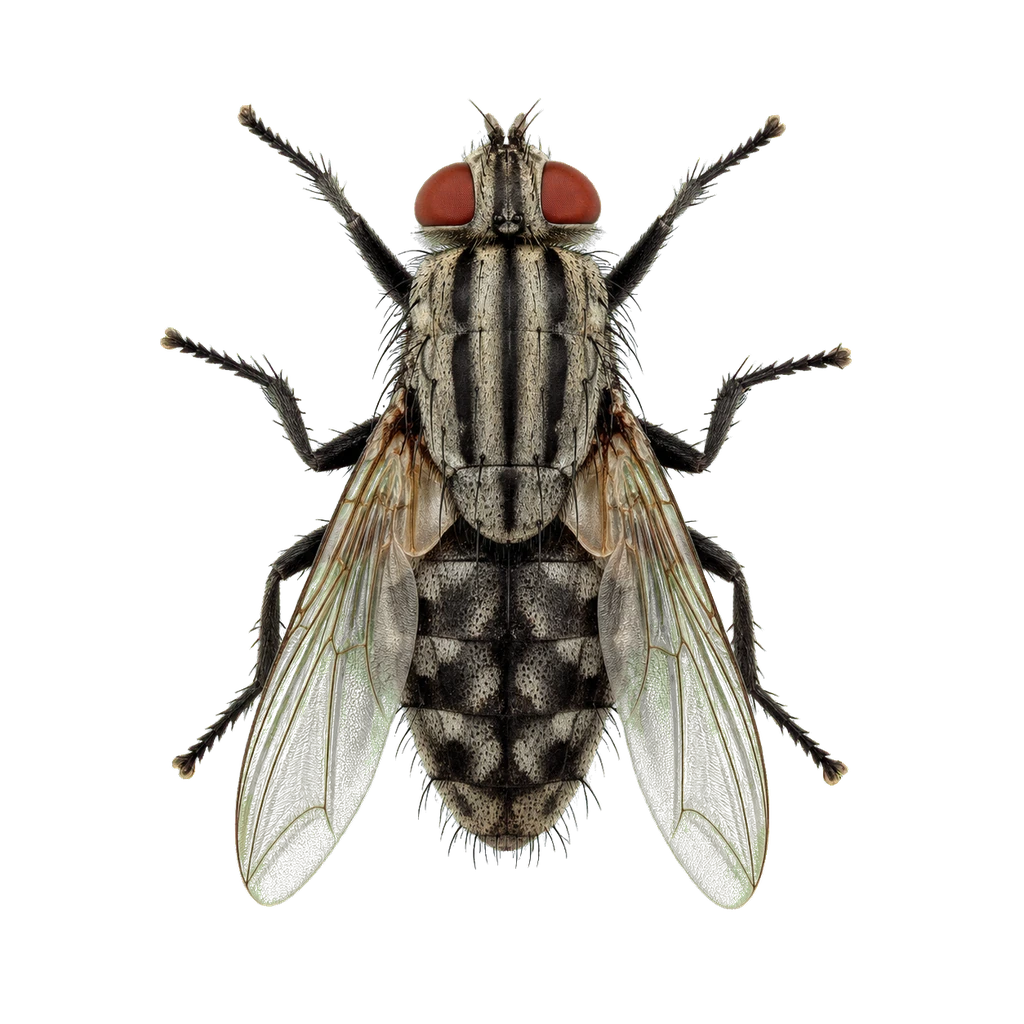
    Flies reproduce incredibly fast, asingle house fly can lay 500 eggs in her lifetime, and the cycle from egg to adult takes as little as 7 days. They're drawn to decaying organic matter, garbage, pet waste, and moist drains. If flies are persistent indoors, there's almost always a breeding source nearby: an overlooked trash bag, a dirty garbage disposal, a floor drain with organic buildup, or a dead animal in a wall void.
  • Are flies a health risk? Toggle answer for: Are flies a health risk?

    House flies are significant disease vectors. They land on garbage, animal waste, and decaying matter, then transfer pathogens to your food and surfaces. They carry E. Coli, salmonella, cholera, and over 100 other pathogens. Fruit flies and drain flies are less of a direct health risk but indicate sanitation issues that should be addressed. Any persistent fly presence warrants finding and eliminating the breeding source.

  • How quickly can a provider get to my home? Toggle answer for: How quickly can a provider get to my home?

    Most providers in our network can schedule an inspection within 24-48 hours. For urgent situations, likeactive structural damage or large colonies, same-week emergency service is often available. Response times depend on your location and the provider's current schedule.

  • What happens during the first visit? Toggle answer for: What happens during the first visit?

    Your provider inspects the property to identify the pest, locate nesting or entry points, and assess the scope of the problem. You get a clear explanation of what they found, what they recommend, and a written scope before any work begins.

  • Is treatment safe for kids and pets? Toggle answer for: Is treatment safe for kids and pets?

    Modern pest control products are designed to break down quickly after application and pose minimal risk to people and pets when applied correctly. Most providers ask you to keep kids and pets out of treated areas for 1 to 2 hours while the product dries, after which the area is generally safe again. Always confirm specific re-entry times with your provider, and let them know about pet birds, fish, or reptiles, since some treatments require extra precautions for those species.

Pest Control Pros serving the city of the state of your city and nearby areas

Local providers experienced in fruit fly source detection and enzymatic drain treatment are ready to inspect, treat, and follow up, no obligation.

Available 24/7
(888) 495-1510