Local pest control help is one call away.

Crane Fly: Identification, Treatment & Prevention

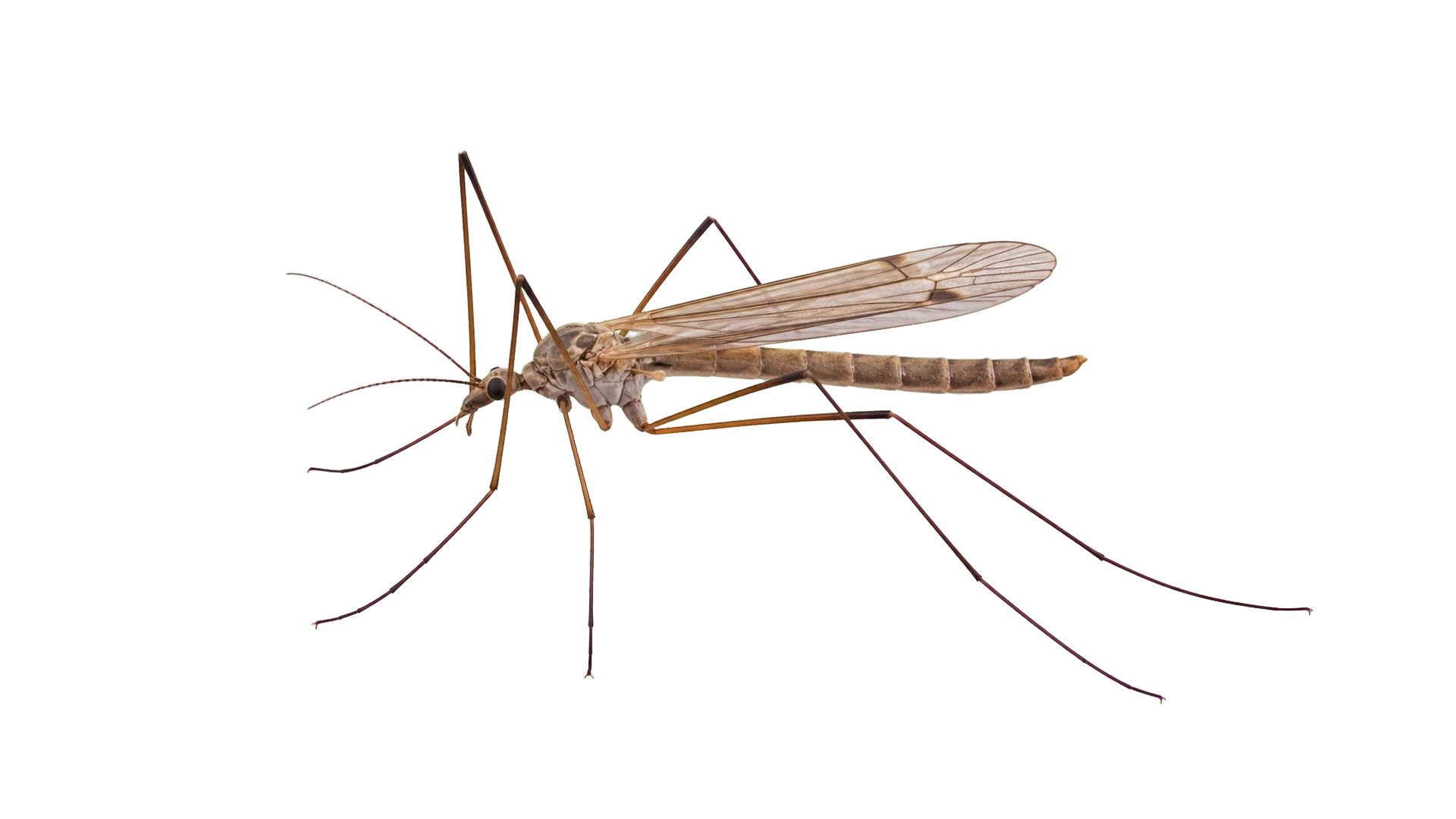
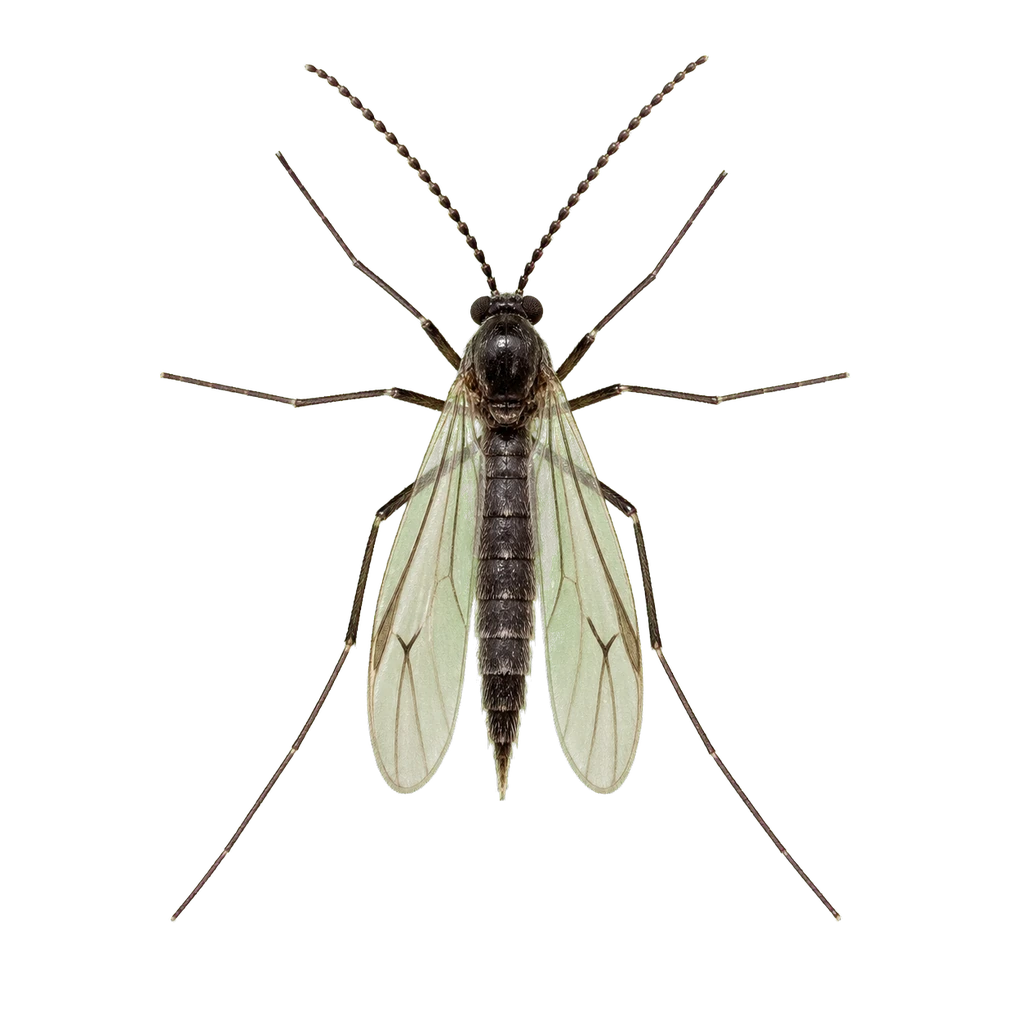
Crane flies are the giant mosquito-looking insects bumping into your porch light at night. The adults have a 1 to 2.5 inch leg span on a thin body, six spindly legs that snap off if you grab them, and a slow clumsy flight that makes them easy to catch. Many people call them mosquito hawks and believe they eat mosquitoes. They do not. They are not even related to mosquitoes, and most adult crane flies have no working mouthparts at all. They do not bite, do not feed, and only live about two weeks as adults.

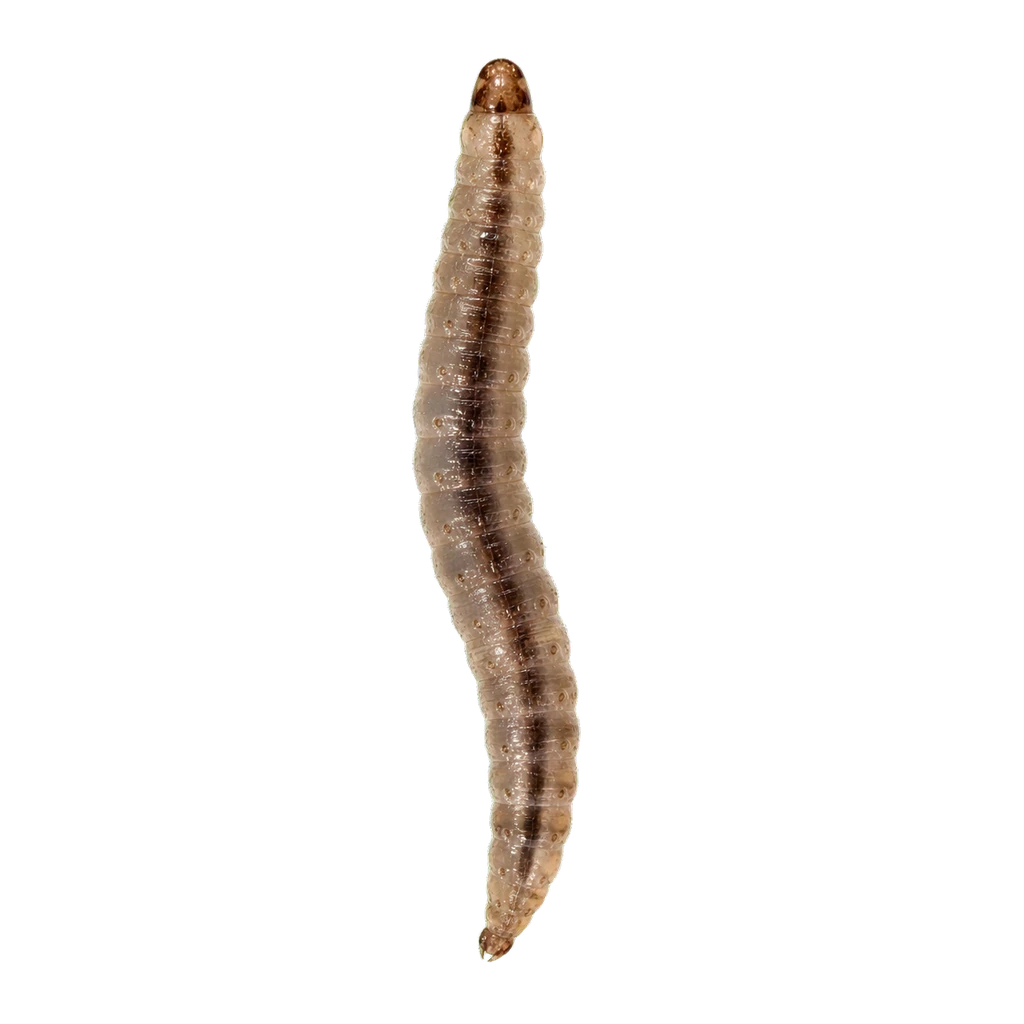
The part that matters for your property is underground. Crane fly larvae are called leatherjackets, tough gray-brown grubs about an inch long that feed on grass roots and decaying plant matter. Two introduced European species in the Pacific Northwest and Northeast cause real lawn damage, brown patches that lift off the soil like loose carpet. This guide covers how to confirm what you have, why the adults need no treatment, when leatherjacket damage in invasive-species regions calls for turf work, and how beneficial nematodes fit into a lawn program.

Close-up illustration of a crane fly showing the long spindly legs and slender body that make it look like a giant mosquito

ID Card: Crane Fly

Scientific name
Tipulidae
Color
Gray-brown, translucent wings
Size
1/2 to 2.5 inches
Body shape
Slender, mosquito-like but much larger with very long legs
Antennae
Thread-like, many segments
Key evidence
Large, clumsy flies near porch lights, not harmful but alarming in appearance
Also known as
Mosquito hawks, Daddy longlegs flies, Skeeter eaters

Related Species

Call to get matched with a local pest control pro.

Available 24/7
(888) 495-1510
  • Specialists trained on lawn grub and leatherjacket treatment
  • Turf insecticide timing for small grubs in late summer
  • Beneficial nematode applications as a biological control option

Where to Inspect for Crane Fly Activity

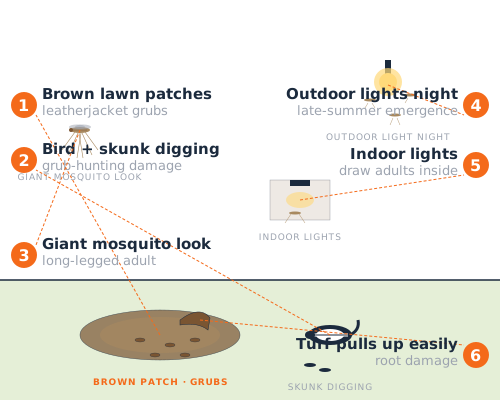
Cross-section illustration showing leatherjacket larvae feeding on grass roots and the brown lifting patches that appear above ground in spring

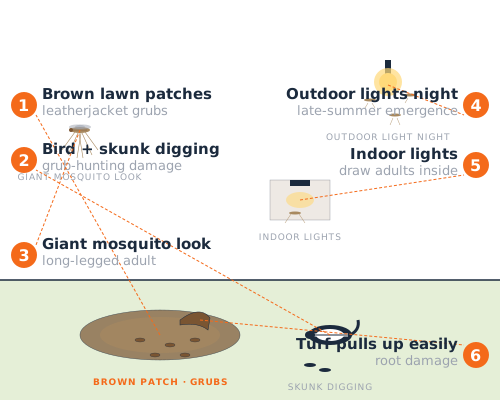
Adult crane flies are obvious, you cannot miss something with a two-inch leg span flopping around your porch light. The leatherjacket larvae underground are the part that matters, and they leave clear surface evidence once feeding gets heavy. Walk these zones in early spring with a flashlight and a hand trowel:

  • Outdoor lights at night, Porch lights, garage lights, and white LED fixtures pull adult crane flies in by the dozen during emergence windows. Bright lighting near the house is the single biggest reason adults concentrate at your door rather than your neighbor's.
  • Brown patches in lawn that lift like loose carpet, Tug at the edge of a discolored patch. If the turf pulls up because the root system is gone, leatherjackets have been feeding underneath for weeks. This is the loudest signal of an active larval population.
  • Around door and window screens at dusk, Adults bump screens trying to reach interior lights. Bodies and detached legs accumulate on sills, which is often the first time homeowners notice them indoors.
  • Moist, shaded lawn zones, Check spots that stay damp from irrigation, downspouts, or shade. These are where females laid eggs the previous fall and where leatherjackets are easiest to find by peeling back the top inch of sod.
  • Increased bird and skunk activity tearing up turf, Robins, starlings, and skunks dig for leatherjackets and leave the lawn looking like it was raked. Predator activity confirms a heavy larval population before you ever see a brown patch.
  • Agricultural fields and pasture edges, In farm regions, leatherjackets damage cereal crops, pasture grass, and turf farms. Check field edges and any cool, moist field margin for the same lifting damage seen in residential lawns.

If brown patches that lift, predator damage, and adults at lights line up on one property in the Pacific Northwest or Northeast, you are almost certainly dealing with the European crane fly or marsh crane fly, the two introduced species that cause meaningful lawn damage. Native species across the rest of the country are a nuisance at lights and nothing more. Catching leatherjacket damage early in spring is what keeps the brown patches from spreading and saves the turf from needing a full reseed.

Cross-section illustration showing leatherjacket larvae feeding on grass roots and the brown lifting patches that appear above ground in spring
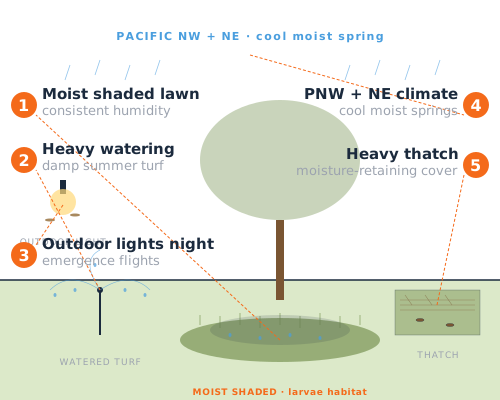
Illustration showing crane fly egg-laying zones in moist, shaded lawn areas with leatherjacket larvae developing in the top layer of soil

Why Do I Have Crane Flies?

Spotting a few adults at the porch light tells you almost nothing about your property. Crane flies are weak fliers but they cover ground at night, and even a couple dozen at your door can be coming from a neighbor's yard, a nearby field, or a wet ditch a block away. What matters is whether eggs were laid in your lawn. That is decided by moisture, grass cover, and which species lives in your region.

What attracts crane flies to your property:

  • Bright outdoor lighting at night, white LED, mercury vapor, and high-intensity porch fixtures pull adults in from a wide radius and concentrate egg-laying females over nearby lawn
  • Moist, well-watered turf, females lay in soil that stays damp; lawns under heavy irrigation, in shaded zones, or near downspouts are the preferred targets
  • Established invasive European crane fly range, the Pacific Northwest from northern California through British Columbia and the Northeast from New York through New England are where lawn damage is real
  • Recent landscape watering and irrigation upgrades, new sprinkler runs or expanded irrigation zones create exactly the moist conditions egg-laying females need
  • Cool, moist springs that extend larval feeding, weather that keeps the soil damp into May lets leatherjackets feed longer and damage more turf before pupation

Crane flies complete one generation per year. Adults emerge, mate, and lay eggs in late summer or early fall, then die within two weeks. The eggs hatch within days and leatherjackets feed in the soil through fall, winter, and spring, with the heaviest root damage right before pupation. By the time brown patches show in late spring, the leatherjackets are nearly mature and harder to treat. Catching them small in late summer is what makes turf insecticide and biological control land cleanly.

How Serious Is Your Crane Fly Problem?

Find your scenario below. Adult sightings on their own are not a treatment trigger, leatherjacket damage in invasive-species regions is.

What You're Seeing Severity If Untreated Next Step
Adults bumping into outdoor lights at night, no lawn damage Low Adults will die within two weeks and the situation ends on its own; no feeding, no biting, no disease Switch outdoor bulbs to yellow LED to reduce attraction. No treatment is needed, the adults are harmless and do not feed.
Brown patches in the lawn that lift like loose carpet, PNW or Northeast property Moderate Leatherjackets will keep feeding through spring; patches will widen and may need full reseeding once damage exceeds 25 percent of the lawn Schedule a turf inspection in late summer when grubs are small. Treatment at that stage costs less and works better than treating mature larvae.
Heavy lawn damage that returns each spring, multiple years of brown patches High Damage compounds annually; turf vigor declines, weed pressure rises, and reseeding costs accumulate season over season Request a comprehensive lawn program with leatherjacket treatment plus a biological control component using beneficial nematodes.
Commercial turf damage, golf course rough, athletic field, or sod farm Urgent Playing-surface failure, sod inventory losses, and field unusability climb quickly in heavily damaged turf areas Call a professional turf management service this week. Commercial leatherjacket programs use scouted threshold counts to time applications precisely.
Adults bumping into outdoor lights at night, no lawn damage
Severity Low
If Untreated Adults will die within two weeks and the situation ends on its own; no feeding, no biting, no disease
Next Step Switch outdoor bulbs to yellow LED to reduce attraction. No treatment is needed, the adults are harmless and do not feed.
Brown patches in the lawn that lift like loose carpet, PNW or Northeast property
Severity Moderate
If Untreated Leatherjackets will keep feeding through spring; patches will widen and may need full reseeding once damage exceeds 25 percent of the lawn
Next Step Schedule a turf inspection in late summer when grubs are small. Treatment at that stage costs less and works better than treating mature larvae.
Heavy lawn damage that returns each spring, multiple years of brown patches
Severity High
If Untreated Damage compounds annually; turf vigor declines, weed pressure rises, and reseeding costs accumulate season over season
Next Step Request a comprehensive lawn program with leatherjacket treatment plus a biological control component using beneficial nematodes.
Commercial turf damage, golf course rough, athletic field, or sod farm
Severity Urgent
If Untreated Playing-surface failure, sod inventory losses, and field unusability climb quickly in heavily damaged turf areas
Next Step Call a professional turf management service this week. Commercial leatherjacket programs use scouted threshold counts to time applications precisely.

Adults are nuisance only and never justify treatment. Leatherjacket lawn damage in the PNW or Northeast is what triggers turf work. If you are between rows, treat the higher one as your situation.

How Crane Flies Develop

Crane flies complete one generation per year, with the larval stage stretching across eight to ten months of soil feeding and the adult stage lasting only about two weeks. That long larval window is why leatherjackets do the actual damage, and the short adult phase is why treating adults makes no sense. The lifecycle below maps exactly where treatment lands.

  1. Egg

    Hatches in 6 to 14 days

    Females lay 200 to 300 eggs into moist soil during late summer and early fall, dropping them while hovering over the lawn. Eggs need damp ground to survive, which is why irrigated turf and shaded zones get hit hardest. Hatching happens within days, the larvae start feeding immediately.

  2. Larva (leatherjacket)

    About 8 to 10 months

    Leatherjackets are tough-skinned gray-brown grubs about an inch long when mature. They feed on grass roots and decaying plant matter through fall, winter, and spring. This is the entire damage window, the brown patches you see in spring are the result of months of root feeding underground.

  3. Pupa

    About 1 to 2 weeks

    Mature leatherjackets pupate in the top two inches of soil in late spring or early summer. Empty pupal cases often stick out of the lawn surface, leftover dark tubes that confirm emergence happened recently. Pupation closes the treatment window for that generation.

  4. Adult

    Lives about 10 to 15 days

    Adults emerge to mate and lay eggs, then die. Most species have no functional mouthparts and do not feed at all, which is the entire reason the mosquito hawk nickname is misleading. They cannot eat mosquitoes because they cannot eat anything. The clumsy flight and detaching legs are defensive, not aggressive.

One generation per year means there is exactly one treatment window per season. Late summer hits small leatherjackets cleanly. Spring still works but is harder because the grubs are larger and closer to pupation. Missing both means waiting another year, which is fine for nuisance adults but expensive for damaged turf.

When Crane Flies Are Most Active

Crane fly visibility shifts dramatically by season. Adults are obvious for short windows in spring and late summer; leatherjacket damage shows up in spring after months of underground feeding. Knowing the seasonal pattern tells you when to inspect and when treatment will actually land.

  • Spring

    Brown lawn patches appear as overwintered leatherjackets finish their root feeding. This is when most homeowners first realize they have a problem. Adult European crane flies emerge in some areas during late spring. Treatment in this window helps but is harder than late-summer treatment because the grubs are nearly mature.

  • Summer

    Pupation finishes by early summer and adults emerge through late summer for mating and egg laying. Adults concentrate around outdoor lights at night, then drop eggs into moist lawns. Late summer (August into September) is the prime treatment window for leatherjackets because newly hatched grubs are small and close to the surface.

  • Fall

    Eggs hatch and young leatherjackets begin feeding on grass roots. Cool, moist conditions extend feeding and accelerate damage. In the Pacific Northwest, persistent wet weather lets leatherjackets feed almost continuously through fall and into winter. Some adult species emerge in fall as a second flight.

  • Winter

    Larvae continue feeding underground in mild-winter regions, particularly the Pacific Northwest where soil rarely freezes. In colder regions, leatherjackets slow but do not stop. Damage shows above ground once the lawn breaks dormancy in spring and the worst-fed turf fails to green up.

When Crane Flies Need Professional Help

Adult crane flies need no professional help, ever. They do not bite, do not feed, do not carry disease, and are dead within two weeks of emerging. If giant mosquito-looking flies at your porch light are the only thing you are seeing, the right answer is a yellow LED bulb and a little patience, not a treatment program.

Leatherjacket lawn damage in the Pacific Northwest and Northeast is a different problem. Once you see brown patches that lift like loose carpet, the larvae have already been eating roots for months. Pro treatment is about timing the next generation, not saving the current one. Late summer applications hit small grubs cleanly, and a turf insecticide rated for white grubs works just as well on leatherjackets at that stage.

Beneficial nematodes are a real biological option for homeowners who want to skip the insecticide. Steinernema feltiae and similar species infect leatherjackets and kill them within days. The catch is that nematodes need moist soil at the right temperature, and the shipment has to be applied quickly before the nematodes die. A turf pro handles the timing and the application equipment, which is why nematodes are usually a service rather than a DIY product.

Commercial turf, golf course rough, athletic fields, and sod farms have stricter damage thresholds and shorter tolerance for cosmetic loss. These properties typically use scouted leatherjacket counts and preventive applications rather than reactive treatment. If you manage commercial turf in the PNW or Northeast, a professional program with documented threshold data is the standard approach.

What Changes When a Pro Shows Up

Crane fly work is turf work. Adults are not treated because they do not bite, do not feed, and die in two weeks. The real job is timing leatherjacket treatment so it lands when the grubs are small. Here is what changes:

Lawn care technicians after completing a turf treatment for leatherjacket larvae
  • Local Pest Control
  • 24/7 Availability
  • Quality Workmanship
  • Eco‑Friendly Options
  • Trusted by Homeowners
  • They Confirm the Species and the Region

    Native crane flies are harmless and need no treatment anywhere. European crane fly and marsh crane fly are the two species that damage lawns, and they are concentrated in the Pacific Northwest and Northeast. A specialist confirms which one you have before suggesting any work.

  • They Inspect Soil for Leatherjacket Counts

    Soil sampling under affected turf gives an actual count per square foot. Treatment thresholds usually start around 25 to 40 leatherjackets per square yard for residential lawns. Lower counts mean no treatment, cultural fixes only.

  • They Time the Insecticide for Small Grubs

    Late summer applications work best because leatherjackets are still small and close to the surface. Spring treatment can still help but knockdown is slower because the grubs are mature. Timing is the entire reason professional treatment outperforms DIY.

  • They Offer Beneficial Nematodes

    For homeowners who want to avoid synthetic insecticide on the lawn, parasitic nematode applications target leatherjackets biologically. Nematodes need moist soil and the right temperature window, which is why they are a professional service rather than a hardware-store fix.

  • Local Pest Control
  • 24/7 Availability
  • Quality Workmanship
  • Eco‑Friendly Options
  • Trusted by Homeowners
NoToPests home

One call connects you with a local specialist who knows crane flies and your area.

Be Ready When You Call

Lawn care technician arriving for a leatherjacket turf treatment
Junho L.
Daisuke P.
Kirk Q.
Marion K.

Trusted by homeowners nationwide

Call for Pest Control Help (888) 495-1510

Can You Handle This or Do You Need Help?

Crane flies are unique among pest pages because most of the answer is do nothing. Adults are harmless and need no treatment. DIY is fine for cultural fixes and species ID; pros are only worth calling for leatherjacket damage in invasive-species regions.

What DIY Can Do

DIY handles the easy 90 percent of crane fly situations on its own. Useful steps with honest limits:

  • Confirm identification: huge leg span, slow weak flight, clumsy near lights, does not bite, does not feed, do not mistake them for giant mosquitoes
  • Switch outdoor bulbs from white LED or mercury vapor to yellow LED to dramatically reduce adult attraction at night
  • Tolerate adults as a no-threat species; their lifespan is under two weeks and the situation ends on its own
  • Identify leatherjacket lawn damage by tugging brown patches; if turf lifts cleanly, the larvae are below
  • Reduce excessive irrigation in shaded lawn zones to discourage next-year egg laying
  • What DIY cannot do effectively: time turf insecticide to the late-summer small-grub window, apply beneficial nematodes correctly, or handle commercial-grade lawn restoration.

What a Pro Does Differently

Professional crane fly work is exclusively about leatherjacket damage. Here is what changes when you call:

  • Species confirmation that tells you whether you are seeing a native nuisance or an invasive European species that damages lawns
  • Soil sampling under affected turf to count leatherjackets per square yard against treatment thresholds
  • Late-summer turf insecticide timing that hits small grubs cleanly, the entire window professional treatment outperforms hardware-store applications
  • Beneficial nematode application as a biological control option for homeowners avoiding synthetic insecticide
  • Lawn restoration plan including overseeding, watering schedule adjustment, and cultural fixes to discourage next-year egg laying
  • Pricing typically $200 to $500 for residential leatherjacket lawn treatment depending on lawn size and damage extent.

Suspect Crane Flies? Don't Wait.

Leatherjacket lawn damage in the Pacific Northwest or Northeast compounds annually if untreated. Connect with a local lawn specialist for late-summer turf treatment or beneficial nematode application.

Available 24/7
(888) 495-1510

What Homeowners Say After Getting Help

Real results from people who had the same problem and solved it.

Rodrigo K.
Rodrigo K.
Lewiston, ME

"Finally got the fall cluster fly problem under control."

Every autumn, cluster flies would swarm into our upstairs rooms. The provider explained their life cycle and treated the exterior before they could enter. The following fall was dramatically better.

Rodrigo K.
Rodrigo K.
Lewiston, ME

"Finally got the fall cluster fly problem under control."

Every autumn, cluster flies would swarm into our upstairs rooms. The provider explained their life cycle and treated the exterior before they could enter. The following fall was dramatically better.

Noah X.
Noah X.
Concord, NH

"Upstairs cluster fly migration stopped."

We had hundreds of cluster flies appearing in our upstairs rooms every fall. The provider treated the exterior before the migration season and sealed gaps around the windows. The improvement was dramatic.

Shiv N.
Shiv N.
Stowe, VT

"Autumn cluster fly swarms knocked back."

Cluster flies would swarm our upstairs windows each fall. The pro treated the exterior before migration season and sealed the gaps they were using to enter. The following fall was dramatically better.

Sushma N.
Sushma N.
Bethel, AK

"Summer fly breeding sites treated."

Summer brought massive fly problems around the house. The tech identified breeding areas near standing water and treated the perimeter. They also suggested screen repairs that made a significant difference in keeping flies out of the kitchen.

Lauren E.
Lauren E.
Valdez, AK

"Cluster fly numbers down dramatically."

Each fall, cluster flies would gather on the sunny side of the house and find their way indoors. The inspector treated the exterior walls and sealed cracks around window frames. The numbers dropped dramatically the following season.

Sora Z.
Sora Z.
Sandpoint, ID

"Attic soffits sealed against cluster flies."

Thousands of cluster flies appeared in the attic each autumn. The provider treated the attic and sealed soffit vents with fine mesh. They explained the overwintering behavior and recommended late-summer treatment for best results.

Horacio Y.
Horacio Y.
Westbrook, ME

"Cluster fly attic invasion knocked back."

Cluster flies would invade the attic every autumn and emerge on warm winter days. The provider treated the exterior in late summer and sealed soffit gaps. The preventive timing made a dramatic difference in the number getting inside.

Suresh H.
Suresh H.
Bemidji, MN

"Cabin attic sealed against cluster flies."

Our lake cabin attic filled with cluster flies every fall. The provider treated the exterior in late August and sealed soffit vents. The preventive timing was key to reducing the fly population dramatically.

Jaya T.
Jaya T.
Livingston, MT

"Attic cluster fly numbers dramatically reduced."

Thousands of cluster flies appeared in the attic each autumn. The provider treated the exterior in late summer and sealed the soffit vents. Early timing dramatically reduced the invasion.

Angela O.
Angela O.
Berlin, NH

"Cabin cluster fly cycle finally broken."

Cluster flies filled the cabin every autumn and emerged on warm winter days. The provider treated the exterior in late summer and sealed soffit openings. The timing was critical for prevention.

Alfredo H.
Alfredo H.
Rugby, ND

"Attic cluster fly entries closed off."

Cluster flies appeared in the attic every autumn. The provider treated the exterior in late summer and sealed soffit gaps. Timing the treatment before flies seek shelter was critical.

Dante Q.
Dante Q.
Madison, SD

"Attic soffits sealed against cluster flies."

First warm day in February the attic ceiling would have dozens of flies waking up and crawling toward the window. Disgusting honestly. The tech explained you have to treat in late August before they move in for the winter, so we timed it that way. Sealed the soffit gaps too. This past winter the count was way down. Timing the treatment was the key piece I had been missing.

Karen H.
Karen H.
Newport, VT

"Attic soffits sealed against cluster flies."

Every February when the sun hit the south side of the roof, the bedrooms would fill with sluggish flies. Vacuumed up a small graveyard worth one weekend. The tech treated the exterior in the last week of August, which is when they look for shelter, and sealed the soffit gaps. The next winter was probably ninety percent better. The timing made all the difference.

Itzel A.
Itzel A.
Powell, WY

"Attic soffits sealed against cluster flies."

First warm day of February, sluggish flies would crawl across the upstairs ceiling and end up on the bathroom counter. Vacuumed up dozens every winter. The tech explained the cluster flies look for shelter in late August, so that is when we need to treat. Sealed the soffit gaps too. This past winter the count was way down. Catching them before they move in was the key.

Common Questions About Crane Flies

Direct answers about identification, the mosquito hawk myth, and when leatherjacket lawn damage warrants treatment.

  • How do I identify crane flies versus giant mosquitoes? Toggle answer for: How do I identify crane flies versus giant mosquitoes?

    Crane flies are commonly mistaken for giant mosquitoes due to their long, slender legs and narrow body, but they are easily distinguished by their much larger size (up to 1.5 inches long with a wingspan over 2 inches), their extremely fragile legs that break off easily, and their clumsy, bumbling flight pattern, and theybounce off walls and ceilings aimlessly rather than flying with the purposeful precision of mosquitoes. Crane flies do not bite humans, do not suck blood, and most adult species do not feed at all. They are attracted to lights and commonly enter homes through open doors and windows on warm evenings, creating concern solely because of their mosquito-like appearance.

  • Can crane fly larvae damage my lawn? Toggle answer for: Can crane fly larvae damage my lawn?

    The larvae of European crane flies (leatherjackets) can damage turfgrass by feeding on grass roots and crowns just below the soil surface, creating irregular brown patches similar to grub damage. Leatherjackets are grayish-brown, legless, tough-skinned larvae about 1 to 1.5 inches long found in the top few inches of soil. Damage is most visible in spring (March-May) when overwintered larvae are actively feeding before pupating into adults. Healthy, well-maintained lawns can usually tolerate moderate leatherjacket populations, but heavily infested lawns, particularly in the Pacific Northwest where European crane flies are most established, may show significant turf loss. Birds (especially starlings and robins) pulling at turf to reach leatherjackets often cause additional visible damage.

  • Why do flies keep showing up in my home? Toggle answer for: Why do flies keep showing up in my home?

    Flies reproduce incredibly fast, asingle house fly can lay 500 eggs in her lifetime, and the cycle from egg to adult takes as little as 7 days. They're drawn to decaying organic matter, garbage, pet waste, and moist drains. If flies are persistent indoors, there's almost always a breeding source nearby: an overlooked trash bag, a dirty garbage disposal, a floor drain with organic buildup, or a dead animal in a wall void.

  • Are flies a health risk? Toggle answer for: Are flies a health risk?

    House flies are significant disease vectors. They land on garbage, animal waste, and decaying matter, then transfer pathogens to your food and surfaces. They carry E. Coli, salmonella, cholera, and over 100 other pathogens. Fruit flies and drain flies are less of a direct health risk but indicate sanitation issues that should be addressed. Any persistent fly presence warrants finding and eliminating the breeding source.

  • How quickly can a provider get to my home? Toggle answer for: How quickly can a provider get to my home?

    Most providers in our network can schedule an inspection within 24-48 hours. For urgent situations, likeactive structural damage or large colonies, same-week emergency service is often available. Response times depend on your location and the provider's current schedule.

  • What happens during the first visit? Toggle answer for: What happens during the first visit?

    Your provider inspects the property to identify the pest, locate nesting or entry points, and assess the scope of the problem. You get a clear explanation of what they found, what they recommend, and a written scope before any work begins.

  • Is treatment safe for kids and pets? Toggle answer for: Is treatment safe for kids and pets?

    Modern pest control products are designed to break down quickly after application and pose minimal risk to people and pets when applied correctly. Most providers ask you to keep kids and pets out of treated areas for 1 to 2 hours while the product dries, after which the area is generally safe again. Always confirm specific re-entry times with your provider, and let them know about pet birds, fish, or reptiles, since some treatments require extra precautions for those species.
Pest Control Pros serving the city of the state of your city and nearby areas

Local providers who handle leatherjacket lawn damage and turf restoration are ready to inspect and treat, no obligation.

Available 24/7
(888) 495-1510