Egg
Hatch in 5 to 7 days
Females lay batches of 100 to 1,000 eggs on vegetation overhanging water or moist soil. Egg masses are visible as gray or black clusters on plant stems near pond and marsh edges.
Local pest control help is one call away.
 Pest Control Services Nationwide Pest Control Services Nationwide
 Horse flies are large, robust biting flies, 10 to 30 millimeters long, with gray, brown, or black bodies and striking iridescent green eyes. You'll hear them before you see them, a loud buzzing flight is the first warning. Unlike mosquitoes, they bite during the day, and only females bite. Females use scissor-like mouthparts to slice open skin and lap up the pool of blood that forms. The bite is immediately painful, bleeds, and they come back over and over after being swatted off.
If you're being bitten during outdoor activity by large flies with bright green eyes, the bite hurt right away and bled, and the same fly keeps returning to land on you, you're dealing with horse flies. This guide covers how to confirm them, the disease risks to livestock and humans, and what realistic outdoor management looks like.
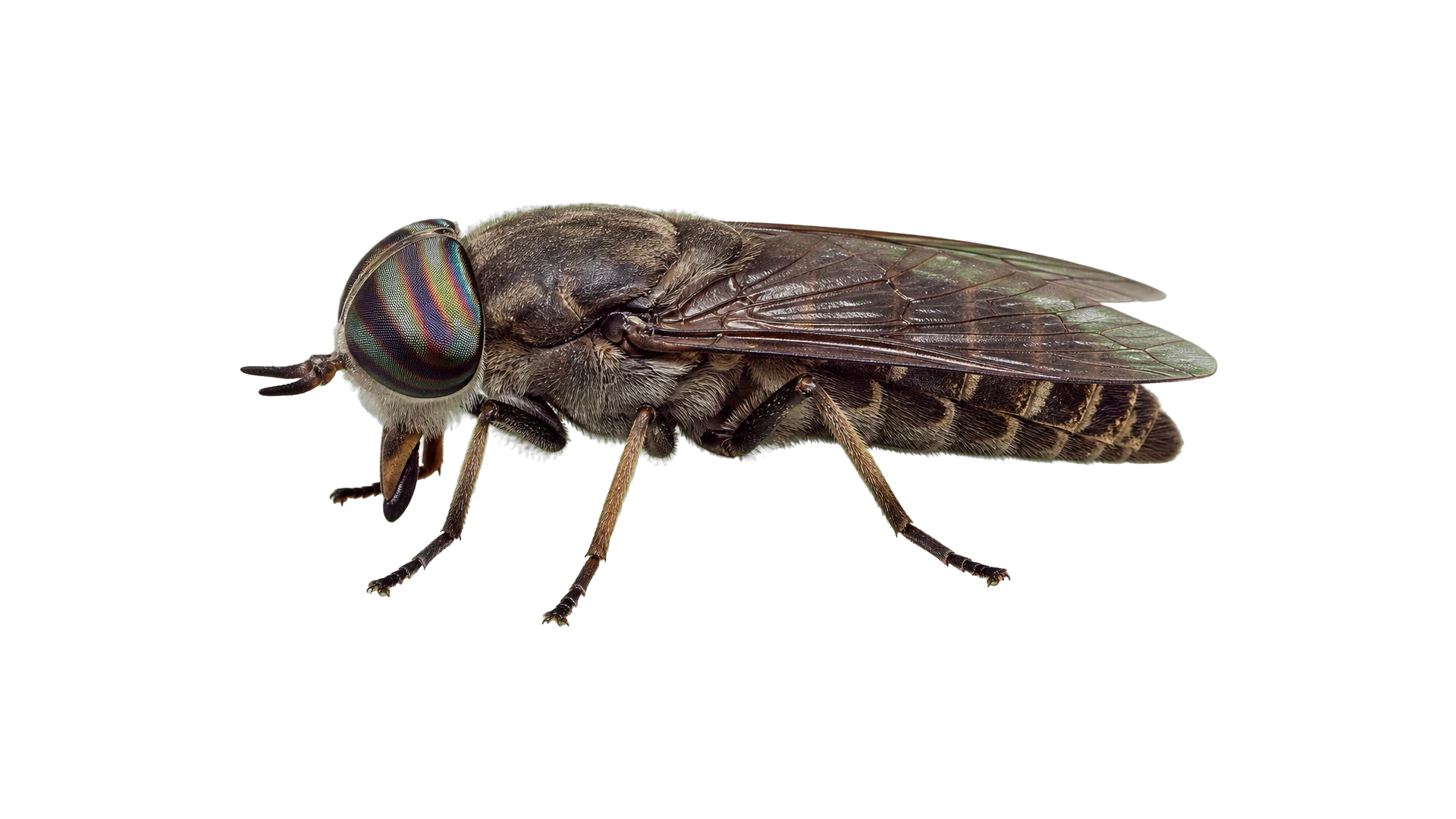
ID Card: Horse Fly
Related Species
Call to get matched with a local pest control pro.
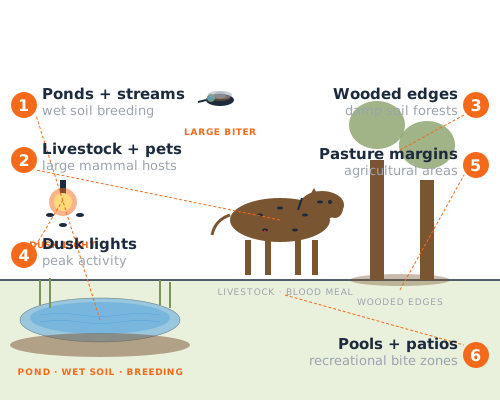
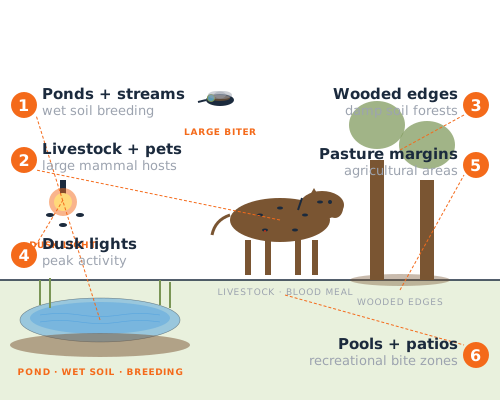
Horse fly larvae develop in water and wet soil, and adults stay tied to those breeding zones. Walking these zones during daylight hours is how you confirm the pressure source on your property:
If you're getting consistent biting in two or more of these zones, breeding habitat is within roughly a quarter mile, often farther than your property line. Treatment focuses on outdoor pressure reduction since horse flies don't establish indoor populations. Personal protection during outdoor activity does more than indoor spray work ever will.
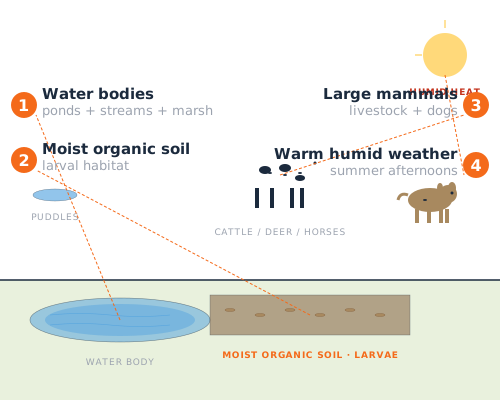
Spotting them is step one. Understanding the breeding habitat is what reveals the realistic management approach. Horse flies aren't a household pest the way ants or cockroaches are, they're a regional pest tied to water and large mammals. A single property rarely controls the breeding source, so pressure on your land depends on what's around you.
What anchors horse flies to your area:
Horse fly populations are tied to regional water and wildlife habitat, not to anything inside your home or even on your property in most cases. Eliminating the breeding source is usually impossible for individual owners because the larvae live in public water bodies, neighboring wetlands, or agricultural drainage. Realistic management focuses on reducing pressure in your immediate activity zones through traps, repellents, livestock protection, and physical barriers.
Find your scenario below. Bite frequency, livestock involvement, and disease exposure drive the response.
| What You're Seeing | Severity | If Untreated | Next Step |
|---|---|---|---|
| Occasional horse fly during outdoor activity | Early | Seasonal pressure follows summer weather and breeding cycles | Use DEET 30%+ or picaridin repellent during outdoor activity. Tolerate occasional encounters. |
| Persistent biting during outdoor activity on the property | Moderate | Heavy local breeding population; activity continues June through August | Deploy horse fly traps on the property. Add livestock protection if applicable. $200-$500 assessment. |
| Heavy biting plus livestock distress or repeated bite infections | High | Livestock anaplasmosis risk rises; outdoor space becomes unusable | Call a professional this week for combined property and livestock management program. |
| Tularemia or EEE/WEE exposure concern, severe bite reaction | Urgent | Disease transmission is rare but serious; allergic reactions can escalate | Seek medical evaluation today. Call for intensive property management after assessment. |
Horse fly management reduces pressure but rarely eliminates it. If you're between two rows, treat the higher one as your situation.
Horse flies have a long aquatic larval stage, 1 to 2 years feeding on small invertebrates in water and wet soil. That long developmental period is exactly why outdoor breeding habitat matters more than any property-side spray ever could, the population you see in summer was set in motion two years earlier.
Hatch in 5 to 7 days
Females lay batches of 100 to 1,000 eggs on vegetation overhanging water or moist soil. Egg masses are visible as gray or black clusters on plant stems near pond and marsh edges.
1 to 2 years, sometimes longer
Larvae are aquatic, living in marshes, ponds, slow streams, and saturated soil. They're predatory on small invertebrates and develop slowly. This is the stage that determines next summer's population, and it's almost always beyond a single property's control.
1 to 3 weeks
Pupation happens in drier soil at the edge of the larval habitat. The pupa doesn't feed and isn't a treatment target.
Adults live 2 to 3 months
Only females bite, they need a blood meal before each batch of eggs. Males feed only on nectar and don't bite at all. Females have scissor-like mouthparts that slice skin and lap up the blood pool, which is why the bite hurts immediately and bleeds visibly.
One generation per year is typical in most US ranges, though longer larval cycles are common in colder climates. The slow lifecycle and habitat-dependent larvae mean horse fly populations are stable from year to year where conditions are right. Realistic management is seasonal pressure reduction during the adult flight window, not larval elimination.
Horse fly activity peaks in summer warmth, with sunny afternoons producing the heaviest biting pressure. Knowing the seasonal pattern tells you when to deploy traps, when to step up livestock protection, and when outdoor activity is going to be most affected.
Early season biting begins in late May as adults emerge from overwintered pupae. Activity is light through May and ramps up sharply through June. Trap deployment in late spring beats waiting until peak pressure arrives.
Peak activity from June through August. Hot humid afternoons see the most biting pressure. Outdoor activity midday is most affected, livestock pastures and lake-edge properties take the heaviest hits.
Activity tapers as temperatures drop and adult populations die off. Some biting continues into early September in warm regions, but pressure is much lower than peak summer levels.
Adults are gone in all but the warmest US zones. The population overwinters as larvae in water and wet soil. Trap maintenance and livestock-protection planning happen during this quiet period in preparation for the next summer cycle.
Horse flies are one of the few household-adjacent pests where the breeding source usually sits off your property. Larvae develop in water and wet soil for 1 to 2 years, often in public wetlands, neighboring ponds, or agricultural drainage you can't legally treat. The adult flies you see in July came from larvae that started developing in mid-2024. That's why expectations have to be realistic from the start.
Personal protection with DEET 30%+ or picaridin handles occasional encounters and is the single most effective DIY step. Indoor sprays are useless because horse flies don't establish indoor populations. Where professional help adds the most value is on properties with significant outdoor activity, lake homes, horse stables, farms, ranches, and outdoor work sites where bite pressure limits use of the space.
A professional assessment ($200-$500 typical) covers trap deployment in the right zones, drainage and standing-water audits where applicable, and livestock-protection coordination on farms. Property-level work focuses on reducing local pressure rather than eliminating the species. Livestock programs are separate and typically much larger in scope, especially where anaplasmosis transmission has been documented in the area.
Horse flies can transmit anaplasmosis to livestock and, rarely, tularemia and EEE/WEE viruses to humans. Disease transmission is uncommon but serious enough that bite-related illness symptoms (fever, swollen lymph nodes, severe local reaction) warrant medical evaluation.
Horse fly work focuses on outdoor pressure reduction in active zones, plus livestock protection where animals are involved. Specialists know which interventions actually work and which are wasted effort. Here's what changes:

 Horse Fly Trap Deployment
 Specialized traps using light, dark visual cues, and attractants capture significant numbers of biting females. Ball-type and box-type traps work in different settings, the placement is what matters most.
Livestock Protection Program Insecticide ear tags on cattle, fly sprays for horses, and fly sheets on pastured animals reduce both bite stress and the risk of anaplasmosis transmission. Pros coordinate the program with your veterinarian when needed.
Property Habitat Assessment Where breeding habitat sits on the property, drainage improvements and standing water management can reduce local populations. Where larval habitat is off-property, the assessment redirects effort to traps and personal protection.
Honest Expectations Horse flies are mostly an outdoor wild-source pest. Complete elimination is rarely possible. The goal is meaningful pressure reduction during the June through August peak, not zero flies.

Horse fly work is realistic but limited. Both DIY and professional approaches manage pressure rather than eliminate the species, because the breeding source is usually off-property.
DIY handles personal protection and basic property reduction. Honest scope:
Professional horse fly work makes sense for high-use outdoor properties, lake homes, horse stables, and farms. Here's what changes:
Horse fly bites are painful, bleed, and can transmit disease to livestock and people. Connect with a local specialist for trap deployment, livestock protection, and realistic outdoor pressure reduction.
Real results from people who had the same problem and solved it.

"Finally got the fall cluster fly problem under control."
Every autumn, cluster flies would swarm into our upstairs rooms. The provider explained their life cycle and treated the exterior before they could enter. The following fall was dramatically better.
"Finally got the fall cluster fly problem under control."
Every autumn, cluster flies would swarm into our upstairs rooms. The provider explained their life cycle and treated the exterior before they could enter. The following fall was dramatically better.

"Upstairs cluster fly migration stopped."
We had hundreds of cluster flies appearing in our upstairs rooms every fall. The provider treated the exterior before the migration season and sealed gaps around the windows. The improvement was dramatic.

"Autumn cluster fly swarms knocked back."
Cluster flies would swarm our upstairs windows each fall. The pro treated the exterior before migration season and sealed the gaps they were using to enter. The following fall was dramatically better.

"Summer fly breeding sites treated."
Summer brought massive fly problems around the house. The tech identified breeding areas near standing water and treated the perimeter. They also suggested screen repairs that made a significant difference in keeping flies out of the kitchen.

"Cluster fly numbers down dramatically."
Each fall, cluster flies would gather on the sunny side of the house and find their way indoors. The inspector treated the exterior walls and sealed cracks around window frames. The numbers dropped dramatically the following season.

"Attic soffits sealed against cluster flies."
Thousands of cluster flies appeared in the attic each autumn. The provider treated the attic and sealed soffit vents with fine mesh. They explained the overwintering behavior and recommended late-summer treatment for best results.

"Cluster fly attic invasion knocked back."
Cluster flies would invade the attic every autumn and emerge on warm winter days. The provider treated the exterior in late summer and sealed soffit gaps. The preventive timing made a dramatic difference in the number getting inside.

"Cabin attic sealed against cluster flies."
Our lake cabin attic filled with cluster flies every fall. The provider treated the exterior in late August and sealed soffit vents. The preventive timing was key to reducing the fly population dramatically.

"Attic cluster fly numbers dramatically reduced."
Thousands of cluster flies appeared in the attic each autumn. The provider treated the exterior in late summer and sealed the soffit vents. Early timing dramatically reduced the invasion.

"Cabin cluster fly cycle finally broken."
Cluster flies filled the cabin every autumn and emerged on warm winter days. The provider treated the exterior in late summer and sealed soffit openings. The timing was critical for prevention.

"Attic cluster fly entries closed off."
Cluster flies appeared in the attic every autumn. The provider treated the exterior in late summer and sealed soffit gaps. Timing the treatment before flies seek shelter was critical.

"Attic soffits sealed against cluster flies."
First warm day in February the attic ceiling would have dozens of flies waking up and crawling toward the window. Disgusting honestly. The tech explained you have to treat in late August before they move in for the winter, so we timed it that way. Sealed the soffit gaps too. This past winter the count was way down. Timing the treatment was the key piece I had been missing.

"Attic soffits sealed against cluster flies."
Every February when the sun hit the south side of the roof, the bedrooms would fill with sluggish flies. Vacuumed up a small graveyard worth one weekend. The tech treated the exterior in the last week of August, which is when they look for shelter, and sealed the soffit gaps. The next winter was probably ninety percent better. The timing made all the difference.

"Attic soffits sealed against cluster flies."
First warm day of February, sluggish flies would crawl across the upstairs ceiling and end up on the bathroom counter. Vacuumed up dozens every winter. The tech explained the cluster flies look for shelter in late August, so that is when we need to treat. Sealed the soffit gaps too. This past winter the count was way down. Catching them before they move in was the key.
Direct answers to what homeowners ask most about identification, bite pain, livestock risk, and outdoor management.
Horse flies are large (3/4 to 1+ inch), robust flies with huge, iridescent compound eyes and clear or uniformly tinted wings, while deer flies are smaller (about 1/3 to 1/2 inch) with patterned or banded wings and distinctive green or gold eyes with colorful patterns. Both deliver painful, bleeding bites using scissor-like mouthparts that slash skin, but horse fly bites are considerably more painful due to their larger size. Horse flies tend to attack the torso and legs, while deer flies preferentially circle the head and shoulders. Both are persistent biters that are difficult to deter with repellents and are most active on warm, sunny, low-wind days near water and livestock.
Female horse flies require a blood meal to develop their eggs, and their feeding method, slicing open skin with blade-like mouthparts and lapping pooled blood, means they need uninterrupted feeding time to obtain enough blood, making them extremely persistent once they begin biting. They locate hosts by sight (attracted to dark, moving objects), heat, and carbon dioxide, and can pursue a target over long distances. Unlike mosquitoes, horse flies are strong, fast fliers that are difficult to swat and nearly impossible to deter with standard insect repellents. Their larvae develop in moist soil near ponds, marshes, and streams, so properties near standing water experience the highest horse fly pressure during summer months.
Flies reproduce incredibly fast, asingle house fly can lay 500 eggs in her lifetime, and the cycle from egg to adult takes as little as 7 days. They're drawn to decaying organic matter, garbage, pet waste, and moist drains. If flies are persistent indoors, there's almost always a breeding source nearby: an overlooked trash bag, a dirty garbage disposal, a floor drain with organic buildup, or a dead animal in a wall void.
House flies are significant disease vectors. They land on garbage, animal waste, and decaying matter, then transfer pathogens to your food and surfaces. They carry E. Coli, salmonella, cholera, and over 100 other pathogens. Fruit flies and drain flies are less of a direct health risk but indicate sanitation issues that should be addressed. Any persistent fly presence warrants finding and eliminating the breeding source.
Most providers in our network can schedule an inspection within 24-48 hours. For urgent situations, likeactive structural damage or large colonies, same-week emergency service is often available. Response times depend on your location and the provider's current schedule.
Your provider inspects the property to identify the pest, locate nesting or entry points, and assess the scope of the problem. You get a clear explanation of what they found, what they recommend, and a written scope before any work begins.
Modern pest control products are designed to break down quickly after application and pose minimal risk to people and pets when applied correctly. Most providers ask you to keep kids and pets out of treated areas for 1 to 2 hours while the product dries, after which the area is generally safe again. Always confirm specific re-entry times with your provider, and let them know about pet birds, fish, or reptiles, since some treatments require extra precautions for those species.
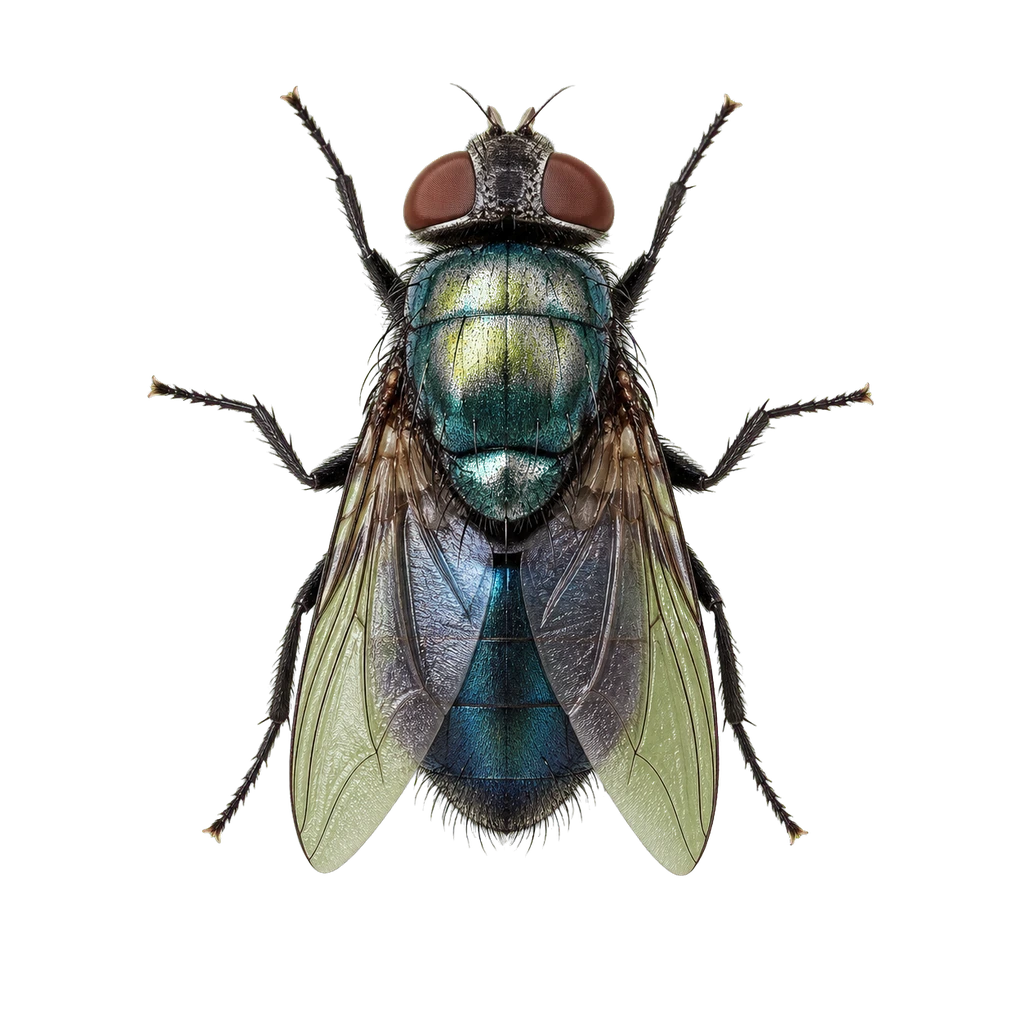
Blow flies are metallic blue or green flies that breed in dead animals, garbage, and decaying meat. Their sudden indoor appearance often signals a dead animal in a wall void, attic, or crawl space that needs to be located and removed.
Learn More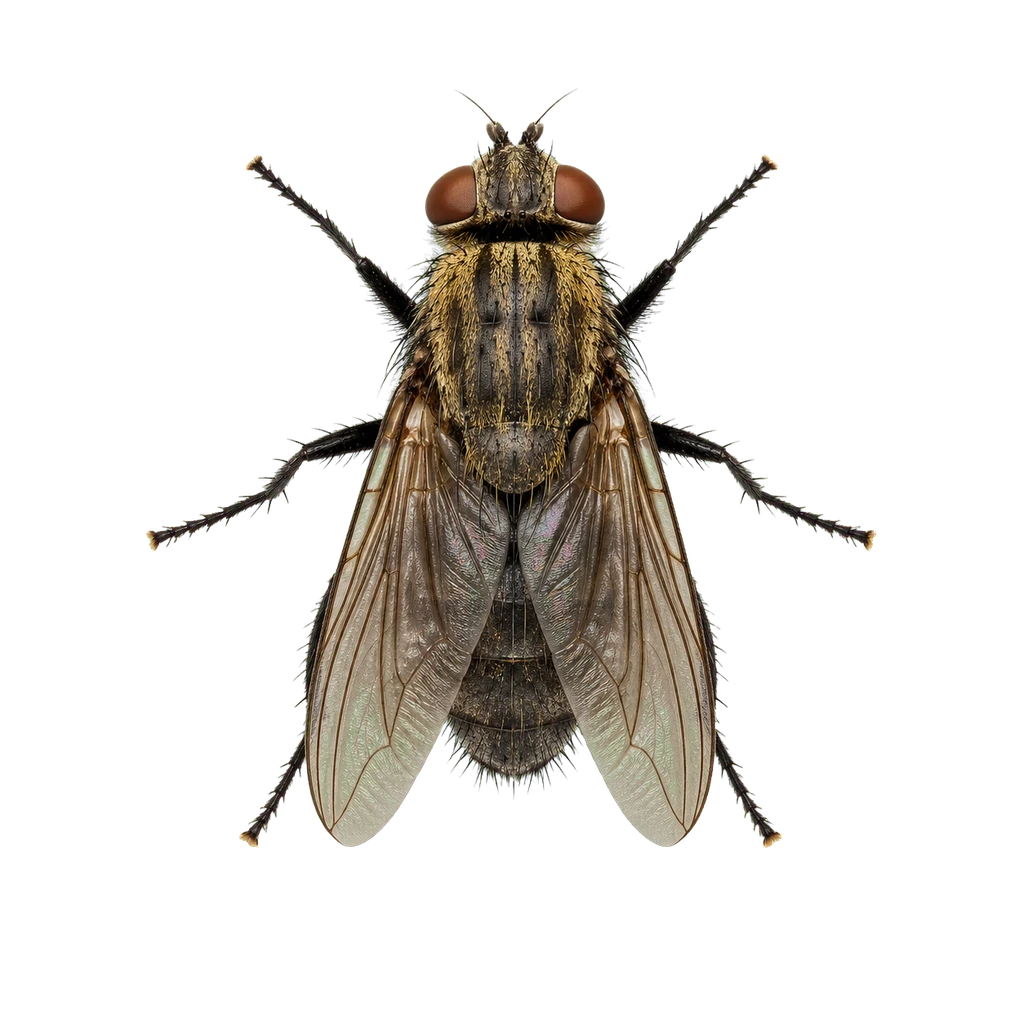
Cluster flies enter homes in fall to hibernate in attics and wall voids, then emerge on warm winter days in sluggish clusters around windows. They don't breed indoors or contaminate food, but their sheer numbers make them a persistent seasonal nuisance.
Learn More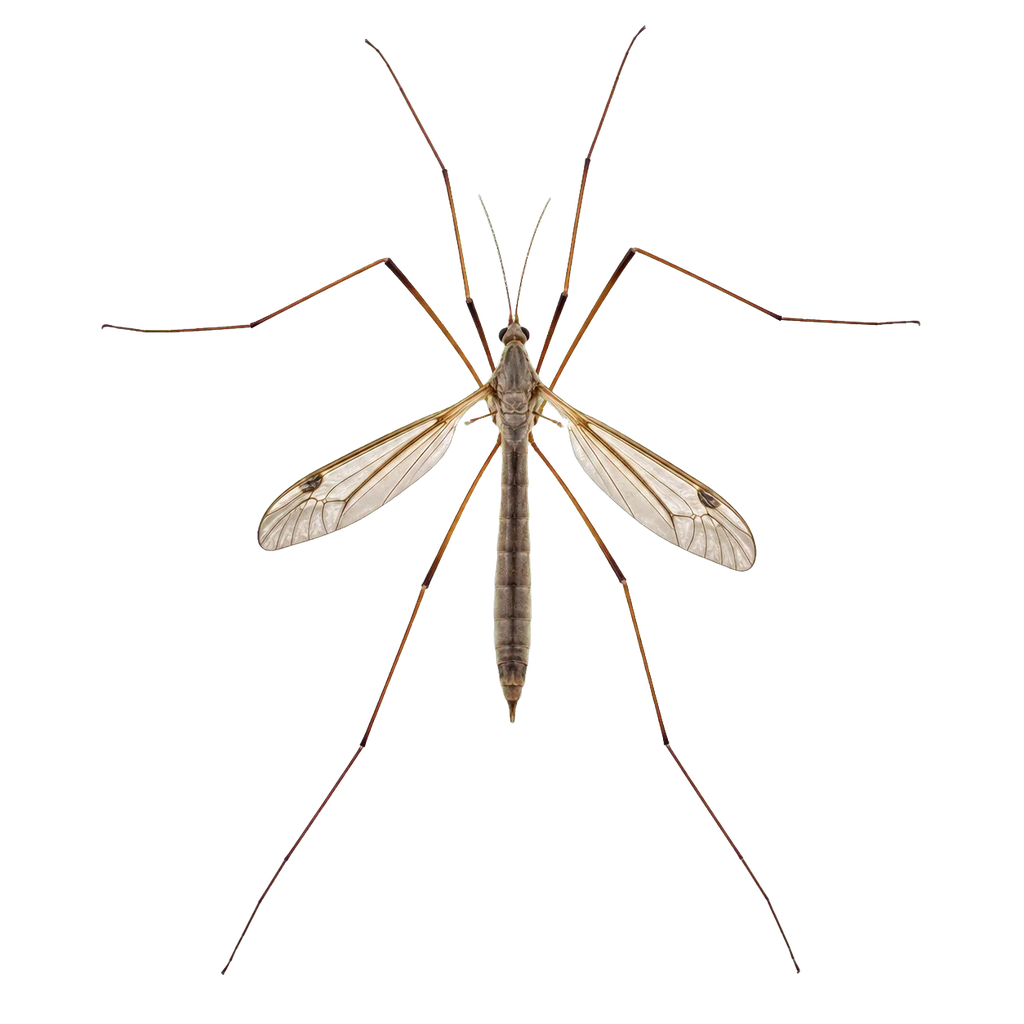
Crane flies look like giant mosquitoes but are completely harmless and cannot bite. Their larvae (leatherjackets) can damage lawns by feeding on grass roots, and adults are commonly found bumbling around porch lights.
Learn More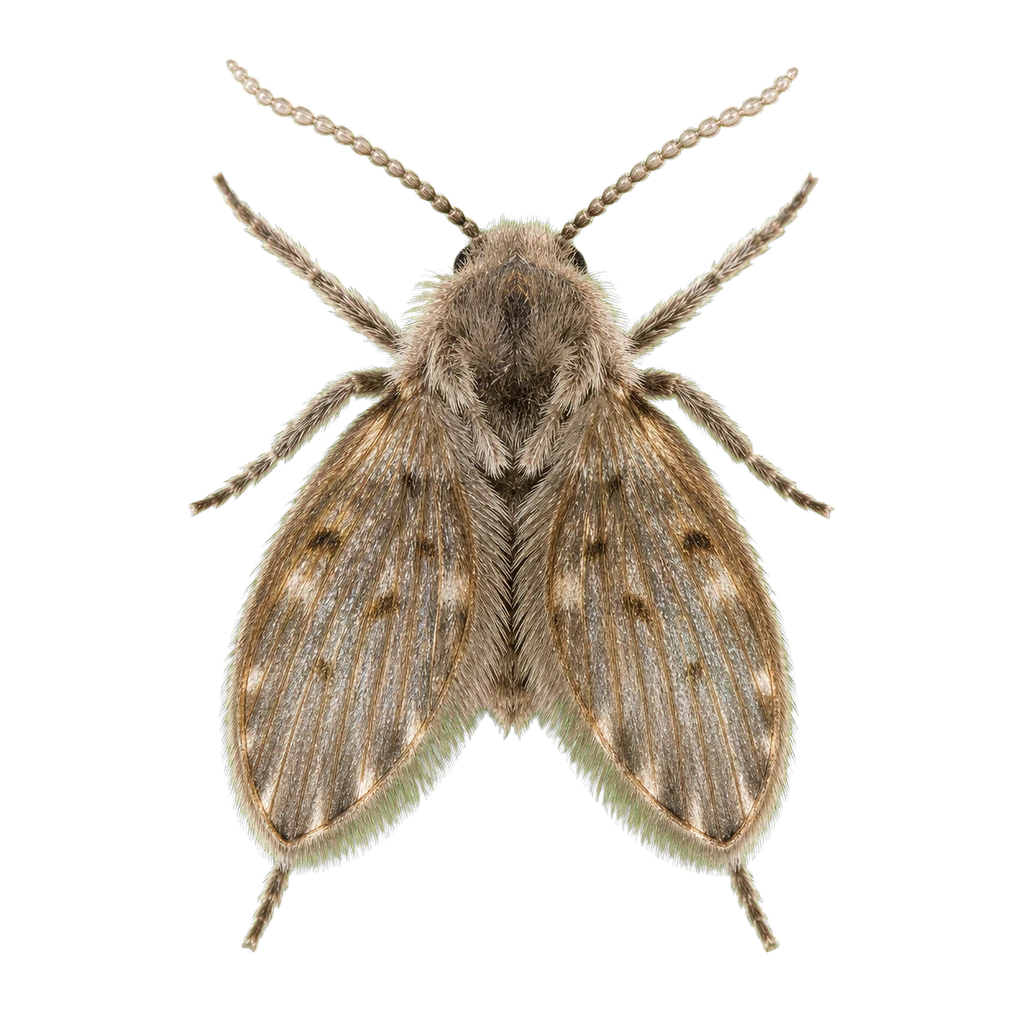
Drain flies breed in the organic film that builds up inside shower drains, sink pipes, and sewer lines. These fuzzy, moth-like flies appear near drains in bathrooms and kitchens, and eliminating them requires cleaning the breeding material from pipes.
Learn More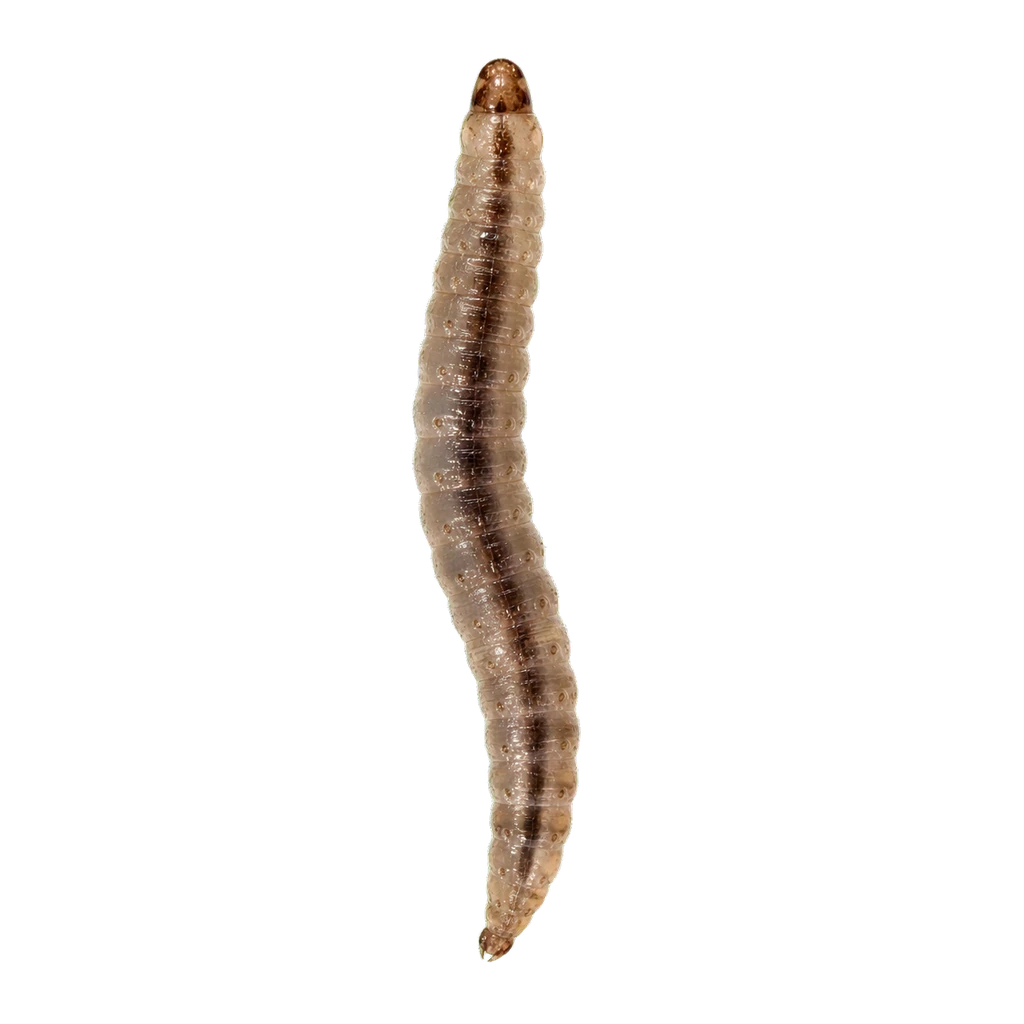
Drain worms are the larval stage of drain flies (moth flies) that breed in the organic slime lining bathroom and kitchen drains. Cleaning the drain buildup is the most effective way to eliminate them.
Learn More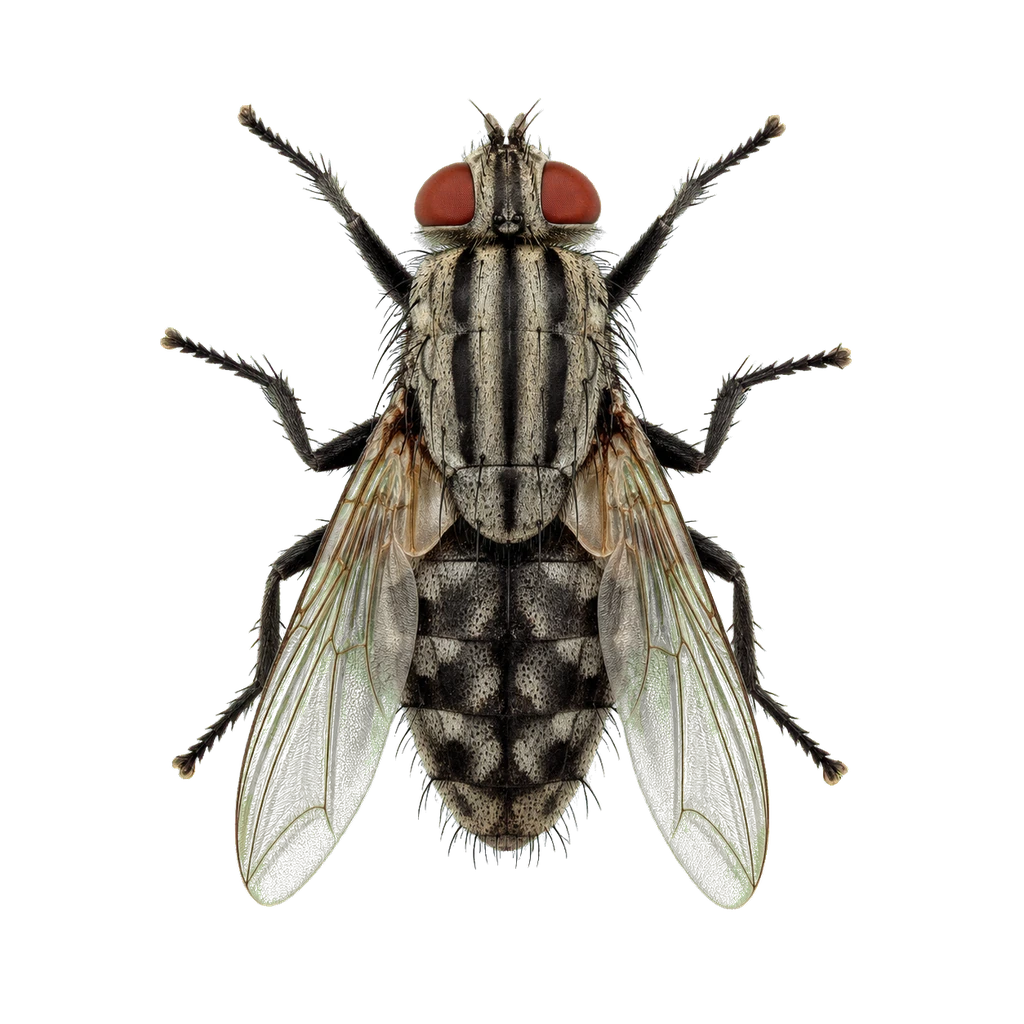
Flesh flies are gray-striped flies that deposit live larvae on decaying meat, garbage, and animal carcasses. They typically enter homes through open doors and windows, and their presence often indicates a sanitation issue or dead animal nearby.
Learn More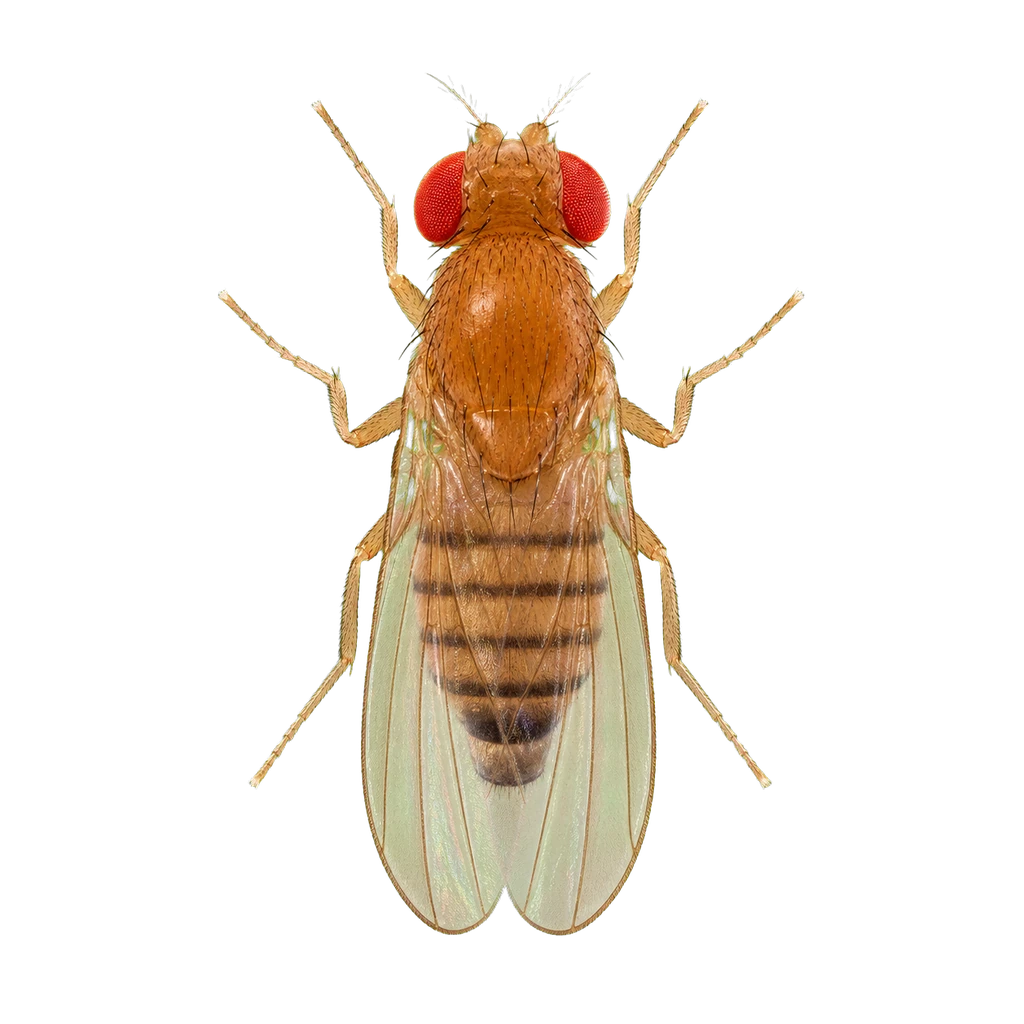
Fruit flies swarm around overripe produce, fermenting liquids, and wet mops, breeding so quickly that a few flies can become hundreds within a week. They contaminate food with bacteria picked up from decaying organic matter.
Learn More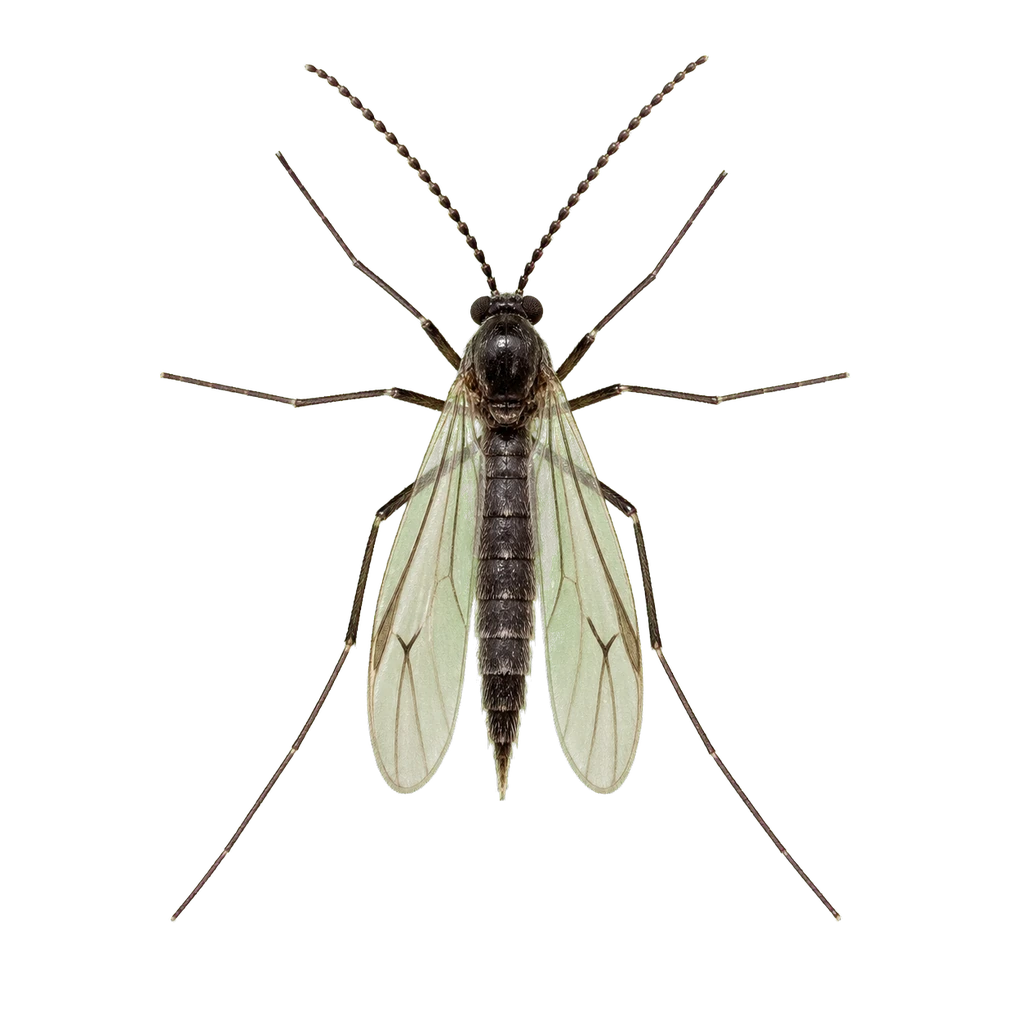
Fungus gnats are tiny dark flies that breed in the moist soil of overwatered houseplants. Their larvae feed on root hairs and organic matter in potting mix, and large populations can weaken or kill young plants.
Learn More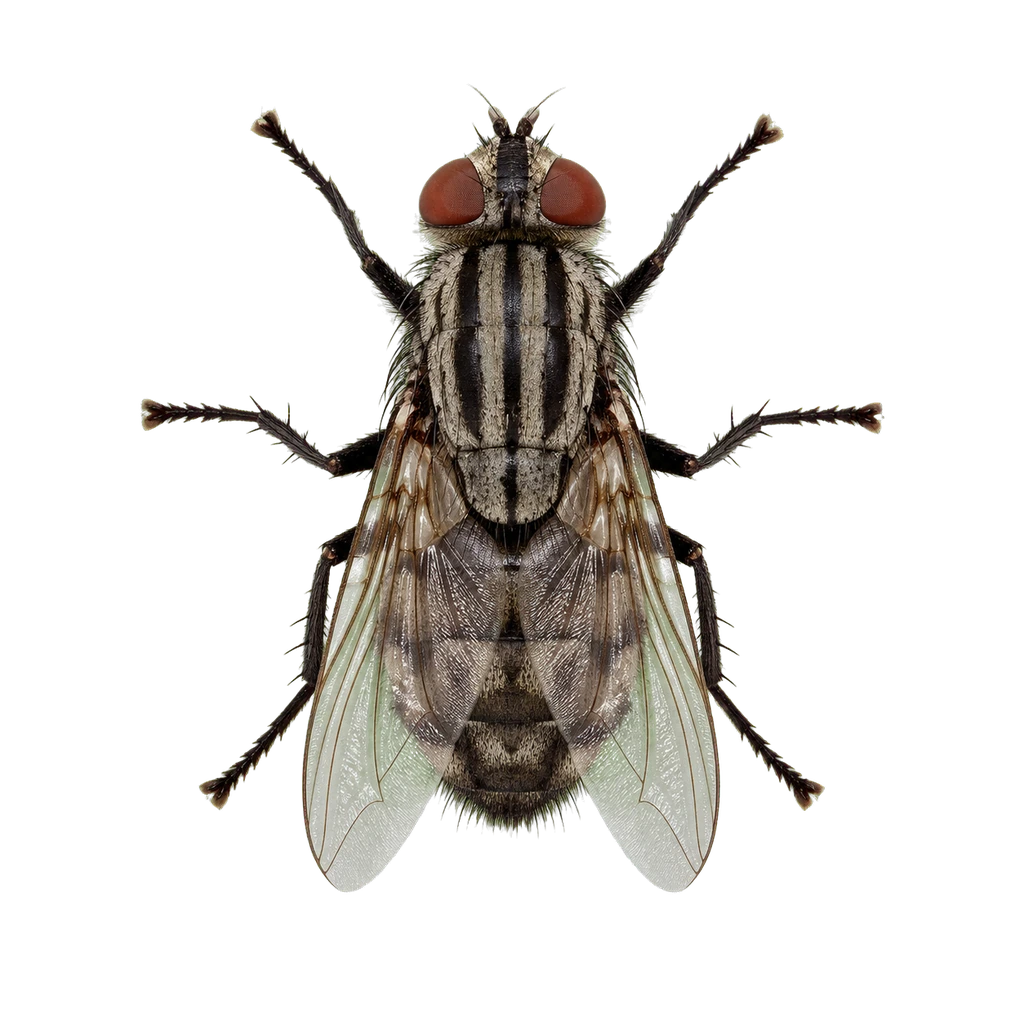
House flies are the most common indoor fly species and major disease carriers, spreading over 100 pathogens by landing on food after visiting garbage, manure, and decaying matter. They breed quickly in warm conditions and are attracted to any exposed food.
Learn More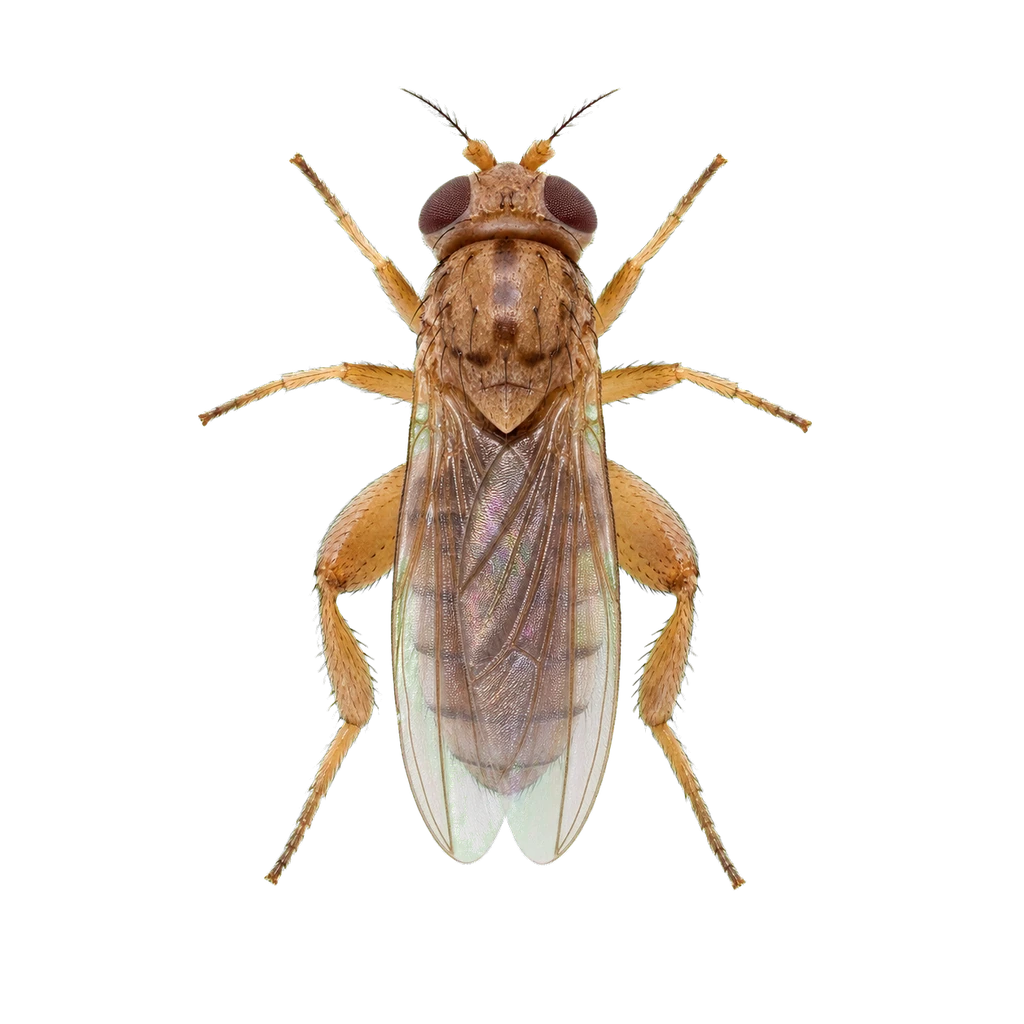
Phorid flies are tiny, hump-backed flies that breed in decomposing organic matter deep inside drains, broken sewer lines, and under slabs. Their presence often indicates a plumbing leak or sewer break that needs repair before the flies can be eliminated.
Learn MoreLocal providers experienced with outdoor biting fly management and livestock-side programs are ready to inspect, deploy traps, and follow up, no obligation.